Tag: demand

  • March Sees 3.5% Drop in Hong Kong Retail Sales Amid Consumer Demand Shift

    March Sees 3.5% Drop in Hong Kong Retail Sales Amid Consumer Demand Shift

    Retail sales in Hong Kong experienced a notable decline in March, dropping by 3.5% year-on-year to a provisional total of HKD 30.1 billion, according to the latest report from the Census and Statistics Department. When adjusted for inflation, the decrease in retail sales volume is even steeper, with a 4.8% drop recorded.

    Online Sales: A Small Bright Spot

    Despite the overall downturn, online sales contributed 8.1% of total retail figures, amounting to approximately HKD 2.4 billion. However, this segment also saw a slight decrease, down by 0.5% compared to the previous year.

    Categories Feeling the Pinch

    Several key retail categories experienced significant downturns in March:

    • Jewellery, Watches, and Gifts: down 3.9%
    • Wearing Apparel: down 10.8%
    • Department Stores: down 5.0%
    • Motor Vehicles and Parts: down a staggering 46.4%
    • Footwear and Accessories: down 7.7%
    • Furniture: down 17.3%

    Conversely, certain sectors demonstrated resilience amidst the broader market decline. Supermarkets reported a 5.2% increase in sales, while food and drink sales surged 7.8%. Additionally, electrical goods grew by 6.7%, and miscellaneous consumer goods noted a modest uptick of 0.6%.

    Looking Ahead: Opportunities Amidst Challenges

    The government remains optimistic, highlighting that growth on the Mainland, a resurgence in tourism, and rising incomes are expected to support retail recovery. However, they caution that global uncertainties and shifting consumer habits pose significant risks moving forward.

    As these trends unfold, the potential impact on the retail sector could reshape shopping experiences for consumers, encouraging brands to adapt and innovate in response to evolving preferences.


  • Revolut Drives Retail Growth Amid Rising Consumer Demand

    Revolut Drives Retail Growth Amid Rising Consumer Demand

    Neobank Revolut is on the rise, showcasing impressive advances in customer acquisition and transaction volume while expanding its presence in Switzerland.

    British fintech giant Revolut continues its upward trajectory, demonstrating strong performance with a 72% revenue increase, now totaling £3.1 billion (approximately 3.41 billion francs), as stated in their latest annual report published Thursday. This impressive growth reflects their ability to scale effectively across nearly 30 countries, attracting a burgeoning global customer base.

    Soaring Profits and Customer Base

    In 2024, Revolut’s pre-tax profit soared by 149% to £1.09 billion, while net profit surged by 130% to £790 million. As of year-end, Revolut boasted 52.5 million customers worldwide—a 38% increase—outpacing established banking institutions. For context, HSBC, the UK’s largest bank, currently serves 41 million customers.

    The innovative neobank processed an astonishing £1 trillion in total transaction volume, with a peak of 940 million transactions occurring in December alone.

    Expanding Service Offerings

    CEO and co-founder Nik Storonsky emphasized the company’s multifaceted growth, stating, “We not only accelerated our customer growth and added almost 15 million new users globally, but also achieved deeper customer engagement through a wider range of our services in both retail and Revolut Business.” This expansion strategy aligns with their ambitious aim of reaching 100 million active customers in 100 countries.

    Strategic Expansion Plans

    Revolut is set to launch its banking services in Mexico and has recently secured a license for prepaid payment instruments (PPI) from the Reserve Bank of India. Additionally, the company has ten more license applications pending, reflecting its aggressive expansion strategy. Growth has been particularly robust in Southern Europe and the Nordic region, with plans to further penetrate the Asia-Pacific and Middle Eastern markets.

    Navigating Rising Costs and Workforce Growth

    As Revolut accelerates its growth, operational costs have risen by 50% to £1.4 billion, largely attributed to a 60% increase in personnel expenses, totaling £794 million. The workforce expanded significantly, reaching 10,133 employees at the end of the year, up from 8,152.

    Focus on Switzerland

    Revolut’s growth in Switzerland has been particularly noteworthy, with a 29% increase in private customers and a 41% rise among business clients. Swiss users recorded nearly 70 million card and ATM transactions—a remarkable 30% growth from the previous year—while domestic transactions rose by 29%. The company has also launched services in Switzerland, facilitating QR code payments through a “virtual” Swiss IBAN.

    In the UK, Revolut operates with a restricted banking license and utilizes a full license in Lithuania for its EU operations. This strategic positioning enables the fintech leader to leverage its offerings in various markets.


    The ongoing success of Revolut not only enhances its standing in the fintech landscape but also signifies broader trends in consumer behavior and technological advancement. As digital banking evolves, consumers can anticipate more innovative solutions and increased competition among financial service providers, ultimately reshaping the retail sector.

  • Gold Prices Surge to Five-Day High Amid Rising Consumer Demand

    Gold Prices Surge to Five-Day High Amid Rising Consumer Demand

    Vietnam’s gold prices reached a five-day peak on Tuesday morning, reflecting a notable uptick in consumer demand and market activity.

    Local Gold Market Highlights

    The Saigon Jewelry Company reported that gold bars increased by 1.51%, now priced at VND 121.3 million (approximately $4,668.98) per tael, equivalent to 37.5 grams or 1.2 ounces. Additionally, the price for gold rings rose by 1.3%, now sitting at VND 116.5 million per tael. Since the beginning of the year, gold prices in Vietnam have surged by an impressive 44%, driven by robust consumer interest and changing economic conditions.

    Global Market Trends Impact Pricing

    On the international stage, gold experienced a slight decline as easing trade tensions between the U.S. and its trading partners waned the metal’s appeal as a safe haven. As reported by Reuters, spot gold dipped by 0.4% to $3,329.12 per ounce at 02:11 GMT, while U.S. gold futures fell by 0.2%, trading at $3,342.40.

    Market analysts attribute this shift to an improved risk environment, suggesting that optimism regarding future trade agreements has alleviated some concerns. “The sentiment has brightened as market participants are hopeful that the worst of the trade tensions is behind us,” stated IG market strategist Yeap Jun Rong.

    Economic Concerns Linger

    Despite positive trends, there are warnings about potential recession risks looming over the global economy. A recent Reuters poll revealed that many economists believe policies such as tariffs imposed by the Trump administration have negatively impacted business sentiment. Nevertheless, analysts like Rong foresee long-term support for gold prices due to ongoing reserve diversification by emerging market central banks.

    Looking Ahead: Impact on Retail and Consumers

    As gold prices fluctuate, their implications extend beyond investment and into the broader retail sector. The increased consumer interest in gold can influence not only prices but also spark greater activity in jewelry sales and investments. Retailers may see heightened demand as consumers seek to navigate uncertain economic landscapes, ultimately shaping consumer trends and brand expansion strategies in the gold market.

  • Avocado Prices Soar to Five-Year High Amid Rising Consumer Demand

    Avocado Prices Soar to Five-Year High Amid Rising Consumer Demand

    In a striking turn of events in the agribusiness sector, avocado prices have surged to VND 40,000 (approximately US$1.54) per kilogram—marking a remarkable 100% increase compared to last year and reaching the highest price point in five years. This significant hike is attributed to a notable supply shortage.

    Farmers Profit Amid Rising Costs

    Hien, a farmer from the Central Highlands province of Lam Dong, is poised to earn VND 100 million from her avocado dealings this year, reflecting a robust 60% profit margin. This profit comes amid challenges; Hoang Anh, a retailer in Ho Chi Minh City, reports a 50% drop in supply from the previous year due to low yields.

    Weather Challenges and Crop Shifts

    The avocado market has been severely impacted by adverse weather conditions that have limited production. Traders like Dang Minh Tien are noting that many farmers have opted to replace avocado trees with more profitable fruits such as durian and coffee, further exacerbating supply issues.

    Quality Assurance in Retail

    In response to the rising prices, retail chains like MM Mega Market are taking steps to assure consumers of quality. The chain now offers avocados with a green sticker to indicate that the fruits are of high quality and free from chemical residues, catering to the increasing consumer demand for premium produce.

    Area Under Avocado Cultivation Declines

    According to agricultural authorities in Lam Dong Province, the area dedicated to avocado cultivation is diminishing, with approximately 8,000 hectares currently in production, yielding around 80,000 tons annually. As farmers pivot towards crops with better profitability, the future of the avocado market remains uncertain.

    Potential Impact on the Retail Sector

    As avocado prices climb, the ripple effects on retail dynamics and consumer behavior are becoming apparent. This trend could drive consumers towards alternative fruits or encourage the cultivation of avocados in other regions, reshaping consumer trends in the fruit market. Retailers will need to adapt to these shifts to meet evolving consumer demands effectively.

  • Foreign video-on-demand service providers must register in Vietnam

    Foreign video-on-demand service providers must register in Vietnam

    Video-on-demand service providers, like Netflix or Apple TV, will need to seek licenses from the Vietnamese government to operate in the country, a new decree says.

    They will need to fill out a form for the Ministry of Information and Communications just like their local counterparts, said the decree, which will enter effect Jan. 1 next year.

    The decree also relaxes the content allowed on video-on-demand services by allowing the provider to categorize and edit movies, sports and entertainment content. In previous regulations all video-on-demand had to be edited by a licensed news agency before publishing. News content, however, must be edited by a licensed news agency.

    Video-on-demand services have become popular in Vietnam in recent years thanks to a surge in smartphone usage and internet access.

    The worldwide streamer of movies and TV shows Netflix has been including more Vietnamese movies and series onto its platform, seeking to attract the young local audience.

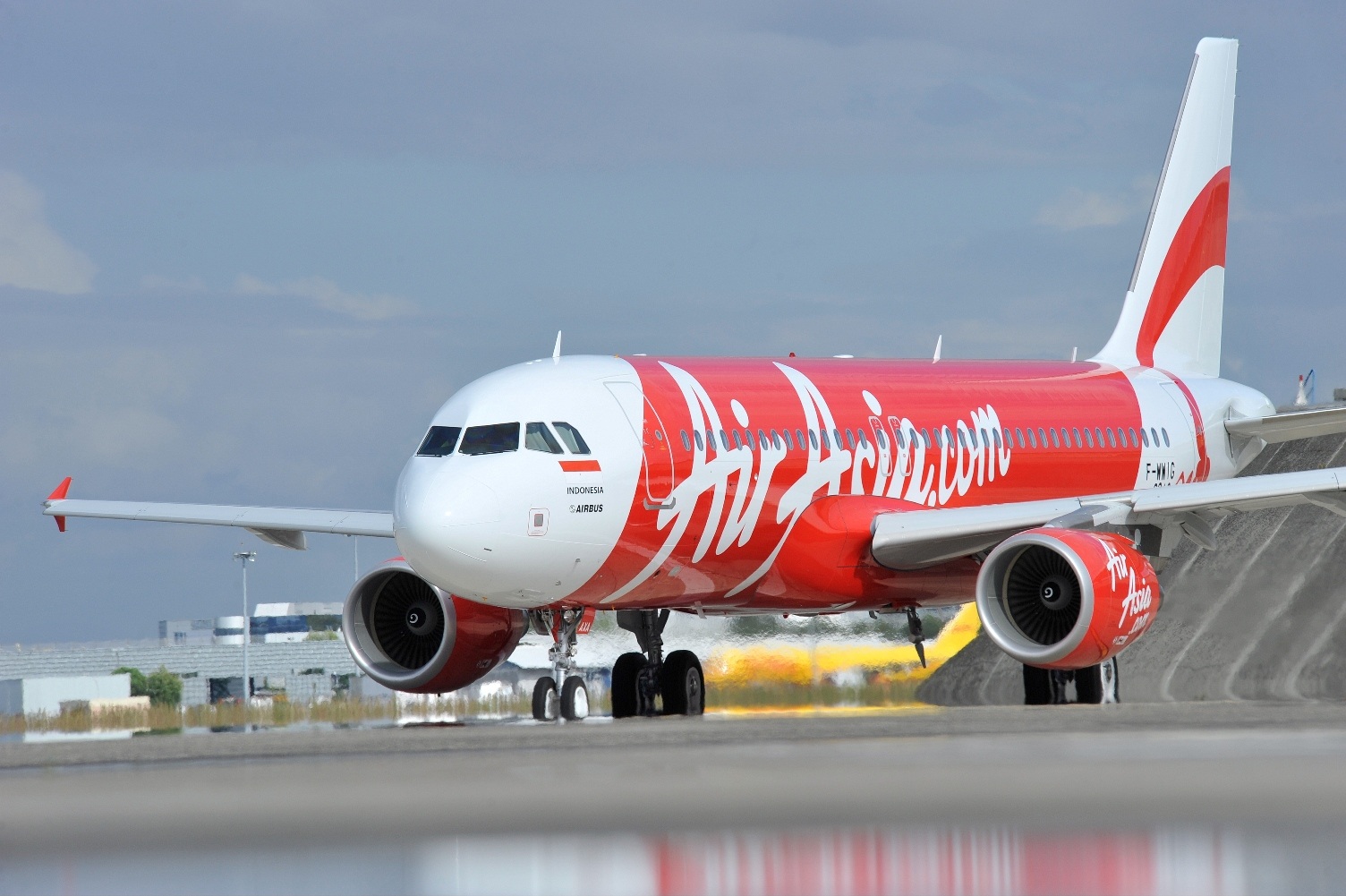
  • AirAsia adds more domestic flights as demand surges

    AirAsia adds more domestic flights as demand surges

    Beginning April 1, AirAsia Philippines is adding more weekly flights to the country’s top tourist destinations, including Boracay, Puerto Princesa and Cebu, after seeing a recent surge in bookings.

    The low-cost airline, in a statement on Friday, said that it will increase by at least ten times the weekly flight frequencies to Kalibo, Boracay, Iloilo, Tacloban, Panglao, Puerto Princesa, Bacolod, Davao and Cebu next month in anticipation of foreign arrivals amid the easing of mobility restrictions.

    “The influx of foreign tourists into the country will definitely signify the strong recovery of the Philippine aviation industry. Our guests’ eagerness to travel has already manifested with the increase in AirAsia’s forward booking from 30 to 60 days,” AirAsia Philippines spokesperson Steve Dailisan said.

    As of March 18, Dailisan said they are “seeing a 97-percent increase in seats sold for travel in the month of April alone, with Boracay, Bohol, Cebu, Kalibo and Puerto Princesa on the top spots of the most booked destinations.”

    For fully vaccinated foreign visitors, the airline said that vaccination cards are the only entry requirement.

    By April 8, AirAsia will add Dumaguete City, which is the gateway to Negros Oriental, every Monday, Wednesday, Friday and Sunday in its route network.

    Manila-Roxas flights, meanwhile, will be available beginning June 16.

    The airline also offers an add-on comprehensive travel insurance plan for as low as P230 for foreign and local travelers as an “added layer of safety and protection.”

    AirAsia Philippines is ramping up its vaccination efforts with 85 percent of its workforce having received COVID-19 booster shots.

  • Higher shipping fees hurt smaller firms

    Higher shipping fees hurt smaller firms

    Vietnamese exporters are struggling to send goods abroad despite high demand because of a nearly five-fold year-on-year surge in container shipping costs.

    Shipping costs from Asia to Europe rose above $10,000 per container for the first time on record last week, a 485 percent increase year-on-year, according to the Drewry World Container Index.

    Ho Van Hiet, CEO of Prime Logistics Vietnam, said that while foreign direct investment giants with established contracts are mostly unaffected by the price increase, small and medium Vietnamese exporters were fighting to secure container slots for their shipments.

    “Exporters who used to send 10 containers per shipment are having to cut it to a few as most ships are filled up,” he said.

    Nguyen Dinh Tung, CEO of fruit exporter Vina T&T, said that that rising transportation costs has become a global issue and it has pushing smaller companies out of the market.

    A shortage of containers also means longer transportation time and this affects the export of some products like fruits.

    Mangoes from Vietnam, for instance, can be preserved for 35 days. Before, it took 25 days to deliver the product to Western buyers, but now it takes 30-35 days, Tung told local media, adding that many buyers have stopped importing because there is not enough time to sell the products.

    Industry insiders say that container transportation charges have risen as demand rises in the Europe and the U.S., with their economies beginning to recover from Covid-19 impacts. Companies are beginning to restock and make more purchases.

    Nguyen Thi Anh, the spokeswoman for a HCMC-based logistics company, said that as container costs rise so do related fees like storing and moving them out of ports.

    Since last year, many exporters have been struggling to negotiate logistics costs with buyers; some have either left the market or accepted losses in order to retain customers, she told local media.

    Some small exporters of garment products, furniture and seafood have stopped exporting altogether after not being able to negotiate a contract with buyers, she added.

    Hiet said he sees another increase in shipping rates in June, sending prices of shipping a 40-foot container from Vietnam to Europe to around $11,000, up 10 percent from now.

    The rates could go even higher as demand typically peaks in August and September, he added.

    The only solution for Vietnamese exporters is to book their delivery soon so to ensure they have secure container slots on ship, he said.

  • HBO Max already has over 4 million subscribers in the US

    HBO Max already has over 4 million subscribers in the US

    HBO Max launched in the United States at the end of May. Today, almost two months later, WarnerMedia parent company AT&T has announced that the streaming service already has over 4 million subscribers.

    Speaking on an earnings call earlier today, AT&T CEO John Stankey revealed to analysts and investors that HBO and HBO Max reached a combined total of 36.3 million subscribers by the end of June.

    Therefore, HBO Max reached its 4.1 million subscriber count in little over a month. The numbers do pale in comparison to the incredible 10 million subscriber count Disney+ achieved in only 24 hours, but the HBO Max feat is impressive nonetheless.

    Roughly 3 million were retail customers while the remaining 1.1 million came from activations through AT&T platforms such as bundle plans. The latter is surprisingly low considering the millions of customers that are eligible for the service.

    WarnerMedia already had 30 million cable customers and HBO Now subscribers that could be moved over to HBO Max at launch. But Stankey revealed the company has had trouble getting people subscribed to cable services over to the service.

    Improving that situation is now an area of focus, the CEO said. The company is also having discussions with Roku and Amazon about getting the streaming service onto their respective Roku TV and Fire TV platforms, which are the two most popular in the US.

    The negotiations aren’t going as smoothly as they could, though. Amazon, in particular, has reportedly taken an “approach of treating HBO Max and its customers differently” than competing services and their respective customers.

    WarnerMedia insists that HBO Max should be launched as an independent app on both Roku and Amazon platforms, but these company want the streaming service integrated into their Channels section like HBO and HBO Now.

    Whatever the outcome, it seems customers will enjoy the service. The amount of time spent inside the HBO Max app is up an impressive 70% compared to HBO Now thanks to the expanded content library.

  • Hulu launches new rewards system for select viewers

    Hulu launches new rewards system for select viewers

    After increasing the prices of its streaming services, Hulu announced a new rewards system for those who love to binge. A new ad system is now available for Hulu viewers who like to watch TV shows back-to-back, the company announced.

    The new ad experience has been specially designed for binge-watchers, so here is how it will work. If you plan to watch an entire season of your favorite show in one sitting or at least several episodes, you will certainly qualify for Hulu’s new rewards system.

    Let’s say you’re watching a show and you reach the third episode, then you’ll be able to choose a reward from Hulu, as the streaming service will let you choose from either an ad-free episode or a unique offer from its brand partners.

    Speaking of brand partners, Hulu announced that for the time being, it will give binge-watchers offers from the following brands: Kellog’s, Maker’s Mark and Georgia-Pacific. Of course, Hulu may add more brands in the future, but for now, you’re limited to these three. Or, you can always choose the ad-free episode and don’t bother with any special offers from these advertisers.

  • Malaysian office space to remain vibrant despite influx of new supply

    Malaysian office space to remain vibrant despite influx of new supply

    The Klang Valley office market is expected to remain vibrant this year, despite the influx of new buildings which is expected to affect occupancy rates, said Knight Frank Malaysia. “Due to the influx of new buildings, particularly in TRX, occupancy rate in Kuala Lumpur city is expected to decline marginally. However, rental rates will continue to hold steady as newer buildings tend to command higher rental rates,” it said in its Real Estate Highlights 2nd Half 2018 report.

    The report highlighted the trend of co-working and shared services as a sweet spot in the challenging office market environment.

    Labelled “space as a service”, the rising popularity of this market segment is demand driven by freelancers, start-ups and small and medium sized entrepreneurs. Knight Frank expects to see active take-up by co-working, shared services and IT related industries this year.

    “Moving into 2019, occupancies in selected sub-office office markets are expected to be under pressure due to heightened competition from impending and existing office stock while rentals will continue to hold steady as newer buildings tend to command higher rates.

    “We continue to observe active enquiries and leasing activities in the co-working and IT related segments. Also, an increasing number of older buildings are looking into repositioning and refurbishment to meet current occupier needs,” said Knight Frank Malaysia executive director of corporate services Teh Young Khean.

    Dated but well located office buildings such as Menara Weld, Menara Standard Chartered, Menara Maxis and Menara Milenium will reportedly be undergoing repositioning/upgrading works to improve their market competitiveness in terms of rental and occupancy levels.

    Knight Frank noted that the new government’s concerted efforts to implement numerous regulatory reforms will augur well for the business operating environment and this is expected to be positive for the country’s economic and property market performance over the longer term.

    Looking back at 2H2018, the cumulative supply of purpose-built office space in Kuala Lumpur and Selangor stood at 103.17 million sq ft following the completion of six buildings with a combined space of 1.84 million sq ft.

    In 1H2019, office buildings slated for completion include The Exchange 106, Menara Prudential, Menara Star 2, 1Powerhouse and Symphony Square.

    Overall occupancy rate for Kuala Lumpur city was about 78.7% in 2H2018 compared with 79% in 1H2018. The overall occupancy rate for decentralised office locations in Kuala Lumpur fringe fell to 82.2% from 83.8% during the same period.

    In Selangor, overall occupancy was slightly lower at 78.3% in 2H2018 compared with 79.2% in 1H2018.

    The average rentals in Kuala Lumpur fringe and Selangor rose marginally in 2H2018 to RM5.75 psf and RM4.22 psf respectively compared with RM5.72 psf and RM4.20 psf respectively in 1H2018.

    However, average rental in Kuala Lumpur city remained flat at RM7.15 psf as owners and landlords of newer office buildings offered competitive rental and attractive tenancy terms to improve take-up.

  • Singapore, Taiwan, Korea to get Apple Watch

    Singapore, Taiwan, Korea to get Apple Watch

    Singaporeans, Taiwanese and South Koreans will be capable of purchase the Apple Watch from later this month.

    “The response to Apple Watch has surpassed our expectations in each approach, and we’re thrilled to convey it to extra clients around the globe,” stated Jeff Williams, Apple’s senior vice chairman of Operations. “We’re additionally making nice progress with the backlog of Apple Watch orders, and we thank our clients for his or her endurance. All orders positioned via Might, with the only exception of Apple Watch 42 mm Area Black Stainless Metal with Area Black Hyperlink Bracelet, will ship to clients inside two weeks. At the moment, we’ll additionally start promoting some fashions in our Apple Retail Shops.”

    Apple says the Apple Watch might be obtainable in Singapore, South Korea, Taiwan, Italy, Mexico Spain and Switzerland from Friday, June 26 from the Apple On-line Retailer, Apple’s retail shops and chosen authorised resellers.

    The world’s developer group has already created hundreds of apps for Apple Watch with new apps for patrons to discover and uncover. Apple Watch wearers can already hold monitor of a Singapore Airways flight, keep in contact with associates in South Korea with KakaoTalk, discover the close by YouBike station in Taiwan and entry film tickets with Cinepolis in Mexico.

  • Omni-channel fulfilment critical for retailers to make financial returns on investments

    Omni-channel fulfilment critical for retailers to make financial returns on investments

    Despite increasing investments in omni-channel sales capabilities, many retailers and consumer goods manufacturers find it hard to fulfill omni-channel demand profitably, a new report says.

    The new report The Omni-Channel Fulfillment Imperative prepared for JDA Software Group, Inc. by PwC reveals that an enormous amount of money, energy and time retailers and consumer goods manufacturers are spending to improve their omni-channel sales capabilities. However, only 16 percent of companies say they can fulfill omni-channel demand profitably.

    This study is based on a global survey of more than 400 retail and consumer goods CEOs from around the world, conducted in late 2014.

    It finds that the high cost of fulfilling orders is eroding retailers’ margins as they sell and deliver products across multiple channels. A full 67 percent of respondents reported that these costs are growing as they increase their focus on selling across channels. Survey respondents reported their highest costs associated with omni-channel selling as:

    Handling returns from online and store orders (cited by 71 percent of respondents)
    Shipping directly to the customer (67 percent)
    Shipping to the store for customer pick-up (59 percent)

    The CEOs in the JDA study recognize that they need to continue investing in business improvements to enhance their omni-channel performance. However, reducing the associated logistics costs is not their primary focus. When asked to rank their top initiatives for improving business operations, CEOs’ number-one choice (57 percent) was spending capital on creating new customer experiences. Similarly, when asked to rank strategic growth enablers for the year, reducing/reformatting physical store footprints to focus on expanding the ecommerce business was the top choice at 53 percent.

    “Every time retailers receive an online order, they have a number of options to fulfill that demand. They can pull the product from a local store, send it from a centralized warehouse or ship it directly from the supplier. JDA’s new study demonstrates that most retailers lack the insight to make these decisions in a profitable manner – and are not sufficiently focused on this critical capability gap,” said Kevin Iaquinto, chief marketing officer at JDA. “They need intelligent logistics and fulfillment solutions that can reveal the hidden costs, and the customer service trade-offs, associated with every delivery option. In addition, to truly win in the omni-channel marketplace, retailers need the upfront demand forecasting tools to make sure products are already distributed across all locations in a manner that supports profitable delivery.”

    While they might not be focused on actions today to create profitable fulfillment and delivery schemes, the study shows that CEOs are aware of the importance of profitable omni-channel fulfillment to their future survival.

    Seventy-one percent of respondents said omni-channel fulfillment is either a high or a top priority. And these CEOs are planning to invest an average of 29 percent of their total capital expenditures for 2015 on improving their omni-channel fulfillment performance.

    The fulfillment capability most cited as needing attention was transportation and logistics, named by 88 percent of CEOs as a priority for the future. The second capability CEOs will focus on is improving inventory availability to fill orders, cited by 85 percent.

    “Having products available, then finding the most profitable way to deliver them – are critical activities that lie at the heart of supply chain excellence,” noted Iaquinto. “The CEOs in the JDA survey clearly understand the challenges they have ahead of them with regard to fulfillment, and they know they will have to innovate if they are to be profitable while meeting customer expectations across channels. The good news is that advanced technology can help retailers and consumer goods manufacturers master omni-channel fulfillment. However, until companies fully leverage these solutions, they will fail to realize positive financial returns on their omni-channel investments.”