Tag: department store

  • E-Land’s owners step down from management

    E-Land’s owners step down from management

    Owner family members of fashion conglomerate E-Land Group stepped down from management on Thursday, handing over the helm to younger executives internally promoted to leadership roles. The move comes in an effort to rejuvenate its governance structure to strengthen the role of the board of directors of each affiliate and enhance their autonomy when it comes to making business decisions.

    Founder Park Sung-su, 65, will step down from the day-to-day management of the group while remaining chairman. He will focus on nurturing next-generation leaders and developing new businesses instead of being directly involved in the management of subsidiaries.

    “In the past, our chairman made a lot of important decisions across the group, but since late 2016, we’ve been making preparations to give more autonomy to affiliates and develop their capacity to make business decisions on their own,” said an E-Land spokesman.

    Park’s younger sister Park Sung-kyung, 62, also stepped down from her position as vice chairwoman of the group. Having worked at E-Land for more than 12 years, Park has led the group when it comes to external affairs in the last few years. She also managed E-Land’s global operations, including in China.

    Stepping aside from management, Park Sung-kyung will chair the board of directors of the E-Land Welfare Foundation, which pursues charity activities inside the group.

    To fill the void, two vice chairmen were appointed. Former E-Land Retail CEO Choi Jong-rang has been promoted to vice chairman of the retail subsidiary, which operates NewCore department stores as well as popular shoe brand Shoopen. Kim Il-kyu has also been newly appointed as vice chairman of E-Land World, which manages the group’s key clothing brands.

    E-Land also promoted a handful of top executives in their 30s and 40s to head up their respective business divisions.

    Choi Wan-sik was promoted to CEO of E-Land World’s fashion division. Choi previously gained recognition for his performance as the director of Spao.

    At E-Land Park, which manages the group’s resorts and restaurant chains, 35-year-old Kim Wan-sik took over the reins as the subsidiary’s head of restaurants, which includes buffet franchises Ashley and Pizza Mall.

  • Hyundai Department Store offers higher price rice

    Hyundai Department Store offers higher price rice

    Hyundai Department Store is hoping to cash in on Korea’s growing preference for premium rice with Hyundai Rice House, its new chain rice stores. Hyundai Rice House, which opened inside four existing Hyundai Department Stores on Wednesday, offers around 20 different types of high-quality rice unfamiliar to the average rice eater, such as Youngho Jinmi and Golden Queen No. 3.

    Despite changing tastes in Korea that are seeing a growing preference for Western food and an overall decrease in demand for rice, premium rice is growing in popularity.

    Hyundai Department Store reported a 3.1 percent decrease in its rice sales growth figures through November this year compared to the previous year, but sales of premium rice such as Koshihikari and Hitomebore have increased by 15.7 percent over the same period.

    Hyundai is pulling out all the stops to satisfy Korea’s budding rice connoisseurs, and the new stores will also sell bags of rice that contain different varieties mixed together in combinations chosen by a “rice sommelier.”

    The expert, accredited by the Corporation of Rice-Cooking of Japan, will also visit stores once every month to conduct “rice taste consulting” for customers to help them find rice that best suits their tastes and nutritional needs.

    The department store is also going to stock more small bags of rice to address the increase in one or two-person households in the country.

    Hyundai will continue to increase its rice lineup next year by introducing other Korean regional specialties produced only in small quantities.

    “[We] planned Hyundai Rice House to target customers who want to eat well even for one meal as the convenience food market continues to expand with the increase of one and two-person households,” said a Hyundai Department Store official.

    Customers will have to shell out more cash for the pricey rice as the average cost is 15 to 25 percent higher than the existing rice sold at the department store.

    The specialty store is located at Hyundai Department Store’s branches in Mok-dong, western Seoul; Pangyo, Gyeonggi; Ulsan and Busan.

  • Takashimaya opens in Bangkok megamall

    Takashimaya opens in Bangkok megamall

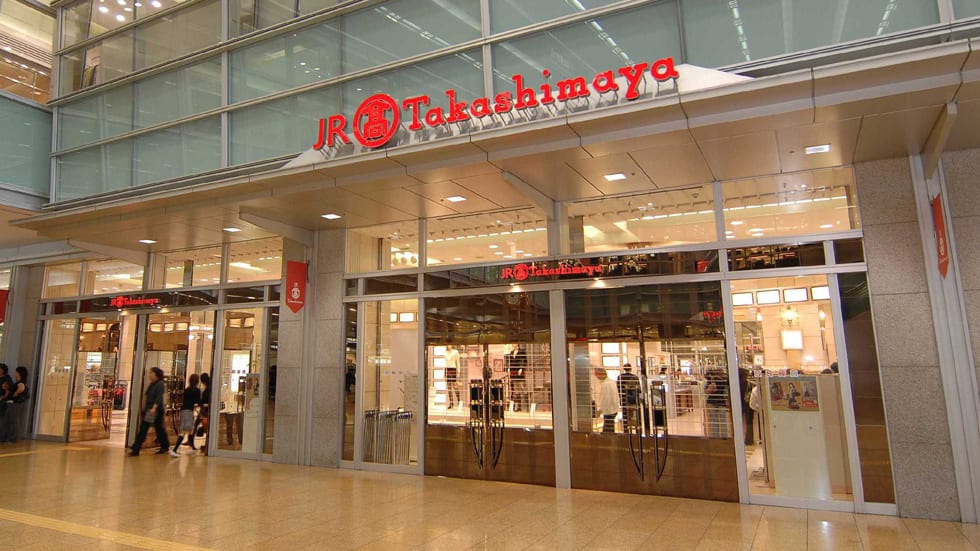
    Japanese department store operator Takashimaya has opened inside a brand new shopping mall in Thailand, opting for the capital city of Bangkok to bring the Japanese way of luxury retailing to the nation. Scaling seven floors, the newly named and opened Siam Takashimaya will form just a small part of the $1.7 billion megamall, which also houses the entertainment development project, Iconsiam.

    The Iconsiam is a sprawling 525,000-square-metre complex developed by Siam Piwat and Charoen Pokphand Group, which includes two residential towers over 50 floors high, a movie theatre, a concert auditorium and a variety of retail options, outside of Takashimaya.

    The mall location looks to serve as draw card for the Japanese retailer, whose expansion into Thailand comes at a time when Japanese physical retail is shrinking back home and consumer tastes are moving toward online shopping.

    The shift means Takashimaya  — and other Japanese department stores like it – are entering nearby Asian economies where tourism is high, and retail is burgeoning, in order to survive.

    “Southeast Asia and China are growing economically, so in order to increase our sales we have to go to these types of markets,” said Hironobu Hanai, a Takashimaya representative.

    “That is one of the reasons why we are opening a store in Thailand.”

    Takashimaya has already witnessed great success with its Singapore store opening some 25 years ago, and it is hoping to replicate the same in Thailand – bringing the best of Japan to rich Thais.

    To date, the Singapore store accounts for around 20% of the group’s operating profit, at 6.1 billion yen ($54 million).

    The department store’s complete offerings include a large proportion of Made in Japan, with 30% of the 530 brands, on sale at the new Siam Takashimaya, originating in Japan.

    An entire floor is dedicated to Japanese food, including a supermarket selling luxury products and premium restaurants.

    Another floor of Siam Takashimaya is devoted to beauty products and perfume along, as well as cosmetic services, in addition to floors for women’s and menswear.

    Finally, the last floor sells kid’s products and homewares and will host more restaurants.

    Siam Takashimaya expects to turn its first profit in the year ending February 2020.

  • V-Mart India appoints new Independent Director

    V-Mart India appoints new Independent Director

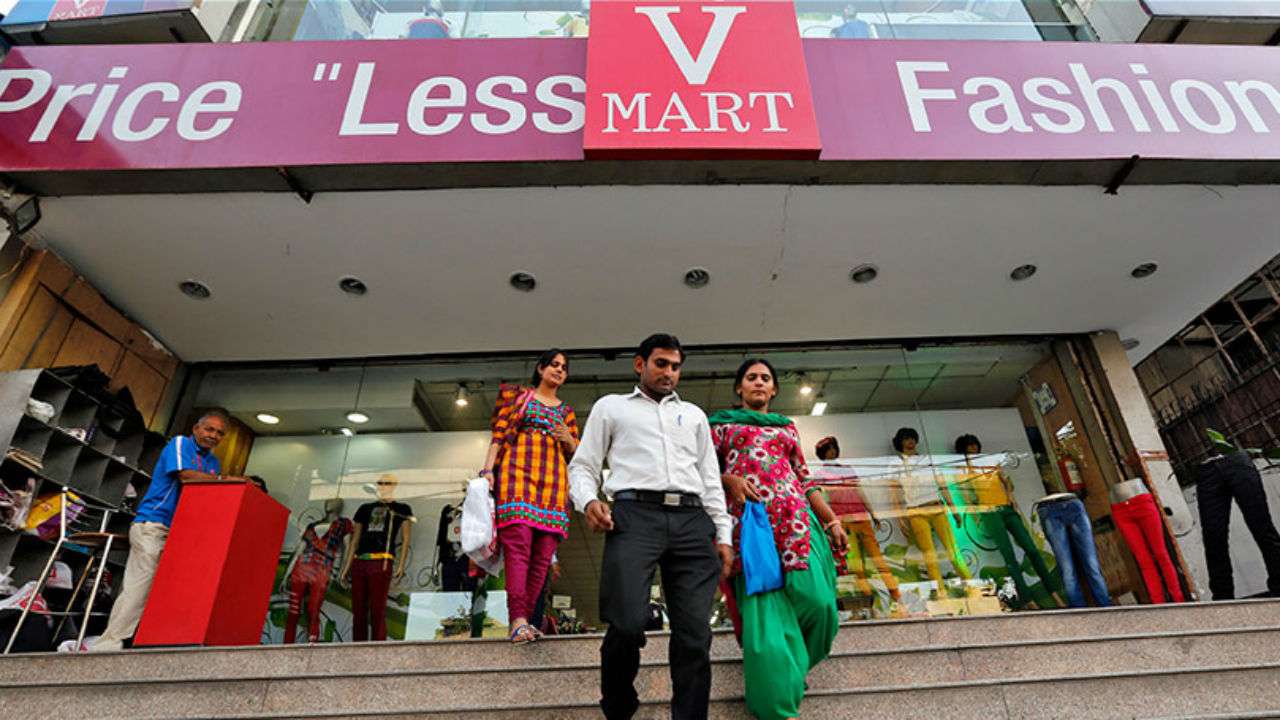
    V-Mart, the world’s best performing department store chain, has announced the appointment of Govind Shrikhande as an Independent Director of the company, effective Nov 2, 2018. Shrikhande possesses rich cross-functional experience in the textiles, apparel and retail industry. In his last professional role, he was the Managing Director of Shoppers Stop, where he started his stint in 2001 as the Vice President of Buying & Merchandising function, growing to the role of Chief Operating Officer role before being elevated as the MD.

    Prior to Shoppers Stop, he was associated with Mafatlal and Johnson & Johnson. He has the unique distinction of being part of the team that launched Arvind Denim and Arrow. Shrikhande has also worked with Bombay Dyeing.

    With this appointment, V-Mart’s current Board constitution is as follows: Lalit Agarwal, Chairman & Managing Director; Madan Agarwal, Whole Time Director; Aakash Moondhra, Independent Director; Murli Ramachandran, Independent Director; Sonal Mattoo, Independent Director; and Govind Shrikhande, Independent Director.

    Welcoming Shrikhande to the board, Lalit Agarwal, Chairman and Managing Director said, “We are excited to welcome Govind on the Board of V-Mart. His extensive experience in managing large scale organizational transformation to drive customer centricity, and successful adoption of enabling technology and processes will be a great asset to the value retailing ethos of the company.”

    “V-Mart has a strong brand as a value retailer, impressive connect with its customer base in Tier II and III towns, and is well-positioned to establish leadership in the affordable fashion segment,” commented Govind Shrikhande. “I am honored to join the Board during a time of opportunity driven by dynamic shifts in the Indian retail landscape, with millions of families in Tier II, III and IV towns transitioning to a modern retail and Omnichannel experience.”

  • Robinsons Retail income raised by nearly 10 per cent

    Robinsons Retail income raised by nearly 10 per cent

    Robinsons Retail Holdings has boosted net income by 9.8 per cent in the first nine months of this year, to PHP 3.8 billion (US$70.97 million). The improvement followed on from a 13.1 per cent increase in sales for the period, to PHP 91.8 billion ($1.71 billion) which the company said was due to “robust” same-store sales growth of 6.6 per cent across all store formats, along with a contribution from new stores.

    Same-store sales rose by 8.6 per cent in the company’s supermarkets division, which accounts for 46.5 per cent of the group’s total turnover, and by 7.8 per cent in specialty stores and 6.1 per cent in DIY. Same-store sales in the convenience divison rose by 4.5 per cent, in drugstores by a more modest 2.9 per cent and department stores 2.4 per cent.

    Excluding franchised branches of The Generics Pharmacy, Robinsons Retail ended September with 1778 stores, comprising 158 supermarkets, 51 department stores, 206 DIY stores, 496 convenience stores, 499 drugstores and 368 specialty stores. Gross floor area increased by 9 per cent year on year to 1.199 million square meters.

  • Is beauty going to save department stores?

    Is beauty going to save department stores?

    For a brief window, customers at Saks Fifth Avenue can see beauty’s past and — the department store chain hopes — its future.

    Starting Tuesday, shoppers entering the chain’s Manhattan flagship will walk through the original beauty floor, a dark enclave of branded counters that’s in the process of being shut down, to take an elevator one floor up to “Beauty 2.0.”

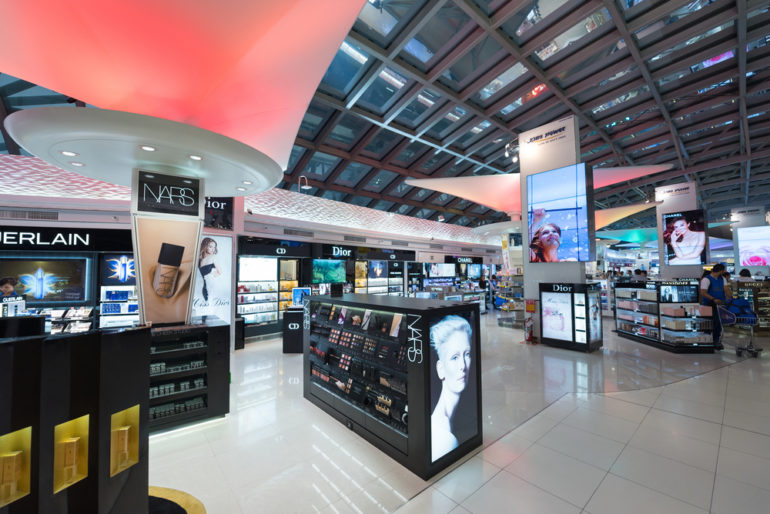
    They’ll emerge into a brightly lit, white marble-clad space, with products scattered across a maze of shelves and displays, as well as treatment centres offering facials and body-slimming massages. Mini-storefronts devoted to brands like Gucci and Kiehl’s line the periphery.

    Saks is the latest department store chain to put the beauty counter at the centre of its survival strategy. US beauty sales rose 6 percent last year to $17.7 billion, according to NPD Group, and cosmetics displays still draw in crowds at a time when foot traffic in malls and shopping districts is falling. Saks and peers like Bloomingdale’s and Barneys New York count on busy beauty counters to drive sales even as revenue from categories like footwear declines due to intense online competition. Hudson’s Bay Co., which owns Saks, reported declining same-store sales for the chain in 2016 and 2017, though it partially rebounded in the first quarter of this year.

    At Saks, high-end skincare has been an “explosive” market in recent years, said Kate Oldham, the company’s senior vice president and general merchandise manager of beauty, jewellery and home. But department store beauty counters are losing traction with consumers, many of whom find the maze of display cases and polished attendants inaccessible and overwhelming. According to NPD, 37 percent of makeup consumers today shop in specialty stores like Sephora and Ulta, compared to 28 percent who rely on department stores.

    “The world of beauty has changed — everybody is getting into the business and there are a lot of new players coming in,” Oldham said.

    The new department store template is to entice consumers with exclusive services, products and events. Nordstrom and Barneys New York, have introduced natural and wellness categories to their line-up to court health-conscious consumers. Bloomingdale’s targets more niche and independent brands in its millennial-focused Glowhaus section, as does Neiman Marcus with its Trending Beauty Shop.

    Stores are also creating new attractions beyond the usual samples and makeovers. Last year, Harrods debuted its Wellness Clinic, which provides treatments ranging from cryotherapy to bespoke DNA-driven skincare. Nordstrom collaborated with the beauty website Byrdie on a standalone pop-up shop and event space featuring talks and masterclasses with buzzy industry figures like Jen Atkin and Joanna Vargas. In February, Barneys launched a similar event series hosted by brand founders like WelleCo’s Elle Macpherson and a Sally Hershberger salon at its Madison Avenue flagship.

    The goal is to give customers a “sense of discovery” and a reason to repeatedly return to the store, said Gemma Lionello the executive vice president and general merchandising manager of accessories, beauty and home at Nordstrom.

    At Barneys, novel product categories like conscious beauty and masks are “attracting a new customer that might not have shopped with us before,” said Jennifer Miles, the company’s senior vice president of cosmetics.

    With so much competition swirling, the Saks team decided a total revamp of its beauty counter was needed. That included moving the section up to the second floor, a break with the department store tradition to keep beauty front of house, but the space was bigger (32,000 square feet) and had more natural light. New white fixtures and installations spotlight a wider selection of brands — 122 in total, including 61 that hadn’t been previously sold at Saks, like Aesop, Care/of and Givenchy. While, some, like Aesop, have been given their own boutiques, many of the new brands are relegated to a separate “Apothecary” section in the middle of the store, a concept already in place at other Saks locations.

    The floor includes space for events, including fragrance mixing and master classes, as well as 15 spa treatment rooms. A handful of those rooms are dedicated to exclusive branded treatments by the likes of Dior and La Mer. Other highlights include natural face lifting from London-based FaceGym, a flower shop from EB Florals and organic manicures from Sundays Nail Studio. A beauty concierge is available to help locate products and schedule service appointments, and an advisor is on hand to dole out personalised skincare advice.

    Not all of these concepts are new: Nordstrom, for example, also employs beauty concierges and stylists, while Target has had brand-agnostic beauty experts working its floors since 2013. The new layout is blatantly reminiscent of a Sephora, though the boutique aspect offers a point of difference.

    The goal was to make the space more “fluid,” said Oldham, so that customers could easily shop between categories. The walls are at a low height, so customers can see across the floor, and there’s less counter space so customers can better view the products.

    “We felt that if we were going to do something it had to really be a destination,” Oldham said. “We really wanted to have a Saks point of view, so that it’s not just a box of brands.”

    Attracting younger customers is also a priority. In addition to a traditional marketing blitz that includes ads on top of taxis and displayed on digital screens across the city, Saks hired digital influencers, including YouTube star Kelsey Simone, to promote Beauty 2.0.

    While Saks doesn’t break out sales by product category, analysts estimate the new floor’s first-year sales could reach $90 million. That’s a fraction of Hudson’s Bay Co.’s $14.3 billion in sales last year. But the company, which said last year it would cut 2,000 jobs, is counting on Saks to drive growth, investing $250 million in remodelling the 5th Avenue flagship store.

    At Nordstrom, beauty has been a “top-performing category” for several years, Lionello said. But same-store sales grew by less than analysts had anticipated in the first quarter, the company said last week.

    “It’s better late than never,” said Larissa Jensen, the executive director and beauty industry analyst at NPD. “[Saks] seems to be elevating it and making it more of a destination and less of a department, which is key.”

    Still, these retailers have their work cut out for them to claw back business. Ulta’s sales shot up 21 percent to $5.9 billion in the fiscal year ending in February, and LVMH, which owns Sephora, said the chain gained market share, with particularly strong growth in North America.

    Fragrance, however, is still a stronghold for department stores. Fourty-six percent of consumers still shop for fragrance at department stores, compared to only 30 percent at specialty stores, NPD said. This could explain why Saks doubled the space of its fragrance section on the new floor, and why Harrods expanded its Salon de Parfums with seven exclusive new boutiques last year.

    It could take more than sprucing up the shopping environment to ward off competition, especially as online juggernauts like Amazon invest in beauty. One problem: the department store concept as a whole falls flat with some consumers.

    “[These stores] are set up incorrectly, down to how they’re named,” said Christopher Skinner, the founder of School House, a creative branding and retail design agency that works with clients like LVMH. “Shopping by department is just not how people work anymore, we’re all about breaking down barriers now.”

    NPD’s Jensen said stores could organise merchandise into sections that appeal to different categories of consumer, like those who value environmentally friendly products.

    “A consumer who cares about health and wellness, and the environment, shouldn’t have to go to the shoe department to get a sustainably-made shoe or the bag department to buy an ethically-made purse,” said Jensen. “Wouldn’t it be great if it was just all one section?”

    Department stores are also giving their websites’ beauty sections a refresh, even as they invest in their in-store experiences. While in-store sales have been flat or declining at many of these chains, including Hudson’s Bay, their online sales are for the most part growing.

    Although many of these retailers now offer the Amazon-era requirements of speedy shipping and free returns, their online beauty presence often lags specialty store competitors. Sephora, for example, has its Beauty Insider Community, where customers share tips and tricks on message boards and rack up points for shopping. Its Sephora app offers exclusive previews and promotions, as well as virtual product try-on.

    Saks launched its SaksFirst BeautyRewards programme in August, and the company, as well as competitors like Neiman Marcus, is deploying new technology like virtual try-on mirrors in stores. However, unlike at Sephora, customers have to spend $250 to join, and the program lacks the community aspect that has helped to popularise Beauty Insider.

    The Canadian department store Holt Renfrew has gone a step further, giving associates the ability to track consumers who shop both online and in person, and regularly incentivises them to stop by a store. It also equips associates with iPads to give customers additional information about products and make checkout easier.

    SEE ALSO : Luxury cosmetics brand Hera opens store in Singapore

    Department stores will need to ensure both their online and in-store beauty counters keep pace with changing shopping patterns, said Karen Moon, the founder of retail forecaster Trendalytics.

    “[Even if changes like Saks’] bring higher volumes of foot traffic through the door today, retailers should ensure that their in-store and digital presences are prepared to take on the emerging trends of tomorrow,” she said.

  • Lippo Group Indonesia Opens Matahari Department Store’s 155th Outlet

    Lippo Group Indonesia Opens Matahari Department Store’s 155th Outlet

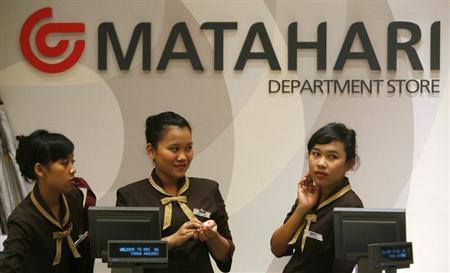
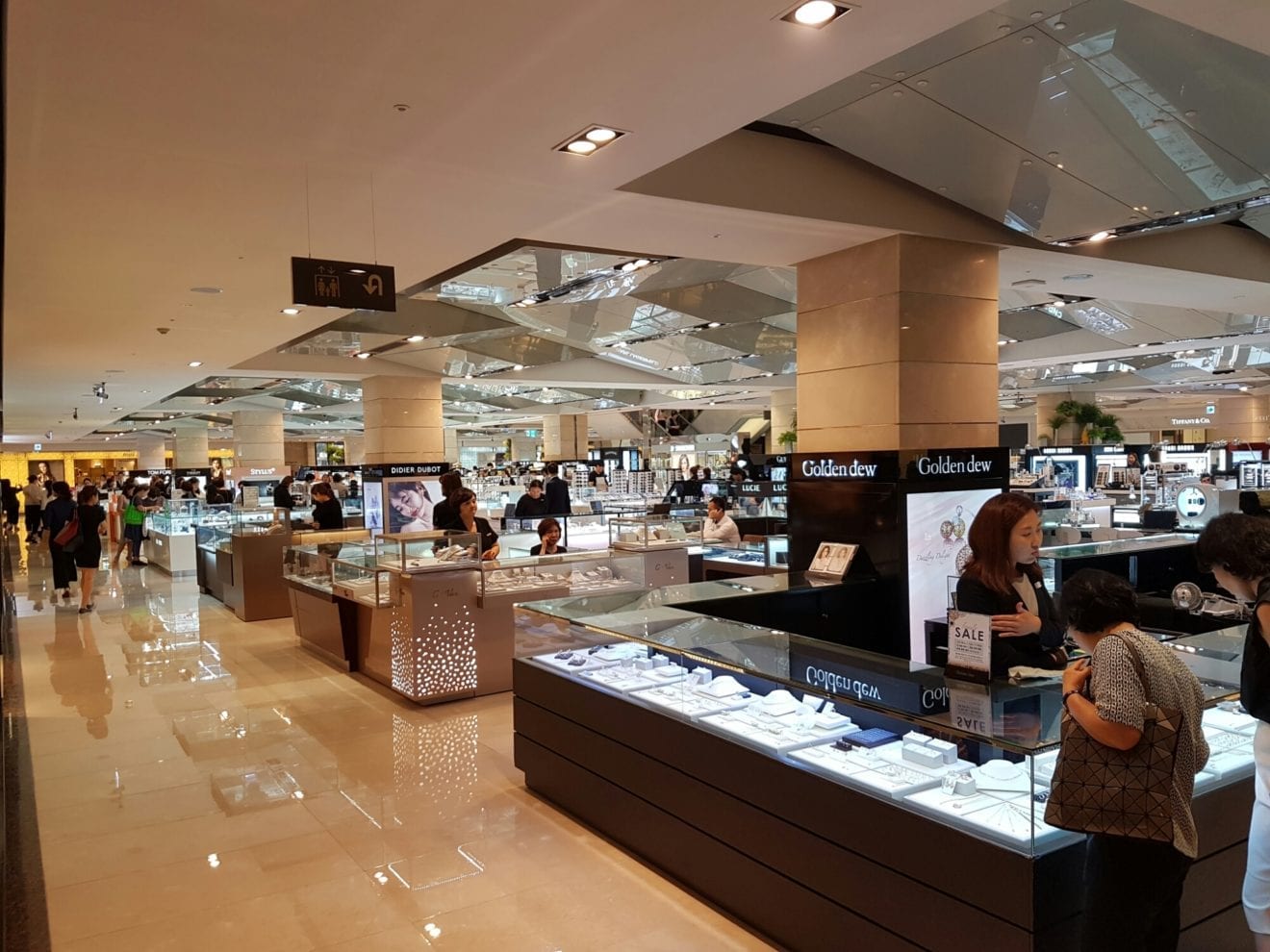
    Residents of Cilegon in Banten Province, Indonesia, responded enthusiastically to the opening of Matahari Department Store’s 155th outlet on Friday (01/06).

    In addition to being strategically located in the central business district, the 5,700-square-meter store inside the 67,000 square-meter Cilegon Center shopping mall also boasts a modern design.

    The first day of trading saw extraordinary sales, as more than 30,000 customers flooded the new outlet, said Irwin Abuthan, director at Matahari Department Store.

    “It was an extraordinary day. The turnout was fantastic. The store and mall will bring great added value and benefit to the city of Cilegon and surrounding areas,” Irwin said.

    Matahari Department Store, Hypermart, Matahari Supermarket, Foodmart, Primo, Boston Health & Beauty and Books & Beyond are all controlled by the Lippo Group, Indonesia’s largest multi-format retail group with more than 600 outlets spread out across Indonesia, from Aceh to Papua.

    This vast retail network is supported by a robust system comprised of formidable logistical networks and distribution channels.

    The Lippo Group owns and operates 70 shopping malls in Indonesia, making it the country’s largest.

    The image of the opening can be viewed below (3 images) :

  • Aldi Eyes Store Expansion In China

    Aldi Eyes Store Expansion In China

    Aldi South, the German discount supermarket giant, is planning to open up to 50 branches in China, as reported on Thursday.

    Aldi South, one of the leading low-budget supermarket chains in Germany, has put together a team for its expansion in China, the Lebensmittel Zeitung, a German weekly newspaper for executives in the food industry and in commerce. It will be one of the biggest expansion plans in the history of the company.

    Aldi South has already opened its first online shop in China on the platform of Tmall, which is run by Alibaba group in China.

    The company has not commented on the report.

    The discounter offers groceries including wine, snack, breakfast and organic food products at its flagship Tmall store through its Australian suppliers.

  • Shinsegae’s beauty multi-shop ‘CHICOR’ opens the largest store

    Shinsegae’s beauty multi-shop ‘CHICOR’ opens the largest store

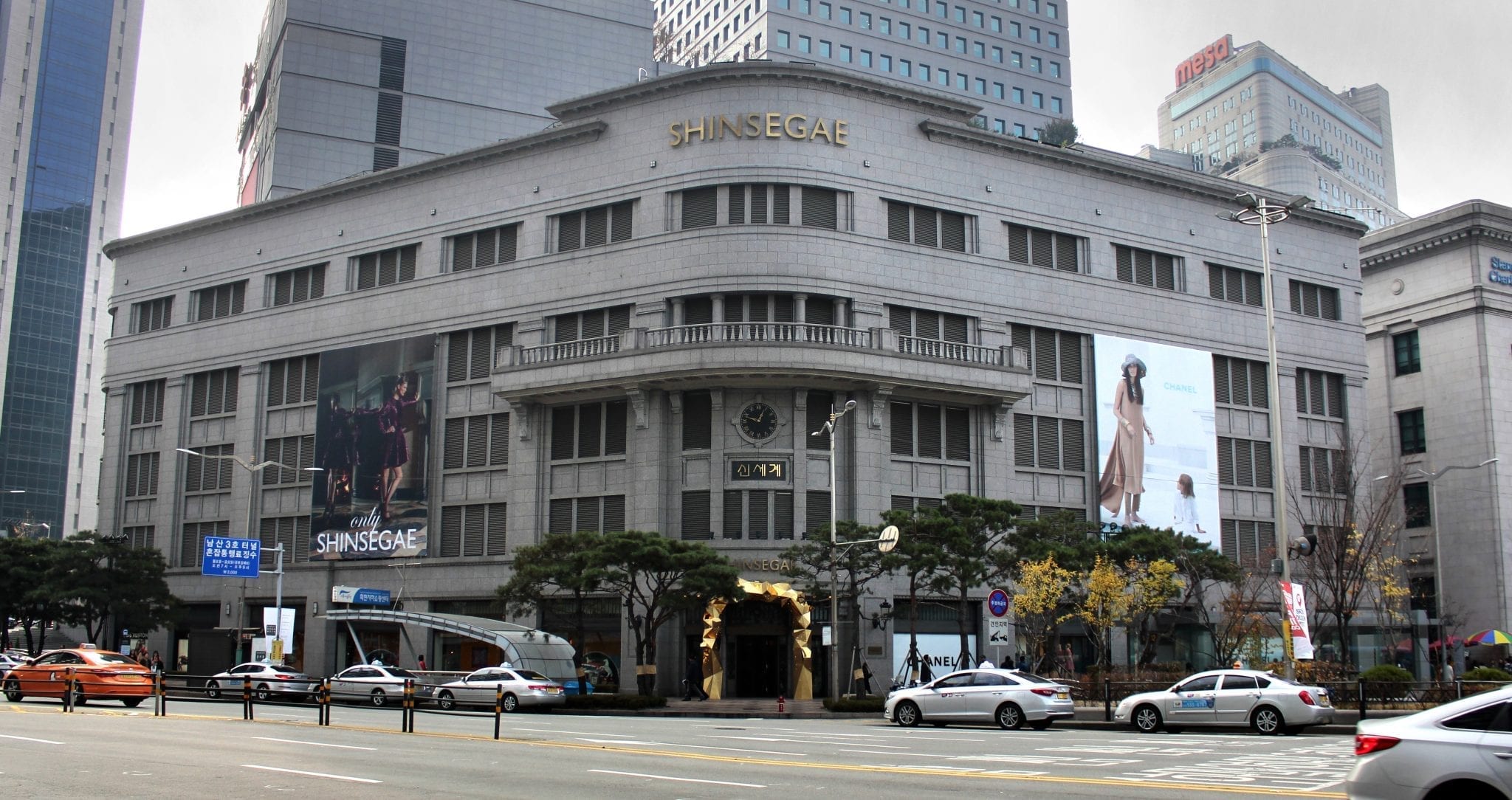
    Shinsegae Department Store Beauty multi-shop ‘CHICOR’ opens the largest flagship store in Gangnam Station. Gangnam is the 6th store and the first road shop after Daegu, Gwangju, and Goyang. CHICOR Gangnam is opened in the main street of Gangnam Station which is one of the representative commercial supremacy.

    It is located in the Kumkang Shoe building near Sinnon Hyun Station.

    It provides a space for experiential activities through beauty shopping, play, culture, and service, rather than a simple cosmetics sales space.

    The store is the largest of CHICOR stores with 1061 square meters (321 pyong). The three-story store has over 250 beauty brands.

    Categories have more segmented and specialized from existing line make-up, skin, body, hair, and men to beauty tools, kids, and room fragrances.

    This flagship store has a clear concept for each floor and seeks differentiation from other beauty shops. The first floor is decorated with an Extreme Beauty theme.

    Professional makeup, nail care and beauty tools are available on the first floor. The second floor is a beauty recipe theme that provides a full recipe for skin-care, body-care and perfume for your skin.

    The first floor of the basement is a beauty solution that provides expert solutions in skin care and hair care rooms.

    In addition to this, store is also organized hair care, men’s care and lifestyle products. In particular, the lifestyle section introduces a beauty item zone for children, and the beauty of the whole family can be found in one place.

    CHICOR plans to provide customers with various events such as makeup lecture event on Beauty Yu Tuber ‘Risabae’ in commemoration of the opening of the flagship store.

    CHICOR said, “Gangnam is a gathering place where people come for various purposes such as language study, shopping, and play.” “It will be a flagship store that will position itself as a landmark for resting with beauty.”

  • Marks & Spencer to close more stores

    Marks & Spencer to close more stores

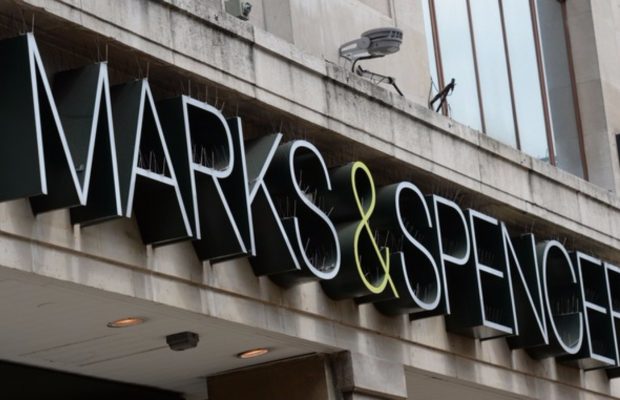
    UK department store chain Marks & Spencer is about to announce further store closures along with reduced profits amid worsening high-street trading conditions.

    Last year, the company announced the closure of 30 stores, but The Guardian newspaper reports a plan has been devised by CEO Steve Rowe and incoming chairman Archie Norman for a bolder store rationalisation plan.

    The company is struggling to regain market share in its apparel division, which is almost exclusively own-label and has failed to keep pace with design and innovation of branded rivals.

    Analysts are tipping the company to announce a further 10 per cent decline in profits for the six months to September 30, to around £201 million. That’s a far cry from the £1 billion full-year profit back in 2008.

    In place of apparel, the company is redirecting its focus onto its successful food category, with some of the full-line stores to be converted into food-only stores.

    Last year, the company exited the China market and this year began preparations to sell its Hong Kong business to Al-Futtaim under a franchise agreement.

    The Guardian suggested that if M&S decides to close more stores it will deal a blow to the towns involved, where the retailer is often the main destination store, especially following the demise of BHS.

    “But with more purchases made online, stores in smaller or less attractive town centres and shopping centres are finding life difficult especially amid rising costs for retailers.”

  • Japan’s department stores see June uplift

    Japan’s department stores see June uplift

    Japan department stores saw higher sales in June, which was welcome news after they had fallen in the previous month, the sector’s industry body has said.

    Japanese department stores saw a welcome sales rise last month.

    Sales rose 1.4% year-on-year on a comparable basis at the 229 stores operated by the 80 companies that are part of The Japan Department Stores Association.

    Those 80 firms accounted for turnover of ¥472 billion last month.

    Department stores have faced major challenges in recent years but June’s figures offered some cause for hope, especially as sales had fallen 0.4% in May after rising 0.7% in April. April’s increase  had been the first for 14 months.

    The June rise also helped the three-month average to a 0.7% increase, the first growth in 18 straight quarters.

    The Japan Department Stores Association cited a number of reasons for the increase, from the start of the summer clearance sales (which had been switched from July to June) to high-spending foreign tourists and a return of confidence among more affluent local shoppers.

    In fact, sales to foreign visitors rose a massive 41.4% to ¥18.4 billion.

    It was the second consecutive month that such sales rose more than 40%.

    The Association said cosmetics was one of the key categories to benefit and Chinese tourists were out in force.

    However, there was bad news for the fashion sector as clothing sales fell year-on-year, despite the added impetus of lower prices.

    That said, the clothing that did do well was warm weather fashion as high temperatures and a relatively dry rainy season boosted demand and expensive items such as watches and jewellery were popular too.

  • Shinsegae Department Store to strengthen online presence in China

    Shinsegae Department Store to strengthen online presence in China

    South Korean retail conglomerate Shinsegae Group that announced a complete pullout of its discount Emart stores from China instead has beefed up online activities in the world’s most populated and biggest e-commerce market.

    Shinsegae Department Store said that it will open beauty and fashion shops at Tmall Global, China’s biggest online shopping platform operated by Alibaba Group Holding. It plans to gradually add other product lines like children’s goods and home appliances starting the latter half of this year. Through Alibaba that commands 80 percent of Chinese e-commerce market, Tmall has attracted nearly 800 million visitors last year alone. Shinsegae Department Store said it is the first Korean department store to open shops at Tmall.

    To make it easier for Chinese consumers to purchase a range of merchandise offered by Shinsegae, the Korean retailer will allow them to pay with Alibaba’s mobile payment service Alipay and ship goods via the Chinese e-commerce giant’s logistics arm Cainiao. The company expects its partnership with Cainiao will help cut customs clearance time by two days.

    Shinsegae Group has worked hard to attract consumers abroad via online retail platform. Following the opening of online marketplace SSG.com in Chinese, Japanese, and English language on top of Korean service, its online sales to Chinese customers nearly doubled in the first half this year compared to a year ago period.

    Outlook for online sales in China looks bright, too. According to Korean statistics bureau’s data, Chinese consumers’ purchases of Korean products through online shopping malls grew 6 percent during the first three months of this year, while the number of Chinese visitors to Korea dropped sharply during the same period. Cosmetics and fashion products especially sold well and their sales grew nearly 7 percent on quarter to take 90.2 percent of the country’s total online sales to Chinese consumers.

    The company’s decision to attract Chinese consumers via online comes after other Korean retail giants have decided to close down their brick-and-mortar stores in China amid intensifying competition and dwindling sales. E-Mart Inc., a discount store unit of Shinsegae Group, recently decided to entirely pull out of China by the end of this year, 24 years after it first opened its store in the country.

    But Shinsegae Group’s department store arm pins high hopes on its Chinese business that will be carried out via online. The partnership with China’s biggest online shopping mall has provided a chance for the company to grow its presence in global e-commerce market. The company also plans to add additional online shopping platforms in other countries such as Japan and the United States to provide online shopping services tailored for each market.

  • Japanese department store sales recover but fashion falls

    Japanese department store sales recover but fashion falls

    It may only have been a 0.7% rise but an uplift in Japanese department store comparable sales during April was welcome nonetheless. It was the first increase in 14 months and reflected data from 229 stores based on ¥452.7bn worth of sales.

    The Japan Department Stores Association said the growth was boosted by foreign tourists as sales to international shoppers surged 22.9% to a record level of ¥22.1bn.

    And cosmetics were strong with their 25th consecutive monthly jump as they rose an impressive 15.2%. Jewellery and other luxury goods grew only 1.1% and that was on the back of higher prices. But as they hadn’t risen for at least the previous year, it was good news.

    Yet there had to be bad news too and that came on the fashion front. Clothing sales fell 1.2% for their 18th drop in a row, although steady demand for spring collections helped temper the drop after March had seen a 4.6% decline.

    Meanwhile, the Japan Chain Stores Association said supermarket sales rose 0.6% last month, aided by a slight recovery in clothing sales through those outlets. They may have only risen 0.2% but that was the first rise for nine months.

  • Rustan’s Department Store wins global award

    Rustan’s Department Store wins global award

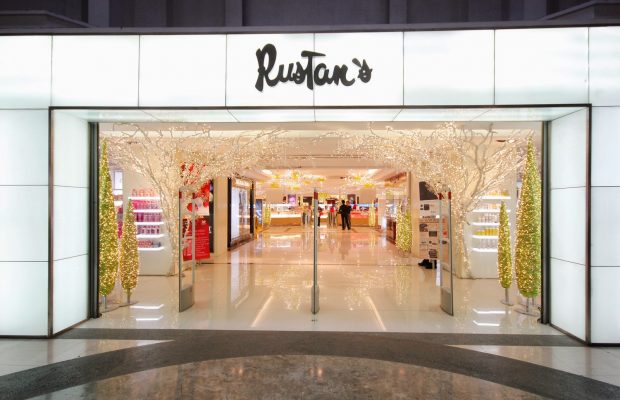
    A global award for retail excellence has been won by Rustan’s Department Store.

    It took the title in the latest IHA Global Innovation Awards (GIA), announced at the International Home + Housewares Show in Chicago.

    IHA, the global sponsor and organiser of the program, announced 28 winning home and housewares retailers from 27 countries.

    Launched in 2000 to foster innovation and excellence in home and housewares retailing internationally, GIA has so far recognised more than 370 retailers from 45 countries.

    Rustan’s, the Philippines winner for the second time, was founded in 1952 by husband-and-wife team Bienvenido R. Tantoco Sr and the late Gliceria R. Tantoco as a home-based business in their living room. It became the only luxury department store chain in the Philippines. Today, Zenaida R. Tantoco is the second-generation leader of the family-owned business.

    20160722_105958-X2

    The GIA competition has two tiers, national and global, to recognise excellence in several business categories: overall mission statement, vision and strategy; store design and layout; visual merchandising, displays and window displays; marketing, advertising and promotions; customer service and staff training; and innovation.

    _MG_3766-XL

    20160723_153752-X2

    National GIA winners are invited to the annual Chicago show where the global GIA jury chooses up to five global honorees, as well as the winners of the Martin M. Pegler Award for Excellence in Visual Merchandising, and the GIA Digital Commerce Award for Excellence in Online Retailing. The jury comprises four experts representing Asia, Europe and the Americas, plus a rotating international group of co-sponsoring trade-publication editors.

    dav

    The national winners are featured in a special showcase in the Hall of Global Innovation, featuring visuals of their award-winning store design and branding ideas, visual merchandising and innovative displays.

    GIA is part of a larger education initiative that includes seminars by retail experts, exposure in international housewares publications and educational sessions at events in the sponsors’ home countries.

  • Sales slide continues for Japanese retailers

    Sales slide continues for Japanese retailers

    The supermarket and department-store sales slide in Japan continued last month, say industry bodies.

    There was little impact yet from the Premium Friday campaign launched last month by the government and business community to encourage people to spend more with Japanese retailers by letting workers finish work early on the last Friday of every month, reports Japan Today.

    Supermarket sales fell 3.3 per cent from a year earlier, down for the third straight month. This is partly because of weak sales of clothing and household products, says the Japan Chain Stores Association. Overall sales at 9464 supermarkets run by 57 companies totalled ¥961.62 billion (US$872.9 billion).

    While sales of clothing dropped 9 per cent, household products including pharmaceuticals and furniture declined 4 per cent, says the association.

    Department-store sales slid 1.7 per cent, falling for the 12th consecutive month, says the Japan Department Stores Association. Overall sales at 234 stores run by 81 companies totalled ¥433.67 billion.

    Sales of clothing dropped 4.5 per cent, while sales of household items and food fell 8.6 and 0.8 per cent respectively, says the association.

    Both associations say the month’s weak retail sales were also affected by one less trading day in February last year, a leap year.

    While the Premium Friday campaign helped push up sales at department stores in large cities, it had little impact on supermarket sales, the associations say.