Retail News CRM

Tag: Department Stores

  • Korean retailers struggle amid sluggish demand

    Korean retailers struggle amid sluggish demand

    The first quarter of 2025 presented significant challenges for the South Korean department store industry due to a notable decrease in domestic consumption. This tough economic climate had a substantial impact on sales and profits. Lotte Department Store was the only major player to announce a significant increase in profits, primarily attributed to its strong overseas operations and internal streamlining.

    Lotte Department Store reported a 44.3% year-on-year increase in its operating profit to 130 billion won in Q1 2025. This growth occurred despite a minor 1.1% drop in revenue, falling to 806.3 billion won. The company attributed this positive development to their aggressive cost-efficiency strategies, including shutting down underperforming stores and reinvesting in flagship locations. Additionally, their international business arm recorded a 6.2% revenue increase, marking its return to profitability.

    In contrast, Lotte’s rivals, Shinsegae and Hyundai Department Store, failed to meet their profit expectations. Shinsegae’s revenue fell by 0.8% to 659 billion won, while its operating profit decreased by 5.1% to 107.9 billion won. Hyundai also experienced a 0.8% decline in sales, falling to 589 billion won, and a 5.7% reduction in operating income to 97.2 billion won.

    This downward trend was linked to a poor performance across almost all product categories due to growing consumer pessimism and colder-than-average winter weather, which adversely affected fashion sales. This is a significant blow considering that fashion typically represents up to 50% of annual department store revenue.

    Challenging Market Conditions

    An industry official said, “Political instability due to emergency rule, increased trade uncertainty stemming from US tariff actions and unpredictable weather have all negatively affected our performance.” This statement reflects the combined impact of domestic and global challenges on the sector.

    On a brighter note, E-Mart, the market leader in the big-box retail sector, reported impressive first-quarter results. The company’s standalone revenue rose 10.1% year-on-year to 4.63 trillion won, while operating profit surged 43.1%, reaching 133.3 billion won. This was its best quarterly performance since 2018.

    Company executives credited this achievement to an increase in foot traffic at both its standard discount stores and warehouse-style Traders locations. This indicates a resurgence in consumer interest in brick-and-mortar shopping, despite the ongoing economic uncertainty.

    In contrast, Lotte Mart reported a modest 0.3% rise in revenue to 1.49 trillion won, while its operating profit fell sharply by 34.8% to 28.1 billion won. Its domestic operating profit, excluding overseas earnings, dropped by a staggering 73.6% from the previous year.

    The Power of Pricing Strategy

    Both E-Mart and Lotte Mart have focused on low-price strategies through centralized purchasing. However, E-Mart’s larger scale has given it a stronger position to pass savings onto consumers. Its aggressive promotions, including the “Price Shock Declaration” and “Great Eat Festa”, were widely credited as contributing to its superior performance.

    An industry official commented, “As integrated purchasing intensifies, the retailer with greater volume naturally holds an advantage in reducing procurement costs.” They predicted a potential promotional war in the second half of the year if Lotte Mart decides to roll out large-scale discounts to regain market share.

    Questions & Answers

    Why did Lotte Department Store outperform its competitors in Q1 2025?
    Answer: Lotte’s strong performance is attributed to its successful international business and aggressive cost-efficiency measures, which included closing underperforming stores and reinvesting in flagship locations.

    How did the weather impact the performance of department stores?
    Answer: An unusually cold winter affected the sales of fashion items, which typically make up to 50% of annual department store revenue.

    What factors contributed to E-Mart’s strong first-quarter performance?
    Answer: E-Mart’s success is credited to both an increase in foot traffic at its stores and aggressive promotions that passed on savings to consumers.

  • Suning develops omnichannel smart retail through Wanda department stores

    Suning develops omnichannel smart retail through Wanda department stores

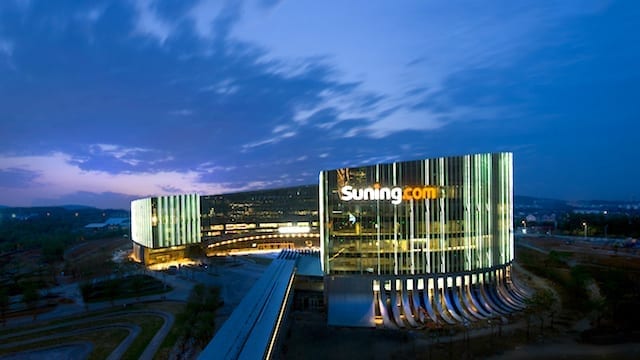
    Suning.com, the Fortune Global 500 retailer owned by Suning Holdings Group, one of the largest commercial enterprises in China, recently announced the establishment of its Department Store Group. It will focus on professional operations of fashion department store business to strengthen its full-scenarios development in online-and-offline smart retail and improve the shoppers’ experience.

    The Company will also acquire nationwide all Wanda Department Stores, belonging to Wanda Group, the large Chinese commercial real estate developer, to expand its bricks-and-mortar retail portfolios and facilitate the all-categories merchandise supply chain to satisfy more local consumers and boost Chinese retail market profits.

    As the leading omni-channel smart retailer in China, Suning.com has always been committed to building a full-scenarios retail ecosystem both online and offline to create diversified shopping experiences visible and ready to serve consumers anytime and anywhere. The establishment of the new group with acquisition of Wanda Department Store is expected to further reinforce Suning.com’s offline advantages, improving its overall retail network resources and increasing the business potential of the Company to develop new business opportunities of all-categories merchandise operation, especially of fashion, lifestyle products and fast-moving consumer goods.

    The 37 Wanda Department Stores are located in first- and second-tier cities in China, with more than 4 million registered customers. Through the deal, Suning.com will also bring its powerful technology capabilities such as data learning, artificial intelligence, IoT to accelerate the digitization of operation management for traditional department stores to increase the overall service experience and profitability of the industry.

    Zhang Jindong, Chairman of Suning Holdings Group said: “The prosperity of the physical retail industry must not only rely on the traditional model and experience. It needs to embrace innovative technology and market concepts to continuously create quality and customized services for consumers.”

    Suning and Wanda has built a strategic cooperation since 2015 and strengthened the partnership in 2018 with the former’s acquisition of a tiny stake in the latter’s commercial management subsidiary.

  • Department stores lead Singapore retail sales

    Department stores lead Singapore retail sales

    Singapore retail sales rose 2.6 per cent in March, excluding motor vehicles, as the sector’s slow but steady recovery continues.

    Month-on-month, retail sales rose 1.1 per cent.

    The headline figure – which includes motor vehicles – showed a year-on-year decline of 1.5 per cent as car sales in the city state slumped 16 per cent.

    According to Statistics Singapore, retail spending (including vehicles) totalled S$3.8 billion in March, with e-commerce accounting for 4.1 per cent of that.

    Department stores were the big winners of the month, with sales up 9.1 per cent, while food retailers also performed well, up 7.5 per cent. Sales of medical goods and toiletries rose 6.2 per cent and of apparel and footwear, and watches and jewellery, by 5 per cent.

    Sales of phones and computer equipment fell by 8 per cent.

    In the foodservice sector, sales of food and beverage rose 3.6 per cent to an estimated $716 million, led by fast-food outlets, up 16.1 per cent.

  • South Korea Dec department store sales rebound from Nov, reverse two declining years

    South Korea Dec department store sales rebound from Nov, reverse two declining years

    Sales at South Korea’s department stores in December rebounded from November on year-end gift purchases, trade ministry data showed on Monday, while sales for the whole year ended on a positive note, reversing two years of decline.

    Combined sales last month at department stores run by Hyundai Department Store, Lotte Shopping and Shinsegae Co rose 3.3 percent on-year, the Ministry of Trade, Industry and Energy said, bouncing from a 2.8 percent decline in November.

    Nearly all product categories saw rises in sales, which were led by offshore brand items and food products.

    Retail data has shown consumption has not fallen markedly since an influence-peddling scandal involving President Park Geun-hye engulfed the country late last year, although consumer sentiment is at its worst in nearly eight years.

    The central bank governor, Lee Ju-yeol, said earlier this month private consumption is likely to head down in 2017 due to uncertainties at home and abroad, hampering overall growth.

    Discount store sales, meanwhile, slipped 1.9 percent in December over a year earlier, the same trade ministry data showed, although not as bad as November’s 6.1 percent decline.

    In 2016, department store sales rose 3.3 percent, breaking two years of falls and rebounding from a 1.2 percent fall in 2015. Demand for luxury goods and large household appliances such as televisions and refrigerators bolstered sales, the ministry said.

    Discount store sales fell 1.4 percent in 2016, declining for a fifth straight year, the data said, as more consumers bought food items online from a widening variety of vendors.

    In 2015, discount store sales dropped 2.1 percent.

  • Japanese department store facing downturn

    Japanese department store facing downturn

    Japanese department store sales fell 2.4 per cent in November, year-on-year, the ninth consecutive monthly decline.

    The Japan Department Stores Association reported total sales at 234 outlets run by 81 companies were ¥525.7 billion, (US$4.47 billion). It said it expected an improvement in December’s sales data as consumers enjoyed an end-of-year shopping spree.

    November was the third consecutive month when the rate of decline had narrowed. October’s same-store sales fell 6.5 per cent.

    The JDSA says most categories posted sales declines – with the notable exception of cosmetics.

    Meanwhile, the Japan Franchise Association says convenience store sales in November increased 0.5 per cent year on year to ¥773.4 billion (US$6.58 billion), the second consecutive monthly improvement.

  • Target China learning fast as it gains momentum

    Target China learning fast as it gains momentum

    Target China is continuing to learn about the vast mainland market as it builds brand awareness in the region in preparation for a major push.

    Vincent Lau, GM China with Target Corporation, told the Omni-Channel Retailing Conference half-year seminar yesterday that China represented a steep learning curve for the US$73.8 billion US-headquartered value retail business.

    “We had to forget everything we know. Being number two in the US market doesn’t resonate into anything in China.”

    Lau said that while 96 per cent of Americans recognised the distinctive red circles of the Target logo, it was probably the opposite in China. “They just see a bullseye.”

    Target believes its US brand promise “Expect more, pay less” is relevant to Chinese. But the stock range had to be adjusted to local market expectations. To date, Target is strong in mother and baby products and dry grocery lines, where it has localised sourcing and range.

    “We keep an open mind. We test and we learn. We want to see what [Chinese consumers want] and why.”

    Partnering with Alibaba has been crucial for Target in building the brand there. On Singles Day, or 11.11, Target was one of the US retailers to sign on to Alibaba’s Buy+ Virtual Reality shopping experience where shoppers online could ‘walk the aisles’ of a target store in Harlem.

    Lau declined to reveal sales figures but said every product on the digital shelf had sold multiple numbers during the 24-hour online sales.

  • South Korea August dept store sales rise for 3rd month

    South Korea August dept store sales rise for 3rd month

    South Korea’s department store sales rose for a third straight month in August thanks to widespread discounting ahead of a major public holiday this month, government data showed on Thursday.

    Combined sales at department stores run by Hyundai Department Store, Lotte Shopping and Shinsegae Co rose 4.1 percent on-year, data from the Ministry of Trade, Industry and Energy said.

    This followed a 7.0 percent jump in July.

    Sales of all individual categories at department stores rose in August, with the exception of men’s clothing.

    The same data showed August sales at discount stores fell 1.3 percent from a year ago after rising for two months previously. In August, sales rose 2.1 percent.

    The decline was attributed to a 14.8 percent slump in sports-related goods as the unusually hot summer weather this year discouraged customers from seeking them out, the monthly report said.

    Online open market sales growth at websites owned by eBay Korea Co Ltd and others slowed slightly to 22.4 percent in August from 31.2 percent in July.

    Retail sales overall in August mainly saw demand for household electronics like air conditioners and gifts ahead of the Chuseok holiday season, the data said.

  • Outlet malls booming in China as department stores feel the pinch

    Outlet malls booming in China as department stores feel the pinch

    Designer outlet malls are sprouting up all over mainland China, even as department stores find themselves struggling amid a slump in retail sales.

    At least 17 new outlet malls are scheduled to open in China in the second half of 2016, according to a report by Outlet Sight, which tracks the industry. Some developers are betting on outlet malls because they typically offer off-season or factory excess goods priced at a discount to the in-season products sold by the same brands in department stores.

    “We think designer outlets are more defensive than high-street retail,” said Chris Reilly, Asia-Pacific managing director at TH Real Estate, a property fund that manages nearly US$100 billion of real estate in Asia, Europe and the US. “Their fundamentals are better in terms of supply and demand.”

    China’s department store sector has been battered in recent years by sluggish sales growth and declining profits, with store closures intensifying since 2015. Offline sales at the mainland’s top 50 retailers declined 3.1 per cent year on year in the first half of 2016, according to figures from the National Commercial Information Centre of China.

    However, the discount mall sector appears ripe for strong growth; for a country with China’s population and spending power, there are relatively few factory outlet malls – just 40 at present – compared with as many as 300 in the US, said Zhong Beichen, chief executive of outlet developer Beijing Capital Juda, which has already opened four such outlets, in Beijing, Hainan, Zhejiang and Jiangsu.

    “We aim to open outlets in more than 20 cities by 2020 and become the largest outlet operator in China,” Zhong told the South China Morning Post. “Discount malls can perform well despite economic ups and downs” because they offer customers cheaper price points, he said. “When the economy expands, people shop to dress nice, but outlets will still be the first choice for those seeking affordable luxury in an economic slowdown.”

    Juda was spun off from state-owned property developer Beijing Capital Land Ltd and listed in Hong Kong in 2015.

    The boom is attracting developers and investors to the fray.

    London-based TH Real Estate launched an US$850 million fund in China, with two Italian village-themed outlet malls in Wuqing in Tianjin city and Shanghai.

    “Our target shopper is the Chinese household earning more than US$20,000 a year,” said TH Real Estate’s Reilly. “This demographic group is already the largest in the world, and we expect the number to more than double over 10 years with the rise of the Chinese middle class.”

    With TH Real Estate’s Florentia Village in Shanghai 90 per cent occupied, and its Florentia Village Wuqing full to capacity, Reilly said he is confident the China Outlet Mall Fund can grow to US$2 billion by 2020. Four more Florentia Village malls are slated to open in Chengdu, Wuhan, Chongqing and Qingdao by 2017.

    Factory outlets face stiff competition from online retailers, but have the advantage of providing a complete experience, Juda’s Zhong said.

    “Our strategy is to build outlets in places with beautiful scenery to attract families for the shopping experience,” he said, citing their 110,000 square meter outlet in Beijing’s Fangshan District, which is located near a forest park.

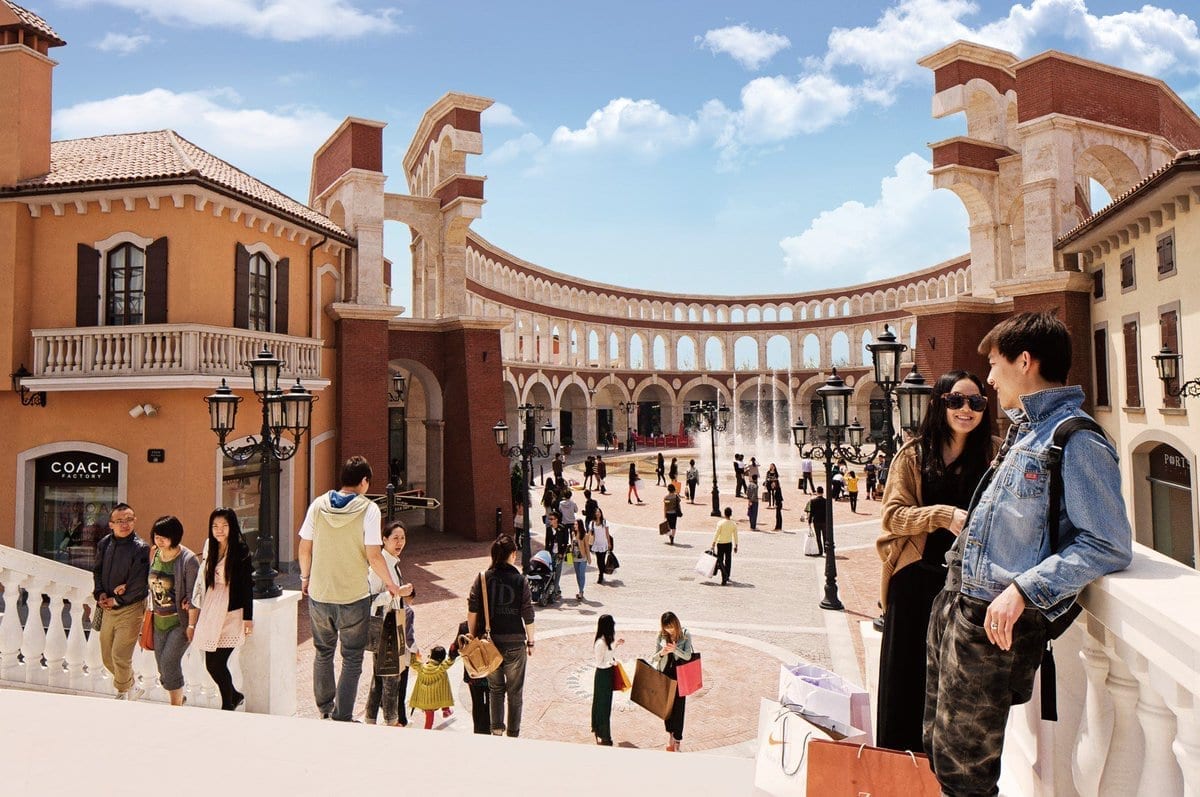
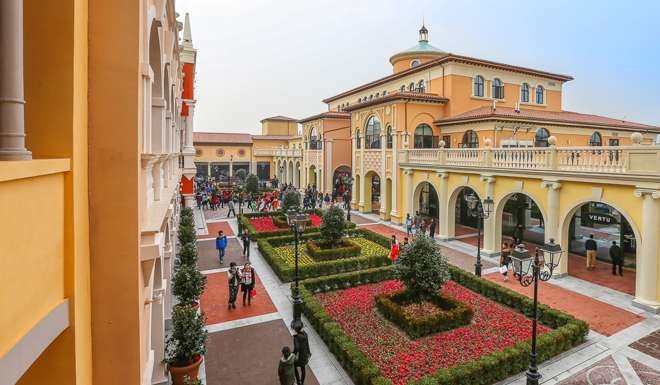
    Themed malls, such as the Florentia Village brands, are also becoming popular. Covering 90,000 square meters and with 3,000 car parking spaces, Florentia Shanghai reconstructs scenes of Florence including an Italian-styled city plaza, paved streets, porches, fountains and luxury brands such as Versace, Ferragamo and Zegna.

    “Shoppers like to visit outlets for the discounts, they want to try on designer brands, but what’s more important, it’s like a day out,” Reilly said.

    -Originally written by Summer Zhen, SCMP

  • From loss to profit for Parkson Retail Asia

    From loss to profit for Parkson Retail Asia

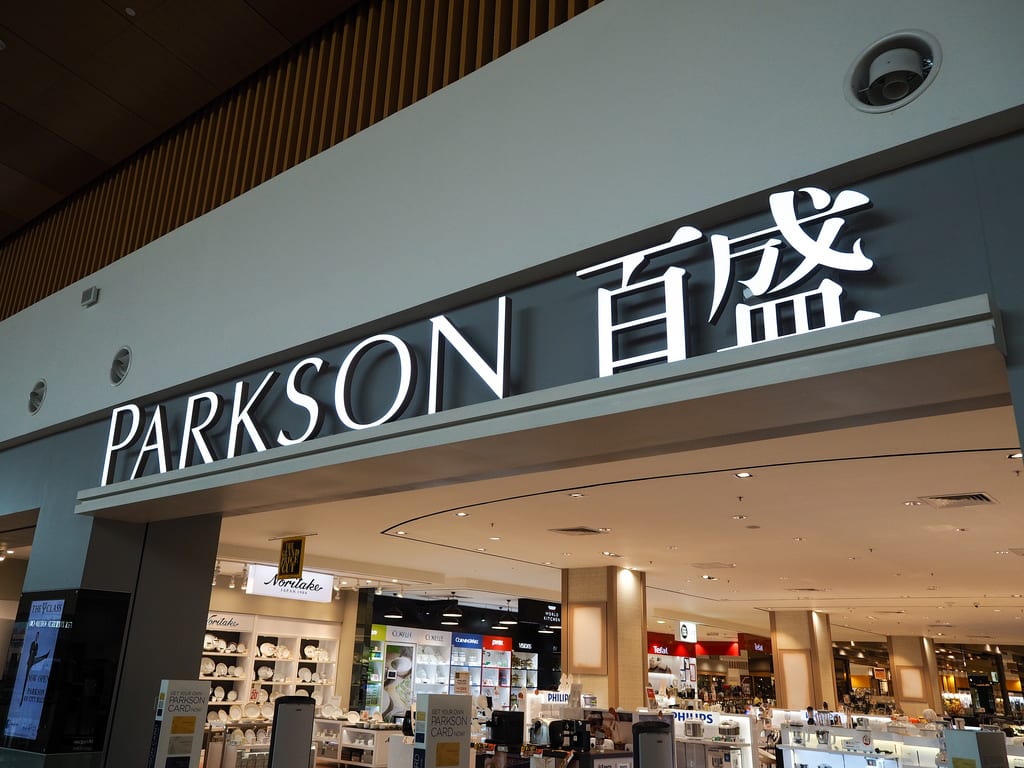
    Department store Parkson Retail Asia has managed a turnaround with profit before tax (PBT) of S$35 million (US$25.8 million) for the year ended June 30, compared to a pre-tax loss of $40.6 million the previous year.

    Profit was boosted by gain from a partial disposal of equity interest in Parkson Hanoi (PHCL) of $45.6 million. A subsidiary of the group, PHCL is now an associate company.

    On a same-store basis, PBT for the year fell by 46.9 per cent year-on-year to $17.4 million.

    For Malaysia, PBT declined by 28.9 per cent through negative same-store sales of -6.5 per cent and weak local currency; Vietnam had a pre-tax loss of $0.5 million with -2.9 per cent same-store sales; there was a pre-tax loss of $3.2 million in Indonesia; while Myanmar’s results were affected by uncertainty arising from redevelopment plans for the FMI Centre where the store is located.

    For the group’s fourth quarter, same-store sales grew 21.5 per cent in Malaysia, attributed to early festive buying arising from a shift in the Hari Raya calendar as well as the same quarter last year being hit by low sales following the introduction of the Goods & Services Tax.

    New concepts

    New concepts have been initiated, such as introducing Korean apparel, affordable private labels, and specialty shoe stores.

    “We have been consolidating our department store space by identifying non-performing stores with the view to closure upon tenancy expiry,” says Parkson.

    In Myanmar, the group had a 25 per cent decline in same-store sales, affected by plans to close the FMI Centre, while Vietnam had a 4.1 per cent decline for the quarter, with the discretionary retail environment difficult amid an increasingly crowded retail scene.

    Indonesia was more positive with 7.3 per cent growth in same-store sales, mainly because of early festive buying as a result of a shift in the Lebaran calendar.

    Overall, gross sales proceeds (GSP) and revenue for the quarter grew by 9.8 per cent and 10.9 per cent respectively to $232.1 million and $93.9 million. However, GSP and revenue declined by 10.2 and 9.4 per cent respectively to $967.7 million and $388.4 million.

    The group’s pre-tax loss for the quarter was $13.4 million. Contributing factors included impairment on fixed assets for two loss-making stores of $5.4 million, impairment on prepaid rental and rental deposit of $3.3 million, provision on deposit for a managed store in Ho Chi Minh City of $2.2 million, and the initial loss-making periods associated with new stores and businesses.

  • Hans Sy Semi Retirement Announcement

    Hans Sy Semi Retirement Announcement

    SM Prime CEO, Hans Sy, has announced a semi-retirement.

    Sy has also served as SM Prime’s president since 2004, while holding key positions in SM subsidiaries and affiliates.

    Teresita Sy-Coson, vice chairperson of SM Investments – parent company of SM Prime, said Sy “wants to have more free time for himself and his organization is developed enough to take on many of his responsibilities.”

    Jeffrey Lim, who served as SM Prime executive VP and SM Development Corp president, will take Sy’s position.

    Sy has grown SM Prime into the biggest mall and integrated property developer in the Philippines and one of the biggest in Southeast Asia. The company now has 58 malls in the country and six in China.

  • Ambitious online plan for Tesco Thailand

    Ambitious online plan for Tesco Thailand

    Tesco Thailand aims to double its online shopping sales annually for the next three to five years.

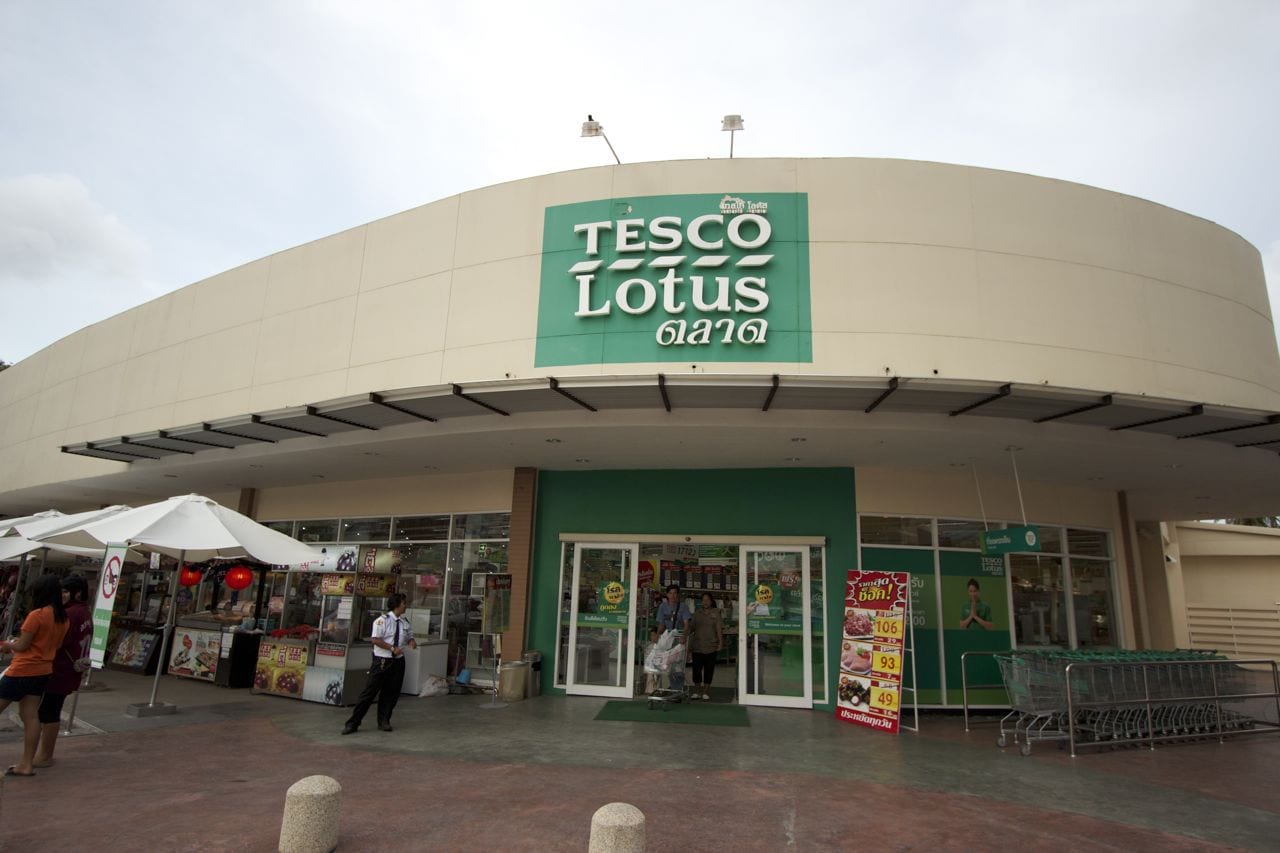
    Local digital and online business director for the UK-owned Tesco Lotus business, Wanna Swuddigul, told The Nation newspaper Thai shoppers are looking for instant access to product information and to be able to buy while they browse. The company’s eCommerce site is especially popular in Bangkok and larger Thai regional cities. More than three in four shoppers are female.

    “The largest age groups are 25-44 years old. Most online customers are mid- to up-market customers,”Swuddigul said.

    “As demand tends to come from customers living in urban areas, Tesco Lotus has recently introduced a new delivery service at lockers located at 48 condominiums along the BTS and MRT lines, in prime residential neighbourhoods such as Sukhumvit, Sathorn, Ratchada, Phayathai and Phaholyothin,” she said.

    Tesco Lotus launched an online store in 2012, claiming to be the first major Thai retailer to do so.

    Besides its own store, Tesco Lotus offers more than 9000 items on the Lazada online mall.

    Tesco Lotus uses big data to carefully monitor changing customer preferences for products and service expectations so as to constantly update the range online.

    “By constantly listening to what our customers want and need, we innovate services and solutions that address their pain points,” she told The Nation.

    “We aim at least to double the growth of our online sales and order numbers every year, as we have done since the launch of our online business in 2012.”

    The best-selling categories online are cold beverages, household chemicals and cooking needs, such as seasonings.

  • Lulu opens new hypermarket in Malaysia

    Lulu opens new hypermarket in Malaysia


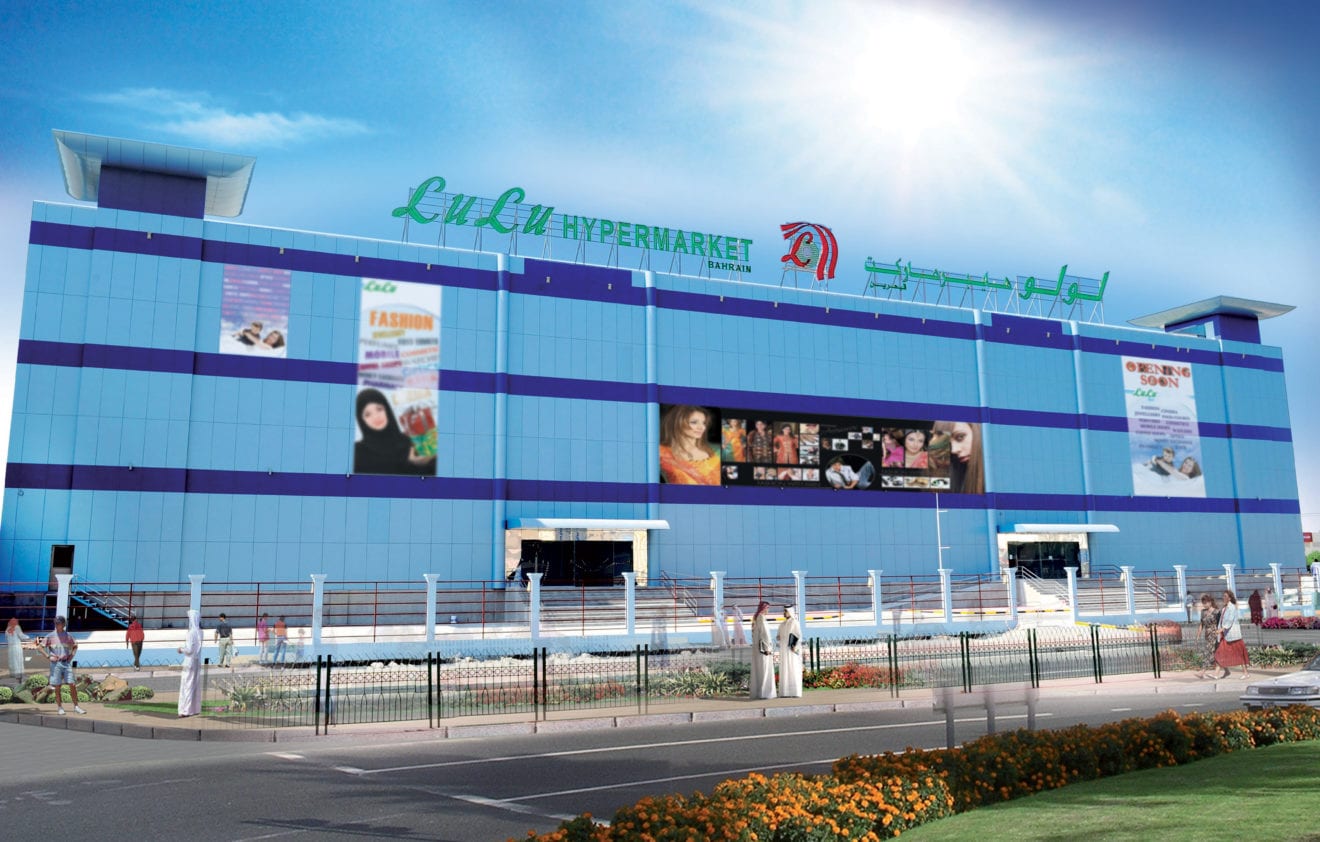
    UAE-based retail major Lulu Group has opened its first hypermarket in Kuala Lumpur, Malaysia, as part of its plans to further consolidate its retail presence in the Far Eastern region.

    The 250,000 sq ft hypermarket was inaugurated by the Malaysian Prime Minister Datuk Sri Najib Tun Razak in the presence of Dato Sri Dr Ahmed Zahid Hamidi, Deputy Prime Minister, Minister of Agriculture and other government  officials.

    Lulu had recently announced its plans to set up 10 hypermarkets in Malaysia over the next five years at an investment of $300 million.

    The new hypermarket is ideally located in the CapSqaure, Jalan Munshi area of Kuala Lumpur is expected to be one of its kind in the country and will attract large segment of population from all walks of life with its attractive product offers and range.

    It is spread in three levels and combines everything from grocery and supermarkets products to fashion, household and latest electronics and gadgets, said a statement from the retailer.

    Hot food from around the world, fresh seafood and locally grown produce are some of the key highlights in the supermarket area, it stated.

    Speaking at the launch, Najeeb Razak said: “We are very pleased to welcome Lulu brand to Malaysia as this will pave way for more international brands to come and invest in the country. I am also hopeful that Lulu will surely open many more hypermarkets and malls not only in Kuala Lumpur but also in other parts of Malaysia.”

    Yusuff Ali MA, the chairman, said: “With an initial investment of $300 million in the first phase, we plan to open 10 hypermarkets by the end of 2021 and a central logistics and warehousing facility in Malaysia. These projects are likely to generate more than 5,000 job opportunities for Malaysians.”

    “We also plan to set up contract farming to ensure continuous supply of high quality products and to support the Malaysian agriculture sector,” he added.

    Apart from the hypermarkets, Yusuffali also announced the group’s plan to invest another $500 million in setting up the largest shopping mall in Malaysia.

    “Today the whole world knows about Malaysia’s economic stability, investor friendly approach, liberalized policies and world-class infrastructure and we are confident about our success here and our hypermarkets encompass both supermarket and department store formats and we intend to bring a whole new world of shopping to the residents of Malaysia.”

    He added that other hypermarkets would be opening in Kota Baru (Kelantan), Shah Alam (Selangor), Johar Baru, Bangi, Ipoh (Perak), Malacca, Penang and Kuala Terengganu.

    One of the largest retail chain in the Middle East, Lulu currently operates 126 stores across the GCC, Egypt, India, Indonesia and employs more than 38,000 people from different nationalities.

  • Major revamp for SM Mall of Asia

    Major revamp for SM Mall of Asia

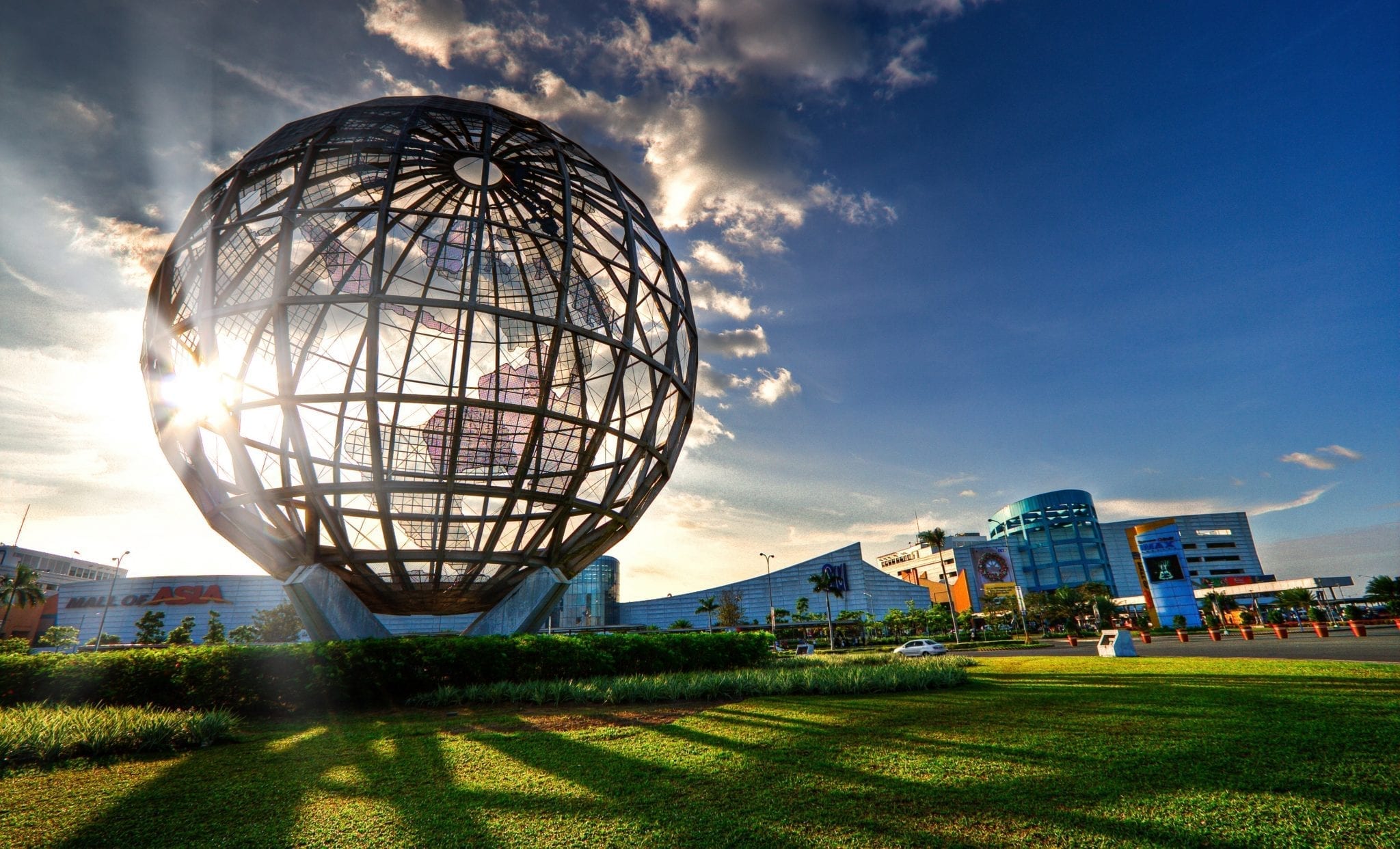
    SM Mall of Asia is set to revolutionize its look 10 years after it opened in Manila Bay.

    The Philippines’ biggest mall will soon house a FIFA World Cup-size soccer field on the mall’s roof deck and a botanical garden. Miami-based firm Arquitectonica will design these.

    By the end of the year, an Olympic-size skating rink will also open on the third floor.

    Designer furniture will deck a new food hall, in tune with the mall’s modern look.The mall will also adopt a “warmer” look and feel, according to Steven Tan, senior VP for SM Supermalls, with the interior to feature new colour scheme and wooden panelling.

    According to Tan, SM Prime president Hans Sy told the design team to give the mall a “wow” factor.

    “I’ve seen the perspectives, and the view from up there will be breathtaking. There will be an unobstructed view of the sea and it is beautiful,” Tan said.

    SM Mall of Asia has 700 tenants and has an occupancy rate of between 98 per cent and 100 per cent. This has prompted the company to undertake the redevelopment in phases.

    Conrad Manila, SM Prime’s deluxe hotel brand, is set to open in June with a new retail podium called S’Maison which will house unique concept stores as well as luxury retail stores, fine dining restaurants and state-of-the-art cinemas.

    New brands are also set to come in including Swedish clothing giant H&M which is slated to introduce a 3000 sqm flagship store.

    SM-MOA

    Recently the mall unveiled a 2.7 megawatt “solar car park” in partnership with Solar Philippines, which is nearly twice the size of the 1.5 MW SM North Edsa solar car park. Comprising 10,426 solar panels and 40 inverters, it supplies nearly 20 per cent of the mall’s power needs.

    In another development, the Manila-Acapulco Galleon Museum is taking shape to feature the history of the 250-year old global trade route where the Philippines and Mexico played major roles. The museum will highlight the galleon trade’s impact on today’s commerce, banking, travel, and cultural exchange.

    SM and SM Prime chairman, Henry Sy, who once called this mall the greatest project of his life, had a vision to build one of the largest malls in Asia which will not just be a shopping complex but a premier destination.

    “The mall will be a major Asia Pacific destination,” Sy said at that time.

    SM Mall of Asia opened in May 2006 as the flagship development of SM on 60ha of reclaimed land in Pasay City. The mall introduced the first Olympic-size skating rink and the first Imax theatre in the country.

  • Parkson revenue falls

    Parkson revenue falls

    Despite contributions from new outlets, Parkson Retail Asia’s department stores have seen third-quarter group revenue fall by 15.6 per cent to S$98.4 million (US$71.5 million), with a 14.4 per cent drop to S$294.6 million for the nine months of its current financial year.

    The Parkson revenue decline reflects same-store revenues falling in Malaysia and Vietnam, plus the weakness of the Malaysian ringgit resulting in lower figures because of the reporting currency being Singapore dollars.

    A pre-tax loss of $7.5 million was recorded by the group for the third quarter, with factors including provision made on loans to managed stores of $4.9 million, and initial losses associated with new stores.

    Same-store sales growth in Malaysia fell 17.4 per cent in the third quarter, but figures for the corresponding quarter last year were bolstered by sales before the introduction of a Goods & Services Tax (GST) on April 1 2015. Also, consumer confidence was below the 100-point threshold for the seventh consecutive year, as reported by the Malaysian Institute of Economic Research.

    Vietnam same-store sales fell 8.2 per cent for the quarter, with a difficult and increasingly crowded retail environment, the company said. For the nine months, a pre-tax loss of $4.9 million has been recorded.

    Sales were flat in Indonesia, edging up just 0.1 per cent. However, the company says consumer sentiment is robust with Bank Indonesia reporting the consumer confidence threshold at 111.1 points, a little down on the 119.1 points at the same time last year. For the nine months, a $3.2 million pre-tax loss was recorded.

    In Myanmar, Parkson same-store sales fell 7.6 per cent, affected by supplier uncertainty about plans to close the FMI Centre, where the store is located, for re-development. However, a new location has been secured, with the new store expected to open by March.

  • Food drives Korean department stores

    Food drives Korean department stores

    Cooking is big in Korea. There are currently more than a dozen cooking shows on Korean television, featuring variety of cuisines, restaurants, and famous chefs, and Korean department stores are benefiting from this food-frenzy phenomenon.

    Major department stores like Shinsegae are hosting well-known restaurant franchises at their outlets, attracting consumers who seek ‘good food’ to their doorsteps.

    Shinsegae’s Yeongdeungpo branch opened a variety of new restaurants from April 25 to May 5, and saw its number of customers increase by 20,000 compared to the same period last year. Samsong Bakery from Daegu, Hop Chou Cream from Osaka and Itaewon’s Bistecca were among the newly opened establishments.

    Shinsegae saw a total increase in sales of food products of 6 per cent, while the Yeongdeungpo branch showed an increase of 26 per cent. With more customer visits, the department store’s total sales also increased by 12.1 per cent, an impressive figure compared to Shinsegae’s total increase of 7 per cent.

    Customers in their 20s and 30s made up the majority of visitors contributing to the store’s growth.

    “The new restaurants helped attract more customers to our store. We’ll be hosting more restaurants and dessert cafes this coming June,” said Nak-hyeon Kim, chief manager of Shinsegae Yeongdeungpo.