Retail News CRM

Tag: Department Stores

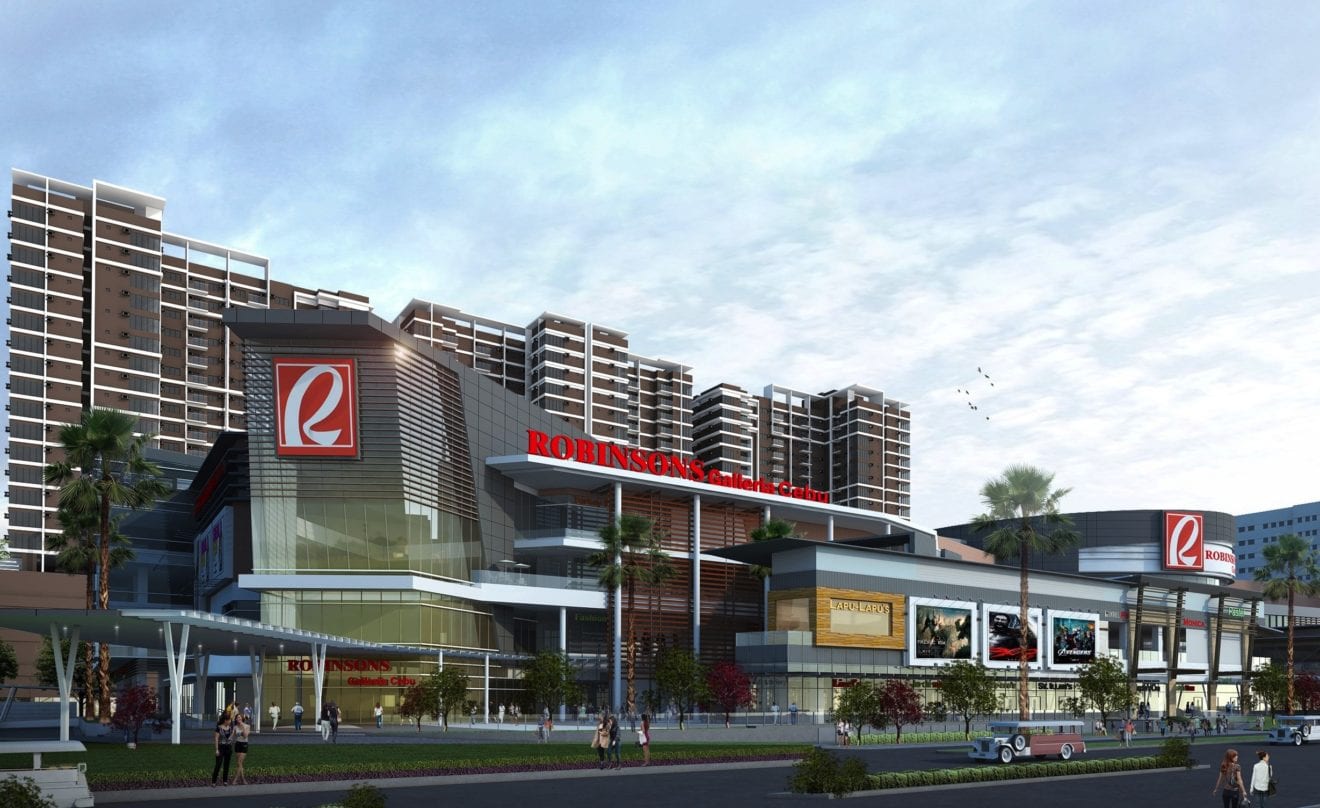
  • Robinsons Retail plans P5 billion ($106m) store roll-out

    Robinsons Retail plans P5 billion ($106m) store roll-out

    The company’s planned capital expenditures in 2016 is a 59 per cent increase from the P3.1 billion it spent in 2015.

    Robinsons Retail said expects to reach more than 200 stores in 2016 and would continue to explore merger and acquisition opportunities.

    “We have also gotten into a good start this 2016 with solid same-store sales growth for the first two months of the year as we benefited from increased consumer spending from a still robust domestic economy. We will continue with our footprint expansion, with focus on areas outside Metro Manila Looking for potential mergers and acquisition continues to be part of our strategy in growing the business,” said Robina Gokongwei-Pe, Robinsons Retail president and CEO.

    Convenience stores and supermarkets will represent a bulk of the planned new stores.

    The retail firm currently operates 10 retail formats under six business segments, including department stores, supermarkets, home improvement stores, convenience stores, drug stores and specialty stores. As of end-2015, it was operating 1506 stores with total GFA of 974,000 sqm.

    The company entered the coffee shop business with the opening of Costa Coffee shops in several locations in Metro Manila last year.

    It also ventured into smaller-format stores like Robinsons Easymart for supermarket and Robinsons Townville for community mall to reach a wider market.

  • SM City San Jose opening brings SM malls to 57

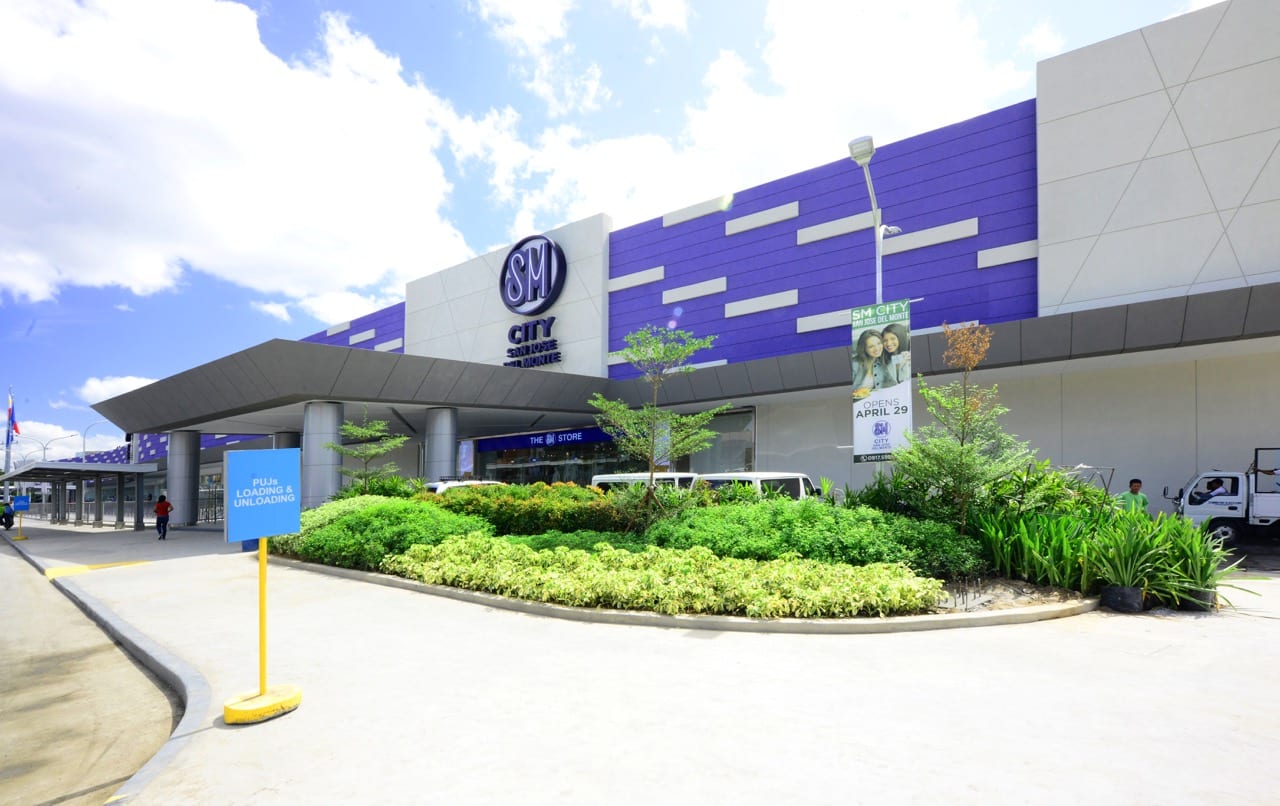
    SM City San Jose opening brings SM malls to 57

    SM Prime is opening its 57th mall in the Philippines.

    SM City San Jose Del Monte will open today. It is the third in the province of Bulacan after SM City Baliwag and SM City Marilao.

    The new mall will add 101,000 sqm in gross floor area to the total floorplate of SM Prime, SM Prime, the country’s largest integrated property company. Total retail space will add up to 7.4 million sqm, the largest footprint in the country.

    “We continue to expand in the provincial areas as we remain optimistic about their huge potential for growth. The opening of SM City San Jose Del Monte in Bulacan is a testament to this strategic direction as we remain steadfast in developing premier destinations around the country,” SM Prime President Hans Sy said.

    San Jose Del Monte is a second-tier city with predominantly middle income households, of which, 62 per cent have family members that are OFWs. The city contributes to one of the fastest growing residential and commercial hubs in the Northern Gateway of Metro Manila, covering 59 barangays and a population of almost 500,000 based on the 2010 census.

    SM City San Jose Del Monte opens with 70 per cent of space lease-awarded occupying its three floors with retail stores, dining outlets, recreation and entertainment facilities, and service centers topped with commendable architectural design making it the newest vibrant urban hub in the north of Metro Manila.

    The prime spaces are allocated to local and international retail brands, food outlets and anchor tenants such as The SM Store, SM Supermarket, SM Appliance Center, Ace Hardware, BDO, Surplus, Watsons and SM Cinema with four state-of-the-art cinemas.

    By the end of 2016, SM Prime is targeting to have 61 malls in the Philippines and six in China with an estimated combined GFA of 8.6 million sqm.

  • Siam Makro plans $258m expansion

    Siam Makro plans $258m expansion

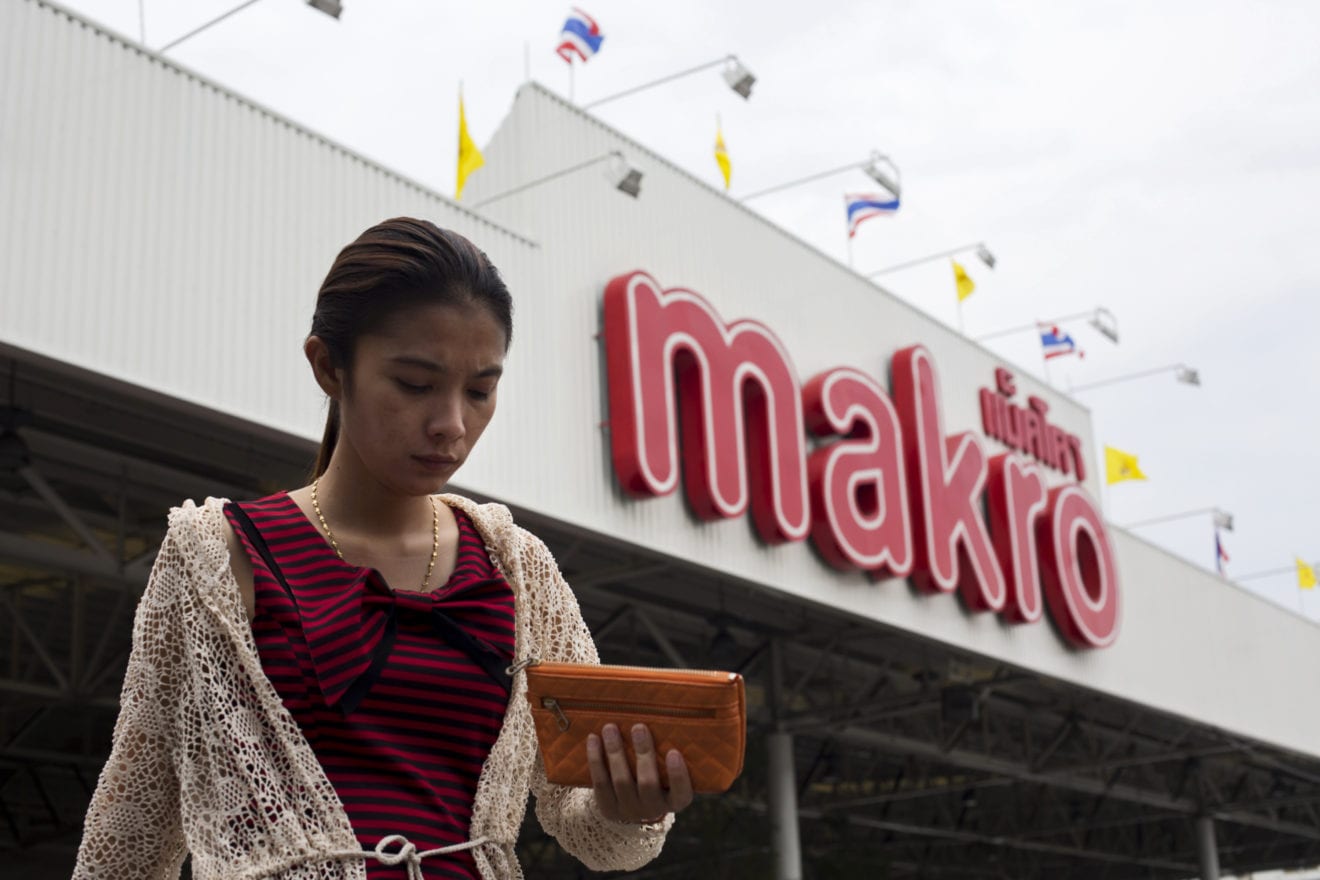
    Thai cash-and-carry chain Siam Makro plans to invest up to 9 billion baht ($258 million) in opening stores this year in Thailand and overseas.

    Its parent company, CP All, which through its ownership of 7-Eleven Thailand is the country’s largest convenience store operator, plans to sell some of its 97 per cent stake in Siam Makro. It has appointed Siam Commercial Bank as financial advisor for a public share sale.

    It is reported CP All aims to keep a stake of more than 50 per cent in Siam Makro, whose main customers are hotels, restaurants and small convenience stores.

    Siam Makro plans to spend 6 billion baht to open 20 stores in Thailand this year, plus 3 billion baht to expand elsewhere in Southeast Asia. CFO Saowaluck Thitaphant says possible markets include Cambodia, Laos and Vietnam.

    She says the company is also interested in India, and plans a store for Myanmar once the political climate is clearer following elections.

    Siam Makro expects revenue to rise by less than 10 per cent this year.

    CP All, controlled by billionaire Dhanin Chearavanont’s Charoen Pokphand Group, says it will use proceeds of the share sale to repay debt.

  • Spar Asia flourishes

    Spar Asia flourishes

    Food retailer Spar Asia had “significant” developments during its latest financial year.

    In a partnership with Ramayana, the Amsterdam-based group opened 15 stores in Indonesia in nine months, had rapid growth in India after re-entering the market in 2014, and saw its China sales rise 6.8 per cent to €1.9 billion (US$2.14 billion).

    Internationally, its retail sales netted €33 billion for the year, a 3.5 per cent increase on 2014 – the group’s strongest sales growth in five years.

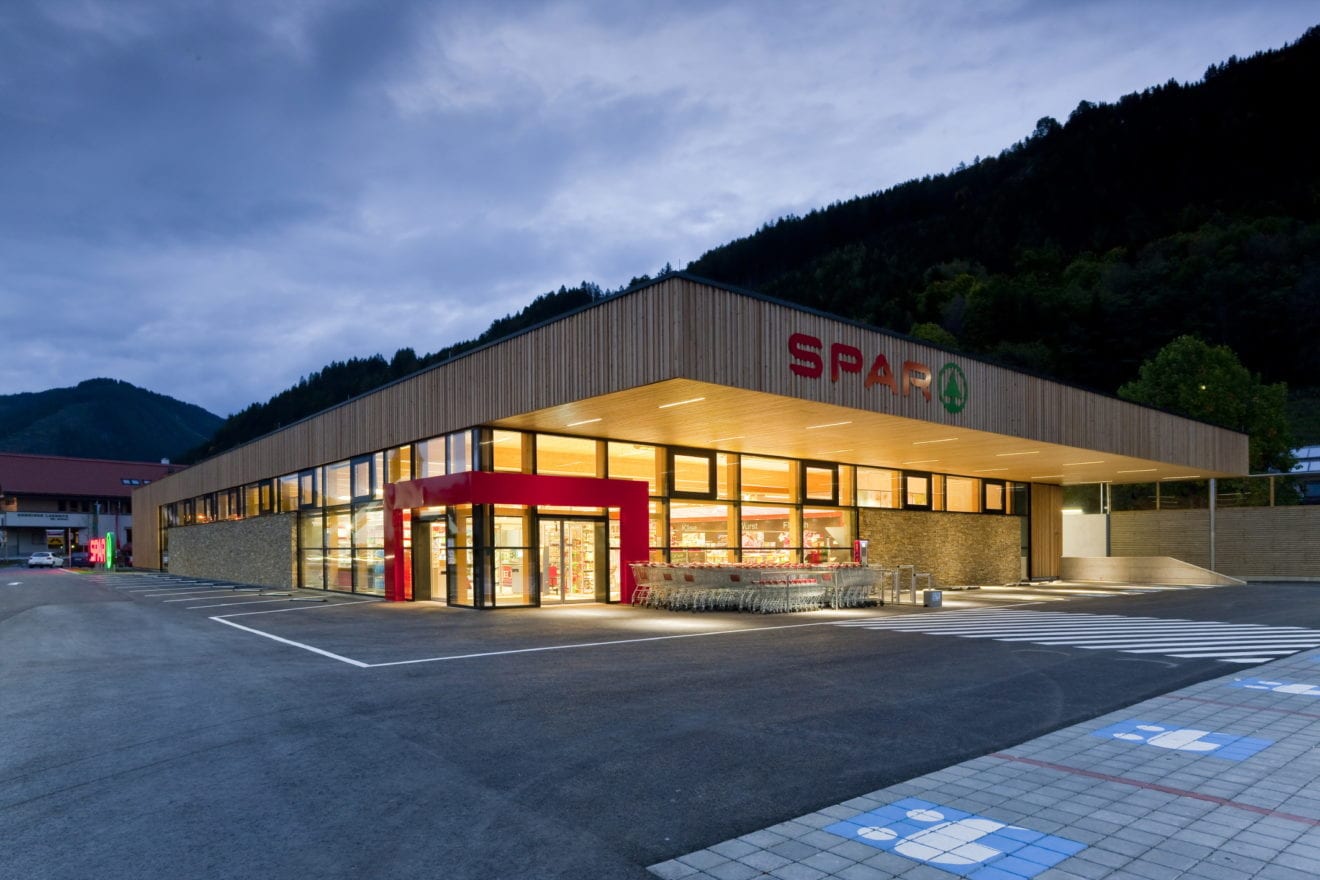
    During the year it entered four new countries, in Asia, Africa and the Middle East, taking its total to 12,100 stores in 42 countries serving 13 million customers a day. Spar International’s multi-format strategy includes hypermarkets, supermarkets, and neighbourhood and convenience stores.

    The fresh department is at the core of the Spar concept, with the stores also offering FMCG products and core non-food ranges. Value is underpinned through its low-priced, quality private-label products.

  • PRG China expanding in confidence

    PRG China expanding in confidence

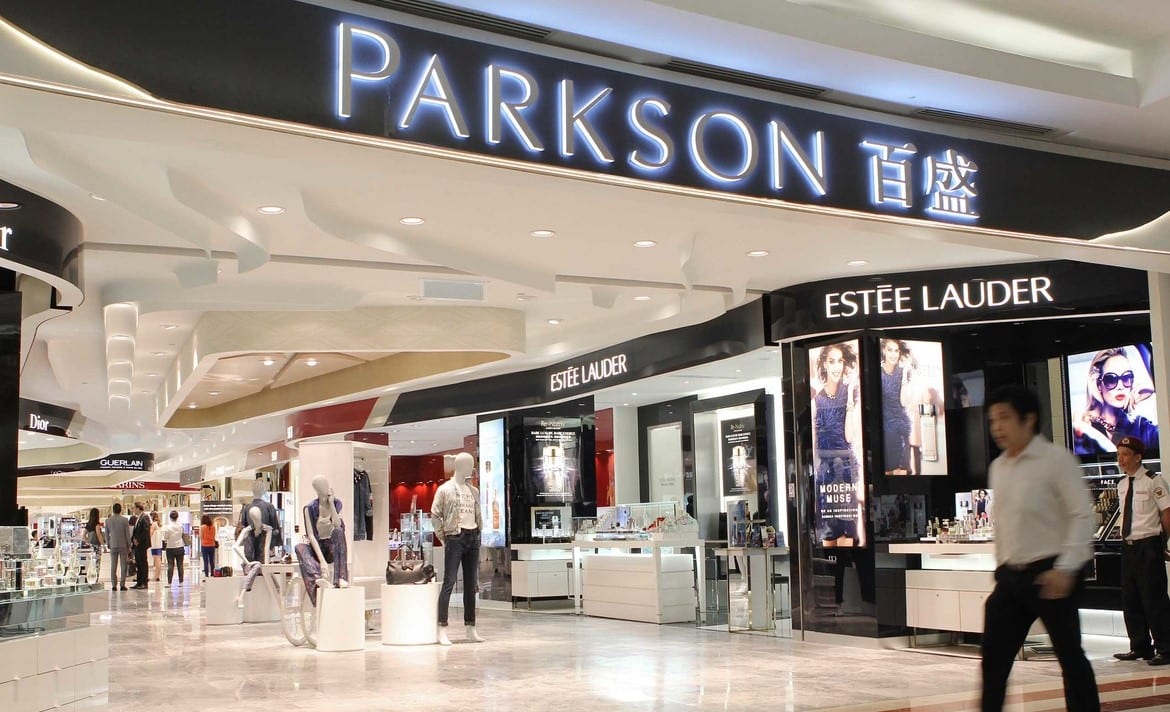
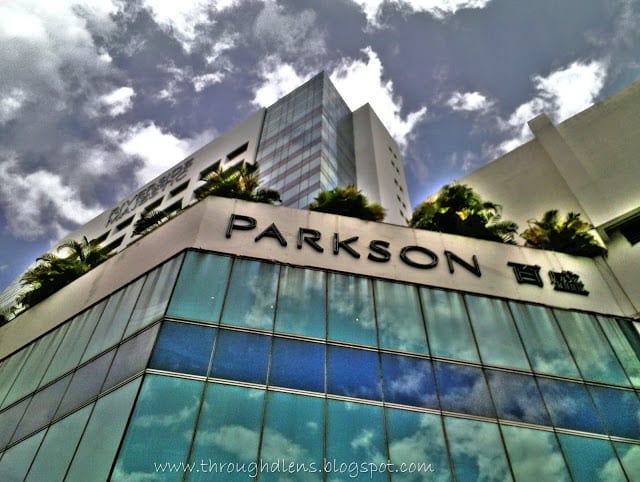
    Despite economic growth cooling, Parkson Retail Group (PRG China) is confident about its shopping mall opening this month in Qingdao.

    This confidence is underlined by an Asian Development Bank prediction that the Chinese economy will grow 6.5 per cent this year, with retail sales expanding 10.6 per cent in the first two months of this year.

    A unit of Parkson Holdings in Malaysia, PRG has 57 department stores in China, with one already in Qingdao. Its latest store is in the new Lion Mall, which the group has acquired for nearly RM1 billion (US$258 million) from Shanghai Industrial Qingdao Development via its indirect unit Qingdao Lion Plaza Retail Management.

    For the financial year ended June 30 last, the group’s China stores contributed about 70 per cent of Parkson Holdings’ revenue and profits.

    Parkson’s first store in Qingdao opened in 1998, its brand equity providing the platform for the group to expand its market share and strengthen its foothold in the fast-growing market. Lion Mall will offer a fully integrated shopping experience, with Parkson and Foodpark as anchor tenants. There will be cinemas, fast-fashion brands, international cosmetics and accessories, F&B, entertainment and other amenities.

    In the Laoshan district of Qingdao, a new financial and commercial hub, the mall is part of a fully integrated development known as the Beer City Project. It has a total gross floor area of about 230,000 sqm, of which about 130,000 sqm are for retail. There will be parking for 2000 cars.

    An exit gate is planned as a direct link to the M2 subway line, which is under construction and will come into service next year.

    On the group’s future plans, a spokesperson says a Lion Mall Phnom Penh in Cambodia is being developed, with the foundation works almost complete.

    “Another development is Parkson City Centre in Phnom Penh, where Parkson has taken a lease of 36,500 sqm and will open the first Parkson department store in Cambodia with sub-tenants in the fourth quarter of this year.”

    Parkson City Centre will include Golden Screen Cinema, making its debut in Cambodia, and Giant Supermarket’s second store.

  • Marui takes up half of Kitte Fukuoka

    Marui takes up half of Kitte Fukuoka

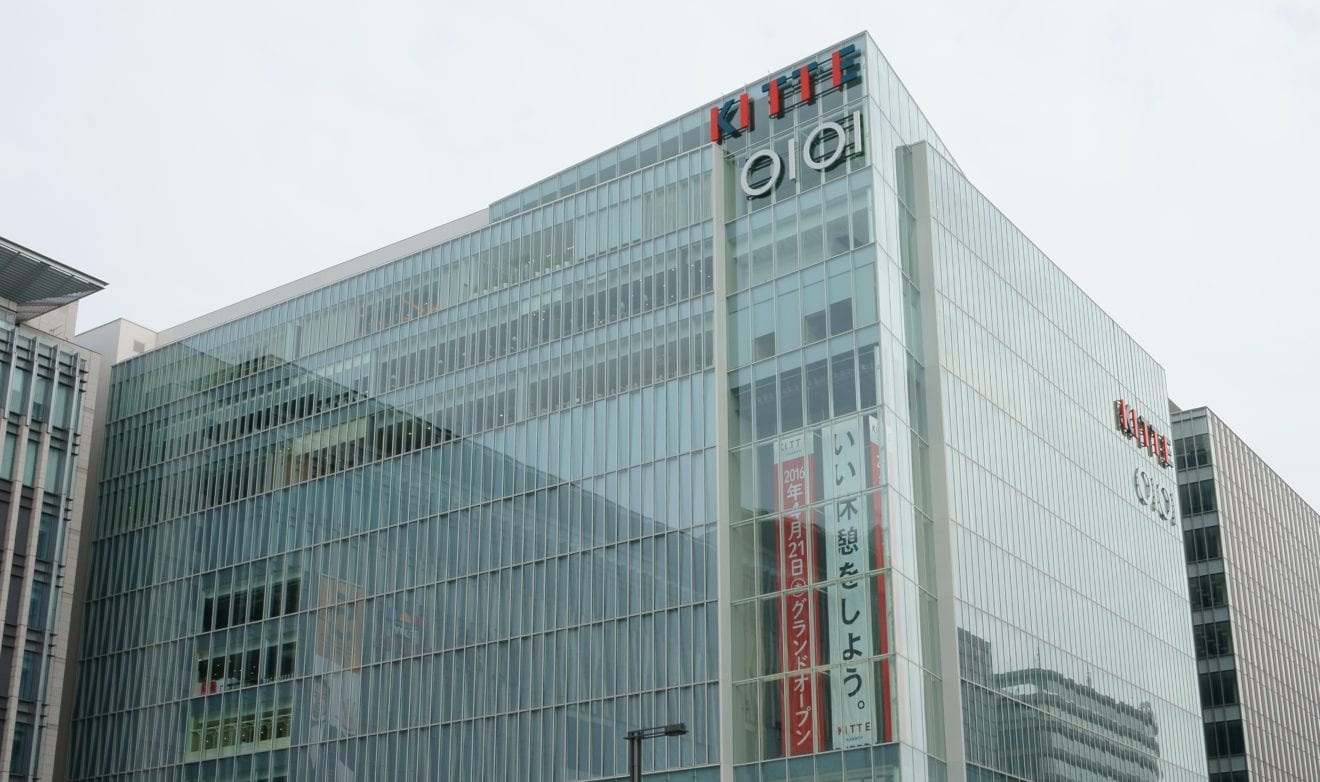
    Marui Group is opening a seven-floor retail centre that will take up half of the new Kitte Fukuokadepartment store.

    With its headquarters in Tokyo and known for its “OIOI” sign, the group will be launching Hakata Maruion floors one to seven at the 14-floor Hakataekichuogai area complex, run by Japan Post, on April 21.

    Covering about 15,000 sqm, Hakata Marui will have more than 130 tenants for food, general goods and fashion. The first six floors will feature cafes.

    A feature store will be 4 Dot Watch by OIOI on the sixth floor featuring such brands as Casio, Citizen and Seiko. It will cater for custom orders and overseas brands, such as Hamilton, La Mer Collections and Rosemont.

    There will also be three “stations” – the My Fit Station for shoes, the Customise Station for personalising products and the Gift Station for personalised gifts.

    Duty-free shopping is available, and discounts may be offered for customers using China’s UnionPay or Taiwan’s EasyCard or Chinatrust cards.

    Each section will feature specially designed environmental sounds.

    With the theme “Anyone, any time, every day”, the shopping complex will have 131 shops as well as Hakata Marui. The list includes HMV & Books’ second Japanese branch, and 30 per cent of the shops will specialise in clothing, such as Uniqlo, which will take up half a floor.

    There will be 50 restaurants and cafes, including Honolulu Cafe, Natural Dining Hakatagi (French/Japanese fusion cuisine) and Tsukiji Sushi Sei.

    There will also be an international clinic and rehabilitation centre, and a wedding hall.

  • TANGS names Kevin Dyson as new CEO

    TANGS names Kevin Dyson as new CEO

    TANGS has announce that Mr Kevin M. Dyson will be appointed Chief Executive Officer (CEO) with effect from 1 April 2016. He will also be appointed as a member of the Board of Directors of C.K. Tang Limited.

    According to a release from TANGS, effective 1 April 2016, Mr Foo Tiang Sooi will relinquish his duties as CEO, and will remain as a member of the Company’s Board of Directors. He will continue to be in the Company as Senior Director.

    As CEO, Kevin will be responsible for all aspects of the business and provide leadership in achieving TANGS’ vision as a world-class retailer.

    Here’s more from TANGS:

    Prior to joining TANGS, Kevin spent 25 years with Barneys New York, a leading luxury retailer in the USA, with extensive experience in store management, merchandising, and the expansion of stores across the USA.

    Mr Foo Tiang Sooi’s new role as Senior Director will be focused on the financial aspects of the business, providing support to the Chairman as well as the new CEO. He has been a member of the Board since 1994, before assuming the role of Chief Operating Officer (COO) in 1999, and being appointed as CEO in 2006.

  • Takashimaya Tokyo going duty free

    Takashimaya Tokyo going duty free

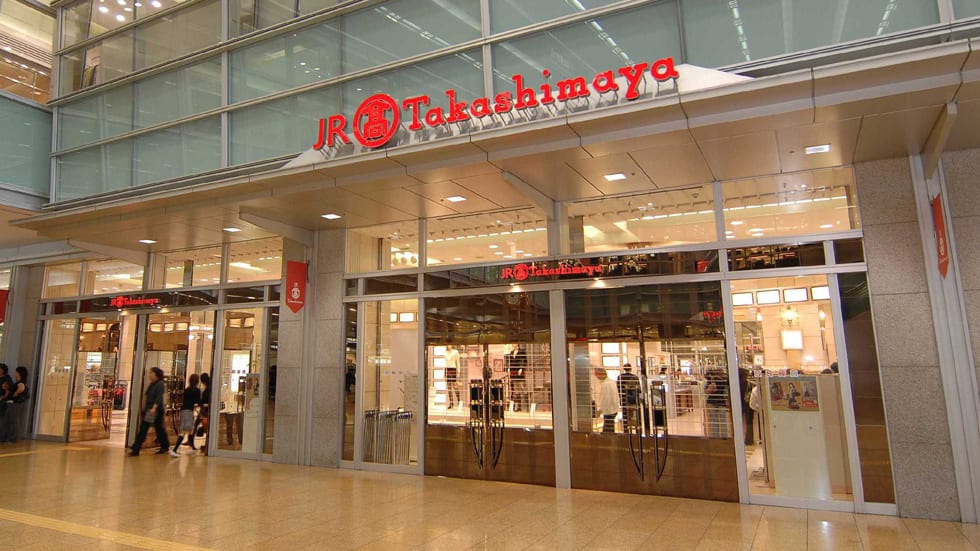
    Eyeing the growing tourist market, Japanese department store Takashimaya is going duty free with an airport-style store in Tokyo.

    Not only sales tax, but also alcohol and tobacco duties will be waived under the venture, in which the Takashimaya Tokyo store is partnering with ANA Holdings and South Korea’s Samsung Group.

    Takashimaya will contribute more than half of the capital for the outlet, establishing an oversight company with All Nippon Airways Trading and Hotel Shilla of the Samsung Group. Scheduled to open next spring, the store will probably be on an upper floor of Takashimaya’s Shinjuku branch. Depending on its performance, the partners may roll out further stores.

    Shoppers will be able to buy items in-store to pick up later at Haneda or Narita airport after completing departure procedures.

    Hotel Shilla, which runs hotels and duty-free stores, generated sales of 3.25 trillion won (US$2.73 billion) last year. The company is second only to the Lotte Group for duty-free stores in South Korea, and its international presence includes Singapore’s Changi Airport.

    ANA Trading runs airport souvenir shops.

    Visitors to Japan increased 47 per cent last year to 19.73 million, according to the Japan National Tourism Organization. More people are travelling there multiple times a year and visiting localities outside greater Tokyo via train and bus. A major bus terminal is slated for completion in Shinjuku this spring.

    Takashimaya rival Isetan Mitsukoshi Holdings opened a similar duty-free store in Tokyo’s Ginza area in late January.

  • Parkson expands into food to stem losses

    Parkson expands into food to stem losses

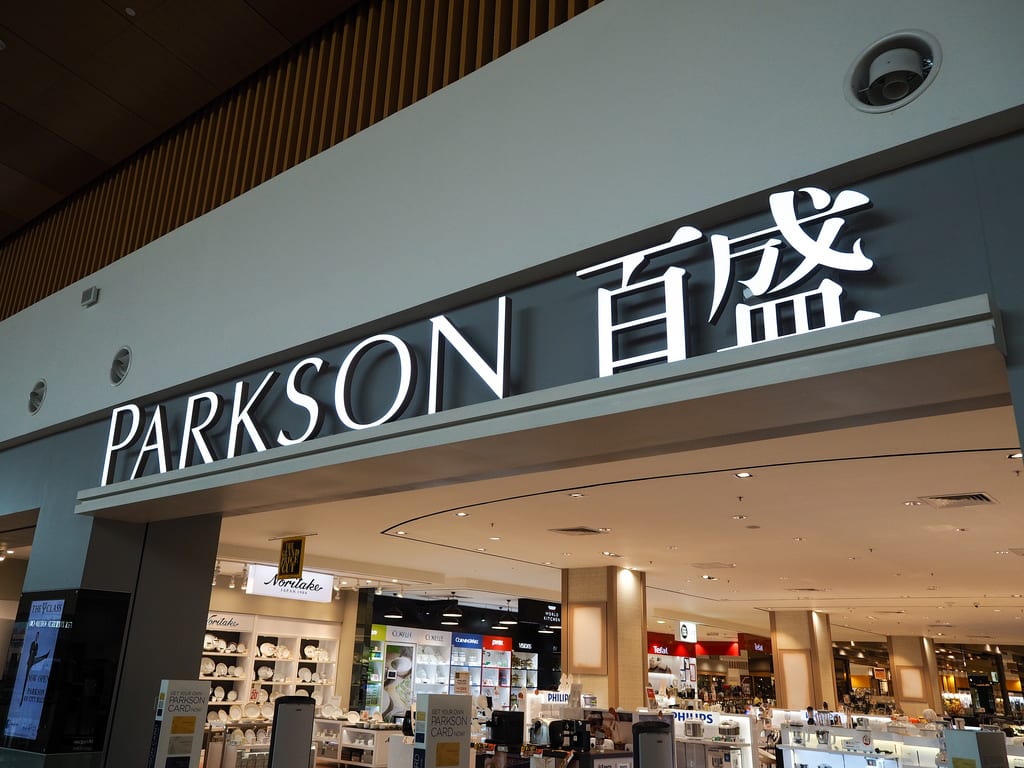
    Hit with a 15 per cent sales slump since the introduction of GST in Malaysia, embattled department store operator Parkson is set to enter new categories – gourmet food, supermarkets, beauty  – and import new fast fashion brands.

    The company has invested RM100 million (US$22.8 million) into a rebranding and repositioning project.

    It will also introduce variations of its reform into other countries where it operates: Vietnam, Indonesia, China, Myanmar and Cambodia.

    Parkson Retail Asia director Datuk Magic Lee said in a media briefing that the group expected sales to fall as much as 15 per cent after GST came into effect and that the company has also been hit by a heavy devaluation of the ringgit.

    “We will keep doing this. Retail needs to keep changing or it will get boring. We will continue investing in new businesses, bringing in new brands, even in food and beverage. We plan to bring in a bakery in the future.”

    Parkson plans to launch three “affordable” fast fashion brands from Korea into Malaysia soon, targeting about RM60 million in annual sales from the stores in stores. Those brands are Spao, Mixxo and Who.A.U. The first concessions will open on November 27.

    Lee says the company plans to build a portfolio of about 100 brands in its apparel offer and will also continue to open new stores throughout the region.

    “At the moment, we are very aggressive in South-East Asia. In Malaysia, we open three or four new outlets each year, and in Indonesia between three and five outlets,” he said.

    “In Southeast Asia, we are still fairly competitive. Competition here [in Malaysia] is not so severe. Many strong brands have not come to Southeast Asia yet, so we can bring these brands in.”

    Lee says while the company expects the weak consumer sentiment in Malaysia to continue, the company plans to remain proactive “so when the market is ready, we are ready too”.

    He hopes the rebranding campaign will fuel at least a 50 per cent rise in sales year on year.

  • Parkson’s shares hit 9 ½-year low after sinking into red

    Parkson’s shares hit 9 ½-year low after sinking into red

    Parkson Holdings Bhd’s share price contracted as much as 7.14% to its nine-and-half-year low in the morning trade, making it one of the top losers across the bourse, after the department store operator sank into losses in its latest quarterly results.

    At 2.41pm, Parkson rebounded a little from its intra-day low (RM1.04) to trade at RM1.06, still down six sen or 5.36%, after some 571,800 shares changed hands.

    The current price gives Parkson a market capitalisation of RM1.16 billion.

    In its fourth quarter ended June 30 (4QFY15), Parkson posted a net loss of RM90.95 million or 8.75 sen per share, compared with a net profit of RM26.76 million or 2.56 sen per share last year, largely on weaker retail sentiments.
    This is despite revenue for 4QFY15 rising 5.2% to RM859.04 million, from RM816.51 million last year, mainly due to slightly better figures from China, Vietnam, Myanmar and Indonesia.

    The group’s retailing division registered a weaker set of results for FY15, with revenue increasing only by 4% to RM3.64 billion; while operating profit contracted by 41% to RM190 million, compared with FY14.

    Parkson said its operation in Malaysia saw same-store sales contracting 4.5% for FY15, as consumer sentiments were affected by rising cost of living and the depreciating ringgit.

    For the full year, Parkson’s net profit plunged 69% to RM42.84 million or 4.06 sen per share, against RM138.15 million or 13 sen per share in FY14; while revenue rose 5.4% to RM3.74 billion, against RM3.55 billion last year.

    Despite the lower earnings, Public Investment Bank has upgraded Parkson to ‘outperform’, as it views its weak share price as an opportunity to accumulate, but lowered its target price to RM1.48.

    “We believe the recent slump in share price has deemed Parkson attractive, considering there is still growth in sales and profits going forward, assuming no one-offs incurred,” said the investment bank.

    “We think further weakness in Parkson’s share price is not justified, as the group’s fundamentals remain intact, with more than RM2.7 billion cash and undemanding valuation of 10.6 times and 10 times of financial year 2016 (FY16) and financial year 2017 (FY17) respectively,” it added.

    Additionally, PIVB said the recent announcement of 10 sen per share cash distribution, which will come after its internal reorganisation is completed, is fairly rewarding to shareholders, yielding 8.9% of its current share price


  • Pantaloons to invest Rs 125 cr this fiscal, add up to 35 stores

    Pantaloons to invest Rs 125 cr this fiscal, add up to 35 stores

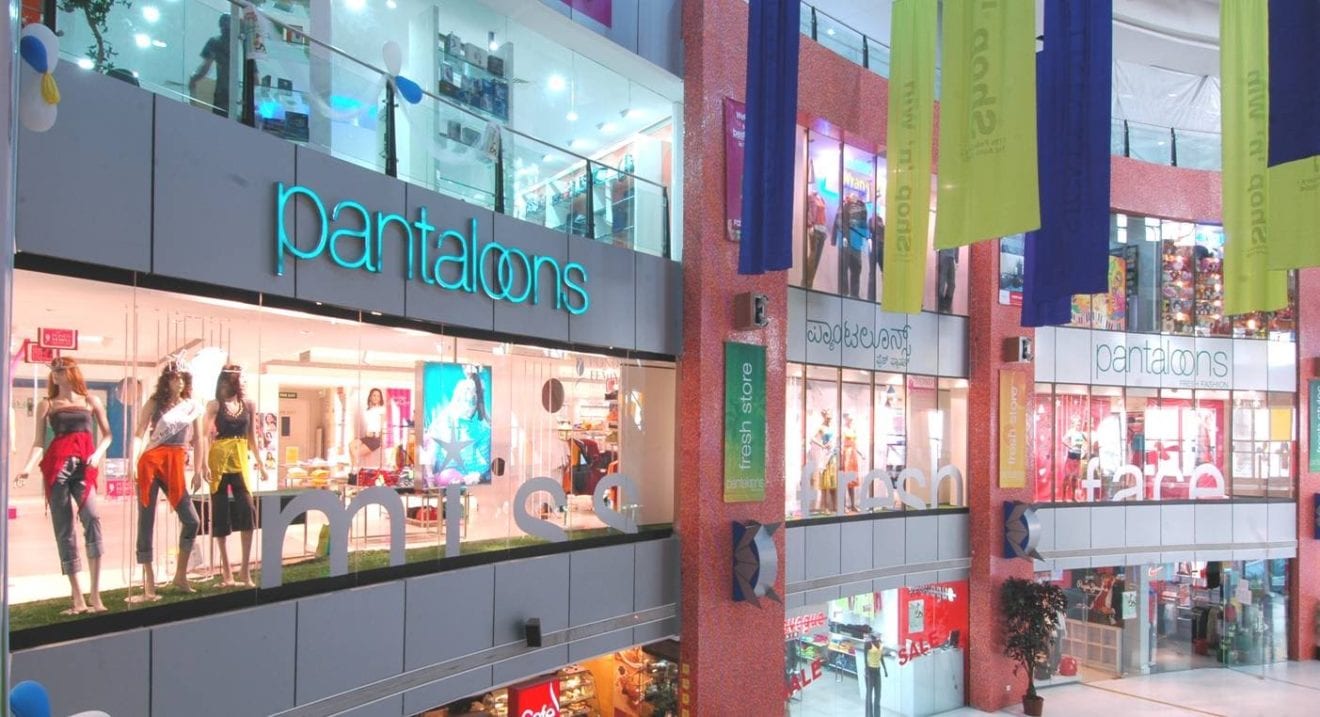
    Retail chain Pantaloons plans to invest Rs 125 crore this fiscal as it plans to add up to 35 stores across the country.

    In an investor update, Pantaloons Fashion & Retail’s parent company Aditya Birla Nuvo said: “Financial year 2015-16 capex guidance (for Pantaloons) stands at about Rs 125 crore mainly towards launch of new stores.”

    “The company is targeting to launch 30-35 stores during 2015-16 and focus will be on expanding customer reach and portfolio enrichment,” it said.

    Pantaloons, which has over 100 stores across the country, reported net sales of Rs 433.70 crore for the quarter ended June 30, 2015.

    In May, in a major restructuring exercise, Aditya Birla Group announced merger of all its branded apparel businesses into one entity, Aditya Birla Fashion and Retail Ltd.

    Under the scheme of arrangement, the apparel businesses of group holding company Aditya Birla Nuvo and of another group firm Madura Garments Lifestyle Retail would be demerged into listed firm Pantaloons Fashion & Retail Ltd (PFRL).

    Madura owns and retails brands such as Louis Philippe, Van Heusen, Allen Solly, Peter England and People and operates 1,759 stores across the country.

    In 2012, Aditya Birla Nuvo had entered into an agreement with the Future Group to infuse Rs 1,600 crore into Pantaloons and acquire a majority stake in the store chain.

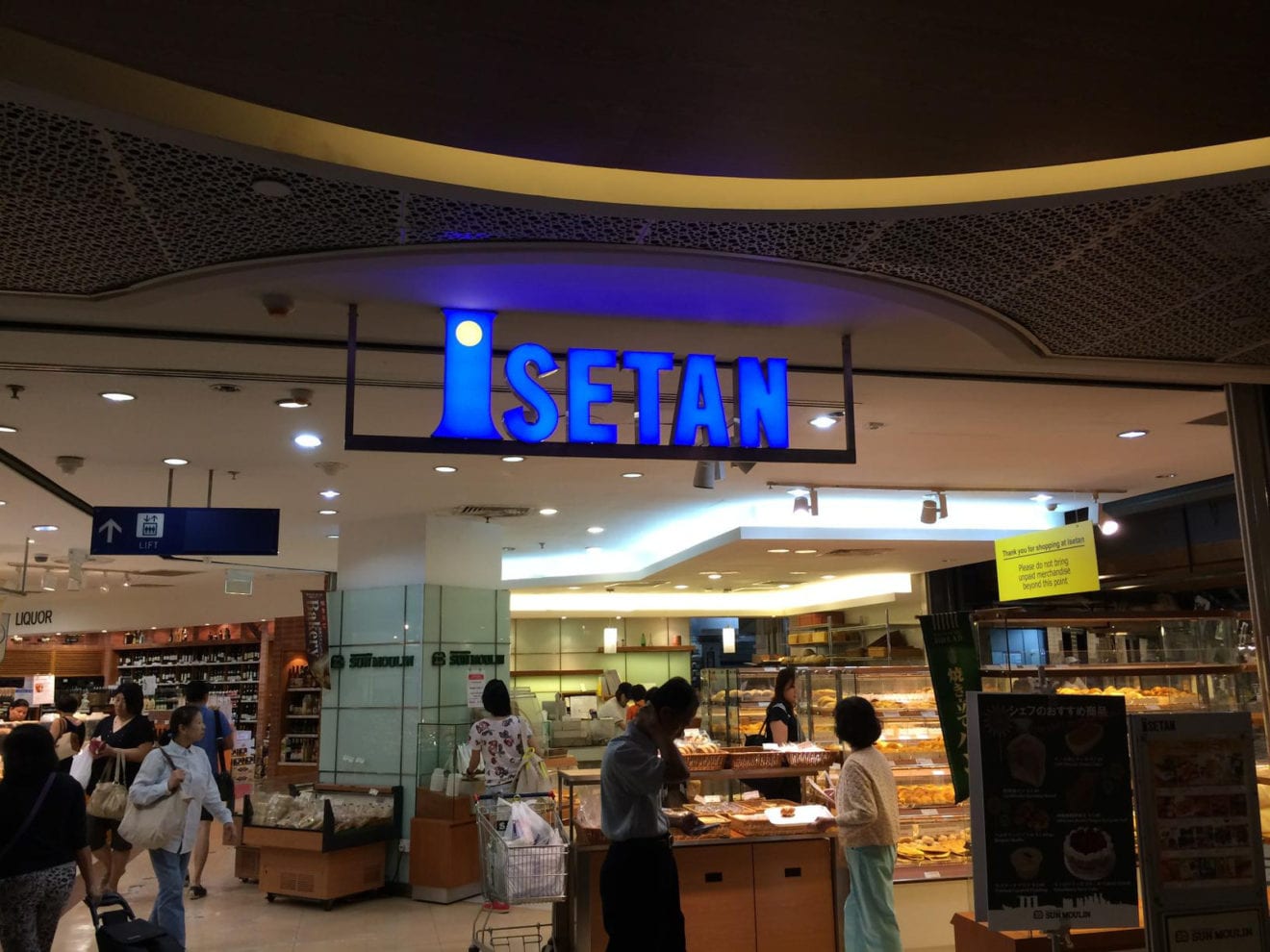
  • Bleak result for Isetan Singapore

    Bleak result for Isetan Singapore

    Japanese department store operator Isetan has reported mounting losses in Singapore as sales fall and rents rise.

    Group sales for the three months to June 30 were $71.467 million, a decrease of $10.819 million or 13.15 per cent over the same quarter a year ago. Isetan said the decrease was largely due to the closure of its Isetan Orchard store at the end of March to prepare the store space for subletting, and a slowdown in sales in all of its stores (except Isetan Jurong East) “due to an environment of slower economic growth and stiff competition amongst retailers”.

    In the second quarter the company incurred a loss after tax of $5.847 million, compared to a loss of $1.214 million in 2014.

    Higher rent at Isetan Scotts, affected both the store’s result and was the main reason for the overall increase in the rent outgoings.

    “At Isetan Orchard, the process of finding tenants and converting the space for renting out is ongoing,” the company said in a statement.

    “In this respect, there was no rental income from this store during Q2.”

    “At Isetan Jurong East, although the store is experiencing sales growth, it is not contributing to profits yet. The general slowdown in sales was also a drag on the results of the Group for Q2.”

    Its other stores are at Katong, Tampines and Serangoon Central.

  • Korean division retailer gross sales rise

    Korean division retailer gross sales rise

    Korean division retailer gross sales are on the rise.

    Figures launched by the Ministry of Commerce, Business and Power at this time (June 29) present a second consecutive month-to-month improve in Might, boosted by meals and attire.

    However the figures ought to be taken with warning: the impression of the MERS outbreak in Korea gained’t be mirrored within the figures till June, when shoppers began staying house to scale back the danger of an infection.

    Gross sales Development of Korea’s Main Retail Channels for Might reviews a three.1 per cent improve in division retailer gross sales by the main gamers and a extra modest zero.5 per cent improve from low cost department shops.

    In April, gross sales rose 1.three per cent and zero.02 per cent respectively.

    Analysts attribute Might’s will increase to gross sales of luxurious branded items, womens informal attire, childrenswear and golfing gear.

    Meals drove low cost retailer gross sales, fuelled by discounting promotions, however childrenswear and tv gross sales subsided.

    Comfort shops continued to thrive, posting a 31.5 per cent progress, largely because of cigarette worth will increase and greater than regular gross sales of prompt and recent meals.

  • Wangfujing, Bailian to launch 300 retailer China chain

    Wangfujing, Bailian to launch 300 retailer China chain

    Wangfujing Division Retailer, Bailian Group and Li & Fung plan to launch a 300-strong chain of retail shops in China in a three-way three way partnership.

    The businesses say they plan to “rework China’s retail business” by way of enhancing provide chain effectivity.

    Li & Fung Buying and selling (China) Holdings, a wholly-owned subsidiary of Hong Kong listed Li & Fung stated the JV can be based mostly within the Shanghai free commerce zone.

    Li & Fung could have a minority 20 per cent curiosity within the new enterprise, with the bulk evenly balanced between the opposite events.

    The core enterprise of the JV shall be creating and managing personal labels and licensed manufacturers. Within the first three-year plan, the JV will concentrate on menswear, womenswear, childrenswear and residential merchandise, creating as much as three personal labels and as much as six licensed manufacturers. It “might contain” the opening of as much as 300 shops or store-in-stores and realising as much as 1 billion yuan in gross sales.

    Li & Fung will use its international sourcing experience to design, supply and produce personal labels and licensed manufacturers tailor-made to the retail companions’ necessities.

    The corporate says the partnership displays the growing competitors in a fast-evolving retail market and the rising significance of eCommerce that are driving Chinese language multi-brand retailers to look to develop personal and proprietary manufacturers with which to distinguish themselves from rivals, improve margins and enhance buyer loyalty.

    “In the long term, the JV goals to be on the forefront of a brand new breed of brand name improvement and administration corporations giving robust own-brand capabilities to conventional retailers that may contribute to the transformation and sustainable improvement of China’s retail business,” Li & Fung stated in a press release.

    “Via this strategic partnership, Li & Fung is ready to prolong the worldwide provide chain into a considerable retail community that serves a big rising center class in China,” stated William Fung, group chairman.

    “The three way partnership goals to introduce globally sourced merchandise that provide Chinese language shoppers a greater variety of overseas items,” he added.

    Shanghai Bailian Group owns greater than 6 million sqm of economic area, with 5000 gross sales retailers in additional than 20 provinces and cities all through China, masking quite a lot of retail codecs together with malls, supermarkets, comfort shops, purchasing malls, low cost shops and franchise shops. Its basic merchandise division operates 47 department shops in China, together with Shanghai First Division Retailer, Wing On Division Retailer, No. 1 Yaohan Division Retailer, Oriental Division Retailer, Bailian Buying Mall and Bailian Retailers.

    Beijing Wangfujing Division Retailer operates 45 chain shops in numerous retail codecs in 30 cities, together with department shops, purchasing malls, retailers and eCommerce.
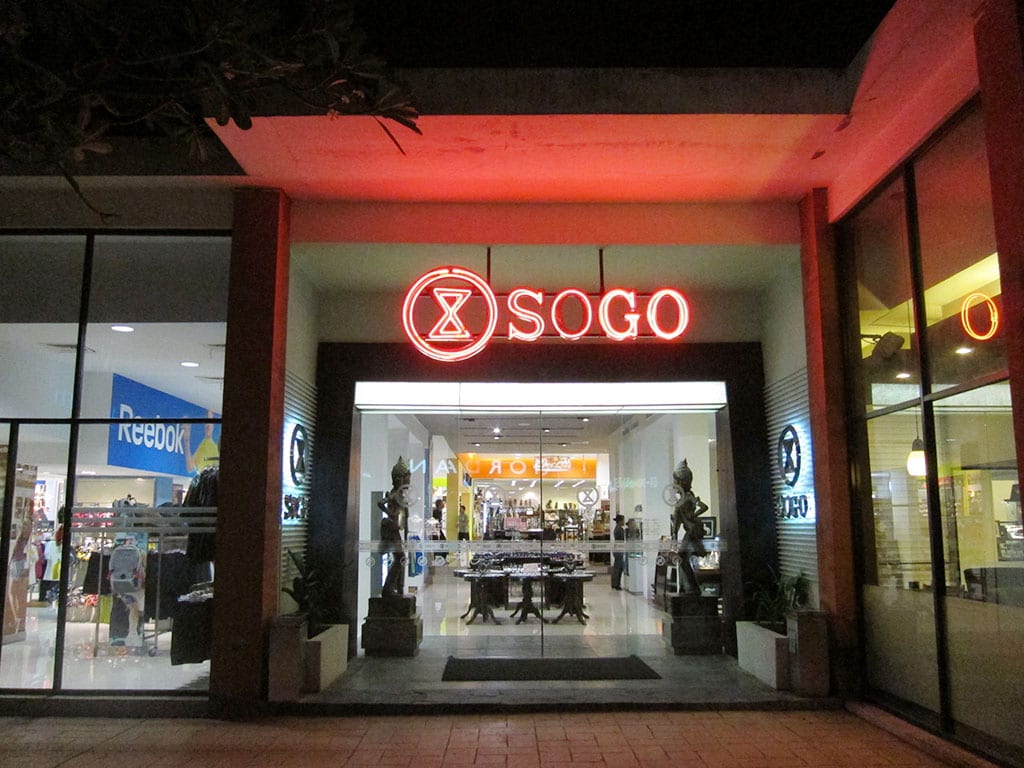
  • Singaporeans spend money on Sogo Malaysia

    Singaporeans spend money on Sogo Malaysia

    A Singaporean funding firm has taken a strategic stake within the Malaysian licenceholder of Japanese division retailer model Sogo.

    Singapore-listed LTC Company, by way of a wholly-owned subsidiary, has taken a 50 per cent share of USP Fairness in equal partnership with USP Assets, which has acquired USP’s shareholding in SKLDS, which operates Sogo beneath licence from Sogo & Seibu  of Japan.

    LTC, historically concerned in property improvement, metal buying and selling and investments in Malaysia, China and Singapore, says in a regulatory submitting the mover is a part of a strategic initiative to broaden its enterprise base.

    “The LTC Group has been in search of a brand new enterprise to generate further revenue streams and diversify its asset and income base. Venturing into the retail and distributive enterprise in Malaysia is a step within the course of attaining these aims,” it stated.

    The funding value LTC MYR70.14 million (US$18.17 million).

    Sogo Malaysia is a full-line division retailer concentrating on home shoppers within the center market, ranging grocery, cosmetics, fragrances, attire and homewares.