Tag: Department Stores

  • Hyundai Department Store to Open 10 Overseas Multi-Brand Stores by 2030

    Hyundai Department Store to Open 10 Overseas Multi-Brand Stores by 2030

    Hyundai Department Store will open 10 large multi-brand retail stores across Japan, Europe, and the United States by 2030. It is partnering directly with domestic apparel labels. These partnerships create permanent multi-brand platforms outside South Korea.

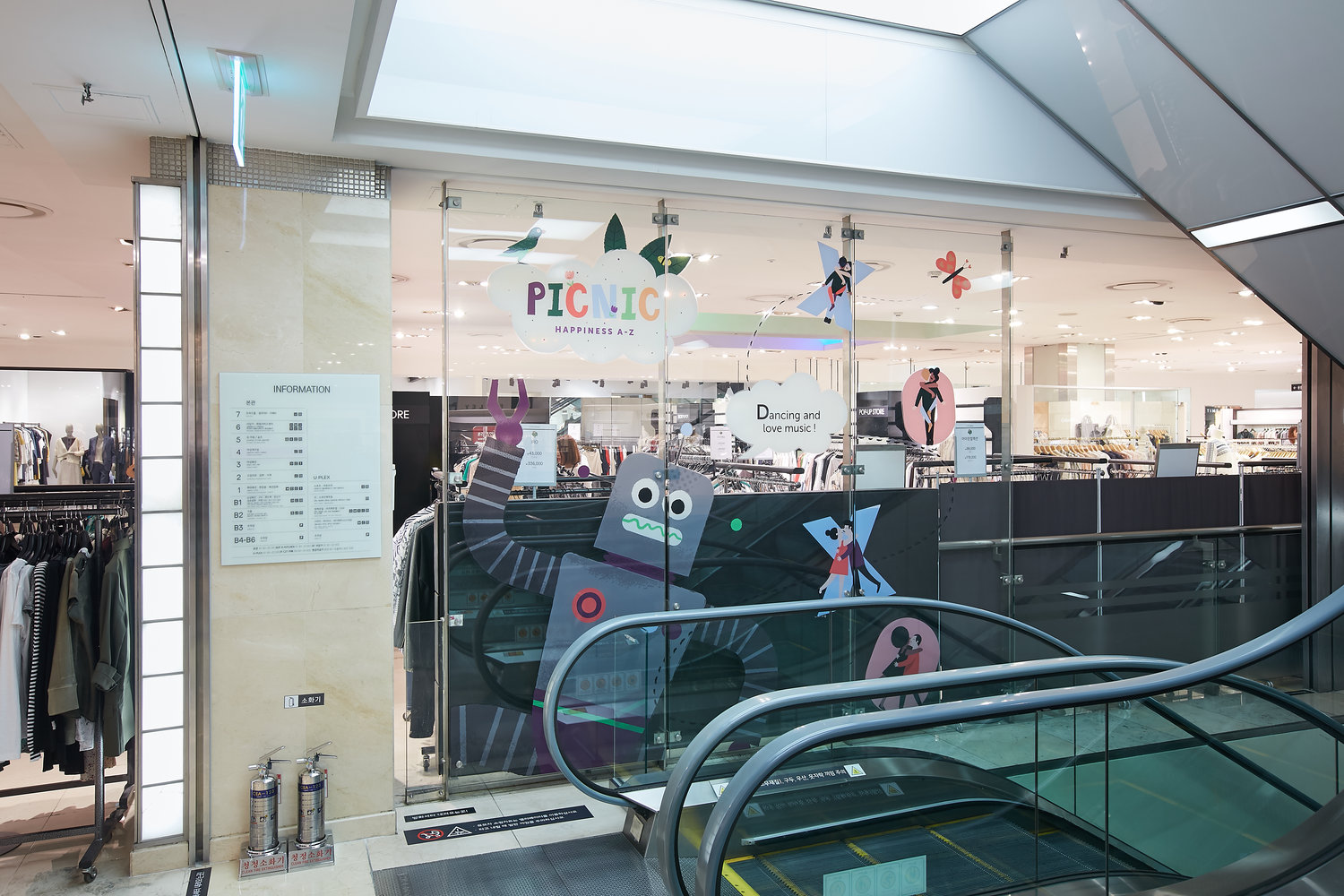
    The rollout begins in Tokyo. The company established a permanent location inside the Omokado shopping center in the Omotesando fashion district. That site puts multiple Korean fashion brands onto a single operated floor plan.

    Building an Export Channel for Korean Labels

    South Korean department store operators face slowing domestic consumption and saturated prime retail zones in Seoul. Exporting curated fashion spaces creates a secondary revenue channel. It also cuts market-entry risk for smaller independent labels.

    Individual Korean fashion brands frequently struggle with overseas lease negotiations, local regulatory compliance, and foreign staffing. Hyundai acts as the master tenant and operational umbrella. This structure gives smaller labels turnkey access to high-footfall international corridors.

    Tokyo Footprint as the Launchpad

    The Omokado location tests foreign shopper demand in Tokyo before the company expands into Western markets. Japanese shoppers already represent a solid buyer base for Korean consumer culture, cosmetics, and street apparel.

    Floor space in Omotesando positions the business directly against Japanese department store groups and specialty concept stores. Results in Tokyo will shape the retail layout and brand mix for planned European and American flagships.

    Shifting Away from Short-Term Pop-Ups

    Domestic retail groups spent years testing overseas appetite through short-term pop-ups in major Asian gateway cities. Permanent real estate requires consistent foot traffic and higher baseline sales to cover fixed operating costs.

    Landlords in Tokyo, London, and New York want differentiated international tenants to draw shoppers offline. Hyundai is pitching its Korean apparel curation as an anchor draw for commercial property operators overseas.

    Milestones Toward the 2030 Target

    Execution risks center on international supply chains, localized inventory management, and sustained sales momentum. Store profitability hinges on balancing prime retail rents against the average order values of youth fashion brands.

    Site reviews are underway in European and US retail capitals. Performance data from the Omotesando site over coming quarters will guide the next phase of store openings.
  • David Jones’s 2012 Mystery UK Takeover Approach: Historical Context

    David Jones’s 2012 Mystery UK Takeover Approach: Historical Context

    Historical context correction (8 November 2026): This article concerns the takeover approach reported on 29 June 2012, not a new approach in 2026. ABC’s report from that date subsequently identified the bidder as EB Private Equity and described an initial A$1.65 billion proposal. ABC’s updated report recorded a 14.6% share-price rise; it does not verify the 12.3% / A$2.54 snapshot retained below. References to a forthcoming offer describe expectations at the time, not a live transaction. The broader commentary about online competition and lease risks is analysis, not a finding established by that ABC report.

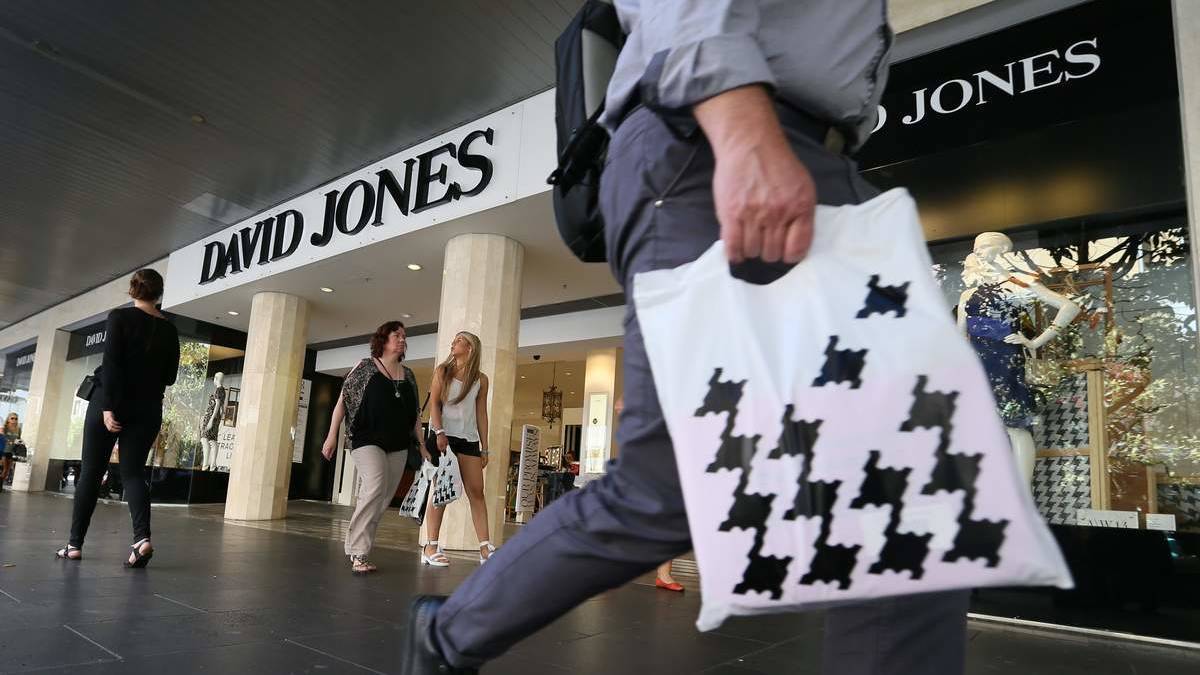
    David Jones shares surged 12.3 per cent to Aus$2.54 on 29 June 2012 after the upmarket Australian department store received an unsolicited takeover approach from a mystery British bidder.

    Early trading peaked with an intraday gain of more than 17 per cent before easing in the afternoon.

    Unsolicited letter from an unincorporated entity

    The Australian retailer confirmed receipt of an indicative letter from a non-incorporated UK business seeking to explore a buyout of the company. Board members stated they lack sufficient operational and financial detail to evaluate the proposal at this stage.

    The directors do not believe they currently have relevant information to enable them to qualify or value the approach but, should this change, will advise the market accordingly.

    Sector-wide rally across department store rivals

    Trading desks reacted immediately across the broader Australian discretionary retail sector. Shares in key domestic rival Myer advanced more than four per cent to Aus$1.61 following the announcement.

    Investors view the approach as an opportunistic bid to acquire prime retail footprint at discounted valuations. Department store operators across the region face margin compression, elevated leasing costs and intensifying competition from foreign e-commerce platforms.

    Balance sheet pressures and online competition

    Traditional multi-brand retailers in Australia continue to grapple with sluggish household spending and shifting shopping patterns. Physical department stores carry substantial fixed property overheads while digital pure-plays capture market share in apparel and beauty categories.

    For institutional shareholders, an offshore buyout approach tests whether current trading prices reflect underlying asset backing. Commercial landlords face lease renegotiation risks if new ownership chooses to rationalise underperforming store space.

    Profit downgrade set the stage for opportunistic bids

    The takeover approach follows a difficult operational stretch for the Sydney-based retail group. In March, David Jones warned that full-year profit could drop by up to 40 per cent as stalled consumer demand and accelerating digital sales weighed heavily on store traffic.

    At the time, attention focused on whether the approach would develop into a formal offer; this was a 2012 development, not a current transaction.

  • Malaysia Q2 Retail Sales Growth Falls Short as Spending Tightens

    Malaysia Q2 Retail Sales Growth Falls Short as Spending Tightens

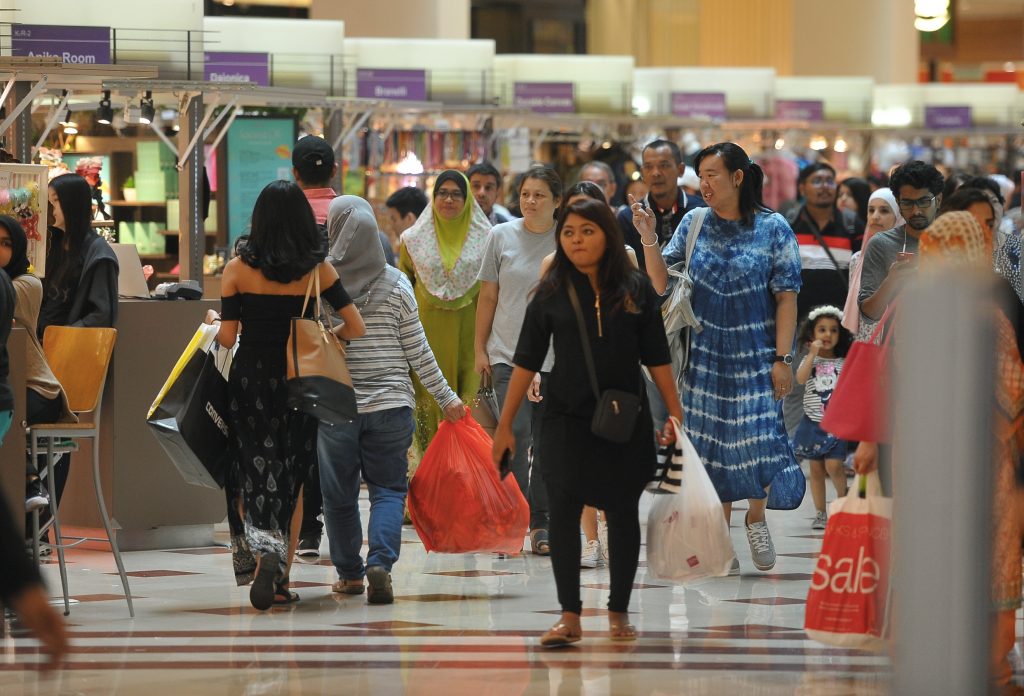
    Malaysia recorded weaker than expected retail sales growth in the second quarter. Households curbed discretionary spending under persistent cost of living pressures.

    Store operators were caught off guard. They had anticipated stronger post-holiday consumption across shopping malls and high street locations.

    Squeeze on Household Budgets

    Shoppers across urban centers like Kuala Lumpur redirected budgets toward essential groceries and basic utilities. They cut visits to apparel boutiques, specialty food outlets and consumer electronics chains. That left retailers managing slower foot traffic, smaller basket sizes and rising price sensitivity across mid-market categories.

    Department stores and specialty chains felt the sharpest pinch during the quarter. Food and beverage operators also saw customers trade down to cheaper meals and cut back on cafe visits.

    Operator Margins and Inventory Risk

    This slowdown creates inventory friction for regional retailers that built up stock expecting resilient consumer demand. Excess seasonal merchandise forces heavier discounting. Gross margins take the hit while operating overheads, logistics costs and mall service charges stay high.

    Commercial landlords face tougher lease renewal talks as tenant turnover risk mounts. Shopping center operators across Southeast Asia counted on domestic spending to balance uneven tourist arrivals. A local slowdown weakens tenant revenue-sharing agreements and dampens rental reversion rates.

    Broader Southeast Asian Pattern

    Similar patterns are playing out across neighboring markets, including Thailand and Indonesia. Post-pandemic retail rebounds there also gave way to cautious household budgeting. Earlier quarterly gains relied on festival spending, but momentum vanished once promotional cycles ended.

    Retail groups are now recalibrating third-quarter procurement orders and delaying non-critical store refits. Attention turns to upcoming third-quarter performance data and year-end holiday order books to gauge whether revenue stabilizes before 2027.

  • Harrods Develops Bespoke Collaboration with Hong Kong Brand Silk

    Harrods Develops Bespoke Collaboration with Hong Kong Brand Silk

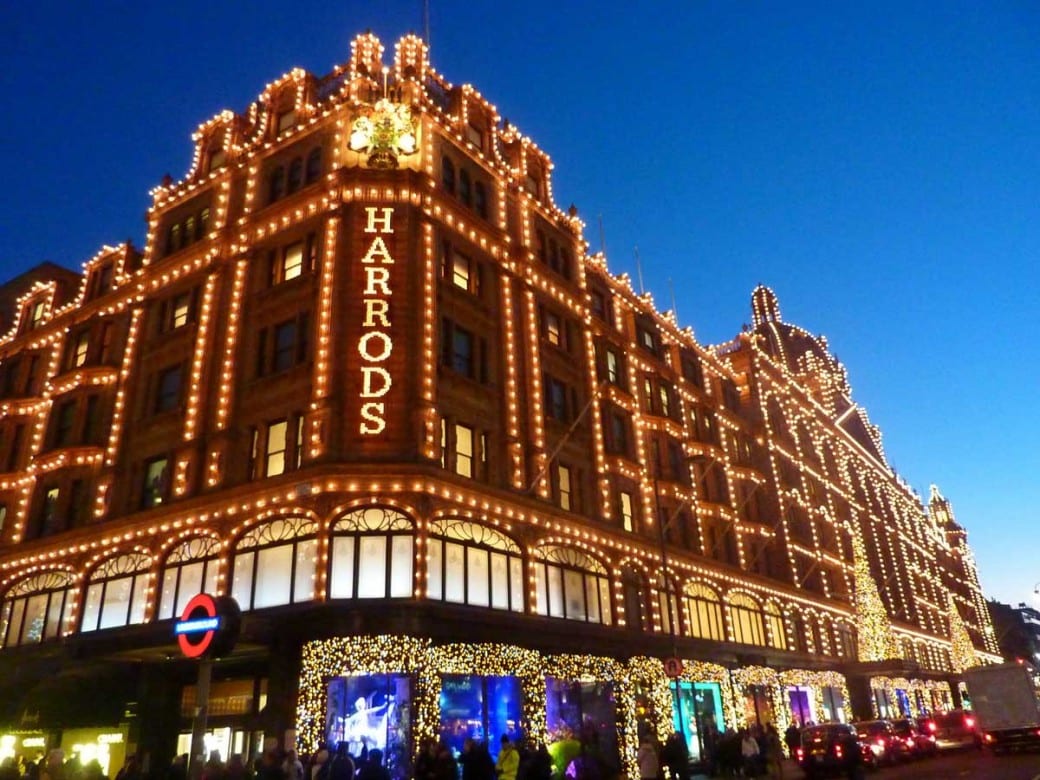
    In September 2026, London department store Harrods flew members of its global marketing team to Hong Kong to develop a bespoke collaboration with Silk, a young local beverage brand. The partnership aims to place Hong Kong-style bubble tea directly into premium lifestyle culture.

    Silk was founded on the conviction that Hong Kong-style bubble tea deserves a place in premium retail. For the young beverage maker, working directly with 1 of the world’s most recognisable department stores confirms its place in high-end lifestyle branding.

    Global Retailers Target Local Asian Culture

    Department stores across Europe and Asia increasingly look past standard licensing deals in favour of direct, culturally rooted partnerships. Securing authentic local products gives established department stores cultural credibility with younger Asian travellers and domestic luxury shoppers.

    For Silk, entering a joint project with Harrods validates a premium pricing and branding strategy for a product category traditionally sold at low street prices. The commercial risk sits in execution: luxury consumers expect elevated ingredients, distinct packaging and narrative depth rather than standard co-branding.

    Shifting Playbook for Independent Beverage Brands

    Regional beverage brands in Asia previously relied on regional franchise networks or overseas store openings to build global scale. Partnering directly with legacy international retailers offers an alternative route to worldwide visibility without the capital expense of offshore physical stores.

    The Harrods project mirrors broader retail shifts where Western heritage operators seek relevance in Asian consumer hubs through high-profile regional collaborations. The development process required London brand teams on the ground in Hong Kong to oversee formula and packaging design.

    Next Steps for the Collaboration

    Harrods and Silk will confirm rollout schedules and retail availability across physical counters and export channels once final product formulations clear development.

  • Australian Retail Health Index Drops to Negative 1.07 as Insolvencies Rise

    Australian Retail Health Index Drops to Negative 1.07 as Insolvencies Rise

    Australian retail conditions worsened sharply in the three months ending June 2026, dragging KPMG’s Retail Health Index down to negative 1.07 from negative 0.37 in the previous quarter.

    A steep 11.4 per cent drop in consumer sentiment drove the decline, even as total household spending and producer prices recorded modest gains.

    Pressures on cash flow and demand led to 254 retail insolvencies during the three-month period. Employers pulled back hiring across store networks, cutting job vacancies by 15.3 per cent to leave 26,000 open roles across the country. The index measures spending, sentiment, turnover, pricing and underlying business performance to gauge sector viability.

    Value Hunting Alters Store Economics

    Shoppers across Australia have shifted their habits toward planned, price-sensitive purchases rather than halting expenditure entirely. Foot traffic and checkout totals increasingly concentrate around major promotional windows such as End of Financial Year sales, thinning margins for operators between events.

    For regional retail groups and brand distributors, this concentration creates sharp operational volatility. Inventory holding costs rise between discount periods, while staffing models must flex quickly to handle brief spikes in transaction volume without blowing out payroll costs.

    Digital Channels and Labour Adjustments

    Suppliers face renegotiations on wholesale terms as storefront operators fight to protect gross margins against higher input costs. Landlords in secondary shopping centres risk longer lease negotiations, particularly where specialty fashion and discretionary merchants struggle to sustain standard rent-to-sales ratios.

    The contraction follows a prolonged period of cautious buying that started when higher borrowing costs began constraining disposable income across major metropolitan centres. Earlier quarters had managed to absorb rising operational overheads through modest price adjustments, but consumer pushback against shelf prices has now limited further retail pass-through.

    Promotional Execution Takes Centre Stage

    Relief for the sector depends heavily on whether lower supply chain disruptions and sustained population growth can offset cautious household budgets. Retailers are directing investment into automated personalisation and inventory tracking systems to lift conversion rates ahead of high-volume seasonal trading.

    Merchant performance across the market now hinges on order execution during the upcoming Black Friday and Cyber Monday discounting calendar.

  • SingLand to Shut Marina Square for 360,000-Sqm Mixed-Use Rebuild

    SingLand to Shut Marina Square for 360,000-Sqm Mixed-Use Rebuild

    Singapore Land Group will close Marina Square on March 31 to redevelop the 40-year-old complex into a 360,000-square-metre mixed-use property.

    The project replaces the standalone shopping centre with three towers housing 204 luxury apartments, 13,000 square metres of office space, a 304-key hotel, and a four-storey retail hub by 2031.

    The Rebuild Plan for Marina Bay

    SingLand plans to build a 49-storey residential tower alongside an eight-floor office block and hospitality facilities. The revamped four-storey retail podium will pivot toward food and beverage outlets, pet-friendly public spaces, padel courts, a botanic loop, and covered pedestrian bridges linking directly to NS Square.

    Master planning is led by PLP Architecture alongside local firm DP Architects. The current building was designed in the 1980s as an inward-facing structure focused on department stores, a bowling alley, and cinemas, cutting off foot traffic from the surrounding waterfront district that grew around it over four decades.

    Why Single-Use Retail Boxes Are Disappearing

    The overhaul reflects a broader structural change across Asian retail hubs. Standalone malls in central business districts face direct pressure from decentralised suburban retail, with more than 50 town centres across Singapore now offering duplicate tenant mixes within residential estates.

    Landlords are responding by stacking residential and commercial towers directly above retail space to engineer built-in foot traffic. The same dynamic drives major mixed-use precinct investments across the region, including IconSiam and One Bangkok in Thailand, Omotesando Hills in Tokyo, and Taikoo Li in Shanghai.

    Planning Incentives and Anchor Store Decline

    Urban planners in Singapore are actively encouraging commercial landlords to retire single-use retail boxes. SingLand is tapping the Urban Redevelopment Authority’s Strategic Development Incentive Scheme, which grants higher gross plot ratios and flexible land-use rezonings for developers adding residential and hotel components to older commercial sites. Similar transformations are underway at Union Square on Havelock Road and Tanglin Shopping Centre near Orchard Road.

    When Marina Square opened in 1986, its 59,000 square metres of retail floor area made it Southeast Asia’s largest shopping complex. That legacy retail model relied on sprawling department store anchors, an arrangement that has broken down following the collapse or scaling back of operators such as Robinsons, John Little, and Metro.

    Tenants face a final trading date of March 31 before demolition crews take over the site ahead of the 2031 handover.

  • Singapore Retail Sales Growth Slows to 1.5% in July as Luxury Holds Firm

    Singapore Retail Sales Growth Slows to 1.5% in July as Luxury Holds Firm

    Singapore retail sales excluding motor vehicles rose 1.5 per cent year-on-year in July to SG$3.7 billion (US$2.9 billion), slowing from a 4.1 per cent gain in June.

    Official Department of Statistics data released on Monday showed shoppers pared back daily supermarket and fuel spending while sustaining double-digit increases on high-end discretionary items. Online transactions generated 18.3 per cent of total retail turnover during the month.

    Discretionary Spend Defies Inflation

    Recreational goods rose 13.9 per cent year-on-year, propelled by sports equipment purchases. Turnover for watches and jewellery climbed 11.1 per cent over the same period, giving both categories three consecutive months of double-digit expansion.

    Everyday retail categories faced a sharper contraction. Fuel receipts dropped 1.1 per cent in July after an 8.0 per cent expansion in June, reflecting a mid-year drop in pump prices before crude costs picked up again heading into late third-quarter trading. Supermarkets, convenience stores, mini-marts, and food and alcohol retailers all posted annual revenue declines.

    Right now, this is a market where retailers serving the masses are struggling, while those attracting the wealthy thrive.

    Josh Gilbert, lead analyst for Apac at Etoro, noted that households have adjusted their budgets around elevated living expenses by cutting routine spending to protect big-ticket purchases.

    Department Stores Squeezed

    Department stores suffered their sixth contraction in seven months. The persistent slide exposes structural problems for general merchandise retailers competing against specialized mono-brand stores on one side and cross-border e-commerce platforms on the other.

    Landlords across central shopping corridors face an increasingly split tenant base. Prime retail space dedicated to athleisure, fitness gear, and hard luxury continues to deliver higher sales densities, while suburban grocery anchors and legacy multi-brand floors yield lower turnover rents.

    Distortions and the Next Baseline

    Part of the drag on staple retail reflects a high comparative base from July 2025, when households spent state-issued SG60 vouchers across neighborhood stores and supermarkets.

    August retail numbers will reveal whether renewed oil price volatility and the complete runoff of previous fiscal stimulus further weaken food receipts, ahead of fourth-quarter lease renegotiations across major shopping mall portfolios.

  • Japan Retail Sales Rise 4.0% in July as Department Stores Beat Formats

    Japan Retail Sales Rise 4.0% in July as Department Stores Beat Formats

    Japan’s retail sales rose 4.0 per cent year on year in July, driven by vehicle demand and strong department store receipts. Data released on August 31 by the Ministry of Economy, Trade and Industry (METI) showed department stores expanded 4.3 per cent, outperforming convenience stores at 1.3 per cent and supermarkets at 0.8 per cent.

    Wholesale sales across the country climbed 9.0 per cent over the same period, pointing to steady business-to-business inventory movement alongside consumer channels.

    Autos and Machinery Lift Totals

    Gains varied sharply by product line. Motor vehicle retail jumped 16.2 per cent year on year, delivering the fastest expansion among all retail sectors tracked by METI. Machinery and equipment retail climbed 6.3 per cent, while general merchandise sales rose 3.1 per cent and medical and cosmetics retail gained 1.6 per cent. Fuel retail turnover remained flat.

    Apparel and textile retail dropped 6.6 per cent year on year. That was the steepest contraction in the survey and the only major retail category to decline in July.

    Department Stores Lean on Inbound Spend

    The gap between falling clothing sales and rising department store receipts reveals a split in consumer behavior. Department store operators historically rely on apparel for a large share of their floor space, yet their revenue expanded while domestic clothing retail contracted. Tax-free transactions, luxury goods, and jewellery purchases by foreign visitors filled the shortfall left by cautious local fashion shoppers.

    Department stores across East and Southeast Asia have navigated similar pressures, leaning into high-margin luxury concessions and tourist footfall to offset sluggish domestic volume in apparel. For Japanese operators, sustained gains now tie closely to exchange-rate levels and international passenger arrivals rather than domestic wage spending.

    METI will publish its finalized July commerce figures in mid-September, with retail watchers monitoring whether vehicle order backlogs and inbound tourist spending hold up through late summer.

  • Central Retail First-Half Profit Jumps 35% to $155 Million

    Central Retail First-Half Profit Jumps 35% to $155 Million

    Central Retail posted a 35 per cent increase in first-half net profit to 5.0 billion baht ($155 million), driven by grocery gains and aggressive store pruning in Thailand and Vietnam.

    Total revenue from continuing operations rose 2.4 per cent to 123.7 billion baht ($3.9 billion), with grocery accounting for 46 per cent of all sales.

    Store and online sales rose 2.2 per cent across the network, beating a 2.2 per cent expansion in total retail selling area. Gross margins widened by 110 basis points to 24.8 per cent, outpacing operational cost growth. Finance costs dropped sharply, while profit contributions from a newly acquired 40 per cent stake in JD Sports lifted the bottom line.

    Pruning hardlines and shifting to athleisure

    The conglomerate closed 11 branches of Power Buy, B2S, and Officemate over the past 12 months. It also severed 39 stores in April by exiting the NK appliance retail business in Vietnam. Hardlines revenue fell 2.9 per cent during the half, or 0.5 per cent when excluding the NK divestiture.

    Fashion sales edged up 2.1 per cent. Central Retail took its minority stake in JD Sports partly to overhaul sports merchandising at its proprietary Supersports chain, shifting shelf space toward high-turnover athleisure ranges.

    Food delivered the bulk of operating momentum. Grocery sales increased 6.1 per cent, recording same-store sales growth of 2 per cent in the first quarter and 3 per cent in the second quarter. Overall group same-store sales slipped 0.1 per cent for the six months, dragged down by two-year stacked declines of 7.5 per cent in hardlines and 5 per cent in fashion.

    Uneven regional recovery

    Across Southeast Asia, diversified retail conglomerates have spent the past two years ditching fragmented specialty formats to defend supermarket cash flow against inflation. Central Retail mirrors regional peers that expanded fast into bulky non-food retail during low-rate cycles, only to find floor space unproductive once discounters and online platforms undercut consumer electronics and stationery.

    Trading conditions remain split between its two core markets. In Thailand, high household debt and slow tourism recovery continue to curb discretionary spending, even with the central bank lifting its 2026 economic growth forecast to 1.9 per cent. Vietnam provides stronger retail momentum, backed by rising inbound tourism and state efforts to lift domestic consumer spending.

    Central Retail now manages 3,834 stores and 75 shopping centres with 779,000 square metres of net leasable area across both countries. Investors are watching third-quarter same-store sales figures to see whether hardlines and fashion can pull out of negative territory.

  • Kering Redirects up to €300 Million to Asia as Regional Sales Grow 12 per Cent

    Kering Redirects up to €300 Million to Asia as Regional Sales Grow 12 per Cent

    Kering has reallocated up to €300 million in capital toward Asia-Pacific markets as regional sales growth of 8 to 12 per cent outpaced softer Western demand across its fashion portfolio.

    Asian territories now generate nearly half of total group revenue, led by Greater China at 20 to 25 per cent, Japan at 8 to 10 per cent, and the rest of Asia-Pacific contributing 10 to 15 per cent.

    Where the Revenue Comes From

    Direct-to-consumer flagship boutiques in cities like Shanghai and Tokyo anchor the group’s regional retail network, capturing full-margin sales. Wholesale partnerships with upscale department stores account for 35 to 40 per cent of total volume, while digital commerce platforms generate 15 to 20 per cent. The standalone eyewear division adds between €1.5 billion and €2 billion annually across all licensed and owned lines.

    Yves Saint Laurent proved the strongest performer in the region. The label expanded at annual rates of 25 to 30 per cent in Asian markets between 2019 and 2023, lifting global house sales from €3.18 billion in 2022 to an estimated €3.7 billion by 2024.

    Brand Performance and Capital Shifts

    Gucci remains the conglomerate’s largest single cash generator, producing roughly €9.5 billion in 2024 revenue. Its share of group intake fell from 52 per cent in 2022 to 48 per cent, prompting management to divert capital toward faster-growing labels and regional retail upgrades.

    Bottega Veneta generated between €1.8 billion and €1.95 billion with gross margins reaching 68 per cent, driven by leather goods demand. Balenciaga showed signs of recovery with projected growth of 5 to 8 per cent after revenues contracted 15 per cent during 2023.

    European luxury groups spent the past two years reassessing their heavy reliance on flagship labels in Asia. While rivals like LVMH diversified early across jewellery and hospitality, Kering’s concentrated bets on fashion houses make regional retail productivity critical to its bottom line.

    Management continues to review smaller portfolio brands generating under €200 million annually, with further divestment decisions expected as capital shifts to primary retail hubs.

  • Hong Kong Retail Sales Rise 4.5 per Cent to HK$31 Billion in July

    Hong Kong Retail Sales Rise 4.5 per Cent to HK$31 Billion in July

    Hong Kong retail sales climbed 4.5 per cent year-on-year in July to HK$31 billion ($3.95 billion), extending the city’s growth streak to 15 straight months.

    The result held steady against the revised 4.6 per cent increase recorded in June, bringing total retail sales expansion for the first seven months of the year to 8.9 per cent.

    Online purchases expanded faster than physical store traffic. E-commerce sales reached HK$2.8 billion in July, up 9.5 per cent from a year earlier, and represented 9.1 per cent of total retail turnover in the city.

    Jewellery and luxury goods lead gains

    High-value categories drove the bulk of the monthly expansion, according to figures released by the Census and Statistics Department. Sales of jewellery, watches and clocks jumped 19.7 per cent, while electrical appliances and consumer durables rose 11.5 per cent. Medicines and cosmetics gained 7.3 per cent.

    Everyday retail lines experienced much slower momentum. Department store commodities, optical shops, and alcoholic drinks and tobacco recorded uplifts ranging between 0.5 per cent and 1.8 per cent.

    Tourism events against external headwinds

    The sustained expansion points to firming domestic household incomes and stable employment across Hong Kong, even as store operators adjust to spending shifting online. The wide performance gap between luxury spikes and subdued department store receipts indicates local consumer sentiment remains selective outside tourist-heavy categories.

    City officials are counting on an upcoming lineup of mega-events to lift inbound visitor traffic through the rest of the year, while monitoring how evolving global economic headwinds affect local consumption.

  • Louis Vuitton Exits Chinese Province After Sales Drop and Trademark Dispute

    Louis Vuitton Exits Chinese Province After Sales Drop and Trademark Dispute

    Louis Vuitton closed its retail footprint in a Chinese province after local store sales dropped and a trademark dispute sparked consumer backlash against the French luxury house.

    The pullout follows intense public scrutiny in China over the brand’s legal enforcement of its intellectual property, which prompted pushback from shoppers and weakened foot traffic across regional department stores.

    Reassessing Regional Footprints

    Luxury groups in mainland China are reviewing their exposure to lower-tier provincial markets where operating costs outpace store revenue. Falling retail demand across secondary cities has pushed European fashion houses to trim underperforming storefronts and redirect capital toward flagship flagships in tier-one hubs.

    Shopper sentiment in the affected province turned sharply against the brand during the legal dispute. Local consumers shifted spending away from the label, accelerating management’s decision to shut down operations in the territory entirely.

    Consolidation in Core Hubs

    European luxury labels previously expanded across provincial capitals to capture rising domestic wealth outside Beijing and Shanghai. That expansion model now faces pressure as consumer spending concentrates in top-tier commercial centres and duty-free zones such as Hainan.

    LVMH continues to review its retail network across Greater China, with future store renewal deadlines and regional lease expiries determining where the group will prune or retain square footage.

  • Uniqlo Plans 20 Urban Flagship Stores Across Japan over Next Decade

    Uniqlo Plans 20 Urban Flagship Stores Across Japan over Next Decade

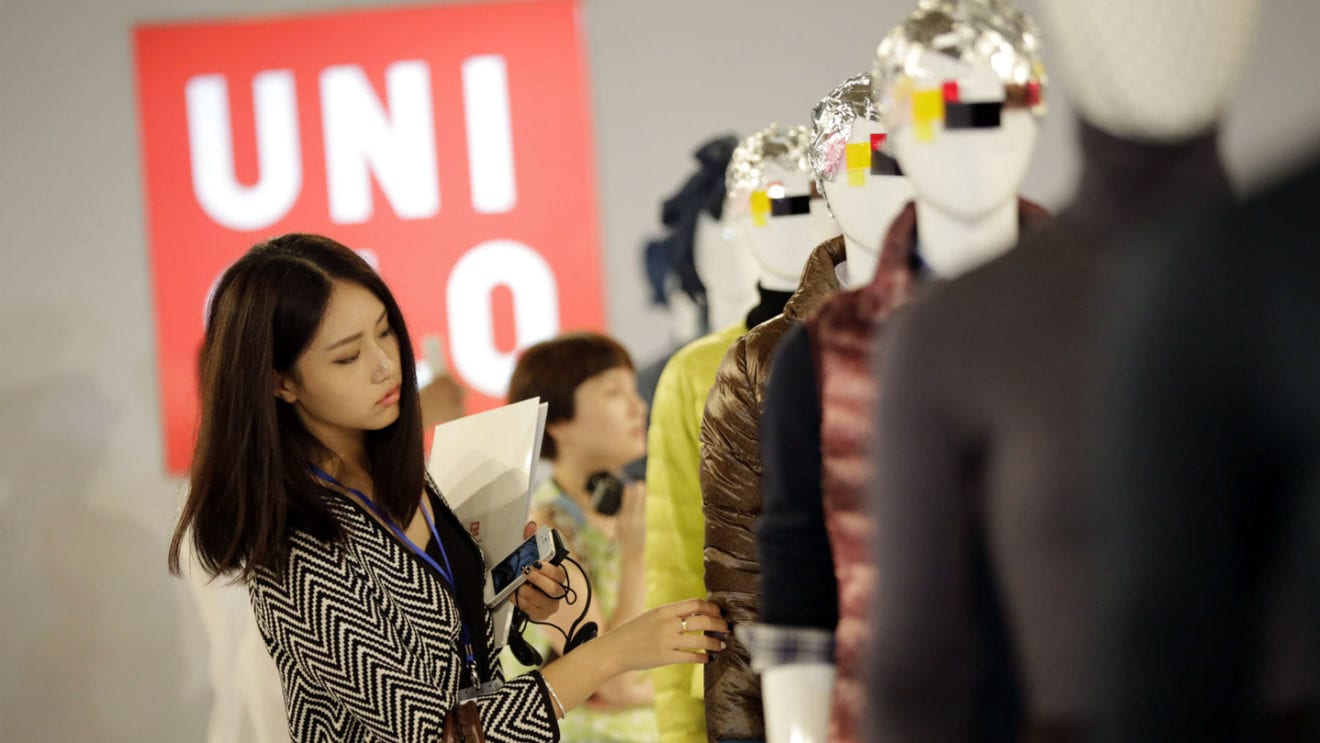
    Fast Retailing plans to expand Uniqlo’s flagship store network in Japan to around 20 locations over the next decade. The apparel group is shifting capital away from standardised suburban shopping centres to focus on multi-storey urban showpieces in prime metropolitan districts.

    The strategy alters the retail footprint that built Uniqlo into Japan’s dominant clothing chain. For decades, the brand expanded by opening uniform formats along roadside corridors and inside suburban shopping complexes across provincial prefectures. Future capital expenditure will prioritise high-traffic urban centres designed to deliver higher sales density and elevated brand visibility.

    Shifting capital from roadside formats

    Standard suburban outlets offer limited scope to show the brand’s full product range or create distinctive customer experiences. Flagship formats allow the group to display complete seasonal collections, test specialty service concepts, and handle heavier transaction volumes per square metre.

    Across Asian retail markets, apparel groups face maturing domestic suburban populations and rising store operating overheads. Flagship locations in transit hubs capture both regular daily commuters and high-spending international tourists, delivering better returns on lease costs than distributed suburban networks.

    New locations and tourist hubs

    Uniqlo currently runs global flagship stores in Tokyo’s Ginza district and Osaka’s Umeda commercial hub. Future openings under the revised 10-year plan will target prime retail corridors in Nagoya and Sapporo, along with additional high-footfall central Tokyo districts such as Shibuya.

    The urban rollout begins in western Japan, with Uniqlo scheduled to open its first global flagship store in Kyoto in November.

  • South Korea Retail Sales Rose 6.4% in July on Summer Spending

    South Korea Retail Sales Rose 6.4% in July on Summer Spending

    South Korea’s major retailers increased combined sales by 6.4 percent year-on-year in July. Demand for vacation gear, imported fashion, and food delivery services drove the rise.

    Internet platforms handled the bulk of that growth. They captured 60.8 percent of total retail revenue during the month, according to data from the Ministry of Trade, Industry and Energy.

    Department Stores and Convenience Chains Expand

    Brick-and-mortar turnover climbed 3.2 percent from a year earlier. Both department stores and convenience chains extended their unbroken run of year-on-year growth to 13 consecutive months.

    Department stores posted the sharpest gains offline, with sales jumping 17.9 percent. Demand rose across every major category. Imported apparel, summer travel gear, and cooling appliances led the expansion.

    Convenience stores generated a 1.1 percent sales increase over the same period. Foot traffic slipped. Higher spending per transaction kept overall takings positive.

    Online Channels Take Larger Revenue Share

    Digital platforms posted an 8.5 percent revenue increase compared with July last year. Food delivery orders, packaged groceries, and home appliances recorded the fastest category gains across web storefronts.

    Consumer habits in the country continue to split. Digital channels dominate everyday replenishment, while physical stores rely on experiential shopping and premium apparel to draw spending.

    Trade ministry officials will publish the August retail index next month. That report will show whether back-to-school shopping and late-summer promotions sustained the sales momentum.

  • SM Retail Revenue Hits 223.6 Billion Pesos as Network Expands Beyond Manila

    SM Retail Revenue Hits 223.6 Billion Pesos as Network Expands Beyond Manila

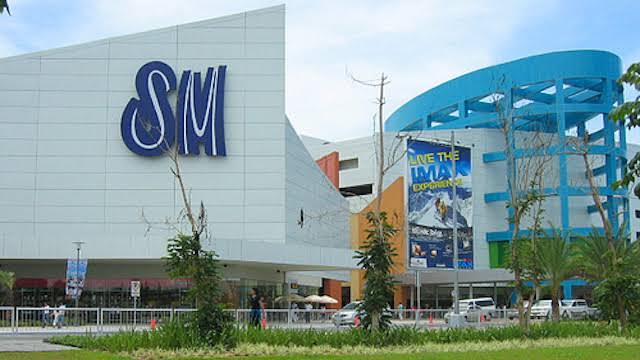
    SM Retail posted first-half 2026 revenues of 223.6 billion pesos ($3.7 billion), up 5.6 per cent from a year earlier. Regional consumer spending gathered pace across the Philippines.

    Net income rose 6.0 per cent to 8.9 billion pesos ($270 million). Same-store sales grew 2.9 per cent across a nationwide network of 4,837 stores.

    Food and Speciality Stores Drive Turnover

    Food retail generated roughly 60 per cent of total sales across 2,824 points of sale. It rose 6.1 per cent with same-store gains of 3.3 per cent. SM Store, the group’s 79-location department store chain, grew revenue 3.2 per cent. Speciality store sales expanded 5.9 per cent, even after the operator closed a net 73 outlets to trim marginal locations.

    The company relies on an asset-light format by leasing space within sister developer SM Prime’s commercial properties. Of the 490 physical stores opened over the past year, 80 per cent sit outside Greater Manila. These target provinces where modern retail still represents less than half of household shopping spend.

    Mall Developer Backs Bay Reclamation

    SM Prime lifted first-half revenue 5.3 per cent to 71.7 billion pesos ($1.2 billion). The developer operates 90 malls across the Philippines and nine in mainland China. Rental income provided more than 60 per cent of that total. Revenue from leisure facilities, including cinemas and ice-skating rinks, rose by more than 10 per cent during the same period.

    Expansion into secondary provinces mirrors retail decentralisation across Southeast Asia, where operators such as Central Group in Thailand and Vincom Retail in Vietnam build commercial centers ahead of rising provincial incomes. Remittances from overseas workers feed directly into these regional retail hubs. They underpin Philippine private consumption at 75 per cent of gross domestic product.

    Work continues on Pasay 360, a 360-hectare Manila Bay reclamation joint venture with local authorities. The project will expand the Mall of Asia complex with new commercial, hotel, and residential districts over multiple development phases.