Tag: design

  • Hugo Boss sales soar in China and online

    Hugo Boss sales soar in China and online

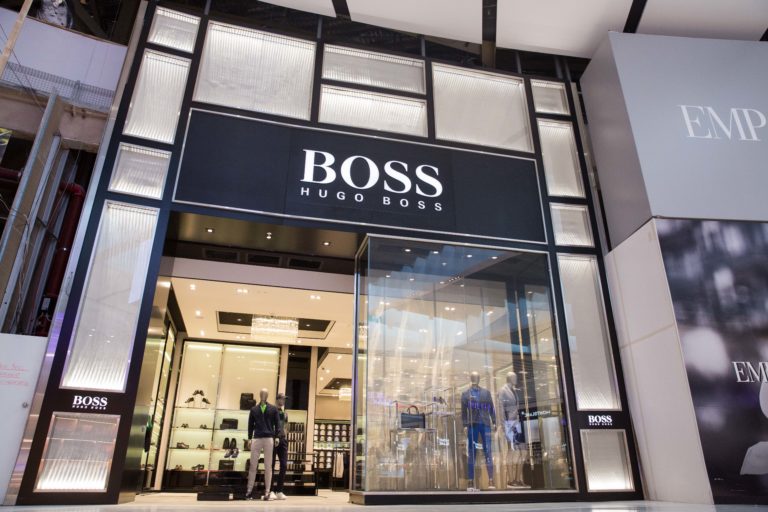
    Fashion label Hugo Boss has reported a staggering 52-per-cent leap in online sales which helped drive a 9 percent boost in operating profit.

    The German brand, which has been struggling lately, says the fourth-quarter sales growth of 4 percent to euro 825 million reflects the impact of store renovations and a new focus online.

    Operating profit for the quarter was euro 122 million, which compensated for a decline in the preceding three quarters.

    The company said the retail market in Hong Kong remained “difficult” in the latest quarter, but the company achieved double-digit sales growth in Mainland China.

    Currency-adjusted sales in the Americas fell by 7 percent after, which was a 1-per-cent improvement on its third-quarter performance there.

  • Pomelo to absorb Central Group’s Looksi

    Pomelo to absorb Central Group’s Looksi

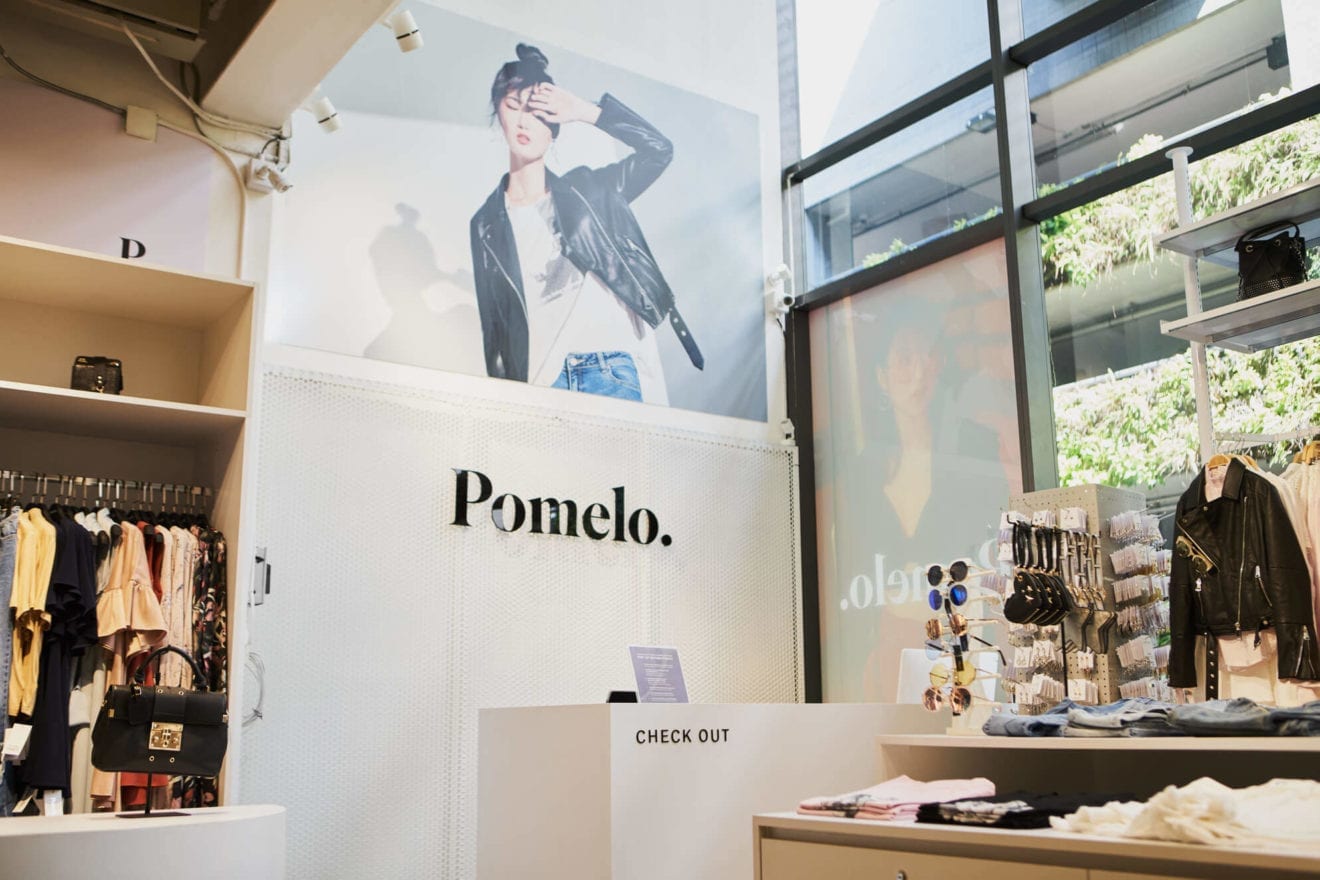
    Online fashion label Pomelo has completed a deal with Thailand’s Central Group Looksi – previously Zalora – to absorb the online platform.

    Pomelo will add a variety of key international brands currently on Looksi to Pomelo’s app and website, including Adidas, Aldo, Havaianas, Topshop, Guess, Levi Jeans, and Nike.

    “Looksi has been serving Thai fashion e-commerce shoppers since its founding as Zalora in 2012,” said David Jou, CEO and co-founder of Pomelo. “This deal will accelerate Pomelo’s evolution to become a multi-brand fashion platform for fashion lovers all across Southeast Asia.”

    Central Group will remain committed to driving fashion and lifestyle omnichannel retail sales, said a spokesperson.

    As part of the deal, Looksi will no longer operate its app and website and instead join the Pomelo ecosystem. Looksi’s social-media channels will also transition to Pomelo.

    Pomelo previously raised a US$52 million Series C round last September to further its expansion plans across Southeast Asia.

  • New partner signed to manage Esprit Kids range

    New partner signed to manage Esprit Kids range

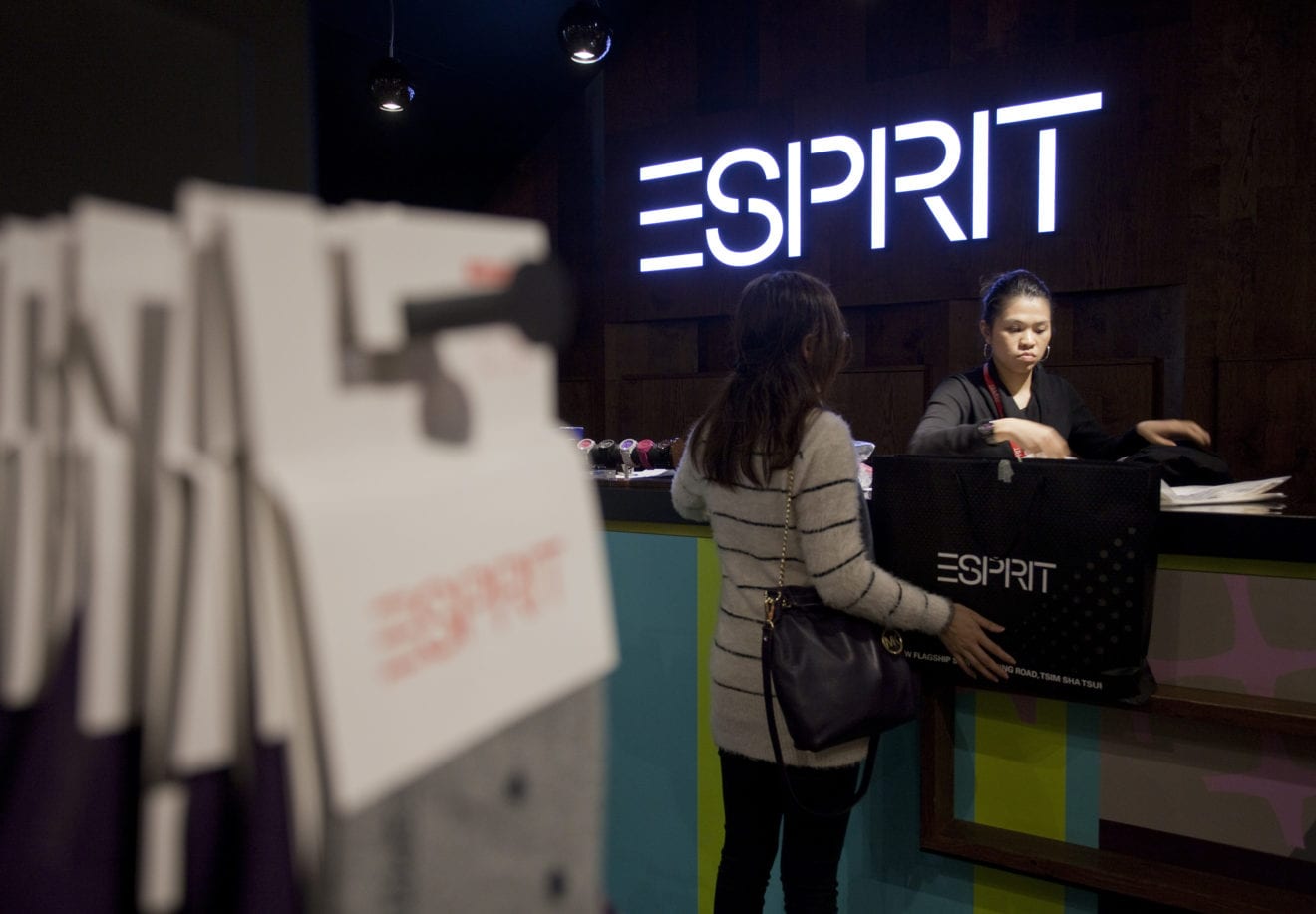
    Hong Kong-headquartered fashion brand Esprit has signed with Kids Fashion Group (KFG) to manage the firm’s design, production, and distribution of the Esprit Kids collection.

    The new contract follows the end of a five-year agreement with French childrenswear retailer Groupe Zannier, which has managed Esprit’s childrenswear brand since first signing in 2015.

    KFG’s first Esprit Kids collection under the new agreement is expected to be released to the market in around July this year. Customers will be able to purchase items from the collection at wholesalers, online and selected retail outlets.

    Kids Fashion Group has a significant distribution network throughout Europe and has a strong sales force in the German market.

    “Kids Fashion Group is a true children’s apparel expert with rich experience in designing and producing high-quality children’s apparel that transport great brand statements,” said Esprit in a statement.

  • Luxury streetwear label Opening Ceremony to close all stores

    Luxury streetwear label Opening Ceremony to close all stores

    Luxury retailer Opening Ceremony will shutter its entire store network this year.

    The store closures follow the brand’s sale to streetwear brands conglomerate New Guards Group. Boutiques in Japan, New York and Los Angeles will close down permanently as the firm transitions to become a brand only rather than a retail operator.

    “It’s incredibly emotional for us to announce today that we will be closing our Opening Ceremony retail locations sometime in 2020,” wrote founders Carol Lim and Humberto Leon on the brand’s social media page. “We’ve made a decision to focus on growing Opening Ceremony collection and brand with our new partners, New Guards Group, and expand the designs of Opening Ceremony. Our brand takes the beautiful spirit of experimentation, fun, and collaboration embodied in our stores and imbues this energy into the clothing we make.

    “We know our decision may surprise you, and it may be interpreted in many different ways. Ultimately, in this time of immense change in the way that people shop, we still believe in the power of passionate and unique retail. But we also believe in the necessity for change, reflection, and an opportunity to refresh.

    “We are stepping back from multi-brand retail, for a moment, so we can come back with an experience that is just as inspiring, filled with love and relevant for the years ahead as Opening Ceremony has been,” they said.

    Opening Ceremony stores previously carried multiple fashion brands and had a reputation as a somewhat offbeat industry player.

  • H&M launches Monki stores in the Philippines

    H&M launches Monki stores in the Philippines

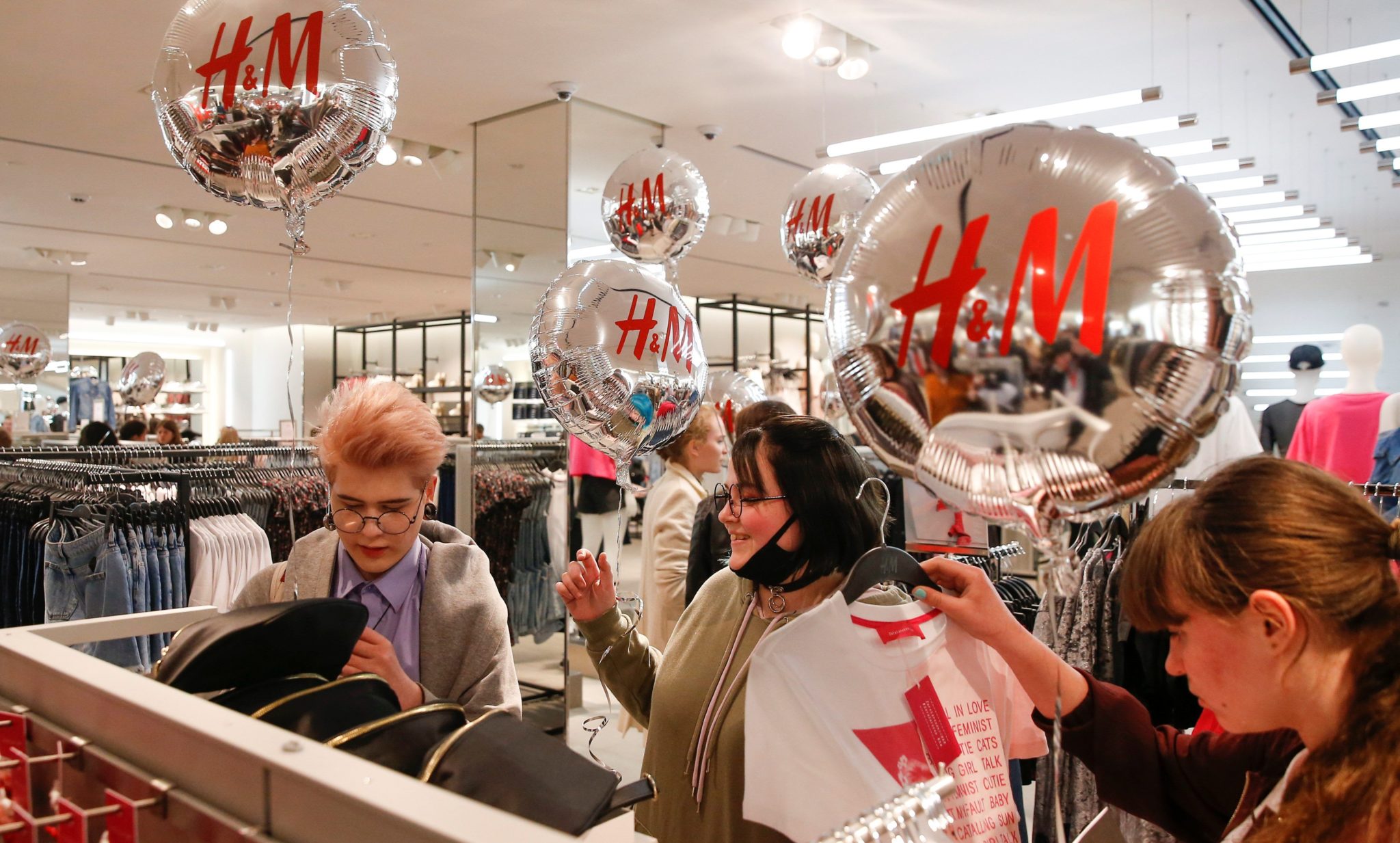
    H&M Group is to launch Monki in the Philippines, the second Southeast Asian market for the Swedish fashion group’s diffusion brand.

    The first store for Monki in the Philippines will open later this year at SM Megamall in Manila and will be followed by a second at SM Mall of Asia.

    “Monki’s mission is to empower young women everywhere and help them feel good about themselves,” said Jennie Dahlin Hansson, MD at Monki. “We can’t wait to get to know a new market and welcome new customers to our global family.”

    Monki in the Philippines’ first store will be designed with glitter, mirrored walls and scallop detailing, in line with the brand’s format in Europe, according to a spokesperson.

    Founded in 2006 in Sweden, Monki joined the H&M group two years later. The company operates 127 stores across 19 countries and regions. The Philippines is the brand’s second destination in Southeast Asia after Malaysia.

  • Superdry issues profit warning as it ‘fails to resonate with consumers’

    Superdry issues profit warning as it ‘fails to resonate with consumers’

    Superdry has released woeful Christmas results with a sales slump that has forced the retailer to revise its underlying pre-tax profit projection from £41.9 million to be between nil and £10 million for the current year.

    Superdry has claimed the decline in revenue across all channels is down to its focus on a full-price stance, subdued consumer demand and shortages of some of its better-selling products as well as timing issues. During a period of transformation, some hiccups are to be expected, however, problems such as timing issues and failures in inventory management indicate that CEO Julian Dunkerton has not yet been able to significantly impact the product proposition and in turn, the sales performance.

    Investors were spooked by the disappointing results with the share price down 16 percent on Friday morning in London trading.

    There remains an overarching emphasis on returning to full price sales alongside revitalizing the product range but  Superdry must focus on speeding up the implementation of its ‘new design philosophy’ which it announced will not have full impact until Autumn/Winter 2020.  While the product offer is being addressed, given the speed of degradation of the ‘old philosophy’ stock, the retailer must place greater urgency on its design transformation strategy otherwise it risks losing further market share to more nimble competitors.

    One example of those is JD Sports which has gone from strength to strength through constant evolution, implementing an effective merchandising strategy that resonates with its target audience while also partnering up with prominent influencers, helping to keep the brand relevant.

    Superdry must now ensure it uses the expertise of its new creative head, ex-Nike executive Phil Dickenson, to help rapidly restore its style credentials so that it can justify its full-price proposition and breathe some trend-focus into its brand to regain its long lost “cool-factor”.

  • Uniqlo lauching Ines De La Fressange collection

    Uniqlo lauching Ines De La Fressange collection

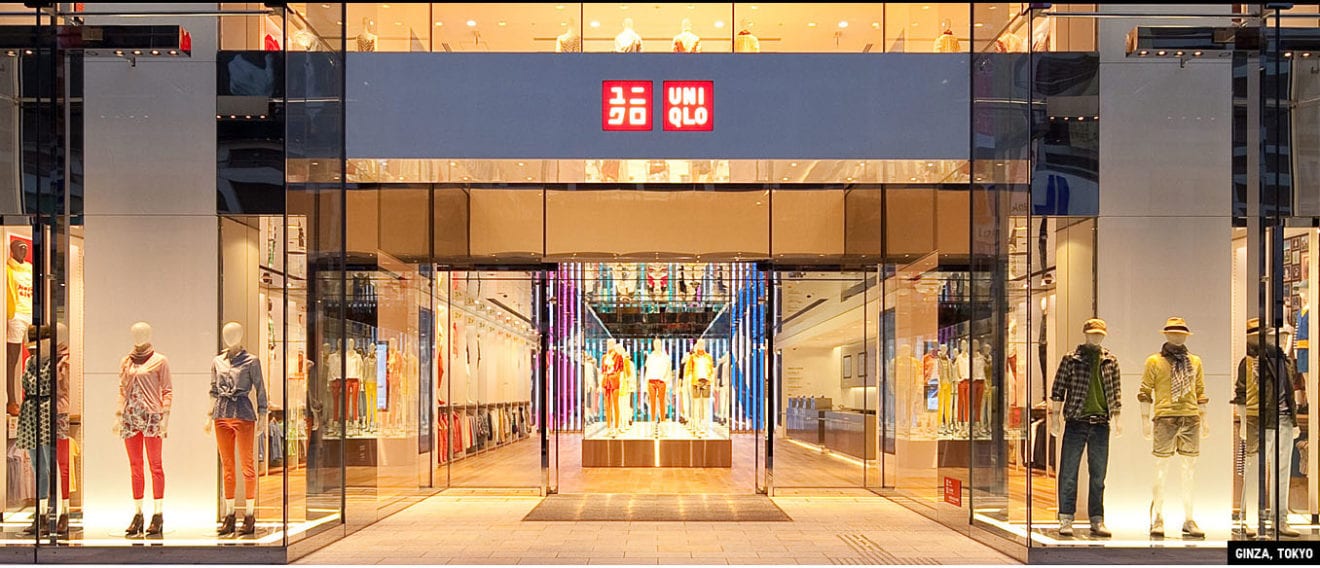
    Japanese apparel retailer Uniqlo will introduce the Ines De La Fressange 2020 Spring/Summer Collection next week.

    Selected items will be available online and at all stores from January 17 and the full collection will be exclusively available online, and in the Uniqlo Singapore stores at VivoCity and Orchard Central store from January 31.

    Ines De La Fressange 2020 Spring/Summer Collection has three main themes: Paris, Guardians, and Muses.

    While the Paris selection features items with masculine looks, including Tilden knitwear and jersey pants with white and green key colors, the Muses-themed range features light dresses with ruffles and prints in relaxing silhouettes.

    Founded by Ines, a French international model, Ines de la Fressange Paris brand symbolizes French chic and is a style icon for women around the globe. It also encompasses Uniqlo’s LifeWear philosophy, providing clothing that is universal in design and comfort and which meets the needs of daily lifestyles.

  • Fashion shoppers seeking brands which reflect their values

    Fashion shoppers seeking brands which reflect their values

    Fashion shoppers will choose their preferred brands in the year ahead based on the beliefs and values they seek, not past loyalties.

    The Samsung Fashion Institute says consumers’ needs will be increasingly fragmented this year and brands are also expected to carry out sophisticated target strategies.

    The institute noted, in the same context, that the nature of the fashion industry is changing from goods to services.

    The changes come as consumers seek alternative consumption, shifting away from the traditional way of spending. The prime examples include H&M and Ganni clothing-rental services.

    The institute suggested that the industry should work on so-called “narrative branding” to shift its perspective toward consumers. The challenge for the industry will be to provide a reason to purchase from a particular brand and to have consumers continue to love the brand.

    “Now, consumers do not choose brands if they do not meet their respective beliefs even if they need them,” said Lim Ji-yeon, director of the Samsung Fashion Institute.

    One example of a reason sought by consumers was “sustainable fashion.” In fact, a platform that only collects sustainable fashion brands is continuing to emerge, targeting consumers who think about the environment.

    Furthermore, clothing-rental services and other clothing services are gaining popularity as more consumers accept clothing as a concept of sharing, not as a subject of ownership.

    “Companies that have failed to respond to the consumer-oriented market structure will not be able to produce results next year,” Lim said, adding this should be a year where companies stay more closely connected to consumers.

  • Hamleys brand set for shakeup under new owner

    Hamleys brand set for shakeup under new owner

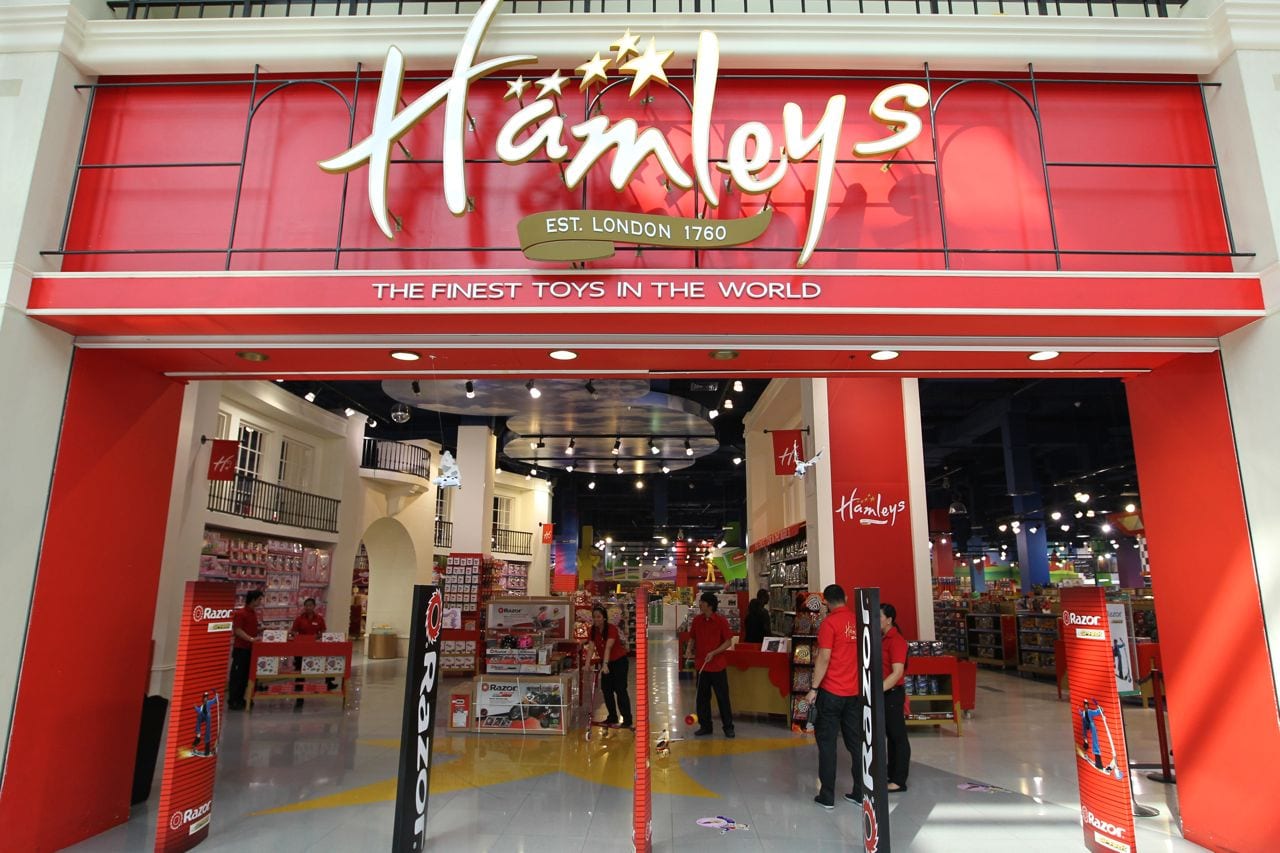
    New Hamleys toy store owner Reliance Industries plans to revamp the brand, according to a report in The Guardian.

    The article reveals that the new owners “have ambitious plans for the toy store” which has been passed “from one absentee foreign owner to another over the past 16 years”. Reliance is currently turning to the US market in the wake of the Toys R Us collapse, having already firmly established the brand in India with more than 100 stores.

    The firm is also planning to revamp its London flagship.

    “We’re not going to put Swarovski chandeliers in, which can cost a lot of money, because that’s not required,” Reliance CEO Darshan Mehta told The Guardian. “You have to be careful not to create something that is intimidating because one of the Hamleys’ secret ingredients has been that it welcomes all and sundry, from the super-rich – someone recently bought a £5000 reindeer – to someone buying a £5 soft toy.”

    “If your proposition is price as the only lever then you will lose the game,” said Mehta. “We are not selling the cheapest toy from a box.”

    Mehta also added that the store revamp has to focus on providing a better experience than online shopping.

    “As a brick-and-mortar retailer I have to stand up to that onslaught,” he said. “People will not remain closeted in their homes. They go out for experiences. A visit to a Hamleys store is an experience.”

  • Australian fashion label Tony Bianco to launch in China

    Australian fashion label Tony Bianco to launch in China

    Australian fashion brand Tony Bianco is launching its first international location in Beijing.

    The label is partnering with verteran Chinese retail specialist firm Shanghai Smile Commercial – which has ushered multiple foreign fashion brands into China – in a joint venture to launch the brand in the territory.

    “A few years ago there was a noticeable increase in daigous sourcing the Tony Bianco brand to send back to clients and that has continued to grow, said company director Anthony Bianco in a Ragtrader report. “It was the start of our research phase into what a store in China could hold for a brand like ours.”

    The new store will officially open on December 21 at Chaoyang Joy City, showcasing the brand’s SS19 and AW19 collections.

  • La Mer opens flagship boutique in Singapore

    La Mer opens flagship boutique in Singapore

    Luxury skincare brand La Mer has opened its first flagship boutique in Marina Bay Sands.

    Occupying a 375sqft space, the new store features gold, cream and forest green as theme colors. The marble floor resembles the sea that “forms the bedrock of the brand’s formulations”.

    Beside its skincare products, the Marina Bay Sands La Mer flagship also offers a wide range of makeup products including foundation, concealer, powder and brushes, all displayed via a consultation area.

    La Mer’s customers can experience a beauty session with different personalized services and treatments in a private facial cabin with the full range of La Mer’s makeup and skincare offerings.

    Owned by the Estee Lauder Group, La Mer has been a solution for those in need of an anti-aging arsenal as its products employ fermented ingredients, sourced from the sea, to rejuvenate and enrich the skin.

  • Missoni opens flagship store at Singapore’s Marina Bay Sands

    Missoni opens flagship store at Singapore’s Marina Bay Sands

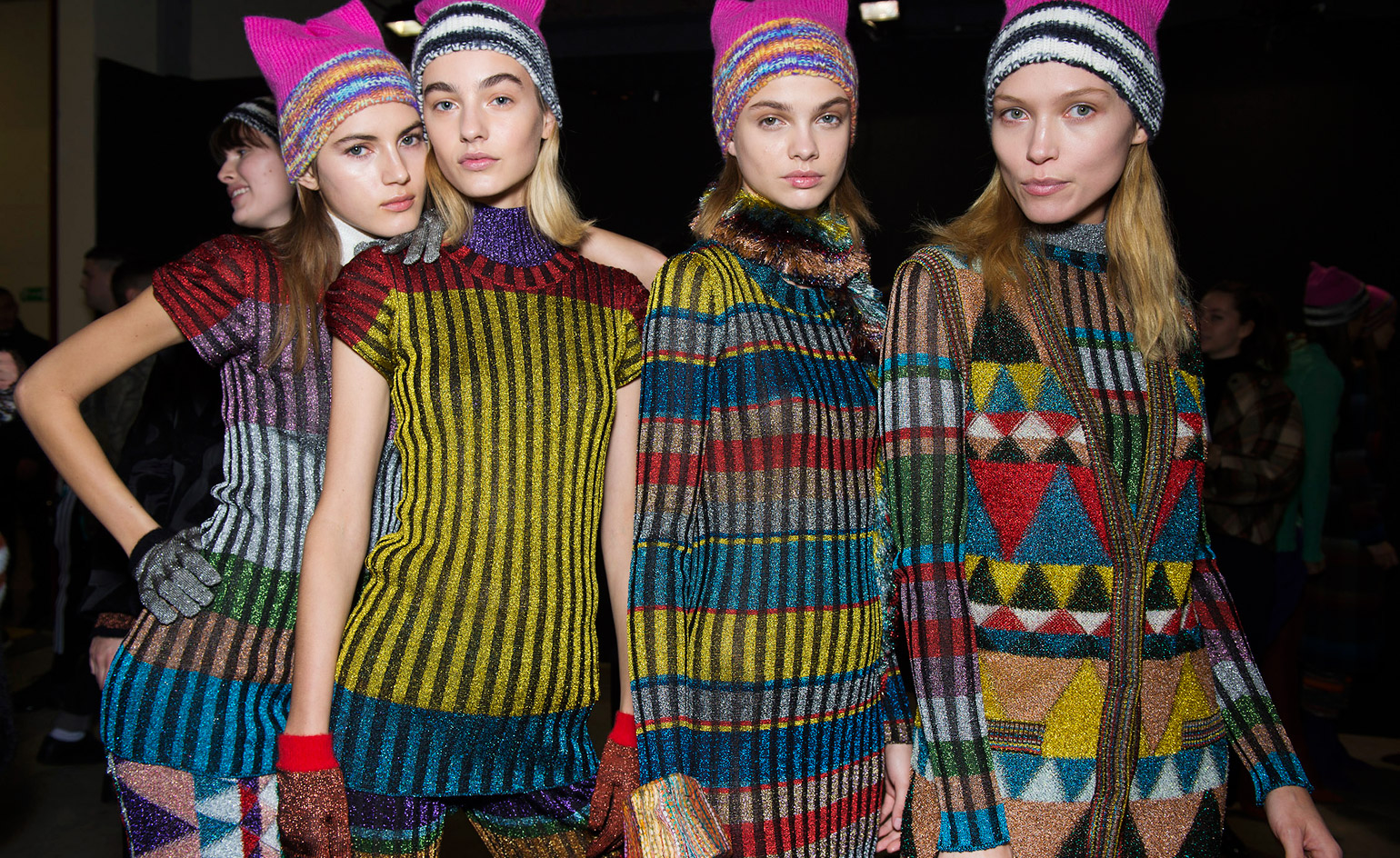
    Luxury fashion retailer Missoni has launched a flagship store at Marina Bay Sands in Singapore

    The 150sqm store stocks a range of womenswear, menswear, beachwear and accessories. A central product featured at the launch is the brand’s new M Missoni collection, created by designer Margherita Maccapani Missoni.

    The launch was celebrated with a cocktail party, attended by local media and celebrities as well as the firm’s creative director and president Angela Missoni.

  • Gap’s outlook is gloomy due to week profits

    Gap’s outlook is gloomy due to week profits

    There is no real surprise from Gap’s third-quarter figures released last week: sales are poor, profit is weak – although marginally better than forecast – and the outlook remains gloomy.

    Given the relative lack of effort from management on resolving the underlying issues plaguing the company, it would be unreasonable to expect a different outcome. However, there is some hope that the recent change in the CEO may result in a more aggressive pace of advancement. (Art Peck stepped down from the role earlier this month after five years in the role and a replacement is being sought).

    The biggest problem within the company is the Gap brand. Here total sales within the US fell by 6.6 percent over the prior year, while global comparable sales fell by 7 percent. As much as Gap remains a sizeable business, it continues to suffer from customer attrition as shoppers defect or reduce the amount they spend at Gap in favor of other retailers. The reason for this is relatively simple: assortments are dull, and every new season Gap churns out more of the same bland product rather than innovating and trying new things. This makes it very easy for consumers to overlook Gap.

    It used to be the case that, in the absence of compelling ranges, Gap could use discounting as a mechanism to drive customer interest and footfall. However, over the past half-year, this has become far less effective. Part of this is down to the fact that discounting has become a lot more prevalent elsewhere in the market, which means shoppers have a lot more choice of stores they can visit to get discounted goods. But part also is down to fatigue with Gap itself: offering 40- or 50-per-cent off may have once been eye-catching, but Gap has educated consumers to expect this to be offered as standard.

    Unfortunately, there is no real remedy to the discounting-drug other than for Gap to rebuild its proposition and give customers new reasons to buy.

    While the Gap story is an old one, Old Navy’s recent slide from grace is a more interesting tale. Previously Old Navy had been motoring along nicely, posting consistently good sales results. However, last quarter US sales shrunk and these quarter sales are flat.

    Admittedly, Old Navy has been lapping tough prior year comparatives, however, we believe there is more to the waning performance. Extensive discounting elsewhere in the market has been unhelpful, especially as it has pulled some more price-sensitive family shoppers away from Old Navy. But the biggest reason for underperformance has been a series of missteps on assortments. Usually, Old Navy can be relied upon to produce good seasonal edits that reflect fashion trends. Over the past two seasons, these have largely been absent, and the range has become tired and relatively bland.

    In a highly competitive environment, this isn’t good enough to drive growth and it leaves Old Navy exposed to players like Target which has been making excellent progress in apparel. Unfortunately, question marks over the future of Old Navy are unhelpful when Gap Inc is looking to spin the business off.

    In a rare turn of events, Banana Republic is the star of the show with a 4.3-per-cent uplift in total sales in the US. Improvements to the quality and some better pieces within the assortment have helped to lift conversion and basket sizes from existing customers. A continued recovery at the brand will be helpful to the group, not least because within the US Banana Republic’s sales are now only a fraction behind those of Gap – so it is able to make a more meaningful contribution to the top line.

    Overall, Gap remains in a very weak position and the spin-off of Old Navy will do nothing to remedy this. The change of management provides the company with an opportunity to shift its mindset. Whether it grasps it remains to be seen.
  • Uniqlo Korea sparks controversy

    Uniqlo Korea sparks controversy

    Uniqlo Korea has sparked yet another round of controversy, this time by distributing free Heattech shirts as part of a new marketing offensive.

    The Japanese apparel company, as part of its 15th Anniversary promotional event, is giving away 100,000 heat-tech shirts on a first-come, first-served basis to all customers purchasing a product, regardless of the price, at Uniqlo Korea offline stores.

    Since the promotion can end early if daily quotas are reached, it wasn’t difficult to find people lining up at stores early in the morning, causing an uproar on South Korean social media.

    Despite the negative reaction, Uniqlo distributed a press release to promote the giveaway, demonstrating its intention to address the public head-on by turning it into ‘noise marketing’.

    South Koreans are increasingly divided over the issue as social figures are joining the debate.

    “The number of customers at Uniqlo soared ever since the giveaway, despite the fact they can’t choose the size or color of the shirt,” said Prof Seo Kyung-duk from Sungshin Women’s University, a Korean PR activist.

    “Why do we have to go there, out of all places, to get free clothes?”

    In contrast, others implicitly argue that, while they respect one’s own belief, the boycott movement should not be forced on anyone.

    The fact that Uniqlo products are being sold online, while offline stores are empty, shows there is a large population of so-called ‘shy Uniqlo’, ‘shy Japan’ consumers in the country.

    Uniqlo Korea sales have plunged in recent months due to an ongoing boycott of Japanese brands and retail networks relating to a lack of apology over the occupation of Korea during the Second World War.

  • Tigerlily finally unveils new look across stores

    Tigerlily finally unveils new look across stores

    After a much-anticipated wait, the Australian designer brand Tigerlily has today unveiled a new look and branding across its stores, website and social media, alongside the launch of its dreamy resort 2020 campaign.

    In December, the retailer will open its flagship store at Melbourne Emporium, the first to reflect the brand’s new direction. The store design was inspired by exotic hotels and faraway holidays.

    Tigerlily began teasing customers with its relaunch almost two weeks ago when it wiped the contents of its entire Instagram and began slowly posting sneak peek preview videos and imagery.

    “Tigerlily feels like it has traveled the world and it is inviting us to come along on holidays”, Tigerlily CEO Chris Buchanan said in a statement. “And, as we expand into new markets and grow with our consumer, comes a refreshed look and perspective for the brand.”

    “She is a curious explorer with an adventurous spirit;a dreamer enchanted by discovery who lives for the experience. Each collection we create is aspirational but accessible for women, who embrace curiosity for exploring the new things.”

    The new resort 2020 campaign was inspired by the tropical holiday vibe of 1960s Hawaii and showcases the brand’s vibrant prints and effortless silhouettes.

    According to Buchanan, under the brand transformation, Tigerlily’s collections will take on a more sophisticated approach and next year, it will start delivering two collections per season to better serve international customers.

    Its ready-to-wear collection will feature more elevated and contemporary designers at high price points, while its Holiday Edit collection will focus on swimwear and over swim.

    “I think everyone remembers Tigerlily as a swimwear brand, but for 15 years, we’ve been a clothing brand. There’s no better way to celebrate 20 years of being one of Australia’s most iconic brands than to start a new journey and really create some clarity around who we are and what we do,” Buchanan said