Tag: design

  • Hong Kong streetwear retailer Popcorn General Store opens in Manila

    Hong Kong streetwear retailer Popcorn General Store opens in Manila

    Hong Kong urban fashion retailer Popcorn General Store has launched in the Philippines at Ayala Mall Manila Bay in Pasay City.

    A PhilStar report lists a range of popular streetwear brands available at the store such as Supreme, ASSC, Chinatown Market, Rip N Dip, Wood Wood, Magic Stick, Ise, FR2, Carrots FDNMTL, and BBC.

    Popcorn also retails lifestyle products such as limited edition phone cases, skateboard decks, lighters, caps and keychains.

  • New Battery Design Could Allow Electric Cars To Charge In 10 Minutes

    New Battery Design Could Allow Electric Cars To Charge In 10 Minutes

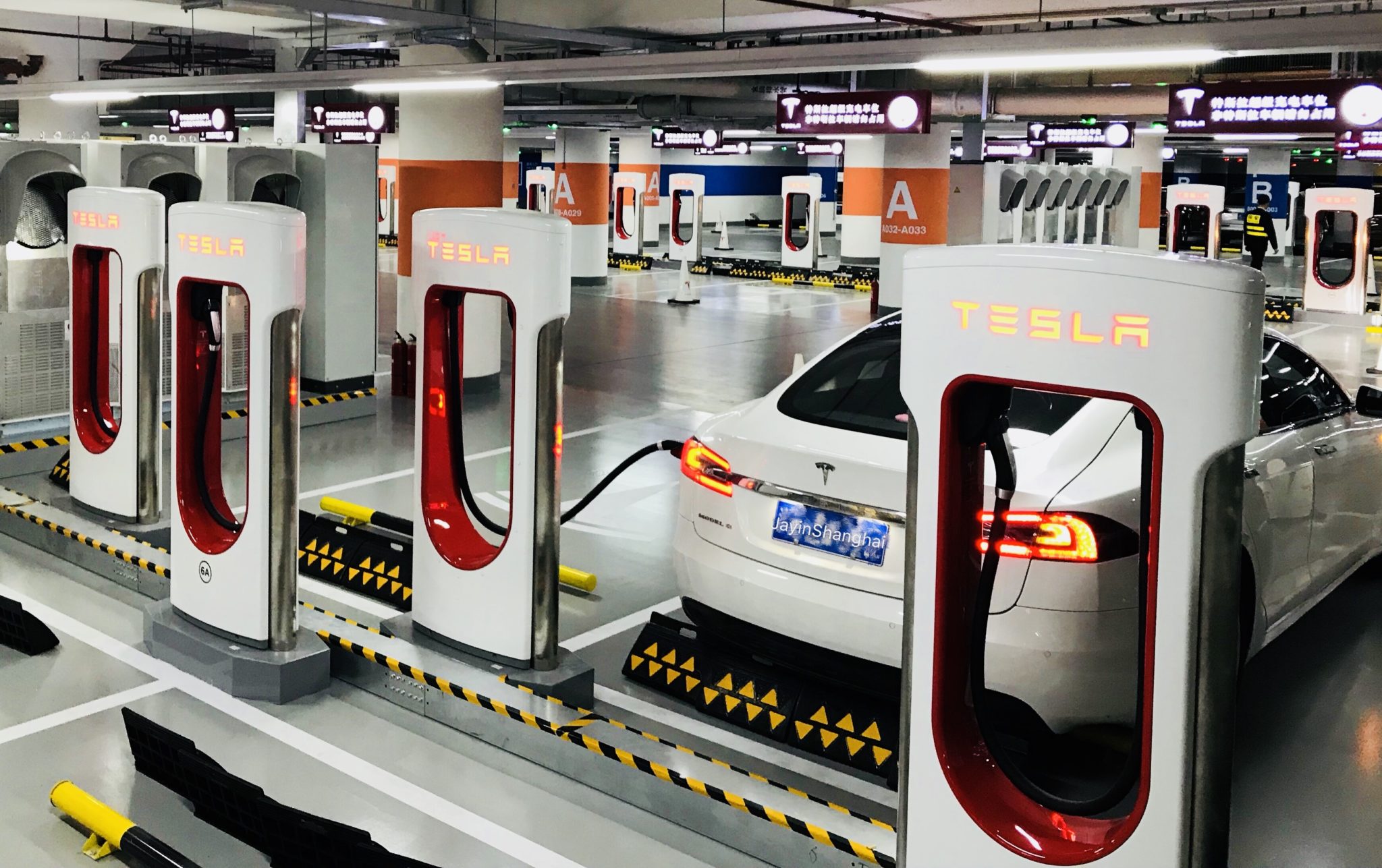
    Range anxiety still remains one of the big deterrents for the masses to adopt electric vehicles (EV), and a charging time of four to five hours does not help matters for EV demand. However, the EV industry is rapidly evolving and charging times have dramatically reduced over the years. In a big step towards charging time reduction, electric vehicle owners could soon be able to fully charge their cars in as little as 10 minutes, courtesy of new battery design. A report by NewScientist states that the new design heats the battery to increase the reaction rate.

    The report quotes Chao-Yang Wang of Penn State University stating that for electric cars to be commercially attractive, the batteries need to charge up to 80 percent or a range of 300 km within 10 minutes. However, this requires the batteries to rapidly take in 400 kilowatts of power and the current set of batteries cannot do this. When the batteries are charged rapidly, the lithium ions at the time move from the positive to the negative electrode and there is a tendency for lithium to form plate-like deposits on the negative electrode’s surface that can shorten battery life.

    Wang and his colleagues are working to minimise this problem by first heating the battery to a temperature too high to allow the lithium plating to form. They tested the theory by taking a commercially available industrial battery and inserted micron-thick nickel foils in a stack of electrode layers. The structure then allows the electrode the heat in less than 30 seconds, setting up conditions for ions to move quickly into the negative electrode without causing plating on its surface.

    The battery tests were conducted at varying temperatures and were charged at 40 degrees, 49 degrees and 60 degrees Celcius, and compared the performance with a control battery charging at 20 degrees Celcius. The results concluded that the battery could maintain fast charging for just 60 cycles at 20 degrees Celcius before the lithium plating caused problems that reduced performance significantly. In comparison, heating the electrode to 60 degrees Celcius allowed the battery to charge through 2500 cycles without forming the lithium plating that would otherwise limit performance. The 2500 cycles equal to about 14 years of use or 750,000 km of life, according to Wang.

    The study overturns the current idea that lithium batteries should not be charged at high temperatures, which was believed to cause battery degradation. Instead, a short burst of high temperature will have better results. The research certainly should have major implications going forward and will immensely help in how we power not just electric vehicles but other devices as well in the future.

  • Chinese fashion group EP Yaying to expand into the US and Australia

    Chinese fashion group EP Yaying to expand into the US and Australia

    Chinese fashion group EP Yaying is planning to expand beyond Asia by launching in the US and Australia by next year.

    The group is bullish about the increasing popularity of the Chinese culture-inspired fashion and believes it will resonate with foreign consumers.

    EP Yaying started as a small garment factory in 1988 and in 2016, it has adopted a dual-brand development strategy to cater to different customer bases. Its EP brand offers contemporary international fashion styles while Yaying focuses on “deep exploration of China’s traditional culture, aesthetics, fashion and craftsmanship for modern women with exquisite Chinese cultural identity”.

    Today, the fashion group owns and operates multiple luxury fashion brands, with a store network of over 500 in more than 210 cities across China and Malaysia.

    The group has recently launched a solo fashion show for its Yaying brand, featuring its 2020 haute couture collection, which is described as “a testament to the grandeur of the brand’s vision and the global relevance of its exquisite Chinese culture in picturesque fashion”.

    The 2020 haute couture collection, designed by creative director Chen Xi, features motifs of Chinese fans, from geometric tailoring and structures that allude to ceremonial fans used by the royal family to symbolize their majesty, to precise hand-pleating techniques that resemble the three-dimensional texture of traditional folding fans.

    Xi said the collection is inspired by The Forbidden City, which is celebrating its 600th anniversary next year, and a tribute to the finest of Chinese aesthetics and craftsmanship.

    EP Yaying will also build a 15,000sqm HWA Fashion and Arts Centre, which will house fashion, arts and cultural spaces. The center, to be opened to the public, is part of the group’s social responsibility initiative to foster increasing international cultural and artistic exchanges.

    “We will continue to create more value for our customers and contribute to the great rejuvenation of Chinese culture in the global fashion industry,” said chairman Zhang Hwaming.

  • Stüssy Hong Kong opened

    Stüssy Hong Kong opened

    American clothing brand Stüssy is preparing to launch in Hong Kong, having just redesigned its Seoul location.

    The Hong Kong store will follow the design language established in the brand’s London, Los Angeles, Seoul and Amsterdam outlets as conceptualized by design firm W&PA.

    The Hong Kong launch, scheduled for tomorrow will reveal a range of items exclusive to the region, including canvas shop jackets, printed hoodies and crewneck sweaters.

  • Giordano opens new-generation store in Dubai

    Giordano opens new-generation store in Dubai

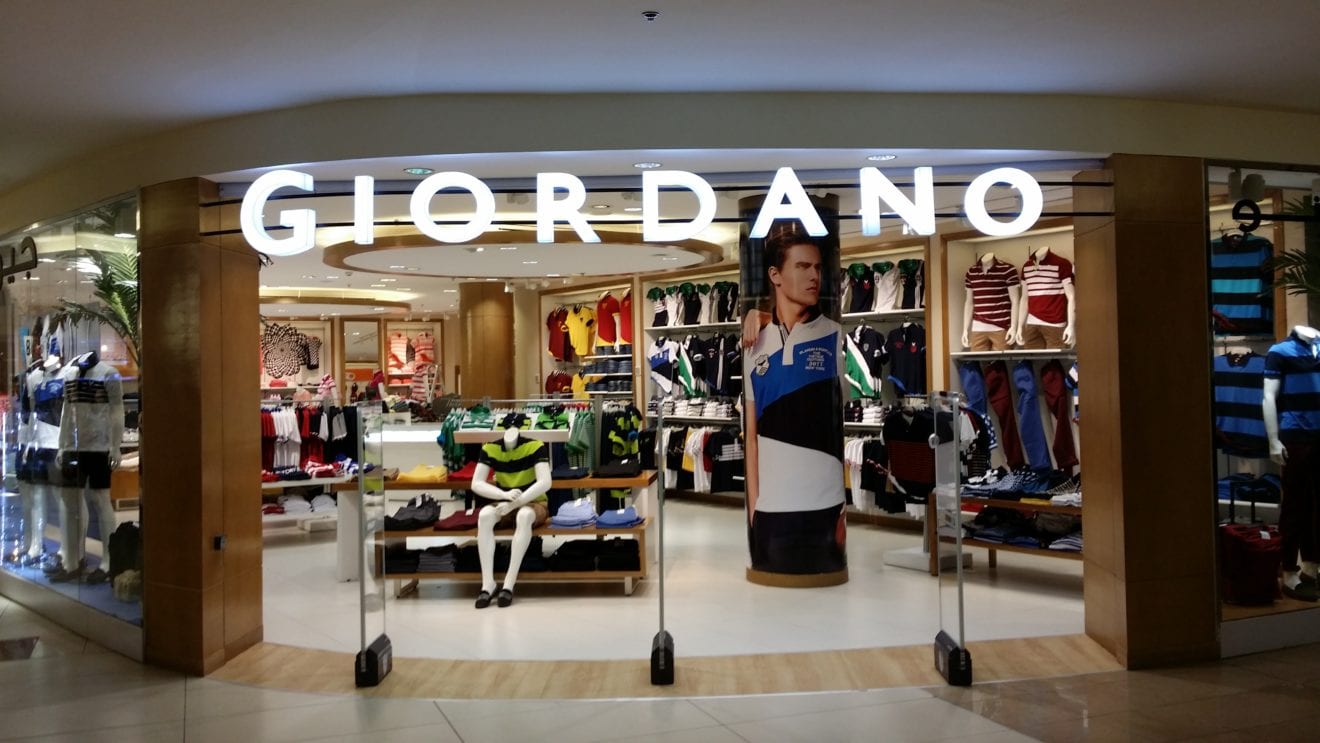
    Hong Kong-listed apparel brand Giordano has revealed a new generation store design in its fully renovated store in Mirdif City Centre in Dubai.

    The 2000sqft store has a fresh new look embracing a more refined concept with the space maximized for product displays and customer interaction, including wider entrances and larger, more comfortable fitting rooms.

    Energy-efficient LED lights are used to enhance the customer experience while minimizing the store’s carbon footprint.

    “As we upgrade our stores’ design, we are confident of attracting more customers to come and shop at our shops,” said Giordano Middle East MD Ishwar Chugani.

    Following more than 25 years of brand growth, Giordano has opened eight new stores this year and plans to roll out the new design concept across the Middle East region. Giordano is also expanding to new markets with the opening of stores in South Africa, Mongolia, France and Mauritius.

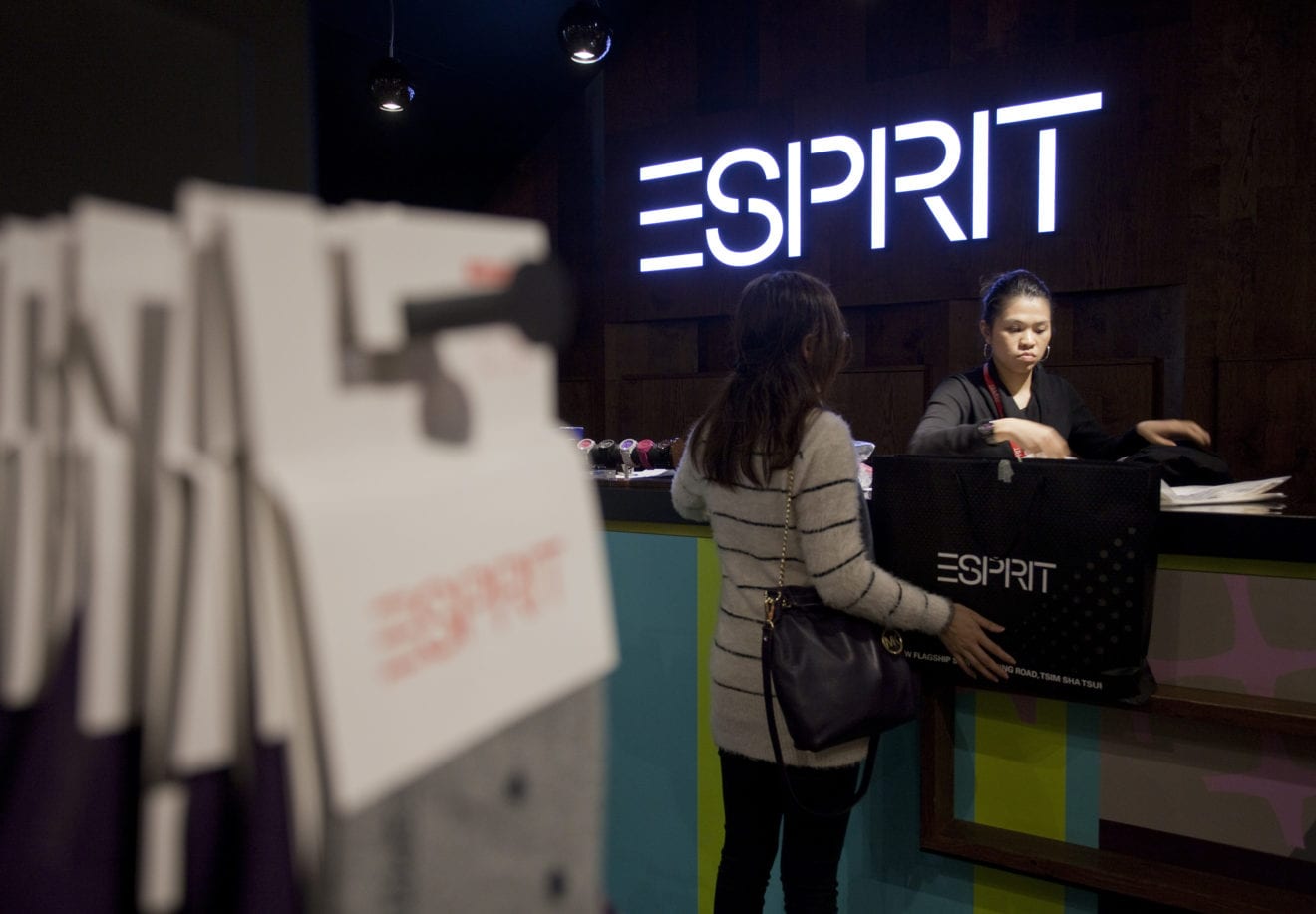
  • Esprit results signal looks promising

    Esprit results signal looks promising

    Embattled fashion retailer Esprit believes its first-quarter results prove its restructuring program is on track.

    The Hong Kong-listed company recorded a year-on-year global sales decline of 10.8 percent in local currency terms. But in a stock-exchange filing, the company said the pressure from falling sales was “more than compensated by significant cost savings which led to an improvement in our operating results”. The company did not release profit figures, only sales data.

    In the filing, Esprit said management was “encouraged by the progress made” in the three months to September 30 and “is confident that the group is on the right track to recovery”.

    Esprit sales in Asia fell 44.4 percent from HK$314 million (US$40 million) to $175 million ($22.3 million), however the brand performed better in Europe where sales fell 11.6 percent (or 7.4 percent on a currency-neutral basis) from $3.02 billion ($385.5 million) to $2.671 billion ($340.9 million). Total group sales were $2.846 billion ($363.3 million), the 10.8 percent decline comparing favorably to a 14 percent decline in company-controlled retail space.

    The company said in the core European market, which accounts for 85.7 percent of its revenue, it achieved small comp-store sales growth in August and September. A reduction in discounting saw comp-store gross profit improve, but it did not release figures.

    In Germany, wholesale sales which have declined every quarter for seven straight years, improved by 1.8 percent in the latest quarter.

    “This is an encouraging development thanks to ongoing progress made in building a best-in-class wholesale model to serve our wholesale partners,” the company said.

    Again, while not releasing figures, Esprit said reduced operating expenses due to reduced headcounts, the closure or resizing of unprofitable stores, and a persistent discipline on cost control and efficiency measures enabled it to reduce operating expenses “significantly”.

  • First Uniqlo Store opening in Baguio

    First Uniqlo Store opening in Baguio

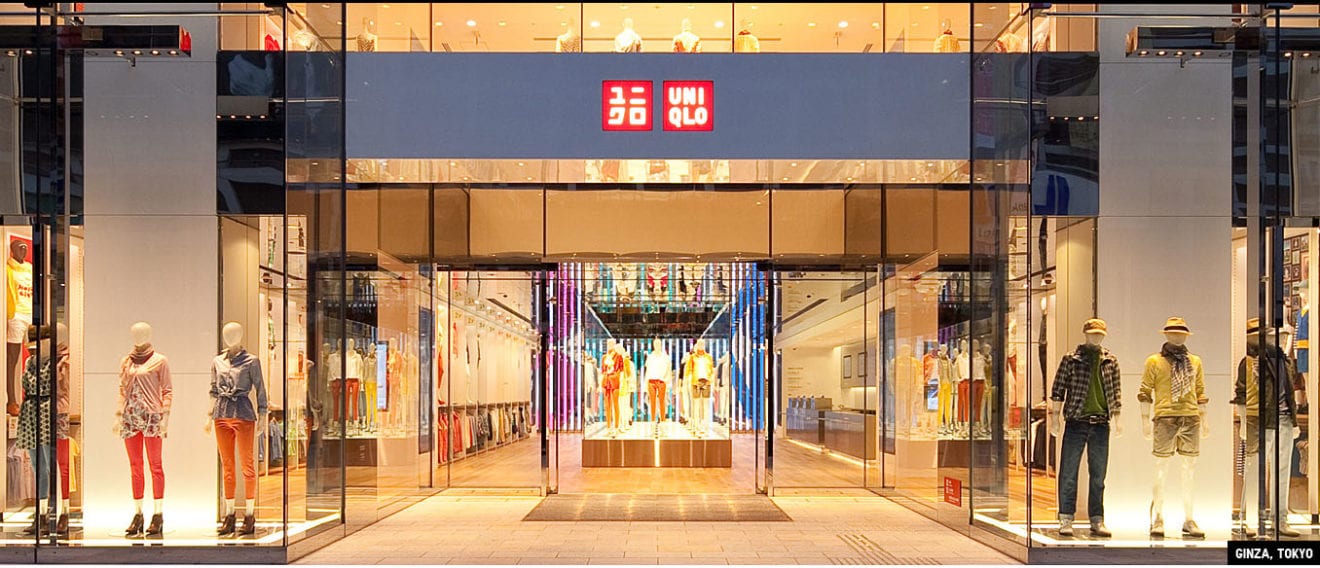
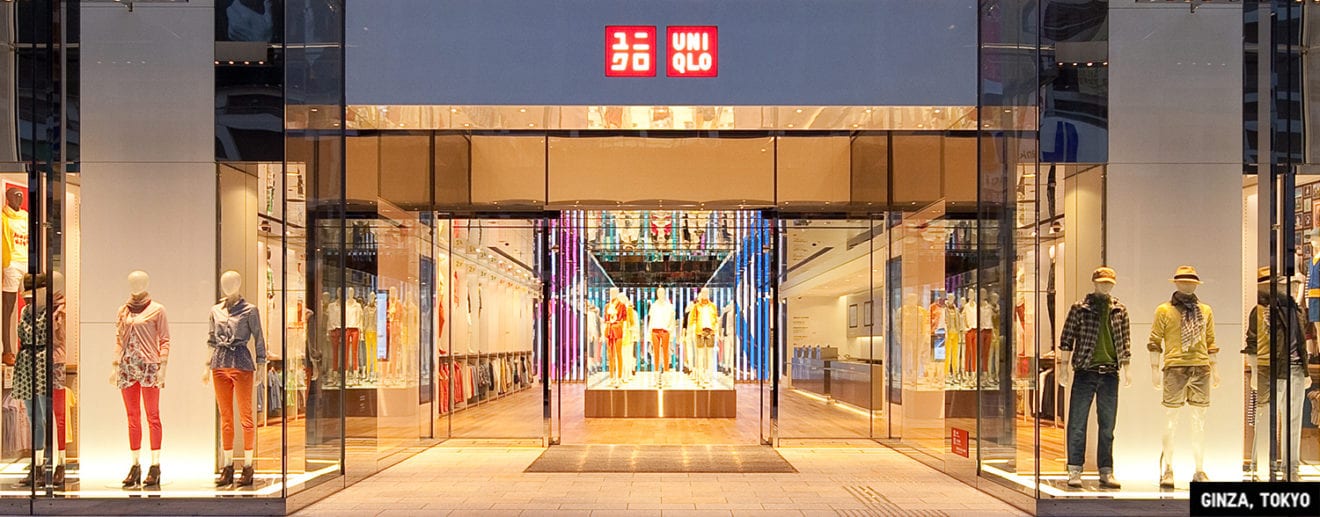
    Japanese retailer Uniqlo is opening its first store in Baguio City on November 29.

    The 859sqm Uniqlo Baguio store at SM City is the brand’s first in the Cordillera region. It will carry its concept ‘Lifewear apparel’, which, according to the company, “comes from the Japanese values of simplicity, high-quality and longevity, made for everyone, everywhere”.

    Uniqlo debuted in the Philippines in 2012 when it opened its first location at SM Mall of Asia in Metro Manila. And in February this year, it began expanding outside Metro Manila, opening at Robinsons Place in Tuguegarao City. The retailer now has around 60 locations nationwide.

    Uniqlo says, it will quadruple its store network in Southeast Asia in the next decade as it recognizes great potential especially in countries including the Philippines and Vietnam, where it is also opening its first store in the country this month.

  • Louis Vuitton flagship opens in Seoul

    Louis Vuitton flagship opens in Seoul

    The new Louis Vuitton Seoul flagship store has opened, its design collaboration with renowned architects Frank Gehry and Peter Marino.

    Located on Cheongdam-dong Avenue in the Gangnam district, Louis Vuitton Maison Seoul features Korean culture-inspired elements, including the Hwaseong Fortress, the swooping movements and white costumes of the traditional Dongnae Hakchum crane dance while maintaining the Gehry-designed curved glass structure inspired by the Fondation Louis Vuitton in Paris.

    “What struck me when I first visited Seoul about 25 years ago, was the relationship between the architecture and the natural landscape. I still remember clearly the powerful impressions I had stepping from the garden of Jongmyo Shrine,” said Frank Gehry. “I am delighted to have designed Louis Vuitton Maison Seoul, reflecting the traditional values of the Korean culture.”

    Designed by Marino, the interior of the store is divided into different areas. The basement and first floor are used as ‘retail universes’, offering mens and womens collections including ready-to-wear, leather goods and accessories.

    The next upper floors feature a private space and an enclosed terrace for intimate dinners and events or exclusive appointments. The top floor is an exhibition zone called Espace Louis Vuitton Seoul, displaying eight emblematic sculptures by Giacometti, that belong to the Collection, including L’homme qui chavire (1950) and Grande Femme II (1960).

    “The interior spaces were designed with a ‘Miesian’ rigour to more strongly emphasise the billowing energetic sculptural quality of Gehry’s exterior,” said Marino.

    “The interior stone flows in from the exterior. The dynamism of the rectangular volumes cleanly contrasts with the baroque glass shields of the building.”

  • M&S halal range destined for Asi

    M&S halal range destined for Asi

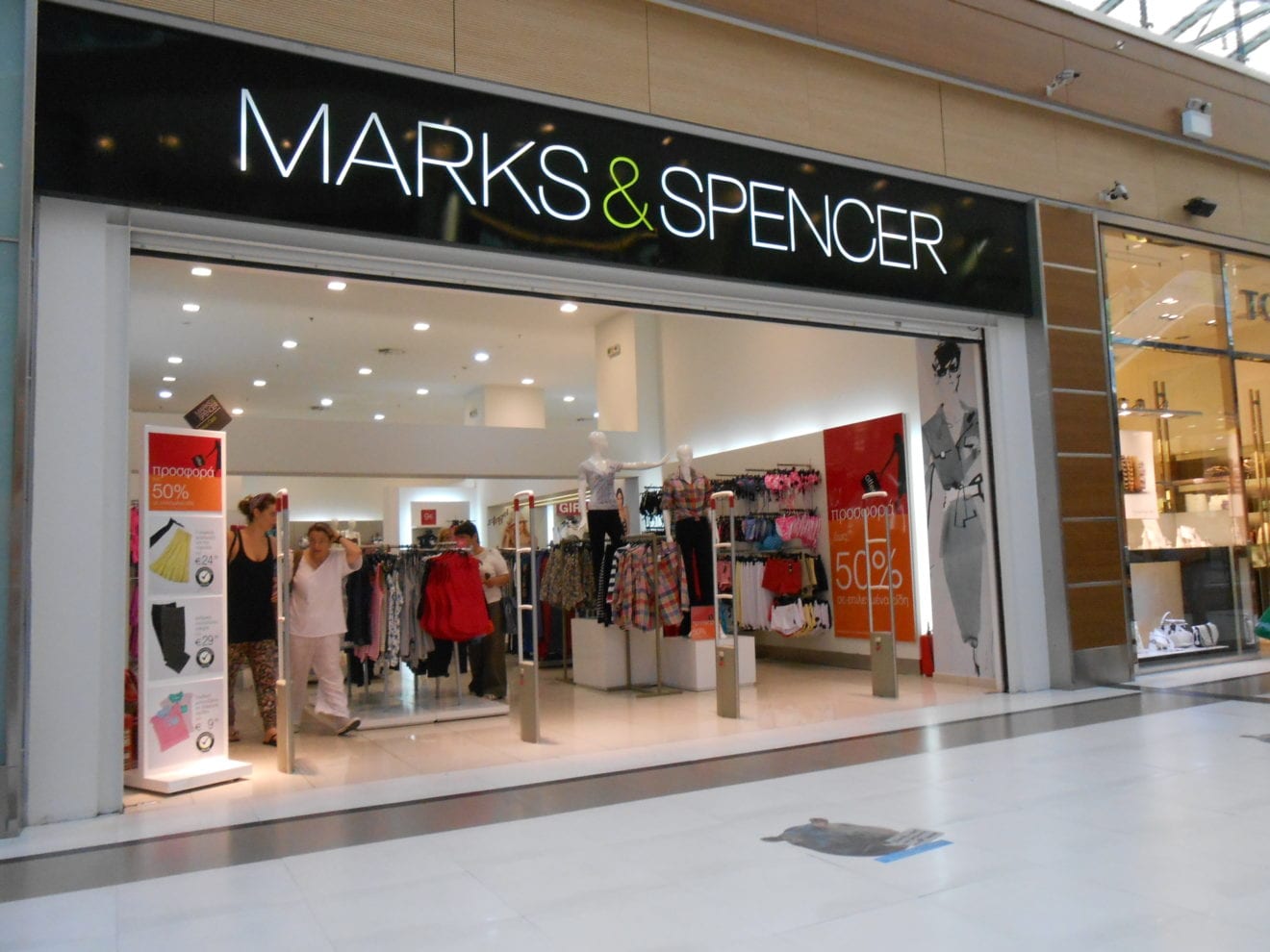
    A new M&S halal range announced in the UK has been confirmed as destined for Asia. The launch of halal-certified ready-meals will make the retailer the first major English supplier in the category.

    The firm’s franchise partner in Singapore, Hong Kong and Dubai, Al-Futtaim, has confirmed it will offer the M&S halal range in its markets, although it is unclear if the arrangement will include Hong Kong.

    The growing Muslim population in the UK has prompted the move, with six chicken-based products going on shelves from tomorrow in 36 Marks & Spencer locations across Britain.

    M&S Food is changing to become more relevant, more often to families across Britain,” said M&S Food MD Stuart Machin. “Our new Halal meal range is a great example of how we are broadening appeal so that more customers can enjoy our delicious, quality food.”

    Whilst some major retailers are starting to stock halal meat, there are still very few opportunities to eat different flavor foods,” said one M&S store manager Simon Pollitt Khan, “such as Italian or more traditional British dishes – in a convenient halal format.”

    The move follows M&S earlier stocking Shazans halal chicken items, which have proved successful in some outlets.

    In the UK the M&S halal range and pricing is as follows:

    • Chicken Arrabbiata – £2.50
    • Chicken & Roasted Mushroom Tagliatelle – £2.50
    • Chicken, Leek and Potato Bake – £3.50
    • Chicken and Vegetable Hotpot – £3.50
    • Chicken Jalfrezi and Rice – £3.50
    • Chicken Tikka Masala and Rice – £3.50
  • Nordstrom opens in New York, and Burberry takes prime position

    Nordstrom opens in New York, and Burberry takes prime position

    US department store Nordstrom has opened a 320,000sqft store in the world’s tallest residential building, Central Park Tower in New York.

    The five-storey store was designed by the firm in collaboration with James Carpenter Design Associates with two underground levels and a curving glass facade. The interior featured LED lighting, glass walls and a chainmail curtain, which is used as a divider between the luxury brands featured in store.

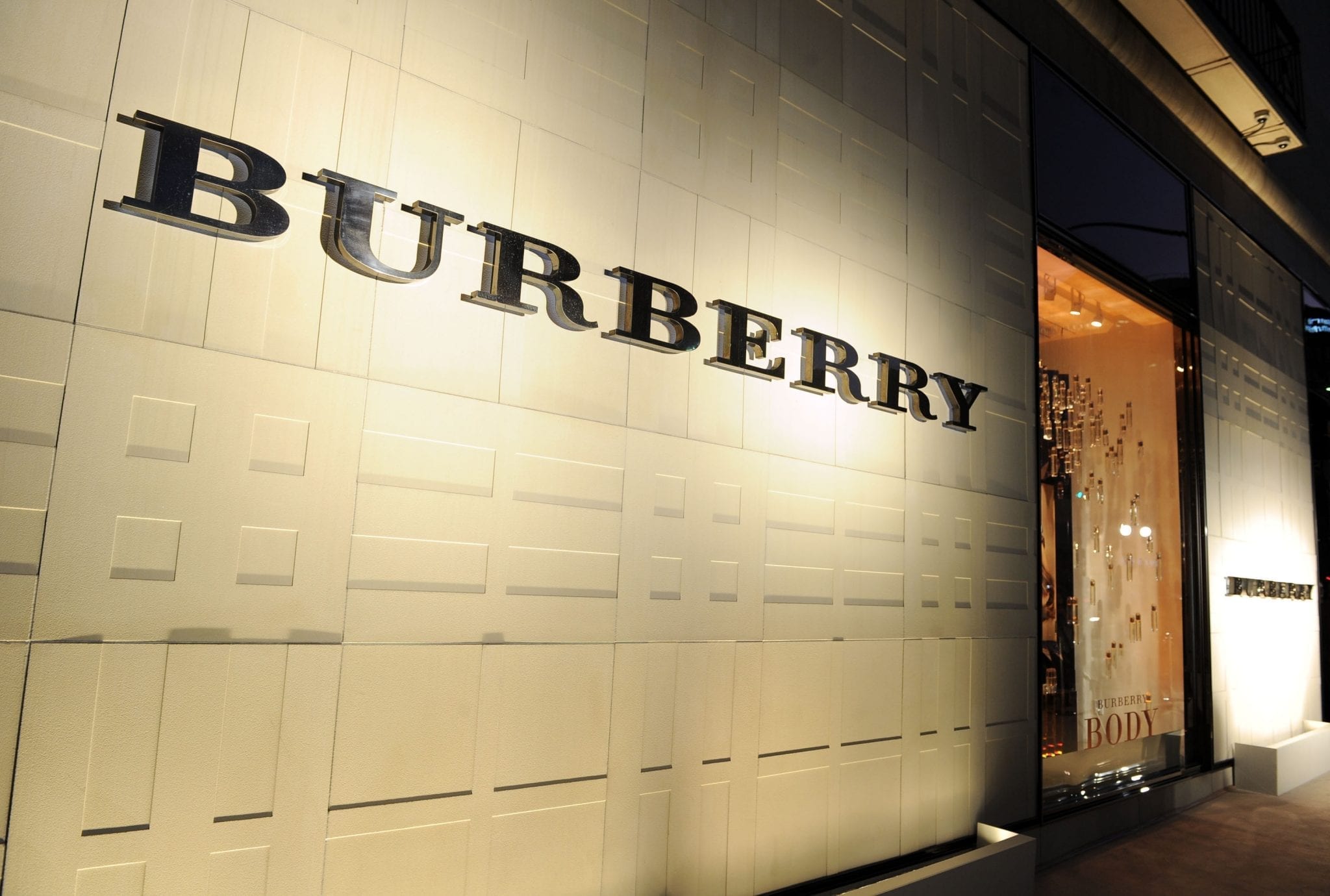
    Luxury house Burberry has become the first brand to take over the store’s concept space with an immersive installation that spans five rooms, which will run through December.

    The installation is an industrial space with cardboard building blocks contrasted against silver and gold mirror cubes. Visitors are welcome to decorate the concept store’s blank windows.

    The temporary space also features a cafe inspired by Burberry’s all-day London cafe Thomas’s.

  • Desigual Japan expands as locals embrace edgy label

    Desigual Japan expands as locals embrace edgy label

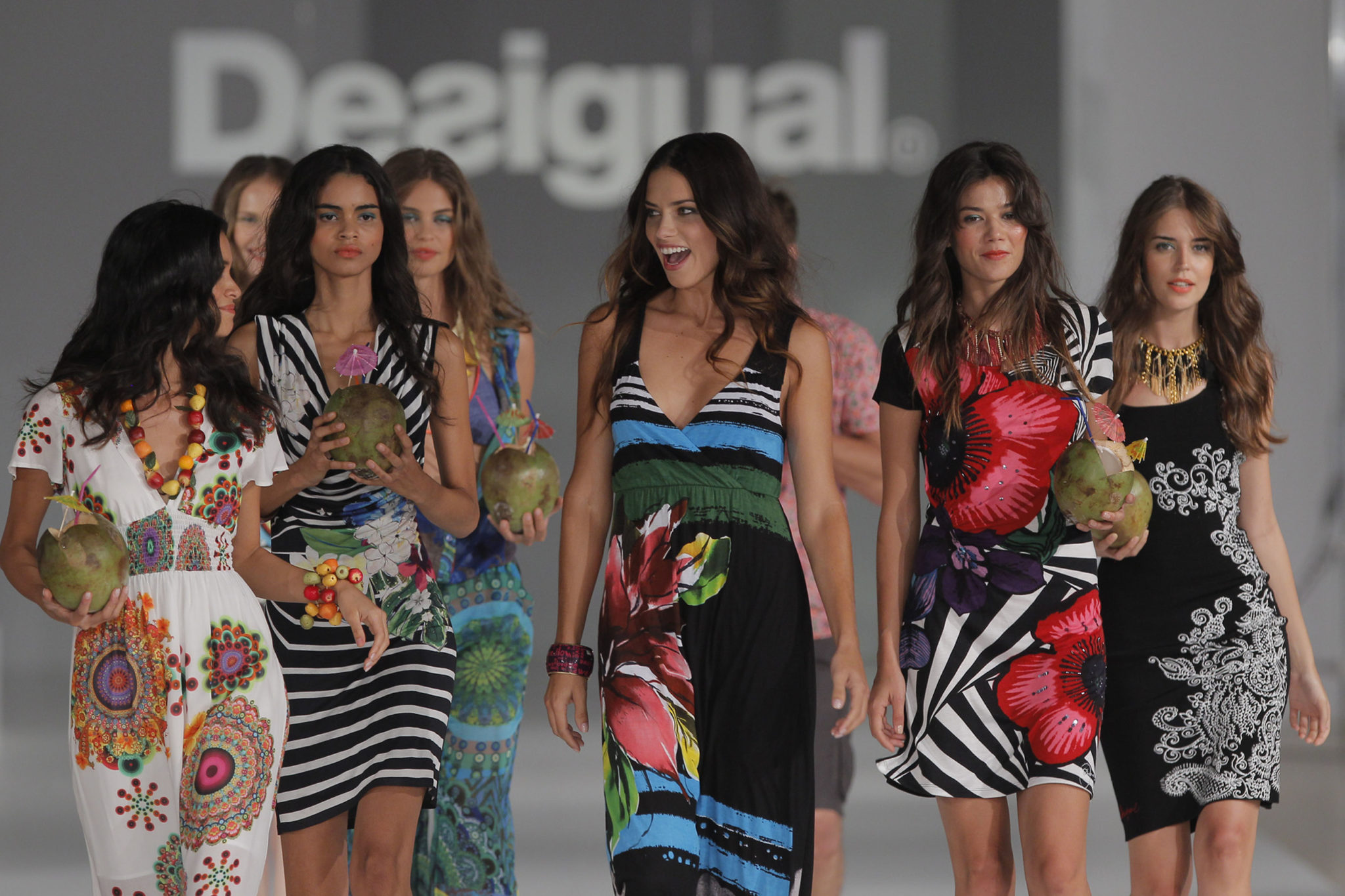
    Desigual Japan has opened its third store as it targets further growth in the country.

    The Spanish fashion brand’s 300sqm store, its largest yet, is located in Nagoya´s Sakae Street, adding to its existing stores in Fukuoka and Tokyo.

    The fashion brand, known for its fun and bright designs, identified Japan as its strongest market outside Europe. In the last year, it says its Japan revenue has increased to €25.2 million from €4.6 million in 2011. It is also bullish this year, having recorded 11 percent revenue growth in the first half.

    Country manager Balazs Krizsanyik said another store is planned for Ginza next year.

    Japan is the only Asian country, where it runs a business across all sales channels, the company says. Besides its own e-commerce site, Desigual also sells through local online e-commerce websites including Zozotown, Rakuten and Amazon.

    Elsewhere in Asia, the brand plans to strengthen business in China and expand its presence in Singapore, India and Malaysia.

  • Gucci powers French Luxury Group Kering’ growth

    Gucci powers French Luxury Group Kering’ growth

    French international luxury group Kering has seen positive trading results brought on by stronger-than-expected sales of its Gucci brand.

    The group is among several luxury houses that have so far managed to ride out interruptions to business caused by 21 weeks of protests in Hong Kong.

    Kering is following a strategy of redistributing stock originally intended for sale in Hong Kong to other markets.

    Gucci has a large store network in Mainland China and South Korea, where spending has picked up among luxury-goods consumers who may otherwise have shopped in Hong Kong. Sales in the territory during China’s Golden Week holiday were underwhelming.

    “The trends are still negative so far in Hong Kong,

  • Uniqlo to quadruple SE Asia retail store network

    Uniqlo to quadruple SE Asia retail store network

    Japanese casual wear retailer Uniqlo plans a four-fold increase in its Southeast Asian store count during the next decade.

    Tadashi Yanai, chairman, and CEO of the firm’s parent company Fast Retailing said in an interview with Nikkei that Uniqlo is seeking a much faster rate of expansion than it took to build its 800-strong network of stores in greater China.

    “Asia, from China to India with 4 billion people, is the world’s only region that is showing steady growth,” said Yanai.

    He said that for the time being, Cambodia, Laos, and Myanmar are not being considered as potential markets for the brand because there are too many opportunities outside those countries.

    Next month the Japanese retailer will open its first store in Vietnam. Located in Ho Chi Minh City, the store will be its largest in Southeast Asia and located across the road from Zara’s two-year-old Vietnam flagship and a rival H&M’s store.

    Uniqlo operates around 2200 outlets internationally.

  • H&M unveils small format retail stores in Berlin

    H&M unveils small format retail stores in Berlin

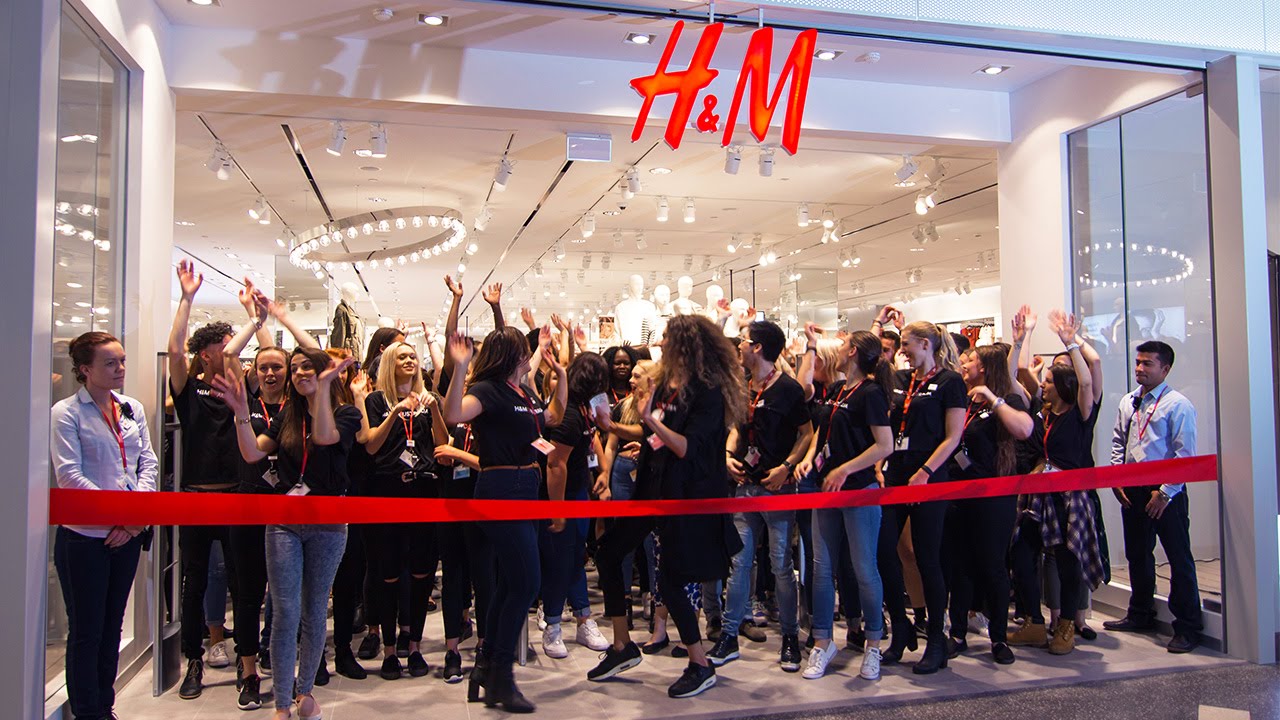
    Fashion retailer H&M has opened a new ‘hyper-local flagship’ in Berlin’s creative Mitte Garden district.

    The 300sqm store, one of the brand’s smallest worldwide, offers curated womenswear, selected external brands, vintage pieces and a showroom for customers. It features curated fashion from H&M’s own assortment as well as selected external brands, most of them Berlin-based.

    The selected assortment is paired with a digital tool offering H&M’s full range where customers can browse and build their looks on their own or aided by a stylist.

    “It’s a test for us as a global retailer to elaborate around how we can be more personal and locally relevant,” said H&M Group laboratory business developer Anna Bergare.

    H&M Mitte Garten will regularly offer events such as lectures, fashion talks, and yoga for its customers. Upcoming trends and looks will be presented in the public showroom. Here consumers can try on and borrow pieces to make sure their future purchases are consciously made.

    “This is a unique location and it has served as a meeting place for Berliners for more than 100 years,” said H&M Germany country manager Thorsten Mindermann. “[It’s] a tradition we want to honor. We aim to offer a neighborhood store serving as a platform for local and global talents within retail, culture, and art.”

    Rentals move in Sweden

    The opening comes as the brand gets ready to debut clothing rentals in its Stockholm flagship store. The brand is offering the chance to rent selected party dresses and skirts from its 2012–2019 Conscious Exclusive collections to members of its customer loyalty program.

    “We have looked at clothing rental for quite some time and are so happy to for the first time soon offer fashion fans the possibility to rent some stunning pieces from our Conscious Exclusive collections,” H&M said head of sustainability Pascal Brun. “We look forward to evaluating this as we are dedicated to change the way fashion is made and consumed today.”

    Members will be able to rent up to three pieces a time for a week at a cost of around SEK350 (US$36) per piece.

  • Uniqlo switches to paper bags

    Uniqlo switches to paper bags

    Japanese retailer Uniqlo has jumped on the sustainability train, eliminating the use of plastic bags in its stores and switching to eco-friendly paper bags later this month.

    The bags will cost 15c in an attempt to encourage customers to bring their own reusable bags and will be launched in phases across the brand’s 21 Australian locations. The store will also sell branded bags made of recycled plastic bottles for $2.90.

    The switch is part of a move to become more environmentally friendly and coincides with the Victorian Government’s single-use plastic shopping bag ban which comes into effect in November.

    “Sustainability has increasingly become a priority on the global agenda and as a leading retailer, it has been crucial for Uniqlo to look at how we can address this key issue, whether from a clothing design perspective, or current in-store practices,” Kensuke Suwa, Uniqlo Australia’s chief operating officer, said.

    “We definitely recognize that Uniqlo has a role to play and the team is consistently exploring new sustainability initiatives to roll out in this market.”

    Woolworths also began offering paper bags earlier this month, in a bid to give more options to customers who forget to bring a reusable bag when shopping.

    “The vast majority of our customers bring their own bags to shop, but we know there are occasions when they forget or visit our stores unplanned,” a Woolworths spokesperson said in a statement to Inside Retail.

    “Some customers have told us they would like the option of a paper bag when this happens.”

    The adoption of paper bags is one part of Uniqlo-owner Fast Retailing’s ongoing efforts to eliminate the use of unnecessary plastic in its supply chain – having committed to reducing the amount of single-use plastics passed on to customers by 85 percent by the end of 2020.

    However, it is also looking at other parts of the supply chain and introducing several initiatives aimed at improving the manufacturing process.

    Uniqlo’s Jeans Innovation Centre has reduced the amount of water used in the washing process of its jeans by an average of 90 percent. The first batch of jeans using this process will be introduced in its 2019 fall/winter season and will be used for all Uniqlo jeans moving forward.

    Additionally, the company announced last year it would begin using a material formed from recycled plastic bottles in items of clothing called ‘Dry-Ex’, and that it would recycle down collected in Japanese stores into new products.

    “Uniqlo is committed to improving the sustainability of society,” Uniqlo founder and chairman Tadashi Yanai previously said.