Retail News CRM

Tag: development

  • Hanoi’s Prime Western Land on Sale: Priced from $40M with Residential Development Opportunities

    Hanoi’s Prime Western Land on Sale: Priced from $40M with Residential Development Opportunities

    Next month, Hanoi authorities are set to auction a two-hectare plot of land located in the city’s western region. The initial entry price has been established at VND1.06 trillion, or approximately US$40 million, which equates to VND52.9 million per square meter.

    Land Auction in An Khanh Commune

    The plot of land is situated in the An Khanh Commune, positioned 22 kilometers away from the city center. The auction will be conducted by the Lac Viet Auction Partnership Company. The land is zoned for commercial residential development, opening up possibilities for significant business ventures.

    The auctioning process will be conducted through multiple rounds of sealed bids, with at least five rounds expected to occur. Each incremental bid will be increased by VND10 billion. Bidders are required to place a deposit equivalent to 20% of the starting price to participate in the auction.

    An Khanh Commune is home to a population of 102,000. Its close proximity to Thang Long Avenue has catalyzed the establishment of several significant residential projects such as Sudico Nam An Khanh, HaDo Charm Villas, and Vinhomes Thang Long.

    Hanoi’s Revenue from Land Transactions

    In the previous year, Hanoi set a new record in its revenue from land-related transactions, generating VND107.9 trillion. This figure surpassed its intended target by 125% and was over twice the amount earned in the previous year. This revenue constituted 15% of the city’s total income.

    Looking forward, Hanoi has set a target to earn a total revenue of VND3.7 quadrillion from 2021 to 2030. Of this amount, about 21.6% is expected to be derived from land transactions.

    Questions & Answers

    What is the starting price for the land auction in An Khanh Commune?
    The starting price is VND1.06 trillion, or approximately US$40 million.

    What type of development is permitted on the auctioned land?
    The land is zoned for commercial residential development.

    What percentage of Hanoi’s total revenue from 2021 to 2030 is expected to come from land transactions?
    About 21.6% of the total revenue is projected to come from land transactions.

  • Philippine Government Unveils Exciting New Strategy to Boost Connectivity Across the Nation

    Philippine Government Unveils Exciting New Strategy to Boost Connectivity Across the Nation

    The Philippine government is shifting gears in its pursuit of comprehensive nationwide internet access, unveiling a strategic budget reallocation of PHP 6.5 billion (USD 115 million). This plan will bolster both the expansion of free WiFi sites and the distribution of complimentary SIM cards, bringing digital connectivity closer to those in need.

    Transforming the Free Public Internet Access Program

    In a move designed to reduce costs while enhancing internet services in public schools and remote communities, the Department of Information and Communications Technology (DICT) is revamping its Free Public Internet Access Program (FPIAP). Information Undersecretary Paul Mercado explained that the agency can effectively manage 50,000 free WiFi sites with just PHP 3.5 billion, allowing more of the budget to focus on connectivity in underserved areas.

    A Partnership with Starlink

    To expedite the rollout, the DICT is setting its sights on a long-term agreement with satellite provider Starlink to deliver internet services to 30,000 locations, with an expected annual cost of PHP 1.5 billion. To streamline funding, the agency is also pursuing multi-year contractual authority from the Department of Budget and Management (DBM).

    Boosting Connectivity

    An added PHP 2 billion (USD 35 million) will ensure connectivity in the remaining regions served by other providers. Mercado emphasized that this budget restructuring is critical to sustaining the FPIAP without needing ongoing requests for higher annual funding from the DBM.

    Empowering Communities with SIM Cards

    In tandem, the DICT is earmarking PHP 3 billion (USD 53 million) for its Bayanihan SIM initiative, which will distribute one million SIM cards to teachers and students in underserved communities. With a generous 25 GB of monthly data per beneficiary, the project will run until 2028, making internet access more reachable than ever.

    Setting Standards for Telecommunications

    Mercado highlighted an important aspect of the program: it aims to urge telecommunications companies to establish cellular towers in key locations. Providers who fall short will find themselves excluded from future SIM-related opportunities. Furthermore, telecom firms must adhere to minimum service standards or risk penalties, creating a competitive environment that benefits the end users.

    Expanding Internet Access

    As of now, the FPIAP has successfully provided internet connectivity to 18,849 sites across 9,769 locations, positively impacting over 11.2 million Filipinos. The administration is determined to expand this initiative to 50,000 sites by 2028, in alignment with the Philippine Development Plan’s goal of elevating internet penetration to 60%.

    Future Budgets and Funding Sources

    Looking ahead, the DICT’s FPIAP budget aims to reach PHP 7.5 billion (USD 132 million) by 2025, a significant increase from just PHP 2.5 billion (USD 44 million) in previous years. This program will largely be sustained by spectrum user fees paid by telecommunications companies, averaging PHP 5 billion (USD 88 million) annually. The DICT is diligently exploring cost-effective measures to ensure the program’s sustainability amidst fluctuating resources.

    Support from Telecommunications Operators

    The Philippine Chamber of Telecommunication Operators (PCTO) has expressed robust support for the DICT’s recalibration efforts. PCTO Vice President Roy Ibay remarked that the Private Sector Advisory Council (PSAC), directly reporting to President Marcos, has long championed this initiative.

    Crafting Future Connections

    PSAC is also advocating for a public-private partnership to build new cell towers, aiming to connect an estimated 25 million Filipinos across 7,063 geographically isolated and disadvantaged barangays. Who needs a magic wand when you have strategic collaborations?

    Questions & Answers

    What is the goal of the Philippine government’s budget reallocation?
    The goal is to enhance nationwide internet access by funding the expansion of free WiFi sites and distributing free SIM cards across underserved areas.

    How many free WiFi sites does the DICT aim to establish by 2028?
    The DICT aims to expand its internet connectivity platforms to 50,000 sites by 2028, significantly increasing internet penetration in the Philippines.

    What role do telecommunications companies play in this initiative?
    Telecommunications companies are required to meet certain service standards and expand their infrastructure, ensuring that underserved areas receive adequate connectivity as part of the initiative.

  • Vietnam Plans Ambitious Financial Hub Connecting Two Major Cities

    Vietnam Plans Ambitious Financial Hub Connecting Two Major Cities

    Deputy Prime Minister Nguyen Hoa Binh shared an ambitious vision at a recent meeting with consultants, presenting it to the National Assembly during its ongoing session. Richard McClellan, the global ambassador of property developer Terne Holdings, voiced his enthusiastic support, emphasizing that Vietnam’s financial center should be conceived as a cohesive operating system rather than a mere geographical entity. According to McClellan, this innovative approach could position Vietnam as a formidable player in the global financial landscape, highlighting the synergy between Da Nang and Ho Chi Minh City as complementary locations rather than rivals.

    Exploring New Frontiers in Finance

    Binh pointed out that Vietnam has the opportunity to consider establishing two international financial centers or a single center spread across two locales, tapping into the unique strengths each city offers. Jochen Biedermann, managing director of the World Alliance of International Financial Centers, underscored the need for significant investments in software, digital infrastructure, and training of talent to ensure seamless operations in a dual-location model.

    Adding his insights, Andreas Baumgartner, CEO of The Metis Institute, advocated for a unified management model that respects the operational independence and unique advantages of each site. Such an international financial center could revolutionize Vietnam’s ability to attract premium financial resources, enhance governance, and elevate the nation’s competitive edge, all while deepening its ties to the global financial system.

    Binh reiterated the government’s commitment to crafting a groundbreaking legal framework designed to maximize these opportunities. “Vietnam will adhere to international laws and standards, encourage innovation, and provide distinctive and attractive incentives for investors,” he pledged. He assured that forthcoming policies would strive to balance the interests of the state, investors, and citizens, perfectly aligned with Vietnam’s management capabilities.

    Da Nang City Party Secretary Nguyen Van Quang characterized the international financial center as a “very new and challenging” project vital for the nation’s growth. He expressed confidence in the city’s robust ecosystem, boasting both the hard and soft infrastructure needed to support the center’s operations. Meanwhile, Ho Chi Minh City’s Vice Chairman Nguyen Van Dung highlighted ongoing efforts to refine policies, enhance technical infrastructure, and nurture human resource development to support the financial center’s goals.

    During the conference, leaders from various international financial organizations, businesses, investors, and partners pledged their support and collaboration to ensure the successful launch and development of this groundbreaking initiative.

    What a compelling venture—who knew Vietnam’s financial future could shine so brightly?

    Questions & Answers

    **What is the main vision for Vietnam’s financial center as proposed by Deputy Prime Minister Nguyen Hoa Binh?**
    The vision is to create an international financial center that functions as a unified operating system across multiple locations, such as Da Nang and Ho Chi Minh City, enhancing Vietnam’s global competitiveness.

    What key investments are suggested to ensure the center’s success?
    Investments in software, digital infrastructure, and training human resources are crucial for establishing a seamless financial center that operates effectively across two different locales.

    How is the Vietnamese government addressing investor interests in this project?
    The government is committed to developing a legal framework that adheres to international standards, encourages innovation, and balances the interests of the state, investors, and citizens.

  • Trump Organization Secures Approval for $1.5B Hotel and Golf Development in Northern Vietnam

    Trump Organization Secures Approval for $1.5B Hotel and Golf Development in Northern Vietnam

    A vast urban, eco-tourism, and golf complex spanning 990 hectares in northern Vietnam’s Hung Yen Province has received the green light for a whopping $1.5 billion investment. This ambitious project, approved by Deputy Prime Minister Tran Hong Ha, promises to reshape the landscape of the area.

    Spanning the Green

    Nestled along the banks of the Red River, the project will feature not one, but two stunning golf courses with 36 and 18 holes, respectively. Beyond the greens, the expansive complex will include a vibrant residential area and an exciting theme park, ensuring a diverse range of activities for visitors and residents alike. With construction set to kick off in the second quarter and expected to conclude by 2029, the excitement around this development is palpable.

    Guiding Hands

    Hung Yen authorities are now in charge of selecting a developer while overseeing efficient land management. The Ministries of National Defense and Public Security will also provide guidance to ensure that security protocols are firmly in place, particularly regarding foreign ownership of housing.

    The project is the brainchild of a partnership between a subsidiary of Kinh Bac City, a renowned property developer, and The Trump Organization, the global business empire founded by former President Donald Trump. Known for their portfolio of hotels, golf courses, and commercial properties worldwide, The Trump Organization has a notable presence in Asia, with golf courses in Dubai, Indonesia, and Oman, as well as properties in South Korea, the Philippines, and India.

    Building Dreams

    Kinh Bac City, along with its subsidiaries, oversees over 5,000 hectares of industrial zones and 900 hectares of urban development, luring in more than $5 billion in foreign investments annually. The real estate market in Hung Yen, located just over 60 kilometers southeast of Hanoi, has recently become a hotspot for major developers, including Ecopark, Vinhomes, Masterise, and CapitaLand. Last year, the province achieved a record-breaking nearly $4 billion in foreign direct investment.

    With this ambitious development on the horizon, Hung Yen is poised to become a vibrant destination for both investors and tourism lovers, promising to bring a fresh dynamic to the region. Who knew that a golf course could pave the way for so much excitement?

    Questions & Answers

    What does the $1.5 billion project in Hung Yen include?
    The project encompasses a 990-hectare urban complex featuring two golf courses, a residential area, and a theme park, transforming the region’s tourism and living landscape.

    Who is responsible for overseeing the project’s development?
    Local Hung Yen authorities will select a developer and manage land resources, with guidance from the Ministries of National Defense and Public Security regarding security and foreign housing ownership.

    What is Kinh Bac City’s role in the project?
    Kinh Bac City, alongside its subsidiaries, is a key player in the development, managing substantial industrial and urban areas while attracting significant foreign investment and collaborating with The Trump Organization.

  • IKEA Unveils First Mixed-Use Store in South Korea, Boosting Retail Growth

    IKEA Unveils First Mixed-Use Store in South Korea, Boosting Retail Growth

    IKEA Expands Footprint in South Korea with New Mixed-Use Store

    Dive into IKEA’s latest venture in Seoul as the global home furnishings giant enhances its local presence in a rapidly evolving retail landscape.

    A Strategic Investment in South Korea

    IKEA has officially opened its fifth store in South Korea, a significant milestone that is part of the brand’s ambitious strategy to invest over $341 million (approximately €300 million) in the country. This latest store, located in the Gangdong I-Park The River complex in eastern Seoul, marks IKEA’s first foray into a mixed-use facility, innovatively combining shopping, entertainment, and business spaces.

    Innovative Offerings for Modern Consumers

    The IKEA Gangdong store showcases a robust selection of 7,400 products, with 3,700 available for immediate purchase. Among its notable features are a sustainable living shop, designed to promote eco-friendly practices, and a circular hub that encourages recycling and repurposing. Furthermore, the introduction of electric vehicle deliveries aligns with IKEA’s commitment to achieving zero emissions and underscores its dedication to addressing emerging consumer trends toward sustainability.

    Reinforcing Digital and Physical Presence

    This opening is a key component of IKEA’s broader strategy to deepen its engagement within the South Korean market. The company is focused not only on expanding its physical stores but also on enhancing its digital presence to cater to the evolving needs of consumers. With this investment, IKEA aims to provide an elevated shopping experience that meets the demands of today’s discerning customers.

    Impact on the Retail Sector

    IKEA’s strategic expansion in South Korea reflects a dynamic shift in the retail landscape, responding to the rising consumer demand for integrated shopping experiences. As brands evolve to embrace sustainability and innovation, the implications for consumers and the broader retail sector are significant, paving the way for more versatile shopping environments that foster convenience and eco-consciousness.

  • Microsoft to partner with Samsung over HoloLens 3 development

    Microsoft to partner with Samsung over HoloLens 3 development

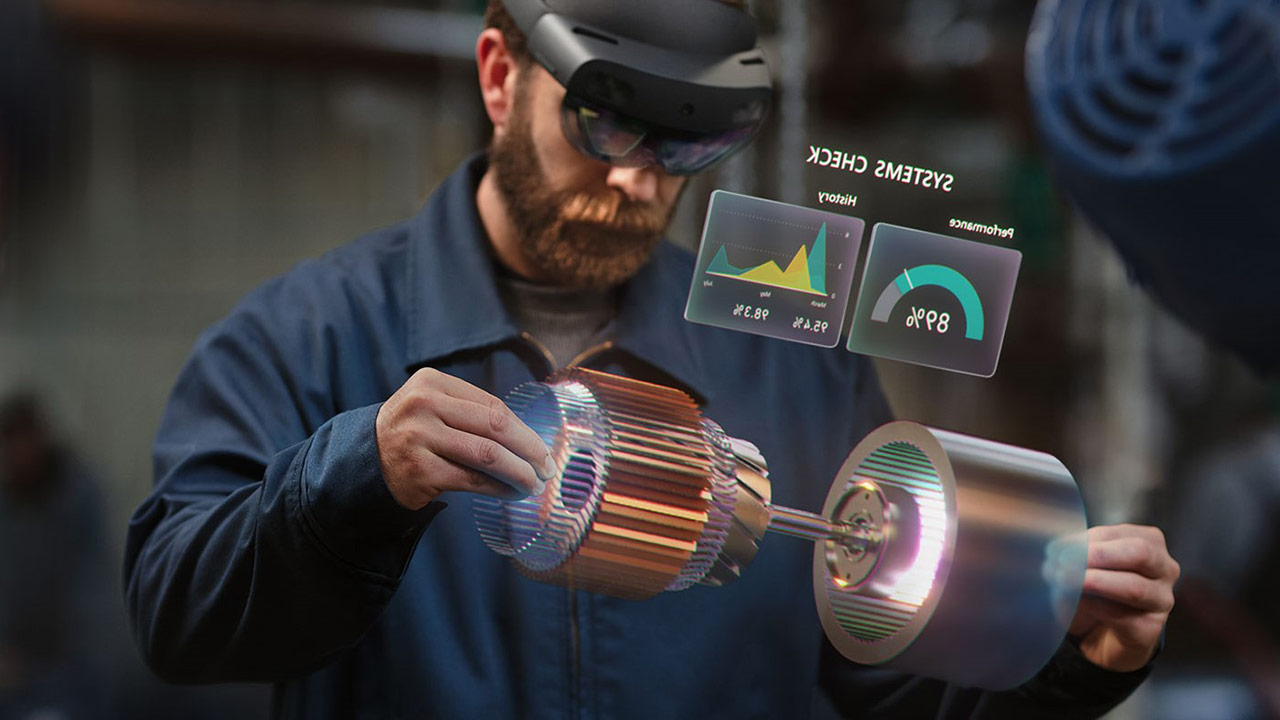
    This summer, Samsung has apparently entered into a partnership with Microsoft over its HoloLens augmented reality project, and the two companies are expected to work on the next generation of the VR headgear for at least two years.

    Microsoft already has a strong partnership with Samsung over preinstalled Office Mobile and other apps on the handsets of the world’s largest phone maker, so taking advantage of its hardware expertise could only be beneficial, too.

    Back in March, Samsung reportedly assembled a task force to probe the viability of the HoloLens partnership, involving multiple departments and has subsequently been given the green light to take on the challenge to be Microsoft’s AT/VR gear maker.

    Commercialization of Microsoft’s HoloLens wearable that takes advantage of Samsung’s engineering prowess will happen after the end of the development contract, in 2024, report the insiders. Samsung’s purchase of AR company DigiLens, along with its display expertise may be what prompted Microsoft to partner with it over the next HoloLens endeavor.

    DigiLens was known for its waveguide technology “used to bend the light from the video playing on a display to the glasses, which is transparent in AR display devices as users need to see the real surrounding around them simultaneously with the virtual items on display.”

    This strongly suggests that the HoloLens 3 may be conceived as a direct answer to the purported Apple Glasses AR/VR headset which is expected to land as soon as next year. Microsoft sold about 200,000 HoloLens 2 devices this year, and it will have to pour a lot of resources to make the third edition stand out as not only Apple, but also Facebook’s Meta, are expected to release their own augmented reality contraptions very soon.

  • Samsung to expand northern Vietnam plant

    Samsung to expand northern Vietnam plant

    Samsung is set to expand its plant in the northern province of Bac Ninh this year to increase its production capacity of foldable devices.

    The company would kick off the expansion project within the second half of this year, targeting full operation by the end of 2021 or early next year at the latest.

    This is to increase Samsung’s annual production capacity of foldables by 47 percent from the current 17 million to 25 million.

    Experts say once Samsung completes the expansion, the company would be able to produce 10 million units of Galaxy Z Fold models and 15 million units of Z Flip models a year.

    Samsung’s decision to ramp up capacity is mainly driven by soaring market demand. Its third-generation foldable models recorded 920,000 pre-orders in South Korea, 1.8 times more than its latest smartphone Galaxy S21, the report stated.

    “Samsung’s factories that make foldable devices are already operating at full capacity. Samsung has no option but to expand its facilities,” a source told the newspaper.

    It will likely add three more production lines to its current seven, which would allow the company to manage the production volume more flexibly, the source added.

    Samsung, the biggest foreign investor in Vietnam, has six plants and is building a new research and development center in Hanoi, which would open next year. Around 3,000 Vietnamese engineers are set to be employed there.

    The South Korean company has invested over $17.7 billion in Vietnam, has 110,000 employees and exported over $56 billion worth of products last year.

  • Vingroup app to digitise 300,000 vietnamese mom-and-pop shops

    Vingroup app to digitise 300,000 vietnamese mom-and-pop shops

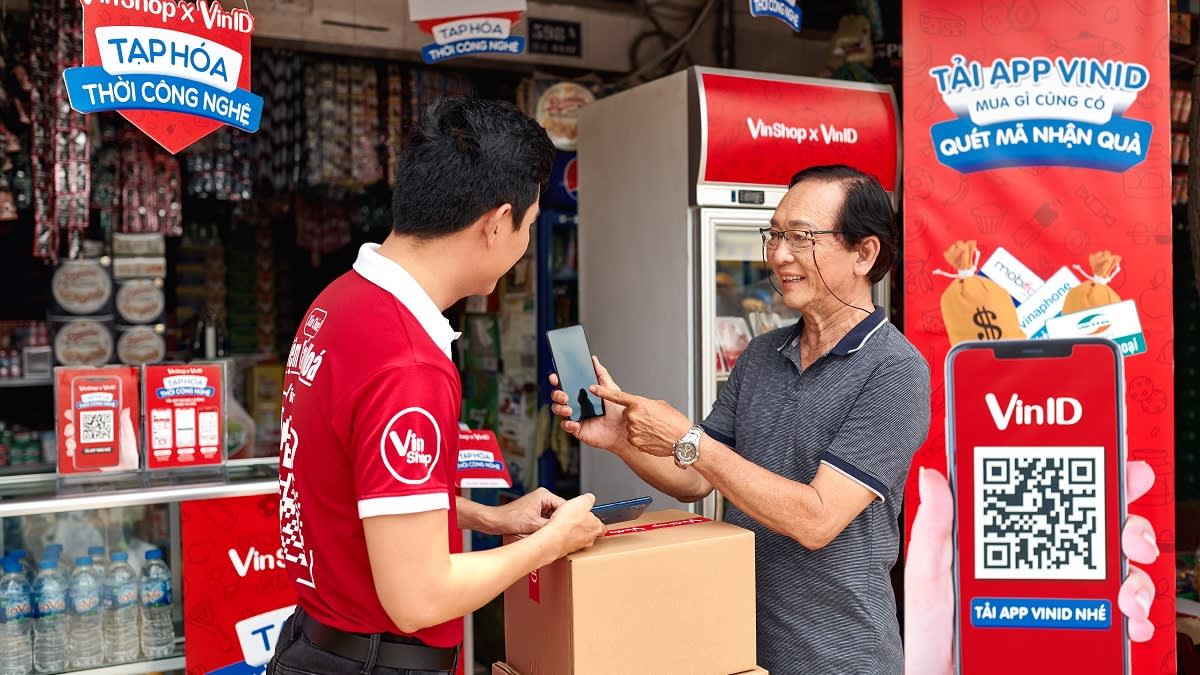
    Vietnam’s biggest conglomerate, Vingroup, has recently launched a mobile app for mom and pop retail stores, helping to digitize a traditional business that has been upended by modern convenience stores such as 7-Eleven.

    Vingroup announced Monday that its VinShop app is used by 20,000 small shops in Hanoi and Ho Chi Minh City. Those stores, called tap hoa, are typically family-run and sell sundries. Shopkeepers use the app to order hundreds of items from suppliers, eliminating the need to contact them individually. They also use it to connect to another Vingroup app, VinID, used by 10 million retail shoppers to make payments.

    VinShop began building its retail network in July, aiming to connect manufacturers and shops through the app, which includes purchase and distribution functions. “VinShop’s revenue will be based on a targeted advertising platform, financial services offerings and market development for suppliers,” Truong Quynh Phuong, business director at Vingroup’s logistics arm, One Mount Group, said last Wednesday.

    Tiny brick-and-mortar shops have long underpinned Vietnam’s “sachet economy,” an allusion to the common practice of selling single-use packets of many daily consumables, such as shampoo and coffee.

    Small shops face growing competition from 7-Eleven, Ministop, B’s Mart, and even Vinmart+, the chain of convenience stores launched by Vingroup now run by local consumer goods giant Masan following a merger in December. Sales at the major chains reached $170 million in 2019, about four times as much money as traditional shops took in, according to a July report from Deloitte, a consultancy.

    The VinShop app is the latest addition to the suite of Vingroup brands, from VinFast cars to VinSmart phones, as the company founded by Vietnam’s richest man, Pham Nhat Vuong, turns its focus to technology and manufacturing.

    Vingroup says its app will raise the income of small shops, which it calls grocery stores, by $432 a month on average by making their operations more efficient and cutting costs.

    “This solution is expected to improve the efficiency of the entire supply chain, and help overcome the current weaknesses in the distribution of products from manufacturers to grocery stores,” the company says.

    National and international convenience store chains have become hangouts for young Vietnamese, who gather to sip juice and slurp instant noodles. Traditional shops, by contrast tend to be windowless rooms that are often attached to owners’ homes, and piled high with things like chips, bottled water and laundry detergent.

    “For many rural consumers and lower-income urban consumer segments, who need to budget daily for food and make purchases in small quantities, traditional grocery retailers, such as local markets and mom and pop shops, are a convenient and affordable alternative to modern trade outlets,” according to the Deloitte report.

    Consumption has dropped across the board during the novel coronavirus pandemic, which has left Vietnamese reluctant to go out, said Infocus Mekong Research. In its July survey of shoppers, 36% said they would visit convenience stores less often, even after the pandemic ends, versus 22% who said they would shop more often.

    Similar efforts to modernize traditional shops through technology are taking off elsewhere in Southeast Asia. In Indonesia, startups BukuWarung and BukuKas have raised millions of dollars for similar smartphone apps.

  • Google delivers the final public beta version of Android 11

    Google delivers the final public beta version of Android 11

    The final beta version of Android 11 has been released by Google. If you wanted to install the beta on a Pixel 2 series through the Pixel 4 series model, now would be the time since the next update, which could drop on September 8th, will be the final version. Outside of some small bugs and last-minute changes made by developers, today’s release pretty much covers what you’ll see with the final build.

    To install the Android 11 Public beta 3 update, go to developer.android.com/android11 and click on the “get the beta” box near the bottom of the page. You then need to click on the box titled “View your eligible devices.” Tap on opt-in and you’ll shortly receive notification of a software update. Download and install it to run Android 11 beta 3. Once you install the Android 11 beta on your phone, you must stick with it until September 8th, the rumored launch date of the final Android 11 version, unless you’re willing to do a factory reset.

    Android 11 features a new notification system and the Bubbles feature which allows you to multitask while engaged in a text. If your phone already has the Android 11 beta installed, go to Settings > System > Advanced > System Update and press the blue button on the bottom right of the display.

  • Apple is assembling a top-of-the-line iPhone in India for the first time

    Apple is assembling a top-of-the-line iPhone in India for the first time

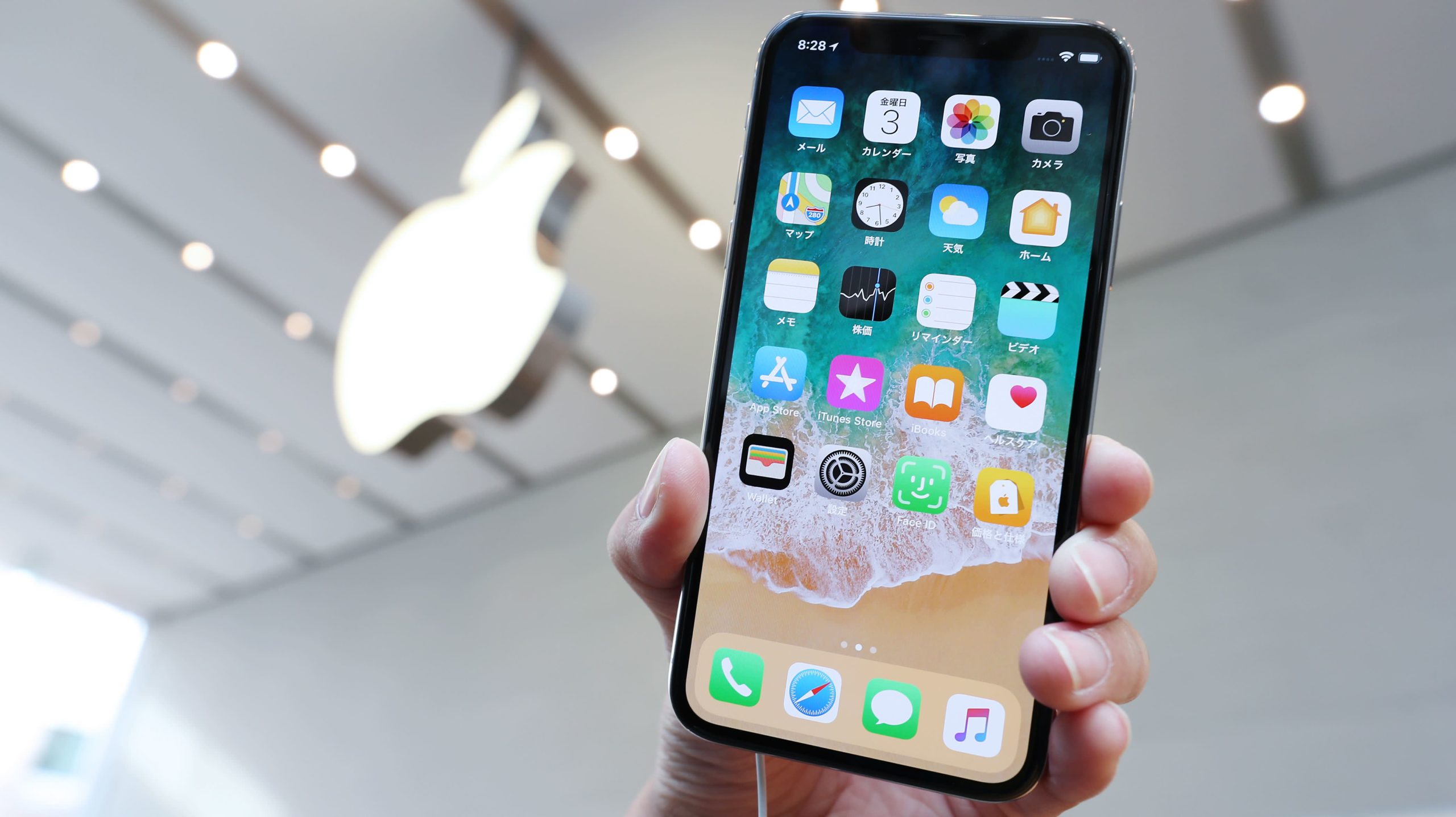
    Two weeks ago we told you that Apple’s largest manufacturing partner Foxconn plans to invest the princely sum of $1 billion to increase the production of the iPhone in India. The latter is the second-largest smartphone market in the world after China, although it does remain a developing country. As a result, lower-priced phones sell the best including Xiaomi’s value for money handsets and Samsung’s Galaxy A series. The iPhone? It’s considered a luxury item in the country.

    By producing the iPhone in India, Apple avoids paying a hefty 22% import tax on units shipped into the country from China. And locally made iPhones fit in with Prime Minister Narendra Modi’s Make in India initiative that favors products made in, well, India. In the country, contract manufacturer Wistron assembles 2016’s iPhone 7 in Bengaluru while in Chennai, Foxconn makes the iPhone XR. By sticking with older models, Apple is able to sell iPhones to Indian consumers at a more affordable price.

    For some years there has been talk about Apple producing some of its higher-priced current models in India and India.com notes that on Friday, India’s Commerce and Industry Minister Piyush Goyal said that the tech giant has started to make the iPhone 11 at a Foxconn facility in India. While the phone is the lowest priced among Apple’s current flagship phones, Goyal proudly said in a tweet, “Significant boost to Make in India! Apple has started manufacturing iPhone 11 in India, bringing a top-of-the-line model for the first time in the country”

    In India, some iPhone 11 units that were produced in the country are available in retail stores. The lockdown that was ordered due to the coronavirus delayed these units from reaching store shelves but they are now slowly making their way there. However, the locally made iPhone 11 still has the same prohibitive (for Indians) manufacturer’s retail price listed as found on the units imported from China. Anonymous sources say that Apple has asked its supply chain in China to ship components to India for the iPhone SE (2020). The most affordable phone in the iPhone lineup, the device is tailor-made for Indian consumers who cannot afford any model in the iPhone 11 line.

    An import tax and the Phase One agreement signed by both countries saved Chinese manufacturers (and companies that assemble their phones in China-like Apple) from having to eat a tax or pass it on to their customers in the form of higher prices. While moving some production out of China was a subject that Apple reportedly had on the table for some time, last year there were some reports stating that the tech giant was looking to move 20% of handset production out of China. India would be the obvious choice although there are questions about whether Apple can put together a supply chain that can provide it with parts in the quantity and quality that Apple needs. The second-largest iPhone assembler, Pegatron, will join Foxconn and Wistron in India according to the latest rumors.

    There are over half-a-billion smartphone users in India, but the country had a Gross National Income per capita of $7,680 as of 2018 according to the World Bank; which compares to over $63,000 in the U.S. Thus, premium handset sales are far fewer in India. Apple is the leader in that category while Xiaomi is the top smartphone manufacturer in the country. During the second quarter, the top five smartphone vendors in India were Xiaomi, Vivo, Samsung, Oppo, and Realme. Because of the COVID-19 pandemic, the number of handsets delivered to the country declined almost in half from 33 million in the second quarter of 2019 to 17.3 million during this year’s quarter.

  • Apple sues company that sells a virtual iPhone complete with iOS

    Apple sues company that sells a virtual iPhone complete with iOS

    We know that Apple is giving away special iPhones to certain security researchers who are looking for a big payday that could add up to as much as $1.5 million. The big jackpot will go to the researcher who finds a flaw in the iPhone and iOS that will allow a hacker to take full control over an iPhone without the phone’s owner having to touch any part of the device. That discovery is good enough for $1 million dollars. Any vulnerability found on beta software will reward the researcher with a 50% bonus. That’s because the discovery is taking place before the software has been disseminated to the public.

    To help researchers find flaws in iOS, a company called Corellium has been offering them a virtual version of the iPhone and iOS over the last few years. Apple is not taking this sitting down and has filed a lawsuit in the United States District Court for the Southern District of Florida for what it calls “a straightforward case of infringement of highly valuable copyrighted works.” Apple points out that without obtaining a license or permission from Apple, Corellium offers a “virtual” version of Apple’s devices with “fastidious attention to detail.” The tech giant says that not only does the facsimile look and respond the same on a web browser as the mobile device that its customers pay for, Corellium also includes the appropriate computer code.

    And sure, you might say that Corellium is doing Apple a big favor by selling the virtual iPhone because it will help researchers pass along their findings to Apple. However, as Apple points out in the suit, those who paid to use the virtual iPhone ended up selling discovered flaws to third-party exploit traders. This makes sense because a private installation of the virtual iPhone costs as much as $1 million according to the court papers filed by Apple.

    “This is a straightforward case of infringement of highly valuable copyrighted works. Corellium’s business is based entirely on commercializing the illegal replication of the copyrighted operating system and applications that run on Apple’s iPhone, iPad, and other Apple devices. The product Corellium offers is a “virtual” version of Apple mobile hardware products, accessible to anyone with a web browser. Specifically, Corellium serves up what it touts as a perfect digital facsimile of a broad range of Apple’s market-leading devices—recreating with fastidious attention to detail, not just the way the operating system and applications appear visually to bona fide purchasers, but also the underlying computer code. Corellium does so with no license or permission from Apple.”-Excerpt from Apple’s lawsuit.

    Apple claims that at the Black Hat security conference that took place earlier this month, Corellium “specifically emphasized” that its Apple Product is an exact copy of Apple’s copyrighted works and was created to help researchers and hackers test iOS for vulnerabilities. Apple even points out that 15 days after unveiling the iPhone XS, iPhone XS Max and iPhone XR on September 12, 2018, Corellium announced that its Apple Product supported the new phones and the latest version of iOS.

    An image included in the suit shows how Corellium subscribers can even choose which virtual iPhone they want to use and then select the version of iOS that they want to run on it. Once a subscriber has created a virtual iPhone, copies of the virtual device and the iOS version selected can be made. Apple alleges that Corellium’s servers contain “numerous copies of iOS.”

    Apple is seeking a permanent injunction against Corellium and an order preventing the company from marketing, selling, and distributing its Apple Product. Apple also wants to stop all subscribers from using the virtual iPhone and wants the defendant to issue a notice to past and present subscribers telling them that use of the product infringes on Apple’s copyrights. Apple also wants all infringing material destroyed and is seeking damages, lost profits, court costs and attorney’s fees.

  • Serious flaws have been discovered in WhatsApp

    Serious flaws have been discovered in WhatsApp

    During the Black Hat security conference held last week in Las Vegas, security researchers at Check Point discussed several flaws that they found in popular messaging app WhatsApp. The latter, as many of you probably already know, was acquired by Facebook in 2014 for a price north of $21 billion. One of the features that drive users to WhatsApp is its use of end-to-end encryption; this means that a message posted by a user cannot be read by anyone but the recipient. Even Facebook can’t see the message. But the flaws found by Check Point have some serious consequences for users.

    The security team noted that one of the flaws it found in WhatsApp could allow a hacker to not just read a message sent by a member, but change the message as well. I would imagine that we don’t have to tell you the implications of this. Another flaw could allow a hacker to attribute a message to another person instead of the actual sender. Again, we don’t have to spell out the chaos that could result should some attacker actually exploit this vulnerability. After all, WhatsApp has over 1.5 billion users in more than 180 countries. By 2021, WhatsApp is expected to have 25.6 million users in the states.
    Check Point also discovered that yet another flaw in WhatsApp could allow a hacker to disguise a public message as a private message. This could lull the recipient into thinking that his or her response will be private when in fact, it would be visible to others. When Check Point originally discovered these three issues last year and pointed them out to Facebook, the company was able to fix this particular problem although the first two flaws remain available for what Check Point calls “threat actors.”
    So keep in mind that just because WhatsApp has end-to-end encryption, it doesn’t mean that there aren’t any flaws that can’t be exploited for evil reasons.
  • Hidden code reveals that Xiaomi could be first to use this sensor on a phone

    Hidden code reveals that Xiaomi could be first to use this sensor on a phone

    Remember when you walked around, feeling like the King of the neighborhood because your Samsung Behold had a 5MP camera on back? While a bigger megapixel count doesn’t necessarily translate to better pictures, today we have phones like the OnePlus 7 Pro carrying around a 48MP primary sensor. And if XDA is right, Xiaomi will be the first to release a phone with a 64MP camera sensor on the back.

    Strings of code that XDA discovered on the latest version of the MIUI 10 Camera app make references to a 64MP “ultra-pixel” mode. They also allude to a 64MP Dual Camera. Right now, Samsung has the only 64MP sensor announced. That would be the ISOCELL Bright GW1 sensor with a small pixel size of 0.8μm. Samsung unveiled the sensor last month noting that under bright lighting conditions it can produce 64MP photos. When lighting conditions are not as favorable, the sensor merges four pixels into one to create a better quality 16MP image. The GW1 sensor will record video in 1080p (FHD) at 480fps allowing it to support “smooth cinematic slow-motion videos.” Samsung’s sensor also supports real-time high dynamic range (HDR) of up to 100-decibels (dB). That compares to the 60 decibels found on many handsets and the human eye’s 120 decibels.

    The code discovered by XDA dovetails with a leak from tipster Ice Universe who posted on Weibo a few days ago about a “mysterious” Redmi model (made by Xiaomi) that will be the first to use Sammy’s 64MP sensor. While the upcoming Galaxy Note 10 series will not feature it, we could see the 64MP GW1 sensor also employed on the upcoming Galaxy A70 mid-range handset.

  • Spectrum cash grabs could hinder 5G’s potential

    Spectrum cash grabs could hinder 5G’s potential

    Poorly designed 5G spectrum auctions could seriously hamper the potential of the 5G era before it even begins in earnest, the GSMA has warned.

    A new Auction Best Practice by the industry body highlights some key concerns from recent 4G and 5G spectrum allocations, including a trend towards governments artificially inflating spectrum prices.

    This could have the effect of limiting subsequent network investment, thus harming consumers and delaying the potential of 5G from materializing.

    The GSMA has also outlined policy recommendations for governments including ensuring that the top priority for spectrum auctions is supporting affordable, quality mobile services for consumers.

    According to the regulator, spectrum auctions are not always suitable and should not be the only award process considered.

    Where an auction model is used, the auction design should not create unnecessary risk and uncertainty for bidders and should include adequate lot sizes with flexible packages of the spectrum.

    GSMA Intelligence estimates that the socio-economic impact of 5G will be $2.2 trillion over the next 15 years. But these benefits will depend on a favorable regulatory and policy environment for 5G.

    “Auctions can and do fail when poorly designed. We’re seeing a worrying trend of badly run spectrum awards that could seriously impact the potential of 5G before we get started. It’s time for policymakers to work more closely with stakeholders to enable more timely, fair and effective awards,” GSMA head of spectrum Brett Tarnutzer said.

    “This is a crucial time in the development of 5G. Spectrum is an essential to fuel for mobile networks and its ineffective use will only lead to bad consequences for consumers. The most important objective of awarding frequencies should not be about making the most money, but rather about ensuring consumers benefit from the best mobile connectivity.”

  • Qatar possible partner for Malaysia’s third national car project

    Qatar possible partner for Malaysia’s third national car project

    Malaysia is looking at the possibility of having Qatar on board the third national car project. In a statement, the International Trade and Industry Ministry (Miti) said Minister Datuk Darell Leiking had a bilateral meeting with Qatar’s Minister of Commerce and Industry Ali Ahmed Al Kuwari and Qatar Investment Authority CEO Mansoor Ebrahim al-Mahmoud on Jan 22.

    “The main objective of the meeting is to explore the possibility of having Qatar on board Malaysia’s third national car project. This is to leverage on Qatar’s investments in Volkswagen and Audi. Qatar positively welcomed the idea and reiterated on the need to deliberate the details of the joint manufacturing project,“ Miti said.

    Darell highlighted that Qatar could look at the possibility of collaborating in Malaysia in other parts of the automotive sector such as investment in automotive components or producing electric cars. He also informed Qatar on the recent launching of the latest Proton model X70 and Perodua Aruz.

    “Qatar took the opportunity to update Malaysia on its current investment reforms including the relaxation of foreign investment ownership, of which 100% foreign ownership is now allowed in Qatar in various sectors.”

    Qatar expressed hope that more Malaysian companies to invest in Qatar. Qatar can be seen as a gateway to the Middle East market and Malaysia as a springboard to the Asean market. To this effect, the Second Malaysia-Qatar Joint Trade Committee Meeting is scheduled to be held on March 28-29 2019.

    “Noting the good relationship between Malaysia and Qatar, the minister also expressed the possibility of proposing Qatar to be a dialogue partner in Asean,“ Miti said.