Retail News CRM

Tag: development

  • Starbucks investing in upscale chains

    Starbucks investing in upscale chains

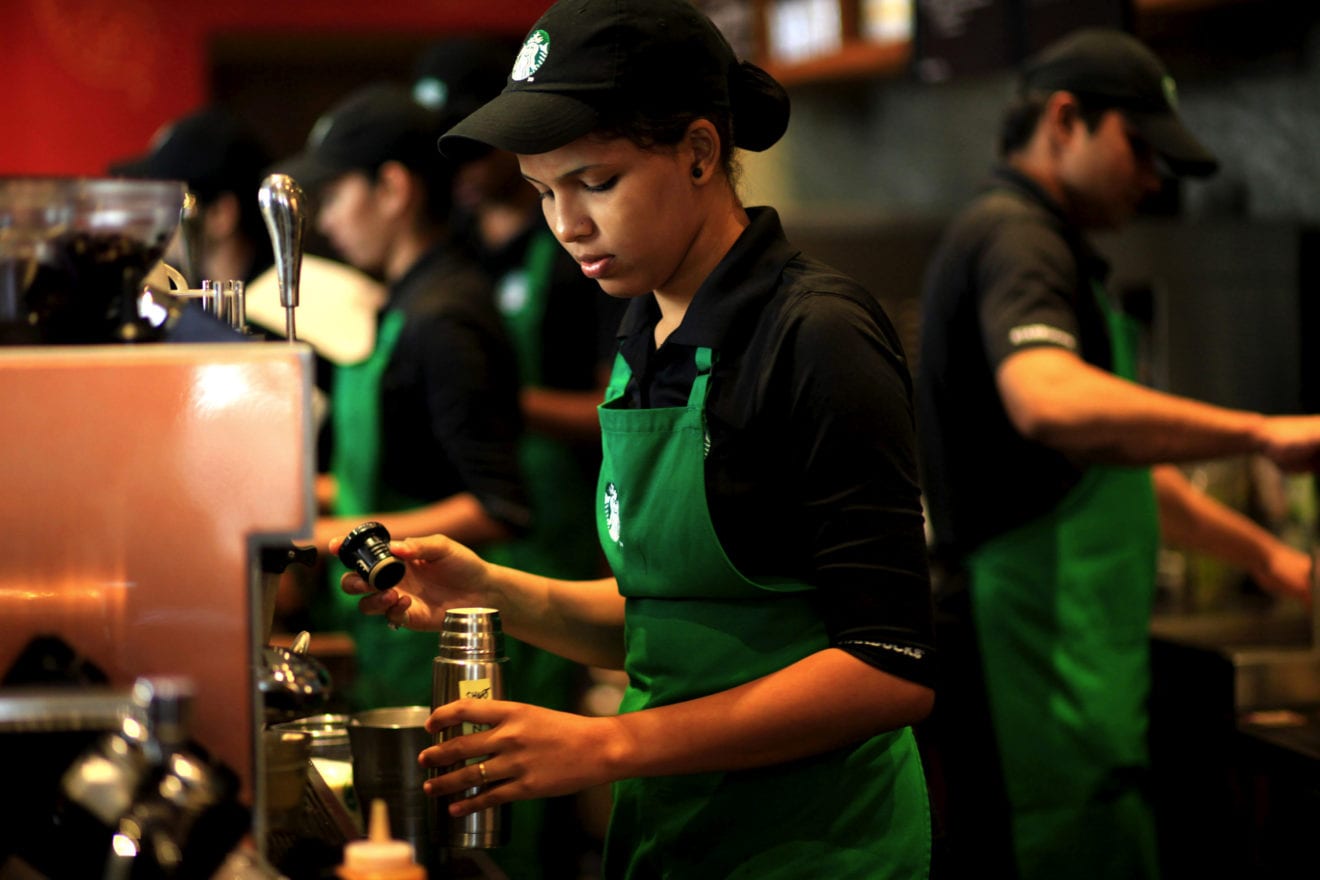
    Starbucks plans to open a new brand of stores called Starbucks Reserve-only starting next year.

    The coffee chain has also joined global investment team, Milan-based Angel Lab and Pekepan Investments to expand the footprint of standalone boutique bakery’s and cafes into international markets.

    Starbucks Reserve-only will offer premium, small lot reserve coffee in stores that will be approximately twice as large as current Starbucks stores and will feature ‘more of a cafe atmosphere’.

    “We recognise our customers expect and desire a higher level of product and we want to give it to them,” said Howard Schultz, company chair and CEO.

    The company plans to open the new stores next year in hundreds of locations.

    Schultz said the new brand is part of a broader company plan to improve and expand its food offerings.

    The company also announced earlier it has partnered with Italian restaurant Princi, the boutique bakery and café founded by Rocco Princi in 1986 known for its artisan breads created from traditional family recipes.

    Princi’s menu will become the exclusive food offering in all new Starbucks Roastery locations, including Shanghai and New York and will be fully integrated into all new Starbucks Reserve-only stores starting 2017.

    The investment team, which includes Milan-based Angel Lab and Pekepan Investments, will focus on expanding the number of standalone Princi locations worldwide as well as making Princi the exclusive food purveyor at the new Starbucks Reserve Roastery and Tasting Rooms in Shanghai and New York. The Shanghai and New York Roastery locations are on track to open in 2017 and 2018, respectively.

    “We have never baked in our stores in 45 years. But all of that will change with the creation of this unique partnership,” Schultz said.

    “Rocco and his team at Princi possess a passion for handcrafted food and artisanal baked goods that mirrors how I feel about our coffee. The attention to detail, the care invested in selecting the ingredients and the artistry of preparation is second only to the service Rocco offers customers inside his Princi stores.”

    “I can think of no better pairing for our most premium coffee experience and am excited by the possibilities we envision in Princi food elevating every daypart – breakfast, lunch, and dinner – in Starbucks Roasteries and Reserve Stores.”

    Currently, Starbucks has nearly 24,000 stores worldwide and offers Reserve coffee in 2,000 locations in 30 countries.

  • New Zealand opens technology center in Vietnam

    New Zealand opens technology center in Vietnam

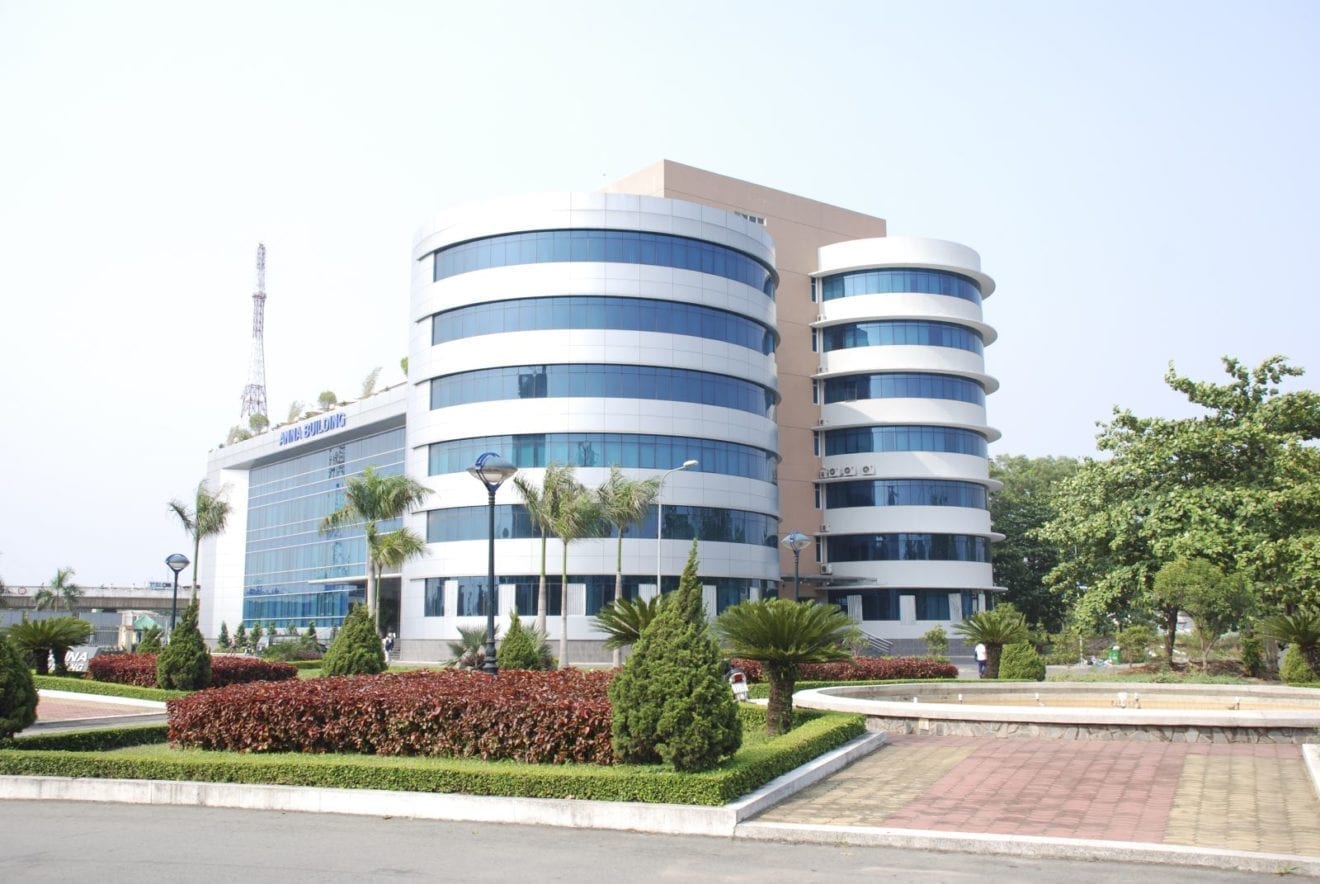
    New Zealand has opened a new technology center at Quang Tring Software City in Ho Chi Minh City.

    The Kiwi Technology Center is envisioned to be a hub for New Zealand tech companies investing and doing business in Vietnam and the ASEAN region.

    The first companies to set up shop in the center include software services business Augen Software Group which won the Vietnam IT Excellence award last year, healthcare technology companies Orion Health and HealthTech and apparel manufacturing optimization firm ShapeShifter.

    “This is a fantastic opportunity for New Zealand technology companies and I look forward to more of them utilizing the Kiwi Connection hub and meeting with businesses from around the region who want to work with New Zealand companies and use technology services from within ASEAN,” said New Zealand’s Economic Development Minister Steven Joyce in a statement.

    Joyce also announced last week a project to build a New Zealand-Vietnam friendship bridge in Ho Chi Minh City to celebrate the ties between the two countries.

    Vietnam is New Zealand’s fastest growing trade market in Southeast Asia, with merchandise exports reportedly doubling since 2007.

  • Belgian King praises Indonesia`s economic development

    Belgian King praises Indonesia`s economic development

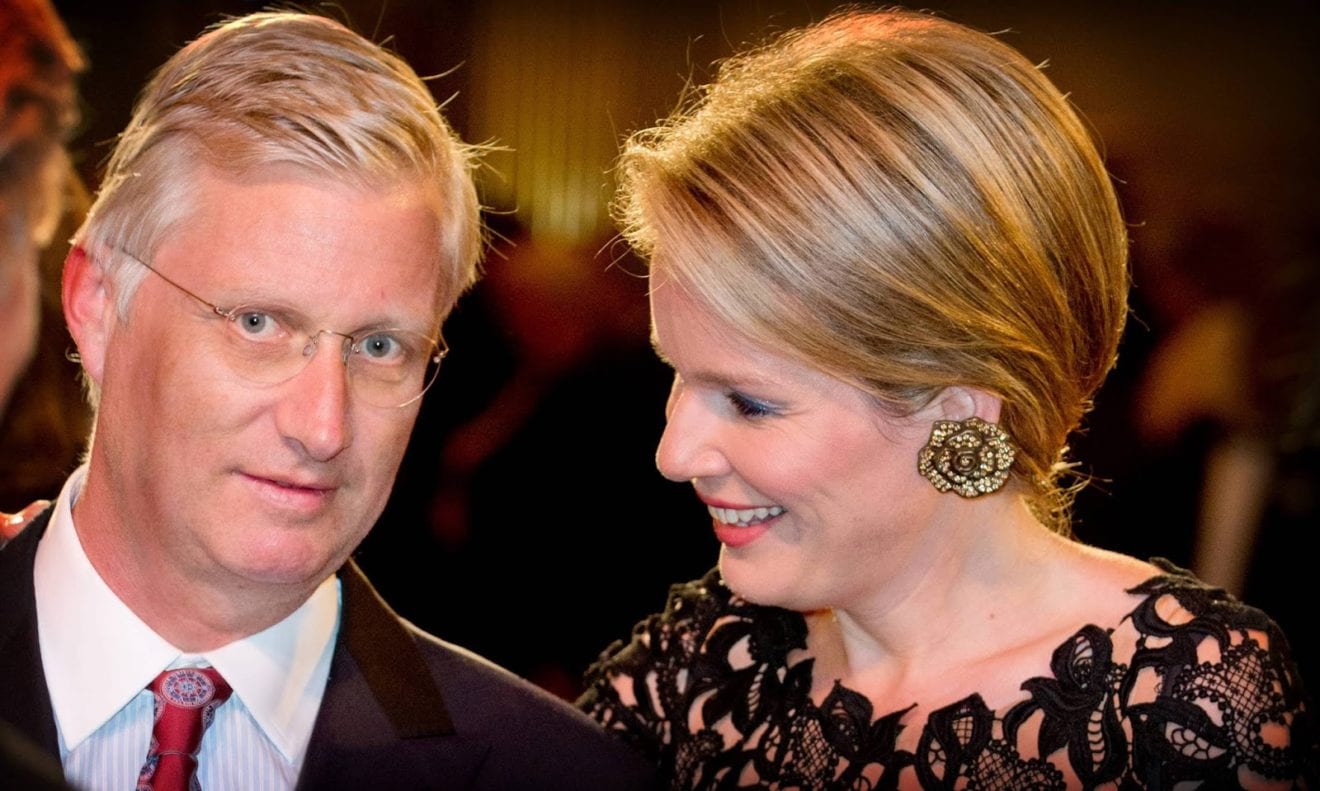
    “Indonesias economy is remarkable,” King of Belgium Philippe told President Joko Widodo (Jokowi) when they met at the Royal Palace in Brussels, the Belgian capital on April 21, 2016.

    He has followed the economic development of Indonesia closely, and he gave high credit to the progress, King Philippe claimed.

    He particularly expressed his support to the economic deregulation measures carried out by President Jokowi, who is expected to reveal his 12th economic stimulus package aimed at boosting investment and trade, in the very near future.

    Belgium is Indonesias key partner, in terms of trade and investment.

    Total trade between Indonesia and Belgium in 2015 reached US$1.67 billion, while investments amounted to US$7 million.

    The European countrys investments in Indonesia include those in diverse fields, ranging from power generation to the cocoa processing industry.

    Last March, the Belgian government sent a high-profile delegation to Indonesia, headed by Princess Astrid to strengthen bilateral economic relations, particularly in the fields of trade and investment.

    Princess Astrid, as representative of King Philippe, headed a 301-member delegation to Indonesia from March 12 to 18, 2016.

    In total, 127 companies and at least four ministers participated in the economic mission.

    The delegation is the largest-ever Belgian mission to come to Indonesia, and this is a landmark in the growing ties between the two nations, the Belgian government said on its official website.

    Some 25 Memoranda of Understanding (MoUs) and business contracts between business associations of both countries were signed during Princess Astrids visit to Jakarta.

    Jokowi and Princess Astrid, during their meeting at the Merdeka Palace in Jakarta, on March 15, 2016, agreed that the two nations should step up economic cooperation.

    The President expressed his optimism that Belgiums largest economic mission to Indonesia would help strengthen bilateral relations between both countries.

    The Head of State also called for expanding interactions between the business communities of both nations, and for expanding market access for Indonesian products, such as footwear, rubber, textiles, electronics and furniture, to enter Belgium.

    He also invited Belgian investors to start businesses in strategic sectors in Indonesia, such as infrastructure, telecommunications, the film industry, and raw materials.

    However, in the meeting with the Belgian King in Brussels, President Jokowi conveyed Indonesias worries on several discriminative measures from EU countries to Indonesian Crude Palm Oil products.

    “I believe Belgium will not take those discriminatory measures,” the President said.

    He also expressed his appreciation and gratitude for the decision to select Indonesia as the guest country for the 2017 Europalia Festival, as well as for the invitation to attend the inauguration of the festival.

    “The festival is an opportunity for Indonesia to show the richness of its culture. I hope Your Majesty will support us for the success of the event,” President Jokowi, who was accompanied by Coordinating Minister for the Economy Darmin Nasution, Minister of Foreign Affairs Retno L.P. Marsudi, Minister of Trade Thomas Lembong, and Cabinet Secretary Pramono Anung, said.

    Coinciding with the Presidents visit, a round-table meeting was organized and attended by CEOs of 15 Belgian companies in Brussels on April 21.

    Many people in the audience expressed interest in gaining insights into infrastructure development in Indonesia.

    Head of the Indonesian Investment Coordinating Board (BKPM) Franky Sibarani and Chairman of the Indonesian Chamber of Commerce and Industry (Kadin) Roesan Roslani briefed them on the progress of infrastructure development projects, such as seaports, toll roads, and airports.

    Most of the participating companies have invested in Indonesia and planned to expand their investments.

    “For instance, a company that produces steel fiber expanded its investment worth US$50 million in Karawang; a knife manufacturing company has planned to open a new plant in Bekasi; and a retail company has planned to expand its network,” Sibarani revealed.

    Belgiums investment in the country reached $132 million during the 2010-2015 period, placing the nation in the 27th position on the list of Indonesias foreign investors, according to the BKPM data.

    The European countrys investment commitment during the same period was recorded at $213.5 million comprising 64 projects.

    Furthermore, the BKPM identified a Belgian firm, which is keen to invest US$574.5 million, or some Rp7.1 trillion, in seaport development.

    The Belgian company had contacted a state-owned seaport operator to express its interest, Sibarani stated.

    “The company has also urged the investment board to facilitate its plan, including coordinating with other related ministries or institutions,” he remarked.

    Meanwhile, Trade Minister Thomas Lembong stated that a series of economic policy packages issued by the government had made Indonesia a favorite investment destination.

    “The policy packages have made Indonesia more attractive to foreign investors,” Thomas Lembong, accompanying President Jokowi on a European tour that covers Germany, Britain, Belgium, and the Netherlands, said.

    The policy packages had boosted trade cooperation between Indonesia and European countries, the minister believed.

    The Indonesian government has issued 11 economic policy packages over the past several months marked by massive deregulation.
  • Malang city expected to go intl through digital technology development

    Malang city expected to go intl through digital technology development

    The Minister of Trade, Thomas Lembong, expects Malang to go global, thanks to its digital technology-based development, and by introducing the world to its potential, especially in creative products.

    “Malang must go global. I believe Malang and its people can go global in the digital age through internet and social media,” Lembong said here on Friday (April 1).

    He added that the potential that Malang city offers, particularly in culture, creativity and innovation, should be introduced to the world through digital technology.

    Moreover, the community of Malang City is a creative community, he said.

    “Malang has creative people with modern ways of thinking. I wonder if the creative industries are well developed here?” Lembong said.

    According to the minister, the use of digital technology in everyday life in Malang can act as a strong resource to face regional and international economic competition.

    A life style based on digital technology is key to development in the 21st century when competition is more about human resources.

    “Any modern city should attract innovation and be inspirational. I can see that Malang will be very good in these aspects,” he said.

    In accordance with the governments program of Nawacita (the nine goals), it will build or revitalize 5,000 traditional markets by 2019.

    The Ministry of Trade prioritizes the development of local markets which are older than 25 years, and those which were destroyed by fire, natural disasters and post-conflict.

    In addition, the markets which are located in disadvantaged areas and border areas that lack trading facilities, or those with a huge trade potential, will also be developed.

    Since 2011-2016, the Ministry of Trade has revitalized or built 43 markets in East Java province with a budget of Rp250 billion.

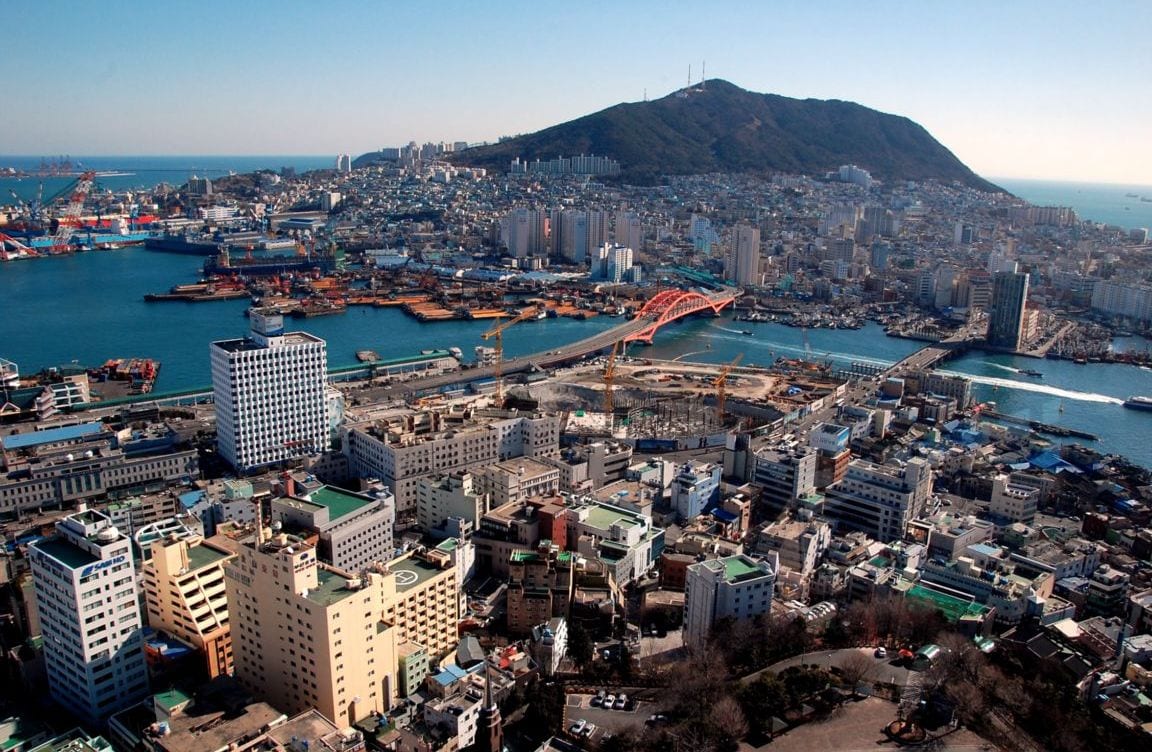
  • Chinese influx lifts Jeju’s growth

    Chinese influx lifts Jeju’s growth

    The southern resort island of Jeju showed the highest rate of growth in productivity in the service sector and retail sales last year.

    Jeju’s service sector productivity rose 6.7 percent in the fourth quarter of 2015 compared to the same quarter the previous year, according to a Statistics Korea report released Thursday. The growth rate is two times higher than the national average rate of 3.1 percent and nearly three times more than Seoul’s 2.3 percent.

    Statistics Korea said productivity growth rates were high in areas such as Jeju, South Chungcheong and Gangwon, as more financial and social welfare businesses moved in to the areas. Gyeonggi and Seoul also saw increases of around 2 percent, but their rates were relatively small as the number of related businesses decreased last year.

    The nation’s retail sales also rose in the fourth quarter of 2015 from the same quarter of the previous year.

    Retail sales increased most in Jeju at 10.8 percent, which is nearly two times higher than the national average of 5.7 percent, while Gyeonggi and South Chungcheong each scored 6.7 percent to tie in second place. In these places, sales at large discount stores and car dealers rose significantly, according to Statistics Korea.

    Sales in large discount stores accounted for 20.8 percent of total retail sales in the fourth quarter of 2015 in Jeju.

    Industry experts believe Jeju is over-performing in both productivity and sales growth rates as more Chinese tourists are visiting the island.

    For example, real estate and leasing services accounted for 25 percent of total productivity growth in Jeju. Currently, many Chinese are interested in investing in the island’s real estate. Jeju, the warmest place in Korea, was also able to attract more local and foreign tourists in the fourth quarter.

    Additionally, the popular trend of urbanites heading back to suburban areas like Jeju has also helped bolster the island’s economy. Net migration, the difference between immigrants and emigrants, reached 14,257 last year. In 2014, it was at around 11,112.

    In all 16 major cities and provinces, both service sector productivity and retail sales increased in the fourth quarter of 2015.

    Meanwhile, the service sector productivity growth rate nationwide last year is expected to reach 2.9 percent from the previous year. In 2014, the growth rate was 2.2 percent. The nation’s retail sales growth rate is projected at 3.4 percent, double the 1.7 percent in 2014.

  • The Sapphire Bloc represents the Philippines as ‘Best Condo Development’

    The Sapphire Bloc represents the Philippines as ‘Best Condo Development’

    Robinsons Land Corp. (RLC) ended 2015 by receiving another accolade for its four-tower residential complex called The Sapphire Bloc developed by Robinsons Residences, a trusted residential development brand under RLC.

    The Sapphire Bloc represented the Philippines as “Best Condo Development” in the prestigious South East Asia Property Awards 2015. This real estate award-giving body is known as the largest and most recognized industry awards event in the region.

    RLC joined the roster of top honorees from a pool of about 400 top and emerging names in the South East Asian real estate industry. The awarding ceremonies were held recently at the Shangri-La Hotel Singapore.

    Earlier in the year, The Sapphire Bloc bagged the “Best Condo Development” (Philippines) and “Best MidRange Condo Development” (Metro Manila) awards at the prestigious 2015 Philippine Property Awards which has been rewarding high-caliber work in construction, architecture and interior design of property developments in Asia. Moreover, RLC was named “Outstanding Developer” by FIABCI, a Paris-based real estate federation for its other residential project called The Trion Towers.

    “To be highly commended in the South East Asia Property Awards further drives us to continuously innovate on what comfortable and modern condo living means, as akin to the changing needs and preferences of people over time,” remarked Trina Cipriano, VP for business development at RLC.

    Located at the Ortigas Center in Pasig, The Sapphire Bloc is RLC’s latest foray in modern vertical development that has since become a member of an elite league of other property projects now being recognized throughout the region.

    Lifestyle Feature ( Article MRec ), pagematch: 1, sectionmatch:

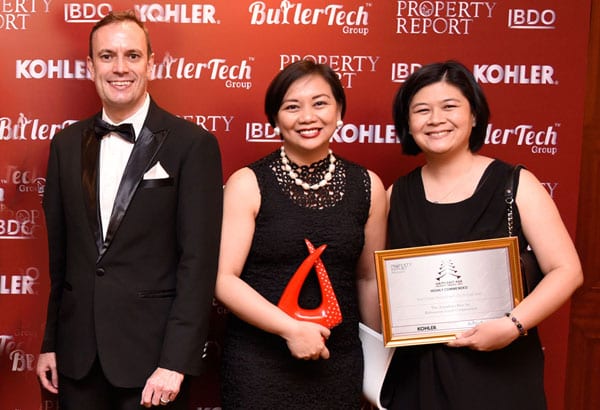
    Robinsons Land Corporation represented by May Precilla, VP for sales and marketing (second from left), and Trina Cipriano, VP for business development, receives the citation from the South East Asia Property Awards 2015. With them is Terry Blackburn, CEO of Ensign Media.

    Its Art Deco architecture amid contemporary buildings gives the Pasig City skyline a unique charm. Its enviable location provides an added measure of value since it is connected to three major cities, and has nearby shopping malls, offices, skyscrapers, building complexes, nightlife bars and restaurants.

    Moreover, the master-planned development offers retail space measuring up to 8,000 square meters that is currently redefining destination dining in the metro. The entire stretch of the ground floor has been dedicated to serving up new and one-of-a-kind retail shops which can satisfy every craving.

    “Again, The Sapphire Bloc has proven our company’s commitment to our ‘City Living Done Right’ mantra, that aims to offer a level of distinction on comfortable and stylish living in the metro,” enthused Trina Cipriano, vice president for business development at RLC. “Representing the country in the South East Asia Property Awards further inspires us to continue embedding the highest industry standards in all our developments.”

    The South East Asia Property Awards is the grand finale of the Asia Property Awards. Started in Thailand in 2005, the Asia Property Awards has since expanded to reward developments, consultants, architects and designers in Singapore, Malaysia, the Philippines, China, Myanmar, Indonesia, Cambodia and Vietnam. With a professionally run and fully transparent judging system, which is audited by BDO — one of the world’s largest accountancy networks — the awards have for a decade helped celebrate the region’s real estate industry on the world stage.

  • VP Kalla reviews preparation to build hotels in Mandalika

    VP Kalla reviews preparation to build hotels in Mandalika

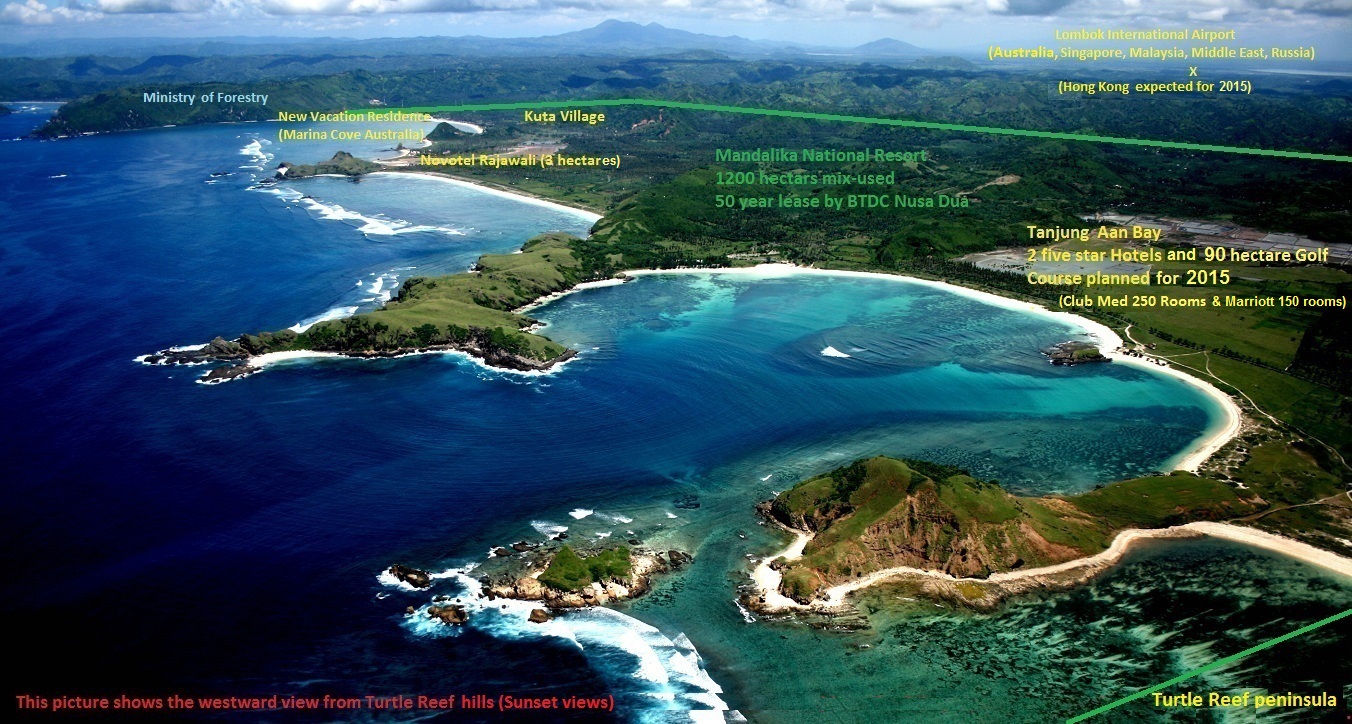
    Vice President M. Jusuf Kalla had the opportunity to review the preparations for the construction of four five-star hotels at Mandalika Special Economic Zones in Central Lombok, West Nusa Tenggara, Saturday.

    The Vice President reviewed the area together with Peoples Consultative Assembly (MPR) Chairman Zulkifli Hasan and Tourism Minister Arif Yahya.

    Arriving on the scene, the Vice President and the group immediately got the exposure of a number of investors who will build the four five-star hotels at the Mandalika Special Economic Zone (SEZ) in Central Lombok.

    Four hotels to begin construction in 2016, are Pullman Hotel of the investment fund PT Indonesia Tourism Development Corporation (ITDC), which is a state-owned enterprise (SOEs) in the field of tourism.

    Other hotels are Intercontinental Hotel, Club Med Hotel and Lees Hotel, and the construction of the entire capacity of the 850-room hotels was targeted to be completed within a period of two and a half years.

    “Everything has been completed, and there no reason not to accelerate the construction of these four hotels,” the vice president noted.

    After hearing the exposure of investors, the vice president then listened to the explanation of President Director of PT ITDC, Abdulbar M. Mansoer, related to the development of Mandalika SEZ within the next 10 years.

    In addition to building hotels, ITDC will also build the basic infrastructure needed by the hotels to support their operation, such as the need for clean water that will utilize seawater through the refining process.

    This work is done by establishing a partnership with EBD Bauer, one of the American companies engaged in the purification of seawater into fresh water.

    Other infrastructure that is in the process of being set up is a solar power plant (SPP) and gas power plants for hotels in Mandalika SEZ, which will not use electrical energy from the State Electricity Company (PLN).

    ITDC is also getting constructed the Tourism College (STP), which will create the human resources needed by the hotels.

    “Thus, some 20 star-rated hotels will be built in the Mandalika Special Economic Zone within 20 years. For the first stage, we will build four five-star hotels, and we have prepared the basic infrastructure,” said Abdulbar.

  • Ananda Development PCL unveils Q Chidlom-Phetchaburi

    Ananda Development PCL unveils Q Chidlom-Phetchaburi

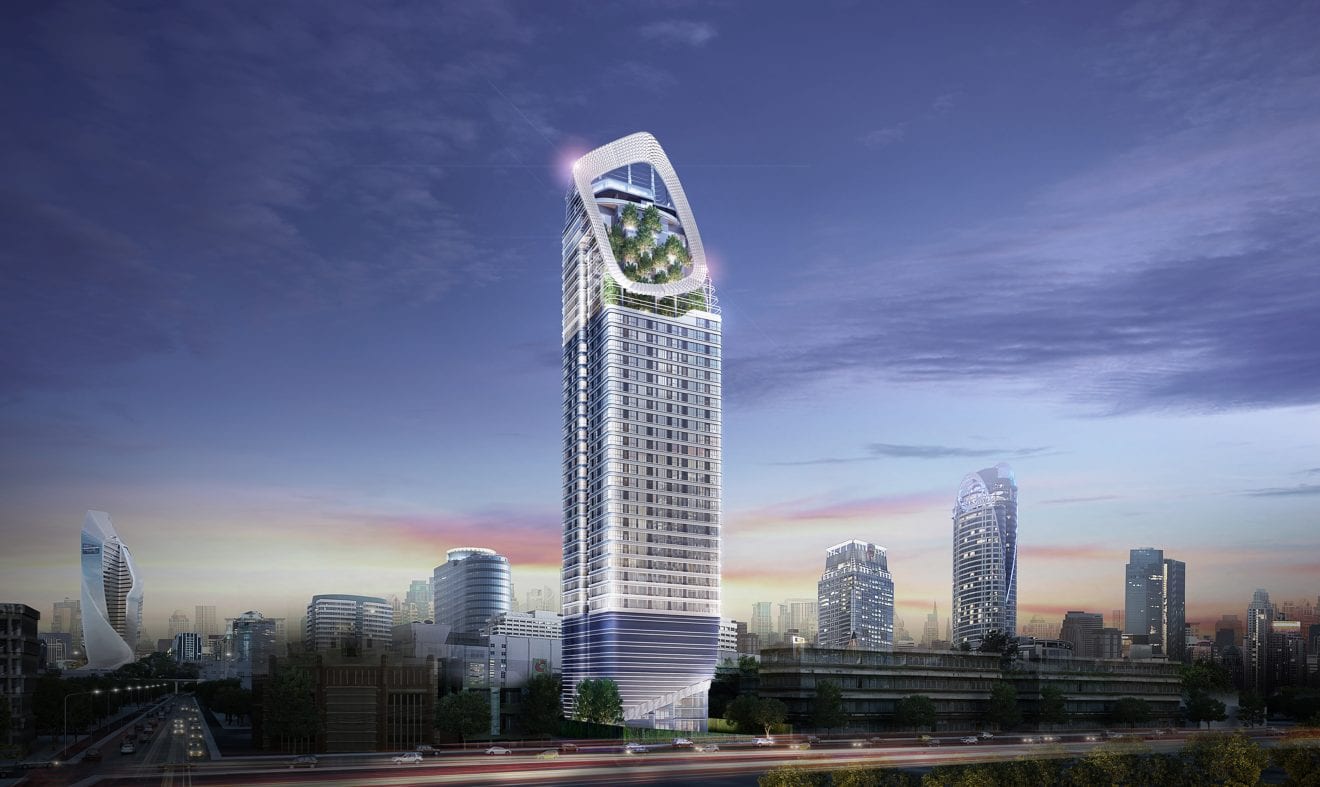
    Ananda Development Public Company Limited, Thailand’s leadingresidential condominium developer, is launching its latest project, “Q Chidlom-Phetchaburi”. Presales for the new condominium will take place during the weekend of 18th-19th September at the Park Lane Hotel in Hong Kong. With its exclusive facilities overlooking stunning cityscapes and spacious residential units, the high-rise condominium complex embodies the epitome of Bangkok’s urban living.

    Q Chidlom-Phetchaburi is a 42-story luxury lifestyle condominium which boasts 352 residential units. With a car park and lobby on the ground floor and exclusive residential facilities on the top 3 floors of the building, Q Chidlom-Phetchaburi caters to the needs of modern Asian investors who aspire for a higher quality of life. These amenities include a library and co-working space, a stylish social club, gardens, fitness centre, a swimming pool and separate Turkish Hot Tubs for men and women.

    Nestled in the heart of Bangkok’s downtown Chidlom District, residents at Q Chidlom-Phetchaburi will find themselves within easy reach of the city’s high-end shopping malls, including Siam Paragon, Central Embassy or Central Chidlom.

    Q Chidlom-Phetchaburi is the newest developmentunder brand Q by Ananda, which aims to create a brand new condo concept that seamlessly melds together personal life, work and play. Following its presale roadshow on 12th-16th August at the Siam Paragon shopping mall, Ananda launched its show unit in the Q Gallery near BTS Ratchathewi, where prospective buyers and the public can take a glimpse of what’s in store for the development.

    Chanond Ruangkritya, CEO of Ananda Development PCL states: “We, at Ananda Development PLC, are extremely proud to present our newest project Q Chidlom-Phetchaburi, which will set the benchmark for luxury lifestyle condominiums of the future.”

  • Chinese cities make up half of the world’s top 20 shopping center markets

    Chinese cities make up half of the world’s top 20 shopping center markets

    Chinese cities account for half of the top 20 most active shopping center markets globally with a total of 5.7 million square meters of shopping center space completed last year, an industry report released today by CBRE has showed.

    Wuhan in central Hubei Province, among all, saw the largest volume of shopping center space delivered to market with nearly one million square meters spanning 8 projects, said the world’s largest commercial real estate services provider, which has tracked 171 cities globally and is focused on new centers of more than 20,000 square meters excluding retail warehousing and factory outlet centers.

    Chengdu, which topped the list in 2013 by development completions, remained highly active. It closely followed Wuhan with 981,000 square meters of development in 2014. Beijing, with 926,600 square meters, and Chongqing, with 776,000 square meters, are the third and fourth most active markets. Wuhan, Chengdu and Beijing altogether contributed half of the new completions in China last year.

    Globally, more than 39 million square meters of shopping center space were under construction at the end of 2014 with over 32 million square meters being located in Asia Pacific. China, in particular, accounts for over 60 percent of the region’s pipeline and takes 9 spots out of the Top 10 most active markets in the world.

    Shanghai tops the ranking for most new space under construction with 4.1 million square meters, followed by Shenzhen with 3.4 million square meters and Chengdu with 3 million square meters. Each of the three has more than 20 projects in the development pipeline, according to CBRE.

    Around the world, a total of 11.4 million square meters of new shopping center space was completed last year, compared to 10.6 million square meters in 2013.