Tag: Digital

  • China’s New Renaissance: How AI and Digital Economy Could Transform Global Investments

    China’s New Renaissance: How AI and Digital Economy Could Transform Global Investments

    After enduring years of economic adjustments and investor uncertainty, China is on the cusp of entering a fresh chapter. This revival is anticipated to be powered by advancements in manufacturing, artificial intelligence (AI), and the digital economy, potentially presenting vast implications for global investors, according to the Bank of Singapore.

    Reassessing China’s Economic Prospects

    The Bank of Singapore suggests a reevaluation of China’s economic potential. In its report titled “2026 Supertrends: Cycles, Halos and Moonshots,” the private bank identifies China’s renaissance as one of five key trends expected to shape investment markets by 2030. The other trends include geopolitical chokepoints, a refreshed approach to portfolio development, the expansive influence of artificial intelligence, and the rapidly growing longevity economy. However, the resurgence of China’s economy is deemed particularly significant for Asian investors.

    The bank asserts that China is transitioning from an era of economic recalibration to a new phase of renaissance. The economic opportunities are projected to stem from high-value products and services as China intensifies the development of its digital economy. The bank also forecasts that the emerging strength in advanced manufacturing in North Asia, especially industries contributing to AI development, will be a crucial source of investment returns. A robust Chinese renminbi is also expected to be a favorable contributing factor.

    This hypothesis signals a significant shift in outlook, following several challenging years for Chinese assets characterized by a prolonged property downturn, dwindling domestic demand, and geopolitical tensions.

    The Transformative Role of AI in Investments

    The potential resurgence of China is closely linked to another significant investment theme identified by the Bank of Singapore: artificial intelligence. The bank anticipates that the investment sectors benefiting from AI expansion will extend far beyond a select group of technology stocks. Possibilities are expected to arise across asset classes, including equities and fixed income as well as public and private markets.

    This could be advantageous for North Asia, where advanced manufacturing, semiconductors, and the broader technology supply chain are gaining increasing importance in the global AI ecosystem.

    Geopolitics, however, remains a significant risk, expected to shape investment strategies in a world increasingly influenced by strategic chokepoints. Control over resources and infrastructure could be wielded for strategic or economic leverage, as exemplified by China’s position in rare earths and other critical materials. This could result in a more volatile global climate, contributing to higher inflation, elevated government deficits, and fluctuating long-term bond yields.

    The evolving global landscape could also significantly impact currencies. The Bank of Singapore predicts modest short-term strengthening for the US dollar but a more bearish outlook in the long term. Large fiscal and current account deficits, coupled with potential political pressure on the Federal Reserve, could trigger a multi-year downtrend for the greenback.

    Consequently, safe-haven assets such as gold, the Swiss franc, and the Singapore dollar may gain prominence as investors seek alternatives to traditional government bonds for portfolio hedges.

    For investors, the inference is clear: the forthcoming phase of Asian growth is expected to be drastically different from the past, characterized by less dependence on traditional globalization and more emphasis on technology, strategic supply chains, and the competition for critical resources.

    Questions & Answers

    What is the anticipated economic shift in China?
    The Bank of Singapore suggests that China is transitioning from a period of economic recalibration to a new phase of renaissance, powered by advancements in manufacturing, AI, and the digital economy.

    What role does artificial intelligence (AI) play in this shift?
    AI is considered a major catalyst for the expected economic resurgence in China, with opportunities expected across asset classes. It is also perceived as instrumental in advancing North Asia’s manufacturing and technology sectors.

    What implications could the changing global landscape have on currencies?
    The Bank of Singapore anticipates modest short-term strengthening for the US dollar but a bearish outlook in the long term, which could result in a multi-year downtrend for the greenback due to large fiscal and current account deficits, and potential political pressure on the Federal Reserve.

  • Techcombank Leverages Digital Finance to Tap into Vietnams $100 Billion Infrastructure Nexus

    Techcombank Leverages Digital Finance to Tap into Vietnams $100 Billion Infrastructure Nexus

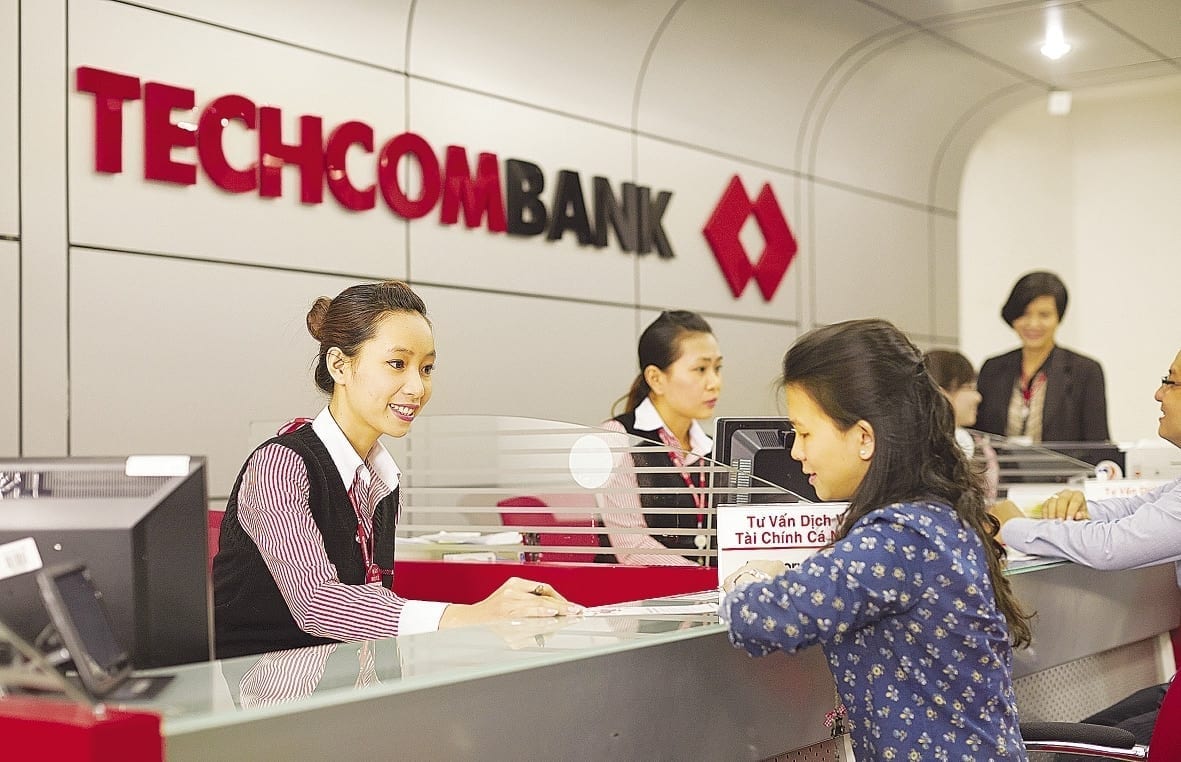
    Techcombank, Vietnam Technological and Commercial Joint Stock Bank, is strategizing to bridge global capital with Vietnam’s escalating investment needs. The bank is placing digital financial infrastructure at the forefront, seeing it as a pivotal factor for the country’s next economic growth stage.

    Techcombank is expressing its aspiration to be instrumental in channeling both local and global capital towards Vietnam’s economic progression. In furtherance of its goals, it co-hosted the Vietnam Financial Forum 2026 (VFF 2026) from July 9th to 10th in Danang. The forum attracted over 350 attendees, including policymakers and executives from domestic and international financial institutions and companies.

    Modernizing Vietnam’s Capital Markets

    The forum centered on the modernization of Vietnam’s capital markets, bolstering the country’s financial infrastructure, and enhancing corporate access to capital. The country’s government aims to achieve double-digit economic growth from 2026 through to 2030.

    Digital and green finance took center stage at the forum. Delegates deliberated on how new technologies and the digital transformation of the financial infrastructure could ease capital flow and bolster Vietnamese companies.

    Techcombank CEO, Jens Lottner, in his keynote speech, pointed out that the bank’s role goes beyond conventional financing. He stated, “We are constructing the digital infrastructure that allows capital, data, and financial services to flow smoothly through the economy.” The CEO also revealed Techcombank’s goal to be Vietnam’s most reliable financial platform and to help efficiently channel domestic and international capital into sectors generating sustainable economic value.

    $100 Billion Investment Goal

    The funding of Vietnam’s rapidly expanding infrastructure needs was a key focus of the forum. Techcombank executives and representatives of their partner ecosystem discussed potential areas for the next $100 billion investment. The conversations included infrastructure, energy, and industrial development, as well as tactics to draw capital from global institutional investors.

    Techcombank emphasized mechanisms for luring foreign investment and steering international capital towards strategic Vietnamese projects. Lottner mentioned that Techcombank is ready to share its experience in developing digital ecosystems and utilizing data and technology to connect citizens, companies, investors, and public services.

    Techcombank aims to contribute its financial resources, tech expertise, and global network to the development of a more modern and transparent financial ecosystem through its participation in the Vietnam Financial Forum. The bank currently services around 18 million retail and corporate clients and operates one of Vietnam’s top digital banking platforms.

    Questions & Answers

    What is Techcombank’s primary aim in Vietnam’s economic development?
    Techcombank aims to facilitate the efficient allocation of both domestic and international capital into sectors generating sustainable economic value, leveraging digital financial infrastructure.

    What were the key areas of focus at the Vietnam Financial Forum 2026?
    The forum focused on modernizing Vietnam’s capital markets, strengthening the country’s financial infrastructure, and improving corporate access to capital. Other areas of focus included digital finance, green finance, and the role of technology in facilitating capital flow.

    What is Techcombank’s strategy for meeting Vietnam’s growing infrastructure needs?
    Techcombank intends to attract and steer international capital towards strategic projects in Vietnam. It also aims to share its experience in developing digital ecosystems and using data and technology to connect various sectors, including citizens, companies, investors, and public services.

  • Embrace the Digital Detox: Join KitKat’s Rawdog Your Commute Challenge for a Chance to Win a Weekend Escape

    Embrace the Digital Detox: Join KitKat’s Rawdog Your Commute Challenge for a Chance to Win a Weekend Escape

    KitKat, the renowned confectionery brand, is inviting Australians to embrace the growing trend of going entirely phone-free during their daily commute. This trend, aptly named ‘rawdogging’, has rapidly permeated everyday culture, with evidence of its popularity evident in the over 45 million posts on the social media platform, TikTok.

    KitKat ‘Rawdog your Commute’ Challenge

    In a bid to encourage individuals to take a break from their phones, KitKat has introduced the ‘Rawdog your Commute’ Challenge. This initiative involves a game that challenges commuters to see the length of time they can go without using their phones. Participants stand a chance to win one of 10 Unyoked 2-night weekend getaway e-gift cards, valued up to $626, which can be used anywhere in Australia. The longer the phone-free period, the higher the probability of winning.

    To participate in the game, individuals can scan a QR code on billboards positioned near commuting locations. Alternatively, they can visit the campaign’s website to start a timer that tracks the duration they can abstain from using their phone.

    Australians Crave a Break from Their Phones

    The launch of this campaign is timely as recent research commissioned by KitKat reveals that a significant 84% of Australians desire a break from their mobile devices. Additionally, 23% of respondents expressed that being phone-free would make their commute more enjoyable. Among those who have inadvertently been without their phones, 40% reported feeling happier, liberated, relieved, and more present.

    Shannon Wright, Nestlé Oceania’s Head of Marketing for Confectionery, commented on the campaign, stating, “KitKat has always been about aiding Australians in taking better breaks. However, disconnecting has become increasingly challenging in today’s digital age. This is why we’re encouraging commuters to rawdog their commutes via our new Phone Break game. We aim to make it achievable by rewarding those small, everyday moments that are transformed into a proper break.”

    KitKat asserts that this campaign is a contemporary take on its longstanding efforts to promote healthier breaks. It taps into the burgeoning consumer interest in digital well-being.

    Questions & Answers

    What is the aim of the KitKat ‘Rawdog your Commute’ Challenge?
    The challenge aims to encourage commuters to take a break from their phones during their daily journeys, making their commute more enjoyable and relaxing.

    How can one participate in the ‘Rawdog your Commute’ Challenge?
    Participants can join the challenge by scanning a QR code on billboards near commuting locations or by visiting the campaign’s website.

    What are the rewards for the challenge?
    Participants stand a chance to win one of 10 Unyoked 2-night weekend getaway e-gift cards, valued up to $626, to be used anywhere in Australia. The longer one goes without using their phone, the higher the probability of winning.

  • DBS Unveils Singapores First Retail-Ready Tokenised Gold Offering: Buy, Trade, and Hold via One Digital Platform

    DBS Unveils Singapores First Retail-Ready Tokenised Gold Offering: Buy, Trade, and Hold via One Digital Platform

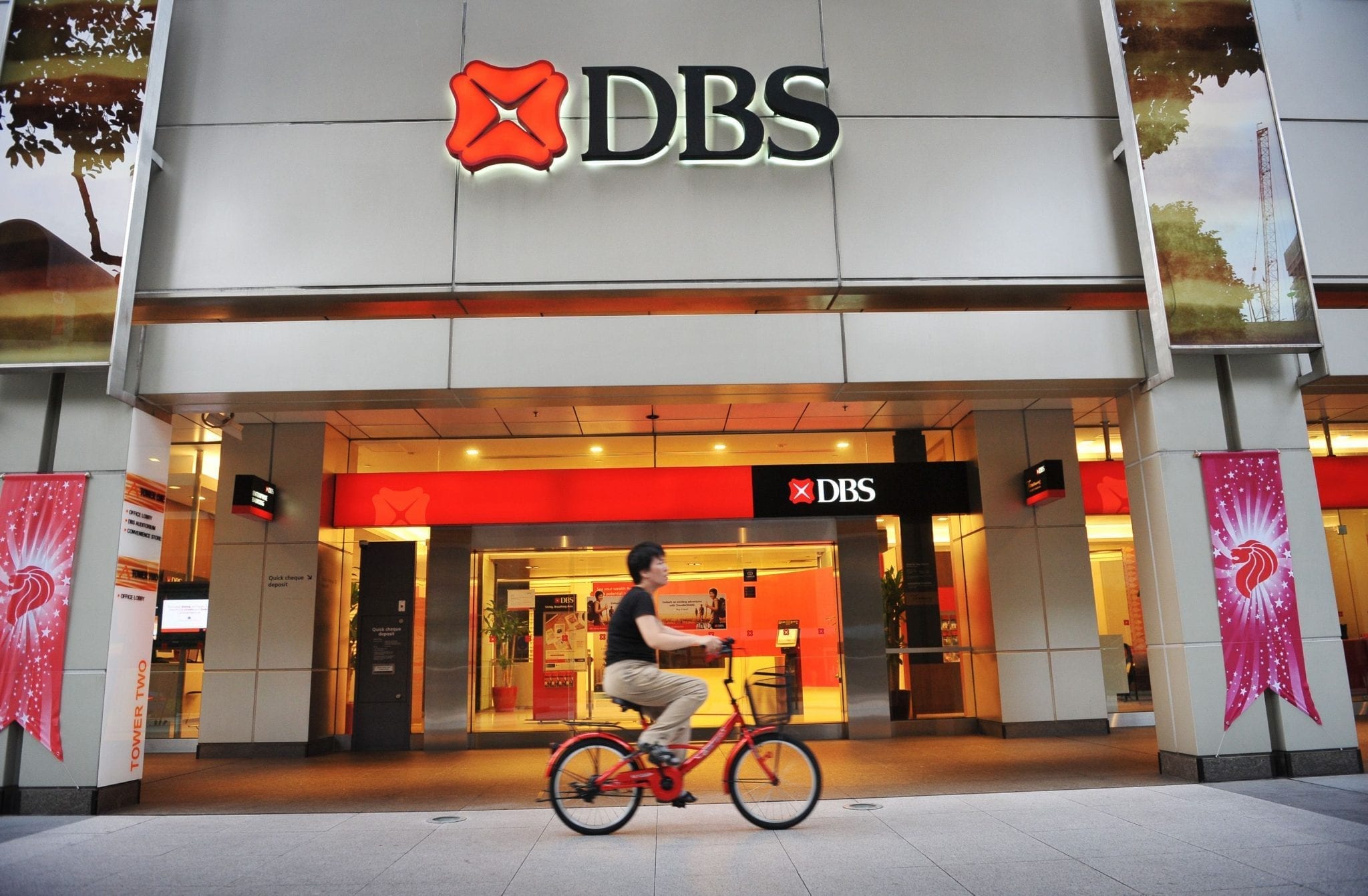
    DBS Bank is set to revolutionize the financial market in Singapore by launching tokenized physical gold for retail customers in the latter half of 2026. With this initiative, DBS Bank takes the lead as the first bank in the nation to empower its customers with the capability to purchase, possess, and transact in tokenized physical gold via a singular digital platform.

    Tokenizing Precious Metal

    The advanced DBS Physical Gold Tokens will be available through the DBS digibank app. With each token backed by an equivalent amount of physical gold that will be securely stored in a dedicated DBS vault located in Singapore. Each token will stand for one gram of gold, providing customers the opportunity to acquire fractional ownership of this valuable metal.

    DBS Bank assures that this offering will facilitate 24/7 trading, almost immediate settlement, and the choice to exchange tokens for physical gold. Moreover, the bank is looking into the possibility of having the tokens listed on the DBS Digital Exchange (DDEx) for accredited and institutional investors.

    This launch coincides with the escalating interest in gold and the tokenization of real-world assets. DBS Bank will oversee the entire procedure internally, including tokenization, custodial services, vaulting, and distribution.

    Li Zhen, Head of Foreign Exchange, Precious Metals, and Digital Assets at DBS, commented on the initiative, stating that the bank’s comprehensive digital asset capabilities will simplify access to and management of physical gold for clients.

    James Tan, Group Head of Investment Product and Advisory, also shared his views on the subject. He mentioned that tokenization would expand access to an asset class that has typically been accessible mainly to wealthy and institutional clients.

    Expanding Digital Asset Services

    The introduction of tokenized gold expands upon DBS Bank’s existing array of gold investment products. Moreover, it is part of the bank’s broader endeavor to delve into digital assets and blockchain-based financial services.

    Questions & Answers

    What is the DBS Physical Gold Tokens initiative?
    This initiative by DBS Bank allows customers to purchase, hold, and trade tokenized physical gold via a single digital platform.

    What features does the tokenized gold offering include?
    The offering will enable 24/7 trading, near-instant settlement and the option to redeem tokens for physical gold. The bank is also exploring a future listing of the tokens on the DBS Digital Exchange for accredited and institutional investors.

    How does this initiative fit into DBS Bank’s broader strategy?
    The tokenized gold offering expands DBS Bank’s existing range of gold investment products and is part of the bank’s broader push into digital assets and blockchain-based financial services.

  • Mastercard Boosts Digital Banking in Asia with Merchant-Funded Offers Integration

    Mastercard Boosts Digital Banking in Asia with Merchant-Funded Offers Integration

    In response to the rapid digital transformation impacting consumer habits throughout the Asia-Pacific region, financial institutions are focusing on redefining their mobile applications to become integral components of daily transactions.

    Mastercard, a global leader in digital payments, predicts that this shift could drastically alter the function of banking applications in the region. The company recently divulged its intentions to broaden its Mastercard Offers Network throughout the Asia-Pacific, which will empower banks to deliver merchant-funded offers directly on their digital banking platforms.

    This strategic move corresponds with the Asia-Pacific’s solidification as the globe’s primary digital payments market. As reported by Mastercard, transaction volumes in this area hit nearly $16 trillion in 2025. Concurrently, consumers are becoming familiar with the convenience provided by all-in-one ‘super apps’ such as Grab and GoTo, which amalgamate payments, transportation, food delivery, and rewards into a unified ecosystem.

    Spanning the Divide Between Banks and Merchants

    The potential of this strategy extends beyond the banking sector. Merchants are grappling with escalating pressure to justify their marketing expenditure, despite numerous digital advertising channels struggling to verify if impressions and clicks result in actual sales.

    Mastercard contends that both banks and merchants possess assets sought after by the other party. Banks have access to large audiences of reliable, authenticated users, whereas merchants contribute enticing offers and marketing budgets. According to Mastercard, the missing element is an infrastructure layer with the capability to connect both parties on a large scale.

    The Mastercard Offers Network intends to supply this infrastructure. Via this platform, merchant-funded offers can be featured directly within banking apps and connected to real card transactions, permitting merchants to assess campaign effectiveness based on confirmed purchases instead of substitute metrics.

    Taking Advantage of Cross-Border Commerce

    The platform’s primary appeal is its focus on both domestic and cross-border commerce, which is notably relevant in the Asia-Pacific region, where regional travel has seen a substantial resurgence in recent years.

    Mastercard approximates that about 70 percent of travel expenditure in the region currently stems from travellers within the Asia-Pacific, with more than 331 million international visitors reported in 2025. By incorporating cross-border offers into their apps, banks can maintain relevance to customers whether they’re shopping domestically or abroad.

    Merchants benefit from this model by gaining access to consumers at the point of purchase, while banks obtain an additional tool for engagement that surpasses traditional banking services.

    The expansion of the Mastercard Offers Network comes as digital banking adoption continues to gain momentum throughout mature and emerging markets in Asia. Consumer expectations are also evolving, with users increasingly anticipating personalized experiences and rewards integrated into their digital journeys.

    Mastercard’s approach mirrors a wider industry trend: transforming banking apps from transactional tools into commerce ecosystems. Instead of solely competing on payments and account services, banks are progressively aiming to become platforms where consumers discover offers, make purchases, and interact with merchants.

    The Mastercard Offers Network is already up and running in markets such as the United States, Canada, Australia, Poland, and Hong Kong. As the platform extends throughout the Asia-Pacific, it could provide banks with a novel method for bolstering customer loyalty, while offering merchants a more quantifiable and targeted marketing channel.

    Whether banking apps will ultimately be able to compete with the region’s prevalent super apps is yet to be determined. However, it is evident that the competition for consumer engagement is progressing far beyond traditional financial services.

    Questions & Answers

    What is the purpose of the Mastercard Offers Network?
    The network aims to provide an infrastructure that allows merchant-funded offers to be displayed directly within banking apps, linking them to actual card transactions.

    How does the integration of cross-border offers into banking apps benefit financial institutions and their customers?
    Financial institutions can remain relevant to customers whether they’re shopping domestically or abroad, while consumers gain more personalized experiences and rewards.

    What trend is Mastercard’s strategy reflecting in the broader industry?
    Mastercard’s strategy reflects the transformation of banking apps from transaction tools into commerce ecosystems. Banks are increasingly seeking to become platforms where consumers discover offers, make purchases, and interact with merchants.

  • Citi Strengthens Bonds with Vietnam: A New Era of Financial Growth and Digital Transformation

    Citi Strengthens Bonds with Vietnam: A New Era of Financial Growth and Digital Transformation

    Catherine Simmons, a significant figure in the U.S.-ASEAN Business Council, shared her insights following a recent delegation visit to Hanoi. Simmons discussed the importance of the visit, the financial sector’s key messages, and Citi’s future forecasts for Vietnam.

    Assessing the Importance of the Delegation Visit

    Simmons classified the visit as both relevant and substantive. It provided the first opportunity for a public-private dialogue between the freshly appointed Vietnamese government and the U.S. business community, allowing for an early engagement to reaffirm the private sector’s commitment to Vietnam’s ongoing development.

    The visit saw the participation of 52 U.S. companies and 120 delegates, showcasing the strong and growing interest in Vietnam. Not only is Vietnam perceived as a strategic supply chain hub and a domestic market with a population over 100 million, but it’s also viewed as a key long-term growth opportunity in the region.

    As for Citi, the delegation visit provided an excellent opportunity to strengthen its relationship with policymakers and reinforce its long-standing commitment to Vietnam.

    Key Takeaways from the Dialogue with Vietnamese Government

    During the discussions, the financial services industry – represented by Citi, ClearOne, Manulife, Warburg Pincus, Mastercard, and Visa – highlighted the importance of a modern, connected, and robust financial system for economic infrastructure. They expressed their support for Vietnam’s initiatives to further digital transformation, regulatory modernization, and innovation in both public and private sectors.

    The group also urged for ongoing consultations with industry stakeholders as Vietnam formulates laws and policies that will impact the financial markets. They showed their readiness to offer technical expertise and practical solutions to issues concerning settlement infrastructure, payments interoperability, cross-border data flows, and alignment with international standards.

    These issues are crucial to Vietnam at this time as the country is at a critical development stage. As it integrates deeper into the global markets, it will need a more advanced financial infrastructure to sustain increasing investment flows, broader capital market participation, and the evolving needs of a rapidly changing digital economy.

    Questions & Answers

    What was the Vietnamese government’s reaction to the delegation’s recommendations?
    The Vietnamese Prime Minister, Le Minh Hung, assured that the government is committed to rapid and sustainable growth. He emphasized that science, technology, innovation, and digital transformation are at the core of their development strategy and called on ministries and agencies to address the issues raised by the delegation promptly.

    What does this visit signify for Citi’s future in Vietnam?
    The visit gave Citi an opportunity to strengthen its relationships with various government ministries and agencies in Vietnam. In addition to providing financial services, the bank contributes to policy dialogue, supports market development, and facilitates connections to global capital and trade flows. Citi views Vietnam as a strategically important market with significant opportunities to support the country’s growth as reforms continue.

    What is the potential impact of the delegation’s visit on the U.S.-Vietnam relations?
    The delegation’s visit signifies an important step towards strengthening U.S.-Vietnam relations. Its success has laid the groundwork for continued engagement between policymakers and the business community, reflecting Vietnam’s clear ambition to modernize and strengthen economic competitiveness.

  • TikTok’s $125M Digital Expansion: Chinese Giant to Bolster HCMC’s Tech Sector

    TikTok’s $125M Digital Expansion: Chinese Giant to Bolster HCMC’s Tech Sector

    TikTok, the renowned Chinese social media platform, has pledged an investment of $125 million in Ho Chi Minh City. The funds are intended to boost logistics services, digital commerce, and digital payment systems in the bustling Vietnamese metropolis.

    Pledged Investment

    According to an announcement published by the Ho Chi Minh City Department of Finance last Thursday, the commitment was made by TikTok’s investment arm based in Singapore. The department, however, did not provide any details regarding the expected timeline of the project.

    The decision followed several meetings between city officials and TikTok’s executive team, which took place at the end of last year. TikTok’s intention is to set up three business entities within the Ho Chi Minh City International Financial Center.

    Q1 Foreign Direct Investment Round-Up

    The Department of Finance stated that the city has attracted almost $2.9 billion in foreign direct investment (FDI) during the first quarter of this year, a significant increase of 220% compared to the same period last year.

    Among the prominent projects contributing to this FDI surge include a new manufacturing facility by Techtronic Industries Company based in Singapore, which will require an investment of $81 million. Other contributors include the Dutch firm MSD Animal Health ($80 million), Singapore’s SP Vietnam ($67 million), and Indonesia’s Momogi Group ($55 million).

    The Department credited this substantial uptick in investment to the confidence of foreign investors in the city’s business environment, despite the currently volatile global economy.

    Ho Chi Minh City’s strategic goal for this year is to attract $11 billion in FDI. The city’s primary focuses are high-tech, innovation-driven projects, data centers, logistics, and green growth initiatives.

    Questions & Answers

    What is the purpose of TikTok’s $125 million investment in Ho Chi Minh City?
    The social media giant aims to enhance logistics services, digital commerce, and digital payment systems in the city.

    What are some of the key projects contributing to Ho Chi Minh City’s Q1 foreign direct investment?
    Noteworthy projects include a new manufacturing facility by Techtronic Industries Company, expansions by MSD Animal Health, SP Vietnam, and Momogi Group.

    What are Ho Chi Minh City’s investment priorities for this year?
    The city plans to attract $11 billion in FDI, focusing on high-tech, innovation-driven projects, data centers, logistics, and green growth initiatives.

  • Digital Assets Maintain Strong Long-Term Prospects, Asserts Sygnum Co-Founder

    Digital Assets Maintain Strong Long-Term Prospects, Asserts Sygnum Co-Founder

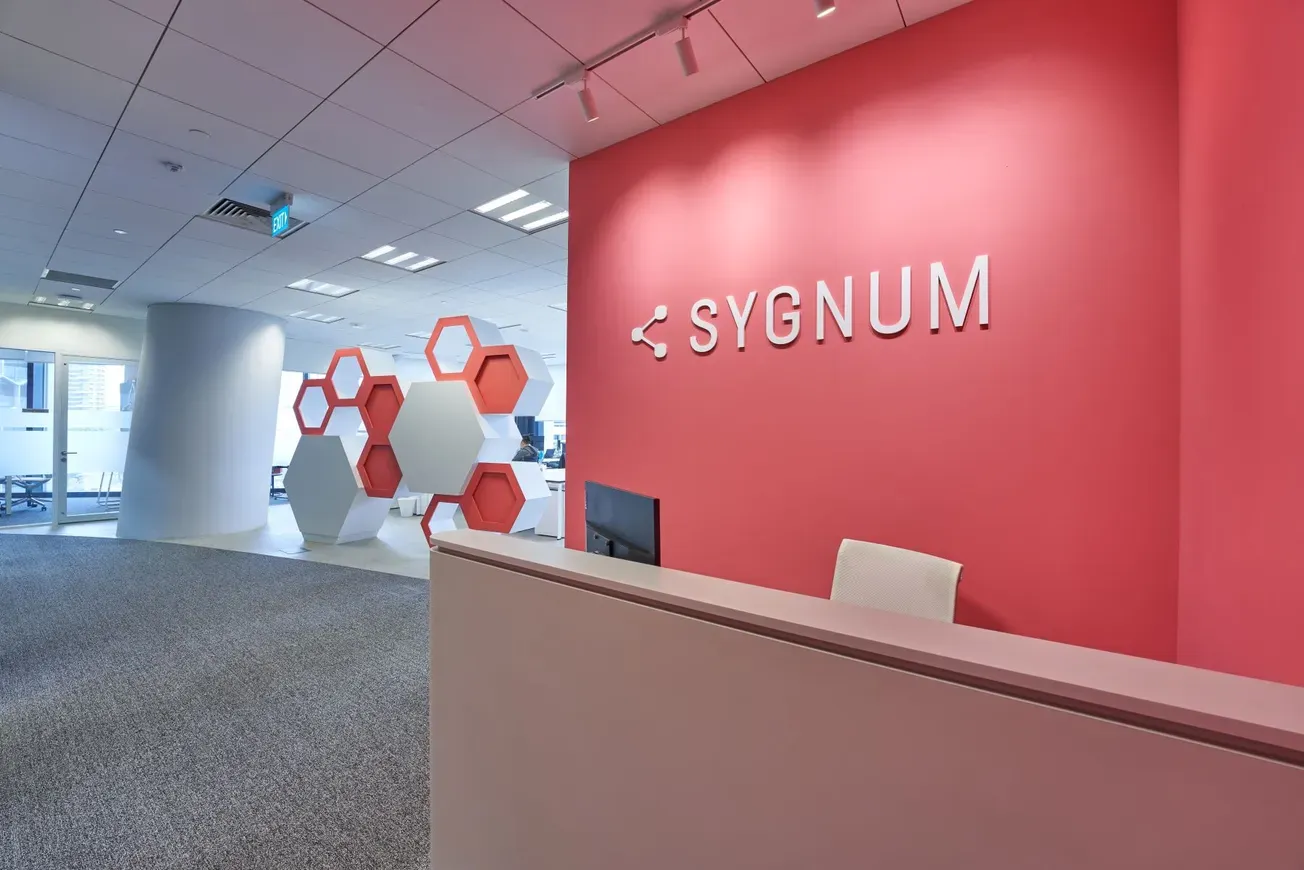
    Sygnum, a regulated digital asset bank, was conceived with a dual vision between Singapore and Switzerland. Gerald Goh, co-founder and CEO of Sygnum Asia-Pacific, has been a key player in establishing this transcontinental structure since 2017. Even with the fluctuating state of crypto markets, Goh reports a robust demand. According to Sygnum’s recent survey, digital assets are becoming increasingly popular among high net worth individuals (HNWIs) in Asia.

    Origins of Sygnum

    The concept of Sygnum saw its inception in Singapore in 2017 during the Singapore Fintech Festival. Goh, along with his three co-founders Luka Müller, Manuel Krieger and Mathias Imbach, were united by a shared vision: to provide a trustworthy platform for global access to digital assets.

    The founders envisioned Sygnum as a bridge between Singapore and Switzerland, two of the world’s most innovative and forward-thinking financial centers. Their goal was to leverage the openness of these regulatory environments to integrate digital assets into the financial services sector. However, they were unsure which jurisdiction would pioneer the regulation of digital assets.

    Dual Incorporation Strategy

    As a result, the founders decided to simultaneously incorporate Sygnum in both Singapore and Switzerland. This decision proved to be a prudent one, as it allowed them to engage with both regulatory environments from the outset. From its inception, Sygnum has had a strong presence in the Asia-Pacific region.

    Goh explains that the dual structure was driven by the recognition of Singapore and Switzerland as trusted financial hubs in their respective regions. The Swiss base was intended to serve Europe, while the Singapore base would cater to the Asia-Pacific region. The founders saw this as a strategic combination of the best of both worlds, given that both the Swiss Financial Market Supervisory Authority (FINMA) and the Monetary Authority of Singapore (MAS) were among the earliest regulators to recognize the potential of blockchain technology.

    Market Orientation

    While Sygnum Asia appears to be more consumer-focused (B2C), its Swiss counterpart is more oriented towards serving businesses (B2B). In Singapore, Sygnum utilizes both B2C and B2B channels, but Goh acknowledges the current tilt towards B2C. The company has more direct clients than banking partners in Singapore, whereas in Switzerland, Sygnum collaborates with over 20 Swiss banks and is a leading provider of B2B services.

    Goh believes that the slower institutional adoption of crypto in Singapore is due to the cautious approach of regulated intermediaries in the region. Despite years of engagement with local banks and external asset managers, the momentum to launch regulated digital asset services has been somewhat subdued compared to other regions.

    Questions & Answers

    How did the concept of Sygnum come into being?
    The idea for Sygnum was conceived during the 2017 Singapore Fintech Festival. The co-founders envisioned a platform that would offer global access to digital assets in a trusted manner.

    What was the rationale behind incorporating Sygnum in both Singapore and Switzerland?
    The decision to incorporate in both jurisdictions was driven by the recognition of Singapore and Switzerland as leading, innovative financial hubs. The dual structure allowed Sygnum to engage proactively with the regulatory environments of both regions.

    Why is institutional adoption of crypto slower in Singapore?
    The slower adoption rate is attributed to the cautious approach of regulated intermediaries in Singapore. Despite ongoing engagement with local banks and external asset managers, the pace to launch regulated digital asset services has been more measured than in other regions.

  • Revolution in Digital Age Verification: Child Safety Advances Amid Global Social Media Clampdown

    Revolution in Digital Age Verification: Child Safety Advances Amid Global Social Media Clampdown

    In recent years, technology firms have been reluctant to constrict minors’ access to their platforms, citing technical constraints, practicality issues, overreach, and security threats. However, an increasing number of governments are now viewing these challenges as surmountable and are moving forward with stringent new age-verification requirements for social media networks, AI chatbots, and adult content providers alike.

    Global Regulatory Shifts

    Following Australia’s notable prohibition on adolescent social media accounts three months ago, regulatory bodies across Europe, Brazil, and several U.S. states are seeking to replicate the move. High-profile political figures such as California Governor Gavin Newsom and former President Donald Trump have also reportedly shown interest in implementing age restrictions.

    The driving forces behind these regulatory changes are mounting anxieties over online abuse and adolescent mental health issues, recent outrage over AI-generated explicit images of children, and a growing faith in the potential of ‘age assurance’ software. Such software can estimate an individual’s age based on facial analysis, parental permission, ID checks, and other digital hints.

    Technological Advancements and the Age Assurance Market

    Recent strides in artificial intelligence have enhanced the efficiency and reduced the cost of age-verification tools. Social media enterprises can now often accurately determine a user’s age group using digital indicators such as the account creation date and the type of content viewed. Meanwhile, an emerging industry of age-verification vendors offers added layers of checks through automated tools like facial scans and machine-based analysis of government IDs.

    App store platforms like Apple and Google have also introduced tools that enable parents to communicate their child’s age range to app developers. This overall improvement in technology and the resultant drop in verification costs have expanded the scope of its application.

    Cost and Effectiveness of Age Verification

    Age-verification vendors usually charge less than a dollar per check for basic machine-only age-assurance tools. Traditional methods that were standard a decade ago, such as human confirmation and triangulation of personal data, are still available at a premium but are needed less frequently. Furthermore, independent evaluations show progress in the accuracy and precision of these tools.

    For example, face-scanning software was off in age estimations by an average of 4.1 years in 2014, while by 2024, this average has dropped to 2.5 years. The latest models from vendors like Yoti and Persona boast of an average error of less than two years for the age range of 13 to 18.

    Challenges and Limitations

    Despite these advancements, there are still limitations. The systems face difficulties with certain skin tones and older phones. Also, they might fail to catch attempts by youngsters to appear older than they are. However, executives believe that facial age estimation can offer a digital equivalent of offline age screening.

    Adding to this, social media services generally require fewer facial scans and ID checks than adult content or gambling sites due to the abundance of personal information they have on users. This allows them to depend more on an age-verification method called ‘inference’.

    Early Implementation Results

    While it’s too early to assess the full impact of Australia’s teen ban, preliminary results are promising. According to Australia’s eSafety Commissioner, companies have blocked 4.7 million suspected underage accounts since the law came into effect. Regulators in other countries are closely monitoring these developments as they consider implementing similar measures.

    Questions & Answers

    What are some of the driving forces behind the implementation of age verification measures?
    Concerns over online abuse, adolescent mental health issues, and the spread of AI-generated explicit child images have all contributed to the push for stricter age verification measures.

    How have technological advancements influenced the age assurance market?
    Advancements in artificial intelligence have improved the efficiency and lowered the cost of age-verification tools. This has broadened the scope of their application beyond high-value transactions.

    What limitations do current age-verification systems face?
    Current age-verification systems can struggle with certain skin tones and older phones. They may also fail to catch attempts by youngsters to appear older than they are. These challenges highlight the need for ongoing refinement and improvement in this technology.

  • Standard Chartered Boosts Digital Assets Strategy, Appoints Karby Leggett as Asia Lead Amid Crypto Surge

    Standard Chartered Boosts Digital Assets Strategy, Appoints Karby Leggett as Asia Lead Amid Crypto Surge

    Standard Chartered, a leading UK-based financial institution, has recently announced the appointment of Karby Leggett as the regional head of digital assets. This move comes amidst the swift rise in the acceptance and adoption of digital currencies, tokenized assets, and stablecoins.

    Leadership in Digital Assets

    Karby Leggett’s new role will span across Greater China, North Asia, South Asia, and ASEAN as part of the Digital Assets Center of Excellence at Standard Chartered. This appointment is in addition to his existing position as the global head of the official institutions group, which is a part of the bank’s global research team.

    The expanded responsibilities have been introduced as digital assets and official sector engagement increasingly intersect across the bank’s markets. This trend is driven by clients who are exploring the transformative potential of these technologies for their business models and financial ecosystems.

    The Strategic Importance of Digital Assets

    Mr. Leggett’s vast experience in working with governments, multilateral organizations, and other official sector stakeholders will be critical in accelerating Standard Chartered’s digital assets strategy. His expertise will also contribute to reinforcing the bank’s leadership in this area and in delivering innovative solutions to its clients across Asia.

    This sentiment was echoed by Eric Robertsen, the global head of research and chief strategist, and Rene Michau, the global head of digital assets. They jointly stated, “Karby’s extensive experience positions him to accelerate our Digital Assets strategy, deepen our leadership, and support the delivery of innovative solutions for our clients across Asia.”

    Questions & Answers

    Who is the new regional head of digital assets at Standard Chartered?
    Karby Leggett was recently appointed as the new regional head of digital assets at Standard Chartered.

    What regions will Karby Leggett’s new role cover?
    Mr. Leggett’s role as the regional head will cover Greater China, North Asia, South Asia, and ASEAN.

    How will Karby Leggett’s appointment impact Standard Chartered’s digital assets strategy?
    Karby Leggett’s vast experience in working with governmental and official sector stakeholders is anticipated to accelerate Standard Chartered’s digital assets strategy, as well as strengthen its leadership and support the delivery of innovative solutions for its clients across Asia.

  • Coca-Cola’s Upbeat 2025: Digital Transformation and Steady Growth Ahead

    Coca-Cola’s Upbeat 2025: Digital Transformation and Steady Growth Ahead

    Coca-Cola, a leading player in the soft drink industry, showcased continued revenue growth in 2025, setting the groundwork for its long-term success plan.

    Growth Pattern

    The company’s net revenues exhibited a 2% increase in both the fourth quarter and the entire year, while organic revenues saw a 5% growth over the same timeframe. James Quincey, chairman and CEO of Coca-Cola, expressed his satisfaction with the 2025 performance, which he believes demonstrates both the resilience and momentum inherent in the business.

    Quincey also shared insights into the company’s future plans, stating, “Our focus moving forward will be on better execution of our strategy and ensuring our system is primed for long-term success.”

    Towards a Digital Future

    Coca-Cola is set to fast-track its digital transformation with the aim of fostering closer relationships with consumers. Key initiatives include the establishment of a chief digital officer position, the launch of innovation hubs, and the inception of “commercial centres of excellence” in strategic markets.

    A spokesperson for the company explained that, “These collective actions are designed to better position the business to attract new customers, take the lead with marketing and innovation, and pilot a system that is ready for the future.”

    Sales and Revenue Highlights

    Sales figures for Coca-Cola’s zero sugar drink rose by 13% in Q4, while Diet Coke saw a 2% increase in the same period. However, the company’s operating income for the quarter fell 32% due to a US$960 million ($1.35 billion) charge related to a Bodyarmor trademark. Despite this, annual operating income showed a 38% rise.

    Future Expectations

    Looking ahead, Coca-Cola anticipates a free cash flow of approximately $17.1 billion, which includes an estimated $20.2 billion cash flow from operations.

    Questions & Answers

    What were the growth rates for Coca-Cola’s net and organic revenues in 2025?
    The company’s net revenues grew by 2% and organic revenues increased by 5% in the same year.

    What are some initiatives Coca-Cola is taking as part of its digital transformation?
    Coca-Cola is appointing a chief digital officer, setting up innovation hubs, and creating commercial centres of excellence in key markets.

    How does Coca-Cola’s operating income for 2025 compare to the previous year?
    Despite a 32% drop in the operating income for Q4 due to a trademark-related charge, the annual operating income grew by 38%.

  • Google’s New Ai Service Revolutionizes Retail: Woolworths First To Adopt Gemini Enterprise

    Google’s New Ai Service Revolutionizes Retail: Woolworths First To Adopt Gemini Enterprise

    Google has recently introduced its new Gemini Enterprise artificial intelligence (AI) service, designed to enhance the overall customer experience. Notably, one of the first companies to leverage this new technology is Woolworths.

    Introducing Gemini Enterprise

    The Gemini Enterprise service acts as a digital concierge for customers, offering recommendations, storing relevant information, and performing complex tasks on the user’s behalf. This state-of-the-art ‘shopping agent’ is capable of comprehending image, video, and voice inputs – eliminating the need for customers to type their queries or requirements into a search bar.

    Google representatives explain that whether an agent is cross-referencing kitchen electrical specifications to find a compatible induction range, or resolving a fulfillment error and issuing an instant refund, the new solution will provide a more streamlined experience for customers at every touchpoint.

    Global Impact on Retail

    This novel technology was announced at the NRF 2026 event. Amanda Bardwell, CEO and MD of Woolworths Group, lauded Google Cloud’s Gemini Enterprise for customer experience as a global game-changer for the retail industry.

    As the first Australian retailer to form a partnership with Google’s agentic platform, Woolworths plans to evolve their digital shopping assistant, Olive, into a proactive partner that anticipates customers’ needs. This includes planning meals based on individual preferences and identifying relevant specials based on the user’s budget.

    Bardwell also emphasizes the practicality and convenience of this innovation, explaining that it’s designed to do the heavy lifting for customers, making shopping easier and saving them precious time. Woolworths now stands alongside Kroger, Lowe’s, and Papa John’s as a global pilot business for Gemini Enterprise.

    Towards a New Era of Commerce

    Darshan Kantak, VP of applied AI at Google Cloud, notes that they are merging the best of Google Cloud’s AI and infrastructure with a business’s own institutional intelligence to power a truly agentic commerce journey.

    With this new technology, businesses can bridge the gap between sales and service to deliver premium, personalized experiences from the point of discovery to post-purchase support, enhancing customer satisfaction and fostering long-term brand loyalty.

    Furthermore, one of the key features of Google’s AI is its ability to add items to a customer’s cart and manage the checkout process, provided the customer has given their consent.

    Questions & Answers

    What is the purpose of Google’s new Gemini Enterprise service?
    The Gemini Enterprise service is designed to enhance the overall customer experience. It acts as a digital concierge for customers, offering recommendations, storing relevant information, and performing complex tasks on the user’s behalf.

    What unique capabilities does the Gemini Enterprise shopping agent have?
    The shopping agent can comprehend image, video, and voice inputs, eliminating the need for customers to type their queries or requirements into a search bar.

    How does Woolworths plan to utilize the Gemini Enterprise service?
    Woolworths plans to evolve their digital shopping assistant, Olive, into a proactive partner that anticipates customers’ needs. This includes planning meals based on individual preferences and identifying relevant specials based on the user’s budget.

  • Unlocking Vietnam’s Digital Economy: The Transformative Impact of 5G Expansion

    Unlocking Vietnam’s Digital Economy: The Transformative Impact of 5G Expansion

    Vietnam’s burgeoning 5G network is forecasted to bolster the forthcoming wave of the nation’s digital economy. This expectation comes as local telecommunications companies hasten infrastructure development and commence the expansion of commercial and public sector applications.

    5G Infrastructure Expansion

    Viettel, Vietnam’s premier operator, has established around 30,000 5G base stations, achieving approximately 90% outdoor coverage and 70% indoor coverage. This surpasses the commitments the company made to the government. As predicted by Vietnam’s Ministry of Science and Technology, by 2025, 5G services were widely commercialized throughout the nation, reaching over 90% of the population.

    Practical Economic Benefits

    Telecommunications providers affirm that the extended availability of 5G is already producing tangible economic advantages, particularly within rural commerce and agriculture. Since August 2025, Viettel Post has facilitated numerous livestream sales sessions in several provinces such as Thai Nguyen, Vinh Long, Bac Ninh, and Lai Chau, to assist farmers in reaching consumers across the nation.

    In Sin Ho commune, located in Lai Chau province, three livestream sessions led to more than 300 tons of yacon root being sold by local Mong farmers. According to Dinh Thanh Son, Deputy General Director of Viettel Post, the marriage of 5G connectivity and integrated logistics systems is aiding farmers in reducing their reliance on traditional intermediaries and managing price fluctuations. The existence of stable, high-speed connections allows farmers to livestream directly from production sites, while 5G-enabled Internet of Things applications are being trialed to monitor conditions such as temperature, humidity, and weather in agricultural production.

    5G Rollout and Development

    Nguyen Duy Lam, a Senior Telecommunications Solutions Expert at Huawei Vietnam, shared that the rollout of 5G in Vietnam has made rapid strides in areas like e-commerce. However, the establishment of smart city and smart factory applications will necessitate continued enterprise investment and supportive government policies.

    Nguyen Ha Thanh, Deputy General Director of Viettel Telecom, considers 5G as strategic national digital infrastructure, aligning with a specific national resolution. She believes the impact of 5G investments should be evaluated from a national viewpoint, taking into account improvements in governance efficiency, quality of life, and the development of novel digital business models.

    Network Coverage and Focus Shift

    With network coverage largely in place, operators are now shifting their attention towards applications and platforms. Viettel Telecom intends to launch three virtual assistant platforms for individuals, households, and enterprises over its 5G network. Concurrently, MobiFone is executing 5G-based smart city solutions in Hanoi, inclusive of AI-powered camera systems, emergency response drones, and comprehensive urban monitoring platforms that address issues like traffic congestion, flooding, environmental pollution, and food safety.

    Questions & Answers

    What is the current state of Vietnam’s 5G network?
    Vietnam’s 5G network has been extensively developed, with the country’s largest operator, Viettel, establishing approximately 30,000 base stations. This has resulted in around 90% outdoor coverage and 70% indoor coverage.

    How is 5G aiding Vietnam’s rural sectors?
    5G is proving particularly beneficial to rural commerce and agriculture, where high-speed connections allow for activities such as livestream sales sessions. This is helping farmers reach consumers nationwide without the need for traditional intermediaries.

    What future applications are being planned for Vietnam’s 5G network?
    Looking ahead, operators are shifting their focus towards applications and platforms. Viettel Telecom plans to introduce three virtual assistant platforms, while MobiFone is implementing smart city solutions in Hanoi. These advancements will further integrate 5G connectivity into everyday life and enterprise operations.

  • NTT DOCOMO GLOBAL & Accenture Pioneer Universal Wallet Infrastructure: A Leap Forward in Digital Trust Services

    NTT DOCOMO GLOBAL & Accenture Pioneer Universal Wallet Infrastructure: A Leap Forward in Digital Trust Services

    NTT DOCOMO GLOBAL and Accenture, two major players in the global tech industry, have recently entered into a partnership to create and grow a Universal Wallet Infrastructure (UWI) platform. This platform is designed to bolster digital trust services across diverse sectors, governments, and geographical locations.

    The infrastructure being developed by NTT DOCOMO GLOBAL and Accenture will permit organizations to issue, verify, and manage digital credentials and tokens associated with identity, payment, assets, and documents. A key focus of the platform is interoperability and compliance, ensuring secure data transfer while adhering to user consent and regulatory norms.

    As businesses and public institutions are under increasing pressure to safely handle data in progressively digital and AI-centric environments, demands for transparency and control over personal data usage are also rising among individuals. By integrating decentralized technologies with current enterprise systems, UWI seeks to address these issues, reducing dependence on centralized data structures.

    Establishing a Trustworthy Digital Environment

    The platform is designed to foster secure, real-time data sharing between organizations, while also facilitating AI-powered services at the network edge. Through enabling users to regulate access to their data, UWI aims to bolster trust and provide organizations with access to consent-based, verifiable information to support their operations, innovation, and customer services.

    Several potential applications of the UWI platform have been identified, encompassing government services aiming to decrease fraud and administrative burdens, employers managing recruitment and workforce mobility processes, and travel and transportation systems seeking to simplify identity verification across borders and service providers.

    Leadership Commentary

    Hiroki Kuriyama, President and CEO of NTT DOCOMO GLOBAL, spoke enthusiastically about the partnership, stating that it would speed up the global implementation of UWI, creating a new basis for digital trust worldwide. He also emphasized the growing importance of effective digital IDs and electronic credentials across national borders, highlighting the platform’s objectives of providing verifiable authentication and innovative trust models on a global scale.

    Atsushi Egawa, Chairman of Accenture, Japan, and co-CEO, Asia-Pacific, Accenture, also expressed optimism about the collaboration. He highlighted the synergies created by combining Accenture’s deep expertise in technology strategy, data, and AI with NTT DOCOMO GLOBAL’s well-established strengths in network infrastructure operations and advanced internet technologies. He believes this collaboration will pave the way for new AI-powered experiences that revolutionize how businesses and customers connect.

    Questions & Answers

    What is the main aim of the Universal Wallet Infrastructure platform?

    The platform aims to establish a secure and reliable digital trust environment, allowing organizations to issue, verify, and manage digital credentials related to identity, payments, assets, and documents.

    How will the UWI platform benefit its users?

    UWI will allow users to control access to their data, thereby increasing trust while providing organizations access to consent-based, reliable information to support their operations, innovation, and customer services.

    What potential applications does the UWI platform have?

    The platform can be utilized in numerous ways, such as reducing fraud in government services, streamlining recruitment and workforce mobility processes for employers, and simplifying identity verification in travel and transportation systems across borders and service providers.

  • AI-Driven Network Optimization Boosts Indosat Data Traffic, Fuelling Digital Surge across Indonesia

    AI-Driven Network Optimization Boosts Indosat Data Traffic, Fuelling Digital Surge across Indonesia

    Indosat Ooredoo Hutchison (Indosat) saw a significant increase in data traffic throughout 2025, propelled by a rise in digital consumption across Indonesia. From December 21, 2025, to January 1, 2026, national data traffic grew by approximately 15% compared to regular days and by over 20% in comparison to the same period the previous year. This increase showcases the growing scale of digital activities across various regions. With a robust network across thousands of strategic locations and constantly improving infrastructure, Indosat ensured uninterrupted service even during the high-traffic holiday period.

    Optimizing Network Through Digital Intelligence Operations Center (DIOC)

    Indosat’s efforts were enhanced by network optimization through the Digital Intelligence Operations Center (DIOC), an artificial intelligence-based operations center that allows real-time network performance monitoring. The surge in data usage emphasizes Indosat’s dedication to improving customer experience by extending network coverage and enhancing quality, particularly for seamless video streaming and gaming in remote areas and key tourist destinations. This technology allows for adaptive capacity adjustments in areas experiencing traffic growth, ensuring customers have a reliable and high-quality digital experience across Indonesia.

    Desmond Cheung, Director and Chief Technology Officer at Indosat Ooredoo Hutchison, said that data traffic growth is not merely a technical indicator, but a tangible reflection of Indonesia’s digital economic progress. Usage surges are not restricted to major cities, but are also occurring in tourist destinations and emerging economic centers. This demonstrates the expanding impact of Indosat, and with AI-powered technology at DIOC, technical teams can more swiftly respond to potential disruptions, ensuring consistent connectivity for all customers.

    Preparing for the Digital Surge

    In anticipation of the surge in digital activity, Indosat increased network capacity at strategic locations, especially in regions with the highest traffic growth. This period also saw an increased popularity of digital services, with apps like TikTok, WhatsApp, Instagram, Facebook, and YouTube recording the highest usage growth. These efforts are supported by over 208,000 4G BTS and 1,404 5G BTS deployed nationwide, leading to an expanded service coverage for customers across Indonesia.

    Continuing Connectivity Recovery in Disaster-Affected Areas

    Connectivity remains critical for supporting community activities during post-disaster recovery. Indosat is expediting the restoration of telecommunications network services in areas affected by recent disasters. The company’s recovery effort reflects its commitment to supporting communities, ensuring connectivity remains a vital element for coordination, access to information, and daily activities.

    Indosat has also increased the number of technical personnel deployed across affected areas. Working closely with the Ministry of Communications and Digital Affairs, the Indonesian National Board for Disaster Management, and local governments, Indosat is ensuring priority fuel supplies and access to areas previously isolated due to infrastructure damage. Standby teams have been deployed at strategic locations for maximum service quality maintenance.

    Questions & Answers

    What led to the surge in Indosat’s data traffic in 2025?
    The rapid increase in digital consumption across Indonesia throughout 2025 led to a surge in Indosat’s data traffic.

    How is Indosat responding to the growth in data usage?
    Indosat is responding to the growth in data usage by optimizing its network through the AI-based Digital Intelligence Operations Center (DIOC), expanding network coverage, and enhancing service quality.

    What steps is Indosat taking to restore connectivity in disaster-stricken areas?
    Indosat is expediting the restoration of telecommunications network services, deploying more technical personnel, securing priority fuel supplies, and maintaining standby teams at strategic locations.