Retail News CRM

Tag: Digital

  • Google Unleashes Gemini 3: A Revolutionary AI Model That’s Set to Change Your Digital World

    Google Unleashes Gemini 3: A Revolutionary AI Model That’s Set to Change Your Digital World

    Google has recently unveiled Gemini 3, a line of models touted as the company’s most powerful to date, offering both agentic and vibe-coding capabilities. The top-tier model in this series is the first to be accessible simultaneously via Google’s Gemini app as well as in Search and AI Mode.

    Gemini 3 Pro Introduced to Gemini and Google Search

    The release of Google’s new flagship AI model, Gemini 3 Pro, is a significant event due to its availability on the Gemini app. Additionally, Google subscribers have the opportunity to use this model in AI Mode in Search, with a broader roll-out to all US users expected in the near future. In the ensuing weeks, AI Mode and AI Overviews will begin to “intelligently route your most challenging questions” to this new model while reserving simpler tasks for older models.

    Gemini 3 Pro is described by Google as a “natively multimodal” model that can simultaneously process text, images, video, audio, and code, rather than tackling these elements individually. This allows users to amalgamate various information sources and ask the model to synthesize them. For example, the model can generate code for interactive learning materials like flashcards after processing a mixture of research papers, video lectures, and tutorials.

    Hailing Gemini 3 as their most intelligent model yet, Google believes this latest offering will bring users’ ideas to life. The model’s enhanced understanding of context and intent behind requests aims to achieve more results with less prompting.

    Enhanced User Interface Experiences in AI Mode

    The new features of Gemini 3 usher in significant improvements to Google’s apps. Users, for instance, can now create more comprehensive programs within the Canvas workspace of the Gemini app. The model has the capability to recognize handwritten recipes in various languages, which can then be compiled into a multilingual family cookbook.

    Google refers to the new capabilities of Gemini 3 as being able to provide ‘generative user interface experiences.’ When searching for information in AI Mode, Gemini 3 Pro will visually layout the responses to your queries. These visualizations include interactive tools and simulations that are instantaneously generated based on the user’s query.

    In the following weeks, Google will also debut a more research-focused version of the model, Gemini 3 Deep Think. This upgrade is expected to outperform Gemini 3 Pro, which is already setting the pace in independent benchmarks.

    Google Antigravity- A Gemini-Powered Coding Interface

    Along with the new model, Google has also launched a Gemini-powered coding interface named Google Antigravity. This app is akin to other agentic IDEs, merging a prompt window with a command-line interface and a browser window. Available in a free preview, the app is compatible with macOS, Windows, and Linux.

    Gemini: Unavoidable and Essential

    Despite Gemini 3’s impressive features, there are concerns that Google is overly ambitious in its push for AI among users. The prominent positioning of AI Overview at the top of the Search page as well as AI Mode being the first option before all results makes it impossible to miss, potentially irking users who aren’t as enthusiastic about AI.

    Questions & Answers

    What is the Gemini 3 Pro?
    Gemini 3 Pro is Google’s new flagship AI model, capable of processing different types of data simultaneously, including text, images, video, audio, and code.

    What are the new features introduced in Gemini 3?
    Gemini 3 introduces ‘generative user interface experiences.’ It also allows users to create more comprehensive programs within the Canvas workspace of the Gemini app, such as recognising handwritten recipes in various languages and compiling them into a multilingual family cookbook.

    What is Google Antigravity?
    Google Antigravity is a Gemini-powered coding interface that combines a prompt window with a command-line interface and a browser window. The app is compatible with macOS, Windows, and Linux.

  • Apple’s Digital ID Revolution: Now, Use Your iPhone for TSA Checkpoints!

    Apple’s Digital ID Revolution: Now, Use Your iPhone for TSA Checkpoints!

    Apple has unveiled a new Digital ID feature for its Apple Wallet, initially announced at WWDC 2025. The feature facilitates the creation of a Digital ID in the Apple Wallet application using details from users’ US passports.

    US Passport Integration with Apple Wallet

    Apple device owners in the United States, particularly those with iPhones and Apple Watches, now have the ability to add a digital copy of their US passports to their gadgets. The so-called Digital ID can be utilized for identification purposes at selected TSA checkpoints across the US airports for domestic travel.

    The process of creating and presenting a Digital ID based on a US passport requires the following:

    – An iPhone 11 or later with iOS 26.1 or later, or an Apple Watch Series 6 or later with watchOS 26.1 or later
    – Active Face ID or Touch ID and Bluetooth
    – An Apple Account with active two-factor authentication
    – A valid and unexpired US passport
    – A device with its region set to the United States

    Creating a Digital ID is quite simple. It involves opening the Wallet application on your iPhone, tapping the plus sign at the top-right corner, and selecting Driver’s License or ID Cards. From this point, you then select Digital ID and follow the on-screen instructions for setup and verification.

    During the setup, users will be required to scan their physical passport’s photo page using their iPhone, then use the device to read the passport’s chip to verify the authenticity of the data. Additional verification entails taking a selfie and performing a series of facial and head movements.

    Where Can the Digital ID be Used?

    The Digital ID feature can be utilized at over 250 TSA checkpoints in various US airports. However, its usage is currently limited to domestic travel. The feature cannot be used for international travel or border crossings. Apple has stated that the Digital ID is not intended to replace the physical passport. While TSA has a comprehensive list of states supporting mobile IDs, it still advises travelers to carry their physical ID.

    Eventually, Apple plans to expand the usage of the Digital ID to businesses and organizations for identity and age verification purposes, both in-person and online.

    Presenting a Digital ID in person is similar to presenting other IDs in the Wallet. Users need to double-click the side button on their iPhone, select Digital ID, and hold the iPhone near a scanner. They then review the requested information and authenticate with Face ID or Touch ID.

    Apple ensures that all Digital ID data is encrypted and stored on-device, assuring users that neither when nor where the ID data is presented, nor what data is shared can be accessed by the company.

    Expansion and Future of Digital ID

    The Digital ID feature builds upon the existing ID features in the Apple Wallet. Users in 12 US states and Puerto Rico have the option of adding their driver’s license to the Wallet. The feature is also available for Japan’s My Number Card, marking its first international expansion.

    Unlike Google Wallet, which supports state IDs in a few states and features an ID Pass for both US and UK passports, Apple’s Digital ID doesn’t aim for a total replacement of the physical document.

    As Apple moves towards making physical wallets obsolete, the company has introduced a way to store all details about users’ payment cards along with their digital versions in the Wallet, negating the need for carrying physical cards. The application can also accommodate loyalty cards, tickets, passes, and more.

    Once the Digital ID feature gets broader support, including acceptance at event venues, physical stores, and websites with adult content, physical wallets may become a thing of the past.

    Questions & Answers

    What is the new Digital ID feature in Apple Wallet?
    The Digital ID is a new feature in the Apple Wallet that allows users to create a digital version of their US passport for identification purposes.

    What are the requirements for creating a Digital ID?
    To create a Digital ID, you need an iPhone 11 or later running iOS 26.1 or later, or an Apple Watch Series 6 or later running watchOS 26.1 or later, active Face ID or Touch ID and Bluetooth, an Apple Account with active two-factor authentication, a valid and unexpired US passport, and a device with its region set to the United States.

    Where can I use my Digital ID?
    The Digital ID can be used at over 250 TSA checkpoints in various US airports for domestic travel. In the future, the Digital ID will be accepted at businesses and organizations for identity and age verification, both in person and online.

  • Fiber Broadband Boom: Dominating the APAC Market and Powering Digital Transformation Through 2030

    Fiber Broadband Boom: Dominating the APAC Market and Powering Digital Transformation Through 2030

    The fixed communications services market in the Asia Pacific (APAC) region is expected to experience steady growth through to 2030. This growth is likely to be facilitated by the ongoing expansion of fiber broadband in both emerging and developed markets.

    Growth Projections for APAC

    According to recent predictions, there will be a rise in fixed communications service revenue in APAC from $386 billion in 2025 up to $405 billion by 2030. This represents a compound annual growth rate (CAGR) of 1%. The primary driver behind the forecasted increase is the continuous expansion of broadband networks and governmental investments in fiber infrastructure. This is particularly the case in emerging markets such as India, Malaysia, and the Philippines.

    It is also anticipated that fixed broadband account penetration in the region will increase from 22.6% in 2025 to 24.6% in 2030. The rise is expected to stem from nationwide fiber rollout programs and increased consumer adoption in developing economies.

    In Malaysia, for instance, the JENDELA Phase 2 program has extended broadband coverage to 97.95% of populated areas. This has resulted in fiber connectivity being provided to over 9.48 million premises as of July 2025. In India, the government is accelerating the BharatNet Phase 3 program. Backed by an investment of $18 billion, the initiative aims to extend fiber broadband to more than 250,000 villages by 2027, thereby ensuring affordable access for millions of rural households.

    Developed APAC Markets

    In contrast, developed APAC markets such as Australia, New Zealand, and Singapore already have high broadband penetration, thanks to long-standing national broadband network initiatives. By 2030, it is predicted that fiber-optic access lines will account for approximately 87% of total fixed access lines in developed APAC markets and around 90% in emerging APAC markets.

    The rise in demand for high-speed internet and competitively priced fiber broadband plans, which often include unlimited data and access to subscription video-on-demand platforms, is expected to drive fiber adoption in APAC.

    Furthermore, China remains the largest fiber broadband market in the APAC region, with 99% of broadband subscriptions already on fiber as of 2025. Singapore is also anticipated to have almost 100% of broadband connections via fiber-to-the-home/building by 2030, largely due to continued investments by NetLink NBN Trust.

    Voice Telephony Services

    In relation to voice telephony services, it is predicted that the sector will remain stagnant, with fixed voice penetration expected to stay at around 10% between 2025 and 2030. Despite this, there is expected to be an expansion in packet-switched lines at 2.8%, driven by fiber rollouts that are encouraging consumers to transition to VoIP-based services. However, overall fixed voice revenue is anticipated to continue to decline over the forecast period due to the growing use of mobile voice and OTT voice services.

    Through to 2030, fiber broadband is expected to remain the dominant fixed access technology in the APAC region, thereby reinforcing its position as the backbone of the region’s digital infrastructure and future network innovation.

    Questions & Answers

    What is the projected growth rate for the fixed communications services market in APAC?
    The fixed communications services market in APAC is expected to grow at a compound annual growth rate of 1%, increasing from $386 billion in 2025 to $405 billion by 2030.

    What factors are driving the growth of the fixed communications services market in APAC?
    The growth of the fixed communications services market in APAC is being driven by the ongoing expansion of broadband networks, governmental investments in fiber infrastructure, and rising demand for high-speed internet.

    What is the future of voice telephony services in the APAC region?
    Despite an expected expansion in packet-switched lines, driven by fiber rollouts, overall fixed voice revenue is predicted to decline due to the increasing usage of mobile voice and OTT voice services.

  • Mcredit’s B+ Rating Affirmed by Fitch Ratings, Highlighting Strong Financial Performance and Digital Transformation Progress

    Mcredit’s B+ Rating Affirmed by Fitch Ratings, Highlighting Strong Financial Performance and Digital Transformation Progress

    Fitch Ratings, a globally recognized credit rating agency, has once again affirmed the Long-Term Issuer Default Rating (IDR) of MB Shinsei Consumer Credit Finance Limited Liability Company (Mcredit), maintaining it at B+ with a stable outlook. This represents the second consecutive year Mcredit’s long-term credit rating has been upheld at this level.

    Steady Financial Foundation

    In a previous assessment in June 2025, the Vietnam Investment Credit Rating Joint Stock Company conferred an A- long-term issuer rating on Mcredit. This underlined Mcredit’s firm financial base, consistent market standing, and escalating acclaim within Vietnam’s consumer finance landscape.

    Fitch’s rating highlights the consistent backing from Mcredit’s two strategic shareholders, the Military Commercial Joint Stock Bank (MB) and SBI Shinsei Bank based in Japan. This collaboration has not only bolstered the company’s financial stamina and fostered transparent governance, but it has also encouraged a mutual emphasis on sustainable growth and digital innovation.

    Focus on Digital Transformation

    In response to evolving market trends, Mcredit has accelerated its comprehensive digital transformation in recent years. By effectively utilizing its strategic ecosystem – which includes partners like MB, MoMo, Viettel, and ZaloPay – Mcredit has been able to broaden its customer reach and diversify its offerings.

    This tactical approach has resulted in robust operational performance and sustained growth. In the first half of 2025, Mcredit reported a 31% year-on-year increase in total operating income. Profit before tax grew 11%, and the cost-to-income ratio (CIR) saw a 5.4 percentage point improvement compared to the previous year.

    Positive Ratings Reaffirm Business Strategy

    The favorable assessments Mcredit received from both Fitch Ratings and the Vietnam Investment Credit Rating Joint Stock Company underscore the company’s strong risk management, sustainable business strategy, and prowess in digital innovation. These ratings have further boosted market confidence for customers, partners, and investors both within Vietnam and internationally.

    Questions & Answers

    What is Mcredit’s Long-Term Issuer Default Rating (IDR) as affirmed by Fitch Ratings?
    Mcredit’s Long-Term Issuer Default Rating (IDR) has been affirmed as B+ with a stable outlook by Fitch Ratings.

    How have Mcredit’s strategic partnerships contributed to its operations?
    Mcredit’s partnerships have contributed to the company’s robust financial status, transparent governance, and focus on sustainable growth and digital transformation. They have also helped the company diversify its offerings and expand its customer base.

    What are some of Mcredit’s recent operational performance metrics?
    In the first half of 2025, Mcredit reported a 31% year-on-year increase in total operating income. Additionally, profit before tax rose 11%, and the cost-to-income ratio (CIR) improved by 5.4 percentage points compared to the previous year.

  • Philippines’ Top Data Centers Unite to Boost Nation’s Rise as Southeast Asia’s Digital Powerhouse

    Philippines’ Top Data Centers Unite to Boost Nation’s Rise as Southeast Asia’s Digital Powerhouse

    The Philippines’ prominent data center operators have officially collaborated to establish the Data Center Operators of the Philippines (DCPH). This unified alliance aims to fortify the country’s standing as the upcoming digital hub of Southeast Asia.

    Forming a New Alliance

    This groundbreaking collaboration was solidified through a Memorandum of Understanding (MoU) which was signed by representatives from leading companies such as VITRO Inc., ST Telemedia Global Data Centres (Philippines), YCO Cloud, Digital Edge Philippines, Digital Halo, and A-FLOW. This last company is a joint venture between FLOW Digital Infrastructure and AyalaLand Logistics Holdings Corp. Collectively, these companies have a shared goal of enhancing the Philippines’ regional competitiveness in the global digital economy. This is achievable through the strengthening of data center infrastructure and industry collaboration.

    DCPH’s Role and Purpose

    The DCPH members, who represent an impressive combined 473 MW of IT power capacity, will act as a united voice for the Philippine data center industry. The alliance aims to encourage collaboration among key sectors to improve infrastructure and innovation. This includes collaborating with the power industry to ensure competitive rates and renewable energy access. Additionally, they aim to partner with telecommunications providers to enhance connectivity. They will also work with the Department of Information and Communications Technology (DICT) to advocate supportive policies, such as data localization. Another goal is to develop local talent and maintain industry growth in the face of increasing demand for hyperscale, AI, and other next-generation technologies.

    The Importance of Data Localization

    The group has highlighted that data localization is crucial for data processed and stored by the public sector. Keeping government data within the nation helps safeguard national security and protect citizen information. Countries such as Indonesia, Thailand, and Malaysia have already introduced robust data localization policies. These countries recognize citizen data as a strategic national asset that supports data sovereignty and economic growth. By implementing similar strategies, the Philippines can enhance infrastructure resilience, attract more cloud and AI investments, and position itself as a top-rated digital hub in the region. This would facilitate the smooth flow of data across borders to support the digital economy.

    Questions & Answers

    What is the goal of the Data Center Operators of the Philippines (DCPH)?
    The DCPH aims to bolster the Philippines’ regional competitiveness in the global digital economy by strengthening data center infrastructure and encouraging industry collaboration.

    What is the significance of data localization?
    Data localization is vital for ensuring the security of data processed and stored by the public sector. It safeguards national security and protects citizen information.

    How can the Philippines position itself as a leading digital hub in the region?
    By implementing robust data localization policies and developing local talent, the Philippines can attract greater investments in cloud and AI technologies. This would enhance infrastructure resilience and support the seamless flow of data across borders.

  • “Yum China’s Expanding Empire: Over 17,500 Stores Fueled by Digital Sales and Franchise Strategy”

    “Yum China’s Expanding Empire: Over 17,500 Stores Fueled by Digital Sales and Franchise Strategy”

    Yum China, operating franchises such as KFC, Pizza Hut, and additional dining brands, has disclosed a stable growth in its third-quarter financial results, citing robust digital and delivery sales as primary contributing factors. These assets served to balance a tempered in-store sales trajectory in an increasingly cautious consumer market.

    In the financial quarter culminating on September 30, the company recorded an annual revenue increase of 4%, amounting to USD 3.2 billion. In addition, Yum China reported an 8% rise in operating profit, reaching USD 400 million, which expanded margins to 12.5%.

    Sales and Store Count

    The quarter saw system sales increase by 4%, bolstered by the opening of 536 new stores. Furthermore, same-store sales experienced a minor growth of 1%. Cumulatively, Yum China’s store count now totals 17,514, including 12,640 KFC outlets and 4,022 Pizza Hut locations.

    Digital Sales and Delivery

    Yum China’s growth was largely underpinned by digital sales, which accounted for an impressive 95% of total sales. Simultaneously, delivery sales experienced an upward surge of 32% year-on-year, contributing to 51% of the company’s total revenue.

    Joey Wat, CEO of Yum China, expressed satisfaction with the company’s steady performance within a dynamic market, attributing the positive growth to expanding store openings, encouraging same-store sales growth and margin expansion.

    Brand Performance

    KFC emerged as the primary growth driver for the company, noting a 5% rise in system sales and a 2% same-store growth. Throughout the quarter, KFC expanded by 402 new stores, with 41% operating as franchises. KFC’s operating profit increased by 6%, amounting to USD 384 million and improving margins to 16%.

    Meanwhile, Pizza Hut demonstrated moderate growth with a 4% rise in system sales and a 1% increase in same-store sales. An additional 158 new outlets lifted the operating profit by 7%, resulting in USD 57 million.

    Collective membership across both KFC and Pizza Hut escalated 13% year on year, reaching 575 million. This growth saw member sales contributing to 57% of total system sales.

    Wat also emphasized the swift expansion of both Kcoffee, now with over 1,800 outlets, and Kpro, a concept brand focusing on energy bowls and smoothies. The latter brand has expanded to over 100 locations in top-tier cities.

    Future Plans

    Looking forward, Yum China anticipates opening between 1,600 to 1,800 new stores within the current year, with a higher proportion of franchised locations. The company aims for 40-50% of new KFC stores and 20-30% of new Pizza Hut locations to operate as franchises. The company also intends to continually innovate their menu offerings to encourage customer loyalty and repeat visits.

    Questions & Answers

    What is the primary growth driver for Yum China?
    The primary growth driver for Yum China is its KFC brand, which experienced a 5% rise in system sales and 2% same-store growth.

    What contributed to the robust growth of Yum China’s digital and delivery sales?
    Yum China’s digital channels, franchise strategy, and flexible store formats contributed to the significant growth in its digital and delivery sales.

    What are Yum China’s future expansion plans?
    Yum China plans to open between 1,600 to 1,800 new stores in the coming year, largely focusing on franchised KFC and Pizza Hut locations. It also plans to continue innovating its menu offerings to encourage repeat customer visits.

  • Coolmate, Vietnam’s Digital Fashion Powerhouse, Secures Series C Funding for Global Expansion and Women’s Line Launch

    Coolmate, Vietnam’s Digital Fashion Powerhouse, Secures Series C Funding for Global Expansion and Women’s Line Launch

    Coolmate, a Vietnamese brand known for its digital-first approach in fashion, has successfully completed its latest Series C financing. The specific details of the funding have been kept under wraps, but it is understood that the funds will be used to fuel both global expansion and the brand’s entrance into women’s fashion.

    The fundraising effort was spearheaded by Vertex Growth Fund and saw contributions from Cool Japan Fund, YoungOne CVC, and other pre-existing investors such as Vertex Ventures SEA & India and Kairous Capital.

    Nhu Chi Pham, the CEO and founder of Coolmate, expressed her gratitude for the investment. She asserted, “This financial boost enables us to further endorse our vision, break into new markets, and continue to cultivate a brand that is a true symbol of Vietnamese ingenuity.”

    A Look at Coolmate’s Journey

    Established in 2019, Coolmate has quickly made its mark on the industry, having already fulfilled over 5 million orders across the nation. It operates using a technology-aided local supply chain, allowing for efficient and effective business transactions.

    This latest influx of capital will be strategically funneled into three main areas: Women’s fashion, global market penetration, and the establishment of physical retail outlets.

    Detailed Expansion Plans

    Coolmate launched its “Go Women” initiative in March, introducing a new line of activewear for women. The company has a 2030 target of generating 40% of its total revenue from women’s products.

    The “Go Global” strategy has been initiated with Coolmate’s debut on Amazon US where it has quickly gained a “Best Seller” status and now processes over 25,000 orders monthly. The next phase of this strategy involves expanding throughout Southeast Asia in an effort to reach 30% international revenue by the year 2030.

    Finally, with the “Go Offline” strategy, Coolmate plans to open brick-and-mortar stores, aiming to enhance customer experience, and projecting to obtain 40% of its revenue from offline sales by 2030.

    It’s worth noting that Coolmate secured a $6 million investment in a Series B fundraising round last year, led by Vertex Venture Southeast Asia and India.

    Questions & Answers

    What is Coolmate’s business model?
    Coolmate operates with a digital-first approach in fashion, utilizing a technology-enabled local supply chain to conduct business transactions efficiently.

    What are the future expansion plans of Coolmate?
    Coolmate plans to venture into women’s fashion, expand its brand globally, and establish physical retail outlets to enhance customer experience.

    What are the goals set for 2030 by Coolmate?
    Coolmate aims to achieve 40% of its total revenue from women’s products, 30% international revenue, and 40% of its revenue from offline sales by 2030.

  • Undersea Superhighways: The Future of Digital Connectivity in Asia

    Undersea Superhighways: The Future of Digital Connectivity in Asia

    The majority of today’s internet traffic is transmitted via undersea fiber-optic cables, rather than through satellites or overland networks. The National Bureau of Asian Research reports that over 97% of transoceanic telecommunications—including financial, voice, and internet data—are facilitated by these underwater cable systems. This is especially true in Asia, where many countries are separated by bodies of water, making these cables crucial for digital connectivity.

    The Evolution of Submarine Cables

    Undersea cables have come a long way from their origins as colonial-era telegraph lines. They have developed into high-capacity systems capable of transmitting terabits of data per second. Modern technologies, such as optical amplification and dense wavelength division multiplexing (DWDM), allow these cables to stretch thousands of kilometers across oceans.

    Asia’s Digital “Bridges”

    These undersea cables, often referred to as digital “bridges,” are now jointly funded and operated by consortia of telecom firms, governments, and major tech companies. In managing these cables, these entities must balance commercial interests, abide by various regulations, and mitigate geopolitical risks.

    Asia’s most significant subsea cables include the Asia-Africa-Europe 1 (AAE-1), Asia-America Gateway (AAG), Asia Pacific Gateway (APG), Asia Submarine-Cable Express (ASE), South-East Asia-Japan Cable 2 (SJC2), SEA-ME-WE 6, and the PEACE Cable. These cables link various Asian countries with each other and the rest of the world, providing high-capacity connectivity across continents.

    The Importance of Undersea Cables in Asia

    Undersea cables are particularly crucial in Asia. Island nations, such as the Philippines and Indonesia, depend on these cables to connect to continental networks. Conversely, landlocked or peninsular states like Laos and Myanmar rely on terrestrial links that connect to undersea systems.

    The expansion of undersea cable capacity and routes promotes digital inclusion, reduces latency, and improves connectivity for remote and rural communities. Research indicates that doubling the capacity of these cables can decrease internet prices in a country by 30-50%, enabling wider online access.

    Fostering Connectivity and Cultural Exchange

    Submarine cables serve as the backbone of Asia’s digital regionalism. They facilitate the exchange of culture and knowledge across borders, enabling various professionals and creators to connect, learn, and collaborate with ease.

    Moreover, these undersea cables highlight Asia’s growing digital interdependence. No country can thrive alone; data, trade, and communication freely cross borders, uniting societies. Much like physical bridges, submarine cables connect Asia beneath the ocean, enabling the free flow of ideas and opportunities.

    Challenges and Considerations

    While undersea cables significantly enhance connectivity, they also come with their own set of challenges. If landing stations are monopolized or interconnection is gated, it may lead to the exclusion of certain actors such as small businesses or rural communities. Additionally, like physical bridges, submarine cables are vulnerable to sabotage, which could lead to significant disruptions in connectivity. Therefore, it is crucial to establish protective measures and governance to manage these risks.

    Questions & Answers

    What is the role of submarine cables in digital connectivity?
    Submarine cables facilitate the majority of transoceanic telecommunications, including financial transactions, voice calls, and internet data. They play a crucial role in connecting different countries and enabling the exchange of information across continents.

    How do submarine cables impact internet accessibility and costs?
    Expanding undersea cable capacity can significantly reduce internet prices in a country, thereby enabling wider online access. However, monopolization can undermine these benefits.

    What are the potential risks associated with submarine cables?
    Potential risks include monopolization of landing stations, sabotage of cables, and the possibility of cables being used as political tools in disputed sea regions. Therefore, protective measures and governance are vital to manage these risks.

  • Malaysia’s Digital Banking Revolution: The Race to Modernize Amid a Surge in Fintech Innovations

    Malaysia’s Digital Banking Revolution: The Race to Modernize Amid a Surge in Fintech Innovations

    As the Malaysian payments market surpasses the $90 billion mark, a significant challenge confronts traditional banking institutions – the urgent need to modernize to keep up with the rapid digital transformation and evolving consumer demands. The question then arises as to what strategies will help them stay ahead of the curve.

    The Digital Challenge

    While consumers in Malaysia are rapidly embracing digital payments, many banks are struggling to keep pace. Cards and digital wallets have become ubiquitous, fintech start-ups can offer a virtual card in minutes, and regulatory bodies are increasingly opening up the market to new players. However, banks operating on outdated systems risk being left behind in this rapidly-evolving market.

    By 2025, it is projected that card payments in Malaysia will reach MYR 422.4 billion ($92.6 billion), an increase from MYR 387 billion in 2024. This growth is largely driven by credit and charge cards, which make up nearly 60% of expenditures, with Malaysians using them more than twice as often as debit cards. Moreover, the use of contactless payment methods is now commonplace, with over 63% of consumers owning and using a contactless card.

    Regional Shift

    Despite the rise of digital payments, cash still accounts for nearly half of daily transactions in Malaysia. This is partly due to habit and partly because not all merchants and consumers are ready to completely let go of cash. As a result, banks are tasked with balancing different customer expectations – catering to the digital-savvy younger generation while also servicing traditional segments of the market.

    According to a recent study by Visa, about six out of ten consumers in Southeast Asia now prefer to go cashless, while more than seven out of ten reported having gone cashless for over a week as they experimented with new payment methods. In this context, cards continue to be the preferred payment medium, mainly due to their widespread acceptance by merchants and their use in funding digital wallets.

    Fintechs Lead the Charge

    The impact of this dual-speed market is most discernible in consumer behavior. Younger Malaysians, having grown up in the digital age, are more likely to use e-wallets and super-apps before applying for a traditional bank card. They expect financial services to be instantaneous, integrated, and accessible through familiar apps. Fintech companies have been quick to meet these demands.

    Companies like BigPay, Wise, GoPayz, and MAE offer instant virtual cards and integrate payments into everyday apps. Utilizing cloud-based systems allows them to roll out services such as multi-currency wallets and spending insights faster and more affordably than traditional banks. Moreover, lower fees on international spending and transfers make them more appealing to consumers.

    Regulatory Responses

    Regulatory bodies are also driving change. In 2022, Bank Negara Malaysia issued five licenses for digital banks under its new framework, which was updated in 2024 to enhance capital requirements and consumer safeguards. The central bank also introduced DuitNow QR as the national QR code standard, compelling banks and non-bank providers to adopt the same system. This initiative has facilitated the wider adoption of QR code-based transactions and reduced barriers to cashless transactions for consumers.

    Setting the Bar Higher for Banks

    These regulatory reforms have spurred innovation and raised the standards for banking institutions. They are part of the Financial Sector Blueprint 2022-2026, which envisions a more digital, inclusive, and fraud-protected financial system. Far from inhibiting progress, these regulations are actually accelerating it, with objectives that extend beyond convenience to include financial inclusion, resilience, and cross-border connectivity.

    Meeting Consumer Expectations

    For banks, the challenge lies in leveraging their scale and trustworthiness to gain a competitive edge in the digital realm. This necessitates direct attention to modernizing their legacy systems. Modern card management platforms can accommodate credit, debit, and digital credentials from a unified system.

    Such platforms also support instant issuance, thereby reducing the cost of maintaining multiple outdated platforms and enabling seamless integration with digital wallets and super-apps. They further offer enhanced features such as real-time fraud detection, flexible repayment options, and personalized card controls.

    Winning Customer Loyalty

    Modern platforms also open up a broader range of possibilities. They offer analytical capabilities that enable banks to detect and prevent fraud, and facilitate the design of products like ‘buy now, pay later’ schemes, which are gaining popularity among younger consumers.

    Moreover, these platforms enable banks to tailor offers and limits to individual consumer behavior, converting transaction data into personalized services. In a competitive market, these capabilities can be the key to winning customer loyalty and keeping up with fintech competitors.

    From Plans to Action

    Some banks have already commenced their digital transformation journey. For instance, Co-opbank Pertama implemented a new fraud management system to comply with stricter Bank Negara regulations and enhance online customer protection. This initiative highlighted how modern platforms can deliver regulatory compliance and a superior customer experience simultaneously.

    Further, banks that have replaced their outdated systems have been able to introduce flexible credentials – allowing a single card to switch between debit, credit, installment, or rewards – while extending fraud protection across all channels. These examples demonstrate that the shift towards digitalization is not just possible, but practical.

    Questions & Answers

    What is the projected growth of card payments in Malaysia by 2025?
    By 2025, card payments in Malaysia are expected to reach MYR422.4 billion ($92.6 billion), up from MYR387 billion in 2024.

    What steps are traditional banks taking to modernize their services?
    Many banks are adopting modern card management platforms that can issue credit, debit, and digital credentials from a single system. These platforms also offer features like real-time fraud detection, flexible repayment options, and personalized card controls.

    How are regulatory bodies in Malaysia driving the digital transformation in the banking sector?
    Regulatory bodies in Malaysia are issuing licenses for digital banks and introducing initiatives like DuitNow QR – the national QR code standard. This is part of a larger push towards a more digital, inclusive, and fraud-protected financial system.

  • Maxis Berhad Pioneers Quantum Safe Networking In Malaysia, Bolstering Data Security For Businesses

    Maxis Berhad Pioneers Quantum Safe Networking In Malaysia, Bolstering Data Security For Businesses

    Maxis Berhad (Maxis), Malaysia’s leading telecommunications company, has introduced the country’s inaugural Quantum Safe Networking (QSN) solution, primarily targeting government agencies and businesses. This cutting-edge security feature has been launched through Maxis Business – the company’s business-to-business branch – and was developed in collaboration with Nokia. The managed service offers data encryption directly at the optical layer.

    Securing Critical Information Against Quantum Computing Threats

    The QSN solution ensures the significant protection of critical data against possible risks linked to future quantum computing. It empowers businesses to prosper in the era of artificial intelligence (AI) and cloud technology. The introduction of this solution was made at the Cyber Digital Services, Defence and Security Asia 2025 event, hosted by Maxis Business.

    The aforementioned event was held at the Malaysia International Trade and Exhibition Centre (MITEC). Here, Maxis Business showcased an exhibition titled ‘Building Tomorrow’s Security Today,’ featuring the QSN solution, along with other innovative network monitoring solutions, real-time field visibility, and solar energy.

    This revolutionary solution offers quantum-safe encryption for data in transit. In doing so, it addresses the severe threat of future decryption by quantum computers of data intercepted today, a situation often dubbed as “harvest now, decrypt later.” The solution is particularly advantageous for sectors that demand stringent data integrity and sovereignty, such as banking and financial services, healthcare, and the public sector.

    Enhancing the Security of Maxis’s Fiber Connectivity Services

    The QSN solution augments the security of Maxis’s fiber connectivity services, which are particularly critical for enterprises, cloud providers, and financial institutions that rely on data center interconnects and high-capacity fiber links. This solution perfectly complements the company’s Data Centre Connect solution, thereby providing secure, private access to leading cloud providers and data centers nationwide for businesses operating in physical, hybrid, or multi-cloud environments.

    In the words of Prateek Pashine, Chief Enterprise Business Officer of Maxis, “Securing today’s data against tomorrow’s risks is a vital necessity for any organization, especially in the face of rising cyber threats. By becoming the first Malaysian telco to provide quantum-safe networking, we are establishing a new benchmark for network protection. This gives businesses and government agencies the confidence to expedite their digital transformation journeys. This initiative also showcases our dedication to strengthening Malaysia’s digital resilience, which aligns with the national cybersecurity agenda.”

    To this, Ming Kin Ngiam, Head of Southeast Asia South for Network Infrastructure at Nokia, added, “Our collaboration with Maxis tackles a pressing business requirement: safeguarding data in transit against evolving security threats without compromising the performance enterprises rely on.”

    Maxis’s Commitment to a Secure, Resilient Digital Infrastructure

    Maxis has successfully completed the fiberization of all major data centers in Malaysia, thereby connecting them to its national network. This robust infrastructure allows Maxis to provide up to three diverse fiber routes to these data centers, ensuring businesses benefit from exceptional resilience and high availability. Furthermore, this secure network can be fortified with quantum-safe encryption, thereby ensuring that data in transit remains secure against current and future quantum threats.

    The introduction of QSN enriches Maxis Business’s extensive spectrum of end-to-end solutions, which includes core connectivity, IoT, cloud computing, cybersecurity, and other digital services.

    Questions & Answers

    What is the Quantum Safe Networking (QSN) solution?
    The QSN solution is a security feature that offers quantum-safe encryption for data in transit, protecting it from potential threats posed by future quantum computing.

    Which sectors will benefit the most from the QSN solution?
    The solution is particularly beneficial for industries that require strict data integrity and sovereignty, such as banking and financial services, healthcare, and the public sector.

    What does the introduction of QSN mean for Maxis and its customers?
    The introduction of QSN establishes Maxis as a pioneer in network protection in Malaysia. For customers, it means enhanced security, protection against emerging cyber threats, and a boost in confidence to accelerate their digital transformation journeys.

  • India To Implement Facial Recognition, Fingerprint Verification For Upi Transactions From October 8

    India To Implement Facial Recognition, Fingerprint Verification For Upi Transactions From October 8

    Starting October 8, India will incorporate facial recognition and fingerprint verification as methods for approving transactions carried out through the nationally renowned Unified Payments Interface (UPI), according to insiders with direct knowledge of the situation.

    The authentication process will employ biometric data stored within Aadhar, the Indian Government’s singular identification system, an anonymous source disclosed.

    This initiative comes after the Reserve Bank of India issued new guidelines allowing for alternative means of authentication. This marks a significant shift from the existing system, which necessitates a numeric PIN for transaction verification.

    The National Payments Corporation of India (NPCI), the entity responsible for operating UPI, intends to unveil this novel biometric attribute at the ongoing Global Fintech Festival in Mumbai, stated the sources who requested anonymity due to not being permitted to speak to the press.

    The NPCI has not responded immediately to requests for comment.

    Questions & Answers

    When will the new biometric features for payment approval through the UPI be introduced in India?
    The new features for payment approval which include facial recognition and fingerprint verification will be introduced starting October 8.

    What is the current system for approving transactions carried out through the UPI?
    The existing system of approving transactions carried out through the UPI requires a numeric PIN for transaction verification.

    Who operates the UPI and who intends to showcase the new biometric feature?
    The UPI is operated by the National Payments Corporation of India (NPCI), which plans to debut this novel biometric feature at the ongoing Global Fintech Festival in Mumbai.

  • Karen Tan Assumes Role As Dhl Express’s Cio For Asia-pacific Region: A Stepping Stone For Digital Innovation

    Karen Tan Assumes Role As Dhl Express’s Cio For Asia-pacific Region: A Stepping Stone For Digital Innovation

    DHL Express, the internationally recognized express service provider, recently announced the appointment of Karen Tan as the Chief Information Officer (CIO) for the Asia-Pacific region. Tan, who is based in Singapore, will assume the position currently held by Jimmy Yeoh, who is set to retire from the organization at the close of 2025 after thirty-three years of dedicated employment.

    Karen Tan’s Professional Journey

    Prior to accepting this new position, Tan held the role of CIO for DHL Express Singapore. In this capacity, she led the creation of a comprehensive digitalization framework. She also implemented robust data protection and information security practices, significantly enhancing both employee engagement and leadership scores within her IT team.

    Tan served as the company’s Data Protection Officer (DPO) Champion as well, collaborating with global DPO and legal teams to ensure the implementation of policies and procedures to effectively manage personal data. Furthermore, Tan was the DEIB (Diversity, Equity, Inclusion & Belonging) Champion, leading initiatives such as International Women’s Day, International Men’s Day, and Generations Day, fostering an inclusive and empowered workplace culture.

    New Role Expectations

    In her new role, Tan will manage the region’s IT infrastructure, the digital acceleration plan, and the cybersecurity strategy, supporting a network that extends over 40 countries and territories. Her leadership will be central to promoting cross-functional collaboration and communication among various teams, essential for maintaining smooth cross-border trade and delivering superior service to customers across the region.

    Company Statements

    Ken Lee, the CEO for Asia Pacific at DHL Express, considers digitalization as one of the major trends that will impact the logistics industry. The company’s Strategy 2030 emphasizes the growth of this segment to expedite digital innovation for an enhanced customer experience. Lee praised Tan’s record of driving digital acceleration, data protection, and cross-functional collaboration, and her passion for innovation.

    On her part, Tan recognizes the importance of meeting the challenges of cybersecurity and data protection as digital ecosystems become increasingly complex. She expressed her honor in assuming her new role and her commitment to maintaining the standards and quality of the employee and customer experiences.

    Professional Background

    Tan commenced her career at DHL Express in 1990 in the role of a customer service trainer. She has held a variety of positions across the DHL Group in the ensuing years, including roles in IT, commercial operations, and regular operations. From 2014, she held the position of Vice President of Operations Programs for the Asia Pacific region, before being appointed the CIO at DHL Express Singapore in 2021.

    Questions & Answers

    Who has been appointed as DHL Express’s new CIO for the Asia-Pacific region?
    Karen Tan has been appointed as the new CIO for the Asia-Pacific region.

    What were some of Tan’s responsibilities in her previous role as CIO for DHL Express Singapore?
    In her previous role, Tan led the development of a nationwide digitalization framework and strengthened data protection and information security practices. She also worked to improve employee engagement and leadership scores within the IT team.

    What will be some of Tan’s main responsibilities in her new role?
    As the CIO for the Asia-Pacific region, Tan will oversee the region’s IT infrastructure, manage the digital acceleration roadmap, and strategize cybersecurity measures. Her leadership will be crucial in facilitating cross-functional collaboration and communication across multiple teams.

  • Telin Teams Up with Digital Realty Bersama to Boost Global Data Center Connectivity and Services

    Telin Teams Up with Digital Realty Bersama to Boost Global Data Center Connectivity and Services

    PT Telekomunikasi Indonesia International (Telin), a subsidiary of Telkom Indonesia that focuses on international telecommunications, has taken a significant leap forward by signing a Memorandum of Understanding (MoU) with Digital Realty Bersama, one of Indonesia’s foremost digital infrastructure providers. This partnership, unveiled at BATIC 2025, aims to enhance data center interconnection and bolster the rapidly evolving digital landscape of the country.

    Connecting Indonesia to the Digital World

    This collaboration promises to leverage Telin’s extensive global network alongside Digital Realty Bersama’s cutting-edge data center platform, ultimately delivering enhanced connectivity for industry players in Indonesia and improving access to international markets.

    Azmal Yahya, Chief of Product at Telin, highlighted the importance of this agreement, stating, “This partnership represents a significant milestone for Telin as we work to deliver more comprehensive and reliable interconnection solutions for our customers. With Digital Realty Bersama’s advanced platform supporting us, we are confident this collaboration will accelerate digital growth for enterprises both in Indonesia and beyond.”

    Opening New Doors for Businesses

    Andha Yudha Permana, Business and Commercial Director of Digital Realty Bersama, echoed this sentiment, expressing enthusiasm about the partnership. “We are honored to partner with Telin, a leading provider of international connectivity. Together, we will offer our customers seamless access to global markets with high speed and reliability, strengthening Indonesia’s role as a crucial digital hub connected to the world. This collaboration will unlock new opportunities for Indonesian businesses to compete on a global scale, facilitating direct and secure international data traffic.”

    A Strategic Leap Forward

    The MoU signifies the commencement of a strategic partnership, with a mutual commitment to innovating services, enhancing interconnection capabilities, and reinforcing Indonesia’s position in the global digital economy. As the nation strides forward, it might just transform into the tech-savvy giant of Southeast Asia that even the most pessimistic pundit couldn’t help but notice.

    Questions & Answers

    What is the primary objective of the MoU between Telin and Digital Realty Bersama?
    The partnership aims to strengthen data center interconnection and support Indonesia’s expanding digital ecosystem, enhancing connectivity and market access for local businesses.

    How does this collaboration benefit Indonesian businesses?
    The collaboration offers Indonesian businesses enhanced access to global markets through improved connectivity, enabling them to compete more effectively on an international scale.

    What role does the partnership play in Indonesia’s digital landscape?
    It is pivotal in reinforcing Indonesia’s position as a significant digital hub in Southeast Asia, unlocking new opportunities for innovation and secure international data exchanges.

  • Thailand: Crafting a Secure and Inclusive Future in the Global Digital Arena

    Thailand: Crafting a Secure and Inclusive Future in the Global Digital Arena

    The Thai government has taken significant strides towards fostering an inclusive digital environment. Recent initiatives aim to bridge the digital divide, ensuring that individuals with disabilities have access to technology that enhances their quality of life. Notably, the establishment of digital applications tailored for various disabilities underscores the government’s commitment to this cause. This focus was evident in a seminar led by Mr. Teerawut Thongphak, Deputy Secretary General of the National Digital Economy and Society Committee. The seminar focused on the use of digital applications for people with disabilities and attracted over 200 participants, showcasing a collective effort towards greater inclusivity.

    Thongphak articulated the government’s vision for leveraging technology to support national development. He emphasized the need for robust digital infrastructure that not only reduces social inequalities but also creates equal opportunities for all citizens, particularly those with disabilities. The emphasis on accessibility is pivotal in ensuring that every Thai citizen can utilize digital advancements to improve their lives and contribute to society.

    Thailand 4.0 is a national strategy designed to transform the country into an innovation-driven economy. Inclusivity is a key pillar, and aims to reduce social inequality, promote equal economic opportunities, and ensure that marginalized communities, such as rural populations, benefit from digital advancements.

    Thailand’s National e-Payment initiative aims to promote financial inclusion by providing access to financial services through digital channels. The plan includes the development of digital payment systems to reduce cash dependence and make transactions more accessible for all, including rural and low-income populations.

    The Village Fund is a microfinance initiative that provides small loans to rural communities to foster local development and entrepreneurship. The initiative is designed to promote inclusivity by giving low-income and rural citizens access to capital.

    The Net Pracharat Project has been a cornerstone in expanding broadband access to underserved areas, with over 24,700 rural villages receiving free public Wi-Fi, thus enhancing digital access for rural communities. Complementing this, the Digital Community Center Initiative has established centers in rural areas to provide free internet, digital literacy training, and access to e-commerce and government services, ensuring that even remote communities benefit from digital opportunities.

    In addition to expanding access, Thailand has prioritized digital literacy and workforce development. Programs like the Thailand Digital Workforce Development Program and the Coding Thailand Initiative aim to equip citizens, particularly in rural areas, with digital skills necessary for the modern economy. These initiatives provide free courses on coding, digital marketing, and entrepreneurship, targeting students and small businesses in underserved communities.

    Thailand’s e-government services and smart city initiatives also play a crucial role in bridging the digital divide. By digitalizing public services and integrating digital infrastructure in smart cities like Phuket and Chiang Mai, the government is ensuring that citizens can access essential services online, regardless of their location. These efforts, supported by the Universal Service Obligation Fund, which finances telecom expansion in remote areas, are helping to reduce the digital gap, promoting inclusivity, and empowering marginalized communities to participate in the country’s growing digital economy.

    With Thailand experiencing rapid advancements in mobile connectivity, telcos have become key partners in ensuring that digital services reach all corners of society, including underserved and marginalized populations.

    However, as Thailand undergoes a major digital transformation, senior citizens are at risk of being left behind due to a lack of digital literacy. With around 13 million people aged 60 years or older in a population of 66.05 million, the country is already grappling with the challenges of an aging society. According to the e-Conomy SEA Report 2022, Thailand’s digital economy is expected to reach USD 53 billion by 2025, with a 15% compounded annual growth rate (CAGR), and is projected to double from approximately USD 100 billion to USD 165 billion by 2030.

    Despite these advancements, less than 15% of people aged 75 years or older have internet access in Thailand, as reported by the International Telecommunication Union (ITU). In contrast, the internet access rate among seniors in more developed regions like Hong Kong and Japan is significantly higher. The National Statistical Office’s survey indicated that while 62.1% of the elderly aged 60 years or above have internet access, 37.9% still do not.

    Additionally, 84.3% of Thai seniors have access to smartphones, but those living in rural areas face greater challenges; 44.2% lack internet access, and 18% do not have access to smartphones. This digital divide underscores the need for targeted efforts to improve digital literacy among older adults, ensuring they can engage with the increasingly digital economy.

    Thai telecom companies are actively bridging the digital divide by expanding network infrastructure to rural areas, ensuring underserved communities have access to digital services. AIS, Thailand’s largest mobile operator, has led efforts in rural network expansion by installing mobile towers in remote areas and providing affordable data plans. These initiatives ensure that rural populations can benefit from high-speed internet, supporting online education, healthcare, and economic opportunities.

    True Corporation’s (True) initiatives focus on delivering affordable, high-quality internet to underprivileged schools and communities. True has donated high-speed internet to schools in remote regions, provided low-cost internet packages, and collaborated with the government to distribute digital devices.

    State-owned NT and dtac have also played a key role in fostering inclusivity. NT has expanded internet access through its involvement in smart city and village connectivity projects, ensuring that even remote villages can access government digital services. Meanwhile, dtac’s “Safe Internet” initiative focuses on educating young people in rural communities about responsible internet use, equipping them with essential digital skills. Together, these efforts have significantly contributed to reducing Thailand’s digital divide.

    At the core of Thailand’s inclusivity efforts are several innovative applications developed specifically for individuals with disabilities. These applications cater to a wide range of needs, addressing visual, hearing, mobility, learning, mental, intellectual, and autism-related challenges.

    Among these, the D4D APP PORTAL serves as a comprehensive application center that includes tools like InfoPage for All, which provides essential information on support centers; and My Mood for All, a mental health assessment system.

    Thai developers have created apps that use AI to translate sign language into text and speech in real-time. These tools help bridge the communication gap between hearing-impaired individuals and the wider population.

    Developed by the Department of Land Transport, the “Taxi OK” app includes accessibility features for passengers with disabilities. It allows users to book wheelchair-accessible taxis and provides drivers with instructions to assist passengers.

    Such initiatives highlight how technology can be harnessed to foster a more inclusive society, enabling individuals with disabilities to thrive in a digital-first world.

    The implications of Thailand’s inclusivity initiatives extend beyond individual empowerment; they have the potential to enhance the country’s overall sustainability. By ensuring equal access to digital resources, Thailand is tapping into the capabilities of all its citizens, fostering an environment where diverse talents can contribute to economic growth. This proactive approach not only improves the quality of life for people with disabilities but also enriches society as a whole.

    The economic empowerment of individuals with disabilities is another key benefit of these initiatives. As digital services become more accessible, people with disabilities can explore new avenues for income generation and employment. This shift is critical in reducing economic disparities and enhancing overall economic development in Thailand.

    Thailand’s commitment to creating an inclusive digital environment serves as a model for other nations. By demonstrating that tangible actions can lead to inclusivity, Thailand sets a precedent for global efforts aimed at creating a more equitable society. The country’s experience offers valuable lessons on how to integrate technology and inclusivity, proving that when everyone has the opportunity to contribute, the entire society benefits.

  • Google Wallet now rolling out option to digitize physical cards

    Google Wallet now rolling out option to digitize physical cards

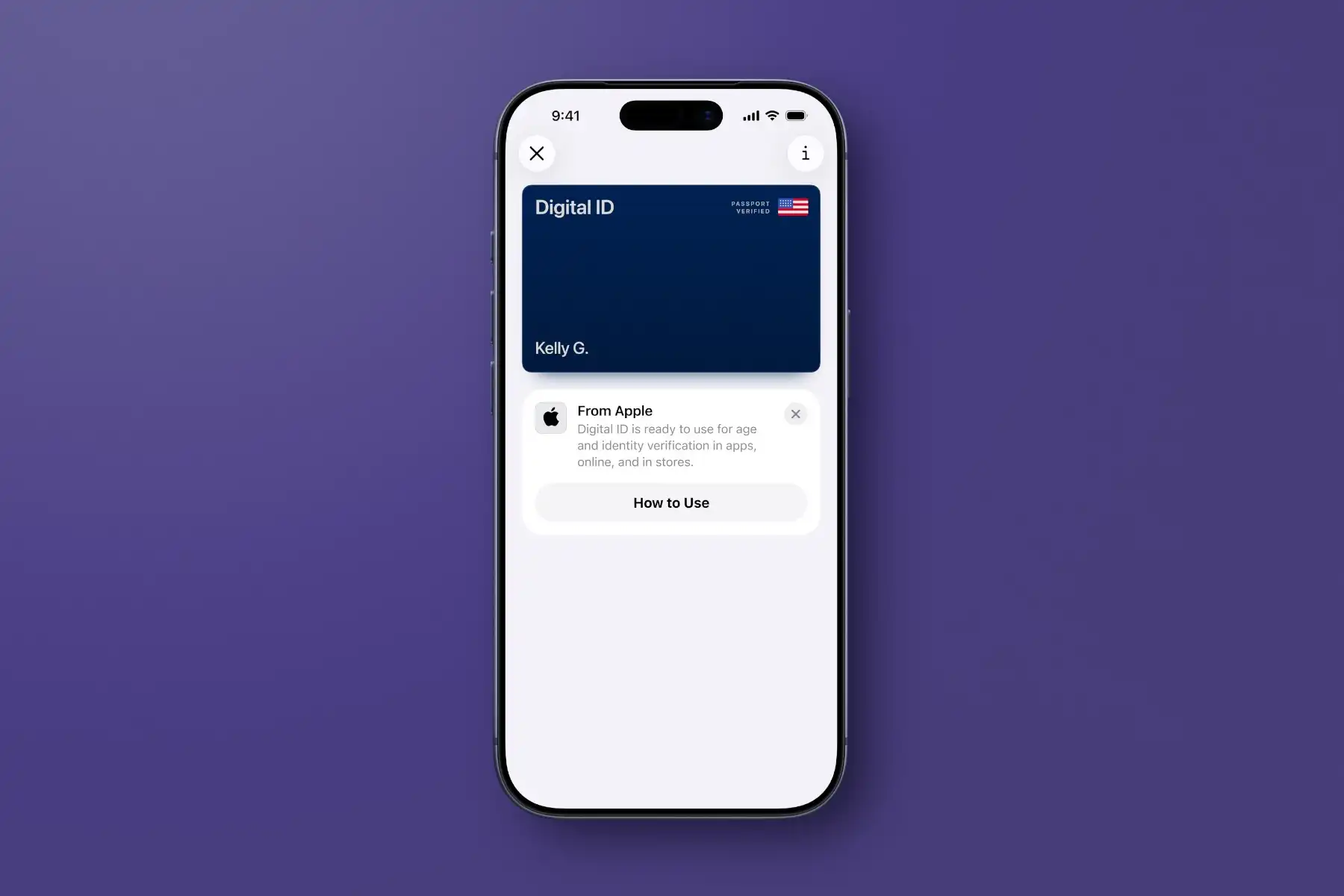
    Google Wallet is finally rolling out a previously announced feature that lets you digitize your physical passes, like transit passes, gym memberships cards, parking passes, and library cards. The feature is currently only available on Pixel phones, but will hopefully be rolled out to other Android devices in the future.

    This feature was originally teased by Google back in June, among a list of “coming soon” features for Google Wallet, as a way to save passes from an image. This opened up the possibility of digitizing a number of items you couldn’t before, however, it isn’t to be confused with the ability to digitize ID cards, or the option to use a QR code to pay on phones without NFC that rolled out in some countries.

    It is important to note that this method of adding passes requires a photo of the physical pass (or screenshot), and for it to contain a barcode or QR code. For example, I was able to add my gym membership card, but only because I was able to capture a screenshot of it from the gym’s app and this screenshot contains the QR code I usually scan to gain entrance. You will receive an error explaining the issue if you attempt to add an image that does not contain the aforementioned requirements.

    According to Android Central, this feature is just now rolling out to Pixel devices after getting pushed back to become part of the September 2023 Pixel feature drop. This means it might take a while to reach all Pixel users as so far it has only been spotted on the Pixel 8 series and the Pixel Fold.

    Additionally, there is one more design element that is making its way to Pixels as part of this update. This minor design tweak adds a toggle to enable or disable “Success animations,” which appear after completing a transaction. These fun little animations were themed and, according to some, a time-waster when trying to purchase something quickly. Thankfully, Google now allows us to completely disable them within Google Wallet’s settings.

    The new feature is a convenient way to keep all of your passes in one place and a more secure way to carry your passes. You no longer have to worry about losing physical passes or have to fumble to through different apps in order to use them.