Tag: domestic

  • Domestic Demand Dwindles in China Despite Soaring Industrial Output

    Domestic Demand Dwindles in China Despite Soaring Industrial Output

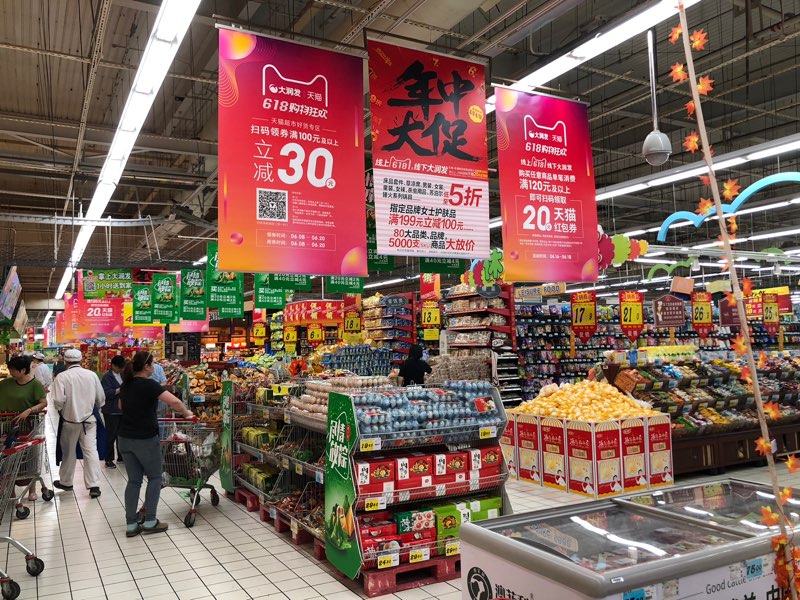
    The second-largest economy in the world is currently experiencing a dual-speed growth pattern. While factories are flourishing due to robust exports, domestic demand is on a downward trajectory due to an ongoing slump in the property market.

    In May, retail sales, which serve as a critical measure of consumption, decreased by 0.6%, a significant drop from April’s 0.2% rise, and below the predicted 0.0%. This decline in retail sales marks the first reduction since December 2022. Even the extended Labour Day holiday was unable to boost consumer morale, and the government’s consumer goods trade-in initiative is gradually losing its effectiveness. An inflated base from the previous year’s May further added to this downturn.

    According to Zhiwei Zhang, chief economist at Pinpoint Asset Management, the disappointing retail sales data puts increased pressure on the government to contemplate policy measures aimed at stabilizing consumption. “Policy ‘fine tuning’ is anticipated around July, following the release of the second quarter GDP data,” Zhang added.

    On the other hand, data from the National Bureau of Statistics (NBS) revealed that industrial output in May grew by 4.5% compared to the previous year, an increase from the 4.1% growth recorded in April. This rise surpassed the projected 4.3% increase.

    Divides in the Economy

    A boom in global AI investment and related tech demand has allowed the world’s largest manufacturer to counterbalance the anticipated export blow from the Iran war. However, a 19.4% increase in exports has yet to positively impact domestic consumption.

    The economic weakness was particularly noticeable in the automotive sector, as domestic car sales suffered a decline for the eighth consecutive month in May. This trend hints at a diminishing demand in the world’s biggest car market, a pressure that is expected to linger throughout the year.

    Senior economist at the Economist Intelligence Unit, Xu Tianchen, identified several divisions in the May economy. “The divide between domestic and external demand, the divide between AI and traditional industries, and the divide between goods retail and services consumption,” he mentioned.

    He expects the second quarter’s economic growth to slow down to 4.5% from the first quarter’s 5%.

    Growing investment weakness and ongoing property drag

    Investment figures were also significantly weaker than expected. Fixed-asset investment dropped by 4.1% in the first five months of 2025, a fall from the 1.6% decrease recorded from January to April. Economists had anticipated a 2% decline.

    According to NBS spokesperson Fu Linghui, this fall is partially due to extreme weather conditions in several regions, as well as the shift from old to new growth drivers. Fu added that China still has substantial room for future investment, with urbanisation, rural revitalisation, the development of new quality productive forces, and public service improvements all requiring support.

    Questions & Answers

    What contributed to the decline in retail sales in May?
    Several factors contributed to the decline in retail sales in May, including a lack of consumer confidence, the waning effectiveness of the government’s trade-in scheme, and a high base from the same period last year.

    How are the car sales in China currently?
    Car sales within China have been on the decline, with May marking the eighth consecutive month of decreasing sales. This is indicative of a softened demand in the world’s largest auto market.

    What are the expectations for China’s economic growth?
    It’s anticipated that China’s economic growth may slow in the second quarter, dropping to 4.5% from 5% in the first quarter. While it might not be difficult to achieve a full-year growth target of 4.5-5%, the sluggish domestic demand may necessitate policy intervention in the second half of the year.
  • Domestic Airfares Skyrocket Amid Fuel Price Hike and Supply Chain Disruptions

    Domestic Airfares Skyrocket Amid Fuel Price Hike and Supply Chain Disruptions

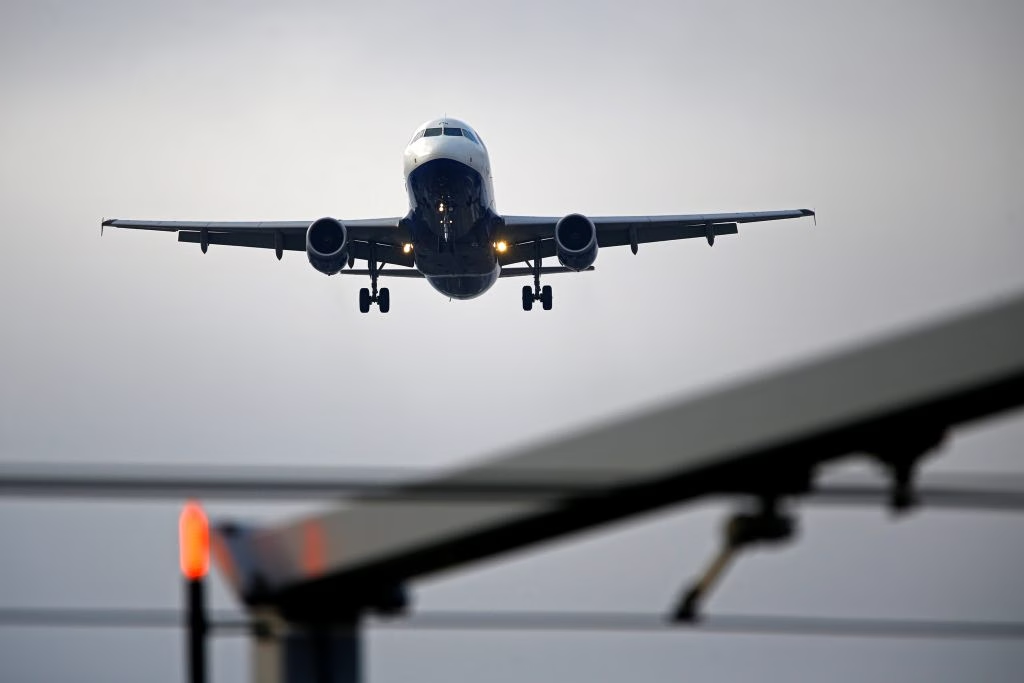
    The escalating tensions in the Middle East have disrupted fuel supply chains, leading to a rise in average domestic airfares by 15-20%. This has resulted in airlines discontinuing their low-cost options.

    Demand and Supply Imbalance

    The disruption has severely affected the airlines as domestically, Jet A1 fuel only caters to around 20% of the demand. This has forced them to depend on imports from countries that are currently imposing export restrictions such as China, South Korea, and Thailand, as stated in a fresh report by the Airports Corporation of Vietnam.

    To combat this situation, airlines have started consolidating flights and suspending overnight operations. This strategic move is aimed at increasing the number of passengers per flight and optimizing load factors.

    Impact on Aviation Operations

    As a consequence of these adjustments, there has been a significant reduction in the number of takeoffs and landings at airports managed by the Airports Corporation of Vietnam (ACV). The unavailability of affordable tickets has led to a decline in passenger demand, especially in the leisure travel segment, as per the report.

    The International Air Transport Association has reported that jet fuel prices in the Asia-Pacific region surpassed $207 per barrel in mid-April, which is 2.4 times the average price in 2025. The airlines are confronted with further challenges due to fluctuating exchange and interest rates that are negatively impacting their operational efficiency.

    Passenger Statistics

    Despite these challenges, in the previous year, ACV airports welcomed 120.3 million passengers, marking a 9.4% increase. Among these, international passengers accounted for a 14% rise, reaching 47.1 million.

    Questions & Answers

    What has caused the rise in average domestic airfares?
    The escalating tensions in the Middle East have disrupted fuel supply chains, leading to a hike in average domestic airfares.

    How are airlines dealing with the disruption in fuel supply chains?
    Airlines are consolidating flights and suspending overnight operations to increase the number of passengers per flight and optimize load factors.

    What is the impact on passenger demand due to the rise in airfares?
    The unavailability of affordable tickets has led to a decline in passenger demand, especially in the leisure travel segment.

  • Score a 30% Discount on Malaysia’s Domestic Train Routes Starting April 15!

    Score a 30% Discount on Malaysia’s Domestic Train Routes Starting April 15!

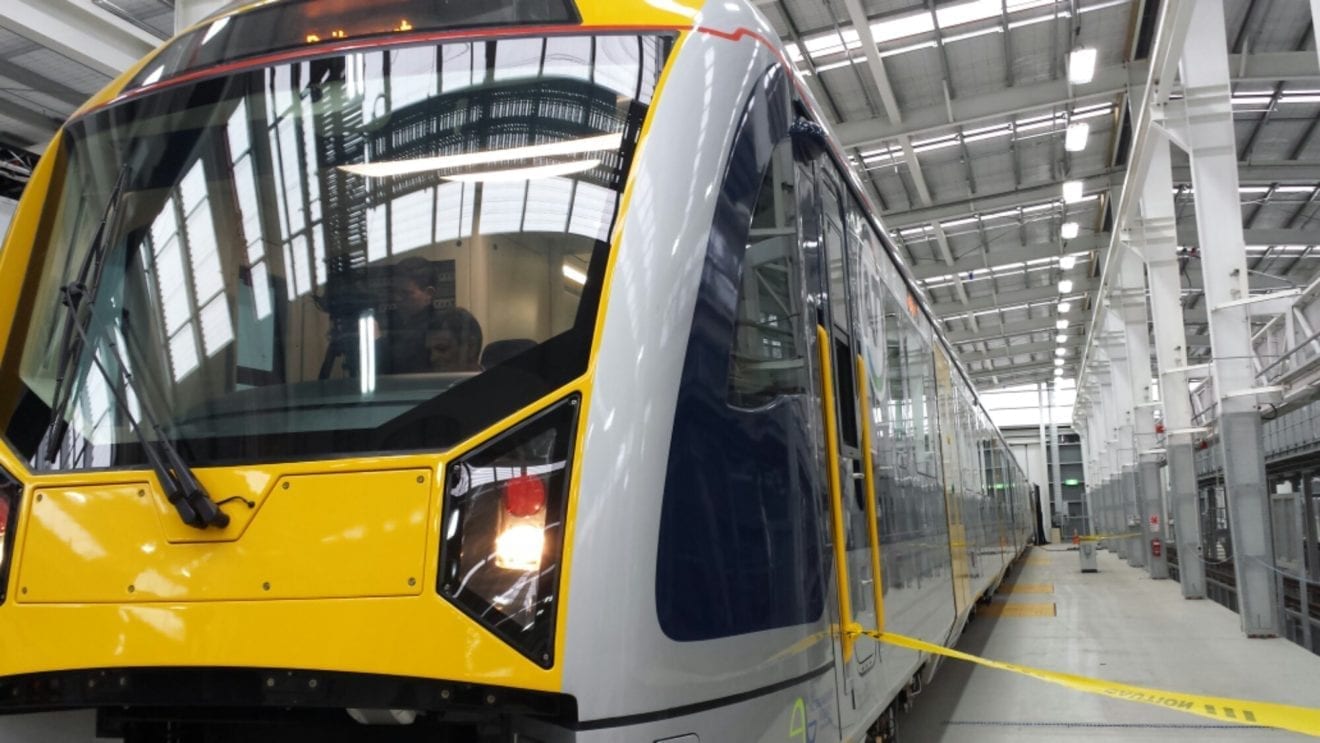
    In an effort to promote increased use of trains amidst surging fuel costs, Malaysia has implemented a 30% fare reduction on weekdays for its Electric Train Service and Ekspres Rakyat Timuran routes. This incentive is applicable for journeys between Johor Bahru Central and Tumpat in Kelantan, beginning from Wednesday, as announced by Transport Minister Anthony Loke.

    Exclusions and Discounts

    The KTM Shuttle Tebrau, which operates between Singapore and Malaysia, is not included in this discount scheme. The move is in line with the government’s objective to establish rail as the main mode of transport while concurrently lowering commuting costs.

    The discounted fares will be accessible from Monday to Thursday, excluding school holidays and public holidays. To avail of the discount, passengers are required to purchase tickets utilizing a promotional code. This code will be announced by the national rail operator, Keretapi Tanah Melayu Berhad, between April 15 and 30, valid for travel from April 15 to October 14. However, these discounted rates will not be applicable for business and first-class passengers.

    The Electric Rail Link service is also encompassed by this initiative, with two new monthly passes offering up to 90% discounts. Civil servants residing or working in Putrajaya, as well as Malaysians employed at Kuala Lumpur International Airport Terminals 1 and 2, are eligible for these passes.

    Impacts of Middle East Conflicts

    The stakes of fluctuating prices are high due to ongoing conflicts in the Middle East, a concern which the Malaysian government has raised with its citizens. Home Affairs Minister Saifuddin Nasution Ismail voiced the government’s primary challenge – preparing the public to accept the impending economic hardships.

    The government’s main priority is to protect the welfare of Malaysians and shield them from the full brunt of external economic shocks, whilst maintaining economic stability. Simultaneously, he highlighted potential risks such as disruptions to energy supplies and escalating costs.

    Despite being one of the largest oil and gas producers in the Asia-Pacific region and the world’s fifth largest exporter of liquefied natural gas in 2023, Malaysia continues to be significantly dependent on fossil fuels like coal for electricity generation.

    Questions & Answers

    What is the purpose of the fare discount?
    The fare discount aims to promote the increased use of trains amidst rising fuel costs and make rail the main mode of transport in Malaysia.

    Who can avail of the fare discount?
    Passengers travelling between Monday and Thursday, excluding school and public holidays, on the Electric Train Service and Ekspres Rakyat Timuran routes can avail of the fare discount. However, it does not apply to business and first-class passengers.

    What are the potential risks of the Middle East conflicts to Malaysia?
    The potential risks include disruptions to energy supplies and rising costs, which could have significant impacts on the Malaysian economy and its citizens.

  • Philippines Bolsters Domestic Sugar Industry with Extended Import Ban till December 2026

    Philippines Bolsters Domestic Sugar Industry with Extended Import Ban till December 2026

    The Philippine government has prolonged its prohibition on sugar imports until December 2026, given the strong domestic supply. This strategic decision is designed to provide ongoing support for local farmers and producers and maintain market stability.

    Decision Based on Sugar Production and Demand Outlook

    Agriculture Secretary Francisco Tiu Laurel stated that the decision to extend the ban was influenced by the present prospects for sugar production and consumer demand. The initial ban, which was implemented from mid-October 2025 until mid-2026, was deemed necessary due to the anticipated rise in domestic raw sugar production for the 2024-2025 crop year, as indicated by actual inventory data.

    Regulation of Molasses Imports

    In addition to the sugar import ban, the Department of Agriculture and the Sugar Regulatory Administration are in the process of establishing a long-overdue regulatory framework for the import of molasses. According to Tiu Laurel, this move will offer further protection to the domestic producers.

    Questions & Answers

    Why has the Philippine government decided to extend the sugar import ban?
    The ban has been extended in order to protect local farmers and producers and maintain market stability, given the strong domestic supply of sugar.

    What factors influenced this decision?
    The decision was based on the current outlook for sugar production and demand. An expected increase in domestic raw sugar output for the 2024–2025 crop year also contributed to this decision.

    What additional measures are being taken to protect domestic producers?
    The Department of Agriculture and the Sugar Regulatory Administration are preparing a regulatory framework for molasses imports. This move is intended to provide further protection to domestic producers.

  • L’Oréal Boosts Chinese Presence with Second Investment in Domestic Beauty Brands

    L’Oréal Boosts Chinese Presence with Second Investment in Domestic Beauty Brands

    French cosmetics giant, L’Oréal, has announced its minority stake acquisition in Chinese skincare brand, Lan, signifying its second investment in China within recent months. This investment comes at a time when local brands in China are experiencing significant growth.

    L’Oréal has chosen not to disclose the size or cost of the stake. However, Vincent Boinay, L’Oréal North Asia president and China CEO, emphasizes the importance of China in the company’s global strategy. Boinay affirms the company’s faith in China as a key player in the future of the industry.

    “This investment demonstrates our belief that investing in China equates to investing in the future. We intend to continue to nurture the Chinese market and collaborate with additional Chinese brands to create a prosperous future. Our aim is to meet the expectations of discerning Chinese consumers,” stated Boinay.

    This investment in Lan follows L’Oréal’s recent acquisition of a 6.67 per cent stake in Chando – a transaction that cost the company 442 million yuan (US$62 million), according to last month’s prospectus for the Shanghai-based company’s Hong Kong IPO.

    China’s Growing Domestic Market

    International brands have encountered challenges in China’s beauty and personal care market. This $75 billion industry has seen a growing proportion of domestic market share, known as C-Beauty, shift to local brands in recent years. This has taken place amid a backdrop of slowing overall growth, attributed to a long-standing property crisis and broad concerns over job stability.

    Investing in popular domestic brands could serve as a shortcut for L’Oréal to capitalize on the momentum of C-beauty, according to Ben Cavender, MD at Shanghai-based China Market Research Group.

    “L’Oréal, along with other international brands, are facing considerable pressure from domestic brands, which are launching new products at a faster rate and often exhibit more aggressiveness in marketing new skincare ingredients, concepts, and routines,” Cavender said.

    Last month, L’Oréal CEO, Nicolas Hieronimus revealed that the group’s China business experienced a quarterly growth of around 3 per cent, marking its first increase in two years.

    Competing with Local Brands

    Consultancy data obtained from Frost & Sullivan indicates that Chando Group ranks as China’s third-largest home-grown beauty player in retail sales, following Proya and Chicmas. Both Chando and Lan emphasize natural, clean ingredients as their unique selling points.

    Yang Hu, Apac insight manager at Euromonitor International, suggests that Chando’s stronghold in the mass-market price range (mainly retailing between 49-390 yuan) and its accessibility in China’s smaller cities could offer resources to aid L’Oréal’s recovery in the country, without directly competing with the group’s central brands.

    Questions & Answers

    Why is L’Oréal investing in Chinese brands?
    L’Oréal is investing in Chinese brands to capitalize on the rapidly growing domestic market, which could provide a platform for their expansion and recovery in China.

    What challenges are international brands facing in China’s beauty market?
    International brands are facing pressure from domestic brands, which are launching new products more rapidly and executing more aggressive marketing strategies for new skincare ingredients, concepts, and routines.

    How is L’Oréal’s investment in Chando aiding their position in the Chinese market?
    Chando’s stronghold in the mass-market price range and its accessibility in China’s smaller cities could offer resources to aid L’Oréal’s recovery in the country, without directly competing with the group’s central brands.

  • Cyberattack Paralyzes Production At Asahi Group: Operations And Timeline In Question

    Cyberattack Paralyzes Production At Asahi Group: Operations And Timeline In Question

    Asahi Group Holdings, a prominent Japanese beer and beverage corporation, has been unable to restart production at its domestic factories following a cyberattack, according to a company spokesperson. The timeline for resuming operations remains uncertain.

    Production Halted

    The company has a network of 30 manufacturing facilities throughout Japan, all engaged in the production of beer, beverages, and food products. Currently, the company is conducting a thorough investigation to determine if all of its plants have ceased production, the spokesperson revealed.

    Operations Suspended

    Asahi Group Holdings, the company behind popular brands such as Asahi Super Dry Beer, Nikka Whisky, and Mitsuya Cider, announced that due to a system outage caused by a cyberattack, its Japanese group companies have temporarily suspended operations. This includes tasks like order processing, shipping, and call centre functions. Fortunately, the company has confirmed that there has been no leakage of personal information as a result of the cyberattack.

    Questions & Answers

    What impact has the cyberattack had on Asahi Group?
    The cyberattack has forced Asahi Group to halt production at its domestic factories, suspend order processing, shipping, and call centre operations. The company is currently unable to predict when normal operations can be resumed.

    Has all production been stopped at Asahi Group’s plants?
    The company is investigating to establish whether all its 30 factories in Japan have suspended production in the aftermath of the cyberattack.

    Was any personal information leaked as a result of the attack?
    According to the company’s spokesperson, no personal information has been leaked due to the cyberattack.

  • AirAsia boosts domestic and international flights

    AirAsia boosts domestic and international flights

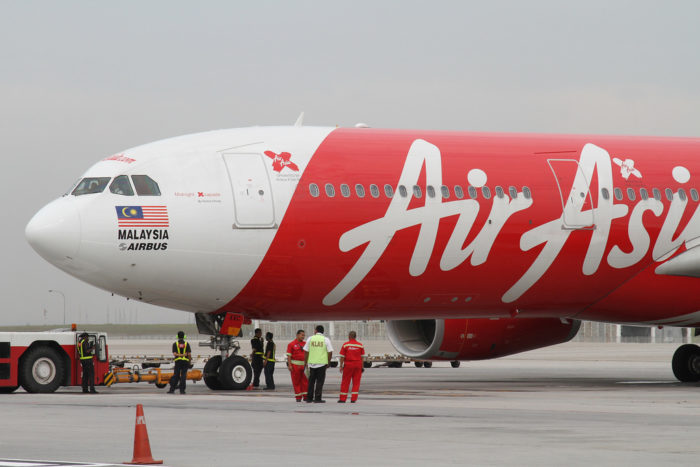
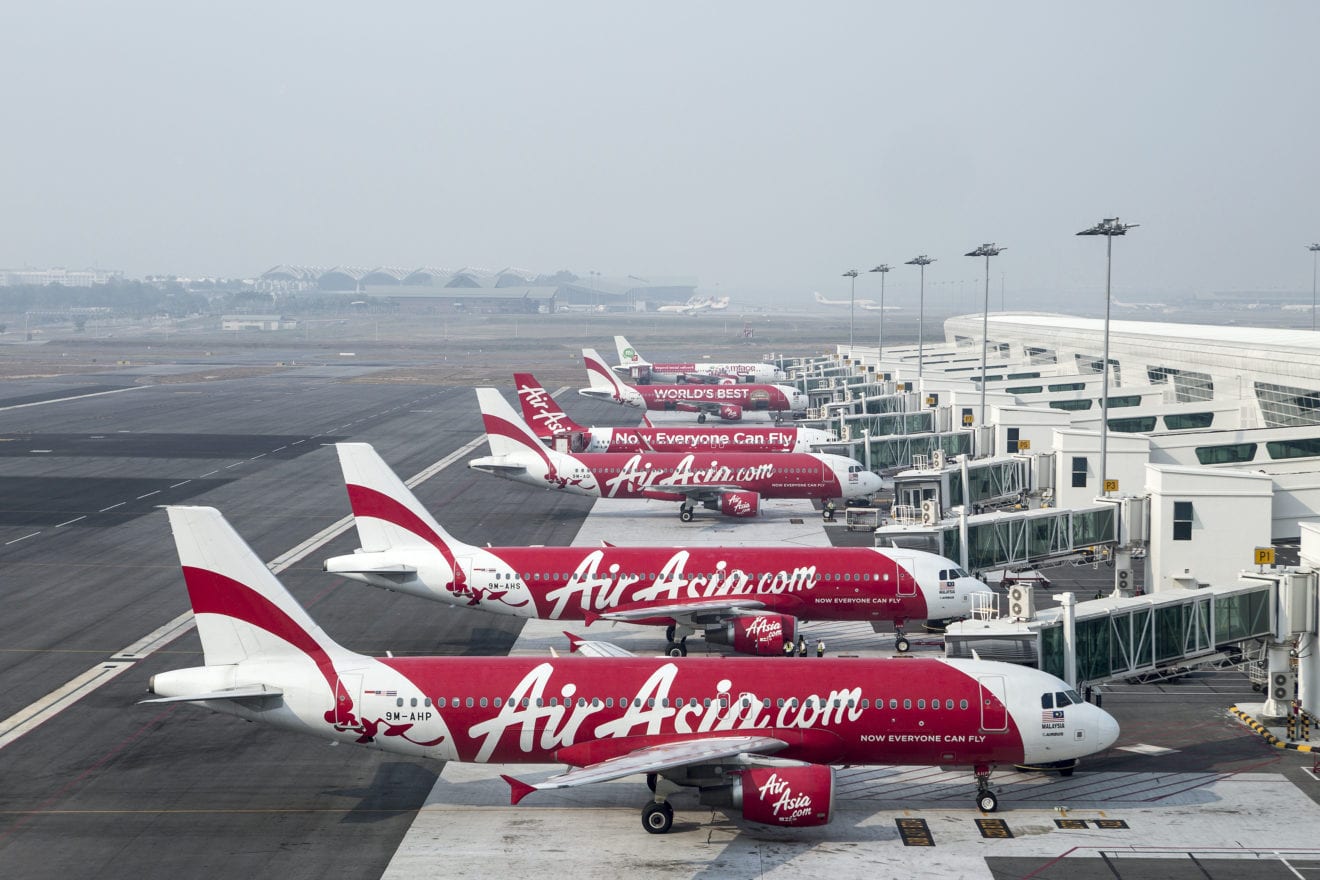
    AirAsia gears up for the nation’s reopening by adding more international routes to cater for significant pent-up demand ahead of Malaysia reopening borders to international travel 1 April.

    With the continued easing of travel restrictions, the airline group increased domestic flight capacity in Malaysia by 156% since October 2021, when it kickstarted the Langkawi travel bubble scheme.

    It has also increased international flights by 50% since the Malaysian government’s 8 March announcement confirming the reopening of borders on 1 April.

    Currently, the airline has 75 aircraft operating flights across the group serving Thailand, the Philippines, Indonesia, Cambodia, Singapore and Vietnam.

    AirAsia Aviation Group CEO Bo Lingam said:  We’re thrilled to be resuming more flights in all of our core markets in Malaysia, Thailand, the Philippines and Indonesia and to be adding additional services to some of AirAsia’s most popular international destinations, including Bali, Manila, Bangkok, Ho Chi Minh City, Phuket and more, starting in April. Domestic flying also continues to soar across the group. We have recently  launched four new domestic routes in Malaysia from Kuching to Langkawi, Penang to Sibu, Johor Bahru to Bintulu and Kota Kinabalu to Kuala Terengganu this year.

    “While our domestic services across the group have grown by 156% in recent months due to significant consumer demand, and by 50% for international, we expect to return to 100% or more of pre-Covid domestic and international flying by the end of this year.”

    To spur travel demand and bookings to destinations such as  Singapore, Vietnam, the Philippines, India, Thailand, Indonesia, the Maldives, Brunei, Cambodia, Sri Lanka, Laos, Bangladesh, the airline group is pegging fares as low as MYRM89 one-way, while domestic routes are on sale from just MYR39 one-way.

    Travelers can book cheap fares through the ‘Flights’ option in the AirAsia Super App from now until 27 March 2022 for travel between 1 April and 25 March 2023.

  • AirAsia adds more domestic flights as demand surges

    AirAsia adds more domestic flights as demand surges

    Beginning April 1, AirAsia Philippines is adding more weekly flights to the country’s top tourist destinations, including Boracay, Puerto Princesa and Cebu, after seeing a recent surge in bookings.

    The low-cost airline, in a statement on Friday, said that it will increase by at least ten times the weekly flight frequencies to Kalibo, Boracay, Iloilo, Tacloban, Panglao, Puerto Princesa, Bacolod, Davao and Cebu next month in anticipation of foreign arrivals amid the easing of mobility restrictions.

    “The influx of foreign tourists into the country will definitely signify the strong recovery of the Philippine aviation industry. Our guests’ eagerness to travel has already manifested with the increase in AirAsia’s forward booking from 30 to 60 days,” AirAsia Philippines spokesperson Steve Dailisan said.

    As of March 18, Dailisan said they are “seeing a 97-percent increase in seats sold for travel in the month of April alone, with Boracay, Bohol, Cebu, Kalibo and Puerto Princesa on the top spots of the most booked destinations.”

    For fully vaccinated foreign visitors, the airline said that vaccination cards are the only entry requirement.

    By April 8, AirAsia will add Dumaguete City, which is the gateway to Negros Oriental, every Monday, Wednesday, Friday and Sunday in its route network.

    Manila-Roxas flights, meanwhile, will be available beginning June 16.

    The airline also offers an add-on comprehensive travel insurance plan for as low as P230 for foreign and local travelers as an “added layer of safety and protection.”

    AirAsia Philippines is ramping up its vaccination efforts with 85 percent of its workforce having received COVID-19 booster shots.

  • Vietnam Airlines to resume all domestic flights

    Vietnam Airlines to resume all domestic flights

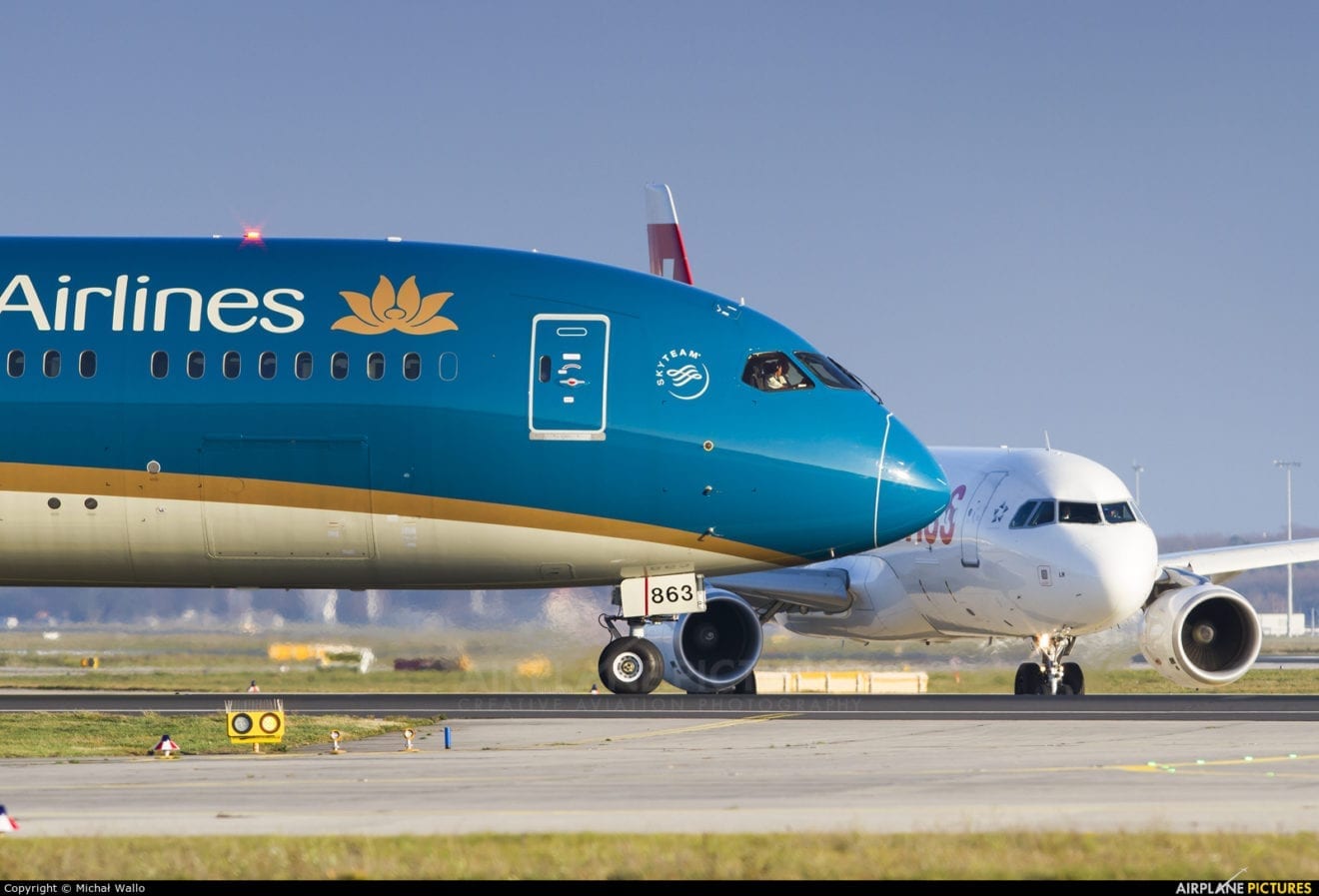
    Vietnam Airlines is set to gradually resume flying on 40 routes, or nearly its entire domestic network, by next month, prioritizing Hanoi, HCMC and Da Nang.

    Several flights are set to be resumed to the southern archipelago Con Dao Island, the central highlands province of Buon Ma Thuot and the northern province of Dien Bien from Thursday to Nov. 30.

    The group, which comprises low-cost carrier Pacific Airlines and Vietnam Air Services Company (VASCO), will start conducting 90 routes a day from Thursday and will increase the figure to 120 from the end of this month.

    There will be three flights a day between Hanoi, HCMC and Da Nang City. For the other locations the group will try to have at least one route a day, which could rise to two depending on demand.

    Passengers can fly if they have been fully vaccinated for at least 14 days, or to have recovered from Covid-19, or to test negative within 72 hours.

    Vietnam Airlines Group started resuming its domestic flights from Oct. 10. As of Tuesday it had conducted around 150 flights carrying nearly 12,000 passengers on 16 flight routes.

  • AirAsia to reopen all Malaysian routes, push for overseas flights

    AirAsia to reopen all Malaysian routes, push for overseas flights

    AirAsia sees brighter skies ahead after Malaysia lifted interstate travel restrictions, with the low-cost carrier also pushing to restart international flights to Thailand, Sri Lanka and the Maldives as early as next week, its president told Nikkei Asia.

    Bo Lingam, AirAsia Group’s president for airline operations, said in an interview Monday that the company is “very relieved” with the government’s decision to reopen domestic borders as it will benefit both the carrier and its workforce.

    The airline aims to go big on domestic travel by reaching a pre-pandemic capacity of 39 local routes and 169 daily flights by late November, according to Bo.

    “We will open all domestic destinations that we were flying pre-COVID by the end of next month, involving over 45 aircraft,” he said.

    The comments came after the federal government on Monday allowed interstate travel nationwide. The airline was hit hard by the coronavirus pandemic, with hundreds of its employees retrenched and aircraft idled after domestic and international borders were closed and travel limited.

    The government of Prime Minister Ismail Sabri fully reopened state borders in the Southeast Asian country for the first time this year, allowing millions of residents to travel for business and leisure. Fully vaccinated Malaysians can also head overseas without police approval.

    Air travel is indispensable in Malaysia as the country’s states are spread across the Malay Peninsula as well as the island of Borneo to the east across the South China Sea.

    “The resumption of domestic service will be extremely good financially, for the airline as we would be able to pay pending bills from our suppliers who have been very nice to us to date,” Bo said.

    He added that the carrier is also looking to begin commercial international flights to Thailand, Sri Lanka and the Maldives as soon as next week.

    “We have applied for permissions in these countries and expect to receive them next week, after which we can sell tickets and fly passengers,” he said.

    AirAsia’s share price jumped almost 10% on Monday, settling at 1.28 ringgit — the highest since February 2020 and outpacing the Bursa Malaysia index’s gain of almost 1%. On Tuesday, the airline’s shares fell 3% to 1.25 ringgit at midday.

    The airline’s net loss in 2020 ballooned to 5.1 billion ringgit ($1.2 billion) from red ink of 315.8 million ringgit in 2019. Revenue also plunged from 11.9 billion ringgit in 2019 to 3.1 billion ringgit last year.

    For the first half of 2021, the airline reported a net loss of 1.3 billion ringgit from 1.8 billion ringgit net profit during the same period of last year. Revenue, meanwhile, tumbled to 686.8 million ringgit from 2.5 billion ringgit.

    AirAsia was recently granted a federal government-guaranteed 500 million ringgit loan under a framework introduced to assist companies directly affected by the pandemic. The loan was part of the 2 billion ringgit fundraising exercise mooted by the airline’s founder Tony Fernandes last year.

    The airline carried 19 million domestic passengers in 2019 but that plunged to 6.3 million last year. It has flown less than 1 million passengers between January and October this year as controls on movement were strengthened to curb the third and fourth waves of coronavirus infections.

    Bo also said the airline would reinstate some 300 employees currently on furlough to operate the domestic flights. Since last year, the airline has reduced head count by not renewing contract workers, retrenchments and furloughs.

    “We would exhaust employees under furlough first, then look at rehiring those we had laid off as the capacity grows,” he said.

    Experts say that while the return of interstate travel is undoubtedly a plus for AirAsia and competitors including Malaysia Airlines, it is far from a panacea.

    Brendan Sobie, an independent analyst at Sobie Aviation, believes domestic passenger traffic could approach pre-pandemic levels by the end of this year, though heavy competition and overcapacity — similar to the industry situation before the pandemic — will weigh on further growth for the carrier.

    “All airlines in Malaysia were unprofitable in 2019 and while domestic demand may now recover, many of the issues from prior to the pandemic have not been resolved, making a return to profitability difficult,” he said.

    Shukor Yusof, an aviation consultant at Endau Analytics said the surge in domestic travel demand would help AirAsia, though “it won’t be anywhere enough to fix its battered bottom line.”

    While Shukor said the Malaysian travel resumption itself is not an indication of a revival for the airline industry in Southeast Asia, he does view AirAsia as the carrier with the best long-term potential for post-pandemic growth.

    “It’s a critical stage as key countries for tourism — Indonesia, Thailand, the Philippines — are still struggling to control the virus and there’s little coordination amongst ASEAN members to find a solution to allow intraregional air travel,” he said.

    According to Sobie, Malaysian carriers need a recovery in both international and domestic travel to heal financially.

    “There is now light at the end of the tunnel and the overall sentiment is more positive but the road to recovery will be long and filled with twists and turns,” he said. “The darkest days should be behind AirAsia but the outlook remains relatively challenging.”

  • Full flight load to Langkawi signals strong rebound for domestic air travel

    Full flight load to Langkawi signals strong rebound for domestic air travel

    AirAsia’s inaugural service from Kuala Lumpur to Langkawi on Thursday (Sept 16) morning under the travel bubble recorded a 100% flight load, the carrier says, signifying a strong rebound for domestic air travel.

    The low-cost carrier said the maiden flight, the first of nine scheduled daily flights from Kuala Lumpur, left KLIA2 at 9.50am utilising an Airbus A321neo.

    “Aside from Kuala Lumpur (63 flights weekly), AirAsia also has flights to Langkawi departing from Penang (14 times weekly), Johor Baru (seven times weekly), Ipoh (three times weekly) and Kota Baru (three times weekly), making a total of 90 weekly flights,” it said in a statement.

    AirAsia Malaysia chief executive officer Riad Asmat said over 200,000 seats to Langkawi were sold in less than a week.

    “To facilitate this movement, we have prepared extensively and implemented robust and comprehensive health and safety protocols to ensure all of our guests can travel safely, with our 100% vaccinated crew and frontliners.

    “After months of preparation, we are thrilled to get the country flying again and are ready to scale up our operations to meet overwhelming demand.

    “We hope more travel bubbles will be established across the country soon in line with the accelerated vaccination roll-out, and eventually across the region when it is safe to do so,” he added.

  • Vietnam stops selling domestic flight tickets

    Vietnam stops selling domestic flight tickets

    The Civil Aviation Authority of Vietnam (CAAV) on Monday requested airlines to stop selling tickets for domestic flights until further notice.

    Airlines would need to refund tickets for customers who’ve already purchased theirs from July 21, the CAAV added.

    The number of flights from cities and localities under Covid-19 social distancing orders as dictated by Directive 16 would be limited as well, it said.

    Since July, the CAAV has requested airlines to limit the number of flights from socially distancing localities to Hanoi amid concerning coronavirus threats. The Hanoi-HCMC flight route, an important one, has been limited to two flights a day at maximum.

    Domestic flight passengers must present effective negative coronavirus test papers.

    Vietnam closed its borders and canceled all international flights in March last year, and has since allowed only certain categories of visitors with strict Covid-19 quarantine requirements.

    The country has recorded 445,292 local Covid-19 cases since the fourth coronavirus wave hit Vietnam in late April.

  • High costs a drag on domestic logistics industry

    High costs a drag on domestic logistics industry

    High costs and delivery failure rates continue to plague local logistics companies, which are unable to compete with foreign-owned rivals.

    Dao Trong Khoa, vice president of the Vietnam Logistics Business Association (VLBA), said the cost of logistics in Vietnam is equivalent to 20 percent of GDP while the global average is around 11 percent.

    The delivery failure rate is around 10 percent, adding to the cost of logistics as businesses have to bear additional expenses for storage and inventory management.

    The vast majority of domestic logistic companies are small ones that primarily provide low-value-added services and intensely compete among themselves.

    The lack of coordination among them means they are unable to compete with multinational companies, who have grabbed an 80 percent market share.

    Deputy Minister of Industry and Trade Tran Quoc Khanh said local logistics companies have to find new spaces to grow.

    Tran Trung Hung, general director of Viettel Post, warned they would continue to languish if there is no technical innovation, especially in digital transformation.

    Do Huy Binh, director of the digital solutions provider Smartlock, said digital transformation is key to reducing costs, and logistics companies could cut up to 30 percent of their costs. “Investment in technology is a no-brainer for logistics companies; it is a step into the future.”

    According to the VLBA, there are around 30,000 logistics companies in the country, 4,000 of them foreign-owned.

    The industry is growing at 12-14 percent annually and is now worth $40-42 billion.

  • Tony Fernandes says AirAsia ‘can survive’ just on domestic traffic

    Tony Fernandes says AirAsia ‘can survive’ just on domestic traffic

    AirAsia Group Bhd group CEO Tan Sri Tony Fernandes said the budget airline “can survive” just on domestic traffic, which is about 50% of the group’s business.

    “That is very different from Singapore Air (Singapore Airlines) or JAL (Japan Airlines Co Ltd) or ANA (All Nippon Airways Co Ltd),” Fernandes was quoted as saying.

    At the same time, Covid-19-related disruptions can actually make doing business easier, quoting Fernandes.

    It was reported that it took Fernandes seven years to get the Kuala Lumpur-Singapore route for AirAsia Group.

    “(But) it took me seven weeks to open AirAsia food in Singapore,” Fernandes said.

    For all the pain due to the Covid-19 pandemic, it was reported that Fernandes concluded this a “once-in-a-lifetime chance where you can really pivot”.

    It was reported that AirAsia Group under Fernandes’ leadership is pivoting into fintech and payments in a big way.

    It was reported that the group is working on opening a new neobank in Malaysia and Singapore, by tapping into the region’s biggest loyalty program

    “This fintech footprint is expanding to Singapore and soon to Indonesia, the Philippines, and Thailand.

    “AirAsia’s logistics arm has also rolled out a digital network to modernize air cargo using distributed ledger blockchain technology, called Freightchain.

    Logistics, it turns out, “is the real jewel in the crown that I never really saw”, Fernandes said.

  • AirAsia sees more layoffs if April domestic flights stay grounded

    AirAsia sees more layoffs if April domestic flights stay grounded

    Low-cost carrier AirAsia is ready to furlough more workers unless domestic coronavirus travel curbs end next month, even as the company speeds expansion of its non-airlines business to fill an earnings hole, top executives told Nikkei Asia.

    The airline founded by local tycoon Tony Fernandes and its budget model have been hammered by the drop in international air travel, while movement restrictions between states in Malaysia are also choking revenue. AirAsia Group President Bo Lingam said in an interview with Nikkei that it is critical for internal routes to reopen.

    “We would prefer [this] as soon as possible, but I think the green states can be opened first, and we would appreciate if it’s by next month,” he said, referring to the end of April. Green states are those with lower new COVID-19 cases, namely Melaka, Pahang, Terengganu, Sabah and the federal territories of Putrajaya and Labuan.

    The Malaysian government has not said when it will reopen domestic travel nationwide despite pressure from lobby groups, including hotels, tour operators and airlines.

    If the interstate travel ban remains into May, the company would have to dismiss more employees on a furlough basis, Bo said, adding to 3,000 mostly pilots and back-office staff already hit by the measure.

    Furloughed workers receive medical and travel benefits until called back to work. “We will pay them medical benefit[s] in full just like pre-COVID-19 and they would be first to be recalled once we fly our airplanes again,” said Bo, who has been with the company for over 21 years

    The carrier is ready to begin domestic or international travel when allowed, he said. “All necessary safety checks are always done and we have standby employees to be recalled, so we are ready anytime,” he said.

    AirAsia’s finances are clearly hurting. It suffered a net loss of 2.7 billion ringgit ($650 million) for the first nine months of 2020 compared with a net profit of 80.7 million ringgit the previous year. Revenue fell 68% to 2.9 billion ringgit from 9.1 billion ringgit. Fourth-quarter results are expected this month, with analysts forecasting a turn to profitability not before 2022.

    Bo said the airline is no longer accepting new jet deliveries from its primary supplier, Airbus. AirAsia is the European manufacturer’s largest customer in the single-aisle segment and was supposed to receive a combined 46 planes in 2020 and 2021 — mostly new A321s.

    “We have stopped taking in any deliveries because we have no place to park anymore and it’s a waste of resources,” he said. “We plan to take five aircraft next year only if the situation improves.”

    The carrier, known for its bright red and white fleet, is currently raising 2.5 billion ringgit as working capital, which includes a loan of 300 million ringgit from Sabah state-owned Sabah Development Bank. It is also seeking a guaranteed loan from the federal government aimed at companies hurt by COVID-19.

    The airline also completed the first tranche of its private placement of up to 20% of the group’s total issued shares last month, raising over 250 million ringgit.

    With the outlook for air travel uncertain, AirAsia Digital — the holding company for its growing non-airline businesses — may spinoff within the next 3 to 5 years, Aireen Omar, the AirAsia Group president who manages it, told Nikkei in a separate interview.

    Aireen said the group is trying to lure new investment by bolstering core businesses, which include restaurants, food delivery and courier services.

    The group’s chain of Santan restaurants is expected to expand into Indonesia, Thailand and the southern Chinese city of Shenzen by the end of the year, she said. Santan — which means coconut milk in Malay — is a staple ingredient in Southeast Asian cooking.

    “We’re expecting to have about 60 restaurants by year-end from the current 13,” Aireen said, adding that all new locations will be franchises.

    “We are already receiving a lot of interest and evaluating our potential first investor. All of them want to come on board early before an IPO,” she said, adding that the business has drawn attention from large funds and family offices.

    But Aireen stressed that AirAsia does not intend to keep raising funds via numerous crowdfunding rounds favored by tech startups. “We want to be responsible and want a set of stakeholders to answer to,” she said.

    The pandemic has forced AirAsia to move into non-airline businesses faster than envisioned. “The road map which was supposed to take us three years was squeezed into the last nine months,” she said.

    According to group president Bo, AirAsia expects its international routes will not resume until the fourth quarter provided Malaysia’s immunization program, which began late last month, continues as planned. Southeast Asian destinations are expected to resume first, he said.

    He urged the Association of Southeast Asian Nations to come up with a travel policy in the next few months that can be used by all member countries to smooth the way.

    “One policy for the region would ease processes rather than having customized rules for every country,” he said.

    Bo added that in preparation for the return of international travel, AirAsia has already started working to update its mobile app and website to allow customers to upload proof of digital vaccination.