Tag: domestic

  • More domestic firms enter list of best workplaces

    More domestic firms enter list of best workplaces

    Though foreign firms continue to dominate the best workplace list, things are changing with more and more Vietnamese companies making the cut.

    The latter accounted for half of this year’s top 20 in the 100 Best Places to Work survey released on Thursday by career network service Anphabe and market researcher Intage Vietnam.

    Vietnamese dairy giant Vinamilk remained the best company for the third year in a row, followed by lender Vietcombank, Swiss-based food giant Nestle, telecom giant Viettel, and American multinational medical devices and health care company Abbott Laboratories.

    Last year there had been only eight Vietnamese firms in the top 20.

    The survey polled 71,450 employees at 559 international and domestic companies and ranked the latter based on employees’ salaries and bonuses, welfare, and work-life balance.

    Many Vietnamese firms made leaps up the list, including private conglomerate Vingroup (23rd to 11th), food giant Masan Group (32nd to 17th), dairy producer Nutifood (31st to 25th), and technology company FPT (35th to 15th).

    Real estate firms Hung Thinh Group and Nam Long Group and telecom operator Vietnam Posts and Telecommunications Group made the list for the first time.

    Overall, there were 35 local firms in the top 100. Once again multinational Unilever failed to make it.

  • Domestic aviation on the road to recovery

    Domestic aviation on the road to recovery

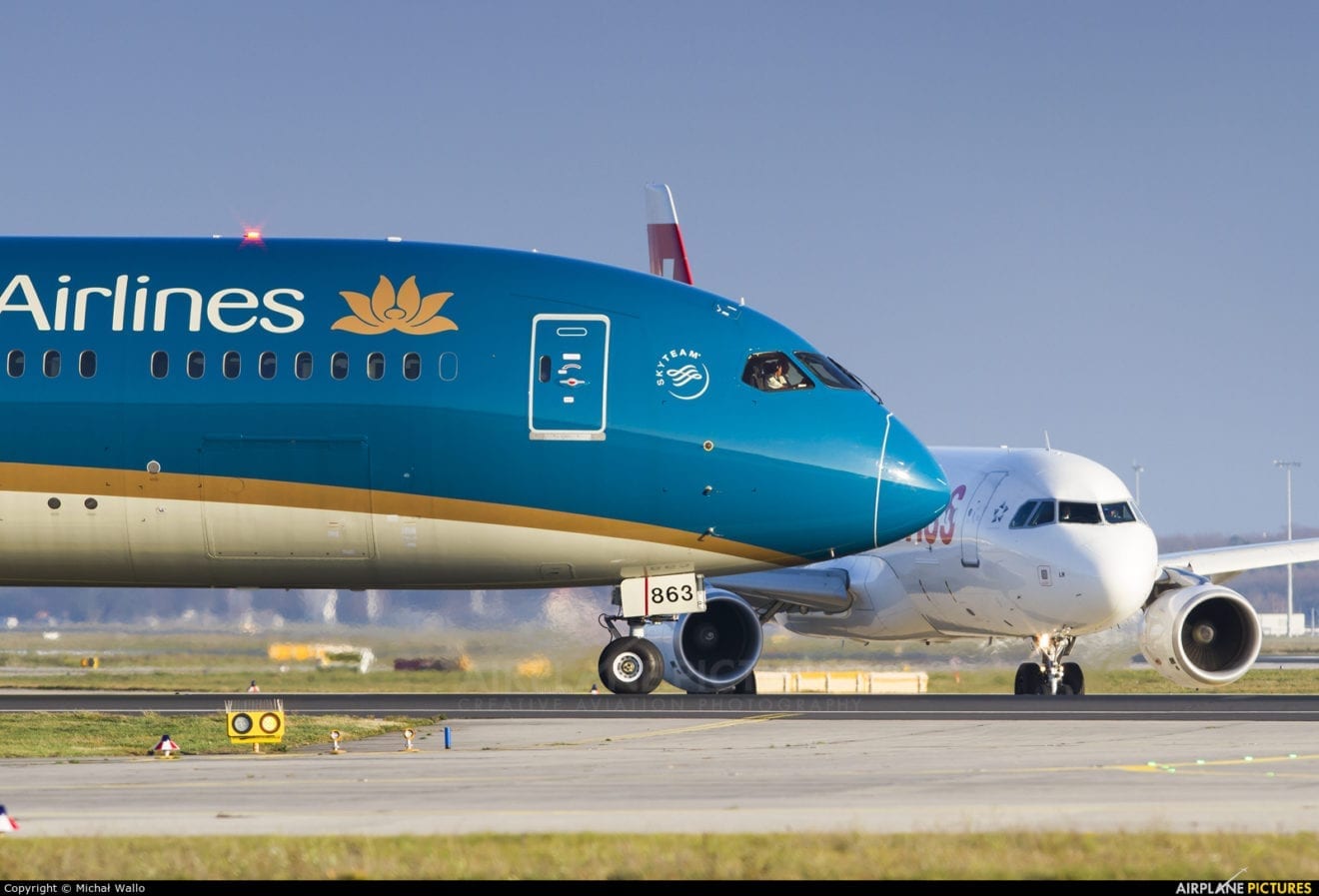
    Vietnam’s aviation industry is gradually recovering with passenger numbers heading toward pre-pandemic levels after a months-long slump. Noi Bai International Airport in Hanoi handled 29,000 passengers daily during the weekend, nearly triple the daily average of August when there was a Covid-19 resurgence.

    To Tu Ha, deputy director of the airport, said there has been a weekly increase of 15 percent since the beginning of September. “As Vietnam is doing well in controlling the pandemic, we expect domestic travel growth to be maintained for the rest of the year as traveling abroad is mostly limited.”

    International flights have been halted since March. Vietnam Airlines currently operates 200 flights a day, with the number of passengers rising from 17,500 in August to nearly 40,000 now.

    It resumed services on six domestic routes this month and increased the frequency of eight others. It plans to resume flying on six more routes next month, including popular travel destinations Da Lat in the Central Highlands and Nha Trang and Da Nang in the central region.

    “The growth in a number of passengers will help us pare trillions of dong in losses from our earlier forecast,” a spokesperson said. The airline had forecast a loss of VND13 trillion ($560 million). Bamboo Airways is also recovering with the number of passengers doubling this month to 12,000-15,000.

    “We expect strong growth in the routes between Hanoi and Ho Chi Minh City and Con Dao Island,” a spokesperson said. Budget airline Vietjet said passenger numbers have risen by 30 percent since last month though still less than in September last year.

    A spokesperson for Vietjet said: “As the aviation market recovers, losses are being reduced. But airlines continue to face difficulties and we still need government support with taxes and fees.”

    Vietnamese carriers are also expecting a revenue boost from the resumption of flights to seven destinations including Japan, South Korea, China, and Thailand, a proposal the government has approved.

    But Dinh Viet Thang, head of the Civil Aviation Authority of Vietnam, said Tuesday that flights to these destinations have not resumed due to the need for Vietnam and these countries to first reach agreement over-testing, immigration, and quarantine protocols.

    Another challenge is that both Vietnamese and foreign carriers are having trouble identifying businesspeople and “experts,” the only categories of non-diplomatic passengers allowed to enter Vietnam, he added.

    The CAAV wants the Ministry of Public Security and Ministry of Foreign Affairs to take this into consideration when issuing visas so that airlines could sell tickets to the right passengers.

    Vietnamese airlines carried 24.2 million passengers in the first eight months, down 35.1 percent year-on-year, according to the General Statistics Office.

  • Cebu Pacific resumes some domestic flights yesterday

    Cebu Pacific resumes some domestic flights yesterday

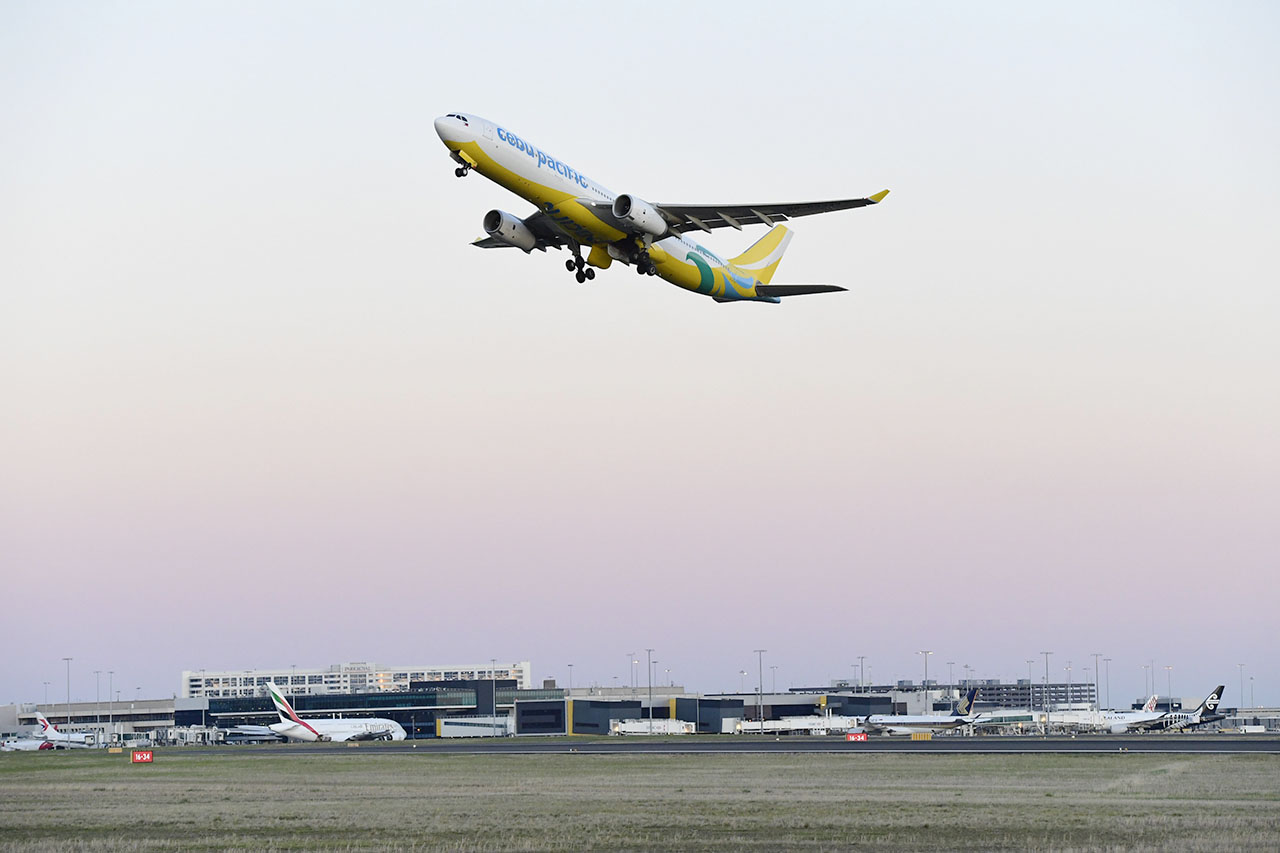
    Budget airline Cebu Pacific on Saturday said it would resume some domestic flights by June 2, but international flights would remain suspended from June 1 to 30.

    “We will continue to work with the Inter-Agency Task Force (IATF), as well as other national and local government authorities, on the rules and requirements to resume commercial passenger flights between areas under General Community Quarantine (GCQ),” Cebu Pacific said in a statement.

    “In Manila, all flights will depart and arrive from the Ninoy Aquino International Airport Terminal 3. All International flights remain suspended from June 1 to 30, 2020,” it added.

    The airline management reiterated that leisure travel was still prohibited by the government.

    It added that guests should check guidelines from the ”IATF and with the local governments of their origin and destination for the required documents.“

    Cebu Pacific also said they will provide updates on flight schedules from June 5 onwards as they “build-up domestic flight network, depending on market demand, quarantine restrictions and government regulations.”

  • AirAsia to resume Philippine domestic flights starting June 3

    AirAsia to resume Philippine domestic flights starting June 3

    AirAsia announced on Sunday that it will be resuming its domestic flights starting June 3 as quarantine protocols are eased in several areas in the country including Metro Manila.

    In an advisory, AirAsia said that resumption of services will gradually increase to include international destinations by July 1.

    Selected domestic flights are available for booking via the airline’s website or mobile application. Travelers can also use their credit accounts to redeem these flights.

    AirAsia also announced that operations for domestic flights will be temporarily moved to Terminal 3 of the Ninoy Aquino International Airport from its previous location at Terminal 4.

    Travelers were advised to expect enhanced safety measures which include the mandatory wearing of face masks to be permitted to travel, among others.

    AirAsia Philippines CEO Ricky Isla said assured the traveling public that they are “well prepared to welcome everyone aboard.”

    “During the hibernation of our fleet, we took the time to step up our handling procedures to ensure that our guests have a swift and safe journey with us. Needless to say, we are well prepared to welcome everyone on board,” Isla said.

    “As we resume our services around our network, AirAsia is determined to help rebuild our economy and country,” Isla added.

    Other airline companies such as Philippine Airlines and Cebu Pacific have earlier announced the resumption of some flight operations this June.

  • Domestic online E-commerce spending up

    Domestic online E-commerce spending up

    Online spending on local sites has strengthened in July and helped to boost the country’s total online retail sales compared to the previous corresponding period.

    Spending on New Zealand sites rose 18 percent compared to the previous year – again driven by food and grocery categories in recent months.

    New Zealand’s total online retail spending in July was 9 percent higher than a year ago. Excluding the food and liquor sectors, annual online spending was equivalent to 11.1 percent of retail sales, according to both Statistics New Zealand and Bank of New Zealand’s indices.

    Spending growth at offshore sites fell slightly in July, with online spending down 3 percent on July last year.

    Spending on entertainment media among international e-commerce companies grew strongly but was offset by broad-based softening across most other categories at offshore sites.

    Gary Baker, director of institutional research at Bank of New Zealand, said annual online spending across the retail categories they cover is running at just over $4.6 billion, excluding GST.

    “This is equivalent to 8 percent of total retail sales reported in Statistics NZ’s Retail Trade Series (RTS), comparing like-for-like categories,” Baker said.

  • AirAsia India to start direct Delhi-Chennai flight from September

    AirAsia India to start direct Delhi-Chennai flight from September

    Budget carrier AirAsia announced a new direct Delhi to Chennai flight. The new flight will be introduced from September 2019. The sale of tickets will begin on 20 September. The tickets can be booked through airasia.com or the AirAsia mobile app.

    “The new daily direct flight between Chennai and New Delhi will help boost our operations in Chennai. We have also increased the frequency between Chennai and various other destinations like Bangalore, Hyderabad and Kolkata,” the airline said in a statement.

    AirAsia will also operate a third daily flight between New Delhi and Kolkata.

    The Bengaluru-headquartered airline is also set to launch additional flights on New Delhi-Kolkata route from 20 September.

    The airline has also increased the frequency and introduced a fourth service on the Delhi-Bengaluru route.

    AirAsia India currently flies to 19 destinations with a fleet of 22 aircraft.

    Air Asia India, which started operations in June 2014, is a joint venture between Tata and AirAsia Berhad. It currently operates 164 flights a day, covering 19 destinations and carrying over 25,000 passengers.

    The budget carrier has already started daily direct flight on the Delhi-Chandigarh route from 1 August onwards. The launch fare on Delhi-Chandigarh route is 1,365, the airline mentioned. The flight would leave from Delhi at 10.40 am every day and would reach Chandigarh at 11.50 am.

    The return flight would depart from Chandigarh every day at 12.50 pm and arrive at the Delhi airport at 1.55 pm, the low-cost carrier said.

  • Toyota Domestic Sales Down By 22%

    Toyota Domestic Sales Down By 22%

    Toyota Kirloskar Motor sold a total of 10,112 units in the domestic market. The domestic sales saw a drop of 22 per cent which is a big drop compared to March 2019 which showed a growth of 7 per cent. The company exported 1301 units of the Etios series this month thus clocking a total of 11,413 units. Toyota Kirloskar Motor sold a total of 13037 units in the domestic market this month of April 2018. The company exported 834 units of the Etios series this month thus clocking a total of 13871 units.

    Toyota had even in March talked about the slow pace of the market and also the soaring prices of input costs and even the high insurance costs. Commenting on the sales performance, Mr. N. Raja, Deputy Managing Director, Toyota Kirloskar Motor said, “The industry is currently experiencing a slowdown due to uncertainty of upcoming general elections that looms over the market and this slow pace is expected to continue until the new government is formed. Consumer sentiments has currently dampened due to several factors like tight liquidity, high insurance, high costs.We hope the sales growth momentum to pick up in the upcoming months post election results are out.”

    Things are about to change though as the company is all set to launch the new Glanza Hatchback as also the rebadged version of the Vitara Brezza which will mark the company’s entry into the subcompact SUV segment. The company does say that the sales are likely to pick up post election results

  • AirAsia buys Irish leasing units; Citilink Indonesia bid rejected

    AirAsia buys Irish leasing units; Citilink Indonesia bid rejected

    Asia Aviation Capital Ltd (AACL), the aircraft leasing unit of AirAsia Group Bhd, has acquired four newly incorporated companies in Ireland. AirAsia said in a stock exchange filing that AACL — its indirect wholly-owned subsidiary — had acquired the entire issued and paid-up share capital of Merah Aviation Asset Holding Two Ltd, Merah Aviation Asset Holding Three Ltd, Merah Aviation Asset Holding Four Ltd, and Merah Aviation Asset Holding Five Ltd.

    AirAsia said the four Merah Aviation companies were incorporated under the laws of Ireland on Wednesday for the purpose of owning, leasing and/or financing of aircraft. Each of Merah Aviation has issued and paid-up share capital of US$1 (RM4.09).

    In a separate matter, the Jakarta Post reported yesterday that AirAsia Indonesia’s proposal to acquire low-cost carrier (LCC) Citilink Indonesia had been rejected by Garuda Indonesia, quoting Garuda president director Ari Askhara.

    Citilink is a subsidiary of Garuda, according to the Jakarta Post report that is based on a report.  Ari was quoted as claiming that “Citilink is doing better than AirAsia, even under Garuda’s new management”.

    He said there are no internal talks within Garuda and no order from shareholders to sell Citilink. He also said Garuda has not received an official proposal from AirAsia Indonesia to buy Citilink.

    Though he conceded that talks had taken place between Garuda and AirAsia, he gave assurance that they were about possible cooperation, not acquisition.

    The report came after AirAsia Indonesia president director Dendy Kurniawan said on Monday the company was interested in acquiring Citilink because of the similarities between the two LCCs.

    “Both are LCCs. We are strong in international routes, while they (Citilink) are strong domestically. We have also a similar rating of pilots and cabin crew members.

    “We are interested. If Citilink’s shareholders welcome our offer, we will thank God. But if not, it is no problem,” Dendy said, adding that both LCCs operate Airbus aircraft.

  • Vietnam retains current price ceilings on domestic flights

    Vietnam retains current price ceilings on domestic flights

    While several carriers want the price ceilings for domestic flights raised, inflation concerns have prevailed, for now. The current price ceiling, fixed by the Transport Ministry in August 2015, is set to remain unchanged for the time being as a new draft circular on air transportation rates.

    Under the draft circular on air transportation prices, prices for five different classifications range from VND1.6 million ($68) to VND3.75 million ($160) per one-way ticket.

    The lowest ceiling applies to flights for distances of 500 kilometers and less to remote rural areas, islands and mountainous areas that require a socioeconomic development boost.

    The highest price ceiling of VND3.75 million ($160) applies for flights of more than 1,280 kilometers.

    The maximum service charges listed above are for economy seats, not including value added tax and other charges like baggage, service and security fees.

    In July, several carriers had suggested that the price ceilings be raised since fuel prices were higher than when the current ceilings were introduced in 2015.

    But the Civil Aviation Administration of Vietnam (CAAV) advised that current price levels be maintained to follow the government’s directive on curbing inflation.

    As of now, the ticket prices listed by carriers are 76-79 percent of the ceiling.

    The CAAV acknowledged that the ceiling prices need to be adjusted, especially for long flights, adding that it will re-assess the situation next year and propose new price brackets if needed.

    Vietnam’s aviation industry has been booming in recent years. The country served more than 94 million air passengers in 2017, up 16 percent from the previous year, including 13 million foreigners.

  • Softbank said to pick banks to lead $27b mobile IPO

    Softbank said to pick banks to lead $27b mobile IPO

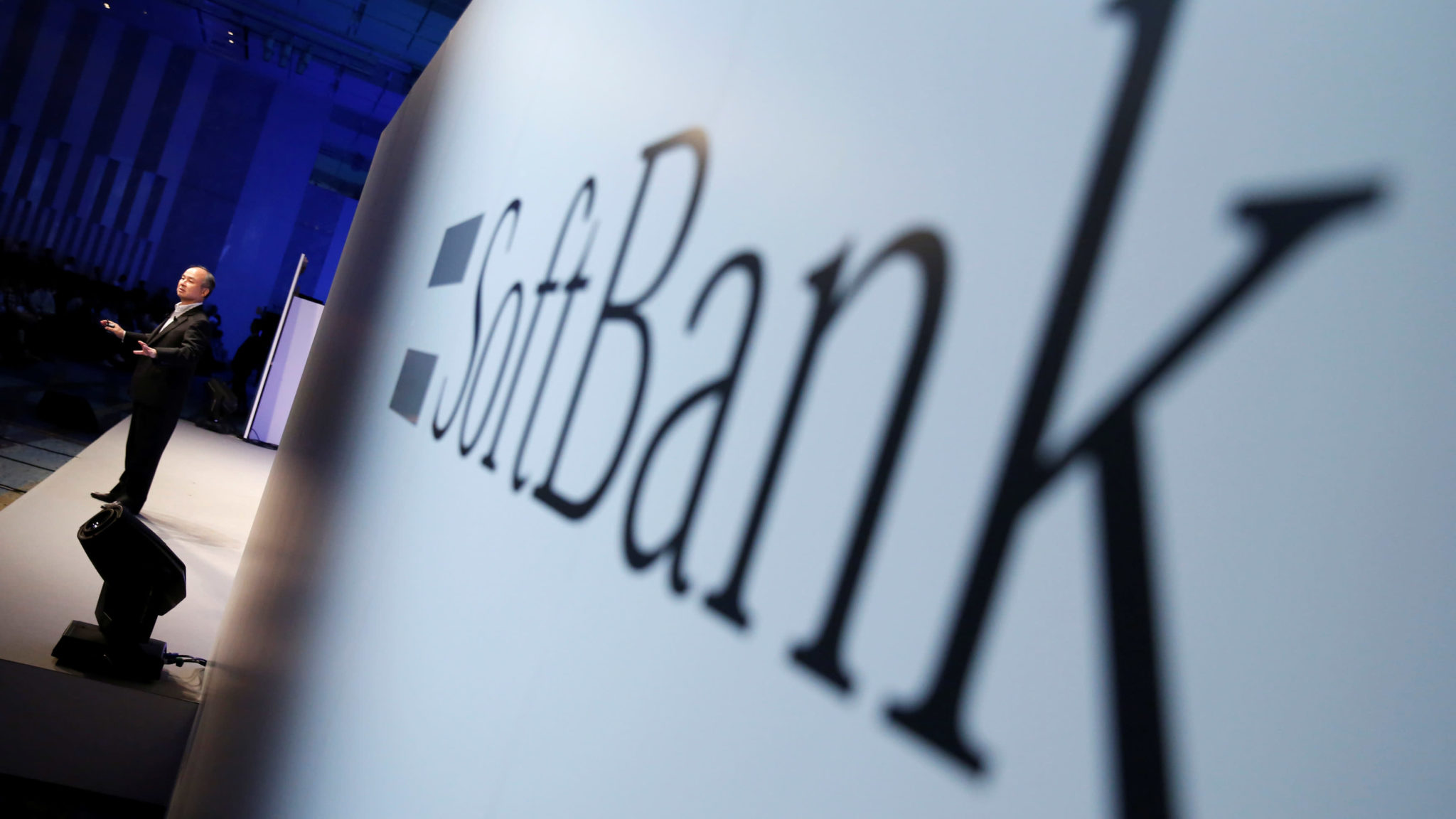
    Japan’s Softbank has reportedly selected the banks that will serve as lead underwriters for the IPO of its domestic mobile business. The operator has picked banks including Nomura Holdings, Mizuho Financial, Sumitomo Mitsui Financial, Goldman Sachs and Deutsche Bank to underwite the offer for around 3 trillion yen ($26.82 billion) worth of shares, citing unnamed sources. This would make the IPO the largest ever, beating Alibaba Group’s $25 billion IPO from 2014.

    According to the sources, Softbank currently plans to start marketing the IPO next month and could list shares on the Tokyo Stock Exchange by mid-December, but this timing is subject to change.

    Softbank’s founder Masayoshi Son is seeking to squeeze value from its telecoms assets to raise funds for his Vision Fund, which aims to raise $100 billion from global investors every two to three years to invest in promising startups and emerging technologies.

    The operator is expected to market most of the shares on offer to Japanese investors.

  • China to end domestic roaming fees by October

    China to end domestic roaming fees by October

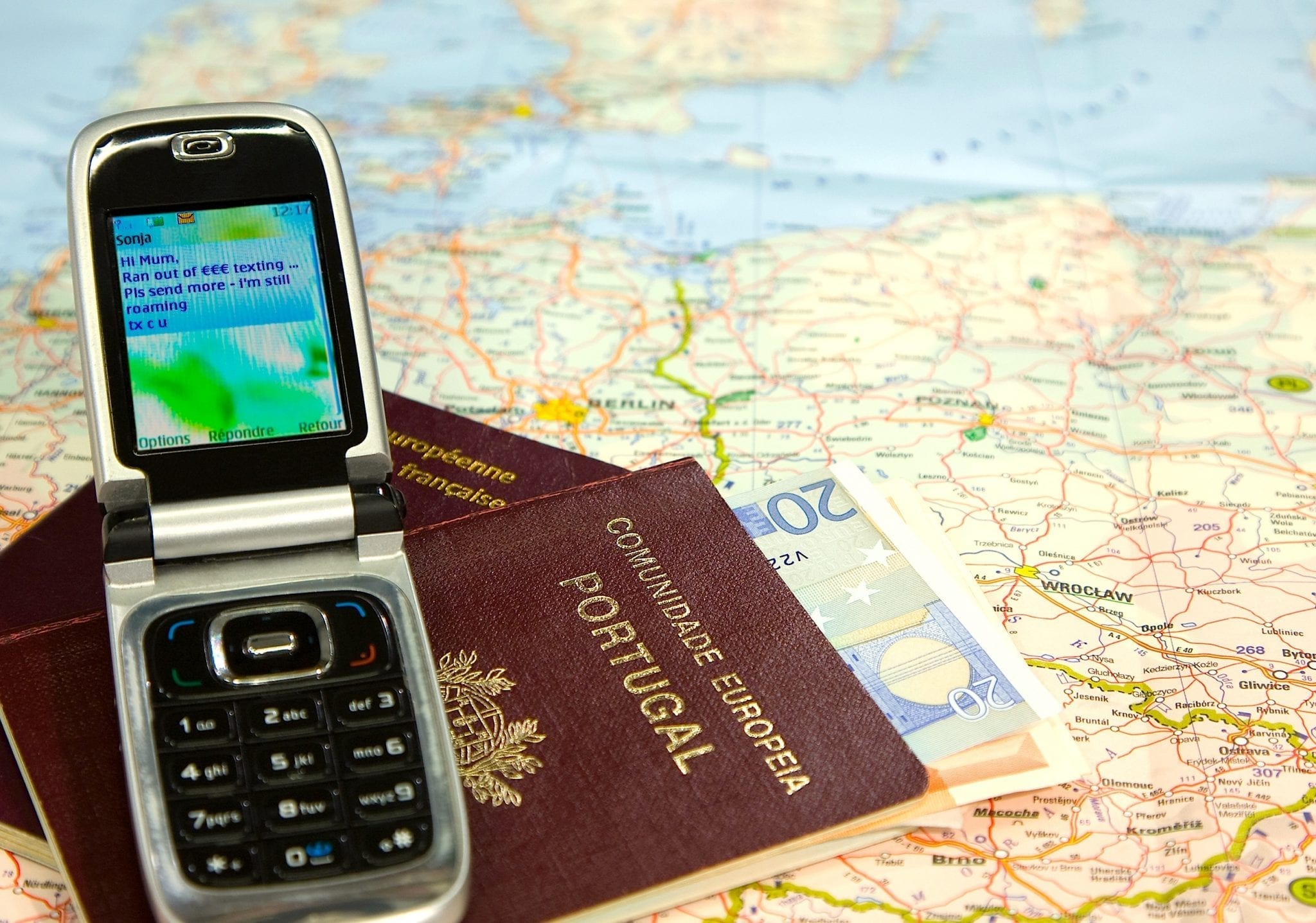
    China’s big three mobile operators have revealed plans to stop charging domestic roaming fees by October.

    China Mobile, China Telecom and China Unicom have announced they will end the practice of charging inter-province roaming voice and data fees.

    The operators are also planning to introduce discount pricing for small and midsize businesses in a bid to encourage corporate customers to adopt more network technologies such as cloud computing.

    The operators are responding to pressure from the government to reduce the price of telecoms services to spur consumer spending and encourage greater adoption of network technologies.

    China has also been seeking to encourage price competition in the mobile sector, and opened up the market to MVNOs in 2013.

    These efforts were also extended to the fixed broadband market in 2014.  According to the Reuters report, the government recently announced it has approved applications from 198 private enterprises seeking to provide broadband services under a pilot project.

    China’s move to abolish domestic roaming will take the industry one step closer to meeting current GSMA chairman and Bharti Airtel founder Sunil Bharti Mittal’s recent call and doing away with roaming altogether – including international roaming.

  • Thai airlines raise domestic fares

    Thai airlines raise domestic fares

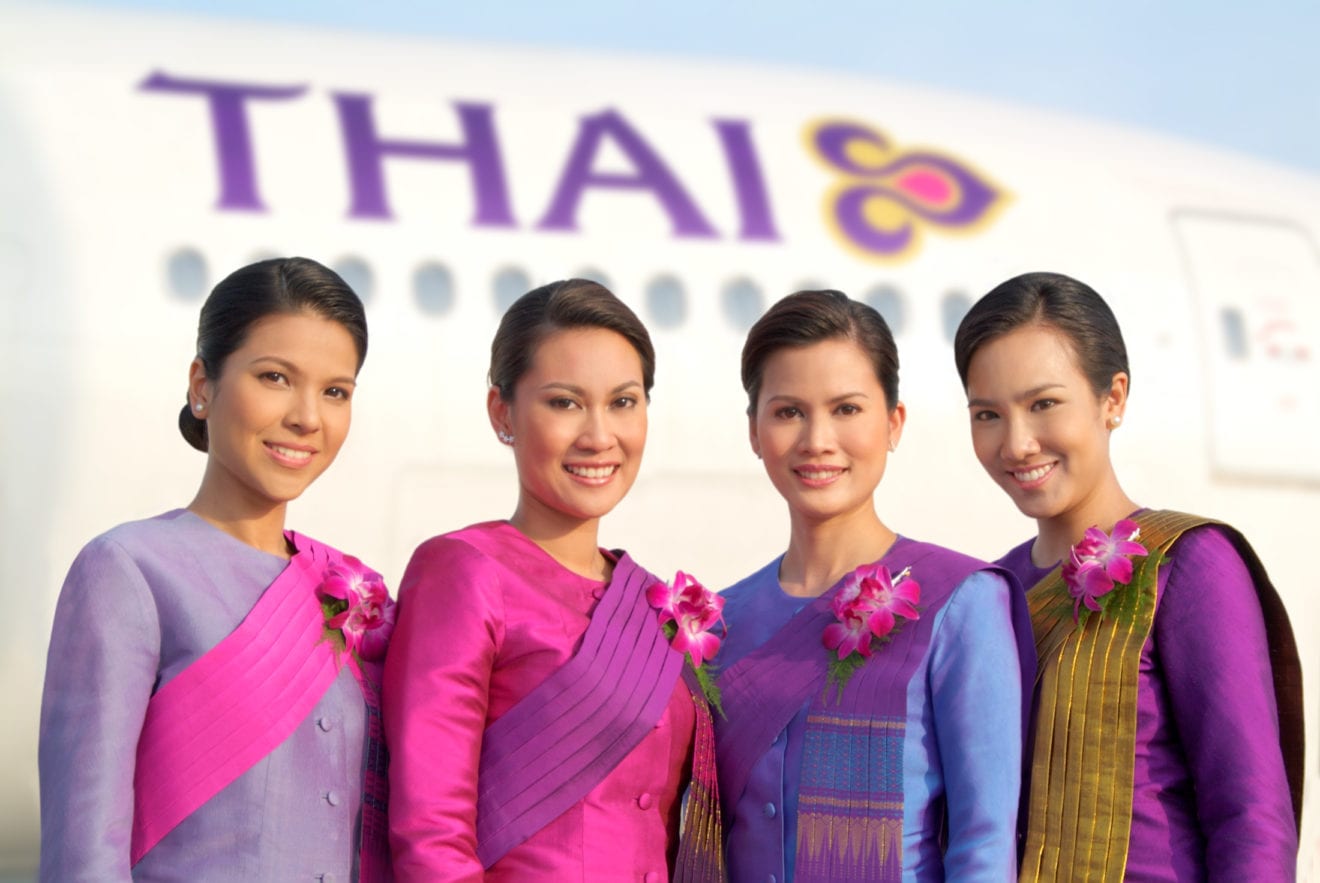
    Thailand’s low-cost airlines are increasing fares on domestic routes in a respond to a massive increase in excise tax on jet fuel that came into effect last week. The government increased the fuel tax on all domestic flights from 20 satang to THB4  per litre, claiming it was overdue, while bringing the tax more inline with the THB6 a litre tax on diesel fuel.

    Nok Air, Thai Lion Air and Thai AirAsia issued statements, Tuesday, saying they would raise fares on domestic routes to reflect the “real cost increase by THB150 per sector”. It will increase roundtrip fares by THB300.

    This additional cost will be included in all fares posted on Nok Air’s website as of 6 February 2017 onwards, the statement read.

    Thai AirAsia and Thai Lion Air announced the same increase, effective 1 February (Air Asia) and 6 February (Lion Air).

    Bangkok Airways announced later in the day  that it would increase fares by THB200 per sector, effective 8 February.

    Excise Department  director general, Somchai Poolsavasdi, said the increase should generate more than THB4 billion from domestic jet fuel consumption, which is expected to reach 1.2 billion litres a year.

    Excise tax on lubricants has also been raised, to THB5 a litre from zero previously, he said.

    He noted that land transport companies pay THB6 in excise tax on a litre of diesel fuel, while airlines have enjoyed a 20 satang tax (100 satang = THB1) for years. The  tax is not applied to international flights originating or transiting in Thailand.

    The department hiked the fuel tax to create fairer competition in business, he said. It was a reference to rail and bus transport that has suffered a mass migration to airline travel.

    Inter-city bus fares will be slightly more competitive when compared with airline fares after the THB150 is added to air fares. By 2016,  jet fuel costs had declined by 36% since 2014 and this allowed low-cost airlines to quote fares that were almost identical to long-distance bus fares (air-conditioned buses).

    While offering a token helping-hand to bus operators, the government’s other hand will snatch THB4 billion in taxes ultimately from travel consumers.  It is unlikely  to persuade travellers to return to long-distance bus transport noted as the second most dangerous form of transport after the infamous Toyota commuter van.

    Thai aviation has been rising rapidly in recent years powered by low-cost airlines at the expense of land transport. Jet fuel consumption, will exceeds 1 billion litres this year, the director general reported.

    Association of Domestic Travel advisor, Yutthachai Soonthronrattanavate, told Voice TV media that the tax increase would impact badly on domestic tourism.

    “As airlines increase fares to compensate, the burden falls squarely on the consumer’s’ shoulders,” he said.

    “The tax measure will hurt airlines operating domestic flights flying about one hour and using 8,000 to 9,000 litres per trip …it will increase an airline’s costs…in turn passengers will then have to spend more on flights.”

    In the past when fuel prices were high, airlines immediately passed part of the cost to consumers in the form of a “fuel surcharge.”   They eventually were forced to include the surcharge as part of the base fare rather than lumping it with service fees and taxes at the close of the transaction.

    Thailand’s Ministry of Tourism and Sports is counting on domestic tourism to boost earnings and share the benefits of tourism beyond the main gateways.  Low-cost airlines are the main driver allowing urban Thais to explore their country safely and at competitive prices.

    Government officials will argue there are alternatives such as rail and road transport, but the standard and safety of those alternatives lags far behind air travel.

    It would take a massive investment to upgrade rail transport to offer fast inter-city rail travel that could be considered  a credible alternative to low-cost airline travel. It’s decades away which means for most travellers  low-cost airlines continue to be the only choice to get around the country quickly and safely.

    In the TV interview, Yutthachai said the excise department should have staggered increases step by step to give airlines a chance to adjust while cushioning the impact on consumers.
  • Vietnamese airlines approved for 1,270 additional domestic flights during Tet

    Vietnamese airlines approved for 1,270 additional domestic flights during Tet

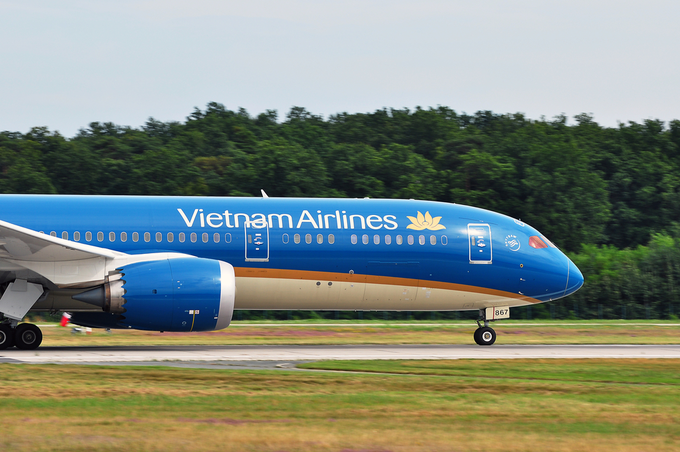
    Vietnam’s aviation watchdog has approved several proposals from local airlines to increase flight frequency to meet spiking demands during the upcoming Tet holiday, though only half the requested additions were approved.

    Tet, the Vietnamese Lunar New Year holiday, falls in late January, though city residents typically begin flying back to their hometowns weeks before holiday to begin festivities with friends and family.

    Local airlines, national flag carrier Vietnam Airlines and budget airlines Vietjet and Jetstar, sought permission to collectively add 2,486 flights, with only 1,270 of the proposed flights actually gaining approval from the Civil Aviation Authority of Vietnam (CAAV).

    In a report submitted to the Ministry of Transport on Thursday, the CAAV said the three would be allowed to run the additional domestic flights between January 16 and February 12, an 8.5 percent increase in flights typically running during the period.

    Vietnam Airlines is permitted to add 380 flights, totaling 76,758 seats, during the Tet season, while Vietjet and Jetstar will add 560 flights (100,800 seats) and 330 flights (59,400 seats), respectively.

    Approximately 1,067 of the approved extra flights will depart or land in Tan Son Nhat International Airport, the country’s busiest airdrome, already operating beyond its design capacity.

    Despite potential overload issues, during the Tet holidays the Ho Chi Minh City-based airport will serve 807 flights per day during peak time, a 7.7 percent increase from the usual schedule.

    Vietnam Airlines is the only of the three carriers happy with the CAAV decision, with nearly 100 percent of their extra flight plan approved, meanwhile Vietjet will only be able to offer half of its proposed additional services while Jetstar was approved for 30 percent of its requests.

    Under the CAAV decision, the three carriers will collectively be forced to cut 230,000 seats from their previously planned Tet services.

    With some airlines allegedly selling tickets for the extra flights before having obtained approval from the CAAV, passengers with booked tickets are sitting on hot bricks, fearing they will not be able to return home for Tet celebrations.

    Ho Quoc Cuong, head of aviation transportation under the CAAV, said the air carriers may not sell tickets for all of the planned extra services, so there is little chance passengers with purchased tickets will miss flights.

    “If it is really the case, carriers must compensate and take full responsibility for the passengers,” he said.

  • PAL to launch international, domestic flights at Clark

    PAL to launch international, domestic flights at Clark

    Philippine Airlines (PAL) is launching on Dec. 16 its first regular international and domestic flights from Clark International Airport (CIA).

    This is PAL’s response to President Duterte’s call to decongest the Ninoy Aquino International Airport (NAIA) .

    Clark International Airport Corp. president Alexander Cauguiran said PAL president Jaime Bautista gave him the green light to announce that PAL is launching on Dec. 16 its first Clark-Caticlan daily flights.

    PAL will add more flights starting January 2017, including daily flights to Cebu, flights to Davao four times a week, weekly flights to Busuanga and flights to Cagayan de Oro thrice a week.

    PAL will also launch daily international flights to Incheon, South Korea in January 2017. Cauguiran said that PAL would have a total of 21 flights per week at ClA.

    Cebu Pacific Air earlier announced the increase of its flights at CIA, including flights to Hong Kong three to 10 times per week starting in December and Clark-Cebu flights six times per week.

    In a forum held here by the Bases Conversion Development Authority, Cauguiran warned that flight congestion at the NAIA has endangered passenger safety.

    “NAIA has four terminals designed for 13 million people per year. But last year, it processed 36 million passengers already, so long lines of waiting people often occurred,” he said.

    Cauguiran also noted that NAIA’s lone runway allows only 40 flights per movement or one hour for every 40 flights. “Beyond that, you are inviting trouble” because this requirement has often compelled incoming aircraft to stay in the air longer than scheduled before being allowed to land.

    Civil Aviation Authority of the Philippines director general Jim Sydiongco said the Legazpi, Dumaguete, Roxas and Caticlan airports could also now accommodate flights in the evening as such are night-rated.

    Direct flights to Mindoro Occidental

    Meanwhile, budget carrier Air Juan has launched direct flights between Manila and Mamburao, Mindoro Occidental’s capital.

    The province’s representative, former governor Josephine Sato, said yesterday the air service would “be a big boost to our efforts to promote Mindoro Occidental as a prime eco-tourism destination.”

  • Burger King sets up second store at new domestic terminal

    Burger King sets up second store at new domestic terminal

    Myanmar is getting its first ever publicly-accessible Burger King outlet, although whopper-enthusiasts will have to make their way to Yangon International Airport’s new domestic terminal to slake their hunger.

    The new Asia World-built domestic terminal – T3 – opened yesterday, with the first flights scheduled to take off later this week, according to Asia World.

    T3 spans some 44,000 square metres, boasts 38 check-in counters and will offer domestic passengers a “well-curated mix of world-renowned and local retail outlets and food and beverage options”, the firm said.

    Among the food options is the country’s “first public Burger King outlet”, according to Asia World. The new international terminal, T2, which opened earlier this year, hosts the country’s first Burger King. But that store is only accessible after going through passport control and customs.

    Thai firm Minor Food Group (MFG) has the franchise rights for Burger King in Myanmar, but could not be reached for comment on the new store. Asia World was also unavailable for comment on whether the new outlet was already up and running.

    Prapat Siangjan, MFG’s general manager for Burger King Thailand, told in August that MFG was considering a second outlet in the domestic terminal. That store would have prices denominated in kyat, and help MFG better gauge public demand, he said.

    Prices at the international terminal restaurant are dollar-denominated and geared towards international tourists, with a standard value whopper meal going for US$8.50.

    The new domestic terminal will also boast international brands including Gloria Jean, Coffee Bean and KFC. The latter chain, operated by Yoma Strategic, is well established in Myanmar, with seven outlets in Yangon and a new store in Mandalay scheduled for 2017.

    T3 opens just a few months after T2 – also Asia World-built – started operations. Passenger numbers at Yangon International Airport terminals have risen three-fold over the past five years, according to Asia World. Yangon’s airport handled 4.68 million passengers in 2015, the firm said.

    All domestic airlines are expected to move their operations to the new terminal, Department of Civil Aviation deputy director general U Ye Htut Aung previously told us. Asia World said the first domestic flights are scheduled to take place from December 9.

    Myanmar has 10 airlines operating domestic flights to 26 local destinations, according to Asia World.