Tag: durian

  • Durian Lovers Unite: Penang Hotels Entice Tourists with All-You-Can-Eat Offers!

    Durian Lovers Unite: Penang Hotels Entice Tourists with All-You-Can-Eat Offers!

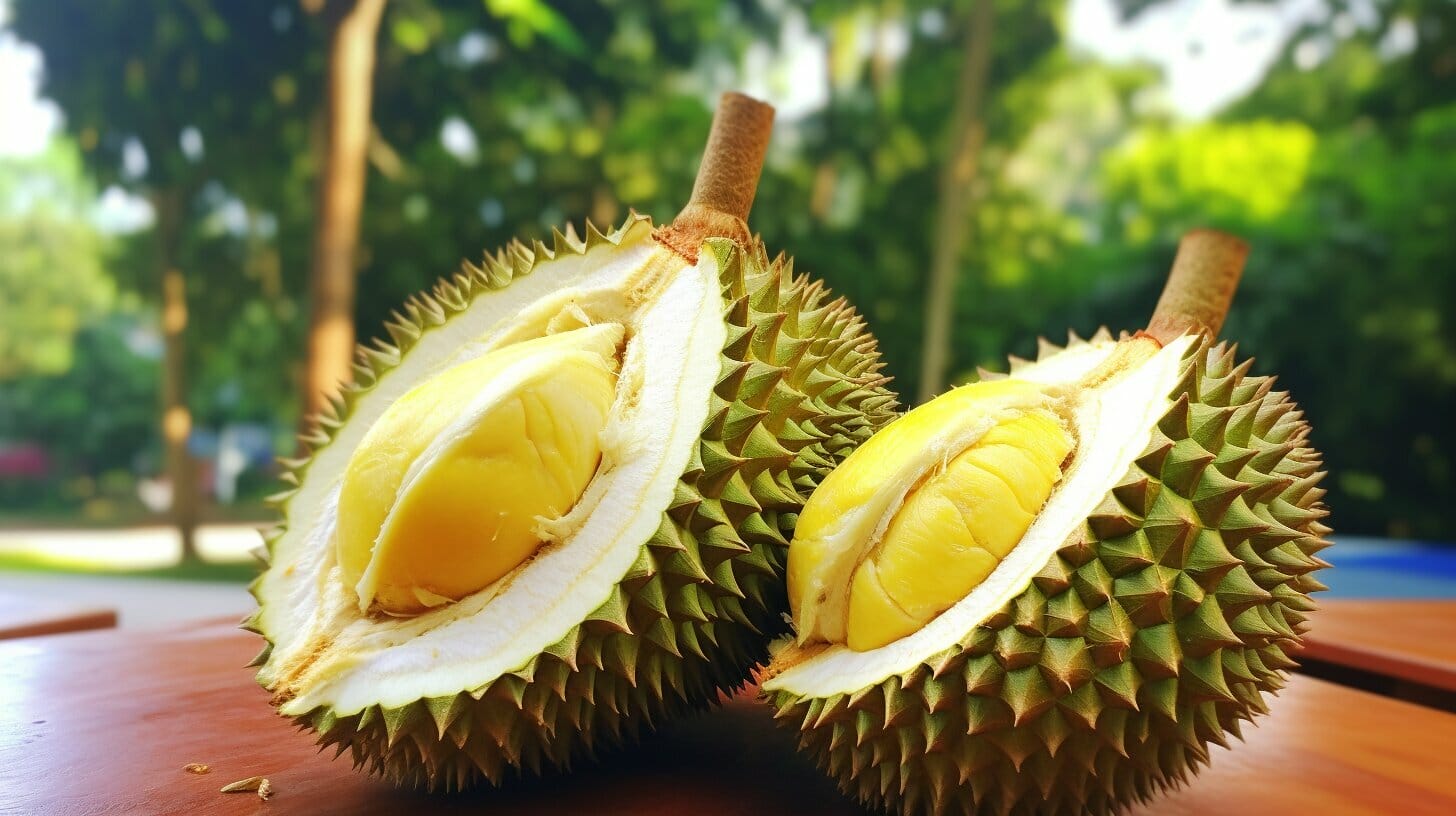
    Hotels across Malaysia’s Penang Island experienced exceptional occupancy rates over the recent long weekend, with at least 85% filled, and some establishments reaching full capacity. Travelers flocked to the island lured by enticing tour packages that paired accommodations with unlimited durian feasts—an indulgent combination that has captured the hearts of food enthusiasts.

    Tony Goh, chairman of the Malaysian Association of Hotels’ Penang chapter, remarked on the vibrant hotel scene, stating, “The hotels were bustling and performed strongly during the long weekend. Beachfront and town-area hotels were nearly at full capacity.” This year’s durian harvest season, which coincided with school holidays, has spurred hotels to craft unique tourism experiences around the beloved “king of fruits.”

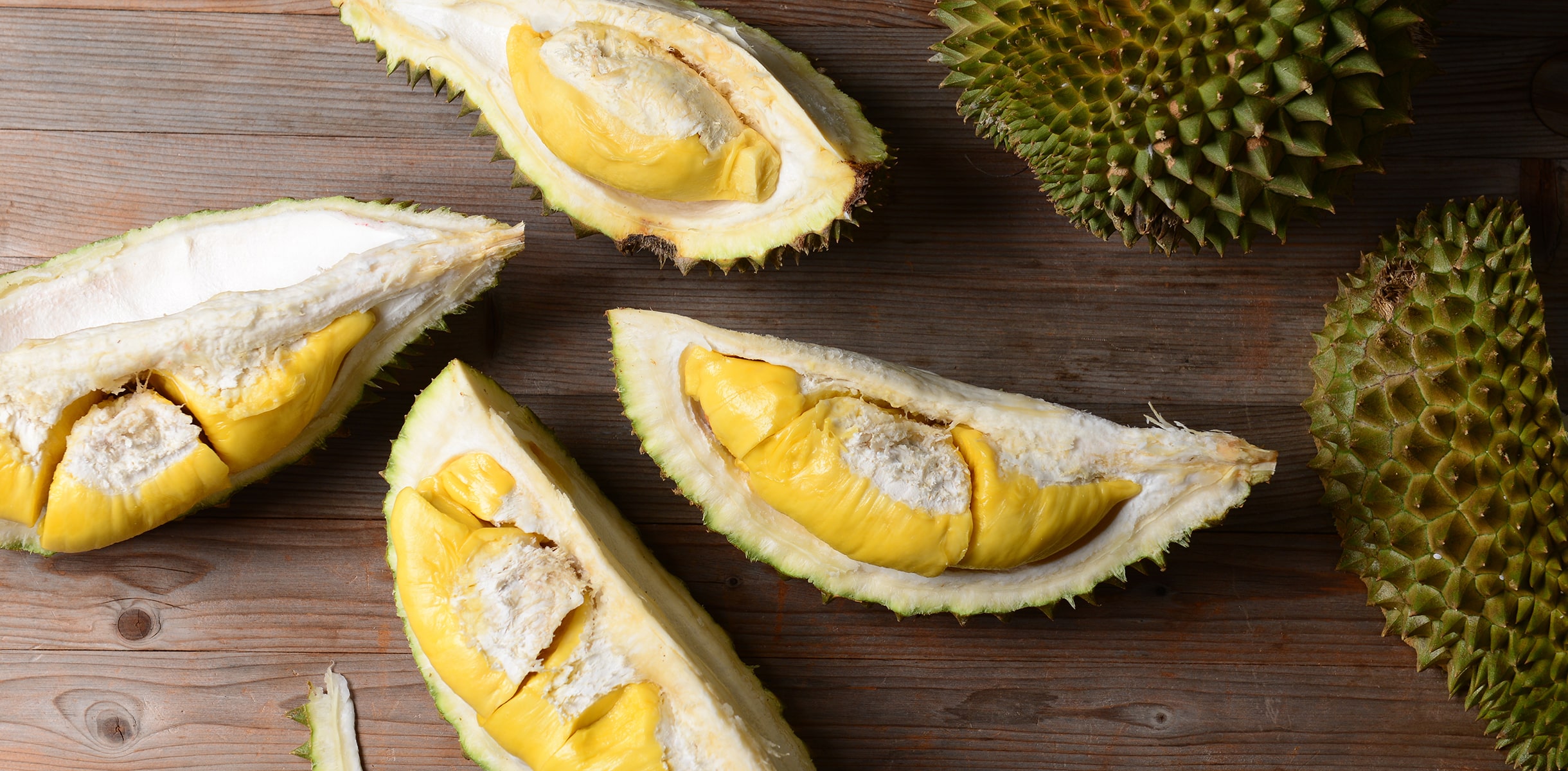
    “Penang is renowned for its orchards, yielding durians that are distinctive to our region,” Goh explained. He highlighted the popularity of local varieties, especially the celebrated Musang King and Black Thorn, each offering a unique flavor profile that excites die-hard durian aficionados. “For durian enthusiasts, these are intricate tastes to savor and explore,” he added, underscoring the culinary adventure awaiting visitors.

    Wong Hon Wai, chairman of Penang’s tourism committee, also emphasized durian’s undeniable allure, confirming that its reputation as a crowd-puller is well-deserved. Remarkably, this surge in tourism has translated into significant increases in ridership on the Penang Hill funicular train, with a striking 38% uptick noted between May 30 and June 2. “The ridership reached 33,521 over the past four days, compared to about 4,000 on typical non-peak days,” Wong pointed out.

    Beyond its culinary appeal, durian contributes significantly to Malaysia’s economy, serving as one of the country’s top fruit exports. In the previous year, exports to China reached a whopping US$212 million, following the establishment of a special protocol for durian imports. This year, Malaysia aims to escalate its durian exports to China by over 20%, all while ensuring the authenticity and revered brand of the Musang King variety remain intact.

    As the durian craze intensifies, one wonders—could this beloved fruit be the ticket to revitalizing Malaysia’s tourism industry?

    Questions & Answers

    What has driven the high hotel occupancy rates in Penang?
    This spike is largely attributed to innovative tour packages that pair hotel stays with limitless durian feasts, satisfying the cravings of many durian lovers.

    How did durian-related tourism impact local attractions?
    The influx of visitors led to a significant increase in ridership of the Penang Hill funicular train, with a remarkable 38% jump in attendance during the recent long weekend.

    What are Malaysia’s goals for durian exports?
    Malaysia is targeting a more than 20% increase in durian exports to China this year, focusing on maintaining the authenticity and brand strength of its premium Musang King variety.
  • Vietnam Delivers First Frozen Durian Shipment to China, Opening New Trade Frontiers

    Vietnam Delivers First Frozen Durian Shipment to China, Opening New Trade Frontiers

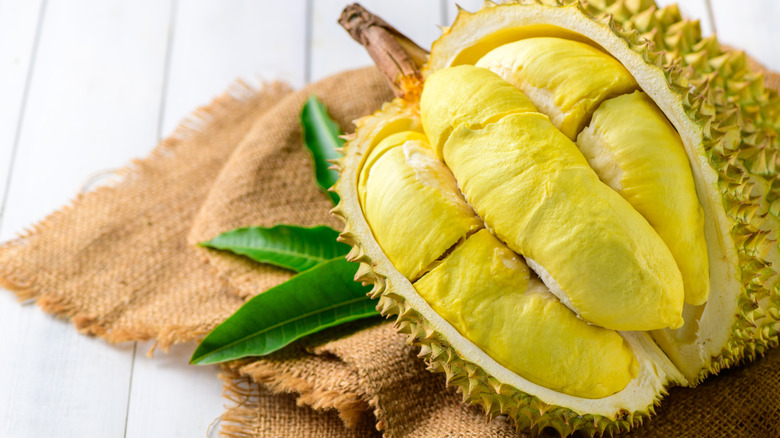
    The recent shipment of frozen durian, arriving through the Bac Luan II border gate as part of the bustling Mong Cai (Vietnam) and Dongxing (China) border collaboration, has certainly stirred excitement. Thoroughly examined and cleared by officials, this exquisite cargo hails from Vietnam’s Lam Dong province and is now set to make its way to various food processing companies across China.

    Frozen durian isn’t just a sweet tropical treat; its long shelf life and versatility make it a darling of both consumers and food processing firms alike in China, where culinary creativity knows no bounds. With the popularity of durian on the rise, the importation of this delicacy marks a significant shift in agricultural trade between China and Vietnam, expanding the range of exotic fruits available at this vital border.

    In a move that underscores the commitment to fostering trade relations, Dongxing Customs has deployed a team of experts focused on providing thorough support and guidance to businesses navigating the import-export landscape. This means smoother sailings for enterprises keen on tapping into the growing demand.

    During his recent diplomatic mission to China, Minister of Agriculture and Environment Do Duc Duy engaged in discussions with Sun Meijun, Minister of the General Administration of Customs. Their talks, held on May 28, emphasized the need to streamline challenges associated with exporting Vietnam’s agricultural treasures, particularly the king of fruits, durian.

    The statistics paint a promising picture: in the first four months of 2025, trade turnover of agricultural, forestry, and aquatic products between Vietnam and China soared to an impressive US$5.07 billion, reflecting a 3.7% increase from last year. However, Vietnam’s exports experienced a slight dip of 1.1% year-on-year to approximately $3.62 billion, while imports saw a notable rise of 17.6%, totaling $1.45 billion.

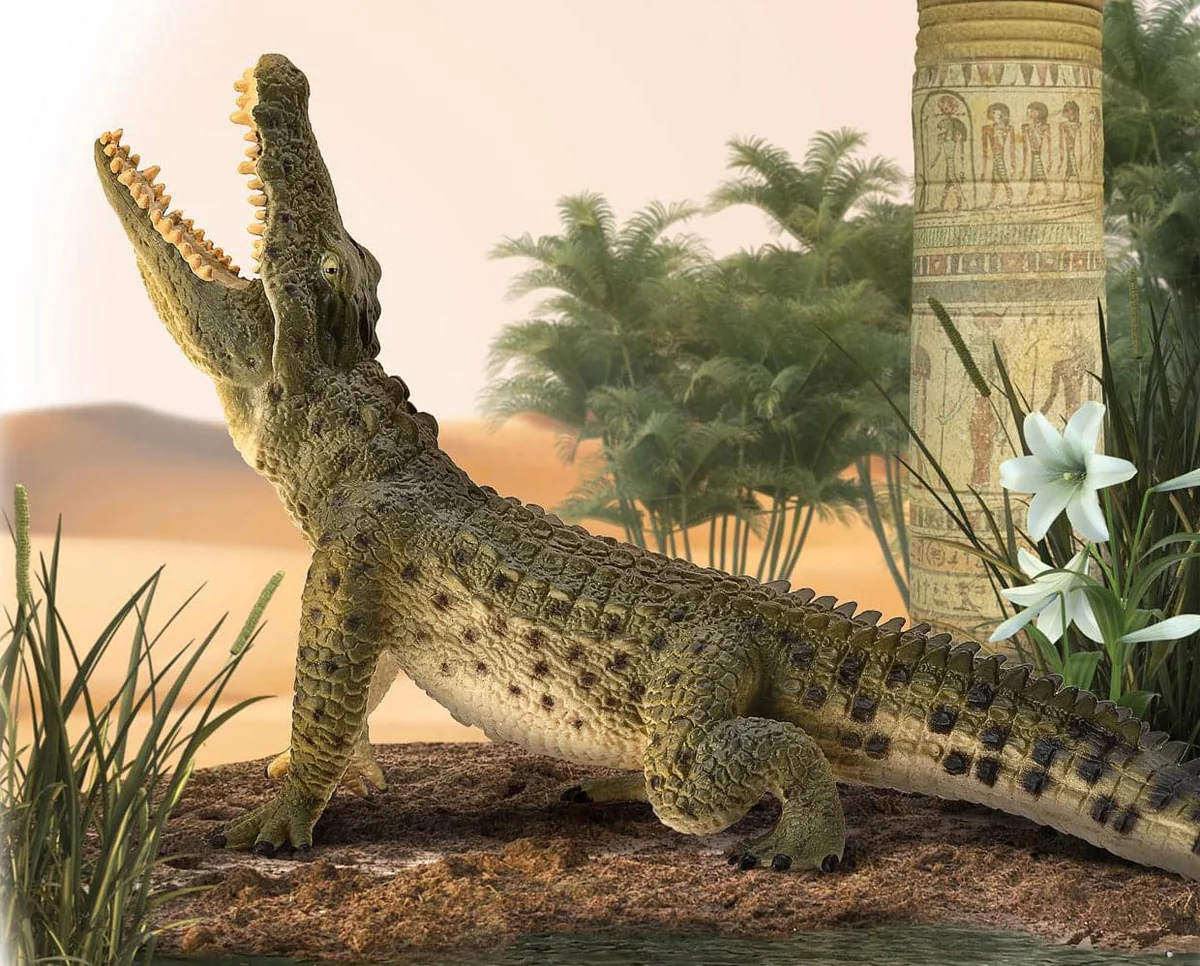
    As part of their ongoing commitment to enhancing trade, the two nations have inked 28 agreements and protocols focused on facilitating the exchange of agricultural products. Delightfully, a bouquet of Vietnamese offerings, from watermelon and mangosteen to crocodile and farmed monkeys, have found their way to China’s eager market.

    In what could be considered a delicious twist to the agricultural trade narrative, who knew that durian could be a diplomat’s secret weapon?

    Questions & Answers

    What are the benefits of frozen durian for consumers?
    Frozen durian boasts a long shelf life and is easy to incorporate into various dishes, making it a favored choice amongst both consumers and food processors.

    How has trade between Vietnam and China in agricultural products evolved?
    The trade turnover in the first four months of 2025 reached US$5.07 billion, a 3.7% increase compared to the previous year, showing a robust demand for agricultural products across borders.

    What agreements have Vietnam and China made regarding agricultural exports?
    The two countries have signed 28 agreements aimed at facilitating the import and export of a wide variety of agricultural products, ensuring a flourishing exchange of goods.

  • Malaysian Farmers Explore Legal Action to Safeguard 2,400 Ha of Durian Farmland from Corporate Takeover

    Malaysian Farmers Explore Legal Action to Safeguard 2,400 Ha of Durian Farmland from Corporate Takeover

    The Save Musang King Alliance, under the leadership of president Wilson Chang, is raising alarms over DOA Plantation, a company barely a year old, for allegedly occupying approximately 2,400 hectares of durian orchards without proper consent.

    Accusations Made Against DOA Plantation

    Chang has voiced serious concerns that the firm has forcibly ousted farmers, marked their durian trees, and has yet to produce any official documentation to substantiate its claim over the land, as reported by Free Malaysia Today. In a recent social media post, Chang lamented, “There is strong reason to believe that the firm intends to harvest durians this season and profit from the hard work of local farmers, without any compensation.”

    Entirely undeterred, the alliance is exploring legal avenues to halt DOA Plantation’s operations and safeguard local growers’ rights. Chang also called attention to the puzzling circumstances surrounding how such a vast area of land was handed to a company led by directors from Penang and Sarawak, urging the Pahang government to clarify the situation. He emphasized, “We reaffirm our core belief that the land is the lifeblood of our farmers, and that every tree represents years of hard labour and care. No corporation should be allowed to exploit this without consequence.”

    The High Stakes in Durian Farming

    According to Chang, the new company aims to seize control of around 2,400 hectares of farmland, intertwining orchards that have previously sparked ownership disputes between local farmers and authorities. The anticipated harvest from these durian trees alone is estimated to be worth over RM100 million (US$24 million)—a lucrative bounty that has everyone on their toes.

    Chang also noted that although discussions with the Pahang government regarding the farmland have not completely met farmers’ demands, there has been “meaningful progress” after five years of determined resistance from Musang King durian farmers in Raub. To date, the price of Grade A durians has seen a boost from MYR30 per kg in 2020 to MYR35 today, along with clearer grading standards aimed at ensuring fairer payments for farmers.

    With these advancements in mind, the Save Musang King Alliance is contemplating an out-of-court settlement with the Pahang government, redirecting its energies toward the legal battle against DOA Plantation.

    Challenges Ahead

    In an earlier incident in April, the Pahang government cut down over 1,000 durian trees, asserting they were cultivated on illegally occupied land. The alliance claimed a court ruling from the previous May prohibited such demolitions, while authorities countered that no judicial orders were contravened and defended their right to clear the land.

    Meanwhile, the Malaysian Anti-Corruption Commission has announced it is currently gathering relevant documents as part of its investigation into the land encroachment allegations. Several former government officials linked to the case have been identified, but as yet, no arrests have been made. One can only wonder what surprising twists lie ahead in this unfolding saga of durian drama!

    Questions & Answers

    What are the main allegations against DOA Plantation?
    The main allegations include forcibly removing farmers from their land, marking trees for harvest, and failing to present any official documents proving their right to operate on the 2,400 hectares of durian orchards.

    How has the Pahang government responded to the situation?
    The Pahang government has defended its actions, including the removal of over 1,000 durian trees, stating they were on illegally occupied land and asserting that no court orders were violated.

    What next steps are being considered by the Save Musang King Alliance?
    The alliance is contemplating legal action against DOA Plantation while also considering an out-of-court settlement with the Pahang government to better focus their efforts in this ongoing land dispute.

  • Vietnam speeds up efforts to overcome durian export challenges amid China’s stricter quality controls.

    Vietnam speeds up efforts to overcome durian export challenges amid China’s stricter quality controls.

    Vietnam’s durian exporters are currently facing a tough dilemma as they navigate the aftermath of a tremendous growth spurt. With China tightening its quality control measures and facing stiff competition from Thailand, the Philippines, and local Chinese production, the landscape is shifting dramatically. Now, preserving market share and ensuring sustainable growth have become critical imperatives for the industry.

    In a staggering indication of this trend, Vietnam’s durian exports plunged to a mere $130 million in the first four months of 2025, marking a 74% drop compared to the same period last year. China, being the world’s largest durian market, has significantly reduced its imports, creating a ripple effect throughout the industry.

    Nguyen Van Thanh, a trader hailing from the Mekong Delta—an area known for its substantial durian output—noted that this year’s fruits have largely failed to meet China’s stringent inspection criteria. The situation has fueled calls for better compliance and management within the sector.

    General Secretary of the Vietnam Fruit and Vegetable Association, Dang Phuc Nguyen, emphasized the need for establishing new testing labs to satisfy Chinese safety standards, following a successful model observed in Thailand. These facilities would enable local farmers to conduct necessary tests and obtain vital certifications. He stressed that certified orchards would gain priority among traders and businesses, with products undergoing further testing at labs accredited by China.

    To enhance the reputation of Vietnamese produce, Nguyen urged for penalties against fraudulent practices, stating, “Effective control at source will facilitate smoother negotiations with and customs clearance in China.”

    Explaining the complications further, Henry Bui, General Director of the China-approved Hoan Vu Inspection Center, revealed that cadmium found in durians often originates from fertilizers. However, he warned that sample testing isn’t a panacea for contamination; proper oversight of illegal fertilizers is crucial. If soils are significantly compromised, remediation efforts are essential.

    Meanwhile, authorities from the Department of Crop Production and Plant Protection are not sitting idle. They have joined forces with local governments to research and implement solutions. Short-term measures include soil remediation techniques to lower cadmium absorption, using lime to adjust soil pH, and introducing cadmium-absorbing crops as temporary biological solutions. Farmers are also being encouraged to cultivate high-biomass, short-cycle crops, restoring soil health and limiting cultivation during critical periods.

    Long-term strategies focus on the careful application of fertilizers, combined with improved education to ensure farmers utilize the right types and amounts, thereby reducing the buildup of harmful substances. Nguyen Dang Nghia, the former director of the Soils and Fertilizers Institute, is already testing cycle-specific remedial treatments for contaminated soils across different localities in the Mekong Delta.

    Bui also flagged potential hazards from auramine O, an industrial dye used to enhance fruit appearance. While it may not affect the flesh of the fruit, it can contaminate entire storage facilities if not managed correctly. Should it be detected, thorough disinfecting—or in extreme cases, even complete rebuilding of packing spaces—would be necessary.

    “If businesses and testing centers collaborate effectively with farmers, the durian industry can maneuver through these formidable challenges,” Bui posited with hope.

    Looking ahead, Ha Phuc Mich, chairman of the Vietnam Organic Agriculture Association, believes there’s much to learn from Thailand’s systematic approach—encompassing everything from planting zones to soil testing and legal frameworks. “It’s a lesson Vietnam must embrace immediately—not just for durians, but for other vital crops as well. We must address the root causes rather than rely on temporary fixes,” he advised.

    Questions & Answers

    What challenges are Vietnamese durian exporters facing?
    They are dealing with stringent quality checks from China and fierce competition from Thailand and local Chinese production, leading to a steep decline in exports.

    Why did Vietnam’s durian exports drop so significantly?
    In the first four months of 2025, durian exports fell by 74% to $130 million as China, the largest durian market globally, reduced its imports.

    What measures are being taken to improve the situation?
    Authorities are focused on developing new testing labs and implementing soil remediation strategies, while farmers are encouraged to use proper fertilizers and grow specific crops that help restore soil health.

  • Vietnam Weighs ‘Red Alert’ Label to Tackle Toxicity Risks in Durian Farming

    Vietnam Weighs ‘Red Alert’ Label to Tackle Toxicity Risks in Durian Farming

    A comprehensive examination of durian cultivation areas and packaging facilities is essential to pinpoint those using prohibited substances, asserted Vu Duc Con, chairman of the Dak Lak Durian Association, in a letter to the Ministry of Agriculture and Environment. He emphasized the necessity of assigning a “red alert” label to facilities found in violation, urging the government to establish a recovery plan that encourages the adoption of safe and sustainable farming practices.

    This proposal comes on the heels of multiple warnings from Chinese customs, which have heightened scrutiny since late 2024 regarding cadmium levels in Vietnamese durians—a toxic heavy metal. Moreover, some samples were reported to contain auramine O, a banned additive with potential cancer risks.

    The impact on Vietnam’s agricultural sector is stark, with durian exports to China plummeting by 74% year-on-year during the first four months of 2025, totaling just $130 million, according to the agriculture ministry. In response, China has begun testing all shipments for cadmium and auramine O, enforcing strict penalties such as the suspension of codes for related growing areas and packing facilities.

    To combat these challenges, the Dak Lak Durian Association is collaborating with official agencies to conduct extensive sampling to detect chemical residues and trace their origins. In a bid to secure its standing in the Chinese market, this prominent durian-growing region in the Central Highlands aims to establish its own quality control standards for the fruit.

    Furthermore, the association has called on the government to develop technical standards and adopt rapid on-site testing technologies to ensure food safety prior to exports. In cases of serious safety violations, they advocated for the destruction of contaminated shipments rather than rerouting them to domestic markets, protecting public health and the industry’s reputation in the process.

    Currently, Vietnam boasts over 150,000 hectares dedicated to durian cultivation; however, only 20% are certified for export. Many of these farms fall short of regulatory standards regarding pesticides and quality, which hampers their global competitiveness. With China being the largest market for Vietnamese durians—contributing to $3.2 billion in exports last year—maintaining high standards is crucial for the industry’s future success.

    As the saying goes, “If you can’t stand the heat, get out of the durian kitchen!”

    Questions & Answers

    **What prompted the review of durian farming practices in Vietnam?** The review was prompted by repeated warnings from Chinese customs regarding the presence of cadmium in Vietnamese durians and other unsafe additives.

    How much have Vietnamese durian exports to China decreased recently? Exports plunged by 74% year-on-year in the first four months of 2025, totaling just $130 million.

    What measures is the Dak Lak Durian Association advocating for? The association is urging for the establishment of technical standards, rapid testing technologies, and strict penalties for safety violations to enhance the safety and quality of durian exports.

  • Cambodia Enters China’s Booming Durian Market, Challenging Vietnam, Thailand, and Malaysia

    Cambodia Enters China’s Booming Durian Market, Challenging Vietnam, Thailand, and Malaysia

    China’s General Administration of Customs has recently opened doors for fresh durian shipments from Cambodia that comply with food safety standards, a significant development following the signing of a phytosanitary protocol between Cambodia’s Ministry of Agriculture, Forestry and Fisheries and Chinese authorities in late April. This newfound opportunity is poised to transform Cambodia’s durian industry and delight the palates of Chinese consumers who have long been enamored with the so-called “king of fruits.”

    Building a Path to Export

    Following the accord, Cambodia’s agriculture department has taken proactive steps, urging durian growers, farming communities, and processing facilities to register for exports to China. Plans are already underway to compile a list of fresh durian plantations and processing factories, set to be submitted to the Chinese side for evaluation and review in May 2025, as reported by the Khmer Times.

    Breaking into the Chinese Market

    As Cambodia seeks to make its mark, it faces the challenge of standing out in a marketplace that has already been saturated by competitors with established reputations. “It lacks the long-standing brand recognition of Thailand’s Monthong or Malaysia’s premium Musang King,” stated Lim Chin Khee, an adviser at Malaysia’s Durian Academy, highlighting the uphill battle for Cambodia’s emerging durian brand.

    Chinese consumers are currently spoiled for choice, with last year’s record durian imports amounting to an impressive US$6.99 billion, primarily driven by Thailand and Vietnam, which together accounted for nearly 99% of the market share. The competition isn’t stopping there; Indonesia is gearing up to export its own durians, while Laos is eyeing entry into this lucrative market.

    Can Cambodian Durian Compete?

    Despite this fierce competition, the unique Au Khak variety, predominantly grown in Cambodia’s Kampot and Kampong Cham provinces, is beginning to generate interest among discerning Chinese durian enthusiasts. Zhao Yu, a 38-year-old durian aficionado from Shanghai, expressed her curiosity but admitted she needed time to explore the Cambodian variety before adding it to her list of favorites.

    However, experts believe that Cambodian farmers hold significant potential. Lim assured that with the right investment and foreign technical support—especially from China—Cambodian durians could soon rival those from more established producers. The sentiment was echoed by Wang Wenbin, the Chinese ambassador to Cambodia, who expressed his enthusiasm during a recent visit to a durian farm in Kampot, proclaiming Au Khak to be “the best durian in the world.” He optimistically hinted at a future filled with Cambodian durians gracing the tables of Chinese consumers.

    In 2024, Cambodia exported over 12 million tons of agricultural products valued at $5.3 billion across 95 markets. The agriculture sector significantly contributes to the nation’s economy, accounting for approximately 16.7% of its GDP. Recent deals have also set the stage for other Cambodian products like swiftlet nests and crocodiles to enter the Chinese market, further diversifying Cambodia’s agricultural exports.

    Khim Finan, the undersecretary of state, views these efforts as vital in expanding Cambodia’s agricultural market, boosting farmers’ incomes, and fostering overall economic growth through agriculture.

    As Cambodia steps into this new era of durian exports, one can only wonder how the world will react. Will Cambodian durians become the next big sensation in China, or will they remain the fruity underdog in the kingdom of durians?

    Questions & Answers

    What recent development has allowed Cambodia to export durians to China?
    China’s General Administration of Customs started permitting fresh durian shipments from Cambodia after a phytosanitary protocol was signed with the Cambodian Ministry of Agriculture in late April.

    What challenges does Cambodia face in exporting durians to China?
    Cambodia lacks the brand recognition of established competitors like Thailand and Malaysia, which could hinder its ability to attract Chinese consumers who have a wide range of options available.

    What other agricultural products from Cambodia are set to enter the Chinese market?
    In addition to durians, Cambodia has signed protocols for the export of swiftlet nests and crocodiles, which could diversify its agricultural offerings in China.

  • Malaysian Exporters Set Sights on Chinese Durian Lovers at Exciting Beijing Fruit Festival

    Malaysian Exporters Set Sights on Chinese Durian Lovers at Exciting Beijing Fruit Festival

    A vibrant Malaysian fruit festival in Beijing showcased the beloved durian, generating estimated revenues between CNY3 million and CNY5 million (approximately US$416,000 to US$693,000) for 50 participating exporters. This exciting three-day event, which wrapped up on Sunday, marked the third consecutive year of Malaysian traders presenting their agricultural offerings to Chinese consumers, as reported by the state-owned newspaper Bernama.

    This year’s event put a special emphasis on durian varieties, notably the coveted Musang King and Black Thorn. Attendees were treated to a visual feast with over 150 kilograms of Musang King and 60 kilograms of Black Thorn durians on display, alongside delightful selections of 120 kilograms of pineapples and 80 kilograms of mangosteens.

    Malaysian Ambassador to China, Datuk Norman Muhamad, expressed his pride in seeing durian, hailed as the country’s “national treasure,” take center stage. He noted that last year, Malaysia’s durian exports to China totaled CNY40.17 million (around US$5.5 million) and emphasized China’s status as Malaysia’s largest trading partner for 16 consecutive years. “This time, we are not selling. We are here to promote, educate, and raise awareness about the uniqueness of Malaysian tropical fruits,” he stated.

    Loh Wee Keng, the chairman of the Malaysia Chamber of Commerce and Industry in China, shared optimistic projections that durian exports to China could rise by 15% to 20% this year. This growth comes despite facing weather-related challenges, fueled by robust consumer demand.

    As the world’s largest durian market, China primarily sources this cherished fruit from Thailand and Vietnam, but countries like Malaysia, the Philippines, and Cambodia are increasingly stepping up their export efforts. It seems like everyone wants a slice of the lucrative durian pie!

    Questions & Answers

    What was the revenue expected from the Malaysian fruit festival in Beijing?
    The festival was estimated to generate between CNY3 million and CNY5 million (around US$416,000 to US$693,000).

    Which durian varieties were showcased at the event?
    The spotlight was on Malaysia’s renowned Musang King and Black Thorn durians.

    How significant is China for Malaysian durian exports?
    China has been Malaysia’s largest trading partner for 16 years, with total exports reaching CNY40.17 million (approximately US$5.5 million) last year.

  • Thai Government Enlists Influencer to Boost Durian Sales in China Market

    Thai Government Enlists Influencer to Boost Durian Sales in China Market

    Thailand’s Commerce Ministry is harnessing social media’s power to supercharge its durian and fruit exports, particularly targeting the lucrative Chinese market. By collaborating with renowned influencer Taiyuan Lao Ge, who boasts over 93 million followers on Kuaishou, the ministry hopes to shatter previous export records in both volume and value through an upcoming live-selling event.

    Scheduled for May 11 and 12, the broadcast aims to showcase not only the celebrated golden pillow durian but also an array of Thai fruits, including mangoes, longans, mangosteens, and various seasonal delights. Last year, Taiyuan achieved remarkable success, selling over a billion baht’s worth of Thai durian—approximately US$30.25 million—in just a single day.

    This initiative is a vital part of the ministry’s broader strategy to promote Thai agricultural products, especially during the booming harvest season that has brought forth exceptional quality produce. Commerce Minister Pichai Naripthaphan emphasized the significance of leveraging Chinese influencers for live online sales, a tactic poised to elevate Thai fruit’s global standing.

    To enhance the export process, the ministry is actively engaging with private sector partners and Chinese online platforms. Pichai revealed ongoing discussions with Wu Zhiwu, Minister Counsellor at the Chinese Embassy in Thailand, to refine and improve durian trade mechanisms. In his discussions, Pichai urged Chinese authorities to ease inspection protocols and expedite clearance processes at border crossings, particularly by augmenting inspection capabilities and personnel to ensure smooth operations during this peak production period.

    In a promising development, China’s customs have committed to operating around the clock to facilitate imports of Thai durians amidst the harvest season frenzy.

    With China accounting for a staggering 98% of Thailand’s durian exports last year—valued at around $4 billion—there’s a lot at stake in this flavorful campaign. Thai durians are not just fruits; they are becoming a sensation that’s ripe for the picking.

    Questions & Answers

    **What is the main goal of Thailand’s Commerce Ministry in launching the live-selling event?**
    The main goal is to enhance the volume and value of fruit exports, particularly targeting the Chinese market through an engaging online sales event led by influencer Taiyuan Lao Ge.

    Why is Taiyuan Lao Ge significant for this campaign?
    Taiyuan Lao Ge is noteworthy because he has a massive following of over 93 million on Kuaishou and previously achieved impressive sales for Thai durian in a single day, making him an influential figure in driving consumer interest.

    How does the Thai government plan to improve durian exports to China?
    The Thai government plans to streamline inspection protocols, improve border clearance processes, and engage Chinese customs for smoother operations during peak harvest times, all while promoting their products through influencer-driven campaigns.

  • Malaysia’s Anti-Corruption Agency Launches Investigation into Land Dispute Over 1,000 Felled Durian Trees

    Malaysia’s Anti-Corruption Agency Launches Investigation into Land Dispute Over 1,000 Felled Durian Trees

    The Malaysian Anti-Corruption Commission (MACC) is intensifying its investigation into a significant land dispute in Pahang’s Raub district, aiming to collect vital documents and witness accounts. The agency confirmed last Friday that several individuals involved in the cultivation of the disputed lands have already been identified.

    Government’s Bold Move Against Illegal Farms

    The clash over land rights erupted on April 8, when government authorities took decisive action by cutting down approximately 200 durian trees, claiming they were planted on illegally occupied land. This action was part of “Op Sekat 3.0,” a state-led initiative that ran from April 8 to May 3, targeting unauthorized durian farms. Following this operation, more than 1,000 trees—many of them the highly prized Musang King variety—met the same fate, sparking a wave of controversy, as reported by local media.

    The timing of the MACC’s press release couldn’t have been more poignant. It followed a visit by the Sultan of Pahang, Al-Sultan Abdullah Ri’ayatuddin Al-Mustafa Billah Shah, to one of the former illegal orchards last Thursday, a moment captured in a Facebook video. During this visit, the Sultan met with officials from the Raub Land and District Office to discuss the chronic issue of land encroachment. His reaction to discovering that a staggering 10,521 hectares—about the size of 14,700 football fields—had been unlawfully occupied was one of sheer astonishment, according to national news agency Bernama.

    Farmers Fight Back Amid Growing Discontent

    The government’s actions have ignited protests from farmers, who expressed their dissent by blocking access routes and displaying banners lamenting the loss of their established crops, as reported by Free Malaysia Today. The Save Musang King Alliance, which advocates for the farmers, has pointed to a court ruling from May that allegedly prohibited the government from destroying these farms. In a tit-for-tat, authorities have maintained that no court order was breached and confirmed their legal right to clear the land.

    Interestingly, this crackdown has found support among local NGOs and residents who argue that the issue of illegal land use has persisted for far too long and necessitates immediate attention. Tengku Zulpuri, a former Raub member of parliament, noted that the existence of these illegal farms has been an “open secret” for over three decades, adding a layer of intrigue to the ongoing situation.

    Tan Sri Azam Baki, the chief commissioner of MACC, shared that the ongoing investigation is delving deep, not only into governance issues but also into how these land-clearing activities occurred without proper oversight from relevant authorities. Last month, the agency compiled a list of individuals linked to the Pahang land dispute, including several former officials. “Given that the case dates back around ten years or more, some of the officials involved have since retired,” Azam added, hinting at the complexity of accountability in this long-standing issue.

    As the saga unfolds, it leaves us pondering just how deep the roots of corruption may run in this verdant landscape.

    Questions & Answers

    What sparked the land dispute in Pahang’s Raub district?
    The dispute began on April 8, when the government cut down around 200 durian trees believed to be planted on illegally occupied land, as part of a state-led operation targeting unauthorized farms.

    How have farmers reacted to the government’s actions?
    Farmers have reacted strongly, protesting by blocking access routes and voicing their grievances about the destruction of their crops. Their representation, the Save Musang King Alliance, argues that a court ruling prohibited such demolitions.

    What is MACC looking into during the investigation?
    The MACC is investigating governance issues related to the land dispute and examining how land-clearing activities could proceed without proper intervention from the relevant authorities.

  • Durian Exports to China Experience Dramatic 74% Decline

    Durian Exports to China Experience Dramatic 74% Decline

    Vietnam’s durian exports to China have taken a dramatic nosedive, plummeting 74% year-on-year to just $130 million in the first four months of 2025. In light of this steep decline, the Vietnamese government is scrambling to find solutions to remove the technical barriers that are hampering cross-border shipments.

    Technical Hurdles and Government Action

    Minister of Agriculture and Environment Do Duc Duy is spearheading efforts to align with Chinese customs to tackle the issues that are obstructing Vietnam’s durian exports. He highlighted that the sharp decrease can be traced to a maze of unclear legal frameworks, inefficient quarantine procedures, and insufficient quality management systems. Moreover, the certification of codes for farms, packing facilities, and laboratory systems has failed to meet China’s increasingly rigorous standards.

    To address these pressing concerns, Duy emphasized the need for improved cooperation with Chinese authorities to eliminate these technical roadblocks. The issuance of codes for farms and packing facilities must accelerate, and quarantine processes should be revamped urgently to boost exports and adjust plans in response to market demands.

    Looking ahead, Duy advocated for a comprehensive overhaul of the legal structures governing agricultural exports alongside a rigorous enhancement of technical standards throughout the entire supply chain—from cultivation and harvesting to processing and export. He underscored the urgency of restructuring the durian industry towards a more sustainable future.

    Additionally, Duy encouraged the development of value-added durian products, such as frozen variations, to increase overall value and decrease dependency on fresh fruit exports.

    Amidst these challenges, Vietnam’s total exports of fruits and vegetables reached $1.62 billion during the same period, reflecting a 14% decrease from the previous year. In the domestic market, durian prices have also taken a hit, falling to around VND35,000–40,000 (approximately $1.35–$1.54) per kilogram at the farm level—only one-third of what they were during the same time last year.

    Turns out that despite being dubbed the “king of fruits,” durians are having a hard time reigning in the export market!

    Questions & Answers

    What caused the 74% drop in Vietnam’s durian exports to China?
    The significant drop is attributed to unclear legal frameworks, inadequate quarantine procedures, and insufficient quality management, coupled with the failure to meet China’s stringent requirements for certification and codes.

    What actions is the Vietnamese government taking to improve exports?
    The government is enhancing cooperation with Chinese customs, expediting the issuance of codes for growing areas and packing facilities, and improving quarantine processes to boost export potential.

    What is being suggested to enhance the value of durians moving forward?
    There are recommendations to develop value-added products such as frozen durians, allowing for a higher value addition and less reliance on fresh durian exports.

  • Malaysia Anticipates 20% Surge in Durian Exports to China, Led by Musang King

    Malaysia Anticipates 20% Surge in Durian Exports to China, Led by Musang King

    As consumer demand for premium durian varieties surges in China, Malaysia projects a significant increase in its durian exports this year. Loh Wee Keng, chairman of the Malaysia Chamber of Commerce and Industry in China, shared insights on the growing market, setting the stage for brand expansion amidst shifting global consumer trends.

    Strong Demand for Premium Varieties
    The allure of Malaysia’s premium durian varieties, particularly Musang King and D24, continues to captivate Chinese consumers. Loh noted that despite recent heavy rains in Malaysia leading to some premature fruit drop, he anticipates total export volumes to rise by 15% to 20% compared to last year. “Even with challenges, we see robust growth ahead,” he remarked in an interview with state-owned news outlet Bernama.

    Market Pricing Dynamics
    In terms of market pricing, Grade A Musang King currently commands $7.12 per kilogram at Malaysian farms—a price that can more than double during off-seasons, enhancing its appeal as a luxury fruit. Last year alone, China imported $212 million worth of durians from Malaysia, marking a strong foothold since the two nations signed a special protocol on durian imports in 2022.

    Navigating Competition
    While Thailand remains the historical leader in durian exports to China, Loh clarified that Malaysia is not in a race to surpass its neighbor. “We are not competing on the same playing field,” he emphasized, highlighting the fundamental differences in pricing and quality between Thai Monthong durian and the more premium Musang King.

    Maintaining Authenticity and Consumer Education
    A critical focus of Malaysia’s export strategy involves preserving the authenticity of the Musang King brand. Loh expressed concern over practices where traders mislabel lower-grade durians as Musang King to maximize profits. Educating Chinese consumers about the distinctions between these varieties is essential to maintaining the brand’s integrity.

    Challenges in Cultivation Abroad
    Loh also addressed the initiatives to cultivate Musang King on China’s Hainan Island, which, despite initial excitement, have not met Malaysian standards. “The taste and quality remain unmatchable due to differences in soil and climate,” he added, reinforcing that Hainan-grown durians cannot replicate the original Malaysian experience.

    Conclusion
    The projected growth in Malaysian durian exports highlights the evolving consumer trends within the premium fruit market, particularly among Chinese buyers. As Malaysia seeks to solidify its position, the focus on brand authenticity and consumer education may reshape the dynamics of the retail sector.

    Questions & Answers

    1. What growth rate is expected for Malaysian durian exports this year? Loh Wee Keng anticipates a 15% to 20% increase in overall export volume compared to last year.
    2. How does the Musang King durian compare to Thai varieties like Monthong? Musang King is a premium variety with higher prices and quality, while Thai Monthong durians are generally lower in price and quality.
    3. What measures are being taken to preserve the authenticity of Musang King durians? Educating consumers about the differences between Musang King and other durian varieties is crucial to maintaining brand integrity and preventing mislabeling.
  • Understanding the Controversy: 1,000 Durian Trees Cut Down in Malaysia

    Understanding the Controversy: 1,000 Durian Trees Cut Down in Malaysia

    In a significant clash between agricultural stakeholders and the Pahang state government, the destruction of durian trees in Raub town has ignited a heated dispute. This incident, centered on claims of illegal land use, has drawn widespread attention, raising critical questions about land rights and consumer trends in Malaysia’s lucrative durian market.

    Government Action Sparks Outcry
    On April 8, the Malaysian government initiated a controversial operation that saw the cutting down of approximately 200 durian trees, which officials claimed were planted illegally on state-controlled land. The situation escalated, with reports indicating that over 1,000 trees were eventually felled in a move to reclaim the disputed land. The Pahang authorities assert that the farmers’ legal attempts to retain their orchards were rejected by an appeal court in May 2024, affirming the government’s stance.

    Farmers Rally Against Destruction
    In response to the aggressive enforcement, the Save Musang King Alliance, representing the affected farmers, organized protests to halt the tree-cutting efforts. Local reports depict citizens actively blocking government access to the farms, brandishing banners to protect the prized durian trees. Chow Yu Hui, the alliance’s chairman and a member of parliament, emphasized their commitment to stopping further destruction, stating, “Today, the farmers’ legal team sent an official letter to the Pahang government demanding an immediate halt to the tree-cutting.”

    The Value of Durian Trees
    The felled trees primarily belong to the Musang King variety, renowned for its distinctive flavor and premium market price, fetching up to $15 per kilogram. In contrast, alternative varieties like the Ri6 from Vietnam and Thailand’s Monthong do not command the same premium. The Royal Pahang Durian Group, currently leasing the land, has proposed a deal to farmers, offering $9.50 per kilogram, which is significantly lower than the prevailing market rates. Amidst these negotiations, many farmers insist that they have cultivated the land since 1974.

    Government Under Scrutiny
    The issue has not only escalated tensions between farmers and the government but has also attracted the attention of the Malaysian Anti-Corruption Commission (MACC). Investigations are underway to determine whether any current or former officials played a role in this land dispute, which has historical roots extending over a decade. As stated by MACC chief commissioner Tan Sri Azam Baki, “We already have a list of officials involved, although many have since retired.”

    Economic Significance of Durian
    The durian serves as a key player in Malaysia’s export market, particularly to China, which received $212 million worth of fresh durian last year, following a bilateral trade protocol. The Malaysia Chamber of Commerce and Industry anticipates a 15-20% increase in durian exports to China this year, propelled by growing consumer demand for the Musang King variety. Despite attempts to cultivate this fruit in China, local standards reportedly do not meet those of Malaysian-grown durians, leading to a sustained demand for the original.

    Conclusion
    This ongoing dispute underscores the complexities facing Malaysia’s agricultural landscape. With substantial economic implications for both local farmers and the national export market, the resolution of the Raub durian tree controversy could reshape the future of Malaysia’s retail and agricultural sectors.

    Questions & Answers

    1. What sparked the tree-cutting controversy in Pahang? The controversy began when the Malaysian government cut down around 200 durian trees, contending they were planted illegally on state-controlled land. This action led to widespread protests from farmers who claimed they held legitimate rights over the land.
    2. How have farmers responded to the government’s actions? Farmers, represented by the Save Musang King Alliance, organized protests to block access to their orchards and have formally requested the government to stop further tree-cutting activities to protect their crops.
    3. What is the economic impact of durians on Malaysia? Durian is a significant export fruit for Malaysia, especially to China, with exports valued at $212 million last year. Increased consumer demand for the Musang King variety could lead to a 15-20% rise in exports, underscoring the fruit’s importance to the Malaysian economy.
  • China Boosts Retail with Durian and Crocodile Imports from Cambodia

    China Boosts Retail with Durian and Crocodile Imports from Cambodia

    In a significant leap towards increasing its agricultural exports, Cambodia recently signed agreements to facilitate the export of swiftlet nests and crocodiles to China. This bold move is poised to open new avenues for Cambodian processors, exporters, and investors, as consumer demand in China surges for these unique products.

    A Historic Protocol for Swiftlet Nests

    Suy Kokthean, the president of the Khmer Swiftlet Association, has described the recent protocol for exporting swiftlet nests to China as a groundbreaking achievement. He emphasized that this development not only attracts more investment into Cambodia’s processing sector but also aligns with conservation efforts aimed at upgrading swiftlet houses to meet export standards.

    “This protocol is a major step forward for Cambodia’s swiftlet sub-sector,” Kokthean commented, noting that the Chinese market is abundant with opportunities. With swiftlet nest products gaining popularity in China, there is an optimistic outlook for processors and exporters eyeing entry into this lucrative market.

    Expanding Horizons Beyond China

    While the immediate focus is on exporting to China, Kokthean revealed that Cambodia is exploring other markets, including Taiwan, Hong Kong, and Singapore. “However, the demand from China far outstrips these smaller markets,” he added, highlighting the pressing need for an increase in Cambodian swiftlet nest supply to meet international demand.

    Currently, estimates suggest that over 5,000 swiftlet houses in Cambodia produce around 100 tonnes of nests annually, paving the way for significant export growth in the coming years.

    Crocodile Export Opportunities on the Horizon

    Kong Mey, vice president of the Crocodile Breeders’ Community in Siem Reap province, also lauded the new protocol allowing the export of Cambodian-cultivated crocodiles to China. This development is seen as a golden opportunity for crocodile breeders nationwide, with potential for strong market growth according to Mey.

    The Ministry of Agriculture, Forestry and Fisheries is diligently working on disease analysis for crocodile samples, ensuring that exports can proceed smoothly following confirmation of compliance with Chinese customs regulations.

    Government Support for Agriculture

    The Cambodian government is fully invested in enhancing export pathways for its agricultural products. Prime Minister Hun Manet recently directed relevant ministries to streamline procedures and minimize delays, reaffirming the government’s commitment to boosting the agricultural export sector.

    During a previous visit by Chinese President Xi Jinping, discussions centered on optimizing export channels for Cambodian agricultural products, highlighting a strategic partnership aimed at benefiting both nations.

    Economic Impact and Future Prospects

    Cambodia’s agricultural sector has made impressive strides, with over 12 million tonnes of crop products exported to 95 countries in 2024, generating approximately $5.3 billion in revenue. With agriculture contributing about 16.7% to the country’s GDP, the recent agreements underscore a pivotal moment for the retail and agricultural landscape in Cambodia.

    As Cambodia opens its doors to new markets and expands its product offerings, consumers in China and beyond may soon benefit from an enhanced supply of high-quality swiftlet nests and crocodiles.

    Questions & Answers:

    1. What recent agreements has Cambodia signed regarding exports?
      Cambodia has signed protocols for exporting swiftlet nests and crocodiles to China, marking significant growth opportunities for its agricultural sector.
    2. Who has praised the swiftlet nests export agreement, and what are the expected benefits?
      Suy Kokthean, president of the Khmer Swiftlet Association, praised the agreement as a major step forward that will attract investment and create opportunities for processors and exporters.
    3. What actions is the Cambodian government taking to support agricultural exports?
      Prime Minister Hun Manet has directed ministries to simplify export procedures, aiming to boost agricultural product exports and strengthen market connections with China.
  • 1,000 Durian Trees Cut Down in Malaysia: Explore the Controversy Behind It

    1,000 Durian Trees Cut Down in Malaysia: Explore the Controversy Behind It

    Protests Erupt Among Durian Farmers in Malaysia Over Tree Destruction

    Farmers Rally Against Government Actions in Pahang State

    In a significant clash between agriculture and policy, durian farmers in Pahang State, Malaysia, are voicing their frustrations after the government initiated the cutting down of over 1,000 durian trees. This controversial decision has mobilized farmers to block roads and display protest banners, marking a pivotal moment in local agricultural resistance.

    Farmers Demand Accountability for Tree Removal

    The destruction of these durian trees, some of which have taken decades to mature, has sparked outrage among local farmers who rely on the fruit as a primary source of income. Many farmers are questioning the government’s motives, arguing that the long-term investment in these trees is being disregarded without consideration for their livelihoods.

    The Economic Impact of Durian Trees

    Durian, often referred to as the “king of fruits,” holds significant cultural and economic value in Malaysia. As consumer demand for durians continues to surge both domestically and internationally, the removal of these trees could have lasting effects on the local economy. Farmers are urging officials to reconsider the decision, emphasizing the need for sustainable agricultural policies that support farmer interests.

    Consumer Trends and Agricultural Policy

    As consumer trends increasingly lean towards sustainability and local sourcing, the current situation presents an opportunity for the government to reevaluate its policies regarding agriculture. Consumers are more aware than ever of the origins of their food, and ensuring the longevity of durian farming could align with rising consumer demand for ethically sourced products.

    Potential Consequences for the Retail Sector

    The farmers’ protest highlights a crucial intersection between agricultural practices and retail dynamics in Malaysia. Should the government persist with the tree removals, the resulting decline in durian production could not only impact local farmers but also reverberate through the retail sector, affecting pricing and availability of this sought-after fruit. As discussions unfold, the outcome of this situation will likely serve as a benchmark for future agricultural policies and consumer engagement within Malaysia’s vibrant retail market.

    The unfolding protests serve as a reminder of the delicate balance between economic development and agricultural sustainability, emphasizing the importance of community involvement in policy-making to ensure a prosperous future for both farmers and consumers alike.

  • Malaysia’s Land Dispute: 1,000 Chopped Durian Trees Linked to Ex-Officials

    Malaysia’s Land Dispute: 1,000 Chopped Durian Trees Linked to Ex-Officials

    An alarming land dispute in Pahang, Malaysia, has drawn significant attention as investigations reveal connections to multiple former officials. This dispute has culminated in the removal of over 1,000 durian trees, with the Malaysian Anti-Corruption Commission (MACC) leading the inquiry. So far, no arrests have been made in relation to this case.

    Details of the Land Dispute

    The conflict, rooted in land ownership claims, ignited on April 8 when government authorities felled approximately 200 durian trees, deeming them to have been cultivated on illegal land. Within days, this destruction escalated to involve more than 1,000 trees, many of which belonged to the highly sought-after Musang King variety. Farmers, rallying under the Save Musang King Alliance, contested these actions, citing a court order issued last May that allegedly prohibited the government from demolishing their farms.

    Investigative Progress and Findings

    Tan Sri Azam Baki, the chief commissioner of the MACC, stated that the investigation not only addresses governance issues but also scrutinizes how land clearing operations proceeded without proper oversight. He noted that a list of implicated individuals has been compiled, with some officials being retired for over a decade. “Some settlers claim they have been working the land since 1974, but we have also found trees only eight or nine years old, indicating recent encroachment,” he remarked, highlighting discrepancies in claims about land tenure.

    Implications for the Retail Sector and Consumers

    The ongoing developments surrounding the land dispute could have ripple effects on the durian market, a key sector in Malaysia’s economy. As consumer demand for durian products continues to rise, the outcome of this investigation may influence production capabilities and market prices. Retailers and consumers alike should monitor these developments closely, as they may shape the future of this highly valued crop.