Tag: E-Commerce

  • KPMG Explores Global AI Integration in Retail from Strategy to Storefront

    KPMG Explores Global AI Integration in Retail from Strategy to Storefront

    Artificial intelligence is becoming a crucial component in retail operations, spanning from strategic planning to direct consumer engagement. A new report by KPMG details how retailers are adopting AI technologies across their global businesses to enhance efficiency and customer experience.

    The findings indicate that AI’s influence is moving beyond back-office functions and into more visible customer-facing roles. Retailers are deploying AI to optimize supply chains, personalize marketing efforts, and improve in-store shopping experiences. This comprehensive integration aims to streamline operations and create more responsive retail environments.

    Global Adoption Of AI In Retail

    The KPMG report outlines a broad spectrum of AI applications observed worldwide. These include predictive analytics for inventory management, AI-driven tools for customer service through chatbots, and personalized product recommendations online and in physical stores. The goal is often to meet evolving consumer expectations for speed, convenience, and tailored offerings.

    Such advancements require a strategic approach, as integrating AI effectively demands significant investment in technology infrastructure and skilled personnel. The report suggests that successful AI implementation relies on aligning these technological shifts with overall business objectives, ensuring that AI tools actively contribute to growth and competitive advantage.

    Implications For Asia-Pacific Retailers

    For retailers operating within the Asia-Pacific region, the global trends outlined by KPMG offer critical insights. Many regional companies are already at the forefront of AI adoption, particularly in markets like China and Singapore, where digital transformation is rapid. Businesses in Southeast Asia, for instance, are increasingly experimenting with AI to manage complex e-commerce logistics and to personalize mobile shopping experiences. The retail sector in Asia continues to invest heavily in smart technologies to improve operational efficiency and adapt to dynamic consumer behavior.


  • Digital Payments Now Comprise over 64% of Philippines Retail Transactions

    Digital Payments Now Comprise over 64% of Philippines Retail Transactions

    Digital payment methods have significantly surpassed traditional cash transactions in the Philippines, now representing 64.7 percent of all retail transactions by volume in 2025. This figure is a notable increase from 57.4 percent in the previous year, demonstrating a rapid adoption of electronic payment channels across the archipelago.

    The Bangko Sentral ng Pilipinas (BSP) reported that this growth has exceeded its target of 50 to 54 percent. The central bank credits its efforts towards interoperability, ensuring that a broad range of businesses and service providers operate within a unified payment system. This integration enhances the value proposition for all participants, including consumers, businesses, banks, and e-wallets, by expanding the network’s reach and utility.

    Accelerated Digital Shift in Retail

    The rise of digital payments in the Philippines has been dramatic, climbing from just 20.1 percent of retail transactions in 2020. The share grew to 30.3 percent in 2021, 42.1 percent in 2022, and 52.8 percent in 2023, before reaching the current level. This sustained momentum underscores a fundamental change in consumer behavior and retail operations across the country.

    Key drivers behind this acceleration include a 69.4 percent increase in digital payment accounts and a 36.3 percent expansion in the number of merchant locations accepting digital payments. QR Ph transactions, the national QR code standard, surpassed both debit and credit card transactions for the first time in 2025. A total of 2.47 billion QR Ph transactions, valued at P1.16 trillion, were processed during the year, reflecting a growing preference for interoperable, account-based payments among Filipinos. This wider adoption generates network externalities, where the convenience and value of electronic payment channels increase as more entities join the ecosystem.

    Broader Financial Inclusion and Future Outlook

    Beyond retail transactions, the push for digital payments aligns with the BSP’s broader goal of deepening financial inclusion. The number of basic deposit accounts reached 27.9 million as of March, up from 27.6 million at the end of 2025, with 177 banks now offering these accessible accounts. The central bank has also welcomed initiatives by several banks to reduce or waive interbank digital transaction fees, anticipating that lower costs will make electronic fund transfers more affordable and accessible for households and small businesses.

    For retailers and consumer brands operating in the Philippines, this trend necessitates continued investment in digital payment infrastructure and smooth integration of various e-wallet and QR code solutions. The rapid adoption seen in the Philippines mirrors similar patterns across Southeast Asia, where countries like Indonesia and Vietnam are also experiencing significant shifts towards cashless economies. This transformation offers opportunities for businesses to streamline operations, enhance customer experience, and reach a wider, digitally-savvy consumer base.

  • Asia’s Fox Nuts Market Set for Strong Growth, Driven by Healthy Snacking and Online Retail

    Asia’s Fox Nuts Market Set for Strong Growth, Driven by Healthy Snacking and Online Retail

    The global market for fox nuts, also known as makhana, is on a significant upward trajectory, with Asia Pacific leading the expansion. Valued at USD 183.4 million in 2025, the market is projected to reach USD 404.95 million by 2034, growing at a compound annual rate of 9.2% from 2026. Asia Pacific alone accounted for 59.28% of the market share in 2025, highlighting its crucial role in this burgeoning industry.

    Fox nuts, derived from the aquatic plant Euryale ferox, are gaining traction as a nutritious snack. They are rich in protein, antioxidants, minerals, and dietary fiber, and are naturally gluten-free. This nutritional profile makes them popular among health-conscious consumers seeking clean-label and plant-based food alternatives. The demand is further fueled by a growing shift toward healthy snacking, a preference for low-calorie and nutrient-dense options, and the rise of plant-based diets. Flavored, ready-to-eat makhana products are expanding their reach through supermarkets, convenience stores, and e-commerce platforms, particularly in Asia Pacific and North America.

    Innovation And Investment Drive Market Expansion

    Innovations in flavor and product development are key to the fox nuts market’s growth. Manufacturers are developing gourmet fusion snacks, incorporating global flavors like peri-peri, cheese, and chocolate, moving fox nuts from a traditional snack to a premium functional food. This appeals to urban consumers and is leading to expanded product portfolios and increased visibility in modern retail and online channels. For instance, India’s government initiatives, such as the PLI scheme for millet and superfood processing, are encouraging further innovation in fox nut-based products.

    Beyond gourmet offerings, there is a growing demand for fox nuts as a clean-energy snack for work and travel. Their light, fiber-rich, and convenient nature makes them ideal for on-the-go consumption, transitioning them into a mainstream daily snack. Portion-controlled packs and nutrient-enhanced variants are being introduced to cater to busy urban lifestyles. These trends align with health-focused public initiatives, like India’s POSHAN Abhiyaan, which promotes healthier snacking habits.

    Significant investment and funding are also bolstering the market. In 2025, the Government of India allocated USD 54.4 million (INR 476.03 Crore) for a six-year program to modernize the fox nuts ecosystem, focusing on cultivation, processing, value addition, and market development. An additional USD 11.4 million (INR 100 Crore) was invested in the National Makhana Board Initiative to develop processing clusters and improve supply chain infrastructure in Bihar, which accounts for over 80% of India’s makhana production. Private companies like Farmley also secured USD 40 million in Series C funding in May 2025 to scale their packaged fox nuts portfolio and expand distribution.

    Opportunities And Challenges For Retailers

    The increasing demand for convenient and nutritious food presents a strong opportunity for fox nuts in meal replacement formats and functional snacking. Brands are developing fox nut-based protein blends and breakfast mixes, targeting fitness enthusiasts and wellness-focused consumers. This aligns with a global trend of consumers seeking healthy snacks that offer satiety and clean-label nutrition. The global interest in plant-based and minimally processed foods, particularly in North America and Europe, also creates export opportunities for premium fox nut products through health food retailers.

    Despite the positive outlook, the industry faces challenges in standardizing puffing efficiency without compromising texture quality. Much of the processing still relies on manual labor, leading to inconsistencies and higher operational costs. Post-harvest, fox nuts are highly susceptible to moisture reabsorption, which can degrade quality and shorten shelf life, especially in humid regions. Ensuring export compliance with global food safety certifications also remains a hurdle for market players aiming for international expansion. RetailNews Asia has observed similar challenges in scaling artisanal food production across the region, where traditional methods often clash with modern industrial demands and international quality standards.

  • Australian Retail Media Growth Needs Surgical Approach, Not Broad Strokes

    Australian Retail Media Growth Needs Surgical Approach, Not Broad Strokes

    Australian retailers and brands are being urged to adopt a more precise, data-driven approach to retail media, moving away from traditional broad-stroke advertising. Experts from Omnicom and Flywheel Australia highlight that significant growth in the Australian market is often missed by conventional spending, which fails to identify specific products, shopper segments, and critical moments that drive compounding sales.

    According to Mohammad Heidari Far, Managing Director of Flywheel Australia, the unit of precision required for effective retail media is much smaller than most current strategies allow. He emphasizes that treating diverse shopper groups, such as grocery, marketplace, and quick commerce customers, as a single audience is a misstep. Instead, surgical growth begins with identifying the initial product a customer buys, as this ‘point of market entry’ can predict their long-term value (CLTV) to the brand portfolio.

    Targeting Hidden Growth Pockets

    This refined approach relies on connecting product-level purchase data directly to a customer’s identity, transforming targeting from probabilistic guesswork into a near-deterministic process. An example cited involves a consumer health group with two related brands. Cross-purchase analysis revealed that 24 per cent of new-to-brand customers for the first brand bought a product from the second brand within three months, often on a different day, showing a sequential path that a single-brand view would not typically detect.

    Such insights allow brands to deliberately engineer customer journeys rather than leaving them to chance. Other insights reveal that shoppers who convert more than a day after seeing an advertisement tend to have larger basket sizes, indicating that plans solely focused on same-day returns may undervalue their most valuable customers.

    using Data and Automation

    In Australia, precision data access varies significantly. While Amazon offers self-service access to product and customer signals, similar insights from other major retailers typically require collaboration with their internal media teams, introducing potential delays and interpretation layers. Far suggests that brands should utilize mature environments like Amazon to develop frameworks and ‘muscle memory’ for precise targeting, preparing them to exploit similar capabilities as other retail media networks in the region evolve.

    Managing thousands of micro-segments manually would be overwhelming, so automation is key. Flywheel Commerce Cloud provides a standardized layer that handles repeatable decisions, freeing human teams to focus on critical judgement calls, such as identifying key ‘front door’ products or strategic cross-brand paths to fund. This blend of automation and human insight proved effective for the consumer health brand, which re-sequenced its plan around these signals for a major sales event. By retargeting first-brand buyers with the second brand at opportune moments and applying negative targeting at pharmacy retailers to ensure incremental sales, the brand saw new-to-brand sales rise by 47 per cent and return on ad spend more than doubled year-on-year. This precision also led to a fall in cost per click during peak trading due to hour-by-hour bidding adjustments.

    The Australian retail market is highly concentrated, with five major retailers commanding roughly a third of all sales. In this environment, brands that can surgically identify and pursue growth opportunities will gain a competitive edge over those with broader, less targeted spending. The focus shifts from simply measuring sales volume to understanding customer entry points that can build sustained growth over several years.

    Retailers across the Asia-Pacific region, many of whom are developing their own retail media networks, could benefit from similar data-driven strategies. As e-commerce penetration and digital advertising grow across markets like Southeast Asia and India, the ability to turn broad customer data into actionable, surgical campaigns will be a crucial differentiator for brands seeking to optimize their marketing spend and deepen customer relationships.

  • Korea’s Chief Trade Negotiator Dismissed Amid Escalating US Tariff Pressure

    Korea’s Chief Trade Negotiator Dismissed Amid Escalating US Tariff Pressure

    South Korea’s chief trade negotiator, Yeo Han-koo, has been dismissed from his role. The Ministry of Personnel Management notified Yeo of his dismissal on Friday, according to officials. This decision occurs amid heightened pressure from the United States regarding tariffs and other bilateral trade issues.

    A Ministry of Trade, Industry and Energy official confirmed the dismissal but did not provide a specific reason. Despite speculation linking his departure to tariff negotiations between Seoul and Washington, a government official speaking to Yonhap News Agency stated that the dismissal was unrelated to these talks. Yeo himself addressed rumors of personal misconduct, calling them unfounded and threatening legal action against false reports.

    Mounting US Pressure

    The dismissal happens at a critical juncture for bilateral trade relations. The United States is pressing Seoul to accelerate its investment commitments under a prior tariff agreement. Also, there is an ongoing dispute concerning fines imposed on the US-listed e-commerce giant Coupang for a personal data breach.

    Just days before Yeo’s dismissal, on Thursday, US President Donald Trump signed a proclamation imposing new tariffs. These included a 15 percent levy on drones and their components imported from Korea, among other items. Yeo had previously served as trade minister under the Moon Jae-in administration and was reappointed in May 2025 by the Lee Jae Myung administration, playing a key role in trade discussions with Washington.

  • Shein’s Hong Kong IPO Slashes Valuation to $25 Billion amid E-commerce Regulatory Challenges

    Shein’s Hong Kong IPO Slashes Valuation to $25 Billion amid E-commerce Regulatory Challenges

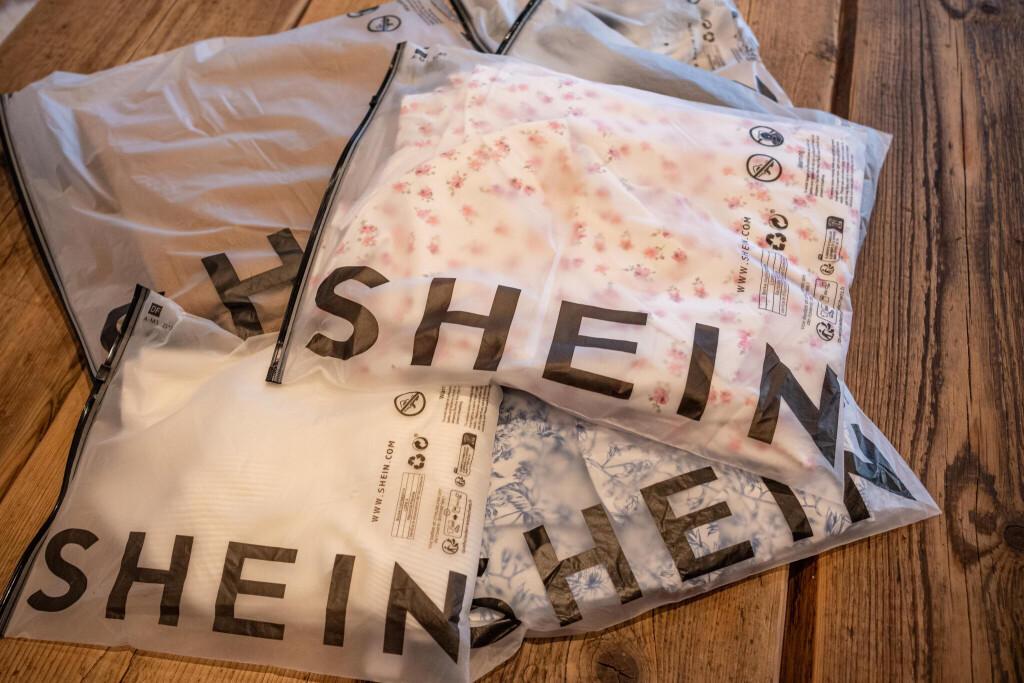
    Online fast-fashion retailer Shein is expected to have a company valuation of roughly $25 billion in its upcoming Hong Kong initial public offering (IPO), a significant decrease from its earlier valuation of approximately $100 billion four years ago. This change comes amid a slowdown in the company’s growth.

    Sources familiar with the situation have indicated that the current valuation of Shein, a company that made its name selling affordable clothing such as $5 dresses and $10 jeans, potentially lies between $25 billion and $28 billion. This represents a decrease from the initially projected valuation of $30 billion to $40 billion earlier this month.

    The Impact of Market Changes

    This reduction in valuation can be attributed to significant shifts in Shein’s most prominent markets, including an increased crackdown on e-commerce platforms selling inexpensive Chinese-manufactured goods. This has negatively affected the company’s growth prospects.

    Shein, which was established in China in 2012 and now sells to customers in approximately 160 countries, is poised to launch its eagerly-anticipated IPO this week.

    The company is reportedly planning to issue up to 8% of its total shares in the IPO. Should the company be valued at $25 billion, this would equate to an offering size of up to $2 billion.

    Economic Factors and Valuation

    Shein’s net income in 2025 stood at $2.06 billion, indicating that a $25 billion valuation would result in investors valuing the company at around 12 times its earnings.

    However, several factors have led to a decrease in Shein’s valuation. Slower growth, increased trade costs, tighter regulatory scrutiny, and heightened competition have all contributed to a decrease in investor appetite for the company.

    Shein’s net revenue saw a growth rate of 41.1% in 2023 and 20.7% in 2024. However, growth slowed dramatically to just 8% last year, resulting in total revenue of $41.8 billion. In the first quarter of this year, revenue growth was a mere 1.1% due to the impact of US customs duties and tariffs implemented in May last year.

    Questions & Answers

    What is the expected valuation of Shein in its upcoming Hong Kong IPO?
    The expected valuation of Shein in its upcoming Hong Kong IPO is around $25 billion.

    What factors have contributed to a decrease in Shein’s valuation?
    Factors such as slower growth, higher trade costs, increased regulatory scrutiny, and intensified competition have contributed to a decreased valuation.

    What was Shein’s net income in 2025, and what does this mean for its valuation?
    Shein’s net income in 2025 was $2.06 billion. If the company is valued at $25 billion, this would mean investors value Shein at around 12 times its earnings.

  • Shein Stumbles in UK Copyright Court Battle Against Temu amid IPO Plans

    Shein Stumbles in UK Copyright Court Battle Against Temu amid IPO Plans

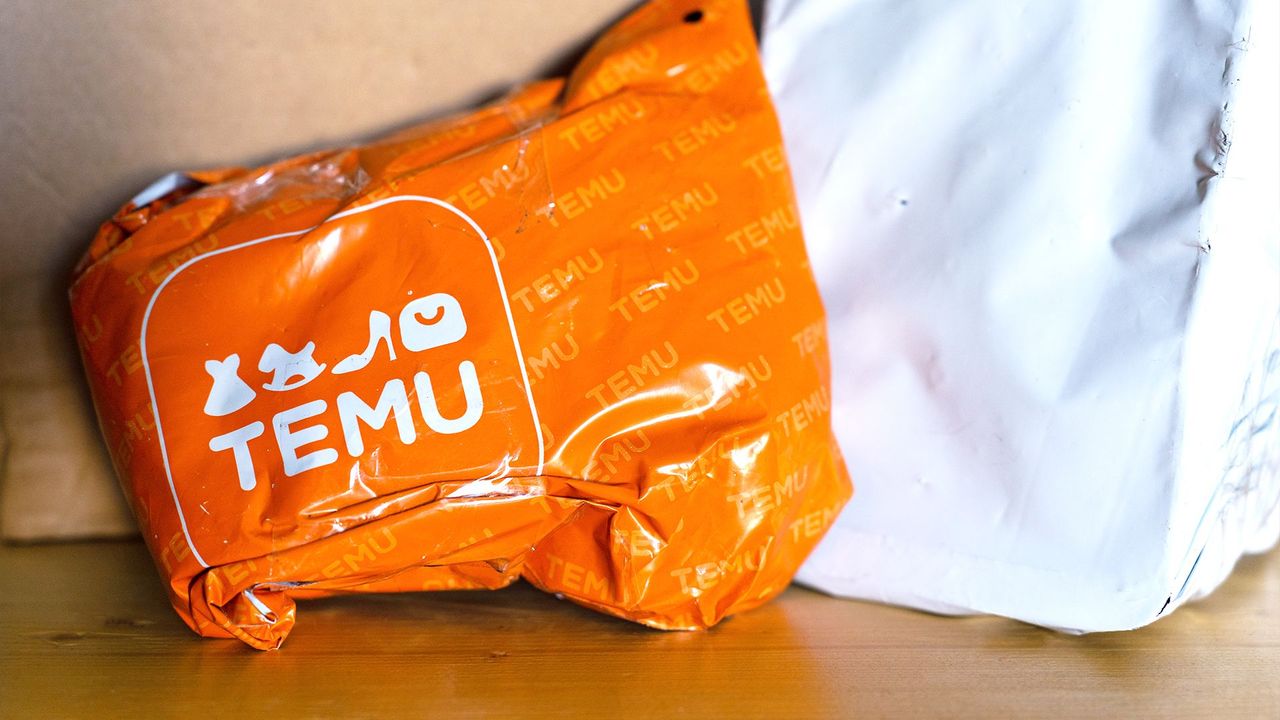
    Online fast-fashion retailer Shein recently suffered a defeat in a London court case against rival company Temu. The lawsuit, which was based on allegations of copyright infringement, ended in a ruling that could potentially benefit online marketplaces that host third-party sellers.

    Ruling Details

    In this first round in a series of legal battles taking place in London, Shein had accused Temu of violating their copyright on a large scale. They claimed that Temu, which is owned by PDD Holdings, had used Shein’s branded clothing images to leverage the reputation of a more recognized competitor. Shein is currently aiming for a valuation exceeding US$30 billion in an upcoming Hong Kong initial public offering (IPO).

    Despite Shein’s claims, Judge Kelyn Bacon dismissed the notion that Temu had infringed on Shein’s copyright. Furthermore, she stated that even if there had been any infringement, Temu would not be liable. Initially, Shein had argued that Temu had reproduced its product photos but had not pursued this claim at the trial. The judge noted that this was because Temu’s servers are located outside the United Kingdom, and any reproduction would consequently also be outside the UK.

    A representative from Shein expressed disappointment, stating that while there was no question about Shein’s ownership of the photos in question, Temu had managed to avoid liability in the UK because their servers are based in Ireland. Temu has yet to comment.

    Global Legal Battle

    This case is just one piece in the larger legal confrontation between Shein and Temu. Both companies have experienced rapid international expansion, offering affordable clothing, accessories, and gadgets to consumers.

    Judge Bacon’s written ruling rejected the idea that Temu enabled the violation of Shein’s copyright by allowing merchants to upload photos to its website. Instead, she pointed out that Temu “prohibits merchants from uploading infringing content.”

    Crucially, she also ruled that had there been any copyright infringement, Temu could have invoked the hosting defense. This is because it serves solely as an “intermediary” and did not possess the necessary awareness of any infringement. She stated that Temu did not have actual knowledge of the infringements or was aware of any facts or circumstances that would make the infringements apparent.

    On a final note, Judge Bacon upheld Temu’s counterclaim, which sought damages for the removal of listings when Shein obtained an injunction regarding images for which it did not own the copyright.

    Questions & Answers

    What was the basis of Shein’s lawsuit against Temu?
    Shein accused Temu of violating its copyright on a large scale and claimed that Temu had used Shein’s images to leverage the reputation of a more established competitor.

    Did the judge find Temu guilty of copyright infringement?
    No, the judge rejected Shein’s argument that Temu had infringed on its copyright and said that even if infringement had occurred, Temu would not be liable.

    What are the implications of this ruling for online marketplaces?
    This ruling could potentially benefit online marketplaces that host third-party sellers, as it emphasizes the intermediary nature of their role and the potential for the so-called hosting defense.

  • Alo Yoga Breaks Ground in China with Exclusive E-commerce Store on Tmall

    Alo Yoga Breaks Ground in China with Exclusive E-commerce Store on Tmall

    Alo, a US-based athleisure brand, is making its debut in the e-commerce sector of Mainland China through a partnership with Tmall. This new online store launch will provide Alo with a direct retail channel to a new consumer base.

    First E-commerce Store in Mainland China

    The new online store will feature over 300 products from the Alo range, cementing its exclusivity as Alo’s sole e-commerce platform in the region. This partnership also provides Alo with the opportunity to tap into Tmall’s extensive customer base, specifically its 62 million 88VIP members.

    Gu Di, GM of sports and outdoors at the Taobao and Tmall Group, expressed optimism that the collaboration would enable Alo to connect with high-value customers in the country. Gu remarked that the partnership underlines Tmall’s reputation as the preferred choice for international brands looking to engage high-value customers and achieve scalable growth in China.

    Expansion and Growth

    Alo originally ventured into mainland China in June, establishing its brand presence on popular platforms WeChat and Xiaohongshu, also known as RedNote. Since its initial entry, Alo has launched an event booking platform via a WeChat Mini Program and enlisted Chinese K-pop star Ningning from Aespa as a brand ambassador.

    Maggie Xie, an associate director at S&P Global Ratings, supported this strategy, stating that it allows Alo to leverage its current social media popularity while keeping initial investments to a minimum. She explained that by prioritizing an online store launch in mainland China, Alo can capitalize on its existing social media following and gauge consumer demand and product preferences with lower upfront capital expenditure compared to physical stores.

    Established in 2007, Alo has garnered a large following of younger consumers, thanks to its California-inspired designs and endorsements from celebrities such as Kendall Jenner and Bella Hadid.

    Questions & Answers

    What is Alo’s strategy for its entry into the Chinese market?
    Alo is leveraging the popularity of e-commerce by launching its first online store in Mainland China through Tmall. This approach allows the brand to test the market with lower upfront costs compared to opening physical stores.

    What is the significance of Alo’s new partnership with Tmall?
    The partnership provides Alo with a direct retail channel to Tmall’s extensive customer base, including over 62 million 88VIP members. It also positions Tmall as the preferred choice for international brands seeking scalable growth in China.

    How has Alo built its following among younger consumers?
    Alo has built a strong following among younger consumers through its unique California-inspired designs and the endorsement from celebrities like Kendall Jenner and Bella Hadid. This celebrity endorsement strategy has played a significant role in enhancing the brand’s appeal.

  • Empowering Etsy Entrepreneurs: Asendias SendNow Revolutionizes Shipping in Eight Global Markets

    Empowering Etsy Entrepreneurs: Asendias SendNow Revolutionizes Shipping in Eight Global Markets

    Asendia, a leader in cross-border e-commerce, has recently announced a strategic partnership with Etsy, a global hub for unique and creative products. This collaboration offers Etsy sellers from eight key international markets the opportunity to utilize Asendia’s innovative SendNow platform for their shipping needs.

    Building Bridges for E-commerce Entrepreneurs

    Thanks to this alliance, Etsy vendors from Greece, Spain, Italy, Portugal, the Netherlands, Australia, India, and Vietnam can now access SendNow by Asendia. It allows these sellers to utilize both domestic and global shipping solutions seamlessly, thereby facilitating their business operations.

    This partnership is a significant step for both entities. Etsy’s thriving network of creative entrepreneurs will now be able to tap into Asendia’s expansive global logistics network. This access provides a practical solution for small-scale online retailers, many of whom manage their business operations independently, including the design, production, and shipping of their products.

    SendNow: Asendia’s Comprehensive Digital Shipping Solution

    SendNow is an online, self-service shipping platform by Asendia, tailored specifically to meet the needs of small businesses and marketplace sellers. It offers end-to-end shipping management, empowering sellers to handle all aspects of their logistics via a single digital interface.

    Roman Sobieri, Senior Director of Global Shipping at Etsy, shared his thoughts on the collaboration, “Our sellers come to Etsy to transform their hobbies into businesses. We continuously strive to aid their success, and providing a simplified shipping process is a crucial part of that. Collaborating with reliable partners like Asendia enables us to offer flexible and dependable alternatives that bolster our sellers’ businesses.”

    Upholding Small Business Growth with Trusted Delivery

    As a trusted global shipping partner, Asendia’s SendNow service will be marketed directly to Etsy sellers in the eight selected markets. These merchants will now have easy access to both domestic shipping and international delivery to over 180 global destinations via the Asendia network.

    Simon Batt, CEO at Asendia, expressed his views on the partnership, “Shipping often poses a challenge for many small business owners. With our collaboration with Etsy and the Asendia SendNow platform, we aim to simplify logistics, allowing sellers to concentrate more on expanding their businesses and less on shipping.”

    This partnership is a testament to Asendia’s ongoing dedication to serving the growing e-commerce markets with intelligent, scalable solutions that are closely aligned with the needs of today’s online sellers. By partnering with trustworthy platforms like Etsy, Asendia is broadening its reach and solidifying its position as a key logistics partner for marketplaces and merchants.

    Questions & Answers

    What is the main purpose of the partnership between Asendia and Etsy?
    The partnership aims to provide Etsy sellers in eight key markets access to Asendia’s SendNow platform, offering seamless domestic and international shipping solutions.

    What is Asendia SendNow?
    Asendia SendNow is an online, self-service shipping platform tailored for small businesses and marketplace sellers, offering end-to-end shipping management from a single digital interface.

    Which markets will have access to Asendia’s SendNow service?
    Etsy sellers in Greece, Spain, Italy, Portugal, the Netherlands, Australia, India, and Vietnam will have access to Asendia’s SendNow service.

  • Indonesian E-Commerce Giants Appointed as Tax Collectors: A New Dawn in Digital Sales Taxation Starts November

    Indonesian E-Commerce Giants Appointed as Tax Collectors: A New Dawn in Digital Sales Taxation Starts November

    Beginning November 1, income tax collection will be initiated from sellers on e-commerce platforms in Indonesia, as confirmed by the country’s tax authority. The plan, which was postponed twice in an effort to stimulate consumer spending, is now scheduled to commence.

    Postponement for Economic Stability

    The decision for this delay was taken by the government to retain public purchasing power during uncertain economic conditions. The tax office has assured that any income tax already collected from the sellers will be reimbursed.

    Several e-commerce giants, including Tokopedia, which is overseen by TikTok’s parent company ByteDance and partially owned by Indonesia’s largest tech company GoTo; Shopee, which is a part of Sea Limited; Alibaba-backed Lazada, and Blibli, were initially assigned as tax collectors. However, the tax office has indicated that it will revoke the appointments of these four marketplaces and reassess the selection at a future time.

    Preparations by e-Commerce Platforms

    In response to this development, the Indonesia e-commerce industry association, idEA, stated that the marketplaces have been taking steps to facilitate a more efficient collection process when it eventually commences. The original plan to implement tax collection was supposed to be enacted last year, but due to objections from sellers and platforms, it was delayed until this year.

    Questions & Answers

    Why was the tax collection plan delayed?

    The plan was postponed in order to maintain public purchasing power amidst challenging economic conditions.

    Who were initially appointed as the tax collectors?

    Tokopedia, Shopee, Lazada, and Blibli were the e-commerce platforms initially appointed by the government to collect taxes.

    What is the response from the e-commerce industry?

    The Indonesia e-commerce industry association, idEA, stated that the marketplaces are making preparations to facilitate a smoother tax collection process when it begins.

  • Chinese Online Retailer Temu Faces EU Charges Over Non-Cooperation in Subsidy Investigation

    Chinese Online Retailer Temu Faces EU Charges Over Non-Cooperation in Subsidy Investigation

    The European Commission has recently accused Temu, a Chinese online retailer, of failing to adequately cooperate during an investigative raid in December last year. The raid was conducted at Temu’s European headquarters in Dublin and forms part of an ongoing subsidy probe.

    Allegations and Potential Penalties

    Temu, a subsidiary of PDD Holdings, could face a fine amounting to 1% of its total annual profit if found guilty of the charges. The investigation forms part of the EU Foreign Subsidies Regulation’s efforts to determine whether the company has received any state aid that could give it an unfair edge in the European market.

    Despite the allegations, Temu has publicly disagreed with the charges, denying that it has received any distortive subsidies. The European Commission, which operates as the EU’s competition regulator, maintains, however, that Temu did not comply with several information requests during the investigation.

    These requests covered a range of topics, including queries about the company’s management and organization of its European activities, the IT tools and systems used within the EU, and the provision of specific books and records relating to the company’s operations in the EU.

    Temu’s Response and Previous Charges

    In response to the charges, Temu insists that it has fully complied with all requests made during the inspection. The company has also clarified that its operations in the EU are sufficiently funded by its own operating activities, negating the need for foreign subsidies to fuel any competitive activities or to create a competitive advantage.

    The ongoing investigation is not the first run-in for Temu with the European Commission. In a separate incident in May, Temu was penalized €200 million (US$230 million) for failing to adequately prevent the sale of illegal products on its platform.

    Questions & Answers

    What are the charges against Temu?
    The European Commission has accused Temu of failing to cooperate during an investigative raid at its European headquarters. The Chinese online retailer is also under investigation for potentially receiving state aid that could give it an unfair advantage in the European market.

    How has Temu responded to these allegations?
    Temu has disagreed with the charges, stating that it has fully complied with all requests made by the Commission during the inspection. The company also denies receiving any distortive subsidies.

    Has Temu faced any previous charges from the European Commission?
    Yes, in a separate case in May, Temu was fined €200 million (US$230 million) by the Commission for not doing enough to prevent the sale of illegal products on its platform.

  • Vietnam’s E-commerce Boom: Soaring Online Sales Triple Traditional Retail Growth Rate

    Vietnam’s E-commerce Boom: Soaring Online Sales Triple Traditional Retail Growth Rate

    During the first half of 2026, online retail sales have seen a significant surge, growing by over 40% year-over-year on key e-commerce platforms. This is triple the growth rate of Vietnam’s overall retail sector.

    Online Marketplaces Experience Rapid Growth

    According to a report from an e-commerce data analytics platform, the four main multi-category online marketplaces – Shopee, TikTok Shop, Lazada, and Tiki – experienced growth in gross merchandise value (GMV) ranging from 38-52%. These platforms collectively hosted 613,900 stores, with a total GMV of VND291.6 trillion (US$11.07 billion). These stores sold more than 2.18 billion products, marking a 41% and 12% increase respectively. On average, consumers spent around VND1.6 trillion a day, purchasing 12 million products, with the majority of spending in the beauty, fashion, home and living, groceries and food, and household appliances categories.

    Many brands have reaped the benefits of this e-commerce boom. For instance, JBL, an audio equipment retailer, reported that its second-quarter sales on Lazada were double those of the previous year.

    The Impact of Livestreaming and Discounts

    The rapid growth of online retail has been partly attributed to the rise of livestreaming shopping, which has become the primary purchasing channel for online shoppers, accounting for 67% of their online expenditure. In addition to this, discounts have greatly influenced consumers’ preference for online shopping over traditional brick-and-mortar stores, with 82% of consumers citing discounts as a key factor in their purchasing decisions. Shoppers are encouraged to make immediate purchases due to livestream-exclusive vouchers and limited-time promotions.

    However, increased fees for merchants on both Shopee and TikTok Shop have led to some sellers raising their prices. The National Competition Commission has requested reports from these platforms on the impact of their increased fees.

    Questions & Answers

    What is contributing to the rapid growth of online retail sales?
    Factors such as the rise of livestream shopping, discounts, and the convenience of express delivery have contributed to the rapid growth of online retail sales.

    How are brands benefiting from the e-commerce boom?
    Brands are gaining high traffic and reaching more consumers through online channels, which also serve as effective platforms for promotional campaigns targeting younger consumers.

    How are increased fees on e-commerce platforms affecting sellers?
    Increased fees on e-commerce platforms like Shopee and TikTok Shop are leading some sellers to raise their prices. The impact of these increased fees is currently under review by the National Competition Commission.

  • Shein’s IPO Dreams Tumble as EU E-commerce Fees Threaten $50 Billion Valuation Goal

    Shein’s IPO Dreams Tumble as EU E-commerce Fees Threaten $50 Billion Valuation Goal

    Shein, the fast-fashion retailer, is looking at a tough road ahead as it aims for a valuation of up to US$50 billion in its highly anticipated IPO in Hong Kong. This is mainly due to new fees imposed on e-commerce parcels in Europe, which are expected to negatively affect sales growth and profits. The proposed valuation is a significant drop from the $100 billion valuation that the company held in 2022, during a funding round when it initially considered a New York listing.

    The company generated global revenue exceeding $40 billion last year, alongside a net profit of nearly $2 billion, according to undisclosed sources. In comparison, the company’s 2024 filings in Singapore show $37 billion in revenue and a profit of $1.29 billion.

    Challenges Presented by New EU Fees

    The company’s growth trajectory this year is likely to face setbacks, following the European Union’s introduction of a €3 fee on low-value e-commerce imports. This measure is aimed at curbing what the EU believes to be unfair competition from China. Shein’s CEO, Sky Xu, will need to reassure investors that this is a temporary setback, with growth expected to rebound in 2027. A significant portion of Shein’s products are manufactured in China, and Europe accounts for a third of the company’s revenue.

    Eddie Tam, Chief Investment Officer at Central Asset Investments in Hong Kong, voiced his concerns about the company’s valuation, stating, “If its valuation is $40 billion, I think that’s still a bit expensive. But if it’s closer to $30 billion, maybe it looks more attractive,” He further added that the new European fees will significantly impact the company’s performance.

    Effects of Increased Fees on European Demand

    Before the imposition of the new fees, e-commerce parcels worth less than €150 (US$171.96) entered the European Union duty-free. Now, each parcel is subject to €3 fees per customs code, which means a parcel with five different items could be charged €15 in duties.

    One e-commerce industry analyst, Juozas Kaziukenas, noted the significant impact of the fee increase by stating, “If you’re used to buying €3 T-shirts on Shein, those are now double the price which is quite significant, even if they’re still cheaper than local alternatives.”

    To better navigate the new fee structure, Shein has been expanding warehouse space in Wroclaw, Poland, and shipping popular products to the EU in bulk. However, like its competitor Temu, the company has cut back advertising spending in Europe as it monitors consumer reactions to the price increases.

    Questions & Answers

    What is the primary challenge facing Shein’s upcoming IPO?
    The main challenge is the new fee imposed by the European Union on e-commerce imports, which is likely to affect the company’s sales growth and profits.

    How has Shein been preparing for the change in the European Union’s e-commerce fee structure?
    Shein has been expanding its warehouse space in Wroclaw, Poland, and shipping popular products to the EU in bulk. It has also reduced advertising spending in Europe.

    What was the valuation of Shein during its 2022 funding round, and how does it compare to the expected valuation in the upcoming IPO?
    During the 2022 funding round, Shein was valued at $100 billion. However, the company is seeking a valuation of $40 to $50 billion in the upcoming IPO, indicating a significant drop.

  • EU Imposes New €3 Duty on Chinese E-commerce Imports, Shaking up Online Retail Giants

    EU Imposes New €3 Duty on Chinese E-commerce Imports, Shaking up Online Retail Giants

    As part of its agenda to curb perceived unfair competition from online retailers like Shein, Temu, and AliExpress, Europe has initiated a €3 charge on low-value e-commerce imports from China that were previously duty-free. This move constitutes a significant challenge for platforms which leveraged customs exemptions in order to offer goods at extremely competitive rates, driving fast-paced growth. The new charges, effective since Wednesday, apply to each customs classification within a shipment. For instance, the total fee for a shipment with three different item categories would be €9, while a single-category shipment, such as multiple dresses or toys, will cost €3.

    Duty Exemptions and e-Commerce

    Duty exemptions for low-value imports have been a norm for many years, with the current threshold of €150 introduced in 2008. However, the surge in the number of e-commerce parcels entering the European Union under exemption rules has led to a rethink. The number of such parcels increased from 1.4 billion in 2022 to 5.8 billion by 2025. Dirk Gotink, an EU lawmaker spearheading customs reform in the European Parliament, argued that these exemptions were manipulated on an industrial scale to secure a competitive edge at the expense of EU businesses. He stated that the old trading world, which justified these exemptions, has been upended by the rise of e-commerce, particularly from China.

    Impact on Air Cargo and Consumer Prices

    In the aftermath of this decision, experts predict that e-commerce air cargo volumes to the EU could decrease by 10% to 35%. This could have wider repercussions on global air cargo volumes. Online platforms may also pressurize suppliers to offset some of the additional costs to avoid significant price hikes for consumers and maintain profitability.

    The €3 charge is a temporary measure, slated to be replaced by category-specific duties from July 1, 2028, in accordance with the new EU Customs Authority’s operational timeline. Consumer prices are likely to increase as platforms pass on some of the additional costs to buyers. Amazon, after its rival platforms Temu and Shein’s rapid growth, has argued that 97% of its EU shipments last year were delivered from warehouses within the bloc.

    Questions & Answers

    What is the new charge imposed by Europe on low-value e-commerce imports from China?
    A €3 fee has been imposed on each customs classification within a shipment of low-value e-commerce imports from China.

    What was the reason behind the implementation of this new charge?
    The charge is designed to curb what Europe perceives as unfair competition from online retailers who leveraged customs exemptions to offer goods at extremely low prices.

    How might this charge impact consumers?
    With the imposition of this charge, consumer prices are likely to increase as platforms pass on some or all of the additional costs to buyers.

  • Boost in Personalized E-Commerce Experience Demanded by Savvy Singapore Shoppers

    Boost in Personalized E-Commerce Experience Demanded by Savvy Singapore Shoppers

    Singaporean consumers are increasingly expecting more from their online shopping experiences, favoring personalised and relevant product discovery over novelty. This finding is according to a recent report called the Spark of Discovery 2026.

    Efficiency and Personalisation

    The study shared that Singaporeans are progressively seeking out efficient, customised experiences. Nearly half of the respondents (43%) stated that a swifter, more streamlined shopping process would be the most valuable improvement that retailers could offer them.

    In addition, the survey indicated that 63% of surveyed participants still find enjoyment crucial in online shopping, 62% prefer to stick with planned purchases, and 60% remain open to discovering new items. These data points signify a more purposeful approach to online browsing and purchasing.

    Trust Over Influence

    Trust is more important than influence when it comes to online shopping. Only 28% of Singaporean consumers admitted that content from influencers generates excitement about brands, which falls below the Asia-Pacific average of 34%. Meanwhile, positive reviews and readily accessible customer support emerged as the strongest factors driving engagement.

    Singapore is seen as a key indicator of the direction in which e-commerce in the Asia-Pacific region is moving, according to Sukesh Singh, MD, SEA at Criteo. Singh goes on to explain: “Consumers here are highly digitally literate; they know exactly what a great shopping experience looks like, and they have no patience for anything less. They want discovery to find them at the right moment, not interrupt them at the wrong one.”

    Artificial Intelligence and Personalisation

    These findings have emerged as retailers are boosting investments in artificial intelligence to enhance personalisation. Over half of the respondents declared that they are comfortable with brands leveraging their purchase history to provide customised recommendations, while 44% noted that timely and relevant advertisements enhance the shopping experience.

    On the retailer side, the report found that a vast majority (92%) plan on utilising AI to improve customer experiences, while 91% intend to employ it to make product discovery more efficient. These figures suggest that retailers are increasingly shifting their focus towards data-driven targeting as opposed to broad-reaching campaigns.

    The report also underscored the significant influence of shopping festivals on Singapore consumers, with 85% stating that they are swayed by such events. This reinforces the importance of providing pertinent recommendations during peak spending periods.

    Questions & Answers

    What value do Singaporean consumers see in online shopping experiences?
    Efficiency and personalisation are highly valued by Singaporean consumers in their online shopping experiences. A streamlined, less time-consuming shopping process is seen as the most valuable improvement that retailers could offer.

    How important is trust for Singaporean consumers when shopping online?
    Trust is crucial for Singaporean consumers when shopping online. Positive reviews and accessible customer support are among the strongest factors driving engagement.

    How are retailers responding to the demand for personalised experiences?
    Retailers are increasingly investing in artificial intelligence to enhance personalisation. They plan to utilise AI to improve customer experiences and make product discovery more efficient.