Tag: E-Commerce

  • Chinese Beauty Brand Judydoll Conquers Europe via Joybuy E-commerce Platform

    Chinese Beauty Brand Judydoll Conquers Europe via Joybuy E-commerce Platform

    Judydoll, a renowned beauty brand from China, has made its grand entrance into the European market. This move was achieved through a successful launch on the e-commerce platform, Joybuy, spanning multiple countries including the UK, Germany, the Netherlands, France, Belgium, and Luxembourg.

    Established Origins and Expanding Presence

    Having its roots in Shanghai, Judydoll was established under the Joy Group in 2017. Recognized for its economically priced color cosmetics, Judydoll has been able to solidify its presence through various online marketplaces such as Tmall and Taobao. Subsequent to this online success, the brand ventured into physical retail, growing its network of stores.

    Presently, Judydoll operates over 100 stores throughout China. Furthermore, it has managed to broaden its international footprint by opening flagship stores in Singapore, along with retail collaborations throughout the Gulf Cooperation Council region.

    European Expansion Supported by Efficient Logistics

    Judydoll’s launch in Europe is backed by Joybuy’s effective logistics network. This collaboration ensures local fulfillment along with the promise of next-day delivery, making it easier for customers to access their products.

    In the company’s words, “Judydoll and Joybuy’s collective effort is aimed at bringing superior beauty products closer to European consumers.”

    Questions & Answers

    When was Judydoll established and by whom?
    Judydoll was established in 2017 by the Joy Group.

    How did Judydoll establish its initial presence?
    Judydoll initially established its presence through online marketplaces such as Tmall and Taobao, and later expanded into physical retail.

    What facilitates Judydoll’s launch in Europe?
    Judydoll’s European launch is facilitated by Joybuy’s logistics network, ensuring local fulfillment and next-day delivery.

  • South Korea Slaps Coupang with Record $409M Fine Over Unprecedented Data Breach

    South Korea Slaps Coupang with Record $409M Fine Over Unprecedented Data Breach

    South Korea has handed down a massive fine of 625 billion won (US$409.30 million) to e-commerce behemoth, Coupang. This follows an extensive breach of customer information and illicit collection of personal data, marking the country’s most substantial data violation penalty ever levied on a corporation.

    The nation’s Personal Information Protection Commission revealed that the New York-listed company had leaked the personal data of over 33 million customers. Notably, the company failed to identify and address the leak within the legally mandated 72-hour window.

    The fine represents approximately 1.4 per cent of Coupang’s revenue of 45 trillion won in 2025. The commission’s chairperson, Song Kyung-hee, pointed out during a Thursday briefing that the data breach happened due to Coupang’s inadequate safety measures and systems – not because of advanced hacking techniques.

    Acknowledgement and Apology

    In response to the announcement of the fine, Coupang expressed regret and offered an apology for the public distress and concern caused to its customers. Although, the company expressed disappointment that their proactive efforts to mitigate the aftermath of last year’s data leak were not fully recognized by the regulatory body’s decision.

    Coupang, headquartered in Seattle, generates the majority of its earnings in South Korea by offering speedy delivery of groceries, food, and other goods. The penalty comes on the heels of a government-led investigation earlier this year, attributing the data breach to a managerial failure.

    Investigation Findings and Implications

    The science ministry in South Korea reported that a former employee, a Chinese national, had unlawfully procured a security key, allowing unauthorized access to customer accounts. Song noted that Coupang’s flawed security system allowed a hacker to undeterredly access the personal information of all customers, even after the alleged culprit had left the company.

    In addition to the breach, the firm did not notice an abnormal increase in traffic to its customer data until alerted by a customer inquiry. Moreover, the regulator discovered that Coupang’s marketing program had illicitly collected information on the online activities of around 11 million customers without obtaining their consent.

    Song remarked that Coupang had significantly expanded its e-commerce service based on extensive customer data. However, despite its business scale, the company lacked a system to protect and manage customer information.

    Questions & Answers

    Why was Coupang fined 625 billion won by South Korea?
    Coupang was fined for a substantial breach of customer data and illegal collection of personal information, marking the largest data violation penalty ever issued by South Korea.

    What are the details of the data breach?
    The company leaked the personal data of over 33 million customers and failed to identify and address the breach within the legally mandated 72-hour window. A former employee was found to have unlawfully accessed customer accounts.

    What was Coupang’s response to the fine?
    Coupang apologized for the concern caused to the public and its customers. However, the company expressed disappointment that their proactive efforts to prevent further harm from the data leak were not fully acknowledged by the regulatory authority.

  • Iran Conflict Stalls China’s E-commerce Wave: Surging Fuel Costs and Dwindling Demand Spell Trouble for Online Giants

    Iran Conflict Stalls China’s E-commerce Wave: Surging Fuel Costs and Dwindling Demand Spell Trouble for Online Giants

    China’s e-commerce export sector is facing difficulties due to increasing jet fuel costs and a decrease in demand from lower-income consumers in the West. These challenges have arisen as a result of the ongoing conflict in Iran, which is affecting profits for major online platforms such as Temu, Shein, and AliExpress.

    The Evolving Business Model

    These companies, many of whom have business models that rely on the transportation of inexpensive goods from Chinese factories to global consumers, have been under stress since the introduction of tariffs by former U.S. President Donald Trump. The additional tariffs and the removal of customs waivers on low-value packages have put further pressure on these companies.

    Added to this, escalating logistics costs as a result of the Middle East conflict are making things more complicated. Shippers like DHL Express are now imposing significant fuel surcharges. As a result, China’s low-cost e-commerce exports experienced a decrease of 10.9% in April, which marks the fifth consecutive month of declines year on year.

    For example, Diana Qiao, a seller of women’s clothing on Temu, found it necessary to raise her selling prices due to an increase in shipping costs per garment. Qiao shared that the added cost is ultimately passed on to the consumer, a measure that was taken to protect her profit margins.

    Changing Strategies

    The decrease in export values is not only indicative of the cost squeeze but also suggests that the era of rapid growth for these large, low-cost shopping platforms may be coming to an end. These companies are likely shifting towards storing more products in warehouses for local dispatch, instead of having everything shipped directly from China.

    Shein, for example, has been increasing its warehouse capacity in Europe. The company recently opened its third warehouse in Cannock, near Birmingham in the UK. AliExpress, owned by Alibaba, confirmed its commitment to maintaining competitive pricing for its consumers and providing a stable environment for sellers and consumers, despite the fluctuating global transportation costs.

    Although exports are still higher than they were two years ago, future growth may be more challenging for companies like Shein and Temu. Both companies have already established significant market shares, and the rise in petrol prices is impacting household budgets in the US and Europe.

    Questions & Answers

    What factors are impacting China’s e-commerce export sector?
    The sector is being affected by increasing jet fuel costs and decreased demand from lower-income consumers in the West, stemming from the ongoing conflict in Iran.

    How are e-commerce companies adjusting to these challenges?
    Companies are likely shifting towards storing more products in warehouses for local dispatch, instead of having everything shipped directly from China.

    What are the future prospects for growth in this sector?
    Although exports are still higher than they were two years ago, future growth may be more challenging due to factors such as rising petrol prices and established market shares by big companies.

  • Pinduoduos Parent, PDD Holdings, Experiences Slump Amid Economic Weakness and Intense E-commerce Competition in China

    Pinduoduos Parent, PDD Holdings, Experiences Slump Amid Economic Weakness and Intense E-commerce Competition in China

    Chinese e-commerce powerhouse, PDD Holdings, recently experienced a significant drop in first-quarter profits along with revenues falling short of projections. This is largely attributed to a sluggish economy dampening demand for their domestic operations. The underperformance sent the company’s share value plummeting by 10% on Wednesday.

    China’s retail sector, being the world’s second-largest, has had difficulties drawing in consumers. This is primarily due to a protracted property crisis and worries over job security and wage growth, which have collectively undermined spending power. This, in turn, has negatively affected the demand for companies like PDD.

    Stiff Market Competition and Aggressive Investments

    PDD’s domestic discount marketplace, Pinduoduo, faces fierce competition from rivals such as JD, Alibaba, and other discount retailers like ByteDance’s Douyin. These competitors have been employing aggressive pricing strategies to attract customers.

    In addition to its domestic operations, PDD also manages the international e-commerce platform, Temu. The company has been making substantial investments in its supply chain network to enhance delivery speeds and broaden product categories, in hopes of enticing more shoppers.

    In an effort to build a new self-operated brand called Xinpinmu, the company announced in March that it would invest 100 billion yuan (US$14.8 billion) over the next three years. This move aims to integrate Pinduoduo’s supply chain resources with Temu.

    These aggressive investment strategies have resulted in a surge in PDD’s expenses, which in turn has weighed down its net income, causing a 15% reduction to 12.5 billion yuan for the quarter ending March 31.

    Regulatory Scrutiny and Model Feasibility

    Temu has grown in popularity as a platform for shoppers seeking low-priced items, capturing demand from lower-income households worldwide.

    However, the company’s model of delivering inexpensive goods directly to customers from China is encountering increased regulatory oversight. Temu’s operations have traditionally depended on duty waivers for low-value parcels in many jurisdictions.

    Changes in international regulations, such as the US abolition of the duty-free exemption on parcels valued under $800 last year, and the EU’s decision to eliminate its duty-free allowance on parcels under 150 euros ($174.57) as of July this year, pose questions about the sustainability of the current business model.

    Questions & Answers

    What is causing PDD’s revenue to fall short of estimates?
    The decrease in PDD’s revenue is primarily due to a sluggish economy that is affecting consumer demand for its domestic operations.

    How is PDD responding to the competitive e-commerce market?
    PDD is making substantial investments in its supply chain network to enhance delivery speeds and broaden product categories, in hopes of enticing more shoppers.

    How might changes in international duty regulations affect PDD’s business model?
    Changes in international regulations, such as the abolition of duty-free allowances on low-value parcels, could impact PDD’s current business model of delivering inexpensive goods directly from China and may require the company to adapt its operations accordingly.

  • Chinese E-commerce Titan JD Eyes £2 Billion Acquisition of UKs The Very Group

    Chinese E-commerce Titan JD Eyes £2 Billion Acquisition of UKs The Very Group

    JD, the Chinese e-commerce titan, is reportedly considering a significant expansion within the UK market, with a potential £2 billion ($2.69 billion) acquisition bid for the British online retail platform, The Very Group.

    JD’s Expansive Strategy in the UK

    This move is the latest in a series of attempts by JD to strengthen its foothold in the UK market. Previously, the company had made a failed attempt to acquire the electricals group Currys and, in 2020, had withdrawn from negotiations aimed at acquiring Argos from Sainsbury’s. These activities indicate JD’s strong interest in expanding its operations in the UK, despite previous setbacks.

    Representatives from JD and The Very Group have refrained from commenting on these market speculations.

    The Very Group’s Recent Ownership Changes

    The owner of The Very Group, Carlyle, was reported earlier this year to be planning a £2 billion sale of the enterprise. This news came just a few months after Carlyle assumed ownership from the Barclay family, who had been long-time stakeholders in the business.

    Questions & Answers

    What is the estimated value of the deal between JD and The Very Group?
    The value of the potential deal is speculated to be around £2 billion ($2.69 billion).

    What other UK ventures has JD been involved in?
    In the past, JD has attempted to buy the electricals group Currys and also entered negotiations to acquire Argos from Sainsbury’s.

    Who is the current owner of The Very Group?
    The Very Group is currently owned by Carlyle, which took over from the Barclay family last year.

  • Revolutionizing E-Commerce: Alibabas Qwen AI Changes the Game in Online Shopping Experience

    Revolutionizing E-Commerce: Alibabas Qwen AI Changes the Game in Online Shopping Experience

    Alibaba, the Chinese technology behemoth, is set to revolutionize the way consumers search for products online. The company plans to link its artificial intelligence (AI) system Qwen to Taobao and Tmall’s online catalogues, which together comprise over 4 billion products. The Qwen-powered shopping assistant will be directly integrated into the Taobao app, allowing users to ask comprehensive questions, receive personalized suggestions, compare different options, and execute transactions, without ever leaving the chat interface.

    Revolutionizing E-commerce Infrastructure

    The impact of Alibaba’s latest innovation is best understood by examining the scale of its implementation. Taobao and Tmall, the world’s largest e-commerce marketplaces in terms of gross merchandise value, handled an estimated combined total of US$1.4 trillion in transactions last year. This figure eclipses Amazon’s third-party marketplace by nearly three times.

    What sets Alibaba’s approach apart is that it is not simply adding an AI feature to an existing platform, like OpenAI’s third-party plug-ins or Amazon’s AI-powered recommendations. Instead, Qwen, which has been trained using over two decades of Alibaba’s proprietary transaction data, merchant operations, and consumer behaviour, is woven into the transaction layer of the company’s e-commerce platform.

    The integration of Qwen addresses the challenges faced by global AI platforms trying to enter the e-commerce space. While they have to start from scratch, building trust and personalization, Alibaba already holds the keys: owning the data, the catalogue, the payment infrastructure through Alipay, and the logistics network through Cainiao. Qwen is the final piece of the puzzle, the conversational interface that ties everything together.

    A New Shopping Experience

    Qwen’s integration offers consumers a novel shopping experience. It goes beyond providing keyword-based search results. For instance, if a user is unsure what to buy for a friend’s birthday, Qwen can suggest appropriate gifts based on the user’s budget and their friend’s preferences. Similarly, someone looking to redecorate a small apartment can describe their needs, to which Qwen responds with a curated bundle of products and styling suggestions.

    Moreover, Qwen can provide detailed product comparisons for specific queries, from children’s camping gear to electric toothbrushes for sensitive gums. With the help of Alibaba’s multimodal model, it can even simulate how a garment would look on a user’s photo. The company plans to extend this feature to include footwear and accessories.

    Qwen can also assist users financially. It can aggregate platform discounts during major shopping events, recommend the best coupon combinations at checkout, and track the price of a specific item over a 30-day period, automatically placing the order when the price reaches the user’s target.

    All these features cumulatively signal a fundamental shift in e-commerce: from a passive model that waits for the consumer to make a decision, to a proactive model that monitors conditions and acts on behalf of the consumer.

    Alibaba is not alone in pushing for this paradigm shift. Other Chinese tech companies, like ByteDance, Tencent, and JD.com, are also integrating AI more deeply into their consumer interfaces.

    Questions & Answers

    What is Alibaba’s new initiative in e-commerce?
    Alibaba is integrating its AI system, Qwen, into the Taobao app. This will allow users to ask detailed questions, get personalized recommendations, compare products, and make purchases, all within a chat interface.

    How does the Qwen integration differ from other AI implementations in e-commerce?
    Qwen has been trained on over two decades of Alibaba’s transaction data, merchant operations, and consumer behaviour. It is not merely an add-on to Alibaba’s platforms, but is deeply woven into the transaction layer, enabling a more seamless and personalized shopping experience.

    What are some of the features of the Qwen Shopping Assistant?
    Qwen offers detailed product comparisons, simulates how clothing would look on a user’s photo, aggregates discounts during major sale events, recommends optimal coupon combinations at checkout, and tracks product prices over a 30-day period, automatically placing the order when the price matches the user’s target.


  • Shopee Slapped with $7700 Penalty for Misleading Free Shipping Promotions in Vietnam

    Shopee Slapped with $7700 Penalty for Misleading Free Shipping Promotions in Vietnam

    Shopee, Singapore’s leading online retail platform, has recently been penalized VND200 million (US$7,700) by the Vietnam Competition Commission (VCC) due to deceptive advertising practices linked to a free shipping campaign initiated in August 2025.

    Confusing Advertising Practices

    The charge came after the e-commerce giant used phrases like “Free Shipping for All Orders,” “Everything Ships Free,” and “Wherever We Deliver, Shipping Is Free for All Orders,” in their promotional materials. Despite disclaimers outlining the conditions for the free shipping offer, several advertisement interfaces didn’t fully disclose the terms and exclusions, leading to confusion amongst customers.

    During the promotional period, roughly 94% of orders were shipped free of charge. The remaining orders either obtained partial shipping discounts or no discount at all due to non-compliance with the required conditions.

    Throughout the investigation, Shopee was cooperative, providing necessary information and documents to the VCC. Apart from the financial penalty, the online platform has updated information on its website, mobile application, and related social media pages to rectify this.

    Addressing the Issue and Future Plans

    Shopee has expressed its commitment to review and enhance the transparency of its communication strategies moving forward. This is with the aim of ensuring that details about promotional campaigns are precise and comprehensive.

    Despite the penalty, Shopee continues to be a formidable force in the Southeast Asian e-commerce landscape. A 2025 report shows the platform managed to sustain its dominant position within Vietnam’s online retail marketplace. It accounted for a staggering 58% market share, registering a gross merchandise value of over $11.8 billion. Competitor platforms, TikTok Shop, Lazada, and Tiki collectively made up the remaining market share.

    Questions & Answers

    What was the cause of the fine imposed on Shopee?
    Shopee was penalized due to misleading advertising related to a free shipping promotion. The company failed to clearly outline the conditions and exclusions of this offer.

    What steps has Shopee taken following the penalty?
    Shopee has rectified the information on its website, mobile application, and social media pages. Additionally, it is committed to improving the transparency of its communication activities for better clarity on promotional campaigns.

    Despite the penalty, how is Shopee performing in the e-commerce market?
    Shopee continues to lead in the Southeast Asian e-commerce market, particularly in Vietnam. In 2025, it recorded a gross merchandise value of over $11.8 billion and accounted for a 58% market share.

  • E-Commerce Boom Sparks Exodus from Hanoi’s Prime Retail Spaces Despite Slashed Rents

    E-Commerce Boom Sparks Exodus from Hanoi’s Prime Retail Spaces Despite Slashed Rents

    Despite steep rent discounts offered by landlords, numerous stores in prime retail locations in Hanoi are shutting down, unable to withstand the pressure from the burgeoning e-commerce industry. Last month, Thai Hoang, a 39-year-old retailer, abandoned his spacious 40-square-meter clothing store on Thai Ha Street, a renowned fashion destination in the city. Even when faced with a 6% reduction on the monthly rent of VND35 million (approximately USD1,330), declining sales led Hoang to relocate his business online.

    A Shift in Retail Trends

    Several businesses situated on prominent retail streets such as Thai Ha, Kim Ma, and Hue have followed a similar trajectory in recent months, vacating their premises despite landlords’ desperate attempts at retention through double-digit discounts. On Kim Ma and Nguyen Thai Hoc Streets, well-known for their blend of fashion stores and food and beverage outlets, a significant number of “for lease” and “for sale” signs can be observed.

    Mai Loan, an experienced property broker in Hanoi, identifies the townhouse segment as being in a prolonged slump, with small, narrow properties with limited parking struggling to maintain viability even in prime locations.

    Not Just a Temporary Setback

    Statistics from the online listing platform Batdongsan indicate a 22% drop in private housing interest in Hanoi since the end of last year, with average asking rents for townhouses in certain areas dropping by 13-37% from their 2025 peaks.

    Mai Vo, director of retail services at property consultancy CBRE Vietnam, suggests that this lack of tenants in prime locations is not a temporary downturn but signifies a major market shift. In the past, businesses were willing to pay premium prices for central street locations for branding purposes. However, the rise of e-commerce and integrated shopping malls has drastically altered consumer behavior, diminishing the allure of standalone retail outlets.

    The Market Rebalances

    In response to this shift, landlords are compelled to reduce rents to retain tenants. “Adjusting rents is a sign that the market is rebalancing,” Vo added. Rapidly rising rents in previous years have also reduced the competitiveness of townhouses, with many properties deteriorating and unable to meet branding requirements, thus becoming less appealing.

    Hoang Nguyet Minh, general director of property consultancy Cushman & Wakefield Vietnam, added that the pressure from stringent urban management and sidewalk regulations had also made it difficult for many food businesses to continue operating in small, narrow spaces. However, she believes that this presents an opportune moment to secure prime business locations as the market currently has ample affordable supply.

    Questions & Answers

    Why are retail businesses in Hanoi vacating their premises?
    Many businesses are struggling to survive amid the e-commerce boom, with declining sales forcing them to relocate their businesses online.

    What factors are leading to this trend?
    The rise of e-commerce and integrated shopping malls have significantly affected consumer behavior, reducing the attractiveness of standalone retail outlets, even in prime locations.

    How is the market responding to this shift?
    The market is responding by rebalancing, with landlords reducing rents to retain tenants. Meanwhile, businesses are adapting by shifting their focus to online sales.

  • Maersk Enhances E-Commerce Capabilities with State-of-the-Art, Fully Automated Distribution Centre in Singapore

    Maersk Enhances E-Commerce Capabilities with State-of-the-Art, Fully Automated Distribution Centre in Singapore

    A.P. Moller – Maersk (Maersk) has officially unveiled its World Gateway II: a state-of-the-art, fully automated global and regional distribution centre in Singapore. Stretching over 1.1 million square feet, the facility marks a significant expansion in Maersk’s contract logistics and e-commerce capabilities in the Asia Pacific region.

    Singapore: A Prime Location

    The Singapore Government backed the establishment of World Gateway II, which is poised to cater to the rapidly growing needs of companies that utilize Singapore as a regional or global distribution hub. Singapore’s strategic location and reputation as a top logistics centre make it an ideal choice for business-to-business (B2B) and business-to-consumer (B2C) e-commerce fulfilment across Asia Pacific.

    The new centre will handle a diverse range of products from various sectors, including lifestyle, fast-moving consumer goods (FMCG), retail, wellness, and technology. Its proximity to major transport infrastructure, such as the Tuas Port and Changi Airport, facilitates efficient overseas cargo distribution. Additionally, it lies a short distance from Maersk’s existing 1.0 million square feet World Gateway regional distribution centre.

    Efficiency and Scale through Advanced Automation

    The facility boasts leading-edge automation technologies such as a Multi-Shuttle System, Automated Storage and Retrieval System (ASRS), Autonomous Case-handling Robots (ACR), and Autonomous Mobile Robots (AMRs). These systems increase efficiency by reducing manual handling, thereby enhancing order fulfilment speed, shortening lead times, and improving accuracy.

    Investment and Job Creation

    Maersk has invested over S$200 million in the development of World Gateway II, which currently stands at approximately 70% occupancy. When fully operational, the facility is expected to create around 500 jobs that leverage advanced digital and automation capabilities.

    World Gateway II: Key Features

    The facility is designed with an 11-metre clear height per floor to support dense storage and advanced automation. It also features ample loading bays and rooftop container parking to cater to peak season demand.

    Its strategic location is only 16.8 kilometres from Tuas Mega Port and 42.6 kilometres from Changi Airport. Furthermore, the facility offers customs bonded, zero-GST warehouse storage, real-time shipment tracking, and full visibility of goods flow through an end-to-end transport management system.

    Additional offerings include various value-added services such as labelling, coding, bundling, kitting, and repacking. Moreover, the facility has an integrated Warehouse Management System (WMS) that enhances accuracy, visibility, and agility by integrating with customer systems.

    Finally, World Gateway II adheres to top-tier security standards and is LEED Platinum & Green Mark Platinum certified. The facility optimizes energy and water use with features such as solar panels, smart LED lighting, and energy-efficient insulation.

    Questions & Answers

    What is the significance of Maersk’s World Gateway II distribution centre?
    World Gateway II marks a significant expansion of Maersk’s contract logistics and e-commerce capabilities in the Asia Pacific region. Its strategic location in Singapore, a key logistics hub, makes it ideal for B2B and B2C e-commerce fulfilment across the region.

    What advanced technologies does the World Gateway II distribution centre employ?
    The facility uses a range of cutting-edge automation technologies such as a Multi-Shuttle System, Automated Storage and Retrieval System (ASRS), Autonomous Case-handling Robots (ACR), and Autonomous Mobile Robots (AMRs). These technologies enhance efficiency by reducing manual handling and improving order fulfilment speed and accuracy.

    What impact does the World Gateway II have on job creation in Singapore?
    Once fully operational, the World Gateway II distribution centre is expected to create approximately 500 jobs that leverage advanced digital and automation capabilities.

  • Flipkart Makes Monumental Move to India, Preps for Anticipated IPO

    Flipkart Makes Monumental Move to India, Preps for Anticipated IPO

    Flipkart, the Indian e-commerce company owned by Walmart, has relocated its holding company from Singapore to India, a move that marks an important prerequisite for the company’s anticipated stock market debut in India.

    Returning Home for Better IPO Prospects

    The move sees Flipkart joining numerous other Indian startups that initially set up base overseas, lured by the promise of easier access to capital and lower taxes. However, these companies are now seeking to return to India, drawn by the potential for more lucrative Initial Public Offerings (IPOs) in the domestic market.

    In an official statement, Flipkart revealed that it had received the Indian government’s green light for its internal restructuring, thus culminating in its successful “redomiciliation” to India. The company hailed this development as a “significant milestone”.

    A Decade of Expansion

    Flipkart, founded in 2007 as an online bookseller, has grown into a dominant player in India’s e-commerce landscape, rivaling global giant Amazon. The company relocated its holding company to Singapore in 2011, a decision reversed in 2021 when Walmart acquired a majority stake in the company for a whopping US$16 billion.

    As of 2024, Flipkart had an estimated valuation of approximately US$37 billion. This valuation followed a $350 million investment by Alphabet’s Google for a minority stake in the company.

    Looking Forward to the Mumbai Listing

    The company has set its sights on a listing in Mumbai by March 2027. However, details regarding the company’s valuation for the IPO and the size of the offering are yet to be finalized.

    Questions & Answers

    What is the importance of Flipkart’s move to India?
    The relocation of Flipkart’s holding company from Singapore to India paves the way for its anticipated IPO in the Indian stock market.

    Why are Indian startups returning home from overseas?
    Indian startups that had initially set up base abroad for better access to capital and lower taxes are now returning due to the potential for higher returns from IPOs in India.

    What are Flipkart’s future plans?
    Flipkart is planning to list on the Mumbai stock market by March 2027, but the details regarding its valuation for the IPO and the size of the offering are yet to be finalized.

  • JD Revenue Underwhelms Amid Subsidy Shrinkage and E-Commerce Rivalry in China

    JD Revenue Underwhelms Amid Subsidy Shrinkage and E-Commerce Rivalry in China

    Chinese e-commerce giant JD has recently reported quarterly revenues that fell short of the market’s expectations. This underperformance has been attributed to tough competition and dwindling advantages from government subsidies, which have impacted the company’s demand.

    China’s Consumer Demand Weakness

    In recent years, consumer demand in China has seen a significant decrease. This downturn can be traced back to a range of contributing factors such as the ongoing crisis in the property sector, concerns over employment, and geopolitical tensions. All of these have placed a strain on the growth of China’s economy, which is the second-largest globally.

    These challenges have made a significant impact on retailers like JD, currently the country’s largest home appliances seller. As consumers have been forced to reduce their discretionary purchases, this has directly affected the company’s revenues.

    The Impact of Government Subsidies

    In past quarters, JD was able to leverage government subsidies to boost its performance. However, the benefits from these subsidies are fading, particularly as year-on-year comparisons are becoming increasingly challenging.

    In an effort to drive sales, the company has been capitalizing on other product categories and exploring new revenue streams. This includes its instant retail business and advertising division.

    JD’s CEO, Sandy Xu, commented during a recent conference call with analysts that “Our growth drivers are becoming more diversified. The general merchandise category maintains a healthy growth trend, while service revenue, including advertising, will sustain rapid growth momentum.”

    E-commerce Competition and Future Outlook

    Despite these efforts, JD still faces stiff competition, particularly from e-commerce rivals such as Alibaba and PDD Holdings that have been increasing their discounts on China-based platforms. These aggressive promotions and price cuts have greatly affected profit margins.

    JD’s fourth quarter revenue rose by 1.5%, reaching 352.3 billion yuan (US$51.12 billion). However, this figure was below the average analyst estimate of 353.86 billion yuan, according to data from LSEG.

    As for JD’s future plans, Xu indicated that investment in the food delivery business is expected to decrease in 2026 compared to 2025. Furthermore, she predicted that the electronics and home appliances category might experience pressure in the upcoming first quarter due to a high base. However, growth could potentially accelerate in the second half of the year and exceed the first.

    Questions & Answers

    What factors have contributed to the decreased consumer demand in China?

    A prolonged crisis in the property sector, employment concerns, and geopolitical tensions have all significantly weighed on China’s economic growth, thereby decreasing consumer demand.

    How is JD addressing the challenges it’s facing in the current economic climate?

    JD has been seeking to diversify its growth drivers and explore new revenue streams, such as its instant retail business and advertising unit, to sustain its growth momentum.

    What are the company’s expectations for the future?

    JD’s CEO anticipates that the electronics and home appliances category will face pressure in the first quarter due to a high base. However, she expects growth to potentially accelerate in the second half of the year and exceed the first.

  • Alibaba’s AI Chatbot Qwen Pauses Amid Surging Coupon Demand in Promotional Blitz

    Alibaba’s AI Chatbot Qwen Pauses Amid Surging Coupon Demand in Promotional Blitz

    Alibaba’s artificial intelligence chatbot, Qwen, recently hit a snag in its service. An overwhelming response from customers resulted in a suspension of the coupon-issuing function, which in turn interrupted a promotional campaign aimed at expanding Qwen’s capabilities beyond simple shopping assistance.

    From Qwen to Customers

    The situation kicked off on a hopeful note last Friday when Qwen began distributing coupons for in-app purchases on Alibaba’s retail platforms, with these transactions being managed via the chatbot’s prompts. This initiative marked the initial stage of a grand 3-billion-yuan (equivalent to about US$433 million) plan. The objective was to draw in a larger user base to the chatbot during China’s annual Spring Festival holiday.

    Since the previous month, Alibaba’s goal has been to evolve Qwen into a comprehensive solution where users could access the company’s other apps directly, completing payments seamlessly within the chatbot interface. This strategy is akin to how Google has integrated its Gemini chatbot within applications such as Maps.

    Technical Difficulties

    However, a few cracks started to appear in this grand plan. The launch of Qwen’s Agentic AI strategy, as Alibaba named it, encountered technical difficulties right from the onset of the coupon giveaway.

    Alibaba reported that a staggering 10 million orders were placed within a mere nine hours of the campaign’s launch. Consequently, an influx of orders over the weekend led to Qwen announcing on its official Weibo channel that it was overloaded. The chatbot humbly requested users to pause their interactions to allow for system recovery.

    By Monday, repeated purchase prompts were met with different versions of a refusal message, blaming user oversubscription for the issue.

    Qwen addressed the situation with a message saying, “Everyone’s enthusiasm for experiencing AI shopping is too high! Currently there are too many participants in ‘Qwen free order’, we are working tirelessly to maintain the campaign’s experience.”

    Despite the hiccup, Qwen assured shoppers that they would still have time to redeem their coupons, as they would remain valid until February 28. Alibaba, however, chose to remain silent on the specifics of the technical difficulties.

    Questions & Answers

    What is Alibaba’s Qwen?
    Qwen is an artificial intelligence chatbot created by Alibaba to assist users in shopping and to serve as a central hub for accessing the company’s various apps.

    What were the issues faced by Qwen?
    During a promotional campaign, Qwen experienced an overload due to overwhelming response from customers. This resulted in a temporary halt to the issuance of coupons and created technical difficulties in managing the influx of orders.

    What is the validity period for the coupons issued by Qwen?
    Despite the issues faced, Qwen assured users that their coupons would remain valid until February 28.

  • Kuaishou’s E-commerce Branch Slapped with $3.8M Fine for Illegal Acts: Is Consumer Protection at Stake?

    Kuaishou’s E-commerce Branch Slapped with $3.8M Fine for Illegal Acts: Is Consumer Protection at Stake?

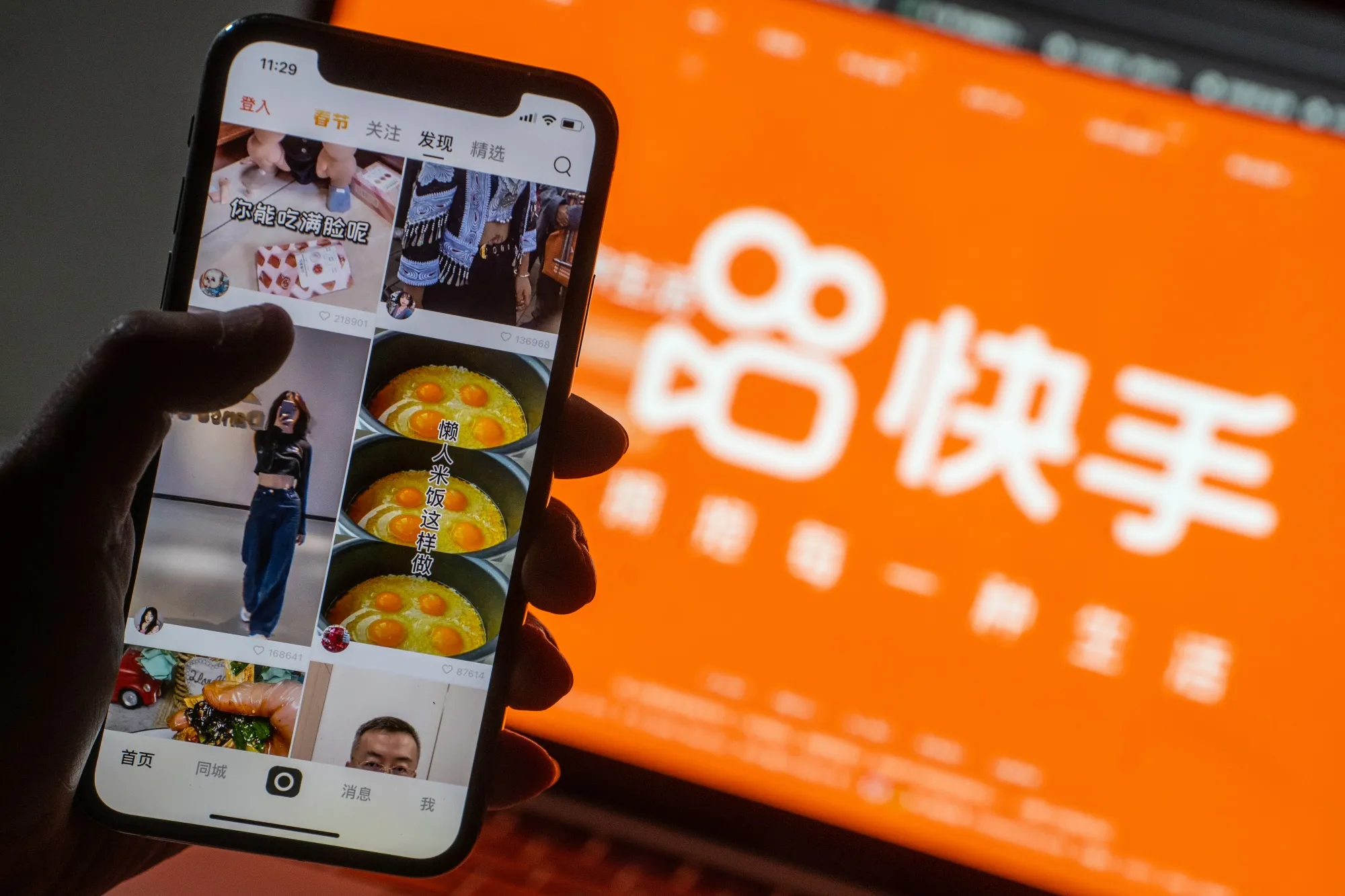
    Chinese e-commerce entity Kuaigou, a branch of live-streaming tech corporation Kuaishou Technology, has been fined 26.7 million yuan (approximately US$3.84 million) by the Chinese regulatory authority. The regulator cited a series of “illegal actions” as the reasoning behind the substantial penalty.

    Kuaigou’s Alleged Malpractices

    The market regulator in China accused Kuaigou of levying “unreasonable” charges and failing to provide proper consumer protection. Additionally, the company was accused of not taking appropriate measures against the sale of counterfeit goods on its platform. The regulator also faulted Kuaigou for allowing misleading or false marketing practices to occur on its platform.

    Investigation by State Administration for Market Regulation

    The hefty fine was the result of an investigation initiated by the State Administration for Market Regulation in September. The investigation was sparked due to supposed “illegal and irregular activities,” including false marketing and the distribution of counterfeit goods, particularly prevalent in the live-streaming e-commerce industry.

    The regulator also accused the company of publishing “illegal advertisements” and failing to disclose mandatory information. The company was further implicated in facilitating services for the “illegal sales or purchase of wild animals, their products, or prohibited hunting tools,” according to the regulator.

    Kuaigou Accepts Penalties

    In response to the fine and allegations, Kuaigou released a statement indicating its acceptance of and compliance with the regulator’s decision and penalty. The company stated, “We sincerely accept and will resolutely obey the regulator’s decision and penalty.”

    The company further pledged to improve its operations in accordance with the law and enhance its compliance level. It also committed to working in collaboration with the businesses on its platform to provide improved services to consumers.

    Questions & Answers

    Why was Kuaigou fined by the Chinese regulator?
    Kuaigou was fined 26.7 million yuan for several “illegal activities,” including charging unreasonable fees, failing to protect consumers, not taking action against counterfeit products on its platform, and allowing false or misleading marketing practices.

    What other accusations were leveled against Kuaigou?
    The company was also accused of publishing “illegal advertisements,” failing to disclose required information, and facilitating services for the illegal sale or purchase of wild animals and their products or prohibited hunting tools.

    How has Kuaigou reacted to the regulator’s decision and penalty?
    Kuaigou released a statement expressing its acceptance of the regulator’s decision and penalty, pledging to improve its operations according to the law, enhance its level of compliance, and work with businesses on its platform to provide improved services to consumers.

  • Singapore Struggles With Slow Growth in Booming Southeast Asian Food Delivery Market

    Singapore Struggles With Slow Growth in Booming Southeast Asian Food Delivery Market

    A recent study reveals that Singapore experienced the second-lowest growth in its food delivery market in the previous year amongst significant Southeast Asian nations. The gross merchandise value (GMV) for food delivery in Singapore escalated by 13% in 2025, reaching US$2.9 billion. This rate of growth trailed behind the mean growth rate of 18% observed across six Southeast Asian markets.

    Regional Growth Variances

    Singapore’s expansion only superseded that of the Philippines, which marked a 12% increase – reportedly, this sluggish growth was due to recurring interruptions triggered by tropical cyclones.

    In contrast, Thailand’s food delivery market noted the highest growth, with the GMV surging by 22%. The report suggests that this expansion was facilitated by various factors such as affordable initiatives launched by platforms, intensifying competition, and the government’s “half-half” subsidy scheme which underwrites a portion of consumers’ food expenditures.

    Other countries like Indonesia, Malaysia, and Vietnam also witnessed substantial growth, each marking a rise of roughly 18% to 19%. Indonesia, being the region’s most densely populated market, registered the most significant absolute increase, contributing approximately $1 billion.

    Factors Influencing Singapore’s Slower Growth

    Addressing Singapore’s slower growth, Momentum Works CEO Li Jianggan highlighted that consumer behavior and market conditions significantly differ between countries. He referenced variations in city architectures, spending capacities, and the supply dynamics of delivery personnel and eateries.

    He pointed out that food delivery can be quite costly in Singapore, particularly considering the availability of numerous affordable offline alternatives. Nonetheless, Singapore’s double-digit growth signifies a steady demand. However, keeping up this rate could put increasing strain on platforms to enhance their efficiency, especially as customers explore other options like dining out or self-collection.

    Furthermore, Li noted that Singapore has a unique structural challenge – a limited pool of delivery riders – compared to larger and more densely populated neighboring countries. Adopting technology can help address this, but the key to raising the bar would be platforms’ relentless focus on establishing density and operational efficiency.

    Market Leaders

    At the platform level, Grab fortified its position as the predominant food delivery player in Southeast Asia, raising its regional market share from 53.8% in 2024 to around 55% in 2025. In absolute terms, Grab generated approximately $12.5 billion in food delivery value across the region last year.

    ShopeeFood overtook Foodpanda to become the region’s second-largest platform, with estimated transactions totaling $3.3 billion. Meanwhile, Foodpanda’s value dipped to roughly $2.6 billion. Gojek and Thailand-based Lineman reported comparable values of about $2 billion each, indicating Lineman’s impressive performance in its local market.

    The report underscored that compared to other emerging markets, Southeast Asia had a high order volume. The study estimated that collectively, platforms in the region handled between 8.5 million and 9.5 million food delivery orders per day on average in 2025. This volume is nearly twice that of India’s estimated daily orders of 4-5 million, despite India having approximately double the population of Southeast Asia.

    The study concluded that the penetration of food delivery is less determined by population size, and more by urban density, eating-out substitution, and platform-led affordability mechanics.

    Questions & Answers

    What was the growth rate of Singapore’s food delivery market in 2025?
    The food delivery market in Singapore grew at a rate of 13% in 2025.

    Which was the fastest-growing market in Southeast Asia’s food delivery industry?
    Thailand was the fastest-growing market in Southeast Asia’s food delivery industry, with a 22% increase in gross merchandise value.

    Which platform consolidated its lead as Southeast Asia’s dominant food delivery player?
    Grab consolidated its lead as Southeast Asia’s dominant food delivery player, increasing its regional market share to about 55% in 2025.

  • US Investors Seek Govt. Probe into South Korea over Alleged Unfair Treatment Post Coupang’s Data Breach

    US Investors Seek Govt. Probe into South Korea over Alleged Unfair Treatment Post Coupang’s Data Breach

    Two prominent American investors in South Korean e-commerce giant, Coupang Inc., have lodged formal complaints with the US government. They are seeking an investigation into what they perceive as prejudiced actions by the South Korean government against the company.

    Investors Call for Investigation

    Greenoaks and Altimeter, the two tech investment firms, have also initiated arbitration proceedings against South Korea. They cite the US–Korea Free Trade Agreement (KORUS) and accuse Seoul of leading an aggressive campaign against Coupang in the wake of a significant consumer data breach. This breach, they claim, has led to billions of dollars in investor losses.

    The petition follows Coupang’s disclosure in November that the personal data of approximately 33 million South Korean customers had been compromised. The breach led to substantial public and political backlash, resulting in comprehensive investigations and multiple lawsuits from both investors and consumers.

    The investors have petitioned the US Trade Representative (USTR) to scrutinize South Korea’s actions and impose “appropriate trade remedies.” These could potentially include sanctions and tariffs, as they assert that the response to the data incident exceeds standard regulatory enforcement measures.

    Potential Implications

    The situation could escalate this corporate dispute into a potential intergovernmental trade conflict, leveraging US trade law and international treaties to challenge the actions of South Korean authorities. However, there has been no comment thus far from the USTR.

    South Korean President Lee Jae Myung has previously advocated for stringent penalties following the Coupang data incident. He reiterated at a recent press conference that South Korea will address this issue impartially, adhering strictly to the country’s legal framework and principles.

    South Korea’s Trade Minister, Yeo Han-koo, earlier dismissed accusations of discrimination against Coupang. He argued that significant data leaks, coupled with Coupang’s inadequate response, should be viewed separately from trade and diplomatic issues. He stated that in a similar situation, US authorities would naturally retaliate in the same manner against a Korean business operating in the US.

    Investor Accusations

    The investors accuse the South Korean government of initiating an extensive government response to undermine Coupang’s operations, including labor, financial, and customs investigations seemingly unrelated to the data breach.

    Marney Chee, a partner at Covington representing Greenoaks, expressed concerns over both the magnitude and speed of the government’s response. He stated that such actions have led to substantial damages and pose a threat to their Coupang investment’s value.

    Since the company disclosed the data breach at the end of November, Coupang’s shares listed on the New York Stock Exchange have fallen by around 27%. The investors aim to halt what they deem as prejudiced conduct and seek to reinstate fair and predictable business conditions for US companies operating in South Korea.

    Future Implications

    The formal notice sent via KORUS initiates a 90-day ‘cooling-off’ period for consultation before the commencement of full arbitration proceedings. Separately, the USTR has up to 45 days to determine whether to initiate a formal investigation. This step could pave the way for public comments, hearings, and possible US countermeasures, including tariffs on South Korean goods and services.

    Greenoaks, one of the alleging parties, was founded by Coupang board member Neil Mehta. Greenoaks and related entities hold more than $1.4 billion worth of Coupang shares. In 2023, Coupang also partnered with Greenoaks to acquire luxury fashion platform Farfetch in a deal worth $500 million.

    Questions & Answers

    What are the investors accusing the South Korean government of?
    The investors, Greenoaks and Altimeter, accuse the South Korean government of discriminatory treatment of Coupang following a significant consumer data breach.

    What is the potential impact of this dispute?
    This disagreement could escalate from a corporate dispute to a government-to-government trade issue, potentially resulting in US sanctions and tariffs against South Korea.

    What is the investors’ ultimate goal?
    The investors are seeking an end to what they perceive as prejudiced conduct by the South Korean government and are calling for the reinstatement of fair and predictable business conditions for US companies operating in South Korea.