Tag: E-Commerce

  • Asia-Pacific Delivery Drone Market to Expand 33.7% Annually Through 2031

    Asia-Pacific Delivery Drone Market to Expand 33.7% Annually Through 2031

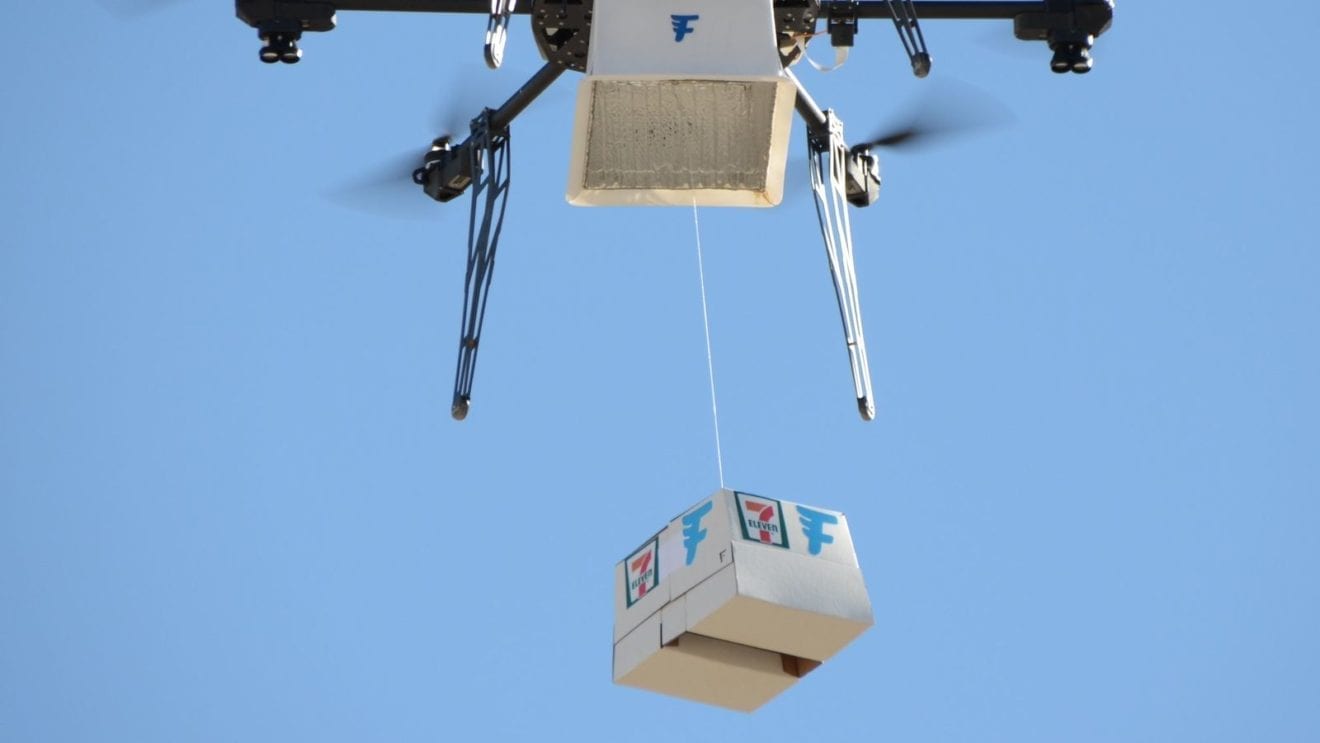
    The Asia-Pacific delivery drone market will expand at a compound annual rate of 33.68 per cent through 2031 as retailers and carriers shift from pilot trials to commercial flight networks.

    Global market revenue reached 1.47 billion dollars in 2026 and is projected to hit 6.74 billion dollars by 2031. The expansion relies heavily on dense urban on-demand delivery alongside rural distribution corridors across Asia.

    Economics and Airspace Pressures

    Operating costs explain the push into commercial airspace. At sufficient route density, autonomous drone delivery can drop to approximately 2 dollars per parcel, compared with roughly 13.50 dollars for traditional truck-based last-mile transport. That cost gap is accelerating investments from e-commerce platforms seeking two-hour order fulfillment from urban micro-hubs.

    Technical hurdles continue to cap immediate capacity. Rotary-wing aircraft captured 72.56 per cent of shipments in 2025 because they can hover and access tight landing spots in crowded cities. However, payloads under 5 kilograms made up 65.71 per cent of all deliveries, limiting most operations to prepared meals, pharmaceuticals, and small consumer packages.

    Unmanned traffic management systems around metropolitan airports also remain incomplete. Regulators require geofencing and collision-avoidance systems, yet aviation authorities still lack the digital infrastructure needed to coordinate thousands of simultaneous commercial flights over dense residential blocks.

    Payload Limits and Regional Flight Paths

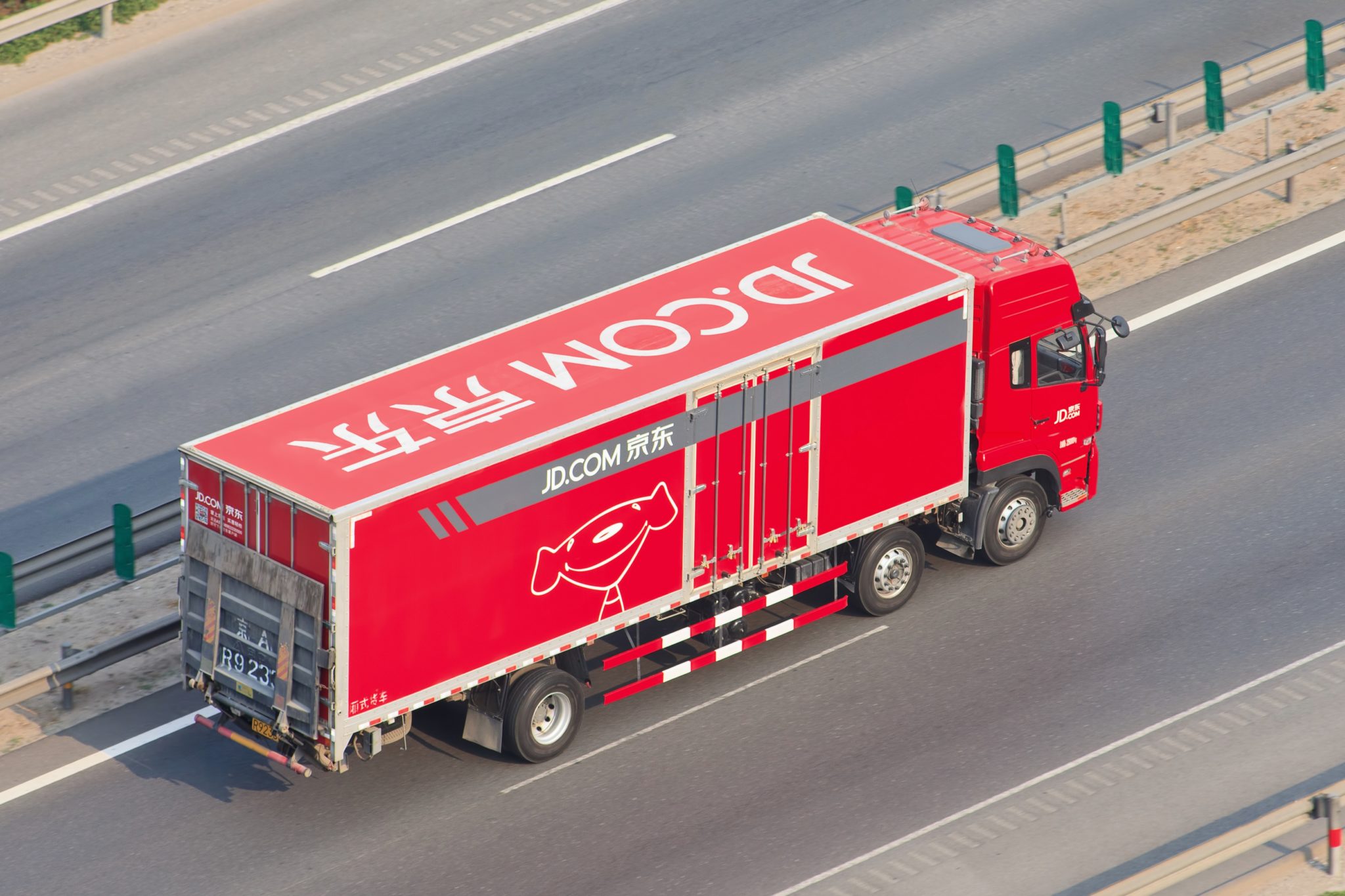
    Asian operators are tackling geography by deploying different airframes for different terrains. In China, JD Logistics now flies fixed-wing drones across approximately 200 rural routes, using the platform’s longer range to bridge transport gaps where road links add hours to delivery times.

    Government policy is shaping fleet deployment across the rest of the region. India has carved out dedicated corridors for medical supplies under its Drone Rules while offering incentives for domestic airframe manufacturing. Japan has cleared multi-prefecture autonomous flight operations, and logistics providers in Indonesia and the Philippines are testing island-to-island freight runs.

    For retailers across the region, aerial logistics is ceasing to be an experimental marketing exercise. While western operators like Walmart and Wing Aviation scale across suburban markets in the United States, Asian carriers are building high-frequency routes where physical geography makes ground transport uncompetitive.

    The next metric to track is the commercial rollout of hybrid vertical-takeoff aircraft and 5-to-10-kilogram payload capacity, which operators plan to clear with regional civil aviation bodies before 2028.

  • Cettire Net Loss Widens to $8.5 Million as US Tariffs Hit Sales

    Cettire Net Loss Widens to $8.5 Million as US Tariffs Hit Sales

    Australian luxury platform Cettire posted an annual net loss of $8.5 million for the year ended June 30, more than trebling its deficit from a year earlier.

    The loss widened from $2.6 million in the previous financial year as sales revenue dropped 3.2 per cent to $718.4 million. Gross revenue fell 2 per cent, though it posted a small gain when measured on a constant currency basis.

    Tariff Friction and Middle East Disruption

    Active customer numbers fell 8 per cent to 605,000 during the twelve-month period. Management attributed the decline to weaker demand in the United States and a deliberate cut in paid marketing expenditure.

    The platform ran into direct regulatory friction in its largest market after US authorities removed the de minimis import duty exemption. In the second half of the financial year, consumer sentiment in high-growth Middle Eastern markets also weakened as regional conflict disrupted cross-border trade.

    During the period, US tariff changes, including the impact from the removal of the de minimis exemption, contributed to ongoing challenges in our largest market.

    Dean Mintz, founder and chief executive of Cettire, said US tariff refunds helped ease pressure late in the financial year.

    Momentum Outside North America

    Business outside the United States delivered better results, with sales revenue rising 14 per cent across the rest of the company’s geographic footprint. The expansion beyond North America cushioned the top-line decline and delivered market share gains across secondary regions.

    Pure-play luxury aggregators in Asia-Pacific have spent the past two years wrestling with excess inventory and fading post-pandemic demand. Cettire’s reliance on cross-border drop-shipping makes it unusually sensitive to customs thresholds, putting operational execution under scrutiny as border rules tighten.

    Attention now turns to trading updates in early fiscal 2027 to see whether the 14 per cent growth rate outside the US can offset lingering drag in North America.

  • More Japanese Merchants Leave Rakuten Marketplace over Drone Logistics Alliance

    More Japanese Merchants Leave Rakuten Marketplace over Drone Logistics Alliance

    Japanese merchants are leaving Rakuten Group’s e-commerce marketplace following the company’s latest drone logistics alliance. Seller departures have increased as platform operators adjust delivery requirements across the domestic network.

    Merchant relations on the platform face renewed strain over fulfillment and distribution integration. Store operators running storefronts on Rakuten Ichiba must balance rising platform costs against competing fulfillment channels.

    Merchant Friction Over Delivery Strategy

    The marketplace has pushed deeper into automated logistics and aerial transport to solve driver shortages in regional Japan. That shift requires store owners to adapt packaging, inventory management and dispatch schedules to automated logistics hubs.

    Sellers unwilling or unable to meet those fulfillment rules are closing their accounts. For smaller Japanese brands, direct-to-consumer websites and rival channels now offer cheaper operational alternatives.

    Pressure Across Japanese E-Commerce

    Competition among Japan’s digital marketplaces has tightened sharply. Amazon Japan and LY Corporation’s Yahoo Shopping continue to court independent merchants with flexible shipping terms and lower platform fees. Rakuten has spent heavily to defend its merchant base, yet policy shifts around shipping rates and fulfillment standards historically triggered seller pushback across the country.

    Merchant retention numbers for the current quarter will show how many storefronts follow through on closing their marketplace accounts.

  • Asia-Pacific Diaper Market to Reach $19.9 Billion as Pant Formats Gain

    Asia-Pacific Diaper Market to Reach $19.9 Billion as Pant Formats Gain

    The Asia-Pacific baby diaper market reached USD 11.3 billion in 2025, heading toward USD 19.9 billion by 2035. Revenue across the region will hit USD 12.1 billion in 2026, expanding at a 5.9 per cent annual compound rate over the ten-year period.

    Unicharm Corporation led the regional sector with more than 21 per cent market share in 2025. Together with Procter & Gamble, Hengan International Group, Kao Corporation, and Kimberly-Clark Corporation, the top five players controlled 58 per cent of total diaper revenue across Asia-Pacific.

    Shift to Pants and Digital Channels

    Taped diapers generated 52 per cent of sales in 2025, anchored by newborn demand and premium lines such as Pampers Premium Care and Huggies Platinum. Pant-style diapers accounted for the remaining 48 per cent. Rising demand for mobile infant formats will push pant diapers to 56 per cent of the total market by 2035, expanding at a 7.2 per cent annual rate.

    Digital storefronts captured 44.9 per cent of total regional revenue in 2025. Diaper sales through online platforms are climbing at 7.5 per cent annually, led by recurring orders on Tmall, JD.com, Flipkart, Lazada, and Shopee. High price transparency on these marketplaces is forcing brand owners to rely on bundle promotions and subscription models rather than standard shelf markups.

    Volume Split Between East and South Asia

    China remains the largest market by revenue, while India is expanding the fastest. Mature metropolitan markets in Japan, South Korea, and Tier-1 Chinese cities reward high-specification components, including multi-layer superabsorbent polymer cores, breathable backsheets, and wetness indicators. Suppliers in these markets face tighter environmental policy, including South Korean producer-responsibility rules and Japanese resource-circulation guidelines targeting nonwoven plastic waste.

    In contrast, revenue growth across India, Indonesia, Vietnam, and the Philippines relies on converting households from cloth to disposable products. That conversion hits income ceilings in areas where household earnings stay below USD 5 per day. Sourcing volatility in polypropylene nonwovens and elastic attachments leaves little room for price increases in mass-market packs.

    Regional manufacturers are running split production lines to balance these distinct market demands. The strategy separates high-speed, cost-optimized conversion for Southeast Asian distribution networks from thin-core premium lines destined for East Asian e-commerce channels.

    Production economics now hinge on how fast producers adjust material formulations before municipal packaging and nonwoven waste rules take effect in Northeast Asian retail networks.

  • Gamers Clear Inventory for Quake Hit Kumamoto Brewery Tsujun Shuzo

    Gamers Clear Inventory for Quake Hit Kumamoto Brewery Tsujun Shuzo

    Tsujun Shuzo sold out its online inventory of Hotarumaru sake in August after fans of the video game Touken Ranbu placed orders for roughly 600 bottles. The emergency direct-to-consumer surge cleared backlogged stock after a July 28 earthquake halted wholesale shipments and dropped monthly sales of its flagship brew from 1,000 bottles to 120.

    The 256-year-old brewery, located in Yamato in Kumamoto Prefecture, suffered no direct structural damage from the tremor, which reached the maximum seismic intensity of 7 in parts of the prefecture. Commercial demand dried up immediately. Wholesalers stopped buying as tourism halted and regional consumers pulled back on discretionary drinking, while the brewery’s on-site cafe logged cancellations for about 500 guests.

    Wholesale Freezes and Online Surges

    Twelfth-generation owner Yasuo Yamashita, 63, posted on social media platform X in mid-August that bottles of its core junmai ginjo brand, Semi, were stranded in the storehouse. The plea caught the attention of Touken Ranbu players because Tsujun Shuzo also brews Hotarumaru, a junmai ginjo named after a historic Japanese sword that features as a character in the franchise.

    Gamers responded by clearing the brewery’s digital storefront, purchasing between 500 and 600 bottles of Hotarumaru within days. Staff packed each delivery with a printed letter acknowledging that customer orders had freed inventory with nowhere else to go.

    Pop Culture Ties Cushion Regional F&B

    Subculture collaborations and character licensing have become critical safety valves for traditional Japanese food and beverage producers facing shrinking domestic consumption. When local wholesale channels freeze during natural disasters, established pop culture ties give regional craft producers an immediate route to national retail demand without intermediary distributor costs.

    Tsujun Shuzo is now working through its packaging backlog and restocking its online store while monitoring regional wholesale accounts as Kumamoto’s hospitality and restaurant sectors reopen.

  • Apple Leads Asian Smartphone Market as Xiaomi Expands Low-Cost Reach

    Apple Leads Asian Smartphone Market as Xiaomi Expands Low-Cost Reach

    Apple captured 21.16 per cent of Asia’s smartphone market through early 2026, leading an increasingly divided consumer hardware market across the region. Samsung held second place with 15.57 per cent, retaining its broader footprint after regaining leadership in Southeast Asia despite a 1 per cent dip in total regional shipments during 2025.

    Xiaomi secured third position across Asia with a 12.02 per cent market share, lifting its Southeast Asian shipments 4 per cent to 17 million units. Vivo and Oppo followed with 10.5 per cent and 9.8 per cent shares across Asia, while Huawei retained roughly 18 per cent of domestic shipments in mainland China.

    Social Commerce Alters Budget Device Distribution

    Digital storefronts and direct livestreams on platforms like TikTok have transformed low-cost distribution across developing markets. Xiaomi’s sub-brand POCO recorded its highest monthly volume in November 2025, moving units ranging from the $93 entry-level C71 to the $427 mid-range F7 model.

    Transsion captured 16 per cent of Southeast Asian shipments, supported by basic itel models priced below $30 that drove substantial volume in Vietnam and the Philippines. In Japan, domestic manufacturers Sony and Sharp maintained defensible positions in their home market alongside established flagship brands.

    Component Inflation Squeezes Entry-Level Margins

    Consumer demand in Asia now sits at two distinct poles: premium buyers paying top dollar for ecosystem flagships, and price-sensitive shoppers seeking maximum specifications under $100. While Apple and Samsung control the profitable high end, budget-focused manufacturers face immediate margin erosion from rising memory and storage component expenses.

    Hardware makers entering the second half of 2026 face higher bills of materials that directly threaten sub-$200 device margins. Brands operating in emerging Southeast Asian markets must decide whether to absorb these memory cost increases or risk raising retail price tags above critical affordability thresholds.

  • JD.com and Sino Land Win $2.1B Northern Metropolis Hub in Hong Kong

    JD.com and Sino Land Win $2.1B Northern Metropolis Hub in Hong Kong

    A consortium led by JD.com and Sino Land won the tender for an 11-hectare Northern Metropolis development site in Hong Kong with expected total investment of HK$16.8 billion ($2.1 billion). The group beat Henderson Land Development with a HK$1.03 billion land bid evaluated under a two-envelope system.

    Hong Kong authorities awarded the 50-year grant for three residential parcels and a dedicated technology park site in the Hung Shui Kiu-Ha Tsuen New Development Area. The residential plots will yield more than 3,000 homes, while the tech site provides 50,950 square metres of gross floor area.

    Logistics hub and residential split

    Four mainland developers joined JD.com and Sino Land in the winning group: China Overseas Land & Investment, China Merchants Land, China Resources Land (Overseas) and CTG Investment. The government weighted non-price technical criteria at 70 percent and price at 30 percent, assessing anchor tenant commitments, development speed and employment generation.

    Sino Land and its partners will construct an intelligent logistics centre on the commercial parcel, with JD serving as the anchor tenant. The tender conditions require the consortium to bring at least 15,300 square metres of gross floor area into operation within 55 months. The group must also complete site formation works for three government plots intended for public facilities.

    Expanding footprint across Hong Kong

    The land tender cements a fast physical build-out by Beijing-based JD across Hong Kong assets. The group bought grocery chain Kai Bo Food Supermarket last August to gain direct neighbourhood retail access. In December, it agreed to buy a 50 percent stake in Central’s China Construction Bank Tower from Lai Sun for HK$3.5 billion to house its local headquarters, followed by a HK$750 million purchase of the Silka Seaview Hotel in Kowloon for student accommodation.

    By securing industrial land directly adjacent to the mainland border, Chinese e-commerce operators are shifting from leasing third-party warehouses in the territory to developing dedicated automated cross-border fulfilment infrastructure. The project now enters detailed planning, with the 55-month countdown starting for delivery of the first automated supply chain space.

  • Weleda Expands Skin Food Line into Clinical Skincare and Daily Care

    Weleda Expands Skin Food Line into Clinical Skincare and Daily Care

    Swiss natural beauty producer Weleda plans to expand its flagship Skin Food franchise into medical-grade skincare and daily personal care across global markets. The century-old product line generates approximately 20 per cent of Weleda’s global turnover, led by sales in Australia, Japan, the United States, and the United Kingdom.

    First formulated in 1926 using chamomile, calendula, rosemary, and viola tricolor, the original multi-use cream remained unchanged for decades. The company has since adapted the blend into night creams, body oils, lip care, and face serums. A dedicated eye cream recently joined the range, with a hand wash and hand lotion scheduled to roll out in the first quarter of 2026.

    New Categories and Clinical Formulations

    Weleda is collaborating with professional makeup artists to refine formulas for high-definition photography and screen production. Beyond cosmetic skin prep, the group has initiated longer-term research and development targeting chronic dermatological conditions.

    Over the next five to ten years, Weleda plans to test Skin Food formulations for acne, rosacea, eczema, and psoriasis. Jayn Sterland, Country Manager for the UK and Ireland, noted that product development will hinge on regulatory compliance across different jurisdictions. The company is also working on mineral UV protection formulations, though executives confirmed those products remain in testing.

    Packaging Shifts and Digital Demand

    Supply chain adjustments accompany the product rollout. Weleda has transitioned its packaging back to aluminium tubes, replacing temporary post-consumer recycled plastic with 100 per cent recycled aluminium worldwide.

    In Asian retail channels, where multi-step skincare routines dominate department stores and specialty beauty chains, multi-purpose European heritage creams have found a distinct niche. While traditional drugstores stock the core green tubes, growth in Japan and Southeast Asia is shifting toward digital platforms. Social media campaigns on TikTok have drawn younger consumers who bypass brick-and-mortar shelves entirely.

    Regulatory filings for the first wave of therapeutic claims across international beauty registries will determine how quickly Weleda can clear its clinical skincare line for retail distribution.

  • Human Connection Remains Key Driver for Purchases in Southeast Asia Retail, Despite AI Growth

    Human Connection Remains Key Driver for Purchases in Southeast Asia Retail, Despite AI Growth

    Personal trust remains the most significant driver for consumer purchases across Southeast Asia’s US$219 billion market, even as artificial intelligence technologies become more prevalent. This human element is proving more influential than advanced technology in motivating buying decisions.

    Retailers and brands operating in the region are observing that customers prioritise relationships and reliable advice. This trend highlights the need for businesses to balance technological integration with strategies that foster genuine human connection and build consumer confidence.

    Trusting Human Connections

    Consumers in Southeast Asia are more likely to make a purchase when they have confidence in the people or businesses they interact with. This human-centric approach to commerce means that recommendations from trusted individuals, word-of-mouth, and established brand loyalty, often built through personal experiences, hold substantial weight. Businesses cannot solely rely on algorithmic recommendations or automated services to secure sales.

    RetailNews Asia regularly tracks how consumer behaviour in this diverse region is shaped by cultural nuances and evolving market dynamics. This focus on human trust mirrors similar findings in other Asian markets, where authentic engagement often translates into stronger customer retention and higher transaction values.

    Balancing AI With Personal Touch

    For retailers, the challenge lies in effectively integrating AI and other digital tools without eroding the trust built through human interaction. While AI can enhance efficiency, personalise experiences, and streamline operations, it should complement, rather than replace, the personal touch. Strategies might include using AI to free up staff for more meaningful customer engagements or to provide data-driven insights that help build better human relationships.

    The US$219 billion market in Southeast Asia is dynamic, with consumers increasingly sophisticated in their choices. Companies that successfully combine the convenience and intelligence of AI with the irreplaceable value of human connection are better positioned for sustained growth in this competitive landscape.

  • City Chic Lifts Underlying Earnings 92% to $12.3 Million Despite US Sales Drop

    City Chic Lifts Underlying Earnings 92% to $12.3 Million Despite US Sales Drop

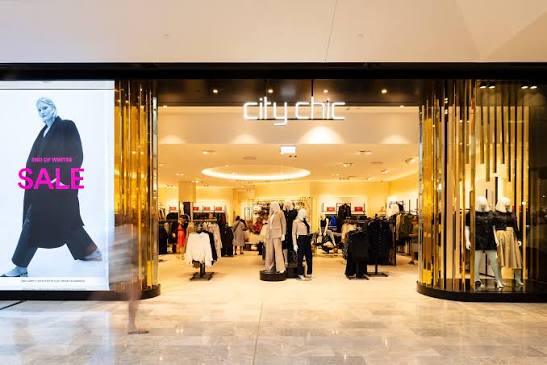
    City Chic Collective nearly doubled its underlying core earnings to $12.3 million in the fiscal year ended June 28, despite total group revenue slipping 3 per cent to $130.5 million.

    Margin expansion and strict operational discipline drove underlying earnings before interest, taxes, depreciation, and amortisation up 92 per cent from the previous year.

    Australia and New Zealand anchored the turnaround. Revenue across the home market rose 7.6 per cent to $113.8 million, with comparable sales lifting 5.6 per cent across physical stores and digital channels. Higher average selling prices and steady customer acquisition cushioned the group while its overseas operations took a hit.

    Retreat from American Tariffs

    The United States delivered a sharp contraction. US sales plunged 42 per cent after management deliberately throttled purchasing activity to limit exposure to import tariff volatility.

    To fix the unit economics, City Chic converted its US Amazon operation from a wholesale setup to a direct marketplace model. Group inventory fell 11 per cent to $24.1 million by the close of the financial year, reflecting reduced capital tied up in North American stock.

    The Sydney-based apparel retailer has deployed automated forecasting and software tools to sharpen buying decisions and lower product return rates. Chief executive Phil Ryan said the company has built a simpler and more resilient operating base after clearing out high-risk inventory channels.

    Trading Momentum in Early FY27

    Cross-border apparel brands have faced intense margin pressure across international channels over recent reporting cycles, forcing operators to protect local margins rather than chase unprofitable foreign volume. City Chic’s retrenchment in North America reflects a broader shift among Australasian specialty chains refocusing on core domestic trade.

    Early numbers indicate the strategy is holding. Comparable store sales in Australia and New Zealand rose 11.4 per cent through the first seven weeks of FY27, with management forecasting a return to revenue and margin growth in the US during the first half.

  • Shein Heads to Hong Kong Listing as Dual-Class Shares Draw Scrutiny

    Shein Heads to Hong Kong Listing as Dual-Class Shares Draw Scrutiny

    Shein is preparing to list its shares in Hong Kong next month, five years after beginning its initial public offering push across Western exchanges.

    The online fast-fashion giant generated $41.8 billion in annual sales last year, but its listing filing shows four co-founders will retain 90 per cent of voting power through a dual-class share structure.

    Under that arrangement, class A shares carry 10 votes each compared to a single vote for class B shares. The founders hold 59.6 per cent of total equity without a fixed expiry on their voting control. Shein also combines the positions of chief executive and chairman, with its four founders occupying board seats while only three of seven directors are independent.

    Emissions and Supply Chain Audits

    Regulators in Europe and the United States continue active investigations into the retailer. The European Commission and the US Federal Trade Commission are examining its operations following prior penalties in France over discount pricing and in Italy over environmental marketing claims.

    Shein expanded its annual sustainability report to 118 pages last year, up from 28 pages in 2021, and formed an external advisory board to address oversight concerns. Audits graded 53 per cent of its suppliers in the top tier in 2025, an increase from 47 per cent in 2024.

    Environmental data filed by the company showed greenhouse gas emissions roughly double those of Zara parent Inditex in 2025. Inditex posted revenue of €39.9 billion ($46.54 billion) during the same period, while Shein churned out 4,700 new styles per day across a catalogue topping 2 million garments.

    Cross-Border Scrutiny Mounts

    Cross-border e-commerce platforms operating out of Asia face stiffening enforcement in Western markets. The European Commission recently levied fines of €550 million on Alibaba unit AliExpress and €200 million on PDD Holdings unit Temu over product compliance.

    For retailers across the region, Shein’s listing marks a shift away from New York and London toward Asian capital markets after political pushback. Yet the heavy concentration of founder control tests how institutional investors value ultra-fast supply chains against governance standards.

    The retailer now heads into investor roadshows ahead of the Hong Kong trading debut scheduled for next month.

  • Australian Retailers Face Margin Squeeze as 59% of Shoppers Shun Full Price

    Australian Retailers Face Margin Squeeze as 59% of Shoppers Shun Full Price

    Australian retailers must overhaul operational discipline as 59 per cent of shoppers now refuse to pay full price, according to Grant Thornton Australia’s 2026 Retail Dealtracker analysis.

    Data from Australia Post’s FY26 fourth-quarter e-commerce update shows 46 per cent of consumers will switch stores for a discount, while 32 per cent report increased price sensitivity.

    The advisory firm identified five interconnected capabilities required to protect margins: customer proposition, earnings quality, operating model, technology, and organizational capability. Mounting pressure on household budgets means customer retention, repeat visits, full-price sales ratios, and customer lifetime value now carry far more commercial weight than raw top-line revenue growth.

    Protecting Margins Beyond Top-Line Sales

    Converting sales into profit requires tighter control over inventory, customer acquisition costs, returns, and shrinkage. Tam Goldin, financial advisory partner at Grant Thornton Australia, noted that many merchants need to strengthen fundamental disciplines, including clearer pricing and operating models that scale without adding unnecessary overhead.

    Shrinkage remains a critical operational drain for large physical store networks, while changing wage settings require closer management of store labor deployment. Retailers must track where value is lost across working capital rather than relying solely on headline profit and loss statements.

    Restructuring Operations and Supply Chains

    Scaling businesses frequently outgrow founder-led workflows, creating operational bottlenecks across supply chains and merchandising. Kirsten Ridgway, management consulting partner and head of retail at Grant Thornton Australia, pointed out that the largest opportunities emerge when companies simplify decision-making and align capital spending with actual customer demand.

    Supply chain models require flexible sourcing and inventory visibility to handle fluctuating lead times and freight expenses. Technology investments must resolve specific operational problems, starting with foundational systems such as point-of-sale platforms, integrated inventory tracking, and clean customer data before deploying artificial intelligence for demand forecasting and pricing.

    Across Asia-Pacific markets, rising labor costs and deal-seeking consumer behavior have forced merchants to pivot away from rapid floor-space expansion toward customer lifetime value and strict loss prevention. Retailers now face the next reporting cycle with shrinkage rates, full-price sales percentages, and inventory turns serving as the decisive operational numbers to track.

  • Drugmakers Turn to Gyms and Metros to Drive China Weight-Loss Sales

    Drugmakers Turn to Gyms and Metros to Drive China Weight-Loss Sales

    Global and local drugmakers are plastering Chinese metro stations, gyms, and sports stadiums with obesity campaigns to capture a 30 billion yuan weight-loss market. China bans direct-to-consumer advertising for prescription medicines, forcing pharmaceutical companies to sell lifestyle interventions rather than brand names to a population where overweight rates could top 65 per cent by 2030.

    Eli Lilly, Novo Nordisk, Pfizer, and domestic group Innovent Biologics are vying for early dominance in once-weekly GLP-1 injections. In the second quarter, Lilly took the top spot in sales on Alibaba’s Tmall and JD.com, according to Jefferies data. To sustain demand, companies place unbranded warnings about sleep apnoea and fatty liver disease in high-traffic public transit hubs and fitness chains.

    Sidestepping the Ban on Drug Ads

    Regulations permit pharmaceutical brands to discuss disease symptoms publicly, provided they omit specific prescription product names. Lilly ran subway displays in Shanghai’s Jing’an district alerting commuters to the links between snoring and excess weight, while Innovent partnered with delivery giant Meituan on transit billboards highlighting fatty liver reversal. Innovent also promoted weight management messages during football matches in Suzhou and featured a mascot named Madudu, echoing the generic name of its mazdutide injection.

    Pfizer collaborated with gym chain Supermonkey on public workout events in Shanghai. State broadcaster CCTV worked with Novo Nordisk on a public health exhibit in Beijing featuring group dancing. These street campaigns drive consumers directly to hospital consultation rooms. Doctors at clinics in Shanghai and Guangzhou report that patients increasingly ask for specific treatments by name, shifting from Novo’s semaglutide to Lilly’s tirzepatide and Innovent’s mazdutide.

    The Race for a Four Billion Dollar Market

    China’s prescription weight-loss segment generates between 3 billion and 4 billion yuan today. JP Morgan projects that total will hit 30 billion yuan, or roughly $4 billion, within five to seven years. Novo Nordisk started the race with a late 2024 rollout, Lilly entered in January 2025, Pfizer issued its first prescriptions in April, and Innovent rolled out its drug in July 2025.

    RetailNews Asia notes that healthcare brands across East Asia have long used subtle educational pushes to bypass medical marketing restrictions, but the intensity in China now mirrors consumer FMCG marketing more than traditional clinical outreach. Competitors are actively adjusting their public phrasing to match consumer vocabulary, moving budget away from purely hospital-focused sales representatives.

    Regulators in the region are watching the grey area closely. Lilly paused an obesity awareness campaign in India earlier this year after local authorities raised concerns that public outreach coincided directly with the market launch of Mounjaro. In China, market regulators will determine whether mascot branding and metro displays cross into unlawful prescription drug promotion as rollout volumes climb through the end of 2026.

  • Brandpay Logs 65 Million Impressions Turning Retail Shoppers into Ad Channels

    Brandpay Logs 65 Million Impressions Turning Retail Shoppers into Ad Channels

    Australian retail technology platform Brandpay has logged 65 million organic impressions across 250 brands by turning regular shoppers into measurable advertising channels. The platform generated an average 4.2 times return on reward spend across 12,894 pieces of customer content.

    Instead of hiring professional creators, the system pays shoppers in store credit when they post authentic social media content about products they bought. That credit circulates back through existing checkout systems, encouraging repeat transactions.

    Micro audiences and store credits

    Brandpay co-founder and chief executive Dr Mike Haywood said the model distributes reach across regular buyers rather than concentrating budgets on a handful of high-profile influencers. More than 80 per cent of rewarded participants have between 100 and 5,000 followers.

    The mechanics produce measurable cost advantages over standard digital ad inventory. Brandpay reported an average cost per mille of $2.48 and a cost per click of $2.62 across its network.

    A brand’s own content describes itself. A customer’s content is evidence.

    RetailNews Asia has tracked a sharp regional pivot away from high-fee influencer contracts across Asia-Pacific e-commerce operators, as rising customer acquisition costs on major ad platforms force merchants to monetize their existing customer bases.

    Measuring return on reward spend

    Shoppers rewarded under the program return to buy twice as frequently as non-rewarded customers. The resulting data allows merchants to test specific reward tiers against basket size increases.

    Brandpay is now testing automated reward calibrations to determine how different credit amounts influence basket size and repurchase frequency across retail categories.

  • Adore Beauty Expands Physical Network to 20 Stores in Omnichannel Shift

    Adore Beauty Expands Physical Network to 20 Stores in Omnichannel Shift

    Adore Beauty opened 13 physical stores during fiscal 2026. The Melbourne online retailer now has 20 locations across Australia.

    This expansion more than doubled its brick-and-mortar footprint. The brand had operated primarily as a pureplay digital platform for 26 years.

    Store Rollout Across Two Banners

    Openings included 11 flagship Adore Beauty storefronts and two locations under the IKOU brand. Group management committed tens of millions of dollars during the year to fund retail leases, supply chain infrastructure and expanded warehouse capacity.

    Those physical storefronts trade alongside the digital platform. Customer retention efforts helped expand the Adore Rewards loyalty program to 538,000 active participants during the financial year.

    Shifting Channel Economics

    Pureplay online beauty retailers across the Asia-Pacific region face climbing digital customer acquisition costs. Physical networks give digital operators direct access to foot traffic and higher-margin basket sizes, mirroring omnichannel rollouts across regional markets.

    Another five physical stores are scheduled to open as the company builds out its national retail pipeline.