Tag: E-Commerce

  • Southeast Asian Shopping App Installs Jump as Singapore and Indonesia Lead Gains

    Southeast Asian Shopping App Installs Jump as Singapore and Indonesia Lead Gains

    Shopping app downloads across Southeast Asia surged in the first half of 2026, led by a 67 per cent jump in Singapore.

    Average session duration in Singapore expanded 58 per cent over the same period as regional platforms stepped up user acquisition spending.

    Data from mobile analytics firm Adjust shows Vietnam recorded a 42 per cent rise in e-commerce application installs alongside a 21 per cent gain in session length. Indonesia registered a 36 per cent increase in installs and a 62 per cent jump in session time. Malaysia saw downloads rise 14 per cent and sessions increase 38 per cent, while Indian app installs climbed 37 per cent against a 42 per cent increase in sessions.

    Platform Spending and Acquisition Battles

    Shopee, Lazada and TikTok Shop are competing directly for user traffic across the region, channeling higher advertising budgets into external media channels including YouTube. Shopee has maintained quarterly revenue expansion of nearly 50 per cent, but escalating logistics requirements and higher sales expenses continue to weigh on operating budgets.

    Fulfillment across fragmented island networks and developing road corridors keeps shipping expensive across Southeast Asia. Those operational complexities earlier prompted Amazon to halt regional expansion plans beyond Singapore.

    Usage Gaps Behind Western Markets

    Actual time spent inside shopping apps across Asia remains lower than the global average despite the sharp uptick in downloads. North American shopping apps logged a 46 per cent increase in installs and a 26 per cent rise in session length over the same timeframe, holding higher total engagement per user.

    RetailNews Asia tracking shows marketplace operators are now focused on closing that engagement deficit as consumer acquisition costs rise heading into the final quarters of 2026.


  • Sea Limited Posts $14.9 Billion First-Half Revenue as Logistics Spending Expands

    Sea Limited Posts $14.9 Billion First-Half Revenue as Logistics Spending Expands

    Singapore-based Sea Limited generated $14.9 billion in revenue during the first half of 2026, up 47 percent from a year earlier as Shopee expanded regional fulfillment networks.

    Net income rose 9 percent to $896 million over the six-month period, slowed by higher credit loss provisions at financial services arm Monee and heavy capital spending on domestic shipping capacity.

    Logistics and Fintech Reshape Core Operations

    Shopee solidified its lead across Southeast Asian markets by pouring capital into dedicated logistics networks, countering delivery bottlenecks that earlier pressured merchant margins. The group also preserved its overseas footprint in Brazil after retreating from short-lived retail expansions across other overseas territories.

    Financial unit Monee expanded consumer credit to bring unbanked shoppers onto Shopee’s marketplace. Higher lending volumes brought higher delinquency reserves, tracking the rising credit costs across Southeast Asian digital banking books.

    Earnings Split and Margin Pressures

    Gaming division Garena, developer of mobile title Free Fire, provided cash flow but continued to operate with few operational ties to the group’s retail and payment wings. Sea holds a market capitalization of $68 billion, trading at 44 times earnings with a gross margin of 44.34 percent.

    By comparison, Latin American peer MercadoLibre posted $19 billion in first-half revenue, though its net income slid 13 percent to $883 million under identical pressures from bad debt provisions and retail competition. Both operators demonstrate that defending marketplace supremacy in developing economies requires running integrated logistics and consumer credit arms directly on the corporate balance sheet.

    Investors are monitoring whether provisions inside the Monee lending portfolio stabilize ahead of the third-quarter financial filing.

  • Rakuten Doubles Tokyo Autonomous Delivery Fleet to 10 Robots

    Rakuten Doubles Tokyo Autonomous Delivery Fleet to 10 Robots

    Rakuten Group has expanded its autonomous sidewalk delivery fleet in eastern Tokyo, targeting 24,000 households across the Harumi, Tsukishima, and Kachidoki districts. The Japanese group is doubling its deployment of US-built Avride delivery robots to 10 units after launching the commercial run in November 2024.

    The service connects more than 90 drop-off points to local merchants, including Starbucks, FamilyMart, Yoshinoya, and Supermarket Bunkado. Each cart carries one order per trip inside a 54-liter cargo hold, twice the volume of earlier testing units. They run for up to 12 hours on a 3.5-hour charge, navigating at speeds capped by Japanese law at 6 kilometers per hour.

    Sidewalk Hardware and Route Rules

    Avride builds the hardware with light detection and ranging sensors alongside ultrasonic arrays, allowing navigation at night and in rainfall up to 20 millimeters per hour. Operations pause during heavier storms, snow, or high winds. Japanese transport regulations require off-site human overseers to monitor the machines remotely, though operators do not need to walk alongside them on the pavement.

    Integrating different property access points and door locks remains the main operational hurdle for sidewalk robotics in dense Asian cities. Rakuten uses custom unlocking instructions tailored to individual apartment complexes to let buyers retrieve parcels from the cargo bay.

    Expanding Beyond Food Orders

    Japan’s food delivery sector reached 800 billion yen ($5.41 billion) in 2024, but acute courier shortages and tightening overtime limits on drivers are forcing platform operators to automate ground transport. While automated carts still handle a sliver of Rakuten’s total volume, the group is setting up the software routing engine to support mixed fleets across commercial hubs.

    Rakuten plans to test the 10-robot fleet on business-to-business shipments and prescription pharmaceuticals once domestic retail operations stabilize across the initial three Tokyo neighborhoods.

  • Humii Report Finds Flawed E-Commerce Signals Hurt Shopper Trust

    Humii Report Finds Flawed E-Commerce Signals Hurt Shopper Trust

    Almost 30 per cent of online retail refunds take more than three days to reach Australian shoppers, contradicting timeline promises made by 90 per cent of merchants. The finding comes from the 2026 Online CX Report by digital benchmark platform Humii, which tracked interface friction and post-purchase communication breakdowns across major consumer brands.

    Technical systems often report success while customer journeys falter. While automated triggers update internal order statuses instantly, shoppers face unexplained gaps between warehouse label generation, banking settlement cycles and actual parcel movement.

    Interface Habits and Misplaced Features

    Customer expectations increasingly penalise unconventional website layouts. Humii found that 91 per cent of digital shoppers expect live support chat widgets in the bottom-right corner of a desktop screen. When grocer Coles positioned its chat icon on the bottom left, users experienced higher friction locating assistance compared to rival Woolworths, which positioned its tool on the standard bottom right.

    Apparel giant Zara presents a similar design friction by requiring users to scroll product photos vertically instead of swiping horizontally. While the code operates without technical defects, the layout runs against standard touchscreen reflexes established across modern mobile operating systems.

    The Gap Between Fulfilment and Delivery

    Post-purchase messaging creates a wider credibility divide. Mystery shopping assessments revealed that apparel brands, including Ralph Lauren, generated automated dispatch notifications when carriers had merely received initial electronic documentation. Parcels remained uncollected in warehouses while buyers checked empty tracking links.

    Financial processing shows identical friction points. Retail systems mark refunds complete once an internal instruction issues to a merchant payment gateway. Because Australian interbank settlements frequently take up to five days to credit personal accounts, buyers are left contacting support desks to trace missing funds.

    Across regional e-commerce markets, engineering teams continue to optimise for system completion rather than customer receipt. Digital platforms that align notification triggers with physical carrier scans and realistic banking windows reduce inbound customer service volumes without redesigning their underlying tech stack.

  • China Beauty Market Targets 6 Percent Annual Expansion Through 2028

    China Beauty Market Targets 6 Percent Annual Expansion Through 2028

    China’s beauty market will expand at a 6 percent compound annual growth rate between 2024 and 2028, according to projections from consultancy McKinsey. The forecast follows a 3 percent expansion recorded in 2023 across the country’s cosmetics and skincare sectors.

    A 2025 survey showed that 75 percent of beauty executives are pushing to increase sales despite softer volume growth caused by inflation and cautious household spending. Retailers face rising customer acquisition costs across domestic e-commerce channels alongside extended product lifecycles.

    Squeezed Margins and Price Pressures

    Downward pricing pressures intensified over the past year across Chinese retail platforms. Consumers increasingly hunt for value, forcing brands to adjust promotional calendars and discount structures to defend shelf space.

    Foreign and domestic beauty brands are rethinking their operating models in response. Companies such as Changsha-based S’Young International are expanding integrated operations hubs to manage distribution and localization more efficiently.

    Shift Toward Capability Hubs

    International brands previously treated mainland China primarily as a volume driver for global sales. Today, rising domestic competition and fragmented digital channels require dedicated local research, formulation and supply chains within the market itself.

    The critical metric for brand managers in the coming quarters is whether average selling prices stabilize across major retail platforms before margins erode further.

  • Koala Revenue Rises 20% to $332 Million as Japan Sales Jump

    Koala Revenue Rises 20% to $332 Million as Japan Sales Jump

    Australian furniture retailer Koala posted a 20 per cent rise in annual revenue to $332.3 million for the fiscal year ended June 30.

    Growth in overseas markets offset tighter consumer spending at home, lifting pro forma EBITDA by 139 per cent to $27.9 million.

    Japan and American Sales Fuel Expansion

    Domestic sales in Australia rose 10.7 per cent to $166.7 million during the twelve-month period. International divisions expanded at a much sharper clip.

    In Japan, revenue climbed 23.5 per cent to $89.4 million, carried by demand for sofa beds and mattresses. The United States registered the fastest geographic growth, where sales jumped 67.6 per cent to $74.9 million. Koala also entered the United Kingdom during the fiscal year.

    Direct-to-consumer furniture makers across the Asia-Pacific region have spent two years navigating softer home goods demand and volatile shipping rates. Koala’s performance in Tokyo shows that flat-pack formats tailored for compact urban living continue to find traction outside Australia even when consumer sentiment cools.

    Bottom Line and Public Markets

    Operating margins improved across core product lines, supported by new releases in sitting furniture. Constant-currency revenue grew 24 per cent across the group.

    “FY26 was a defining year for Koala,” chief executive and co-founder Dany Milham said, noting the completion of the company’s listing on the Australian Securities Exchange.

    Market attention now shifts to initial sales figures from the United Kingdom and customer uptake of the expanded seating lines in the first quarter of fiscal 2027.

  • Indian Gen Z Spends Three Times More on Quick Commerce Than Older Shoppers

    Indian Gen Z Spends Three Times More on Quick Commerce Than Older Shoppers

    Indian Gen Z shoppers spend three times more on quick commerce platforms for groceries than consumers over 30, allocating 2.6 per cent of their wallet share to instant delivery.

    By contrast, traditional supermarket chains such as D-Mart capture just 0.85 per cent of their spending, according to transaction data from credit-on-UPI fintech platform Kiwi. Consumers aged 30 and older continue to direct the bulk of their grocery budgets to physical stores and neighbourhood kirana shops.

    Shifting priorities in grocery and credit

    Younger shoppers in India are bypassing traditional discount hunting in favour of speed. Kiwi, which analysed 25,000 users between June and July 2026, found that Gen Z cardholders use credit selectively for high-value items while relying on app-based delivery for routine supplies.

    They also spend 20 per cent more on rental and education payments compared to older age groups, pointing to heavy reliance on credit for essential recurring living costs. When financing larger transactions through equated monthly instalments, Gen Z users consistently choose longer repayment windows to reduce monthly outgo, accepting higher overall interest charges in exchange for immediate budget flexibility.

    “Gen Z is not necessarily using credit more frequently; they are using it differently,” said Siddharth Mehta, co-founder and chief operating officer at Kiwi. “Our data shows that convenience is playing a much bigger role in how younger consumers make payment and credit decisions.”

    Everyday essentials dominate digital wallets

    The pivot toward speed over pricing rewards mirrors broader consumer shifts across South Asia, where instant delivery platforms like Blinkit, Zepto and Swiggy Instamart have eroded market share from established hypermarkets. A separate study of 520,000 users by payroll fintech SalarySe confirmed that Gen Z spending remains concentrated on essential living costs, utilities and recurring digital subscriptions managed through automated UPI mandates, rather than discretionary lifestyle splurges.

    Kiwi, which has issued more than 200,000 RuPay credit cards over the past two years, reported a 10 per cent higher wallet share among Gen Z users compared to millennials on its platform. Retailers and card issuers now face the challenge of retaining young consumers who show little loyalty to multi-card cashback schemes, focusing instead on whether quick commerce operators can sustain current delivery speeds as order volumes rise into the festive quarter.

  • Global Carton Tape Demand to Grow up to 6 Percent Annually Through 2035

    Global Carton Tape Demand to Grow up to 6 Percent Annually Through 2035

    Global demand for clear polypropylene carton tape will expand by 4 to 6 percent annually through 2035 as e-commerce fulfillment and regional trade drive carton sealing volumes across major markets. Online retail parcels now account for 35 to 45 percent of worldwide consumption, with China supplying approximately two-fifths of total volume through export channels.

    Coated biaxially oriented polypropylene film with acrylic or hot-melt adhesives remains the dominant sealing choice for corrugated cardboard boxes across automated warehouse systems. Retail platforms including Amazon and Alibaba have expanded individual parcel shipments, while product returns create recurring re-packaging cycles that reinforce baseline tape use.

    Feedstock Pressures and Production Shifts

    Manufacturing footprints are adjusting to feedstock availability. Output capacity is migrating toward Southeast Asia and the Middle East, where raw polypropylene film supplies are more accessible. Polypropylene feedstock represents 55 to 65 percent of total manufacturing expenses, leaving standard tape margins exposed to raw material price swings.

    Cross-border distribution also faces trade friction. Import tariffs on finished tape currently range from 5 to 15 percent depending on the jurisdiction and existing bilateral pacts. Standard commodity tape remains highly price-sensitive, prompting large fulfillment operators to switch suppliers frequently to protect packing margins.

    Private Label and Specialty Growth

    Large retailers and third-party logistics operators are turning to contract manufacturing to secure supply. Private-label formats now make up 20 to 30 percent of global volume, giving logistics groups tighter cost control over warehouse consumables.

    Specialty formats are outpacing standard stock. High-adhesion variants, reduced-plastic rolls with 15 to 25 percent thinner gauges, and low-noise unwind tapes are expanding at 7 to 10 percent annually. Foodservice and institutional packaging represent another 20 to 25 percent of demand, where strict food-contact compliance and low-odor formulations command higher pricing from delivery platforms and catering operators.

    Industrial packaging buyers are also testing paper and water-activated tape alternatives to meet corporate plastic reduction targets, though synthetic polypropylene films retain the cost advantage on automated packing lines. Market indicators project the global tape index to reach between 145 and 160 by 2035 against a 2025 baseline.

  • It’s Olio Reaches Seven Figures and Targets $2 Million in Online Sales

    It’s Olio Reaches Seven Figures and Targets $2 Million in Online Sales

    South Australian olive oil brand It’s Olio has reached seven figures in revenue three years after launching on an initial budget of $10,000. The direct-to-consumer label now targets more than $2 million in online sales before the end of 2026.

    Founder Alec Randall conceived the business after travelling through Sicily in 2022 and attending local cooking classes. He started commercial operations the following year, focusing on premium olive oil marketing and digital direct sales.

    Cross-border digital distribution

    The business built its initial customer base in Australia before adding distribution across New Zealand and the United States. Online sales provide the core revenue engine, allowing the producer to handle fulfilment and marketing across three separate national markets.

    Self-funded pantry startups across the region increasingly bypass traditional supermarket contracts early in their lifecycles. High grocery shelf fees in major retail chains make pure-play e-commerce a leaner route to prove export demand before pursuing physical wholesale distribution.

    Targets for the current financial year

    Direct export logistics remain the main testing ground for boutique Australian food labels selling into North America and Australasia. Controlling fulfilment costs across multiple shipping zones will decide whether the brand maintains gross margins as volume scales.

    The company is now working to convert its offshore digital traffic into recurring subscriptions, with management targeting the $2 million online sales threshold before the close of the calendar year.

  • Rose All Day Cosmetics Secures US$5.41 Million Series A Round

    Rose All Day Cosmetics Secures US$5.41 Million Series A Round

    Indonesian beauty brand Rose All Day Cosmetics raised US$5.41 million in a Series A funding round to finance its retail rollout and product line expansion. The company secured the financing as local cosmetics makers push for larger shares of Southeast Asia’s beauty and personal care market.

    The direct-to-consumer label plans to deploy the capital toward scaling its omnichannel retail footprint, improving product formulation pipelines, and bolstering distribution infrastructure across regional retail channels.

    Capital for regional distribution

    Founded to offer accessible daily beauty and skincare products, the brand built its initial customer base through online channels before expanding into physical retail counters, department stores, and beauty specialty chains. Direct-to-consumer beauty brands across Indonesia increasingly rely on physical shelf space to protect margins against rising digital acquisition costs.

    Offline distribution networks remain essential for consumer conversion in Southeast Asia, where physical storefronts and modern trade outlets still generate the bulk of personal care purchases. Securing shelf space in multi-brand retail chains gives local brands immediate access to foot traffic outside major metropolitan centres.

    Direct brand competition in Southeast Asia

    Venture investors continue backing local beauty startups in Indonesia, betting that domestic brands can defend domestic market share against legacy multinational operators. Similar consumer brand funding rounds across the region have targeted supply chain localization and regional export capabilities into neighbouring markets such as Malaysia and Vietnam.

    RetailNews Asia tracking shows that homegrown beauty labels in Jakarta face steepening competition for floor space in premium shopping malls and modern trade outlets. The next operational test for Rose All Day Cosmetics will be proving its unit economics across physical retail partners while managing regional inventory rollouts.

  • AI Retail Assistant Spending to Reach USD 22.4 Billion by 2036

    AI Retail Assistant Spending to Reach USD 22.4 Billion by 2036

    Global retail spending on artificial intelligence assistants will expand from USD 2.4 billion in 2026 to USD 22.4 billion by 2036, according to industry data from Fact.MR. The projected 25.0 per cent annual growth rate adds USD 20 billion in total market value over the decade, lifted from a baseline of USD 1.9 billion recorded in 2025.

    Asian retail markets represent two of the primary growth corridors over the forecast period. South Korea will expand at a 25.9 per cent compound annual rate through 2036, driven by high mobile commerce penetration and dense transaction pools inside native retail apps. Japan is projected to grow at 21.0 per cent annually, propelled by chain store operators adopting automated multilingual customer support and digital floor guidance.

    Cloud Platforms and Inventory Signals Dominate Spend

    Software platforms will account for 41.0 per cent of all retail assistant expenditure in 2026. Retailers are selecting single-platform layers to handle catalog search, guided selling journeys, and customer service escalation rather than buying point solutions.

    Cloud infrastructure will capture 51.0 per cent of deployments this year, giving store networks centralized access to generative models without the expense of hosting separate environments for each brand format. Large enterprises will generate 42.0 per cent of overall market demand, backed by dedicated governance teams and complex multi-channel data operations.

    Assistant capabilities are also shifting away from basic conversational bots toward merchandise planning. Forecasting tools will take 44.0 per cent of segment demand in 2026. Merchandising desks are connecting online search patterns with replenishment schedules to adjust inventory before store shortages occur.

    Integration Obstacles and Enterprise Rollouts

    The speed of commercial adoption faces technical friction across legacy systems. Data quality issues across fragmented product catalogs will shave an estimated 0.8 percentage points off market expansion, while internal governance reviews and legacy software integrations remain the primary bottlenecks for department store and hypermarket chains.

    Global technology providers have stepped up rollouts to meet store demand. Google Cloud launched its Conversational Commerce agent on Vertex AI in September 2025, while Microsoft introduced automated brand agents for Shopify and Copilot Studio templates in January 2026.

    The critical operational test for Asian retail operators through 2027 will center on catalog hygiene and real-time inventory synchronization across physical stores and marketplace channels.

  • Shein Budgets $15M for Product Safety in 2025 Compliance Push

    Shein Budgets $15M for Product Safety in 2025 Compliance Push

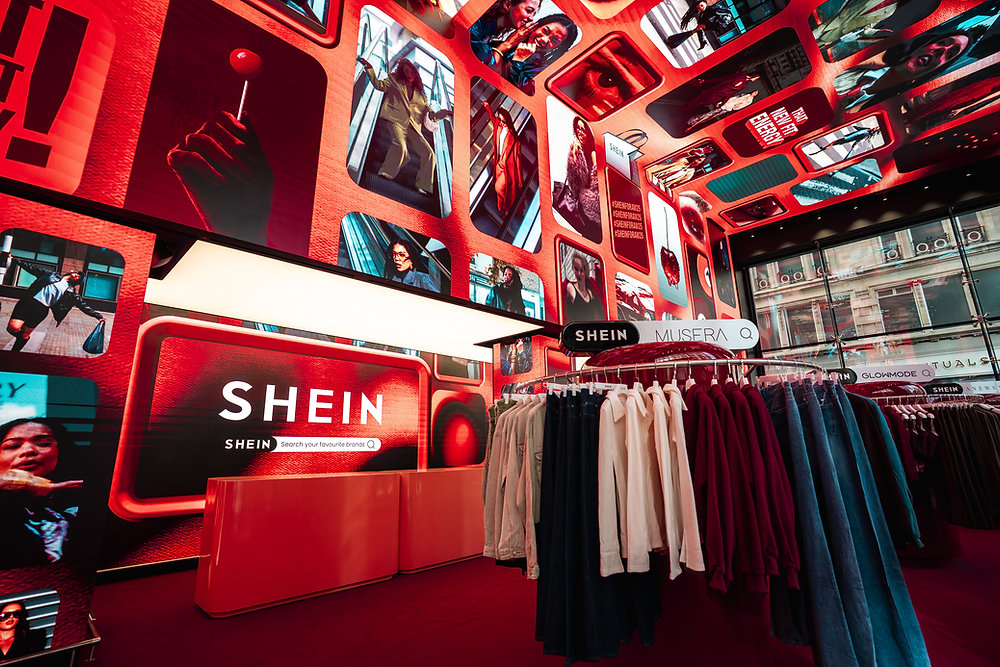
    Shein will spend $15m in 2025 to tighten product safety and regulatory compliance across its global marketplace.

    That budget will fund 2.5 million individual product tests this year, a 25 per cent increase from the testing volume completed in 2024.

    Tighter Rules for Childrenswear and Electronics

    The Singapore-headquartered platform is expanding working agreements with 15 commercial inspection groups, including SGS, Intertek, and Bureau Veritas. The checks target baseline safety benchmarks such as the US Consumer Product Safety Act and the European Union’s General Product Safety Regulation. Suppliers and third-party marketplace merchants must now clear internal standards set out in Shein’s Restricted Substances List.

    Under the new rules, the retailer limits garment production to an approved materials library of certified fabrics, trims, and hardware. Starting April 2025, every fabric used in Shein-branded children’s clothing must clear mandatory chemical and flammability screening before listing. Similar requirements apply to all decorative trims and fasteners.

    A second enforcement phase begins in May 2025, focusing on high-risk third-party merchandise such as consumer electronics, toys, cosmetics, and personal protective equipment. Sellers in these categories must supply verified certifications, including RoHS compliance and FCC documentation, before their listings go live.

    Enforcing Penalties on Third-Party Merchants

    Cross-border retail platforms operating out of Asia face mounting scrutiny from Western regulators over illicit chemical residues and untested electrical goods shipped directly to consumer doorsteps. Direct-to-consumer marketplaces built on rapid-turnaround contract manufacturing must prove they can police hundreds of independent workshops without slowing delivery cycles.

    Shein has already removed more than 540 non-compliant sellers from its marketplace since introducing third-party vendor onboarding. Merchant accounts now undergo recurring audits based on random laboratory screenings and shopper complaints. Vendors that fail testing thresholds face product delistings, financial penalties, or permanent account termination, with Shein committing to notify government regulators of severe safety violations.

    Marketplace teams will track merchant compliance rates closely as the documentation mandate takes effect for electronics and cosmetics vendors in May 2025.

  • Asia-Pacific Takes 42.5 per Cent of Global E-Commerce Market Heading to $19.8 Trillion

    Asia-Pacific Takes 42.5 per Cent of Global E-Commerce Market Heading to $19.8 Trillion

    Asia-Pacific captured 42.5 per cent of the global e-commerce market in 2025, leading an industry projected to reach $19.83 trillion by 2035. The worldwide sector stood at $7.65 trillion in 2025 and is tracking toward $8.42 trillion in 2026, driven by mobile internet adoption and direct-to-consumer digital channels.

    China, India, and Southeast Asia anchored the regional share, outpacing North America at 24.3 per cent and Europe at 20.1 per cent. Electronics and media formed the largest single product category globally, generating $1.98 trillion in 2025, while fashion and apparel climbed at an 11.3 per cent annual rate.

    Mobile Checkouts and Direct Sales

    Consumer shift to mobile devices altered checkout dynamics across major platforms. Mobile internet access passed 5.5 billion users in 2025, pushing retailers to redesign storefronts around single-screen purchase funnels. Data from platform operator Shopify showed 73 per cent of transactions took place on mobile devices, helping reduce cart abandonment below 55 per cent.

    Brand-owned direct-to-consumer platforms generated $1.42 trillion in 2025, accounting for 18.5 per cent of total e-commerce revenue. Retailers spent more than $22 billion on artificial intelligence recommendation engines during 2024 to lift conversion rates by 15 to 25 per cent. Marketplace platforms retained the largest transaction volume, with projections pointing to 10.6 per cent annual expansion through 2035.

    For retailers across Asia, these numbers reflect a structural transition from basic marketplace storefronts to proprietary apps and conversational commerce tools. Brands that relied entirely on third-party aggregators five years ago are redirecting capital into unified backends that handle social shopping, mobile web, and offline inventories together.

    Payment Infrastructure and Regulatory Hurdles

    Instant payment networks accelerated transaction volumes throughout emerging markets. India’s Unified Payments Interface processed more than 14 billion transactions monthly by late 2024, while digital wallets accounted for over half of all online payments globally.

    Operating costs and compliance mandates continue to squeeze vendor margins. Last-mile logistics represented 41 per cent of total supply chain expenses, amplified by urban fuel and labor costs. Tightening data protection rules, including India’s Digital Personal Data Protection Act, added compliance expenses equivalent to two to five per cent of digital marketing budgets.

    Cross-border sellers now face tighter platform vetting as international agencies track counterfeit goods, which totaled $509 billion in worldwide trade. The next operational test comes as national customs authorities implement revised digital tax rules across regional trade corridors through 2027.

  • Shopee Monetises Marketplace Platform with Tiered Seller Fees and Paid Services

    Shopee Monetises Marketplace Platform with Tiered Seller Fees and Paid Services

    Singapore-based Shopee generates its core income from a multi-tiered marketplace model charging seller commissions between 1 and 6 per cent alongside payment and fulfillment fees across Southeast Asia.

    The platform, founded in 2015 by Forrest Li, reached 1.78 billion dollars in annual revenue during 2020 as it scaled past regional rivals to capture merchant transaction flows.

    Commission Structures and Paid Merchant Tools

    Standard marketplace merchants pay base commissions of 1 to 2 per cent per completed sale. Brands listed on the premium Shopee Mall tier face higher commission rates that climb to 6 per cent depending on the product category and transaction volume.

    Transaction processing adds another 2 per cent fee to cover payment handling. Merchants looking for wider reach buy search visibility through a cost-per-click advertising system, placing sponsored listings across product queries and feeds.

    Warehousing and shipping generate additional revenue through Fulfilled by Shopee, a proprietary distribution program that bills sellers on a per-item rate determined by package dimensions and weight.

    Ancillary Services and Regional Competition

    Beyond traditional retail transactions, the company captures payments revenue through its ShopeePay digital wallet. It also takes merchant commissions and consumer delivery fees on orders processed through its ShopeeFood division.

    The platform established market leadership over Alibaba-backed rival Lazada across Southeast Asia before launching localized operations in Latin American markets including Brazil, Mexico, Colombia, and Chile. RetailNews Asia tracks how marketplace operators in the region steadily adjust take-rates and ad loads as merchant competition tightens across core territories.

    Market watchers are monitoring whether Shopee can maintain seller retention across Southeast Asia while defending merchant margins against regional competitors.

  • FedEx Commits $150 Million to Build Automated Air Cargo Hub at Delhi Airport

    FedEx Commits $150 Million to Build Automated Air Cargo Hub at Delhi Airport

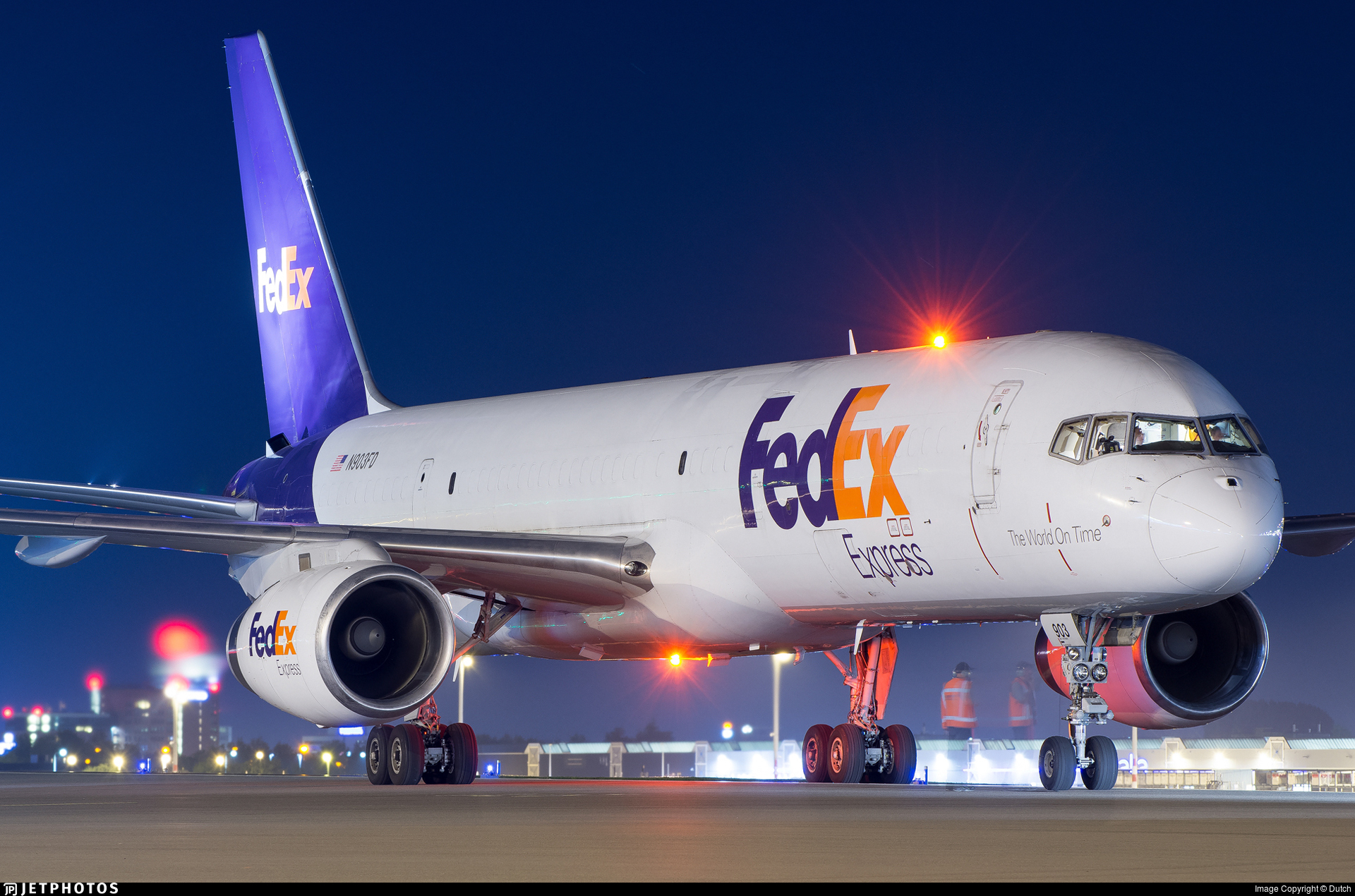
    FedEx will spend $150 million to build and equip a dedicated air freight terminal at Delhi international airport, expanding its international cargo processing capacity across northern India. The planned 230,000-square-foot facility will lift the carrier’s sorting rate at the airport from 600 packages an hour to 5,000.

    The investment will consolidate FedEx’s scattered pickup and delivery operations around the airport into a single base. It includes high-speed automated conveyor lines and computer vision scanners powered by artificial intelligence to route international parcels through customs and sorting lanes.

    Consolidation at GMR Cargo Campus

    Airport operator GMR Airports Ltd is developing the broader cargo zone to house airlines, freight forwarders, and logistics providers. Phase 1 will cover roughly one million square feet, with construction starting shortly. A planned second phase could add between 500,000 and one million square feet of space.

    FedEx is leasing the warehouse structure from GMR and financing all internal sorting systems, scanning hardware, and IT infrastructure. The site design allows for modular physical expansion as freight volumes increase.

    “India is a critical market in our global network, with North and East India playing an important role in the country’s growing trade and economic opportunity,” said Kami Viswanathan, president of FedEx Middle East, Indian Subcontinent and Africa. Viswanathan noted that the expanded presence aims to give regional exporters faster links to overseas buyers as annual Indian merchandise trade exceeds $1.2 trillion.

    Expanding the Indian Triangle

    The Delhi project is the third major air cargo site FedEx has funded in India over the past nine months. In February, the Memphis-based logistics group committed $250 million for an on-airport freight facility at Navi Mumbai International Airport, an Adani Group project targeting 500,000 metric tons of cargo capacity in its initial phase. FedEx will run that site alongside its existing operations at Mumbai’s legacy airport.

    Before that, in December, the company opened a 60,000-square-foot hub at Kempegowda International Airport in Bengaluru, processing up to 4,000 packages an hour across pharmaceutical, industrial, and technology export lines.

    Connecting Delhi, Mumbai, and Bengaluru gives FedEx dedicated airport-side sorting hubs across India’s three largest manufacturing and technology corridors. Construction on the Delhi cargo park begins in the coming weeks, with GMR preparing the phase one site for tenant fit-outs.