Tag: E-Commerce

  • Malaysia to Impose Registration Rules on E-Commerce Platforms After 1,964 Complaints

    Malaysia to Impose Registration Rules on E-Commerce Platforms After 1,964 Complaints

    Malaysia will impose mandatory registration and product compliance rules on e-commerce platforms after regulators logged 1,964 consumer complaints over defective items, scams and misleading halal claims.

    The regime forces online marketplaces to verify that all electrical appliances meet domestic SIRIM safety benchmarks before listing.

    Communications Minister Datuk Seri Fahmi Fadzil said the government will not block or shut down e-commerce operators. The policy instead targets platform accountability, requiring marketplaces to filter out uncertified inventory and fraudulent merchants.

    Enforcing standards and registration

    Data from the Malaysian Communications and Multimedia Commission (MCMC) shows 1,964 platform-related complaints recorded through Aug. 25, with 118 cases still under active investigation. Electrical and electronic products triggered 191 reports, while four complaints involved fraudulent halal certification labels.

    Regulators plan to adapt the oversight framework recently rolled out for social media networks to police online shopping portals. This will include platform registration rules designed to hold operators liable for counterfeit goods and non-compliant hardware.

    Marketplace liability across Southeast Asia

    The policy mirrors a wider regional push to rein in marketplace imports and protect consumer safety. Platforms such as Shopee, Lazada and TikTok Shop have faced heightened regulatory scrutiny across Southeast Asian markets over unverified merchant listings and cheap, uncertified cross-border electronics.

    MCMC is currently drafting the operational guidelines for the e-commerce framework, with compliance timelines to be announced once agency reviews conclude.


  • TikTok Shop Doubles US Livestream Sales as Live Commerce Chases China Model

    TikTok Shop Doubles US Livestream Sales as Live Commerce Chases China Model

    TikTok Shop doubled its livestream shopping sales in the United States during the first half of 2026, exporting a commercial format pioneered across Asian digital marketplaces. The platform increased its live broadcast sessions by more than 60 per cent over the same period as total broadcast hours climbed 80 per cent.

    The expansion reflects an aggressive push by parent company ByteDance to replicate the live selling ecosystem that dominates Chinese retail. US live shopping sales are forecast to reach nearly $20 billion this year, up 35 per cent from 2025, according to eMarketer estimates. That total remains a fraction of China, where livestream retail sales are projected to top $1.1 trillion in 2026 after Alibaba launched Taobao Live a decade ago.

    Platform fees and broadcaster competition

    Merchant adoption has widened across social channels and dedicated auction platforms. Live selling specialist Whatnot reached a $20 billion valuation after generating $8 billion in global sales in 2025, mostly in the US market. Established television retailer QVC now broadcasts more than 200 hours weekly across seven TikTok channels following its recent corporate restructuring.

    Monetisation rules are tightening as volumes rise. TikTok takes a base commission fee of 6 per cent on merchant sales plus processing fees, while Whatnot charges between 4 per cent and 8 per cent. Sellers also face higher customer acquisition hurdles as algorithmic feeds demand longer daily broadcast schedules to sustain viewer traffic.

    Exporting the Asian super app playbook

    Western platforms are attempting to reconstruct an engagement habit that developed naturally inside Asian super apps such as WeChat and Taobao. While Asian consumers routinely combine entertainment, messaging and direct checkout inside single applications, legacy US retailers like Amazon, Walmart and eBay still operate primarily as utility search engines. Bridging that structural divide requires merchants to convert social viewers into buyers directly on video feeds.

    The test for ByteDance is whether livestream gross merchandise value can sustain its growth rate as US platform fees rise and competition for creator airtime intensifies into the fourth-quarter holiday trading period.

  • Video Commerce Captures 20 per Cent of Southeast Asia E-Commerce GMV

    Video Commerce Captures 20 per Cent of Southeast Asia E-Commerce GMV

    Video commerce now accounts for roughly a fifth of Southeast Asian e-commerce gross merchandise value, forcing consumer brands across the region to overhaul their distribution models. Data compiled by Google, Temasek and Bain shows creator-led sales shifting from experimental promotional spending into core retail infrastructure across key markets including Indonesia, Thailand and Vietnam.

    That expansion brings operational friction. Sellers running live broadcasts face steep drops between top-line gross merchandise value and realized revenue once cash-on-delivery refusals, return windows, creator fees and platform commissions clear. Promotional subsidies, including platform-funded vouchers and discounted freight, have masked true channel margins during market-share acquisition phases. When platforms pull back subsidies, merchant unit economics drop quickly.

    Platform control and merchant margin pressure

    Selling through creator streams leaves transaction infrastructure in third-party hands. Platforms control storefronts, checkout systems, payment rails, customer records, delivery terms and dispute resolution, leaving brands to supply inventory and absorb product returns.

    Multi-market operators managing sales across Jakarta, Bangkok and Manila face diverging compliance environments. Content licensing, creator contracts, disclosure mandates and withholding taxes vary by jurisdiction, preventing companies from running uniform regional campaigns without local adaptation.

    The pattern follows China’s live commerce cycle. Brands in that market initially concentrated volume through top independent hosts before margins deteriorated. Chinese consumer labels responded by building internal broadcast studios and running scheduled daily programming to retain customer data and protect gross margins.

    Regulatory scrutiny reshapes regional operations

    Governments across Southeast Asia have moved to regulate social commerce platforms as critical retail infrastructure rather than digital advertising channels. Indonesia enacted Ministry of Trade Regulation 31 in September 2023, banning direct e-commerce transactions inside social media applications. The rule halted TikTok Shop until parent company ByteDance completed a 1.5 billion dollar investment to secure a controlling stake in GoTo’s Tokopedia platform.

    Vietnam enacted Decree 147 in late December 2024, enforcing strict account verification requirements before individuals can post or host livestreams. Merchant operators are now building direct customer channels, internal studio facilities and formal data-rights clauses into creator agreements across tier-two Vietnamese cities and eastern Indonesia, where production overhead remains competitive.

    Retailers across the region now track net settlement data and return rates per stream as platforms adjust commercial take rates and enforcement rules throughout 2026.

  • FirstCry Targets 10 Percent Quick Deliveries to Lift Multichannel Sales

    FirstCry Targets 10 Percent Quick Deliveries to Lift Multichannel Sales

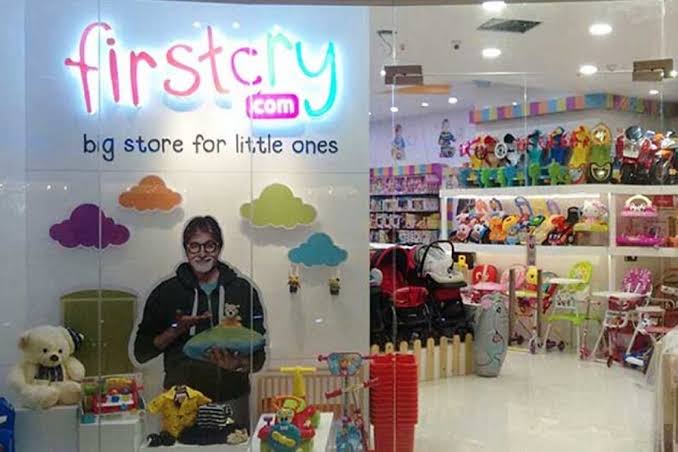
    FirstCry plans to route 10 per cent of its online orders through its rapid-delivery service FC Qwik after multichannel revenue in India rose 17.7 per cent in the first quarter.

    The retailer expanded the service from five cities in March to 12 cities by June, doubling quarterly quick-delivery shipments to 125,000 orders.

    Orders on FC Qwik arrive within two to three hours. Founder and chief executive Supam Maheshwari said the company intends to cut transit times further as the network expands into more urban markets. The service handles urgent replenishment goods like baby formula and diapers, but also ships bulky items including strollers, car seats and ethnic wear.

    Expanding RocketBees across Indian cities

    Deliveries rely on RocketBees, FirstCry’s internal logistics operation that grew from 62 to 72 cities over the past 15 months. The in-house network now handles more than half of the company’s online parcel volume, delivering a 20 per cent performance improvement over third-party couriers.

    The company built RocketBees on an asset-light model using leased vehicles for long-haul routes and local contractors for final deliveries. Maheshwari said managing parcel weights ranging from 10-gram diaper pins to 40-kilogram toy cars forced the retailer to build its own technology after struggling with third-party logistics providers.

    Specialist vertical retailers across Asia are increasingly building dedicated logistics instead of relying on horizontal quick-commerce apps or legacy parcel carriers. By fulfilling orders directly from local hubs and brick-and-mortar shops, FirstCry protects its product margins while defending against fast-delivery aggregators that stock narrower inventories.

    Balancing costs and physical store expansion

    Building the internal courier network and rapid-dispatch service added roughly 60 basis points to operational costs. Maheshwari expects unit costs to normalize once RocketBees captures between 70 per cent and 75 per cent of order volumes within each target city.

    Physical outlets remain central to the fulfillment model. Online orders accounted for 78 per cent of FirstCry’s gross business value in India during fiscal 2026, while physical retail generated 22 per cent. In the top 50 cities, shoppers using both store and digital channels drove 36 per cent of gross sales.

    Store-level gross merchandise value climbed 15 per cent year-on-year, and FirstCry is preparing to open between 90 and 100 physical stores during fiscal 2027.

  • Who Gives A Crap Targets A$100 Million Annual Donations on Retail Push

    Who Gives A Crap Targets A$100 Million Annual Donations on Retail Push

    Melbourne consumer brand Who Gives A Crap has distributed more than A$50 million to global sanitation initiatives as it expands into mainstream supermarket chains worldwide.

    The company, which gives half of its profits to water and hygiene projects, is now mapping a growth path aimed at generating A$100 million in annual donations by 2050. That target requires building a commercial footprint large enough to challenge legacy paper giants such as Kimberly-Clark.

    From web stunt to supermarket shelves

    Co-founders Simon Griffiths, Danny Alexander and Jehan Ratnatunga launched the business in 2012 by raising A$50,000 through a 50-hour crowdfunding web feed. Bootstrapped for its first nine years, the company took outside institutional funding in 2021 and expanded its workforce to nearly 300 employees.

    While direct-to-consumer delivery drove early revenue across Australia, the United States, Britain, Canada, France and Germany, long-term growth now depends on physical grocery distribution. In the United States, placement with Whole Foods Market opened access to shoppers who do not buy paper goods online. Supermarket distribution across Australian chains followed a similar pattern, forcing the brand to compete directly against entrenched multinational FMCG lines on store shelves.

    Targeting global scale in paper goods

    Entering physical stores presents distinct margin and packaging challenges for direct-to-consumer challengers across the Asia-Pacific region. Brand visibility in high-traffic aisles requires heavy inventory commitments and immediate shelf recognition, especially in staple categories where consumers buy on autopilot.

    The company plans to use expanded supermarket listings in North America and Europe to fund its target of A$100 million in yearly charitable disbursements by 2050.

  • Hims & Hers Rolls Out Weight-Loss and Prescription Platform in Australia

    Hims & Hers Rolls Out Weight-Loss and Prescription Platform in Australia

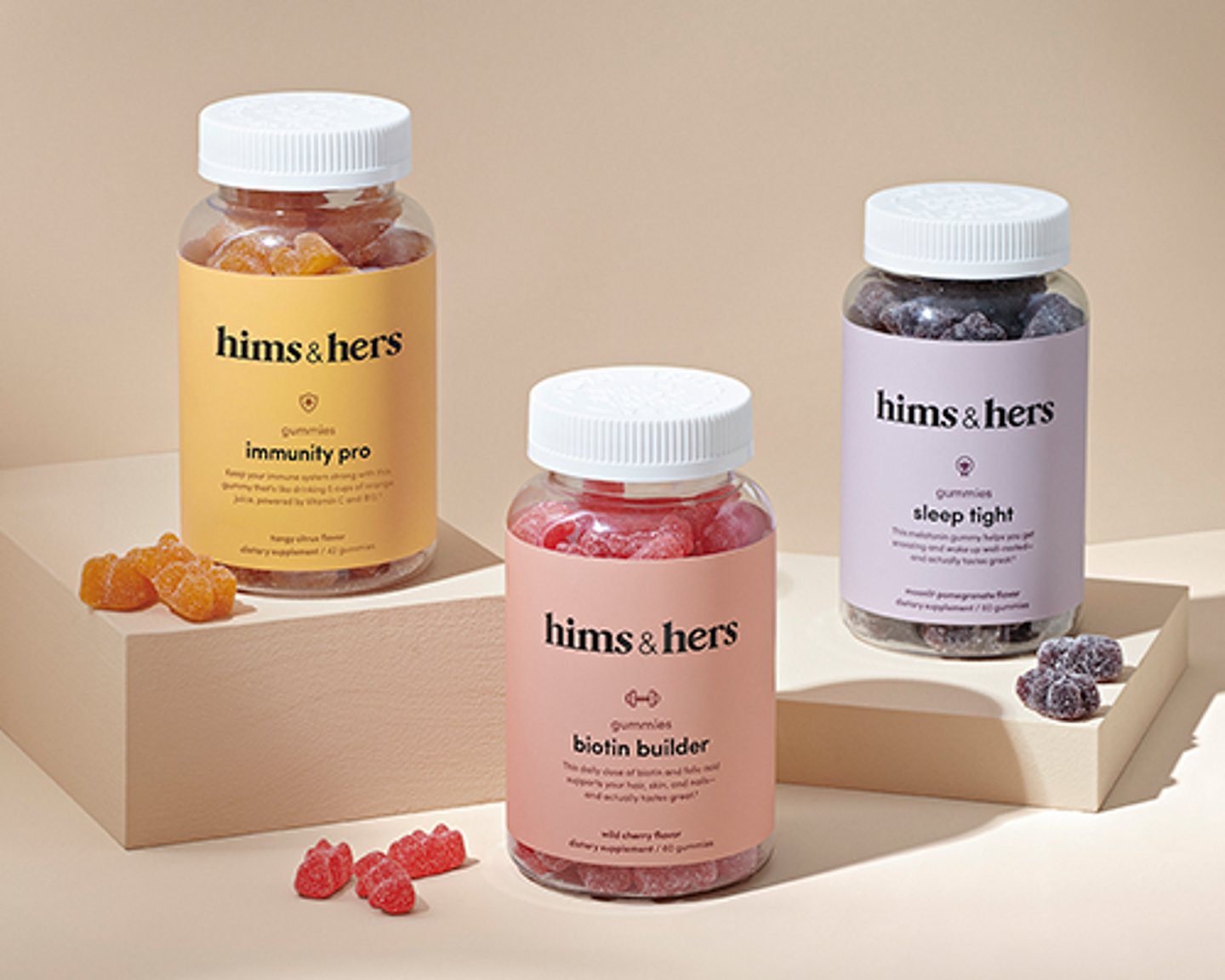
    Telehealth group Hims & Hers has launched branded GLP-1 weight-loss drugs and prescription treatments in Australia, chasing a global revenue target of US$6.5 billion by 2030.

    The rollout follows the completed acquisition of Sydney-based digital health firm Eucalyptus, which gave the US provider control of local men’s telehealth brand Pilot. Australian patients can now access treatments for sexual health, cholesterol and weight management directly through the combined digital channel.

    Integration of Pilot and Juniper

    Existing Pilot clinicians are shifting directly over to the Hims platform. A spokesperson for the company confirmed that the weight-loss catalogue includes access to branded GLP-1 medications, mirroring its US lineup of treatments such as Novo Nordisk’s Wegovy and Eli Lilly’s Zepbound.

    Former Eucalyptus chief executive Tim Doyle, who now serves as senior vice president at Hims & Hers, will oversee the Australian rollout. The company plans to bundle consultations and products that consumers previously bought as separate transactions, focusing on suburban and regional areas where physical access to specialists is limited.

    Digital health platforms across the Asia-Pacific region are consolidating fast to capture soaring consumer demand for metabolic care and discreet direct-to-consumer treatments. Local pharmacy operators face stiffer competition as international platforms buy up homegrown startups rather than building customer rosters from scratch.

    International Expansion and Margins

    Expanding across foreign markets has lifted monthly revenue per subscriber by 21 per cent year-on-year. That top-line gain comes with a cost: management told investors during its second-quarter earnings call that gross profit margins will stay below historical levels while international operations scale.

    The Australian launch builds on the 2025 purchase of London-based Zava, which distributes weight-loss drugs across the UK, Germany, France and Ireland. Next on the Australian schedule is the launch of its dedicated women’s health service through Eucalyptus brand Juniper before the end of the year.

  • DFI Retail Group Names Kshitij Mulay as Chief Digital and Yuu Rewards Officer

    DFI Retail Group Names Kshitij Mulay as Chief Digital and Yuu Rewards Officer

    DFI Retail Group has named Kshitij Mulay as its new Group Chief Digital and yuu Rewards Officer across its network of 7,659 outlets. The appointment takes effect on 17 September 2026, placing Mulay in charge of the group’s digital commerce, loyalty operations, customer analytics and retail media units.

    Based in Hong Kong, Mulay will sit on the group management committee and report directly to Group Chief Executive Scott Price. He succeeds Wee Lee Loh, who is stepping down after three years with the business to return to Singapore.

    From Sephora to pan-Asian retail networks

    Mulay joins DFI from Sephora Asia, where he served as Chief Information Officer overseeing digital and technology operations across multiple Asian markets. His background covers more than 25 years in retail and consumer technology, including senior roles at Procter & Gamble and Sephora focused on cloud migration, omnichannel commerce and artificial intelligence deployments.

    At DFI, his brief covers a sprawling multi-format retail footprint spanning 12 markets and more than 81,000 employees as of June 2026. The portfolio includes convenience chain 7-Eleven, health and beauty banner Mannings, grocery brands Wellcome and MarketPlace, as well as home furnishings and restaurant operations.

    Scaling digital operations and retail media

    Loh steps down after steering the group’s digital ecosystem through an aggressive build-out since 2023. During his tenure, DFI expanded the yuu loyalty programme to millions of active members and scaled daily online order fulfilment to more than 100,000 transactions across its operating territories.

    Regional retail conglomerates are leaning hard into retail media networks and unified loyalty schemes to generate higher-margin income from grocery and convenience footfall. For operators running thousands of physical checkouts, monetising first-party shopper data through targeted digital advertising has shifted from an experiment into a core balance-sheet priority.

    Mulay begins his role following a handover period with Loh in mid-September, with the group targeting further expansion of its retail media business and automated fulfilment systems heading into the final quarter of the year.

  • Asia-Pacific Retail Automation Market to Reach $5.07 Billion by 2029

    Asia-Pacific Retail Automation Market to Reach $5.07 Billion by 2029

    Retail automation spending across regional Asia-Pacific markets will reach $5.07 billion by 2029, up from $2.65 billion in 2024.

    The expansion represents a compound annual growth rate of 13.8 percent, outperforming the broader global retail automation sector’s projected 9.9 percent rate over the five-year forecast period.

    Rising wages across developing economies are pressing store operators to replace manual routines with self-checkout kiosks, automated inventory tracking, and warehouse robotics. Worldwide automation revenue is projected to climb from $27.63 billion in 2024 to $44.3 billion by 2029, with Asian markets taking up a growing share of enterprise procurement budgets.

    Warehouses and Non-Food Chains Lead Spending

    Warehouse installations form the largest share of automation deployments in the region, pushed by logistics operators sorting heavier e-commerce parcel flows. Non-food retail stores represent the fastest-growing buyer category as fashion, specialty, and electronics chains adopt electronic shelf labels, autonomous mobile robots, and automated storage systems to defend operating margins.

    Technology vendors competing for contracts include Zebra Technologies, IBM, SAP, Microsoft, and Saison Information Systems, alongside automation hardware groups such as Honeywell, ABB, and Siemens. Cheaper cloud systems and IoT sensors have lowered entry costs, enabling mid-tier chains to buy tools once restricted to massive supermarket operators.

    Shift from Pilot Trials to Fleet Deployments

    Regional merchants previously limited automated checkouts and radio-frequency identification tags to flagship concept locations. Higher store operating expenses have pushed those tests into broad network rollouts across hypermarkets, specialty outlets, and distribution centers.

    Technology vendors are focusing on integrated suites that connect front-of-store optical sensors and automated sortation networks directly to enterprise planning software, targeting retail operators upgrading their infrastructure before 2029.

  • Shein Targets US$1.7 Billion Hong Kong Listing After Shifting Focus to China

    Shein Targets US$1.7 Billion Hong Kong Listing After Shifting Focus to China

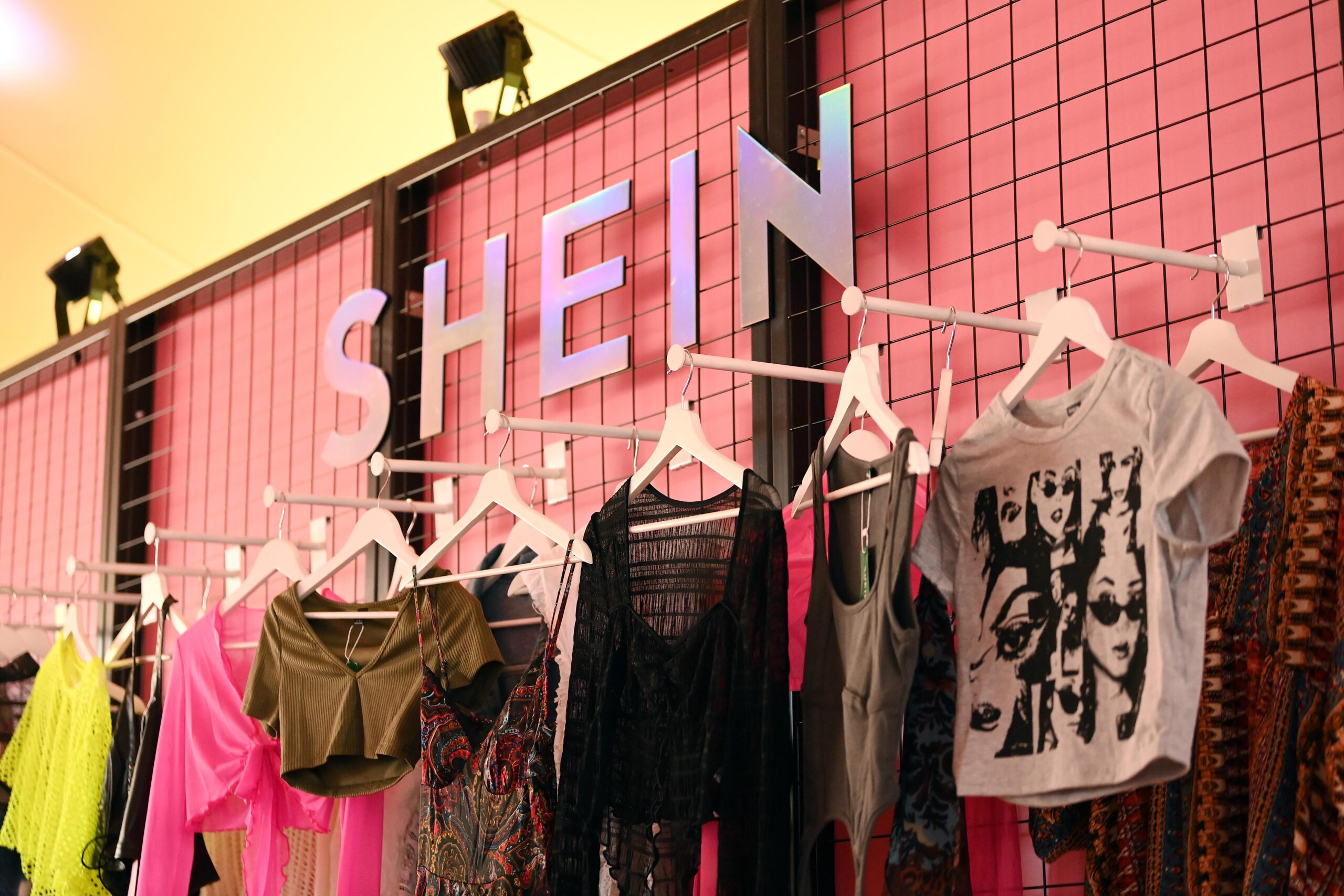
    Shein will debut on the Hong Kong stock exchange on Tuesday, seeking to raise US$1.7 billion after abandoning earlier plans to list in New York and London.

    The listing values the fast-fashion group at US$26.5 billion, down from its peak valuation of more than US$100 billion in 2022. That drop follows years of regulatory hurdles in the West and an extensive effort to secure approval from Chinese market authorities.

    Supply Chain Commitments and Regulatory Clearances

    Founded in Nanjing in 2012, Shein shifted its corporate headquarters to Singapore in late 2021 as part of an attempt to position itself as a global retail player. That strategy ran into resistance from Chinese regulators, including the China Securities Regulatory Commission, which reviews foreign-registered businesses with substantial domestic operations.

    Founder Sky Xu responded by taking direct charge of regulatory relations in China. Xu made a rare public appearance at a February business forum in Guangdong province, pledging a US$1.5 billion investment to expand the company’s supply chain network across the region.

    The company also opened a research and development centre in Nanjing. In its Hong Kong listing prospectus, Shein confirmed that mainland China remains the central anchor of its logistics network and accounts for nearly 80 per cent of its total workforce.

    Western Market Pressures Reshape Listing Strategy

    Attempts to secure listings in the United States and the United Kingdom unraveled under heightened political and regulatory scrutiny. US lawmakers pushed for supply chain audits under the Uyghur Forced Labor Prevention Act, while trade policy shifts eliminated the US$800 de minimis customs exemption that originally accelerated Shein’s cross-border parcel volumes. European authorities introduced comparable parcel handling charges.

    Former executive chairman Donald Tang stepped down ahead of the Hong Kong filing after his previous public remarks claiming American corporate values drew criticism from Chinese officials.

    For retailers across Asia, Shein’s pivot illustrates the limits of cross-border corporate restructuring when manufacturing remains concentrated in southern China. Regional e-commerce operators face a tighter compliance environment globally, leaving Hong Kong as the primary capital market for Chinese-rooted digital exporters.

    Trading begins on Tuesday on the Hong Kong exchange, where investors will test Shein’s revised pricing against slowing margins in overseas markets.

  • Graas Raises US$17 Million and Buys Trustana to Expand Retail AI Tools

    Graas Raises US$17 Million and Buys Trustana to Expand Retail AI Tools

    Singapore e-commerce technology platform Graas has raised US$17 million in fresh capital and completed the acquisition of product data company Trustana.

    The transaction brings Trustana’s catalogue and product intelligence software directly into Graas’s automated operating system for consumer brands across the region.

    Integrating Product Data

    Graas builds artificial intelligence software designed to optimize inventory, ad spend, and pricing decisions across digital marketplaces. Adding Trustana, an enterprise data startup initially incubated by Temasek, gives the combined entity deeper capability in structuring product catalogues and syndicating retail data across fragmented sales channels.

    Brand operators across Southeast Asia frequently run concurrent storefronts on Shopee, Lazada, TikTok Shop, and standalone web platforms. Managing product data across those channels remains one of the most persistent operational bottlenecks in regional digital commerce.

    Consolidation in E-Commerce Tech

    Software vendors across the region are consolidating capabilities as enterprise clients push to trim their technology vendor counts. Graas previously expanded its footprint by acquiring specialized marketing and logistics analytics companies across India and Southeast Asia.

    RetailNews Asia views the deal as a clear shift away from standalone point solutions toward unified enterprise software suites capable of running daily merchant operations autonomously.

    Integration of Trustana’s data pipelines into the Graas platform begins immediately, with the combined software suite scheduled for enterprise rollout over the coming quarter.

  • Australian Shoppers Trust AI Recommendations over In-Store Retail Staff

    Australian Shoppers Trust AI Recommendations over In-Store Retail Staff

    Australian consumers now place more trust in artificial intelligence for shopping recommendations than in human retail staff, according to new industry research tracking store-floor buyer habits.

    The findings point to a decisive shift in how shoppers research products, compare prices, and finalize purchasing decisions across Australian retail channels.

    The shift away from floor staff

    Shoppers increasingly turn to automated search assistants, chatbot tools, and algorithm-driven recommendation engines before speaking to floor employees. Fast access to product specifications, unvarnished peer reviews, and real-time inventory checks gives digital tools an edge over human staff who may lack deep product knowledge.

    Retail workers face higher shopper expectations as a result. Store visitors often arrive having already researched technical details online, using physical visits primarily to confirm choices rather than seek basic sales guidance.

    What the preference change means for store networks

    Across the Asia-Pacific region, merchants in mature retail markets like Australia, Japan, and Singapore are reallocating technology budgets to support instant customer queries at the shelf edge. Retailers that integrate generative assistants into loyalty apps and in-store digital kiosks capture buyer intent earlier in the shopping cycle.

    Store operators must now decide how to retrain frontline staff to handle complex customer service issues rather than standard product lookup tasks.

  • Hong Kong Retail Sales Rise 4.5 per Cent to HK$31 Billion in July

    Hong Kong Retail Sales Rise 4.5 per Cent to HK$31 Billion in July

    Hong Kong retail sales climbed 4.5 per cent year-on-year in July to HK$31 billion ($3.95 billion), extending the city’s growth streak to 15 straight months.

    The result held steady against the revised 4.6 per cent increase recorded in June, bringing total retail sales expansion for the first seven months of the year to 8.9 per cent.

    Online purchases expanded faster than physical store traffic. E-commerce sales reached HK$2.8 billion in July, up 9.5 per cent from a year earlier, and represented 9.1 per cent of total retail turnover in the city.

    Jewellery and luxury goods lead gains

    High-value categories drove the bulk of the monthly expansion, according to figures released by the Census and Statistics Department. Sales of jewellery, watches and clocks jumped 19.7 per cent, while electrical appliances and consumer durables rose 11.5 per cent. Medicines and cosmetics gained 7.3 per cent.

    Everyday retail lines experienced much slower momentum. Department store commodities, optical shops, and alcoholic drinks and tobacco recorded uplifts ranging between 0.5 per cent and 1.8 per cent.

    Tourism events against external headwinds

    The sustained expansion points to firming domestic household incomes and stable employment across Hong Kong, even as store operators adjust to spending shifting online. The wide performance gap between luxury spikes and subdued department store receipts indicates local consumer sentiment remains selective outside tourist-heavy categories.

    City officials are counting on an upcoming lineup of mega-events to lift inbound visitor traffic through the rest of the year, while monitoring how evolving global economic headwinds affect local consumption.

  • Shein Shares Drop 8 per Cent in Hong Kong Debut

    Shein Shares Drop 8 per Cent in Hong Kong Debut

    Shares in Shein fell 8 per cent on their first day of Hong Kong trade on Tuesday, valuing the online fast-fashion retailer at roughly US$24 billion.

    The morning price of HK$44.60 represents a steep reset from the company’s peak valuation of nearly $100 billion in 2022. Hong Kong’s benchmark Hang Seng Index slipped 0.6 per cent over the same session.

    Shein turned to Hong Kong after regulatory pushback from Chinese authorities blocked earlier listing attempts in New York and London. The public offer sold about 6.6 per cent of the company’s enlarged share capital. Cornerstone investors took roughly one-fifth of the shares on offer, leaving just 5 per cent freely tradeable under a six-month lockup agreement.

    Valuation gap with regional rivals

    Investor appetite remained muted throughout the sale. The retail portion was subscribed 5.63 times and the international tranche 2.59 times, trailing the hundreds-fold subscriptions common in Hong Kong’s technology and robotics listings.

    Saxo market data shows Shein listed at 15 times forward earnings. That multiple is more than double the valuation of PDD Holdings, the owner of Temu, giving Shein a premium price tag despite heightened geopolitical friction and slower earnings visibility across major Western markets.

    RetailNews Asia notes that the muted debut reflects how quickly cross-border e-commerce economics deteriorated once Western customs loopholes vanished. For years, Chinese discount retailers expanded into the US and Europe by relying on tax exemptions for low-value parcels. Now that both jurisdictions levy duties on direct-shipped goods, margins across the entire ultra-fast fashion export sector are compressing simultaneously.

    Tariffs squeeze operating margins

    Policy changes in Shein’s largest markets dismantled its core cost advantage. The US repealed its duty exemption for packages under $800 last year, and the European Union instituted collection fees on small consumer shipments.

    Higher customs duties, tariffs and logistics expenses across Europe and the Middle East dragged Shein’s net income down 39 per cent last year, pushing the business into an operating loss in the first quarter. To compensate earlier venture backers who bought in at higher price points, Shein agreed to disburse $3.5 billion in cash payments and execute share adjustments for select preferred stockholders.

    Management has turned to acquisitions and marketplace fees to diversify revenue. The company purchased American clothing label Everlane in May, adding to earlier takeovers of British brand Missguided and French fashion label Pimkie.

    Attention now turns to Shein’s upcoming first-half financial report, where the company projected operating profit margins will fall below first-quarter levels.

  • Alfamart Pushes Quick Commerce and Targets 100 Stores in Bangladesh

    Alfamart Pushes Quick Commerce and Targets 100 Stores in Bangladesh

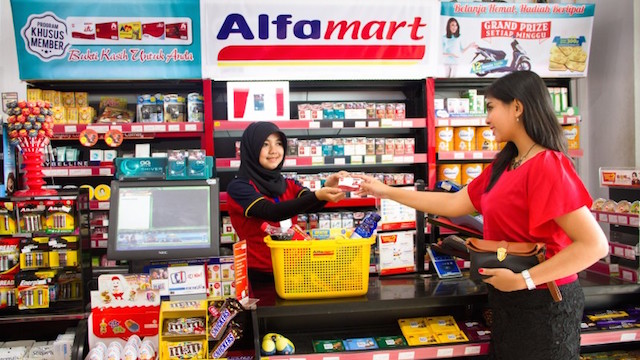
    Indonesian minimart chain Alfamart is expanding its Alfagift delivery network and preparing a 100-store entry into Bangladesh to counter slowing domestic convenience store expansion.

    The Jakarta-based operator, PT Sumber Alfaria Trijaya, is turning to digital ordering and dedicated fulfillment hubs as traditional store density approaches saturation across its home market.

    Dark stores and digital ordering

    President Director Anggara Hans Prawira confirmed that the Alfagift mobile application and loyalty platform have become central to maintaining transaction volumes. Urban shoppers increasingly order household staples and groceries through the digital channel instead of visiting neighborhood brick-and-mortar checkouts.

    To support faster fulfillment, the company is integrating dark stores into its distribution setup. These dedicated micro-warehouses shorten delivery windows and relieve pressure on standard retail outlets in crowded metropolitan areas where finding viable new retail real estate has become harder.

    South Asian expansion

    Slowing domestic retail growth has also pushed Sumber Alfaria Trijaya to seek greenfield opportunities abroad, led by a planned 100-store rollout in Bangladesh. The move marks an aggressive geographic push outside Southeast Asia as domestic store growth tapers.

    Convenience operators across the Asia-Pacific region are confronting the same ceiling. Rapid physical rollouts that drove earnings for two decades across Indonesia, Thailand, and the Philippines now deliver tighter margins, forcing traditional grocers to fight app-based delivery services on speed while exporting their store models into emerging consumer markets.

    The retailer now faces the rollout of its initial 100 Bangladesh sites while testing how deeply quick commerce can defend its domestic basket sizes against dedicated delivery platforms.

  • Asia Air Cargo Rates Diverge as Transpacific Prices Surge 30 Percent

    Asia Air Cargo Rates Diverge as Transpacific Prices Surge 30 Percent

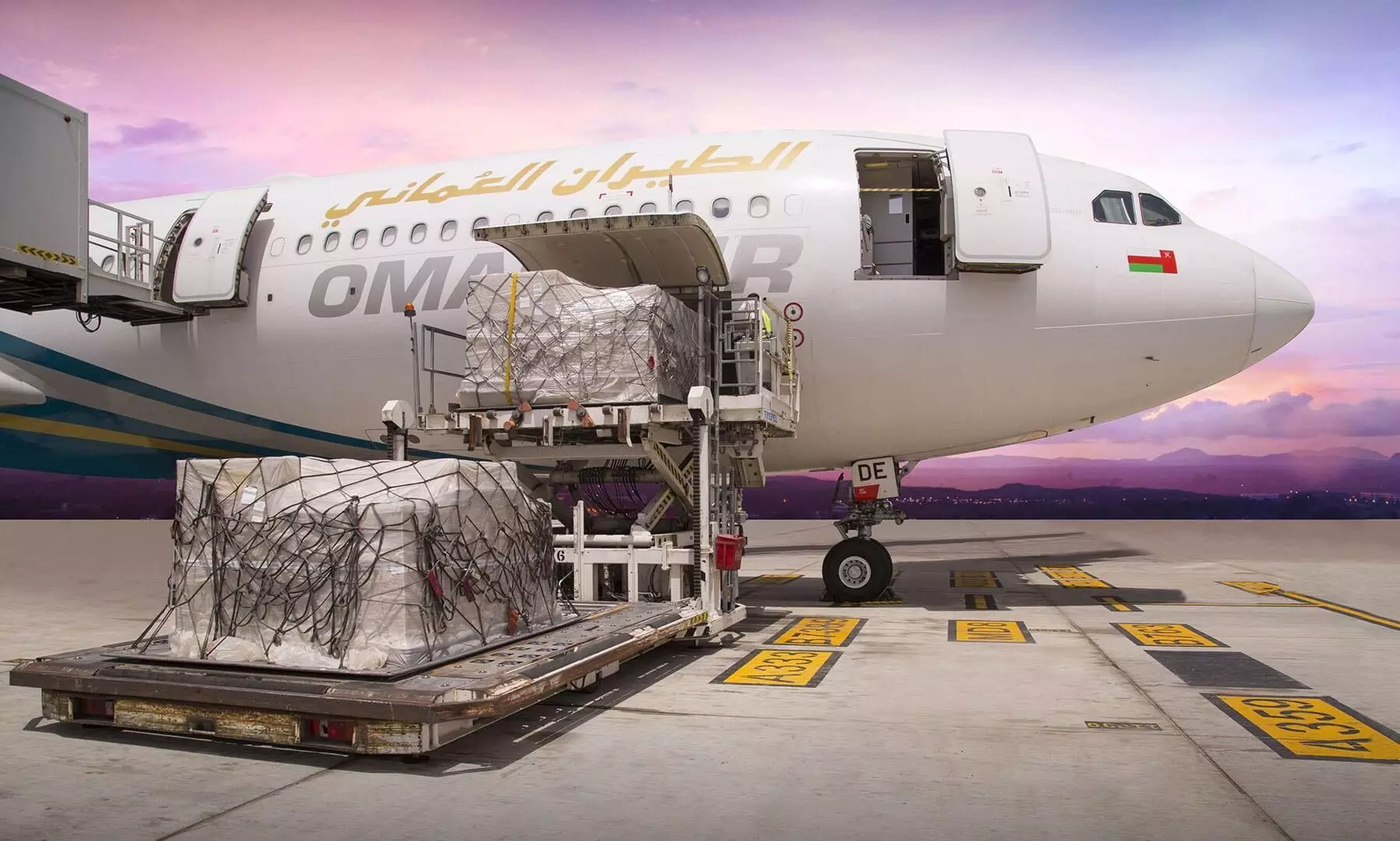
    Air cargo rates from China to the United States climbed 30 per cent year-on-year ahead of the peak shipping rush, driven by steady semiconductor and e-commerce shipments.

    By contrast, rates on the China-to-Europe corridor rose 12 per cent over the same period, slowed by the European Union ending its de minimis tax exemption on July 1.

    The price split reflects an uneven recovery across Asian export corridors. While air space out of Taiwan remains tight on artificial intelligence hardware, and outbound demand from South Korea, Malaysia and Singapore holds firm, outbound volumes from mainland China and Hong Kong have cooled. Pricing data from the TAC Index shows transpacific air freight maintaining a sharp premium, supported by technology shipments alongside higher jet fuel expenses caused by Persian Gulf shipping disruptions.

    Ground Bottlenecks and Route Shifts

    Airlines and forwarders face wide gaps in aircraft fill rates across the region. Dedicated freighter aircraft operate at roughly 65 per cent average load factors, compared with only 36 per cent for passenger aircraft belly hold space, according to IATA figures cited in the Journal of the Air Transport Research Society.

    Freight forwarder Dimerco Express Group noted that cross-border shippers altered transport modes to bypass tight air lanes, diverting freight between China, Vietnam and Thailand onto road networks and utilizing rail corridors into Europe. Early tariff front-loading by retail importers also pulled seasonal volumes forward into earlier quarters.

    Capacity limits on the ground often matter more than available aircraft. At regional transshipment hubs such as the Maldives’ Velana International Airport, which handled nearly 89,000 tonnes of cargo in 2025, warehouse throughput and labor deployment govern holiday processing speeds rather than runway slots.

    Shifting Asian Supply Chain Flows

    For consumer brands and electronics manufacturers across Asia, these fragmented lane dynamics mean freight procurement can no longer rely on broad regional averages. Shippers managing supply chains out of Taipei or Penang face sustained space premiums that do not match the softer spot rates available out of southern Chinese export hubs.

    Carriers are adjusting winter flight schedules to manage the uneven demand. Velana International Airport expects flight movements to rise 12 per cent during the 2026/27 winter schedule, supported by new scheduled freighter operations including Raya Airways’ weekly service from Penang.