Tag: E-Commerce

  • Hims Enters Australia with Pilot Rebrand in $1 Billion Global Push

    Hims Enters Australia with Pilot Rebrand in $1 Billion Global Push

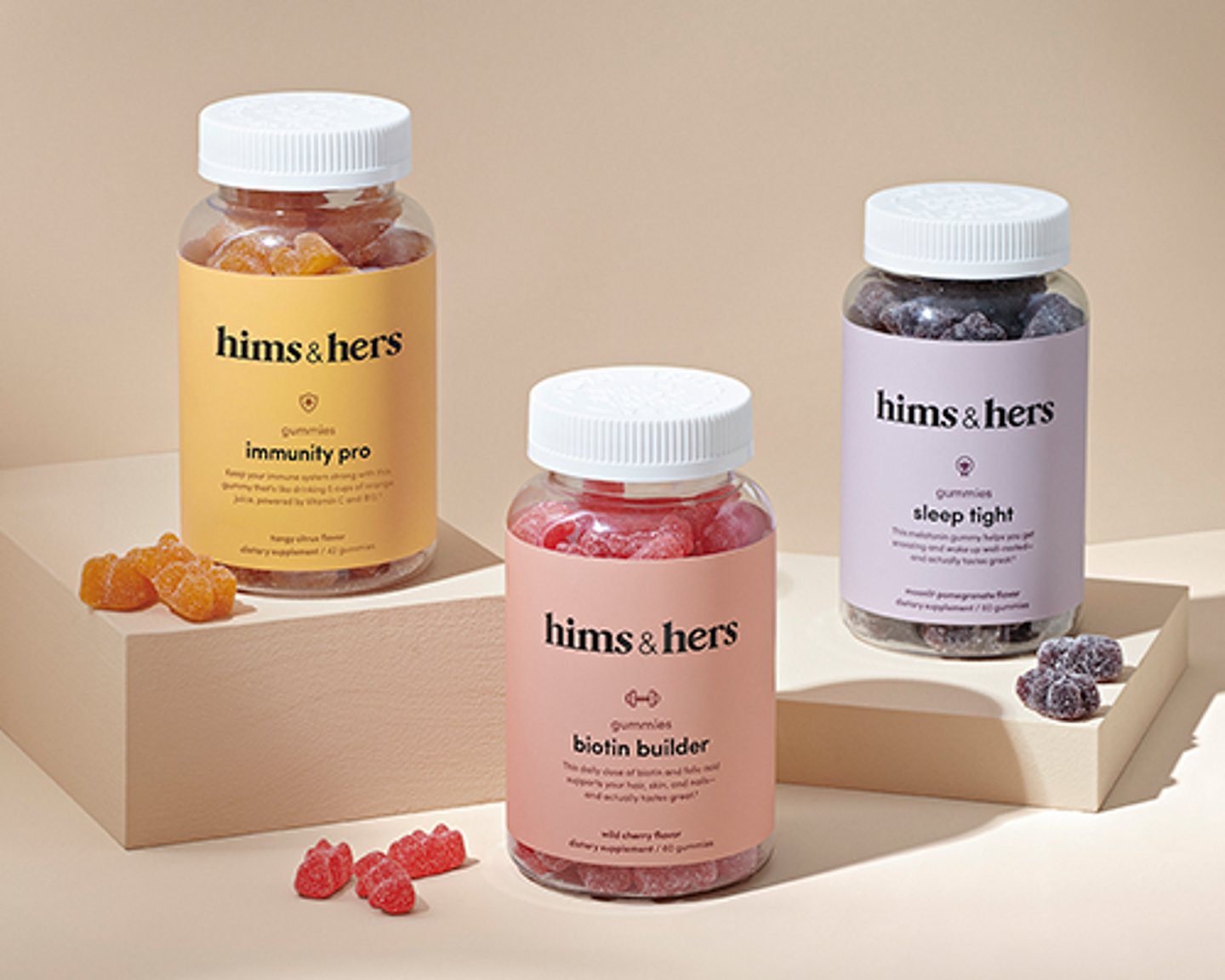
    Hims & Hers Health has launched operations in Australia by rebranding local men’s clinic Pilot, setting its sights on a 1 billion dollar international annual revenue target within three years.

    The transition gives the New York-listed group immediate access to a domestic telehealth market projected to reach 2.56 billion dollars by 2034. It also establishes the company’s first operating foothold in the Asia-Pacific region following its takeover of Sydney-based parent Eucalyptus earlier this year.

    How the Transition Operates

    Existing Pilot patients will transfer directly to the Hims platform, keeping their current treatment plans and practitioner links. Roughly 30 percent of the platform’s patient base lives in regional and rural Australia, where physical clinic access remains thin and appointment wait times run long.

    Former Eucalyptus chief executive Tim Doyle leads the international division as senior vice president, running Australian operations alongside country general manager Gus Wood. Dr Matt Vickers serves as chief medical officer for the local entity to oversee clinical governance and domestic regulatory standards.

    Pilot proved that Australian men want a different model of healthcare: one that is proactive, personal, and built around their lives.

    The Read Across for Digital Health

    Consolidating Eucalyptus under the core Hims identity shows how direct-to-consumer health brands are moving away from multi-brand regional stables toward single global flags. Maintaining separate platforms in every territory drives up customer acquisition costs and fragments marketing spend. By putting its primary brand on Australian screens, Hims can funnel global brand marketing and technology infrastructure straight into a market with high average revenue per user.

    The risk lies in consumer attachment and regulatory scrutiny. Digital health platforms in Australia face strict advertising rules around prescription treatments and compounding pharmacies, alongside tight supervision from medical boards. Pilot built significant local recognition, and erasing the name risks alienating repeat customers if the migration disrupts prescription delivery or doctor consultations.

    The Steps That Led Here

    Hims & Hers completed its buyout of Eucalyptus earlier this year, securing established patient networks in Australia and the United Kingdom. Eucalyptus had originally built discrete vertical brands including Pilot for men, Kin for fertility, and Software for dermatology, proving out direct-to-door medicine across Australasia before selling to the San Francisco operator.

    Market watchers will track whether Hims rebrands the remaining Eucalyptus product lines across women’s health and dermatology, and whether Australian patient numbers keep the company on course for its 1 billion dollar international revenue goal by 2029.

  • ESR Kendall Square Sells Pyeongtaek Warehouse to Samsung SRA for $253 Million

    ESR Kendall Square Sells Pyeongtaek Warehouse to Samsung SRA for $253 Million

    ESR Kendall Square sold Pyeongtaek Logistics Park to a Samsung SRA Asset Management vehicle backed by South Korea’s National Pension Service for KRW 343 billion ($252.6 million). The transaction closed on 1 September at KRW 1.8 million per square metre of gross floor area.

    The deal transfers one of South Korea’s largest modern sheds from foreign pension backing to domestic institutional ownership. ESR built the 2023-vintage facility with capital from Canada Pension Plan Investment Board and Dutch asset manager APG. Samsung SRA funded the acquisition through a KRW 400 billion core fund that drew KRW 250 billion from the National Pension Service alongside capital from Samsung-affiliated insurers.

    Hub for Port and E-Commerce

    Pyeongtaek Logistics Park spans 190,000 square metres across a 165,827-square-metre site in the Poseung district of the Gyeonggi Free Economic Zone. E-commerce platform SSG.com pre-leased the entire ambient facility in late 2021 before ground broke.

    Located three kilometres from Pyeongtaek Port, the property features direct ramp access to every floor, high ceilings, South Korea’s largest single-floor warehouse footprint, and 10 megawatts of power capacity. Logistics inventory in Pyeongtaek expanded more than 1.7-fold between 2022 and mid-2025 as third-party logistics firms and end-users absorbed space near regional automotive and electronics clusters.

    Capital Flows Shift Domestic

    Institutional buyers are moving on cash-flowing assets in South Korea as new warehouse construction drops sharply from post-pandemic peaks. Overseas capital accounted for more than 60 percent of industrial trades in 2025, but Korean managers with long-term domestic mandates are now securing completed, fully leased assets as supply eases and ambient rents start to climb.

    Greater Seoul logistics net absorption rose 42 percent to 164,000 square metres in the second quarter, while nominal rents reached $7.65 per square metre per month. Investors are tracking second-half completions, which fell to one-third of their year-earlier level, to test how quickly remaining vacancies tighten across the capital region.

  • Chinasquad Expands Global Cross-Border Sales with Curated Chinese Fashion

    Chinasquad Expands Global Cross-Border Sales with Curated Chinese Fashion

    Chinasquad is scaling international distribution for domestic apparel designers, offering direct deliveries across global markets with a free shipping threshold set at $99.

    The platform has accumulated more than 7,200 verified customer reviews while targeting shoppers seeking curated streetwear, statement dresses, and modern Hanfu-inspired collections.

    To address cross-border fulfillment friction, the operator provides optional DHL Express transport with delivery times between two and four days. Returns operate on a 14-day window supported by a checkout protection add-on that covers return handling and exchanges across multiple international territories.

    Sizing Standards and Cross-Border Logistics

    Cross-border apparel exporters from China routinely face high return rates tied to sizing discrepancies. Chinasquad produces its inventory to Asian sizing specifications, advising international buyers to size up on fitted garments and evaluate flat measurements across shoulders, bust, and waist. Flat garment measurements published on the site account for manual variations between one and three centimetres.

    Discounts on the storefront reach up to 90 percent on clearance lines. The merchandising mix focuses on structured trousers, outerwear, and dresses that emphasize tailored cuts rather than disposable basics.

    The Shift Toward Niche Chinese Aesthetics

    Direct-to-consumer fashion exporters in China are shifting away from pure low-cost volume to focus on distinctive regional aesthetics, including contemporary interpretations of traditional Hanfu tailoring. While mass-market players compete primarily on bottom-tier pricing, specialised curators seek higher basket sizes by pairing distinctive cuts with express air freight.

    Customer service operations and global return intake remain centred on managing cross-border garment fits as the platform tests overseas appetite for contemporary Chinese designer labels.

  • Nykaa Buys Additional 24.2 Percent Stake in Beauty Brand Earth Rhythm

    Nykaa Buys Additional 24.2 Percent Stake in Beauty Brand Earth Rhythm

    Indian beauty and fashion retailer Nykaa acquired an additional 24.2 per cent stake in direct-to-consumer personal care brand Earth Rhythm. The transaction builds on the retailer’s initial backing of the company two years ago.

    Nykaa first took a position in Earth Rhythm during an 8 million dollar Series A funding round in 2022. The increased holding deepens its direct ownership of domestic skincare and haircare labels as competition intensifies across India’s beauty and personal care market.

    Consolidation in Indian Beauty Brands

    The deal reflects a broader push by established e-commerce platforms to secure higher-margin proprietary and partner labels rather than relying entirely on third-party marketplace distribution. By taking a larger equity position, Nykaa gains tighter control over product development, supply chains, and exclusive digital merchandising rights for Earth Rhythm’s portfolio.

    Direct-to-consumer brands in India face rising customer acquisition costs on digital channels. Partnering closely with platform operators provides these brands with immediate shelf space, physical store exposure through Nykaa Luxe and Nykaa On Trend outlets, and shared logistics infrastructure across tier-one and tier-two cities.

    Building Out the House Brand Strategy

    Rival platforms including Reliance Retail’s Tira and Tata Cliq Palette are expanding their own portfolios of private and partnered beauty brands. Nykaa’s strategy mirrors global retail trends where multi-brand operators buy equity in high-performing independent labels to capture manufacturing margins alongside retail markups.

    The investment follows Nykaa’s entry into Earth Rhythm in 2022, when the startup used its Series A proceeds to expand manufacturing capacity and marketing reach. The brand formulates solid beauty bars, skincare serums, and clean-label cosmetic formulations sold across India.

    Investors will look to Nykaa’s upcoming quarterly filings for the total cash consideration paid for the 24.2 per cent equity tranche and any changes to Earth Rhythm’s board structure.

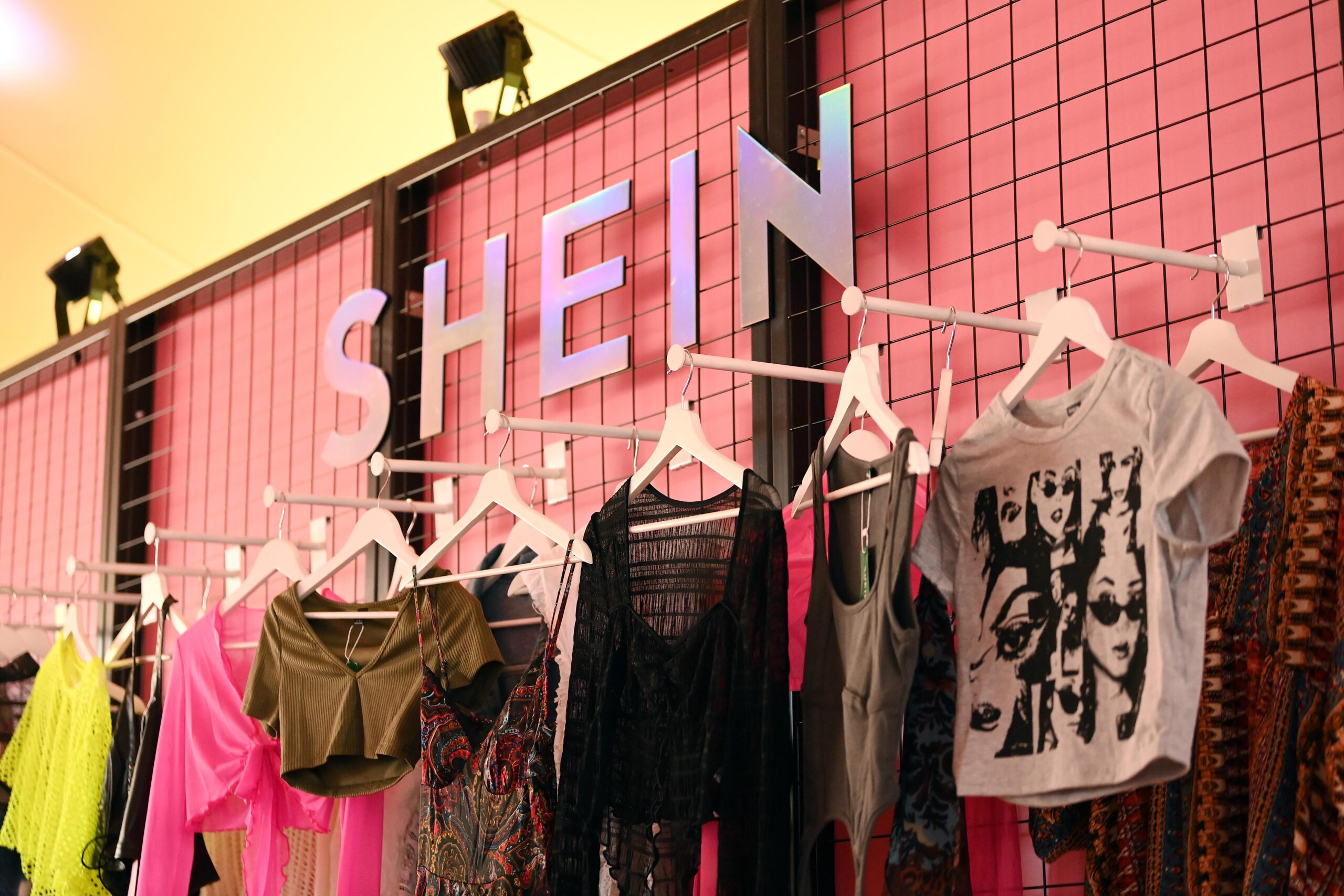
  • Shein Commits US$80 Million to Everlane Takeover as Shares Slump

    Shein Commits US$80 Million to Everlane Takeover as Shares Slump

    Shein agreed to buy United States clothing brand Everlane for US$80 million. The company is deploying part of its US$16.74 billion cash reserve to reignite slowing revenue growth.

    The purchase follows a difficult trading debut in Hong Kong this week. Retailer shares finished Friday at HK$38.14 (US$4.86), down more than 20 per cent from the initial public offering price.

    People familiar with the matter said the transaction tests a broader strategy to buy labels across multiple price tiers. Shein held US$15 billion in cash before listing and added US$1.74 billion in net proceeds from the share sale. It plans to plug acquired businesses into its proprietary supply chain and global sales portal.

    Plugging Brands into the Xcelerator Network

    Under the plan, Shein intends to channel targets through its Xcelerator programme. It sells third-party labels access to its on-demand manufacturing system, automated warehousing, and cross-border shipping networks. The platform tracks online consumer demand. It instructs partner factories to scale production up or halt lines within days, keeping unsold stock minimal.

    Everlane will retain independent operations and keep its ethical manufacturing guidelines, Chief Executive Officer Alfred Chang told staff in an internal memo. The US label built its business on organic cotton basics and factory transparency. That approach contrasts with Shein’s high-volume polyester catalogue.

    Slowing Sales and Tariff Pressures

    For Asian fashion operators and global apparel vendors, the takeover shifts how Chinese-founded e-commerce platforms handle slowing organic traffic. Competitors like Temu and TikTok Shop fight on price. Shein is instead trying to buy higher-income shoppers directly rather than relying on deep discounts. If the model works, contract manufacturers across southern China and Southeast Asia will produce higher-margin runs under Western labels instead of unbranded fast fashion.

    Execution and brand equity present financial risks. Buying Western premium labels does not immediately solve Shein’s volume problem. It also offers no guarantee of customer retention if core buyers reject the new owner. Marketplace service revenue is growing faster than direct apparel sales, but it still makes up a small fraction of the balance sheet.

    From Listing Delays to Slower Expansion

    Regulatory changes are already squeezing cross-border logistics margins. Shein’s sales growth slowed to 1.1 per cent in the first quarter of 2026, down from 8 per cent across 2025, after the United States government revoked the de minimis tariff exemption on small incoming parcels. The company previously bought British fast-fashion chain Missguided in 2023 to test brand integration, before regulatory pushback delayed listing attempts in New York and London.

    Investors and suppliers will now watch Shein’s second-quarter earnings and the completion filing for the US$80 million Everlane deal to see if marketplace volume can offset core margin compression.

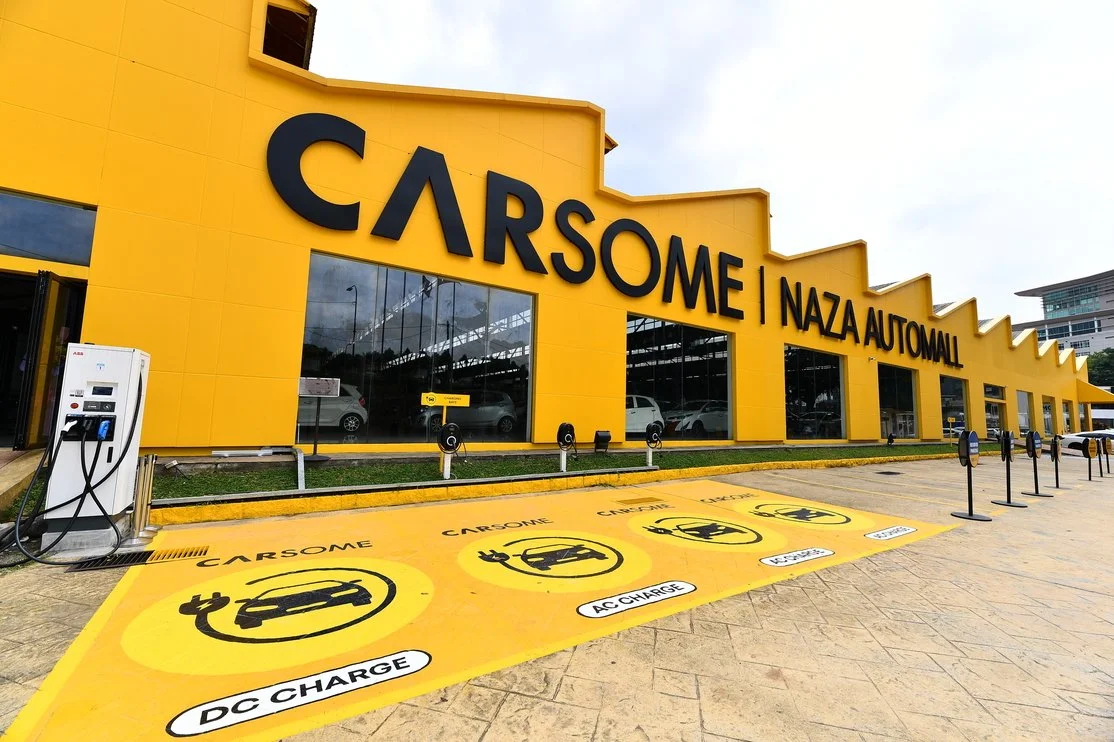
  • Carsome Posts US$8.3 Million Quarterly EBITDA as Retail Shift Widens Margins

    Carsome Posts US$8.3 Million Quarterly EBITDA as Retail Shift Widens Margins

    Malaysian used-car platform Carsome posted an operating EBITDA of US$8.3 million for the second quarter of 2026. That is a 38 per cent increase from the same period a year earlier.

    Sales reached 35,903 vehicles during the three months ended June 30, up 11 per cent. That volume lifted gross profit 15 per cent to US$43.8 million. The result gave Carsome its tenth straight profitable quarter on an EBITDA basis. Consumer retail transactions and auto financing drove the gains.

    Retail and Financing Drive Margin Expansion

    Gross profit outpaced unit sales as the platform shifted volume toward retail buyers. Ancillary products helped widen margins. Financing packages, extended warranties and direct retail margins yield higher earnings per transaction than wholesale dealer auctions.

    Under a new agreement, Carsome will serve as the exclusive official trade-in partner for Suzuki Cars Malaysia. The pact channels structured inventory directly into its inspection network. It secures steady supply while carmakers use trade-in valuations to support new-vehicle sales as borrowing costs pinch consumer budgets.

    Other players across Southeast Asia show a similar pattern. Regional rivals Carro, based in Singapore, and Indonesia’s Moladin have also pivoted away from venture-funded volume acquisition. Both now target unit profitability, credit distribution and ancillary services.

    Showroom Additions in Malaysia and Jakarta

    Physical inspection hubs and retail centres led network growth during the quarter. In Malaysia, Carsome opened three locations in Sungai Petani, Bukit Tinggi in Klang, and Sungai Buloh. That took its domestic network to 55 inspection centres and showrooms.

    Across Indonesia, the company added four locations in Greater Jakarta, expanding its local footprint to 10 sites. Vehicle ownership in Indonesia trails Malaysia and Thailand. Even so, the market offers heavy transaction volume for operators able to resolve fragmented title transfers, vehicle vetting and buyer credit access.

    Looking ahead, management will focus the rest of the financial year on transaction growth, financing attachment rates and fixed-cost efficiency across its 65 combined retail locations.

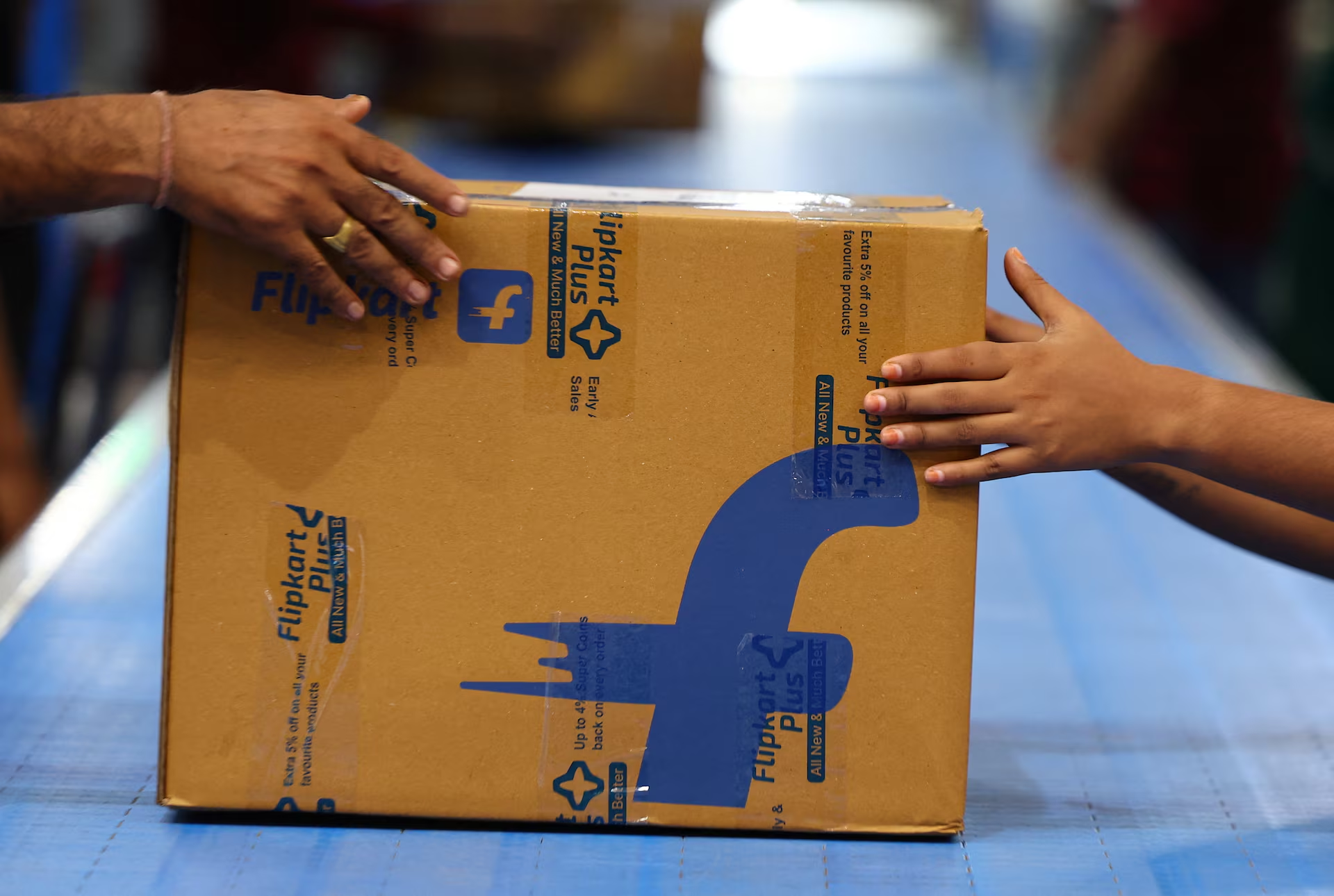
  • Flipkart Minutes Reaches 1,000 Dark Stores Across India

    Flipkart Minutes Reaches 1,000 Dark Stores Across India

    Flipkart has expanded its quick commerce arm Minutes past 1,000 dark stores across 120 to 130 Indian cities. Dark stores operational for five to six months handle between 1,000 and 1,500 orders daily, according to research from investment bank UBS.

    Across the entire network, average daily volume sits at 800 to 1,000 orders per store. The rapid rollout has allowed the Walmart-backed e-commerce operator to challenge pure-play instant delivery platforms on order size and distribution density.

    Electronics Drive Higher Basket Values

    Excluding mobile phones, Minutes records a net order value of Rs 500 to Rs 530, matching Blinkit’s benchmark of Rs 518. When mobile devices are included, Minutes generates a higher average basket value than Blinkit, aided by Flipkart’s long-established vendor relationships and supply chains in consumer tech.

    The service has also helped Flipkart defend customer spending. In operational markets, between 40 and 45 per cent of existing Flipkart marketplace shoppers now use Minutes, recovering transaction volume previously lost to specialized instant delivery apps in fresh produce and personal care.

    Indian e-commerce platforms are increasingly using 10-minute delivery networks to shield high-margin categories from encroachment by grocery startups. While gross margins at Minutes trail Blinkit, per-order fulfillment costs have narrowed to match levels at Swiggy Instamart and Blinkit, though operational throughput is still catching up.

    Network Growth and Metro Demand

    Metropolitan areas generate 60 to 65 per cent of total orders on Minutes. North India accounts for just under one-third of overall volume, while southern cities are expanding quickly and eastern hubs such as Kolkata show strong adoption.

    Flipkart is planning to add roughly 1,000 more dark stores by the middle of next year. That expansion schedule aims to support peak demand ahead of the group’s annual Big Billion Days sale, provided backend warehouse construction keeps pace.

  • ByteDance Lines up $29.6 Billion Loan After Lenders Pile in

    ByteDance Lines up $29.6 Billion Loan After Lenders Pile in

    ByteDance has lined up a US$29.6 billion loan facility after attracting more than US$30 billion in orders from international and regional lenders. The TikTok owner initially sought a US$20 billion facility before expanding the total borrowing size to meet overwhelming interest from participating banks.

    Surplus demand prompted the company to upsize the transaction by nearly 50 per cent. The jumbo facility ranks among the largest corporate loans ever assembled for an Asian consumer technology company.

    Lender Demand Exceeds Target

    Lenders submitted orders exceeding US$30 billion during syndication, allowing the group to lock in substantial liquidity across its corporate structure. The scale of the order book gave the company room to lift the final allocation well above its opening target.

    Strong bank appetite reflects continued institutional confidence in the company’s core cash flows. Revenue from digital advertising, short-form video streaming, and rapid expansion into live social commerce across Southeast Asia and Western markets continues to anchor commercial performance.

    Financing Tech and Infrastructure Scale

    Large technology groups in Asia are securing deep pools of capital to fund computing capacity and product engineering. For ByteDance, managing data-intensive operations across TikTok and domestic platforms requires sustained capital expenditure in server networks and cloud infrastructure.

    The sizeable debt package also broadens the group’s financial headroom without diluting existing equity. Market participants are now monitoring final allocations and pricing details as syndication closes across global banking syndicates.

  • China Instant Retail Reaches 1.2 Trillion Yuan as Platforms Trade Subsidies for Warehouses

    China Instant Retail Reaches 1.2 Trillion Yuan as Platforms Trade Subsidies for Warehouses

    China’s instant-retail market will reach 1.2 trillion yuan (US$178 billion) this year as Alibaba, Meituan and JD.com pivot from discount subsidies to physical logistics networks.

    Ministry of Commerce data projects the sector to expand at an average annual pace of 12.6 per cent through 2030, driven by consumer demand for one-hour delivery on non-food goods including cosmetics, electronics and pharmaceuticals.

    The shift follows heavy margin erosion across the sector last year, when billions of dollars spent on consumer coupons and merchant incentives drove Meituan into a net loss and sharply reduced earnings at Alibaba and JD.com. Market regulators intervened with multiple summons and levied 3.6 billion yuan in penalties in April over safety violations, halting the aggressive discounting cycle.

    Shifting Shares and Margin Pressure

    Merchant earnings reveal the fallout from the promotional pullback. Luckin Coffee reported a 5.3 per cent drop in same-store sales at self-operated outlets for the April to June quarter, reversing a 13.8 per cent gain a year earlier when platform subsidies artificially lifted order volumes.

    Market share numbers have tightened as a result. Data from Analysys for the second quarter shows Alibaba’s Taobao Instant Commerce leading the market with 45.7 per cent, closely followed by Meituan at 45.3 per cent, while JD.com holds 7.7 per cent. That represents a sharp retreat for Meituan, whose meal-delivery share stood between 75 and 80 per cent before the latest price war began, according to Goldman Sachs estimates.

    The operational pivot is already repairing platform balance sheets. Instant-retail revenue at Alibaba jumped 45 per cent year on year to 53.3 billion yuan in the second quarter, while Meituan returned to profitability for the first time in nearly a year as subsidy budgets shrank.

    Dark Stores Replace Cash Handouts

    Platform operators are now spending their capital on property and fulfillment networks instead of digital vouchers. Meituan is constructing dedicated supermarkets to support grocery operations, while Alibaba and JD.com are rolling out urban dark stores and neighborhood lightning warehouses to guarantee sub-60-minute dispatch times.

    For retailers across the Asia-Pacific region, China’s quick-commerce evolution demonstrates that high-frequency food delivery functions primarily as an expensive customer acquisition tool. The sustainable profit pool sits in converting those app users into repeat buyers of higher-margin general merchandise through dedicated local fulfillment hubs.

    Platform operators now face the task of defending order volumes in the third quarter as promotional discounts expire completely across tier-one cities.

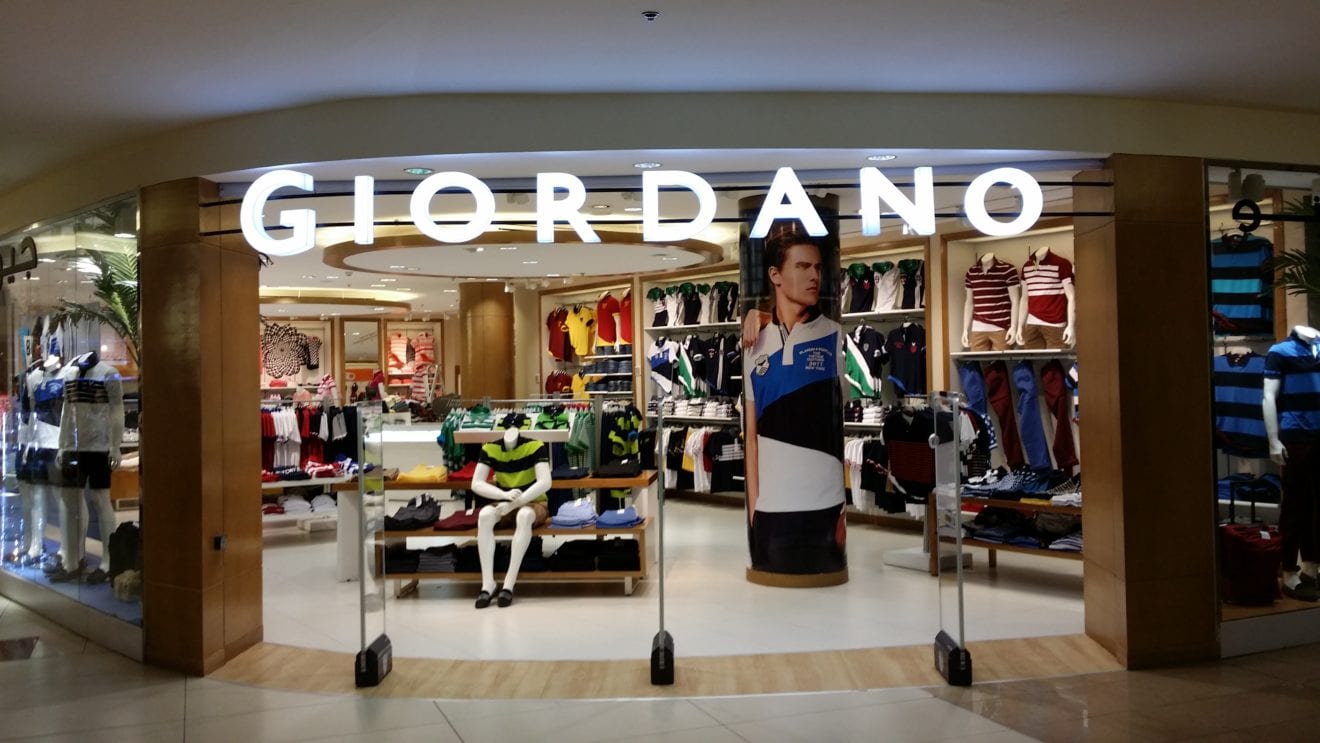
  • Giordano Net Profit Drops to HK$108 Million as Asian Margins Lag

    Giordano Net Profit Drops to HK$108 Million as Asian Margins Lag

    Giordano International reported a net profit drop to HK$108 million for the six months to June 30, down from HK$121 million a year earlier.

    Group revenue slipped 1 per cent to HK$1.914 billion as store counts dropped across Mainland China and Indonesia, leaving the apparel retailer heavily dependent on earnings from the Gulf Cooperation Council.

    The geographic split reveals an uneven business. Greater China, Southeast Asia and Australia generated HK$1.572 billion, representing 82.1 per cent of total sales, but produced only 61 per cent of segment results. In contrast, the GCC delivered HK$62 million in segment profit on just 18 per cent of revenue, even after traffic in Gulf stores fell by up to 40 per cent following regional disruption in late February.

    Pruning China and Sourcing Locally

    In Mainland China, Giordano cut its store footprint to 239 doors from 359 a year earlier, halving its directly operated outlets to 48. The downsizing helped narrow the mainland segment loss from HK$16 million to HK$9 million, with constant-currency revenue down 0.9 per cent at HK$334 million. Management cleared older stock through VIP.com and shifted higher-margin product lines to Tmall, intending to rebuild physical retail starting in southern China.

    Southeast Asia and Australia remained the largest regional earnings contributor at HK$86 million in segment results on revenue of HK$699 million. Indonesia, the anchor market, brought in HK$330 million after import restrictions slowed merchandise shipments and forced store closures from 199 locations to 176. The company countered the disruption by shifting production to Indonesian factories, which began delivering local stock in June.

    Taiwan proved the regional exception. Segment profit climbed to HK$21 million from HK$15 million on a 5.9 per cent constant-currency revenue gain, meaning Taiwan generated more profit than Hong Kong, Macau and Mainland China combined.

    Korean Drag and the Next Overhaul

    The company faced additional pressure from its 48.5 per cent-owned South Korean joint venture, where revenue slid 8.9 per cent to KRW59.7 billion and 19 stores closed. Giordano deliberately restricted wholesale shipments into the venture to clear excess stock, causing group wholesale revenue to decline 12.2 per cent and cutting royalty income.

    For years, Giordano relied on high-density physical networks in lower-tier Chinese cities and steady franchised wholesale to support its balance sheet. With those legacy channels retreating under fierce domestic e-commerce competition and supply chain friction, the group is now forced to extract higher gross margins from a much smaller physical footprint across Asia.

    Management plans to launch its Giordano 2.0 concept in the fourth quarter, rolling out revamped store layouts and core product lines in Hong Kong and Singapore before expanding to overseas digital channels in Europe and North America.

  • Shopee Expands Local Fulfillment Network Across Southeast Asia and Taiwan

    Shopee Expands Local Fulfillment Network Across Southeast Asia and Taiwan

    Shopee is overhauling its logistics network across Southeast Asia and Taiwan. The push aims to cut transit times and protect delivery margins across its core marketplace.

    The Singapore-based platform, owned by Sea Group, uses a mix of in-house couriers, third-party fulfillment centers, and external delivery networks. These teams process merchant orders across multiple regional hubs.

    How the routing model operates

    Merchants use a split fulfillment model. They either ship directly from their own facilities or hold stock inside platform-managed hubs. Storing fast-moving inventory near dense urban areas cuts transit distance and speeds up dispatch. Automated systems then route each parcel to external couriers or internal fleets based on carrier capacity, pricing, and destination.

    Surges during promotional events like 11.11 and 12.12 test this setup. Shopee handles these spikes by enforcing strict cut-off windows. It also synchronizes warehouse picking schedules with local freight partners.

    Cross-border friction and last-mile costs

    Last-mile transport remains the most expensive link in regional logistics. Island geography in Indonesia and the Philippines creates delivery hurdles. Heavy traffic in capital cities adds further friction, forcing platforms to run separate delivery setups for urban and rural buyers. Cross-border consignments face extra delays from customs clearance and import duties, requiring close coordination with regional freight handlers.

    Marketplace operators across the region face steady pressure to balance speed against parcel subsidies. Moving higher volumes through dedicated fulfillment nodes lowers per-package handling costs. It also helps platforms retain larger brand merchants.

    Sellers are now preparing inventory allocations for year-end shopping campaigns, setting up the network’s next operational test.

  • Philippine Retailers Seek Abolition of P10,000 Import Tax Exemption

    Philippine Retailers Seek Abolition of P10,000 Import Tax Exemption

    Philippine retail groups are demanding the complete abolition of the country’s 10,000-peso duty-free import threshold ahead of peak holiday shopping.

    The Philippine Retailers Association estimates that 57.4 billion pesos ($1.02 billion) in cross-border parcels entered the country tax-free in 2023 out of a 287 billion peso total e-commerce market. Under current customs regulations, commercial shipments valued below 10,000 pesos avoid all import duties and local taxes, giving offshore digital storefronts a structural pricing edge over domestic brick-and-mortar operators.

    Tax exemptions under fire

    PRA chair Roberto Claudio Sr., founder of sporting goods chain Toby’s Sports, said the association has petitioned the Department of Finance, the Department of Trade and Industry, and Congress to eliminate the exemption for commercial cargo. The group previously favored reducing the threshold value, but Claudio noted that partial cuts fail to curb the influx of untaxed and counterfeit inventory flooding local online marketplaces.

    Domestic retail accounts for 16 percent to 18 percent of Philippine gross domestic product, pays 780 billion pesos in annual taxes, and employs up to 12 million workers. PRA president Alice Liu acknowledged that removing the duty exemption could lift prices on small consumer parcels, but argued the revenue loss and employment risks for domestic operators outweigh individual transaction savings during the critical year-end sales cycle.

    Regional crackdown on cross-border parcels

    The push reflects a broader regulatory shift across Southeast Asia, where finance ministries have steadily dismantled low-value import exemptions to protect domestic supply chains. Indonesia banned direct cross-border trade below $100 on e-commerce platforms and tightened customs clearance on imported apparel, while Malaysia and Thailand introduced value-added taxes on low-value imported goods to close similar digital loopholes.

    Economic managers at the Department of Finance have not yet scheduled formal hearings on the PRA submission, leaving the 10,000-peso de minimis threshold in place as fourth-quarter import volumes begin to climb.

  • Shein Shares Close Flat in Hong Kong After Raising US$1.7 Billion

    Shein Shares Close Flat in Hong Kong After Raising US$1.7 Billion

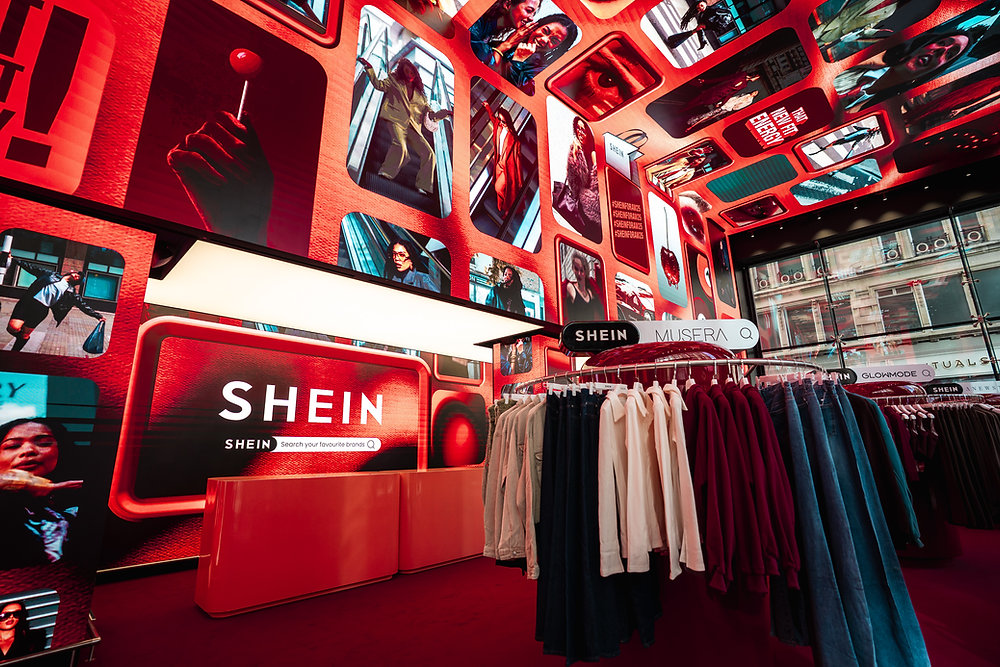
    Shein shares closed broadly flat on their Hong Kong debut after opening at HK$48.56, raising US$1.7 billion in an offering that valued the retailer at US$26.5 billion.

    The listing price matched the initial offer level after early trading saw the stock drop as much as 10 per cent to HK$43.8. The final valuation sits well below the nearly US$100 billion private valuation the company achieved in 2022.

    Management allocated 40 per cent of the IPO proceeds to technology infrastructure and another 40 per cent to global brand expansion. The remaining funds will cover corporate responsibility programs and general corporate needs. The public debut follows years of regulatory hurdles after Shein abandoned listing attempts in New York and London before securing Chinese regulatory approval in July.

    Tariffs and the End of Tax Exemptions

    The company built its business on exporting small, low-value parcels directly from mainland China to consumers overseas under duty exemptions. More than 90 per cent of Shein’s 2025 revenue came from inventory held in central Chinese warehouses.

    That channel has narrowed quickly. The United States removed its duty exemption on commercial imports valued under US$800, leaving Shein’s China-origin shipments facing import tariffs between 10 and 87.5 per cent. The European Union has also increased charges and tightened controls on low-value e-commerce packages.

    To counter border duties, Shein now imports bulk containers into regional hubs and operates 18 fulfillment warehouses across Europe. Shipping containers once rather than millions of individual parcels daily forces the group to absorb higher local storage and handling costs.

    Slowing Sales and Margin Pressures

    Top-line momentum has dropped sharply over the past three years. Revenue grew 41.1 per cent in 2023, 20.7 per cent in 2024 and 8 per cent in 2025 to US$41.8 billion. First-quarter revenue in 2026 reached US$9.05 billion, up just 1.1 per cent from the prior year.

    Profitability shrank over the same stretch. Net income fell 38.7 per cent in 2025 to US$2.06 billion. The company posted a net loss of US$99 million in the first quarter of 2026, compared with a US$395 million profit a year earlier, weighed down by a US$328 million fair-value charge on convertible preferred shares.

    RetailNews Asia views the shift toward onshore inventory as a fundamental change in Shein’s cost profile. Moving inventory closer to Western consumers erodes the asset-light advantage that allowed Chinese cross-border platforms to outprice established domestic department stores and apparel chains.

    To broaden its customer reach, Shein acquired US apparel brand Everlane for roughly US$100 million, alongside earlier deals for Missguided and an equity stake in Forever 21. Investors will track whether second-quarter operating margins recover as these acquired brands integrate with its third-party marketplace platform.

  • Swiggy Instamart Enlists 400 Partner Brands for Exclusive Assortment

    Swiggy Instamart Enlists 400 Partner Brands for Exclusive Assortment

    Swiggy Instamart partnered with more than 400 alternative brands to offer platform-exclusive pack sizes and cleaner product formulations across its Indian dark-store network.

    Datum Intelligence estimates Instamart held a 22 percent share of India’s quick-commerce sector in 2025, trailing market leader Blinkit at 47 percent and Zepto at 24 percent.

    Targeting Clean Formulations and Custom Packs

    Instamart launched the push under its ‘Switch to Better’ program, which started in June. The campaign guides online shoppers toward partner labels that manufacture preservative-free items or use cleaner ingredient lists.

    Suppliers are also developing custom pack sizes and distinct product variations built exclusively for Instamart. Those unique stock-keeping units make the platform’s catalog harder for competing rapid-delivery apps to replicate directly.

    Rivals Squeeze Delivery Differentiation

    India’s quick-commerce platforms previously competed almost entirely on delivery speed and basic grocery availability. With 10-minute drop-offs now standard across major metro areas, operators need product exclusivity to keep customers from toggling between rival apps for identical items.

    Established e-commerce operators are intensifying that pressure. Both Amazon India and Flipkart have expanded their own rapid-delivery setups, adding capital and warehouse density to an already crowded field.

    The next metric to monitor is whether dedicated SKU partnerships can help Instamart close the market-share gap with Zepto and Blinkit as new dark stores open across secondary cities.

  • Beauticate Launches Curated Marketplace Beauticate Shop

    Beauticate Launches Curated Marketplace Beauticate Shop

    Australian beauty platform Beauticate has relaunched its digital publication and debuted Beauticate Shop, an online marketplace built on selective product curation rather than high-volume inventory.

    Founder Sigourney Cantelo, former beauty director at Vogue Australia, established the digital editorial site in 2014 before integrating the new direct-to-consumer sales arm.

    Editorial Selection Over Infinite Shelves

    The new marketplace operates against the prevailing trend in beauty e-commerce, where digital platforms compete primarily on catalogue depth, customer reviews and automated recommendation engines. Beauticate Shop is structuring its inventory around professional editorial selection, pitching verified product evaluation to shoppers facing decision fatigue across digital channels.

    Cantelo is positioning the platform to bridge content and transaction directly on the site. Rather than relying purely on affiliate links or third-party retail referrals, the marketplace model allows Beauticate to capture transactions directly from its readership base.

    Content-to-Commerce in Asia-Pacific

    Content-led retail models have gained steady traction across Asia-Pacific as customer acquisition costs climb on standard advertising networks. Digital publishing brands and specialist creators in Australia and Southeast Asia increasingly launch proprietary storefronts to monetize existing organic traffic directly.

    Beauty retailers across the region have traditionally scaled through expansive brand partnerships and aggressive discounting. Beauticate is testing whether smaller, curated product edits can achieve sustainable conversion rates against established category giants.

    The marketplace rollout will test consumer appetite for tight editorial edits as the broader online beauty market continues its consolidation around algorithmic discovery.