Tag: E-Commerce

  • Thailand to Enact New Postal Law by End of This Year

    Thailand to Enact New Postal Law by End of This Year

    The new postal law is expected to be enacted by the end of this year to address regulatory gaps and distortions in the rapidly expanding delivery and logistics market, according to Thailand Post president Dhanant Subhadrabandhu.

    The Digital Economy and Society (DES) Ministry, together with relevant state agencies, is revising the draft Postal Act nearly two years after drafting began to improve the regulatory structure and create an independent central regulator.

    Thailand Post is providing industry information and operational input to support the process, with Deputy Minister Nan Boonthidachai recently instructing officials to finish drafting the revised legislation within this year.

    Independent oversight for private carriers

    The core structural reform centres on establishing a neutral regulatory body to govern private and foreign-backed logistics companies. Thailand Post currently operates under specific state oversight while commercial rivals navigate fragmented rules without equivalent scrutiny. Creating a single regulator aims to align Thailand with standards used across European and Asian markets.

    Commercial carriers will compete under uniform licensing terms, service classifications, and pricing rules. The state postal operator will retain its baseline mandate to deliver universal social postal coverage nationwide, while private courier platforms handle merchant and consumer freight under the new commercial framework.

    Shifting dynamics across express delivery

    Price wars have destabilised Thailand’s parcel delivery ecosystem over recent years as venture-backed and regional express operators discounted shipping fees to secure volume from digital marketplaces. That aggressive discounting eroded transport margins across road freight networks. Establishing an independent watchdog creates a mechanism to penalise below-cost pricing and protect sector sustainability.

    For e-commerce platforms and merchant shippers, structured oversight will likely stabilise freight rates while raising operational compliance costs for discount couriers. Foreign-backed operators that scaled rapidly on lean administrative footprints will face formal licensing conditions, standardised reporting requirements, and clearer service liability rules.

    Two years of regulatory revisions

    Work on the postal legislation began nearly two years ago to replace an outdated legal framework that predated modern online shopping platforms. The amended bill completed public hearings under the previous administration before officials returned the draft for additional inter-agency review.

    Scrutiny during the review focused on three specific areas: the classification of express delivery categories, the composition and statutory powers of the regulatory committee, and the licensing structure for commercial operators. Deputy Minister Nan Boonthidachai instructed drafting officials to resolve those clauses to meet the year-end legislative schedule.

    Final terms before parliamentary review

    Final approval hinges on the working committee settling the formal scope of enforcement powers granted to the central postal regulator. Officials are scheduled to submit the finished draft of the Postal Act to the cabinet before December 2026, setting the stage for formal enactment across Thailand’s logistics market.


  • Nearly Six in 10 Australian Shoppers No Longer Buy at Full Price

    Nearly Six in 10 Australian Shoppers No Longer Buy at Full Price

    Nearly six in 10 Australian shoppers no longer buy goods at full price, according to a KPMG report released in September 2026. The retail sector is being forced to adapt as consumers learn to wait out price cycles rather than simply weather a cost-of-living downturn.

    This shift has turned sale events into planned buying exercises rather than spontaneous sprees. Rachael Hockaday, managing director of retail performance agency Haeday, told Inside Retail that consumers are increasingly planning ahead.

    Shifting Consumer Timelines

    Consumer price discipline has eroded standard trading periods across the sector. Hockaday said shoppers now arrive at major sales events with a clear idea of what they want and the specific price they are willing to pay.

    “Sales become the time to buy, often with planning in between so they’re prepared,” Hockaday said.

    Margin Pressure Across Supply Chains

    Waiting penalises inventory holders who stock seasonal merchandise. Holding stock past scheduled markdown cycles inflates warehousing costs. It also forces deeper clearance discounts later in the product lifecycle.

    Suppliers and brand owners see their wholesale margins squeezed. Retail buyers demand larger vendor allowances and promotional funding to protect their gross margin targets when baseline shelf prices drop.

    Operational Risks for Landlords and Brands

    Lease structures built on turnover rent clauses face direct exposure to these tighter margins. Volume now concentrates heavily in discounted periods. Top-line revenue may hold, but net merchant profitability shrinks.

    Lower-cost international direct-to-consumer platforms gain an edge over domestic multi-brand stockists under these conditions. Domestic retailers carry heavy store fleet costs. They must compete directly with offshore digital operators running agile, on-demand supply chains.

    Discount Cycles Ahead

    Persistent cost-of-living pressures across major cities have entrenched this cautious buying behaviour. Consumers who adopted promotional tracking tools out of necessity have retained those habits as standard routines.

    Retail operators head into the final calendar quarter with inventory adjusted for heavy discounting. Upcoming peak sales in apparel, footwear, and consumer electronics will test whether full-price trading can recover in the next financial year.

  • Glance Adds True Fit Sizing Data to AI Shopping Platform Ahead of 2026 Holidays

    Glance Adds True Fit Sizing Data to AI Shopping Platform Ahead of 2026 Holidays

    Glance has partnered with sizing technology provider True Fit. The deal embeds fit intelligence into Glance’s AI shopping interface across 60 million connected screens ahead of the 2026 holiday shopping season.

    The system links Glance’s generative virtual try-on tools with True Fit’s transaction records. That database covers 91,000 apparel and footwear brands and more than $500 billion in purchase history. By combining visual simulations with verified purchase data, both firms aim to reduce return rates on agentic e-commerce platforms.

    Integrating Fit Models Into Lockscreen Discovery

    Online fashion retailers lose billions each year to sizing-related returns. According to True Fit customer data, more than 70 per cent of shoppers interacting with AI retail agents ask specifically about fit before buying.

    Glance pushes shopping recommendations across mobile lockscreens, connected televisions and desktop computers. Integrating True Fit sizing predictions allows the interface to suggest specific garment sizes alongside on-screen try-on previews. Shoppers no longer have to guess.

    “AI is moving more of the shopping decision into the conversation, so the agent has to resolve the questions that determine whether someone buys,” said Mansi Jain, chief operating officer at Glance. “In fashion, fit is one of those questions.”

    How the Dataset Operates

    True Fit builds its recommendation layer on two decades of transactional data. The archive spans 60 million individual products. It also tracks post-purchase behavior, including returns and repeat orders across hundreds of partner retailers.

    Computer vision models then pair that database with user photos to render garments on screen. The software cross-references user measurements against actual return histories for each garment cut. It narrows size options before routing the buyer to checkout.

    Agentic Commerce and Brand Adoption

    For fashion brands across Asia and Western markets, agentic systems replace traditional search-and-browse websites. Sizing errors create major friction when an AI interface autonomously assembles complete outfits for shoppers.

    Autonomous shopping software must convert browsing intent into keepable orders. Putting verified returns data directly into the discovery layer lifts conversion confidence for apparel labels. It also reduces fulfillment overhead from bracket purchasing, where shoppers buy multiple sizes intending to return the extras.

    Expansion Plans for 2027

    Operating as a core unit of India-based InMobi Group, Glance runs on more than 400 million devices globally. In September 2026, the platform expanded its agentic commerce footprint by linking with Mastercard Agent Connect to process direct payments.

    Following the holiday launch on Glance screens, True Fit will roll out the joint try-on software to its wider merchant network in 2027. Both companies will present the technical architecture at the RetailClub AI Festival in California on September 22.

  • Sulwhasoo Launches in Japan with Isetan Shinjuku Pop-Up and Online Push

    Sulwhasoo Launches in Japan with Isetan Shinjuku Pop-Up and Online Push

    Sulwhasoo opened its first pop-up shop at Tokyo’s Isetan Shinjuku department store on September 5. The opening brings the 600-store Korean luxury skincare label into physical Japanese retail.

    Located on the main building’s first floor, the boutique runs through October 13, 2026. It anchors a broader rollout across Japanese e-commerce platforms.

    Parent company Amorepacific launched the brand simultaneously on Isetan Beauty Online, Qoo10, Amazon Japan, and @Cosme Shopping. The Tokyo installation displays core products led by the Concentrated Ginseng Rejuvenating Cream and First Care Activating Serum. Staff provide hand massages and complimentary Jihambo gift-wrapping, a packaging service derived from traditional Korean bojagi fabric wrapping. The space also features promotions for department store VIP clientele.

    Department store testbed in Shinjuku

    Isetan Shinjuku serves as the primary proving ground for prestige beauty imports in Japan. Floor space allocations here dictate broader department store adoption across Kansai and Kanto. Amorepacific is deploying this short-run counter to gauge basket sizes and repeat purchases before committing to long-term leases.

    Tokyo department store cosmetics floors are dominated by domestic giants Shiseido, Kanebo, and Kose alongside European luxury houses. Competition is fierce. Korean cosmetics makers historically captured Japanese market share through mass-market drugstores, variety shops like Loft and Plaza, and discount e-commerce. Sulwhasoo is taking a direct route into Japan’s highest price tiers, where brand longevity depends on counter consultations rather than social media virality.

    Omnichannel rollout across Japanese platforms

    Digital marketplace listings diversify distribution beyond physical foot traffic. An appearance on @Cosme Shopping connects the label to Japan’s most influential beauty review database. Storefronts on Amazon Japan and eBay-owned Qoo10 capture broader suburban demand.

    Selling across multiple channels reduces reliance on any single wholesale partner. Online beauty buyers in Japan require localized product descriptions, ingredient safety disclosures, and domestic return pathways. Amorepacific handles these directly through its Japanese infrastructure.

    Ginseng heritage and luxury positioning

    Amorepacific established Sulwhasoo in 1997, building the brand around traditional Korean herbal medicine formulations known as Hanbang. Its underlying research traces back to the 1966 release of ABC Ginseng Cream. The company identifies that formula as the world’s first cosmetic product derived from ginseng.

    Today, the brand operates in 15 countries across more than 600 retail doors. Sulwhasoo uses its 60-year research heritage to stand apart from younger indie K-beauty labels that compete on price and packaging trends.

    Amorepacific’s multi-tier strategy in Japan

    Ground preparation in Tokyo began months earlier. Amorepacific ran an initial pop-up on the @Cosme platform in May. In August, it hosted a show for domestic beauty editors, department store buyers, and influencers that included sample distributions partnered with Japanese beauty publication Biteki Grand.

    Success now hinges on whether the six-week Isetan Shinjuku counter converts into permanent luxury concessions across Japan’s leading department store chains by early 2027.

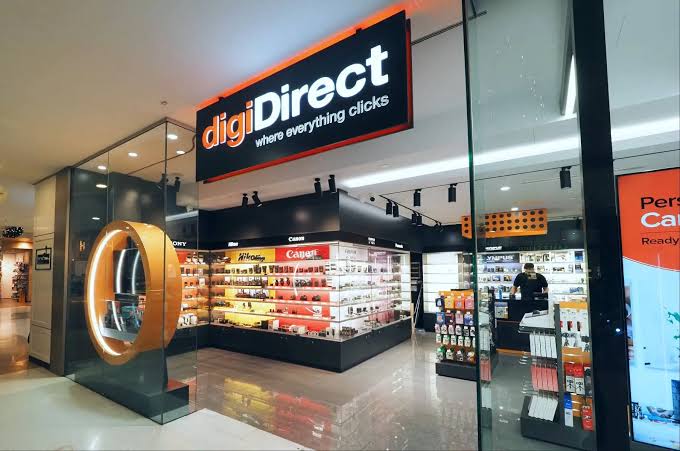
  • DigiDirect Fined $99,000 over Misleading Online Discounts

    DigiDirect Fined $99,000 over Misleading Online Discounts

    Electronics retailer Digital Imaging Express, trading as DigiDirect, has paid a $99,000 fine after the Australian Competition and Consumer Commission investigated misleading online advertising.

    The retailer agreed to a three-year undertaking under ACCC oversight after promoting fake strikethrough discounts across products that were never sold at higher rates.

    How the Strikethrough Pricing Worked

    Investigators found listings claiming slashed prices for items that never existed on the site at those baseline figures. In one case, a mini wireless keyboard appeared for $149 beside a strikethrough price of $229. DigiDirect had never charged that higher amount.

    The watchdog determined the practice breached Australian Consumer Law through false savings claims. Digital Imaging Express then signed a section 87B court-enforceable undertaking. The agreement places the retailer under regulatory oversight for three years.

    DigiDirect’s advertising may have misled consumers into thinking they were getting a genuine discount when in reality the products were rarely advertised and almost never sold at the higher strikethrough price, and the suggested discount was illusory.

    Conditions of the Regulatory Settlement

    Beyond the $99,000 fine, the settlement forces DigiDirect to pull the listings immediately. It must also publish a corrective notice to shoppers on its website.

    ACCC deputy chair Mick Keogh said deceptive discounts distort consumer behaviour and stop shoppers from comparing prices across competitors. Buyers assume they found a bargain and stop checking elsewhere.

    Enforcement Pressure Across Digital Retail

    Online operators across the region face strict auditing over promotional pricing. E-commerce platforms rely heavily on strikethrough deals. However, automated systems that invent artificial baselines carry legal exposure under consumer protection laws.

    Marketplace sellers now face scrutiny over automated sale banners. Internal compliance teams must prove reference prices reflect actual sales history rather than supplier lists or inflated baselines.

    Consolidation and Revenue Goals

    Enforcement comes as DigiDirect pushes into wider consumer goods categories. The retailer operates an omnichannel model across its digital store and seven physical shops.

    Its parent group is chasing $500 million in annual retail revenue. That portfolio includes DigiDirect, Mwave, and recently acquired book assets Booktopia, Angus & Robertson, and James Bennett.

  • Estée Lauder Partners with Profound to Track Brands Across Generative AI

    Estée Lauder Partners with Profound to Track Brands Across Generative AI

    The Estée Lauder Companies has partnered with AI marketing platform Profound to monitor and optimize how its beauty portfolio appears across generative artificial intelligence platforms.

    Earlier this summer, industry leaders highlighted a new visibility battle for beauty brands as consumers increasingly consult 2 leading AI assistants, ChatGPT and Gemini, for product comparisons and personalized beauty advice.

    Through the collaboration, Estée Lauder gains a consolidated view of how its brands are represented across major AI engines worldwide, deploying Profound’s tools to ensure conversational recommendations align with product positioning.

    Tracking Generative Engine Optimization

    Retail marketing is shifting rapidly from search engine optimization to generative engine optimization. Traditional search engines return ranked links based on keywords, indexing and paid placements. Conversational models work differently. They synthesize answers from training data and live retrieval, producing direct recommendations without standard search results.

    Profound co-founder and chief executive James Cadwallader noted that brand owners must actively monitor how algorithmic systems describe their products to shoppers. The software scans model outputs across regions to flag inaccurate claims, missing product lines and unapproved comparisons.

    “The way people discover beauty is being rewritten in real time, and we intend to shape that shift rather than reacting to it,” said Aude Gandon, global chief digital and marketing officer at The Estée Lauder Companies.

    Shifting Digital Spend From Keyword Search

    Beauty conglomerates face higher customer acquisition costs across standard digital channels as retail media networks fragment and search traffic slows. Deploying optimization software lets brand managers identify which datasets feed recommendation models.

    That transition creates operational friction for teams accustomed to bidding on static keywords. Generative models update retrieval patterns frequently. As a result, visibility is harder to predict and measure across regional variations in product nomenclature.

    Dynvibe chief executive Anne-Cécile Guillemot characterized the rise of conversational discovery tools as a new visibility battle for consumer brands. She noted that companies must rebuild how they structure product data and publish ingredient documentation.

    Monitoring Brand Accuracy Across Platforms

    Estée Lauder will direct its portfolio teams to standardize product attributes, clinical claims and application guidance across databases that large language models crawl. The initiative covers the group’s global stable of skincare, makeup, fragrance and hair care labels.

    Consumer adoption of generative search interfaces has spread across North America, Europe and Asia over the past two years. Beauty remains one of the most queried retail categories on conversational platforms. Shoppers frequently seek advice on complex ingredient combinations and personalized skin routines.

    Looking ahead, the two companies will integrate regional language queries into the monitoring platform as AI engines expand local conversational capabilities.

  • Indian Logistics Firms Boost Hiring by 60 Percent for Festive Peak

    Indian Logistics Firms Boost Hiring by 60 Percent for Festive Peak

    Indian logistics providers are expanding temporary workforces by up to 60 per cent to handle an anticipated 20 per cent surge in festive parcel volumes across the country.

    E-commerce order growth and rapid adoption of quick commerce networks are pushing higher freight volumes and heavier package profiles through sorting hubs ahead of Diwali.

    Heavier Consignments Test Sorting Capacity

    Carriers report that shipment weight is increasing faster than raw parcel counts, forcing operators to adjust line-haul equipment and sorting floors. Express delivery firm DTDC expects consignments to rise 14 to 15 per cent by volume and 18 to 20 per cent by weight in the 15 days preceding Diwali compared with 2025.

    DTDC is increasing temporary staffing by 60 per cent to manage the processing loads. The company is managing higher labor costs across regional networks, with seasonal wages and performance incentives up 18 to 20 per cent in metropolitan hubs and 10 to 12 per cent in tier-two and tier-three markets.

    Blue Dart Doubles Consumer Volume Targets

    Blue Dart expects business-to-business shipments to increase 40 to 50 per cent during peak weeks, while business-to-consumer volumes will roughly double. Chief commercial officer Dipanjan Banerjee said the company is increasing front-end operational staffing by 30 to 50 per cent over standard operating levels, adding thousands of temporary roles across sorting and transport divisions.

    The company adjusted network planning and deployed automated sortation tools across primary hubs to absorb the load without bottlenecking line-haul schedules.

    Amazon Expands Storage Footprint

    Amazon added 20 fulfillment centres, six sorting centres and 150 last-mile delivery stations across India in preparation for peak quarter demand. The network additions expand Amazon’s Indian storage capacity by 50 per cent to 64 million cubic feet.

    The platform opened more than 160,000 seasonal positions spanning 400 Indian cities to support warehousing, sorting and doorstep distribution.

    “Festive demand is shaping up to be notably stronger than what we saw last year,” said Abhinav Singh, vice-president of operations at Amazon India, APAC, Middle East, Turkiye and Africa.

    Labor Cost Pressures on Margins

    Rising wages for warehouse workers and delivery riders place pressure on express margins during peak quarter operations. While platform volumes expand, carriers face tighter unit economics if sortation delays or vehicle turnaround bottlenecks trigger overtime costs.

    Operators that invested in automated conveyors and parcel sortation systems will capture better operating use than competitors reliant on purely manual labor. The critical test for Indian delivery networks arrives during the concentrated 15-day shipping window immediately preceding Diwali, when daily volumes across the sector reach their annual highs.

  • Japanese Lolita Fashion Sales Boom on Chinese E-Commerce Platforms

    Japanese Lolita Fashion Sales Boom on Chinese E-Commerce Platforms

    Young Chinese consumers are driving a surge in Lolita fashion sales across major domestic e-commerce platforms, embracing Japanese kawaii culture with a local twist.

    Demand for the doll-like, lace-trimmed aesthetic was on display in July when 1 woman from Sichuan province showed her Lolita look at a Shanghai anime event photographed by Tomoko Wakasugi.

    Online platforms capture subculture demand

    Online marketplaces carry the bulk of this transaction volume. Specialized domestic apparel merchants list localized versions of Victorian- and Edwardian-inspired garments, shipping directly to buyers across top-tier metros and interior provinces such as Sichuan.

    Events focused on animation, gaming and comics serve as physical show hubs for these collections. Gatherings in Shanghai bring subculture communities together, converting digital engagement into real-world wardrobe displays.

    Cross-border aesthetics reshape domestic apparel

    For fashion brands and apparel manufacturers, the category demonstrates how subculture aesthetics migrate from niche enthusiast circles into broader consumer consciousness. Chinese manufacturers adapt foreign cultural trends quickly, shortening production lead times and lowering entry price points compared to imported Japanese originals.

    Suppliers face distinct operational dynamics in this segment. The garments require complex patterning, specialized lace trim and multi-layered construction, forcing garment factories to maintain higher craftsmanship standards than standard fast-fashion runs demand.

    Subculture commerce and consumer identity

    Younger shoppers in China increasingly allocate discretionary apparel spending toward identity-driven niche fashion. The growth of Lolita fashion builds on earlier waves of Japanese pop culture imports, including anime licensing and cosplay apparel, which established distribution channels on local online platforms.

    Consumer demand persists independently of broader diplomatic frictions between Beijing and Tokyo, reflecting the durable pull of specialized lifestyle subcultures among generation Z buyers.

    Merchant execution and next steps

    Merchants now face the task of retaining customers beyond seasonal animation conventions. The key operating metric to watch is repeat order volume across dedicated subculture storefronts during upcoming fourth-quarter platform sales campaigns.

  • David Jones’s 2012 Mystery UK Takeover Approach: Historical Context

    David Jones’s 2012 Mystery UK Takeover Approach: Historical Context

    Historical context correction (8 November 2026): This article concerns the takeover approach reported on 29 June 2012, not a new approach in 2026. ABC’s report from that date subsequently identified the bidder as EB Private Equity and described an initial A$1.65 billion proposal. ABC’s updated report recorded a 14.6% share-price rise; it does not verify the 12.3% / A$2.54 snapshot retained below. References to a forthcoming offer describe expectations at the time, not a live transaction. The broader commentary about online competition and lease risks is analysis, not a finding established by that ABC report.

    David Jones shares surged 12.3 per cent to Aus$2.54 on 29 June 2012 after the upmarket Australian department store received an unsolicited takeover approach from a mystery British bidder.

    Early trading peaked with an intraday gain of more than 17 per cent before easing in the afternoon.

    Unsolicited letter from an unincorporated entity

    The Australian retailer confirmed receipt of an indicative letter from a non-incorporated UK business seeking to explore a buyout of the company. Board members stated they lack sufficient operational and financial detail to evaluate the proposal at this stage.

    The directors do not believe they currently have relevant information to enable them to qualify or value the approach but, should this change, will advise the market accordingly.

    Sector-wide rally across department store rivals

    Trading desks reacted immediately across the broader Australian discretionary retail sector. Shares in key domestic rival Myer advanced more than four per cent to Aus$1.61 following the announcement.

    Investors view the approach as an opportunistic bid to acquire prime retail footprint at discounted valuations. Department store operators across the region face margin compression, elevated leasing costs and intensifying competition from foreign e-commerce platforms.

    Balance sheet pressures and online competition

    Traditional multi-brand retailers in Australia continue to grapple with sluggish household spending and shifting shopping patterns. Physical department stores carry substantial fixed property overheads while digital pure-plays capture market share in apparel and beauty categories.

    For institutional shareholders, an offshore buyout approach tests whether current trading prices reflect underlying asset backing. Commercial landlords face lease renegotiation risks if new ownership chooses to rationalise underperforming store space.

    Profit downgrade set the stage for opportunistic bids

    The takeover approach follows a difficult operational stretch for the Sydney-based retail group. In March, David Jones warned that full-year profit could drop by up to 40 per cent as stalled consumer demand and accelerating digital sales weighed heavily on store traffic.

    At the time, attention focused on whether the approach would develop into a formal offer; this was a 2012 development, not a current transaction.

  • South Korea Seizes $3.26 Million in Counterfeit K-Beauty Goods

    South Korea Seizes $3.26 Million in Counterfeit K-Beauty Goods

    South Korean regulators have referred a domestic broker to prosecutors over a 4.5 billion won ($3.26 million) counterfeit ring. The network sold fake cosmetics across major domestic online marketplaces.

    Goods came from Shenzhen. The operation smuggled 61 knockoff product lines into South Korea across a 13-month run starting in October 2024.

    How the Shenzhen pipeline supplied open platforms

    Investigators at the Ministry of Food and Drug Safety found the broker coordinated directly with a Chinese factory to replicate packaging and formulations. The pipeline ran from October 2024 through November 2025 before enforcement teams shut it down. Seized inventory spanned 61 distinct items across skincare and dietary categories.

    Lab inspections by the regional food and drug safety office confirmed every batch came from China. Specialists compared the seized stock against authentic factory samples. They found clear discrepancies in container shapes, label typography, product sizing, liquid color and cream textures.

    Targeting high-demand skincare labels

    Counterfeiters targeted fast-selling domestic brands with large digital followings and strong export sales. Knockoffs copied beauty labels including Celladix, Kahi and Beauty of Joseon, along with Korea Eundan dietary supplements.

    All of these brands rely on digital storefronts and social commerce for volume. The case exposes verification gaps on open platforms, where unauthorized sellers siphon off search traffic for top-selling skincare items.

    E-commerce platform liability and brand defense

    Direct-to-consumer skincare brands face heavy costs policing open marketplaces against counterfeiters in southern China. When unauthorized copies enter domestic channels, brand owners absorb the damage through lost sales, customer service overhead on defective items and degraded consumer trust.

    To protect supply chains, Korean brand operators are shifting distribution toward direct-operated web stores and whitelisted corporate accounts. The ministry urged shoppers to buy only through certified brand storefronts on open marketplaces and avoid unverified sellers offering steep discounts.

    Prosecution referral and market enforcement

    Director Kim Jin-hwi of the Ministry of Food and Drug Safety detailed the seizure at a briefing in Yangcheon-gu, Seoul. Regulators sent the broker’s file to prosecutors for formal indictment. Border inspection teams continue targeted screening on small-batch cosmetics shipments from Guangdong province.

  • Japan Cat Litter Brand ZuttoNyan Enters US Market via Amazon and TikTok Shop

    Japan Cat Litter Brand ZuttoNyan Enters US Market via Amazon and TikTok Shop

    Japanese pet brand ZuttoNyan launched direct sales in the United States on September 15, listing its plant-based mixed cat litter products on Amazon and TikTok Shop.

    The push gives the Tokyo-born brand immediate digital access to American consumers just thirteen months after its commercial debut in Japan.

    Plant-based formulas across social commerce

    ZuttoNyan enters the North American market with two primary formulations: a tofu mixed litter and a cassava mixed litter. The brand blends plant materials to improve liquid absorption, harden clumping, and reduce dust compared to standard single-material clay litters. Its packaging design previously took a Silver Award at the London Design Awards.

    Instead of pitching brick-and-mortar pet specialty chains first, the company is routing inventory directly through social commerce and third-party marketplace channels. Selling via TikTok Shop and Amazon lets Asian consumer brands test regional demand without locking capital into overseas warehouse leases or distributor agreements.

    The cross-border pet care push

    Asian pet care manufacturers are targeting Western markets where pet spending per household sits at record highs. Japanese brands hold a reputation for functional design and clean ingredient profiles, yet selling heavy, low-margin bulk consumables across oceans carries steep logistics costs.

    Shipping compressed plant-based litter overseas works only if the product commands premium pricing and repeat subscription orders. Success in the United States requires ZuttoNyan to win customer retention against established domestic players while absorbing standard platform take-rates and local fulfillment fees.

    From domestic debut to overseas retail

    The company started rolling out products in the Japanese market in August 2025. Four months later, in December 2025, the brand completed an operational relaunch focused on companion-animal science and updated product formulations.

    ZuttoNyan stated it will use initial US digital sales data to evaluate further product development and additional line extensions for North American pet owners.

  • Indonesia Moves E-Commerce Seller Tax Collection Forward to October 1

    Indonesia Moves E-Commerce Seller Tax Collection Forward to October 1

    Indonesia will require major e-commerce platforms to collect income taxes directly from merchant sales starting October 1. The decision pulls the policy forward by one month across a 71 billion dollar digital retail sector.

    Four major marketplaces fall under the mandate: ByteDance-controlled Tokopedia, Sea Limited’s Shopee, Alibaba-backed Lazada and local operator Blibli.

    Tax Collection Brought Forward After Cabinet Switch

    The accelerated rollout follows the removal of former finance minister Purbaya Yudhi Sadewa. President Prabowo Subianto appointed veteran technocrat Suahasil Nazara to lead the ministry in his place. Suahasil becomes Prabowo’s third finance minister in less than two years.

    Tax authorities designated the four platform operators as official withholding agents in July. Platforms were initially scheduled to deduct taxes from seller earnings in August. Implementation was abruptly put on hold.

    Bimo Wijayanto, head of the finance ministry’s tax department, confirmed the October 1 start date to domestic media. Regulatory preparations and technical systems between the state and platforms are complete, he said.

    God willing, we will immediately activate the regulation and implementation. They are ready, we are ready. There’s no drama.

    Reversal of the August Implementation Delay

    This decision unwinds a delay granted on August 5. Purbaya had postponed the withholding rule to November 1 to protect consumer purchasing power and domestic merchants. At the time, the tax office pledged to refund any levies collected prematurely.

    Internal policy friction preceded the leadership change. Prior to his dismissal, Purbaya clashed with senior ministry officials, including Bimo, over the transfer and reassignment of hundreds of department personnel.

    With Suahasil installed at the ministry, the tax office moved quickly. Officials decided to secure digital commerce revenues immediately rather than wait for November.

    Operational Pressure Shifts to Platform Merchants

    Shifting the withholding burden to marketplaces forces hundreds of thousands of independent merchants into direct compliance. Until now, tracking revenue from decentralized digital storefronts relied on self-reporting by shop owners. That system left large volumes of domestic transactions outside the formal tax net.

    For platform operators, the rule demands automated calculations and real-time deductions from merchant payouts. Tokopedia and Shopee process the vast majority of consumer volume in the country. Tokopedia, which combined its Indonesian operations with TikTok Shop and retains GoTo as a minority shareholder, now shares market exposure with Shopee if small vendors migrate sales to unmonitored social channels.

    Gross margins for small merchants selling consumer goods, fashion and electronics will narrow once deductions begin. Established brands operating under corporate tax structures face little disruption. Micro-sellers running on thin markups will have to raise retail prices or absorb the levy.

    Southeast Asia’s Largest Digital Economy

    Indonesia is the central growth engine for digital commerce in Southeast Asia. Industry estimates from Google, Temasek and Bain & Co valued the country’s e-commerce gross merchandise value at 71 billion dollars in 2025. Projections show that figure reaching 140 billion dollars by 2030.

    Tax administrators view expanding digital retail as an essential revenue source for state spending priorities under Prabowo. Traditional retail faces sluggish household demand. Closing tax gaps between physical stores and digital storefronts has become an urgent fiscal target.

    Marketplace platforms are currently issuing technical guidelines and updating seller dashboards ahead of the October 1 launch. Merchant groups will monitor vendor reactions across all four designated portals as automated deductions go live.

  • Nespresso Pilots $5 Doorstep Capsule Recycling Service in Sydney

    Nespresso Pilots $5 Doorstep Capsule Recycling Service in Sydney

    In September 2026, Nespresso began piloting The Doorstep Collection, a new recycling service across metropolitan Sydney that allows customers to return used coffee capsules directly from their homes for $5.

    Each collection bag holds up to 180 Original capsules or 90 Vertuo capsules. Once filled, users can seal the bag and arrange a collection directly through the Nespresso app.

    How the collection model works

    The pilot tackles the main bottleneck in aluminium capsule recovery. Previously, consumers had to return used pods to brand boutiques or post offices. Folding collection into home delivery channels shifts reverse logistics costs onto willing buyers while defending the closed pod ecosystem.

    Recycling facilities separate the aluminium casings from residual coffee grounds. Smelters reprocess the metal. The organic waste goes to commercial composting facilities.

    Reverse logistics across regional markets

    Single-serve coffee brands across Asia-Pacific face mounting regulatory pressure to fund packaging waste management. In mature consumer markets like Australia, Singapore and Japan, drop-off rates consistently lag behind pod sales volumes without home collection infrastructure.

    Charging five dollars per bag tests how much financial responsibility consumers will shoulder for convenience. Competitors rely on third-party mail-back envelopes or retail bins that place the legwork on the shopper.

    What happens next

    Nespresso previously expanded drop-off points across postal networks and independent grocery stockists in Australia. Sydney now serves as the benchmark trial market ahead of a planned rollout across other Australian metropolitan regions.

  • Taiwan Phishing Losses Hit NT$54.5 Million as Scammers Target Shopee and Momo Users

    Taiwan Phishing Losses Hit NT$54.5 Million as Scammers Target Shopee and Momo Users

    Phishing losses in Taiwan surged to NT$54.51 million ($1.71 million) across 505 cases last month, driven by fake merchant alerts and impersonations of leading online marketplaces. The surge came even as overall telecom and internet fraud dropped 22.3 per cent nationwide to 10,652 cases.

    Data released by the National Police Agency’s Criminal Investigation Bureau shows phishing cases doubled from 253 incidents in the same month last year. Financial damages grew more than fourfold from NT$13.05 million over the same period, even while total nationwide fraud losses fell 35.1 per cent to just over NT$4 billion.

    How Scammers Target Online Shoppers

    Fraud networks are shifting tactics from crude mass outreach to targeted retail spoofs. The bureau identified recurring schemes where scammers pose as customer service agents or merchants from platforms like Shopee and Momo. These messages claim abnormal orders, pending refunds, duplicate billings, or mandatory membership profile updates.

    Victims receive links mimicking official digital storefronts to capture payment credentials and credit card details. Other widespread lures involve bogus telecommunications and transport notices, warning consumers about expiring loyalty points or unpaid parking fees.

    Traps also include fake application portals for international travel documentation, including Thailand’s Digital Arrival Card, the US Electronic System for Travel Authorization, and the UK Electronic Travel Authorization. Links frequently direct targets into private chats on the Line messaging app, where scammers instruct users to scan QR codes, initiate ATM transfers, or authorize cardless cash withdrawals.

    The Operational Risk for Marketplaces

    For marketplace operators in Taiwan, rising phishing volumes threaten brand trust and checkout conversion rates. When attackers clone legitimate merchant workflows, consumers become wary of regular notification channels, SMS reminders, and standard email receipts. That friction hurts cart completion and slows customer adoption of direct digital payment flows.

    Retailers face rising support overheads as their customer service teams deal with disputing victims who believe they interacted with verified platform representatives. The fraud shift shows syndicates are abandoning broad investment tricks in favor of everyday transactional touchpoints, raising pressure on platform operators to harden merchant verification and URL defenses.

    Enforcement Push and Tracking Numbers

    Taiwan authorities previously reported fraud losses topping NT$6 billion for the comparable month last year, prompting joint awareness drives with private sector operators and public figures. Deputy Commissioner Chiu Shao-chou outlined the latest operational numbers alongside actor Harry Chang at a bureau briefing in Taipei, urging shoppers to manually type official URLs instead of following unsolicited message prompts.

    Platform operators and law enforcement are now tracking whether cross-agency link-takedown programs can cut phishing figures back below the 300-case mark in the final quarter.

  • ChatGPT Directs Online Shoppers to Fraudulent Websites and Scams

    ChatGPT Directs Online Shoppers to Fraudulent Websites and Scams

    Generative artificial intelligence tools like ChatGPT are directing users to fraudulent websites and malicious online schemes, cybersecurity firm Eset warned on September 16, 2026.

    Eset NZ country manager Scott Leman reported that large language models are surfacing high-risk links, including fake online stores, cryptocurrency scams, and imitation login pages designed to steal user information.

    Unlike traditional search engines that rely on domain authority and indexing algorithms to filter out malicious content, AI search assistants summarise vast amounts of web data, occasionally prioritising compromised sources that contain phishing links.

    How Scammers Manipulate Scrapers

    Attackers generate mass quantities of keyword-stuffed copy to catch automated scraping cycles. This content funnels shoppers to malicious domains. Common traps include direct links, fake downloads, QR codes, and clone booking portals.

    Scammers also plant fake phone numbers and links inside forum threads and press releases. AI crawlers sweep up these entries, presenting them to users as verified customer support contacts.

    “Someone asks an AI tool for help, follows the link it provides and ends up on a fake login page, scam website or malicious download,” says Scott Leman, Eset NZ country manager.

    The Threat to Smaller Operators

    These routing errors create two commercial headaches for independent brands across the region. Authentic merchants lose customer traffic to copycat storefronts. Defrauded shoppers then direct their anger at the real brand.

    Risk falls hardest downstream. Big marketplaces maintain dedicated threat intelligence units. Smaller regional merchants run lean IT teams that cannot audit scrapers around the clock.

    Accelerating Exploitation Cycles

    Faster attack cycles make defense harder. Threat actors use automation to reverse-engineer software patches on the day developers release them. That shrinks the defensive window for digital storefronts.

    Brands that rely on passive domain registration and basic search optimisation now face clone sites within hours of launching new campaigns.

    Security teams are monitoring how OpenAI and rival search providers upgrade their link verification filters ahead of the peak holiday trading rush.