Tag: E-tailing

  • What Are The Key Drivers Of Growth For Estee Lauder?

    What Are The Key Drivers Of Growth For Estee Lauder?

    Focus on the online sales channel, digital initiatives, and revival of its travel retail channel, will be the key drivers for Estee Lauder‘s (NYSE:EL)  growth in the future.  While travel retail showed tremendous growth in 2014, the slowdown in China and natural calamities had a negative impact in 2015.  Estee Lauder feels this setback is temporary and we believe new product launches and initiatives in this segment will boost its revival, and will be a key driver of growth for the company. With booming e-commerce and mobile internet penetration, we believe focus on online sales will be another driver of growth for the company, especially in emerging economies such as China.

    Revival Of The Travel Retail Channel

    In the fiscal year 2014, Travel Retail was one of the highest growth channels for Estee Lauder contributing to 13% of its product distribution. Global Airport retailing information reveals that by 2016, airport retail spending will be $23.2 billion for Asia Pacific, whereas for the Americas and Europe the figures will be $10.1 billion and $12.4 billion. Estee Lauder is leveraging this trend primarily to capture the Asian market. In May 2014, the company launched a flagship boutique at the Detroit Metro Airport, a primary gateway to Asia, via Delta Airlines. This boutique offers a collection of all its luxury brands, High-Touch services, along with other facilities such as a first-class lounge area, free Wi-Fi, and updated information on the flights. Growth in the travel retail channel slowed down in Q4 2015 due to the macroeconomic slowdown in China and spread of MERS virus in Korea, but the company believes this setback is temporary. It is continuing to emphasize  skincare, its most profitable product category, to boost travel retail sales. Estee Lauder recently launched a vast array of products under several brands including Clinique, Bobbi Brown, Jo Malone, Tom Ford, and M.A.C., at the Tax-Free World Association (TFWA) Exhibition, held at Cannes in October. The products include face contouring, eye makeup, lipstick, serums, treatment creams, and fragrances. These new products will be available across Estee Lauder’s travel retail channel. [].We believe revival of the travel retail channel will be a key driver of Estee Lauder’s revenues in the future.

    Focus on Online Channels And Digital Initiatives

    The shift towards online shopping is evident from the tremendous growth in e-commerce.  New York based research agency, L2 ThinkTank.com found that while the global beauty industry grew at 6% in 2013, sales through the e-commerce channel witnessed a 29.1% growth during the same period. To leverage this trend, Estee Lauder is selling 14 of its brands directly to consumers online through approximately 120 of its own e-commerce and mobile commerce sites.  The company also launched  “Forecast,” a mobile application under its Clinique brand, which provides weather information and skin care tips based on weather conditions.  To expand in the Chinese market, Clinique opened its  flagship store on Alibaba’s Tmall. According to the National Bureau of Statistics cited in Statista, the online transaction value of cosmetics retailing in China is forecast to grow by 123% in 2015. Given the market potential, we believe Estee Lauder’s focus on online sales and digital initiatives, around the use of social media and mobile apps for promotion, will be key drivers of its revenue in the future.

     

  • HKTDC Design Gallery Wan Chai relaunched

    HKTDC Design Gallery Wan Chai relaunched

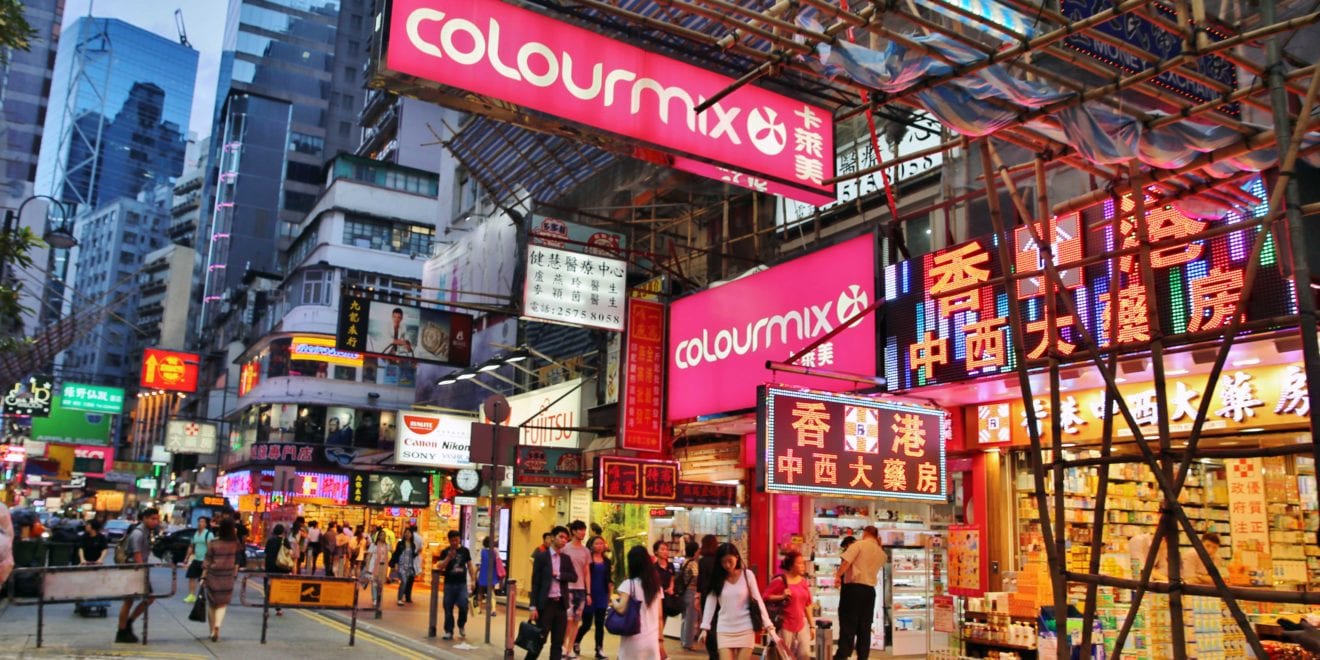
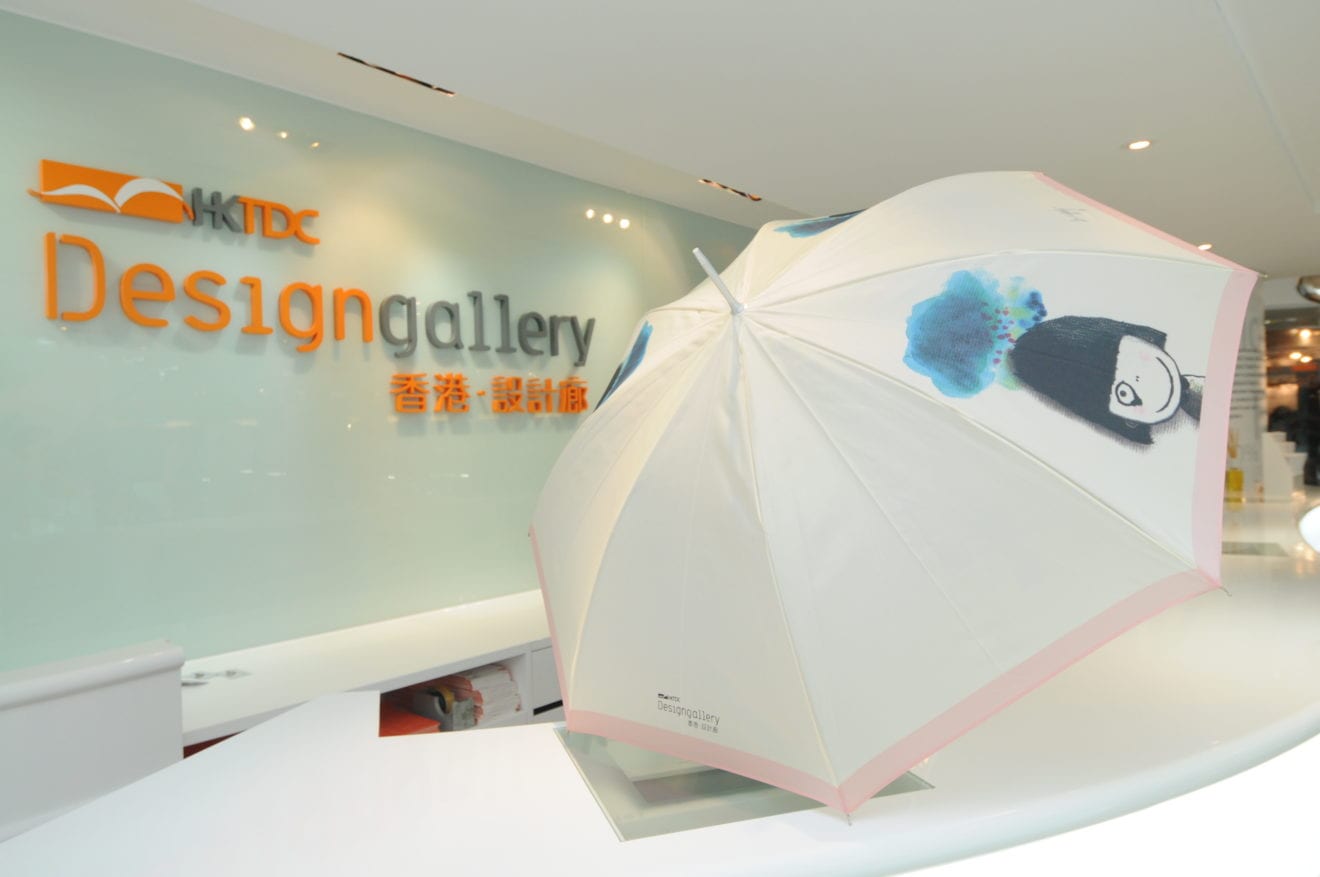
    The Hong Kong Trade Development Council has unveiled a revamped HKTDC Design Gallery shop at the Hong Kong Convention and Exhibition Centre.

    HKTDC executive director Margaret Fong was joined by famous Hong Kong actor Moses Chan and many of the city’s top designers at an opening ceremony yesterday.

    The store was created to promote products invented back in 1991.

    The diverse variety of products on offer highlights the extraordinary creativity of Hong Kong designers in areas ranging from jewellery, watches, electronics and fashion to home products, gifts and children’s items.

    The revamped HKTDC Design Gallery Wan Chai shop showcases nearly 5500 innovative products from more than 230 Hong Kong designers and brands in eight distinctly designed zones.

    Hong Kong designer brands feature in DG Discover; handbags and accessories in DG Vogue; environmentally friendly products in DG Green; baby and children’s products in DG Mini; home goods and gifts in DG Delights; electronic and digital goods in DG Smart; high-end luxury products such as jewellery, watches and leather and cashmere goods in DG Luxe; and collaborative creations by Hong Kong designers and international brands that combine the best of East and West in DG Plus.

    Featuring minimalist geometric shapes and a circular motif, the design of the revamped HKTDC Design Gallery shop creates a vibrant atmosphere to engage customers and elevate brand image. Light wood colours, grey gradients and black linear accents are used to create a comfortable, contemporary environment. The DG Luxe zone is distinguished from other areas of the shop by the use of dark wood colours and deep grey fabric lining.

    At the opening ceremony, Fong said that thanks to the support of local residents, visitors and traders, the shop has been attracting more than 1 million customers each year.

    Apart from new Design Gallery shops in Beijing, Shanghai, Chengdu, Wuhan and other mainland cities, Fong also spoke about the HKTDC’s strategy of collaborating with department stores and lifestyle shops to set up “shops in shops” in Hong Kong and on the Chinese mainland, to bring the best Hong Kong brands to more customers.

    Fong said the HKTDC is also establishing online shops on leading Hong Kong eCommerce platforms such as ShopThruPost, YesStyle and Zalora, as well as Taobao, Tmall and JD.com on the Chinese mainland, in an effort to develop eCommerce opportunities for Hong Kong businesses.

    Between now and December 2015, customers who make a one-time purchase of HK$300 or more at any HKTDC Design Gallery shop in Hong Kong will be entitled to lifetime membership with the DG Club. Members are entitled to a special shopping discount and can earn points to redeem for exclusive gifts or instant cash rebates. To celebrate the re-launch of the HKTDC Design Gallery Wan Chai shop, members will be awarded double points for purchases made between 16 and 18 November 2015.

    The HKTDC Design Gallery Wan Chai Shop is located on the ground floor of the Hong Kong Convention and Exhibition Centre, 1 Harbour Rd, Wan Chai.

  • E-commerce market on path of growth

    E-commerce market on path of growth

    Computer and electronics, beauty and cosmetics as well as fashion are potential categories for e-commerce in Thailand. The Thai e-commerce market in 2014 was valued at Bt2.03 trillion, with business-to-business (B2B) deals worth Bt1.23 trillion, business-to-consumer (B2C) valued at Bt0.41 trillion and business-to-government (B2G) valued 0.31 trillion.

    Surangkana Wayuparb, the chief executive officer of Electronic Transactions Development Agency (ETDA), said that the agency has spent seven months conducting the e-commerce survey, covering all industries in Thailand, representing 502,676 people from eight sectors: manufacturing, retail and wholesale, transport, accommodation, information and communication, insurance, art, entertainment and recreation as well as other services.

    B2B e-commerce was valued at Bt1.230 trillion, a contraction of 0.33 per cent over 2014, while B2C was valued at Bt474,648.91 million, a growth of 15.29 per cent over 2014 and B2G was valued at Bt402,883.74 million, growing 3.96 per cent year on year.

    “It is a huge opportunity for e-commerce business in Thailand since the new Thai generation believes in shopping via online channels. The 4G will also be a factor in driving the growth of the e-commerce market in Thailand,” said the CEO.

    The e-commerce market in Thailand was worth Bt2.03 trillion in 2014 of which B2B was worth Bt1.234 trillion or 60.69 per cent, followed by B2C Bt411,715 million or 20.25 per cent and B2G valued Bt387,552 million.

    In 2015, the top three industries expected to generate the most e-commerce are accommodation services, worth Bt658,909.76 million or 38.4 per cent, followed by manufacturing, valued at Bt350,286.83 million or 20.4 per cent, as well as retail and wholesale industry, valued at Bt325,077.48 million or 19 per cent.

    She also said that the top three industries that |gained the highest e-commerce value in 2014 were accommodation services valued at Bt530,159.13 million or 38.1 per cent, followed by manufacturing valued at Bt440,614.78 million, gaining 26.6 per cent, and information and communications valued at Bt264,863.74 million, growing 19.11 per cent.

    Computer and accessories, cosmetics and beauty as well as fashion are the three top categories for online retail and wholesale business.

    Art and entertainment business, games online, music and e-movies are the main categories in the online entertainment business.

    Surangkana said that the global and domestic economies are factors in driving the e-commerce market in Thailand and the government incentives or tax privileges will play a part in driving the e-commerce market of the country as a whole.

    She said that the top four online transactions for e-commerce business in 2014 were e-banking at 54.25 per cent, followed by credit and debit card 22.39 per cent, mobile payment at 14.53 per cent, and others at 8.83 per cent.

    However, mobile payment has high potential for growth because the modern lifestyle will mean using mobiles to pay transaction fees in the near future.

    She said that the total US B2C e-commerce market was valued at US$359.3 billion in 2014. Meanwhile, China’s B2C market was worth $322.1 billion. Japan and Korean were valued at $118.59 billion and $25.4 billion, respectively.

    Thailand and Malaysia had B2C market valued at $11.7 billion and $9.6 billion respectively.


  • Brands, retailers the biggest losers on Singles Day

    Brands, retailers the biggest losers on Singles Day

    While consumers reaped the rewards on Singles Day, at least one retail consultant is questioning the damage done by the US$14 billion 24-hour spendathon.

    “The clear winners are consumers, marketplaces and couriers and delivery companies,” explains Richard McKenzie, partner with Oliver Wyman. “However, for sellers and brand owners, the picture is less clear.

    “While the event undoubtedly helped top line sales for some, some of those sales are not truly incremental. Additionally, GMV growth on Singles’ Day is much faster than overall GMV growth, meaning the pull forward effect could be exacerbated. In 2014, a significant proportion of sales were returned within 10 to 15 days.”

    McKenzie says given the heavy discounting – not to mention the additional advertising and operating costs before and during Singles’ Day – he questions how many sellers and brand owners are making incremental profits.

    “For product categories that are purchased on a regular basis, having a competitive offer on Singles’ Day can prevent customers from trying competitors’ products, while not participating could mean losing some customers during the event and in the future. For products purchased infrequently, the bottom-line benefits of heavy discounting on Singles’ Day are unclear.

    “For example, in the UK, many retailers initially embraced the Black Friday retail event (similar to Singles’ Day) over the past two years, but some have already declared that they will not participate anymore, for the reasons discussed here.”

    McKenzie also points out mall foot traffic declines sharply during such online events.

    “Going forward, sellers and brand owners need to carefully consider what they want to achieve from Singles’ Day – beyond a simple spike in sales.

    “Leveraging the opportunity to increase brand awareness and consumer stickiness could make participation truly meaningful.”

    But given the huge sales revenues and records being set, McKenzie says Singles’ Day is definitely here to stay.

  • Costco Korea starts selling online

    Costco Korea starts selling online

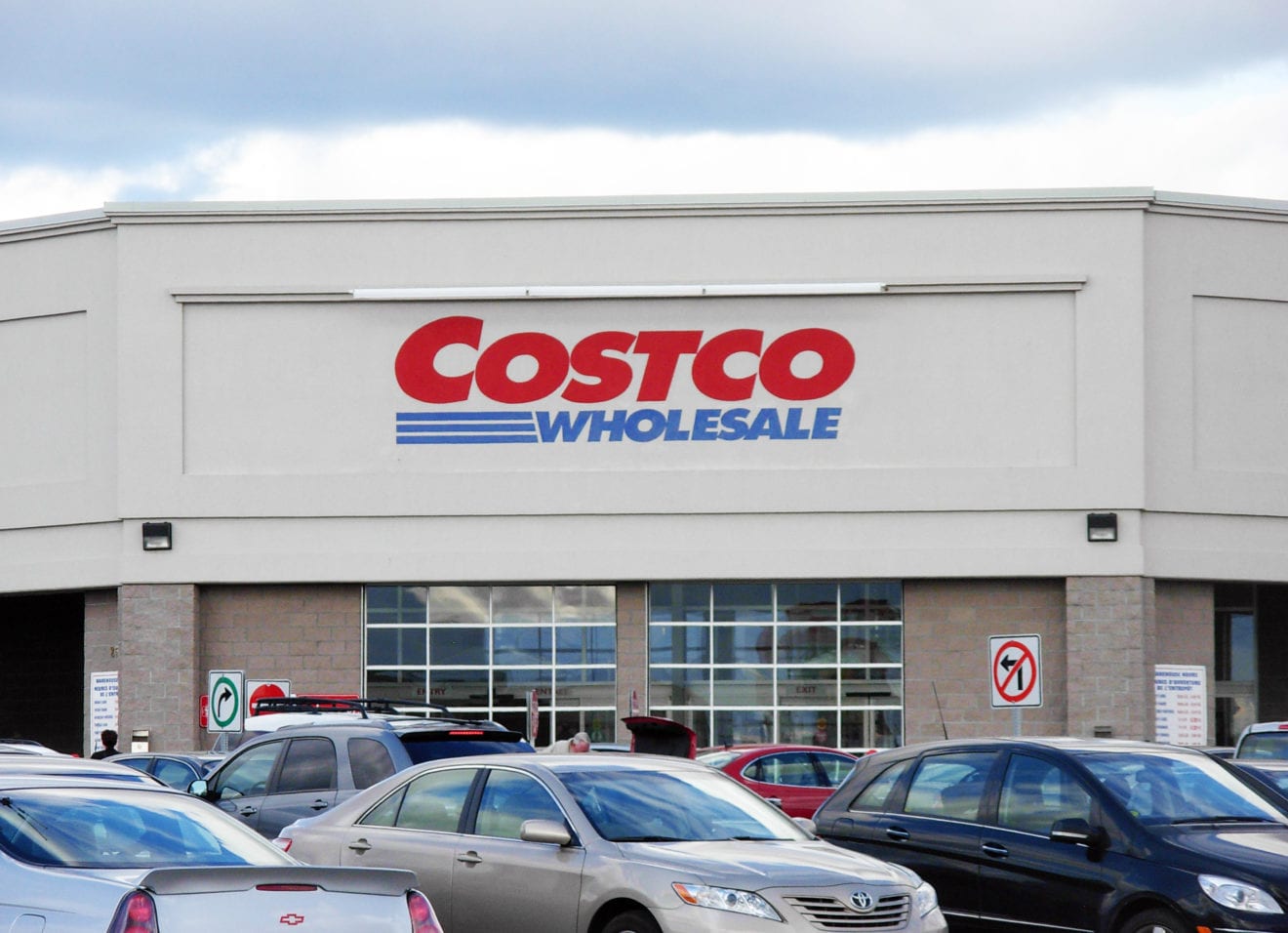
    The American membership-only warehouse club Costco Wholesale Korea has opened its online shopping mall this week.

    It is the first among the Asian countries Costco has entered, and its fifth international online shopping site after the US, England, Canada and Mexico.

    Customers who are Costco Korea members who register online can shop online at the store.

    The products sold are categorised under 11 different groups: digital, home electronics; furniture, home interior, toys, Christmas; sports, fitness; garden, patio; clothing, fashion accessories; jewellery, watches, accessories; beauty, health; tools, living, cars; stationery, office supplies; and food.

    Compared to other online malls which don’t have a paid membership, the number of items offered is much lower. All prices include shipping.

    Costco has chosen to abstain from selling fresh food online. This could be interpreted as an acknowledgement that the company currently doesn’t have a distribution system fast enough to assure the freshness of the products. For now, customers will be able to purchase processed foods, grains, dried foods, and snacks.

    Industry observers say that since Costco’s online mall lacks fresh food, and has a lot of foreign brands among the products it carries, its pool of consumers should not overlap with domestic retailers.

    Furthermore, the fact that only customers with current membership can use the online mall is another limitation of Costco’s internet penetration potential.

    However, based on the success Costco has achieved through its domestic offline stores, some observers are predicting that once Costco expands its logistics infrastructure, increasing the number of products it can handle and distribute through the online site, its influence on the domestic online market could be great.

    Costco already ranks No.1 in consumer satisfaction among the five largest hypermarket retailers in Korea (Emart, Homeplus, Lotte Mart, NH Hanaro Mart, Costco), according to a report from the Korea Consumer Agency.

  • Kering ratchets up legal fight with Alibaba

    French-headquartered luxury brand owner Kering has unsuccessfully sought to fast track its legal suit against Alibaba after what it considered “greatly troubling” comments by Jack Ma.

    Kering, which owns Gucci and Yves Saint Laurent among others, filed suit against the Chinese eCommerce giant in May after it considered more passive efforts to get Alibaba to stop selling counterfeit versions of its goods on its websites were not bearing fruit.

    Last week Kering has asked a US judge to waive the mandatory obligation of mediation between the two parties, citing a quote by Ma in a magazine article.

    Kering’s lawyers say the company was “greatly troubled” by Ma being quoted in Forbes saying there was no chance of settling.

    “I would [rather] lose the case, lose the money… But we would gain our dignity and respect,” Ma was quoted saying.

    Kering’s lawyers argued if this is indeed Ma’s position, mediation would be futile.

    But Judge Kevin Castel disagreed, on Monday urging the parties to continue with mediation.

    “Needless public comments can undermine talks. Yet public positions and positions in confidential talks have been known to vary… The Court strongly recommends that the parties proceed to mediation,” he wrote in an order.

    Kering maintains Alibaba is a giant conduit for counterfeiters and alleges the company has knowingly made it possible for traders to sell fake good on its sites.

    According to a letter to the judge, seen by Reuters, Kering’s counsel said of the interview: “It leaves the impression… that Alibaba‘s request for mediation was not made in good faith, but rather as a tactic to delay this case and to force Plaintiffs to expend resources spinning their wheels in an expensive and time-consuming mediation.”

    An Alibaba spokesman Bob Christie said Ma had made the comments prior to Kering agreeing to Alibaba‘s proposal to mediate.

    “If they want to return to the path of litigation, instead of mediation, we will vigorously defend our legal rights and reputation,” he said in an email to Reuters.

  • Online Shoppers Rose in China, Supported Alibaba’s Revenue Growth

    Online Shoppers Rose in China, Supported Alibaba’s Revenue Growth

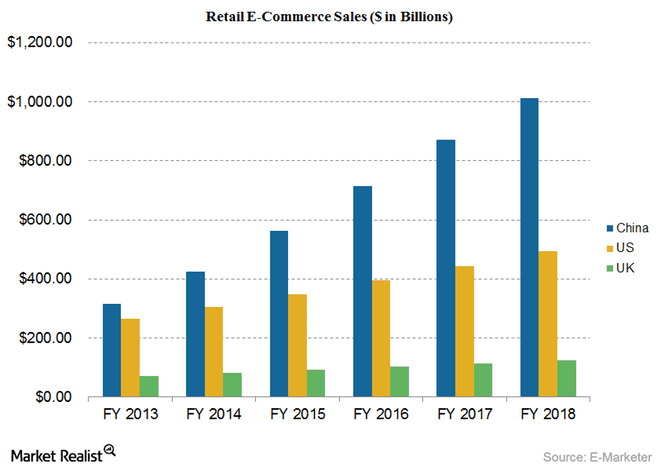
    According to eMarketer, China and the US accounted for ~55% of the global Internet retail sales in fiscal 2014. It also mentioned that China and the United Kingdom have a higher proportion of “online-to-total retail sales compared to the US.” It’s important to note that ~27.5% of China’s population bought goods and services online in fiscal 2014 while 10% of the total retail transactions were through the online mode.

    In comparison, 73% of the United Kingdom’s population made online transactions. E-Commerce accounted for 13% of the overall retail sales in fiscal 2014. While the United Kingdom is positioned eighth in total retail sales, it’s third in global online retail sales.

    part2

    Alibaba, Amazon, and eBay will look to capitalize on the huge potential of rising online sales. This could be positive for their revenue and bottom line.

    Online shoppers rose in China

    According to eMarketer, there were 148 million online shoppers in China in 2010. The shoppers accounted for 11% of the population and 32% of the total Internet users in the country. By the end of fiscal 2013, the number of online shoppers in China grew to 302 million. The shoppers accounted for 22% of the population and almost 49% of total Internet users in the country. By the end of fiscal 2020, the online shoppers will likely to grow to 700 million. Alibaba saw its revenue rise from $1.8 billion in 3Q13 to $3.5 billion in 3Q15.

    Amazon is part of the iShares U.S. Consumer Services ETF (IYC) and the First Trust Dow Jones Internet IndexSM Fund (FDN). It accounts for 6.80% and 11% of the ETFs, respectively.

  • China’s Retail Sales Rose in October

    China’s Retail Sales Rose in October

    China’s total retail sales of consumer goods rose 11.0% year-over-year (or YoY) to 2.8 trillion yuan in October. The data indicated better-than-expected growth in retail sales and a slight improvement from September’s rise of 10.9%.On a year-to-date (or YTD) basis from January to October, the total retail sales of consumer goods reached 24.4 trillion yuan, up by 10.6% YoY.

    The sale of mobile phones, building materials, and household products led to the strong growth in retail sales.

    Chinas Retail Sales Continue to Rise 2015-11-17Enlarge Graph

    A rise in retail sales is a step toward the transition of the Chinese economy from an export-oriented to a consumer-driven economy. This is highly recommended because export orders are falling due to weak global demand. This is the aim of Chinese authorities as well. However, with the slowdown in Chinese local and foreign sales, an increase in retail sales comes as a surprise and a bright spot in the Chinese economy.

    E-commerce played a major role in driving up retail sales. From January to September, the national online retail sales of goods and services grew 34.6% YoY to 3.0 billion yuan, according to the National Bureau of Statistics of China.

    Some of the leading players in China’s e-commerce segment are Alibaba Group Holding, Baidu, JD.com, NetEase, and 58.com.
    Urban retail sales of consumer goods rose 10.8% YoY to 2.4 trillion yuan in October. On a YTD basis, urban retail sales rose 10.4% YoY to 21.0 trillion yuan.
    Rural areas have become a major source of retail sales growth. Retailers are focusing on rural China to increase the penetration of e-commerce. In October, rural retail sales rose 12.2% YoY to 0.38 trillion yuan. On a YTD basis, they rose 11.8% to 3.4 trillion yuan.

    The Clough China Class A ETF (CHNAX), the Guinness Atkinson China & Hong Kong ETF, and the Eaton Vance Greater China Growth Class A ETF (EVCGX) have more than 10% exposure to the consumer discretionary sector. So a rise in retail sales would benefit them the most.

    However, the John Hancock Greater China Opportunities Class A ETF (JCOAX) had only 6.4% of its assets invested in the consumer discretionary sector. So a rise in retail sales will have a lesser impact on the performance of that fund.

  • Zilingo gains seed funding for mobile-first e-store

    Zilingo gains seed funding for mobile-first e-store

    Thai startup Zilingo gives market traders an international eCommerce gateway.

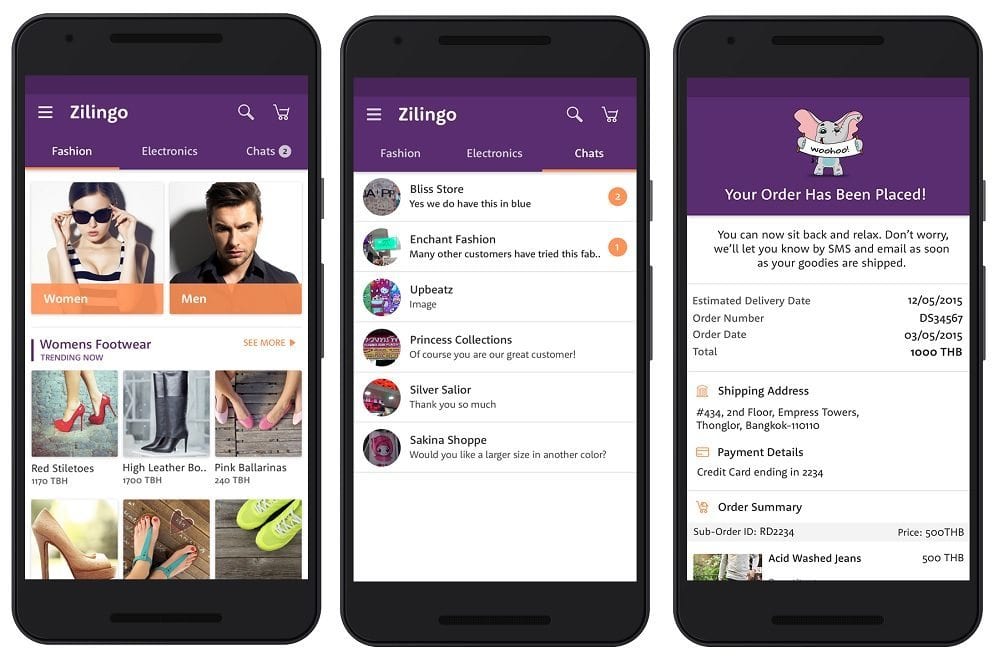
    Zilingo is a mobile-first online marketplace that allows merchants to list their inventory, set their prices, and fulfill online orders. Users can browse through available stores and products, then order and pay with their credit card, according to a report on TechInAsia.

    Zilingo’s services include shipping, packaging, payment options, an analytics dashboard for mobile, order tracking, refund and cancellation options, and consultation on pricing strategy. The app also provides chat, through which a customer can get directly in touch with a merchant.

    The concept was created by Ankiti Bose and Dhruv Kapoor, who saw an opportunity for themselves when they visited the country on vacation. Bose is an ex-McKinsey consultant from Mumbai, India, who later worked for global venture capital firm Sequoia. Together with IIT (Indian Institute of Technology) graduate Kapoor, they decided to create a way for these retailers to find new customers online.

    The startup doesn’t charge merchants for listing, or any other fees, providing most of its services for free. It only takes a cut out of successful sales, wanting to encourage adoption and to “only charge for things that actually add value to the [merchants’] business.”

    Zilingo has only recently gone live, and is available to buyers and merchants across Thailand. Within November 2015, buyers from Singapore, Indonesia, and Hong Kong will also have access to the platform’s Thai sellers. Other Southeast Asian countries will follow, according to the startup. Bose says there are currently more than 300 sellers on the site, Ankiti says.

    The company has already raised external funding, to the tune of US$1.88 million from Sequoia India, Teru Sato of Beenext, and Freecharge’s Kunal Shah and Sandeep Tandon.

    “We are delighted to back Ankiti and Dhruv, a highly talented and committed founding team, in their efforts to build a mobile-first marketplace for Thailand,” says Shailendra Singh, Sequoia India MD.

    “We liked the team and their mobile-first product so much, that we agreed to invest at the concept stage. It’s early days for the company, but we’re excited about the prospects for Zilingo.”

    Thailand’s retail sector is expected to be worth US$179.2 billion in 2016. Despite growing smartphone and credit card usage in the country, however, a lot of retailers haven’t jumped on the eCommerce bandwagon yet, leaving a lot of opportunity on the table.

  • Xiaomi Brand Dominates Singles Day In China

    Xiaomi Brand Dominates Singles Day In China

    Celebrated every Nov. 11, Singles Day is a tradition that dates back to 1993 which initially involved bachelors from Nanjing University who would like to go out, meet, and party with others. The celebration soon included single women and became a huge holiday in China where single individuals go out in massive meet-and-greet events.

    Singles Day is China’s version of USA’s Black Friday, where Chinese businesses spur sales by offering attractive deals and huge price cuts on their products. Xiaomi, already a popular smartphone brand that offers cheap smartphones and other mobile devices, initiated its Singles Day strategy from Nov. 1, offering daily promos and sweet deals and ultimately culminated its run on the big day itself, according to Digital Trends.

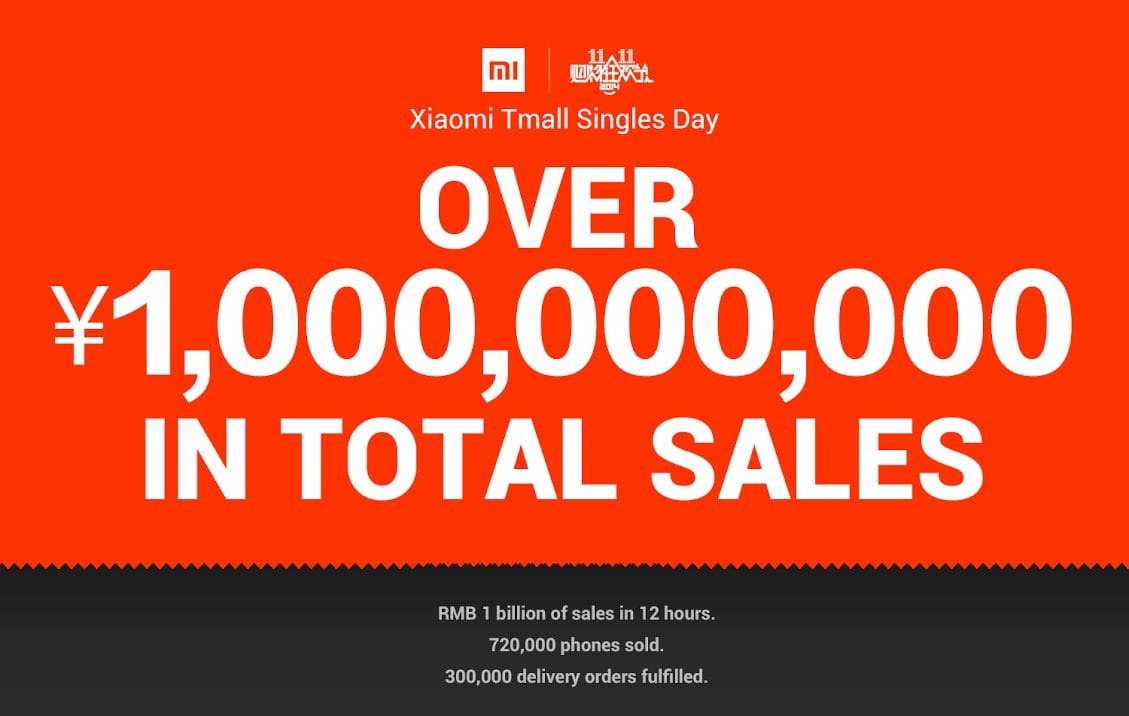
    During the build-up, Xiaomi even provided a teaser on a new smartphone. The strategy proved to be successful, as the smartphone maker immediately raked in $16 million by 12:12 am on Nov. 11. Thirteen minutes later, sales reached $31 million. Two minutes before 1:30 am, Xiaomi already has $63 million in the bank. By the end of Singles Day, Xiaomi’s sales reached a whopping $188 million.

    According to a statement by the China-based smartphone manufacturer, the $125 Redmi Note 2 was their bestselling smartphone. Xiaomi’s smartwatch, the Mi Band Pulse, was the company’s most popular device, which did not come as a surprise, given its $16 price tag.

    Xiaomi’s success is based on its strategy of providing cheap smartphones with high-end features, and China is its biggest market. Recently, top competitor Huawei has overtaken Xiaomi as China’s top smartphone vendor in the last quarter, CNBC reports.

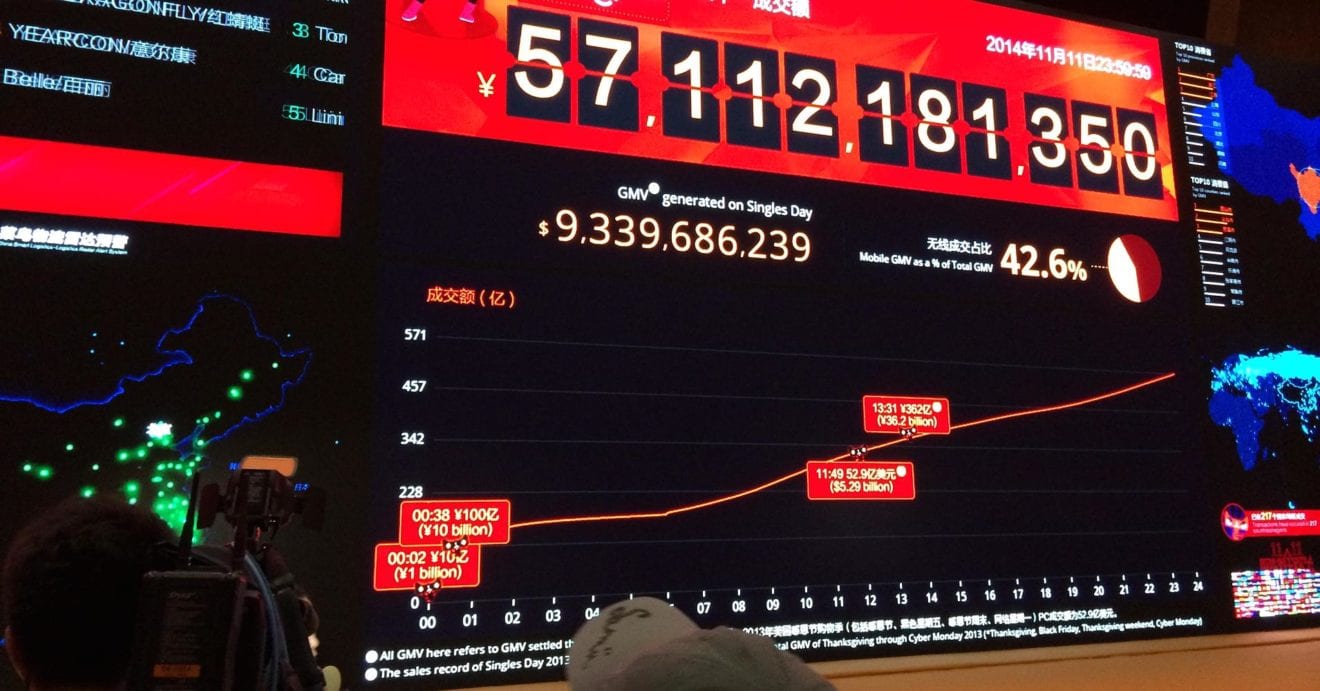
    Meanwhile, China-based online market company Alibaba also broke its own record on Singles Day. The e- ommerce giant clocked in $14.3 billion in sales via its online payment service. On last year’s Singles Day, Alibaba registered $9.3 billion in sales. This year’s figure represents a 60 percent jump from the previous year, indicating the company’s continued growth in a crowded Chinese market.


  • Alibaba smashes Singles’ Day records, so why did shares dip?

    Alibaba smashes Singles’ Day records, so why did shares dip?

    November 11 is a day of sombre reflection across much of the West, with Commonwealth nations observing Remembrance Day while Veterans’ Day is an official public holiday in the US.

    It’s a world away in China, though, where it’s Singles’ Day – an idea begun in 1993 by four lonely Chinese students who reckoned the 11th day of the 11th month (note the four single ‘one’ digits) would make a great day to celebrate being unattached.

    It became a sort of anti-Valentine event, where those without partners bought themselves gifts and – as you do in China – enjoyed lots of karaoke.

    Enter e-commerce giant Alibaba – owned by Jack Ma, up until February China’s richest man – which swooped on the event to offer discounts on its goods.

    November 11 in China has since morphed into an orgy of online spending. More and more firms have jumped on the bandwagon to make it the world’s biggest day of internet shopping.

    On Wednesday, Singles’ Day smashed sales records by midday. Shoppers were out in droves, racking up $5 billion of sales in the first 90 minutes on Alibaba, roughly double last year’s haul in the same period, reports the Financial Times. Alibaba also netted nearly twice the entire take of last year’s Cyber Monday – the day the US, fresh from feasting on Thanksgiving turkey, feasts on shopping deals – itself a record.

    Alibaba’s sales on the day rose 60% from last year to $14.3 billion. Another online retailer, JD.com, reported record transactions of more than 20 million.

    But despite beating records, Alibaba shares dipped nearly 2%. Why weren’t investors impressed?

    It’s because those concerns about China’s slowing growth still won’t go away – a point that Jack Ma himself highlighted on Thursday. Although he believes the government’s 7% GDP target for this year is achievable, he told CNBC: “I believe the next five to 15 months will be a tough time for China for various reasons, of course, one, the anti-corruption will definitely have some effect.”

    Jasper Lawler, a market analyst at CMC Markets, adds that Alibaba continues to be used as a US proxy for Chinese economic health “so shares dropped alongside industrial production figures”.

    Another batch of mixed data from China on Wednesday did little to allay concerns that the world’s second largest economy is slowing.

    “Industrial production growth matches its weakest since 2008, although retail sales improved,” wrote Mike van Dulken and Augustin Eden at Accendo Markets. Coupled with Alibaba’s new Singles’ Day record “we have further evidence of the nation’s shift from export-led to consumer economy”.

    Michael Hewson, chief market analyst at CMC Markets UK, remains concerned about retail sales in China.

    “The latest October retail sales numbers did improve to 11%, from 10.9% in September, which is still below the levels we were seeing at the end of last year of 11.8%,” he writes.

    “Furthermore this modest improvement doesn’t really chime with the stories circulating out of China at the beginning of October during Golden Week about surging sales in the restaurant, cinema and travel sales sector.

    “According to some reports, turnover at restaurants and retailers totalled more than one trillion yuan during the seven days, which equates to over $156 billion, so for retail sales to only improve 0.1% does seem rather at odds with the early October optimism.”

    Alibaba shares closed on the New York Stock Exchange at $79.85 on Wednesday, down more than 20% in the year to date. However, they’ve recovered from a yearly low on September 28 of $57.39 to trade currently at $80.00.

  • Singles Day set to shatter records

    Singles Day set to shatter records

    Singles Day spending tomorrow will undoubtedly shatter last year’s record spend of US$9.3 billion, predicts KPMG.

    November 11 is known in China as Singles’ Day, an annual one day event which sees online retailers slash prices of products and China’s shoppers treat themselves to a wealth of discounted goods. Popularised by eCommerce giant Alibaba in 2009, Singles’ Day in China has now become the world’s biggest online retail sales day, eclipsing all other promotions days including Black Friday and Cyber Monday.

    Last year’s sales fell just short of $10 billion, but Jessie Qian, partner in charge, consumer markets with KPMG China, says that barrier will surely be broken tomorrow

    “We expect that China Singles’ Day spend this year will be bigger than ever, illustrating the buying power of the Chinese consumer and the increasing prominence of the date in the Chinese retail calendar.”

    KPMG recently survey 10,000 online Chinese luxury consumers – China’s Connected Consumers – also revealed that the maximum amount Chinese consumers felt comfortable paying online for a single item was RMB 4200 – more than double the RMB 1900 found in 2014.

    The study also found that Chinese luxury shoppers are increasingly open to buying luxury products online. For most categories, from jewellery to cosmetics, and wine to leather goods, respondents reported a willingness of 75-95 per cent to buy online.

    “Not only did we see a higher amount spent on average for popular categories such as bags, women’s apparel and cosmetics, but we also noted a significant increase in spending on watches and jewellery,” said Qian.

    “All these illustrate that online luxury shopping is set to grow as Chinese consumers are growing increasingly more comfortable with online purchasing.”

    Qian concluded: “With the speed of change around new channels in China, companies must develop the right strategies to survive and thrive in an increasingly disruptive environment. Formulating an effective online to offline (O2O) strategy will be essential for retailers to remain competitive in the digital age with the increasing smartphone technologies and the need to harness social media platform.

    “Meanwhile, using analytics to turn the transactional data into insights to improve products and user experience, as well as to unlock new opportunities, will be crucial for e-retailers to stand out in the increasingly competitive market.”

  • New Yahoo Hong Kong-Taiwan cross-border eCommerce platform

    New Yahoo Hong Kong-Taiwan cross-border eCommerce platform

    Yahoo Hong Kong has launched its Yahoo Hong Kong-Taiwan cross-border eCommerce platform today.

    In the first stage, more than 100 Taiwanese brands accredited with the Made in Taiwan Smile Logo will enter the Hong Kong market – in categories ranging from food to fashion and to beauty and cosmetics.

    Stage two will see Yahoo adding Hong Kong products for sale into Taiwan.

    Yahoo says it wants to create the largest cross-border eCommerce network between the two markets.

    Jacky Wang, VP, eCommerce group, Yahoo Taiwan & Hong Kong said that with the launch of the new platform, geographical boundaries are eliminated.

    “We are delighted to bring Hong Kong consumers the best, original quality products of Taiwan through the 11.11 Online Shopping Festival. This allows e-merchants from both places to reach the huge online buying customer base, which is extremely beneficial to them in increasing sales and for online branding.

    “Yahoo Hong Kong’s B2B2C Flagship store will start operating this month, through which Hong Kong consumers can purchase a wide variety of Made In Taiwan products on the platform,” said Wang.

    “Soon, Taiwan consumers will also be able to purchase Hong Kong’s popular products, such as cookies and palmiers which are popular with Taiwanese.”

    All of the more than 100 Taiwanese e-merchants joining the Yahoo Hong Kong eCommerce platform are selling 100 per cent original, Made In Taiwan Smile logo-accredited quality brands.  These include Dr Morita facial masks, Taiwan’s famous pineapple cake brand SunnyHills and other brands, including meat jerky, tea leaves and noodles.

    The e-merchants crossing the border to Hong Kong with Yahoo will receive all-round cross-border one-stop merchant solutions from Yahoo Taiwan and Yahoo Hong Kong. These range from a special starter package to support for logistics, cash flow and store operations and management, offering detailed guidance to help their brand to take the initial step in cross-border eCommerce, and satisfying the expectations of the online shoppers in Hong Kong and Taiwan.

    SunnyHills has sold more than 10,000 boxes of cakes online into Hong Kong this year already.

    Damian Lee, GM, said Yahoo Hong Kong and Taiwan have the highest reach rates and Yahoo’s online shopping platform is the best one in Taiwan.

    “With the largest volume of traffic flow and the highest popularity, it offers us the best virtual support for our products and backing for our brand. It also provides one-stop logistics and cash flow solutions that lower our cross-border costs and management time, offering the best O2O eCommerce shopping experience to consumers in the most effective way.”

    What Hongkongers and Taiwanese want

    Francis Che, head of insights, strategy and research with Yahoo APAC shared the latest eCommerce promotion and analysis research.

    • Hong Kong has an online buying population of 2.9 million, representing 53 per cent of the total online population.
    • 74 per cent of Hongkongers have used overseas buying services, or overseas cargo or shipping services to buy products from all over the world.
    • Over 30 per cent of the online buying population hopes that online buying apps can proactively notify them of the offers and discounts of nearby stores and recommend some stores for purchases.
    • The older buying population (aged 40 plus) use mobile devices to browse online shopping sites is growing rapidly.
    • The most sought after items purchased online in both markets is the same: Apparel. For the full top 10 list, refer to the chart below:

    Yahoo

    Meanwhile, Yahoo Hong Kong will launch the 11.11 Online Shopping Festival offers on November 11, including the sale of an Oto Adelle One Massage Chair at just $999 (Value: $14,800), with the Oto Lite Footie (Value: $1680) bundled together as a gift.

  • Exporting the key to Asian SME growth

    Exporting the key to Asian SME growth

    If you’re an Asian SME and a retailer and you are not pursuing an export strategy – you’re missing out, according to a study completed by FedEx.

    Small- to medium-size enterprises throughout Asia Pacific that export to overseas markets are twice as likely to be experiencing growth of 11 per cent or more than SMEs who are focused solely on their home market.

    That’s the conclusion of a new global research study commissioned by FedEx Express, the world’s largest express transportation company.  In the survey that includes six key markets in the region –China, Hong Kong, Japan, Singapore, South Korea and Taiwan – 22 per cent of exporting SMEs reported that they were growing rapidly, compared to just 11 per cent of SMEs that sell only in their home market.

    The independent study, entitled Global opportunities: Examining Import and Export Trends Among Small Businesses, reveals the considerable revenue opportunities on offer to SMEs that export.  In Apac, SMEs reported that exports generate an average of US$1.8 million in revenue each year – the highest of the four global regions in the study.  In certain Apac markets, this figure was far higher: Taiwanese SMEs generate an average of US$2.8 million in revenue per year from exports, the highest level of export-driven revenue in the study, while Hong Kong SMEs came in second place, generating an average of almost US$2.6 million.

    “Small businesses are a critically important part of the Asia Pacific economy, and this study shows how they are able to thrive when they grasp the opportunity to sell to markets beyond their own borders,” said Karen Reddington, president, FedEx Express Asia Pacific.

    “However, while many Asia Pacific SMEs see the potential of exporting, they are not confident in their ability to translate that potential into business success as they feel they lack the necessary advice and support. This should serve as a wake-up call to all stakeholders. Helping SMEs to succeed in overseas markets can only be good for the entire region,” she said.

    Despite this significant opportunity, many SMEs are still hesitant about targeting overseas markets.  Currently, only 36 per cent of Apac SMEs are exporting, despite a much higher proportion (77 per cent) recognising that there is a whole world of customers out there.

    One of the reasons for this seems to be a lack of advice and support. Only 10 per cent of Apac SMEs believe they already have sufficient support to succeed in international markets – the lowest level among the four global regions in the study.

    Logistics plays a vital role in tackling this confidence gap. SMEs in Singapore and Taiwan ranked logistics providers as their top source of expertise on exporting, and SMEs in five out of six Apac markets rank logistics providers among their top sources. A reliable logistics service provider plays an important role in connecting SMEs with overseas opportunities and shaping the experience that SMEs provide to their customers.

    Despite the perceived barriers, SMEs are optimistic about the prospect of exporting in the future. Some 52 per cent of Apac SMEs anticipate they will be doing so by 2020, an increase of 16 per cent on the current level. They are even more positive when it comes to international business growth: 61 per cent anticipate greater revenue from overseas business in five years’ time, compared to just 45 per cent that predict this for their domestic business.

    The study was conducted by market research consultancy Harris Interactive on behalf of FedEx Express to provide insights into global import and export behavior among SMEs and the challenges they face. Completed in September, the results are based on interviews with 6891 senior executives from 13 markets across four regions, including 3315 from Apac.

  • New rules will ‘wipe out’ Chinese online payment agents

    New rules will ‘wipe out’ Chinese online payment agents

    New regulations proposed by the Chinese government will deliver an immediate boost to state-ownedChina UnionPay, potentially forcing its smaller Chinese online payment agents out of business.

    The ‘Method of Network Payment Service Management for Third-Party Payment Agents’, proposed in August 2015, is set to restrict consumers’ daily and annual spending on online purchases through private third-party payment agents such as Alipay and Tenpay. But the new law exempts China UnionPay, giving it a clear market advantage.

    According to Timetric, the new law will present serious challenges for small private third-party agents trying to get a foothold in the online retail market.

    Under the draft law, the transaction amount made through third-party payment agents will be determined on the level of security measures incorporated within the online platform. Furthermore, all private third-party payment agents will be forbidden from offering financial services such as deposits, loans, financing or currency exchange services to consumers.

    Chinese regulators say the law aims to protect consumer interest and privacy and clamp down on counterfeit products and poor customer service offered by online private third-party payment agents.

    But in practice it appears on the surface to be a tool to protect UnionPay’s market dominance in the short term and protect the government’s interests, rather than those of consumers.

    “If implemented, the new legislation is anticipated to wipe out smaller private third-party agents, due to the increased operational costs of implementing multiple security measures”, said Kartik Challa, an analyst at Timetric.

    In China, UnionPay (CUP) is the sole scheme provider of payment cards. According to central bank regulations, all banks and card issuers operating in the country are required to route their Yuan-based transactions through CUP’s electronic payment network. However, following a complaint filed by the US against China via the WTO with regards to discriminating against foreign companies in 2012, the WTO directed the Chinese government to open up its payment cards market to foreign operators. Consequently in October 2014, the Chinese government announced its decision to allow foreign companies to set up their own payment card clearing businesses, effective from June 1, 2015.

    Ultimately, says Challa, the move will open the way to stronger competition for CUP – but not in the short term.

    “This move by the Chinese government is anticipated to intensify competition in the Chinese payment cards market, and end CUP dominance as the country’s only authorised card clearing organisation. However, Visa and MasterCard have a long way to go before they can make a dent in CUP’s market share, as they need to build up infrastructure from scratch”, comments Challa.

    China is one of the largest and most mature eCommerce markets in the world, increasing at a CAGR of 56.99 per cent over the last four years, from US$68.7 billion in 2010 to $417.3 billion in 2014.

    Factors, such as the rapid adoption of smartphones, growing internet penetration as well as availability of secure online payment mechanisms and a growing preference for online shopping – especially among the rural population– contributed to this growth.

    Timetric is a provider of online data, analysis and advisory services on key financial and industry sectors. It provides integrated information services covering risk assessments, forecasts, industry analysis, market intelligence, news and commentary.a