Tag: ecommerce

  • Alibaba And JD Revolutionize E-commerce In Asia: A Leap Towards Digital Shopping And Smart Logistics

    Alibaba And JD Revolutionize E-commerce In Asia: A Leap Towards Digital Shopping And Smart Logistics

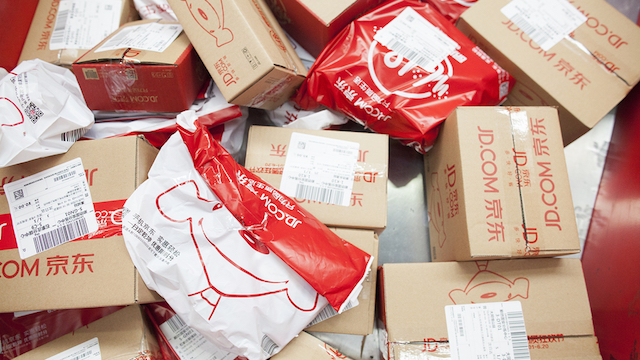
    The retail landscape in Asia is witnessing a bustling surge as major players like Alibaba and JD.com continue to innovate the e-commerce experience. Recently, the two giants sparked excitement among consumers and investors alike with their ambitious plans to enhance digital shopping and logistics. As countries across the region increasingly embrace online retail, these companies are determined to capture larger shares of the market.

    Alibaba’s Expanding Footprint

    Alibaba is not simply resting on its laurels; the company is constantly fine-tuning its platform to create a more immersive shopping experience. With initiatives ranging from augmented reality features to AI-driven recommendations, the tech titan is ensuring that it stays relevant in a fast-evolving consumer environment. Moreover, its investment in advanced delivery networks promises faster and more efficient service, which is a boon for the ever-demanding shoppers in Asia.

    JD.com Sets New Standards

    Meanwhile, JD.com is breaking new ground with an impressive rollout of smart logistics. With an eye on technological advancements, the company is leveraging drones and self-driving vehicles to streamline deliveries, setting a new benchmark for efficiency. This commitment to innovation not only enhances customer satisfaction but also positions JD.com as a leader in redefining China’s logistics landscape.

    The Competitive Spirit Fuels Growth

    The intense rivalry between these giants feeds into the broader ecosystem, prompting smaller retailers to adapt as well. The competition is driving improvements across all levels of the retail sector, encouraging businesses to experiment with online strategies, bolster their digital presence, and enhance customer engagement. As competition heats up, consumers are the ultimate winners, enjoying better prices and more options than ever before.

    In this dynamic atmosphere, Asia’s retail sector is transforming at lightning speed, creating a thrilling narrative for both companies and consumers alike. Will you be ready for the retail revolution?

    Questions & Answers

    What are Alibaba’s recent initiatives to enhance the shopping experience?
    Alibaba is leveraging augmented reality features and AI-driven recommendations to create a more immersive shopping platform, while also improving its delivery networks for efficiency.

    How is JD.com innovating in logistics?
    JD.com is pioneering the use of drones and self-driving vehicles to streamline delivery processes, which significantly enhances efficiency and sets industry benchmarks.

    How does competition between these giants impact smaller retailers?
    The fierce rivalry encourages smaller retailers to innovate and improve their digital presence, leading to better options and pricing for consumers, ultimately benefiting the retail landscape as a whole.
  • Amazon Extends Prime Day To Four Days: New Features Introduced For Personalized Shopping Experience

    Amazon Extends Prime Day To Four Days: New Features Introduced For Personalized Shopping Experience

    Amazon is expanding its yearly Prime Day event from two to four days, providing exclusive offers to Prime members from July 8 to July 14 in 22 markets worldwide. Notable markets include the United States, United Kingdom, Canada, Germany, Australia, Singapore, and Japan.

    Length of Prime Day in Different Markets

    While the duration of Prime Day has been extended in most markets, it has been shortened by two days in Singapore, where the event lasted for six days in the previous year.

    Jamil Ghani, Vice President for Amazon Prime, emphasized that the extended sales period allows Prime members more opportunities to access deals across a variety of categories. These include fashion, pantry essentials, home improvement, personal care, toys, school supplies, and premium goods.

    “Prime Day is dedicated to celebrating our members by offering them remarkable savings and expedient delivery,” Ghani remarked. He further announced that this year’s event would also feature exclusive deals like fuel discounts.

    New Features and Personalized Experience

    Amazon is introducing a new feature named ‘Today’s Big Deals.’ These daily themed offers will start at midnight, and special deals will be released every five minutes during selected periods throughout the event.

    Moreover, Amazon aims to leverage its AI capabilities to provide a more personalized shopping experience. Prime members can utilize Amazon’s AI shopping assistant, Rufus, to investigate product categories and identify relevant deals. Other tools, including ‘Interests’ and ‘Buy Again’ lists, enable users to monitor discounts on items they have previously purchased or frequently viewed.

    Prime Day’s Global Reach

    Prime Day will commence on July 8 in numerous countries including Australia, Austria, Belgium, Canada, Colombia, France, Germany, Italy, Ireland, Japan, Luxembourg, the Netherlands, Poland, Portugal, Singapore, Spain, Sweden, Turkey, the United States, and the United Kingdom. Prime members in Brazil, Egypt, India, Mexico, Saudi Arabia, and the United Arab Emirates will have the chance to shop Prime Day deals later this summer.

    Questions & Answers

    When will Amazon Prime Day take place in 2022?
    Amazon Prime Day will take place from July 8 to July 14.

    What are the new features introduced by Amazon for Prime Day 2022?
    Amazon has introduced ‘Today’s Big Deals,’ a feature that provides themed offers daily, and Rufus, an AI shopping assistant to help members find relevant deals.

    Which countries will have the opportunity to shop Prime Day deals later this summer?
    Prime members in Brazil, Egypt, India, Mexico, Saudi Arabia, and the United Arab Emirates will have the opportunity to shop Prime Day deals later this summer.

  • Uber Wants to be a Technology Company in Indonesia

    Uber Wants to be a Technology Company in Indonesia

    Uber Technologies Inc. said Tuesday it is working to establish itself as a technology company in Indonesia, to avoid legal hurdles after police launched an investigation into the company’s operations last month.

    The move will also help underscore what Uber says is its role as a provider of smartphone applications, amid claims from traditional taxi firms that its business practices in the country are illegal.

    “We definitely want to be here long term,” Alan Jiang, head of Uber’s operations in Indonesia, said at a news conference. “In order to do that, we are currently in the process to set up a foreign investment company here and we would like to work closely with the government.”

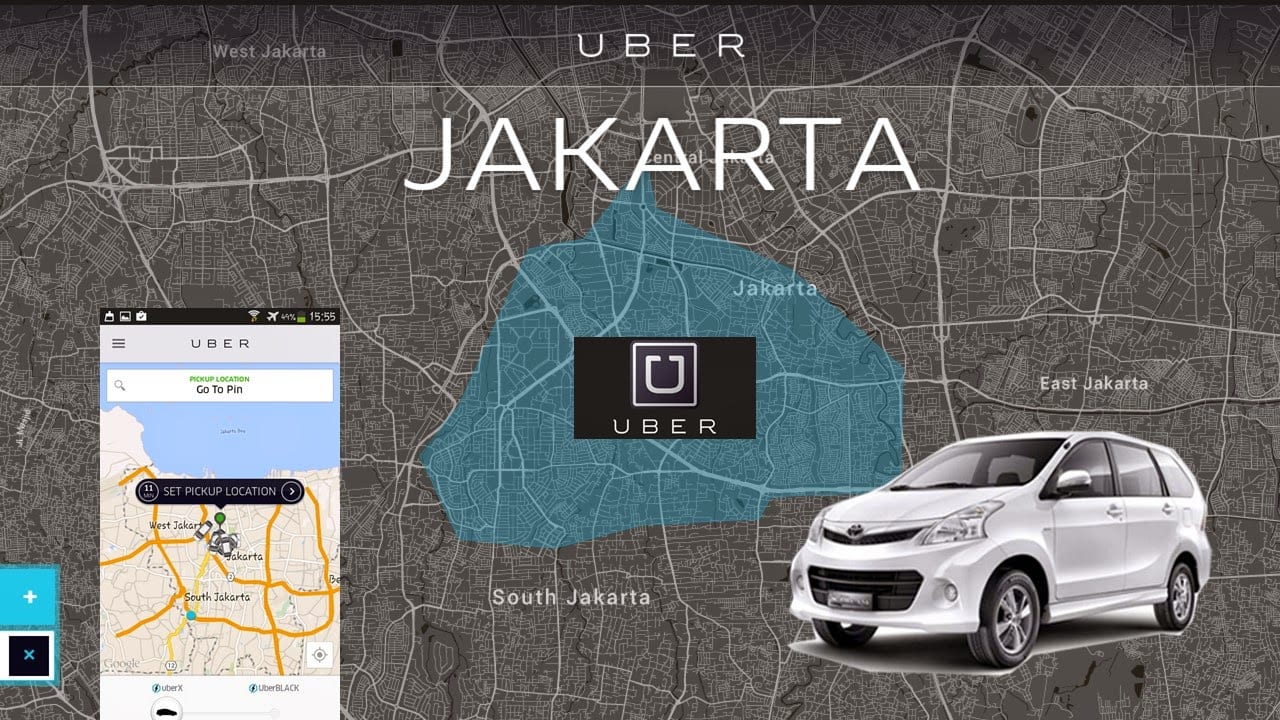
    Uber introduced its popular ride-hailing application to the local market last August, opening a representative office in Jakarta to supervise its business in three markets: Jakarta, Bali and Bandung. Traditional taxi firms, however, have called the startup’s business practices illegal, saying it doesn’t have a taxi license or use meters. Their complaints led Jakarta police to detain five Uber drivers for questioning last month; they were released the same day without being charged although authorities said they could be called as witnesses as the investigation into Uber progresses.

    Although Uber is still operating in Indonesia, the arrests forced the company to rethink how to avoid potential legal hurdles, which could affect its business in the future. Indonesia, the fourth most populous nation in the world with a fast-growing middle class, is one of the company’s key growth markets, it has said.

    Uber won’t, however, be applying for a taxi license, as some of its competitors have demanded, Mr. Jiang said. Instead, it will seek a license to formally establish itself as an e-commerce company.

    “Uber is only a smartphone application,” Mr. Jiang said. “We don’t need a transportation license as all we make is a smartphone app that connects riders to drivers.”

    The San Francisco-based company, which operates in more than 300 cities around the world, has faced regulatory hurdles in many parts of the world. The problems have been especially acute in Europe. Courts in Spain, Germany, Italy and the Netherlands have banned a low-cost Uber service that uses nonprofessional riders. France prohibits companies such as Uber from showing the location of available cars other than traditional cabs on smartphone apps.

    In Asia, the company has faced regulatory hurdles in Thailand, Singapore and Vietnam. An Indian court last month left in place a ban on the service in Delhi, where Uber has been banned since December, when a woman alleged that a driver booked through the firm’s app raped her. The driver is on trial and denies wrongdoing.

    By establishing itself as a company in Indonesia, Uber would be allowed to gather revenue from inside the country, something which a representative office can’t do. Normally, Uber collects a 20% service fee on every fare paid by a passenger, and the rest goes to the driver. At the moment, Uber doesn’t collect fees from the two services it operates in Indonesia, UberBlack and UberX.

    Mr. Jiang declined to specify how much Uber has invested in Indonesia.

  • Amazon extends hourly wage bump for warehouse workers in light of the coronavirus

    Amazon extends hourly wage bump for warehouse workers in light of the coronavirus

    Amazon is extending the hourly wage increase that it announced previously to support workers during the coronavirus pandemic. The company had added $2 for each hour worked on top of the minimum hourly wage of $15. In the UK and European countries, the increase amounted to £2 per hour and €2 per hour respectively. For Canada, it was C$2 per hour worked. These revised rates were to last through the end of this month initially.

    Under the new announcement, the increased rate will apply through May 16. Moreover, the company has also extended double overtime pay in the US and Canada.

    Amazon says that this extension will increase its investment in pay during the outbreak to around $700 million. While this sure sounds great, it is also worth highlighting here that unlike most other companies, Amazon’s business is not suffering because of COVID-19. In fact, sales have apparently skyrocketed, and the company is also on a hiring spree, which goes on to show that demand for its services has increased during the pandemic.

    Unlike corporate office employees, warehouse workers cannot work from home. And thus, it makes sense to provide them an incentive so they keep working during these testing times. An Amazon warehouse worker has already died because of the virus, and many have tested positive.

    The e-commerce giant is also giving flexibility with leave of absence options. However, it hasn’t said if it will also extend the unlimited unpaid time off policy that was announced last month. This policy enabled workers to take some unpaid time off without having to worry about any consequences such as penalties. However, it seems like beginning next month, workers who wish to stay home will have to use their accrued time off i.e. the leaves they have remaining or ask for a leave of absence, which will be granted if a worker has an existing health condition or lives with someone who does. That’s because such individuals are more susceptible to coronavirus. Other workers will apparently have to get back to work.

  • Global giants crave for pieces in Vietnam e-commerce market

    Global giants crave for pieces in Vietnam e-commerce market

    Foreign investors have been pouring billions of dollars into the e-commerce market, seeking to change shopping habits in Vietnam and eventually profit from a likely online boom.

    Since the pandemic began, Tran Thi Linh in Hanoi has picked up a new habit of lying on her couch for hours to browse through e-commerce apps, looking for promotions.

    “With social distancing, I became reluctant to leave the house, and I realize it is more convenient to shop for certain items online,” the 47-year-old housewife said.

    With the apps she no longer has to carry heavy bags of detergents and rice from the supermarket to her apartment, while the coffee her husband drinks is cheaper online.

    “I read reviews and watch videos to make shopping decisions. I still go to the supermarket but less often.”

    Linh is among many Vietnamese that have become more familiar with e-commerce platforms and saw their shopping habits changed during the pandemic, a goal that that Vietnamese and foreign companies have spent billions of dollars to achieve as they seek to claim a bigger share in a booming industry.

    Vietnam’s digital economy is forecast to grow by 29 percent annually from 2020 to $52 billion by 2025, according to a study by Google, Temasek Holdings and Bain & Co.

    But data from Euromonitor International estimates e-commerce accounted for only 3 percent of the nation’s retail market last year, the smallest amount in Southeast Asia.

    This is why major global companies have been making moves to secure a place in the market. From 2016 to the first half of 2020, investors poured $1.9 billion into Vietnam’s online sector, the study by Google, Temasek and Bain showed.

    The latest deals include a $400 investment by an Alibaba Group-led consortium into a unit of conglomerate Masan Group, which is set to team with Lazada as part of the deal to win Vietnam’s e-commerce market.

    Equity firm Warburg Pincus in January poured more than $100 million into M-Service JSC, a Vietnamese startup that operates the MoMo payment app.

    Domestic platform Tiki had earlier raised $192.5 million from Japan’s Sumitomo Corp and China’s JD.com.

    “Vietnam is at the beginning of becoming a digitalized society with a young population that loves technology,” Bloomberg cited Ralf Matthaes, managing director of Ho Chi Minh City-based Infocus Mekong Research, as saying.

    “So all these companies are tripping over themselves to offer these services.”

    But changing Vietnamese people’s shopping habit while dominating the market in the process is easier said than done.

    Linh, the Hanoi housewife, said that until now she only pays for online orders by cash, because she does not know how to link her shopping account with her debit card.

    “Another reason is that I can refuse to accept orders if they do not meet the quality I expect. There are many online shopping frauds and I want to be careful.”

    Cash remains the most popular payment method in Vietnam with around 80 percent of the population preferring it in daily transactions, according to the Ministry of Industry and Trade.

    “Cashless payment remains unpopular in Vietnam because people prefer to see and touch products before paying for them,” said Le Xuan Vu, board member of Military Bank, adding that if local banks can guarantee to compensate customers for fraud and fake products, they will trust cashless payment and use them more regularly.

    Dominating the market remains a challenging task for e-commerce firms with so many players seeking a piece of the pie. Among four major platforms, Shopee, Tiki, Lazada and Sendo, none has been able to secure a paramount position to become the go-to marketplace for every need.

    Electronic companies like Mobile World, FPT and CellphoneS have also established their own platforms so not to be left behind in the race.

    “I have apps of Tiki, Shopee and Lazada and use them all. I don’t feel the need to commit to only one platform,” said Nguyen Duc Anh, who works for an advertising agency in Hanoi.

    Duc Anh often compares prices and reviews of a product on all three platforms to make the decision. Usually the platform with the highest number of purchases and offers the best price and delivery time wins.

    “For now I’m having the best of several worlds.”

    This is why e-commerce companies are trying different strategies to make its platform the best and the only.

    Almost every month Shopee offers a period of major discount with a variety of items priced as low as VND1,000 (4.3 U.S. cents).

    Tiki has been working to remove counterfeit products and increase the number of items eligible for a two-hour delivery. It also offers up-to-30-day return policy for certain electronics products to gain customers’ trust.

    In the new partnership with Lazada, Masan seeks to blend offline and online shopping into one experience by making its 2,200 VinMart+ outlets the pickup points for purchases on the platform.

    But while platforms race to win more customers, people like Linh are still reluctant to abandon the traditional shopping method.

    The other day she used online platforms to check prices of an air purifier but ended up driving her motorbike to an electronics store to make the purchase even though it was priced slightly higher there.

    “I still need to touch it. I want to see it with my own eyes.”

  • Vietnam’s E-Commerce Revolution: Platforms Embrace Immersive Experiences Over Discounts for Engaging Shopping Journeys

    Vietnam’s E-Commerce Revolution: Platforms Embrace Immersive Experiences Over Discounts for Engaging Shopping Journeys

    Double-day events—dates like 6/6, 9/9, and 11/11—have historically served as prime opportunities for online retailers, marked by aggressive promotions and a flurry of sales. However, growing indications of diminishing returns, especially among Gen Z, are nudging platforms to rethink their marketing strategies.

    According to TikTok’s What’s Next 2023 report, a remarkable 72% of Gen Z users trust product recommendations from content creators more than traditional ads. In a striking revelation, 83% confessed to making purchases after enjoying a livestream. These figures underscore a notable shift towards authentic, personalized content over conventional sales pitches.

    Younger consumers are now leaning towards emotional connections, real-life narratives, and product discovery through relatable influencers and entertaining content.

    Transforming Transactions into Engagement

    In response to these emerging trends, many e-commerce platforms are reimagining their strategies. Livestreams, once primarily seen as direct sales mechanisms, are evolving to emphasize storytelling, interactivity, and community connection.

    Take Lazada’s recent 6.6 campaign, for instance. It featured an innovative livestream series titled Kinh LazTo, inspired by the traditional Vietnamese bingo-style game, lo to. Running from June 3 to 6, the show artfully entwined modern e-commerce with cultural flair, creating a vibrant atmosphere that invited viewer participation while seamlessly promoting featured products.

    Rather than merely showcasing discounts, hosts cleverly introduced sale items through interactive gameplay, allowing viewers to add them to their carts in real time. The experience resembled a live festival, complete with a digital bingo machine, dazzling visual effects, and lively commentary. Viewers didn’t just watch; they engaged, responding enthusiastically to each draw and forming connections with the products on display.

    A Shifting Competitive Landscape

    In an ever-crowded e-commerce environment, the old trick of discounting loses its charm and differentiation. As consumer expectations continue to shift, brands are venturing into new territories that place a premium on emotional resonance, entertainment, and engagement.

    Initiatives like Lazada’s bingo-inspired livestream illustrate how platforms are inventively enhancing customer experience while ensuring sales performance. While discounts still play a role in the equation, there’s a growing focus on long-term engagement strategies that aim to foster loyalty and distinguish brands in today’s competitive digital marketplace.

    As we navigate this transformed retail world, one can’t help but wonder: Could the next shopping trend be an old-school carnival game come to life in a virtual format?

    Questions & Answers

    What is the main takeaway from the TikTok report regarding Gen Z?
    The report reveals that a significant 72% of Gen Z users prefer product recommendations from content creators over traditional advertisements, indicating a shift towards authentic marketing approaches.

    How did Lazada integrate cultural elements into its 6.6 campaign?
    Lazada’s campaign incorporated the traditional game of lo to, blending it with modern sales tactics to create a lively and engaging livestream event that resonated with viewers culturally and emotionally.

    What does the shift in e-commerce strategy suggest about future trends?
    The growing emphasis on interactive and emotionally resonant content suggests that future trends in e-commerce will prioritize community-driven experiences and personalized marketing over mere discounting strategies.

  • Shein and Reliance Join Forces to Expand Indian Supplier Network

    Shein and Reliance Join Forces to Expand Indian Supplier Network

    In a strategic move to reduce dependency on China amid escalating U.S. tariffs, Shein and Reliance Retail are set to ramp up their Indian supplier network from 150 to a remarkable 1,000 within just a year. This ambitious expansion plan, as reported by Reuters, includes plans to start exporting India-made Shein apparel globally within the next six to twelve months.

    A New Era for Indian Manufacturing

    This partnership is a pivotal element of a broader strategy aimed at relocating supply chains away from China—Shein’s largest market. By collaborating with Reliance, Shein seeks to expedite production in India with a primary focus on the lucrative U.S. and U.K. markets.

    Reviving Shein’s Presence in India

    While the partnership between Shein and Reliance is limited to a brand licensing deal for domestic sales, it marks a significant revival for Shein’s brand presence in India. The online fashion retailer initially entered the Indian market in 2018 but faced a temporary ban in 2020 alongside other Chinese applications. However, it made a comeback in February through a licensing agreement with Reliance Retail, which now operates SheinIndia.in, featuring garments produced by local manufacturers. Currently, a majority of Shein’s global offerings are still sourced from China.

    Boosting Local Production with Big Ambitions

    Reliance has already signed agreements with 150 garment manufacturers and is actively negotiating with an additional 400 to achieve its goal of 1,000 suppliers that can meet both local and international demands. The companies are rigorously evaluating whether Indian factories can replicate Shein’s best-selling items at competitive prices.

    Investing in the Future of Fashion

    Moreover, Reliance plans to bolster suppliers through investments, machinery imports, and sourcing fabric—particularly for synthetic textiles—where India is still catching up in expertise. With this move, Reliance isn’t just enhancing its operations; it’s also poised to transform India’s fashion landscape.

    In a world where fashion trends shift faster than a lightning bolt, could this partnership be the spark that ignites India’s manufacturing prowess on a global scale? Only time will tell!

    Questions & Answers

    What is the goal of Shein and Reliance Retail’s partnership? The aim is to expand their Indian supplier base to 1,000 within a year and begin exporting India-made Shein garments globally within six to twelve months, reducing dependency on China.

    How has Shein’s presence in India evolved? Shein initially entered India in 2018, faced a ban in 2020, and returned in February 2022 through a licensing agreement with Reliance Retail, enabling them to sell locally produced garments.

    What support will Reliance provide to Indian suppliers? Reliance plans to assist suppliers with investments, machinery imports, and fabric sourcing, especially targeting the synthetic textiles sector where local expertise is currently lacking.

  • Shein hit with complaint from EU consumer group over ‘dark patterns’

    Shein hit with complaint from EU consumer group over ‘dark patterns’

    The BEUC, a Pan-European consumer organization, has lodged a complaint with the European Commission against Shein, an online fast-fashion retailer. The grievance centers on Shein’s use of “dark patterns”, a series of strategies designed to increase purchases via its app and website.

    Manipulative Tactics

    The tactics employed by Shein, as described by BEUC, include pop-up messages urging customers to stay on the app to avoid missing out on deals, countdown timers creating a sense of urgency to finalize purchases, and an infinite scroll feature on the app. All these methods, BEUC asserts, could fall under the definition of “aggressive commercial practices”. The consumer advocacy group further highlighted Shein’s frequent use of notifications, with one instance showing a single phone receiving 12 alerts from the app in one day.

    Agustin Reyna, BEUC’s director general, commented on the matter, stating that such tactics align with the fast-fashion trend of stimulating mass consumption through volume. The issue, according to Reyna, lies in whether Shein is willing to abolish these “dark patterns”, given their potential impact on sales numbers.

    Shein’s Response and the Role of Gamification

    Shein, in response to the allegations, stated, “We are actively collaborating with national consumer authorities and the EU Commission to demonstrate our commitment to compliance with EU laws and regulations.” The company also mentioned that BEUC declined their request for a meeting.

    Shein and its competitor, Temu, another online discount platform, have experienced a surge in popularity in Europe, partly due to their apps’ gamified features. These apps engage shoppers with games that offer the chance to win discounts and products. One of the games on Shein’s app, “Puppy Keep”, encourages users to log into the app daily, feed a virtual dog, and collect points that can be exchanged for free items. Points can be earned by browsing the app and making purchases.

    Dark Patterns Across the Industry

    The BEUC acknowledged that “dark patterns” are not exclusive to Shein, but are commonly employed by many mass-market clothing retailers. In this line, they’ve called on the consumer protection network to broaden its investigation to include other retailers. BEUC’s complaint was supported by 25 of its member organizations across 21 countries, including France, Germany, and Spain.

    Last month, the European Commission issued a notification to Shein about practices breaching EU consumer law and warned of potential fines should the company fail to address these concerns. The firm is also under review from EU tech regulators regarding its compliance with EU online content rules.

    Questions & Answers

    What exactly are “dark patterns”?
    Dark patterns are tactics used by companies on their websites or apps designed to manipulate users into making purchases or taking certain actions.

    What is the “Puppy Keep” game on Shein’s app?
    “Puppy Keep” is a game on the Shein app where users feed a virtual dog and collect points that can be used to win free items. Users can earn more points by browsing the app and making purchases.

    What actions has the European Commission taken regarding Shein’s practices?
    The European Commission has notified Shein about practices that violate EU consumer law and warned of potential fines if they do not rectify these issues. Additionally, the company is under investigation from EU tech regulators regarding its adherence to EU online content rules.

  • JD Super Boosts Meat Imports with Dynamic New Global Partnerships

    JD Super Boosts Meat Imports with Dynamic New Global Partnerships

    Bringing Premier International Meat Brands to Chinese Consumers

    JD Super, the supermarket arm of JD.com, is stepping up its game by forming strategic alliances with Argentina’s Beef Promotion Institute (IPCVA) and the influential frozen meat importer, Linking Fresh. This initiative aims to broaden the supply of high-quality imported meat throughout China.

    The partnership with IPCVA will enhance the distribution of Argentine grass-fed beef on JD’s platform, capitalizing on its expansive logistics network and a loyal customer base of over 600 million.

    In addition, JD Super’s collaboration with Linking Fresh, which boasts ties to over 300 global meat suppliers and annual imports surpassing RMB15 billion, will usher in a selection of notable international brands, including Brazil’s BRF and Marfrig, Australia’s Kilcoy, Argentina’s Arre Beef, and Chile’s Agrosuper.

    To raise awareness and stimulate sales, JD Super and Linking Fresh will launch vibrant marketing campaigns, featuring special events like “Argentine Beef Week.” After all, who could resist a week dedicated to delectable beef?

    Questions & Answers

    What is JD Super’s recent initiative focused on?
    JD Super’s initiative is aimed at expanding the supply of high-quality imported meat into China through partnerships with the Argentine Beef Promotion Institute and Linking Fresh.

    What international brands will be introduced to the Chinese market?
    The partnership will bring prominent brands such as BRF and Marfrig from Brazil, Kilcoy from Australia, Arre Beef from Argentina, and Agrosuper from Chile.

    How does JD Super plan to promote these products?
    JD Super will employ targeted marketing campaigns, including themed events like “Argentine Beef Week,” to enhance consumer awareness and drive sales.

  • Retailer Temu’s daily US users halve following end of ‘de minimis’ loophole

    Retailer Temu’s daily US users halve following end of ‘de minimis’ loophole

    PDD Holdings’ international discount e-commerce platform, Temu, reported a 58 per cent decrease in daily US users in May. This downturn is just one of the challenges the online retailer is grappling with in the face of the US-China trade war.

    Temu made the strategic decision to cut advertising expenses in the US and alter its order fulfillment approach after the cessation of the “de minimis” practice by the White House on May 2. This regulation had previously granted Chinese companies the ability to ship low-value packages to the United States without incurring tariffs.

    For years, Temu and the large fast-fashion company, Shein, had availed themselves of this provision. This allowed them to deliver items directly from suppliers in China to consumers in the US, thereby maintaining low prices.

    Since the announcement of sweeping trade tariffs by US President Donald Trump, both Temu and Shein have noted a marked decline in sales growth and customer acquisition rates. However, according to data gathered by consultancy firm, Bain & Company, Temu’s downward trends surpass those of its competitor.

    Both platforms were forced to increase prices due to tariffs, yet Shein has managed to raise the amount of money spent per customer in comparison to the previous year, data indicated. Conversely, Temu has grappled with this challenge.

    Temu declined to comment on the drop in daily US users or the challenges it is encountering in the US market.

    According to a May note from Morgan Stanley equity analyst Simeon Gutman, engagement on Temu has significantly decreased following the termination of the de minimis exemption.

    Gutman expressed his belief that, if the current tariff conditions remain unchanged for an extended period, Temu’s competitive position is likely to continue to weaken.

    PDD’s first quarter earnings were recently reported and failed to meet growth expectations. In a post-earnings call, executives stated that tariffs had imposed significant pressure on its merchants.

    They reaffirmed Temu’s prior commitment to maintain stable prices and collaborate with merchants across regions, highlighting a move towards a local fulfilment model announced at the start of May.

    Previously, Temu’s business model held merchants accountable for ordering and supplying their products, while the China-based company managed the majority of logistics, pricing, and marketing.

    Under the new model, Temu’s merchants “can ship individual orders from China to Temu-partnered US warehouses, but they would need to address tariffs and customs charges and paperwork”. Temu continues to handle order fulfillment close to consumers, pricing, and online operations.

    Despite these difficulties, HSBC analysts reported last week that Temu’s growth in non-US markets has increased, with non-US users constituting 90 per cent of its 405 million global monthly active users in the second quarter.

    Questions & Answers

    What factors contributed to the decrease in daily US users of PDD Holdings’ platform, Temu?
    The US-China trade war and the cessation of the “de minimis” practice, which allowed tariff-free shipping of low-value packages to the US, contributed to this decline.

    How have changes in global trade conditions affected Temu?
    The company has been forced to alter its order fulfillment strategy and increase prices. Additionally, it has experienced a decrease in sales growth and customer acquisition rates.

    What adaptations has Temu made in light of these challenges?
    Temu has shifted to a local fulfillment model in the US and is working collaboratively with its merchants. It continues to manage logistics, pricing, and online operations, despite the changes in market conditions.

  • Lazada Unveils Ambitious $100 Million Annual Investment to Boost Affiliate Program

    Lazada Unveils Ambitious $100 Million Annual Investment to Boost Affiliate Program

    Lazada is ramping up its efforts in the affiliate marketing sphere, announcing a bold $100 million annual investment into its Lazada Affiliate Programme. This move aims to further establish affiliate marketing as a pivotal growth engine across Southeast Asia’s rapidly evolving eCommerce landscape.

    In 2024, a remarkable 82% of consumers in Southeast Asia are expected to base their purchasing decisions on influencer recommendations, marking a 3% rise from the previous year. This trend underscores the rising significance of affiliate marketing as a key sales driver, contributing about 20% to the region’s online sales—roughly translating to a staggering US$15 billion in Net Merchandise Value.

    The influx of funds is poised to empower both brands and creators by transforming recommendations into tangible revenue. To enhance the user experience and overall performance of the LazAffiliate Programme, Lazada is rolling out an array of updates. These include a revamped affiliate interface, customized storefronts showcasing curated products, and seasonal campaign boosters that offer not just higher commissions but also gamified challenges and attractive bonuses.

    As excitement builds for the upcoming 6.6 sale, affiliates are in for a treat—earning up to 36% commission when promoting brands through store vouchers. A curated list of high-commission products, along with a real-time performance dashboard, will help affiliates hone their strategies and focus on what sells best.

    Lazada is not stopping there; it plans to implement co-developed, performance-based strategies designed to maximize the impact of influencer marketing, turning it into scalable sales. This strategy includes Lazada-funded vouchers and access to an expansive network of influencers, content creators, and key opinion consumers (KOCs).

    Kicking off with the highly anticipated 6.6 Mega Sale, the affiliate programme will feature gamified challenges and a rewarding pool of $100,000 for the top 10 affiliates in the region. Over 80 brands, particularly those in the fashion and beauty sectors, are set to join in on the action.

    Jared Chan, head of regional affiliate at Lazada Group, emphasized that this investment is about unlocking new income opportunities for creators and forging stronger, localized connections between brands and consumers. Notably, the LazAffiliate Programme is open to all, welcoming participants without any minimum follower requirements.

    Questions & Answers

    What is the significance of Lazada’s $100 million investment?
    This investment is aimed at enhancing Lazada’s affiliate marketing program, turning it into a performance-driven growth channel across Southeast Asia, which is crucial for eCommerce success in the region.

    How does Lazada support its affiliates?
    Lazada provides affiliates with a redesigned interface, customized storefronts, and tools like a performance dashboard to help them optimize their strategies. They also offer opportunities for higher commissions and bonuses during promotional campaigns.

    Is there a minimum follower requirement to join the LazAffiliate Programme?
    No, the LazAffiliate Programme is open to everyone, allowing individuals with any follower count to participate and benefit from the growing field of affiliate marketing.

  • Video Content Drives 62% of E-Commerce Purchases in Singapore, Transforming Online Shopping

    Video Content Drives 62% of E-Commerce Purchases in Singapore, Transforming Online Shopping

    Shopee and YouTube Join Forces to Revolutionize Digital Commerce

    In an exciting shift, video commerce now accounts for a remarkable 20% of the total e-commerce value across Southeast Asia. In Singapore, a staggering 62% of consumers report that they’ve made purchases after watching a video on YouTube. This dynamic surge in video-centric shopping is reshaping consumer interactions with brands and transforming how small businesses tap into digital commerce.

    The Role of Video in the Consumer Journey

    Ajay Vidyasagar, the Managing Director for YouTube Southeast Asia and Emerging Markets, emphasizes video’s pivotal role in the consumer journey. “Two out of five consumers in Southeast Asia rely on online videos for their research,” he explains. “YouTube is the go-to platform for 86% of all users in the region.”

    He attributes this upward trend to the vibrant ecosystem of creators, noting, “More than 5,000 YouTube creator channels in Southeast Asia have crossed the 1 million subscriber mark. When creators make a recommendation, there’s genuine belief in its value. YouTube truly stands out because our creators are considered some of the most trusted voices.”

    Engagement is Key

    Chua Kel Jin, Director of Shopee Singapore, reinforces the significance of creator-led content. “People enjoy video commerce because it’s engaging and fun,” he states. “That interaction is essential for building trust. In Singapore specifically, 62% of viewers watch a YouTube video and then feel compelled to make a purchase on an e-commerce platform.”

    Innovative Partnerships and Simplified Access

    In a groundbreaking partnership, Shopee and YouTube have rolled out YouTube Shopping, a feature that allows sellers to sync their products directly with the video platform. “Previously, sellers faced high upfront costs to collaborate with content creators,” Chua points out. “Now, they only pay creators a commission, enhancing return on investment.”

    Shopee is also focused on streamlining access to video commerce tools. “We’ve designed live streaming so that all you need is a phone,” Chua adds. “Plus, our platform provides real-time analytics, enabling sellers to receive immediate feedback to engage buyers more effectively.”

    The Future of Video Commerce

    Looking ahead, both executives predict that video commerce is merely in its infancy. “With video commerce currently representing 20% of all e-commerce, we anticipate significant growth,” Vidyasagar shares. “The future of video commerce lies in creating seamless shopping experiences that integrate directly within users’ favorite videos and creators.”

    In this rapidly evolving retail landscape, it’s clear that watching a cooking blog might not just satisfy your appetite but could also lead to a small kitchen upgrade!

    Questions & Answers

    What percentage of e-commerce in Southeast Asia is driven by video commerce?
    Currently, video commerce constitutes 20% of the total e-commerce value in Southeast Asia.

    How does YouTube Shopping benefit sellers?
    YouTube Shopping allows sellers to sync their products directly with the video platform, reducing upfront costs and requiring only commission payments to creators.

    What does the future hold for video commerce according to the executives?
    Both executives believe that video commerce will see significant growth, with potential for seamless shopping experiences integrated directly into videos and creator content.

  • CJ Olive Young Launches First Korean Snacks Store in Vibrant Busan

    CJ Olive Young Launches First Korean Snacks Store in Vibrant Busan

    Despite the challenging market conditions brought on by rising inflation and supply chain issues, retail giant Walmart continues to show stellar financial performance. In its latest quarterly report, the company announced a surprising 8% increase in revenue, amounting to $152.8 billion. This impressive result showcases Walmart’s ability to adapt in a shifting economic landscape.

    Online Sales Surge Amidst Inflation

    As inflation tightens consumers’ budgets, Walmart has successfully harnessed the power of online shopping. E-commerce sales skyrocketed by 30% in the last quarter alone, indicating that shoppers are increasingly turning to digital platforms for their needs. This uptick in online sales has positioned Walmart as a formidable contender against other retailers, particularly in the realm of fast delivery options and convenience.

    International Markets Fuel Growth

    Walmart’s international division also played a pivotal role in driving growth. With a notable increase of more than 10% in international revenue, the retailer is thriving in markets like Mexico and Canada. Walmart’s strategic focus on local sourcing and personalized services has resonated well with consumers overseas.

    Future Initiatives and Innovations

    Looking ahead, Walmart is keen on continuing its investment in technology, targeting a seamless shopping experience for both physical and online consumers. The company is enhancing its app features and expanding its fulfillment centers to better meet customer demand. Additionally, Walmart aims to introduce new product lines that cater to eco-conscious shoppers.

    In a market where survival often feels like a game of chess, Walmart seems to have the winning strategy. Who knew saving on toilet paper and chips could be such an economic powerhouse?

    Questions & Answers

    What were Walmart’s revenue figures for the last quarter?
    Walmart reported revenues of $152.8 billion, reflecting an 8% increase despite economic challenges.

    How much did e-commerce sales rise in the latest quarter?
    E-commerce sales surged by 30%, demonstrating a growing trend of customers shopping online.

    Which international markets are contributing to Walmart’s growth?
    Walmart’s international division saw more than a 10% increase in revenue, with Mexico and Canada being significant contributors.

  • Steady consumer demand helps JD beat quarterly revenue estimates

    Steady consumer demand helps JD beat quarterly revenue estimates

    Chinese e-commerce giant JD exceeded market expectations for its quarterly earnings this Tuesday, reflecting resilient demand despite deteriorating conditions domestically and abroad. This feat indicates steady consumption patterns even amidst the imposition of U.S. tariffs, lingering economic fragility, and a dampened consumer sentiment.

    Over the past few years, consumer demand in China has encountered numerous obstacles. The ongoing crisis in the property sector and high unemployment rates have hindered the country’s full recovery from the Covid-19 pandemic’s impact.

    Nevertheless, e-commerce companies like JD and Alibaba, which is set to report its quarterly results this Thursday, have adopted a proactive approach. They have implemented significant discounts and price reductions on products to attract customers, simultaneously relying on government subsidies to stimulate consumption.

    This strategy has proven beneficial for JD, a leading retailer of home appliances in China, even as consumer sentiment was dented by the trade tensions between the U.S. and China. Additionally, retail sales growth in China accelerated in January and February.

    For the quarter ending on March 31, JD reported a total revenue of 301.08 billion yuan (US$41.82 billion), marking an increase of 15.8% compared to the same period last year. This figure surpassed analysts’ estimate of 289.22 billion yuan.

    Shares of JD listed in the U.S. experienced an approximate 3% upswing in early trading.

    The forthcoming 618 shopping festival, due to take place on June 18, is expected to provide insights into the extent of the country’s consumer demand recovery. This online shopping event, introduced by JD, has been extending in duration over the years. This year, Taobao commenced the 618 pre-sale on Tuesday. Simultaneously, JD, whose official start date for 618 is May 31, launched an event known as the “Heartbeat Shopping Festival.”

    Jacob Cooke, CEO of e-commerce consultancy WPIC Marketing + Technologies, expressed optimism about sales growth during this year’s 618 festival. He cited burgeoning consumer confidence in China, robust retail growth in recent months, and high travel numbers during the May Day and Qingming Festival.

    On Tuesday, the State Administration for Market Regulation, the country’s top market regulator, announced that it has summoned various e-commerce platforms, including JD, Meituan, and Alibaba’s Ele.me. The regulator has urged these platforms to comply with laws and regulations and to maintain fair and orderly competition.

    Although Meituan and Ele.me dominate food delivery services in China, JD’s prominent entry into the sector in February has heightened competition in the industry.

    Questions & Answers

    **What is the significance of JD’s recent quarterly earnings?**
    JD’s recent earnings surpassed market expectations, indicating resilient consumer demand despite various economic challenges. This performance suggests that JD’s strategies to attract customers and stimulate consumption are effective.

    **What is the 618 shopping festival?**
    The 618 shopping festival is an online shopping event in China, initiated by JD. The festival, which takes place on June 18, has increasingly extended in duration over the years. It serves as a barometer to evaluate the recovery of consumer demand in the country.

    **What is the current state of competition in China’s food delivery market?**
    The food delivery market in China is primarily dominated by Meituan and Alibaba’s Ele.me. However, JD’s recent entry into this sector has intensified competition.

  • Southeast Asia’s E-Commerce Market Poised to Soar to $140 Billion by 2030

    Southeast Asia’s E-Commerce Market Poised to Soar to $140 Billion by 2030

    Southeast Asia’s e-commerce landscape is on a meteoric rise, with sales soaring an astonishing 46 times since 2012. A report titled Nextwave Southeast Asia 2025, released by DBS and market insights firm Cube, forecasts that the region’s e-commerce market will more than double from $184 billion in 2024 to an impressive $410 billion by 2030. This surge indicates a robust compound annual growth rate of 14%.

    Major Players Make Profits Amid Market Evolution

    As the sector matures, numerous key players have already achieved profitability, thanks to market consolidation, increased platform fees, and a sharper focus on core offerings. Many companies are also venturing into logistics and last-mile delivery, enhancing their operational efficiency to meet the growing consumer demand.

    The maturation of the market is prompting businesses to pivot towards cost control, reliable revenue streams, and the retention of customers. Companies that provide personalized and engaging shopping experiences are set to solidify their grip on market share, proving that a tailor-made approach is the name of the game.

    AI Takes the Spotlight in Retail

    Artificial intelligence is emerging as a game-changer, transitioning from backend operations to the forefront of consumer engagement by facilitating personalized recommendations and immersive shopping experiences. New entrants leveraging AI and offering seamless payment solutions are poised to disrupt established players, capturing both market attention and investment.

    Funding Strategies Shift in the Tech Realm

    The report highlights a noteworthy shift in the funding landscape for tech companies. Start-ups and scale-ups are looking to decrease their reliance on venture capital, opting instead for credit-backed financing. This evolution reflects the changing market dynamics and a broader commitment to long-term sustainability in Southeast Asia’s burgeoning digital economy.

    In the thrilling chase for e-commerce supremacy, it seems the stakes are never higher—and just like a good sale, there are surprises around every corner!

    Questions & Answers

    What is the projected growth for Southeast Asia’s e-commerce market by 2030?
    The e-commerce market is expected to grow from $184 billion in 2024 to $410 billion by 2030.

    What factors are driving profitability among e-commerce players?
    Market consolidation, increased platform fees, and a focus on core offerings are key drivers of profitability.

    How is artificial intelligence changing the shopping experience?
    AI is facilitating personalized recommendations and creating immersive shopping journeys, enhancing consumer engagement.