Tag: ecommerce

  • Alibaba Unveils Bold One-hour Delivery Strategy Amidst Intense E-commerce Competition

    Alibaba Unveils Bold One-hour Delivery Strategy Amidst Intense E-commerce Competition

    In a significant shift within the Asian retail landscape, e-commerce giant Alibaba has unveiled an ambitious plan to reshape its supply chain infrastructure. As the competitive landscape intensifies, Alibaba aims to enhance its logistics capabilities and streamline operations, responding to the increasing demand for faster delivery times and improved customer satisfaction.

    Alibaba’s Strategic Goals for Enhanced Logistics

    At the core of this initiative is Alibaba’s commitment to achieving a “one-hour delivery” promise in major urban centers. This bold goal reflects a broader industry trend towards rapid fulfillment and personalized service. The retail behemoth is pouring substantial resources into its logistics arm, Cainiao, which is expected to lead the charge in implementing innovative technologies such as artificial intelligence and data analytics to optimize delivery routes and inventory management.

    “Hurry up and wait” could soon be a phrase of the past for Alibaba shoppers, as the company plans to leverage its extensive network of fulfillment centers and last-mile delivery partners to reduce shipping times to unprecedented levels. With consumers increasingly expecting instant gratification from their online purchases, Alibaba is determined to stay ahead of the curve, and this strategic pivot could make all the difference.

    A Competitive Edge Among Retail Rivals

    Alibaba’s strategy comes at a time when its competitors are also racing to improve their logistics operations. Companies like JD.com and Pinduoduo are enhancing their own supply chains to capture a larger share of this rapidly expanding market. However, with its robust resources and technological prowess, Alibaba is well positioned to maintain its dominance in the e-commerce sector.

    The company also aims to address the growing challenge of sustainability within the logistics space. By implementing greener practices in its supply chain, Alibaba hopes not only to reduce its carbon footprint but also to appeal to a customer base that is increasingly eco-conscious. Amidst frequent reports about the environmental impact of e-commerce, this move could give Alibaba a dual edge — improving both its operational efficiency and public image.

    Collaborations and Innovations on the Horizon

    Key to Alibaba’s logistical overhaul will be strategic partnerships with third-party delivery services and technology firms. This collaborative approach is expected to help the company integrate cutting-edge solutions, thus paving the way for more seamless and efficient retail experiences. With the help of emerging technologies like drone deliveries and automated warehouses, Alibaba is venturing into uncharted territory, raising the stakes in the race for e-commerce supremacy.

    Not to be outdone, Alibaba has also doubled down on social commerce, creating an ecosystem where shopping and social interaction are intertwined. This not only enriches consumer engagement but also allows the company to harness valuable data insights to tailor its offerings more effectively.

    As this logistics game plan unfolds, Alibaba’s commitment to a more responsive and responsible supply chain model could set a new standard in the Asian retail arena.

    Questions & Answers

    What is Alibaba’s primary goal with its new logistics initiative?
    Alibaba aims to achieve “one-hour delivery” in major urban centers, significantly improving delivery times to enhance customer satisfaction.

    How is Alibaba addressing sustainability in its logistics operations?
    The company plans to implement greener practices in its supply chain to reduce its carbon footprint and appeal to environmentally conscious consumers.

    What role do partnerships play in Alibaba’s logistics strategy?
    Strategic partnerships with third-party delivery services and technology firms will help Alibaba integrate innovative solutions, enhancing the efficiency and effectiveness of its retail operations.
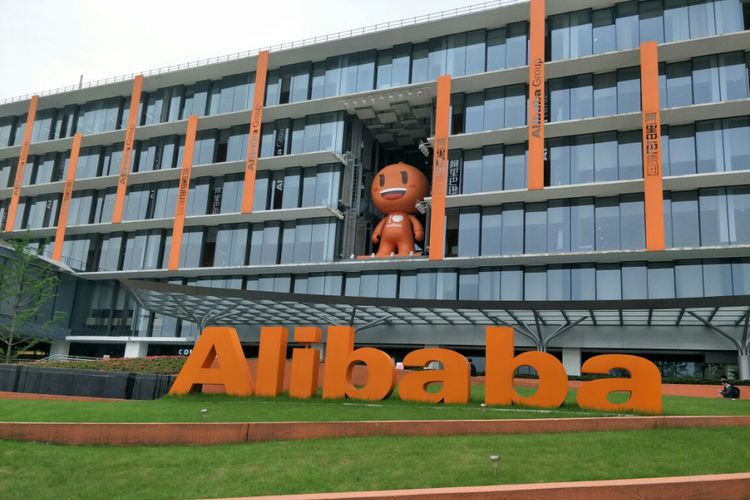
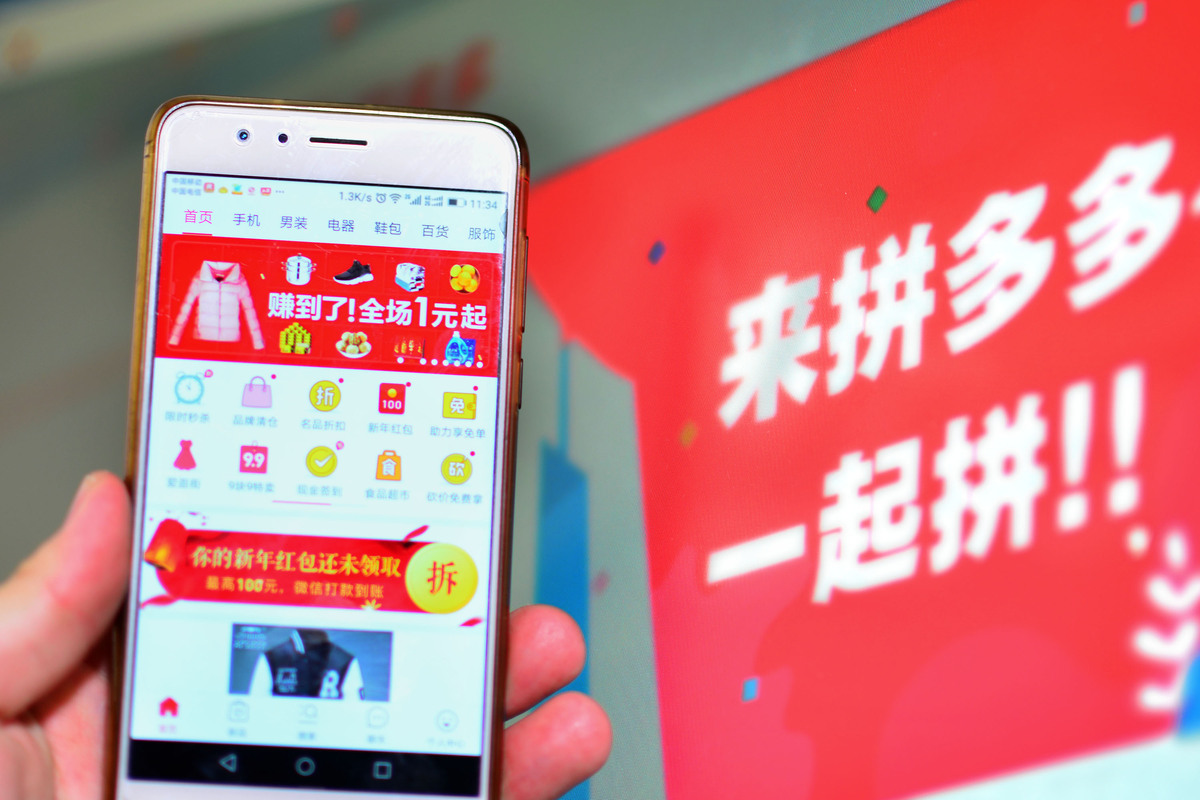
  • Alibaba Unveils New Strategy To Revitalize Marketplace, Empower Small Businesses Amid Rising Competition

    Alibaba Unveils New Strategy To Revitalize Marketplace, Empower Small Businesses Amid Rising Competition

    In a significant turn of events for the retail landscape in Asia, leading e-commerce platform Alibaba has unveiled its new strategy aimed at revitalizing its marketplace. The move comes in response to growing competition and shifting consumer preferences, as numerous retailers across the region scramble to adapt to an era dominated by online shopping. Alibaba’s latest initiative highlights its commitment to support small businesses, which are crucial for the local economy. Through a series of tailored programs and enhanced digital tools, the company aims to empower these enterprises to thrive in a digital-first world.

    Empowering Small Businesses to Compete

    Alibaba’s strategy includes rolling out resources that allow small retailers to leverage advanced analytics and machine learning for more personalized customer engagement. This approach not only improves the shopping experience but also helps these businesses understand their customer base better. “We want to be the ally of small businesses,” said an Alibaba spokesperson. This sentiment reflects a broader trend in retail, where big players recognize the importance of nurturing the ecosystem of smaller vendors that have long been the backbone of the marketplace.

    Innovations on the Horizon

    To further this vision, Alibaba plans to enhance its logistics capabilities and optimize its supply chain management systems. By simplifying the complexities of inventory management and order fulfillment, the platform hopes to create a more efficient environment for retailers. It’s almost as if Alibaba is saying, “Don’t worry about the boxes, just focus on the joy of your customers!” Such innovations are critical as consumer expectations continue to rise, particularly around delivery speed and service quality.

    The Evolving Competitive Landscape

    Despite its ambitious plans, Alibaba faces stiff competition from rivals like JD.com and Pinduoduo, both of which are also ramping up efforts to capture the ever-evolving consumer base in Asia. Pinduoduo, known for its social commerce model, has been rapidly gaining traction, forcing established players to rethink their strategies. The market is no longer defined solely by product offerings; it’s increasingly about community engagement and consumer experience.

    Looking Forward

    As Alibaba embarks on this transformative journey, the stakes couldn’t be higher. Retailers must brace for a future that is both exciting and challenging, driven by rapid technological advancements and changing shopping behaviors. For Alibaba, the focus on small businesses signals not just an operational shift but a deep-rooted acknowledgment of their role in the economy — a move that could redefine the future of retail in Asia.

    Questions & Answers

    What is Alibaba’s new strategic initiative focused on?
    Alibaba’s new strategy is centered around empowering small businesses by providing them with enhanced digital tools and resources to compete in today’s e-commerce environment.

    How does Alibaba plan to improve the logistics for retailers?
    The company aims to enhance its logistics capabilities and streamline inventory management and order fulfillment processes, making it easier for retailers to operate effectively.

    Who are Alibaba’s main competitors in the Asian retail market?
    Alibaba faces competition from major players like JD.com and Pinduoduo, both of which are increasingly focusing on innovative strategies to engage consumers and drive sales.

  • Pinduoduo Surpasses Revenue Expectations But Faces Profit Decline Amid Aggressive Market Competition

    Pinduoduo Surpasses Revenue Expectations But Faces Profit Decline Amid Aggressive Market Competition

    Pinduoduo (PDD Holdings), a prominent e-commerce firm operating economical platforms in China and internationally, surpassed quarterly revenue expectations. However, its net income plummeted as a result of investments made to compete in an increasingly aggressive market.

    Share Performance and Economic Climate

    Shares of PDD Holdings, listed in the US, rose by 1%, with an 11% surge in premarket trading. This was spurred by the company executives’ remarks about escalated investments leading to fluctuations in its short-term financial performance. Concurrently, the Chinese government is implementing strategies to stimulate domestic consumer spending, aiming to rejuvenate a sluggish economy grappling with multiple challenges. These include a languid property sector and ongoing international trade issues resulting from US policies.

    In an effort to invigorate demand, e-commerce giants such as Pinduoduo, JD.com, and Alibaba have turned to deep discounts and promotional offers, inadvertently triggering a price war. Alongside the obligation to maintain low prices in China, PDD’s profit margins have recently suffered due to a multibillion-dollar investment in merchant support programs and elevated costs related to international shipping driven by US tariffs.

    Increased Spending and Intensified Competition

    PDD’s second-quarter earnings revealed an upsurge in spending on various fronts, from server costs to sales and marketing expenditures. This is part of the firm’s strategy to enhance its ecosystem for both merchants and consumers. Jiazhen Zhao, co-CEO of PDD, noted that the recent spike in industry competition has decelerated their revenue growth and substantially reduced operating profit.

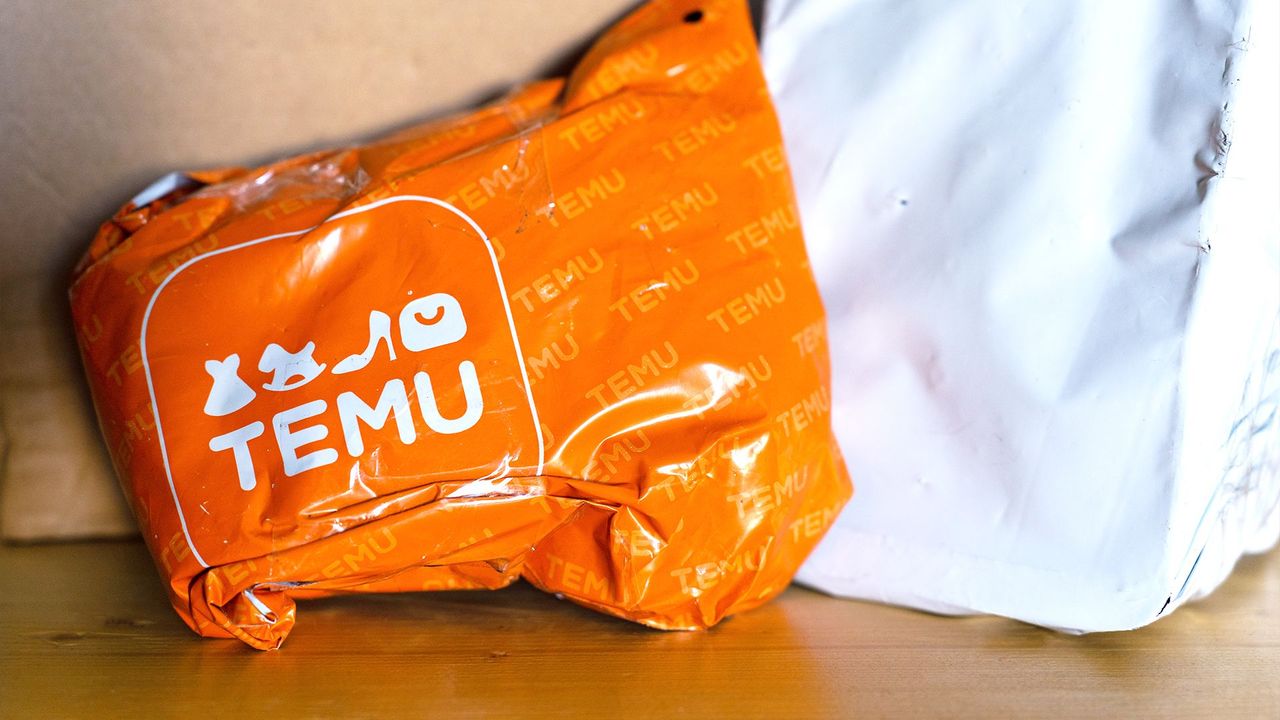
    The company expects profit levels from this quarter to be unsustainable, anticipating irregularities in future quarters’ profits. To ameliorate these pressures, PDD’s international platform, Temu, has been promoting products situated in US warehouses and is striving to engage more local sellers. However, it continues to face stiff competition from Amazon, which leverages its extensive scale to secure advantageous pricing from suppliers.

    Changing Business Model and Consumer Perception

    In response to these challenges, Temu is transitioning to a “fully-managed” model, allowing it to exercise greater control over product selection, pricing, and logistics. The platform aims to utilize its substantial supply-chain network to maintain competitive prices. However, a recent survey by an online marketing firm revealed that 30% of American shoppers have noticed price increases on Temu.

    Despite these obstacles, PDD’s revenue experienced a 7% increase, reaching 103.98 billion yuan ($14.53 billion) for the quarter ending in June, surpassing analysts’ predictions. Meanwhile, its operating profit dropped by 21%. Adjusted earnings per American depository share stood at 22.07 yuan, exceeding the projected 15.74 yuan.

    Questions & Answers

    How did PDD’s shares perform recently?
    PDD’s US-listed shares witnessed a 1% increase, driven by an 11% surge in premarket trading triggered by company executives’ comments on future investments.

    What impacts did increased spending have on PDD’s second-quarter earnings?
    PDD’s second-quarter earnings showcased a rise in expenditures across various areas, leading to a slowdown in revenue growth and a significant reduction in operating profit.

    How is PDD’s international platform, Temu, responding to market pressures?
    Temu is transitioning to a “fully-managed” model to exert more control over product selection, pricing, and logistics. The platform aims to use its large supply-chain network to keep prices low, despite facing competition from global e-commerce giant Amazon.

  • Temu Partners with Austrian Post to Strengthen Local Delivery Strategy in Europe

    Temu Partners with Austrian Post to Strengthen Local Delivery Strategy in Europe

    Temu Aims for Seamless Deliveries in Europe Amid Regulatory Challenges

    In a notable response to mounting scrutiny from European regulators, Temu has entered into a strategic partnership with Austrian Post, enhancing its delivery operations across the continent. This initiative is designed to cultivate a “local-to-local” customer experience, which industry analysts suggest is a crucial step for the Chinese e-commerce platform as it seeks to bolster its reputation amid EU sanctions targeting the sale of illicit goods.

    This collaboration signifies more than just an operational upgrade; it reflects Temu’s commitment to adapt to the rigorous standards imposed by European markets. By streamlining logistics and ensuring timely deliveries, Temu aims to reassure customers that while it may have emerged from the bustling e-commerce scene of China, it can seamlessly integrate into local European shopping habits.

    Experts see this as a pivotal moment for Temu. The platform is navigating a complex landscape where transparency and compliance are increasingly becoming the price of entry into markets plagued by concerns over product safety and authenticity. As it faces EU sanctions, Temu’s alliance with Austrian Post could serve as a powerful antidote to its current image troubles, demonstrating a dedication to responsible business practices.

    In a twist that might surprise many, it’s not just about getting products from factory floors to front doors; it’s also about transforming perceptions. Temu’s proactive approach could turn regulatory challenges into a competitive edge, showcasing how innovation in logistics can serve as a bridge between East and West.

    As Temu implements these changes, the retail landscape in Europe is evolving, with major implications for consumer trust and brand loyalty. It will be fascinating to observe how this initiative impacts Temu’s standing in a fiercely competitive market, especially as it strives to move beyond the shadow of its controversies.

    Questions & Answers

    How does Temu plan to improve its image in Europe?
    Temu is enhancing its delivery services by partnering with Austrian Post to create a “local-to-local” customer experience, aiming to build trust and comply with EU regulations.

    What regulatory challenges is Temu currently facing?
    The platform is under EU scrutiny for selling illegal goods, which has prompted a reevaluation of its business practices in the region.

    What broader implications does Temu’s partnership with Austrian Post have for the retail sector?
    This partnership highlights the importance of logistics and compliance in enhancing brand reputation, potentially reshaping consumer expectations in the e-commerce space.

  • JD.com Reports Sharp Q2 Profit Drop as China’s Food Delivery War Intensifies

    JD.com Reports Sharp Q2 Profit Drop as China’s Food Delivery War Intensifies

    JD.com reported a staggering 51% decline in net profit during the April-June quarter, totaling 6.2 billion yuan ($864 million). This sharp drop can be attributed to significant subsidies directed toward its food delivery service as the company grapples with fierce competition from Meituan and Alibaba in the rapidly evolving market.

    Continued Subsidy Wars in China

    In a landscape where hefty discounts and incentives have become the bread and butter of attracting users, JD.com’s commitment to subsidizing its food delivery operations shows no signs of waning. As the price wars intensify, JD.com is betting big on capturing market share, even as the financial toll becomes evident.

    Financial Strain Amid Competitive Pressure

    The current state of play in the food delivery sector indicates that the battle lines are drawn and heavily fortified, with JD.com facing off against formidable rivals. Analysts are closely watching how these subsidy investments will impact the company’s long-term viability and overall profitability. It seems that in this culinary conquest, JD.com might be cooking its own financial goose.

    Looking Ahead: What’s Next for JD.com?

    As the third quarter approaches, all eyes will be on JD.com to see if it maintains its aggressive subsidy strategy or recalibrates in response to the intense market pressures. Investors and consumers alike are wondering how this will shape the future of food delivery in China, a sector that is as unpredictable as an unpopped popcorn kernel at the bottom of a bag.

    Questions & Answers

    What caused JD.com’s drastic drop in profits this quarter?
    JD.com’s net profit fell 51% due to substantial subsidies it invested in its food delivery service, as it competes against Meituan and Alibaba.

    How is the food delivery market in China currently performing?
    The market is characterized by aggressive price wars, with JD.com, Meituan, and Alibaba vying for dominance through significant discount offers and incentives to attract users.

    What might be JD.com’s strategy moving into the third quarter?
    Observers expect JD.com to either continue its subsidy-driven approach to gain market share or possibly adjust its strategy in response to the financial impact of these investments.

  • Sea Ltd Surges Past Market Projections: Shopee Demand And Gaming Division Fuel Growth

    Sea Ltd Surges Past Market Projections: Shopee Demand And Gaming Division Fuel Growth

    Sea Ltd, a formidable player in the digital commerce and gaming industries, exceeded market projections for quarterly revenue. The considerable surge was fueled by high demand for its Shopee e-commerce platform and its gaming division, leading to a near 19 percent increase in the company’s US-listed shares during initial trading hours.

    Phenomenal Growth for Shopee

    Shopee, a favorite among online shoppers in Southeast Asia and Taiwan, has been experiencing a significant increase in consumer demand. This is largely attributed to the company’s commitment to providing competitive prices and enhancing the overall customer experience. The company has focused its efforts to boost user recruitment, traffic, and engagement on the Shopee app, employing innovative strategies such as incorporating social aspects like live-streaming features and mini-games that offer redeemable coins and prizes.

    The revenue from Sea’s e-commerce division, which became profitable last year, saw an impressive 33.7 percent increase, amounting to US$3.8 billion for the second quarter. The gross merchandise value, which reflects the total value of products sold on the platform, increased by 28 percent, reaching $29.8 billion. The company’s executives expressed optimism over Shopee’s annual GMV growth, stating it would surpass the company’s initial forecast of a 20 percent increase.

    Strong Performance across Divisions

    Sea’s CEO, Forrest Li, expressed satisfaction with the company’s performance, stating, “All three of our businesses have delivered robust, healthy growth, giving us greater confidence of delivering another great year.”

    The company’s digital entertainment segment, which includes the popular mobile shooter game “Free Fire” developed and published by Garena, saw a 28.4 percent increase in revenue, reaching $559.1 million. Garena reported a 17.8 percent increase in its paying user base and a 23 percent rise in bookings for the second quarter.

    The company’s third division, the digital financial products arm which includes the Monee app offering services like payment processing and credit products, reported a significant 70 percent rise in revenue, totaling $882.8 million.

    Exceeding Expectations

    Based in Singapore, Sea Ltd recorded a 38.2 percent increase in its overall second-quarter revenue, reaching $5.26 billion, surpassing estimates of $4.98 billion.

    Questions & Answers

    What contributed to the improved performance of Shopee?
    The company’s concerted efforts to offer competitive pricing and improve the customer experience played a significant role in this. Introducing social elements like live-streaming and mini-games also helped enhance user engagement.

    What is the significance of the gross merchandise value?
    The gross merchandise value is a measure of the total value of products sold on the platform. It is an essential metric for e-commerce platforms as it reflects the volume of transactions.

    Which of Sea Ltd’s business segments showed the most significant growth?
    While all segments witnessed considerable growth, the digital financial products arm recorded the most significant rise in revenue at 70 percent.

  • Ninja Van Streamlines Operations with 12% Workforce Reduction in Singapore

    Ninja Van Streamlines Operations with 12% Workforce Reduction in Singapore

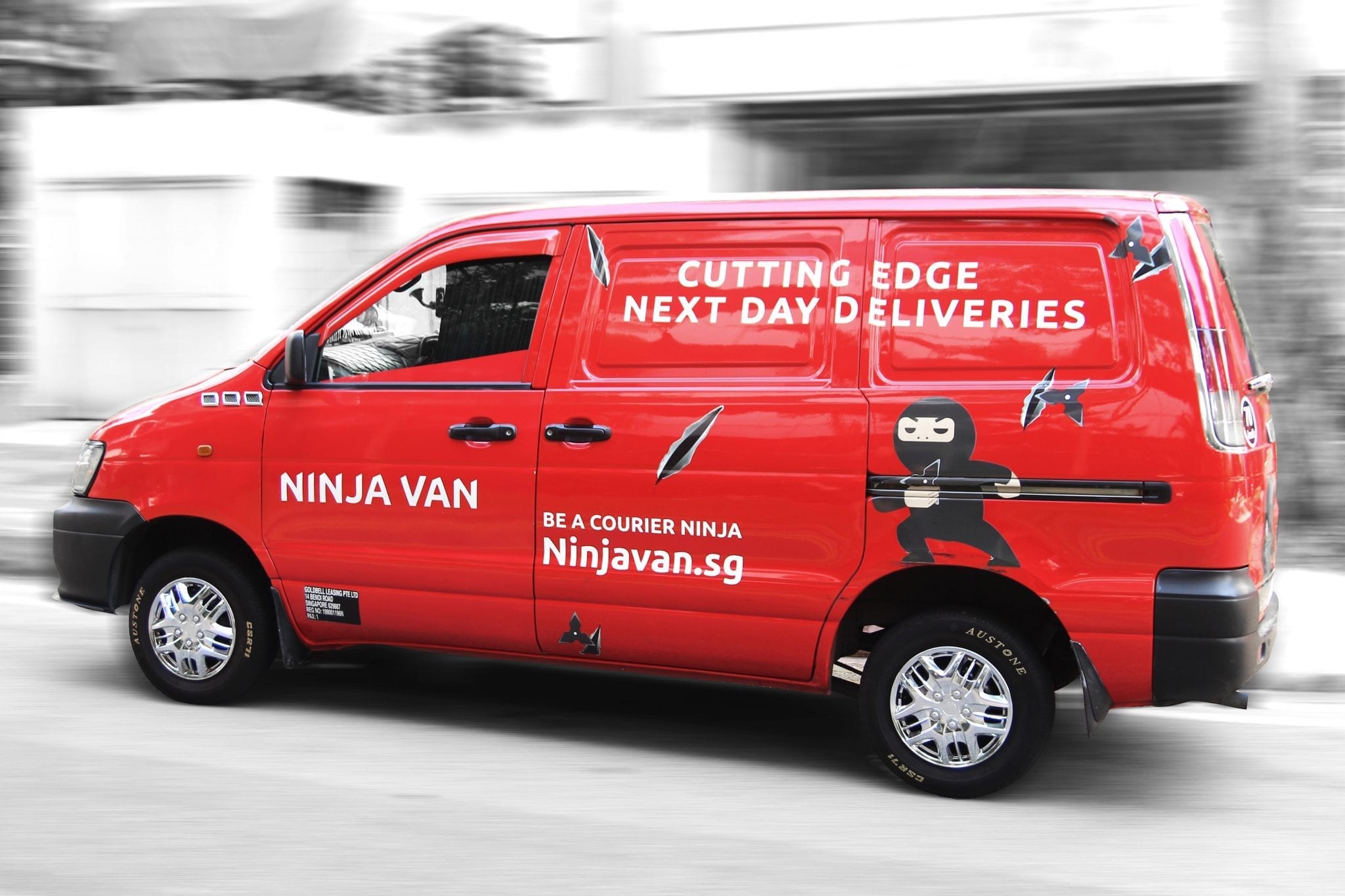
    Ninja Van is making headlines this week with a significant restructuring aimed at sharpening its focus on business growth. A company spokesperson announced on Tuesday that recent layoffs form part of a broader strategy to enhance its business model, emphasizing the difficult nature of these decisions, as reported by The Straits Times.

    Streamlining for Growth: Ninja Van’s Strategic Realignment

    “By streamlining our headquarter functions, we are also aligning resources to support our critical growth areas of tech-enabled business-to-business restock and cold chain, while ensuring seamless operations across all services,” the spokesperson stated, underlining a commitment to fortify the company’s core offerings.

    While the exact size of Ninja Van’s workforce in Singapore remains undisclosed, the company is actively seeking to fill more than ten positions based in the Lion City, ranging from operations roles to service delivery. This mixed message might leave some guessing: are they in hot water or just reshuffling the deck?

    Last year, Ninja Van implemented some painful cuts, slashing 10% of its tech team in April, followed by a 5% reduction in its Singapore workforce by July, when it employed approximately 450 people at its corporate headquarters in the country.

    To support those affected by the latest layoffs, Ninja Van is offering a severance package that includes benefits for employees with less than two years of service, as detailed by Channel News Asia. The support doesn’t stop there; the company is extending medical insurance and mental health resources for impacted employees through the end of this year, providing a safety net during this transition. Furthermore, employees will have a full year to exercise vested stock options, a notable extension from the previous 30-day deadline.

    Ninja Van Eyes New Funding Amidst Restructuring

    In a move that underscores its ambition, Ninja Van is reportedly in negotiations to secure US$80 million in a new funding round, which is expected to value the company around $1 billion— a figure that marks a significant drop from its previous valuation. This news, brought to light by Bloomberg, comes as part of the company’s efforts to stabilize and grow following tumultuous times.

    In 2021, Ninja Van had achieved a remarkable feat, raising US$578 million in a Series E funding round featuring high-profile investors such as Alibaba and B Capital, the venture firm co-founded by Meta Platforms’ Eduardo Saverin. This funding not only bolstered its services across Southeast Asia but also propelled Ninja Van into unicorn status with a valuation surpassing $1 billion.

    Today, Ninja Van continues to carve its niche in the logistics sector, with operations spanning Singapore, Malaysia, Indonesia, Vietnam, the Philippines, and Thailand, despite the headwinds it currently faces.

    Questions & Answers

    What prompted Ninja Van to initiate layoffs?
    The layoffs are part of a strategic effort by Ninja Van to realign resources and bolster its business model, particularly focusing on growth areas such as tech-enabled services and cold chain solutions.

    How will affected employees be supported?
    Ninja Van is offering severance packages, extending medical insurance, and providing mental health support for impacted employees until the end of the year, along with an extended deadline for exercising stock options from 30 days to one year.

    What is the company’s current valuation and funding situation?
    Ninja Van is in talks to raise US$80 million, which would value the company at approximately $1 billion, a significant reduction from its previous valuation after securing US$578 million in 2021.

  • Alibaba Closes Hema X: The End of Its Ambitious Costco-Style Membership Retail Venture

    Alibaba Closes Hema X: The End of Its Ambitious Costco-Style Membership Retail Venture

    Alibaba Group Holding is set to phase out its remaining Costco-style Hema X store, signaling a pullback from China’s competitive retail market.

    In a significant shift within its retail strategy, Alibaba is closing its premium “Hema X” stores, which operated on a membership basis. According to sources familiar with the decision, the closures were made to streamline operations and improve overall profitability. This move underscores the fierce competition within China’s retail landscape.

    The Hema brand, which has been a key player in Alibaba’s supermarket strategy, has found it increasingly challenging to hold its ground against giants like Walmart’s Sam’s Club and Costco Wholesale. These rivals have captured the attention of Chinese consumers eager for exclusive offerings and bulk buying options.

    This recent development aligns with Alibaba’s broader pivot towards investing in artificial intelligence, a step intended to enhance its competitiveness against peers such as JD.com and PDD Holdings, all while navigating the complexities of China’s economic slowdown.

    The closure of Hema X stores is a notable reversal of the ambitious expansion plans that began around 2020, following Costco’s first mainland store launch in Shanghai in August 2019. Initially, Alibaba had set out to launch 100 Hema X locations within a three-year period, according to reports from Star News.

    Recent reports indicate that the last Hema X store in Shanghai is slated to shut its doors on August 31, following the earlier closures of three stores located in Beijing and Jiangsu province in July. While Hema X is closing, Alibaba is not pulling entirely back from retail; it is set to expand its core Hema chain, which has been redefining the supermarket concept since 2015 by blending fresh produce, dining options, and quick delivery services. The company plans to open around 100 new Hema stores this year, demonstrating its commitment to this original vision amidst the shifting retail tides.

    Questions & Answers

    What prompted Alibaba to close its Hema X stores?
    Alibaba’s decision to close Hema X stores was driven by a need to enhance profitability and confront tough competition from established players like Walmart’s Sam’s Club and Costco, which have effectively captured market interest in China.

    How does Hema X differ from Alibaba’s core Hema brand?
    Hema X operated on a premium membership model, focusing on exclusive products and a high-end shopping experience, while the core Hema brand integrates a supermarket model with fresh produce and a restaurant concept, appealing to a broader customer base.

    What are Alibaba’s future plans for the Hema chain?
    Despite the closures, Alibaba remains committed to its core Hema chain, planning to unveil approximately 100 new stores this year as it seeks to adapt and thrive in a challenging retail environment.

  • Chinese E-commerce Giants Disrupt South Africa’s Retail Sector, Claiming 3.6% Market Share

    Chinese E-commerce Giants Disrupt South Africa’s Retail Sector, Claiming 3.6% Market Share

    The South African retail market has witnessed significant disruption with the entry of Chinese e-commerce firms, Shein and Temu. Together, they constitute 3.6% of the nation’s retail sector, specifically the clothing, textile, footwear, and leather (CTFL) market. This translated to 7.3 billion rand (US$405 million) in sales in 2024.

    Disrupting the Retail Landscape

    Shein made its debut in the South African market in 2020, with Temu following in 2024. Both companies have effectively shaken up the local retail scene with competitive pricing, strategic marketing, and tax loopholes that initially provided them with an advantage over domestic retailers.

    The allure of these platforms for cost-conscious shoppers has had significant effects on local retailers. In response, these retailers appealed to regulatory bodies last year to address the tax loophole, which was subsequently closed.

    Impact on Market Shares

    The Localisation Support Fund (LSF) report indicates that the market share of domestic CTFL retailers has gradually dwindled from 75.3% in 2011 to 74% in 2024. In comparison, international physical store brands such as H&M, Zara, and Cotton On hold a combined market share of 3.4%.

    Shein and Temu together now hold a 3.6% share of the CTFL market, and a commanding 37.1% of South Africa’s e-commerce CTFL market. In particular, Shein has cornered 28% of the online women’s CTFL sales.

    Sean Mercer, a principal consultant at consulting firm BMA, observed that international retailers had spent 13 years building their market share. In contrast, Shein and Temu have managed to equal and even surpass this in a mere five years.

    Questions & Answers

    What market share do Shein and Temu hold in South Africa’s retail sector?
    Shein and Temu together hold a 3.6% share in South Africa’s retail sector, specifically in the clothing, textile, footwear, and leather market.

    What strategy did Shein and Temu use to disrupt the South African retail market?
    Shein and Temu disrupted the South African retail market with competitive pricing, strategic marketing, and by leveraging tax loopholes that initially provided them with an advantage over domestic retailers.

    How has the entry of Shein and Temu affected local retailers?
    The entry of Shein and Temu has significantly impacted local retailers, leading to a decline in their market share. The cost-effective offerings of these e-commerce platforms have drawn cost-conscious shoppers, affecting the sales of local retailers.

  • Shopify Projects Robust Quarterly Revenue Amidst Resilient Merchant Base And Steady Consumer Demand

    Shopify Projects Robust Quarterly Revenue Amidst Resilient Merchant Base And Steady Consumer Demand

    Shopify, the renowned Canadian e-commerce platform, has projected a positive outlook for its quarterly revenue. This forecast comes amidst no apparent reduction in consumer demand and the impressive resilience of merchants on the platform despite prevailing tariff pressures. This uplifting news resulted in a significant 20% increase in the company’s share values.

    Throughout early August, Shopify’s merchant base demonstrated remarkable fortitude, maintaining the steady growth observed in the April-June period. This resilience contributed to a 31% boost in the second quarter’s revenue.

    These results help to alleviate some of the anxieties investors have due to the fluctuating trade policies of the current US administration. These policies have left many retailers uncertain about several aspects of their business, including demand, production, sourcing, and operating costs.

    Addressing these concerns, Jeff Hoffmeister, Shopify’s CFO, reassured investors during a post-earnings call. He affirmed that demand from the US, both inbound and outbound, has remained steady. Furthermore, he noted that the platform had experienced growth across all merchant segments during the second quarter.

    Hoffmeister also highlighted the strong performance of sellers with an annual gross merchandise volume (GMV) exceeding US$50 million and those below the $2 million mark. In terms of pricing strategy, Shopify reported that many merchants have increased their prices, although no specific details regarding the extent of these hikes were provided.

    Despite the ongoing disruptive tariff situation, Shopify’s resilience and adaptation seems to be the current narrative. As noted by Third Bridge analyst Charlie Miner, greater clarity is emerging regarding consumer reactions, and Shopify is unlikely to be adversely affected.

    Shopify’s projections for the third quarter anticipate a revenue increase in the mid to high twenties percentage range. This estimate exceeds analyst predictions of a 21.54% rise, as compiled by LSEG.

    Additionally, Shopify’s ongoing investments in artificial intelligence-powered features are proving advantageous. These features aid retailers in various tasks, such as developing store websites, generating images, and collating sales data.

    Questions & Answers

    What is the projected revenue increase for Shopify in the third quarter?
    Shopify projects a mid to high twenties percentage increase in revenue for the third quarter.

    How are Shopify’s merchants responding to the ongoing tariff situation?
    Despite tariff pressures, merchants on Shopify’s platform have shown resilience, with many even increasing their prices.

    What investments has Shopify made to support retailers?
    Shopify has invested in artificial intelligence-powered features that assist retailers with tasks such as creating store websites, producing images, and gathering sales data.

  • IKEA Unveils Official Flagship Store on JD.com: Shop the Latest Designs Online!

    IKEA Unveils Official Flagship Store on JD.com: Shop the Latest Designs Online!

    IKEA has marked a significant milestone by launching its flagship store on JD.com, opening the floodgates to its extensive collection of home furnishings for millions of online shoppers across China. This vibrant new outlet boasts an impressive 6,500 products spanning 168 categories, including the much-anticipated debut of the BÄSTBOLL gaming chair and MÅLOMRÅDE gaming desk. As consumer interest surges, IKEA is set to continually expand its offerings, ensuring that even the most niche home décor enthusiasts find what they’re looking for.

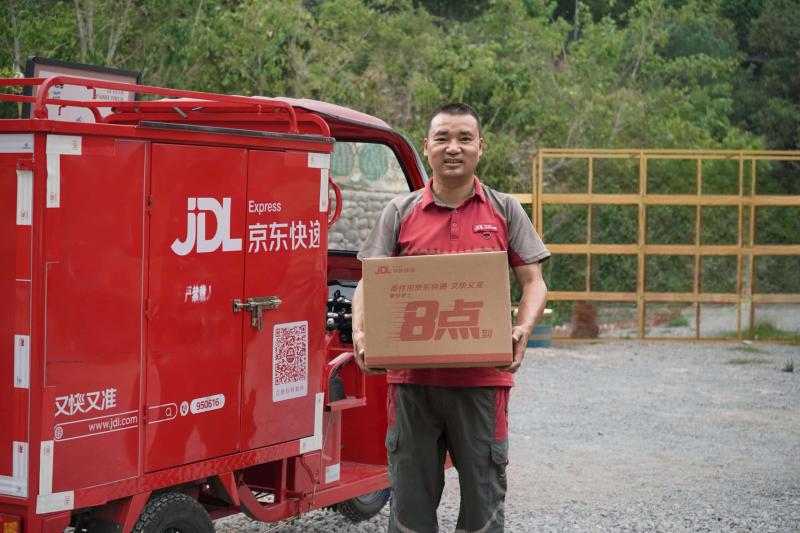
    This exciting partnership melds IKEA’s renowned design expertise with JD.com’s robust logistics and digital infrastructure. By leveraging JD Logistics, IKEA can fulfill orders swiftly, reaching even the most remote areas without physical stores. Remarkably, JD.com boasts a track record of delivering 95% of orders within a mere 24 hours, a feat that promises to delight time-strapped shoppers.

    Tech Meets Home Decor

    That’s not all—JD’s innovative “Mini Liying” Naked-Eye 3D Solution will take the shopping experience up a notch, allowing customers to explore 3D models of select IKEA products directly on their smartphones. Gone are the days when you had to squint at photos; now you can examine every angle and detail—who knew online shopping could come with such a techy twist?

    The launch is a key component of IKEA’s broader omnichannel strategy in China, a deliberate move to cater to the increasing demand for diverse and convenient home shopping experiences from younger consumers. JD.com is not merely a platform; it’s transforming into a haven for global home brands. With IKEA joining esteemed names like MUJI, Natuzzi Italia, HAY, Georg Jensen, and LE CREUSET, the array of choices continues to grow.

    In the first half of 2025, participation from international brands on JD Home skyrocketed by over 130% year-on-year, underscoring JD.com’s commitment to enhancing its supply chain and service offerings in China. The collaboration with IKEA is just the latest chapter in this expansive narrative, promising to redefine home shopping across the Asia-Pacific region.

    Questions & Answers

    What products does the new IKEA flagship store on JD.com offer?
    The store offers 6,500 products across 168 categories, including exclusive items like the BÄSTBOLL gaming chair and MÅLOMRÅDE gaming desk.

    How does JD Logistics enhance the shopping experience for IKEA customers?
    JD Logistics enables swift order fulfillment, with 95% of orders delivered within 24 hours, even in areas without physical IKEA locations.

    What innovative technology is featured in the shopping experience?
    The store employs JD’s “Mini Liying” Naked-Eye 3D Solution, allowing customers to visualize 3D models of select IKEA products on their smartphones without the need for additional devices.

  • Italy Penalizes Shein $1.15M for Deceptive Eco-Friendly Claims: A Retail Wake-Up Call!

    Italy Penalizes Shein $1.15M for Deceptive Eco-Friendly Claims: A Retail Wake-Up Call!

    In a decisive move underscoring the growing scrutiny on corporate sustainability claims, Italy’s Competition Authority has levied a hefty fine of $1.15 million (€1 million) against Infinite Styles Services Co. Ltd, the company behind Shein’s European websites. This penalty stems from the publication of misleading environmental claims related to the fast-fashion giant’s clothing lines, sending ripples through the already tumultuous waters of ethical retail practices.

    Misleading Environmental Messaging

    The regulator’s investigation revealed that Shein relied on vague, generic, and often exaggerated assertions about its sustainability efforts on various digital platforms, particularly in sections like #SHEINTHEKNOW, evoluSHEIN, and Social Responsibility. These claims raised eyebrows, suggesting a level of environmental commitment that appeared more like window dressing than a genuine effort.

    Confusing Claims About Sustainability

    Focusing on the #SHEINTHEKNOW section, the authority criticized Shein for promoting the idea of a “circular system” and the recyclability of its products, labeling these statements as either misleading or outright confusing. Furthermore, the evoluSHEIN by Design line, advertised as utilizing “green” fibers, fell short of providing substantive information about tangible environmental benefits, all while failing to clarify that this line constitutes only a fraction of Shein’s vast product range.

    Vagueness About Emission Goals

    Among the contested claims was Shein’s assertion of cutting emissions by 25% by 2030, coupled with a goal of achieving net-zero emissions by 2050. The authority found these statements lacking in specificity and unsupported by factual evidence. Alarmingly, it noted an uptick in Shein’s emissions in 2023 and 2024. The watchdog highlighted the brand’s significant responsibility as a player in the highly pollutive fast fashion industry, suggesting that the façade of environmental stewardship does not align with actual practices.

    As consumers become more discerning and demand transparency from brands, Shein’s recent missteps serve as a cautionary tale within the retail sector, reminding companies that authenticity, rather than glossy claims, is the best policy—after all, consumers might not be quick to forgive when the trust is breached.

    Questions & Answers

    Why did Italy’s Competition Authority fine Shein?
    The fine was imposed because Shein was found to be using misleading environmental claims to promote its clothing, including vague assertions about sustainability and inaccurate statements regarding recycling and carbon emissions.

    What was misleading about the claims made by Shein?
    Shein’s claims included the promotion of a “circular system” and the recyclability of its products, which were found to be either confusing or false. Additionally, their marketing of “green” fibers in certain lines lacked clarity on actual environmental benefits.

    What has been the impact on Shein’s emissions trajectory?
    Contrary to its assertions of reducing emissions, Shein’s actual emissions have increased in 2023 and 2024, which has raised concerns about the validity of their sustainability commitments.

  • Alibaba Unveils Bold Strategy For E-commerce Evolution: Community Engagement And Personalized Shopping

    Alibaba Unveils Bold Strategy For E-commerce Evolution: Community Engagement And Personalized Shopping

    As the global retail landscape shifts, Asian e-commerce giant Alibaba has unveiled its ambitious plans for expansion, promising a new era of digital shopping that could reshape consumer habits and retail dynamics across the continent. During a recent press conference, Alibaba’s management outlined an innovative strategy that emphasizes not just sales, but also community engagement and personalized shopping experiences.

    At the heart of Alibaba’s strategy is a commitment to transforming its marketplaces into vibrant ecosystems that transcend mere transactions. The company aims to foster a sense of community among its users, encouraging interaction through various platforms. By introducing features that allow customers to share reviews and recommendations in real-time, Alibaba is tapping into the growing desire for social shopping. In fact, as shoppers increasingly turn to digital platforms, the integration of social elements has become crucial — like mixing a family recipe with an unexpected splash of hot sauce, it adds a surprising kick to the shopping experience.

    A Focus on Hyper-Personalization

    Alongside community initiatives, Alibaba is advancing its use of artificial intelligence to elevate personalization in customer interactions. By analyzing purchase history and preferences, the platform can offer tailored recommendations and experiences to shoppers. This move aligns with global trends where consumers expect a shopping experience that speaks directly to their desires and needs. Essentially, it’s not just about finding the right product anymore; it’s about creating a shopping journey that feels exclusively crafted for each individual.

    To expand its reach further, Alibaba is forging strategic partnerships with local brands throughout Asia. This approach not only enriches its product offerings but also allows smaller brands to leverage Alibaba’s robust logistics network and vast consumer base. In a market where collaboration often leads to innovation, these partnerships could unlock new opportunities for both established retailers and emerging players alike.

    Plans for Global Engagement

    While Alibaba’s roots are firmly planted in Asia, the company hasn’t overlooked international markets. By showcasing Asian brands to global consumers, Alibaba aims to position itself as a bridge between local creativity and worldwide audiences. This dual focus on enhancing local presence while reaching out to global consumers reflects a careful balancing act that could define the future of international e-commerce.

    However, as ambitious as these plans may be, Alibaba faces challenges from growing competition within Asia and beyond. Rivals are quickly adapting to the changing landscape, matching innovations with their own strategies. The stakes are high, and success is contingent on Alibaba’s ability to stay ahead of trends while maintaining customer trust.

    Questions & Answers

    What is Alibaba’s primary focus with its new e-commerce strategy?
    Alibaba aims to create vibrant ecosystems on its marketplaces that enhance community engagement and provide personalized shopping experiences.

    How does Alibaba plan to use artificial intelligence in its services?
    The company intends to leverage AI to analyze shopper preferences so it can offer tailored recommendations, transforming how customers interact with the platform.

    What role do partnerships play in Alibaba’s expansion plans?
    Strategic partnerships with local brands are essential for Alibaba, as they enhance product offerings and allow smaller brands to benefit from the company’s logistics network and consumer base.

  • Alibaba’s New Retail Strategy: Transforming Asia’s Retail Landscape With Seamless Online Offline Shopping

    Alibaba’s New Retail Strategy: Transforming Asia’s Retail Landscape With Seamless Online Offline Shopping

    In an ambitious move that could reshape the retail landscape in Asia, Alibaba Group has unveiled its latest venture: a multi-format retail experience designed to blend online and offline shopping seamlessly. This ambitious project embraces the company’s mantra of “retail as a service,” as it looks to transform how consumers interact with brands while navigating an increasingly digital marketplace.

    Redefining Shopping Experiences

    The new initiative, which Alibaba refers to as its “New Retail” strategy, aims to create an omnichannel environment where traditional brick-and-mortar stores and digital platforms operate in perfect harmony. Customers will see a seamless integration of shopping experiences, from smart shelves that provide real-time product availability to interactive displays that offer personalized recommendations based on consumer behavior.

    Alibaba’s President, J. Michael Evans, described the project as a “game changer,” emphasizing the importance of tailored experiences in today’s competitive retail market. By leveraging data analytics and artificial intelligence, Alibaba plans to enable businesses to connect with consumers on a more intimate level, ensuring that every interaction feels customized and relevant.

    Partnerships Fueling Innovation

    Key to this initiative is a series of partnerships with established brands and startups alike. Notably, Alibaba has joined forces with local enterprises to enhance logistics capabilities and improve supply chain transparency. As Evans notes, “Collaboration is at the heart of what we are doing.” With this mindset, Alibaba hopes to attract partners eager to embrace the changing shopping paradigm and innovate alongside one of Asia’s retail giants.

    For tech enthusiasts, the prospect of shopping with augmented reality features is especially enticing. Imagine slipping on AR glasses to browse through a virtual storefront while standing in your living room — it sounds like something out of a science fiction novel but could soon become part of your everyday retail experience.

    Economic Implications

    This innovative push comes at a pivotal moment for retail in Asia, as significant shifts in consumer behavior have emerged during the pandemic. Research indicates that online shopping has skyrocketed, but there’s still a strong desire among consumers for physical interactions. Alibaba’s strategy appears to anticipate this hybrid demand, potentially setting a new standard for how brands engage with their customers in both realms.

    The economic implications of Alibaba’s New Retail approach are profound. By creating an ecosystem that fosters growth for businesses of all sizes, Alibaba not only stands to boost its own bottom line but also invigorate the entire retail sector, leading to renewed job creation and economic activity.

    Final Thoughts

    As Alibaba propels itself further into the retail future, one thing is clear: this isn’t just about selling products — it’s about crafting a consumer-centric environment that enhances the shopping journey. If executed successfully, it could indeed be the start of an exciting new chapter in Asian retail history.

    Questions & Answers

    What is Alibaba’s New Retail strategy?
    Alibaba’s New Retail strategy aims to create an integrated shopping experience that melds online and offline retail, utilizing advanced technologies like AI and data analytics to personalize customer interactions.

    How is Alibaba partnering to enhance its retail initiative?
    Alibaba is forming partnerships with both established brands and innovative startups to strengthen logistics and supply chain transparency, driving collaboration and innovation in the retail space.

    What are the potential economic impacts of this initiative?
    The New Retail initiative could invigorate the retail sector, boost economic activity, and lead to job creation by fostering a growth-oriented ecosystem for businesses of all sizes in Asia.

  • JD.com To Acquire German Retailer Ceconomy In €2.2 Billion Strategic Expansion Move

    JD.com To Acquire German Retailer Ceconomy In €2.2 Billion Strategic Expansion Move

    JD.com, one of China’s leading online retailers, is set to acquire German electronics retailer, Ceconomy. The acquisition deal is worth an estimated 2.2 billion euros (US$2.5 billion). This strategic move signals JD.com’s intentions to expand beyond its domestic market.

    The Details of the Acquisition

    Ceconomy operates under the renowned MediaMarkt and Saturn brands. The acquisition will grant JD.com, a competitor of international giants like Alibaba and Amazon, access to one of Europe’s most extensive online electronic goods platforms, as well as a network of approximately 1000 stores spanning several European nations. The two chains currently employ around 50,000 individuals.

    The deal, announced recently, prices Ceconomy at 4.60 euros per share. CEO Kai-Ulrich Deissner revealed that the deal is expected to be finalized in the first half of the upcoming year.

    According to Deissner, JD.com is the perfect partner at this opportune time. He expressed enthusiasm about the partnership, noting that it would provide them with unrivaled access to cutting-edge technologies, unparalleled retail expertise, and world-leading supply chains.

    Deissner also affirmed that both Ceconomy’s management board and supervisory board would recommend acceptance of the offer to its shareholders. Furthermore, the company’s Duesseldorf headquarters will continue to operate as usual.

    Implications of the Acquisition

    Sandy Xu, CEO of JD.com, has voiced her commitment to working with the team to bolster their capabilities, while also utilizing their advanced technology to expedite Ceconomy’s ongoing transformation.

    Xu added that their objective is to foster Ceconomy’s growth across Europe, thereby creating long-term value for their customers, employees, investors, and local communities.

    The Kellerhals family, Ceconomy’s largest single shareholder, owning just under 30 per cent of the shares, has accepted an offer for 3.81 per cent of its shares. The family intends to retain its investor status, maintaining approximately 25.35 per cent stake.

    Other shareholders, Haniel, Beisheim, BC Equities, and Freenet – who collectively hold about 27.9 per cent of the shares – intend to sell their shares to JD.com.

    Deissner assured that there would be no compulsory redundancies within three years of closing the transaction. He also expressed confidence in avoiding any significant issues from antitrust authorities.

    Impact on Ratings

    Acquiring Ceconomy could potentially fortify JD.com’s presence in Europe significantly. In the wake of the acquisition, JD.com stands to benefit from the more than 1000 stores operating under the MediaMarkt and Saturn brands, not to mention its healthy online presence, which contributes to 24 per cent of sales.

    According to Fitch Ratings, this acquisition could potentially enhance Ceconomy’s credit profile, given JD.com’s strong credit profile. As one of the world’s largest e-commerce platforms, JD.com’s $160 billion revenue from retail, technology, logistics, and healthcare sectors could be a game-changer.

    Questions & Answers

    What is the estimated value of the acquisition deal between JD.com and Ceconomy?
    The acquisition deal is valued at approximately 2.2 billion euros (US$2.5 billion).

    How will the acquisition of Ceconomy benefit JD.com?
    The acquisition will grant JD.com access to one of Europe’s largest online platforms for electronic goods and a network of nearly 1000 stores across several European countries.

    What are the implications of the acquisition deal for Ceconomy’s shareholders?
    The Kellerhals family will sell 3.81 per cent of its shares but intends to remain an investor. Other shareholders, including Haniel, Beisheim, BC Equities, and Freenet, intend to sell their shares to JD.com.