Tag: ecommerce

  • Coolmate, Vietnam’s Digital Fashion Powerhouse, Secures Series C Funding for Global Expansion and Women’s Line Launch

    Coolmate, Vietnam’s Digital Fashion Powerhouse, Secures Series C Funding for Global Expansion and Women’s Line Launch

    Coolmate, a Vietnamese brand known for its digital-first approach in fashion, has successfully completed its latest Series C financing. The specific details of the funding have been kept under wraps, but it is understood that the funds will be used to fuel both global expansion and the brand’s entrance into women’s fashion.

    The fundraising effort was spearheaded by Vertex Growth Fund and saw contributions from Cool Japan Fund, YoungOne CVC, and other pre-existing investors such as Vertex Ventures SEA & India and Kairous Capital.

    Nhu Chi Pham, the CEO and founder of Coolmate, expressed her gratitude for the investment. She asserted, “This financial boost enables us to further endorse our vision, break into new markets, and continue to cultivate a brand that is a true symbol of Vietnamese ingenuity.”

    A Look at Coolmate’s Journey

    Established in 2019, Coolmate has quickly made its mark on the industry, having already fulfilled over 5 million orders across the nation. It operates using a technology-aided local supply chain, allowing for efficient and effective business transactions.

    This latest influx of capital will be strategically funneled into three main areas: Women’s fashion, global market penetration, and the establishment of physical retail outlets.

    Detailed Expansion Plans

    Coolmate launched its “Go Women” initiative in March, introducing a new line of activewear for women. The company has a 2030 target of generating 40% of its total revenue from women’s products.

    The “Go Global” strategy has been initiated with Coolmate’s debut on Amazon US where it has quickly gained a “Best Seller” status and now processes over 25,000 orders monthly. The next phase of this strategy involves expanding throughout Southeast Asia in an effort to reach 30% international revenue by the year 2030.

    Finally, with the “Go Offline” strategy, Coolmate plans to open brick-and-mortar stores, aiming to enhance customer experience, and projecting to obtain 40% of its revenue from offline sales by 2030.

    It’s worth noting that Coolmate secured a $6 million investment in a Series B fundraising round last year, led by Vertex Venture Southeast Asia and India.

    Questions & Answers

    What is Coolmate’s business model?
    Coolmate operates with a digital-first approach in fashion, utilizing a technology-enabled local supply chain to conduct business transactions efficiently.

    What are the future expansion plans of Coolmate?
    Coolmate plans to venture into women’s fashion, expand its brand globally, and establish physical retail outlets to enhance customer experience.

    What are the goals set for 2030 by Coolmate?
    Coolmate aims to achieve 40% of its total revenue from women’s products, 30% international revenue, and 40% of its revenue from offline sales by 2030.


  • Surging Sales Propel Coupang’s Q3 Profits: Detailed Insights into the South Korean E-commerce Giant’s Stellar Performance

    Surging Sales Propel Coupang’s Q3 Profits: Detailed Insights into the South Korean E-commerce Giant’s Stellar Performance

    South Korea’s premier online retailer, Coupang, has witnessed an increase in profits in the third quarter, reflecting a sustained momentum in sales growth.

    Revenue and Profit Analysis

    The firm’s net revenues have experienced an 18% upsurge to reach $9.3 billion for the quarter that ended on September 30, marking a 20% rise when assessed on a constant currency basis. The net income and net income attributable to Coupang shareholders have also witnessed notable growth, with a 48% and 36% increment respectively, to reach $95 million.

    Segment Details

    The product commerce segment of the company’s operations reported a 16% surge in net revenues, amounting to $8 billion. This was matched by a 10% increment in active customers, bringing the total to 24.7 million.

    The developing offerings segment, encompassing international operations and innovative initiatives like Eats, Play, Fintech, and Farfetch, recorded commendable growth with a 32% rise in revenues, equating to $1.3 billion.

    Profit Margins

    The gross profit margins of the company expanded over 50 basis points, touching 29.4%. This was primarily driven by the product commerce segment. Additionally, the adjusted EBITDA margins saw an increase of 10 basis points, reaching 4.5%.

    CEO’s Statement

    Bom Kim, the CEO of Coupang, has expressed optimism and conviction in the consistent performance and growth potential of the Korean market. “Korea remains a remarkably durable growth opportunity with a largely untapped runway ahead,” he stated. He further emphasized the company’s continued strength across all customer segments.

    Kim also noted the firm’s accelerating progress in Taiwan, highlighting impressive year-over-year and quarter-over-quarter revenue growth. The levels of customer adoption in Taiwan, he added, are reminiscent of the early stages of their retail business in Korea, reinforcing the company’s confidence in Taiwan’s long-term potential.

    Questions & Answers

    What was the net revenue reported by Coupang for the third quarter?
    The net revenue reported by Coupang for the third quarter was $9.3 billion.

    How much did the company’s active customer base grow in the product commerce segment?
    In the product commerce segment, Coupang’s active customer base grew by 10%.

    What are the key factors behind the expansion of Coupang’s gross profit margins?
    The expansion of Coupang’s gross profit margins was primarily driven by the product commerce segment.

  • Shein Yanks Controversial Child-like Dolls Off Shelves Following French Regulatory Intervention

    Shein Yanks Controversial Child-like Dolls Off Shelves Following French Regulatory Intervention

    Chinese e-commerce giant Shein recently removed a questionable product line, featuring childlike sex dolls, from its online platform. This action was prompted by the discovery and notification from France’s Directorate-General for Competition, Consumer Affairs, and Fraud Control (DGCCRF). The French authority voiced concerns over the products, which were suggestive of child pornography.

    Initiative from French Consumer Watchdog

    The DGCCRF found, apart from the childlike sex dolls, several other inappropriate items, including adult-looking sex dolls. They promptly reported their findings to the legal authorities. The DGCCRF stated that the product descriptions and the doll’s categorization on the website clearly indicated the pornographic nature of the content.

    The agency further noted that the website did not have any effective filtering measures in place to restrict minors and sensitive audiences from accessing such adult content.

    Shein’s Response

    In response, Shein immediately took action to remove the implicated products from its platform. A spokesperson for the company communicated via email that they had acted promptly upon becoming aware of these significant issues.

    The company stressed its strict policy against content or products violating its internal standards or legal requirements, emphasizing its commitment to a zero-tolerance policy in such matters.

    Physical Expansion in France

    Shein, a fast-fashion enterprise based in China, is planning to establish its first physical store in France. The store is scheduled to open on Wednesday at the Bazar de l’Hôtel de Ville (BVH) in Paris. The company’s aggressive pricing strategy has caused some disquiet among traditional French apparel retailers, who feel that Shein is undermining their business model.

    Additionally, Shein has announced plans to open five more stores within France.

    Questions & Answers

    What was the response of Shein to the discovery of inappropriate products on their platform?
    Shein immediately removed the products upon being notified by the DGCCRF.

    What is Shein’s policy regarding content or products that breach its principles or laws?
    Shein has a strict no-tolerance policy towards any content or products that infringe upon its internal policies or applicable laws.

    What are Shein’s expansion plans in France?
    Shein is planning to open its first physical store in Paris and has plans to open five more stores within France.

  • Amazon’s Q3 Profit Skyrockets, Thanks to Cloud Services and AI-Driven Sales Boost

    Amazon’s Q3 Profit Skyrockets, Thanks to Cloud Services and AI-Driven Sales Boost

    Amazon recently announced robust profit growth for the third quarter, showing sustained double-digit growth due to advancements across the company.

    Strong Sales and Revenue Growth

    The net income for the quarter ending on September 30 experienced a 13% increase, reaching a total of $180.2 billion. Sales in North America grew by 11%, while international sales saw a 14% rise. AWS sales also experienced substantial growth, increasing by 20%.

    According to CEO Andy Jassy, Amazon’s sustained momentum and growth during this quarter can be attributed to the meaningful improvements brought about by AI across all aspects of the business. “AWS is growing at a rate we haven’t seen since 2022. We are witnessing strong demand in AI and core infrastructure, and our focus has been on boosting capacity,” Jassy remarked.

    Key Business Developments

    The most notable achievement for Amazon this quarter was its ability to sustain the high momentum from the last reporting period. This was driven by broad developments across all business areas, which included a 16.3% increase in service revenue and a 9.6% rise in product sales.

    Despite a $2.5 billion legal settlement with the FTC and severance fees related to layoffs, net income increased by 38.2% to $21.2 billion. However, these extra costs resulted in flat operating income growth. Excluding these costs, operating income would have seen a 24.6% rise.

    The 30.2% growth in technology and infrastructure costs signified Amazon’s increased investment in areas like fulfillment and technology, despite its current success. While these investments are critical to foster new growth avenues and maintain competitive sharpness, there is a need for increased efficiency, which is being partially achieved through the elimination of certain roles and corporate hierarchy streamlining.

    Robust Retail Business

    Amazon’s retail business continues to exhibit strong growth, fueled by the ongoing expansion of fast delivery services into more rural areas and the competitive pricing and convenience of household essentials.

    Considering the broader Amazon ecosystem, the increasing sophistication of seller services is helping drive fee revenue and push up advertising sales, while also ensuring one of the widest possible selections for shoppers.

    For the fourth quarter, the company projects net sales to grow between 10% and 13%. Operating income is expected to range from $21.0 billion to $26.0 billion, compared to the $21.2 billion from the previous year.

    As Amazon looks to the future, potential for growth remains. The company is well-positioned to leverage AI more effectively to personalize customer journeys and decision making, and to drive efficiency savings in operations and logistics.

    Questions & Answers

    What led to Amazon’s growth in the third quarter?
    Amazon’s growth in the third quarter was primarily due to improvements across the business, driven by AI and broad advances in all business areas.

    What challenges did Amazon face in its operations this quarter?
    Operational challenges for Amazon this quarter included a $2.5 billion legal settlement with the FTC and severance fees related to layoffs, which affected operating income growth.

    What are Amazon’s plans and expectations for the fourth quarter?
    Amazon expects net sales to grow between 10% and 13% in the fourth quarter, with operating income estimated to be between $21.0 billion and $26.0 billion.

  • Amazon’s Massive Restructure: 30,000 Corporate Jobs on the Chopping Block

    Amazon’s Massive Restructure: 30,000 Corporate Jobs on the Chopping Block

    Amazon is reportedly planning to eliminate around 30,000 jobs in its corporate division, a move that one analyst referred to as a ‘deep cleaning’ of the organization’s workforce. This reduction would affect about 10% of Amazon’s nearly 350,000 corporate employees. Overall, the company has approximately 1.55 million workers, including non-corporate roles.

    Trimming to Improve Efficiency

    Sources indicate that the primary goal of these layoffs is to reduce costs and rectify a situation of overstaffing that occurred during the height of the pandemic. The spokesperson for Amazon declined to comment on this matter. It is anticipated that these cuts could impact a range of divisions, including human resources, operations, devices and services, and Amazon Web Services. It is also suggested that the specific number of layoffs could fluctuate over time, in line with shifts in the company’s financial priorities.

    In terms of scale, this would be Amazon’s most substantial job reduction since late 2022 when it cut roughly 27,000 roles.

    Analyzing Amazon’s Decision

    Neil Saunders, the Managing Director of GlobalData, commented on the situation, characterizing the impending layoffs as a ‘deep cleaning’ of Amazon’s corporate workforce. He suggested this is part of a broader pattern of efficiency initiatives within the company, aimed at refining the focus of its corporate divisions.

    “Although Amazon could never be described as a flabby organization, it has become more complex and layered over time, and there is scope for some simplification,” Saunders said.

    He drew a distinction between Amazon’s situation and that of other companies, such as Target. According to Saunders, Amazon operates from a position of strength, with positive growth and room for further expansion. However, he warned that even a successful company like Amazon is not immune to the pressures of tight markets and rising fundamental costs. To maintain a robust bottom-line performance, Saunders believes it is necessary for the company to take decisive steps.

    He emphasized that these actions are particularly crucial given the high level of investment Amazon is making in areas like logistics and artificial intelligence. Saunders interpreted these layoffs as a move away from human capital towards technological infrastructure.

    In June, Amazon CEO Andy Jassy hinted at a possible reduction in the company’s corporate workforce due to the increased use of AI tools, particularly for automating repetitive and routine tasks.

    Hiring and Firing

    Despite these layoffs, the retail giant recently announced plans to hire 250,000 temporary workers across its fulfillment and transportation networks in the US in preparation for the upcoming holiday season.

    Questions & Answers

    Why is Amazon planning to lay off up to 30,000 corporate employees?
    Amazon is reportedly planning these layoffs to reduce costs and correct a situation of overstaffing that was exacerbated during the pandemic.

    Which divisions could be affected by Amazon’s layoffs?
    The layoffs could impact a variety of divisions, including human resources, operations, devices and services, and Amazon Web Services.

    Is Amazon hiring new employees despite the layoffs?
    Yes, Amazon recently announced plans to hire 250,000 temporary workers across its fulfillment and transportation networks in the US to prepare for the holiday season.

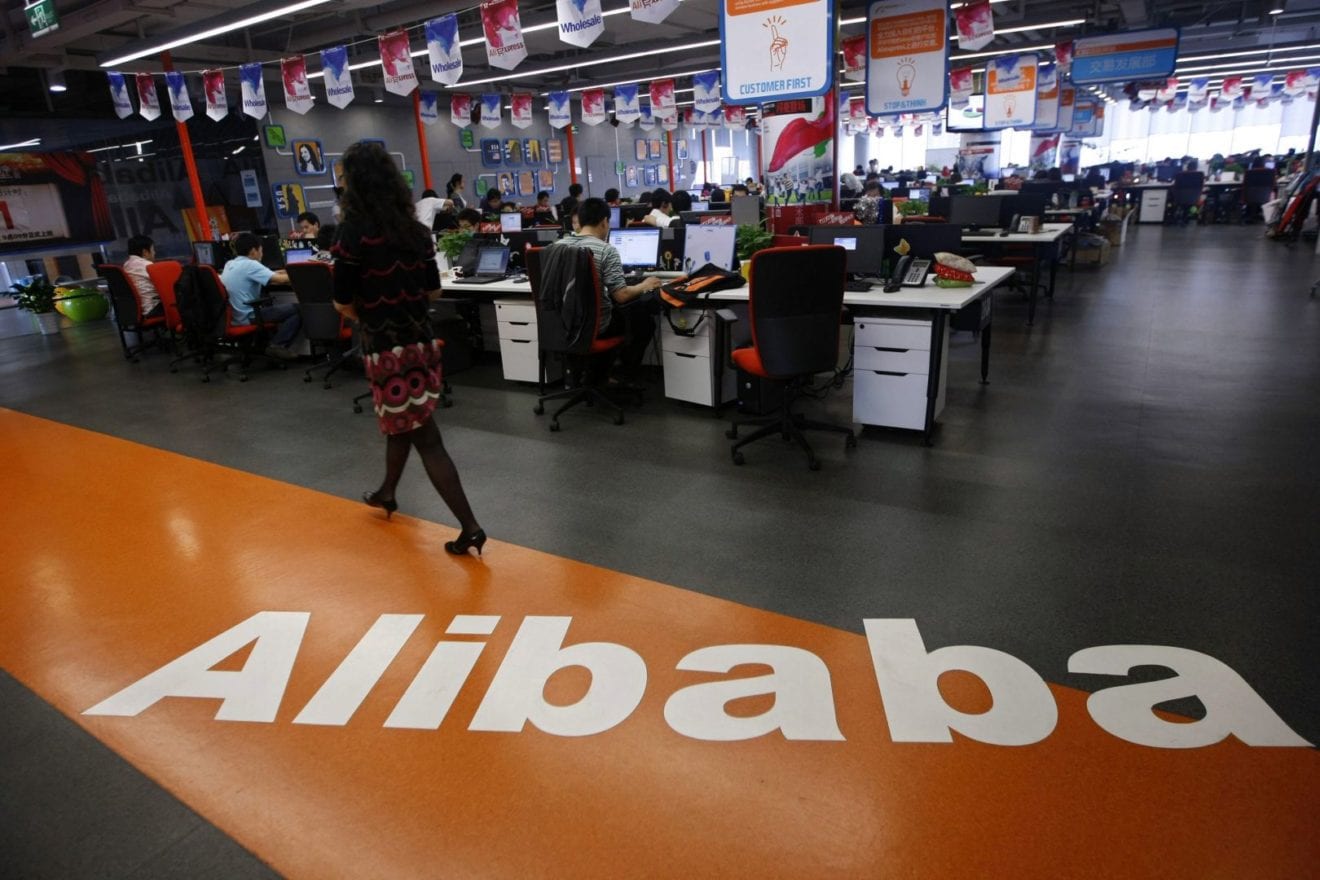
  • Alibaba Unveils Ai Chatbot Assistant And Announces Quark Ai Glasses Pre-sales

    Alibaba Unveils Ai Chatbot Assistant And Announces Quark Ai Glasses Pre-sales

    On Thursday, Alibaba, the Chinese e-commerce giant, unveiled a novel AI chatbot assistant service, amplifying its efforts to solidify its presence in a consumer-centric domain presently dominated by ByteDance and Tencent.

    Integration of AI Chatbot Into Quark App

    Alibaba has integrated this innovative chat assistant into its Quark app, which was originally a browser but was repurposed this year as Alibaba’s principal consumer application. This transformation has led to the integration of enhanced artificial intelligence capabilities, such as advanced search functions.

    The newly introduced service, available free of charge, empowers users to interact with a chatbot interface through text or voice, offering real-time information and services, Alibaba explained in an official statement.

    AI Efforts by Alibaba

    Historically, Alibaba’s AI ventures have been predominantly aimed at corporate clients via its cloud services division. This new endeavour represents yet another attempt by the company to captivate consumers in a market where it has found it challenging to gain a foothold with its Tongyi AI assistant app.

    Despite being one of the pioneering Chinese corporations to introduce a consumer-oriented AI assistant app to the public in late 2023, Tongyi has not achieved widespread acceptance so far. In September, the app had 6.96 million monthly active users, in contrast to the market leader ByteDance’s Doubao, which boasted 150 million active users.

    Global AI Assistants Trend

    On the global front, AI assistants have been increasing in popularity for companies like Google, Microsoft, and OpenAI, which have incorporated them into their respective Gemini, Copilot, and ChatGPT platforms.

    The Quark’s AI chat assistant, driven by Alibaba’s most recent Qwen3 models, provides improved reasoning, comprehension, and task execution capabilities, Alibaba stated.

    Announcement of Quark AI Glasses Pre-sales

    On the same day of the AI chatbot assistant service launch, Alibaba also announced that pre-sales for its Quark AI Glasses would commence at midnight on Friday on its Tmall e-commerce platform. The company also added that it would start delivering orders progressively from December, pricing the glasses at 4699 yuan (US$659.69).

    Alibaba revealed its intelligent glasses in July, thereby joining the ranks of companies like Meta Platforms in the wearable AI devices market.

    Questions & Answers

    What is the latest innovation from Alibaba?
    Alibaba recently launched an AI chatbot assistant service, which has been integrated into its Quark app.

    What is the purpose of Alibaba’s AI chatbot assistant service?
    The service allows users to interact with a chatbot interface via text or voice, providing real-time information and services.

    What product is Alibaba releasing for pre-sales on its Tmall platform?
    Alibaba announced pre-sales for its Quark AI Glasses on its Tmall e-commerce platform.

  • BHV Employees Protest Over Controversial Partnership With Fast-fashion Giant Shein

    BHV Employees Protest Over Controversial Partnership With Fast-fashion Giant Shein

    Employees at the BHV department store in Paris staged a demonstration on Friday to voice their disapproval of the recent decision by the store’s management to collaborate with fast-fashion retailer, Shein. The protest was triggered by the agreement to allocate a permanent spot to Shein on the store’s seventh floor.

    The proprietor of BHV, Société des Grands Magasins (SGM), has been the subject of significant backlash in France in the wake of this partnership’s announcement with Shein. This comes as a reaction to Shein’s business model which involves shipping inexpensive garments directly from Chinese manufacturers to customers in over 160 countries worldwide.

    On the day of the protest, dozens of employees congregated outside the department store at 3:30 pm local time, brandishing labour union flags. Union representatives and local government officials addressed the crowd with speeches.

    Concerns about Job Security and Business Practices

    BHV has encountered fiscal challenges for some time now, leading to delayed payments to brands and subsequent product shortages. These issues have impacted sales and stirred anxiety among employees about job security, as expressed in a statement by the union.

    The employee union also expressed concern about the withdrawal of several French brands from BHV following the announcement of the collaboration with Shein. Florine Biais, a BHV employee and union representative, explained that customers have started turning away due to unavailability of desired products and concern over Shein’s introduction.

    SGM, when questioned about the payment delays, attributed the issue to the transition to new payment systems following its acquisition of BHV in November 2023. They assured that the problem is temporary and would be resolved in a few weeks.

    SGM’s Perspective and Shein’s Ambitions

    SGM has been optimistic about the partnership with Shein, anticipating it to draw in a younger demographic and contribute to BHV’s modernization efforts. They expressed their conviction that the partnership would be beneficial for both the company and its employees.

    Shein’s spokesperson, Quentin Ruffat, echoed these sentiments, arguing that the proposed store would enhance BHV’s footfall and in turn, benefit other retailers.

    Shein, a Chinese company established in 2012, has seen exponential growth, becoming the world’s largest fast-fashion retailer. However, it has also received criticism for its factory working conditions, high carbon emissions, and lack of transparency regarding its management and finances.

    Following fines totalling 191 million euros from French and Italian regulators since July, Shein is now focused on strengthening its internal controls to adhere to regulations more strictly and enhance its consumer reputation.

    Questions & Answers

    Why are BHV employees protesting against the Shein collaboration?
    The employees, backed by their union, are concerned about job security due to poor sales and late payments to brands. They also fear the exit of French brands following the Shein collaboration.

    What is SGM’s response to the protest?
    SGM acknowledged the payment delay issues but attributed them to the transition to a new payment system. They assured that the problem is temporary and that the collaboration with Shein would be advantageous for the company and employees.

    What are some criticisms Shein has faced?
    Shein has been criticized for poor working conditions in its factories, high carbon emissions, and a lack of transparency about its management and finances.

  • Style Theory Shuts Down: High Operational Costs, Investor Departure Mark End Of Fashion Rental Platform

    Style Theory Shuts Down: High Operational Costs, Investor Departure Mark End Of Fashion Rental Platform

    Style Theory, a Singapore-based online clothing rental platform, has recently ceased operations due to increasing operational costs and the departure of its key investors.

    Established in 2016, Style Theory functioned as an online rental platform that operated on a subscription basis. For monthly fees ranging from $89 to $149, it provided its customers with access to designer clothing and fashionable accessories via its proprietary app.

    The company announced on its online platform that it discontinued its subscription service as of September 30. All related services including rental, delivery, membership, support among others, were also discontinued. Customers were alerted that unused points would not be refunded and they could retain any rented items indefinitely.

    The firm will go into liquidation, and those owed money will be classified as creditors. The economic climate, which the company describes as increasingly challenging, along with rising costs and unforeseen circumstances, including the withdrawal of key investors, were cited as the main factors behind this decision.

    Style Theory was supported by notable investors including Alpha JWC Ventures, Quest Ventures, The Paradise Group, and SoftBank Ventures Asia.

    The decision to shut down was not taken lightly, as stated by the founders. The main mission of Style Theory, since its inception, was to make fashion more sustainable, accessible, and circular. The unexpected discontinuation of services is regrettable, and the company sincerely apologizes for any disappointment caused. The founders assured that every possible alternative was considered before reaching this conclusion.

    This closure follows the shut down of the company’s operations in Indonesia in June. The company stated at that time that it wanted to concentrate its resources on strengthening its foundations in Singapore and Hong Kong.

    Questions & Answers

    Why has Style Theory ceased operations?
    Style Theory has ceased operations due to escalating operational costs and the departure of key investors.

    What happens to the customers who have unused points?
    Customers were informed that their unused points would not be refundable. They can, however, keep any items they have currently rented indefinitely.

    What was the primary mission of Style Theory?
    The primary mission of Style Theory was to make fashion more sustainable, accessible, and circular. The company aimed to achieve this through its online rental platform.

  • Shein’s Landmark French Expansion: A Shift In Strategy Or Threat To Local Retailers?

    Shein’s Landmark French Expansion: A Shift In Strategy Or Threat To Local Retailers?

    Online rapid-fashion retailer Shein is set to establish its first ever permanent brick-and-mortar stores in France this November. This significant move has been facilitated through a partnership with department store owner, Société des Grands Magasins (SGM), and has been met with criticism from French retailers.

    Shein’s New Brick-and-Mortar Ventures

    The new Shein outlets will be “shop-in-shops” located in the BHV department store in central Paris and in Galeries Lafayette department stores across five provincial cities. This represents a fresh direction for the retailer, which has so far only ever held transient pop-up stores worldwide, primarily for marketing purposes.

    SGM’s president, Frédéric Merlin, expressed that the introduction of Shein’s outlets would invite a younger demographic to their department stores. He went on to suggest that the same customer may well indulge in a Shein product and a designer handbag during the same shopping trip.

    Controversy Surrounding Shein’s Expansion

    Despite the optimism surrounding this new venture, Shein, known for their highly affordable apparel – including 12-euro dresses and 20-euro jeans – is facing resistance from rival retailers, politicians, and regulators in France. French lawmakers have supported a draft law that proposes regulations on fast fashion. If enacted, this law would prohibit Shein from promoting their products through advertising.

    Yann Rivoallan, head of the fashion retail association Fédération Francaise du Pret-a-Porter, responded to the news with disapproval. In his statement, he expressed his concern about the impact of Shein’s massive influx of disposable products on the French market, after already causing the decline of several local brands.

    French retailers were already experiencing tough competition from global brands like Zara and H&M when Shein made its entry, attracting customers with its continuous discounts and engaging app. This year, a number of French rapid-fashion retailers, including Jennyfer and NafNaf, have had to initiate insolvency proceedings.

    The inaugural Shein store, located on the sixth floor of the BHV, is expected to open in early November. Additional openings in Galeries Lafayette department stores in Dijon, Grenoble, Reims, Limoges, and Angers are planned for the near future.

    Questions & Answers

    What is the significance of Shein’s new stores in France?
    The establishment of permanent physical outlets marks a major change in Shein’s retail strategy, as they have traditionally relied on temporary pop-up stores and online sales.

    Why is Shein’s expansion in France causing controversy?
    The rapid-fashion retailer’s expansion has been met with resistance due to concerns about their impact on local brands, and because they are under scrutiny from lawmakers proposing regulations on fast fashion advertising.

    When and where will the first permanent Shein store open?
    The first store is set to open in early November on the sixth floor of the BHV department store in central Paris. More stores are planned for Galeries Lafayette department stores in various French cities.

  • Alibaba: Innovations And Investments Fueling Growth Amid Asia’s Retail Revolution

    Alibaba: Innovations And Investments Fueling Growth Amid Asia’s Retail Revolution

    The retail landscape in Asia is undergoing a transformative shift, with e-commerce platforms rapidly evolving to meet the dynamic demands of consumers. Amid this digital revolution, Alibaba Group has emerged as a titan, showcasing impressive financial results that underscore its pivotal role in the region’s retail ecosystem.

    Alibaba’s Surprising Resilience

    In its recent earnings report, Alibaba announced a staggering 14% year-on-year growth in revenue for the third quarter, generating approximately $38.7 billion. Much of this momentum can be attributed to a strategic focus on enhancing customer experience through artificial intelligence and tailored services. As more consumers turn to online shopping, Alibaba’s innovations are making it easier and more enjoyable than ever to browse and buy.

    Cultural Resonance Drives Unique Trends

    What sets Alibaba apart from its competitors isn’t just its technological prowess; it’s also its ability to tap into the cultural zeitgeist. By integrating local festivities and trends into its marketing strategies, Alibaba captivates customers across diverse demographics. The recent Double Eleven shopping festival, celebrated annually, saw sales skyrocket, proving once again that when it comes to combining commerce with culture, Alibaba knows how to throw a digital party that people want to attend.

    Investments Point to a Bright Future

    Looking ahead, Alibaba is doubling down on investment in logistics and digital infrastructure. With plans to channel these resources into improving customer service and expanding product offerings, the retail giant is clearly committed to maintaining its leadership role. Analysts suggest this forward-looking strategy will not only bolster Alibaba’s market position but also attract new partnerships and opportunities.

    In a surprising twist, the company plans to introduce a novel shopping experience that merges augmented reality with traditional retail. Imagine trying on clothes from the comfort of your home—who says innovation can’t be fun?

    Challenges Ahead

    However, Alibaba’s journey is not without obstacles. Intense competition from rivals like JD.com and Pinduoduo continues to heat up, as these companies also strive to innovate and capture a slice of the consumer pie. Balancing growth with regulatory challenges is another hurdle Alibaba must navigate carefully, particularly in light of increasing scrutiny from government bodies across Asia.

    Despite these challenges, Alibaba remains an indomitable force. Its ongoing investments and strategic collaborations suggest that the retail giant is preparing to not just survive but thrive in a fast-evolving market.

    Questions & Answers

    What factors contributed to Alibaba’s recent revenue growth?
    Alibaba’s 14% year-on-year revenue increase can largely be attributed to its focus on enhancing customer experience through innovative technologies, particularly artificial intelligence, which has made shopping more convenient and engaging for consumers.

    How does Alibaba leverage cultural trends in its marketing?
    Alibaba cleverly integrates local cultural events, such as the Double Eleven shopping festival, into its marketing campaigns, engaging consumers by resonating with their lifestyle and traditions, which significantly boosts sales.

    What future strategies is Alibaba implementing to maintain its market position?
    The company plans to invest heavily in logistics and digital infrastructure, while also developing new shopping experiences combining augmented reality and traditional retail, indicating a commitment to innovative customer engagement and expanding its offerings.

  • Vietnam’s E-commerce Surges Past Expectations, Outpacing Government Growth Projections!

    Vietnam’s E-commerce Surges Past Expectations, Outpacing Government Growth Projections!

    Vietnam’s e-commerce market is making headlines with a remarkable growth rate of 25-27% year-on-year in the first eight months of 2025, significantly surpassing the government’s ambitious target of 20-22%.

    The Ministry of Industry and Trade, which reported this data, has now elevated its growth projections for the year, aiming for a 25.5% growth rate. It’s almost as if e-commerce in Vietnam is on a rocket ride — and there’s no sign of slowing down.

    YouNet ECI, an e-commerce consultancy, highlighted that in the first half of the year, the combined gross merchandise value for the country’s four largest online retail platforms—Shopee, TikTok Shop, Lazada, and Tiki—climbed by 23% to VND222.1 trillion (approximately US$8.4 billion).

    Key categories such as health products, food and beverages, and mother-and-baby items have all displayed double-digit growth, indicating that consumers are increasingly turning to e-commerce as a vital shopping channel.

    This surge in online spending can be credited in part to exciting promotions from major platforms. For instance, Shopee reported on September 9, a significant discount day, that orders on its official store at Shopee Mall surged to six times the usual volume. An eye-popping 50-fold increase was seen in orders via live streaming on Shopee Live, while premium store purchases skyrocketed by 18 times.

    Shopee Vietnam’s CEO, Tran Tuan Anh, characterized this spike in activity as a “launch boost,” a phenomenon that propels sellers and brands to accelerated growth as they gear up for the year’s end. Meanwhile, Lazada’s Southeast Asia region noted double-digit increases in fashion, personal care, figurines, and collectibles during the same shopping event.

    Questions & Answers

    How much did Vietnam’s e-commerce market grow in the first eight months of 2025?
    The e-commerce market in Vietnam grew at an estimated 25-27% year-on-year, well above the government’s target of 20-22%.

    Which online retail platforms contributed to this growth?
    The major contributors to this growth include Shopee, TikTok Shop, Lazada, and Tiki, which combined saw a rise of 23% in gross merchandise value in the first half of the year.

    What role did promotional events play in this growth?
    Promotional events, particularly on September 9, significantly boosted sales, with Shopee reporting orders that were six times higher than normal, and massive increases in orders through live streaming features.

  • Shopee Revolutionizes E-commerce In Indonesia With Advanced Logistics And Tech Innovation

    Shopee Revolutionizes E-commerce In Indonesia With Advanced Logistics And Tech Innovation

    Shopee, Southeast Asia’s leading e-commerce platform, is on a mission to revamp its logistics capabilities and bolster its presence in regional markets. The company recently announced a notable expansion of its logistics infrastructure in Indonesia, a key player in the e-commerce landscape. By establishing a vast network of warehouses, Shopee aims to enhance delivery speeds and streamline operations, which is music to the ears of both consumers and retailers alike.

    Building a Robust Logistics Network

    In an ambitious effort, Shopee is rolling out a more comprehensive logistics strategy that includes new automated warehouses across Indonesia. This radical investment in infrastructure signifies a pivotal shift towards more efficient supply chain management. The company has committed to modernizing its facilities, allowing unprecedented speed and accuracy in order fulfillment. With plans to introduce smart technologies like robotics and AI to optimize warehousing processes, Shopee isn’t just reaching for the stars but aims to redefine the e-commerce experience for millions.

    An Eye on Regional Expansion

    Indonesia, with its burgeoning consumer base and rapidly increasing internet penetration, represents a gold mine for e-commerce players. Shopee’s investments reflect a keen understanding of local market dynamics, positioning the platform to capitalize on the country’s robust growth potential. As more consumers embrace digital shopping, the company is poised to tap into this trend, leveraging local partnerships and community engagement to boost satisfaction and loyalty.

    Success Stories Amidst Competition

    While competition is fierce, evidenced by rivals like Lazada and Tokopedia, Shopee’s tailored approach is beginning to yield impressive results. In comparison to its competitors, Shopee has successfully integrated social shopping features, transforming the shopping process into an interactive experience. The platform’s recent campaigns, including live streaming sales events, have not only captured attention but also engagement, turning browsers into buyers. As one industry analyst whimsically remarked, “Shopee’s approach not only sells products but entertains!”

    Future-Ready with Tech Integration

    As Shopee enhances its logistics, it also focuses on incorporating cutting-edge technology into its customer experience. The platform is prioritizing user-centric designs and AI-driven interfaces that anticipate consumer needs. This initiative ensures that shoppers, whether seasoned or new, find it increasingly easy and enjoyable to navigate through products, fostering a seamless shopping journey.

    Final Thoughts

    With substantial investments in logistics and technology, Shopee is setting the stage for a significant transformation in Indonesia’s e-commerce scene. Its commitment to innovation not only promises to enhance the shopping experience but also positions the platform as a formidable player in the wider Asian retail industry, ready to take on fresh challenges and opportunities.

    Questions & Answers

    How is Shopee enhancing its logistics in Indonesia?
    Shopee is expanding its logistics infrastructure by establishing a network of new automated warehouses and modernizing its facilities with smart technologies like robotics and AI.

    What sets Shopee apart from its competitors in the e-commerce space?
    Shopee’s emphasis on social shopping features and interactive experiences, such as live streaming sales, distinguishes it from rivals and creates engaging shopping opportunities for users.

    How does Shopee plan to engage consumers in its expansion efforts?
    The platform aims to engage consumers by leveraging local partnerships and community involvement, ensuring a personalized and satisfying shopping experience as digital shopping continues to rise.

  • Alibaba And Jd.com: Transforming China’s Retail Landscape Amidst Rising Consumer Expectations

    Alibaba And Jd.com: Transforming China’s Retail Landscape Amidst Rising Consumer Expectations

    China’s retail sector is experiencing a transformative moment, marked by the strategic rise of two formidable players: Alibaba and JD.com. This dynamic shift mirrors broader trends reshaping the region’s e-commerce landscape, where Chinese consumers are becoming increasingly discerning and adept at navigating their shopping choices.

    The Rise of Online Retail Titans

    As the pandemic prompted significant changes in consumer habits, both Alibaba and JD.com have consolidated their positions, further entwining themselves in the daily lives of shoppers across the nation. Alibaba reported a staggering 15% growth in annual revenue, further highlighting the platform’s ability to adapt to the evolving market conditions. Meanwhile, JD.com showed its mettle, achieving a 10% increase in retail sales during the same period, which underscores its commitment to enhancing customer satisfaction through improved delivery services and product offerings.

    Aligning with Consumer Trends

    As Chinese consumers increasingly gravitate towards convenience and quality, these giants are innovating to meet those expectations. Alibaba’s focus on integrating online and offline shopping experiences has proven vital. The company’s ‘New Retail’ strategy, which seamlessly blends digital and traditional retail, is resonating well with tech-savvy consumers. This approach has not only driven sales but has also increased the frequency of consumer spending.

    A Competitive Landscape

    The competition is fierce. Both Alibaba and JD.com are racing to capture the hearts (and wallets) of a rapidly evolving customer base. While Alibaba has successfully leveraged its vast data analytics capabilities to personalize shopping experiences, JD.com is not far behind with its focus on logistics and delivery efficiency; it’s not just about what you buy, but how quickly you can get it. In this digital age, waiting days for a package is as antiquated as using a typewriter.

    Future Prospects: What Lies Ahead

    Looking to the future, these retail titans are aware that innovation is crucial. Both companies are investing heavily in artificial intelligence and other emerging technologies to streamline operations and enhance user experience. Analysts predict that this power struggle will only intensify, as consumer expectations continue to rise, pushing both brands to new heights in the quest for market supremacy. Whether it’s through AR-driven shopping experiences or drone deliveries, one thing is clear: the race is just getting started.

    Questions & Answers

    How are Alibaba and JD.com adapting to changing consumer preferences?
    Both companies are embracing innovation, with Alibaba focusing on a seamless integration of online and offline experiences, while JD.com emphasizes logistical efficiency and fast delivery times to enhance customer satisfaction.

    What impact has the pandemic had on the retail landscape in China?
    The pandemic has accelerated the shift towards e-commerce, leading to significant revenue growth for both Alibaba and JD.com as consumers increasingly prefer online shopping.

    What future developments can we expect from these retail giants?
    Expect continued investment in emerging technologies, such as artificial intelligence and augmented reality, as both companies strive to enhance user experiences and meet rising consumer demands.

  • Alibaba Strategically Pivots Operations Amid Market Fluctuations: Eyes Innovation Beyond E-commerce

    Alibaba Strategically Pivots Operations Amid Market Fluctuations: Eyes Innovation Beyond E-commerce

    In a decisive move emblematic of shifting retail landscapes, Alibaba has unveiled its plan to reallocate resources in order to bolster its business operations. The e-commerce giant, known for its expansive digital ecosystem, is strategically pivoting to enhance profitability and address market fluctuations. This comes in the wake of a recent earnings report that unveiled a 19% decline in net income for the fourth quarter, a development that has sparked discussions among investors and analysts alike.

    Restructuring for Resilience

    Alibaba’s new plan involves a restructuring that will witness the technological infrastructure receiving a significant overhaul. By consolidating various operations, the company aims to streamline processes and improve efficiency, thereby fostering a more agile framework to respond to the rapidly changing market demands. This change may not only rejuvenate Alibaba’s core businesses but also lay the groundwork for innovative retail solutions.

    Challenging the traditional retail model, Alibaba’s response underscores a growing trend within the Asian retail space where companies are increasingly relying on data-driven strategies to navigate uncertainty. The decentralized model, often hailed as the way forward, appears to be facing its own tests as businesses seek to adapt swiftly.

    The Competitive Edge: Going Beyond E-commerce

    Interestingly, Alibaba is looking beyond e-commerce, aiming to utilize its technological resources to penetrate emerging areas such as cloud computing and digital media. With the average consumer spending increasingly moving online, it seems Alibaba is not just content with being a marketplace but aspires to be a comprehensive service provider that fulfills various aspects of everyday life—from shopping to cloud computing.

    Some industry experts are raising eyebrows—could Alibaba’s ambitions turn it into the Swiss Army knife of retail? With strong competition from rival platforms cropping up, innovation within its business model is paramount for sustaining its leading edge.

    Future Prospects: What Lies Ahead

    Looking ahead, Alibaba’s latest strategy opens the door to exciting possibilities. Investors are closely monitoring the company’s next moves, especially as the firm navigates through turbulent waters. There’s an undeniable excitement about how these changes will play out in a digital economy that thrives on connectivity and innovation.

    Questions & Answers

    What prompted Alibaba to restructure its operations?
    The restructuring plan was largely influenced by a 19% decline in net income reported in their fourth quarter earnings, prompting the company to enhance efficiency and profitability in response to market fluctuations.

    Beyond e-commerce, what areas is Alibaba looking to explore?
    Alibaba plans to leverage its technological assets to delve into cloud computing and digital media, aiming to become a comprehensive service provider for consumers.

    How are analysts reacting to Alibaba’s new business strategy?
    Analysts are cautiously optimistic, noting that the restructuring could foster innovative retail solutions and enhance the company’s competitive edge in an increasingly digital marketplace.

  • Amazon Settles For $2.5 Billion With FTC: Prime Subscribers To Benefit While Market Dominance Remains Unaffected

    Amazon Settles For $2.5 Billion With FTC: Prime Subscribers To Benefit While Market Dominance Remains Unaffected

    Amazon has agreed to a settlement of $2.5 billion with the Federal Trade Commission (FTC), following allegations of misleading customers to increase subscriptions. The settlement, however, is unlikely to significantly impact Amazon, given that the company generates approximately the same amount every 33 hours. Amazon’s share value remained relatively stable following the news of the settlement.

    Prime Subscribers To Receive Reimbursements

    Approximately 35 million Prime subscribers are eligible for a share of a $1.5 billion fund established by Amazon as part of the settlement, with the remaining $1 billion to be paid as a fine to the FTC. A key point to note is that Amazon has not accepted any wrongdoing in relation to the settlement.

    Prime subscribers who signed up between 23rd June 2019 and 23rd June 2025 via certain offers, and utilised few of the associated benefits, will automatically receive $51 according to the terms of the settlement. In addition, those who attempted and failed to cancel their Prime subscription during this period will be able to submit claims for payment.

    Amazon’s Statement on Settlement

    Amazon released a statement indicating that the settlement will allow the company to continue to prioritize its customers. The company emphasized its commitment to ensuring that subscribing and unsubscribing to Prime is straightforward and that the service provides significant value to its millions of loyal members worldwide.

    As a requirement of the settlement, Amazon will be making changes to its Prime subscription process. This will include the introduction of a clear and conspicuous button to decline a Prime subscription and to facilitate easier cancellation. The company will also be more transparent with the terms and conditions of subscriptions during enrollment and will engage an independent supervisor to oversee compliance.

    Amazon maintains that most of the required actions are already in progress, with little need for additional changes. However, in the FTC’s case, it alleged that Amazon executives disregarded recommendations to clarify the subscription and cancellation procedures between 2017 and 2022.

    FTC’s Tough-on-tech Victory

    The settlement is seen as a significant success for the FTC’s stringent tech regulation policy, marking the second-largest restitution in the history of the agency. FTC Chair, Andrew Ferguson, hailed the settlement as a monumental win for the millions of Americans frustrated with deceptive subscriptions that are challenging to cancel.

    The settlement arose during an FTC trial in Seattle federal court, where it was argued that Amazon sought to enroll members indiscriminately. The agency suggested that Amazon’s subscription and cancellation practices were deceptive, citing internal discussions referring to the methods as “‘a bit of a shady world” and “an unspoken cancer.”

    Impact on Prime’s Market Dominance

    Despite the settlement, the market dominance of Prime, a key growth driver for Amazon, is not expected to be significantly affected. Prime, introduced in 2005 at $79 per year, rose to $139 in 2022 and generated $23.9 billion in subscription revenue in the first half of 2025.

    Although Amazon has committed to amending certain practices as part of the agreement, analysts do not anticipate these changes to affect Prime’s popularity. Zak Stambor, an Emarketer analyst, points out that despite the changes facilitating easier cancellation, the program remains deeply embedded in most American households.

    Questions & Answers

    What is the total sum of the Amazon-FTC settlement?
    The settlement totals $2.5 billion, with $1.5 billion set aside as reimbursements for Prime subscribers and the remaining $1 billion being paid as fines to the FTC.

    What changes is Amazon expected to implement as part of the settlement?
    The company will introduce a clear and conspicuous button for declining Prime subscriptions and simplify the cancellation process. It will also work on improving the transparency of subscription terms and conditions during enrollment.

    Will the settlement affect the market dominance of Amazon Prime?
    While Amazon will make changes to some of its practices as part of the settlement, analysts don’t forecast these changes to significantly affect Prime’s market appeal.