Tag: ecommerce

  • JD.com and Rakuten to collaborate on drone delivery

    JD.com and Rakuten to collaborate on drone delivery

    Chinese online retailer JD and Rakuten, the Japanese e-commerce firm, will collaborate on developing unmanned delivery solutions in Japan. According to a new agreement signed between JD and Rakuten, JD’s drones and autonomous delivery robots will be used in Rakuten’s unmanned delivery services, which the firm launched in 2016. The two companies will collaborate on Rakuten’s lineup of unmanned delivery services to suit a wide range of applications and situations.

    Rakuten has already gained experience through providing delivery services and trials in collaboration with corporate partners and local governments. In 2018, its first delivery trial was conducted using a combination of drones and autonomous delivery robots, a step toward solving the last mile challenge for the logistics sector in Japan.

    “We are delighted to begin this collaboration with JD, which boasts the most cutting-edge proprietary delivery network in China as well as a track record and knowhow in delivery with drones and UGVs,” said Koji Ando, group managing executive officer of Rakuten. “By using JD’s drones and UGVs with the unmanned delivery solutions created by Rakuten, we hope to accelerate innovation in the Japanese logistics sector and contribute to building a society that can offer greater convenience to all citizens.”

    JD began developing its drone program in 2015, and launched the world’s first commercial drone deliveries in 2016 in rural China. It currently operates drones in Jiangsu, Shaanxi and other provinces.

    Since then, JD’s drones have logged more than 400,000 minutes of flight time. In January this year, the company announced the success of Indonesia’s first government-approved drone test flight, opening the door for future commercial drone use in Indonesia and Southeast Asia.

    On the ground in China, its autonomous delivery robots are being used in urban areas in several cities and are becoming frequent sights on a number of university campuses and in office parks. JD has also launched two smart delivery stations in the cities of Changsha and Hohhot, transforming last-mile logistics and further increasing delivery speed for customers.

    “We have been using drones and autonomous delivery robots for real deliveries in China for more than two years,” said Jun Xiao, president of JD-X, JD’s logistics innovation lab. “This is one way we are innovating to make logistics more accessible, reliable and cost-effective.

    “In Japan, there are many opportunities for drones to make deliveries in mountainous areas, remote islands and in emergency situations. As we push the bounds of what our autonomous delivery technology can do, and explore its use in a wide range of applications from e-commerce to humanitarian support, we believe it will continue to bring significant benefit to people around the world.”

  • 6 Tips and Tricks to Boost your eCommerce Business

    6 Tips and Tricks to Boost your eCommerce Business

    We have heard it all before, eCommerce is the future of retail sales. In 2018 the worldwide online retail sales amounted to 2.84 trillion US dollars. By 2021, the market will evolve to 4.88 trillion US dollars in worldwide online retail sales. This is a growth rate of 72% in just three years!

    The big question now is, how can you be a part of this exponential growth and enjoy a piece of the cake? There are many different alternatives to exploit eCommerce sales. One is to sell through established marketplaces like Amazon, eBay and Walmart; the other option is to build your own eCommerce store. It is even possible to do both at the same time, thereby creating a truly omnichannel experience.

    Whatever online sales channels you pursue, one thing is clear – the eCommerce industry is marked by growth, also in terms of buyers. In 2017, 21.8% of the world’s population made an online purchase. By 2021 this figure is projected to increase to 28.2%. As more people buy online, there will be more businesses that will move their retail stores online. This will foster a competitive environment, where only the best will survive.

    To boost your eCommerce business and maintain a strong market position, there are a range of tips and tricks that can be applied. These will pave the way for success!

    Source the RIGHT products

    As you might assume, the specific products you sell have an effect on your sales. But how do you know which products to source in the first place?

    Well, products that are high in demand, low in competition and sell at a profitable margin. Of course, this is easier said than done. In fact, such analyses require in-depth product market research. However, manual estimations of product sales data are subject to human error and will require extensive effort.

    However, there is a solution to this problem! Product market research BI platforms like Algopix provide actionable data that sellers can leverage to identify the RIGHT products to sell. Algopix shows product specific profit analyses, demand levels, sales performances, average seller ratings, number of competitive offerings, keyword insights and product details.

    The platform services 16 international Amazon, eBay and Walmart marketplaces. This data can be exploited to either develop smart sales strategies in established marketplaces or get insights needed to build your own eCommerce store.

    The success of your eCommerce business starts with sourcing the RIGHT products: They are the foundation of your business and should be selected with careful consideration. Making use of BI platforms like Algopix will significantly improve your ability to source high demand and margin products that are low in competition. Naturally, your products will sell better.

    Generate high-quality traffic

    It is a number one priority to generate traffic! If there is no traffic to your online store, nobody will look at your products and your sales will be low or even close to zero.

    However, increased traffic is not enough! If the traffic to your website is not relevant to the offered product or service, customers will likely not engage on the website (i.e. sign-up, subscribe, etc.). The quality of the traffic also plays a critical role and companies should aim to concentrate their marketing efforts on targeted customer groups.

    So, how do you stimulate traffic and get buyers to your online store? The best ways to do this is to exploit a range of different marketing channels and improve SEO.

    The list of different marketing channels is long. Companies can make use of paid advertising, email campaigns, social media coverage, affiliate programs, influencer marketing and content creation (e.g. guest blogs). By harnessing these channels, online store owners can target specific audiences and draw them to their website. Of course, the importance of these channels depends on unique business needs.

    Marketing channels are not the only ways to attract buyers. In fact, 70%-80% of Google users are solely focused on organic search results. This shows that SEO is the most important factor in generating traffic. To position your company perfectly and allow your target audience to navigate to your online store easily, SEO is critical but not easy to master. In fact, SEO should be handled by professionals to promote an online store through effective channels, thereby organically navigating buyers to the online store.

    Content is king

    The content of an online store plays a fundamental role in customer acquisition and retention. The most important factor is that the content is targeted to the right audience and is relevant to them. Next to the written content, visual content is nearly as important and of course, should also be in high resolutions. Why should anybody buy a product that is not clearly described or displayed?

    To create exceptional content on your website, there are a couple of tips and tricks that can be applied. First, it is vital to have convincing landing pages! The first impression of a customer on your online store often determines if you are able to convert him or not. Also, good landing pages will lower your bounce rate and keep customers engaged, moving them down the sales funnel. It is also important to note that convincing landing pages will need to have effective Call to Action (CTA) buttons. Especially the UI and UX are critical for driving conversions.

    Another tip is to make use of videos to explain a complex service to customers. They don’t want to read long texts and be bothered by minor details. Instead, make a short video explaining the value of your product or service that can be accessed fast and understood easily.

    Businesses or online stores that have a blog are more likely to generate traffic towards their website. In fact, these companies will have improved SEO because Blog posts on selected topics will likely have high rankings in search results. It is also an excellent way to engage readers and inform them about news, developments or any other topic of interest.

    Foster trust among your customers

    Trust is one of the biggest hurdles in eCommerce. Due to the fact that online retail businesses find it hard to replicate an in-store customer experience, they have to convince their buyers in different ways.

    One such way is through customer reviews and testimonials: Inside knowledge on a product or service is valuable and a key decision maker in online purchases. According to a study, 77% of shoppers take the time to read product reviews before they make any purchases online. This shows that reviews and testimonials will make or break your online business. To avoid any negative reviews, make sure to offer exceptional customer service.

    This includes being available on phone, email and chat for any inquiries, no matter how superficial they are. Customers want immediate service as well. The longer you keep them waiting, the more likely they will feel irrelevant. In contrast, if you reply fast, customers will remember the outstanding experience they had and the capable company they were buying from.

    Good customer service can also be expressed by offering a free return policy and free shipping. These are like unspoken rules of eCommerce. In fact, 9 out of 10 customers say that free shipping is the top incentive to shop online. Return policies have a similar effect because it reduces the risk for the buyer. If the product does not fit or is broken, it can simply be returned at the expense of the seller.

    There are also other ways to signal trust to your customer base. One of them is to work with established brands and integrate them. For example, offering payment services such as PayPal signals to the buyer that there is a secure payment channel. This will improve your brand reputation because you have trusted companies in your ecosystem which customers probably have already had contact with. Similarly, quality badges or rewards from reputable institutions or organizations will signal trust.

    Drive conversions

    The average conversion rate for eCommerce websites is 2.86%, which is close to nothing! To get a different view, 97.14% of the customers visiting your landing page do not subscribe to the newsletter, do not sign-up and will not make a purchase. This shows how hard it is to move customers through the sales funnel and convert them. There are some tips and tricks though…

    Discounts are a great way to incentivize conversions. Everybody likes to shop at reduced prices and customers are willing to search for the best deal that they can find out there. 88% of online buyers compare different marketplaces and online stores to find the offer with the best price. Hence, discounts attract buyers and drive sales.

    Another effective way to drive conversions is to create a sense of urgency on your landing pages and website. A good example would be a discount that is restricted in time (e.g. get 30% discounts if you buy in the next hour). Subconsciously, this influences buyers to engage and convert quickly.

    The UX and UI of a landing page or website are also important to encourage conversions. Customers should not have to search for CTA buttons and the whole experience should be effortless. This will allow customers to navigate your online store intuitively and keep engaged until conversion. UX and UI are also not tasks that can be delivered in perfection. It is important to objectively evaluate the performance of different landing pages, CTA buttons and illustrations based on A/B testing. Only this will reliably show how effective they are and what preferences your customers have.

    Frictionless checkout process

    The checkout process or shopping cart on your website is the last step before completing a purchase. Buyers have come all the way through the sales funnel and are now finally ready to make a purchase! Or are they…? A study by the Baymard Institute shows that 27% of customers leave the customer checkout process because it is too long and complex.

    You, as an online seller, do not want to lose those sales! To avoid this, make your checkout process as smooth as possible. Most important is reducing the number of stages in the checkout process to the bare minimum. Get rid of anything that seems unnecessary, as it only annoys customers.

    To make this possible, online businesses will have to include the option to checkout without signing-up. Just enable them to make a purchase as a guest user. It will likely take customers 2-3 minutes to sign-up and they will feel unnecessary commitment. Therefore, enable the option to checkout directly and fast as a guest.

    Lastly, a progress bar in the checkout can be extremely helpful because it shows the buyer progress. It comes naturally that he will be less likely to abandon the shopping cart if he has already completed 80% of it. These are small details that can make a big difference in purchasing decisions.

    eCommerce success is not a piece of cake

    These six tips and tricks will boost your eCommerce business and empower your success. Of course, there are also other recommendations, but these are the most valuable ones along the sourcing and buying process. They often intersect and are dependent on each other, because online sellers need to create a completely integrated and fluid sales process that runs smoothly. To achieve this, sellers will most likely have to facilitate technology and BI as well. It is a journey and there is competition, but don’t forget: The market is huge and the opportunities are endless. Therefore, your effort will be rewarded!

    Company Description:

    Algopix is a comprehensive product market research platform that provides essential data to analyze market demand, possible margins and shipping costs for current and future inventory.

    By providing rapid actionable product insights, Algopix helps sellers save time on manual research, increase sales volume and reduce risks of buying low-demand or low margin inventory.


  • Rising active customer count gives Vipshop good impact

    Rising active customer count gives Vipshop good impact

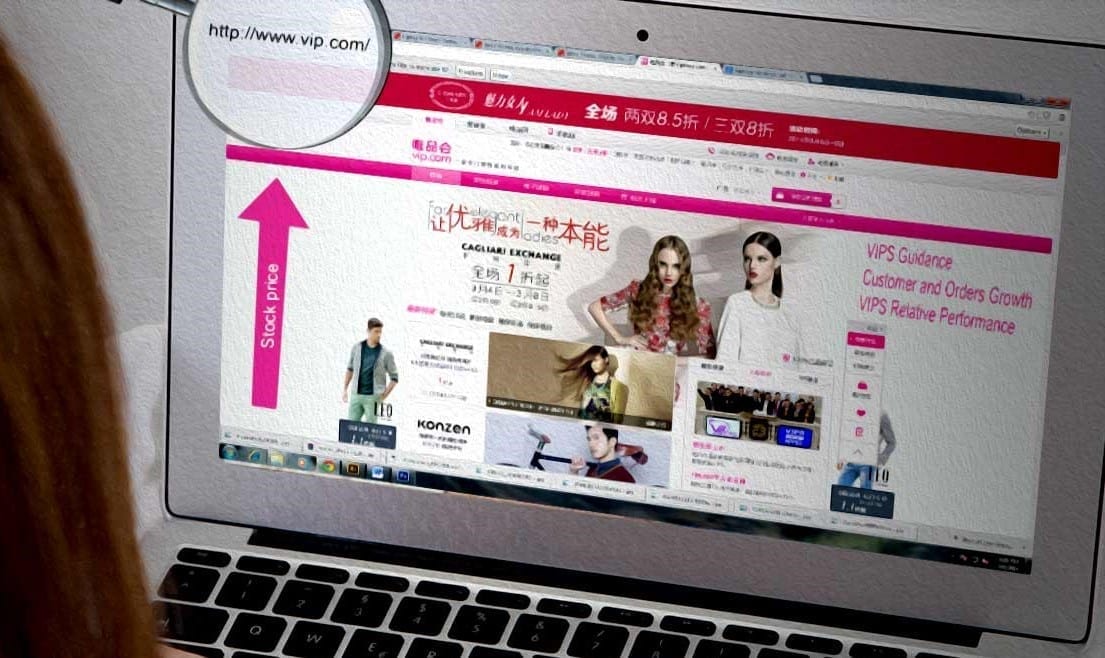
    Chinese online discounter VIPShop is reaping the benefits of a 13 per cent increase in active customers last quarter to 32.4 million – well ahead of the 5 per cent full-year improvement. Its annual results released overnight showed net revenue soared 15.9 per cent last year to RMB84.5 billion (US$12.3 billion) and net income attributable to shareholders rose 9.2 per cent to RMB2.1 billion ($309.6 million). VIPShop says its Gross Merchandise Volume (GMV) for the full year rose 21 per cent to RMB131.0 billion.

    “We are pleased to have finished the fourth quarter of 2018 with solid operational results,” said chairman and CEO Eric Shen.

    “Going forward, we will continue to strengthen our core capabilities, aiming to bring highly desirable selections of products to our valued customers on a daily basis, which will drive our long-term growth and profitability.”

    CFO Donghao Yang said the fourth quarter saw “a healthy sequential recovery” of VIPShop’s bottom-line, which was mostly attributable to a focus on the highly profitable apparel category.

    “During this quarter, we began to shift some low-margin categories from our first-party business into the marketplace platform, reducing their drag on our bottom-line while still delivering a solid GMV growth of 15 per cent year over year. We remain focused on stabilising our margins, aiming to drive enhanced shareholder return in the long run.”

    During the fourth quarter of last year, VIPShop added about 86,000sqm of warehousing space, taking its capacity to 3 million sqm.

    For the first quarter of the new year, the company expects net revenue to grow by up to 5 per cent, to between RMB19.9 billion and RMB20.9 billion.

  • Coupang, HP Korea sign MOU to strengthen sales

    Coupang, HP Korea sign MOU to strengthen sales

    E-commerce company Coupang said Thursday it signed a memorandum of understanding (MOU) with HP Korea Wednesday to strengthen sales channels for the technology company’s products. Through the agreement, Coupang will directly acquire HP products from the company, providing customers with better deals. HP Korea will also ensure faster delivery times and improve product services. The two companies plan to cooperate on online marketing and advertisements.

    James Lee, Coupang’s senior director, said, “By establishing long-term partnerships, [Coupang] will work harder to expand cooperative businesses.”

    Coupang currently offers a range of HP products, such as its gaming PCs and printers through its fast “rocket delivery” service.

  • Amazon enjoys positive performance with increases in sales, profit

    Amazon enjoys positive performance with increases in sales, profit

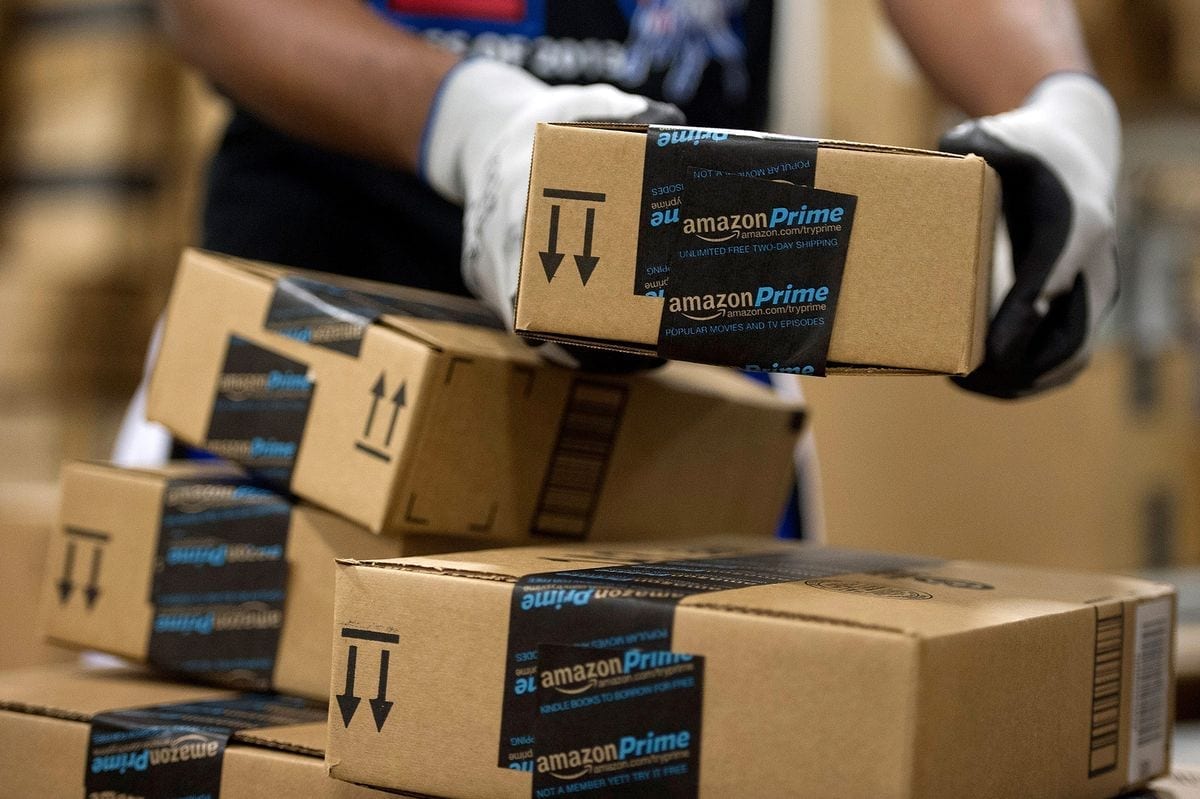
    Global online shopping platform Amazon reported growth in both net sales and profit for the fourth-quarter 2018 and full-year, adding its Alexa use and Prime membership continues to thrive, particular in the all-important holiday season. For the fourth quarter ending December 31, net sales increased 20% to $72.4 billion in the fourth quarter, compared with $60.5 billion in fourth quarter 2017. Excluding unfavourable foreign exchange rates, sales increased 21%.

    Amazon said net income for the quarter increased to $3 billion in the fourth quarter, or $6.04 per diluted share, compared with net income of $1.9 billion, or $3.75 per diluted share, in 2017.

    For the twelve months ending December 31, Amazon’s net sales increased 31% to $232.9 billion, up from $177.9 billion in 2017. Excluding the $1.3 billion favorable impact exchange rates, net sales increased 30% compared with 2017.

    For the full-year 2018, Amazon’s net income increased to $10.1 billion, or $20.14 per diluted share, compared with net income of $3 billion, or $6.15 per diluted share.

    In the earnings announcement, Amazon’s founder and CEO Jeff Bezos, praised the recent holiday season, in particular, the Amazon customer uptake of Alexa, the voice activated shopping device and its associated Echo products.

    “Alexa was very busy during her holiday season. Echo Dot was the best-selling item across all products on Amazon globally, and customers purchased millions more devices from the Echo family compared to last year,” said Bezos.

    “The number of research scientists working on Alexa has more than doubled in the past year, and the results of the team’s hard work are clear. In 2018, we improved Alexa’s ability to understand requests and answer questions by more than 20% through advances in machine learning, we added billions of facts making Alexa more knowledgeable than ever, developers doubled the number of Alexa skills to over 80,000, and customers spoke to Alexa tens of billions more times in 2018 compared to 2017. We’re energized by and grateful for the response, and you can count on us to keep working hard to bring even more invention to customers,” he added.

    Other highlights for Amazon in 2018 included the increase in Prime memberships. During the holiday season alone, tens of millions of customers worldwide started Prime free trials or began paid memberships. More customers signed up for Prime worldwide in 2018 than ever before, said Amazon.

    In Asia, Amazon Fashion launched Prime Wardrobe in Japan, allowing Prime members to order clothing, shoes, and accessories and only pay for what they keep.

    Looking ahead to the first quarter 2019, net sales are expected to be between $56 billion and $60 billion, up 10% to 18% compared with first quarter 2018. Meanwhile, operating income is expected to be between $2.3 billion and $3.3 billion.

  • Farfetch announces the first chief fashion officer

    Farfetch announces the first chief fashion officer

    The close relationship between luxury e-tailer Farfetch and Browns, the physical store that it acquired back in 2015, has become even closer with Browns’ CEO Holli Rogers having taken up a new role at the parent company. Rogers will stay on as the senior manager at Browns but has also become chief fashion officer at Farfetch, which will see her working closely with the e-tailer’s marketing, styling and VM teams “to ensure the company’s fashion approach is incorporated into the DNA of the overall customer experience of the brand”.

    Rogers, who was formerly Net-a-Porter fashion director, has had an impressive career at the cutting edge of both luxury physical retail and high-end e-tail. She has also worked at Neiman Marcus and Chanel.

    Farfetch CEO and founder José Neves said she “could bring her unique experience to the broader Farfetch business at an executive level. [Her] reputation, high regard among fashion CEOs, influencers and the wider industry, her relationships and her incredible aesthetic will be a huge benefit to Farfetch.”

    It is clear that she’s highly regarded at the company after having overseen a number of success for Browns from the opening of the Browns East location to the revamped visual image, launching collaborations at home and abroad and continuing to nurture new names.

  • Kerry Logistics expands e-commerce fulfilment through E-Services Group JV

    Kerry Logistics expands e-commerce fulfilment through E-Services Group JV

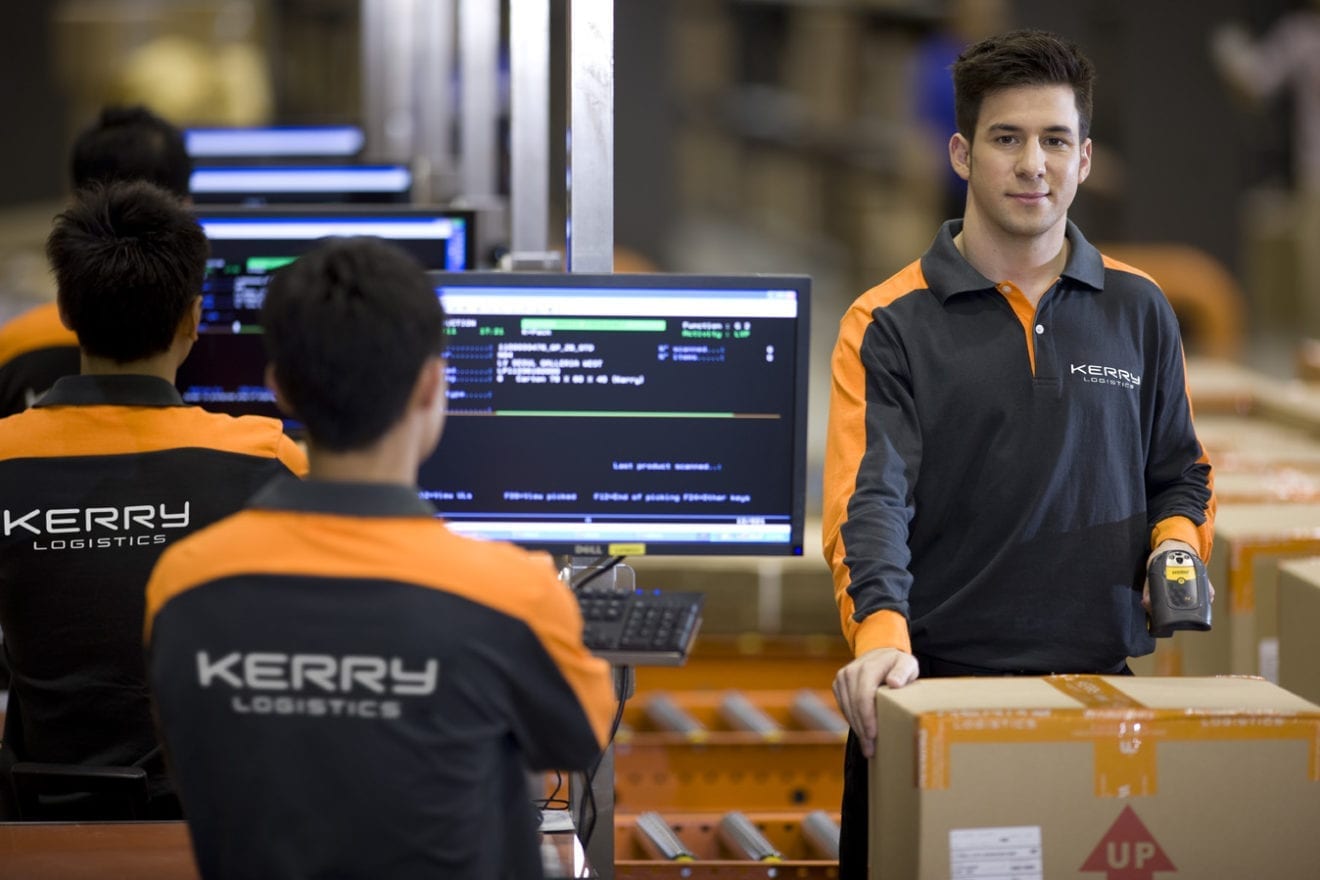
    Hong Kong-based Kerry Logistics is expanding its e-commerce fulfillment capabilities through a joint venture with Asian e-commerce specialist E-Services Group. Their joint venture, Kerry ESG (HK) Company Limited, will combine Kerry Logistics’ global supply chain capabilities with ESG’s technology platform, global marketplace networks, and e-commerce expertise to offer etailers cost-efficient solutions internationally.

    ESG, founded in 2002, claims to be ‘the leading international end-to-end e-commerce company in Asia’, headquartered in Hong Kong, with offices in China, Singapore, and Taiwan. As the strategic partner to over 20+ leading global marketplaces such as Rakuten, JD.id, and Cdiscount, ESG not only enables its 28,000+ etailers to grow their businesses internationally through marketplaces, but also supports them with comprehensive shipping solutions.

    Kerry ESG, set to debut in March 2019, aims to become one of the leaders in global e-commerce fulfillment solutions, enabling etailers to deliver products to customers anywhere in the world quickly and cost-effectively. Through direct integration with leading shopping carts and global marketplaces, etailers using Kerry ESG’s services will be able to seamlessly manage their order fulfillment, inventory, and returns to and from multiple logistics centres through one platform.

    William Ma, Group Managing Director of Kerry Logistics, said: “We are thrilled about the growth opportunities in global e-commerce. With Kerry ESG, we are creating a unique platform with total solutions from upstream marketing to downstream logistics that will capitalise on the booming international marketplace model to facilitate the exports for our international brand customers. Combining forces as industry leaders, Kerry Logistics and ESG are well-positioned to unlock the potential in the market with this new joint venture.”

    Alan Lim, Founder and CEO of ESG, added: “Winning at e-commerce means getting every piece of the puzzle right, and fast, reliable fulfillment is a critical component of success. This partnership gives etailers access to an extensive distribution network to support e-commerce fulfillment in every market and with every online channel. With Kerry Logistics we have found a great partner, whose capabilities complement ours and whose culture and vision matches that of our team. I am excited about how we can grow this business together.”

    Kerry Logistics said it has identified cross-border e-commerce, particularly between Greater China and ASEAN, as a major growth sector which plays to its strengths. The new partnership with ESG, which is the official partner of leading marketplaces including JD.id, Rakuten, and Newegg.com, will play a pivotal role in strengthening the foothold that the two companies have in this area.

    Kerry Logistics has a network covering 53 countries and territories, and is managing 53 million sq ft of land and logistics facilities worldwide.

  • Suning develops omnichannel smart retail through Wanda department stores

    Suning develops omnichannel smart retail through Wanda department stores

    Suning.com, the Fortune Global 500 retailer owned by Suning Holdings Group, one of the largest commercial enterprises in China, recently announced the establishment of its Department Store Group. It will focus on professional operations of fashion department store business to strengthen its full-scenarios development in online-and-offline smart retail and improve the shoppers’ experience.

    The Company will also acquire nationwide all Wanda Department Stores, belonging to Wanda Group, the large Chinese commercial real estate developer, to expand its bricks-and-mortar retail portfolios and facilitate the all-categories merchandise supply chain to satisfy more local consumers and boost Chinese retail market profits.

    As the leading omni-channel smart retailer in China, Suning.com has always been committed to building a full-scenarios retail ecosystem both online and offline to create diversified shopping experiences visible and ready to serve consumers anytime and anywhere. The establishment of the new group with acquisition of Wanda Department Store is expected to further reinforce Suning.com’s offline advantages, improving its overall retail network resources and increasing the business potential of the Company to develop new business opportunities of all-categories merchandise operation, especially of fashion, lifestyle products and fast-moving consumer goods.

    The 37 Wanda Department Stores are located in first- and second-tier cities in China, with more than 4 million registered customers. Through the deal, Suning.com will also bring its powerful technology capabilities such as data learning, artificial intelligence, IoT to accelerate the digitization of operation management for traditional department stores to increase the overall service experience and profitability of the industry.

    Zhang Jindong, Chairman of Suning Holdings Group said: “The prosperity of the physical retail industry must not only rely on the traditional model and experience. It needs to embrace innovative technology and market concepts to continuously create quality and customized services for consumers.”

    Suning and Wanda has built a strategic cooperation since 2015 and strengthened the partnership in 2018 with the former’s acquisition of a tiny stake in the latter’s commercial management subsidiary.

  • Alibaba’s Ant Financial buys WorldFirst for $700m

    Alibaba’s Ant Financial buys WorldFirst for $700m

    Alibaba subsidiary Ant Financial says it plans to buy UK-headquartered money-transfer company WorldFirst. And in separate news, the Chinese e-commerce behemoth is in discussions over investing in the Metro China wholesale retail business.

    The WorldFirst deal will allow Ant Financial to gain market share in Europe’s fintech and payments industries and will give it an established retail network of currency-exchange stores covering cities including Sydney, Australia; London and Amsterdam, as well as throughout Asia. It has 600 employees in seven international offices and claims to have exchanged more than US$67 billion for 130,000 customers since its launch in 2004.

    The company also had outlets in the US but has reportedly closed these to avoid potential regulatory hurdles with the sale to a Chinese-owned business.

    Ant Financial last year unsuccessfully tried to acquire US-based money-transfer company MoneyGram, largely due to opposition from US lawmakers.

    Metro move

    Meanwhile, Alibaba is in talks to buy a share of German wholesaler Metro AG’s Chinese business.

    Neither company has confirmed or denied the talks are underway and they are at an early stage and may break down.

    Metro China operates 95 stores and struggled to achieve profitability in the market until recently. Metro sales in Asia rose 7 per cent to US$1.17 billion in the December quarter.  Most of the Metro China stores are in tier 1 cities, including Beijing and Shanghai.

    Metro is holding talks with other parties as well ahead of an official sale process.

    Olaf Koch, Metro’s CEO, confirmed this week that the company was considering potential partnerships with Chinese companies. Metro and Alibaba have already cooperated online.

    “We are growing continually and we are profitable [in China],” Koch said at the time Metro released its first-quarter results.

  • Lifestyle deploys new retail technologies

    Lifestyle deploys new retail technologies

    A part of Dubai-based retail and hospitality conglomerate Landmark Group, Lifestyle has been enhancing its Omnichannel experience for its customers at a very fast pace in the recent years. With 75 stores at present, Lifestyle is now also available online through www.lifestylestores.com where customers can shop from the convenience of their home.

    Offering men’s, women’s and kids’ apparel, footwear, handbags, fashion accessories, beauty products and much more, all under the same roof, the fashion retailer has added features such as ‘Self-Checkout Kiosk’, ‘Mobile POS’, Fitting Room Assistance’, etc., to augment its in-store experience.

    “Lifestyle has always endeavored to provide its customers the best-in-class shopping experience. With technological advancements, the shopping experience has evolved and we, as a progressive retailer, have embraced many of these technological advancements to further enhance the shopping experience we off er our customers,” says Vasanth Kumar, Managing Director, Lifestyle International.

    New Tech-Advancements

    Lifestyle has introduced ‘Self- Checkout Kiosk’ in a few key stores, a facility that allows customers to bill their merchandise and complete the payment transaction in a few simple steps on their own with no or very little intervention from the staff thereby greatly solving the long queue by enabling quicker checkouts. Another initiative to further ease checkouts is the ‘Mobile POS’, which was introduced for billing products such as watches, fragrances or cosmetics.

    Using insights from customer shopping behavior, the retailer has also launched ‘Fitting Room Assistance’ program that allows for size retrieval with the help of technology where the store assistants are alerted on the size and style required in the fitting room. “This initiative has helped in enhancing our conversions and is now being scaled up across key stores,” Kumar says.

    “Several of our initiatives are technological solutions to real customer problems which we discovered through our interaction with customers as well as staff . Using this feedback, we have created simple yet impactful solutions leveraging technology. These have led to positive impact on our overall customer experience and helped increase engagement with the brand,” he further adds.

    At the same time, with features like ‘Click & Collect’ and ‘In-store Endless Aisle’, Lifestyle is offering a true Omnichannel experience to its customers. An Omnichannel initiative, ‘Click & Collect’ allows customers to order online and collect merchandise from a Lifestyle store of their choice. ‘In-store Endless Aisle’ helps customers find missing in-store sizes on the e-commerce channel. Also, the retailer has introduced visual search and enabled voice-based search for its mobile applications which has helped in creating a more personalised and convenient shopping experience. Lifestyle has also implemented the ‘Put-to-Light’ system for effective storing and distribution at its warehouses. It has enabled single view of inventory for its e-commerce portal, www.lifestylestores.com, making the entire inventory across all warehouses accessible to the online customers thereby enhancing the merchandise availability and online conversion.

    “We are continuously evolving our stores with new technologies. To fully enable our customers to enjoy these new introductions, it is important for our sales personnel to understand, communicate and comfortably operate all new innovations. Before implementing any new technology or introducing product innovation, our entire store team goes through an extensive knowledge session, which enables them to understand the product/technology being introduced,” says Kumar.

    Lifestyle regularly tracks consumer satisfaction through NPS (Net Promoter Score) in store, by the virtue of offering, staff interactions, store ambience and consistently deliver an overall delightful shopping experience thereby winning customer trust and loyalty.

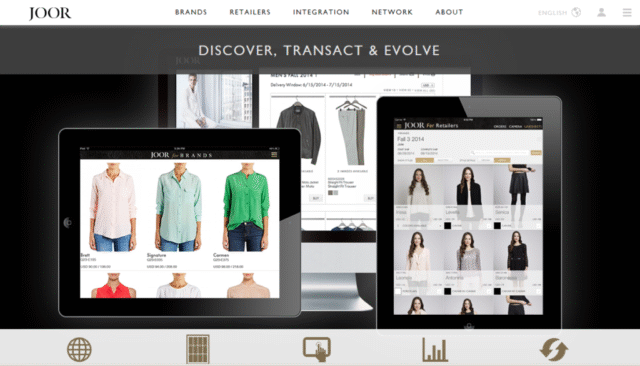
  • Wholesale apparel portal Joor eyes Asia as its gets $16 million

    Wholesale apparel portal Joor eyes Asia as its gets $16 million

    US wholesale platform and data exchange Joor has raised US$16 million in Series C funding. The financing round was led by Itouchu, one of Japan’s leading conglomerates with participation from existing investors Canaan Partners and Battery Ventures. Joor has now raised $36 million since its launch and the new cash will fund ongoing product innovation for both brands and retailers, as well as expansion into Asia.

    Through the partnership with Itouchu, Joor will be able to access more than 150 US and European brands, and accelerate the entry of new overseas brands into Japan.

    “Joor’s dominance in North America and Europe makes it the natural choice for expansion into the Japanese market. We are excited to continue supporting their strategic growth,” said Yoshihiro Fukushima, executive officer of Itochu.

    “At Joor, our focus from day one has been the simplification of the wholesale process for brands and retailers,” said Kristin Savilia, CEO of Joor. “Our mission is to bring the industry together with one platform. The team at Itouchu supports this mission and we are excited to have its expertise and support to enable Joor to expand into Asia, furthering its global dominance.”

    Joor connects 8600 brands within 53 categories and 200,000 retailers in 144 countries into one wholesale platform.

    Luxury companies including Kering, LVMH, Richemont, Balenciaga, Alexander McQueen, Saint Laurent and Marc Jacobs have moved their wholesale business exclusively to the platform.

  • Bigbasket India expands its offerings to include beauty products

    Bigbasket India expands its offerings to include beauty products

    Bigbasket has made its foray into the beauty and cosmetics category. The company is already a leader in FMCG sales, staples, and fruits and vegetables, has about 10 million subscribers, and is clocking over 1 lakh orders per day. With this new category, bigbasket has cemented its place as the one-stop-shop for all customer needs in groceries.

    The vast range of cosmetic products on the beauty store by bigbasket includes eyeliners, kajal, face creams, nail colors, lipsticks, hair colors, perfumes, deodorants, etc. which can be purchased on the website or through the app. Some of the prominent labels featured include Lakme, L’Oreal, Garnier, Elle18, Lotus Herbals, and Maybelline, among others.

    Customers can make choices based on their skin type, preferred brand, benefits, formulation, etc. There are also exciting discounts of about 25 percent to 40 percent on selected brands and products.

    Speaking about this, Seshu Tirumala, National Head, Buying and Merchandising, bigbasket, said, “bigbasket’s customers can now look forward to far larger variety in our offering with our most recent addition of beauty products. The foray into beauty and cosmetics category comes at a time when we are already growing at a frenetic pace in the market. With this category, we aim to transcend our existing customer base and take the venture a notch higher – both in terms of the customer base and revenue. We will be providing the widest range of affordable and regularly used beauty products to our customers.

    With a dominant share in the market space, bigbasket now aims to raise additional investments up to US$ 200 million over the next few months. The FMCG sales overall (food and non-food) contribute to over 50 percent of its business, another 30 percent comes from staples (including 14.5 percent from private labels) and 18 percent is from fruits and vegetables. The Alibaba-backed company expects to break even in the 10 large cities by next June and aims at becoming a billion-dollar company by the next fiscal year. The company has a presence in 25 cities and plans to launch its operations in Kochi soon.

    Recently, bigbasket acquired Pune-based RainCan and Bengaluru-based Morning Cart to deliver milk to 20,000 customers. The service has been launched in 7 cities and is expected to roll out to another three cities among the top 10 metros. The milk delivery business is expected to clock Rs 10 billion by next year.

  • Haute Hijab bags US$2.3 million funding

    Haute Hijab bags US$2.3 million funding

    US-headquartered fashion and lifestyle startup targeting Muslim women, Haute Hijab, has raised US$2.3 million in seed funding. The investor group was led by Cue Ball and also includes Ludlow Ventures, Sinai Ventures, Maveron, Muse Capital, AngelList and The Helm. The funds will be used to help Haute Hijab accelerate growth and extend its reach worldwide.

    “Cue Ball invests in category-defining and culturally-shaping ideas and Haute Hijab fits that description perfectly,” said Tony Tjan, managing partner of Cue Ball. “[Founders] Melanie and Ahmed are building a purposeful company that not only outfits but also supports and empowers Muslim women across all areas of their lives.”

    Haute Hijab has recently introduced the Ultimate Underscarf (a garment worn under the hijab), which uses specially designed tech fabric engineered for breathability and with anti-bacterial properties.

    “We are pleased to welcome a new group of investors as partners in our mission to empower Muslim women,” said co-founder and CEO Melanie Elturk. “Haute Hijab is entering an exciting phase of growth and innovation. We look forward to using this capital infusion to build the first digital-native Muslim cultural lifestyle brand across the globe.”

    The brand had elevated the hijab category and creating an engaged online community of Muslim women, offering a variety of innovative and high-performance fabrics, styles, and designs ranging from every day to luxury via its online store.

    According to The Guardian, the Muslim middle class is expected to triple to 900 million by 2030, with one-third of Muslims under the age of 15 and two-thirds under the age of 30. The average Muslim woman wears up to four hijabs per day and owns more than 100 hijabs.

  • Alibaba Says China’s Slowdown Isn’t Hurting It All That Much

    Alibaba Says China’s Slowdown Isn’t Hurting It All That Much

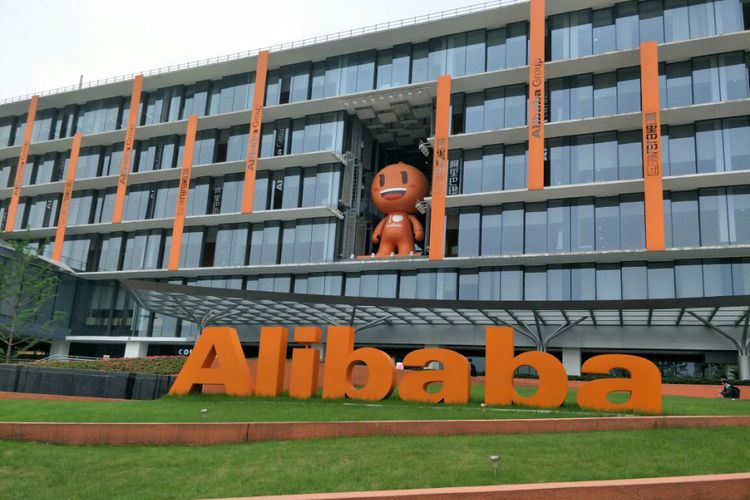
    Alibaba Group VC Joseph Tsai says the firm is unperturbed by China’s economic slowdown. Quoted in a Bloomberg report, Tsai said Alibaba is “delinked” from a Chinese economy in which more and more business are moving online because “we’re in e-commerce and we’re digitising the whole sector”.

    He added that Alibaba’s growth is expected to continue to outpace the economy in general, as digital commerce grows at faster rates compared with more traditional retail business.

    The comments were made at the Goldman Sachs Group technology conference in San Francisco.

    According to the Bloomberg article, China’s economy expanded 6.4 per cent in the final three months of last year compared with a year earlier. Alibaba’s takings during the period rose 41 per cent to RMB117.3 billion (US$17.3 billion), representing its slowest pace of growth in more than two years. Its continued positive performance is buoyed by excursions into new business territories such as cloud services and entertainment, while assisting physical retailers with modernisation drives.

    According to the Alibaba Group VC, the situation is comparable to Amazon’s in terms of its consistent double-digit sales growth in the face of slowing economic growth within the US.

  • E-commerce firm Zilingo bags US$226m in funding

    E-commerce firm Zilingo bags US$226m in funding

    Singapore online fashion market Zilingo has achieved capital investment of $226 million in a Series D funding round. The investments were made by the firm’s existing backers, including Sequoia Capital, as well as newcomers Temasek Holdings and EDBI, and will support the business’s expansion into fresh markets in the Philippines, Indonesia and Australia, as well as build new infrastructure and modernise its supply chains.

    A report in DealStreetAsia last January suggested that Zilingo was considering listing an IPO with a view to developing offline retail.

    “Sequoia’s investment in Zilingo dates back to when the company wasn’t even yet incorporated and the name wasn’t finalised,” said Sequoia Capital (India) Singapore MD Shailendra Singh.

    “Ankiti and team have rapidly transformed their original ideas about Zilingo into a platform company that serves fashion consumers, merchants, retailers, brands and manufacturers, collectively representing a multi-hundred billion dollar market size.”

    Zilingo serves more than 20,000 merchants and retailers across Southeast Asia. It is currently valued at an estimated $1 billion.