Tag: electric car

  • Lightyear Raises $110 Million To Bring Its Solar Electric Car To Market

    Lightyear Raises $110 Million To Bring Its Solar Electric Car To Market

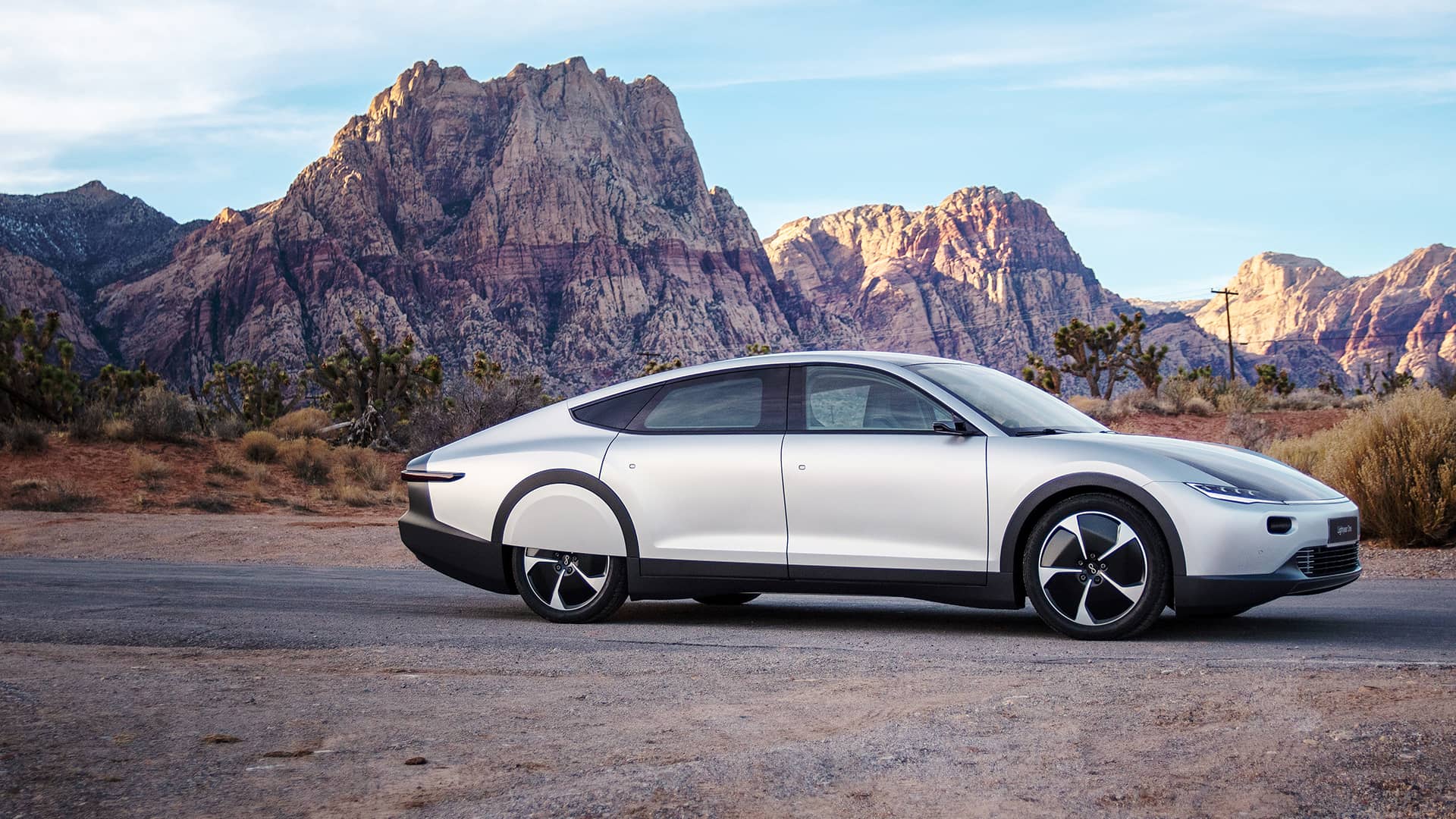
    Lightyear which is a startup that has been developing electric cars based on solar power has announced a $110 million in a round of funding that will enable it Bira its vehicle to the markets The company came to prominence when it was spun out of Solar Team Eindhoven which was basically a group of engineering students from the Technical university of Eindhoven who were competing in the world solar challenge with their  Stella and Stella Lux energy positive solar cars. These cars were producing more energy than they consumed.

    The Solar Team Eindhoven even recently unveiled a solar RV also, but Lightyear has graduated to becoming a full fledged automotive player than a college project. The project which was announced back in 2019 promised an electric sedan with integrated solar cells and that enabled it to give a whopping range of 725 kilometres based on the WLTP cycle.

    The team at Lightyear has made bold claims of an 724 kilometre range

    “We reached the $110 million funding milestone with the help of one of the largest international insurers in the Netherlands, Cooperation DELA. This investment aligns with their long-term focus on sustainability. Together, we can work on our shared mission of bringing clean mobility to everyone, everywhere,” said the company.

    “It is great to see the acknowledgment from investors, which is a testament to the confidence that they have in Lightyear. Thanks to the trust and funding received from our investors, we can further grow as a company and bring our Lightyear One exclusive model on the market in 2022,” said Lex Hoefsloot, the CEO and cofounder of the company.

    It still plans to deliver the first units to the market in 2022 but it must be noted that this car will not come cheap as it will cost upwards of $100,000 at around $170,000 for a starting price.

  • Canoo Reveals Renders Of Manufacturing Campus In Oklahoma, USA

    Canoo Reveals Renders Of Manufacturing Campus In Oklahoma, USA

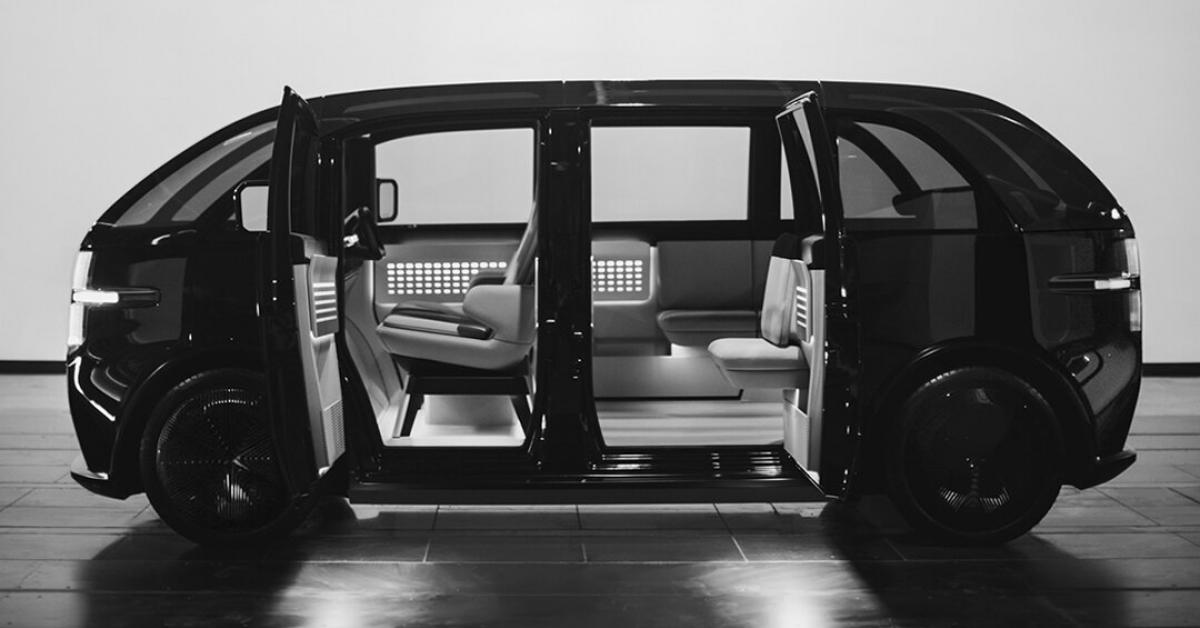
    Canoo, the electric car startup which went public recently via a SPAC merger has shared renders of its manufacturing campus that will be built in Oklahoma. Canoo calls it the mega micro-factory and it is scheduled to be opened up in 2023. In the Tulsa region, it is expected to create more than 2000 jobs. Canoo recently lost both its co-founders, with one, Ulrich Kranz, who led the development of BMW’s i3 and i8 electric cars and then moved to Faraday Future has joined Apple. In fact, Canoo was of great interest to Apple with the company interested in its skateboard. But Apple being Apple wanted to acquire Canoo while the team at Canoo wanted to retain its independence.

    “Oklahoma has always been a pioneer in the energy industry, and this partnership with Canoo shows that our state is an innovation leader in electric vehicle technology,” said Governor Stitt.

    “We are thrilled to partner with Canoo and Chairman & CEO Tony Aquila to provide high-paying jobs for Oklahomans and position America as the global leader for vehicle manufacturing for decades to come,” he added.

    It is developing an all-purpose delivery van and a modular pickup truck. It has a 400-acre campus which will be Tulsa. In a tweet, Canoo shared a 55-second video showcasing the concept design of the campus that it will start building soon.

    As per the tweet, it is right now in a design phase and remains on track to be up by 2023. It expects the facility to be over 1 million square feet. It plans on beginning production and delivery of its first vehicles by Q4 2022 with the help of a third-party manufacturer.

    “We invested millions of dollars to find the right location for our manufacturing facility. We’re proud to be American-made and to bring more than 2,000 jobs to Oklahoma,” said Tony Aquila, Investor, Chairman & CEO, Canoo, Inc.

  • Tesla Plans To Produce Electric Car Chargers In China

    Tesla Plans To Produce Electric Car Chargers In China

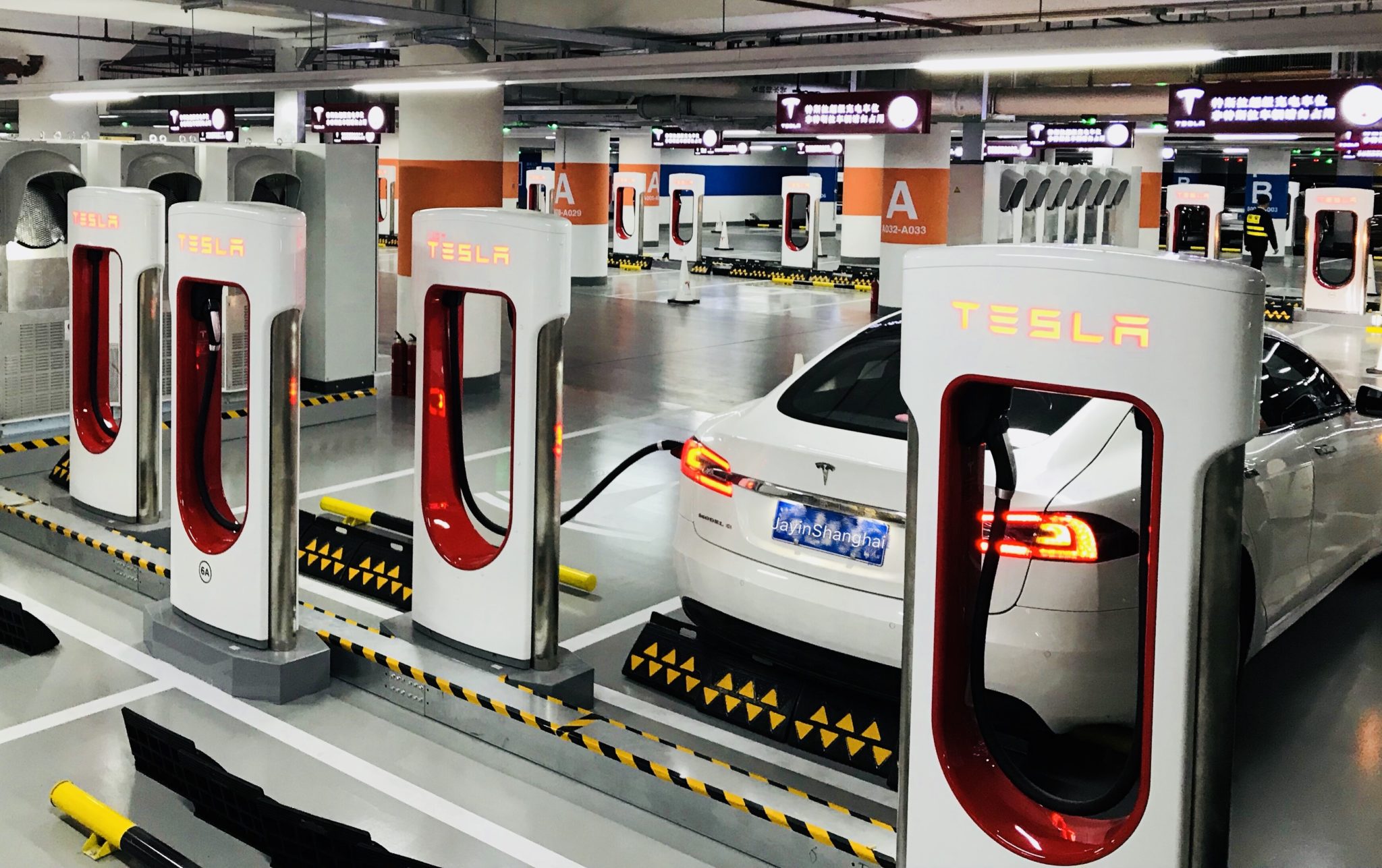
    Tesla Inc plans to start manufacturing electric vehicle (EV) chargers in China in 2021, according to a document submitted to the Shanghai authorities by the U.S. firm which is seeking to expand sales in the world’s biggest car market.

    Tesla, which now sells its Model 3 electric cars in China and plans to deliver its Model Y sport utility vehicles in 2021, plans to invest 42 million yuan ($6.4 million) in a new factory to make the chargers, also known as charging piles, near its car plant in Shanghai, the document seen by Reuters said.

    China, which offers hefty subsidies for electric vehicles as it seeks to cut down on pollution from petrol or diesel cars, has been expanding its nationwide network of charging points, one of the biggest challenges to encouraging the adoption of EVs.

    The factory, which Tesla expects to complete in February, will have the capacity to make 10,000 chargers a year, according to the document submitted by Tesla

    It now imports the chargers, usually installed in charging stations or car parks, from the United States.

    Tesla, which sold over 13,000 vehicles in China last month, did not immediately respond to a request for comment.

    The Shanghai car factory, central to Tesla’s global growth strategy, aims to produce 150,000 Model 3 sedans this year and has started exporting some vehicles to Europe.

    Executives at Tesla said this year that the firm would expand its charging network to provide better service.

  • Geely’s Polestar Plans China Showroom Expansion To Compete With Tesla

    Geely’s Polestar Plans China Showroom Expansion To Compete With Tesla

    Polestar, the premium electric vehicle maker owned by China’s Geely, plans a big expansion of its showroom network in the mainland, sources said, as it prepares for delivery of cars to compete with Tesla Inc’s locally made Model 3.

    Showroom strength is becoming an important differentiator for electric vehicle (EV) makers in the world’s biggest auto and EV market, as they line up new model launches.

    Polestar, which plans to deliver Polestar 2 electric sedans in China from July, currently has one showroom, in the capital of Beijing. It plans to have 20 showrooms, with most of the opening in the third quarter of this year.

    Polestar plans to deliver Polestar 2 electric sedans in China from July 2020

    Unlike sales of cars through dealers that most traditional automakers rely on, Polestar will sell directly to customers, a strategy also pursued by other EV makers including Tesla, Nio Inc, and Xpeng Motors, backed by Alibaba.

    Direct sales to customers can help automakers to better manage a car’s retail price and its production and inventory. However, it also adds to costs if automakers need to invest in self-owned showrooms like Tesla.

    Polestar, however, will partner with investors to build and operate the showrooms while still managing sales and delivery of cars, said the people, who spoke on condition of anonymity as the plan is not public.

    A rocket ship designed and built by Elon Musk’s SpaceX has lifted off with two Americans on a history-making flight to the International Space Station.

    A Polestar representative declined to comment.

    The automaker, based in Gothenburg, Sweden, started producing Polestar 2 sedans earlier this year in China and will also export them to Europe and the United States.

    It will open showrooms firstly in Shanghai and then expand to coastal Ningbo, northern Tianjin and southern Guangzhou. The showrooms will be mostly in shopping malls.

    In China, Tesla has over 50 showrooms. Nio currently operates around 110 showrooms, with some of the properties belonging to partners. Xpeng plans to have over 200 outlets by the end of the year from about 150 now, many of them belonging to partners.

  • European Automakers Tell Governments They Must Help Sell Electric Cars

    European Automakers Tell Governments They Must Help Sell Electric Cars

    Europe’s carmakers are telling governments they must help build electric car charging points and provide consumer subsidies to boost sales of battery-powered vehicles and assist the industry in meeting stringent new emissions rules.

    German carmakers are accelerating plans to launch electric vehicles, under pressure from a European Union mandate to deliver a 37.5% cut in carbon dioxide emissions between 2021 and 2030, on top of a 40% cut in emissions between 2007 and 2021.

    Industry executives warned at this week’s Frankfurt auto show that the EU rules could be disastrous for profits and jobs because mainstream customers were not buying electric vehicles. Instead, consumers are opting for larger sport utility vehicles.

    “Our industry is eager to move as fast as possible toward zero-emission mobility. But this transition is a shared responsibility,” said PSA Group Chief Executive Carlos Tavares, who is also president of European auto industry association ACEA. “It requires a 360 degrees approach.”

    “Governments across the EU need to match the increasing pace at which we are launching these cars by dramatically stepping up investments in infrastructure. Moreover, they also have to put in place sustainable purchase incentives that are consistent across the EU,” Tavares said.

  • Hyundai Teases Electric Concept For The 2019 Frankfurt Motor Show

    Hyundai Teases Electric Concept For The 2019 Frankfurt Motor Show

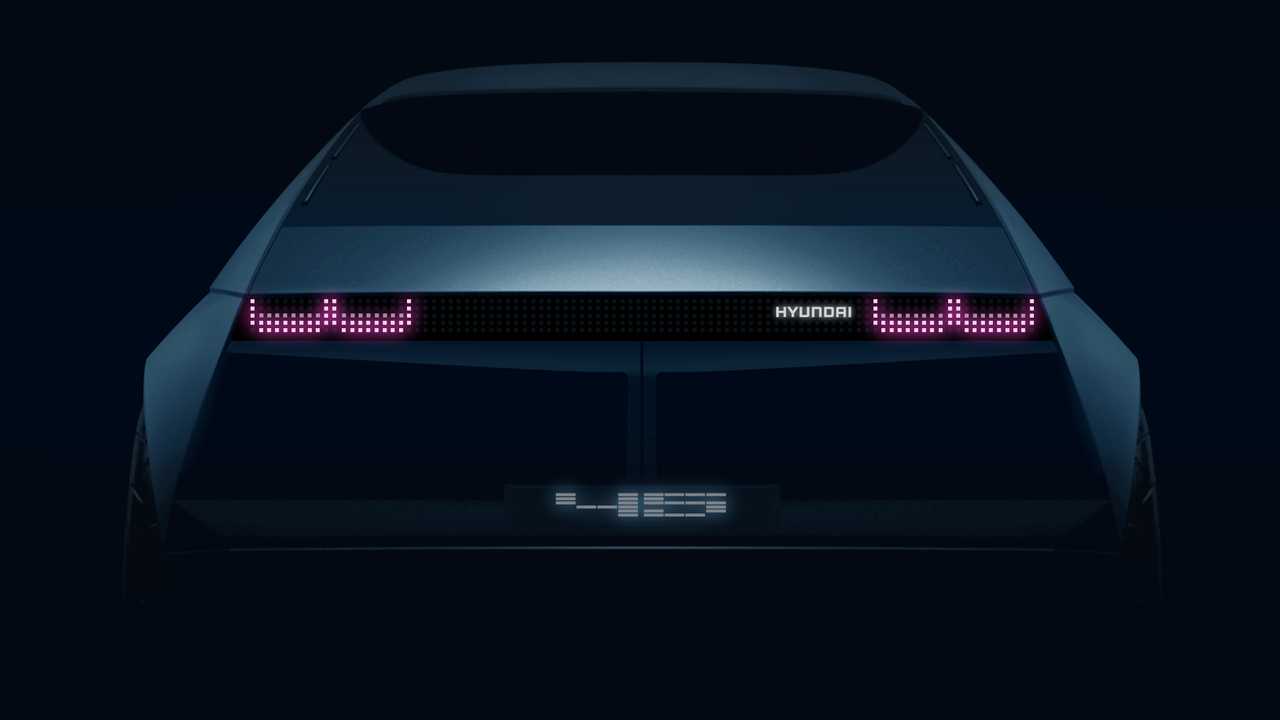
    We’ve already told you what Hyundai is bringing to the 2019 Frankfurt Motor show but the company has now teased a new model, and from the looks of it, it is another electric vehicle. The company says that this EV will focus on the future direction of the company’s car design and the inspiration from the past while also stepping into the future. The looks of the electric car in question is inspired by the brand’s first model in the 1970s. It’s called the 45 concept and yes, it’s an all-electric model. The company says that the 45 electric car concept will act as a milestone for Hyundai’s future EV design.

    The second electric vehicle will be the company’s first-ever electric racing car, which the carmaker claims will tease the future of motorsport. The new electric race car has been designed and built at the company’s headquarters in Alzenau, Germany by Hyundai Motorsport (HMSG). The company says that the car “will underline the company’s high-performance capabilities, green technology credentials and unwavering passion for motorsport.”

    The car will be unveiled on September 10, 2019 and will bring out the sensous and sporty design language that the company has been bringing in their cars lately. There are no technical details that have been released yet, but from the looks of it we’ll get a digital fascia. In addition to this showcase, Hyundai will debut the next-generation Hyundai Grand i10 (known as just i10 in Europe), and one more electric car.

  • Niti Aayog Recommends Sale Of Only Electric Cars From 2030

    Niti Aayog Recommends Sale Of Only Electric Cars From 2030

    In another ambitious move, Niti Aayog has proposed that only electric vehicles should be sold in the country after 2030. Government’s think tank had earlier suggested banning all conventional three-wheelers and two-wheelers which are equipped with engines of up to 150 cc. According to Times Of India report, the committee has forward a cabinet note asking to assign roles to different ministries. Ministry of Road Transport And Highways (MoRTH) has been asked to work on a new framework to phase out the sale of diesel and petrol vehicles by 2030.

    That said, the proposal penned down by Niti Aayog is not only limited to vehicles and also talks about the infrastructure to push their sales. It suggests starting an e-Highway program with an overhead electricity network to facilitate operation for long distance trucks and busses. However, it has suggested piloting the project with selected National Highways which is likely to begin with the upcoming Delhi-Mumbai Expressway. Along with the electrification of national highways, Niti Aayaog has also proposed local manufacturing of 50 GWh batteries by 2030.

    In a bid to meet the target, Niti Aayog has also proposed extending financial incentives like cash subsidy on the basis of overall domestic value addition per kilowatt hour (KWh) which will be around Rs 8000 crore. If domestic manufacturing of batteries can be made possible, the maximum cash subsidy will go up to ₹ 2000 crore for up to 20 GWh per firm which will be for just one KWh for total value capture. The think tank is also planning to procure 10 lakh direct and indirect job opportunities if the proposal is implemented.

  • Report urges auto industry to go electric

    Report urges auto industry to go electric

    Korea needs to give equal emphasis to the development of battery electric vehicles and fuel cell cars, considering the estimated future demand and the country’s competitiveness, a report said Thursday. “It’s a well-known fact that our car manufacturers have the mass-production technology for fuel cell automobiles,” the report from the Korea Institute for Industrial Economics & Trade (KIET) said. “However, the accumulated sales of fuel cell electric vehicles (FCEVs) worldwide stopped at 10,000 as of the end of 2018. The demand for fuel cell vehicles in 2030 will be less than 2 percent of the global sales of new automobiles.”

    In comparison, sales of battery electric vehicles (EVs) are estimated to exceed the demand for hybrids this year, 10 years since their commercialization, and show fast-paced growth, the report argued. Global rivals are due to market more than 100 different EV models by 2022, it noted.

    Korea’s high competitiveness in EV batteries is another reason why the government should not neglect investment in electric cars, the report said, warning that the relative weaknesses in the availability of charging stations and other networks could drag down the industry, despite efforts by local automakers to diversify their EV models. The report responded skeptically to the government announcement in December to give 2 trillion won ($1.79 billion) in assistance to reform the car parts industry.

    “If the auto industry, the recipient, is unable to fully accommodate, it could be difficult for the assistance to have the desired effect,” it said.

    The same report predicted hard times ahead for local auto companies, affected by the global slump in the car industry.

  • Mercedes EV to launch in Korea

    Mercedes EV to launch in Korea

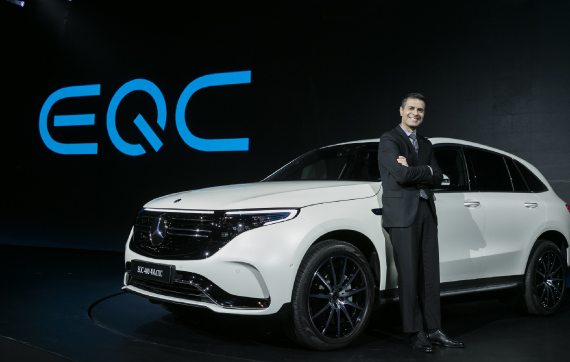
    Mercedes-Benz Korea is setting its sights on the local eco-friendly auto market with the introduction of an all-electric vehicle (EV) along with hybrid offerings this year. The Korean unit of the German brand announced Thursday that it will be introducing 14 new models to the local market this year including the EQC, the first model under its electric EQ brand, as well as four plug-in hybrid EVs at a New Year’s press conference at the Hotel Shilla in central Seoul.

    “2019 will be the year of the EQ,” said Dimitris Psillakis, CEO of Mercedes-Benz Korea. “We will do our utmost to provide the best products and services in the upcoming era of future mobility.”

    The premium electric SUV EQC, unveiled globally last September, is the German automaker’s current flagship EV. The promised hybrid models will range from SUVs to sedans, according to the automaker.

    Along with its entry into the local EV market, the German brand announced that it is also preparing its charging infrastructure.

    Mercedes-Benz Korea said EQC buyers will have access to its combined charging network, which will offer a wide range of charging stations nationwide. EQC drivers will also have access to a one-on-one concierge service that will recommend the nearest charging station to drivers.

    Mercedes-Benz Korea’s push into eco-friendly vehicles comes as it was embroiled in controversy last year regarding its vehicles’ emissions certifications.

    Last month, the automaker said it will appeal a court decision after it was found guilty of violating environmental and customs laws regarding the emissions certification process. The company was fined 2.81 billion won ($2.5 million) and an employee in charge of certifications was handed an eight-month sentence.

    Regarding the legal action, Psillakis promised that the company is following up on the newest regulations.

    “We have a very different changing and toughening regulatory environment around us,” said Psillakis. “We place processes to safeguard so that we can adapt to the new regulations as fast as possible.”

    The company also addressed concerns surrounding recall plans for its vehicles equipped with faulty Takata airbags, saying that it is planning a mass recall in the second quarter of this year of around 30,000 vehicles.

    The German automaker was the best-selling imported brand last year, selling 70,798 vehicles in the country.

    With last year’s sales, the Korean market is the fifth-largest market for the brand after China, the United States, Germany and Britain.

  • Frost & Sullivan calls for strong incentive policy for electric vehicles in Malaysia

    Frost & Sullivan calls for strong incentive policy for electric vehicles in Malaysia

    Frost & Sullivan which is “mildly positive” on growth of total industry volume (TIV) for vehicles in 2019, said a strong incentive policy is required for electric vehicles (EVs) to take off in Malaysia. “Currently what we are waiting for is if the (NAP) National Automotive Policy mentions anything about EV. Unless there is a strong policy coming up focused on EV, otherwise we will not see any major uptake in EV sales in Malaysia,” said associate partner and senior vice president of mobility at Frost & Sullivan, Vivek Vaidya.

    He said the uptake for EV will also depend on factors such as incentives for manufacturers, forward distributors and customers coupled with the development of infrastructure for charging stations. Vivek added that there is a possibility of the new national car being an EV given leads of it being low energy and technology neutral.

    A survey carried out by Frost & Sullivan found that 30% of its respondents were willing to consider EVs even though such vehicles are yet to make a presence in Malaysia, signaling a latent demand for EVs.

    On the overall automotive market, Vivek expects Malaysia to registers vehicle sales of 609,700 units in 2019, 1.4% growth against 601,300 units in 2018, driven by growth in domestic consumption, private investments and new model launches.

    The passenger vehicle segment is expected to perform better than the commercial vehicle segment, which is likely to be impacted by low public spending.

    The passenger vehicle volume is projected to grow to 544,121 units in 2019 from 536,371 units in 2018, while the commercial vehicle volume is estimated to rise to 65,579 units from 64,929 units.

    Worth noting is that demand for vehicles went up by 4.2% during the tax holiday period last year.

    “Usually after a tax break period, the volume shrinks in the subsequent quarter but in 2018, strong consumer sentiment ensured Q4 volume matched last year figures to end the year on a positive note,” Vivek said.

  • Jaguar’s first electric car roars into Korea

    Jaguar’s first electric car roars into Korea

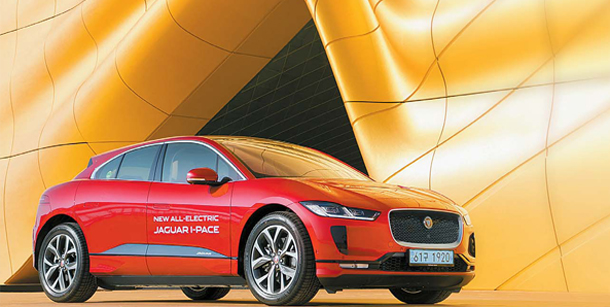
    Luxury carmaker Jaguar introduced the I-Pace, its first electric vehicle (EV), to the Korean market Monday at the Paradise City hotel in Incheon, joining a growing number of EV automakers in the country. The luxury brand’s all-electric sport-utility vehicle (SUV) sports an electric powertrain that produces up to 400 horsepower and a 333-kilometer (207-mile) driving range.

    “The I-Pace is a high-performance electric car that has battery and electric motor technology developed from our experience in electric motor sports Formula E,” said Baek Jung-hyun, CEO of Jaguar Land Rover Korea. “Jaguar will lead the future of premium electric cars through the I-Pace.”

    The vehicle, originally unveiled in the global market early last year, was delayed for launch in Korea due to the certification process, according to Jaguar Land Rover Korea.

    The automaker has prepared charging infrastructure for the product’s launch, installing 52 charging stations in 26 of its showrooms. The company has also installed 52 chargers and 26 fast-charging stations in its service centers.

    The fast-charging stations can charge vehicles to up to 80 percent in just 40 minutes.

    For maintenance, the carmaker promised to establish 10 new service centers so that there will be a total of 37 by the end of this year.

    Jaguar Land Rover Korea is also promising an eight-year or 160,000-kilometer warranty for its battery system and will install home-charging systems for free for those customers who receive their vehicles by March 31 this year.

    The luxury brand’s all-electric car enters the budding local EV market that has seen rapid growth over recent years.

    A total of 21,375 EVs were sold between January and September last year, up from 13,826 sold in 2017. The Ministry of Environment plans to have 350,000 EVs and 10,000 fast-charging stations in the country by 2022.

    Jaguar’s newest offering joins the short list of electric SUVs in Korea, which include Tesla’s Model X and Hyundai Motor’s subcompact SUV Kona EV, both released last year in the local market.

    The I-Pace will be sold from Jan. 23 with a starting price of 110.4 million won ($98,300) that climbs to 128 million won for its highest trim, the EV400 First Edition.

  • Electric vehicles, new tech focus of NAP 2019 in Malaysia

    Electric vehicles, new tech focus of NAP 2019 in Malaysia

    The National Automotive Policy (NAP) 2019 will be unveiled in the first quarter of next year, and will place emphasis on electric vehicles and new technologies, according to Deputy International Trade and Industry Minister Dr Ong Kian Ming.

    “The main focus then (NAP 2014) was on energy efficient vehicles (EEVs) and now we are moving much more towards electric vehicles and new technologies,” he said after delivering his keynote address at Kuala Lumpur International Automotive Conference 2018 today.

    “But we have to discuss with the relevant stakeholders first and make sure that we fine-tune the details, so that the needs of the whole industry are taken care of,” he added.

    Ong said his ministry together with some key companies in the automotive sector, are currently reviewing the policy, which was first introduced in 2006 to transform the domestic automotive industry.

    Furthermore, he said the revised policy, which will also include the development of the third national car project, will overlook the entire automotive ecosystem, encompassing four key pillars of connected mobility, Industrial Revolution 4.0, new generation vehicles and artificial intelligence.

    “When we talk about the third national car, we need to look at it at a holistic perspective. So let’s not just focus on the third national car project, which is an important component of the NAP review, but also look at the entire ecosystem. This ecosystem needs to be further enhanced and developed to take into consideration of new trends, such as the newly launched Industry 4.0.

    “With the new technologies coming in, including the possibility of self-driving cars, more rapid advancement in electric vehicles and necessary ecosystems such as batteries and charging stations, it is timely to review this particular sector,” he noted.

    To date, Ong said, the ministry has received over 20 proposals on the third national car project, from various sub-sectors, comprising small to large companies in the automotive sector, which include some “big players”.

    He noted that the ministry has developed a matrix to analyse and evaluate these proposals, in order to make a fair, transparent and comprehensive choice.

    “One of the deciding factors would be the financial sustainability of the project as the government will not be funding this third national car project as noted in Budget 2019,” Ong added.

    Meanwhile, the Malaysian Automotive Association (MAA) president Datuk Aishah Ahmad said in conjunction with the event that the association is hopeful that the government would continue to focus on the components emphasised in NAP 2014, including the EEV initiative.

    “Future technology is good, but we would also like them to continue to emphasis on EEV that has helped the industry. We would also like to see long-term policies rather than short-term (policies) and more consultations with the industry,” she added.

    Themed “Beyond Mobility: Moving Sustainably”, the two-day conference, which is organised by the Asian Strategy and Leadership Institute (Asli) and MAA, aims to bring together industry experts and leading players to share views concerning the automotive industry and ecosystem roadmap beyond 2025.

  • SK unit to supply batteries to VW

    SK unit to supply batteries to VW

    SK Innovation is supplying electric car batteries to Volkswagen Group along with existing suppliers LG Chem and Samsung SDI, the Korean battery maker said Wednesday. The Volkswagen Group brands plan to launch 50 new fully electric models by 2025, and the group said it needs more battery supplies in a statement Tuesday. SK Innovation was the last of the four battery suppliers selected by the carmaker.

    SK Innovation will start supplying batteries to Volkswagen cars in Europe from 2019. LG Chem and Samsung SDI are also strategic partners in the auto company’s European operations.

    From 2022, SK Innovation will also supply batteries for the North American market.

    The group’s electric car production in China will source batteries from Chinese partner Contemporary Amperex Technology (CATL) from 2019.

    SK Group’s battery arm is planning on covering Volkswagen orders by setting up new facilities in Europe and the United States. Currently, the company is mulling three locations in the United States, it said, without giving details about the production capacity or the amount of investment. As for its newly-planned European plant, the company said it is considering multiple locations including Hungary, where it is already building a plant.

    When all planned factories are in place, SK Innovation’s battery production capacity will increase to 20 gigawatt-hours per year by 2022, the company said. Despite being a latecomer to the market, SK Innovation has been rapidly expanding its battery business. Daimler and Kia Motors are also using SK batteries.

    Its share of this year’s global battery market, excluding China, was 2.2 percent based on accumulated battery sales through the end of September, according to data from market tracker SNE Research, growing from 1.4 percent the same period last year.

    LG Chem is still the largest local player, with a 17.5 percent market share, followed by Samsung SDI, with an 8.2 percent market share.

    “With SK Innovation, LG Chem, Samsung and CATL, we have found strong partners for the long-term supply of cells for our electric vehicles,” said Stefan Sommer, a Volkswagen board member responsible for components and procurement.

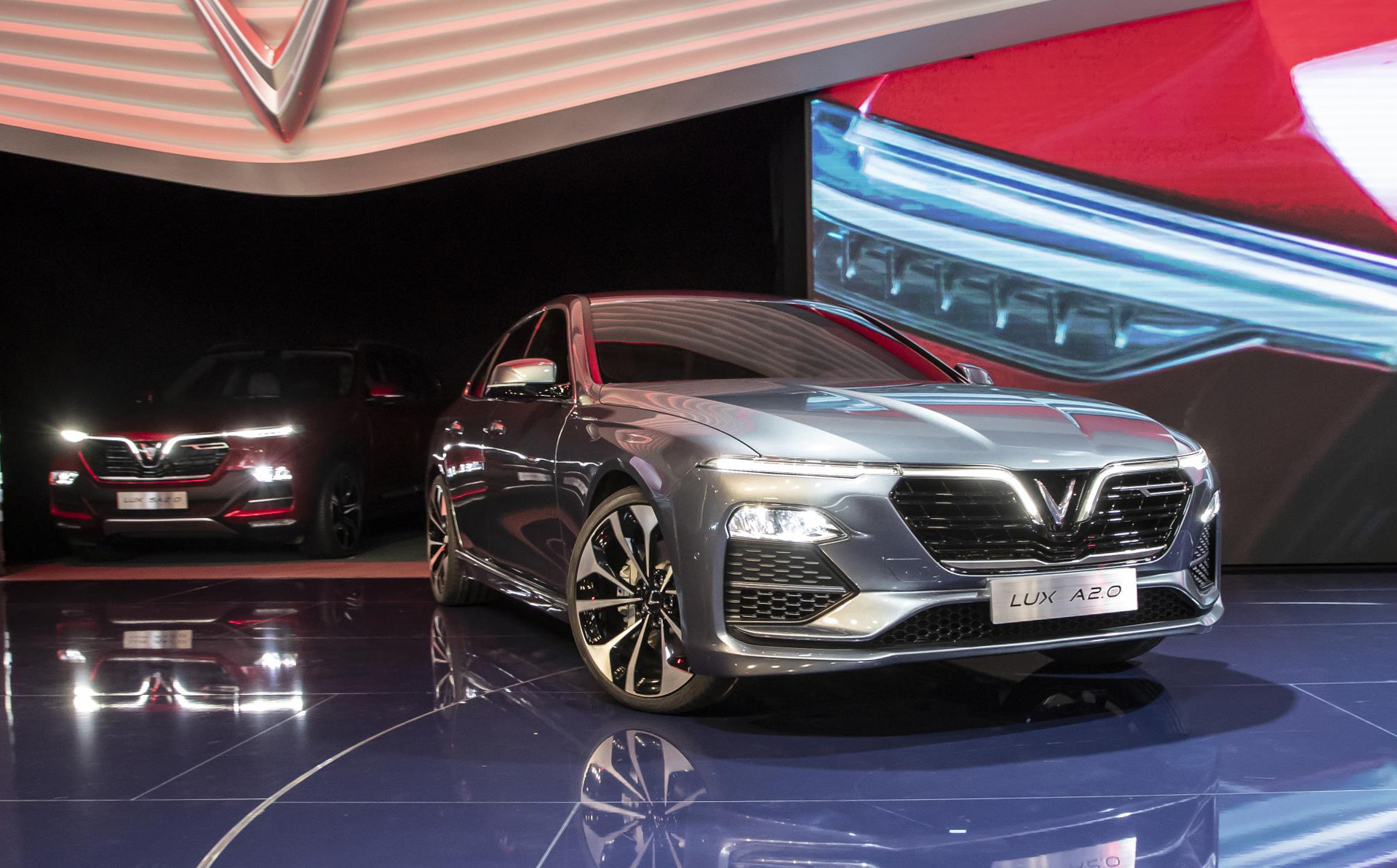
  • Vietnam’s VinFast in deal with PV Oil for electric car charging stations

    Vietnam’s VinFast in deal with PV Oil for electric car charging stations

    VinFast on Thursday signed a memorandum of understanding with PetroVietnam Oil Corp. to build charging stations for its electric cars and scooters.

    The company, a unit of Vietnam’s largest conglomerate Vingroup JSC, is building a $3.5-billion scooter and automobile complex in northern Vietnam, with its first production electric scooters slated to hit the streets late this year.

    Thursday’s agreement will pave the way for VinFast to deploy charging stations at 20,000 of PV Oil’s existing service stations in Vietnam by 2020, VinGroup said in a statement.

    This is part of VinFast’s plan to launch between 30,000 and 50,000 charging stations nationwide by 2020, it said.

    VinFast customers will be able to charge their vehicles or change their batteries at these stations, it added.

    VinFast Chief Executive Officer Jim Deluca said in an interview earlier this month that the firm would produce 250,000 electric scooters a year alongside 250,000 cars, in an ambitious production target that is set to eventually increase to 1 million units each a year.

    The company has started on the development of a battery electric vehicle with Germany’s EDAG Engineering.

    Vingroup, which has a market value of about $13.2 billion, also has businesses in property, hospitality, entertainment, retail, healthcare, education, agriculture and smart phone production.

  • Why did Dyson pick S’pore for electric car?

    Why did Dyson pick S’pore for electric car?

    When James Dyson, the billionaire British inventor of the bagless vacuum cleaner, unveiled a plan to build an electric car plant in Singapore, it raised a few eyebrows.

    Not only does the land-starved city state have some of the highest average salaries in the world, but it has been nearly 40 years since Ford closed its factory in Singapore, effectively ending car production there.

    “It is a bit of a surprise because of the cost base and no other car manufacturing plant being here,” said Shantanu Majumdar, a regional director at consultancy JD Power.

    Dyson said on Tuesday the decision was based on supply chains, access to markets and the availability of expertise, which offset the cost factor.

    But what other factors could have influenced the decision?

    Why not head straight to the biggest electric vehicle market in the world, China, like rival Tesla?

    Here’s a look at some of the less obvious pros and cons:

    1. High Costs vs Generous Incentives
    Compared with other global cities, Singapore has some of the highest average salaries in the world after tax, according to studies by Deutsche Bank. Land available for industrial use is scarce and expensive, and it ranks highly in general cost-of-living indexes.

    But aside from its skilled engineers and scientists, for a high-tech firm like Dyson, Singapore offers generous incentive schemes. Some schemes include tax breaks for five years, which can be extended, and grants that can cover up to 30% of the cost of projects to improve business efficiency.
    Singapore declined to comment on whether Dyson benefited from any such schemes.

    To shore up productivity in its manufacturing sector, which makes up less than quarter of its output, Singapore has focused efforts on attracting high-end manufacturers and those who adopt automated production processes.

    2. Small Market vs China Gateway
    Dyson may have decided to make electric cars in Singapore, but few are likely to be driven here or anywhere in Southeast Asia for that matter.

    The number of privately owned electric vehicles in Singapore is in single digits, and Tesla CEO Elon Musk has criticised Singapore for not being supportive of electric vehicles.

    Singapore is one of the world’s most expensive places to own a car because the government strictly controls the vehicle population by charging owners a variable rate for the right to own and use a vehicle for a limited number of years.

    In Southeast Asia, only 142 electric vehicles are forecast to be sold this year, data from consultant LMC Automotive shows. By contrast, sales in China are forecast to almost reach 700,000 vehicles this year, more than double the combined sales from the United States and Europe.

    But with one of the world’s busiest ports on its doorstep, Dyson can roll a car off the production line in Singapore and within the hour it can be on its way to China or other sizeable electric vehicle markets like South Korea or Japan.

    Dyson products – which include bladeless fans, air purifiers and hair dryers – are becoming a premium brand in China and other Asian markets. Asia accounted for over 70% of its growth last year, the firm said.

    3. Familiarity vs New Frontier
    Dyson’s history with Singapore probably also played a role. It already employs 1,100 people in Singapore, making 21 million digital electric motors a year. It also has manufacturing hubs in Malaysia – connected to Singapore via two road bridges – and the Philippines.

    “This is obviously a surprise but since Singapore is at the heart of Southeast Asia, Dyson would be best placed to source many components from neighbouring countries and, locally, assemble and manufacture the high-tech car here,” said a corporate banker who deals with multinational firms in the region.