Retail News CRM

Tag: electric car

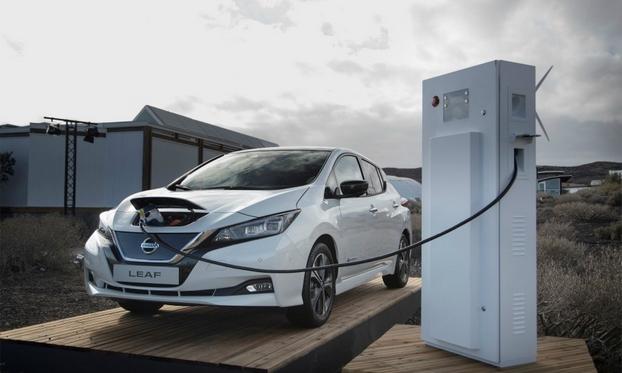
  • Nissan Leaf approved for vehicle-to-grid use in Germany

    Nissan Leaf approved for vehicle-to-grid use in Germany

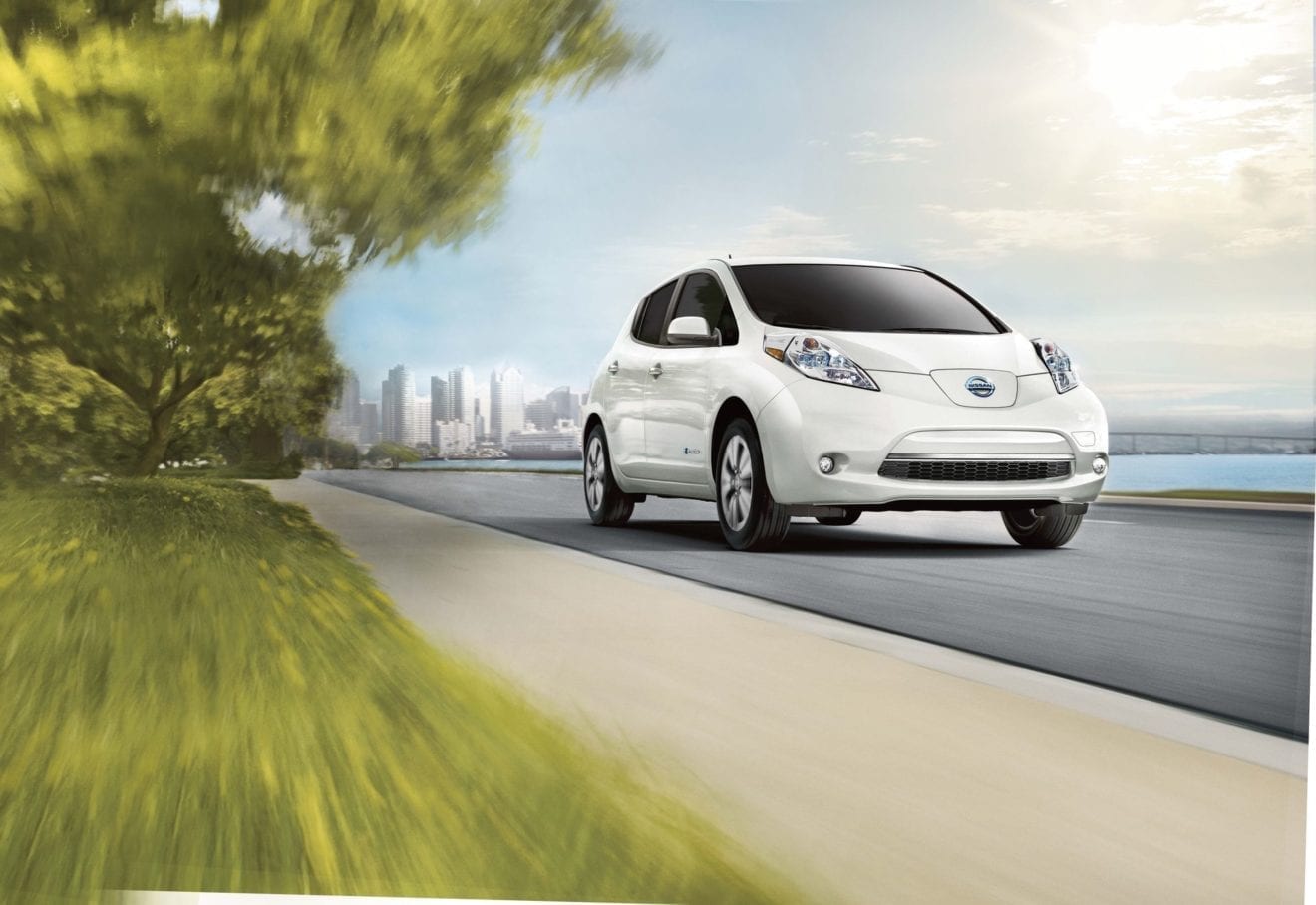
    Nissan’s Leaf is the first electric vehicle to secure regulatory approval as an energy backstop for Germany’s electricity grid. So-called vehicle-to-grid (V2G) technology is a connection between the EV and the grid through which power can flow from the grid to the vehicle and vice-versa, potentially enabling car owners to sell energy to the network. This would allow utilities to use EVs as a backstop if demand rises.

    Nissan said it would initially target corporate clients with fleets of more than 60 electric vehicles, adding that services based on V2G technology would be offered in Germany starting next year.

    “We strongly believe in an emission-free future,” said Guillaume Pelletreau, Vice President and Managing Director, Nissan Center Europe. “Leaf batteries could make an important contribution to energy transition in Germany and a sustainable future.”

    The initiative was also supported by Daimler-backed The Mobility House, local utility Enervie and German transmission system operator Amprion, which is co-owned by RWE and infrastructure investors including Munich Re, Swiss Life and Talanx.

    Nissan is relying on the CHAdeMO charging standard, which has been jointly developed by several Japanese companies as a competitor to Tesla’s supercharger system and the European-backed Combined Charging System (CCS).

    That puts Nissan at odds with European automakers, including BMW and Volkswagen, who are pushing to have the CCS, which is also capable of V2G services, established.

    “Nissan is ahead for now but other technologies, including Tesla’s supercharger can theoretically do the same thing,” said Thomas Raffeiner, chief executive and founder of The Mobility House.

    Nissan has so far sold about 370,000 electric vehicles and, along with top shareholder Renault, has been very active in exploring how car batteries can be integrated into the wider power system.

    While a mass uptake of EVs is expected to put a major strain on the power grid and require billions of euros in infrastructure investments, car batteries have already proven that they can become part of the network.
  • Electric car sales in Korea shoot up as driving range grows

    Electric car sales in Korea shoot up as driving range grows

    For years, Korea’s electric car market lagged behind that of other countries due to a lack of charging infrastructure and few appealing models.

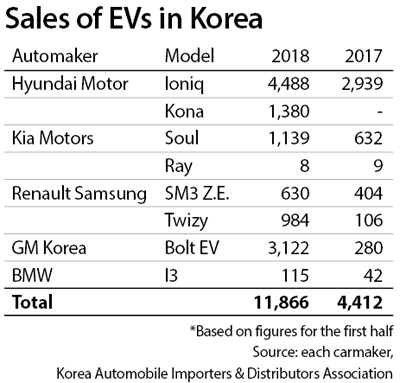
    This year marks a turning point, as sales of electric vehicles (EV) grew by more than 150 percent in the first half of 2018 when compared to 2017.

    According to data from Korea’s four domestic carmakers and the Korea Automobile Importers & Distributors Association released on Sunday, 11,866 pure electric vehicles were sold from January to June this year. This is 168.9 percent more than the first half of last year, when 4,412 electric cars were sold in Korea.

    Hyundai Motor sold 4,488 of its Ioniq Electric cars, making it the year’s most popular model. It was followed by GM Korea’s Bolt EV.

    The Bolt EV launched in Korea last year, and GM Korea sold a total of 3,122 of the cars in the first half of this year.

    The electric version of Hyundai Motor’s small Kona SUV, which only launched in May, took the third spot with 1,380 vehicles sold.

    The top three EV models this year all have batteries that provide for long ranges.

    The Ioniq Electric, the oldest of the three, can travel 200 kilometers (124 miles) per charge, a slight upgrade from its previous version, which ran out of juice after 191 kilometers.

    GM Korea’s Bolt EV, a rising star in the Korean EV industry, can travel about 380 kilometers. The Kona Electric has the longest range of the top three at 400 kilometers.

    According to Hyundai Motor, about 15,000 sales of the Kona EV have not yet been reflected in the data.

    Kia Motors’ Soul EV followed in fourth place, with 1,139 cars sold, which is 80.2 percent more than the first half of 2017.

    Renault Samsung Motors is aiming at a niche market with its electric cars. Its electric SM3 Z.E. sold 630 units in the first half. The Korean unit of French auto giant Renault Group is targeting taxi companies by providing an extra discount for SM3 Z.E.s sold as taxi vehicles.

    It also launched a micro EV, the Twizy, last year, which sold 984 units so far this year.

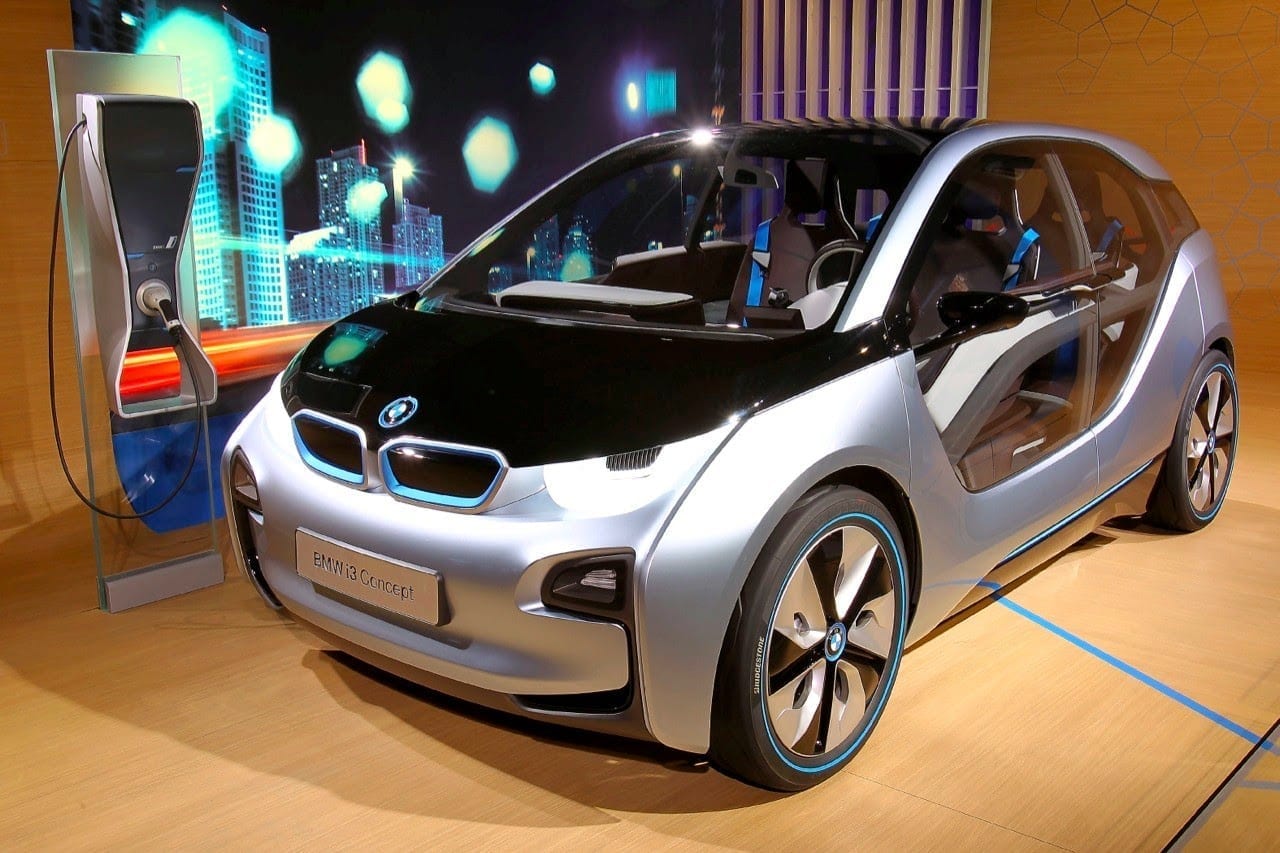
    BMW upgraded the driving distance of its i3 by 50 percent last year to 208 kilometers. The company sold 115 i3s last year, 173.8 percent more than the first half of 2017.

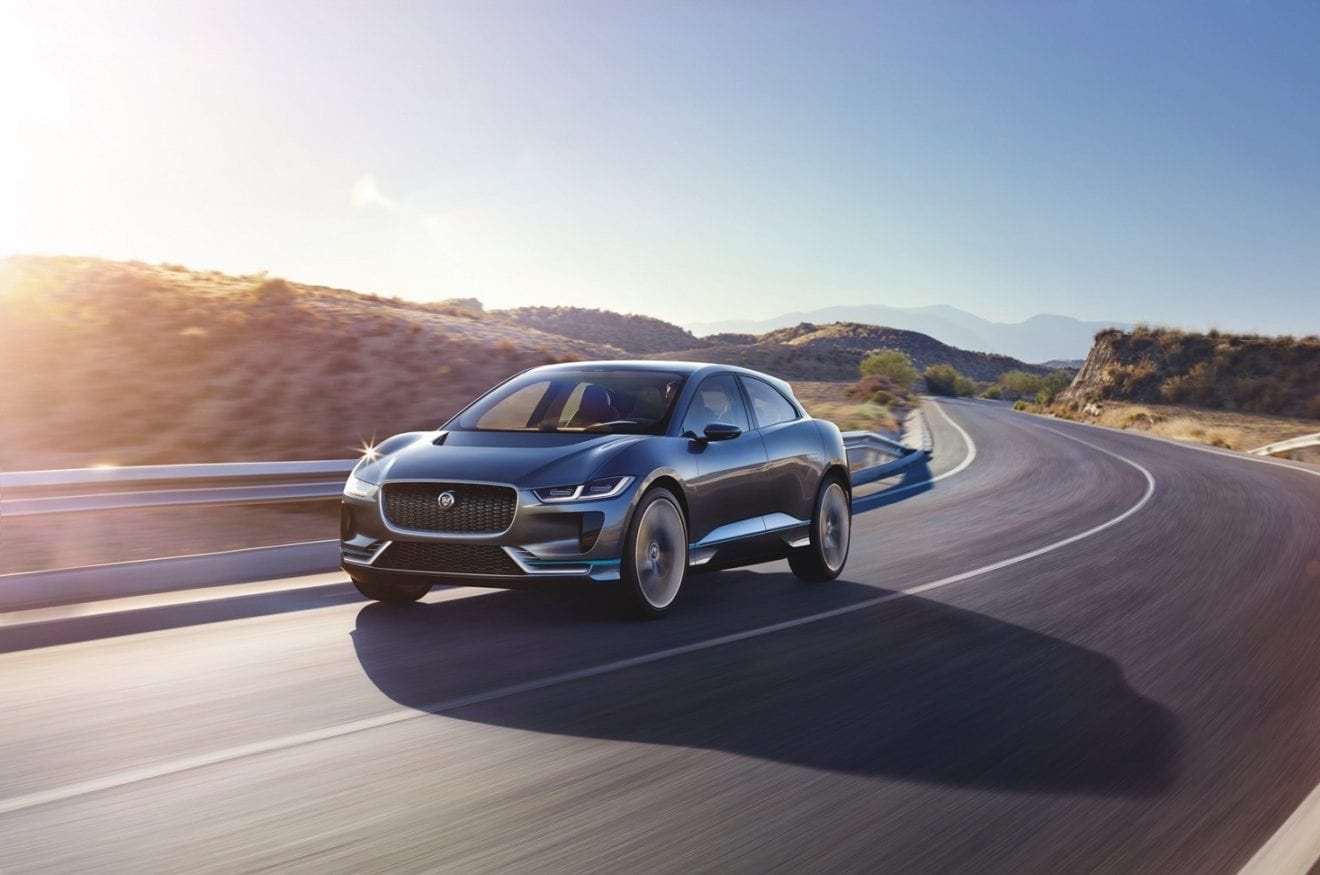
    The EV market in Korea is expected to grow further later this year after Kia Motors’ launches its electric Niro SUV, which will be able to travel more than 380 kilometers per charge, and Jaguar’s I-Pace, which will have a range of 480 kilometers per charge.

  • E-Mart to have electric car charging at all stores

    E-Mart to have electric car charging at all stores

    Korean hypermarket giant E-Mart plans to install electric car charging stations at all of its outlets nationwide by 2021.

    The company initiated formal service of nine electric car charging stations in four regions (Sokcho, Gangneung, Geomdan, and Gumi) this week.

    The stations can accommodate many cars at any given time. From October, E-Mart will be expanding the number of charging stations by 30 every year so that by 2021, the total number of stations within its overarching Shinsegae Group will reach 1100 including the 140-odd stations installed on the premises of its E-Mart stores.

    The multi-car charging stations will each accommodate 18 cars that can be fully charged within 40 minutes at 100kWh, making them the fastest chargers in the nation.

    A new payment system that automatically recognises the driver’s Hi Pass payment card number will make payment easy without requiring the driver to take out his or her credit card.

    E-Mart was the first retailer in the nation to build charging stations for electric cars. The company currently operates more than 110 charging stations with a total capacity of charging 200 electric cars.

  • Jaguar Land Rover needs Brexit detail before building electric cars in Britain

    Jaguar Land Rover needs Brexit detail before building electric cars in Britain

    Jaguar Land Rover (TAMO.NS) is waiting for more information on trading conditions after Brexit before it decides whether to make electric cars in its home market, the boss of Britain’s biggest carmaker said.

    The Indian-owned automaker, which makes just under one in three of Britain’s 1.7 million cars at three factories, is building its new I-PACE electric model in Austria.

    The company is due to decide this year whether to build electric vehicles in Britain but, like its peers, is worried about the imposition of tariffs or customs checks after Brexit, snarling up supply chains and adding costs to production.

    “That makes the decision this year very, very critical and I don’t know whether we can make it,” Chief Executive Ralf Speth said at the Geneva Motor Show.

    London and Brussels hope to agree on a transitional deal this month to maintain free and unfettered trade until at least the end of 2020 ahead of a long-term Brexit agreement to be decided by the end of the year.

    Speth cited the need for support from government and academia but when asked whether Brexit was a factor in the decision-making process, he said:

    “We are waiting for these kinds of decisions. It goes without saying because uncertainty is really challenging us very much and not only us, it’s for the complete industry.

    “You hardly see inward investment any more or every decision is taking longer from every faculty. Therefore it would be … appropriate to get more information about these kinds of deals.”

  • Mercedez’s owner warns of supply chain risk from switch to electric cars

    Mercedez’s owner warns of supply chain risk from switch to electric cars

    Daimler AG, owner of the Mercedes-Benz brand, warned that a fall in demand for diesel cars and a switch to electric vehicles could force it to prop up its supplier base.

    Carmakers face increased legal and regulatory scrutiny over pollution levels produced by their diesel-engined vehicles after Volkswagen (VOWG_p.DE) in 2015 admitted to cheating emission tests using engine management software.

    To avoid a total ban on their diesel vehicles, Daimler and other carmakers have stepped up development of electric cars and agreed to update their engine management software to cut down pollution levels.

    Daimler’s suppliers are being forced to invest to help electrify the entire Mercedes-Benz range by 2022, prompting the carmaker to use unusually frank language to warn about the impact of the shift to electrified cars in its report.

    “Due to the planned electrification of new model series and a shift in customer demand from diesel to gasoline engines, the Mercedes-Benz Cars segment in particular is faced with the risk that Daimler will require changed volumes of components from suppliers,” the carmaker said in its annual report.

    “This could result in over- or under-utilization of production capacities for certain suppliers. If suppliers cannot cover their fixed costs, there is the risk that suppliers could demand compensation payments,” Daimler said.

    “Necessary capacity expansion at suppliers’ plants could also require cost-effective participation,” Daimler added.

    Daimler created a risk management committee to oversee its suppliers in the aftermath of the 2008 financial crisis, when some smaller companies ran into cash-flow problems, forcing Daimler to step in.

    Daimler said earlier this month that its profit growth would be dampened this year by spending on new technologies such as electric and autonomous vehicles.

    In its annual report, Daimler also said that political crises and uncertainties could lead to supply bottlenecks for specific raw materials, leading to volatile prices.

    “Generally, the ability to pass on the higher costs of commodities and other materials in the form of higher prices for the manufactured vehicles is limited because of strong competitive pressure in the international automotive markets,” the annual report said.

    Daimler’s report showed that provisions stood at 14 billion euros ($17.3 billion) at the end of 2017, 2.1 billion higher than a year earlier.

    The Stuttgart-based carmaker did not provide a detailed breakdown of the rise but said it was primarily due to increased obligations from sales transactions, provisions for warranty obligations, and provisions relating to legal proceedings.

    Daimler is being sued by owners of diesel-engined Mercedes-Benz vehicles in the United States in a class-action suit which alleges the German carmaker used software to reduce emissions.

    Daimler views the lawsuit as being without merit, but added it could not quantify the legal risks from class-action lawsuits, the annual report showed.

    Among the legal risks faced by Daimler is a regulatory probe tied to raids at several car manufacturers and suppliers, with regard to steel purchasing. Daimler reiterated in its report that it was cooperating in full with the authorities.

    Daimler also said in its report that Chief Executive Dieter Zetsche’s total remuneration for 2017 amounted to 8.61 million euros, an increase from 7.61 million euros a year earlier.

  • Porsche, Audi to develop joint electric car platform to save costs

    Porsche, Audi to develop joint electric car platform to save costs

    Porsche and Audi, Volkswagen’s main luxury car divisions, plan to develop a joint platform for electric vehicles that will enable them significantly cut down on costs, German newspapers quoted their chief executives as saying.

    “By 2025, we’re facing a low single-digit billion euro sum to develop the architecture,” Audi CEO Rupert Stadler told both the Stuttgarter Zeitung and Stuttgarter Nachrichten.

    “If both would act on their own, costs would be 30 percent higher,” Porsche CEO Oliver Blume said, adding Audi was hiring 550 developers for the project and Porsche 300.

    From 2021 onwards, both businesses want to bring several models to the streets based on the joint platform, with Stadler saying that would build two sedan cars in Neckarsulm and two sports utility models at its Ingolstadt base.

    Porsche’s Blume said the sportscar maker could build its first model based on the joint architecture in Leipzig, where it is already assembling its Macan sport-utility model. “I currently see good chances for Leipzig,” Blume said.

  • One in Three in Southeast Asia Considers Making the Switch to Electric Cars

    One in Three in Southeast Asia Considers Making the Switch to Electric Cars

    One in three people in Southeast Asia admit they consider making the switch to electric cars, a study by Frost & Sullivan has revealed.

    The research, sponsored by Japanese carmaker Nissan, revealed 37 percent of prospective car buyers in the region may end up buying an electric one.

    Survey respondents from the Philippines, Thailand and Indonesia are the most interested in electric motor-powered cars.

    According to the study, with the right incentives and policies, electric cars could be the next big thing in the region.

    “Two-thirds of customers in Asean countries say they’re still worried about safety and finding charging stations for their electric cars,” Nissan revealed the results of the study in a statement on Tuesday (06/02).

    “But they don’t see price as an obstacle. They’re prepared to pay more for electric cars,” the study said.

    The research also recommends policies to be taken by governments wanting to promote the use of electric cars.

    “75 percent of respondents say they will buy electric cars if they don’t have to pay tax, 70 percent say they will be even more enthusiastic about the prospect if charging stations are made available in their apartment complexes and 56 percent say they will abandon conventional cars altogether if there’s a priority lane for electric cars on the streets of their city,” the study said.

    However, the study also revealed a few factors that make Southeast Asian customers reluctant to switch to electric cars.

    “They’re worried the cars will run out of charge before they reach their destination. That’s their main concern. The government and carmakers need to work together to ease it,” the study said.

    “Southeast Asians consider the government plays a very important role in promoting electric vehicles,” Nissan’s senior vice president Yutaka Sanada said in the company’s statement.

    The Japanese carmaker says it has sold more than 300,000 of its Nissan LEAF electric cars all over the world and not a single one of them has experienced safety issues.

    “In reality the demand for electric cars today is very high. Figures sometimes don’t tell the whole story. If governments and carmakers can assure customers that electric cars are safe and won’t run out of power mid-journey, the market can grow very large indeed,” Frost & Sullivan’s senior vice president Vivek Vaidya said.

  • Nissan’s Infiniti vehicles to go electric

    Nissan’s Infiniti vehicles to go electric

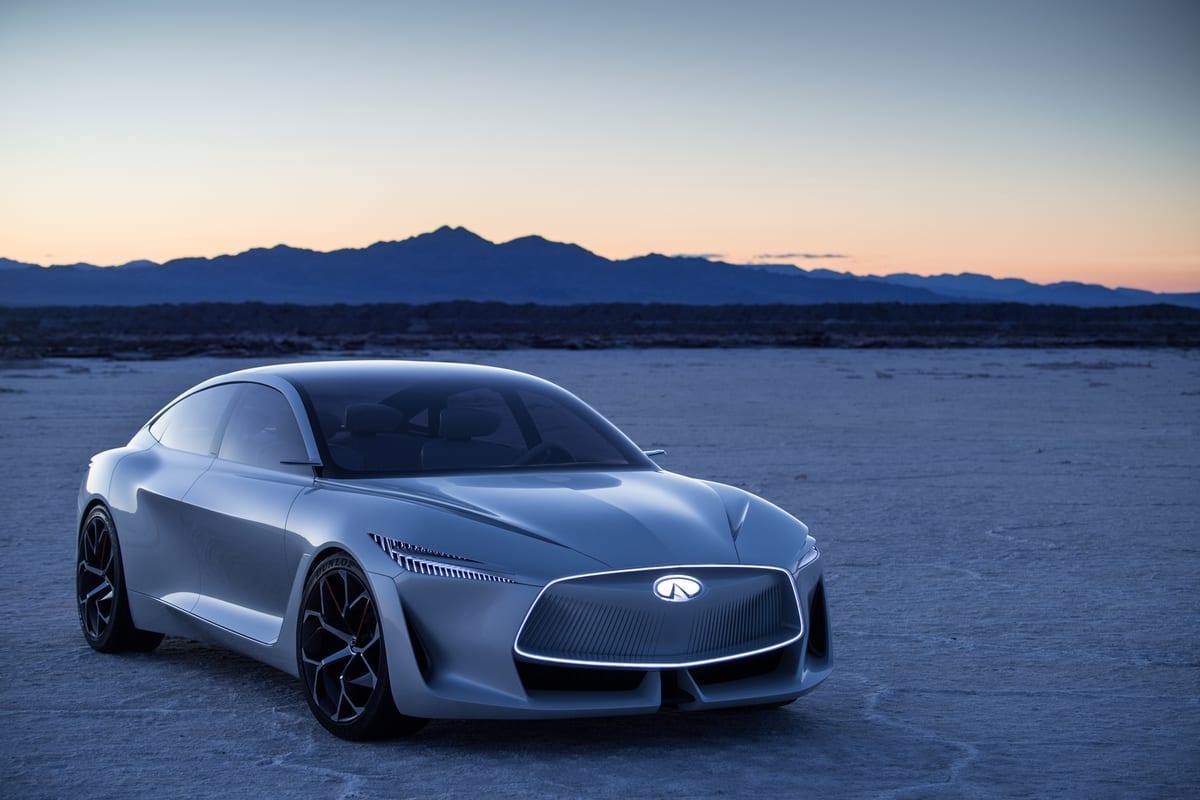
    Japanese carmaker Nissan Motor Co. plans to transform its upscale Infiniti brand of vehicles into a primarily electrified offering, Chief Executive Hiroto Saikawa said on Tuesday.

    All new Infiniti models launched from 2021 will be either electric or so-called “e-Power” hybrids, Saikawa told the Automotive News World Congress in Detroit.

    The announcement revives plans for a luxury electric offering that Nissan first touted with a 2012 Infiniti show car, but later scrapped over profitability concerns. That left the road clear for Tesla’s (TSLA.O) Model S, introduced the same year.

    “We are going to make Infiniti the premium and highly electrified brand,” Saikawa said on Tuesday.

    Nissan and alliance partner Renault (RENA.PA) took an early lead in battery-powered cars with models such as the 2011 Leaf, still the world’s top-selling electric vehicle.

    However, Tesla has hogged the limelight in recent years, while German carmakers are leading a $90 billion wave of investment in electric and plug-in hybrid cars.

    Nissan dropped the earlier electric Infiniti program in mid-2014 over concerns it would threaten the financial goals in its “Power 88” mid-term plan, according to people involved in those discussions. The company ended up missing its 8 percent margin target anyway, in fiscal 2017.

    Nissan is one of a number of Japanese carmakers seeking to jump-start a higher-end brand. Toyota (7203.T) is launching a revamped Lexus LS flagship, while Honda (7267.T) has been redesigning its Acura line in the hope of boosting sales.

    In the United States, Infiniti’s sales rose 11.3 percent last year in a light vehicle market that was down 1.5 percent overall, while Acura deliveries fell by 3.9 percent and Lexus by 7.6 percent.

  • Rickshaws to jump start India’s all-electric drive

    Rickshaws to jump start India’s all-electric drive

    India, one of the world’s most polluted nations, has one of the most ambitious plans to kick its fossil fuel addiction. India will roll out nearly 100,000 battery-powered buses and autorickshaws onto its sulphurous city streets in the coming weeks, setting it on the bumpy road to making new vehicle sales all-electric by 2030.

    Analysts say the target is “daunting”.

    Transport is a major source of India’s carbon emissions and the Greenpeace group blames at least 1.2 million deaths a year in the country on pollution.

    Getting off diesel and petrol would improve the nation’s health and bolster India’s bid to meet the bold climate change targets it pledged in Paris in 2015.

    India is not alone in wanting all-electric cars, though it is aiming to go faster than others.

    Britain and France have said they want to end the sale of fossil fuel cars by 2040.

    But electric and hybrid models make up just three percent of all cars on the road worldwide, say London-based consultancy firm PwC.

    That figure is even lower in India, underscoring the enormity of Prime Minister Narendra Modi’s electric challenge.

    On top of gradually bringing in electric rickshaws and buses in New Delhi, the government has issued a tender to auto makers for 10,000 cars to replace pollution producers at four government ministries.

    “To go all electric is a daunting task,” said PwC partner Abdul Majeed.

    “Electric vehicles have a few huge challenges to deal with before they can take off in a big way.”

    Low-cost solutions

    The government does not want to pay for a network of charging stations for millions of future green motorists to power up depleted car batteries.

    Instead it hopes private energy companies will invest in “swapping bays”, where drivers can exchange empty batteries for fresh ones, Ashok Jhunjhunwala, principal advisor to the power minister and the official spearheading the efforts, told AFP.

    It plans to lease batteries separately for public transport and taxi fleets. It also wants more work on smaller, easier to use batteries.

    Amara Raja Batteries, an Indian battery manufacturer, would be part of the “swapping model”, said its chief executive S. Vijayanand.

    “The headache of managing and charging the battery will not be with the driver then,” he said.

    Other ideas include setting tougher efficiency standards so new vehicles use less power.

    “The idea is to keep it as low-cost as possible,” Jhunjhunwala said. “Vehicles and chargers must happen without subsidies and must make business sense.”

    Mahesh Babu, chief executive at Indian conglomerate Mahindra, said it was an exciting project but government efficiency targets are “idealistic and might lead to compromise on consumer needs and safety.”

    Others are more optimistic.

    Reductions in the size and cost of electric vehicles, coupled with rapid technological advances, mean India’s ambitions were “very feasible”, said Bill Hare, chief executive of the Berlin-based Climate Analytics consultancy.

    ‘India’s challenges’

    Foreign car majors are not ready to bring their electric offerings to India.

    Mercedes said it needs a reasonable timeline and improved incentives for motorists — currently a tiny sum that could be withdrawn at any time — to bring in electric cars.

    Tesla boss Elon Musk — who in July launched Model 3, a mass-market version of Tesla’s pricier cars — has postponed entry to the Indian market.

    But at $35,000, even the cheapest Tesla is out of reach for most Indians. Most of the three million new cars added to India’s roads every year are far cheaper, compact vehicles.

    Nissan Motor is test driving its Leaf model to see how it performs on Indian roads and copes with pollution and extreme weather conditions.

    That leaves the field wide open for Mahindra, currently the only company selling electric cars in India.

    Its hatchback, sedan and van sell in Delhi from $11,000 to $15,000, after a subsidy of $2,300.

    The company hopes to sell up to 5,000 units this year, including autorickshaws.

    So far it has tied up with cab firms in a handful of cities, logistics firms and start-ups that offer a sharing system of self-driving cars.

    “We want to meet India’s challenges,” Babu said.

  • Nissan unveils new electric car in bid to drive off competition

    Nissan unveils new electric car in bid to drive off competition

    The new vehicle ‘strengthens’ the firm’s ‘leadership’ in the electric car sector.

    Japanese giant Nissan Wednesday unveiled a new electric car with an extended range and semi-autonomous driving functions, as it seeks to battle off competitors in a sector it once pioneered.

    The second-generation Nissan Leaf has a potential range of 400 kilometers (250 miles) between charges, compared with 250 kilometers for its previous version.

    It also boasts semi-autonomous driving capabilities such as keeping the vehicle automatically in one lane on the motorway or parking without human intervention.

    Hiroto Saikawa, president and chief executive officer of Nissan, said in a statement that the new vehicle “strengthens” the firm’s “leadership” in the electric car sector.

    Nissan was an innovator in the sector seven years ago when it unveiled its first Leaf — which has sold 280,000 units — but has since had to contend with fierce competition from General Motors and Tesla among others.

    Faced with tighter global environmental regulations, most carmakers are investing heavily in the electric car sector, sparking a ferocious race to create the next green vehicle.

    The new car will be available next month in Japan, followed by the United States, Canada and Japan in January 2018.

    The price tag in Japan will be 3.15 million yen (around $29,000).

  • Nornickel bets on battery materials as electric car sales rise

    Nornickel bets on battery materials as electric car sales rise

    Russian miner Norilsk Nickel wants to expand in the market for materials used to make batteries for the fast-growing electric vehicle (EV) sector, its head of marketing and sales told Reuters.

    Nornickel, the world’s second-largest nickel producer and a major cobalt producer, and German chemicals company BASF said on Tuesday they were in talks to supply nickel and cobalt, needed to make lithium-ion batteries, in Europe, as the car industry’s push into electric vehicles gathers pace.

    For Nornickel, this is just the start.

    “We are discussing…transactions with several manufacturers in the industry,” Nornickel’s Markus Meurer said in an interview with Reuters.

    Nornickel and BASF’s talks cover cooperation to set the foundation to supply battery cell producers for electric vehicles in Europe with regionally produced cathode materials, they said on Tuesday.

    Meurer said the project with BASF would be developed over the next few months and that it was too early to say how much metal and in which form it would be supplied.

    “Timing will depend a lot on market development and on technology….The important question is how to enable the ramp-up of production of battery raw materials in parallel with increasing demand,” Meurer said.

    The number of electric vehicles on roads worldwide rose to a record high of 2 million last year, the International Energy Agency (IEA) said this month, as governments clamp down on fossil fuels such as gasoline and diesel.

    UBS recently raised its forecasts for global sales of electric vehicles in 2021 to 3.1 million from 2.5 million and to 14.2 million by 2025 from 9.7 million. It expects electric vehicles to account for 3.1 percent of global car sales in 2021 and 13.7 percent in 2025, against 1 percent this year.

    Last year, nickel demand for electric vehicle batteries rose 20 percent to 15,000 tonnes, according to Nornickel.

    Meurer said he expected demand for nickel from the electric vehicle market to rise to 300,000 tonnes in 10 years from 20,000 tonnes in 2017, making it the second-largest segment for nickel demand after stainless steel.

    Global demand for cobalt, a by-product of nickel and copper, last year was about 100,000 tonnes, of which roughly half was used in batteries to power electric cars. Nornickel produces about 5,000 tonnes of cobalt a year.

    Prices for cobalt metal have nearly tripled to nine-year peaks above $27 a lb from below $10 a lb in Dec 2015.

  • BMW eyes 100,000 electric car sales in 2017

    BMW eyes 100,000 electric car sales in 2017

    BMW wants to boost sales of electric cars by two-thirds next year to 100,000 vehicles as the luxury automaker is offering more battery-powered models, citing Chief Executive Officer Harald Krueger.

    Munich-based BMW expects to increase its deliveries of fully electric and hybrid vehicles to around 60,000 units this year, Krueger said. Sales of battery-powered BMW models have totaled about 100,000 cars since 2013, he noted.

    “Electric mobility will come, but demand is not going through the roof at the moment,” the newspaper quoted Krueger as saying.

    To help improve sales, BMW is also increasing the battery range of its i3 city vehicle by 50 percent this year. The i3, BMW’s only fully battery-powered car, sold only 25,000 units last year.

    The company, which has dropped behind Daimler’s Mercedes-Benz in global luxury-car sales rankings, wants to expand the share of electric cars and hybrid models to between 15 percent and 25 percent of sales by 2025, the newspaper reported.

  • In China’s electric car boom, global automakers select different gear

    In China’s electric car boom, global automakers select different gear

    By 2020, Beijing says automakers must meet tough new green standards to cut epic pollution in China’s cities. As domestic firms bet heavily on electric cars to meet that goal, foreign peers are set to stay in a different, petrol-driven gear.

    In the latest sign of caution from global automakers in China, Germany’s Audi last week unveiled a new factory for high-efficiency transmissions in Tianjin, to be used in petrol-powered cars. While Chinese firms go electric in the world’s biggest auto market, Audi is intent on petrol engines that can run farther, cleaner, in tandem with hybrid technology.

    As China’s electrified vehicle production booms, some international industry officials warn in private that the ambitious electric goals of domestic firms could prove too costly, too risky, too far from what consumers actually want – and not a good fit with their operations elsewhere. Still, China doled out $4.5 billion last year alone in green car subsidies.

    “In 2020, most cars we will sell will be combustion engines, so to fulfill (fuel consumption targets) you have to improve the consumption of each and every car of the Audi model range,” Audi China chief Joachim Wedler said at the opening of the new plant. Wedler didn’t comment on Chinese peers’ electric car plans.

    Automakers globally have struggled to agree on what a greener future will hold for the industry. In China, Beijing and state-linked automakers have thrown their weight behind electric vehicles – despite the fact that the electricity they need may be generated from burning coal.

    Under Beijing’s 2020 requirements, on average cars must consume less than 5 liters of petrol per 100 kilometers – nearly 30 percent below current standard levels.

    Beijing has rolled out a raft of incentives to push domestic automakers – foreign brands generally aren’t eligible – to build more electric and plug-in hybrid vehicles, spurring a quadrupling in sales of these so-called “new energy vehicles” (NEVs) in 2015. Even with that surge, just 1.4 percent of cars sold in the first seven months of 2016 were NEVs, as concerns linger over driving range and home charging.

    HYBRID COMPROMISE

    A powertrain manager at a major foreign automaker’s China joint venture said domestic companies’ smaller scale made them nimbler. Many are also state-linked, therefore obliged to support government policy, the manager said, declining to be named as he was not authorized to speak to the media.

    For example, Geely – controlled by Li Shufu, a member of the government’s political consultative body – wants 90 percent of all sales to be NEVs by 2020. Meanwhile, state-backed GAC Motor plans to be able to produce up to 400,000 green energy cars annually by the end of this year.

    Foreign automakers, who must form joint ventures with local partners to produce cars in China, have to consider a different dynamic – how manufacturing strategies on the mainland correlate with their traditional businesses and customers elsewhere.

    The powertrain manager said his company, like Audi, is focusing on a more gradual strategy, developing more efficient engines as well as plug-in petrol-electric hybrids: an interim solution that will please a government intent on cutting harmful emissions.

    Of course, foreign automakers aren’t avoiding NEVs entirely.

    General Motors’ China venture last year pledged to spend $4 billion on electrification, developing 10 new energy models by 2020.

    In Tianjin, Audi China chief Wedler said the German firm and partner China FAW Group plan to launch their first locally produced plug-in hybrid vehicle this year, with a new imported car based on the same principle on the way next year.

    But Wedler acknowledged that as China’s massive auto market evolves, automakers alone won’t determine future directions.

    “The whole picture is driven by legislation,” Wedler said.

  • Electric car charging station companies issue warning over VW settlement

    Electric car charging station companies issue warning over VW settlement

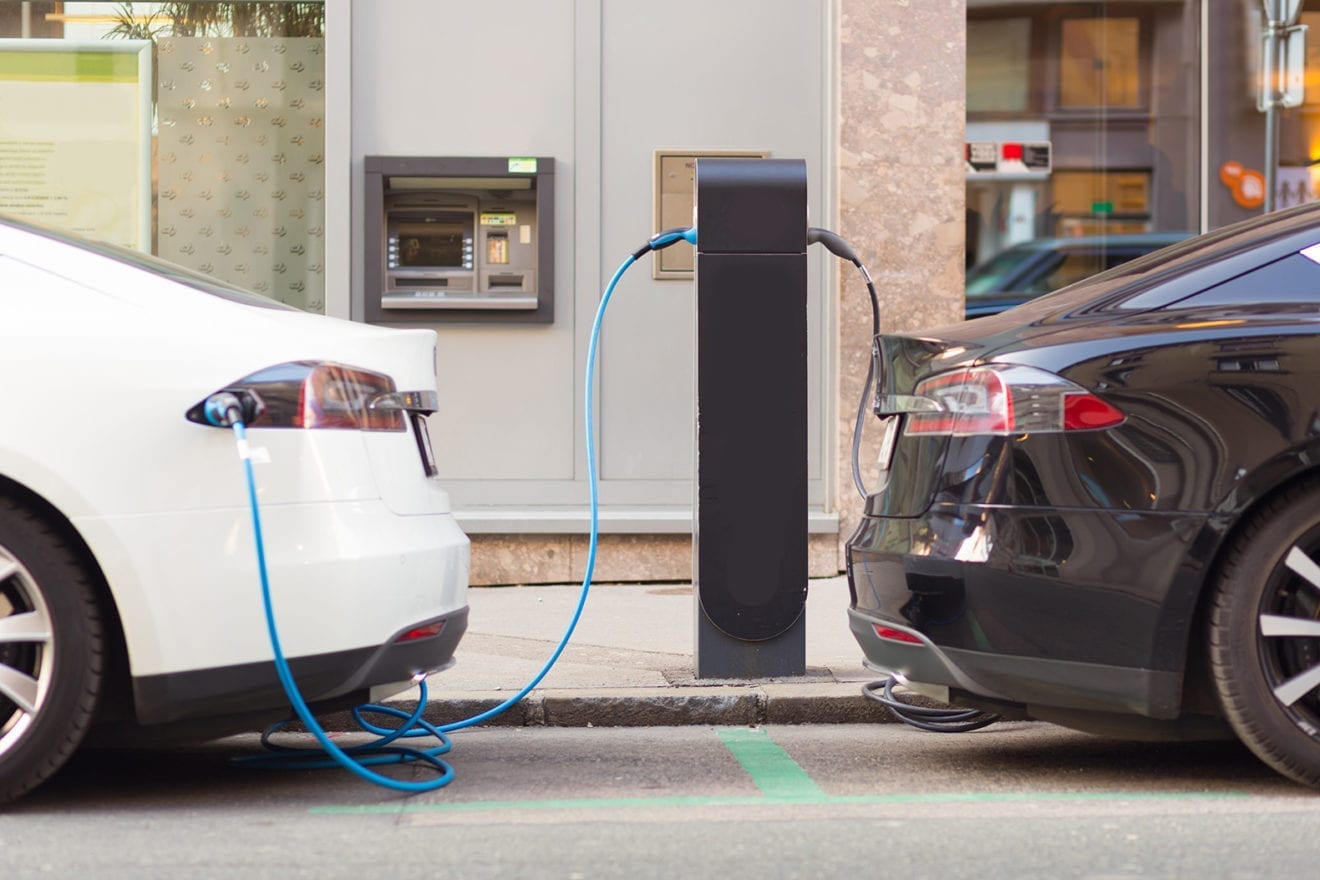
    Electric vehicle charging companies are calling for independent oversight of the $2 billion Volkswagen AG is required to invest in clean car infrastructure, saying VW should not have the power to shape the nascent electric car charging space.

    The German automaker agreed to invest the money, which includes $1.2 billion nationally and $800 million in California, as part of its penalties for equipping hundreds of thousands of its diesel vehicles sold in the United States with software designed to cheat tailpipe emissions tests.

    While charging station companies called the money a potential “game changer,” they worry that if it is misspent, it could hurt competition.

    “The agreement shouldn’t pick winners and losers, especially given that this emerging market transition will in no small part define 21st century transportation,” twenty eight companies, including ChargePoint, EV Connect and Electric Vehicle Charging Association, said in a letter to the U.S. Justice Department on Friday.

    The letter, seen by Reuters on Tuesday, said an independent administrator is key to ensuring that the program treats all industry participants, regardless of business model and technology, fairly.

    VW did not immediately respond to a request for comment.

    “The program should be structured to benefit drivers in California and across the nation, not enable the settling defendants to enter or influence the markets for (zero emission vehicle) charging and fueling equipment and services,” the letter said.

    It said regulators should earmark some of the funds for a rebate program to incentivize employers, apartment owners, workplaces and other facility managers who want to install EV charging stations.

    A shortage of charging stations at workplaces and multi-unit apartment dwellings is seen as a key hurdle to the widespread adoption of electric vehicles.

    VW’s plan for spending the $2 billion, which has yet to be released, will be overseen by the California Air Resources Board and the U.S. Environmental Protection Agency.

  • Daimler to unveil long-distance electric car in October

    Daimler to unveil long-distance electric car in October

    Germany’s Daimler will lift the curtain on its much-anticipated long-distance electric car at the Paris Motor Show in October, as the automaker gears up to compete with Tesla Motors Inc’s Model X sport-utility vehicle (SUV).

    The company will display a prototype of an electric-powered Mercedes car with a 500-kilometre (310 miles) range, Chief Development Officer Thomas Weber said this week in Stuttgart at an event for journalists.

    “The structure is ready, the teams are working and the initial results from road tests are coming in quick succession,” he said.

    Weber did not specify how soon the car would hit the road but said it would be sometime this decade.

    Daimler and European rivals are stepping up investments in electric vehicles in order to meet new EU pollution targets and catch up with U.S. battery-car specialist Tesla. The German government has also announced subsidies for buyers of electric and other less polluting cars.

    German competitor Volkswagen’s subsidiaries Audi and Porsche have already unveiled long-distance electric prototypes, while BMW is working on one.

    Weber also said Daimler would launch its fourth-generation electric Smart car at the end of the year in both two and four-seater variants.

    Daimler currently offers two fully electric cars under its Smart and B-class models and a host of plug-in hybrids, powered by a combined battery and combustion engine. Further hybrid models are in the pipeline.

    The company is aiming to sell more than 100,000 electric cars a year by the end of the decade, Weber said. He declined to provide the sales figure for 2015.

    Daimler has also been working on fuel cell powered cars, which run on electricity generated by hydrogen. It initially planned to launch such a vehicle in 2014 but had to postpone, blaming pricing issues.

    The fuel cell operated SUV GLC, likely to compete with Toyota’s Mirai, is now expected to enter production next year.