Tag: Electric vehicles

  • China Proposes Automakers Take Blame for Autonomous Driving Violations

    China Proposes Automakers Take Blame for Autonomous Driving Violations

    China wants automakers and importers to take legal blame for traffic violations committed by fully autonomous vehicles. The policy shifts legal exposure directly onto manufacturers.

    A draft revision to the Road Traffic Safety Law went before the Standing Committee of the National People’s Congress for an initial review on Tuesday.

    Spanning nine chapters and 170 articles, the legislation adds a dedicated section for autonomous vehicles. It establishes operating rules for public roads, insurance terms, and infraction processing. The rule applies strictly to fully automated mode. It does not automatically transfer liability for collision compensation to the manufacturer.

    Drawing the Line at Assisted Driving

    Standard traffic laws still apply when autonomous systems are off, and across all assisted-driving models. Drivers using Level 2 assistance remain personally responsible for any violations.

    Enforcement hinges on telematics data. Regulators have not detailed how authorities will pull telemetry or resolve disputes over whether autonomous systems were active during an incident.

    Adoption is surging across Chinese cities. Level 2 driver assistance penetration reached 70.5 per cent this year, while navigation on autopilot hit 34.2 per cent. China granted its first Level 3 passenger vehicle approvals in December 2025 to BAIC Group’s Arcfox and Changan Automobile’s Deepal brand. By targeting only fully autonomous mode, the proposal shields mass-market carmakers from immediate liability while setting rules for commercial scale.

    Safety Deadlines and Stricter Driver Rules

    Ministry of Industry and Information Technology baselines will guide the rollout. Systems must match the safety of an attentive human driver, with mandatory technical standards taking effect on July 1, 2027.

    Conventional motorists face tighter restrictions under the broader bill. Drivers cannot use handheld phones or watch video screens behind the wheel.

    Lawmakers will continue reviewing the text ahead of a final vote by the Standing Committee.
  • BYD and Bus Cap Plan Electric Commercial Vehicle Plant in Malaysia

    BYD and Bus Cap Plan Electric Commercial Vehicle Plant in Malaysia

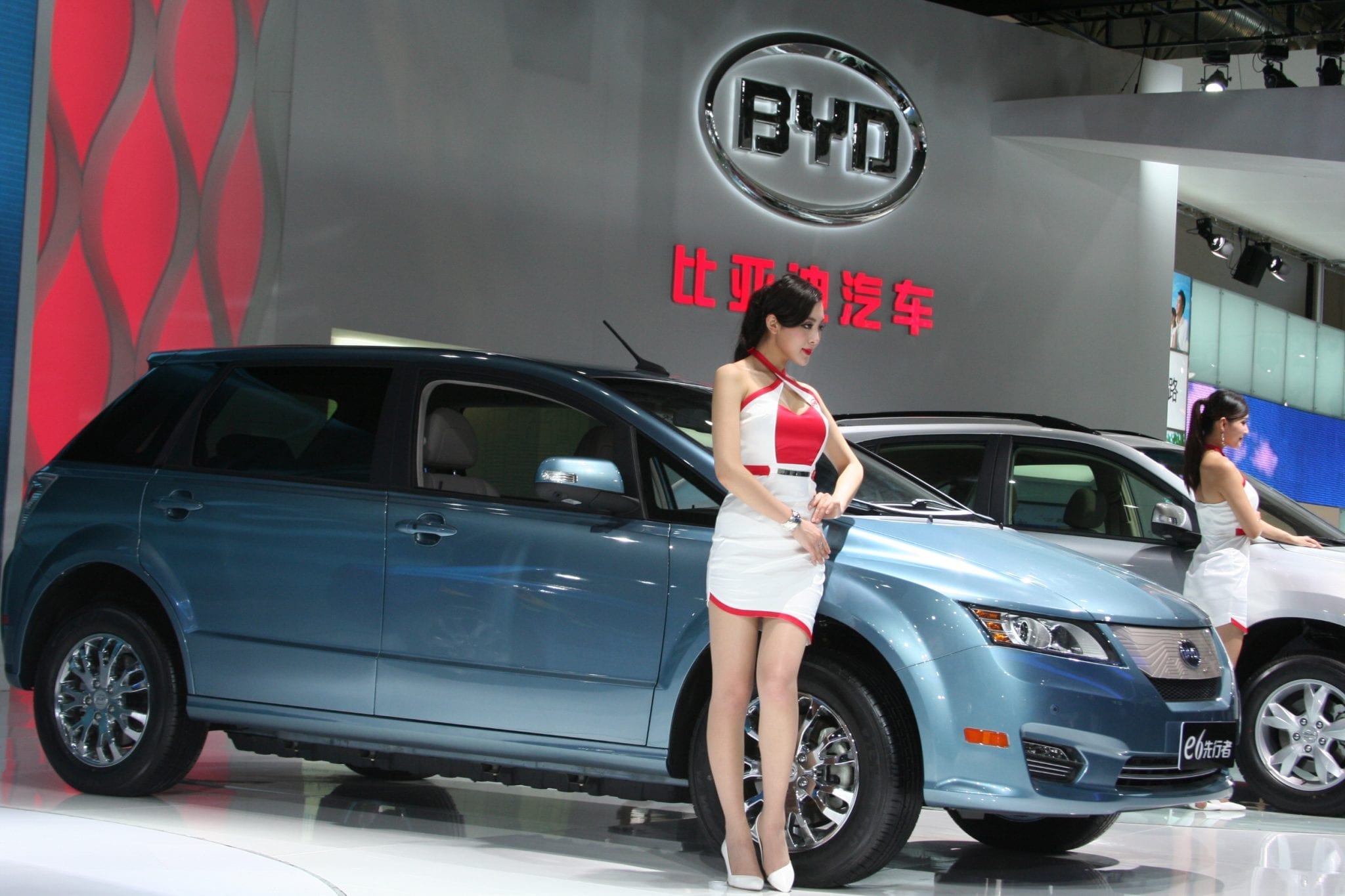
    BYD Malaysia and local manufacturer Bus Cap signed an agreement in Shenzhen to develop a joint electric commercial vehicle platform in Perak. The deal targets local electric bus assembly and manufacturing. It also covers sales and after-sales operations.

    Under the exclusive memorandum, the partners are evaluating assembly sites and supply chains across the northwestern state. Capital commitments and operating structures depend on definitive contracts.

    Expanding Beyond Bus Fleets

    Bus Cap listed on Bursa Malaysia’s ACE Market in June 2026. Its coach-building roots date back to 1968 through subsidiary Sin Hock Leong Coach Works. BYD commercial vehicle division general manager Luo Zhongliang said the venture could broaden into electric trucks, vans, forklifts, and rail transit hardware. These would serve Malaysia and neighboring Southeast Asian markets.

    Executive director Bernard Ng Chong Yan said the alliance pairs BYD vehicle technology with local engineering. It also uses existing fleet customer relationships.

    Questions Over Passenger Plant

    The commercial venture gives BYD another production foothold in Malaysia as uncertainty surrounds its separate passenger car plans. In August 2025, BYD announced a 600,000-square-metre Tanjung Malim assembly plant scheduled for the second half of 2026. Malaysia’s Ministry of Investment, Trade and Industry said earlier this month that it has received no confirmation that BYD will proceed with that project as planned.

    Negotiators must now finalize binding agreements to lock in the Perak project’s investment budget and production start date.

  • FAW Toyota Launches Updated bZ5 Electric SUV in China

    FAW Toyota Launches Updated bZ5 Electric SUV in China

    FAW Toyota will release the updated 2027 bZ5 electric coupe SUV in China on August 26, rolling out its first annual refresh for the battery-powered crossover.

    The outgoing model, which arrived in showrooms in June 2025, sells across six trim levels priced between 129,800 yuan ($19,130) and 199,800 yuan.

    Driver assist and battery specs

    Toyota kept the vehicle’s exterior proportions and styling intact. The bZ5 measures 4,780 mm in length with a 2,880 mm wheelbase, keeping the closed front grille, light bars, and 15.6-inch dashboard display from the initial release.

    Engineering changes center on software and battery management. The existing version uses front-mounted 200 kW electric motors and lithium iron phosphate Blade batteries from BYD, offering capacities of 65.28 kWh and 73.98 kWh for CLTC driving ranges of 550 km and 630 km. For intelligent driving, the crossover runs the Toyota Pilot suite, combining Momenta 5.0 software with Toyota Safety Sense hardware to handle urban navigation and automated parking.

    Japanese brands lean on local tech

    Foreign automakers in China increasingly rely on domestic tech suppliers to defend market share against aggressive local pure-play EV brands. Toyota split its approach across its Chinese joint ventures, equipping this FAW-built bZ5 with Momenta software and BYD batteries while turning to Huawei systems for the larger GAC Toyota bZ7 sedan that launched in March 2026 at 147,800 yuan.

    FAW Toyota has not yet released final trim pricing or updated range ratings, which will be confirmed when order books open on August 26.

  • DragonSea Deploys 37 Farizon Electric Vans to Expand UK Removals Fleet

    DragonSea Deploys 37 Farizon Electric Vans to Expand UK Removals Fleet

    Chinese logistics specialist DragonSea took delivery of 37 Farizon SV electric vans to handle door-to-door residential moves across the United Kingdom.

    The two-year lease deal equips the operator with battery-powered commercial vehicles tailored for cargo arriving from China. Broker Driveway Vehicle Solutions structured the transaction, with Pentagon Farizon Derby supplying the vehicles directly.

    Payload specs and route range

    Each SV L1H1 van runs on a 93 kWh battery pack delivering an operating range of up to 234 miles (377 kilometres) under WLTP testing. Cargo capacity reaches 6.95 cubic metres alongside a maximum payload rating of 1,265 kilograms and a 550-millimetre loading height.

    Those specifications allowed DragonSea to switch heavy household freight to electric traction without sacrificing daily operating radius on domestic transfer routes. Farizon Auto UK head of sales Zoe Tonks noted the model combines cargo volume with driver assist functions suited for dense urban removals.

    Chinese commercial EVs target European fleets

    Chinese commercial vehicle manufacturers are pushing rapidly into western European fleet networks, using competitive battery capacities and pricing to displace legacy diesel models. For cross-border logistics providers managing Asian trade flows, deploying Chinese-built electric vans in overseas destination markets creates fleet consistency across both ends of the supply chain.

    Farizon expanded its British lineup earlier this year by introducing the V7E medium electric van in Birmingham, alongside refreshed Core trim packages for the SV platform. Fleet operators will watch real-world battery degradation and second-hand residual values as these two-year lease terms approach renewal in 2028.

  • SAIC Volkswagen Cuts Starting Price on ID. ERA 5S Sedan to 89,900 Yuan

    SAIC Volkswagen Cuts Starting Price on ID. ERA 5S Sedan to 89,900 Yuan

    SAIC Volkswagen launched its ID. ERA 5S plug-in hybrid sedan at the Chengdu Auto Show on Friday. Introductory incentives lower the base price to 89,900 yuan ($13,260).

    A 30,000-yuan discount brings the car below its 115,900-yuan pre-sale baseline and undercuts the official 119,900-yuan sticker price. Five variants run up to an official 149,900 yuan. Initial trade-in subsidies and deposit promotions reduce that top price to 119,900 yuan.

    Powertrain and Localized Driver Assistance

    This sedan is the second entry in the ID. ERA series following the ID. ERA 9X SUV. Power comes from a 1.5-litre plug-in hybrid setup pairing an 80 kW engine with a 130 kW drive motor. The configuration yields 160 kilometres of electric range under CLTC testing and more than 2,000 kilometres of total range. Depleted-battery fuel consumption is rated at 2.82 litres per 100 kilometres.

    Volkswagen fitted the model with its Xingyun assisted-driving software, built on Horizon Robotics’ HSD algorithm. The system supports urban navigation on autopilot, highway cruising, automated valet parking and multi-level memory parking. Inside, the cabin carries an 8.8-inch digital cluster and a 15.6-inch central touchscreen. Voice software was developed alongside iFlytek.

    Foreign Carmakers Defend Mass Market Share

    Joint ventures across China continue shifting product pipelines toward hybrid powertrains and domestic tech suppliers to defend market share against local price leaders. SAIC Volkswagen delivered more than 10,000 units of the ID. ERA 9X within two months of its April launch. That performance validated an extended-range strategy tailored to Chinese buyer preferences.

    At the show, the carmaker displayed the ID. ERA 8X and the ID. ERA 5X, an upcoming pure electric model engineered on the China Main Platform. SAIC Volkswagen plans to introduce seven new energy vehicle models before the end of the year.

  • China August NEV Retail Sales Hit 1.04 Million as Market Share Reaches 65.8%

    China August NEV Retail Sales Hit 1.04 Million as Market Share Reaches 65.8%

    China’s passenger new energy vehicle retail sales will reach approximately 1.04 million units in August, rising 9.4 per cent from July, the China Passenger Car Association said on Friday.

    The projected rebound lifts new energy vehicle retail penetration to a record 65.8 per cent, up from 65.1 per cent the previous month. Total passenger vehicle retail deliveries are expected to reach 1.58 million units for the month, an 8.1 per cent month-on-month rise that still represents a 21.7 per cent drop compared with August 2025.

    Chengdu Auto Show Drives Volume

    Extreme weather and planned summer plant maintenance slowed showroom traffic in early August, pulling average daily retail volume down to 35,000 units during the first week. Deliveries recovered as typhoons cleared coastal provinces and carmakers rolled out new product campaigns ahead of the Chengdu Auto Show. Daily transactions are projected to reach 77,000 units in the final week of August.

    The divergent performance between powertrains widened through the summer. Retail sales of petrol-powered passenger vehicles fell 40.5 per cent year on year in July to 510,000 units, while electrified models fell 3.9 per cent to 951,000 units over the same period.

    Big-Ticket Spending Faces Drag

    Automotive retail remains the heaviest drag on Chinese consumer spending. Total retail sales of consumer goods across China rose 2.6 per cent year on year during the first seven months of 2026, yet automotive retail revenue shrank 13.2 per cent over the same period.

    For retailers and dealership groups across the region, these numbers confirm that volume growth is now entirely hostage to electrification and replacement subsidies. Pure internal combustion inventory has become a liability on dealer balance sheets, forcing legacy showroom networks into aggressive discounting or outright closure as floor space pivots toward plug-in hybrids and battery-electric models.

    Automakers now face the September-October peak buying season with fresh order books opened at Chengdu, where full-month delivery tallies will show whether state trade-in incentives can offset persistent consumer caution.

  • China Recalls Seven Million Electric Vehicles over Door Handle Safety Flaws

    China Recalls Seven Million Electric Vehicles over Door Handle Safety Flaws

    Chinese market regulators ordered the recall of more than seven million vehicles on Friday across automakers including Tesla, Xiaomi, Xpeng and Geely over emergency door release hazards. The joint filing stands as the single largest automotive recall round in the country’s history.

    State Administration for Market Regulation officials identified interior emergency mechanical door releases designed in colors matching adjacent trim, leaving occupants unable to locate or operate the latches quickly during severe collisions that disable vehicle low-voltage electronics.

    Tesla Accounts for Majority of Notices

    Tesla represents the largest share of the campaign, filing two separate notices covering 5,716,552 vehicles. The company is recalling 2,975,910 cars for the door release defect starting September 25, 2026, comprising 973,156 locally built Model 3 sedans, 1,956,713 Shanghai-made Model Y crossovers, and 46,041 imported Model 3, Model S and Model X units. Tesla will apply warning labels at no cost and push over-the-air software updates to lower windows automatically after an impact.

    A parallel Tesla recall covers 2,740,642 domestic Model 3 and Model Y units to fix driver attention monitoring systems. The regulator determined existing steering torque sensors failed to catch drivers looking away from the road, prompting Tesla to activate in-cabin camera monitoring immediately through software.

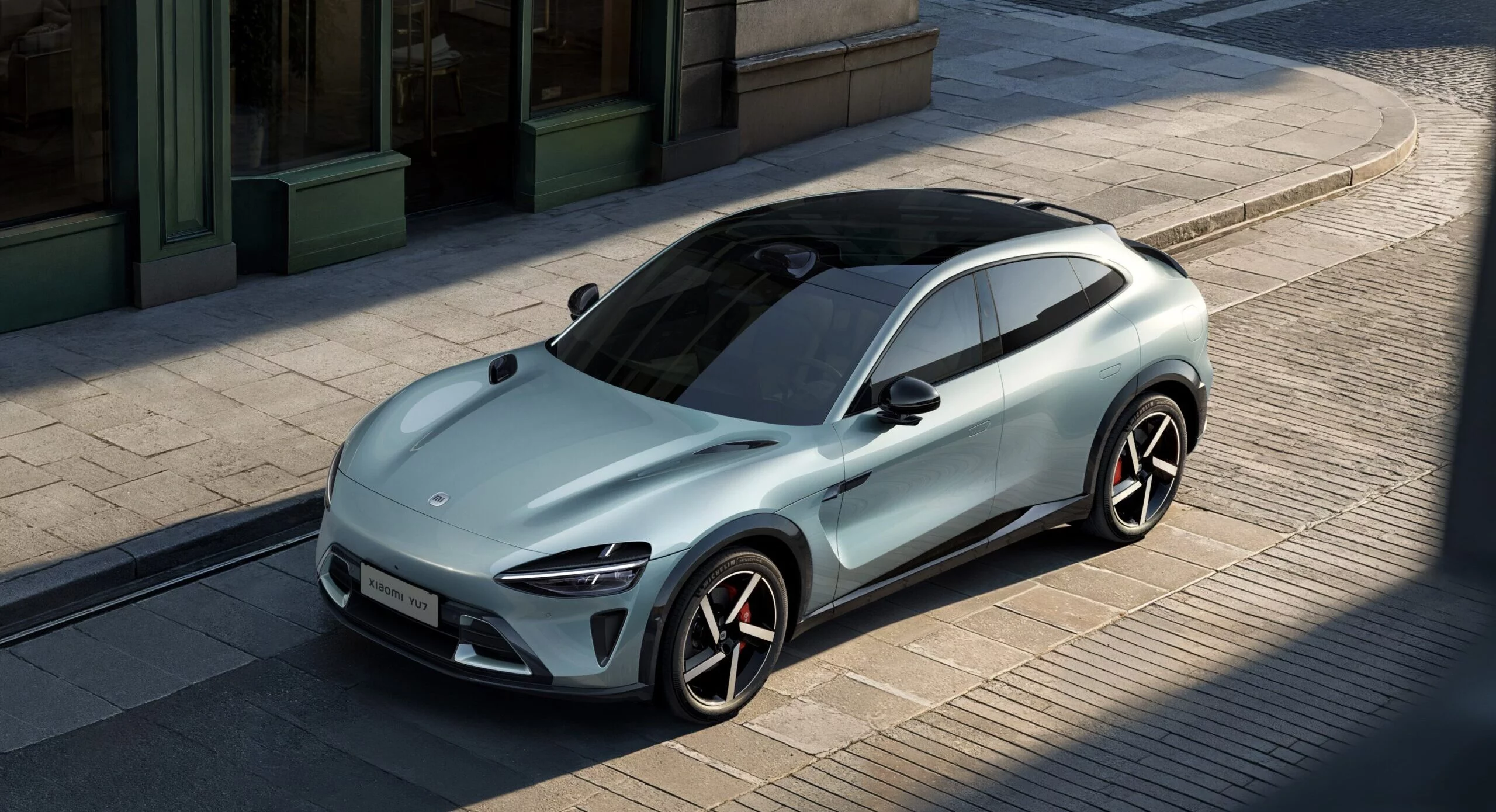
    Domestic manufacturers submitted simultaneous plans for their electric lineups. Xiaomi is recalling 390,435 units of its SU7 sedan to add labels and update central console unlocking code, while Leapmotor called back 371,200 vehicles across its C11 and C01 ranges. Xpeng recalled 264,842 units, Geely’s Zeekr brand listed 92,658 models, Chery recalled 68,488 vehicles, Dongfeng took in 53,452, and BAIC BluePark Magna recalled 46,850 Arcfox Koala cars.

    New Door Hardware Standards Loom

    The regulatory action follows repeated consumer complaints and crash investigations where electronic flush handles failed to deploy after battery failure. China’s auto sector previously prioritized flush exterior handles and hidden interior buttons to improve aerodynamics and interior styling, but safety authorities have pushed back firmly against purely electronic latches.

    Automakers in China must now prepare for mandatory national standard GB 48001-2026, issued in February. The rule requires physical, mechanical releases on all passenger doors for newly certified models starting January 1, 2027, with previously approved models required to comply by January 2029.

  • Chinese EV Makers Face Rising Component Costs as AI Drains Supply

    Chinese EV Makers Face Rising Component Costs as AI Drains Supply

    Chinese smart electric vehicle manufacturers are battling component deficits of up to 30 per cent, driving steep price surges across circuit boards and basic electronic parts.

    Prices for printed circuit boards and multilayer ceramic capacitors have more than tripled over the past twelve months as global semiconductor makers reallocate production capacity to artificial intelligence data centres.

    Surging Hardware Prices

    Printed circuit boards now cost roughly 330 yuan ($49) per sheet, up threefold in a year according to data from the India Printed Circuit Association. Multilayer ceramic capacitors, essential for regulating electrical currents across vehicle power systems, jumped from 10 yuan per 1,000 units to 40 yuan in early 2026.

    Memory chips needed for autonomous driving features are delivering the heaviest financial blow. Nio chief executive William Li reported that rising raw material expenses, led by memory chips, added 20,000 yuan to the build cost of every single vehicle.

    Carmakers cost pressure mainly comes from memory chips. But a lack of PCBs and MLCCs disrupts production and prevents assemblies from running smoothly.

    Supply Chain Squeeze

    Component makers in manufacturing hubs like Zhejiang province are giving order priority to AI data centre operators over automotive assemblers because computing chips yield higher margins. Carmakers must now pay hefty premiums to keep assembly lines running.

    Geely Auto, China’s second-largest automaker, confirmed that while small passive components represent a modest fraction of total expenditure, physical shortages threaten assembly continuity. The bottleneck across global component production lines will take at least twelve months to resolve.

    The margin squeeze arrives just as Chinese carmakers rely on software and autonomous driving capabilities to win buyers in an increasingly crowded domestic auto market. Nio and Geely are renegotiating vendor contracts to lock in deliveries for the second half of 2026.

  • BYD Unveils Third-Gen Tang SUV with 850-Km Range Ahead of Q4 Release

    BYD Unveils Third-Gen Tang SUV with 850-Km Range Ahead of Q4 Release

    BYD unveiled its third-generation Tang electric sport utility vehicle at the Chengdu Auto Show on Friday, targeting a commercial release in the fourth quarter. The redesigned five-seat model offers an all-electric range of up to 850 kilometres and charges from 10 to 70 per cent in five minutes.

    Dynasty sales chief Lu Tian presented the vehicle on the opening day of the exhibition. The launch forms the second half of BYD’s dual-flagship Dynasty SUV strategy alongside the larger Da Tang, which reached showrooms in June.

    Battery specs and charging speeds

    The new Tang measures 5,045 mm in length, 1,980 mm in width, and 1,760 mm in height, with a 2,950 mm wheelbase. Power comes from BYD’s second-generation Blade Battery pack, supplied in capacities of 88.682 kWh and 105.792 kWh. These packs deliver CLTC ranges of 730 km, 830 km, and 850 km depending on trim.

    Under normal temperatures, the vehicle reaches a 97 per cent charge within nine minutes. Cold-weather conditions add roughly three minutes to that benchmark. Regulatory filings show a single electric motor variant producing 300 kW, equivalent to 402 horsepower, with a top speed capped at 250 km/h.

    Every variant includes the God’s Eye B driver-assistance suite, which relies on a single LiDAR unit to manage highway and urban navigation alongside automated parking. The chassis rides on the DiSus-A dual-chamber air suspension system, incorporating an active road-preview function that scans surface conditions ahead.

    Rebuilding Dynasty flagship sales

    The overhaul arrives after an extended sales slump for the Tang nameplate. Volume fell sharply through the first half of 2026 in the absence of major product updates, lingering below 7,200 units monthly from March through May before rebounding to 13,535 deliveries in July.

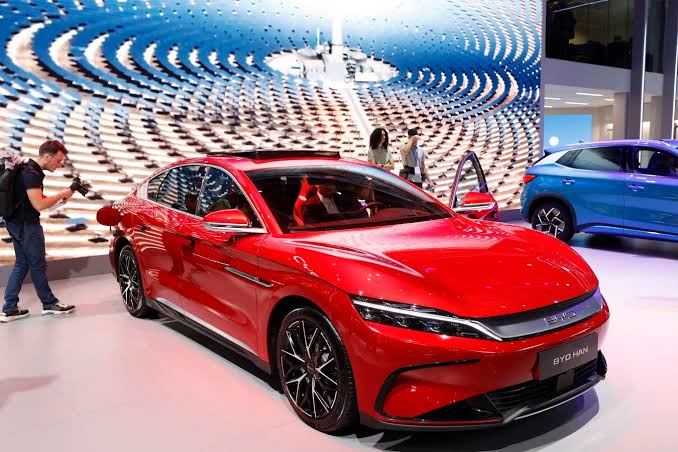
    BYD tested this premium positioning when it launched the full-size Da Tang EV in June at 239,900 yuan ($35,370). That larger 9-series model logged more than 10,000 customer deliveries in its first month. Alongside the Tang debut, BYD opened pre-sales in Chengdu for its Da Han flagship sedan at roughly $36,800, claiming an electric range of 1,008 kilometres.

    Pricing for the third-generation Tang remains unannounced ahead of official showroom deliveries scheduled before the end of the year.

  • Nissan Streamlines Vehicle Engineering to Match Fast Chinese Product Cycles

    Nissan Streamlines Vehicle Engineering to Match Fast Chinese Product Cycles

    Nissan Motor is overhauling its engineering process in Yokohama to match Chinese rivals that now bring new vehicles to market in around two years.

    The Japanese carmaker plans to standardize powertrains, basic frameworks and software technologies across multiple vehicle models to lift operating profitability.

    Shared architecture and software

    Under the revised development approach, engineers will apply common modular components across different model segments rather than engineering separate platforms from scratch. Shared software architecture and unified powertrain systems are designed to strip out duplicate spending across regional model lines.

    Speed has become the decisive operating metric across Asia’s car industry. Chinese automakers have compressed product development schedules to roughly 24 months, forcing legacy manufacturers in Japan to abandon four-to-five-year vehicle gestation cycles or risk losing showroom share to quicker model refreshes.

    Pressure from two-year cycles

    The strategy shifts Nissan toward a shared development structure similar to emerging electric vehicle manufacturing playbooks. Faster design iteration lets automakers respond directly to price shifts, updating cabin software and battery configurations as supplier costs fall.

    For retailers and dealership networks across the Asia-Pacific region, shorter vehicle development timetables mean quicker inventory turnover and more frequent product updates. Managing standardized software stacks also lowers warranty servicing complexity across multi-market distribution networks.

    Nissan held to its full-year earnings forecast after reporting a first-quarter net profit, leaving investors watching how quickly the unified development platform translates into production-ready showroom models.

  • Hyundai Opens Pre-Sales for China-Built Ioniq V Sedan from $17,680

    Hyundai Opens Pre-Sales for China-Built Ioniq V Sedan from $17,680

    Beijing Hyundai opened pre-sales for its Ioniq V electric sedan at the Chengdu Auto Show on Friday, pricing the entry model at 119,900 yuan ($17,680). The vehicle leads a planned rollout of 20 electrified models designed to rebuild the South Korean carmaker’s presence in China.

    Buyers can choose between three battery-electric variants ahead of the sedan’s formal showroom launch in September. The base 540 Max starts at 119,900 yuan, the 540 Max+ costs 129,900 yuan, and the top-tier 650 Max+ sells for 139,900 yuan. All three run on an 800-volt high-voltage fast-charging architecture and deliver up to 650 kilometres of range under China Light-Duty Vehicle Test Cycle standards.

    Local Hardware and Chinese Software

    Developed entirely by Hyundai’s China design centre, the five-seat fastback sits on the group’s dedicated E-GMP platform. The sedan measures 4,900 mm long with a 2,900 mm wheelbase, featuring frameless doors and single-motor powertrains rated at either 140 kW or 168 kW. Contemporary Amperex Technology Co. Supplies the lithium iron phosphate battery packs in 53.5 kWh and 66.8 kWh capacities.

    Inside the cabin, the joint venture outsourced key digital systems to domestic tech firms. The dashboard holds a 27-inch 4K display powered by Qualcomm’s Snapdragon 8295 chip, while the operating software integrates artificial intelligence models from Baidu and ByteDance. Driver-assistance software comes via Beijing Hyundai’s partnership with autonomous driving startup Momenta, enabling highway-level assisted navigation.

    The Volume Target for 2030

    Foreign legacy carmakers have spent two years cutting prices and reshaping supply chains after losing market share to domestic manufacturers such as BYD. Rather than importing global variants at uncompetitive price points, Hyundai is shifting vehicle development directly into China and sourcing cheaper local components to defend retail volumes.

    Beijing Hyundai plans to add an extended-range electric version to the Ioniq V line later in the cycle. The company has set a target to sell 500,000 vehicles annually in China by 2030, with plans to export the Chinese-developed sedan to overseas markets later in the production run.

  • Geely Recalls 93,000 Vehicles in China over Defective LiDAR Chips

    Geely Recalls 93,000 Vehicles in China over Defective LiDAR Chips

    Geely Auto is recalling 92,915 vehicles in China across its Galaxy and Lynk & Co lines after discovering faulty LiDAR power chips that can disable driver-assistance systems.

    Filings submitted to China’s State Administration for Market Regulation take effect on August 24, requiring free hardware replacements across five vehicle models.

    A manufacturing process variation at a component supplier damaged the power integrated circuits inside the sensors. The fault compromises key automated driving safeguards.

    On 18,878 Geely Galaxy M9 plug-in hybrid SUVs built between July and October 2025, the glitch forces assisted driving features to shut down or fail to activate. Across 74,037 Lynk & Co 900, 10 EM-P, 07 and 08 models assembled throughout 2025, the defect leaves systems unable to detect and warn drivers about road obstacles.

    Faulty sensors and supplier defects

    Service teams will use cloud diagnostics to flag at-risk vehicles remotely before inviting drivers into workshops for replacement parts. Drivers had already reported dashboard alerts warning of front sensor failures and capped cruise speeds in mid-August.

    Pressure is mounting on Lynk & Co, which now operates under the Zeekr Group umbrella. Deliveries plunged 40 per cent year on year in July to 16,382 units, the fourth straight month of double-digit contraction. Across the first seven months of 2026, the brand delivered 160,597 cars, tracking at under 40 per cent of its 400,000-unit annual target.

    Wider scrutiny on driver assistance

    Regulators logged the sensor campaign during a single-day cascade of filings covering more than seven million vehicles across China. Geely also recalled 92,658 Zeekr 007 and Zeekr X units over emergency mechanical door releases on the same date, alongside notices from Tesla, Xiaomi, Leapmotor and Xpeng.

    Dealership workshops begin replacing the damaged sensors on August 24, with Lynk & Co still needing 239,403 deliveries over five months to meet its yearly plan.

  • China’s Chery Automobile to Open UK Research and Development Centre This Year

    China’s Chery Automobile to Open UK Research and Development Centre This Year

    Chery Automobile, a prominent Chinese car manufacturer, plans to open a new research and development centre in the United Kingdom later this year. The facility, situated at the UTAC Millbrook vehicle development and testing site in Bedfordshire, is scheduled for a late autumn 2026 launch.

    This strategic move comes as Chinese car brands see increasing demand in the UK market, with their share of new car registrations rising to approximately 15% in the first half of this year, up from 10% for all of last year. This growth is largely attributed to competitive pricing.

    Tailoring To British Drivers

    The initial focus of Chery’s new Bedfordshire centre will be on developing vehicle chassis and advanced driver-assistance systems specifically tailored for British drivers. Future plans include expanding into autonomous driving technologies and artificial intelligence. Gary Lan, CEO of Chery International UK, highlighted that UTAC Millbrook will enable the company to translate UK customer insights into product development, covering aspects from ride and steering to active safety systems.

    This R&D investment follows Chery’s recent agreement with Japanese carmaker Nissan to explore manufacturing its UK passenger vehicles at Nissan’s Sunderland facility in Britain. The establishment of local R&D capabilities suggests a deeper commitment to the market beyond just sales. Chinese brands such as SAIC Motor’s MG, BYD, and Chery’s own JAECOO and OMODA are currently among the leading Chinese marques in the UK.

    Regional Context And Future Growth

    The expansion into the UK market with both manufacturing considerations and a dedicated R&D hub reflects a growing trend among Asian automotive players to localize key functions beyond their home markets. This approach allows companies to better understand and adapt to regional consumer preferences and regulatory environments, fostering stronger brand loyalty and market penetration. For RetailNews Asia readers, this signifies the increasing global ambition and technical sophistication of Chinese automakers, potentially setting new benchmarks for competition and innovation in Western markets, and impacting how Asian brands are perceived globally. This strategic investment in R&D indicates a long-term engineering commitment, as noted by Kirsty Andrew, vice president, UTAC UK.

  • Xiaomi SU7 Electric Vehicle Surpasses Half Million Deliveries Amid Strong EV Sales

    Xiaomi SU7 Electric Vehicle Surpasses Half Million Deliveries Amid Strong EV Sales

    Xiaomi’s SU7 electric vehicle has reached a substantial delivery milestone, with over 500,000 units now in the hands of customers. This achievement underscores the robust growth in electric vehicle (EV) sales and signals the increasing influence of technology companies in the automotive sector.

    The SU7’s rapid adoption reflects a broader trend of accelerating EV demand, especially within the Asia-Pacific region. As traditional automakers face heightened competition, new entrants like Xiaomi are quickly capturing market share with their tech-integrated vehicles.

    Accelerating EV Market Penetration

    The half-million delivery mark for the SU7 demonstrates Xiaomi’s successful entry into the highly competitive EV market. The company, initially known for its smartphones and consumer electronics, has used its brand recognition and technological expertise to quickly establish a presence in automotive manufacturing. This pivot highlights the convergence of consumer tech and mobility, a trend reshaping retail and consumption patterns across Asia.

    Strong sales figures for the SU7 contribute to the overall surge in electric vehicle adoption globally, with China remaining the largest market. Consumer preferences are shifting towards sustainable transportation options, driven by environmental concerns, government incentives, and advancements in battery technology and charging infrastructure.

    Broader Implications for Retail and Tech

    Xiaomi’s performance with the SU7 provides a clear example for other tech companies considering expansion into new hardware categories. The success in automotive highlights the potential for brand diversification beyond core products, particularly in high-value consumer goods. This move also forces traditional automotive retailers and brands to adapt their strategies, focusing on digital integration, advanced features, and a smooth customer experience that tech-savvy consumers expect.

    The competitive market in Asia’s EV market is intensifying, with both established brands and new startups vying for dominance. RetailNews Asia has been tracking similar moves by companies like Sony, which is also exploring mobility solutions, indicating a strategic shift among tech leaders to diversify their product ecosystems and tap into lucrative automotive opportunities.

  • US Market Could Open to Affordable Chinese EVs, Analysts Suggest

    US Market Could Open to Affordable Chinese EVs, Analysts Suggest

    The United States market is likely to open its doors to Chinese electric vehicle (EV) brands within the next few years, driven by growing consumer demand for affordable models. Despite existing trade barriers, analysts anticipate that the need for competitively priced EVs will eventually compel market access for Chinese manufacturers.

    Demand Outweighs Trade Barriers

    Currently, Chinese EV makers face significant hurdles in entering the US market, primarily due to protectionist trade policies. However, the analysis suggests that these barriers may not be sustainable in the long term, as American consumers increasingly seek more economical options for electric transportation. The rapid advancements and cost efficiencies achieved by Chinese EV companies like BYD and Nio make their offerings particularly attractive in a market where EV adoption is still highly dependent on price points.

    This potential shift underscores a broader global trend where affordability is becoming a key determinant in EV market penetration. Chinese companies have invested heavily in scaling production and refining manufacturing processes, allowing them to offer models at price points that Western counterparts struggle to match. Should the US market indeed open, it would represent a significant expansion opportunity for Chinese automotive giants, challenging established players and potentially accelerating the global transition to electric vehicles.

    Implications for Asian Automotive Sector

    For the Asian automotive and consumer tech sectors, this development holds considerable weight. A successful entry into the US market by Chinese EV brands would validate their global competitiveness and potentially set a precedent for other developing markets. It could also intensify the focus on cost-effective EV production and innovation across the Asia-Pacific region, as manufacturers strive to meet similar consumer expectations for affordability and advanced technology. RetailNews Asia has observed a similar push for budget-friendly EV options in Southeast Asian markets, where Chinese brands are already making significant inroads and influencing local market dynamics.