Tag: Electric vehicles

  • Singapore Quota Prices Cross S$105,000 Ahead of 2025 Diesel Registration Ban

    Singapore Quota Prices Cross S$105,000 Ahead of 2025 Diesel Registration Ban

    Singapore car buyers face quota premiums topping S$105,689 for large vehicles as the city prepares to halt new diesel car registrations in 2025. The policy mechanism keeps private passenger cars to 509,302 units across the island while public transport systems carry the bulk of daily commuter trips.

    Under the Vehicle Quota System managed by the Land Transport Authority, prospective owners must secure a 10-year Certificate of Entitlement before putting a car on the road. Auction prices in May 2024 stood above S$92,700 for Category A cars with engine output under 97 kilowatts and S$105,689 for larger Category B models. Commercial vehicle quotas cleared at S$72,001, while motorcycle permits reached S$9,311.

    Vehicle Quotas and Tax Structure

    Taxes push local retail prices far above global benchmarks. Buyers pay an Additional Registration Fee tiered between 100 per cent and 320 per cent of a vehicle’s open market value, driving total on-the-road costs to roughly five times the level seen in Western markets. The total motor vehicle population stood at 957,006 units in 2018, restrained by administrative caps in place since 1990.

    Fleet operators also face tight structural rules across ride-hailing and point-to-point services. Singapore counted 83,037 taxis and private hire vehicles as of March 2019, with flag-down taxi fares starting between S$3.20 and S$3.90 outside the Central Business District. Private hire vehicles operate exclusively through digital booking platforms.

    Transit Network and Fleet Targets

    Public transport carries the remainder of passenger volume across the territory. Four contracted operators, SBS Transit, SMRT Buses, Tower Transit Singapore and Go-Ahead Singapore, run more than 5,800 buses across 365 scheduled routes under a competitive tendering model that logged over 4.0 million daily trips in 2019.

    Across Southeast Asia, auto brands rely on high-volume passenger car growth in developing markets like Indonesia and Thailand, but Singapore functions purely as a high-margin proving ground for electrification and automated systems. Retailers and fleet managers now navigate a regulatory schedule that bars new diesel registrations starting in 2025, before a binding mandate requires all newly registered cars to run on cleaner energy models, including electric, hybrid or hydrogen fuel cells, by 2030.
  • BYD Launches Flagship Sealion 08 SUV in China from $33,890

    BYD Launches Flagship Sealion 08 SUV in China from $33,890

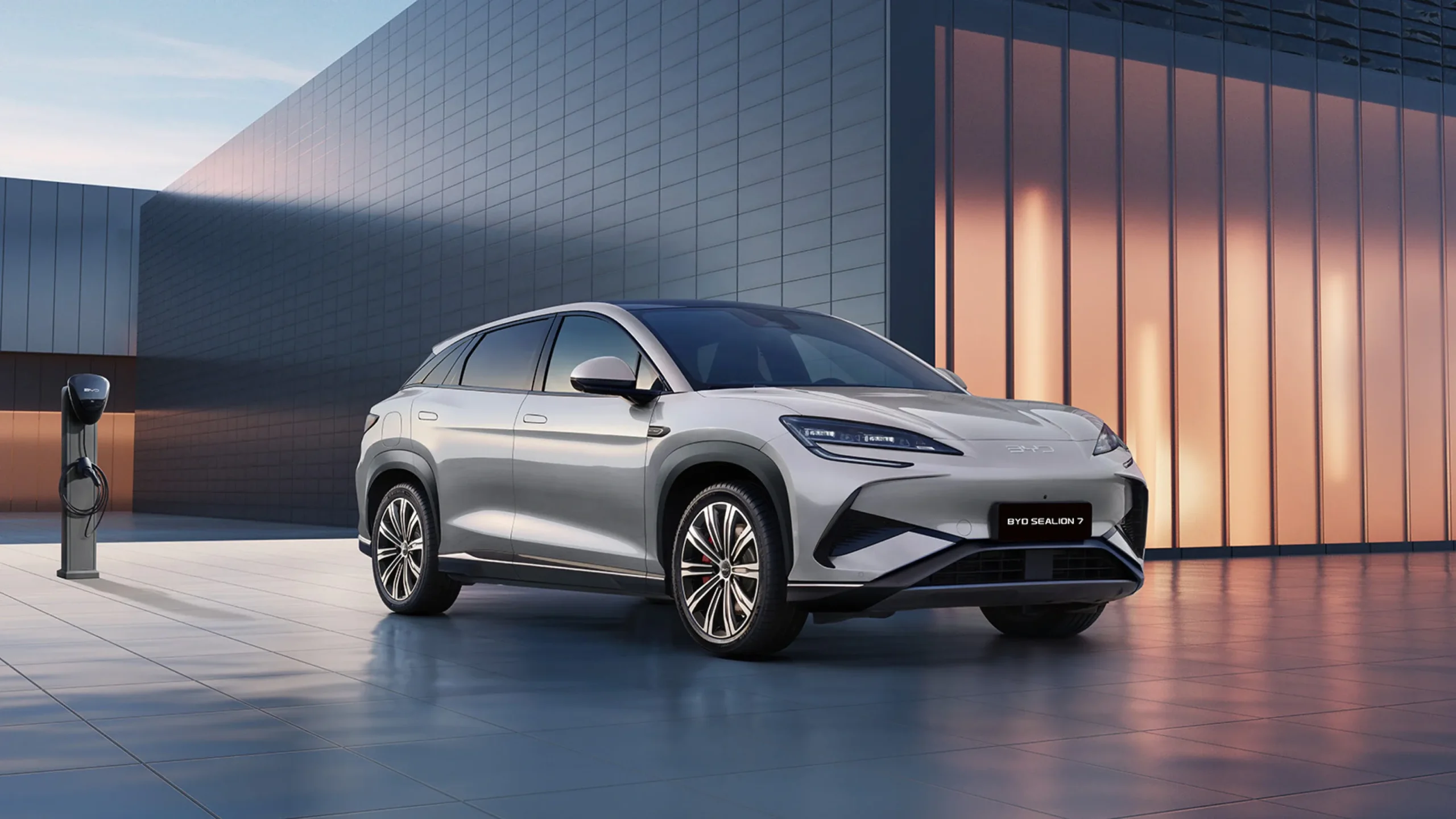
    BYD launched its flagship Sealion 08 SUV in China on Wednesday, priced between 229,900 yuan ($33,890) and 279,900 yuan across eight variants. The mid-to-large model offers battery electric and plug-in hybrid options with five- and six-seat configurations.

    Plug-in hybrid editions run from 229,900 yuan to 269,900 yuan, pairing a 55.843-kilowatt-hour battery with a fuel tank for up to 1,650 kilometers of combined range. Rear-wheel-drive hybrid versions deliver 400 kilometers of battery-only range under CLTC testing, while all-wheel-drive models offer 350 kilometers. Fuel consumption on a depleted battery sits at 4.6 liters per 100 kilometers under NEDC benchmarks.

    Fast charging and hardware specs

    Pure electric versions cost from 239,900 yuan to 279,900 yuan and use a 115.072-kilowatt-hour battery pack. The rear-wheel-drive electric variant delivers up to 900 kilometers of CLTC range with a 370-kilowatt motor, while the twin-motor all-wheel-drive edition offers 800 kilometers. Both powertrains incorporate BYD’s second-generation Blade Battery and flash-charging hardware that lifts battery charge from 10 percent to 70 percent in five minutes.

    Measuring 5,115 millimeters in length with a 3,030-millimeter wheelbase, the SUV includes active rear-wheel steering that tightens its turning radius to 4.95 meters. Dual-chamber air suspension and BYD’s DiSus-A body control system come standard, alongside God’s Eye 5.0 driver-assistance software for urban navigation.

    Defending volume in premium family segments

    The vehicle arrives as domestic competitors crowd China’s family SUV segment, directly targeting rivals such as Xpeng’s G9L and Great Wall Motor’s Wey V8X. BYD is using the Ocean lineup to push its namesake badge into higher price bands, bridging the gap between mass-market commuter cars and dedicated luxury nameplates like Denza.

    Sales momentum for the Sealion badge showed signs of plateauing before this release, with August deliveries dipping 8.86 percent year-on-year to 48,559 units. The series delivered 275,974 vehicles in the first eight months of the year, representing just over 10 percent of the carmaker’s total group volume. Dealerships will watch whether the 08 variant can reverse that monthly slip as deliveries ramp up through the final quarter.

  • BYD Adapts Japanese Kei Car Platform for European Electric Microcars

    BYD Adapts Japanese Kei Car Platform for European Electric Microcars

    BYD will develop compact electric cars for Europe using vehicle architecture and battery technology adapted from its Racco microcar sold in Japan for 2,145,000 yen.

    The plan uses the structural layout of the Japanese mini-vehicle to anchor a new line of small urban cars tailored to export markets. While the Japanese Racco measures 3.40 metres long and 1.48 metres wide, the export derivatives will be larger to match European consumer preferences and safety standards.

    Underfloor Battery Integration

    Central to the export project is the X-Pack battery format developed for the Racco. The design packs the motor inverter and primary control units directly inside the underfloor battery housing rather than mounting them separately in a traditional front motor bay.

    That unit combines with BYD’s lithium iron phosphate Blade cells in a cell-to-body structure where the pack functions as a load-bearing chassis component. By eliminating standalone control housings and shortening internal wiring runs, the company cuts manufacturing costs and frees up passenger space inside short-wheelbase bodies.

    In Japan, the Racco runs on a 36 kilowatt-hour pack and a 47-kilowatt front-axle motor, delivering a range of 320 kilometres. The European variants will use scaled versions of the same integrated platform to hit higher cruising speeds while keeping overall vehicle length under 4.20 metres.

    Positioning Below The Dolphin Surf

    Staying under the 4.20-metre threshold allows BYD to target the European Union’s proposed M1E small-vehicle classification, which is expected to carry regulatory incentives. The planned models will sit below BYD’s existing 3.99-metre Dolphin Surf hatchback.

    European legacy brands have struggled to build profitable electric city cars below the 20,000-euro mark because small battery packs carry high fixed component costs. BYD’s transfer of Japanese kei-car packaging gives the Shenzhen carmaker a direct shortcut into entry-level pricing in Western markets.

    Production of the new compact models could feed into BYD’s passenger car assembly plant in Szeged, Hungary, where trial production began earlier this year.

  • China Orders Automakers to Curb Overseas Price Cuts as Exports Surge

    China Orders Automakers to Curb Overseas Price Cuts as Exports Surge

    China ordered domestic automakers to halt volatile overseas price cuts and deceptive marketing across foreign markets on Tuesday, after passenger car exports reached 5.18 million units through July.

    Shipments of electric and plug-in hybrid vehicles jumped 129 per cent to roughly 2.77 million units over the same seven-month period.

    Jointly released by the Ministry of Commerce, the Ministry of Industry and Information Technology, and the State Administration for Market Regulation, the 20-article rulebook targets predatory pricing practices that damage brand reputations abroad. The agencies directed manufacturers to set export prices based on production costs and local supply, avoid abrupt discounts, and give foreign dealerships full autonomy over retail pricing. Sales incentives, customer gifts, and financing promotions must also comply transparently with host-market laws.

    Rules for Dealerships and Data

    Beyond showroom floors, the guidelines govern physical factory investments, which currently span more than 80 countries. Auto groups setting up regional assembly plants must adhere to local workplace safety, intellectual property protections, after-sales requirements, and labor standards.

    The policy also places strict limits on software and vehicle intelligence. Companies running connected-car or autonomous-driving systems abroad must handle consumer privacy and cross-border data transfers in accordance with local regulations.

    Exporting Domestic Competition

    Prolonged price wars inside China squeezed dealer margins and triggered aggressive showroom discounting over the past two years. By extending regulatory supervision overseas, Beijing is stepping in to prevent state-backed and private manufacturers from exporting those destructive discounting tactics into Southeast Asia, Europe, and Latin America.

    Passenger new energy vehicle shipments reached 540,000 units in July alone, capturing 58.8 per cent of total passenger exports, as manufacturers attempt to outpace the 8.32 million total vehicles China exported worldwide in 2025.

  • LG Energy Solution Buys 80,000 Tonnes of Arkansas Lithium in Ten-Year Deal

    LG Energy Solution Buys 80,000 Tonnes of Arkansas Lithium in Ten-Year Deal

    South Korea’s LG Energy Solution signed a ten-year binding agreement with Smackover Lithium to buy 8,000 tonnes of battery-grade lithium carbonate annually starting in 2029.

    The contract secures 80,000 tonnes in total from the South West Arkansas Project, representing more than a third of the site’s planned first-phase output of 22,500 tonnes per year. Commercial terms and pricing remain confidential.

    Smackover Lithium Direct Extraction Project

    Smackover Lithium operates as a joint venture formed in 2024 between Standard Lithium, which holds 55 per cent, and Norwegian energy firm Equinor, which owns 45 per cent. The venture uses direct lithium extraction to pull the metal straight from underground brine rather than relying on evaporation ponds across sites in Arkansas and Texas.

    Trading house Trafigura locked in another 8,000 tonnes annually from the same project in March. Together, the Trafigura and LG Energy Solution contracts cover roughly 90 per cent of the venture’s target to pre-sell 80 per cent of its planned capacity.

    Three export credit agencies have offered more than $1 billion in prospective debt financing to back the buildout. Project partners expect to reach a final investment decision before the end of the year.

    Local Sourcing for North American Cell Plants

    For LG Energy Solution, securing Arkansas supply ensures raw materials bypass restrictions tied to foreign entities of concern. Asian battery manufacturers face strict domestic sourcing rules in the United States, driving heavy investment into local processing deals and joint-venture extraction projects.

    The Seoul-based manufacturer operates an expanding manufacturing network across North America, targeting more than 50 gigawatt-hours of lithium iron phosphate production capacity by the end of 2026 across five sites. That footprint supplies stationary storage systems, including units for Tesla, alongside electric vehicle programmes.

    Production recently started at the company’s Lansing facility in Michigan, which will add nickel-manganese-cobalt cell lines for Toyota electric vehicles alongside its existing storage battery output.

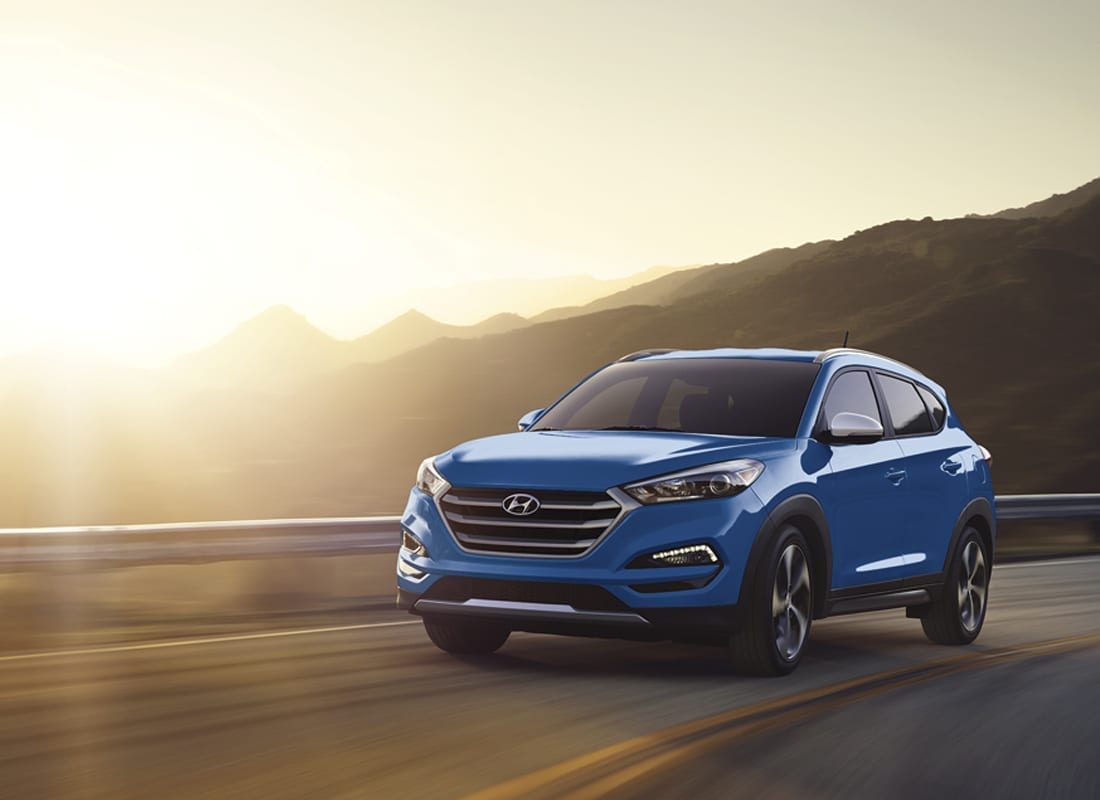
  • Hyundai Commits to Extended-Range Electric Vehicles

    Hyundai Commits to Extended-Range Electric Vehicles

    Hyundai Motor Group is developing extended-range electric vehicles to broaden its electrified lineup across major automotive markets. The powertrain format pairs electric motors with a small petrol engine acting solely as an onboard generator to charge the battery pack while driving.

    The technology eliminates direct mechanical drive from the combustion engine to the wheels, delivering pure electric driving dynamics without public charging dependency on long journeys.

    How the Powertrain Operates

    Extended-range electric vehicles rely on an electric motor to turn the axles at all times. When battery capacity runs low, an internal combustion engine kicks in to supply electricity directly to the battery and motor. Drivers refuel at conventional petrol stations while retaining the smooth acceleration and regenerative braking of a dedicated battery electric vehicle.

    Automakers increasingly view the technology as a practical interim solution for buyers concerned about charging station availability, high battery replacement costs, and cold-weather range degradation.

    Market Competition and Powertrain Shifts

    Chinese manufacturers such as Li Auto and Seres built substantial domestic market share using extended-range architectures over the past three years. Hyundai’s push into the format brings direct competition from an established legacy carmaker to a powertrain segment previously dominated by Chinese electric vehicle specialists.

    The strategy lets the Seoul-based manufacturer scale electrified production while managing capital allocation across pure battery development, conventional hybrids, and software-defined vehicle architectures.

    Hyundai plans to roll out its initial extended-range models across target regional markets as production schedules and regional regulatory frameworks align.

  • Toyota and Honda Face Factory Closures Under Proposed 50 per Cent US Tariff

    Toyota and Honda Face Factory Closures Under Proposed 50 per Cent US Tariff

    Toyota and Honda face potential plant closures in Canada after US President Donald Trump proposed doubling import tariffs on Canadian-built vehicles to 50 per cent.

    The two Japanese manufacturers assemble more than three-quarters of all light vehicles produced in Canada, making them the most exposed automakers to the cross-border levy.

    Canadian shipments represent 24 per cent of Honda’s US sales volume and 17 per cent of Toyota’s deliveries, according to Barclays data. Key export models include the Toyota RAV4 and the Honda CR-V, two of the top-selling sport utility vehicles in the American market. If implemented on Jan 1, 2027, the duties would force both companies to alter production networks that took decades to build.

    Rebuilding the North American Footprint

    Existing US tariffs cost Toyota approximately 1.4 trillion yen in the 2025 financial year. In response, the group committed up to $10 billion over five years to expand its manufacturing footprint inside the US, including a $3.6 billion assembly facility in Texas that will take over production of the Tacoma pickup truck from Mexico.

    Honda faces a steeper hurdle because its automotive unit is still working through a turnaround plan. The company has put plans for an eighth North American assembly facility on hold while talks over the US-Mexico-Canada Agreement remain unresolved. South Korea’s Hyundai reported similar delays to its regional capital spending in 2025.

    Squeezed Between US Tariffs and Chinese EVs

    The border friction hits Japanese manufacturers at a weak point in their global operations. Chinese electric vehicle makers led by BYD have eroded market share for Japanese brands across Southeast Asia, Australia and Latin America, leaving North America as the primary profit engine for both Toyota and Honda. With Chinese brands barred from the US market, defending North American market share is essential for Tokyo’s automotive sector.

    Redirecting Canadian output to alternative export destinations presents structural problems. Assembly lines in Ontario build vehicles configured specifically for US safety and emissions rules, while alternative factories across the Pacific already run close to maximum capacity.

    Negotiations over the USMCA framework continue ahead of the planned Jan 1, 2027 tariff implementation date, with Japanese parts suppliers holding off on capital allocation until trade terms are finalized.

  • Hundreds of Asian Corporate Heavyweights Report Earnings in Peak Week

    Hundreds of Asian Corporate Heavyweights Report Earnings in Peak Week

    About 370 constituents of the MSCI Asia Pacific Index will report financial results this week, testing consumer demand across China and the resilience of hardware supply chains.

    The reporting group represents roughly 30 percent of the benchmark’s more than 1,200 member companies. Corporate updates from heavyweights across transport, consumer retail, energy, and component manufacturing will land over five consecutive trading sessions.

    Consumer and Automotive Focus

    Automotive manufacturer BYD Co. Leads the consumer batch as price competition across the electric vehicle sector shapes domestic delivery numbers and regional export margins. At the high end of retail, heritage jewellery brand Laopu Gold Co. Presents numbers that reveal how affluent shoppers in mainland shopping hubs are allocating capital.

    For retail and brand operators across Greater China, performance figures from domestic leaders provide a direct gauge of discretionary spending power. Previous reporting cycles showed shoppers trading down in mass categories while allocating funds toward premium gold assets and domestic electric mobility brands.

    Hardware and Industrial Benchmarks

    Technology components and infrastructure suppliers also feature heavily in the schedule. Optical transceiver maker Eoptolink Technology Inc. Reports alongside energy group PetroChina Co., offering detail on corporate spending in artificial intelligence architecture and baseline energy consumption.

    Investor attention centres on operating margins and forward order guidance across both consumer platforms and hardware exporters as balance sheets post through Friday.

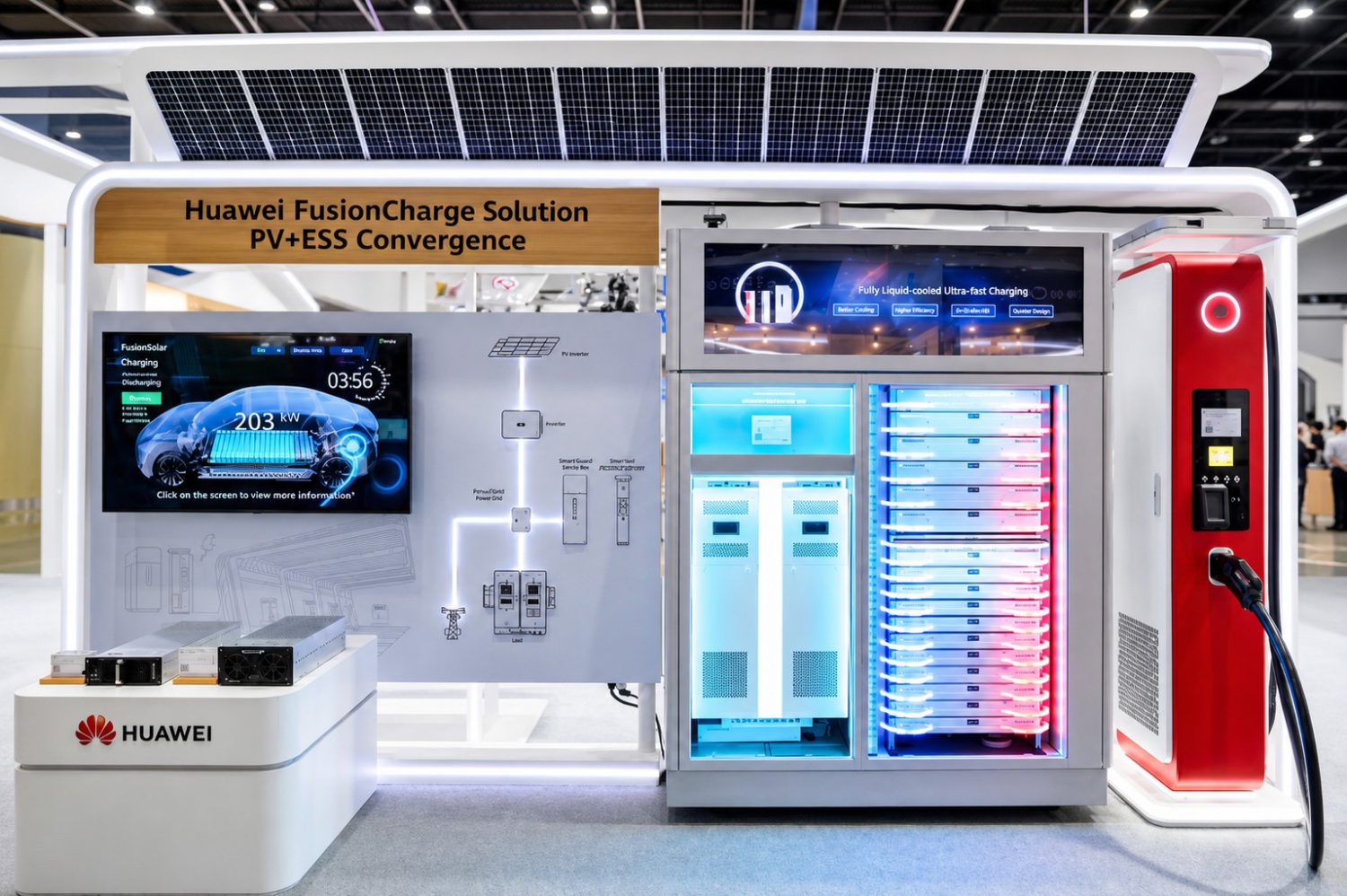
  • Dongfeng and Huawei Brand Epicland Weighs Battery Swapping for Second EV

    Dongfeng and Huawei Brand Epicland Weighs Battery Swapping for Second EV

    Epicland, the premium electric vehicle marque jointly developed by Dongfeng Motor and Huawei, has begun preliminary research into adding battery-swap capability to its upcoming second production model.

    The study marks the first time a brand inside Huawei’s automotive ecosystem has explored swappable battery architecture to lower retail costs and accelerate vehicle charging times.

    No final decision has been taken on whether Epicland will build its own proprietary stations or plug into a third-party public network. The brand opened pre-sales for its debut vehicle, the six-seat X9 extended-range SUV, on August 18 with prices starting from 299,800 yuan ($44,210) to 379,800 yuan. Deliveries for that model begin in the third quarter of 2026, with three additional vehicle lines scheduled to follow in 2027.

    Shared Platforms and Battery Networks

    Separating the battery pack from the vehicle purchase price allows carmakers to cut retail sticker prices while matching the refuelling speed of petrol cars. For new brands entering an aggressive price war across China, joining shared networks avoids the heavy capital expenditure of building proprietary charging points across hundreds of cities.

    Dongfeng already maintains joint battery-swap operations with CATL in central Chinese cities including Wuhan and Xiangyang. CATL operated 2,000 Choco battery-swap stations across 180 cities as of June 30, with plans to surpass 3,000 locations by the end of 2026 through partnerships with Changan Automobile, Chery, GAC Group, and Seres.

    Differentiation Beyond Huawei Software

    Hardware differentiation has become urgent for automakers partnering with Huawei. As the tech giant rolls out its Qiankun autonomous driving system and HarmonySpace cockpits across rival brands including Luxeed, Stelato, and Aito, software alone no longer guarantees a distinct competitive edge on showroom floors.

    Other emerging players are making similar calculations. Saidou Technology, backed by Seres, is in discussions to connect its upcoming Aiva brand to CATL’s network ahead of pre-orders for its ME7 model in early 2027. Epicland faces a clear trade-off: adapting its chassis to third-party standard packs requires engineering compromises, while constructing dedicated stations demands massive sales volumes to achieve operational break-even.

    Epicland will confirm the powertrain specifications and commercial launch schedule for its second model ahead of its wider three-vehicle rollout in 2027.

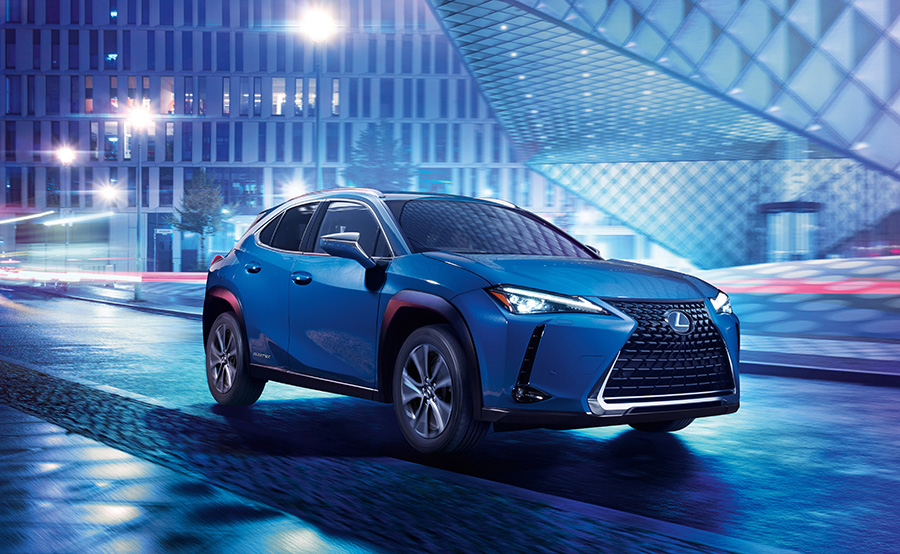
  • Toyota to Build Next Lexus EV in China Ahead of Japan Launch

    Toyota to Build Next Lexus EV in China Ahead of Japan Launch

    Toyota Motor plans to manufacture its next-generation Lexus electric vehicle in China ahead of Japan, deploying gigacasting technology in Shanghai to cut production costs.

    The decision breaks with the ¥36.9 trillion automaker’s established practice of debuting new Lexus platforms at domestic Japanese assembly plants before rolling them out overseas.

    Gigacasting and Supply Chain Shifts

    Toyota will base the new manufacturing operations in Shanghai to shorten production lead times and align output with local buyers. Adopting gigacasting techniques allows the factory to cast large single-piece structural components, reducing assembly steps and altering Toyota’s global cost structure for future battery-electric models.

    Targeting China first concentrates advanced manufacturing where volume demand for premium electric cars is concentrated. The rollout forms part of Toyota’s plan to use internal battery investments and tighter plant efficiency to protect profit margins as its electrified vehicle ratio rises.

    Price Pressures in Shanghai

    Lexus contends with severe retail rivalry across China from Tesla, BMW and local electric brands that continue to push aggressive discounting across the luxury segment. Building inside China removes import overheads and shortens delivery cycles, helping the brand defend showroom pricing and aftersales service value.

    The next operational milestone will be the integration of the gigacasting lines at the Shanghai facility as Toyota works to bring the platform into commercial production without straining operating cash flows.

  • China Orders Year-Long Auto Safety Review as EV Deliveries Fall 12.5 per Cent

    China Orders Year-Long Auto Safety Review as EV Deliveries Fall 12.5 per Cent

    China’s industry ministry has launched a nationwide quality inspection campaign across the auto sector. The decision follows a 12.5 per cent drop in domestic electric vehicle deliveries in the first seven months of 2026.

    Roughly 100 domestic manufacturers fall under the one-year regulatory review. Officials are targeting smart driving features, vehicle design standards and battery hardware. Vice-Minister of Industry and Information Technology Xin Guobin told a Beijing press conference that authorities will bar new auto technologies from the market if they fail stricter verification protocols.

    Stricter rules for driver assistance

    Regulators stepped in following fatal crashes and a rise in complaints over software malfunctions and battery defects. In central China’s Anhui province, three people died when a Xiaomi SU7 crashed into a barrier under driver-assistance software. The system alerted the driver only two seconds before impact. State media also reported an increase in formal battery quality complaints filed with public inspection bodies this year.

    Automakers must now redirect capital toward core manufacturing controls instead of racing to roll out experimental software. For years, domestic brands used rapid updates to autonomous driving and digital cockpits to stand out in crowded showrooms. Stricter approvals will slow product rollouts across the board. That gives established global marques breathing room while putting cash-strapped local startups under immediate strain.

    Price wars and dropping sales

    Showroom traffic is contracting sharply as the checks begin. Data from the China Passenger Car Association showed overall passenger vehicle deliveries fell 20.9 per cent year on year in July to 1.46 million units. Electric vehicle deliveries dropped 3.9 per cent to make up 65.1 per cent of that total. It was the seventh straight month of declining volume.

    Price cuts have failed to revive foot traffic as consumer subsidies taper off. Domestic manufacturers delivered 5.67 million electric vehicles between January and July, down from the same period a year earlier. RetailNews Asia will track whether the ministry’s inspection guidelines, scheduled to take effect within weeks, trigger formal product recalls or delayed model launches in the fourth quarter.

  • Hyundai Targets 9 per Cent Margin and Adds 1.27 Million Units of Capacity

    Hyundai Targets 9 per Cent Margin and Adds 1.27 Million Units of Capacity

    Hyundai Motor will add 1.27 million units of global vehicle production capacity by 2030 as it lifts its operating profit margin target above 9 per cent.

    The South Korean group plans to refresh or introduce more than 100 models over the next four years, directing more than half of those releases to North America. The product roadmap includes the Santa Fe extended-range electric vehicle (EREV), which the company will manufacture at its assembly plant in Alabama, alongside a new luxury hybrid vehicle.

    Management raised the group’s 2030 consolidated operating margin guidance from an earlier band of 8 per cent to 9 per cent. It left its 2026 operating margin forecast unchanged at 6.3 per cent to 7.3 per cent, while reaffirming an annual target of 5.55 million vehicle sales by 2030, representing roughly 6 per cent global market share. Electrified vehicles are projected to make up 60 per cent of those deliveries by the end of the decade, up from 23 per cent in 2025.

    Hybrids and US Production Footprint

    Surging fuel prices tied to geopolitical conflicts have steered American consumers back toward hybrid powertrains. Cox Automotive survey data shows 56 per cent of prospective US car buyers are more inclined to choose a hybrid due to high pump prices, while research group Omdia tracked a 19 per cent rise in overall hybrid sales across the first half of 2026. Hyundai reported its own quarterly hybrid volume surged 71 per cent in the second quarter.

    Trade policy remains a major operational hurdle for the Seoul-based manufacturer. The pending review of the United States-Mexico-Canada Agreement has introduced friction into North American parts logistics, as US trade officials resist automatic treaty extensions in favor of tighter annual oversight across cross-border automotive supply chains.

    Factory Automation and AI Compute

    Beyond vehicle assembly lines, the carmaker is pushing capital into industrial robotics and autonomous driving platforms. Commercial deliveries of IONIQ 5 electric crossovers to Alphabet’s autonomous fleet unit Waymo begin in the fourth quarter of 2026, while driverless passenger operations run by Hyundai’s Motional joint venture start in Las Vegas later this year.

    Robotics manufacturing will begin in the US in 2028 with a planned annual run rate of 30,000 units. The company will deploy Boston Dynamics’ Atlas humanoid robots at its Georgia Metaplant facility in 2028 after completing factory floor simulation testing. Supporting its software-defined vehicle pipeline, Hyundai will also bring a 100-megawatt artificial intelligence data center online in 2029 equipped with more than 50,000 graphics processing units.

    For Asian automotive majors balancing choppy electric vehicle demand, shifting output toward high-margin hybrid platforms and domestic US manufacturing has become the primary playbook to protect operating cash flow.

    Investors reacted cautiously to the capital expenditure plans, sending Hyundai Motor shares down 3.3 per cent in Seoul against a 1.3 per cent gain on the benchmark KOSPI index. The company will cancel 789 billion won ($570 million) worth of treasury shares while maintaining a minimum 35 per cent shareholder payout ratio.

  • Asahi Kasei Adds Wet-Process Battery Separator Line in North Carolina

    Asahi Kasei Adds Wet-Process Battery Separator Line in North Carolina

    Japanese chemical group Asahi Kasei opened a coating line for wet-process battery separators in Charlotte, North Carolina, expanding its manufacturing footprint outside Asia.

    Commercial production at the facility starts in the second half of fiscal 2026. The new coating capacity produces Hipore wet-process separators directly on the grounds of the existing Celgard plant, a site that has made dry-process separators for 40 years.

    Building regional supply for electric mobility

    The Charlotte line links with a separator factory currently under construction in Canada. Operating both sites gives the Tokyo-based supplier local capacity for two distinct separator technologies across North America, targeting electric vehicle cell makers and stationary energy storage operators.

    Separators serve as microporous plastic barriers between the cathode and anode inside lithium-ion cells, preventing electrical shorts while permitting lithium ions to pass through liquid electrolytes. Automakers building battery supply chains in North America have pushed component suppliers to localize membrane production to reduce shipping lead times and tariff exposure.

    Expanding beyond domestic plants

    Japanese materials suppliers historically kept advanced wet-process separator manufacturing concentrated in East Asia before customer localization requirements forced capital expenditure abroad. Asahi Kasei Battery Separator Corporation president Ryu Taniguchi said pairing the Charlotte coating operations with the planned Canadian factory will bring production closer to regional cell manufacturers as demand scales.

    The company is now preparing the Charlotte line for qualification runs ahead of its scheduled commercial ramp in late fiscal 2026.

  • Southeast Asian EV Startups Secure $622 Million Across 16 Top Firms

    Southeast Asian EV Startups Secure $622 Million Across 16 Top Firms

    The top 16 electric vehicle startups across Singapore, Indonesia, Thailand, and Vietnam have secured a combined US$622 million in equity funding, according to data from market tracker Tracxn.

    Singapore accounts for eight of the 16 funded ventures, serving as the primary financing and corporate headquarters base for regional operators despite its small domestic auto market.

    Fleet economics replace consumer car models

    Unlike Western and Chinese markets focused on passenger sedans, Southeast Asia’s electrification drive centers on commercial utility. The region’s core demand runs through two-wheelers used for daily commuting, courier runs, and food delivery logistics, alongside electric ferries and light commercial trucks.

    This operational split shifts capital allocation away from traditional high-speed charging corridors. Startups are directing resources into battery swapping networks, commercial fleet management software, and durable battery packs designed for high-mileage delivery work.

    Major venture funds and automotive strategists have backed the sector at Series A and Series B stages. Backers include Peak XV Partners, Jungle Ventures, GSR Ventures, Horizons Ventures, and Indian two-wheeler manufacturer TVS Motor Company.

    Industrial roles divide across four markets

    Manufacturing and market operations follow national industrial strengths across the four economies. Indonesia uses its nickel reserves to build battery and vehicle assembly operations, Thailand relies on its established automotive supply chain, and Vietnam provides growing domestic consumer demand.

    For regional retailers and delivery operators, the transition hinges on total cost of ownership rather than government subsidies. Fleet buyers across Jakarta, Bangkok, and Ho Chi Minh City require verified battery lifespans and reliable swap stations before replacing combustion fleets at scale.

    The next operational test for these 16 startups centers on contract renewal rates as initial pilot programs conclude without promotional pricing support.

  • Chinese Automakers Surge Overseas as Domestic EV Sales Slip in July

    Chinese Automakers Surge Overseas as Domestic EV Sales Slip in July

    Chinese electric vehicle exports jumped 147.8 per cent year on year in July, helping carmakers cushion a 5 per cent sales drop in their home market. Total domestic EV deliveries slipped to 980,000 units during the month, while global electrified vehicle sales rose 9 per cent to 1.85 million units.

    Total Chinese auto exports reached 923,000 vehicles in July, up 88.2 per cent. At home, overall car sales slid 21.1 per cent to 1.47 million units, extending a ten-month contraction across mainland dealerships. During the first half of the year, domestic vehicle sales fell by 2.3 million units, a 20 per cent decline.

    BYD and the European Push

    BYD illustrates the shift. The Shenzhen-based manufacturer saw domestic sales fall 35 per cent during the first seven months of the year, yet its overseas deliveries jumped 79 per cent. Brazil and Britain have become BYD’s two largest markets outside China this year.

    Mainland brands now account for nearly a quarter of all EV shipments into Europe. In July, European EV demand expanded 33 per cent to 450,000 units, supported by incentives in Spain, Germany, France and Britain. Several Chinese manufacturers are now moving beyond direct shipments to construct assembly plants across the continent.

    Tariff Headwinds and Emerging Markets

    Demand outside the major western economies expanded faster. In markets across Southeast Asia, Latin America and parts of Asia outside China, EV sales rose 96 per cent through July to 1.7 million units, according to the International Energy Agency.

    North America moved in the opposite direction. EV sales across the region dropped 27 per cent in July to 140,000 units after the United States ended federal tax credits in September 2025. In Mexico, Chinese brands captured 17 per cent of new car sales in the first half, selling 137,525 vehicles, even after Mexico imposed a 50 per cent tariff on Chinese auto imports on January 1.

    Regional manufacturers now face tighter margins as price competition at home forces them to secure port capacity and local factory sites across Europe and Southeast Asia before trade barriers rise further.