Tag: Electric vehicles

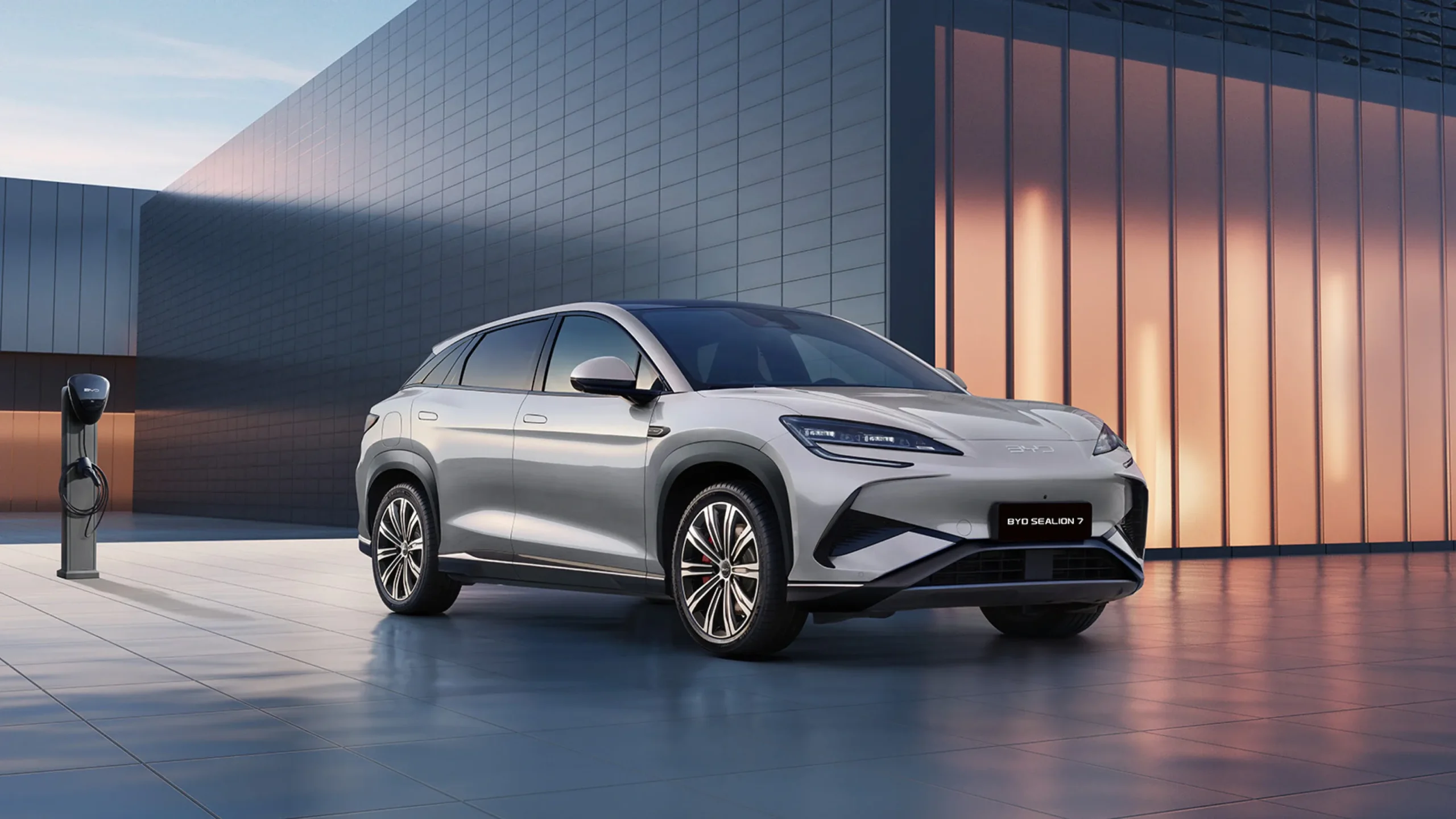
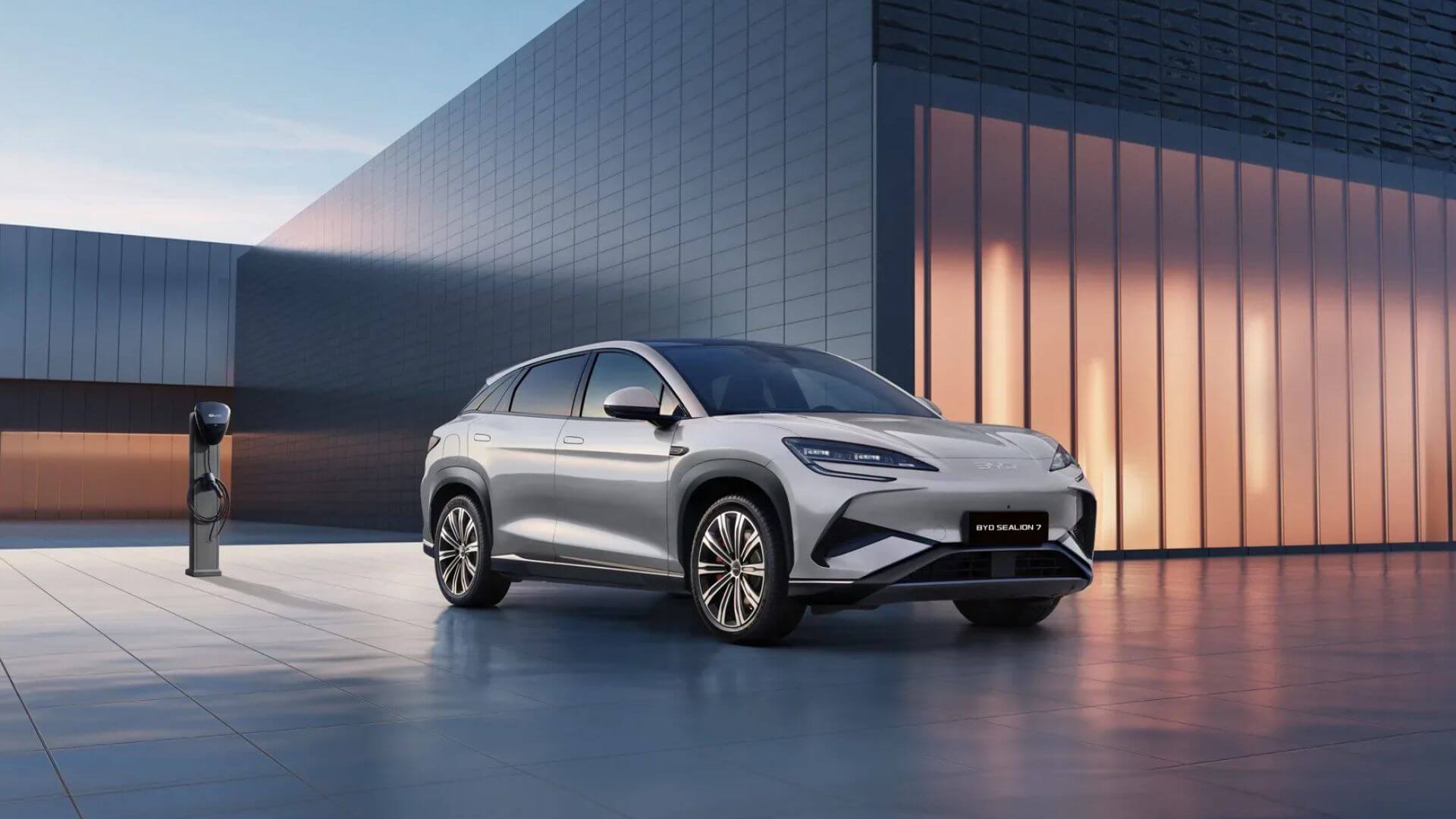
  • BYD Plans 4 European Plants to Support Sales Targets and Comply with EU Rules

    BYD Plans 4 European Plants to Support Sales Targets and Comply with EU Rules

    BYD plans to establish three vehicle assembly plants and one battery factory across Europe over the long term. The manufacturing footprint aims to support local sales targets and comply with European Union regulations.

    The company expects to decide on its second European assembly site by the end of this year. It favors acquiring and refurbishing an existing facility over building from scratch, with Spain and France among the leading candidates.

    Alfredo Altavilla, European adviser to BYD and a former Fiat Chrysler executive, outlined the plans in Turin late on Wednesday. The company is in talks with European automakers and governments to take over underutilized car factories.

    Choosing Between Spain, France and Italy

    Rome pitched for the project, but Italian facilities trail on operating economics, Altavilla confirmed.

    “Italy remains a plan B,” Altavilla said, noting that BYD is seeking the most competitive industrial conditions across the continent.

    Production work has already started at BYD’s first European passenger vehicle factory in Hungary. Adding two more assembly plants and a dedicated battery site will give it the scale to bypass steep trade barriers and comply with pending local-content mandates.

    Tariff Defenses and Regional Trade Rules

    Brussels has imposed definitive tariffs on Chinese battery electric vehicles. European Union authorities also want limits on Chinese hybrid imports. Localising the full supply chain from cells to finished cars removes tariff friction. It also qualifies BYD for national fleet purchase subsidies.

    Taking over distressed assembly capacity pits BYD directly against European legacy carmakers on labour and parts pricing. For Asian component suppliers and retail dealership groups, shifting from imports to regional production cuts lead times and secures steady parts availability across continental networks.

    Export Volumes Overtake Chinese Domestic Revenue

    This European manufacturing push follows a rapid rebalancing of BYD’s revenue base. Overseas revenue surpassed domestic Chinese income for the first time in the first half of the year. That shift provides relief against intense price competition at home.

    Export momentum accelerated through the summer. The company sold 1,162,260 vehicles outside China in the first eight months of the year, up 85.72 per cent from a year earlier. In August alone, overseas shipments hit a record 189,466 units, accounting for 43.03 per cent of total group volume.

    Expanding Luxury Retailing Across Europe

    BYD is also rolling out its premium sub-brand Denza across core luxury markets. The carmaker opened dedicated Denza showrooms in Turin and Paris this week to compete directly with German premium marques.

    Management raised its full-year 2026 international sales target to between 1.9 million and 2.0 million vehicles, according to Deutsche Bank research. It targets more than 2.5 million units in 2027. Site selection for the second European production facility will wrap up before the December deadline.
  • CEVA Logistics Pilots 2 Autonomous Vehicles in Singapore

    CEVA Logistics Pilots 2 Autonomous Vehicles in Singapore

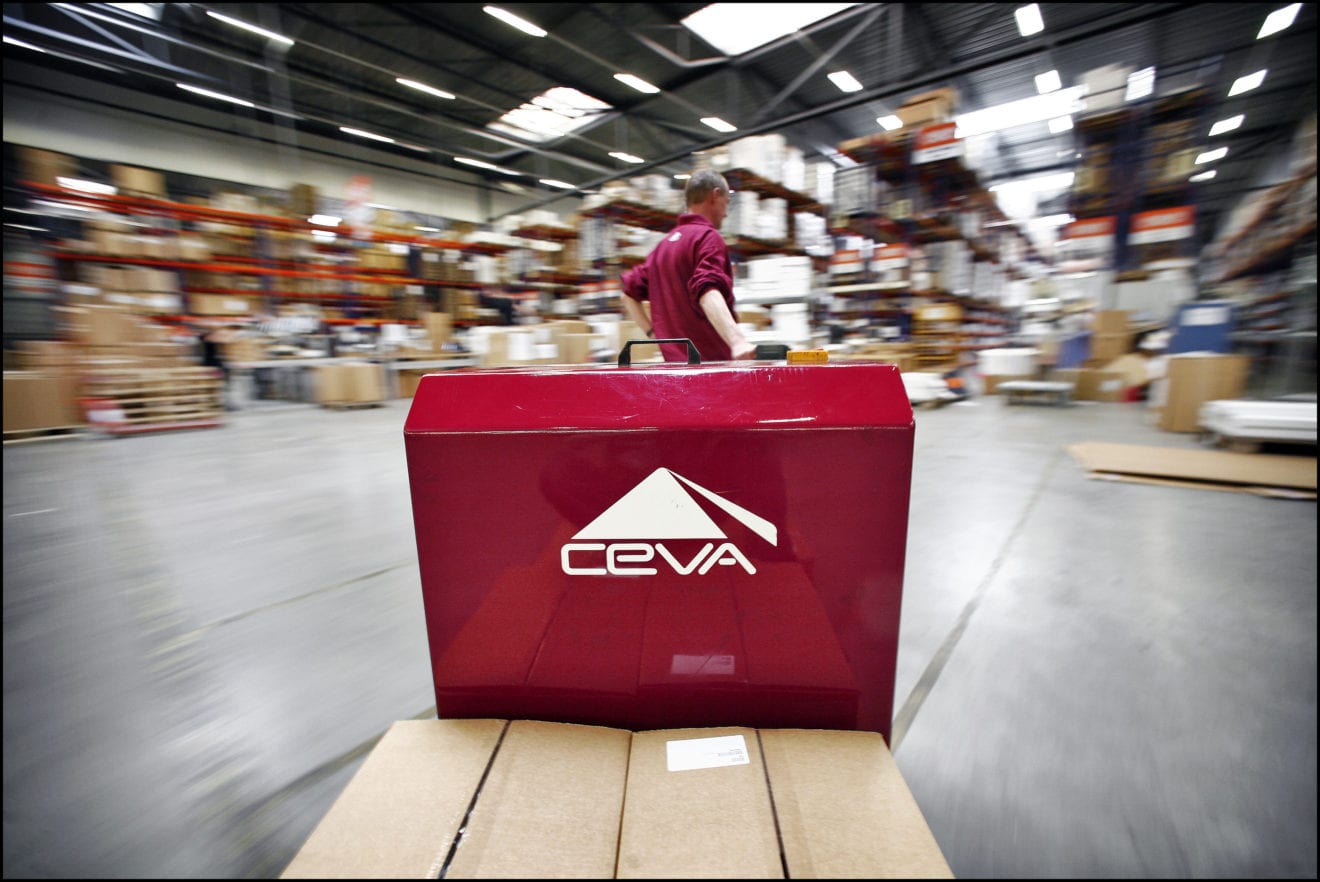
    CEVA Logistics launched a pilot program in September 2026 deploying two Zelostech Z10 autonomous electric vehicles at its Blue Hub facility in Singapore. The trial is expected to cut carbon dioxide emissions by at least 4,600 kilograms annually.

    Conducted at the 50,000-square-meter Blue Hub facility, the test replaces diesel truck trips between floors with automated transport for pallets and totes.

    Ramp Operations Go Driverless

    Two Zelostech Z10 autonomous electric vans now run directly on the building’s internal roadways. They navigate ramps across the eight-story complex independently without human drivers. That setup allows staff to schedule inventory transfers based on floor demand rather than driver availability.

    Operations at Blue Hub cover contract logistics for luxury brands, cosmetics lines, healthcare distributors and general retail accounts. The LEED Gold facility already runs goods-to-person picking systems, automated guided vehicles and robotic sorters.

    Contract Logistics and Autonomous Fleet Integration

    Vertical multi-tier warehouses present constant bottlenecks for third-party logistics operators in land-constrained Asian hubs. Diesel trucks burn fuel inside enclosed spaces. They also tie up labor on repetitive shuttle routes between storage bays and dispatch decks.

    Switching internal truck runs to level-four autonomous vans shifts operating costs from variable driver hours to fixed equipment maintenance. Fleet routing remains the primary operational risk. Map-free navigation software must handle dense traffic mixing with human-operated forklifts and dock workers without stalling warehouse flow.

    From Incubator Funding to Site Deployment

    ZEBOX, the venture accelerator run by CEVA parent firm CMA CGM, provided the springboard for the trial during its 2025 startup awards. Zelostech secured development funding through that competition to build a proof-of-concept logistics system for the French shipping group.

    Globally, Zelostech operates more than 25,000 autonomous delivery vehicles. Marseille-based CEVA recorded 18.3 billion dollars in 2025 revenue across 1,700 sites. The company will review data from the Singapore deployment to evaluate rolling out the Z10 autonomous fleet across its contract logistics facilities worldwide.

  • Carris Adds 29 Electric Buses to Expand Lisbon Fleet to 103

    Carris Adds 29 Electric Buses to Expand Lisbon Fleet to 103

    Lisbon public transport operator Carris has expanded its electric bus fleet with 29 Yutong U12 vehicles, lifting its total to 103 electric buses as part of an investment programme of more than €31 million.

    A total of €17.05 million is financed through the Recovery and Resilience Plan (PRR), according to Portuguese Secretary of State for Energy Jean Barroca, following the commissioning of 15 electric minibuses in 2026.

    Delivery Bottlenecks Open Doors For Chinese Makers

    Carris CEO Rui Lopo highlighted the delivery capacity of the European bus industry as a challenge for the fleet transition, as the municipal operator aims to procure and operate up to 150 new buses annually over the long term.

    The deployment delivers immediate commercial scale for Yutong in southern Europe, where municipal operators face rigid decarbonisation deadlines. For European fleet operators and component suppliers, Lisbon’s reliance on Chinese manufacturing shows an ongoing mismatch between local transit procurement timetables and domestic assembly throughput.

    Charging Network Investment

    Fleet expansion is running alongside depot grid upgrades. Carris will spend approximately €2 million on charging infrastructure at bus stops by the end of 2026, followed by more than €10 million scheduled for 2027 to install energy management systems and high-voltage grid connections.

    Under the national resilience funding framework, the municipal operator has installed 25 dedicated charging stations since 2022 alongside orders for 29 minibuses and 49 standard electric buses, investing €15 million from its own capital.

    Phasing Out Diesel Before 2030

    Lisbon has cut its operational diesel fleet from 524 to 379 vehicles, putting zero-emission units on more than half of all scheduled route kilometres. Earlier in 2026, Carris commissioned 15 electric minibuses ahead of the Yutong single-deck batch, following earlier procurements from domestic builder CaetanoBus in 2019 and 2023.

    Portugal and the European Commission are preparing a wider procurement programme to tender 1,006 zero-emission buses across 70 municipalities, with Carris targeting a full phase-out of fossil-fuel passenger vehicles by 2030.

  • Renault and Geely Invest More in Brazil for New Electric Vehicle

    Renault and Geely Invest More in Brazil for New Electric Vehicle

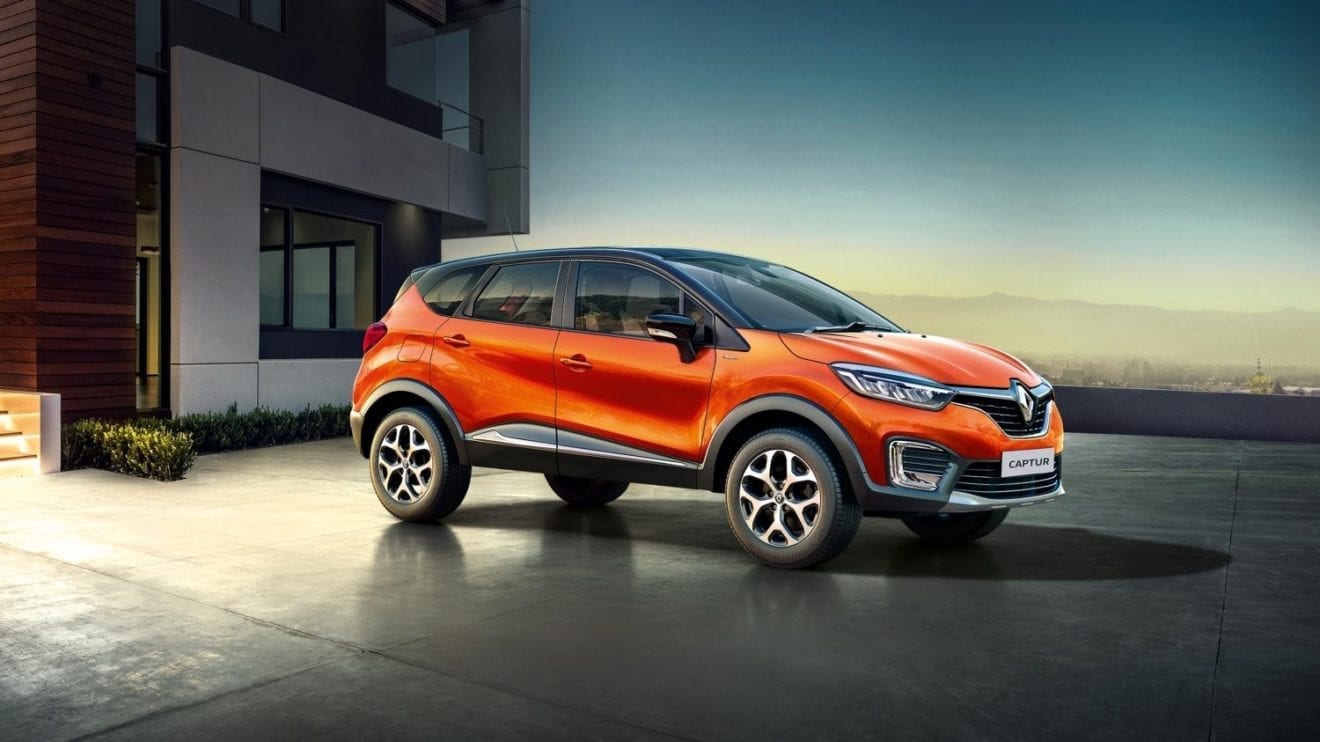
    Renault and China’s Geely have increased their investment in Brazil this week to produce a new electric vehicle. The cash broadens their shared manufacturing footprint in Latin America.

    Fresh funds will upgrade local assembly lines. The push targets regional demand for affordable electric passenger models.

    Expanding the Sino-French Production Alliance

    This decision deepens an industrial alliance between the French automaker and the Hangzhou-based automotive group. The two partners already pool engineering, hybrid architectures, and powertrain tech across multiple global markets to cut development costs.

    Local assembly in Brazil lets Geely and Renault reduce exposure to import tariffs on finished Chinese electric vehicles. The hub also creates a launchpad for vehicle distribution across South American trade corridors.

    Competitive Pressures in Latin America

    Chinese electric vehicle makers are accelerating overseas factory commitments. They want to bypass regional trade barriers and counter slowing domestic growth. Rivals including BYD and Great Wall Motor have already bought manufacturing assets in Brazil to anchor regional supply chains.

    Asian component suppliers must now establish secondary delivery routes and local sub-assembly units within South America. The spending shifts component sourcing risk onto local networks. Still, it locks in vehicle platforms designed in China and Europe.

    Platform Strategy and Next Steps

    Geely and Renault have steadily integrated their powertrain and vehicle architecture operations over recent quarters, creating dedicated joint venture platforms for hybrid and pure electric models. The Brazilian project serves as an operational extension of that platform-sharing agreement.

    Factory tooling schedules and regional rollout timelines will determine when the first units leave the Brazilian assembly floor for regional dealerships.

  • BYD Unveils 44-Tonne ETT 44 Electric Truck with 651-kWh Battery

    BYD Unveils 44-Tonne ETT 44 Electric Truck with 651-kWh Battery

    BYD unveiled its 44-tonne ETT 44 electric tractor unit at Hanover’s IAA Transportation show in September 2026. The vehicle enters Europe’s heavy-duty truck market with a 651-kilowatt-hour battery.

    The flagship model delivers peak output of 1,000 horsepower. It claims a driving range of nearly 600 kilometres on a single charge.

    Built on a 4×2 tractor configuration, the ETT 44 uses BYD’s proprietary lithium iron phosphate Blade Battery chemistry. Standard drive power sits at 743 horsepower. The unladen tractor unit weighs between 10.95 and 11.14 tonnes depending on final equipment trim. The company includes a 10-year or 1.2 million-kilometre warranty on the battery pack.

    Megawatt Charging and Fleet Hardware

    Charging hardware is built for high-throughput commercial fleet depots. Using standard CCS2 connectors, the truck draws up to 420 kilowatts to charge from 20 per cent to 80 per cent in 60 minutes. Connecting via the Megawatt Charging System lifts input capacity above 1.5 megawatts. That cuts the charging window to 20 minutes and recovers roughly 400 kilometres of operating range.

    The heavy tractor heads an expanded commercial transport lineup. In Hanover, the Chinese manufacturer also introduced rigid 4×2 and 6×2 chassis models, including a 26-tonne swap-body platform and a hooklift variant. Together with the smaller E-Vali electric van, the range covers logistics weights from 3.5 tonnes to 44 tonnes.

    Rivalry in Long-Haul Logistics

    For European logistics operators and Asian export supply chains, fleet electrification is shifting from urban delivery vans into heavy regional freight. Chinese truckmakers are moving into the European heavy-vehicle market as legacy manufacturers defend their home turf. BYD faces established heavy-duty models from Volvo, Daimler Truck and MAN. Volvo claims up to 700 kilometres on its FH Aero Electric.

    Competition from Chinese heavy-vehicle peers is accelerating. Manufacturers including Sany, Sinotruk and Skyworth displayed competing heavy-duty electric tractor units at Hanover to secure European logistics contracts. BYD counters with in-house battery cell production and bundled ancillary services, packaging vehicles alongside proprietary charging hardware, stationary energy storage systems and fleet financing.

    Commercial Vehicle Expansion

    Overseas expansion began with municipal electric transit buses before expanding into light delivery vans across international markets. Moving into long-haul freight exposes the brand to stricter uptime demands. Commercial hauliers also require higher charging infrastructure support.

    BYD will now roll out commercial fleet trials across European logistics corridors. Initial customer deliveries and depot charging installations are scheduled to begin across core transport hubs.

  • Trump Says Chinese Automakers Can Build in US Despite 100% Tariffs

    Trump Says Chinese Automakers Can Build in US Despite 100% Tariffs

    Donald Trump has stated that his administration would not block Chinese automakers from building electric vehicles in the United States, even as imports face 100 per cent tariffs.

    Speaking in September 2026, Trump indicated that Chinese manufacturers could establish assembly plants in states such as Tennessee or Alabama, despite warnings from the domestic automotive sector that local Chinese production could threaten traditional US carmakers.

    While fully built electric cars from China remain virtually barred under the existing 100 per cent tariff wall, industry analysts note that manufacturers cannot easily replicate China’s integrated parts ecosystem and low-cost supply chain in the American South.

    Supply Chain Realities in the US Market

    RetailNews Asia notes that Chinese electric vehicle brands are directing capital toward markets with clearer regulatory frameworks. Automakers such as BYD and XPENG are opening assembly hubs and distribution networks across Southeast Asia, Europe, Australia, Latin America and Africa. Those regions offer established trade corridors, predictable import policies and faster adoption rates than the North American retail market.

    For Asian parts suppliers and battery vendors, building factories in North America brings heightened political exposure. Shifts in US federal policy make long-term factory payback calculations unreliable. Expanding in ASEAN, South America and Central Europe allows Chinese automotive groups to utilize their domestic supply networks while building local retail presence near high-demand consumer clusters.

    Regional Diversification Beyond North America

    American automotive retail conditions remain difficult for foreign pure-play electric vehicle brands. Charging network rollouts in the US lag behind China and Western Europe, while consumer demand for battery-electric passenger cars has softened relative to hybrid options. Chinese original equipment manufacturers achieve better factory utilization rates by serving emerging markets across Asia and South America, where entry-level city cars face minimal competition from legacy American brands.

    Legacy US car companies have used the 100 per cent import tariff to protect sales of high-margin petrol sport utility vehicles and pickup trucks. If Chinese manufacturers establish US assembly operations, domestic producers will face direct price pressure on their home turf. That outcome would force domestic brands to accelerate their own electric platform cost reductions or surrender market share in entry-level passenger car segments.

    Tariff Walls and Industrial Strategy

    Washington escalated tariffs on Chinese electric cars to 100 per cent to shelter domestic producers from lower-cost imports. That defensive trade posture accelerated the construction of Chinese automotive plants in Thailand, Brazil and Hungary rather than drawing assembly capital into North America.

    Chinese automotive executives are tracking whether the US federal government establishes formal foreign investment security rules for automotive production sites before submitting any state-level factory applications.

  • BYD Denza Launches All-Electric N8L SUV Priced from 299,800 Yuan

    BYD Denza Launches All-Electric N8L SUV Priced from 299,800 Yuan

    BYD rolled out the battery-electric version of its Denza N8L sport utility vehicle in China on Monday, pricing the large six-seater from 299,800 yuan ($44,280).

    The launch introduces a pure electric drivetrain to a flagship family model that previously sold only as a plug-in hybrid, undercutting the hybrid edition’s starting price by 20,000 yuan.

    Battery Power and Fast Charging Hardware

    Denza sells the new all-electric SUV in two configurations. The entry Flash Charging Prestige costs 299,800 yuan, while the higher-spec Flash Charging Flagship retails for 329,800 yuan. Both variants use an 800-volt electrical architecture paired with a 130.15-kilowatt-hour second-generation Blade Battery, delivering a driving range of up to 960 kilometres under China Light-Duty Vehicle Test Cycle standards.

    Propulsion comes from a single rear-mounted electric motor rated at 370 kilowatts, or 496 horsepower. At BYD flash charging stations, the system pushes battery state from 10 per cent to 70 per cent in five minutes, and reaches 97 per cent in nine minutes.

    Body measurements match the hybrid predecessor exactly. The chassis measures 5,200 millimetres in length, 1,999 millimetres in width and 1,820 millimetres in height, riding on a 3,075-millimetre wheelbase with a three-row, six-seat interior. Storage includes a 208-litre powered front trunk equipped with a drainage plug for wet gear. Standard driving hardware incorporates rear-wheel steering that trims the turning radius to 4.58 metres, dual-chamber air suspension, continuous damping control and a roof-mounted LiDAR unit running the God’s Eye 5.0 driver assistance package.

    Shifting Family Buyers Toward Pure Electrics

    By pricing the pure electric model below the plug-in hybrid version, Denza is rewriting the traditional price ladder in China’s premium three-row segment. Automakers historically charged heavy premiums for massive 130-kWh battery packs. BYD is using its vertical cell manufacturing scale to absorb those costs and squeeze rivals such as Li Auto and Nio, forcing competitors to defend margins across the 300,000-yuan family SUV bracket.

    The commercial success of the vehicle relies directly on BYD’s ability to maintain high charging speeds away from urban showrooms. A 960-kilometre nominal range eases highway anxiety, but deploying ultra-fast power cabinets across key highway arteries is what will convince combustion-engine owners to ditch petrol backups for family transport.

    Building Out the N8L Lineage

    Denza introduced the original N8L nameplate in October 2025 as a dedicated plug-in hybrid. The brand updated that hybrid in June with a 75.26-kWh second-generation Blade pack offering 430 kilometres of electric range and flash charging capability, priced at 319,800 yuan.

    BYD operated 10,000 flash charging stations across China as of late August and expects to reach 20,000 operational stations before the end of December.

  • GAC Signs Villarreal CF Sleeve Sponsorship to Back European Electric Vehicle Push

    GAC Signs Villarreal CF Sleeve Sponsorship to Back European Electric Vehicle Push

    Guangzhou Automobile Group signed an official automotive partnership with Spanish football club Villarreal CF on September 10, 2026, securing shirt sleeve branding across European competition.

    Under the agreement signed at the Estadio de la Cerámica, the Chinese automaker’s logo will appear on the left sleeve of Villarreal’s first-team shirts during domestic LaLiga fixtures and UEFA Champions League matches.

    Sleeve Sponsorship and EV Lineup

    GAC is tying the football partnership directly to the rollout of two battery-electric passenger models aimed at European drivers. The carmaker plans to feature the AION V, an electric sport utility vehicle tailored for family buyers, alongside the AION UT, a compact electric hatchback designed for urban commuting.

    Match-day activations, digital campaigns and fan events across Spain and broader tournament stops will give prospective buyers direct access to both vehicles. Placing the brand on a squad competing in continental club tournaments offers immediate television exposure across core Western European markets where Chinese automotive nameplates still struggle with consumer familiarity.

    The European Market Play

    Securing football inventory has become the standard playbook for Chinese electric vehicle manufacturers seeking rapid legitimacy in Europe. BYD took official tournament partner status for UEFA Euro 2024, and GAC is now deploying a similar sponsorship model at club level to bypass the slow, expensive grind of building retail recognition from scratch.

    For dealership groups and fleet buyers across Europe, the sponsorship signals that GAC is committing marketing capital rather than testing the waters with low-volume imports. The commercial risk sits in conversion: high-profile stadium exposure creates top-of-funnel awareness, but turning match viewers into EV buyers requires competitive financing packages, dense service networks and spare parts availability that Chinese brands must build on the ground.

    Expanding the Global Network

    The European push follows earlier sports marketing initiatives by GAC in Latin America and aligns with the company’s broader One GAC 2.0 strategy. That framework divides international expansion across target territories in Asia-Pacific, the Middle East, Africa, Europe, the CIS and Latin America through localized sales channels and aftersales operations.

    Attention now shifts to the commercial deployment of the AION V and AION UT across regional dealer networks, alongside the establishment of certified local repair centers before tournament group matches get underway.

  • Foreign Tech Investors Pay up to US$15,000 for Access to Chinese Factory Floors

    Foreign Tech Investors Pay up to US$15,000 for Access to Chinese Factory Floors

    Foreign investors and tech executives are paying up to US$15,000 each to tour Chinese manufacturing plants. The visits cover robotics, electric vehicle and artificial intelligence facilities across five industrial hubs.

    Western and regional boardrooms face pressure to see if Chinese automation has pulled ahead of global rivals. These paid delegations offer a direct look at mainland hardware supply chains.

    Programmes span Beijing, Shenzhen, Shanghai, Hangzhou and Hefei. Shanghai-based data research firm Baiguan charges up to US$15,000 for a five-day itinerary. Around half its participants come from Southeast Asia. Tech tour agency Glopen reported a 50 per cent jump in enquiries during 2026, mostly from European and Singaporean clients. It now operates more than 100 single-day corporate visits every month. Tech Buzz China founder Rui Ma has organised 11 delegations since 2019, including an April tour through three cities focusing on robotics.

    The Business Behind Factory Tourism

    State backing has turned industrial site visits into commercial business across the mainland. Beijing has designated more than 140 demonstration sites for industrial tourism. The sector generated US$17.8 billion last year and is projected to reach 300 billion yuan (US$44.6 billion) by 2029.

    Public rates for individual factory visits usually run around US$60, but premium access commands steep markups. Xiaomi’s electric vehicle assembly plant in Beijing has recorded more than 250,000 visitors since March 2024. Entry slots from Xiaomi’s official lottery system have been scalped on secondary platforms for up to 2,000 yuan (US$300), despite company rules barring transfers.

    Institutional investors have quietly joined the circuit. US firms Dimension, Capital Group and Thrive Capital have all sent representatives to inspect mainland production setups. European corporate delegations have also toured sites to study state-backed technology coordination.

    Hardware Dependence and Supply Realities

    Consumer hardware and robotics brands see that physical supply chains remain tethered to southern China. Geopolitical posturing has not changed that reality. Western developers still depend on mainland ecosystems for sensors, battery cells, structural frames and precision actuators. Replicating those supplier clusters outside the Pearl River Delta remains slow and capital intensive.

    Visitors risk mistaking demonstration speed for total commercial dominance. Non-Chinese technology firms still hold most global market share, high-margin software profits and core intellectual property. In sectors like autonomous robotaxis, Chinese domestic deployment continues to move cautiously. Regulators remain concerned about urban transport employment.

    Shenzhen Emerges as the Focal Point

    Years of infrastructure spending transformed Shenzhen from a contract assembly zone into an integrated hardware design centre. The current tour rush builds on that base. Foreign visitor arrivals in Shenzhen jumped 70 per cent last year and rose another 30 per cent in the first quarter. Total entries topped 5 million through August.

    Founders use 10-day visa-free entry policies to test prototypes directly with component suppliers. Local operators have opened communal hacker houses for visiting robotics and AI engineers. Informal network groups coordinate factory access across Shenzhen and Silicon Valley.

    Next up is the Asia-Pacific Economic Cooperation forum in November, which Shenzhen will host. Municipal officials plan to show automated assembly plants and urban drone networks to pitch the city’s hardware infrastructure to visiting regional trade delegations.

  • Xiaomi Launches 18 Fold Smartphone at 10,999 Yuan with Custom Silicon

    Xiaomi Launches 18 Fold Smartphone at 10,999 Yuan with Custom Silicon

    Xiaomi launched its flagship 18 Fold smartphone in Beijing on Monday, pricing the device from 10,999 yuan (US$1,639) to compete directly with high-end foldables from Huawei and Apple.

    The phone carries Xiaomi’s proprietary Xring O3 processor and LPDDR6 memory from ChangXin Memory Technologies, with sales opening on Thursday at 10am across mainland retail channels.

    Founder and chief executive Lei Jun detailed the hardware specifications at the Beijing presentation. The device includes a 7.58-inch inner display, a reinforced hinge mechanism, an aluminium chassis, and strengthened cover glass. The 24-billion-transistor Xring O3 artificial intelligence processor raises central processor performance by 60 per cent over the prior Xring O1 generation while cutting energy consumption on select workloads by 25 per cent. Lei said Xiaomi has earmarked 50 billion yuan specifically for custom chip development, part of a wider 200 billion yuan research and development budget planned over the next five years.

    Silicon Independence and Electric Vehicle Pricing

    Alongside the phone, Xiaomi rolled out its Pad 9 Pro Max tablet starting at 4,799 yuan, also powered by the Xring O3, and priced its extended-range Skynomad sport utility vehicles. The five-seat N70 Pro SUV starts at 209,900 yuan, while the seven-seat N90 Max begins at 269,900 yuan. Both undercut Tesla’s Model Y L, which retails from 339,000 yuan in China. The extended-range powertrain uses an auxiliary petrol engine to charge the battery pack, delivering a driving range exceeding 1,000 kilometres on a single cycle.

    For consumer tech retailers and premium device vendors across Asia, Xiaomi’s dual offensive in mobile silicon and electric mobility tightens pricing pressure across two categories simultaneously. By pairing domestic memory from CXMT with proprietary processors, the company shields its bill of materials against international component shortages that are squeezing entry-level hardware margins. The aggressive SUV pricing also demonstrates that Xiaomi is treating hardware margins as secondary to ecosystem lock-in, forcing traditional carmakers and handset specialists to defend their retail territory on compressed margins.

    Premium Tier Resists Smartphone Downturn

    The product blitz lands during an intense competitive window in China. Huawei unveiled its Mate XT 2 trifold handset on Monday starting at 19,999 yuan, using its Kirin 9050 Pro processor. Richard Yu Chengdong, chairman of Huawei’s Consumer Business Group, confirmed that Huawei has sold more than 1 million trifold devices worldwide. Meanwhile, Apple is scheduled to present its product line-up on Wednesday in California, where analysts anticipate the launch of a foldable model priced above US$2,000.

    This surge in premium launches contrasts sharply with the broader consumer hardware environment. Counterpoint expects global smartphone shipments to contract 12.4 per cent this year, hit by surging memory costs and lengthening replacement cycles among budget consumers. Premium foldables remain an exception. Counterpoint projects cumulative worldwide foldable shipments will cross 100 million units by year-end, with annual category shipments set to expand 37 per cent in 2027.

    Xiaomi built up to this release after spending 105.5 billion yuan on research and development over the past five years and first previewing the Skynomad vehicle architecture in late July. The group had previously rolled out the first-generation Xring O1 chip last year to test its custom silicon pipeline in select devices.

    Market attention now shifts to Thursday morning retail sell-through figures for the 18 Fold, followed by initial delivery volumes for the Skynomad SUV series ahead of fourth-quarter earnings.

  • Voyah Opens Dream 9 MPV Pre-Sales in China from 429,900 Yuan

    Voyah Opens Dream 9 MPV Pre-Sales in China from 429,900 Yuan

    Dongfeng Motor subsidiary Voyah opened pre-sales for its Dream 9 luxury multi-purpose vehicle in China on Saturday. The flagship model starts at 429,900 yuan ($63,420).

    Buyers can choose across three trim levels spanning five variants, topping out at 529,900 yuan. Introductory sweeteners total up to 50,000 yuan. Dealership display units have arrived across mainland cities for test drives ahead of initial customer handovers.

    Hardware and Huawei Cockpit Software

    Powertrain options divide into three plug-in hybrid (PHEV) variants and two battery electric (BEV) editions. All models sit on an 800-volt electrical architecture. They run Huawei’s Qiankun ADS 5 driver-assistance suite alongside HarmonySpace 6 smart-cabin software.

    Sensor hardware includes 37 units covering urban streets and expressways. Voyah fitted an 896-channel dual-optical-path main LiDAR on the roof and three solid-state LiDAR units around the body. The cabin operating system uses a multimodal large language model with hundreds of billions of parameters to handle voice and in-car controls.

    Electric models carry a 120-kWh battery pack, the largest capacity fitted to any production MPV in China. That battery pairs with a 175-kW front motor and a 300-kW rear unit. The PHEV combines a 1.5-litre turbocharged petrol engine with twin electric motors for 555 kW of total output. It draws power from a 65-kWh pack that charges from 20 per cent to 80 per cent in 12 minutes.

    Chassis Tuning and Interior Layout

    Chassis hardware relies on triple-chamber air suspension, dual-valve electronic dampers and rear-wheel steering that turns up to 10 degrees. A coordinated domain controller manages torque distribution, braking force and suspension damping in real time.

    The body measures 5,325 mm in length and 1,998 mm in width on a 3,200 mm wheelbase. Inside the three-row cabin, second-row captain chairs feature rotation, sideways sliding, zero-gravity reclining and mechanical massage functions. Outside, smart projection headlights beam navigation arrows directly onto the road surface.

    Margin Pressure Behind the Premium Push

    Chinese automakers are crowding into executive vans. Private buyers and corporate fleets still pay cash premiums that mass-market sedans no longer command. Voyah skipped a conventional theatrical launch, putting metal straight into showrooms to secure non-refundable deposits.

    That pricing puts the Dream 9 in direct competition with established luxury nameplates from Denza and Zeekr. Voyah needs higher transaction prices to stop cash erosion after a brutal price war across China compressed earnings throughout the year.

    Deliveries expanded in the first half of 2026. The brand handed over 76,264 vehicles for a 35.9 per cent gain, lifting revenue 42.4 per cent to 18.16 billion yuan. Profitability swung the other way. Gross margin contracted to 17.7 per cent, pushing Voyah to a net loss of 389 million yuan compared with a 460 million yuan profit a year earlier.

    Official delivery dates and the final retail schedule for the Dream 9 lineup have not been published.

  • Li Auto Launches Li L9 in UAE Starting at $87,100

    Li Auto Launches Li L9 in UAE Starting at $87,100

    Li Auto introduced its flagship L9 sport utility vehicle in the United Arab Emirates on Thursday, pricing the extended-range model from AED 319,900 ($87,100).

    The rollout gives the Chinese electric vehicle maker its first commercial sales operation in the Gulf, where it sells the SUV at a 28 percent premium over domestic retail prices.

    Local buyers can choose between two trims: the base Ultra and the AED 359,900 Livis edition. Both variants use a third-generation extended-range powertrain pairing a battery pack with a petrol generator, delivering 420 kilometres of battery-only range and 1,650 kilometres combined under China Light-Duty Test Cycle standards. The vehicles feature Qualcomm Snapdragon 8797 cockpit processors, steer-by-wire systems, and rear-wheel steering. On the higher-spec Livis, Li Auto includes an 800-volt active suspension alongside electromechanical brake-by-wire hardware.

    Dealership network and regional adaptation

    Engineers modified cabin thermal management and dust sealing to handle Gulf summer temperatures and desert driving. Digital interfaces include Arabic text support and localized navigation, with Arabic voice control scheduled for release by December. English voice interaction functions from launch.

    Sales run exclusively through Abu Dhabi-based conglomerate Al Fahim Group under an agreement signed in April. The partnership plans more than two showrooms and service centers across the country, starting with a downtown Dubai retail location opening in September. Buyers receive factory warranty coverage, certified servicing, and over-the-air software updates.

    Middle East expansion and production targets

    Chinese electric carmakers are pushing into the Middle East to broaden export revenue outside domestic price wars. Li Auto previously entered Kazakhstan and Uzbekistan, securing a local assembly contract with Kazakh group Allur. The company also signed a distribution agreement with Mohamed Yousuf Naghi Motors in Saudi Arabia in April, though sales dates for that market remain unannounced.

    Deliveries in China recovered in August to 37,679 units, up 32.07 percent year-on-year, but total volume for the first eight months fell 0.6 percent to 261,619 vehicles. The Beijing-based carmaker posted a second-quarter net loss of 1.7 billion yuan ($250.8 million) as revenue declined 15.1 percent to 25.7 billion yuan.

    Next on the company’s overseas calendar is an appearance at the 2026 Paris Motor Show, where it plans to display vehicles to European buyers for the first time.

  • Chinese Electric Vehicle Makers Prepare Canada Launch with Lower Cost Models

    Chinese Electric Vehicle Makers Prepare Canada Launch with Lower Cost Models

    Chinese electric vehicle manufacturers are preparing shipments to Canada, offering advanced vehicle technology at price points below established North American competitors.

    Domestic assembly plants across China have scaled output to supply overseas export corridors as international distribution plans advance.

    Export expansion into North America

    Production lines inside Chinese EV facilities are shifting capacity toward global specifications. Manufacturers have focused on software integration, high-voltage battery architecture, and cabin electronics to compete directly with legacy marques.

    Canada represents a key entry corridor in North America. Integrated local supply chains and battery manufacturing scale allow Chinese carmakers to price vehicles competitively even after international freight costs.

    Pricing pressure and regulatory hurdles

    Competitive pricing remains the primary lever for Chinese automakers entering developed automotive markets. By controlling component supply, cell manufacturing, and digital operating systems in-house, these plants maintain substantial production cost margins.

    Establishing certified retail networks and securing federal safety approvals in Ottawa remain the operational steps ahead of the first scheduled consumer deliveries.

  • Geely Prepares North American Push as Canadian Tariffs Drop to 6 per Cent

    Geely Prepares North American Push as Canadian Tariffs Drop to 6 per Cent

    Geely plans to enter North America under a Canadian trade arrangement permitting up to 49,000 Chinese electric vehicles annually at a reduced 6 per cent tariff. The agreement cuts duties from a previous 100 per cent rate, creating an entry point into the broader North American market.

    Assembly takes place at Geely’s factory in Ningbo, where production lines for its luxury electric marque Zeekr run at 99 per cent automation using artificial intelligence and robotic machinery. Zhao Chunlin, vice president of manufacturing and a former General Motors executive, oversees the plant. Zhao confirmed the group eventually aims to sell and manufacture Geely-branded vehicles in the United States.

    Exporting the Zeekr 9X

    The company is broadening its export operations across multiple regions this month. Geely begins shipments of its flagship Zeekr 9X hybrid SUV to dealerships across Europe and the Middle East. The vehicle achieves a range of 745 miles on a single charge and fueling cycle, includes automated self-parking software, and retails for approximately $70,000. That price tag is roughly half the cost of competing full-size luxury SUVs built by legacy American and European rivals.

    Automation on the Ningbo line

    High levels of factory automation allow Chinese automakers to sustain vehicle margins even when entering highly competitive export markets. Geely’s push into Canada and Europe mirrors similar export campaigns by domestic peers such as BYD and SAIC Motor, which have turned to foreign dealerships as price competition intensifies across mainland China.

    Initial shipments for Europe and the Middle East depart Chinese ports this month, while the first batch of Canadian vehicle imports will determine how quickly North American buyers adopt Chinese luxury electric models.

  • Chery-JLR Launches Freelander 8 in China Starting at 289,900 Yuan

    Chery-JLR Launches Freelander 8 in China Starting at 289,900 Yuan

    Chery and Jaguar Land Rover launched the Freelander 8 in China on Thursday, pricing the extended-range electric SUV from 289,900 yuan ($42,750) after incentives. The final entry sticker cuts 40,000 yuan from the pre-sales price announced in late August.

    Buyers can choose between five-seat and six-seat cabin layouts across Pro, Max and Max+ versions, which top out at 379,900 yuan. Six-seat configurations add 10,000 yuan to each trim. A flagship launch edition limited to 1,000 units and priced at 449,900 yuan sold out prior to the official debut.

    Powertrain and charging specs

    The 5.1-metre SUV runs on an 800-volt electrical architecture paired with a 60.3-kilowatt-hour ternary lithium battery from CATL, delivering 310 kilometres of pure electric range under China light-duty vehicle test cycle standards. A fast-charging cycle takes the pack from 20 per cent to 80 per cent in 12 minutes.

    A 1.5-litre turbocharged four-cylinder engine acts as a dedicated range extender for a dual-motor all-wheel-drive system. Output reaches 610 kilowatts (818 horsepower) and 813 Newton-metres of torque, driving the vehicle from zero to 100 kilometres per hour in 4.6 seconds. Standard chassis hardware includes dual-chamber air suspension, continuously variable dampers, and rear-wheel steering that delivers a 5.15-metre turning radius.

    Software and export plans

    Cabin systems operate on Qualcomm Snapdragon 8397 chips alongside a 46.3-inch 8K display and Huawei’s Qiankun ADS 5 driver-assistance platform. Higher trims add multi-channel roof LiDAR hardware for advanced automated navigation.

    Foreign automakers in China have steadily lost market share to domestic extended-range producers such as Li Auto and Seres. By turning JLR’s legacy Freelander badge into an electric sub-brand built on Chery platforms and Huawei software, the joint venture is attempting to hold premium territory without relying entirely on British engineering.

    Chery-JLR plans to introduce six Freelander models over the next five years. Initial exports start between late 2026 and early 2027, led by left-hand-drive shipments to the Middle East.