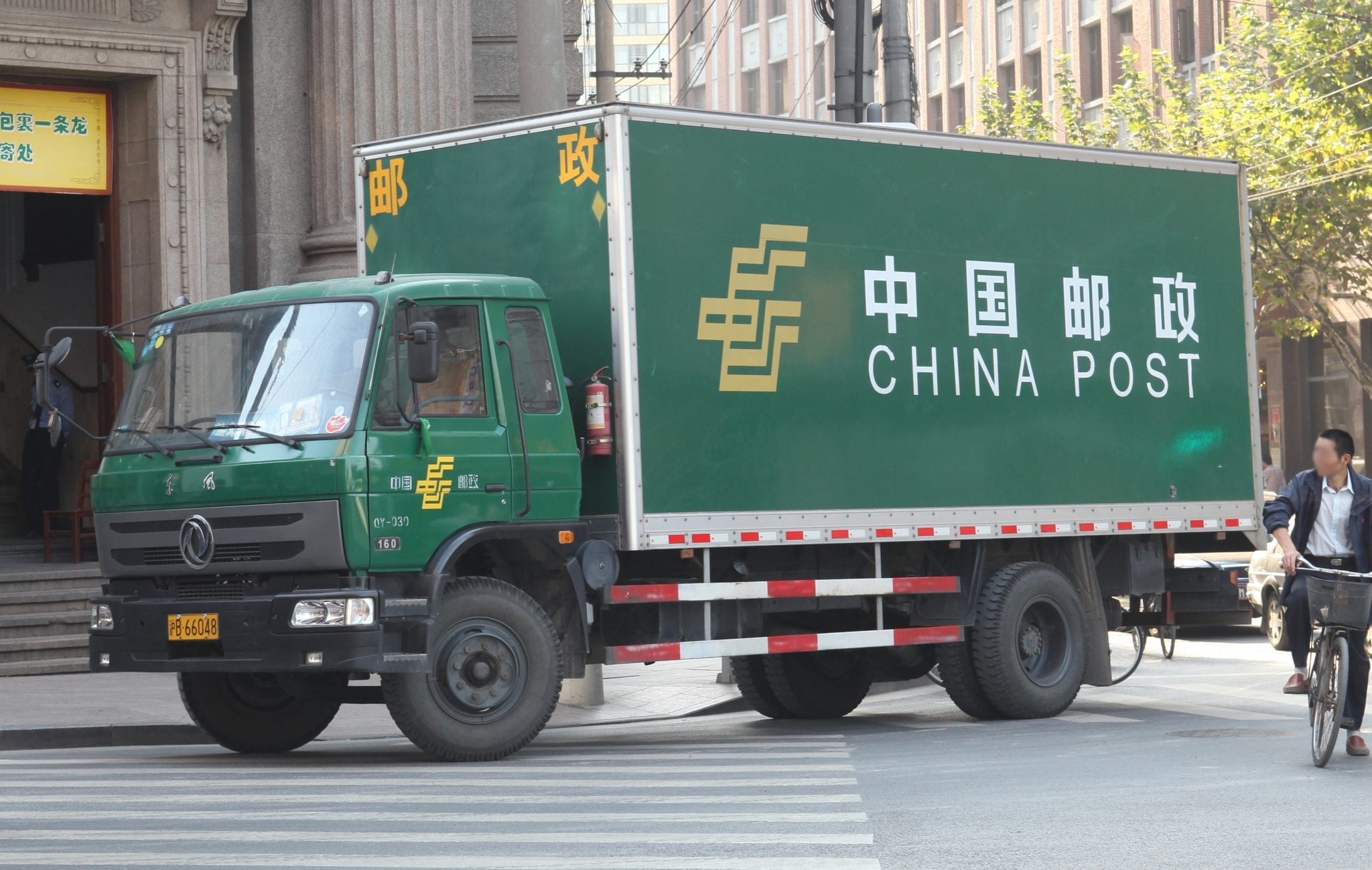
Tag: Electric vehicles

  • Toyota Plans 400,000 Range Extender Vehicles Annually in China by 2028

    Toyota Plans 400,000 Range Extender Vehicles Annually in China by 2028

    Toyota plans to produce 400,000 range-extender electric vehicles annually in China by 2028. The program pushes the carmaker into a powertrain segment long dominated by domestic brands.

    Initial manufacturing starts in April 2027 at a rate of several hundred vehicles a month. Output will climb to an annualised volume of 200,000 units by December 2027. This project is the Japanese carmaker’s first range-extended electric vehicle (REEV). The setup pairs an electric motor and battery pack with a small petrol generator that recharges the cell rather than driving the wheels.

    How the Powertrain Operates

    The system relies entirely on electric drive for the axles. During long trips, the onboard combustion engine fires up once battery charge drops below a set threshold. It runs strictly to generate electricity. That setup removes range anxiety along rural routes where fast chargers remain scarce.

    Chinese consumer demand for extended-range vehicles has surged over the past two years. Buyers in second-tier and third-tier cities frequently choose REEVs. The format combines daily battery-only urban commuting with fuel-station flexibility on highways.

    Chasing Domestic Specialists

    Toyota is stepping onto territory carved out by Li Auto, which built its brand around extended-range luxury SUVs. Other Chinese manufacturers followed quickly. Seres-backed Aito, Leapmotor, Xpeng and Xiaomi’s SkyNomad sub-brand all rolled out range-extender platforms to maintain sales.

    Foreign legacy automakers have struggled to match the pace of Chinese rollouts. Volkswagen introduced a China-exclusive range-extender model earlier this year. Li Auto publicly mocked the German brand for its late entry. Offering extended-range powertrains has become critical for foreign joint ventures trying to stem market-share losses against local rivals that undercut them on price and interior digital tech.

    Tightening Regulatory Oversight

    Regulators in China are tightening scrutiny across the segment. In June 2026, government authorities introduced stricter technical requirements and standard testing protocols. These rules specifically target range-extender fuel consumption and emissions once the traction battery is depleted.

    Automakers entering the segment must meet higher energy-conversion efficiency targets to qualify for local green-vehicle incentives. Toyota engineers must now design a generator package that satisfies those consumption rules. It must also preserve enough cabin space to compete with software-heavy Chinese rivals.

    Building on Joint Venture Electrification

    Earlier electrification efforts by Toyota in China began cautiously with the global bZ4X electric SUV in 2022. Partnerships with local manufacturers followed to develop market-specific vehicles. The carmaker released the bZ3 electric saloon with BYD and FAW, followed in 2025 by the bZ3X with GAC and the bZ5 SUV coupé with BYD and FAW.

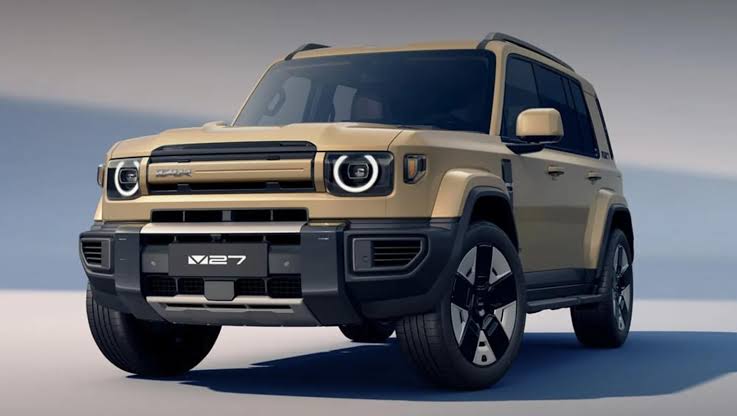
    Lineup expansion continued in early 2026 with the GAC-built bZ7 electric saloon. The 2027 range-extender model adds a separate propulsion option to that joint-venture portfolio as factories prepare to hit the 400,000-unit target by 2028.
  • Nio Delivers 150,000 Third-Generation ES8 SUVs in First Year

    Nio Delivers 150,000 Third-Generation ES8 SUVs in First Year

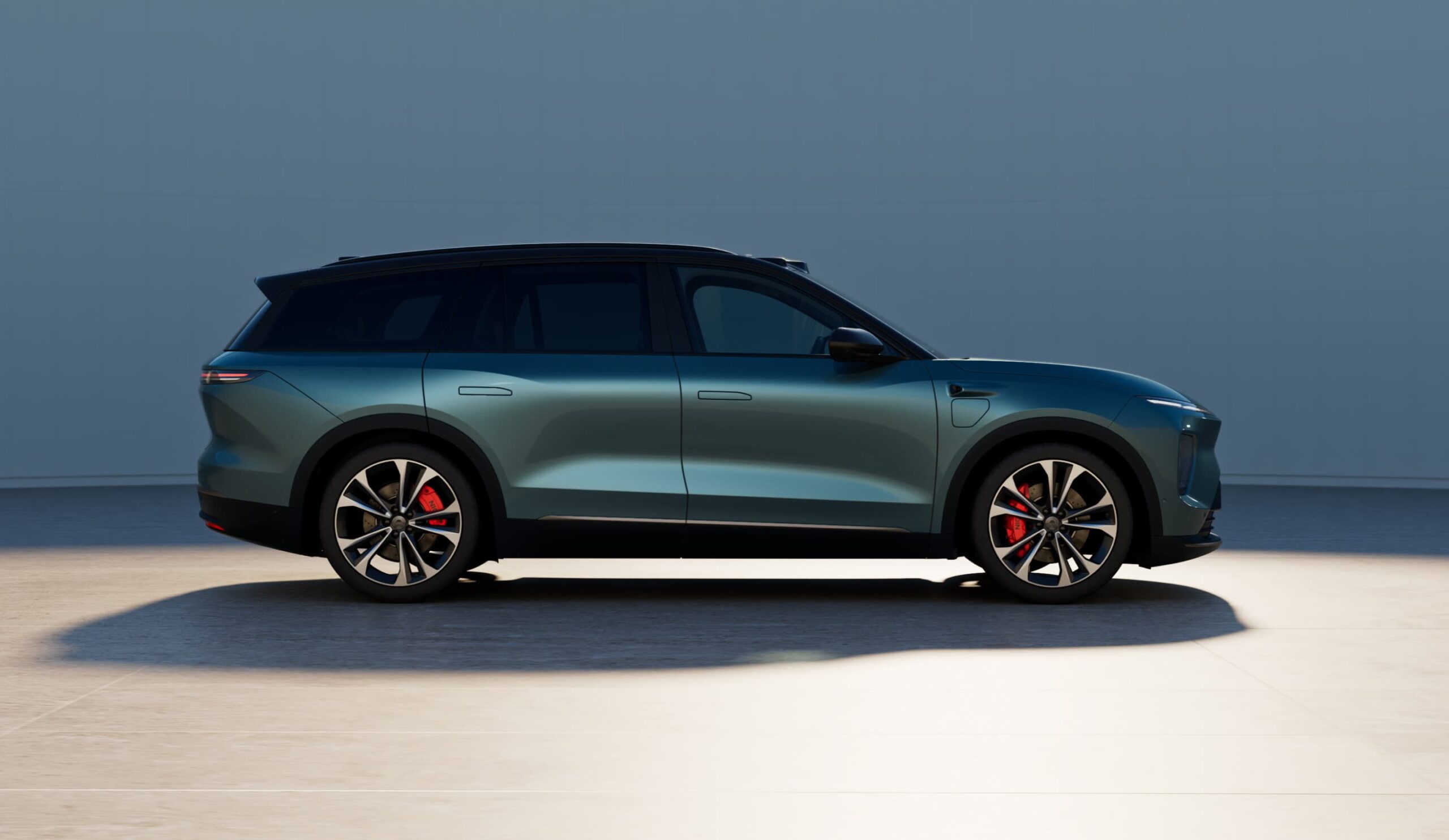
    Nio delivered its 150,000th third-generation ES8 in Beijing on Sunday. The handover reached that volume milestone exactly one year after the large electric SUV launched.

    Customer Tang Limei took delivery of the milestone vehicle. Nio built and delivered the final 10,000 units of that run in just 30 days.

    Qin Lihong, co-founder and president, attended the Beijing event. Sales began on September 20, 2025, and deliveries started the next day. The ES8 is the fastest vehicle in Nio’s lineup to hit this operating scale. China Passenger Car Association data shows the model logged 99,948 deliveries in the first eight months of 2026. That accounted for 62.21 per cent of the core Nio brand’s volume, and 38.02 per cent of deliveries across all Nio Inc operations.

    Volume Concentration at the Top End

    Showroom traffic for the premium brand now leans heavily on the ES8. Together with the larger ES9, the two SUVs delivered 17,480 units in August. That represented 82.55 per cent of all Nio-branded deliveries that month. The concentration reflects a deliberate pivot toward high-margin family and executive vehicles. Mass-market buyers are left to the company’s sub-brands.

    Component suppliers and battery exchange operators benefit from this heavy mix in the 400,000 yuan bracket, which generates steady cash flow and higher revenue per car. But it exposes the automaker to risk if luxury spending softens in top-tier Chinese cities. Nio leads the 400,000 yuan bracket across all powertrains, defending sales against plug-in hybrid and pure electric rivals. Keeping that volume requires constant retail incentives.

    Expanding Through Layout and Pricing Adjustments

    Broader configuration choices helped drive showroom momentum over the summer. On July 9, Nio launched a five-seat ES8 alongside its existing six- and seven-seat versions. Deliveries began the next day.

    Pricing for the five-seat version started at 382,800 yuan with the battery pack, a 5.9 per cent drop from three-row models. Buyers using the battery-as-a-service subscription saw the upfront vehicle price fall to 274,800 yuan. The lower entry price helped lift monthly ES8 deliveries to 10,288 units in July and 11,001 in August, a sequential gain of 6.93 per cent.

    The Trajectory from Launch to Scale

    Delivery numbers climbed quickly after initial factory ramps in late 2025. Nio delivered 2,812 units in September 2025 before volume surged past 22,000 in December. Monthly numbers dipped during the broader auto slowdown in early 2026, but the model held above 10,000 units for most of the year.

    At the Chengdu Auto Show on August 21, the carmaker handed over its 140,000th ES8. Reaching the next 10,000 cars in 30 days proved supply chains and assembly plants maintained steady output into the third quarter.

    Production Schedules Ahead of Model Cycle Shifts

    Management is now focusing capacity on this product core while conserving capital for future launches. Chief executive William Li told staff earlier this month to focus resources on the main premium lineup and core regional markets over the next three years.

    All eyes are on the final stretch of the year. Nio must now prove the ES8 can hold monthly deliveries above 11,000 units through the fourth-quarter rush, before major platform updates arrive in 2027.

  • VinFast Affiliate GSM Launches First Overseas Motorbike Service in Jakarta

    VinFast Affiliate GSM Launches First Overseas Motorbike Service in Jakarta

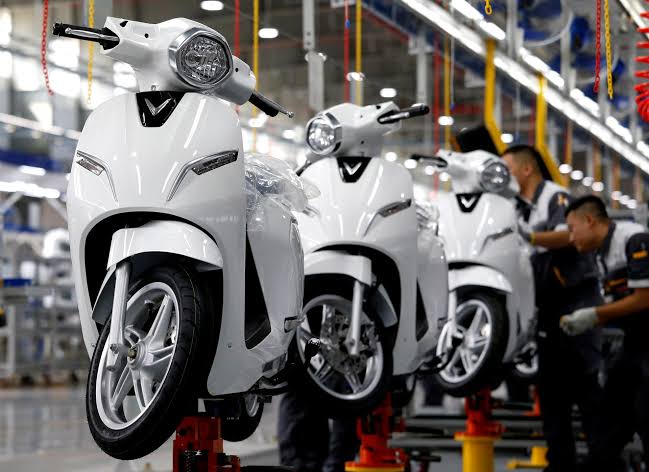
    Vietnam’s electric taxi operator Green and Smart Mobility (GSM) launched VinFast electric motorbike taxis in Jakarta in September 2026. The rollout is its first two-wheeler passenger service outside Vietnam.

    This expansion deepens the Vingroup affiliate’s presence in Southeast Asia’s largest economy, potentially creating another sales channel for the loss-making EV producer. GSM previously launched electric car services in the Indonesian capital.

    Fleet deployment across Jakarta

    Operating locally as PT XANHSM Green and Smart Mobility Indonesia, the company integrated two-wheeler bookings into its consumer app alongside its Green Car and Green Premium tiers. Local operating centres recruit drivers directly, using VinFast electric scooters built for commercial urban transit.

    Jakarta is the first overseas market for GSM’s two-wheeler taxi model. In Vietnam, the company already runs extensive fleets of electric cars and scooters across major cities, including Ho Chi Minh City and Hanoi.

    Captive demand for VinFast

    Commercial volume from the expansion flows directly to VinFast. The Vietnamese automaker remains loss-making as it scales production. Internal fleet sales through GSM absorb factory output and build brand visibility in new export territories.

    Deploying fleets creates instant street-level exposure in congested Southeast Asian capitals. For vehicle manufacturers entering price-sensitive markets without established dealer networks, a proprietary ride-hailing platform serves as both a test fleet and a live showroom.

    Competition in Indonesian ride-hailing

    Entering Jakarta puts GSM into direct competition with dominant incumbents Grab and GoTo’s Gojek. Both operate massive two-wheeler networks across Indonesia. Established players rely primarily on gig drivers who own their vehicles. GSM instead operates a dedicated fleet structure, controlling vehicle standardisation and battery charging infrastructure.

    High capital costs for vehicle procurement, fleet maintenance and charging support present clear financial risks in a market with strictly regulated motorcycle fares and severe price competition. GSM bets that lower operating and maintenance costs per kilometre will offset the capital outlay of deploying new electric two-wheelers.

    Regional footprint and next steps

    Parent conglomerate Vingroup is pushing to build an international footprint for its transport ecosystem. GSM has expanded rapidly across Southeast Asia and Central Asia, entering Laos and Kazakhstan with fleet operations running exclusively on VinFast hardware.

    Regulatory approvals for broader route operations and expanded driver recruitment across greater Jakarta will determine how quickly GSM scales beyond initial central deployment zones.

  • Subaru to Evaluate Onsemi Platform Offering 4X EV Inverter Power Density

    Subaru to Evaluate Onsemi Platform Offering 4X EV Inverter Power Density

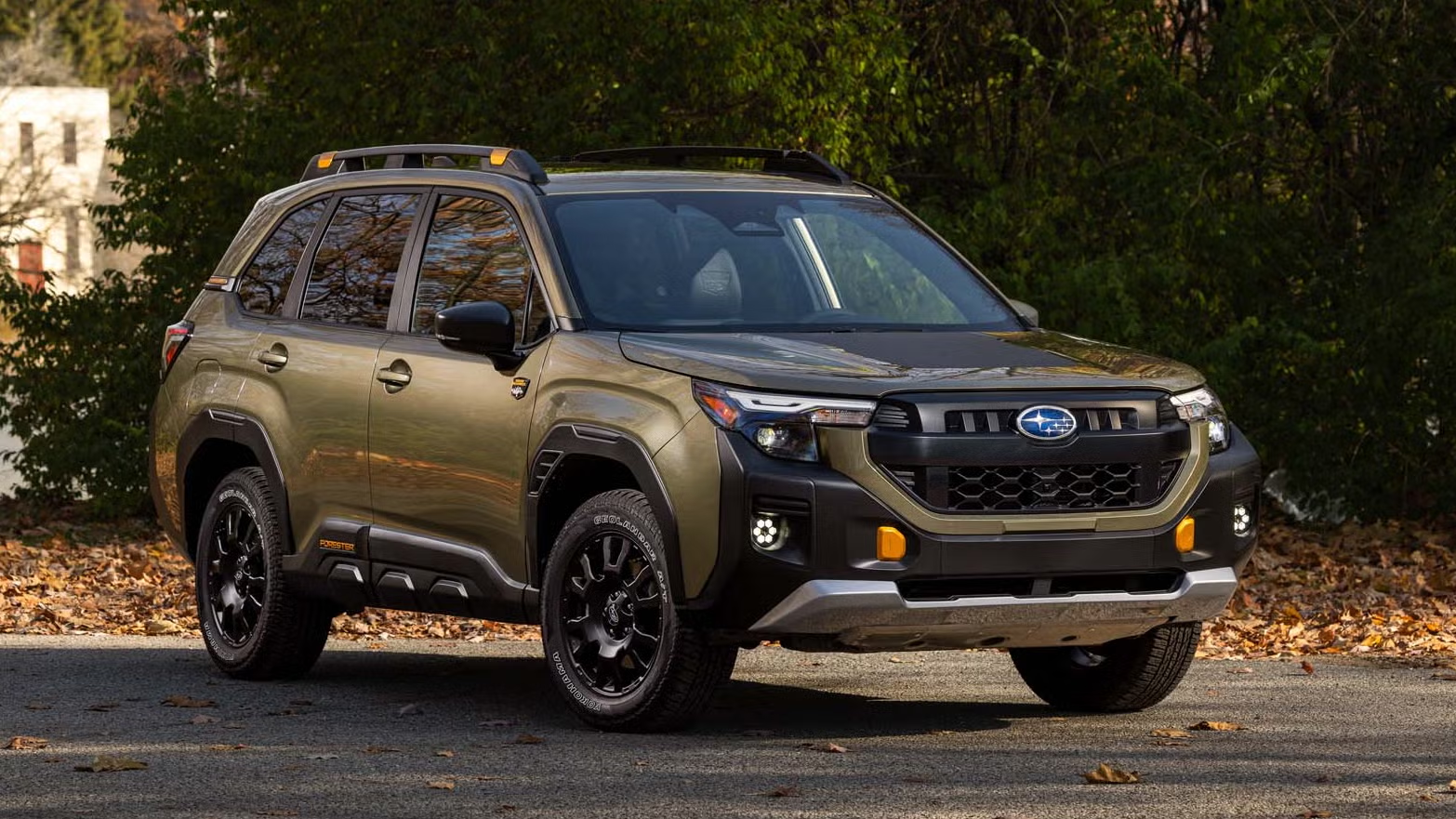
    Subaru has partnered with semiconductor maker Onsemi to evaluate a new power electronics architecture designed to quadruple power density in electric vehicle traction inverters.

    Under the collaboration, the Japanese automaker will receive early access to engineering samples, simulation models and technical expertise later this year to test the system across its future electrified vehicle architectures.

    Wafer-level packaging for vehicle drives

    Named the Embedded Power Platform, the system uses the silicon wafer itself as the package base. This setup combines silicon, silicon carbide and gallium nitride components. It also integrates field-effect transistors, gate drivers and system controllers inside a single module.

    Building components directly on 12-inch wafer production lines eliminates multiple assembly steps. It also cuts parasitic inductance. Lower inductance reduces electrical losses and lets power switches run at higher frequencies without excessive heat.

    Onsemi claims the architecture cuts inverter power losses by up to 15 per cent and shrinks the footprint up to fourfold. Subaru has not committed the hardware to a specific production model yet. Still, the evaluation gives the carmaker a direct look at multi-voltage powertrain integration.

    Standardising power across vehicle lines

    Modular power electronics offer Japanese carmakers a way to cut engineering overhead as they chase global battery-electric rivals. Engineers can scale one base architecture across compact cars, crossovers and commercial platforms instead of designing custom inverters for each vehicle class.

    This strategy shifts component integration risk from the vehicle assembly line to the chip fabrication plant. Automakers get smaller, lighter drive units. However, they face greater dependence on single-source packaging methods that cannot be swapped quickly during supply shortages.

    Industrial and data centre crossover

    Beyond passenger cars, the platform scales into industrial machinery and artificial intelligence data centre power racks. In non-automotive setups, Onsemi claims power density jumps by three to five times. That reduction cuts hardware development timelines to four months in select industrial cases.

    Japanese manufacturers spent the past two years consolidating electric powertrain supply chains to protect operating margins as domestic hybrid sales peak. Subaru previously committed to expanding its electrified lineup through joint projects with Toyota, focusing on shared platform costs and joint battery procurement.

    Initial engineering samples of the platform will ship to Subaru and select artificial intelligence hardware partners before the end of 2026.

  • BYD Recalls 183,000 Vehicles in China over Brake Pedal Defect

    BYD Recalls 183,000 Vehicles in China over Brake Pedal Defect

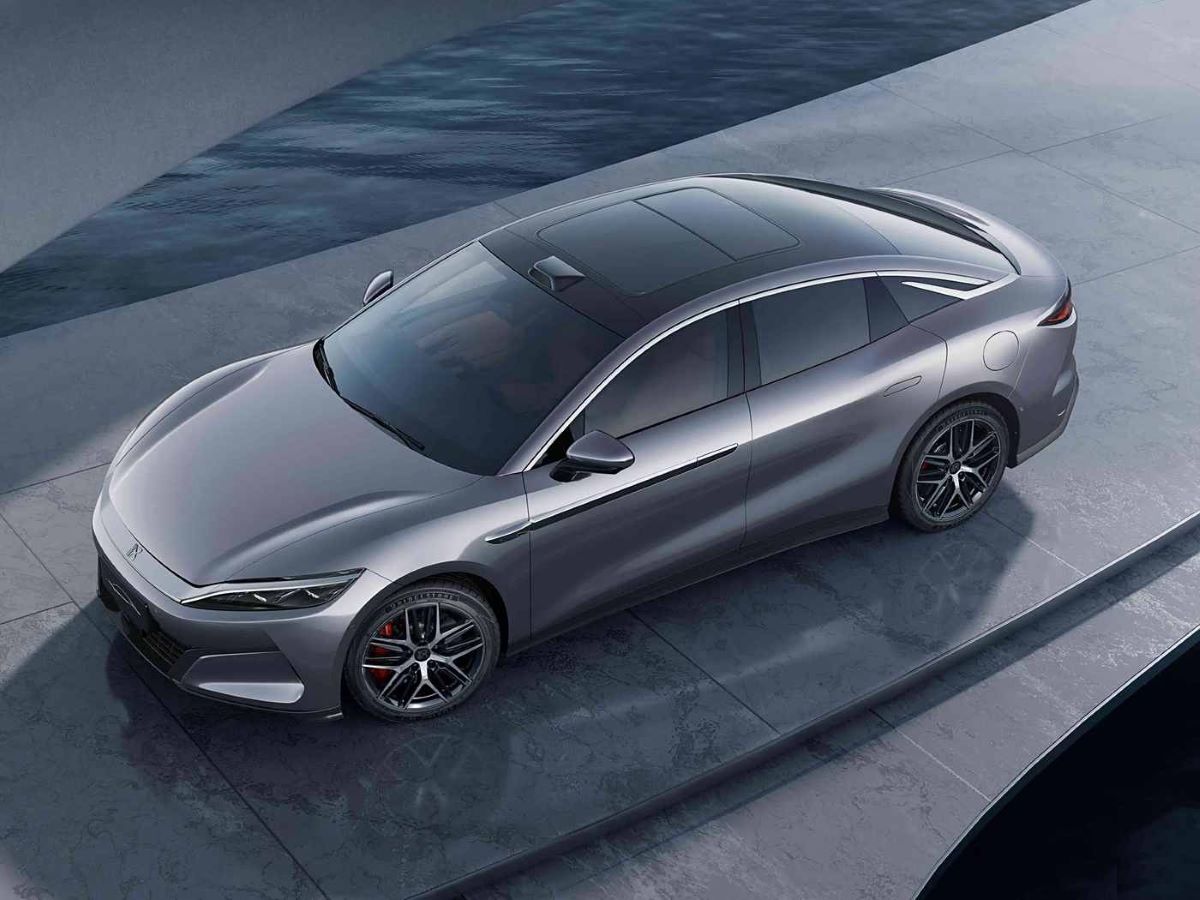
    BYD is recalling 183,211 electric and hybrid vehicles in China after regulators identified a manufacturing defect in the brake pedal assembly. China’s State Administration for Market Regulation confirmed the recall affects Qin sedans and Tang sport utility vehicles built between 2014 and 2022.

    Most of the affected units belong to the Tang series, alongside roughly 40,300 Qin models. The defect involves a batch of brake pedal stop buffers that can tear or detach over extended use. When the buffer fails, brake lights can stay illuminated continuously even when the driver is not touching the pedal. That creates a collision hazard for trailing traffic. BYD will inspect the vehicles and fit replacement components at no cost to owners through its authorised dealer network.

    Steering issues hit Nio’s Firefly line

    The regulator also published a separate recall notice covering Nio. The company must recall 686 vehicles from its Firefly sub-brand due to a wiring harness fault in the electric power steering assist. In extreme operating conditions, the defect can cause sudden power steering failure. Nio dealers will inspect the batch and replace the affected harness free of charge.

    Both notices arrive during heightened regulatory scrutiny over automotive hardware quality across China. In August, the market regulator oversaw corrective campaigns affecting more than four million vehicles across eleven manufacturers, including Tesla, Xiaomi, Leapmotor, Xpeng, and Zeekr. Those actions addressed emergency mechanical door releases rather than braking hardware, but the regulatory intervention demonstrates tighter enforcement on basic vehicle safety mechanics.

    Domestic market friction versus export gains

    For BYD, the physical recall tests dealership service capacity across Chinese cities at a time when domestic retail demand has softened. While BYD set a company record in August by delivering 256,230 battery-electric passenger cars, its domestic retail sales dropped below prior-year levels. Total monthly deliveries reached 440,293 new energy vehicles, supported primarily by strong export growth into overseas markets.

    The recall creates immediate operational work for BYD service centres. Dealership networks must process more than 183,000 physical workshop visits while maintaining routine vehicle servicing and pre-delivery inspections for new buyers. The Tang and Qin nameplates represent early volume drivers for BYD’s new energy transition, meaning many affected cars are now out of their initial warranty periods.

    Inspection deadlines and component supply

    Managing older vehicle fleets is becoming a standard operational requirement for Chinese electric vehicle makers. Earlier production runs from the 2014 to 2018 era relied on different component suppliers than current vehicle architectures. Ensuring replacement parts reach regional service centres quickly will determine how fast BYD clears the regulator’s safety docket.

    Authorized repair networks across China have started scheduling owner appointments for the free buffer replacements. The market regulator will track completion rates for both BYD and Nio as workshop filings come due in the final quarter.

  • BYD Launches Denza Z9GT in Thailand at 2.9 Million Baht

    BYD Launches Denza Z9GT in Thailand at 2.9 Million Baht

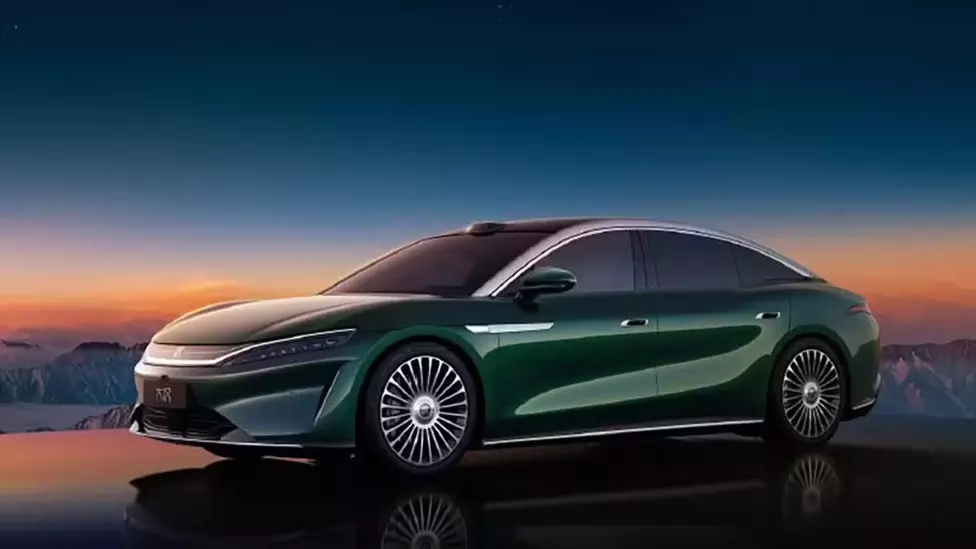
    BYD rolled out its Denza Z9GT shooting brake in Thailand on September 16. The tri-motor luxury electric vehicle costs 2,999,900 baht ($89,870). An introductory promotion cuts the price to 2,899,900 baht for orders placed before September 30.

    Rever Automotive imports the car fully assembled from China. It brings the carmaker’s second-generation Blade Battery and flash charging hardware to Southeast Asia for the first time.

    High Voltage Hardware and Fast Turnarounds

    A tri-motor all-wheel-drive system generates 1,156 horsepower. It draws power from a 122.5 kilowatt-hour battery pack, delivering up to 701 kilometres of driving range on one charge.

    Charging speed leads the spec sheet. The vehicle takes direct-current rates up to 1,500 kilowatts. That fills the battery from 10 to 97 per cent in nine minutes. Ke Yubin, general manager of BYD Thailand, ran live charging and handling demonstrations in Bangkok to prove the times to buyers.

    At 5,180 millimetres long, the shooting brake features independent rear-wheel steering and BYD’s e3 chassis platform. Inside, the cabin offers ultra-wideband digital key support, near-field communication access, and three interior trim selections designed to compete against European grand tourers.

    Denza Expands Across Asia-Pacific

    Thailand is now the 13th Asia-Pacific market to sell Denza vehicles. The sub-brand first entered the country in November 2024 with the D9 multi-purpose vehicle, following rollouts in Hong Kong, Cambodia, and Singapore.

    Subsequent rollouts reached Malaysia and Europe, alongside an April exhibition in Paris. In China, where an updated version went on sale in March, buyers can choose between pure electric and plug-in hybrid setups. Thailand gets only the high-output battery-electric model, aimed squarely at the top of the local market.

    BYD completed its 10,000th flash charging station in China in August and will continue rolling out the technology globally.

    Liu Xueliang, General Manager of Asia-Pacific Auto Sales Division, BYD

    A Strategic Wedge in Luxury Transport

    Distributors across Southeast Asia face a tricky transition as Chinese manufacturers move from volume hatchbacks into high-margin luxury segments. Premium electric cars in Bangkok have long belonged to Porsche, BMW, and Mercedes-Benz. Badge heritage carries real weight with wealthy buyers there. Denza wants to break that hold by offering hypercar acceleration and fast charging at half the price of German rivals.

    Grid operators face their own hurdles with the hardware. Delivering 1,500 kilowatts requires dedicated megawatt-level grid connections and liquid-cooled cabling that private Thai charging networks lack. BYD is building its own charging infrastructure alongside vehicle shipments so buyers can actually reach those speeds.

    Manufacturing Foundations in Rayong

    This premium launch follows rapid industrial growth across Thailand over the past two years. BYD’s assembly plant in Rayong province reached its two-year operational milestone in July 2026 with 130,000 total domestic deliveries. The facility holds an annual nameplate capacity of 150,000 vehicles. It already exports right-hand-drive cars to European ports.

    Earlier entry with the D9 secured showroom floor space inside existing dealer networks, reducing upfront capital costs for this launch. The Z9GT now gives those dealers a halo car to pull foot traffic into showrooms.

    Excise Tax Deadlines and Network Targets

    Importers face a steep tax cliff at year’s end. Thailand’s revised electric vehicle excise tax structure takes effect in 2027. Distributor forecasts show the new rules will push the imported Z9GT’s retail price to 3,999,900 baht.

    Fourth-quarter sales will reveal whether luxury buyers jump in before that 1-million-baht tax hike takes hold. At the same time, BYD needs to install roughly 80 fast-charging stations daily around the world to hit its goal of doubling its 10,000-site network.

  • China Rejects EU Push to Cap Hybrid Vehicle Exports

    China Rejects EU Push to Cap Hybrid Vehicle Exports

    China’s commerce ministry has rejected European Union proposals to voluntarily restrict hybrid vehicle exports, stating that such measures seriously violate World Trade Organization rules.

    The ministry issued a statement on Friday in response to reports that the EU wants Beijing to limit hybrid shipments or face higher tariffs.

    EU hybrid imports from China surged from 3,800 vehicles in October 2024 to 50,000 in July 2026 as average prices fell over the same period.

    The Tariff Shift That Triggered Hybrid Volumes

    European policymakers created this opening in October 2024 by imposing countervailing duties on battery electric vehicles. Tariffs reached 45 per cent on pure electrics while hybrids remained taxed at 10 per cent. Chinese carmakers responded by redirecting production lines toward plug-in and traditional hybrids. Pure battery models met heavy import friction. Hybrid passenger cars moved freely through European ports at lower retail prices.

    Pricing pressure hit legacy European carmakers immediately. European producers idled assembly lines and cut jobs across plants in Germany, France and Italy. Trade officials in Brussels argue that uncurbed hybrid volumes threaten domestic manufacturing employment. They now seek an informal ceiling before considering a formal duty hike.

    Domestic Cooling Forces Carmakers Abroad

    Auto manufacturers in China must defend access to foreign dealerships. Domestic sales of new energy vehicles in China fell 4.6 per cent year on year in August. Assembly lines hold excess stock that local buyers cannot absorb. Export channels supply the volume needed to keep factories running profitably.

    Total vehicle exports from China jumped 65.3 per cent year on year to 1.01 million units in August, according to data from the China Association of Automobile Manufacturers. New energy vehicles accounted for 526,000 of those shipments. That represented a 130 per cent increase compared to the same month a year earlier. Overseas shipments made up 52.1 per cent of all Chinese vehicle exports in August.

    Legal Friction Replaces Bilateral Compromise

    Beijing is setting a rigid legal perimeter rather than offering commercial concessions by framing the dispute around WTO compliance. Voluntary export restraints fell out of favour under multilateral trade treaties in the 1990s. Chinese negotiators are using that status to box in European regulators. A unilateral tariff increase by the European Commission will likely trigger immediate dispute filings in Geneva alongside targeted retaliatory duties on European goods.

    Retail networks and franchise dealers in Europe face immediate supply chain uncertainty. Showrooms that added Chinese hybrid brands to offer affordable entry-level models risk sudden inventory price adjustments if the bloc implements provisional tariffs. Component suppliers also face disruptions if Chinese brands freeze showroom rollouts across secondary European markets.

    Factory Investments and the Next Regulatory Deadlines

    European officials hoped tariff pressure would force Chinese automakers into building local factories or signing joint ventures with struggling European plants. Several Chinese brands have evaluated production sites across Central and Eastern Europe. Greenfield automotive projects take three to four years before producing finished cars at scale. An export cap would starve local retail networks long before domestic European assembly begins.

    Envoys from Brussels and Beijing will meet in October 2026 for high-level bilateral trade discussions. The key figure to monitor is whether Chinese hybrid imports hold above the 50,000-unit monthly mark when third-quarter shipment data is compiled.

  • Volvo Unveils XC60 Plug-In Hybrid with 200 Km Electric Range

    Volvo Unveils XC60 Plug-In Hybrid with 200 Km Electric Range

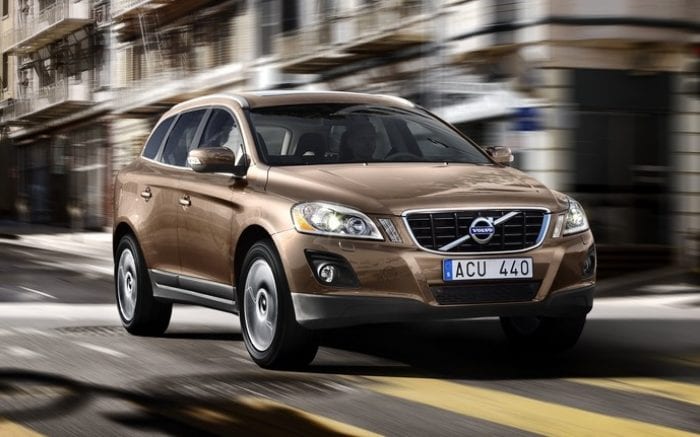
    Volvo Cars, a subsidiary of China’s Geely Group, has unveiled its model year 2027 XC60 and XC90 plug-in hybrids offering an electric range of up to 200 km.

    The updated Volvo XC60 Plug-in Hybrid starts at €69,990 and delivers more than two and a half times the electric range of its predecessor. It features a 41.2 kWh battery floor pack, an increase from the previous 18.8 kWh capacity.

    Volvo combined the larger battery with a 130 kW electric motor alongside a petrol combustion engine. Under the same setup, the larger XC90 Plug-in Hybrid achieves up to 163 km of purely electric range per charge.

    Hardware Parity With Pure Electric City Cars

    That 41.2 kWh capacity exceeds the battery size in several dedicated electric city cars entering production. Volkswagen equipped the entry-level ID. Polo with a 37 kWh pack, while Renault fitted the Twingo Electric with 27.5 kWh. Volvo uses full-sized electric car energy reserves solely to cover daily commuting without burning petrol.

    Drivers get pure electric power for city trips alongside combustion backup for highway travel. The Swedish brand already sells all-electric models including the EX30, EX40, and EX90. Customer demand for flexible powertrains prompted this hybrid refresh.

    Now, as long-range plug-in hybrids, they build on those legacies and, together with the all-electric EX60, give us our strongest-ever electrified offering in the mid-size SUV segment.

    Platform Sharing Across the Geely Portfolio

    Under the skin, the configuration mirrors powertrains across parent company Zhejiang Geely Holding Group. Geely’s Lynk & Co brand launched the 08 crossover with a 39.6 kWh battery pack. That model logged 176 kilometres of real-world electric range in testing by German motoring club ADAC. Group-level component sharing lowers cell procurement costs and accelerates engineering for European and Asian assembly lines.

    German rivals trail the benchmark. Volkswagen Group offers up to 143 kilometres of electric range in the VW Golf eHybrid and Audi A3 Sportback TFSI e. Mercedes-Benz and BMW have kept plug-in hybrid battery sizes closer to 20 to 25 kWh in comparable luxury segments.

    Regulatory Pressure on Real-World Emissions

    European regulators are tightening emissions calculations for plug-in hybrids. European Union field data from 320,000 vehicles showed real-world carbon dioxide output was 3.5 times higher than lab approval figures because owners failed to charge regularly. Regulators adjusted the official utility factor downward in 2025 to reflect actual charging habits.

    Another regulatory tightening in 2027 will increase fleet emissions penalties unless hybrid models cover higher electric mileage. Installing larger batteries insulates automakers from sudden compliance penalties as policy shifts across export destinations.

    Production Timeline and Model Rollout

    These long-range powertrains serve as an interim bridge while Volvo prepares its purpose-built EX60 electric architecture. The XC60 remains Volvo’s best-selling model globally. Steady hybrid sales protect cash flow during capital-intensive EV plant conversions.

    Order books opened in Europe for the 2027 model-year XC60 and XC90. Core export markets will receive customer deliveries first, followed by a rollout to American dealerships.

  • Panasonic Energy Opens Osaka Battery Hub to Double Development Efficiency

    Panasonic Energy Opens Osaka Battery Hub to Double Development Efficiency

    Panasonic Energy opened a research hub in Kadoma near Osaka to double battery development efficiency by March 2031. The site brings material design, cell engineering and prototyping under one roof.

    Around 500 staff will work at the facility, named Energy Innovation Square, alongside 300 manufacturing engineers at the nearby Suminoe site. Together, the 800-person Osaka cluster represents one of Japan’s largest battery research networks.

    Consolidating cell design in Kadoma

    The facility integrates design and testing operations that were previously dispersed across separate locations. Panasonic Energy expects this centralisation to cut development times and associated transit requirements by more than 15 per cent.

    Engineers at the Kadoma hub will use a digital platform that combines computer simulations with physical test data. Continuous monitoring and statistical analysis are designed to refine digital modelling, allowing faster handoffs from initial cell prototypes to commercial assembly lines.

    Deploying Osaka technology to US plants

    Process improvements developed in Osaka will feed directly into the company’s manufacturing footprint. That network includes domestic Japanese plants alongside high-volume battery facilities in Nevada and Kansas.

    For supply chains, the consolidation tightens the link between Japanese material engineering and North American vehicle assembly. Automakers buying from Panasonic’s US factories require cells with higher energy density and extended operating lifespans to compete against cheaper lithium iron phosphate chemistry.

    Beyond automotive cells, Panasonic is targeting server farms. Expanding artificial intelligence infrastructure requires high-performance backup power systems, giving battery suppliers an alternative revenue stream outside passenger vehicles.

    Defending global battery market share

    Panasonic faces sustained pressure from Chinese battery makers that dominate global electric vehicle supply chains. Data from SNE Research shows Panasonic held 3.7 per cent of the global electric vehicle battery cell market in 2025.

    Market leader CATL held 39.2 per cent and BYD took 16.4 per cent over the same period. Panasonic ranked behind LG Energy Solution, CALB, Gotion High-Tech and SK On, reflecting the rapid growth of Chinese manufacturing capacity across Asia and Europe.

    Energy Innovation Square will serve as a core hub for Panasonic Energy’s battery development, strengthening collaboration from next-generation product development through mass production and enhancing our global competitiveness.

    The Osaka site is now operational, with the company tracking productivity metrics against its FY2024 baseline as it works toward the FY2031 doubling target.

  • Li Auto to Sell EV Tech Externally After 1.7 Billion Yuan Loss

    Li Auto to Sell EV Tech Externally After 1.7 Billion Yuan Loss

    Li Auto is preparing to sell its proprietary Mach chips, silicon carbide modules and range-extender powertrains to third-party clients after posting a 1.7 billion yuan net loss in the second quarter.

    Quarterly research and development spending at the carmaker ran at around 3 billion yuan for six consecutive quarters, pushing management to monetize proprietary vehicle architecture beyond its own fleet.

    Spinoff of the Mach chip division

    Senior leadership approved a corporate spinoff of the semiconductor design unit to facilitate third-party deals. Executives have already started pitching the Mach M100 driver-assistance chip to external businesses, including embodied artificial intelligence companies. The chip operates on a 5-nanometer automotive-grade process and delivers 1,280 TOPS of computing power.

    Corporate records show Li Auto registered a wholly owned operating entity, Xinchuang Zhihe (Shanghai) Technology Co Ltd, on July 13 to house integrated circuit design and commercial sales. Customer adoption will largely depend on how easily external engineering teams can port proprietary software algorithms onto the hardware architecture.

    Silicon carbide unit prepares for listing

    Power electronics subsidiary Sike Semiconductor restructured its internal reporting ahead of the chip division. Formed as a joint venture with Hunan Sanan Semiconductor in 2022, Sike changed its management structure in February so executives report to an independent board rather than Li Auto’s internal manufacturing division.

    Li Auto retains a 70 percent equity stake in Sike, which now operates with independent profit-and-loss accountability. The unit is soliciting external capital and has started preparatory work for an initial public offering, an equity shift intended to assure rival carmakers that supply chains remain separate from Li Auto’s vehicle assembly business.

    Automotive rivals open tech playbooks

    Selling proprietary vehicle hardware to outside buyers represents a broader structural shift among Chinese automotive manufacturers seeking to offset margin compression. Nio carved out its semiconductor unit into GeniTech, pitching its M97 processor to competitors such as Geely. Xpeng expanded commercial offerings covering electronic architecture, intelligent cockpits and autonomous driving code to international clients beyond existing partner Volkswagen.

    For automotive component suppliers and tier-one vendors across Asia, direct component commercialization by vehicle makers increases competitive pressure in power electronics and high-performance computing. Li Auto holds a structural advantage by testing components at volume in production cars, but it faces client hesitation over sharing software telemetry with an active market rival.

    Financial pressure and internal battery shift

    The monetization drive follows a sharp earnings reversal. Li Auto swung to a 1.7 billion yuan loss in the second quarter from a 1.1 billion yuan profit a year earlier, even as cash reserves stood at 87.5 billion yuan at the end of June. Third-party component sales allow the company to spread manufacturing overhead across broader production volumes without raising retail vehicle incentives.

    While range extenders and computing chips are now open to third parties, the company is keeping its custom traction battery program entirely internal. Li Auto plans a lineup-wide transition to proprietary battery packs, starting with production shifts on the updated Li Mega and upcoming Li i9, alongside the fourth-quarter rollout of the refreshed i6 sport utility vehicle.

  • Tesla Model Y Price Drops Below $23,000 in Tokyo on Local Subsidies

    Tesla Model Y Price Drops Below $23,000 in Tokyo on Local Subsidies

    Tokyo buyers can now purchase a Tesla Model Y for under $23,000. That makes the Japanese capital the cheapest market worldwide for the electric SUV.

    Combined national and municipal clean-vehicle incentives cut the effective entry price to 3.6 million yen ($22,889). Standard list price sits at 5.6 million yen.

    How Tokyo Subsidies Cut The Price

    Tokyo residents can tap up to 2 million yen in government support this year. Buyers of the smaller Model 3 sedan qualify for similar programs. That pushes the Model 3 starting cost down to 3.3 million yen.

    Tesla runs ads across Japan highlighting the full subsidy package. The campaign targets urban drivers in a retail market long dominated by domestic carmakers.

    Shanghai Shipments Undercut China Domestic Rates

    The discounted Tokyo sticker price undercuts retail rates in China, where Tesla builds the Model Y at its Shanghai plant. A base Model Y in China lists for approximately 263,500 yuan ($39,344).

    That gap widens against Western markets. California offers first-time EV buyers up to $3,500 in state incentives, but the Model Y still costs drivers there over $36,000.

    Trade Deals And Pressure On Domestic Makers

    Japanese automakers face immediate showroom pressure from the Shanghai-built imports. The Model Y ranked as Japan’s most imported passenger car during the first half of the year. It proved foreign electric models can win volume when priced below domestic hybrids.

    Bilateral trade negotiations add another layer to the pricing shift. US President Donald Trump has demanded broader market access for American brands in Japan. Meanwhile, both governments are reviewing a $550 billion investment framework established last year following a deal to cut US import tariffs on Japanese cars.

    Import Figures To Watch

    Tesla expanded deliveries into ports like Yokohama over the past two years. The company shifted supply lines directly from its Shanghai Gigafactory to shorten delivery times across the Asia-Pacific region.

    Retailers and competing importers now watch whether the Tokyo Metropolitan Government maintains these municipal rebate levels through its next fiscal budget review.

  • Dongfeng Nissan Updates N7 Electric Sedan After China Sales Slump

    Dongfeng Nissan Updates N7 Electric Sedan After China Sales Slump

    Dongfeng Nissan will launch an updated version of its N7 electric sedan on September 22 in China. The refresh follows a steep drop in monthly deliveries.

    Retail volume for the battery-electric model slumped to 928 units in August 2026 from an all-time high of 10,148 units in August 2025. The figures come from China Passenger Car Association data compiled by industry monitors.

    Configuration Revisions Follow Sales Drop

    The joint venture between Nissan Motor and Dongfeng Motor plans to adjust equipment specifications across the lineup to regain showroom traction. Dealers aggressively cleared stock over the summer. Wholesale shipments dropped to 619 units in August 2026.

    Priced between 119,900 yuan ($17,760) and 158,900 yuan across nine variants, the original N7 debuted in late April 2025. That entry price matched Xpeng’s Mona M03 sedan. It was one of the sharpest pricing counteroffensives by a foreign joint venture brand in China.

    Local Software And Hardware Engineering

    Developed entirely by a domestic engineering team, the sedan is the first Dongfeng Nissan model to use the group’s proprietary Tianyan vehicle architecture. Its smart cockpit integrates artificial intelligence models including DeepSeek-R1. Driver assistance software comes from Chinese autonomous driving startup Momenta.

    Buyers can choose between two single-motor electric powertrains producing 160 kW or 200 kW. Driving range spans 510 kilometers to 635 kilometers under the China Light-Duty Vehicle Test Cycle standard.

    Pressure Mounts On Legacy Joint Ventures

    Joint venture automakers in China face shortening product life cycles and unforgiving price competition from domestic EV builders. Market shifts happen fast. A model that led its category twelve months ago can lose over ninety per cent of its volume once rivals offer faster chips and larger battery packs at the same price.

    For dealership networks and component suppliers, the collapse of N7 deliveries exposes the risk of relying on single-motor sedans in a crowded market. Automakers now refresh vehicle trims within 18 months to protect showroom footfall. That replaces the traditional four-year mid-cycle schedule.

    Broader N Series Rollout

    Dongfeng Nissan has built an entire sub-brand around the badge since the initial N7 release. The automaker rolled out the N6 plug-in hybrid sedan in December 2025 at an introductory price of 91,900 yuan to compete against BYD’s Qin L DM-i. It followed with the NX8 extended-range electric vehicle in April 2026, which collected 8,423 orders in its first 30 minutes on sale.

    Total production across the N series crossed 100,000 units in June 2026, roughly 14 months after the initial model hit the market.

    Regulatory filings in August cleared the NX7 plug-in hybrid SUV for market entry. The approval leaves Dongfeng Nissan with two new utility models scheduled to reach dealerships before year-end.

  • China Crude Oil Imports Climb to 7.84 Million Barrels Daily as Stockpiles Fall

    China Crude Oil Imports Climb to 7.84 Million Barrels Daily as Stockpiles Fall

    China increased crude oil imports to 7.84 million barrels per day in September, up from 7.25 million in August as refiners slowed stock drawdowns.

    The intake marks the highest buying level in four months, reversing an aggressive inventory clearance that had sheltered domestic transport fleets from global price volatility.

    Customs figures show August imports rose 6.2 per cent month-on-month to 37.9 million tonnes. Buying remains more than 23 per cent below year-earlier volumes, when imports ran at 9.76 million barrels daily. Sourcing patterns shifted sharply this month: shipments from Iraq jumped past 1 million barrels per day from 177,000 in August, while deliveries from Saudi Arabia and Iran dropped.

    Refiners face margin squeeze under state price caps

    Commercial and state stockpiles shrank from 1.25 billion barrels in April to 1.14 billion barrels in September, according to trade intelligence firm Kpler. For five months, Chinese refiners met domestic fuel demand by burning through reserves rather than purchasing expensive seaborne cargoes, muting inflationary pressure across freight networks.

    That buffer is now wearing thin. With stockpiles down by 110 million barrels since spring, processors must step up spot purchases even as international benchmarks hover near 100 dollars a barrel. For freight operators and consumer goods distributors across mainland logistics corridors, higher landing costs for crude will filter directly into road haulage rates and plastic packaging feedstock.

    State retail pricing rules cap fuel price adjustments once international crude tops 80 dollars a barrel. When global prices trade higher, refiners absorb the difference directly on their balance sheets, squeezing operating cash flow at major petrochemical complexes.

    Higher crude prices are now eroding Chinese refining margins, as domestic product prices are regulated above US$80 per barrel.

    Electric fleets limit domestic fuel demand rebound

    Between April and August, Chinese crude purchases trailed 2025 volumes by roughly 3.2 million barrels daily. Beyond inventory drawdowns, structural consumption shifted: new-energy vehicles took more than 65 per cent of total passenger car sales over the summer, permanently removing a slice of urban petrol demand.

    Downstream transport operators in regional logistics hubs will see little relief on diesel prices despite the passenger transition. Beijing holds roughly four to six months of total oil cover across strategic and commercial sites, giving authorities room to restrict refined-product export quotas to protect domestic fuel supply.

    Supply disruptions force shifts to Iraqi crude

    The import pickup coincides with export disruptions across key trade corridors, including strikes on Saudi Arabia’s East-West pipeline and terminal damage at Russia’s Novorossiysk facility. These bottlenecks forced Chinese trading desks to secure alternate supplies quickly, driving the sudden surge in Iraqi crude fixtures.

    Refiners are now balancing fourth-quarter crude intake targets against quarterly product export quotas, with domestic processing runs expected to stay below pre-crisis highs through October.

  • Xpeng Expands Foreign Tech Licensing Beyond Volkswagen Deal

    Xpeng Expands Foreign Tech Licensing Beyond Volkswagen Deal

    Xpeng is pitching its vehicle software, computing chips and electronic architecture to foreign automakers. It wants to expand high-margin technology licensing beyond its anchor partnership with Volkswagen.

    Services revenue at the Chinese electric vehicle maker jumped 93.9 per cent to 2.7 billion yuan ($400 million) in the second quarter of 2026. Gross margins reached 75.1 per cent.

    A strategic commercialisation team formed six months ago in Guangzhou to field inquiries from overseas manufacturers, foreign software vendors and tier-one automotive suppliers. The technology catalogue includes electrical and electronic architecture, digital cockpit operating systems, in-house Turing AI semiconductors and Vision-Language-Action (VLA) driver-assistance software. Licensing packages also cover operational systems for robotaxis and physical artificial intelligence deployments.

    The Software Stack Open to Rivals

    Engineers at the firm spent years building vertical integration to counter domestic price cuts. Selling that technology stack outward shifts the company from pure hardware manufacturing into enterprise software. Automakers that sign deals can purchase standalone sub-systems or integrate full platform architectures directly into their own global vehicle lines.

    That push extends past passenger cars. The company plans to license operational systems for robotaxi fleets alongside Iron, its general-purpose humanoid robot platform aimed at industrial and retail automation buyers.

    Margin Divergence Drives Strategic Pivot

    Wholesale vehicle assembly in mainland China faces fierce pricing competition that continues to compress factory returns. In the second quarter, Xpeng’s automotive gross margin fell to 12.1 per cent from 14.3 per cent a year earlier. Total vehicle revenue grew just 1.0 per cent. The company recorded a quarterly net loss of 1.34 billion yuan.

    Licensing intellectual property requires almost zero factory overhead once developed. That revenue cushions sustained research and development budgets. For legacy overseas automakers struggling to build software in-house, buying Chinese electronic architecture cuts years off their electric development cycles.

    Precedent Set by Volkswagen Collaboration

    This commercial model stems from Volkswagen’s July 2023 investment, when the German group paid roughly $700 million for a 4.99 per cent equity stake in Xpeng. That alliance yielded the ID.UNYX 08 electric crossover. The vehicle entered mass assembly in March 2026, exactly 24 months after technical teams began joint integration work.

    Management confirmed in August earnings disclosures that research fees billed to Volkswagen accounted for the bulk of the recent doubling in services income. Volkswagen also committed to becoming the launch customer for the upgraded VLA 2.0 smart driving system across future localized releases.

    Next Steps on Hardware and Overseas Deployments

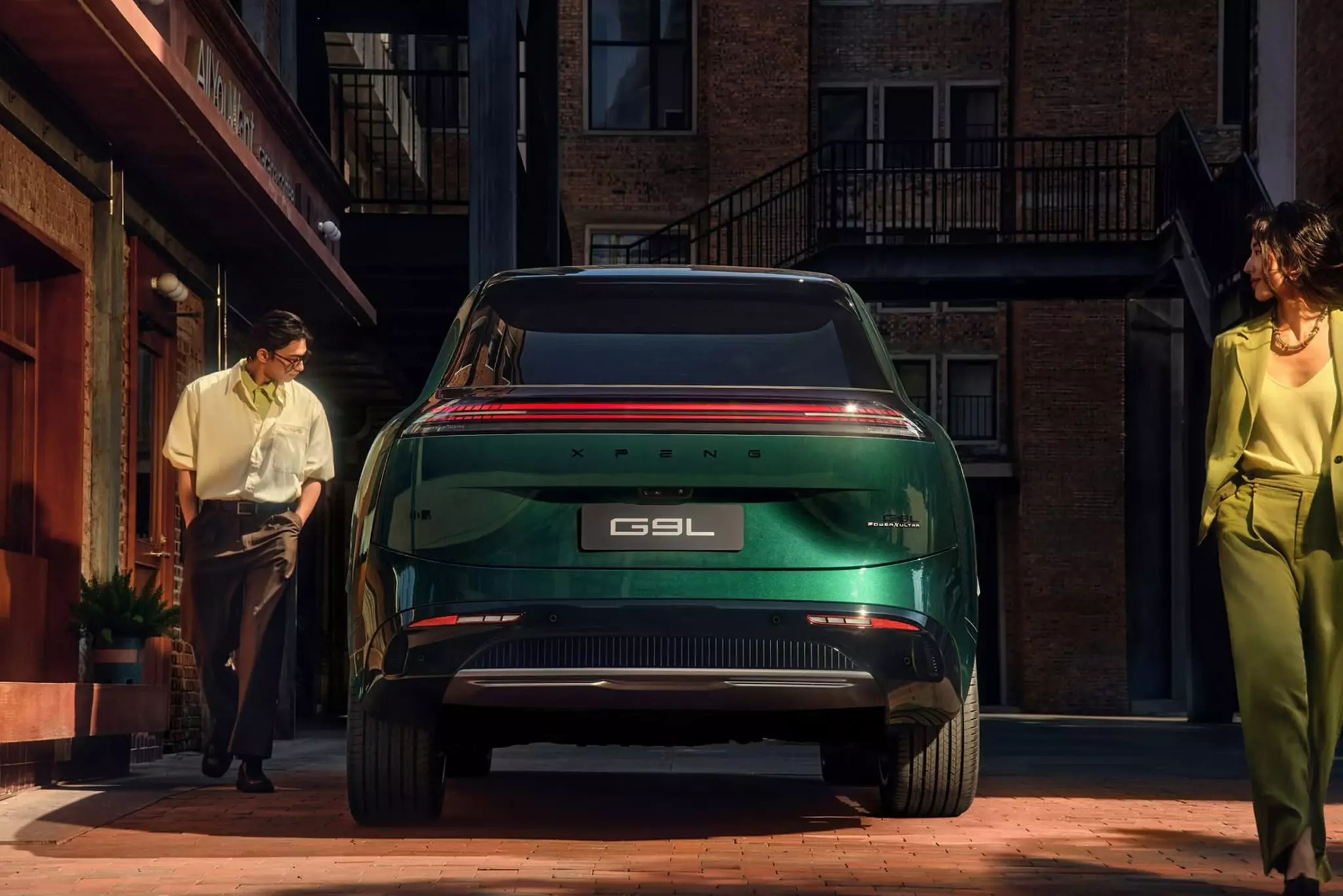
    Xpeng launched its G9L family sport utility vehicle in China at 231,800 yuan ($34,300) with both pure electric and extended-range powertrains. The vehicle makes its international debut at the Paris Motor Show ahead of localized production in Europe.

    Factory tooling for the Iron humanoid robot completes trial runs ahead of volume production in late December. Customer deliveries begin in early 2027.

  • Waymo Plans Commercial Autonomous Ride-Hailing Service in Singapore by 2028

    Waymo Plans Commercial Autonomous Ride-Hailing Service in Singapore by 2028

    Alphabet subsidiary Waymo will launch a fully autonomous ride-hailing service in Singapore by 2028, deploying an all-electric fleet in its first expansion into Southeast Asia.

    The commercial rollout gives the self-driving unit a regulated beachhead in Asia after building its initial commercial operations across select metropolitan markets in the United States.

    Fleet Deployment and Local Mapping

    Initial batches of all-electric Jaguar I-PACE vehicles will arrive in Singapore in the coming months. Waymo plans to run a structured readiness phase starting next year, using trained specialist drivers behind the wheel to operate the cars manually.

    Manual testing allows the Waymo Driver software stack to map Singapore’s complex road geometry, lane systems, and heavy monsoon downpours. Engineers need that baseline data before removing safety drivers from the vehicle cabin entirely.

    Regulatory Framework with Transport Authorities

    The company formed a direct partnership with Singapore’s Ministry of Transport and the Land Transport Authority to establish the operational framework. The arrangement mirrors Singapore’s broader regulatory approach to autonomous transport, which requires strict staged trials before granting commercial approvals.

    Waymo co-CEO Tekedra Mawakana met Singapore Transport Minister Jeffrey Siow in the San Francisco Bay Area earlier this year to outline the deployment roadmap. Public passengers will eventually book driverless rides directly through the standalone Waymo mobile application once full regulatory clearances clear.

    Implications for Southeast Asian Mobility

    Singapore represents the most structured proving ground for autonomous tech in the region, offering dense urban corridors, high taxi utilisation rates, and clear legal liability guidelines. The entry puts direct long-term pressure on regional ride-hailing incumbents like Grab, which operate traditional driver-dependent platforms across Southeast Asian capitals.

    Autonomous electric fleets shift operating economics from variable driver commissions to fixed capital expenditure and fleet charging overhead. For municipal transport networks, commercial self-driving cars offer supplementary capacity on fixed routes without adding labor bottlenecks.

    Testing Schedule and Next Milestones

    Singapore previously tested smaller autonomous shuttle pilots in restricted areas like Sentosa and one-north, but Waymo’s program marks the first large-scale commercial fleet deployment targeting general public streets.

    Vehicle arrivals in late 2026 will trigger the start of manual data-collection routes across designated public roads in 2027.