Tag: Electric vehicles

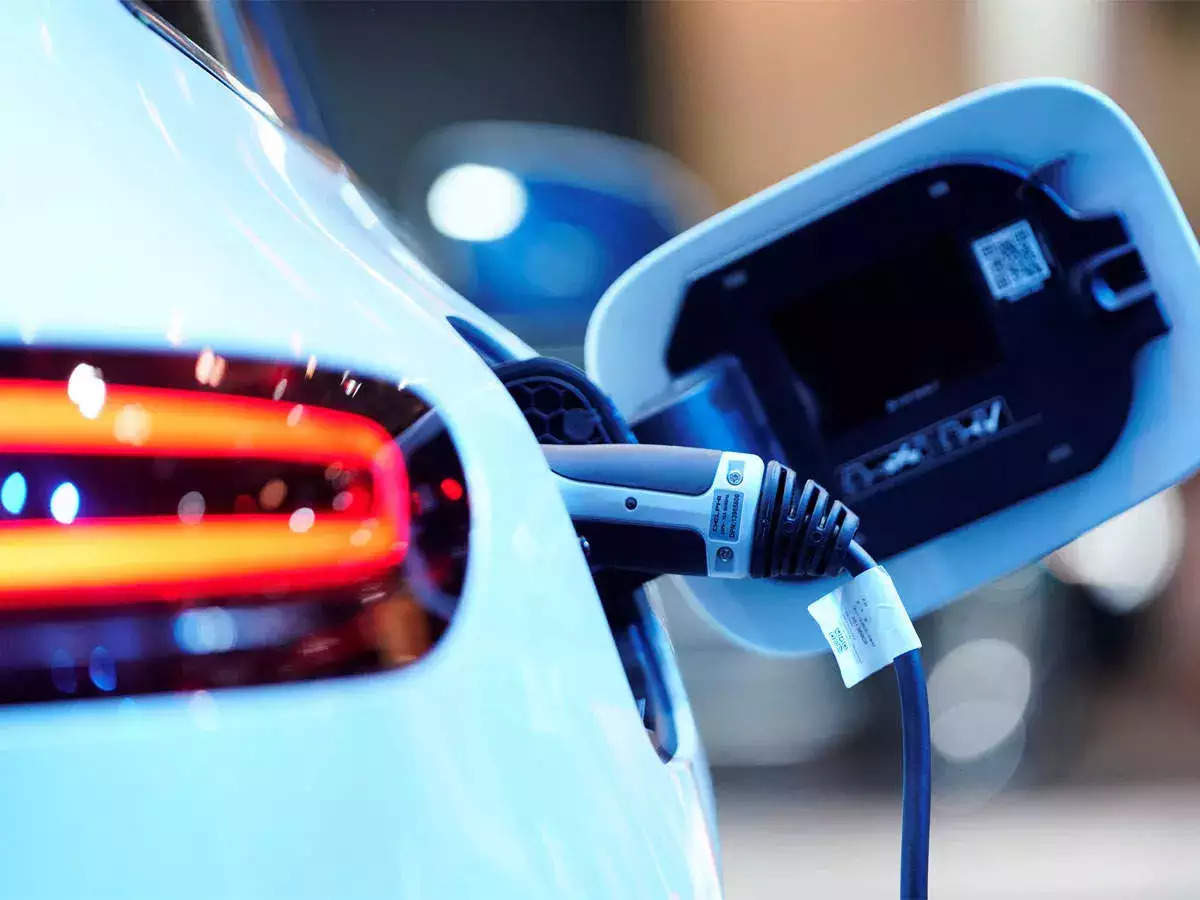
  • China Highway EV Charging Surges 51% During National Day Week

    China Highway EV Charging Surges 51% During National Day Week

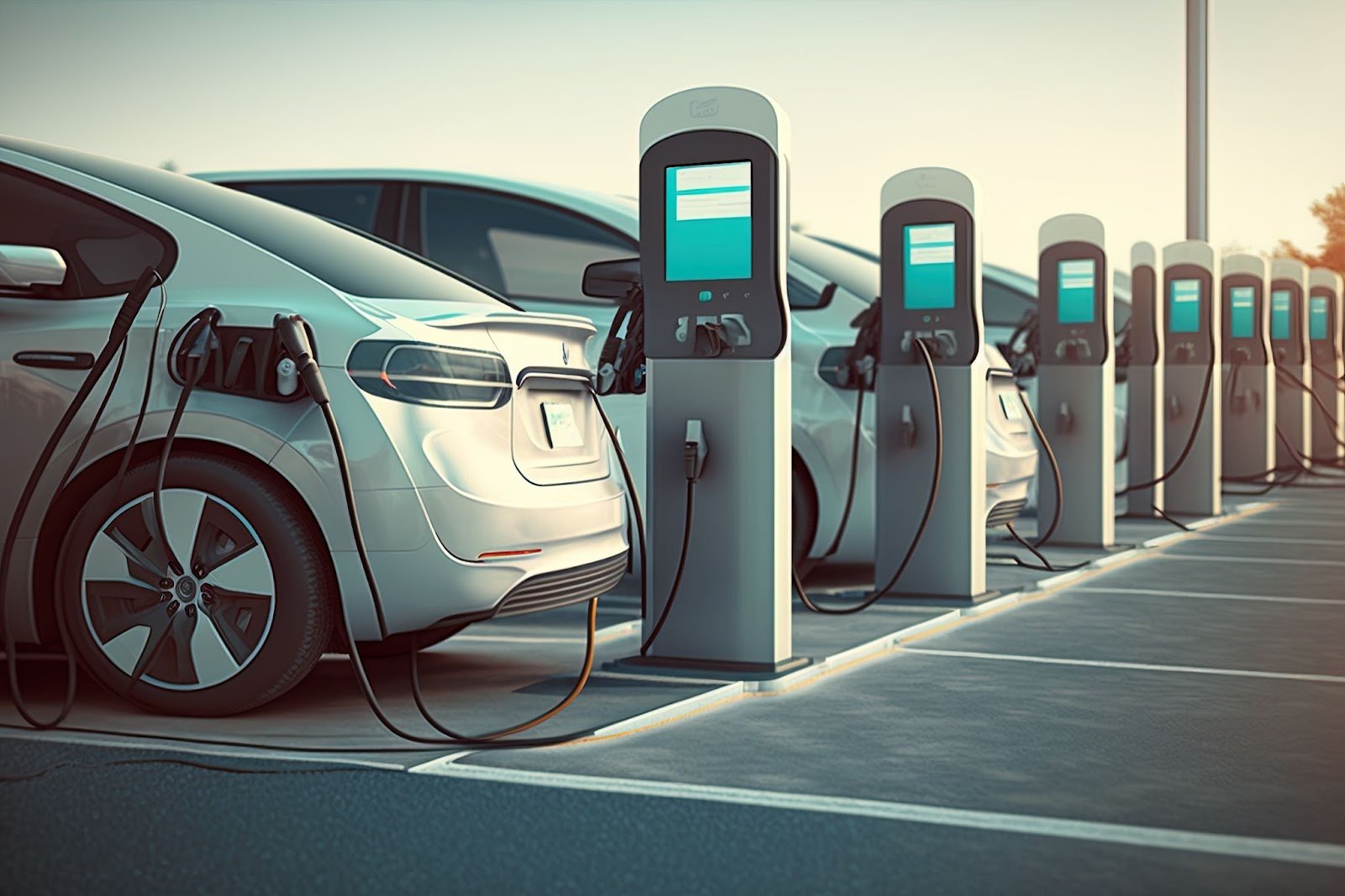
    China’s highway electric vehicle charging volume climbed 51.42 per cent year-on-year to 163 million kilowatt-hours during the week-long National Day holiday, official energy data showed on Thursday.

    Drivers logged 6.711 million charging sessions between October 1 and October 7 across 62,700 monitored highway charging points. That averaged 23.26 million kilowatt-hours a day.

    Demand peaked on October 1 at 28.05 million kilowatt-hours, up 60.40 per cent from the same day last year to set an all-time holiday record. Over the first three days, vehicles consumed 71.62 million kilowatt-hours across 2.968 million sessions. That worked out to 989,500 plug-in events each day.

    Peak Holiday Grid Loads

    Road trips accounted for more than 90 per cent of all passenger travel during the holiday, driven by toll-free highway access for private passenger cars. Average daily travel volume for battery-powered cars reached roughly 1.6 times normal operating levels of 9.8 million daily trips.

    During the eight-day combined National Day and Mid-Autumn holiday in 2025, charging volume totaled 123 million kilowatt-hours, an average of 15.36 million a day. The National Energy Administration tracked 48,400 operational highway points during that period. The network added 14,300 monitored points over the following twelve months.

    Grid managers prepared by deploying mobile emergency chargers and requiring pre-holiday hardware maintenance across intercity corridors. Highway authorities also routed charging traffic into dedicated lanes to clear standard rest-stop parking bays.

    Highway Infrastructure Expansion

    Fleet expansion is driving the surge. China counted 48.97 million new energy vehicles on the road at the end of June 2026, representing 13.19 per cent of total motor vehicles nationwide, up 2.92 percentage points from a year earlier. First-half registrations reached 5.195 million units, capturing 49.42 per cent of all new passenger car registrations.

    Charging hardware still struggles to keep pace during seasonal travel surges. Highway rest stops held 85,400 charging connectors by the end of June 2026, giving standard service areas near-total coverage outside high-altitude and sub-zero border zones.

    Installations accelerated this year. Highway operators added 11,000 high-power charging guns during the first eight months of 2026, matching the total volume of high-output equipment installed in all prior years combined.

    Commercial Pressure on Service Areas

    For retail concessionaires and commercial property operators at highway service plazas, concentrated charging demand creates an operational bottleneck. Dwell times keep drivers on site for 20 to 45 minutes. That lifts footfall into convenience stores, fast-food outlets and coffee kiosks, but chokes forecourt parking capacity.

    Upgrades carry heavy capital costs. Service plaza operators face steep utility spending to install ultra-fast direct-current chargers capable of delivering 250 kilowatts or more without destabilising local distribution grids. For private charging networks and automaker-backed stations, peak holiday utilization generates strong revenue over seven days, but high-voltage hardware sits underutilised throughout standard workweeks.

    Planners are pushing provinces to underwrite dedicated energy hubs to counter the imbalance. In southern China, Guangdong province established an independent plan to build 3 million total charging facilities by 2027 to service an expected provincial fleet of 8 million electric vehicles.

    Regional Targets and 2030 Capacity

    The Ministry of Transport set a target to install more than 10,000 new charging connectors across highway service areas across 2026, mandating high-power connectors to comprise at least 25 per cent of all new builds. Meeting that threshold requires substantial grid substation expansion along secondary arterial corridors connecting tier-two and tier-three cities.

    Power planners published a broader blueprint in July targeting 40 million charging stations across all categories by 2030, up from 20 million recorded at the end of 2025. That long-term target is designed to support an estimated national fleet of 110 million electric vehicles.

    Grid stability faces its next trial in late January. The multi-week Lunar New Year travel rush will test high-power charging corridors across central and northern provinces under sub-zero winter battery drain conditions.
  • Nio Onvo Hits 200,000 Deliveries as Monthly Volume Slows

    Nio Onvo Hits 200,000 Deliveries as Monthly Volume Slows

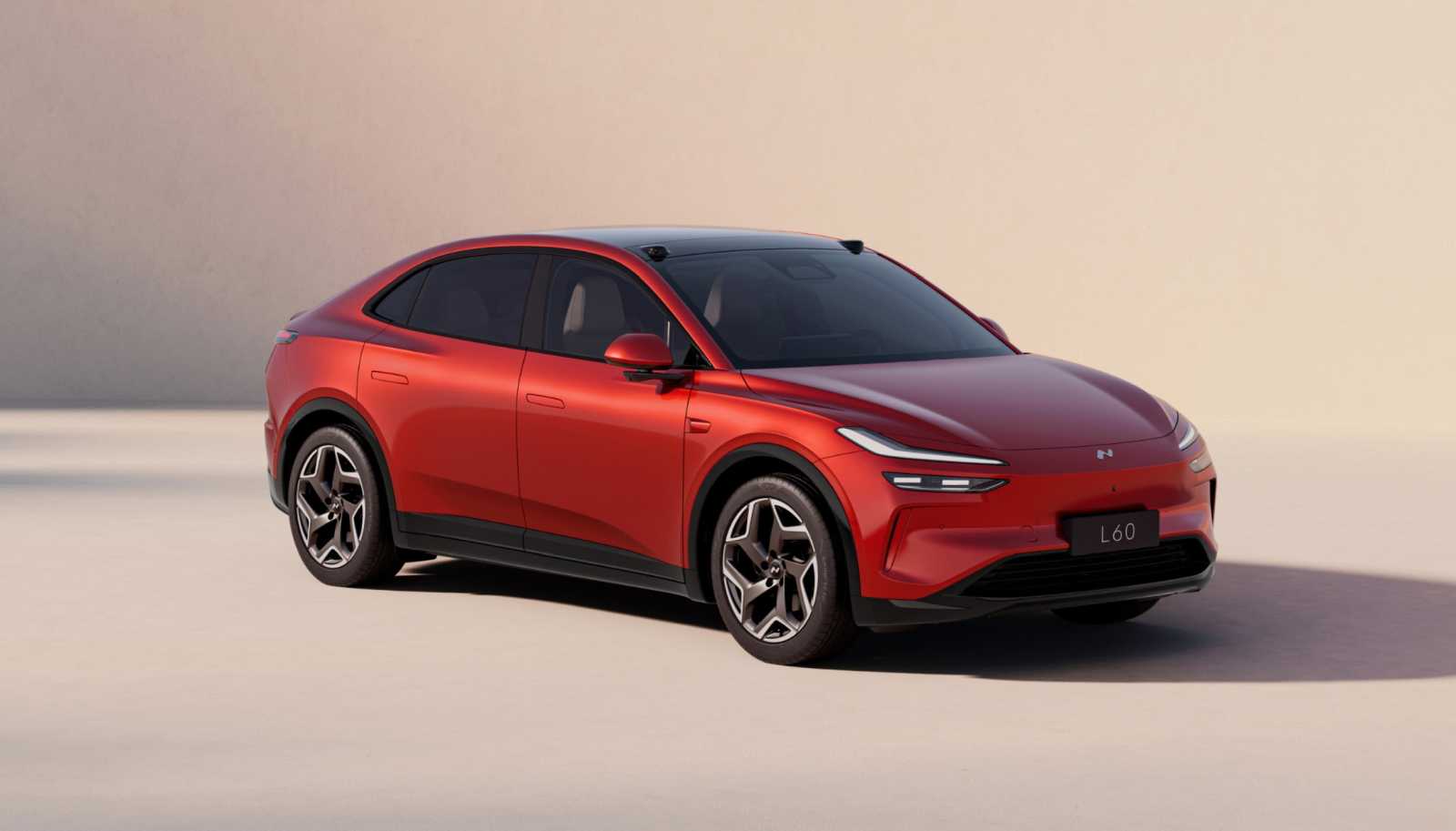
    Nio subsidiary Onvo delivered its 200,000th electric vehicle in Beijing on October 8, handing an L90 SUV to television host Geng Chenchen. The milestone arrived roughly two years after the mass-market brand began customer handovers of its debut model, the L60 SUV, in September 2024.

    Volume reached 198,760 cumulative units by the close of September, with roughly 1,240 handovers completed during the first week of October. That early October tally came during China’s Golden Week holiday, an annual break that routinely halts factory output and showroom traffic across the country.

    Slowing momentum across the third quarter

    The delivery threshold masks an ongoing slowdown across the brand’s retail network. Onvo delivered 8,763 vehicles in September, representing a 42.52 per cent slide from the same month last year and a 0.53 per cent drop from August. September was the brand’s fourth straight monthly decline and its second consecutive year-on-year contraction.

    Quarterly performance reflected the same cooling demand. Third-quarter deliveries fell 26.36 per cent year-on-year to 27,728 vehicles. Across the first nine months of the year, Onvo handed over 70,191 vehicles, a slight increase of 0.97 per cent compared with the same period in 2025.

    Product rollouts and design packages

    Management concentrated its product refreshes in the second quarter to defend showroom volumes. A revised L90 launched in April, followed by the new five-seat L80 SUV in May and an updated L60 in June. The L80 shares platform architecture and body dimensions with the three-row L90, giving the brand two distinct seating layouts on a single manufacturing footprint.

    Fresh styling options followed in September, including the Starlight design package for the L80 and the Starry Gold package for the L90. Upper-trim variants across the range carry Nio’s proprietary Shenji NX9031 driver-assistance chip, LiDAR sensors, and the Nio World Model driver-assistance software suite.

    Shared charging and battery swap infrastructure

    Shared charging and battery-swap operations remain central to Onvo’s pitch to family buyers. Every model in the lineup integrates directly into Nio’s nationwide power network, allowing owners to swap depleted battery packs at existing stations rather than relying solely on wired plugs.

    Physical retail support has expanded in parallel with the vehicle lineup. Onvo now operates 374 dedicated service centers across 213 Chinese cities to handle maintenance and customer repairs.

    The volume test heading into year end

    Meeting annual targets requires reversing the summer contraction during the fourth quarter, historically the strongest retail window for Chinese carmakers. Onvo delivered 107,808 vehicles during 2025, its first full year of operations, leaving the brand needing more than 37,000 deliveries in the final three months of 2026 to exceed last year’s total.

    Showroom conversion rates over October and November will determine whether the recent design packages and hardware upgrades can stabilize monthly orders above the 10,000-unit mark.

  • Water to Add 123 EV Chargers Across 23 Highway Sites in South Korea

    Water to Add 123 EV Chargers Across 23 Highway Sites in South Korea

    South Korean renewable energy developer Brite Energy Partners will open 23 ultra-fast electric vehicle charging stations across the country’s national highway network through its charging brand, Water. The expansion installs 123 high-output chargers at highway service plazas across Gyeonggi, Chungcheong, Gangwon, and Gyeongsang provinces, with the initial site opening ahead of a scheduled October launch.

    Ultra-fast 400 kW hardware forms the backbone of the rollout, representing 62 of the planned plugs alongside 46 units rated at 200 kW and 15 units at 100 kW. The installation targets high-voltage vehicle architectures capable of drawing top-tier power rates during short rest stops.

    Hardware Mix and Connector Strategy

    Every stall across the 23 locations provides both DC Combo and North American Charging Standard (NACS) plugs. Integrating NACS connectors allows Tesla drivers to draw between 120 kW and 200 kW directly without third-party adapters. Stations with 400 kW units cater directly to 800-volt battery architectures, cutting session lengths during high-traffic travel periods.

    Operations began ahead of schedule at the Cheongju service plaza on the Seoul-bound Gyeongbu Expressway. The site operates as South Korea’s first highway rest stop equipped with 400 kW equipment, pairing two ultra-fast units with two 200 kW chargers.

    Tariffs and Rest Area Expansion

    Registered members receive a promotional electricity rate of 294 won per kilowatt-hour for 12 months following each station’s commission date. That pricing undercuts the Ministry of Climate, Energy, and Environment’s standard roaming tariff for chargers above 200 kW by roughly 100 won per kilowatt-hour.

    Competition among charging point operators in South Korea centers increasingly on access to prime highway concession locations managed by the state turnpike operator. By securing sites through the Korea Expressway Corporation, Water captures high-turnover dwell traffic that commercial urban charging hubs struggle to match.

    “Highway rest areas are essentially the only locations where charging speed directly impacts a driver’s time, which is why we chose to participate in the Korea Expressway Corporation’s infrastructure expansion project by deploying the highest-output chargers available,” said Yoo Dae-won, Head of the Electric Vehicle Charging Business Unit (Water) at Bright Energy Partners.

    Network Footprint Across South Korea

    Placing multi-standard ultra-fast plugs on key intercity routes alters route planning for long-distance fleet operators and passenger drivers alike. The dual-cable design shields the network against connector obsolescence as more international automakers adopt NACS standards alongside existing Combined Charging System protocols.

    Capital intensity remains the primary pressure point for independent charge point operators across the region. Grid connection costs and peak-demand utility charges on 400 kW hardware test profitability, requiring sustained throughput and high utilization rates to offset promotional retail tariffs.

    Highway Concessions and Long-Distance Transit

    The turnpike program expands on earlier provincial charging initiatives rolled out across South Korea’s secondary roads over recent fiscal periods. State tenders have shifted focus from ubiquitous low-power neighborhood chargers to concentrated high-capacity rest stops along major freight and commuter corridors.

    Completing the rollout brings Water’s total highway footprint to 397 chargers distributed across 73 rest areas nationwide. Commissioning schedules for the remaining 22 sites run through the coming quarters across the four targeted provinces.

  • Hyundai Opens UK Orders for Ioniq 3 Compact EV at £18,495

    Hyundai Opens UK Orders for Ioniq 3 Compact EV at £18,495

    Hyundai Motor opened UK order books on Monday for its Ioniq 3 electric hatchback. Entry pricing starts at £18,495 on the road after government subsidies.

    The sub-£20,000 opening price applies to the base Advance 42 kWh trim. That reflects the £3,750 UK Electric Car Grant deducted from its £22,245 list price.

    Buyers choosing the larger 61 kWh pack pay £21,995 after the grant, down from £25,745. The top-tier N Line Evo tops the range at £28,195. Existing reservation holders who switch to binding orders get the full £3,750 state subsidy rather than the £1,500 promotional factory discount Hyundai initially planned. Showroom deliveries in the UK begin this month.

    Powertrain splits and charging specifications

    Engineering teams in Rüsselsheim, Germany, developed the 4.15-metre hatchback on a 400-volt variation of the group’s E-GMP electric architecture. Production for European and British markets goes to the carmaker’s plant in Izmit, Turkey. Dimensions run 4,155 mm long, 1,800 mm wide, and 1,505 mm high on a 2,680 mm wheelbase. The car pairs a 0.263 drag coefficient with 441 litres of rear cargo capacity.

    Two lithium-ion battery capacities determine performance across five model configurations. The entry 42.2 kWh pack pairs with a 108 kW front motor producing 145 horsepower. That delivers up to 344 kilometres, or 213 miles, of WLTP driving range. For 61 kWh long-range models, a 99.5 kW motor produces 133 horsepower and delivers up to 496 kilometres, or 308 miles, per charge.

    Both packs support direct-current fast charging at peak rates between 110 kW and 119 kW. A 10 to 80 per cent charge takes 29 minutes for the base battery and 30 minutes for the larger pack. Buyers can also specify an optional 22 kW onboard alternating-current charger for faster depot and home charging. Standard equipment includes the Android Automotive OS-based Pleos Connect interface with screens up to 14.6 inches, bidirectional Vehicle-to-Load capability, and the SmartSense driver-assistance suite.

    Pricing structure and retail financing

    Cash pricing and monthly personal contract purchase rates target high-volume retail buyers seeking long range on tighter budgets. Stepping up from the 42 kWh Advance to the 61 kWh version adds £3,500, taking post-grant pricing to £21,995. Mid-tier Premium trims with the 61 kWh pack cost £23,695. The top Ultimate trim costs £26,195 and adds matrix LED lighting alongside highway driving assistance systems.

    Hyundai Finance paired the launch with an entry personal contract purchase plan for the 61 kWh Advance model. The 48-month contract requires a £355 customer deposit and £355 monthly payments at an 8.9 per cent representative APR. In continental Europe, order books opened simultaneously. Base German retail pricing starts at €28,950 before regional incentives, backed by a €209 monthly leasing offer.

    Securing the full £3,750 Electric Car Grant across every version means we can now turn that interest into orders at a price that puts a genuinely spacious, long-range electric car within reach of far more drivers.

    Asian export strategy and segment competition

    Pricing the 308-mile long-range version at £21,995 places direct pressure on European incumbents and Chinese battery-electric imports in Britain. The Ioniq 3 arrives below the Renault 5 E-Tech, which retails from £21,495 with shorter range. It also undercuts the £23,990 entry price of BYD’s Dolphin G DM-i plug-in variant. Against sister brand Kia’s EV2, which shares the E-GMP 400V platform but caps range at 448 kilometres, the car holds a clear aerodynamic range advantage.

    South Korean automakers are adjusting European production footprints to protect margins against shifting tariffs and shipping costs from East Asian plants. Assembling the Ioniq 3 in Turkey while keeping software and battery design at group technical centres lets Hyundai avoid punitive import duties faced by Chinese pure-play EV makers. It also protects retail price parity. For Asian automotive suppliers, the high-volume rollout creates steady demand for 400-volt motor units, wiring harnesses, and battery management modules.

    Focusing on Europe reflects a deliberate geographic split in Seoul’s electric vehicle catalog. Larger 800-volt models like the Ioniq 5 and Ioniq 6 anchor brand volume in North America and Asia-Pacific markets. In the United States, where buyers favor larger crossovers, Hyundai confirmed it has no plans to introduce the smaller Ioniq 3.

    Earlier platform milestones and factory ramp

    The UK order launch follows an August preview where Hyundai tested customer appetite with a temporary £1,500 reservation incentive before securing category certification under the British grant scheme. Over the prior twelve months, the group converted capacity at its Izmit plant to build the E-GMP architecture alongside internal combustion superminis. German engineering trials had locked in the 0.263 drag profile earlier.

    British dealership demonstrator fleets will complete registration by the end of October. Factory delivery times for custom orders and wholesale shipments from Turkey through the first quarter of 2027 will show whether Hyundai converts early UK reservations into sustained European market share.

  • BYD Sells 762,478 Electric Cars in Third Quarter to Extend Lead over Tesla

    BYD Sells 762,478 Electric Cars in Third Quarter to Extend Lead over Tesla

    BYD widened its global electric vehicle lead over Tesla in the third quarter of 2026. Deliveries of pure battery passenger cars hit 762,478 units across the three-month stretch.

    Deliveries at Tesla reached 486,532 vehicles globally over the same period. That beat market expectations of 463,761 units, though it fell 2.13 per cent short of the year-earlier total.

    The gap between the two carmakers reached 275,946 pure electric vehicles between July and September. It expanded sharply from the second quarter, when BYD led Tesla by 76,964 units. BYD increased third-quarter passenger battery sales by 30.89 per cent year-on-year. Quarter-on-quarter, sales rose 36.87 per cent.

    Breakdown of Quarterly Deliveries

    Entry models drove most of Tesla’s volume. The Model 3 sedan and Model Y crossover accounted for 478,237 units, or 98.30 per cent of all deliveries between July and September. Remaining lines, including the Model S, Model X, Cybertruck and Semi, yielded 8,295 deliveries combined.

    Factory output at Tesla trailed final customer handovers. The Austin-based carmaker produced 464,391 vehicles during the quarter and drew down inventory by 22,141 units. In the same window, it installed 13.7 gigawatt-hours of stationary energy storage products.

    These BYD figures exclude plug-in hybrid electric vehicles and commercial fleet sales. The tally isolates pure passenger battery models for direct comparison against Tesla’s all-electric lineup.

    Nine-Month Volume and Market Shift

    Across the first nine months of 2026, BYD sold 1,629,957 passenger battery electric vehicles globally, up 1.50 per cent year-on-year. Tesla handed over 1,324,681 cars during the same period, recording an 8.77 per cent increase.

    Cumulative year-to-date numbers give the Shenzhen-based automaker an advantage of 305,276 pure electric cars. Tesla briefly led in the first quarter with 358,023 deliveries against BYD’s 310,389. BYD reversed that in the second quarter, selling 557,090 battery units against Tesla’s 480,126.

    Product breadth and tiered pricing across China and Southeast Asia continue to favour multi-segment domestic manufacturers over single-platform foreign lines.

    Pressure on Regional Supply Chains

    For component suppliers and dealership networks across Asia-Pacific, the divergence shows clear volume consolidation. BYD builds battery cells and motors in-house. That vertical integration protects assembly lines from external supply shocks and lowers retail prices in major regional markets.

    Tesla remains locked into two core consumer models while regional rivals in China, Thailand and Australia release fresh nameplates every six months. It lacks an updated high-volume compact platform in showrooms. Instead, the company relies on financing discounts and local incentives across Asian markets to defend its position against price cuts.

    Historical Ground and Earnings Date

    This pattern took root in 2025. BYD overtook Tesla over a full calendar year for the first time by selling 2,256,714 pure electric passenger cars against Tesla’s 1,636,129 deliveries. That ended Tesla’s multi-year run as the world’s largest producer of battery-only passenger vehicles.

    Management will detail third-quarter financial results after the close of United States markets on October 21 during its scheduled investor webcast, focusing on automotive profit margins and annual production targets.

  • Asian Automakers Take over Half of US Market as Detroit Drops to 36%

    Asian Automakers Take over Half of US Market as Detroit Drops to 36%

    Asian automakers are expected to account for more than half of new vehicle sales in the United States in the third quarter, pushing Detroit’s Big Three down to a record-low market share of just over 36 percent.

    According to Charlie Chesbrough, a senior economist at Cox Automotive, Asian brands are approaching record-high market share levels for the second consecutive quarter as consumers embrace hybrid vehicles over traditional petrol models.

    General Motors saw its third-quarter sales drop 5.5 percent to 670,974 units, while Japanese rival Toyota rose 0.6 percent to 633,223 units. Ford retained third place ahead of South Korea’s Hyundai-Kia, while FCA US fell to sixth place behind Japan’s Honda.

    Hybrid Lineups Drive Asian Gains

    The structural shift across American retail showrooms stems from product portfolio choices made half a decade ago. Japanese and South Korean manufacturers retained broad hybrid options across their core crossover and sedan lines, giving dealers immediate inventory when fuel prices surged. Toyota committed its top-selling 2026 RAV4 exclusively to hybrid and plug-in hybrid configurations, while Hyundai scaled petrol-electric systems across models ranging from the Elantra to the three-row Palisade.

    Detroit carmakers chose a starker electrification route that left dealerships vulnerable. General Motors and Ford directed capital toward dedicated battery-electric vehicles such as the Equinox EV and Mustang Mach-E, while retiring fuel-efficient compact petrol vehicles like the Ford Escape. GM offers only one hybrid model in its domestic lineup, the Corvette. When higher pump prices pushed mainstream buyers toward economical alternatives, Asian brands had stock ready on showroom floors.

    Detroit Caught Between Mandates and Buyers

    Retail dealership economics shifted rapidly after the 7,500 dollar federal electric vehicle tax credit expired last year, halting momentum for pure battery models. Mainstream consumers turned away from higher sticker prices and charging logistics, settling on standard hybrids that require no external plug. That pivot benefited Asian import groups, whose multi-powertrain factory flexibility allowed quick volume adjustments without costly assembly line retooling.

    For automotive component suppliers and retail dealership groups across North America, the product disparity poses operational strain. Dealership franchises tied entirely to domestic brands face slower inventory turns and higher floor-plan interest expenses on unsold pickups and large SUVs. Asian brand networks, by contrast, are turning hybrid crossovers within days of delivery, giving their finance arms stronger cash generation and healthier dealer balance sheets.

    The Looming Chinese Pipeline

    The competitive pressure facing legacy American manufacturers could intensify if Chinese original equipment manufacturers gain access to the market. Industry forecasts by Mobility Global indicate brands such as BYD, Geely and SAIC could capture up to 1.7 million vehicle sales, or roughly 11 percent of the United States market, by 2038 if regulatory barriers ease. Chinese producers have already established dominant pricing positions across Southeast Asia, Australia, Latin America and Europe by using integrated battery supply chains.

    Tariffs and punitive duties currently block low-cost Chinese imports, but political shifts have injected uncertainty into future trade policy. Former President Donald Trump stated in September that he would welcome Chinese vehicle manufacturing within the United States, provided companies build local assembly plants and employ American workers.

    Policy Battles in Washington

    Automotive lobbying organizations responded with swift resistance to any potential opening for Chinese competitors. The American Auto Policy Council, representing GM, Ford and Stellantis, joined the Auto Drives America coalition to petition Washington to keep import and assembly channels completely closed. The Alliance for Automotive Innovation went further, demanding a permanent congressional prohibition on Chinese connected hardware and software, citing data security and heavily subsidized competition.

    Domestic automakers are also seeking immediate regulatory relief on emissions benchmarks. A revised federal proposal aims to lower the 2031 fleetwide fuel economy target of 50.4 miles per gallon established under the previous administration. That revision would give domestic producers room to sell profitable combustion-engine trucks while they overhaul hybrid engineering programs.

    Washington is scheduled to finalize the revised fleetwide fuel economy regulations on Monday, setting the baseline standards Detroit manufacturers will need to meet through 2031.

  • Nio Delivers 37,408 Vehicles in September to Meet Third-Quarter Guidance

    Nio Delivers 37,408 Vehicles in September to Meet Third-Quarter Guidance

    Nio delivered 37,408 electric vehicles in September, up 7.65 per cent from a year earlier. The result met its target for the third quarter.

    The Shanghai-headquartered carmaker finished the three months ended September 30 with 109,178 deliveries. That was a 25.39 per cent rise year on year. The total landed inside management’s projected band of 108,000 to 111,000 units.

    Quarterly volume beat the bottom of the guidance range by 1,178 cars and trailed the top end by 1,822. Deliveries climbed 1.41 per cent from the second quarter. In that previous period, the company handed over 107,658 vehicles and missed its own targets. Total volume across the group reached 300,301 units for the first nine months of the year, bringing cumulative shipments to 1,297,893 vehicles.

    Firefly Sets Monthly Record as Onvo Slides

    Performance split sharply across the company’s three marques. Firefly delivered 7,327 small electric cars in September. That was up 26.87 per cent year on year and 25.21 per cent month on month. It beat its previous monthly high of 7,084 units set in December 2025. Firefly added 1,475 deliveries compared with August, providing 93.83 per cent of the group’s monthly volume expansion.

    The mass-market Onvo brand moved the other way. It delivered 8,763 vehicles in September, sliding 42.52 per cent from a year earlier and dropping 0.53 per cent from August. The brand has now recorded two consecutive months of annual declines, hit by price competition in China’s mainstream family EV segment.

    Premium SUVs Anchor the Main Brand

    Deliveries for the core Nio premium badge reached 21,318 vehicles in September. That was a 55.29 per cent rise from a year earlier and a 0.68 per cent uptick from August. For the full third quarter, the main brand delivered 62,500 units, expanding 69.25 per cent year on year.

    Sport utility vehicles generated the bulk of those numbers. The third-generation ES8 crossed 150,000 cumulative deliveries on September 20, one year after its commercial release. Meanwhile, the flagship ES9 SUV reached 30,000 cumulative deliveries on September 23. It hit that mark 119 days after its May 28 launch. In August, the ES8 and ES9 together accounted for 17,480 units, representing 82.55 per cent of the core brand’s monthly sales.

    Diverging Brand Trajectories Reshape Sales Mix

    Running a three-brand strategy gives Nio coverage across price points. However, it also creates operational imbalances across assembly lines and dealer networks. Firefly provides entry-level volume. The premium Nio lineup secures higher revenue per vehicle. Onvo, designed to capture middle-income buyers, faces immediate pressure from domestic rivals cutting prices on mid-sized crossovers.

    RetailNews Asia views the core SUV lineup as the anchor for company gross margins while Onvo recalibrates. Maintaining showroom traffic across three brand banners requires heavy capital allocation for retail space and marketing. If Onvo fails to arrest its sales drop, lower dealership returns and factory utilisation will drag on profitability.

    Infrastructure Backing and Next Delivery Targets

    Nio entered the final quarter after adjusting its energy infrastructure business. On September 28, Geely agreed to take a 30 per cent stake in Nio Power. Geely is injecting 640 million yuan in cash alongside equity in battery swap operator Yiyi Power, standardising swap networks across commercial fleets and consumer vehicles.

    Attention now turns to the fourth-quarter production schedule. The group delivered 124,807 vehicles in the final three months of 2025. That sets a high seasonal bar. Meeting it requires Onvo to stabilise while Firefly and the premium SUV line maintain their delivery pace.

  • Nissan Starts 3 Million Pound Autonomous Transit Trial in Cambridge

    Nissan Starts 3 Million Pound Autonomous Transit Trial in Cambridge

    Nissan started a 3 million pound autonomous mobility trial in Cambridge to test driverless passenger transport on regional UK road networks. Dubbed ADventure, the project uses modified Leaf electric hatchbacks. Researchers will study how automated transit fleets can serve commuters and non-drivers in suburban communities.

    Engineers from Nissan Technical Centre Europe in Cranfield lead the consortium alongside Warwick Manufacturing Group at the University of Warwick and transport education group PAVE UK. The UK Department for Business, Innovation, Science and Trade backs the project through its CAM Pathfinder programme in partnership with Zenzic and Innovate UK.

    How the Cambridge Fleet Operates

    Test operations rely on a specially equipped 2022 Nissan Leaf developed during earlier UK research. The trial targets three practical hurdles: integrating autonomous shuttles into existing municipal routes, evaluating passenger confidence, and validating sensor performance on narrow, mixed-traffic city streets.

    Local authorities will map specific routes across Cambridge. These include on-demand connections to medical appointments and transport hubs for residents who cannot drive. Researchers will track rider acceptance and safety data in real time to establish operating protocols that municipal transit authorities can replicate in other regional cities.

    Asian Automakers Export Autonomous Systems

    Japanese carmakers are shifting autonomous drive research out of closed proving grounds and into live commercial environments. The shift aims to defend market share against software deployments from Chinese and American competitors. Chinese operators such as Baidu and Pony.ai run commercial robotaxis across major mainland metros. By contrast, Japanese manufacturers have taken a government-partnered approach centered on public transit augmentation.

    For Asian automotive suppliers and fleet software developers, these European municipal trials serve as proving grounds for commercial export packages. Operational scalability remains the primary commercial risk. Fixed-route autonomous pods often struggle to generate sustainable operating margins once public research subsidies end, making fleet software integration costs the deciding factor for regional operators.

    Earlier Steps in Nissan Automated Road Testing

    Nissan led several UK automated driving programmes over the past decade before launching this Cambridge deployment. The company previously tested long-distance autonomous navigation under the HumanDrive project. It evaluated urban junction navigation in central London through ServCity, and trialled rural and residential road handling during the evolvAD programme.

    David Moss, senior vice president for research and development at Nissan AMIEO, said: “This project is an important step for autonomous mobility in the UK. With UK Government backing, it will take autonomous vehicle research beyond central London and into another city, helping us understand how these services can work for different communities and real-life journeys.”

    Public Demonstrations on City Streets

    Field data collected across the Cambridge trial will feed directly into safety validation frameworks developed by Warwick Manufacturing Group. Professor Siddartha Khastgir leads the academic safety team. His group is tasked with drafting operational safety standards for commercial deployment across Britain.

    Project partners will conclude the trial with public road demonstrations in Cambridge. Passenger-carrying Leaf vehicles will navigate live traffic without human driver intervention.

  • Xiaomi Enters China Range-Extended SUV Market with Sky Nomad from 209,900 Yuan

    Xiaomi Enters China Range-Extended SUV Market with Sky Nomad from 209,900 Yuan

    Xiaomi launched its Sky Nomad sport utility vehicle series in China with a starting price of 209,900 yuan. It is the company’s first commercial entry into extended-range electric vehicles. The lineup adds hybrid powertrains to a catalogue previously limited to pure battery models.

    Four new sport utility variants give the Beijing-based company a way to eliminate highway range anxiety while keeping entry prices below 210,000 yuan. Deliveries will feed directly into Xiaomi’s target of shipping 550,000 vehicles during 2026.

    Four variants and camping hardware

    Pricing starts with the five-seater N70 Pro at 209,900 yuan, followed by the all-wheel-drive N70 Max at 239,900 yuan. Larger family buyers get the seven-seater N90 Max at 269,900 yuan. An outdoor-focused Explorer version tops the range at 299,900 yuan with a factory-fitted pop-up roof and folding beds.

    Every model pairs an electric drivetrain with a 1.5-litre turbocharged petrol engine. The engine acts purely as an onboard generator. The entry N70 Pro runs a 52 kilowatt-hour lithium iron phosphate battery and a 210 kilowatt front motor. That provides 351 kilometres of pure electric driving and 1,351 kilometres of total range under China Light-Duty Test Cycle standards.

    Higher grades adopt a 76 kilowatt-hour ternary pack and dual motors producing 310 kilowatts. That setup gives the N70 Max up to 505 kilometres of electric range and 1,461 kilometres overall. The larger 5.29-metre N90 Max delivers 464 kilometres on battery power and 1,705 kilometres combined.

    Dragonscale battery and fire replacement pledge

    Power packs across the lineup use Xiaomi’s Dragonscale architecture, developed jointly with Chinese battery manufacturers CALB and Sunwoda. The systems link to cloud-based monitoring and high-voltage cutoff switches. They charge the battery from 20 to 80 per cent in 18 minutes.

    Non-commercial first owners receive lifetime coverage against spontaneous battery combustion. Xiaomi attached the warranty commitment directly to the hardware. It offers a full vehicle replacement if a fire occurs due to a manufacturing defect.

    Compute hardware matches the pricing. All variants install Nvidia Drive Thor processors delivering 700 trillion operations per second, supported by roof-mounted LiDAR sensors. Qualcomm Snapdragon 8 Gen 3 chips run Xiaomi’s HyperOS cockpit software.

    Challenging domestic hybrid heavyweights

    Entering the range-extended market pits Xiaomi straight against Li Auto, Seres Group’s Aito brand, and BYD in China’s family vehicle segment. Pure electric SUVs still face consumer hesitation in northern provinces and lower-tier cities where charging networks thin out during holiday travel.

    Adding combustion generators solves regional infrastructure bottlenecks without redesigning the digital cabin experience. The primary operational risk shifts to supply chain margins. Carrying both high-voltage batteries and internal combustion engines compresses unit profitability unless factory volumes scale rapidly.

    Scaling beyond pure battery platforms

    The launch builds on Xiaomi’s initial automotive rollout, which started with the SU7 electric sedan and continued with the YU7 electric SUV. Those two models carried the brand past 800,000 cumulative deliveries since production began.

    Xiaomi delivered 216,322 vehicles during the first seven months of 2026, up 14.8 per cent from the same period a year earlier. Maintaining that pace requires the Sky Nomad series to capture family trade-ins throughout the fourth quarter, where the company must deliver roughly 333,000 additional units across all model lines to meet its 550,000 full-year target.

  • Toyota to Expand ¥27 Million Century Luxury Brand Globally

    Toyota to Expand ¥27 Million Century Luxury Brand Globally

    Toyota Motor is preparing to expand sales of its ultra-luxury Century badge beyond Japan. The nameplate was historically reserved for domestic heads of state. Now, Toyota is positioning it above Lexus in international showrooms.

    The rollout follows the introduction of a Century sport utility vehicle priced from ¥27 million ($171,651) in Japan. Annual Century deliveries there dropped to roughly 500 units last year from 1,700 cars in 1997.

    Shipments of the Century SUV have already started to mainland China, alongside small export volumes to select markets in Asia and the Middle East. Executive leadership is now assessing wider entries, including North America. Chairman Akio Toyoda recently appeared at the Automotive Hall of Fame in Detroit in a custom Century SUV fitted with gold badging and bespoke trim.

    Building a Tier Above Lexus

    Carving out Century as a standalone crown brand resolves an internal ceiling that capped Lexus for decades. Lexus competes against volume luxury producers such as BMW, Mercedes-Benz and Audi. Yet it has struggled to justify price tags above $150,000 on standard production lines. Placing Century at the top allows Toyota to enter the ultra-luxury bracket without disrupting Lexus fleet and retail sales.

    Work on the shift began in October 2025 when Toyota unveiled a Century coupe concept at the Japan Mobility Show. Toyota then launched an English-language portal and opened a dedicated brand exhibition space in downtown Tokyo in March. The structure mimics European automotive groups by separating mass luxury from low-volume coachbuilding.

    Dealership networks and regional importers across Asia face a distinct retail model. Century models remain partly handmade, using traditional Japanese craftsmanship like Nishijin-ori brocade weaving and urushi lacquer trim. Output is tight. Because artisanal lines limit production, dealers will handle Century through bespoke allocations rather than standard floor inventory.

    Pricing Against European and Chinese Competitors

    Entering this tier puts Toyota against established European marques and aggressive Chinese electric vehicle makers. At ¥27 million, the Century SUV undercuts traditional benchmarks. The Bentley Bentayga starts near $230,000. Rolls-Royce commands base pricing around $355,000 for the Ghost sedan.

    Chinese automakers are also pushing into the bracket with software-heavy alternatives. BYD is marketing its Yangwang U8 SUV around $150,000. Meanwhile, Huawei-backed Maextro is preparing the S800 executive sedan to challenge the Mercedes-Maybach S-Class at roughly $100,000. These challengers rely on rapid software integration and extreme vehicle dynamics.

    Distributors plan to counter that tech pitch with mechanical refinement and quiet cabins. The Century nameplate dates back to 1967, giving it a pedigree newer Asian brands lack. But export networks still face a basic test: convincing overseas buyers to pay six figures for a Japanese badge with no European heritage.

    Powertrains and Production Hurdles

    Homologation presents an immediate hurdle under the hood. Historical Century sedans gained cult status through a proprietary 5.0-litre V12 engine introduced in 1997 and retired in 2017. Today’s variants rely on electrified setups. The sedan uses a V8 hybrid system, while the new SUV runs on a 3.5-litre V6 plug-in hybrid drivetrain.

    Engineers are evaluating future powertrain architectures for production iterations of the coupe concept. Automotive trade publications reported development of a modern V12 hybrid setup, but Toyota has declined to confirm specifications. Stricter emissions rules across Europe and tier-one Chinese cities make high-displacement engines costly to certify.

    Gray-market importers have already proved that international demand exists at lower price points. Under US laws exempting 25-year-old cars from modern safety rules, collectors buy 1990s V12 Century sedans through specialty dealers for around $25,000. Translating that niche enthusiasm into sales for a new $170,000 vehicle requires building elite retail infrastructure from scratch.

    The Next Steps for Export Markets

    Initial work to build global visibility started with diplomatic fleets and private previews across East Asia. The company is now gauging response from dealer groups in North America and Southeast Asia. Factory tooling for left-hand-drive variants at higher volume will wait on those findings.

    Toyota will review market feasibility studies and dealer allocation standards before presenting the Century lineup at international auto shows scheduled for 2027.

  • BYD Builds Ten-Millionth Dynasty Vehicle as Da Han Sedan Nears Launch

    BYD Builds Ten-Millionth Dynasty Vehicle as Da Han Sedan Nears Launch

    BYD rolled its ten-millionth Dynasty series car off the assembly line in China on September 29. An upcoming Da Han flagship sedan logged the production record.

    Production of the lineup began nearly thirteen years ago with the Qin plug-in hybrid in December 2013. The final 1.14 million units took less than nine months to build.

    Lu Tian, general manager of the Dynasty sales division, announced the figure ahead of the sedan’s October 13 commercial launch. Presales opened August 21 at the Chengdu Auto Show. Three battery-electric variants are priced between 249,900 yuan and 299,900 yuan ($37,070 to $44,670).

    The five-seat vehicle measures 5,256 mm long with a 3,130 mm wheelbase. Both rear-wheel-drive editions claim 1,008 km of range under China light-duty vehicle test cycle standards. The all-wheel-drive trim offers 880 km. Dual-chamber air suspension, rear-wheel steering, flash charging and LiDAR-based driver assistance come standard across all versions.

    Mainstream Models Squeeze Upmarket Sales

    Sales for the domestic lineup have shifted downward into mass-market segments. The earlier Han sedan and Tang sport utility vehicle established BYD in the premium tier, but both nameplates have lost retail share.

    August retail deliveries for Dynasty reached 170,842 vehicles, up 13.88 per cent year on year. The Han family contributed 2,997 units and the Tang line delivered 12,340 units, making up roughly 9 per cent of the monthly total. Cheaper volume rested on the Yuan, Song and Qin families. Together they delivered 153,726 vehicles, or 89.8 per cent of August Dynasty sales.

    Export Strength Offsets Domestic Softness

    Adding higher-margin models like the Da Han helps hedge against price competition across China. Group new energy vehicle sales climbed 17.84 per cent to 440,293 units in August. Total deliveries across the first eight months fell 6.84 per cent to 2,668,015 vehicles.

    Foreign sales have offset slower domestic growth. Shipments outside China rose 134.6 per cent in August to 188,700 passenger cars, generating 43 per cent of group volume. First-half international revenue reached 181.27 billion yuan. That accounted for 52.57 per cent of total turnover, overtaking domestic sales receipts for the first time.

    Expanding the Upper Dynasty Portfolio

    The Da Han follows the June 17 rollout of the Da Tang SUV, which delivered its 10,000th unit on July 23. Both larger vehicles sit above the original Han and Tang lines to defend higher price tiers against domestic rivals.

    Year-to-date Dynasty deliveries reached 1,045,805 units through August, down 13.15 per cent from the same period in 2025. That contraction narrowed from 22.44 per cent in the first half of the year. Volume has now grown year on year for three straight months since June.

    Regulatory filings show BYD has registered a plug-in hybrid variant of the Da Han, though pre-orders currently cover only electric trims. Commercial pricing and delivery dates for the hybrid will follow after battery-electric handovers start on October 13.

  • Momenta Secures Stellantis Deal to Supply Peugeot and Jeep from 2027

    Momenta Secures Stellantis Deal to Supply Peugeot and Jeep from 2027

    Momenta signed a global partnership with Dongfeng Stellantis Automotive Technology in Shanghai to supply intelligent driving systems for Peugeot and Jeep vehicles rolling out from 2027.

    The agreement covers battery-electric and plug-in hybrid models sold across China, Europe and other international markets, taking the Chinese software developer into mass-market export vehicles.

    Under the deal signed on September 24, Momenta will integrate its R7 World Model software into new production models engineered by Dongfeng Stellantis Automotive Technology (Wuhan), known as DSAT. The joint venture will combine chassis tuning, steering calibration, braking response and powertrain controls with Momenta’s software platform. Peugeot variants will focus on handling and road dynamics, while Jeep models will adapt the system for off-road use. The technical scope also includes joint development of Level 3 automated driving functions.

    Expanding From German Luxury to Volume Fleets

    The contract shifts Momenta’s commercial footprint away from a reliance on German premium brands toward high-volume vehicle manufacturing. The software developer already provides driver assistance for Mercedes-Benz on the electric CLA in China, alongside joint projects with BMW and Audi. Those existing German deployments remain confined to the Chinese domestic market. Partnering with DSAT gives Momenta immediate factory access to European showrooms through Stellantis distribution channels.

    Supplying mainstream brands across multiple continents presents structural software challenges that domestic Chinese rollouts avoid. Road infrastructure, road user habits and regulatory testing requirements in Europe differ substantially from urban traffic conditions in eastern China. If Momenta succeeds in validating Level 3 features under European safety rules, it will establish a blueprint for Chinese software firms to bypass regional trade barriers by exporting code inside legacy Western nameplates.

    Competitive Shift for Western Automakers

    Western automakers operating in Asia have abandoned attempts to develop proprietary driving stacks in isolation. Stellantis established DSAT with Dongfeng in August to address rapid market share losses in China, where domestic electric vehicle brands hold a decisive software advantage. Sourcing production-ready algorithms from an established local supplier reduces development spending and accelerates time to market for refreshed model ranges.

    Competitors face rising pressure from this supplier integration model. Japanese and South Korean manufacturers that rely on legacy Tier 1 component vendors risk lagging in software response times and over-the-air update cycles. By outsourcing autonomous architecture to Momenta while maintaining control over vehicle dynamics and suspension tuning, DSAT keeps its brand identities distinct while closing the digital feature gap.

    Scale Across Production Platforms

    Momenta expanded its commercial deployment rapidly in early 2026 before completing the Stellantis agreement. The company installed its driver-assist software in roughly 321,000 additional vehicles during the first half of 2026, an 83.7 percent increase compared with the same period a year earlier. Total installations have surpassed 1.2 million vehicles across 105 production models, backed by supplier relationships with 26 automakers.

    Chinese AI is taking a growing role in the development of intelligent vehicles worldwide.

    DSAT general manager Lv Haitao signed the agreement alongside Momenta chief executive Cao Xudong, who confirmed the software developer is positioning its architecture ahead of a broader global market shift toward automated driving platforms.

    Target Dates for Global Production

    Automotive supply chains now turn to hardware validation ahead of the scheduled 2027 market introduction. DSAT has not disclosed initial production volumes, factory allocation or the specific vehicle nameplates that will debut the R7 system. Momenta will prepare software localized for European roadway certifications ahead of 2028, the target year its management expects global adoption of advanced driver assistance to accelerate sharply.

  • Xpeng Consolidates 4 Product Lines into 2 to Cut R&D Costs

    Xpeng Consolidates 4 Product Lines into 2 to Cut R&D Costs

    Xpeng has consolidated its four product lines into two to focus research and development resources and reduce costs, media outlet 36Kr reported on Monday.

    The Chinese electric vehicle maker merged its I and F product lines into the G line, leaving only the G and D lines in place.

    Following the restructuring, the Mona series remains under the D line, while large SUVs including the GX and G9L and P-series sedans fall under the G line. The former head of the F line now oversees product definition for the G line, while the former head of the I line shifted to overseeing overseas affairs.

    Reining in Development Overlap

    Engineering teams previously built vehicles across separate tracks that competed for the same laboratory testing slots, supplier contracts, and software integration cycles. Merging the lines eliminates duplicate vehicle architectures and limits internal pricing clashes between sedans and crossovers that share identical wheelbases.

    For automotive component suppliers across the Pearl River Delta, fewer product lines mean consolidated purchase orders and standardized component tooling. Investors have pushed for tighter capital controls as Chinese electric vehicle makers face aggressive domestic price cutting and slowing volume gains across the mid-market bracket.

    R&D Outpaces Delivery Growth

    Development costs rose 32.1 per cent year on year to 2.91 billion yuan ($431.8 million) in the second quarter, driven by autonomous driving software, foundation AI models, and platform engineering. Vehicle deliveries in the same quarter stood at 103,295 units, up 0.1 per cent from the previous year.

    Second-quarter net loss widened to 1.34 billion yuan from 480 million yuan a year earlier, though it improved from the 1.78 billion yuan loss recorded in the first quarter. Vehicle gross margin reached 12.1 per cent, down from 14.3 per cent a year earlier due to production changeovers, while overall company gross margin stood at 20.7 per cent with support from technical service revenue.

    Model Cadence Across Two Tracks

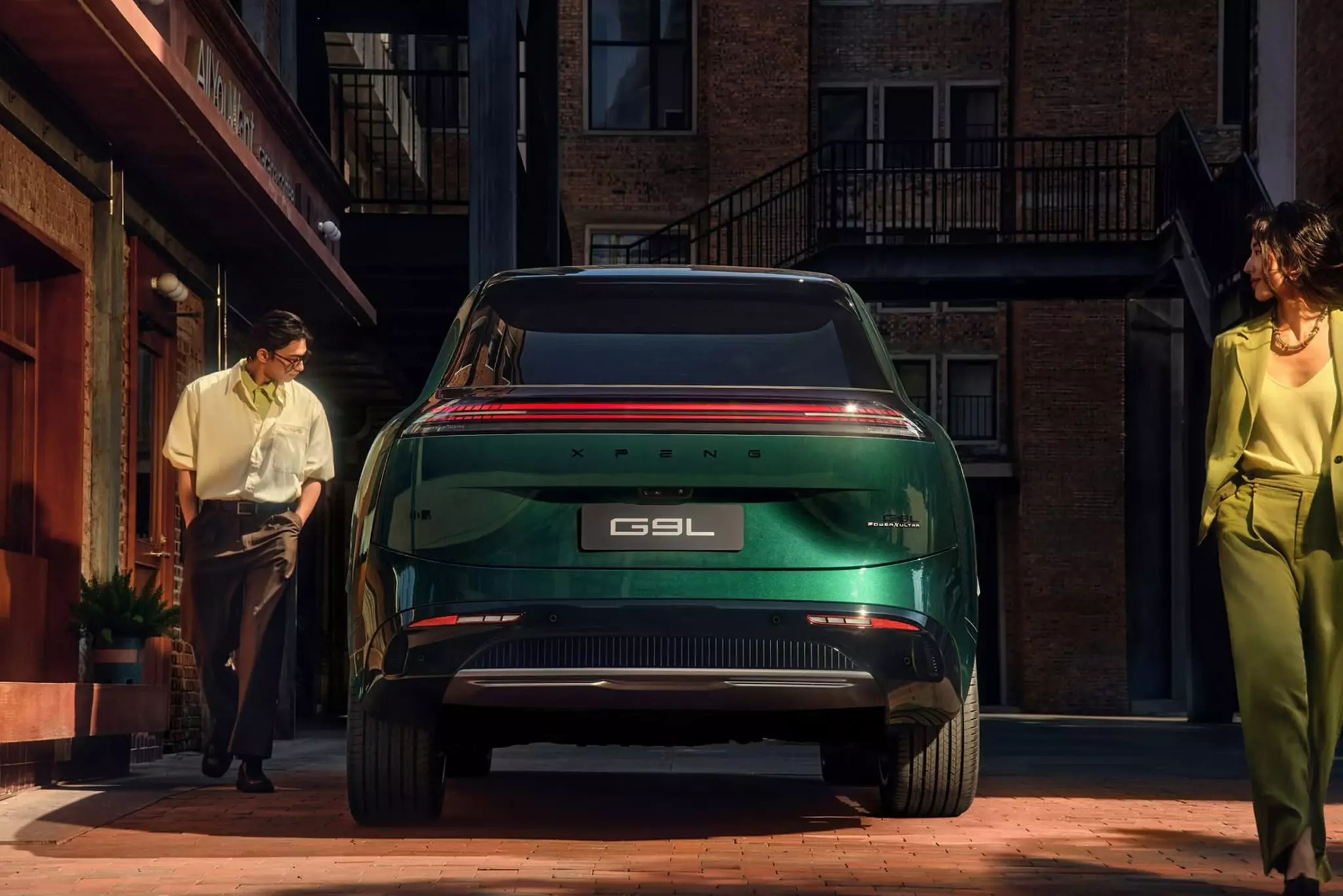
    The restructuring aligns vehicle programs ahead of several fourth-quarter rollouts designed to lift monthly volumes. Xpeng introduced its G9L five-seat SUV on September 17 to complement its six-seat GX, targeting family buyers who previously looked at rival offerings from Li Auto and Nio.

    Volume pressure now rests heavily on the Mona product unit. Deliveries of the Mona M03 sedan began in July, while the Mona L05 crossover enters the Chinese market before the end of the year.

    Factory Commitments and Fourth-Quarter Targets

    Management is targeting monthly deliveries above 60,000 units in the fourth quarter, a 53 per cent jump from the 39,107 vehicles handed over to customers in August. Reaching that pace requires the Guangzhou and Zhaoqing assembly plants to operate near full capacity through December.

    Parallel investments in non-automotive hardware remain active. Xpeng commissioned its Iron humanoid robot manufacturing line earlier in September, targeting commercial deployment across its retail showrooms by the end of 2026 before starting customer deliveries in 2027.

  • BYD Pushes European Production as Sales Reach 4.27 Million Units

    BYD Pushes European Production as Sales Reach 4.27 Million Units

    BYD delivered 4.27 million new energy vehicles last year, expanding its European footprint. The surge steps up competitive pressure on German automakers across their core regional markets.

    Total sales for 2024 rose 41 percent over the previous year. That growth gives the Shenzhen-based automaker added scale as it builds its first European assembly facility.

    Bypassing Tariffs in Hungary

    Construction is underway on a passenger car plant in Szeged, Hungary. Vehicles assembled there will be built inside the European Union rather than shipped from Chinese ports.

    Local assembly lets the carmaker bypass additional tariffs the European Commission imposed on battery electric vehicles imported from China. The Commission determined in 2024 that Chinese state subsidies harmed European producers, introducing penalties to offset pricing differences.

    The Szeged plant will create thousands of local jobs and source components through regional supply chains, establishing a domestic European operating base.

    Pressure on German Brands

    German automotive groups face mounting headwinds across their volume and luxury segments. Volkswagen, BMW and Mercedes-Benz built their global market presence on engineering standards and brand prestige, supported by specialist badges including Audi and Porsche.

    Sluggish domestic economic growth, persistent inflation and supply chain friction now squeeze profit margins across German operations. Lower production costs and rapid development cycles from Chinese competitors directly challenge those legacy advantages.

    Pricing pressure in electric passenger cars leaves legacy European manufacturers with narrow operating margins. Chinese competitors produce battery packs and vehicle software internally, cutting component costs below what German supply networks currently deliver.

    Policy and Market Headwinds

    Trade barriers alone offer limited protection for European carmakers once overseas competitors start manufacturing inside the trade bloc. European manufacturers must match competitive vehicle prices while investing heavily in software architecture and battery chemistry.

    The European Commission outlined these structural vulnerabilities in its 2025 automotive action plan. The report warned that European automakers risk falling behind international rivals in battery development, vehicle software systems and autonomous driving platforms.

    Brussels now pairs import duties with domestic manufacturing incentives. Factory investments by Chinese firms inside the trade bloc weaken that intended barrier.

    Expansion from 2022 Entry

    BYD formally entered the European passenger car market in 2022 before committing capital to the Hungarian production site. Economists compare the broader shift to the manufacturing trade integration seen after China joined the World Trade Organization in December 2001.

    German automakers must now defend market share across both electric sedans and compact sport utility vehicles as local assembly begins. The decisive metric will be the production start date at the Szeged plant and the final retail pricing of its Hungary-built models.

  • Geely Buys 30 per Cent Stake in Nio Power for 16 Billion Yuan Valuation

    Geely Buys 30 per Cent Stake in Nio Power for 16 Billion Yuan Valuation

    Geely Holding Group will acquire a 30 per cent stake in Nio Power by injecting its commercial battery swap unit and 640 million yuan in cash. The transaction values Nio Inc’s energy arm at roughly 16 billion yuan ($2.37 billion) on a post-money basis.

    Nio China will retain management control of the subsidiary with a 63.6 per cent holding upon closing, according to a filing submitted to the Hong Kong Stock Exchange. Wuhan Guangchuang Emerging Technology Phase I Venture Capital Fund Partnership, which injected capital in May 2024, will hold the remaining 6.4 per cent.

    Terms of the capital tie-up

    Under the definitive agreement, Geely transfers the entire equity interest in its fleet battery swap operator, Yiyi Power, alongside 640 million yuan ($94.8 million) in cash to subscribe for new shares in Nio Power. The cash and operational assets consolidate Geely’s commercial mobility swap business directly into Nio’s broader infrastructure network.

    Geely’s ultimate equity percentage remains subject to post-closing adjustments tied to operational milestones. If performance falls short of agreed metrics, the holding will decrease, though contracts specify a floor of 20 per cent.

    Geely also secured an option to inject a further 640 million yuan in cash. Exercising that option would increase Geely’s stake to 34 per cent and dilute Nio China’s holding to 60 per cent, provided it is executed within two years of closing or prior to any subsequent financing round.

    Cross-investing in charging networks

    The transaction includes a reciprocal capital link on the fast-charging side. Nio China agreed to subscribe in cash for newly issued equity in Geely’s Zhejiang Haohan Energy Technology, securing a 10 per cent stake upon completion.

    Haohan Energy will allocate the proceeds to purchase selected charging assets directly from Nio. The companies did not disclose the cash consideration for the Haohan shares, which remains subject to regulatory review and closing approvals.

    Both operators plan to bridge their charging hardware and apps across mainland China to increase station utilisation. Combining these operations links two of the country’s most active proprietary charging operators behind a common access layer.

    Commercial fleet and consumer standards

    Absorbing Yiyi Power hands Nio Power immediate scale in commercial mobility fleets, a sector where high daily mileage makes rapid turnaround critical. Passenger car standardisation presents a tougher road. Geely agreed to develop consumer EV models compatible with Nio swap stations, but Nio noted in its exchange filing that passenger vehicle integration plans remain preliminary and require further negotiations.

    For hardware suppliers and energy grid operators, consolidating these two proprietary swap architectures reduces the risk of stranded assets in China’s secondary cities. Standardised battery packs and shared stations lower per-site capital expenditure, shifting competitive pressure directly onto rival automakers relying solely on ultra-fast plug-in chargers.

    Earlier agreements and buildout targets

    Cooperation between the two groups began in November 2023 with an initial battery swap pact, followed by an interoperability agreement for EV charging points signed in March 2024. Nio Power was established in Wuhan in May 2017 as a wholly owned entity before bringing in outside funds through a 1.5 billion yuan round from Wuhan Guangchuang in 2024.

    The combined business now faces aggressive infrastructure deadlines. Nio Power aims to run 10,000 battery swap stations across China by 2030, projecting annual electricity demand through its footprint will exceed 10 billion kilowatt-hours. Geely is building toward a network of more than 22,000 charging stations and 100,000 charging connectors before the end of 2027.