Tag: Electric vehicles

  • Three Regulators Probe Huawei-Backed Maextro EV Brake Failures

    Three Regulators Probe Huawei-Backed Maextro EV Brake Failures

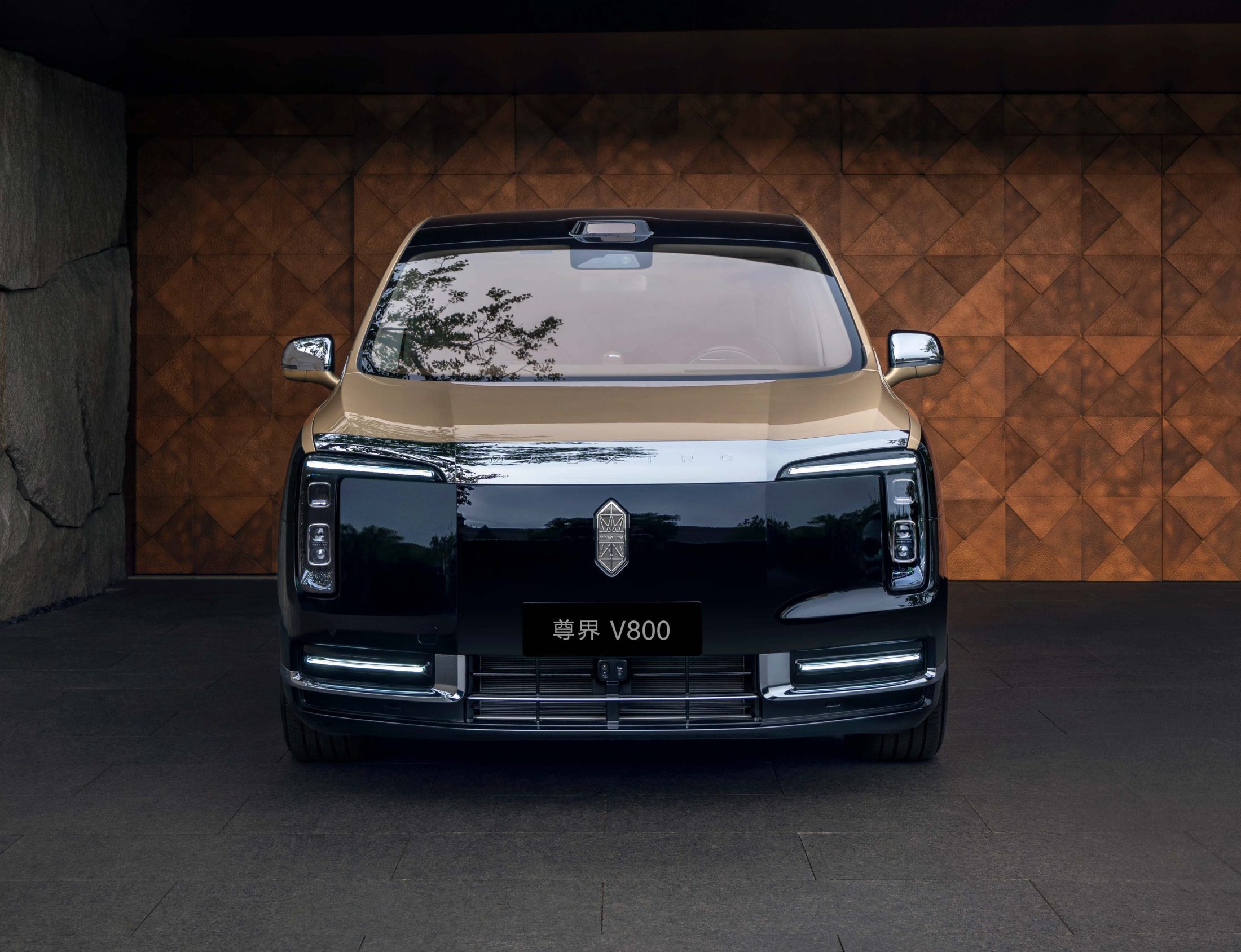
    China formed a joint investigation team across three ministry-level regulators on Thursday to probe reported brake pedal failures in luxury electric vehicles from Huawei-backed brand Maextro.

    The inquiry pulls in the Ministry of Industry and Information Technology alongside the Cyberspace Administration of China and the State Administration for Market Regulation.

    Three Regulators Step In

    Officials from the three bodies will review test records and inspect physical components. Online video footage showed Maextro brake pedals snapping under test conditions. Huawei Technologies and state-owned carmaker JAC jointly developed the brand as a flagship push into high-end smart mobility.

    The Ministry of Industry and Information Technology stated that authorities are paying close attention and pledged to publish findings promptly. Involving the internet watchdog alongside industrial and market regulators signals scrutiny over mechanical engineering as well as technical claims shared on social platforms.

    Tighter Scrutiny on Fast Rollouts

    Automakers in China have compressed vehicle development cycles to under 24 months. They use rapid software updates and modular chassis systems to beat foreign rivals. Regulators are now pushing back, demanding longer validation cycles and stricter durability benchmarks for critical mechanical hardware.

    For parts suppliers and technology partners, the joint probe raises immediate financial and compliance risks. Braking assemblies cannot be fixed with over-the-air patches. Any required redesign or recall will hit manufacturing margins and delay scheduled dealership deliveries.

    Pressure Mounts on Premium Brands

    Maextro debuted in Beijing earlier this year as a collaboration between legacy manufacturing and consumer electronics ecosystems. Scrutiny intensified earlier this month after an automotive blogger documented mechanical failures during independent vehicle testing.

    Domestic EV sales growth has softened across major Chinese urban centres. Luxury entrants have little room for engineering missteps. Rival brands expanding premium lineups will face higher inspection burdens before securing commercial clearance from industrial watchdogs.

    Validation Timelines to Watch

    Regulators are preparing broader testing standards. The rules will mandate extended road trials for chassis electronics and physical control mechanisms before series production permits are granted.

    Inspectors plan to deliver an initial technical assessment on the Maextro braking components before final commercial deliveries commence.
  • BMW Starts Sixth Generation Battery Production at 10 Billion Yuan Shenyang Hub

    BMW Starts Sixth Generation Battery Production at 10 Billion Yuan Shenyang Hub

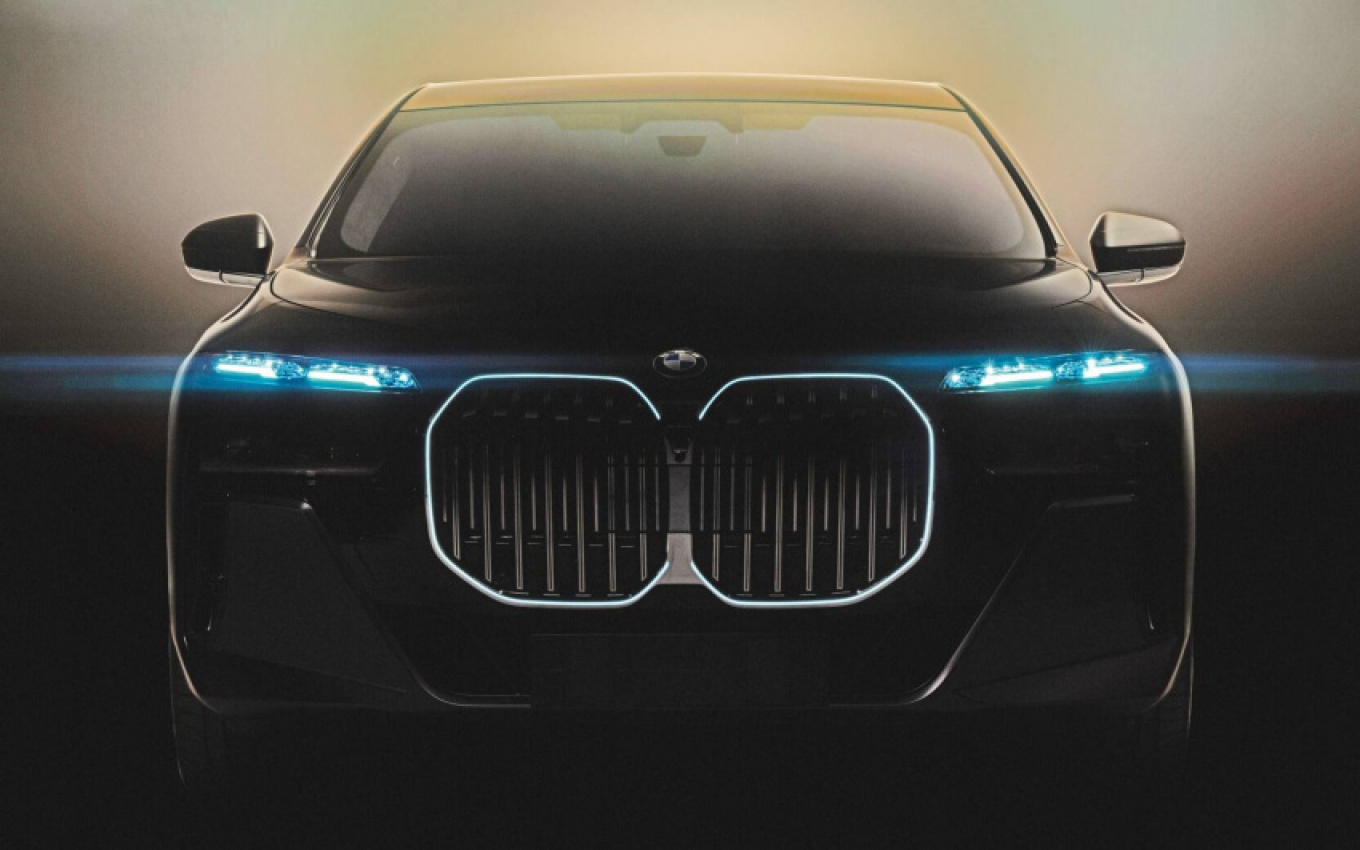
    BMW started mass production of its sixth-generation high-voltage batteries in Shenyang on Thursday. The company invested 10 billion yuan ($1.49 billion) to supply its upcoming Neue Klasse electric vehicle lineup.

    The 240,000-square-metre facility expands the German carmaker’s battery footprint in Liaoning province to five times its previous size.

    Output will initially feed assembly lines for the China-exclusive Neue Klasse iX3 sport utility vehicle and the long-wheelbase i3 sedan. Shenyang is BMW’s third battery plant globally to build the Gen 6 pack. It joins sites in Debrecen, Hungary, and Irlbach-Strasskirchen, Germany. Outside Germany, the Chinese complex is the only location producing the Energy Master central control unit, an in-house hardware and software module that manages high-voltage power distribution.

    Cylindrical Cells and 800-Volt Architecture

    The new powertrain switches to large cylindrical cells integrated into an 800-volt electrical architecture. BMW tested the setup in a long-wheelbase i3 50L sedan over expressways, national highways, and urban streets. It logged a road-test range of 1,213 kilometres on a single charge with 1 per cent battery capacity remaining. The vehicle carried a 113.4-kilowatt-hour battery pack. It averaged power consumption of 8.8 kilowatt-hours per 100 kilometres.

    Charging hardware on the Neue Klasse platform accepts direct-current rates up to 400 kilowatts. That rate replenishes 400 kilometres of driving range in 10 minutes. Rear-wheel-drive configurations anchored initial trials. Dual-motor all-wheel-drive editions will output 345 kilowatts (463 horsepower) and 645 Newton-metres of torque.

    BMW Brilliance split cell sourcing between domestic suppliers. It secured large cylindrical ternary lithium packs from EVE Energy for top-trim 50L models, alongside contracts with Contemporary Amperex Technology Co. Ltd. (CATL) for standard variants. With battery assembly operational, all three primary hardware elements of BMW’s sixth-generation electric drive system are now built locally in Liaoning.

    Local Software Alliances Shift Premium Dynamics

    Foreign premium carmakers in China face shrinking profit margins as domestic brands capture market share with price cuts and localized digital cockpits. BMW is pairing heavy capital spending in Shenyang with Chinese technology alliances to keep pace. The carmaker outsourced its autonomous driving software pipeline to Beijing-based Momenta. It also integrated artificial intelligence voice controls developed with Alibaba Group Holding and DeepSeek.

    European premium marques historically kept core software development inside corporate headquarters. That model is changing. By embedding Chinese software and local computing platforms into Neue Klasse models before showroom launch, BMW cuts engineering turnaround cycles. It also avoids the software delays that plagued earlier European battery-electric entries in China.

    Commercial risk sits squarely on retail pricing power. Domestic rivals such as Nio, Zeekr, and Li Auto operate at compressed margins. That forces foreign legacy brands to match steep discounting or accept lower factory run rates. BMW Group Chairman Oliver Zipse stated during the Shenyang launch ceremony that local production will account for more than 95 per cent of BMW vehicles sold in China by 2030, leaving little room to retreat if volumes stumble.

    Building Out the Shenyang Production Base

    Groundwork for the battery plant began in May 2023 under a joint venture blueprint to localize component assembly ahead of vehicle assembly. The Shenyang complex now houses casting, combustion engine manufacturing, battery assembly, and power electronics under one operating footprint.

    Pre-sales for the long-wheelbase Neue Klasse iX3 opened on August 21 at a starting price of 269,900 yuan ($39,810). Regulatory filings published in September confirmed the i3 50L sedan rides on a 3,005-millimetre wheelbase. That adds 39 millimetres of cabin space over the outgoing China-built electric 3 Series.

    Deliveries of the Neue Klasse iX3 reach Chinese dealerships in November. The i3 sedan follows with its market launch before the end of the fourth quarter.

  • Chery to Launch iCAUR EV Brand in Britain in Early 2027

    Chery to Launch iCAUR EV Brand in Britain in Early 2027

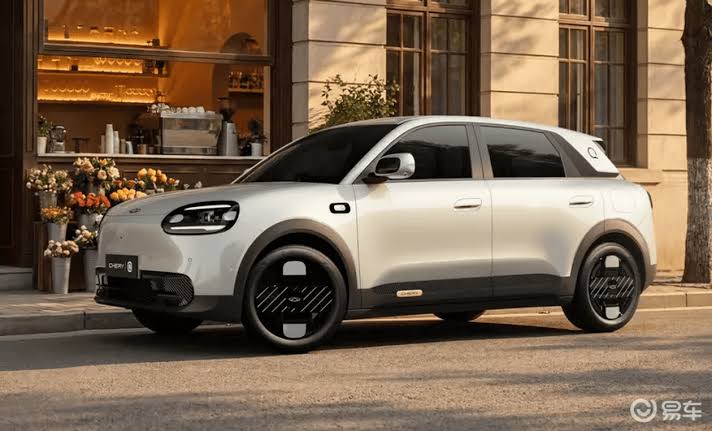
    Chery plans to launch an electric sport utility vehicle under its iCAUR marque in Britain in early 2027. The debut expands its product line in Europe’s second-largest vehicle market.

    Registration data from the Society of Motor Manufacturers and Traders shows Chery’s collective brands captured a 7 per cent market share in Britain through September. That volume makes the Wuhu-based company the top-selling Chinese vehicle group in the country. It ranks second overall behind Volkswagen.

    Expanding Multi-Brand Lineups Across Britain

    The iCAUR launch brings a dedicated five-seater electric SUV to British showrooms three years after Chery entered the UK with its Omoda line. Chery International currently sells vehicles in 40 overseas markets.

    This model will sit alongside four existing marques Chery already distributes in Britain: Chery, Omoda, Jaecoo and Lepas. Managing multiple nameplates allows the manufacturer to target separate consumer brackets without diluting individual badges.

    Rival Chinese Automakers Step Up European Assembly

    Chinese manufacturers are pressing into Europe with pricing and software packages designed to undercut legacy domestic brands. Chery held a 2.3 per cent share of total vehicle registrations between January and August across the European Union and the European Free Trade Association.

    Competition among Asian exporters is accelerating. BYD took 2.5 per cent of European registrations over the same eight-month period. It plans to open a factory in Hungary in late 2026 and assemble all European-market vehicles locally by 2028. Changan is negotiating local manufacturing partnerships to begin regional assembly in early 2027.

    Tariff Hurdles and Manufacturing Strategy

    Brussels has imposed countervailing tariffs on Chinese-built battery electric vehicles. This policy has driven carmakers to establish local production hubs inside European borders. Chery bypassed greenfield construction by taking a 40 per cent stake in a joint venture with Spanish manufacturer EBRO.

    The venture will build vehicles at a repurposed former Nissan plant in Barcelona. Plant output targets reach up to 30,000 units. The facility gives Chery a production base within the tariff zone to supply southern and western European dealerships.

    The Timeline to 2027

    Chery laid the groundwork for its current British sales volume by introducing Omoda, followed by Jaecoo and Lepas models. British buyers accepted the alternative badges faster than continental consumers. That response established the UK as Chery’s strongest European profit center.

    Production at the Barcelona joint-venture facility will begin between late 2026 and the first quarter of 2027. That timing lines up with the arrival of the iCAUR five-seater SUV in British showrooms.

  • Chinese Automakers Rule Out Italy over Lack of Turnkey Factories

    Chinese Automakers Rule Out Italy over Lack of Turnkey Factories

    Chinese automakers looking to expand production capacity in Europe have ruled out Italy because the country lacks suitable turnkey factories, Italian industry minister Adolfo Urso said on Wednesday, October 14.

    Urso confirmed that Chinese auto industry representatives, including BYD European adviser Alfredo Altavilla, inspected Italian facilities and met government officials several times without finding viable production sites.

    The Search for Turnkey Sites

    Chinese car companies touring Europe want operational manufacturing facilities that can start vehicle assembly immediately. Brussels is preparing regulations that will impose minimum local content requirements on electric vehicles sold across the European Union, prompting Chinese brands to secure localized assembly footprint within the trading bloc.

    Urso told lawmakers in Rome that Chinese delegations inspected several Italian facilities. None met their operational criteria.

    “They are touring Europe and what are they asking for? A turnkey factory,” Urso told lawmakers in Rome, referring to a production site that would be ready to operate immediately.

    Stellantis Retains Italian Footprint

    Italy holds only one domestic volume car manufacturer, Stellantis. Urso explained that Stellantis decided against selling or transferring any of its Italian plants to foreign competitors, choosing instead to pursue joint production partnerships with Chinese automakers.

    Because Stellantis kept all its Italian production lines open, no idle, ready-to-run auto plants exist in Italy for foreign buyers to take over. That stance closed the door on Chinese automakers looking for standalone acquisitions in the country.

    BYD Shifts Focus to Western Europe

    The refusal to sell legacy plants directly conflicts with the expansion playbook favored by major Chinese electric vehicle brands. BYD rejected shared-production arrangements and joint ventures in the country, seeking full ownership of its European manufacturing assets instead.

    Altavilla confirmed that BYD is concentrating its factory acquisition efforts on alternative European markets, specifically Spain and France. Securing dedicated assembly lines allows Chinese electric vehicle groups to maintain direct control over supply chains, production quality, and proprietary technology.

    European Manufacturing Timelines

    Automakers from China face mounting pressure to finalize European production locations before the European Commission enacts stricter local assembly mandates. Companies that fail to establish domestic production lines risk tariffs and regulatory barriers on imported completely built-up units.

    The next phase of European expansion now rests on negotiations with French and Spanish authorities, where Chinese carmakers continue to evaluate industrial sites capable of rapid commissioning.

  • Nio Reaches 500 Battery Swap Stations in Guangdong

    Nio Reaches 500 Battery Swap Stations in Guangdong

    Nio opened six fifth-generation battery swap stations across Guangdong on Sunday. The launches brought its provincial network to 500 sites, pushing cumulative swaps past 17 million.

    Guangdong generated roughly 13 percent of all battery swaps completed by the company across China. Meanwhile, local vehicle deliveries rose 76.3 percent year-on-year through August.

    Expanding Urban Density Across the Greater Bay Area

    Guangzhou, Shenzhen, Huizhou, Dongguan, Foshan and Zhuhai all added stations simultaneously. Each facility runs on fifth-generation architecture built to cut swap times and handle multiple vehicle platforms.

    Resident numbers in Guangdong reached 129 million in 2025, keeping it China’s largest provincial economy. Nio Power shifted its provincial focus from basic geographic expansion toward tightening urban station density.

    Expressway corridors form a central pillar of that footprint. The company operates 101 swap stations along Guangdong expressways, including the Shenyang-Haikou Expressway, the Beijing-Hong Kong-Macao Expressway and the Pearl River Delta Ring Expressway. Drivers have logged over 3 million swaps along those routes.

    Infrastructure Economics and Competitor Pressures

    Heavy capital spending makes dedicated swap networks costly to build. Still, Nio uses station density to anchor vehicle sales against competitors who rely purely on public plug-in chargers. Price wars remain fierce among electric vehicle makers in southern China, turning operating convenience into a key sales differentiator for premium brands.

    Commercial landlords and transport operators gain recurring high-voltage power demand and steady driver footfall from swap installations. Yet asset utilisation carries real risk. Fixed machinery and battery inventory costs remain high, requiring strong daily turnover to break even.

    County Coverage Foundations

    Station density gained momentum after an early 2025 rollout. Under its Power Up Counties program, Nio Power reached full county-level swap coverage across Guangdong in April 2025, installing 428 stations across all 122 county-level administrative areas.

    Adding 72 stations since that milestone reflects faster installation inside major municipal centres rather than expansion into new regional territories. Nationwide, Nio delivered 262,893 vehicles between January and August, up 57.92 percent from the prior year.

    National Scale Targets

    Across mainland China, Nio operates 9,584 charging and swap stations, a total that includes 4,176 battery swap locations. Highway installations account for 1,073 of those sites, connecting 16 major urban clusters and more than 550 cities.

    National swap volume topped 120 million in August, doubling in six months. Network partners and investors are tracking installation targets for the final four months of the year, alongside integration steps after Geely agreed to take a 30 percent stake in Nio Power.

  • Li Auto Delays European Debut to First Quarter 2027 with Norway and Netherlands Rollout

    Li Auto Delays European Debut to First Quarter 2027 with Norway and Netherlands Rollout

    Li Auto pushed its European market debut to the first quarter of 2027 on Monday. The company revealed the battery-electric Li 6 SUV in Paris ahead of initial sales in Norway and the Netherlands.

    That timeline delays European showroom arrivals from late 2026. Management previously gave a fourth-quarter 2026 target during an August earnings call.

    Benjamin Baum, senior exterior design director at Li Auto, presented the vehicle on October 12 during the opening day of the Paris Motor Show. Known as the i6 in China, the export model carries the shorter Li 6 badge for European buyers. Deliveries will focus first on Norway and the Netherlands before expanding across other European markets. Localized versions of the brand’s extended-range hybrid models will arrive at an unannounced date.

    European Target Selection and Vehicle Architecture

    Norway and the Netherlands serve as proving grounds for Chinese electric carmakers entering Europe. Both countries offer dense charging networks and high EV adoption rates. Li Auto chose pure electric drivetrains for Western Europe while prioritizing extended-range hybrids in Central Asia and the Middle East to match local charging infrastructure. In July, it introduced the L9 extended-range SUV in Kazakhstan and Uzbekistan. That rollout drew technical support from an engineering center established in Munich in January 2025.

    Engineers built the European specification to meet Euro NCAP five-star crash test standards. Formal safety assessments will follow once local market deliveries begin. Under the floor sits a 96 kilowatt-hour fast-charging battery pack. It delivers an operating range of up to 780 kilometers under China Light-Duty Test Cycle standards. Li Auto designs the battery cells internally and outsources cell fabrication to suppliers CALB and Sunwoda, though it builds the completed packs in-house.

    Domestic Pressure Drives Overseas Export Push

    Selling abroad has become a commercial necessity for Chinese carmakers facing brutal price competition and slowing domestic volume growth. Li Auto delivered 31,817 vehicles in September. That was a 6.29 per cent drop from the same month last year and a 15.56 per cent slide from August. Total deliveries across the first nine months of the year reached 293,436 units, down 1.25 per cent compared to the identical period in 2025.

    Rivals like Nio and Xpeng have already built retail distribution channels across Northern Europe. They found that building brand recognition is expensive and sales accumulate slowly. Li Auto must now set up physical showrooms, service centers, and software localization across multiple languages while fighting established European premium marques. CEO Li Xiang stated on Weibo that the company will adapt to local conditions and enter when ready. He pointed to compact vehicle dimensions suited to European urban street layouts.

    Model Refresh Precedes Export Program

    In China, the i6 remains Li Auto’s primary volume driver. Cumulative domestic sales have exceeded 190,000 units since its debut. In August alone, the vehicle accounted for 16,979 deliveries, representing roughly 45 per cent of the manufacturer’s total monthly output. Order books for the initial model generation closed on September 11 to clear assembly lines for an updated 2026 edition.

    Dealerships across China began displaying static models of the refreshed 2026 i6 at 485 locations on October 11. The updated variant adds adaptive beam matrix headlights and twin 150-degree reclining zero-gravity front seats. It also includes a 29-inch panoramic front display, Li Auto’s proprietary Mach M100 driving assistance processor, and Qualcomm Snapdragon silicon.

    Customer test drives and official retail sales for the 2026 i6 begin across China on October 28. Initial customer handovers follow in early November ahead of planned European export shipments.

  • Chinese Automakers Double Paris Car Show Presence with 20 Brands

    Chinese Automakers Double Paris Car Show Presence with 20 Brands

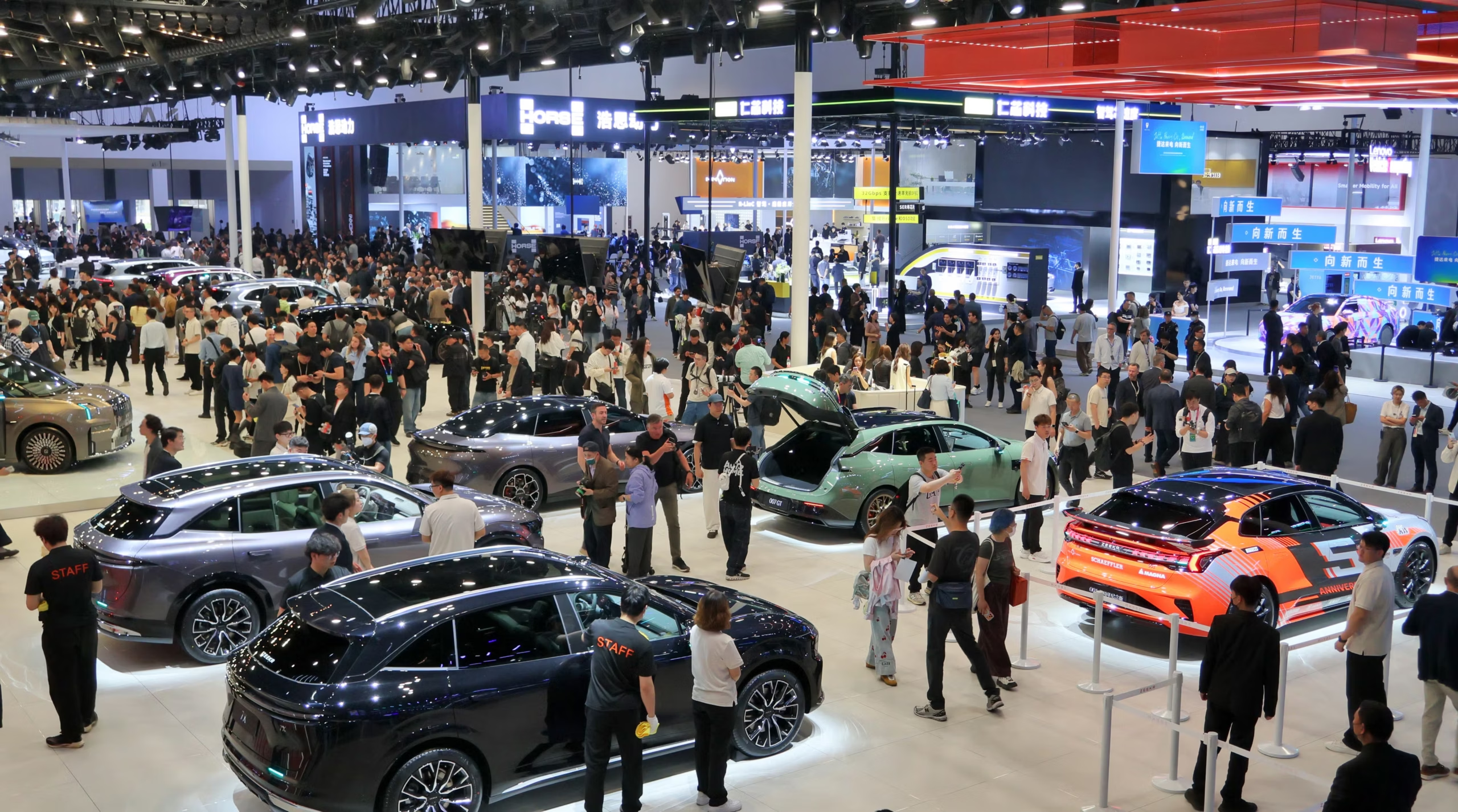
    Around 20 Chinese automotive brands unveiled new models at the Paris car show on Oct 12. They doubled their presence from 2024 to capture European market share.

    Passenger vehicle sales across China fell 20 percent in the first half of 2026. That drop forced domestic manufacturers to accelerate overseas distribution.

    Car manufacturers from China and Europe presented up to 60 new models at the event. Chinese participants included established exporters BYD, Chery, and SAIC’s MG brand, alongside newer entrants such as Aito. State-owned Changan debuted two separate marques, Nevo and Avatr, targeting retail buyers across Western Europe.

    Export pressure mounts as domestic sales drop

    The United States market is largely closed to Chinese automotive imports. That leaves Europe as the central battleground for manufacturers dealing with price competition at home. Chinese car companies have expanded their European market share steadily over the past three years, relying on aggressive retail pricing and rapid model cycles.

    For retailers and dealership groups across Europe, arriving Chinese marques offer wider inventory margins. But they also bring operational volatility. Multi-brand dealership networks in France and Germany face showroom floor adjustments as new brands compete directly against established European volume models.

    Regulatory headwinds and hybrid curbs

    Tightening trade barriers across the European Union now challenge this product rollout. A recent pact between Brussels and Beijing could cut Chinese hybrid vehicle shipments to the bloc by more than half. Detailed implementation mechanisms remain unpublished.

    Those curbs hit hybrid channels directly. Investment bank Jefferies reported in an Oct 11 client note that BYD, Chery, and SAIC’s MG accounted for 90 percent of all Chinese-brand hybrid vehicle sales in the European Union during the first eight months of 2026.

    Local assembly strategies take shape

    Trade friction has pushed Chinese original equipment manufacturers toward European industrial partnerships. The European Union imposed import tariffs on Chinese-assembled fully electric vehicles in October 2024. Meanwhile, policymakers are drafting minimum local-content thresholds under upcoming Made in Europe rules.

    Several groups are responding by moving production directly onto European soil. Geely Auto confirmed in July that it will manufacture electric sport utility vehicles at a Ford Motor plant in Spain. Geely chief executive Alex Nan met partners on Oct 11 in Paris to reinforce joint manufacturing and powertrain ventures with French carmaker Renault.

    Legacy automakers fight back

    European car manufacturers are defending their home territory with competing entry-level models. Stellantis revealed six production vehicles and nine concept cars in Paris. Its push was led by a low-cost electric Citroen 2CV aimed at halting Chinese market share gains.

    Volkswagen chief executive Oliver Blume stated on Oct 11 that European markets require equal operating conditions. He urged foreign manufacturers selling in Europe to generate domestic employment and industrial value.

    Brussels will trigger the next shift when the European Commission releases draft text for its Made in Europe local-content mandate. That measure will define factory sourcing requirements for electric vehicle sales across the bloc.

  • Thailand Plans Foreign Investment Push to Lift Economic Growth to 3%

    Thailand Plans Foreign Investment Push to Lift Economic Growth to 3%

    Thailand plans to lift economic growth to 3 per cent within three years by channeling foreign investment into data centres, semiconductors and electric vehicle manufacturing.

    The target comes after Southeast Asia’s second-largest economy grew at an annual average of just 2.34 per cent over the past five years, trailing the faster recoveries posted by regional neighbours.

    Thai Finance Minister Ekniti Nitithanprapas outlined the investment-led strategy ahead of Bangkok hosting the annual meetings of the International Monetary Fund and the World Bank next week. The government is directing capital incentives toward energy-heavy high-tech sectors while investing in renewable power to support incoming factories and server farms.

    Investment ratio drops after 1997 crisis

    Capital spending across the country has never fully regained the share of economic output it held before the 1997 Asian financial crisis, when Bangkok devalued the baht and sought an IMF bailout.

    “After the financial crisis, our investment-to-GDP has declined to around 22% to 23% at the moment. So that’s why our growth momentum has been so slow,” Ekniti said in an interview.

    Rebuilding that baseline forms the core of the current ministerial agenda, but the fiscal room for state stimulus remains constrained. Thailand’s public debt-to-GDP ratio is approaching the official statutory cap of 70 per cent, limiting direct government spending programmes.

    Central bank divergence and consumer debt

    The Ministry of Finance faces a more cautious assessment from the Bank of Thailand, which estimates the country’s potential growth rate at 2.7 per cent. The central bank projects that reaching even that lower expansion rate will take at least four years of structural adjustment.

    Commercial banks and store operators face immediate drag from elevated household debt levels that curb discretionary consumer spending across retail formats. Weaker tourist arrivals have compounded pressure on urban malls and hospitality venues that rely on foreign footfall to offset sluggish domestic purchases.

    Unresolved bilateral trade negotiations with Washington create further export friction for electronics and component suppliers looking to scale up production runs.

    Tech and electric vehicle supply chains

    Industrial developers across the Eastern Economic Corridor have pivoted land allocations toward clean energy infrastructure to accommodate overseas semiconductor and cloud infrastructure groups. These capital-intensive installations demand stable power supplies that traditional local grids cannot deliver without renewable additions.

    Automotive assemblers in Thailand must also transition established internal combustion engine lines to battery-powered vehicles without forfeiting their established regional export volumes. Japanese automakers that dominated local factory floors for decades now face direct competition from expanding Chinese electric vehicle brands establishing assembly hubs around Rayong and Chonburi.

    Outlook improves after February elections

    Credit rating agencies have recognized signs of political stability following the general elections held in February 2026. Fitch Ratings revised Thailand’s sovereign outlook to stable from negative, citing reduced deflationary pressures and greater policy predictability despite broader global energy shocks.

    External headwinds remain acute as global institutions warn that persistent energy volatility, record public debt loads and surging artificial intelligence capital requirements test emerging market fiscal buffers.

    Delegates gather at the Queen Sirikit National Convention Center next week for the IMF-World Bank meetings, where Thai officials will present their foreign investment roadmap to international lenders and corporate executives.

  • Smart Launches Electric #2 City Car in China at 112,999 Yuan

    Smart Launches Electric #2 City Car in China at 112,999 Yuan

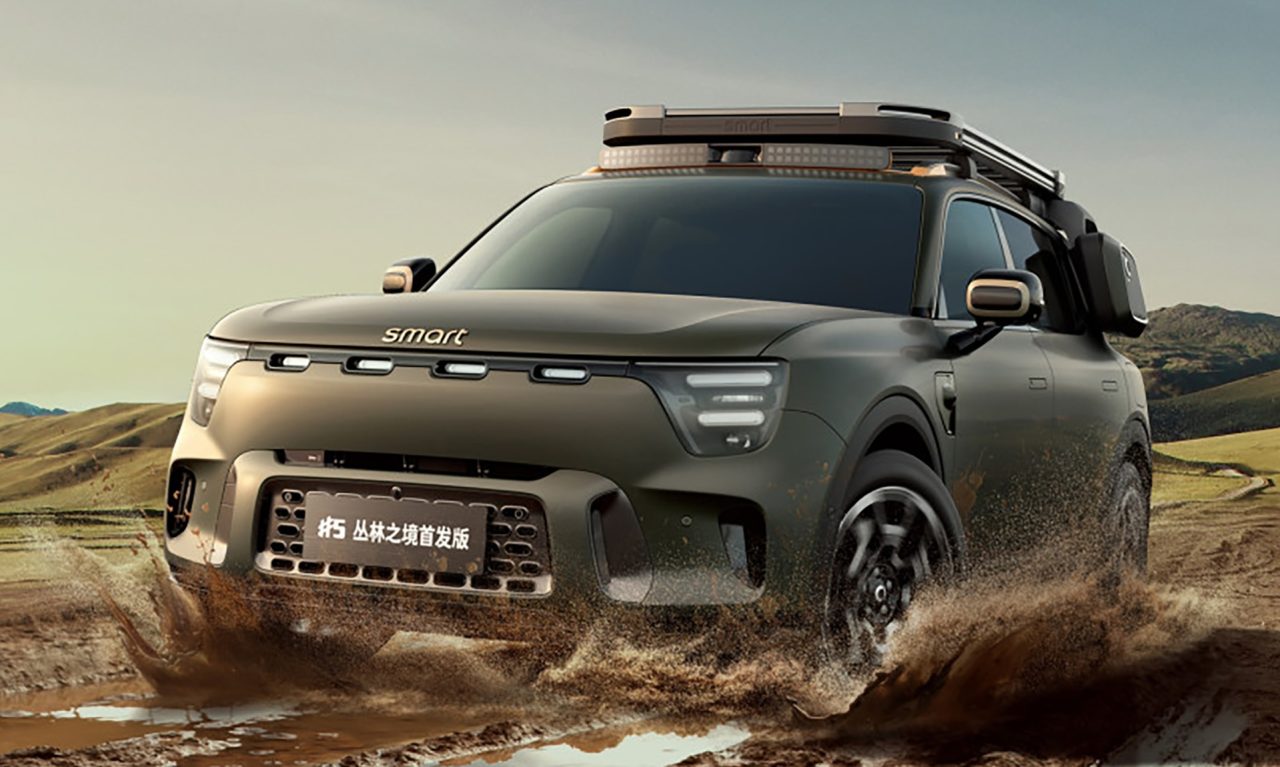
    Smart launched the Smart #2 Couture Edition in China for 112,999 yuan ($16,790). The release revives its signature two-seater city car format as an all-electric model.

    The joint venture between Mercedes-Benz and Geely Auto capped the initial Chinese run at 999 numbered units. That matches a separate 999-unit allocation earmarked for European buyers.

    Deliveries for immediate Chinese orders begin before year-end. Early ordering opens across Europe following the car’s global debut at the Paris Motor Show. European buyers face a pre-order entry price of 19,990 euros ($22,400). Chinese buyers will see pricing for standard Premium variants in November.

    Hardware and Architecture

    Built on Geely’s Electric Compact Architecture, the vehicle uses a platform engineered specifically for ultra-compact urban runabouts. Mercedes-Benz’s global design team handled the styling. They retained the proportions of the original ForTwo while adding LED lighting, flush surfaces and a capsule-patterned grille.

    A 35.8-kilowatt-hour lithium iron phosphate battery pack powers the vehicle, using cells supplied by CATL. It delivers a China Light-Duty Vehicle Test Cycle range of 410 kilometres. European testing targets a combined Worldwide Harmonised Light Vehicles Test Procedure range of 290 kilometres.

    Power comes from a single rear-mounted electric motor driving the rear axle. It produces 60 kilowatts of power and 130 Newton-metres of torque. The chassis pairs MacPherson strut front suspension with a five-link independent rear setup, delivering a tight turning radius of 3.35 metres. European models support 65-kilowatt direct-current fast charging, taking the battery from 10 per cent to 80 per cent in 20 minutes.

    Cabin Layout and Dimensions

    Dimensionally, the vehicle measures between 2,751 and 2,764 millimetres in length, 1,669 millimetres in width and 1,555 millimetres in height, riding on an 1,875-millimetre wheelbase. The exterior pairs matte white paint with a gold roof, gold grille accents and 16-inch alloy wheels. Staggered tyres measure 185/50 at the front and 205/45 at the rear.

    Inside, the cabin features an S-shaped dashboard, bench-style seating, turbine air vents and an infotainment display running the Flyme Link operating system. The car includes Level 2 driver assistance and remote automated parking. At the rear, the split tailgate retains a folding lower section that supports up to 120 kilograms when parked.

    Urban EV Market Strategy

    Smart’s return to the two-seater segment tests whether premium urban minicars can command retail margins in a domestic Chinese market crowded with budget micro-EVs. Geely and Mercedes previously repositioned Smart into mainstream compact crossovers with the #1 and #3 to chase broader sales volume. Bringing back the two-seater at nearly 113,000 yuan requires convincing city drivers to pay a substantial premium over mass-market urban runabouts that sell for half that amount.

    Production handled by Geely’s Zhejiang Haoqing Automobile Manufacturing gives the joint venture a low manufacturing cost base for export shipments to Europe. European urban centres tightly regulate vehicle emissions and parking footprints. That creates clearer commercial demand for micro-footprint electric vehicles than China’s wider highway networks require.

    Production History and Next Steps

    The original petrol-powered Smart ForTwo sold more than two million units globally after its 1998 debut under Daimler ownership. This revival follows an August regulatory filing by China’s Ministry of Industry and Information Technology, which confirmed technical specifications ahead of production clearance.

    Domestic pricing for the mass-volume Smart #2 Premium variant arrives in November, followed by local market rollouts and delivery schedules across European dealer networks.

  • China Cuts NEV Export Tax Rebates to 9% from 2027

    China Cuts NEV Export Tax Rebates to 9% from 2027

    China will lower its export value-added tax rebate rate for new energy vehicles from 13 percent to 9 percent on April 1, 2027. The four-percentage-point cut reduces the fiscal refund Chinese carmakers collect on every electric and plug-in hybrid vehicle shipped overseas.

    Customs declaration dates will determine whether shipments receive the older 13 percent rebate or the reduced 9 percent rate. The joint directive from the Ministry of Finance and the State Taxation Administration covers pure battery passenger cars, plug-in hybrid models, electric buses, and commercial electric truck tractors. Existing export consumption tax rebate and exemption rules for qualifying vehicles remain unchanged.

    Margin Squeeze for Export-Heavy Automakers

    The policy directly cuts the profitability of shipping cars from Chinese assembly lines to foreign showrooms. Research from Deutsche Bank calculates that the four-point rebate cut will reduce net profit at BYD by roughly 5,000 yuan ($743) on every vehicle exported once the rule takes effect in the second quarter of 2027. BYD shipped 1,342,468 vehicles overseas during the first nine months of 2026, representing approximately 43 percent of its total wholesale volume.

    Other major Chinese exporters face the same margin compression. The change will hit export earnings across a wide group of listed vehicle manufacturers, including Geely Auto, Chery, SAIC Motor, Great Wall Motor, Changan Automobile, Leapmotor, GAC Group, and Xpeng. Automakers exporting directly from mainland factories will either absorb the lost cash refund or attempt to raise retail prices in competitive destination markets.

    Divergence Between Domestic Slump and Foreign Demand

    Beijing is pulling back state fiscal support as export volumes surge while the domestic market contracts. Data from the China Association of Automobile Manufacturers shows Chinese NEV exports jumped 130 percent year-on-year to 4.006 million vehicles in the first nine months of 2026. September exports alone climbed 160 percent to 571,000 units. By contrast, domestic deliveries in China fell 9.4 percent in September to 1.252 million vehicles.

    Total passenger vehicle exports from China reached roughly 919,000 units in September, up 64 percent from the prior year. Weaker consumer spending and reduced purchase incentives at home have forced manufacturers to fill capacity by targeting buyers in Europe, Southeast Asia, Latin America, and Africa. That export surge has intensified price competition in foreign dealerships, accelerating regulatory resistance abroad and prompting Beijing to step back from subsidizing outward pricing wars.

    The Shift to Overseas Factory Floors

    Higher trade barriers and reduced export rebates will accelerate the migration of Chinese automotive capital into foreign manufacturing plants. Chinese electric vehicle production costs run near $20,000 per unit compared to roughly $31,000 for European equivalents, according to estimates by AlixPartners. But with importing jurisdictions raising duties and Beijing trimming domestic tax support, direct exports from China will become structurally more expensive to run.

    Automakers are already shifting assembly footprints closer to their primary regional sales networks. BYD has invested in vehicle manufacturing plants across Thailand, Indonesia, Brazil, and Hungary to assemble cars locally rather than shipping finished units out of Shenzhen. As trade policies tighten, regional factory networks will replace direct mainland car-carrier shipments as the primary channel for supplying Asian and international retail networks.

    Stepwise Rollback of Clean Energy Incentives

    The vehicle rebate reduction follows earlier retrenchments across China’s renewable energy supply chain. Beijing eliminated export VAT rebates for solar photovoltaic equipment on April 1, 2026, while lowering export rebates on battery products from 9 percent to 6 percent. Those battery export tax rebates will drop to zero starting January 1, 2027, three months before the automotive rebate reduction takes effect.

    Manufacturers and logistics operators now face an eighteen-month window before the April 2027 customs deadline to adjust supply contracts, pricing sheets, and overseas factory production schedules.

  • China Proposes Car Design Rules Banning Hidden Door Handles from 2027

    China Proposes Car Design Rules Banning Hidden Door Handles from 2027

    China will ban fully hidden door handles and flexible interior screens from January 1, 2027. The country’s industry ministry issued the ban under draft vehicle safety standards.

    Every passenger vehicle door must retain a mechanical release mechanism. It must be accessible from both the inside and the outside.

    Automakers seeking regulatory approval for new models from 2027 onward must submit technical dossiers covering research and development testing. Regulators will reject applications backed by incomplete validation or false data. The draft was published by the Ministry of Industry and Information Technology alongside three partner agencies.

    Vehicles already approved for sale must file technical documentation on their innovative features by July 1, 2027. Manufacturers that fail to submit files face mandatory production halts and vehicle recalls if their models carry safety hazards.

    Mechanical Controls Return to the Cabin

    The draft targets minimalist cabin designs that replaced physical switches with touchscreens. Beyond outlawing flush, concealed exterior handles, the rules prohibit foldable or flexible displays in production vehicles.

    Seating comes under new limits. Automakers cannot let drivers or passengers activate swivel configurations or zero-gravity recline modes while a vehicle is in motion.

    Physical controls must remain for primary operating equipment. Drivers must be able to work headlights and windshield wipers through dedicated mechanical switches, not digital menus.

    Safety Scrutiny on Fast Product Cycles

    Regulators drafted the measures after finding aggressive development cycles led domestic brands to launch cars without adequate real-world testing. The race to cut aerodynamic drag and show off software features created mechanical flaws during severe collisions.

    Electronic latches drew public scrutiny after a fatal crash in Chengdu in October last year. Rescuers could not open the doors of a burning Xiaomi electric sedan from the outside. The driver died at the scene.

    Flush door handles, introduced at scale by Tesla on models including the 2018 Model 3, quickly became standard across Chinese electric vehicle lineups. Flush fittings smooth airflow and extend battery range slightly. However, emergency services have raised repeated concerns about exterior latches failing when 12-volt electrical systems cut out in an impact.

    Impact Across Domestic EV Assembly Lines

    The directive forces engineering overhauls across China’s crowded electric vehicle sector. Brands that built their pitch around button-free interiors must reintroduce mechanical linkages, switches and dedicated wiring looms into existing platform architectures.

    Suppliers of door modules, interior switchgear and instrument panels face immediate order adjustments. Tooling changes will add production costs to budget models. That will narrow margins in a market already hit by price discounting.

    Export models built on domestic platforms will carry the same mechanical changes into Southeast Asia and Europe. The ministry is taking public feedback on the draft regulatory framework until November 10.

  • Thai Car Plants Prepare to Restart as Flood Delays Ease in Chon Buri

    Thai Car Plants Prepare to Restart as Flood Delays Ease in Chon Buri

    Automakers across eastern Thailand will resume assembly operations on October 14 as component suppliers restore factory lines following late September floods in Chon Buri province. Major vehicle assembly plants had enough buffer inventory to maintain output until October 12 before parts shortages forced brief schedule adjustments.

    The recovery clears a bottleneck across Tier 2 and Tier 3 parts suppliers based inside the Amata City Chonburi Industrial Estate, protecting Thailand’s national target to produce 1.5 million vehicles in 2026.

    Supply Lines Clear in Chon Buri

    Floodwaters have now receded from the industrial corridors in Chon Buri, allowing parts manufacturers to bring technicians back to factory floors. Operations have not returned to full capacity immediately. Teams at dozens of small and medium-sized parts makers are inspecting machinery, rewiring electrical circuits, and reconfiguring logistics routes to move metal stampings, wiring harnesses, and sub-assemblies to assembly plants.

    Disruptions to regional road links briefly cut off parts deliveries from unflooded workshops to vehicle assembly plants across Rayong and Samut Prakan. The supply bottleneck temporarily hit factory schedules for Toyota, Isuzu, Ford, Nissan, and Honda. Assembly lines for battery electric vehicles escaped the disruption because their component supply chains rely on separate battery and motor fabrication lines.

    Combustion Engines Bear the Impact

    Traditional combustion vehicles absorbed almost all the downtime because their manufacturing footprints involve broad networks of domestic subcontractors. Missing a single bracket or fastener stops a finished vehicle from clearing the end of the line.

    Surapong Paisitpattanapong, advisor and spokesman for the Automotive Industry Club at the Federation of Thai Industries, pointed to the structural vulnerability of conventional platforms: An ICE vehicle contains more than 30,000 parts. If even a single component is missing, the vehicle cannot be delivered to customers.

    Assembly operations are structured around tight delivery windows with minimal warehouse holding costs. When water cut road access across parts of Chon Buri in late September, suppliers lost the ability to deliver sequential parts batches directly to factory bays. Carmakers weighed sourcing substitute parts directly from Japan before water levels dropped inside the industrial parks.

    Industrial Landlords Roll Out Rebates

    Industrial park operator Amata Corporation Plc is rolling out financial relief to keep tenants on schedule. The company introduced a 50 per cent reduction or waiver on industrial estate maintenance fees for one year. Factory operators will also receive a 50 per cent discount on utility bills, including industrial tap water, starting in October.

    Amata is also lowering water levels across drainage canals, running continuous drainage pumps, and tracking storm fronts across the eastern seaboard to keep runoff away from factory gates. Total industrial damage across flooded zones reached an estimated 6 billion baht, equal to roughly 178 million dollars, following heavy rainfall across 28 provinces.

    Export Schedules Hold Steady

    Thailand’s automotive sector is defending its role as Southeast Asia’s primary light vehicle assembly hub. The country locked in a total production volume of 1.5 million units for 2026. That plan allocates 950,000 vehicles for overseas export markets and 550,000 units for domestic retail buyers.

    The eastern seaboard assembly belt faced historic flooding risks during previous monsoon seasons, prompting heavy infrastructure investments in industrial drainage dykes. The rapid clearing of water at Amata City demonstrates that localized runoff can be drained before finished vehicle export schedules suffer long-term delivery cancellations.

    Parts makers will spend the coming two weeks running extra weekend shifts to replenish buffer stocks at assembly plants. Factory managers will watch export loading numbers at Laem Chabang port through the end of October to confirm that assembly lines have matched their standard output quotas.

  • Xpeng to Unveil 5.12-Metre G9L Electric SUV at Paris Motor Show

    Xpeng to Unveil 5.12-Metre G9L Electric SUV at Paris Motor Show

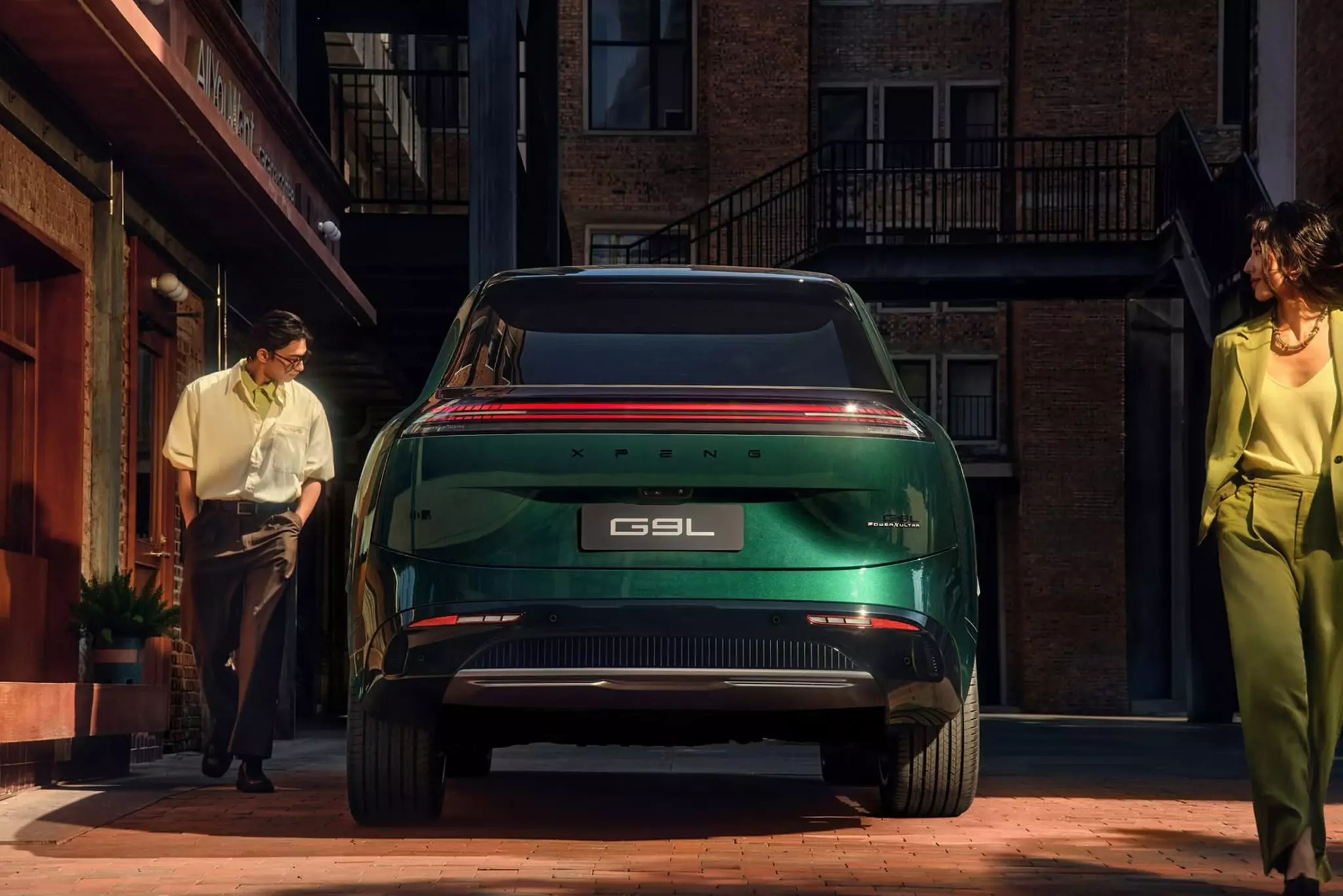
    Xpeng will unveil its new G9L electric SUV at the Paris Motor Show this year ahead of a European rollout. The flagship model is already on sale in China and features peak DC charging power of 540 kW.

    The 5.12-metre vehicle is 23 centimetres longer and 10 centimetres taller than the standard G9. It carries a 110 kWh battery that charges from 10 to 80 per cent in under 12 minutes.

    Dimensions and executive cabin layout

    Engineers stretched the wheelbase by 12 centimetres and added 10 centimetres of height compared to the standard G9. That yields a total vehicle height of 1.78 metres and a width of roughly two metres. Passengers enter via electrically deployed sliding side steps and automated remote doors. Outside, a revised closed front fascia and updated lighting clusters alter styling while keeping aerodynamic drag low.

    Inside, the cabin prioritises rear passenger amenities over raw cargo space. Second-row seating features two individual captain chairs with ventilation, heating, and massage functions. A thermoelectric storage unit sits between the rear seats, capable of freezing, cooling, or heating food and drinks. Overhead, a retractable ceiling display handles entertainment alongside powered side window blinds.

    Storage and configuration choices

    Luggage capacity stands at 367 litres with all three rows occupied, including a lower underfloor well. Folding down the third row expands cargo volume to 1,330 litres in the six-seater and 935 litres in the seven-seat configuration. A front trunk adds 65 litres. At the back, an electrically deployed tow bar provides up to two tonnes of towing capacity.

    European dealerships will stock both six-seat and seven-seat configurations. A five-seat version is designated strictly for the UK market. The six-seater comes exclusively with an all-wheel-drive powertrain, while seven-seat buyers can choose between single-motor and dual-motor specifications.

    Charging capability and drivetrain output

    The entry rear-wheel-drive variant generates 270 kilowatts and hits 100 kilometres per hour in seven seconds flat. It achieves a certified WLTP driving range of 591 kilometres. The twin-motor all-wheel-drive performance trim increases output to 430 kilowatts. That cuts the sprint to 100 kilometres per hour to roughly four seconds, while delivering 553 kilometres of WLTP range.

    A 22-kilowatt onboard AC charger comes standard across all versions for overnight wallbox replenishment. On fast-charging DC networks supporting 800-volt architectures, the vehicle draws up to 540 kilowatts at peak input.

    Market positioning against German rivals

    Chinese electric vehicle makers are targeting the upper tier of the European market. Higher transaction prices there help absorb logistics costs and regional trade duties. The G9L aims at executive fleet operators and wealthy private buyers who typically buy the BMW iX, Audi Q8 e-tron, or Mercedes-Benz EQS SUV.

    Official European pricing is not yet confirmed. However, the standard G9 starts at €59,600, while the dual-motor Performance model sells for €72,600. Offering rear-seat cinema screens, 12-minute charging, and three-row seating below legacy German price bands tests whether European corporate buyers will switch badges.

    Xpeng launched the original G9 platform nearly four years ago before rolling out a mid-cycle refresh last year. Full regional pricing schedules and delivery windows will follow the Paris debut.

  • BYD Unveils Dual-Screen Interior for Third-Gen Tang SUV Ahead of Q4 Launch

    BYD Unveils Dual-Screen Interior for Third-Gen Tang SUV Ahead of Q4 Launch

    BYD unveiled the interior of its third-generation Tang on Thursday. The carmaker fitted the five-seat electric SUV with a 35.4-inch screen ahead of a fourth-quarter launch.

    Delivery figures explain the overhaul. Tang family sales dropped 49.87 per cent year-on-year to 81,614 units between January and August.

    Cockpit Overhaul and Space Configuration

    Inside the cabin, an integrated 35.4-inch far-side display and a 30-inch panoramic screen replace the traditional instrument cluster and head-up display. Lu Tian, general manager of sales for BYD’s Dynasty series, said the layout took design cues from sci-fi spaceship consoles. Buyers can choose between two interior color schemes: Dune Beige and Amber Brown.

    Rear seating serves as a key selling point. The second row offers more than 1,000 mm of legroom, and the backrest reclines up to 130 degrees. BYD positions the five-seat model as the technology-oriented 8-series flagship within the Dynasty division.

    Chassis Dimensions and Platform Hardware

    The vehicle measures 5,045 mm long, 1,980 mm wide and 1,760 mm tall, with a 2,950 mm wheelbase. These proportions place it in China’s mid-to-large consumer SUV bracket. It joins the larger 9-series Da Tang, introduced in June, to form a dual-flagship structure.

    Under the floor, the SUV runs on BYD’s second-generation Blade Battery with high-voltage flash charging architecture. Maximum driving range reaches 850 kilometers on the China Light-Duty Vehicle Test Cycle (CLTC). Under standard ambient temperatures, the pack replenishes from 10 per cent to 70 per cent in five minutes. It reaches 97 per cent in nine minutes.

    Driver Assistance and Chassis Control

    Every variant includes the God’s Eye B intelligent driving system as standard factory equipment. The carmaker also installed its DiSus-A intelligent air body control system across the range to adjust ride height and cabin stability automatically.

    Standardising air suspension and advanced driver assistance puts immediate pressure on domestic rivals. Competitors in the 200,000 to 300,000 yuan bracket must match these hardware specifications without adding option packages, even as margin compression limits profitability. The financial risk is that the heavy hardware package could trim BYD’s gross vehicle margins if sales volumes fail to recover quickly.

    Rebuilding the Dynasty Series Lineup

    The Tang badge previously generated high sales volumes for BYD. However, an aging cabin architecture and prolonged gaps between mechanical updates eroded showroom traffic over the past 18 months. Splitting the Dynasty line into separate 8-series and 9-series variants mirrors product segmentation strategies used by competing premium EV brands across Asian markets.

    Following its initial public exterior reveal at the Chengdu Auto Show on August 21, showroom deliveries and official customer pricing across China will take effect before the close of the fourth quarter.

  • Geely’s Zeekr Brings 7GT Electric Wagon to Australia in Fourth Quarter

    Geely’s Zeekr Brings 7GT Electric Wagon to Australia in Fourth Quarter

    Zeekr will launch its 007 GT electric shooting brake in Australia in the fourth quarter of 2026. The rollout targets buyers in the brand’s latest right-hand-drive market.

    Geely Auto’s premium EV arm presented the car under the export badge Zeekr 7GT at the Sydney EV show on Thursday. It withheld local pricing and final specification sheets.

    Sydney Debut Follows European Rollout

    The Australian arrival follows a six-month push across Europe. Zeekr entered Germany, the Netherlands, Belgium, Denmark, Norway, and Sweden in January, then expanded to 16 European markets by July by adding France, Italy, and Spain.

    Showrooms in China first received the 007 GT in April 2025 as the brand’s second estate model alongside the larger 001. Both vehicles share their platform with the 007 sedan.

    Battery Architecture and Market Strategy

    An April refresh in China upgraded the 007 GT to a 900-volt electrical architecture capable of 6C charging rates. Local executives have not confirmed whether Australian-spec models will retain that charging speed or receive regional adjustments.

    Offering a shooting brake in Australia reflects a deliberate calculation against standard electric SUVs. Rival Chinese brands continue to battle for volume in family crossovers. Zeekr is using wagon silhouettes to build premium ground against legacy European marques.

    That approach brings operational hurdles. Australian luxury buyers expect rapid DC fast-charging performance and established dealer footprints. Withholding pricing until the fourth quarter leaves local distributors managing interest without hard commercial terms.

    Volume Growth Anchors Export Drive

    Data from the China Passenger Car Association ranks the 007 GT first in global shooting brake deliveries through the first eight months of 2026. Monthly international shipments topped 10,000 units in August, taking cumulative lifetime sales across the wagon lineup past 400,000 vehicles.

    Broader group deliveries accelerated through the third quarter. September sales hit 37,216 vehicles, up 103.85 per cent year on year, to secure a sixth straight monthly record. Volume across the first nine months reached 288,404 units, more than doubling tallies from the same period in 2025.

    What Australian Buyers Are Waiting to See

    Australian demand will test the carmaker while it reshuffles older product lines at home. Domestic deliveries of the flagship 001 fell 21.50 per cent over the first eight months of the year. That drop triggered 10,000 yuan factory insurance subsidies ahead of an early 2027 platform overhaul.

    Distributors must still confirm final Australian specifications, local trim levels, warranty terms, and right-hand-drive delivery schedules ahead of the fourth-quarter commercial debut.