Tag: Electric vehicles

  • Volkswagen Secures L3 Autonomous Road Test Permit in Hefei

    Volkswagen Secures L3 Autonomous Road Test Permit in Hefei

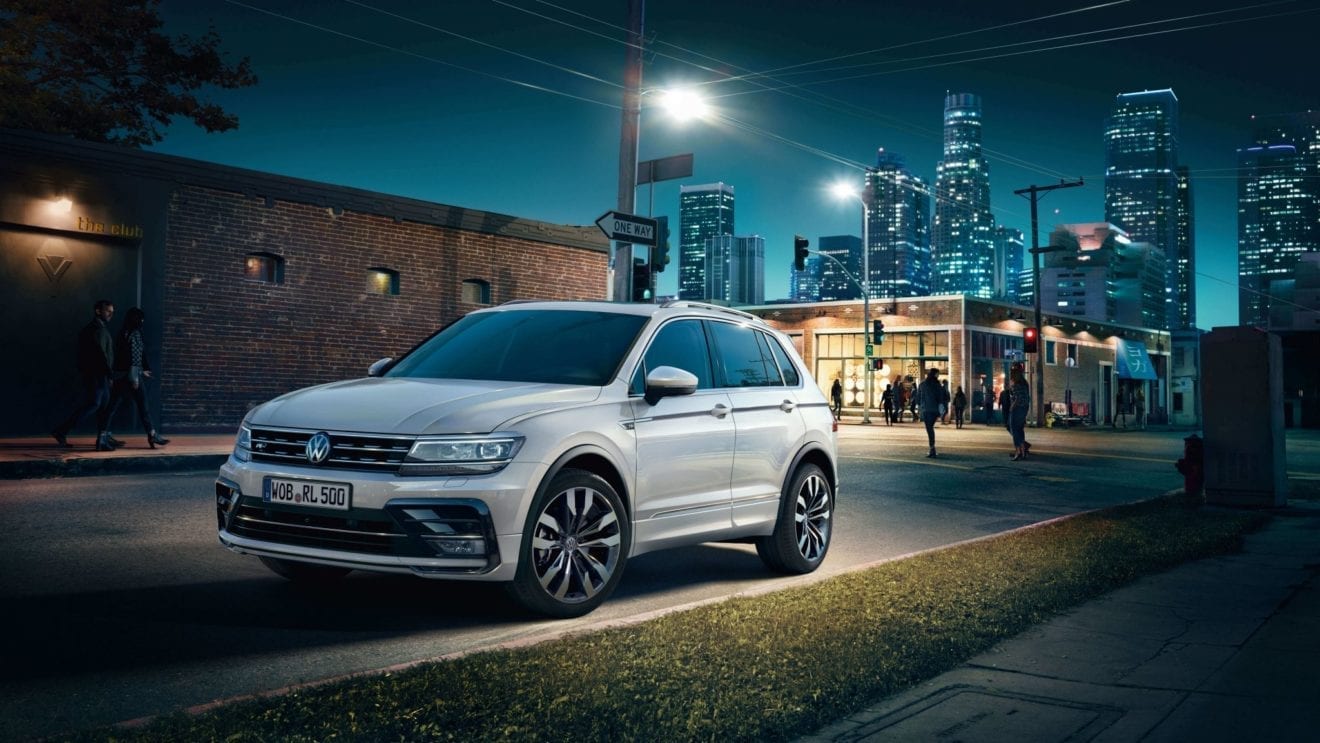
    Volkswagen has secured a road test permit for Level 3 autonomous driving in Hefei, starting real-world road tests and data collection across the Anhui provincial capital.

    The trial advances the German group toward its target of having conditional autonomous software ready for commercial passenger cars in 2027. Volkswagen China confirmed the permit on Monday, though it withheld the models involved, the route maps and the size of its test fleet.

    The Road From Cariad to Carizon

    Engineering work behind the Hefei testing runs through Carizon, the joint venture established in December 2023 between Volkswagen software division Cariad and Beijing-based Horizon Robotics. Volkswagen committed 2.4 billion euros to set up the unit and retains a 60 per cent controlling stake. Carizon pairs Horizon Robotics’ foundation models with proprietary silicon to build an automated driving stack specifically tuned for Chinese roads.

    Hardware development focuses on the C7H system-on-chip, which remains in development alongside the GAIA world model data system. Carizon intends to run that combined platform across future production vehicles, targeting full software deployment and early customer deliveries in the second half of 2027.

    The Race Against Domestic Incumbents

    Foreign automakers in China face severe margin pressure from local electric brands that already bundle automated highway pilot features into standard trims. To defend showroom footfall, Volkswagen must match the local software pace or risk seeing its volume market share erode further among tech-focused retail buyers. Chinese consumers treat intelligent cockpit functions and urban driving assistance as baseline requirements rather than optional luxury packages.

    Domestic manufacturers hold the regulatory lead on conditional autonomy. The Ministry of Industry and Information Technology approved its first batch of road-use pilot vehicles in December 2025, clearing Changan Automobile’s Deepal SL03 and BAIC Group’s Arcfox Alpha S. Those pilot approvals grant operational use rights on designated public highways, putting local carmakers a full step ahead of test-permit holders like Volkswagen.

    Regulatory Gates and Timelines

    A testing permit allows development vehicles to map routes and log corner cases, but it does not permit serial production sales. Full commercial deployment requires separate product clearance from industrial regulators; an MIIT official said on October 22 that work on a second batch of L3 product approval pilots was underway.

    Frank Han, executive vice president of Volkswagen Group China and chief executive of Cariad China, told an industry conference in April that the manufacturer intends to reach Level 3 capabilities in 2027 before attempting Level 4 autonomous operations in 2029.

    Volkswagen presents its broader platform strategy at its first Hefei Technology Day on October 28, where engineers will outline hardware timelines for the group’s Chinese vehicle pipeline.
  • GWM Launches 2027 Tank 500 Starting at 335,000 Yuan

    GWM Launches 2027 Tank 500 Starting at 335,000 Yuan

    GWM launched the 2027 Tank 500 on Friday, October 23, setting prices between 335,000 yuan ($49,866) and 375,000 yuan as the off-road brand works through tightening sales pressure.

    Brand deliveries dropped 29.21 per cent year-on-year in September to 15,178 vehicles, according to data compiled by CnEVPost. Cumulative sales fell 13.53 per cent to 142,796 units across the first nine months of the year.

    The updated lineup spans three powertrain options and five trims. GWM maintained pricing identical to the preceding August 2025 facelift while integrating 296 hardware, software and safety redundancy upgrades across the vehicle.

    Hardware and Software Changes Across Trims

    The headline technical change sits inside the plug-in hybrid Zhixiang variants. Both the 355,000 yuan Hi4-T Zhixiang and the 375,000 yuan Hi4-Z Zhixiang adopt the Coffee Pilot 4 operating suite, running on Nvidia’s Thor-U processor with a Vision-Language-Action architecture model.

    The Thor-U unit produces 700 TOPS of processing power, supported by a sensor array comprising one LiDAR unit, three millimeter-wave radars, 12 ultrasonic sensors, and 11 optical cameras. That suite enables point-to-point Navigation on Autopilot across urban streets and motorways, automated parking bay transitions, and direct voice intervention. The base Hi4-T and the conventional petrol variants retain the simpler Coffee Pilot 2 package without LiDAR.

    Powertrains Retain Previous Specifications

    Great Wall Motor left the mechanical underpinnings intact. The base 335,000 yuan Hi4-T pairs a 2.0-litre turbocharged petrol engine with a single electric motor and a nine-speed hydraulic automatic transmission, generating 310 kW.

    Electrical energy for that version comes from a 37.1 kWh battery pack, delivering a pure-electric range of 110 kilometres under the WLTC testing cycle. The 375,000 yuan Hi4-Z trades the heavy-duty transfer system for dual electric motors and a three-speed dedicated hybrid gearbox, lifting total system output to 635 kW. A 59.05 kWh traction pack stretches WLTC electric range to 201 kilometres.

    Buyers seeking non-hybrid powertrains can choose a 3.0-litre turbocharged engine with a 48-volt mild-hybrid system. That variant costs 355,000 yuan for the five-seat configuration and 363,000 yuan for the seven-seat edition, retaining the only multi-row seating layout in the 2027 roster.

    Cabin Redesign and Passenger Comfort

    Interior revisions address passenger expectations in China’s premium SUV category. The cabin now houses twin 15.6-inch console screens, a 22-speaker sound setup, motorised front leg rests, aircraft-style fold-down tables in the second row, and fold-flat seating that creates a sleeping surface.

    These amenities push the Tank 500 further from utilitarian off-roading toward executive transport. Chinese buyers increasingly cross-shop rugged sport utility models against luxury electric minivans and full-size urban hauliers.

    Holding price levels unchanged while grafting high-cost silicon and premium acoustic equipment onto existing frames erodes manufacturing margins. Great Wall Motor had little alternative. Chinese consumers in the 350,000 yuan bracket now treat high-level driver assistance as basic equipment rather than an optional indulgence.

    The Mounting Pressure on Off-Road Margins

    The product revision follows the rollout of the budget-oriented H10 SUV on August 6, 2026, which GWM discounted to 201,800 yuan to stabilise mass-market dealership traffic. That vehicle sought volume at the lower boundary of the portfolio.

    The Tank division, conversely, delivers the higher profit margins that support GWM’s technical development. A 13.53 per cent drop in nine-month sales indicates that novelty has worn off the retro-styled off-road formula that once dominated domestic sales charts.

    Rival brands have crowded the niche with extended-range alternatives and aggressive price reductions. RetailNews Asia views the inclusion of 700 TOPS Nvidia computing as a defensive concession: GWM must prove its off-road flagships can match executive sedans in autonomous navigation or watch domestic buyers abandon the platform entirely.

    Deliveries of the revised 2027 editions will test whether software upgrades can stem monthly retail declines before GWM closes its final-quarter vehicle tally.

  • Xpeng Secures Approval for L4 Robotaxi Trials in Guangzhou

    Xpeng Secures Approval for L4 Robotaxi Trials in Guangzhou

    Xpeng secured municipal approval on Monday to launch Level 4 robotaxi trial operations across its home city of Guangzhou, marking a key step toward commercializing its autonomous transit services.

    Announced by robotaxi unit head Candice Yuan, the qualification for intelligent connected vehicle demonstration operations allows Xpeng Yoyo to begin phased public trials across the metropolis using invitation codes.

    The green light follows more than 2,000 internal test rides completed by August in Guangzhou, shifting the business from factory engineering toward live commercial validation.

    Invitation Codes and Phased Rollout

    Riders cannot book cars freely off the street yet. Candice Yuan, head of the robotaxi business, stated on Weibo that the unit will control early volume through invitation tokens while the operations team validates vehicle dispatch and road safety across urban districts.

    Trial runs shift the project out of closed engineering evaluation into real passenger transit. Yuan noted the daily service routines will test operating economics and fleet software before the company offers standardized mobility packages to third-party fleet managers.

    Hardware Stack Without Maps or Lidar

    The robotaxi runs on Xpeng’s flagship GX sport utility vehicle platform, adapted directly on the factory assembly line rather than retrofitted by third-party shops. The vehicle dispenses with lidar sensors and pre-mapped high-definition survey data, relying entirely on optical cameras coupled with machine learning vision networks.

    Compute hardware inside each vehicle runs on four proprietary Turing artificial intelligence processors delivering 3,000 TOPS of processing power. Path planning and dynamic driving actions operate through the company’s second-generation Vision-Language-Action artificial intelligence model, known as VLA 2.0.

    Fleet Platforms and Commercial Distribution

    Rather than building a proprietary retail ride-hailing network to take on incumbents directly, Xpeng intends to act as a hardware supplier and software partner. The business model targets third-party ride-hailing aggregators across domestic and international cities, charging for physical vehicle builds, recurring autonomy software fees, and fleet revenue-sharing cuts.

    That platform strategy shifts the capital burden of purchasing and housing thousands of battery-powered taxis onto existing fleet operators. Operating without expensive lidar rigs lowers unit manufacturing overhead, but putting camera-only Level 4 systems into dense southern Chinese street traffic transfers operational pressure directly onto onboard computing chips and remote management centers.

    Timeline Toward Driverless Services

    Guangzhou authorities awarded road testing rights for intelligent connected vehicles to the manufacturer in January, prompting the formal creation of a standalone robotaxi division two months later. Factory technicians completed the first production-line unit in May, followed by an initial internal run in July with chairman and chief executive He Xiaopeng booking and riding the car.

    Engineers have since built out a centralized cloud platform capable of taking remote control of stalled vehicles in traffic. Commercial deployment plans call for integration with major ride platforms in 2027, when the company aims to pull human safety supervisors out of the driver seat entirely.

  • China NEV Retail Sales Forecast at 1.07 Million in October

    China NEV Retail Sales Forecast at 1.07 Million in October

    China new energy vehicle retail sales are expected to reach roughly 1.07 million units in October, down 16.5 per cent year-on-year, according to a report released on Friday by the China Passenger Car Association. The decline extends a prolonged cooling period in the automotive market.

    Total passenger car retail volume across the country is projected to drop 28.9 per cent to 1.6 million units over the same period, deepening an annual slide from September’s 28.0 per cent fall. While new energy vehicle retail penetration remains high at an estimated 66.9 per cent, market share dipped by 0.1 percentage points from the record 67.0 per cent achieved in September.

    CPCA analysts noted that traditional seasonal sales boosts have weakened significantly, leaving overall demand sluggish despite high adoption rates for electric and hybrid models.

    Holiday Traffic Fails to Sustain Dealership Momentum

    Showroom traffic rose briefly during the National Day holiday in early October before dropping sharply across major dealership networks. Accumulated holiday orders lifted average daily retail sales to 58,000 units during the second week of the month, but daily volume slumped to 47,000 units by the third week.

    The association projected average daily sales to stabilize around 49,000 units in the fourth week as third-quarter vehicle launches clear delivery backlogs. A final month-end push is expected to lift daily transactions to 79,000 units in the fifth week.

    Between October 1 and October 18, actual passenger NEV retail sales reached 520,000 units, reflecting a 13 per cent drop compared to the same period in 2025 and a 2 per cent decline from September.

    Target Shortfalls and Price Discipline

    An early October survey of automotive manufacturers found that most leading brands achieved less than 60 per cent of their annual sales targets during the first three quarters of 2026. Automakers have grown increasingly cautious regarding final-quarter volume growth.

    Dealer profitability concerns and industry efforts to prevent excessive discounting have restricted further price reductions. Retailers are turning to defensive inventory strategies rather than using heavy dealer-subsidized promotions to generate turnover.

    High pump prices continue to drag on traditional gasoline vehicle sales, keeping consumer preference tilted toward electric and plug-in hybrid alternatives. Even with sustained consumer interest, longer stretches between product debuts, order books, and physical deliveries have stretched purchase cycles.

    Slowing Momentum Across the Sector

    The October forecast reflects a retail market struggling to generate organic foot traffic after aggressive promotional cycles in earlier quarters. Electric vehicle adoption in China has largely stabilized at two-thirds of all passenger retail sales, leaving volume expansion dependent on overall car market recovery rather than pure conversion from combustion engines.

    Retail operators face margin compression as showroom overhead persists while unit sales drop across combustion and electric formats alike. Automotive distribution groups that borrowed heavily to expand exclusive EV brand showrooms must now navigate lower throughput without relying on steep factory-backed consumer rebates.

    Nine Months of Contraction

    Retail sales for NEVs slipped 16.7 per cent year-on-year in September, marking the ninth straight monthly drop. Across the first nine months of 2026, cumulative NEV retail sales stood at 7.758 million units, down 12.8 per cent from the previous year.

    Year-to-date monthly data shows volume peaks in September at 1.084 million units and June at 1.007 million units, compared to much stronger monthly highs above 1.28 million units seen during late 2025.

    Car manufacturers now look to November delivery schedules and year-end showroom clearances to salvage annual volume commitments.

  • Japanese Automakers Halve Vehicle Development Times to Under Two Years

    Japanese Automakers Halve Vehicle Development Times to Under Two Years

    Japanese carmakers are moving to cut traditional four- to five-year vehicle development cycles by up to half to counter Chinese competitors that bring new models to market in under two years.

    Toyota Motor, Honda Motor, Nissan Motor, Suzuki Motor, and Mitsubishi Motors are overhauling vehicle platforms, cutting part types, and deploying artificial intelligence to speed up product pipelines.

    The push targets major operational milestones leading up to 2028, when Nissan plans to launch a vehicle developed under its compressed timeline.

    Nissan Shifts to Common Underpinnings

    Nissan plans to reduce development lead time for a new sport-utility vehicle intended for North America in 2028 down to three years and one month. The company will then adapt that base platform for derivative vehicles, reducing subsequent model development time by up to 40 per cent to two and a half years.

    This family-based vehicle strategy will cover 80 per cent of Nissan’s global vehicle volume. Management expects the common architecture will eliminate 70 per cent of its distinct part types.

    “This is a reform to become a company that responds to changes and delivers good cars in a timely manner,” Hidemi Sasaki, deputy general manager of Nissan’s product planning division, said.

    Honda and Toyota Target Cost and Plant Footprints

    Honda has rolled out an internal program called Triple Half to halve development expenditures, lead times, and engineering workloads from 2025 baselines. The automaker plans to rely on artificial intelligence and digital design workflows, applying the compressed schedule to vehicle projects that enter development in 2028.

    Toyota is targeting manufacturing complexity through a program titled Area 35. The world’s largest automaker is cutting part variations based on consumer demand trends to raise plant floor space utilization by 35 per cent.

    Smaller domestic rivals are adjusting schedules as well. Suzuki plans to cut its development cycle in half to roughly two years, while Mitsubishi Motors aims to reduce timelines by 20 per cent to three years by around 2030.

    The Supply Chain Pressure Across Asia

    Legacy development cycles of five years left Japanese original equipment manufacturers exposed in China, where local brands iterate vehicle software, cabin electronics, and battery packs on consumer electronics schedules. By condensing development to 24 to 36 months, Japanese brands are forcing tier-one parts suppliers across the region to standardize tooling and shorten quotation windows.

    This compression carries execution risks for engineering quality control. Chinese automakers accepted higher initial defect rates and relied on rapid over-the-air software updates to compensate for compressed testing windows, whereas Japanese brands built their regional pricing power on mechanical durability and strict pre-production validation.

    The Deficit Forcing Change

    The push follows sharp operational corrections among Japan’s leading vehicle assemblers. Honda posted its first net loss in the previous fiscal year, prompting leadership to seek a swift operational recovery by shedding product overhead and accelerating project delivery.

    Nissan faces similar financial pressure to trim fixed costs after years of fragmented vehicle architectures eroded manufacturing margins across key export markets.

    The first concrete test of these accelerated development timelines arrives with Nissan’s platform debut in 2028, followed by the initial vehicle programs under Honda’s halved development cycle that same year.

  • Volkswagen Halts India EV Investments as It Seeks JSW Deal

    Volkswagen Halts India EV Investments as It Seeks JSW Deal

    Volkswagen AG has halted investments in an electric-vehicle program for India until it gains clarity on a potential partnership with billionaire Sajjan Jindal’s JSW Group. The pause follows an announcement last month by both companies that they are exploring a venture to develop, build and market passenger vehicles in India.

    Volkswagen has finished design work using a low-cost EV architecture originally developed for China, positioning it to scale quickly once talks conclude. However, the German group is withholding additional capital until the partners establish a firmer business plan.

    The investment hold comes amid a worldwide cost-cutting drive that aims to trim group investments by about 15% and cut tens of thousands of jobs. VW had already reduced the costs of developing EVs in India by a third last year as it searched for a partner, and it currently sells no battery-powered cars in the country under either its namesake or Skoda brands.

    Global Headwinds Squeeze Indian Budgets

    Spending cuts at headquarters are dictating the local timetable. Volkswagen is trimming its worldwide capital investments by roughly 15 per cent and eliminating tens of thousands of jobs as it grapples with weak deliveries across Europe and aggressive competition from Chinese producers.

    Those international pressures prompted management to slash its projected Indian EV development budget by a third last year while searching for a local equity partner. The spending freeze now leaves the automaker without an electric passenger vehicle on sale in India under either the Volkswagen badge or Skoda.

    Rivals Lock Down Showroom Space

    The delay hands an open field to domestic incumbents and new Asian competitors. Tata Motors Passenger Vehicles Ltd. And Mahindra & Mahindra Ltd. Dominate existing electric vehicle deliveries, while JSW’s other partner SAIC Motor Corp. Pushes its MG brand across Indian dealerships alongside entries from BYD Co., VinFast and Tesla Inc.

    Stepping back from direct capital spending shifts risk directly onto Volkswagen’s commercial footprint in South Asia. India registered more than 35,000 electric passenger cars in September, nearly doubling sales from the same month a year earlier, and stricter national fuel-efficiency standards make zero-emission models mandatory to protect traditional engine sales.

    Two Years of Search for a Local Ally

    Volkswagen and JSW disclosed last month that they are assessing an alliance to develop, manufacture and sell passenger vehicles in India as well as for export markets. The planned scope spans battery-electric vehicles, plug-in hybrids, traditional hybrids and internal-combustion engines.

    Finding a local partner has proved difficult for the German group. Management spent almost two years scouting an Indian manufacturer to split development costs after earlier partnership discussions with Mahindra broke down.

    Skoda Auto Volkswagen India Pvt. Currently generates only a marginal share of national car registrations. Resolving the partnership structure with JSW is the sole mechanism the German automaker has left to finance a competitive local electric platform before regulatory penalties tighten.

  • Chery Explores Canada Factory Plans Ahead of 2027 Retail Debut

    Chery Explores Canada Factory Plans Ahead of 2027 Retail Debut

    Chery is evaluating options to manufacture vehicles in Canada ahead of a planned retail sales rollout in 2027.

    Executive vice president Zhang Guibing confirmed the automaker is examining idle manufacturing capacity at existing Canadian automotive assembly plants while speaking with local investment partners.

    The plan involves either acquiring spare production lines or constructing assembly operations alongside regional backers. Canada holds viable commercial demand on its own merits without needing vehicle access across the United States border, Zhang said during briefings at the company headquarters in Wuhu, Anhui province.

    Tariffs and Bilateral Import Quotas

    Ottawa updated its trade rules for Chinese-built electric models following an agreement struck in January. That pact established an entry quota allowing 49,000 imported Chinese electric vehicles per year at a most-favoured-nation tariff rate of 6.1 per cent, with volume thresholds scheduled to climb annually.

    Washington maintains high tariff barriers alongside technological bans that effectively shut Chinese brands out of the American domestic network. United States officials have stated that Chinese-badged passenger cars assembled or routed via Canadian hubs will face border blockades. Establishing Canadian assembly grounds gives Chery a domestic base insulated from third-party cross-border restrictions.

    Canadian Industry Minister Melanie Joly travelled to China in June for talks with Chery, Geely and BYD regarding local joint ventures. Charlie Zhang, vice president at Chery, conducts direct discussions with Joly regarding factory structures.

    Offshore Factory Expansion Across Key Continents

    Domestic automotive price wars inside mainland China have forced original equipment manufacturers to secure higher margin vehicle volume outside Asia. Assembling cars inside host territories shields carmakers from emergency tariffs while cutting maritime logistics costs.

    Chery already operates a joint venture manufacturing facility in Spain. The group acquired Nissan’s former production plant in South Africa to anchor distribution across the continent, while assessing manufacturing slots inside Nissan’s Sunderland facility in the United Kingdom.

    Rival brands from China are following identical tracks into the Canadian car market. Geely confirmed plans on October 9 to deliver its opening vehicle range to Canadian showrooms in 2027, while BYD has reviewed site locations to establish domestic vehicle production.

    Timeline for Production and Sales Milestones

    The outreach to North America follows an active model offensive across international auto markets, including the display of Chery’s Jetour G700 sports utility vehicle at the Beijing Auto Show in April 2026.

    Operating within Canada enables Chinese carmakers to test local consumer acceptance, dealer network recruitment and service logistics before taking on broader Western vehicle markets. The main commercial risk sits with supply chain integration, as component suppliers must establish local links to keep production lines viable.

    Canadian government ministries are reviewing partner submissions as Chery vets prospective factory facilities before its planned retail vehicle launch in 2027.

  • Audi Appoints Former Chery CEO Jeff Zhang as China President

    Audi Appoints Former Chery CEO Jeff Zhang as China President

    Audi announced on Thursday that former Chery brand CEO Jeff Zhang will take over as president of Audi China on November 1, replacing Johannes Roscheck.

    Rolf Michl, chairman of the management board of Audi Sport GmbH, steps in on the same date as chief operating officer to form a dual-leadership board of management with Zhang.

    Roscheck, who has led Audi China since April 2024, will hand over duties before returning to Ingolstadt in early 2027, while Rouven Mohr assumes interim leadership of Audi Sport GmbH on November 1.

    The Two-Brand Joint Venture Split

    The management overhaul accompanies an operational division of Audi’s manufacturing partnerships in China. Under the updated operating structure, SAIC Audi will handle exclusively the AUDI sister marque, while FAW Audi retains the legacy four-ring emblem covering combustion and global electric vehicle lineups.

    The standalone AUDI brand drops the classic four interlocking rings in favor of capital letters tailored specifically for buyers in mainland China. On September 3, Audi and SAIC Motor established the AUDI Innovation & Technology Center in Shanghai to engineer dedicated models for that portfolio.

    Zhang brings more than 20 years of automotive operations experience to the role. He previously served as vice president of Chery International, directed Chery’s European division, managed Chinese operations for Alfa Romeo and DS Automobiles under Stellantis, and worked at Nissan across Japan and North America. Between 2018 and 2020, Zhang worked within Audi China to build the sales footprint at SAIC Audi and steer joint projects with FAW Audi.

    Foreign Luxury Marques Under Local Pressure

    Foreign premium automakers in China face severe volume contraction as domestic electric brands eat away at traditional luxury segment dominance. By putting a Chinese automotive veteran at the helm, Audi is shortening regional reporting lines to counter pricing pressure and faster product iteration from domestic carmakers.

    German premium brands spent decades relying on centralized vehicle designs. That playbook failed to anticipate how fast Chinese buyers shifted toward connected software platforms, leaving legacy imported architectures exposed in dealership showrooms.

    Dual-Leadership Architecture at the Operating Level

    Michl balances the commercial side with product experience from Audi’s performance business. He has run Audi Sport GmbH since September 2022, managing RS high-performance cars and Audi exclusive customization programs after starting in product marketing in 2007.

    The split board answers directly to Audi chief executive Gernot Döllner, who is restructuring international divisions to defend Chinese sales volumes. Dividing the executive mandate allows Zhang to negotiate regional dealer networks while Michl protects component integration with global platforms.

    First Joint EV Platform Targets 2028 Debut

    The leadership transition follows two months of structural reorganisation across Audi’s Chinese corporate footprint. SAIC Audi and FAW Audi operated overlapping showrooms for years, complicating sales operations and discounting discipline across provincial dealer groups.

    SAIC and Audi plan to develop four production models on the co-developed ADP 2.0 platform through the new Shanghai engineering center. The first electric model from that pipeline is scheduled to reach the market in 2028.

  • Xpeng Launches L03 Electric Sedan in Europe Starting at €35,600

    Xpeng Launches L03 Electric Sedan in Europe Starting at €35,600

    Guangzhou-based electric vehicle maker Xpeng has priced its new L03 saloon from €35,600 in Europe, expanding its catalogue into a lower price tier ahead of customer deliveries scheduled for later this year.

    Measuring 4.65 metres long, the car anchors the lower end of the manufacturer’s European portfolio, sitting beneath the P7 saloon alongside the G6, G9, and X9 lines.

    Built on a 400-volt architecture, the base rear-wheel-drive L03 features a 58.2 kWh lithium iron phosphate battery accepting up to 193 kW of direct-current charging. A larger 71.1 kWh pack costs €3,000 extra, increasing peak charging power to 236 kW to take a 10 to 80 per cent charge in under 20 minutes. All-wheel drive adds another €3,000, while the range-topping Performance Ultra version costs €46,600.

    Hardware specs and vehicle packaging

    The car accelerates to 100 km/h in 4.5 seconds and reaches an electronically limited top speed of 193 km/h. Standard equipment includes an 11 kW alternating-current onboard charger and vehicle-to-load exterior power output rated at 6 kW.

    Cabin packaging balances passenger volume against a comparatively small 367-litre rear boot. To offset the shallow rear luggage floor, Xpeng fitted shopping hooks and a split-folding rear bench, alongside a front luggage compartment that offers 89 litres on rear-drive models and 44 litres on all-wheel-drive configurations.

    Standard cabin equipment includes front massaging seats with heating and ventilation, actively cooled wireless phone charging pads, and speakers in the driver’s seat that route navigation prompts and voice calls away from the main sound system. The audio package scales from nine speakers up to an 18-speaker setup on the Ultra trim.

    European sales channel pressure

    For dealer networks and independent automotive groups across Western Europe, the L03 changes showroom pricing dynamics against native battery-electric volume sellers. Delivering 236 kW fast charging and premium interior trimmings below €40,000 compresses trade margins for incumbent European distributors selling older compact platforms.

    The direct risk sits in regional brand perception and resale performance. While Guangzhou automotive groups have resolved early manufacturing fit-and-finish complaints, legacy European fleet operators still demand proven residual values before writing volume lease contracts on newer Chinese badges.

    Driver assistance and cabin software

    Xpeng built its domestic reputation in China around proprietary in-house software, and the European specification retains Level 2 driver assistance with capacitive hands-on steering wheel detection. The system executes automated lane changes via turn indicator inputs and operates up to 150 km/h on divided highways.

    Infotainment hardware runs native Google Maps alongside wireless Apple CarPlay and Android Auto integration. Head-up display projections incorporate navigation directions as well as a live rear-view camera feed during parking manoeuvres, supplementing automated parking functions.

    Portfolio expansion from Guangzhou

    Founded in Guangzhou, Xpeng initially pushed into overseas markets using larger, higher-margin exports including the P7 executive sedan, the G9 SUV, and the family-focused X9 multi-purpose vehicle. Opening order books on the L03 establishes the carmaker’s first dedicated mass-market nameplate in European showrooms.

    Factory deliveries across initial European delivery hubs begin before the end of the year, with regional market registrations testing customer uptake across Germany, France and Switzerland.

  • China Warns UK of Firm Retaliation over Electric Vehicle Tariffs

    China Warns UK of Firm Retaliation over Electric Vehicle Tariffs

    China’s Ministry of Commerce threatened countermeasures against Britain on Monday if London introduces import duties on Chinese electric vehicles. The warning follows British trade minister Anas Sarwar’s remarks confirming ongoing discussions with European partners over potential alignment with European Union tariffs of up to 45.3 per cent.

    Beijing urged the UK to follow World Trade Organization rules and maintain equal trade terms rather than copying Brussels. Automotive cooperation between both countries relies on complementary strengths, the ministry said in an official statement.

    “China will closely monitor the UK’s actions. If the UK insists on imposing restrictions on Chinese EVs, China will take firm countermeasures to safeguard the legitimate rights and interests of its industry,” the ministry said.

    London weighs European market access

    British officials are balancing domestic trade ties with European supply integration. London wants British manufacturers included in the EU’s Industrial Accelerator Act, a framework giving local production preferential access to public procurement programs.

    Exclusion from that initiative would penalize vehicle assembly operations across Britain. To secure access, EU negotiators asked London to align vehicle tariffs directly against Chinese carmakers, turning trade protection into an entry fee for European industrial policy.

    Retaliation risks for British exporters

    British Business Secretary Jonathan Reynolds acknowledged the friction in September, pointing out that the domestic automotive manufacturing base relies heavily on export markets. Any Chinese tariff retaliation would hit British luxury vehicle shipments hard, slicing into margins for premium brands that count China as their primary profit engine outside Europe.

    For Chinese original equipment manufacturers, losing tariff-free access to Britain would alter dealer pricing models and compress gross margins on mass-market models like the MG4 hatchback. Importers would have to absorb the cost difference or pass price increases to British car buyers, dampening EV adoption rates across consumer segments.

    The fallout from the 2024 duties

    Brussels imposed definitive countervailing duties on Chinese battery electric vehicles for five years in October 2024. Those levies added between 7.8 per cent and 35.3 per cent on top of standard 10 per cent baseline import duties, pushing total import taxes to 45.3 per cent for affected producers.

    Britain chose not to replicate those duties at the time, keeping its market open and becoming an essential European distribution hub for Chinese automakers. The European Commission subsequently urged London in September to eliminate that regulatory gap.

    Expansion plans continue regardless

    Chinese brands are pressing ahead with British retail distribution networks despite the regulatory dispute. Chery plans to introduce its iCar brand into the UK market under the name iCaur with the launch of the V27 in early 2027.

    That rollout will represent Chery’s fifth distinct brand trading in Britain. Whether those vehicles face standard import duties or double-digit countervailing penalties depends on the final terms London negotiates with Brussels over the coming months.

  • Xpeng Begins Mona L03 European Deliveries with First Handover in France

    Xpeng Begins Mona L03 European Deliveries with First Handover in France

    Xpeng handed over its first Mona L03 in Paris, opening European customer deliveries for an electric crossover priced at 35,600 euros. Chairman and chief executive He Xiaopeng presented the keys personally on October 13 before meeting with local dealer partners.

    The Paris handover tests whether European drivers will pay 35,600 euros, or roughly 40,030 dollars, for a Chinese electric vehicle whose base version sells in China for 123,800 yuan, or about 18,420 dollars. European specifications include battery-electric power and the integration of Google Maps Auto SDK for real-time traffic and route planning, whereas domestic buyers also have access to an extended-range electric powertrain option.

    Pricing and the dealer network

    Local dealership partners will manage customer distribution in France, though Xpeng did not reveal how many orders the Mona L03 has accumulated across the country. European dealer groups have embraced Chinese brands to offset slowing consumer demand for domestic European electric models, yet retailer margins remain tightly squeezed by distribution costs and regional tariffs.

    He discussed long-term supply schedules with French dealership executives following the handover. The unnamed first French customer selected the vehicle primarily for its proprietary driver-assistance software suite, according to company statements that omitted the specific trim level delivered.

    Export volumes and showroom strategy

    Chinese electric vehicle makers are accelerating overseas rollouts to escape brutal price discounting across their home market. BYD and Geely have flooded continental showrooms with compact sport-utility vehicles, while Xpeng is betting that driver-assist software and competitive sticker prices will win over mid-tier buyers. The Mona L03 represents Xpeng’s bid to transition from premium niche exporter to high-volume player across 64 planned overseas territories.

    Selling a mass-market badge in Western Europe carries real channel risks. Distributors face established Japanese and European competitors with dense servicing operations, while buyers remain cautious about the resale values of newer Chinese automotive imports. Establishing local fleet and retail networks across France requires steady component shipments and heavy showroom subsidies that will test the Guangzhou-based manufacturer’s operating balance sheet.

    Expanding the overseas footprint

    Munich served as the launchpad for the Mona L03 on July 16, when the crossover became Xpeng’s first product to debut simultaneously in Europe and China. On October 11, the company introduced the model to Australia and New Zealand, making it the third vehicle in those markets alongside the G6 crossover and X9 multi-purpose vehicle.

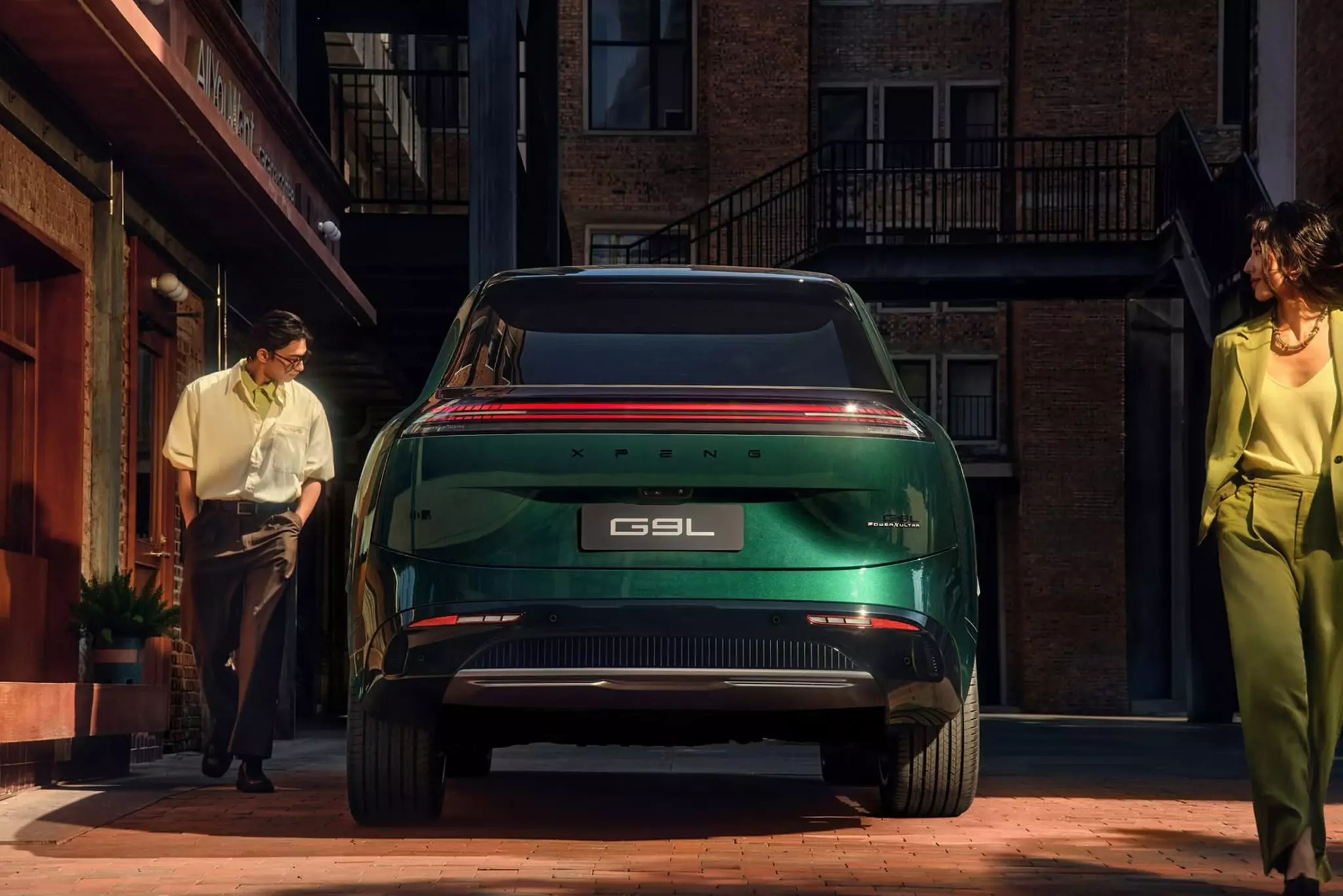
    Global demand helped push Xpeng’s monthly export deliveries past 10,000 units for the first time in September. That overseas surge reflects wider territory gains, including the Middle East where recent GX shipments passed 3,000 units, alongside the European introduction of the larger G9L sport-utility vehicle on October 12.

    The long-term sales targets

    Senior management has set a public target of selling 1 million vehicles annually by 2030, expecting European showrooms to supply half of that total volume. Delivering 500,000 cars a year in Europe requires vast scale across right-hand and left-hand drive territories, backed by dependable service logistics.

    Showroom momentum now shifts to the newer Mona L05, which opened customer pre-sales on October 15 to reinforce fourth-quarter deliveries. The carmaker’s next operational test will be the release of full European delivery figures for the final quarter, showing whether the Paris handover was an isolated photo opportunity or the start of sustained volume.

  • VinFast Cuts Net Loss to $56 Million on Factory Disposals

    VinFast Cuts Net Loss to $56 Million on Factory Disposals

    VinFast narrowed its net loss to $56 million in the second quarter of 2026 after booking a $1.18 billion gain from selling its Vietnam factories.

    Operating losses from continuing operations rose 48 per cent from the previous quarter to $1.24 billion. The carmaker delivered 70,085 electric vehicles during the three-month period, bringing first-half deliveries to 43 per cent of its full-year target of 300,000 units.

    Factory Disposals and Debt Offloading

    The accounting relief stems from a broader balance-sheet overhaul. VinFast sold its two primary assembly plants in Vietnam and transferred $7 billion in debt to entities linked to parent company Vingroup and its founder, Pham Nhat Vuong.

    Vehicles will continue rolling off those domestic lines under long-term contract manufacturing agreements matching company specifications. The restructuring shifts heavy fixed capital off the carmaker’s books while keeping production flowing without direct factory ownership.

    Chief executive Pham Nhat Quan Anh, who took over leadership last month from his father, defended the transition toward an asset-light operating model during his debut analyst call.

    “We continue to hold and operate our plants in India and Indonesia, supporting local production,” Quan Anh said.

    Domestic Reliance and Asian Expansion

    Home-market buyers continue to absorb almost all output. Vietnam accounted for 89 per cent of deliveries in the second quarter, leaving overseas volumes heavily reliant on affiliate fleet deployments rather than direct consumer sales.

    Green SM, the taxi operator established by Vuong that runs exclusively on VinFast vehicles, serves as the primary distribution channel across new territories. The fleet operator expanded into Jakarta with motorbike services and launched operations in India, establishing initial vehicle volume ahead of retail dealer networks.

    Management identified Indonesia, India, and the Philippines as the core drivers for foreign market growth. Keeping physical factories in India and Indonesia allows the company to meet local manufacturing requirements while ducking heavy import duties in high-potential Asian markets.

    Pivot Away From Western Assembly

    The Asian focus follows severe friction in Western markets where direct sales and manufacturing stalled. North Carolina state authorities filed a lawsuit against the carmaker over missed construction deadlines and unmet job creation targets at its proposed US assembly site.

    Direct consumer demand in North America remains weak. Green SM recently launched taxi operations in Los Angeles to put vehicles on roads after private retail sales failed to gain traction, though the company plans to introduce its VF7 compact SUV and electric buses to US dealers later this year.

    Chief investment officer Chien Nguyen indicated that further expansion into the Americas and Europe remains under review, with details expected in the third quarter.

    Targets for the Second Half

    Meeting the annual 300,000-vehicle delivery target will require more than 170,000 handovers across the final six months of 2026. That push depends on ramping up the new VF Wild REEV, a range-extended electric pickup incorporating a backup combustion generator to alleviate range anxiety in developing markets.

    VinFast must now prove whether its asset-light manufacturing setup and captive taxi orders can generate real cash flow once the one-off financial gains from factory sales clear off the ledger.

  • Elon Musk Loses $20 Billion in Net Worth Following Tesla Roadster Demo

    Elon Musk Loses $20 Billion in Net Worth Following Tesla Roadster Demo

    Elon Musk lost $20 billion in personal net worth on Friday after unveiling Tesla’s experimental Roadster sports car, pulling his fortune down to $925 billion.

    The 2.11 percent single-day drop tracked a 1.3 percent slide in Tesla shares on Thursday, extending the automaker’s year-to-date market decline to 17 percent.

    Engineering Demo Draws Investor Skepticism

    Tesla presented the new two-seater Roadster with an autonomous demonstration where the vehicle climbed a steep ramp, hung upside down, flipped in the air, and landed using cold-gas thrusters. Musk said the sports car accelerates from zero to 60 miles per hour in less than one second, using 10 nozzles fed by ultra high-pressure air tanks developed with rocket engineers at SpaceX.

    SpaceX shares dropped 2.3 percent following the event, bringing its own year-to-date decline to nearly 8 percent. Commercial mass production for the vehicle is scheduled for 2028, four years behind earlier timelines.

    “It was an engineering flex with no commercial value ⁠beyond embarrassing traditional car makers,” Gene Munster, managing partner at Tesla investor Deepwater Asset Management, said on social media platform X.

    Shifting Priorities from Volume to Halo Tech

    For automotive supply chains and retail distribution networks across Asia, the stunt confirms Tesla’s pivot away from entry-level passenger electric vehicles toward speculative halo hardware. Asian rivals such as BYD, Geely, and Hyundai have consolidated volume sales across Southeast Asia by rolling out practical, sub-$25,000 passenger cars. Tesla instead spent engineering capital on an ultra-luxury niche model that offers no commercial volume for suppliers or fleet operators for years.

    Institutional investors in Asia-Pacific holding tech-heavy portfolios face increased exposure to execution risk. Tesla continues to redirect capital toward autonomous driving systems, robotics, and aerospace-derived concepts while its core passenger car lineup ages without high-volume replacements. The strategy protects brand prestige at the extreme top end of the market but cedes mass-market share to regional competitors in China, Thailand, and Indonesia.

    Regional Groundwork and Historical Parallels

    The original Lotus-based Roadster served as Tesla’s market entry point between 2008 and 2012 before the company built its core business on the Model 3, Model Y, Model S, and Model X. In Southeast Asia, Tesla recently registered Tesla Motors Vietnam with a charter capital of VND77.6 billion, or approximately $3 million, establishing an official corporate footprint in the country as it looks to build out service infrastructure.

    Tesla faces third-quarter financial results in the coming days, where Wall Street will review vehicle delivery numbers, automotive gross margins, and spending on autonomous software.

  • Vietnam Mobility Show Returns to Hanoi in December with 100 Test Drive Models

    Vietnam Mobility Show Returns to Hanoi in December with 100 Test Drive Models

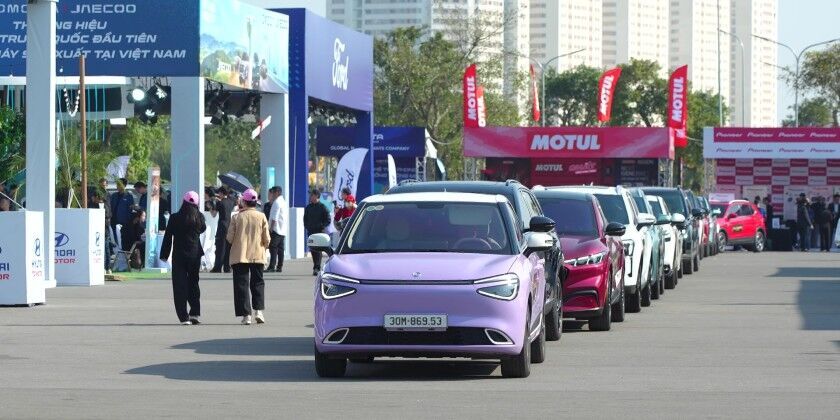
    Hanoi hosts the Vietnam Mobility Show on Dec. 5 and 6 at the Vietnam Exhibition Center in Dong Anh District. Dozens of vehicle manufacturers and component suppliers will attend.

    Organizers expanded the showroom floor to accommodate nearly 100 test-drive models. The runs will cover dedicated obstacle courses and public roads, targeting end-of-year vehicle buyers.

    Expanding Floor Space and Green Technology

    Electric vehicles and sustainable transport platforms sit at the core of the 2026 main hall. Established legacy automakers in Vietnam will share floor space with debuting domestic brands. Exhibits feature consumer electric models, commercial vans, and electric two-wheelers.

    Instructors will oversee test runs in the outdoor pavilion. The layout allows buyers to test steering response and emergency braking on closed tracks before driving onto open roads.

    Aftermarket Retail and Seasonal Purchasing

    The schedule places the event directly ahead of the peak Lunar New Year shopping window. Vehicle registrations in Vietnam typically peak during this period. Dealerships and distributors plan exclusive discounts and direct financing packages to secure sales on site.

    Inside the aftermarket pavilion, parts manufacturers, detailing suppliers, and accessory distributors will introduce new lines for the replacement market. Regional exhibitions have shifted from passive product shows into transactional retail hubs. Retailers use them to clear inventory before year-end accounting deadlines.

    Motorsports Arena and Family Features

    Beyond retail displays, a motorsports arena will feature roughly 300 privately owned sports cars, supercars, and custom tuning builds alongside imported performance vehicles. Drivers will stage drifting demonstrations and motorcycle stunt sessions across both days.

    Family activities include the Carlympic Family Run, children’s road-safety circuits, and central-stage lifestyle workshops. Food vendors and interactive consumer pavilions will fill out the surrounding grounds.

    Tracking Attendance and Electric Vehicle Adoption

    Attendance at the December 2025 edition reached 60,000 visitors and featured more than 20 automotive, motorcycle, and accessory brands. Regional supply-chain partners continue to invest in Vietnam’s passenger vehicle sector as consumer demand rises for electrified city transport and suburban utility vehicles.

    Ticket sales and floor reservations open ahead of the Dec. 5 kickoff. Brands will monitor conversion rates as a gauge for early 2027 vehicle sales.

  • Geely Partners with Google to Add In-Car Gemini AI and Maps from Late 2027

    Geely Partners with Google to Add In-Car Gemini AI and Maps from Late 2027

    Geely Holding Group will begin installing Google software across its export passenger car line-up in the second half of 2027. The shift replaces proprietary overseas infotainment systems.

    The agreement covers five volume brands across Asia, Europe and the Americas. It supports the Chinese automotive group’s plan to sell over two million vehicles outside its domestic market annually by 2030.

    Under the global partnership, eligible vehicles sold outside China and the United States will carry factory-installed Google Automotive Services. The bundle integrates Google Maps navigation, the Google Play app store and the Gemini artificial intelligence voice assistant directly into dashboards. Drivers will not need smartphone projection.

    Vehicles from Geely, Lynk & Co, Proton, Riddara and Smart will receive the package in phases. Individual model schedules and target territories will depend on local market certification and regional product roadmaps.

    Splitting domestic and export software

    Chinese automakers have long struggled with digital cockpits abroad. At home, systems run on tech stacks built around Baidu maps, Tencent media apps and domestic large language models. Those tools rarely work overseas. Drivers outside mainland China expect native Google integration instead.

    By licensing Google Automotive Services directly, the group drops the cost of maintaining custom software for international showrooms. Subsidiary Polestar took a similar approach, running Google-powered operating systems on its Polestar 2 fastback since 2020. The change removes friction for export buyers unfamiliar with Chinese interfaces.

    Platform rollout across five brands

    The roll-out gives distinct regional business units a unified software baseline. Malaysia-based Proton gains navigation and voice tools for Southeast Asian markets where driver app usage centers heavily on Android. Smart, a joint venture with Mercedes-Benz, will use the setup to standardise digital cockpits across Europe.

    Riddara, Geely’s electric pickup division, and Lynk & Co will deploy the interface as both brands expand in Europe, Latin America and the Middle East. The first vehicle with integrated Google software will launch internationally in late 2027. The automaker will withhold the model name until closer to production.

    Software localisation has gained pace across other group divisions throughout the year. Premium electric brand Zeekr agreed in April 2026 to build an Android Automotive-based media system with 3 Screen Solutions for European buyers, followed in October by an in-car gaming tie-up with AirConsole. The latest Google deal brings mass-market brands into line with that software approach.

    Export volume targets push software overhaul

    Ambitious overseas sales goals are driving the digital overhaul across business units. Listed subsidiary Geely Auto raised its 2026 export target in August to 920,000 units from an earlier 640,000 goal, setting an internal target of one million export sales. Parent group Geely Holding aims for 6.5 million total annual deliveries by 2030, with international markets accounting for over one-third of that volume.

    Reaching that scale requires retail networks in mature consumer markets that demand Western tech compatibility. On October 9, the core Geely brand announced its expansion into Canada, signing retail and service partners ahead of initial vehicle deliveries in 2027.

    Showrooms will receive the first production models featuring built-in Gemini and Google Play in late 2027, when Geely starts customer deliveries of its next-generation export line-up.