Tag: Electric vehicles

  • BYD Launches C12 DUO Electric Coach in UK with 547-Kilometre Range

    BYD Launches C12 DUO Electric Coach in UK with 547-Kilometre Range

    BYD unveiled its C12 DUO battery-electric coach at the Euro Bus Expo in Birmingham, entering the British long-distance passenger transport sector with a claimed range of up to 547 kilometres (340 miles). The 12.3-metre vehicle seats up to 57 passengers and runs on the Chinese manufacturer’s lithium-iron-phosphate Blade battery technology.

    Frank Thorpe, Managing Director of BYD UK Commercial Vehicles, announced that the high-decker was developed specifically for the UK market. It targets tour operators, school transport, and scheduled services between cities, towns, airports, and event venues. BYD offers the model with two battery options, a 429 kWh pack and a 495 kWh pack, capable of charging at up to 215 kW.

    This week’s world premiere follows earlier announcements outlining the Chinese automotive giant’s entry into the UK coach segment. The expansion builds on BYD’s established presence in Britain, where the company has delivered or secured orders for more than 3,000 electric buses across single-deck and double-decker categories.

    Chassis Integration and Operating Specs

    Power comes from two wheel-hub motors generating 150 kW each, matching the drivetrain layout of BYD’s existing urban and intercity bus lines. Integrating the battery cells directly into the vehicle frame increases torsional rigidity while reducing the vehicle’s weight.

    Luggage capacity measures up to four cubic metres, which is slightly less than in conventional coaches of this size. However, the C12 DUO preserves a full 57-passenger seating capacity without compromise. BYD backs the integrated traction battery with a 15-year warranty.

    The platform measures 12.3 metres in length, 2.55 metres in width, and 3.54 metres in height, sitting on a 6.15-metre wheelbase. Build Your Dreams aims to prove that long-distance electric passenger transport is achievable without compromising range, passenger comfort, or operational efficiency.

    Commercial Fleet Expansion Outside China

    Thorpe noted that the success of the company’s battery-electric double-decker and single-decker transit buses in the UK motivated the move into coaches. Across the country, BYD currently offers single-deck buses in lengths of 9.9 m, 10.4 m, 10.8 m, and 11.8 m.

    The manufacturer also supplies the BD11 double-decker in 10.6-metre or 10.9-metre lengths, featuring a maximum battery capacity of 532 kWh.

    “The transition to zero-emission commercial transport is no longer a distant goal, it is an operational reality,” said Frank Thorpe, Managing Director, BYD UK Commercial Vehicles. “With the debut of the C12 DUO, we are demonstrating that sustainable, long-range electric travel is feasible across every transport segment, from dense city centres to intercity corridors across Europe.”
  • BYD Readies Next-Gen Han Sedan as Sales Drop 67.39%

    BYD Readies Next-Gen Han Sedan as Sales Drop 67.39%

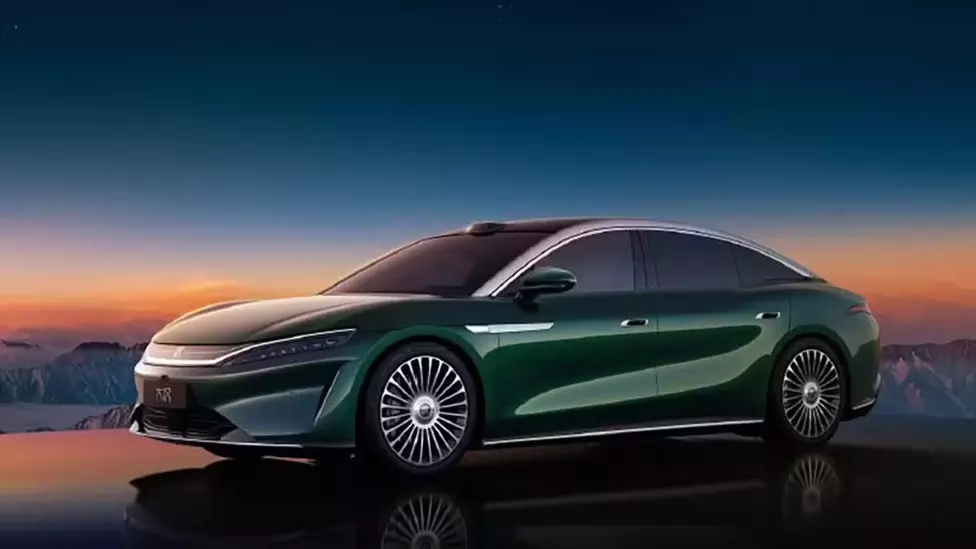
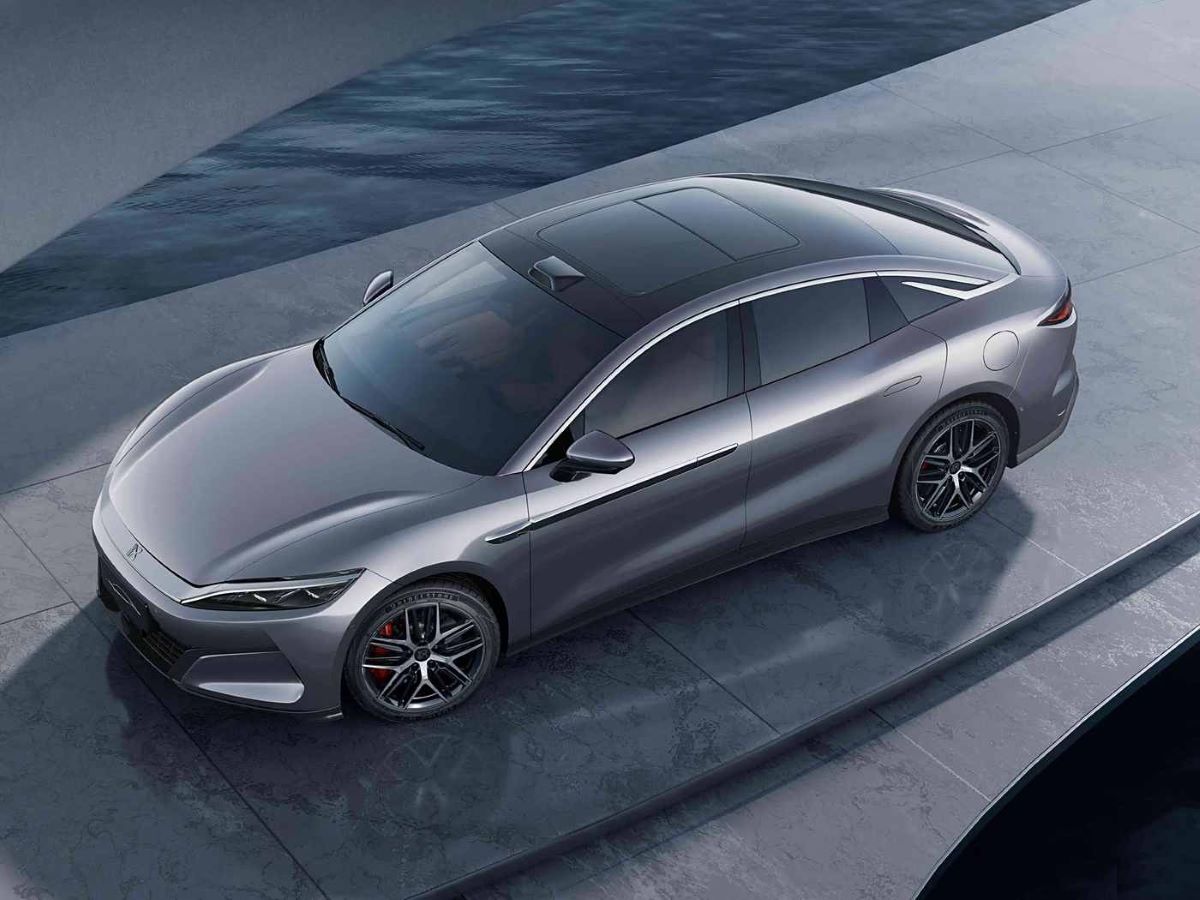
    BYD will debut a new model widely expected to be its next-generation Han sedan at the Guangzhou Auto Show later this month, aiming to revive a lineup whose sales fell 67.39 percent year-on-year across the first 10 months of the year.

    Cumulative sales of the Han reached 50,890 vehicles between January and October, according to data compiled by CnEVPost, down sharply as competition mounts in China’s executive sedan segment.

    Lu Tian, general manager of BYD’s Dynasty sales division, announced on Weibo on November 2 that the automaker will present “a model highly requested by customers” at the trade event, which opens to media on November 27.

    Bigger chassis and multiple powertrains

    The revised sedan appeared in the ministry’s 412th vehicle filing batch on October 16. It measures 5,156 mm long and 1,969 mm wide, riding on a 3,030 mm wheelbase across all five-seat configurations.

    Those proportions add 161 mm in total length and 110 mm between the axles compared with the Han EV flash charging edition released in April. The platform expands interior legroom to counter lengthening executive saloons rolled out by domestic competitors over the past twelve months.

    Government filings outline three battery-electric variants alongside one plug-in hybrid model. Rear-wheel-drive pure electric options deliver motor outputs of either 245 kW (329 hp) or 300 kW. An all-wheel-drive electric variant pairs a 200 kW front motor with a 320 kW rear unit for 520 kW total output, while the hybrid package couples a 1.5-litre turbocharged petrol engine to a 200 kW electric motor.

    Defending the executive market tier

    The overhaul reflects the squeeze facing mainstream executive sedans across China as price competition pushes premium specifications downward. While monthly Han sales rebounded to 6,566 units in October, rising 159.63 percent from September, that total represented a 52.11 percent decline year-on-year.

    Suppliers and fleet buyers face a segmented showroom floor. BYD carved out a higher market band on October 13 when it introduced the Da Han sedan at 235,900 yuan ($35,110), featuring a 5,256 mm length and a 3,130 mm wheelbase. The regular Han must defend volume where buyer migration toward sport utility vehicles and newer smart-cockpit saloons has eroded sedan residuals.

    Contrasting performance across Dynasty lines

    The sedan’s contraction contrasts with the broader performance of the Dynasty distribution channel. The division delivered 203,040 vehicles in October, climbing 13.6 percent year-on-year and 14.4 percent month-on-month to beat 200,000 units in a single month for the first time this year.

    Earlier releases paved the way for that volume. Dealership networks are already receiving floor units of the third-generation Tang, a five-seat SUV that debuted at the Chengdu Auto Show in August and reaches retail showrooms this quarter alongside the larger Da Tang flagship.

  • Geely Launches Xingyao 6 EF Methanol Hybrid Sedan at 76,800 Yuan

    Geely Launches Xingyao 6 EF Methanol Hybrid Sedan at 76,800 Yuan

    Geely Auto launched the Galaxy Xingyao 6 EF in Shenyang on Tuesday, pricing the dual-fuel methanol plug-in hybrid sedan from a promotional 76,800 yuan ($11,440).

    The car can run on methanol, gasoline or electric power, accepting any ratio of both liquid fuels inside a single tank.

    Official list pricing ranges between 86,800 yuan and 106,800 yuan across three trim levels, with limited-period launch pricing capped at 96,800 yuan. Geely sells the base model with a CLTC pure electric range of 130 kilometres, while the two higher grades offer 230 kilometres. When fueled entirely by methanol alongside a full battery charge, total cruising range reaches roughly 1,250 kilometres. Switching entirely to gasoline pushes combined range to 1,880 kilometres. Liquid refueling takes approximately three minutes.

    Powertrain and Cold-Weather Hardware

    Under the bonnet sits a 1.5-litre dedicated methanol engine coupled with an electric motor and a lithium iron phosphate battery pack. Geely claims the unit hits 48.15 percent thermal efficiency, which it rates as the highest figure achieved on any production methanol combustion engine. Fuel management relies on a real-time concentration sensor, allowing the onboard computer to re-map fuel injection and ignition cycles dynamically based on the exact blend inside the tank. Fuel system operates at 350-bar injection pressure alongside high-energy ignition packs engineered to permit cold engine starts down to minus 40 degrees Celsius.

    The vehicle sits on Geely’s GEA architecture, measuring 4,806 mm long, 1,886 mm wide and 1,490 mm tall on a 2,756 mm wheelbase. Interior equipment includes a 14.6-inch central display, a 10.25-inch instrument cluster, 609 litres of boot space and software powered by Flyme Auto 2.

    Targeting Fleet Operators and Northern Drivers

    Chinese electric vehicle makers continue to lose operational efficiency in northern winter conditions, where sub-zero temperatures sharply degrade lithium battery discharge rates and cabin heating drains range. Geely is bypassing that hurdle by pitching the Xingyao 6 EF directly at provincial markets where pure electric cars struggle between November and March. Fleet operators running taxi and ride-hailing networks in these provinces gain combustion-style refueling speed and winter heating reliability without paying full gasoline fuel bills.

    Competitors like BYD have dominated the sub-100,000-yuan plug-in hybrid segment through conventional gasoline DM-i platforms. Geely’s decision to bring an alternative liquid fuel down to passenger-car price points creates a different operational calculus for municipal fleet managers, though private consumer adoption outside resource-rich northern provinces will depend strictly on pump access.

    Two Decades of Methanol Investment

    Geely began research into methanol drivetrains in 2005, gradually developing supply chain links spanning synthesis, bulk distribution and retail dispensing. Before opening sales to retail buyers, Geely Holding Group chairman Eric Li deployed more than 6,000 units of the Xingyao 6 EF into commercial taxi services, ride-hailing fleets and government motor pools to log field hours.

    Distribution infrastructure remains the operational bottleneck. Geely Holding senior vice president Victor Yang confirmed the country has established over 1,400 methanol stations of varying types.

    Galaxy brand sales crossed 150,000 units in a single month for the first time in October, rising 20.32 percent to 153,385 deliveries and lifting ten-month volume past 1.03 million cars. RetailNews Asia will watch whether Geely can expand dedicated pump networks beyond its northern operating bastions as volume production scales.

  • Nexeon Secures £100 Million for Silicon Battery Expansion

    Nexeon Secures £100 Million for Silicon Battery Expansion

    British battery developer Nexeon has raised 100 million pounds in new funding, securing capital from the UK National Wealth Fund, Korea Development Bank and Honda Xcelerator Ventures to scale its silicon anode technology.

    The package includes 52.6 million pounds from Britain’s newly constituted National Wealth Fund, with the remaining capital supplied by the Japanese automaker and the state-backed South Korean lender.

    The investment will finance a UK pilot production plant and expand an advanced manufacturing unit for the Oxfordshire-based group. The group develops silicon-based anode materials for lithium-ion cells designed to lift energy density, shorten charging times and increase electric vehicle range.

    Financing East Asian Battery Production

    While the new state money finances pilot capacity in England, Nexeon already runs its primary industrial footprint out of Gunsan, South Korea. Honda backed the business in May 2026 through Honda Xcelerator Ventures to accelerate commercial production at that Gunsan plant, ensuring direct ties into East Asian vehicle manufacturing.

    Production at the Gunsan facility centers on silicon-carbon composite materials manufactured at commercial volume. Panasonic agreed in 2023 to purchase anode supplies from the Gunsan plant to feed lithium-ion battery cells manufactured at its massive cell assembly site in Kansas in the United States.

    Automakers Take Direct Component Stakes

    Securing Korea Development Bank as an equity backer alongside Honda gives Nexeon institutional protection inside the world’s most concentrated battery manufacturing hub. South Korean cell makers and Japanese auto groups face mounting pressure to break reliance on mainland Chinese graphite supply lines, which face export controls and domestic processing bottlenecks.

    Investing directly in upstream chemical developers cuts out middle-tier intermediaries for automotive groups. Honda avoids spot-market premiums on advanced cell chemistries by taking equity directly in materials suppliers, mirroring similar bets by regional peers looking to lock down raw-material allocations well before commercial rollouts.

    The British National Wealth Fund operates with a 27.8 billion pound mandate to channel private and state capital into clean energy and critical supply chains, aiming to mobilize 100 billion pounds in overall investment by 2031. Oliver Holbourn, chief executive officer of the fund, confirmed the vehicle is backing advanced battery technology to assemble domestic manufacturing networks alongside foreign partners.

    “This investment is a strong endorsement of Nexeon’s technology and our role in enabling the next generation of lithium-ion batteries.”

    Tracking Pilot Output and Commercial Volume

    Nexeon previously operated primarily as an intellectual property and testing outfit before breaking ground on its Korean production lines. The company must now prove its pilot equipment in the UK can mirror the yield rates of its full-scale Gunsan lines without inflating unit costs.

    Execution risk sits in the yield curves. Silicon tends to swell and contract during charge cycles, degrading cell lifespan unless manufacturing tolerances remain exceptionally tight during chemical compounding.

    Panasonic’s Kansas factory remains the primary operational benchmark for Nexeon, where volume deliveries of silicon-carbon material will reveal whether the Oxfordshire-engineered chemistry withstands real-world commercial scale.

  • Leapmotor Launches A10 SUV in Thailand with 30 Outlets Planned

    Leapmotor Launches A10 SUV in Thailand with 30 Outlets Planned

    Leapmotor launched its A10 compact electric sport utility vehicle in Thailand on Friday, sending the model to 19 local showrooms as it chases export volume across Southeast Asia.

    The carmaker plans to expand that sales and service footprint to 30 locations nationwide before the end of the year.

    Showroom rollout and vehicle specs

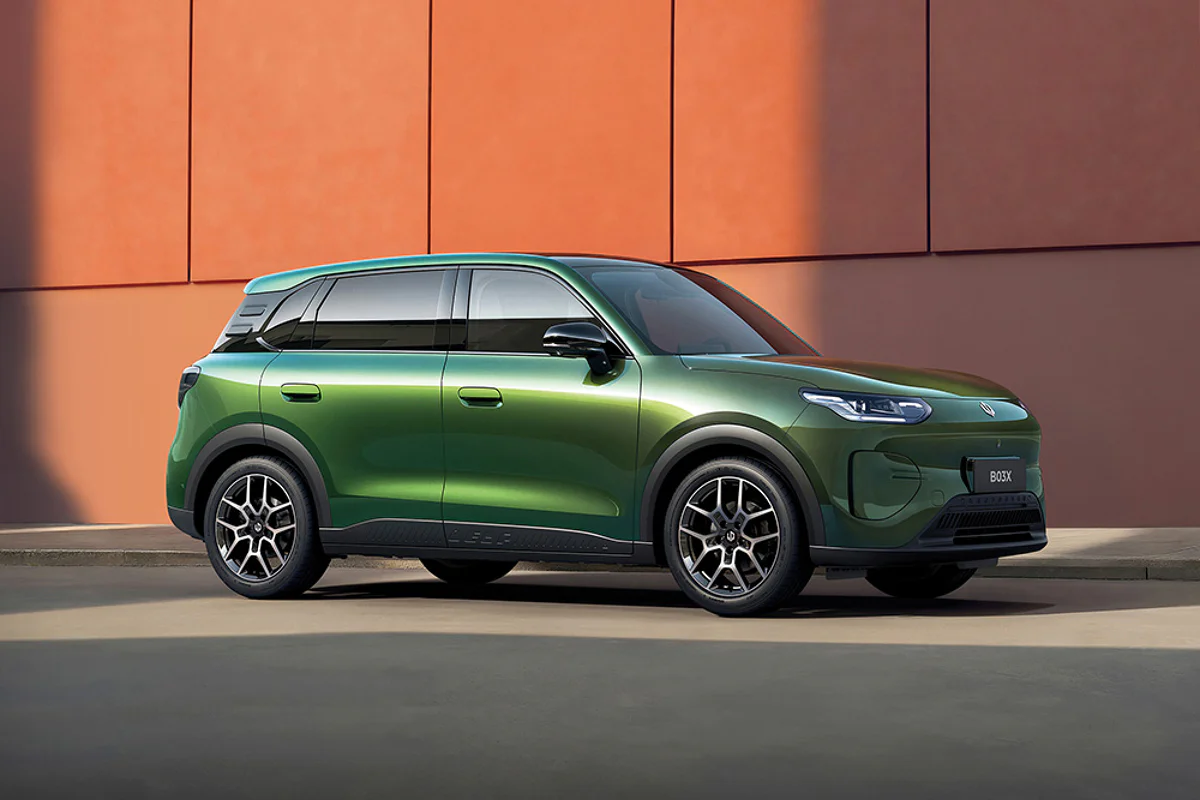
    Known internationally as the B03X, the small SUV features a long-range battery rated for 450 kilometers under NEDC testing standards. It accepts direct-current fast charging up to 133 kW, filling the battery from 30 percent to 80 percent in 16 minutes under test conditions.

    Cabin hardware includes a 14.6-inch 2.5K central display screen compatible with Apple CarPlay and Android Auto. Practical features focus on urban buyers, adding semi-autonomous driver aids alongside a 106-liter washable cargo bin fitted under the rear floorboards. Leapmotor did not release retail pricing or a delivery schedule during the Bangkok presentation.

    Dealership network and parts supply

    Expanding dealership coverage forms the core of the Thai strategy. Alongside the push to reach 30 retail points, the carmaker is building a dedicated regional parts distribution hub and a technical support depot to speed up repair turnaround.

    Chinese brands entering Southeast Asia regularly encounter resistance around replacement component delays and depreciating resale values. Setting up physical maintenance hubs alongside new showrooms addresses that dealer friction directly. It gives fleet operators and individual motorists a clearer operational backing than independent importers can provide.

    The export joint venture

    International distribution runs through Leapmotor International, an operating venture owned 51 percent by Stellantis NV. The European automotive group holds exclusive manufacturing and distribution rights for all Leapmotor vehicles sold outside Greater China.

    That corporate partnership provides instant scale, allowing the Chinese marque to bypass the slow, expensive process of constructing solo distribution networks across developing markets. It also gives the brand an established logistics apparatus to ship right-hand-drive vehicles across ASEAN ports without building regional factories first.

    Expanding product cadence

    Friday’s launch extends a product rollout that began when Leapmotor brought the larger C10 SUV to Thailand in 2024. The carmaker followed that introduction by rolling out the B10 electric SUV in October 2025.

    Deliveries outside China have become central to Leapmotor’s balance sheet. The automaker exported 27,454 vehicles in September, representing a 298.58 percent rise year-on-year and a 50.39 percent lift from August. Over the first nine months of the year, outbound shipments reached 159,572 units, climbing 322.46 percent year-on-year. Global deliveries across domestic and foreign operations reached 105,656 vehicles in September, pushing nine-month output to 666,539 cars.

    Thai retail pricing remains the immediate figure to watch, followed by the planned commercial debut of the refreshed C10 SUV in 2026.

  • Li Auto Builds 200,000 Li I6 SUVs as November Target Reaches 20,000

    Li Auto Builds 200,000 Li I6 SUVs as November Target Reaches 20,000

    Li Auto built its 200,000th Li i6 battery electric SUV on October 30, roughly 13 months after the five-seat model entered the Chinese market in September 2025.

    Assembly lines are scheduled to produce 20,000 units in November before lifting throughput further in December to clear an order backlog running at seven to eight weeks.

    The manufacturing run rate follows the release of the updated 2026 Li i6 on October 28. Deliveries across China started on October 29. Official retail pricing stays unchanged at 249,800 yuan ($37,210), though early buyers securing an order before November 30 receive promotional pricing of 239,800 yuan.

    Hardware upgrades and plant throughput

    Li Auto product line head Li Xinyang outlined the production ramp on Weibo, stating that vehicles for initial fulfillment were assembled in advance to cushion delivery wait times. Buyers placing orders at the end of October are scheduled to receive vehicles before the calendar year closes.

    The refreshed 2026 SUV features the company’s proprietary Mach M100 driver-assistance chip as standard equipment. Energy storage comes from a 96-kilowatt-hour Lianshan 5C lithium iron phosphate battery pack. That hardware gives the rear-wheel-drive configuration a CLTC driving range of 780 kilometers.

    Factory output targets demand that factory shifts run smoothly through the fourth quarter. Hitting 20,000 units monthly requires the assembly line to outpace earlier delivery volumes by a wide margin.

    Deliveries dip ahead of model refresh

    Delivery figures had slowed sharply prior to the refresh as showroom buyers held back for the updated specification. Li Auto handed over 7,379 i6 vehicles in September, representing a 56.54 percent drop from August numbers.

    That volume represented 23.19 percent of all Li Auto deliveries in September. Through the first nine months of the year, the company delivered 160,221 i6 units, which lifted cumulative deliveries since the vehicle’s market debut to 189,192 units by September 30.

    The gap between the 189,192 customer handovers logged through September and the 200,000-unit factory threshold reflects production buffers, test units, and vehicle consignments currently moving through domestic logistics channels.

    Extended range line maintains volume lead

    While Li Auto builds out its pure battery electric lineup, its hybrid powertrains continue to generate the bulk of operational volume. Cumulative output of the Li L6 extended-range SUV reached 420,000 units by late October.

    The L6 held the top sales position among extended-range passenger vehicles in China for two straight months. That steady hybrid volume provides retail cash flow while the company absorbs the capital expenses tied to producing in-house chips and dedicated battery packs for pure electric platforms.

    For automotive component suppliers, the ramp provides operational visibility through mid-winter. Component vendors supplying the battery cells and Mach M100 computing modules face strict delivery schedules to hit the December production target.

    Export timelines and European entry

    Domestic scale forms the base for Li Auto’s overseas ambitions. The automaker announced on October 12 that the vehicle, badged as the Li 6 for export markets, will launch in Europe during the first quarter of 2027.

    Initial sales outside China will focus on Norway and the Netherlands, two markets with established high-speed charging infrastructure. Those territories will test whether Li Auto can convince overseas retail buyers without relying on the extended-range powertrains that drove its domestic rise.

    Factory managers now face the immediate task of hitting the 20,000-unit build rate in November before pushing assembly rates higher in December.

  • Xpeng Schedules Third-Quarter Results After Delivering Record 118,390 EVs

    Xpeng Schedules Third-Quarter Results After Delivering Record 118,390 EVs

    Xpeng will report its unaudited third-quarter financial results on November 16, following record quarterly deliveries of 118,390 electric vehicles across China.

    Volume rose 2.05 percent from the same period last year and climbed 14.61 percent sequentially from the second quarter, edging past the midpoint of the company’s August target.

    The carmaker plans to host its earnings call at 8:00 pm Beijing time on November 16, prior to regular trading hours in New York. Delivery volume for the quarter sat comfortably inside the projected band of 115,000 to 121,000 units. For the three months ended September 30, Xpeng had forecast revenue between 21.7 billion yuan ($3.23 billion) and 23.4 billion yuan, representing top-line expansion of 6.47 percent to 14.81 percent.

    Margin Pressure Behind Rising Volume

    Expanding assembly lines have yet to eliminate bottom-line losses. During the second quarter, Xpeng booked revenue of 19.74 billion yuan, up 8.0 percent year on year, while its net loss widened 179 percent to 1.34 billion yuan. Overall gross margin climbed to 20.7 percent during that period, but profitability specifically on car manufacturing retreated to 12.1 percent from 14.3 percent twelve months earlier.

    Management linked that automotive margin erosion to production line switchovers and model transitions. For automotive retailers and dealership networks across tier-two and tier-three Chinese cities, those shifting economics matter. Showroom floors face aggressive discounting pressure from domestic competitors, which forces brand operators to balance higher footfall against compressed dealership commissions.

    The Fourth-Quarter Delivery Pipeline

    Operational momentum picked up as the final quarter opened. The company delivered 50,237 vehicles in October, exceeding the 50,000 threshold in a single month for the first time. That tally marked a 19.57 percent increase compared to October 2025 and a 21.77 percent jump over September 2026.

    To sustain that momentum, the automaker began nationwide handovers of the Mona L05 on November 1, following its domestic debut on October 29. Fast handovers will test distribution logistics and regional charging hubs as order backlogs translate into active road registrations.

    Pricing Battles Across Chinese Showrooms

    The earlier part of the year had laid out a choppy trajectory for the business. First-quarter deliveries reached 62,682 units before rebounding to 103,295 in the second quarter. The second-quarter earnings release on August 24 demonstrated that while total vehicle receipts grew, product changeovers continued to drag on net earnings.

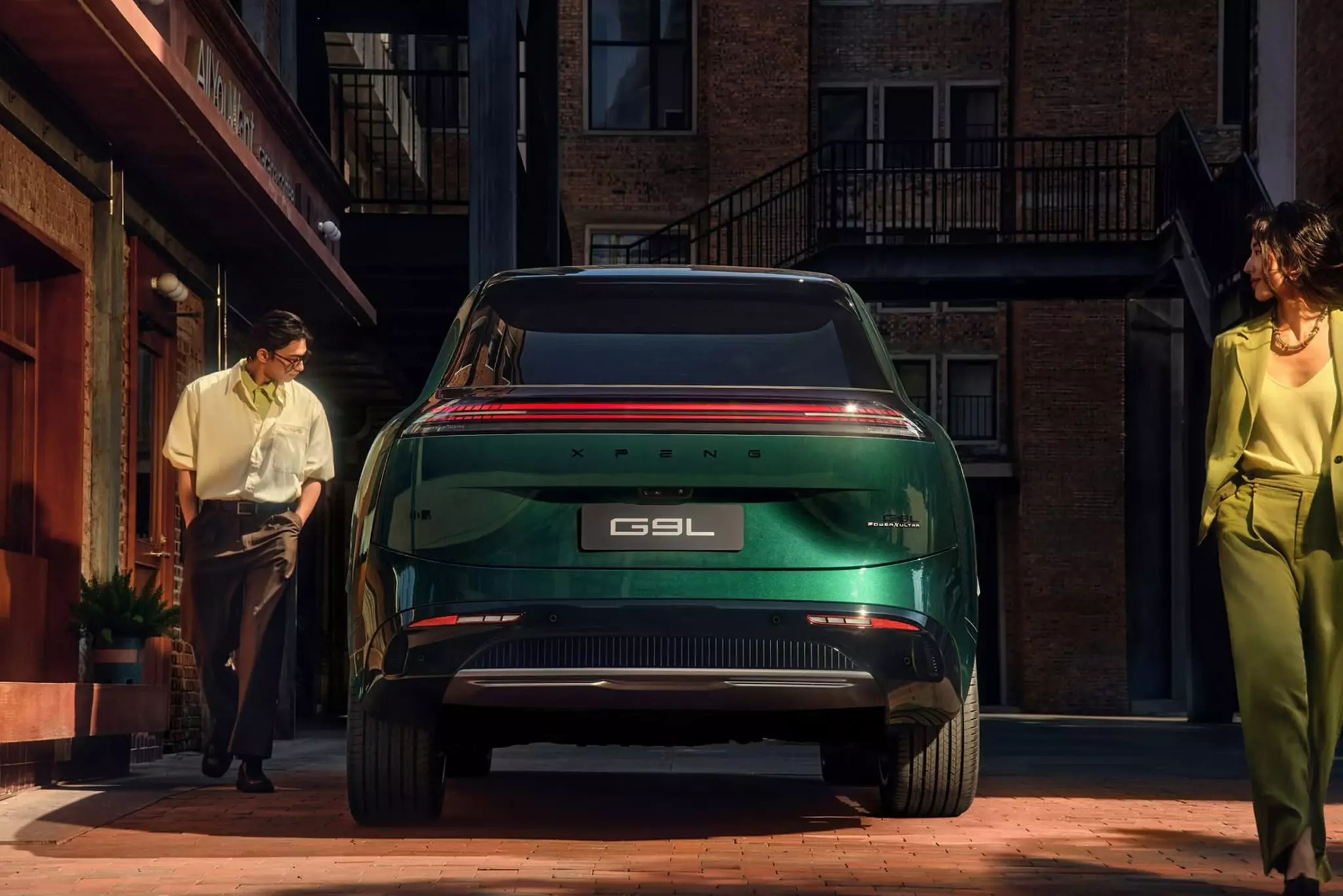
    Investors and regional dealership groups will focus on fourth-quarter delivery guidance when the numbers arrive on November 16. Chairman and Chief Executive Officer He Xiaopeng had previously set an operational target to surpass 60,000 monthly deliveries before the close of the year, relying on mass shipments of the Mona L05 alongside the G9L.

  • Eppo Targets 180,000 Thai State Vehicles for Electric Transition

    Eppo Targets 180,000 Thai State Vehicles for Electric Transition

    Thailand’s Energy Policy and Planning Office (Eppo) has prepared a roadmap to convert more than 180,000 state-owned and leased vehicles to electric power while rolling out workplace charging points across agencies.

    Battery electric models make up only about 1% of all vehicles procured by public departments between 2006 and 2026. Eppo formulated the transition strategy using findings from a consultancy firm’s study to cut public-sector energy costs and lower long-term operating expenses.

    An energy official speaking on condition of anonymity stated that Eppo views the transition as a practical foundation for wider clean-energy adoption across the civil service.

    Rewriting Procurement Rules for State Fleets

    The roadmap requires officials to revise civil service vehicle-leasing and purchasing frameworks to favor electric drivetrains. A dedicated state agency will supervise compliance, monitor progress across ministries, and enforce standardized operational safety measures. Energy planners based the initial framework on a consultancy study, with final implementation rules still being prepared for cabinet consideration.

    Public agencies manage thousands of depots, ministry offices, and municipal yards where staff vehicles sit idle during office hours. Converting these locations requires dedicated commercial charging points, expanding electrical line capacity, and creating unified fleet management contracts for state operators.

    Building Demand for Local Assemblers

    For automakers operating in Thailand, public sector procurement offers guaranteed volume without the marketing overhead of consumer sales. Chinese EV manufacturers and traditional Japanese assemblers competing in Southeast Asia have built local manufacturing capacity to meet domestic production incentives. Long-term fleet purchase agreements give factories stable run rates during seasonal lulls in private retail demand.

    The commercial vehicle ecosystem faces practical hurdles during this transition. State procurement departments historically prioritize low initial purchase prices over total cost of ownership. Battery degradation warranties, salvage values, and maintenance contracts across disparate rural provinces remain unproven at scale in Thai civil service budgets.

    Charging Networks Push for Roaming Standards

    Commercial charging operators stand to gain immediate throughput from centralized fleet operations. Thailand recorded 5,021 charging locations housing 15,290 connectors nationwide as of September 2026. The Energy Policy and Planning Office is running a parallel initiative to integrate these fragmented private charging platforms into a single “EV Roaming Hub” operating on a unified payment standard.

    The shift follows a sharp expansion in civilian passenger electric vehicle sales across the country. Department of Land Transport statistics compiled by the Federation of Thai Industries show Thailand registered 22,587 new EVs and electric motorcycles in September 2026, an 89.7 per cent increase from September 2025. Passenger electric cars accounted for 19,425 of those registrations, rising 98.6 per cent year on year.

    During the first nine months of 2026, total electric vehicle registrations reached 191,273 units, up 83 per cent from the same period in 2025. The Federation of Thai Industries projects full-year 2026 registrations will finish between 200,000 and 220,000 units, compared with roughly 120,000 vehicles registered throughout 2025.

    What to Watch Next

    The Energy Policy and Planning Office must submit the finalized fleet procurement guidelines to the central government for formal policy ratification. Automakers and fleet leasing companies are waiting for the draft to specify annual conversion quotas and the initial budget allocations for civil service charging depots.

  • Nio Delivers 3,000 ES9 Flagship SUVs in Shanghai as Overall Group Volume Drops

    Nio Delivers 3,000 ES9 Flagship SUVs in Shanghai as Overall Group Volume Drops

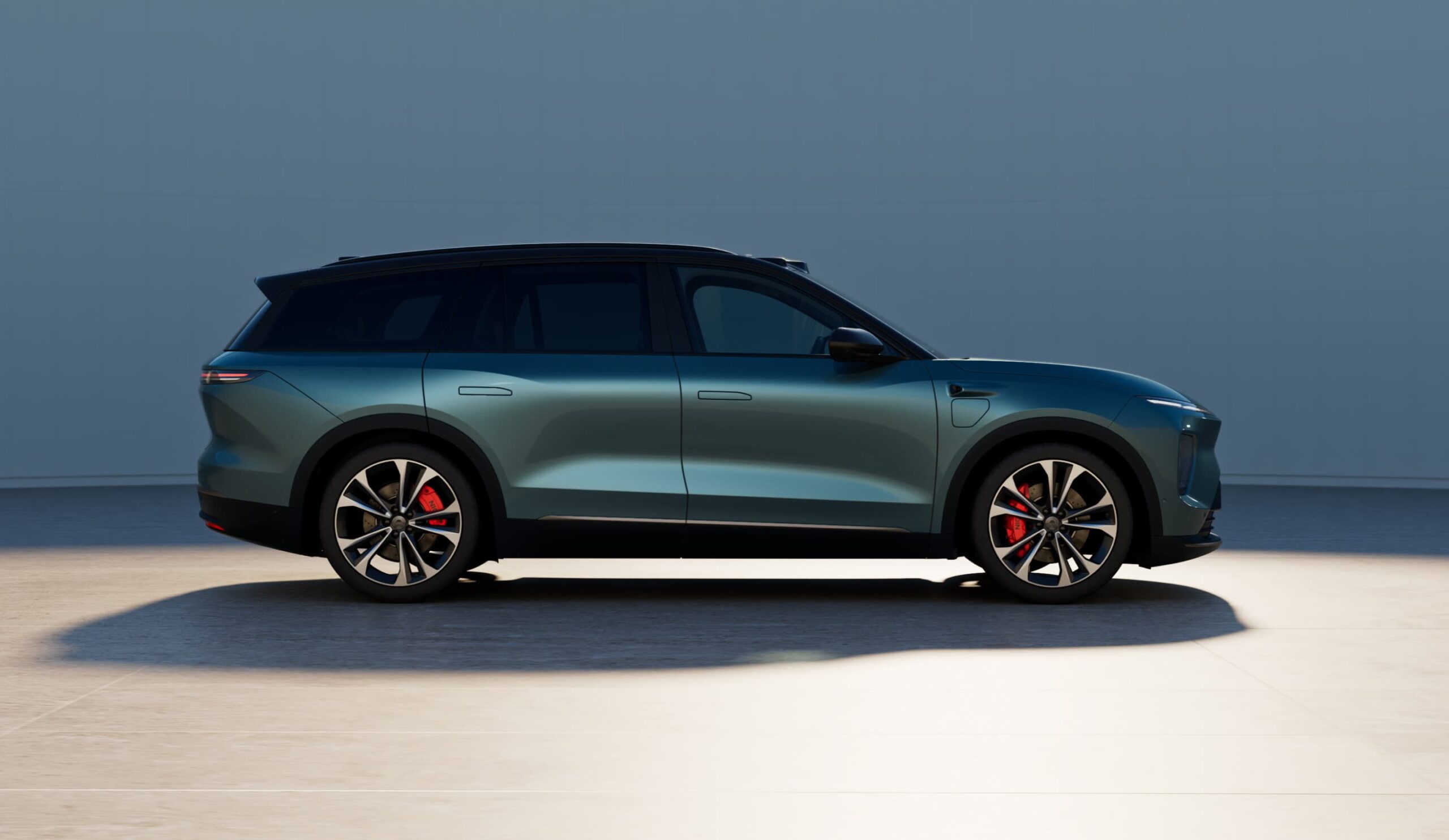
    Nio handed over its 3,000th flagship ES9 sport utility vehicle in Shanghai on November 2, completing five full operating months on the market in its global headquarters city.

    The electric vehicle retails from 498,000 yuan with battery pack included. Handover of the threshold unit took place at the Shanghai leg of the Nio Cup National Golf Invitational to a buyer replacing an internal combustion engine luxury model. Nio stated that the ES9 has led automotive sales for vehicles priced above 500,000 yuan in Shanghai across four consecutive months.

    Premium Traction in the Home Base

    Deliveries for the ES9 began on May 28, exactly one day following its official launch on May 27. The large sport utility vehicle took until July 5 to log its first 1,000 handovers in Shanghai, making the commercial hub the first Chinese municipality to reach that volume. Shanghai functions as a core sales engine for the company. During the first half of the year, Nio logged retail sales of 20,736 vehicles in Shanghai, representing 10.88 per cent of its nationwide retail volume over that six-month span, based on figures from Shanghai Jiading district government channels.

    National production and delivery rates for the model climbed steadily through the late summer. The ES9 posted 7,706 customer deliveries nationwide in September, an increase of 18.94 per cent from August. September represented the vehicle’s second-strongest monthly delivery tally since rolling off the assembly line, bringing total national ES9 deliveries to 32,203 units by the close of the third quarter.

    Large Formats Carry Main Brand Weight

    Top-tier models now account for the vast majority of showroom throughput at the core marque. In September, the ES9 and the smaller ES8 together generated 85.62 per cent of all deliveries under the primary Nio badge. High-ticket sport utility platforms continue to shield the brand from intense price erosion visible in lower consumer tiers, giving dealerships dependable transaction revenue per stall.

    Retail networks face an uneven showroom floor across company sub-brands. While the primary luxury marque logged 18,125 deliveries in October, up 5.73 per cent year on year, gains across that line and the budget-focused Firefly brand failed to counterbalance sharp slippage at mass-market unit Onvo. Relying almost exclusively on 500,000-yuan premium buyers restricts total addressable volume, leaving operational overhead exposed when mass-tier nameplates falter against domestic rivals.

    Widening Split Across Portfolio Divisions

    Corporate deliveries dropped 15.23 per cent year on year in October to 34,246 units across all operations. That monthly contraction snapped a continuous 31-month expansion streak for Nio Inc, dating back to February 2024. Factory allocations and component orders must now adjust to diverging showroom demand between premium sport utilities and entry brands.

    The older third-generation ES8 achieved 160,000 cumulative deliveries on October 23, adding its final 10,000 units over a span of 33 days. That long-term performance demonstrates steady customer retention in large-format battery-electric models. Preserving momentum at that price tier requires constant equipment iterations to deflect pressure from competing domestic executive limousines and family haulers.

    Guangzhou Debut to Test Marque Depth

    Portfolio development turns next to southern trade circuits before year-end financial accounting closes. Nio plans to introduce a special edition of the ES8 at the Guangzhou Auto Show in late November, testing whether upgraded equipment trims can defend high-margin utility sales against newer luxury entries.

  • Geely Sells 310,183 Cars in October as Exports Surge 157 per Cent

    Geely Sells 310,183 Cars in October as Exports Surge 157 per Cent

    Geely Auto sold 310,183 vehicles in October, finishing just 245 units shy of its all-time monthly record set in November 2025.

    Strong overseas shipments offset a sharp contraction at home, with export volumes jumping 157.78 per cent year-on-year to 107,153 units.

    Deliveries rose 0.99 per cent compared to October last year and gained 6.17 per cent from September. The performance represented the manufacturer’s second-highest monthly volume on record and its highest total in 2026. However, overall annual sales expansion slowed to roughly 1 per cent because the downturn across mainland China widened.

    Domestic Contraction Deepens in Mainland China

    Home-market demand weakened considerably across Geely’s domestic retail pipeline. The carmaker delivered 203,030 vehicles in China during October, a decline of 23.55 per cent compared to the same month last year. That fall accelerated from a 20.21 per cent decrease recorded in September.

    Sequentially, domestic figures showed modest resilience. Chinese showroom volumes climbed 9.46 per cent from September, logging their best single-month total since January. For the first 10 months of the year, Geely’s cumulative mainland deliveries fell 23.31 per cent to 1,640,841 units.

    Electric Volume Crosses 200,000 Mark

    Electrified drivetrains took a commanding share of total output. Deliveries of new energy vehicles climbed 20.86 per cent year-on-year and 12.64 per cent from September to 214,996 units, crossing the 200,000 mark in a single month for the first time. The category accounted for 69 per cent of all cars sold during the period.

    Battery-electric models drove the segment’s expansion, rising 43 per cent year-on-year to 140,758 units. In contrast, plug-in hybrid electric vehicle shipments declined 6.66 per cent to 74,238 units. The drop broke a flat trend seen in September, when plug-in hybrid volumes held steady against previous-year tallies.

    Brand Performance Shows Divergence

    Brand contributions revealed stark divides across Geely’s corporate umbrella. The core Geely badge, which includes the Galaxy series, delivered 255,742 vehicles in October, rising 4.17 per cent year-on-year and 8.15 per cent from the previous month. Galaxy set a monthly record of 153,385 units, a gain of 20.32 per cent from a year earlier, lifting its year-to-date total to 1,030,569.

    Zeekr registered 32,483 deliveries, up 51.63 per cent from a year ago. That gain ended a nine-month streak where the premium electric badge expanded at or near triple digits. Sequentially, Zeekr dropped 12.72 per cent, suffering its first month-on-month decline since January. Lynk & Co recorded 21,958 deliveries, slumping 45.40 per cent year-on-year for its seventh straight monthly fall, even as volumes climbed 18.74 per cent from September.

    Target Pressures and Export Reliance

    The operational split between local retail weakness and foreign expansion puts structural margin pressure on Geely’s distribution network. Overseas deliveries generated 35 per cent of all volume in October, slightly down from 37 per cent in September but representing an enormous jump from 2025. While foreign distribution commands higher showroom retail prices in developing markets, cross-border freight costs and regional import duties eat into those returns. Chinese dealerships, meanwhile, face persistent price discounting as local buyers pivot away from internal combustion models faster than the core network can adjust.

    Rival domestic manufacturers face similar cross-border dynamics, but Geely has shifted its physical inventory overseas at an accelerated pace. Across the first 10 months of 2026, cumulative exports climbed 167.94 per cent to 904,823 vehicles. That total completed 98 per cent of its full-year foreign shipment goal of 920,000 units, leaving roughly 15,000 cars to ship over November and December. Geely had revised that export target upward on August 17 from an earlier goal of 640,000.

    Total group volume reached 2,545,664 units between January and October, representing an increase of 2.76 per cent from the same period last year. Year-to-date brand tallies show the core Geely line down 1.18 per cent at 2,006,702 units and Lynk & Co down 22.58 per cent to 218,075. Zeekr remains the main volume booster over the 10-month window, rising 94.45 per cent to 320,887 units.

    Meeting management’s overall objective will require unprecedented sales speed. Geely has secured 74 per cent of its full-year target of 3,450,000 vehicles, leaving a deficit of 904,336 units. To clear that benchmark, the company must average roughly 452,000 vehicle deliveries in each of the remaining two months, well above the record 310,428 achieved in November 2025.

  • Maruti Suzuki Exports Rose 59.3% in October Despite Shipping Strain

    Maruti Suzuki Exports Rose 59.3% in October Despite Shipping Strain

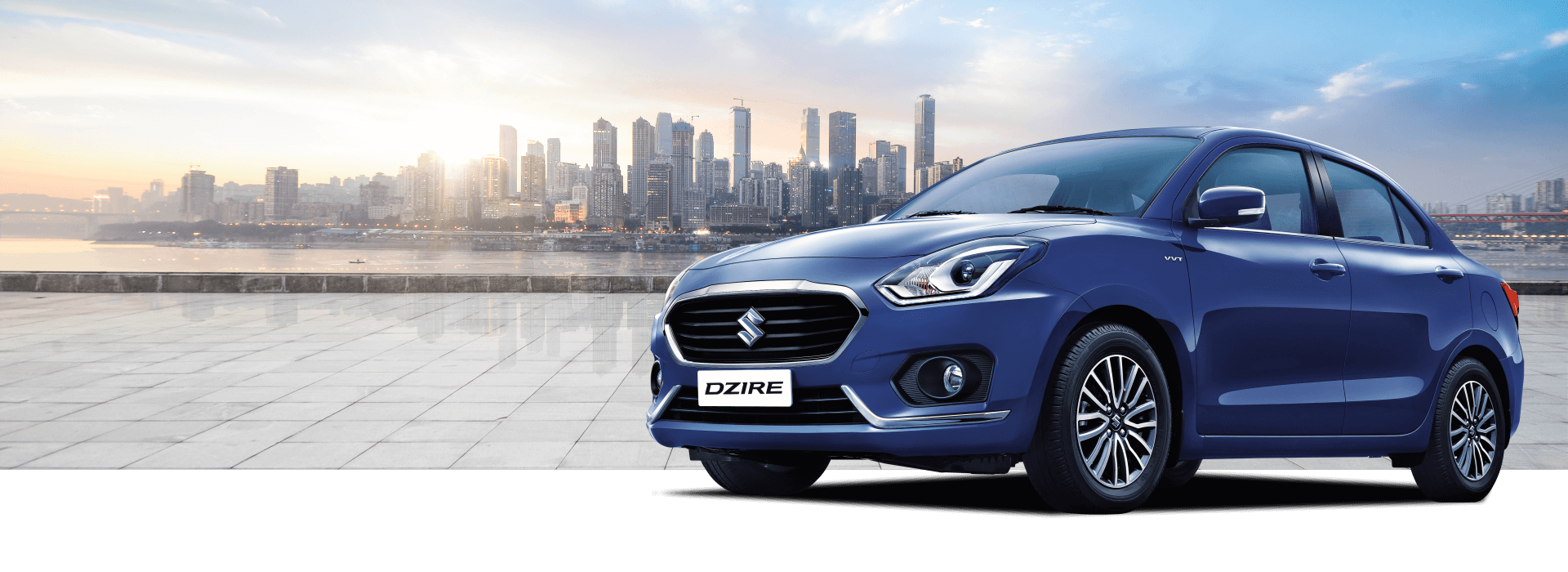
    Maruti Suzuki exported 49,872 vehicles in October, rising 59.3 per cent from a year earlier despite worsening shipping disruptions across maritime corridors in West Asia.

    India’s largest carmaker, Maruti Suzuki India Ltd., accounts for more than half of the country’s passenger vehicle exports, maintaining shipments even as secondary transport links come under pressure.

    Transit routes through West Asia serve as a vital corridor to Europe and North Africa. Trade lanes around the Strait of Hormuz have suffered recurring delays since conflict broke out in late February following a joint US and Israel operation in Iran.

    Alternate Routes Face Congestion

    Vessels bypassing disrupted passages now face escalating delays as alternative maritime corridors run out of spare capacity. Rahul Bharti, senior executive officer for corporate affairs at Maruti Suzuki, confirmed the logistical friction at a press briefing on Sunday.

    “The Middle East situation has actually slightly worsened. We were using an alternate route, even that alternate route has a bit of a problem,” Bharti said.

    Export demand in destination markets remains stable. That customer appetite is forcing carmakers to absorb complex freight rerouting rather than trimming assembly line targets in India.

    Margins Squeezed Across Automakers

    Higher transit times and elevated commodity prices linked to the conflict took a direct toll on earnings during the September quarter. Maruti Suzuki posted a 26 per cent drop in net profit to 2,466 crore rupees, while rival exporter Hyundai Motor India recorded a 24 per cent decline to 1,196 crore rupees.

    Other vehicle exporters face the same pinch. Two-wheeler manufacturers Bajaj Auto, TVS Motor and Hero MotoCorp have reported higher freight expenses on outbound deliveries to overseas markets, while carmakers including Volkswagen and Nissan manage identical distribution headwinds out of Indian assembly hubs.

    The margin squeeze illustrates the structural vulnerability facing Indian automotive export operations. When maritime chokepoints close, the resulting freight surcharges and insurance premiums land squarely on operating margins, even when consumer order books remain filled.

    Tariffs and Electric Vehicle Strategy

    Maruti Suzuki distributes cars to roughly 120 export markets to avoid overreliance on individual territories. A sharp tariff increase in Mexico, where import duties jumped from 20 per cent to 50 per cent, dragged total volume in that market lower, offsetting gains elsewhere.

    The company is countering regional volatility by expanding electric vehicle distribution into developed markets. Outbound shipments of the electric e-Vitara to destinations such as Europe and Japan are designed to build a buffer against tariff hikes in the Americas and shipping friction across the Middle East.

    Tracking Shipping Costs and Deliveries

    Sustained freight disruptions now test whether expanding overseas sales can remain profitable without prolonged supply chain normalization.

    Automakers will monitor freight rates through the final calendar quarter as Maruti Suzuki prepares additional batches of the e-Vitara for Japanese and European showrooms.

  • Midland Bank Backs BYD Auto Loans up to Tk 80 Lakh

    Midland Bank Backs BYD Auto Loans up to Tk 80 Lakh

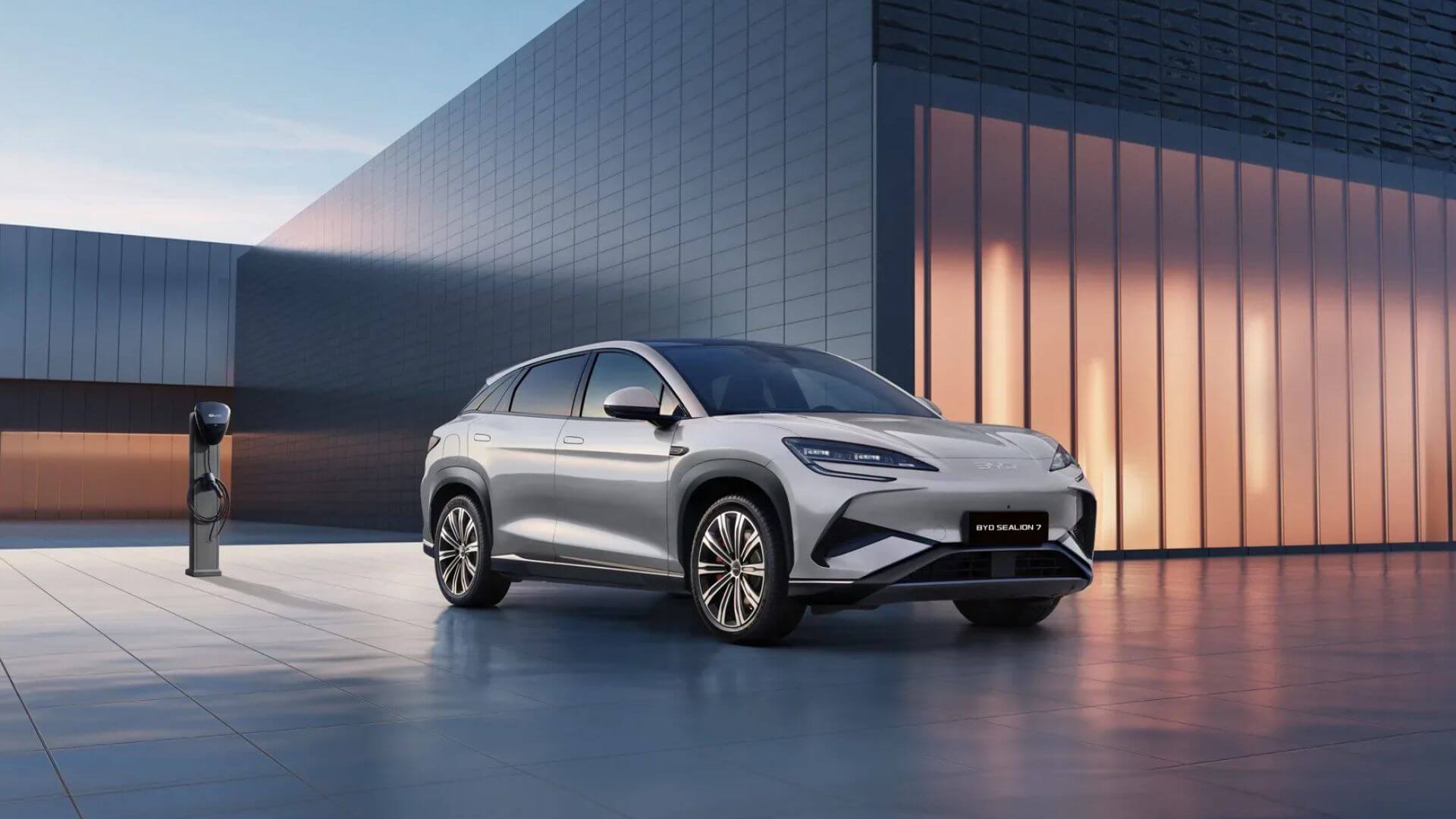
    Midland Bank PLC signed an agreement recently with CG Runner BD Ltd to finance customer purchases of BYD vehicles in Bangladesh, offering loans ranging from Tk 4 lakh to Tk 80 lakh.

    Managing director Imtiaz U Ahmed of Midland Bank and managing director Amid Sakif Khan of authorised distributor CG Runner BD completed the deal during a signing ceremony in Dhaka.

    Under the facility, the lender finances up to 80 percent of a vehicle’s value with flexible repayment tenures reaching six years, delivering competitive interest rates to buyers.

    Loan Terms and Processing Speed

    Under the memorandum of understanding signed with authorized distributor CG Runner BD Ltd, the bank commits to turnaround times within three working days after receiving paperwork. Approval remains tied to the commercial lender’s internal credit assessments.

    Midland Bank managing director Imtiaz U Ahmed and CG Runner BD managing director Amid Sakif Khan signed the deal in Dhaka. Institutional banking head Mohd Javed Tarek Khan, operations head Muhammed Noorunnabi, unit head Muhammad Majidul Haq Patwary and retail coordinator Mohammed Rashadul Anwar attended for the bank. Chief financial officer Md Ferdowsur Rahman and business development head Methun Bhattacharjee joined for the distributor.

    Commercial EV Distribution in Dhaka

    Commercial banks in South Asia rarely extended high-tenure consumer credit to new automotive brands without substantial down payments. By underwriting up to 80 percent of asset values, Midland Bank absorbs the residual value risk that typically slows down electric vehicle retail adoption in emerging markets.

    Dhaka’s passenger car segment relies heavily on imported reconditioned combustion vehicles. Dealerships selling factory-new battery electric models need institutional debt lines to match the installment structures that grey-market fleet importers routinely provide through non-bank financial institutions.

    Expanding South Asian Electric Mobility

    BYD has pushed aggressively across developing Asian territories through local franchise agreements, selecting commercial partners capable of handling both assembly licenses and retail floor plans. CG Runner serves as the brand’s primary channel to bring battery electric sedans and compact SUVs into Bangladesh’s urban centres.

    The agreement focuses strictly on retail financing for passenger buyers rather than commercial fleet operators or public transport bodies.

    Next Steps for Borrower Uptake

    Midland Bank now rolls the retail loan package through its branch network across the capital and regional commercial hubs. The immediate measure of demand will be loan booking volume as CG Runner delivers its upcoming batch of imported BYD units to showroom floors.

  • Li Auto Deliveries Fall to 29,025 in October

    Li Auto Deliveries Fall to 29,025 in October

    Li Auto delivered 29,025 vehicles in October, down 8.63 per cent from a year earlier as monthly volumes hit their lowest point since February. The figure slipped 8.78 per cent from the 31,817 units handed over in September, marking a second consecutive month of year-on-year contractions.

    Over the first ten months of 2026, the Chinese automaker delivered 322,461 vehicles, a 1.96 per cent drop compared to the same period last year. Total cumulative deliveries reached 1,862,676 units by October 31.

    Production Squeeze on Updated i6

    Li Auto launched the refreshed 2026 Li i6 on October 28 and started customer handovers the following day. The five-seat pure electric SUV keeps an unchanged sticker price of 249,800 yuan ($37,210), though early buyers securing allocations before November 30 receive promotional incentives lowering the cost to 239,800 yuan.

    Hardware updates include the proprietary Mach M100 driver-assist chip and a 96-kilowatt-hour Lianshan lithium iron phosphate battery pack. That combination yields a CLTC driving range of 780 kilometres on rear-wheel-drive configurations. Li Xinyang, head of the Li Auto product line, confirmed on October 30 that cumulative production of the i6 reached 200,000 units, but consumer wait times currently span seven to eight weeks.

    Flagship MPV Repositioning and In-House Tech

    Demand for the larger Mega multipurpose vehicle showed moderate recovery, topping 3,000 deliveries during October. Li Auto introduced the revised flagship electric van on September 2 with hardware revisions and a lower retail price designed to revive commercial momentum after a sluggish initial rollout.

    October also brought commercial deployments of Li Auto’s self-developed powertrain hardware, including the Lianshan drive system and dedicated traction pack warranty schemes. An over-the-air software upgrade, version 9.2, rolls out to owners in November to introduce Mach VLA 2.5 driver-assist functions alongside refreshed cockpit voice systems.

    Rivalry Shifts to Showroom Productivity

    Premium Chinese electric vehicle makers face an aggressive pricing war that penalises pauses in model renewal cycles. Rivals have expanded their sub-brands to defend entry-level volumes, while Li Auto relies on concentrated showroom throughput to protect dealer margins. The recent delivery dip demonstrates that consumer interest falters quickly when factory retooling delays customer handovers.

    Suppliers also face cash constraints as automakers bring proprietary silicon and battery assembly under direct control. Li Auto’s switch to its internal Mach processors and Lianshan battery platforms shifts margin risk straight to its balance sheet, raising the capital threshold required to compete in Tier 1 cities.

    Retail Expansion Ahead of Year-End Target

    The October setback follows a peak run in late 2024, when monthly deliveries crossed 50,000 units before market competition tightened across China. Li Auto responded by building out physical touchpoints in lower-tier regions while pruning low-traffic mall sites.

    By the end of October, the company’s retail network spanned 481 stores across 159 cities, supported by 527 service facilities in 217 cities. Its proprietary charging infrastructure expanded by 18 stations and 86 stalls in October, bringing totals to 4,206 supercharging stations and 23,163 plugs across China.

    Factory planners target monthly i6 assembly output of 20,000 units in November before pushing line rates higher in December to clear backlogs before the annual tax cut window closes.

  • Ultraviolette Launches X-47 Venom Electric Motorcycle at 265,000 Rupees

    Ultraviolette Launches X-47 Venom Electric Motorcycle at 265,000 Rupees

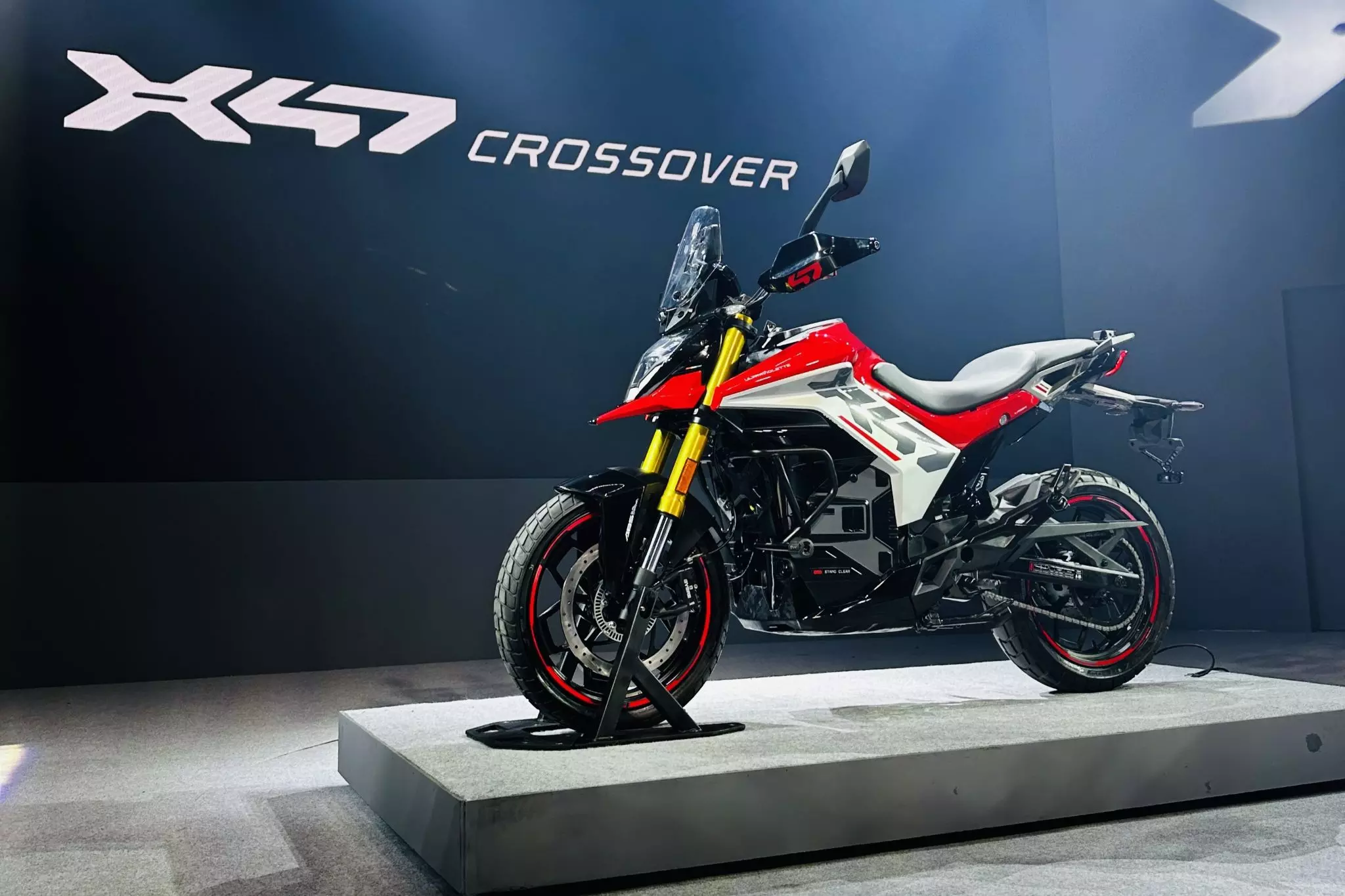
    Bengaluru startup Ultraviolette Automotive launched the X-47 Venom electric crossover motorcycle in India with an introductory starting price of 265,000 rupees. The model debuts the manufacturer’s proprietary 100-volt VX-100 powertrain architecture, built around an 11-kilowatt-hour battery pack.

    Standard retail pricing starts at 300,000 rupees, but the company cut 35,000 rupees off the sticker for the first 5,000 buyers to spur initial volumes. Co-founder Niraj Rajmohan confirmed European deliveries will commence in early 2027 following the motorcycle’s regional premiere on 3 November 2026.

    Powertrain Specifications and Fast Charging

    The VX-100 setup combines the SRB-11 battery pack with an aviation-derived motor dubbed Light Fury and an in-house motor controller. Ultraviolette states the SRB-11 pack offers 25 per cent higher energy density, cools twice as fast, weighs 15 per cent less, and charges twice as quickly as the SRB10 battery on earlier builds. It supports direct-current charging at rates up to 12 kW.

    Weighing 2.5 kg, the motor controller employs silicon carbide power transistors, cutting mass by 40 per cent while tripling power density over the previous unit. The motor uses soft magnetic composites and a trapezoidal coil topology, spinning up to 9,000 rpm. A standard 30 kW motor configuration pushes the motorcycle from zero to 100 kph in 5.9 seconds, reaching a top speed of 155 kph.

    Buyers can choose across four trims: standard, plus, Recon, and Recon+. The standard and plus editions use a 7.5 kWh battery providing an Indian Driving Cycle range of 227 kilometres. The Recon and Recon+ variants step up to the 11 kWh pack, extending IDC range to 343 kilometres. The plus and Recon+ variants include a 1.6 kW on-board charger.

    Rider Tech and Dealer Targets

    Equipment levels lean heavily on consumer electronics. Each bike includes cruise control, an IP67-certified 7-inch touchscreen running integrated navigation, a 35-watt USB Type-C port, and both front and rear dashcams. A 77 GHz long-range rear radar handles four automated safety functions: blind spot monitoring, lane change assist, overtake alerts, and rear collision warnings.

    Factory Footprint and Global Shipments

    Production currently runs out of Bengaluru, where factory capacity sits at 30,000 units annually with headroom to reach 60,000. To clear supply bottlenecks, the company is building a 250,000-unit facility known as the BIGGA plant in Hosur, Tamil Nadu. That site holds enough land to double output to 500,000 units over time.

    Hosur will assemble two upcoming VX-100 platform models: a premium electric scooter called Tesseract and an enduro motorcycle named Shockwave. Export programmes will follow domestic launches, with Ultraviolette planning to ship both future models to European distributors.

    Overseas traction remains small but active. European deliveries of the earlier F77 began in July and August 2025 across 20 countries, totaling between 500 and 700 units delivered to date. European distribution for the X-47 Venom starts in early 2027 following its continental premiere at the EICMA trade show on 3 November 2026.

    Performance Pipeline

    The product sequence leads directly into high-output sport machinery. Following the commercial debut of the Tesseract scooter in the first quarter of 2027, Ultraviolette plans to unveil production schedules for the F99.

    That track-focused model steps up to a 400-volt electrical system, pairing a 90 kW motor producing 200 Nm of torque with a 180 kg kerb weight. Company estimates target a zero-to-100 kph sprint in 3.0 seconds and a maximum speed of 265 kph, setting up a performance halo above the crossover lineup.

  • China Records 15 Million Cars with Navigation on Autopilot Features

    China Records 15 Million Cars with Navigation on Autopilot Features

    China counted approximately 15 million passenger cars equipped with Navigation on Autopilot software as of August 2026, according to government academy data released in Beijing.

    Those vehicles account for roughly 25 per cent of the 61 million passenger cars nationwide carrying Level 2 driver assistance systems, reflecting the operational fleet rather than showroom deliveries this year.

    The Fleet on the Road

    Data released at the 2026 World Intelligent Connected Vehicles Conference by the China Academy of Information and Communications Technology showed about 16 million passenger cars in China carried 5G communication terminals as of August, alongside 2 million vehicles with Cellular Vehicle-to-Everything equipment.

    The China Academy of Information and Communications Technology disclosed the operational figures during the conference in Beijing’s Yizhuang area. The Ministry of Industry and Information Technology, the Ministry of Transport, and the Beijing municipal government jointly organized the three-day gathering.

    Hardware installations across the domestic fleet have outpaced urban infrastructure upgrades. Automakers selling in China have turned automated highway driving and urban point-to-point navigation into standard consumer features to protect showroom pricing, forcing suppliers to absorb sensor costs across high production volumes.

    Rewriting Vehicle Standards

    Regulators are moving to codify how these operating systems behave once drivers take their hands off the controls. Guo Shougang, head of the equipment industry department at the Ministry of Industry and Information Technology, released a draft update to China’s connected-vehicle technical standards guidelines for public review on October 21.

    The regulatory framework covers more than 400 existing standards across intelligent vehicles, communications, traffic management, and fleet operations. The 2026 revisions seek to expand safety criteria for core components, standardize system architectures, and set binding rules for operating autonomous driving services commercially.

    For automotive brands and tier-one component makers, the revised rulebook narrows room for proprietary software workarounds. Safety compliance costs will fall heavily on domestic electric vehicle assemblers that have marketed assisted driving capabilities aggressively to private retail buyers.

    Preparing Level 3 Approvals

    Work on the second batch of Level 3 autonomous driving market access pilots is underway, Guo said during the conference. Regulators have not named the participating carmakers, the specific models involved, or the date when commercial sales permits will take effect.

    The current phase builds on early regulatory permissions granted late last year. The ministry awarded conditional Level 3 market access approval to models from state-owned automakers Changan and BAIC in December 2025.

    Those initial vehicles remain confined to designated public test roads and strict operating conditions rather than nationwide consumer use. Regulators will monitor testing outcomes from the first cohort before expanding operational permits to the next group of carmakers.