Tag: Electronics

  • Bang & Olufsen Unveils Asias Largest Flagship Store in Singapore: A New Era of Luxury Electronics Experience

    Bang & Olufsen Unveils Asias Largest Flagship Store in Singapore: A New Era of Luxury Electronics Experience

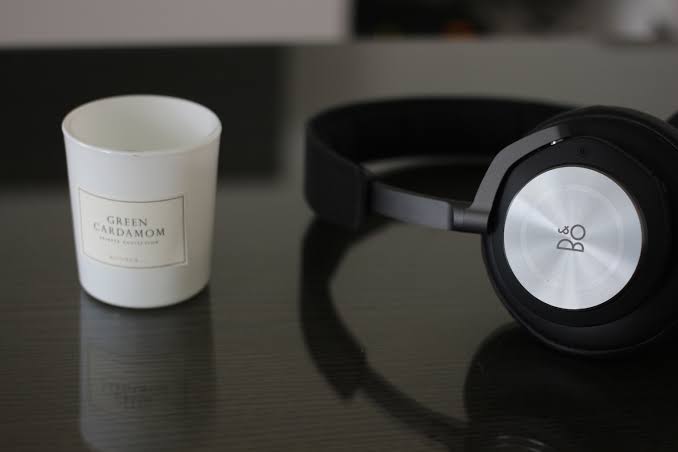
    Established Danish electronics manufacturer, Bang & Olufsen, recently unveiled its flagship store at Singapore’s Scotts Square shopping complex. With a retail area of approximately 2853 square feet, this site represents the company’s first Culture Store in Southeast Asia and the grandest in the Asia Pacific region. The inauguration follows their centennial celebration in the previous year.

    The innovative store design mirrors a high-end home, offering patrons the unique opportunity to explore Bang & Olufsen’s product range in a realistic setting, rather than on traditional display shelves. Amongst the features of this space are exclusive listening suites and personal consultation areas. These have been specifically designed for customers to assess the products in various acoustic conditions.

    Why Singapore?

    Bang & Olufsen’s CEO, Nikolaj Wendelboe, stated that Singapore was chosen as the location for their flagship store due to its status as a design, cultural, and commercial nexus in the region. The store was established through a collaborative effort with Design Collection Denmark. This partnership has been a key part of Bang & Olufsen’s operations in Singapore for the past two decades.

    Originally founded in 1925 in Struer, Denmark, Bang & Olufsen has made a name for itself with its premium audio equipment, televisions, and headphones. Globally, the brand has a commercial presence extending over more than 70 countries.

    Questions & Answers

    What is the significance of the new Bang & Olufsen store in Singapore?
    This store is the first Culture Store in Southeast Asia for Bang & Olufsen and is the largest of its kind in the Asia Pacific region.

    What differentiates this store from traditional retail spaces?
    Instead of standard display shelves, the store is designed to resemble a luxury home, allowing customers to experience the products in realistic living environments. There are also dedicated listening rooms and private consultation spaces.

    Why was Singapore chosen as the location for this flagship store?
    According to the CEO of Bang & Olufsen, Nikolaj Wendelboe, Singapore’s position as a regional hub for design, culture, and commerce made it an ideal location for their flagship store.

  • Electronics Retail Giant Dien May Xanh Soars with $505m IPO in Vietnams Largest Market Listing in Two Years

    Electronics Retail Giant Dien May Xanh Soars with $505m IPO in Vietnams Largest Market Listing in Two Years

    Mobile World Investment Corporation, a renowned retail conglomerate in Vietnam, recently made a significant move in the business world by separating its electronics retail chain, Dien May Xanh, through an initial public offering (IPO) valued at US$505 million. This event has been one of the most substantial stock market listings in Vietnam over the past couple of years.

    According to internal documents from the company, investors showed substantial interest in the offering, with registrations to buy around 166 million shares. These shares accounted for 92.5 percent of the total 179.5 million shares available, effectively raising around 13.29 trillion dong (equivalent to US$505 million).

    Implications of the IPO

    This development was not unexpected as Dien May Xanh had earlier, in May, expressed its intent to raise approximately US$546 million. This fund-raising was to be accomplished by selling 179.5 million shares at a fixed price – 80,000 dong a share. The raised funds are targeted towards fueling the next phase of the company’s growth and solidifying its place in Vietnam’s consumer electronics market.

    It is expected that Dien May Xanh will make its debut appearance on the Ho Chi Minh Stock Exchange in the first week of August.

    As one of Mobile World Investment Corporation’s key business arms, Dien May Xanh is one of the largest electronics retailers in Vietnam. Its nationwide network comprises stores selling a wide range of consumer technology products, including smartphones, televisions, and home appliances.

    The company has set ambitious financial goals for the next decade. It aims to achieve a compound annual revenue growth of 11 percent and an annual net profit growth of 16 percent through to 2030, as it further broadens its market reach.

    Questions & Answers

    What is the significance of Dien May Xanh’s IPO?
    The IPO is a strategic move by the company to raise funds for its next growth phase and to bolster its position in Vietnam’s consumer electronics market.

    When is Dien May Xanh expected to join the Ho Chi Minh Stock Exchange?
    Dien May Xanh is expected to make its debut on the Ho Chi Minh Stock Exchange in the first week of August.

    What financial targets has the company set for the next decade?
    The company aims for a compound annual revenue growth of 11 percent and an annual net profit growth of 16 percent through 2030.

  • Yamada and Edion Set to Merge, Establishing Japans Largest Electronics Retail Empire

    Yamada and Edion Set to Merge, Establishing Japans Largest Electronics Retail Empire

    Yamada Holdings, Japan’s premier consumer electronics retailer, is scheduled to merge with its competitor, Edion. This amalgamation is set to form Japan’s most extensive electronics retail conglomerate with an estimated annual turnover reaching 2.5 trillion yen (equivalent to roughly US$16 billion).

    The companies are due to formalize an initial agreement in the imminent week. The integration is projected to be orchestrated through a holding company, which will enable both retailers to maintain operations under their established brand names.

    Market Consolidation

    The merger would offer a combined sales volume more than twice that of their competitor, Bic Camera. This is a significant move towards further consolidation in a market experiencing slowed growth amidst escalating competition.

    During the fiscal year that concluded in March, Yamada reported sales of approximately 1.69 trillion yen (about US$10.5 billion), while Edion’s revenue was 793.7 billion yen (almost US$5 billion). United, these retailers would be listed among Japan’s most significant retail groups, trailing only Aeon, Seven & I Holdings, and Fast Retailing.

    The anticipated merger is intended to enhance scale, procurement capabilities, and product development abilities. In a bid to differentiate themselves, retailers are increasingly focusing on exclusive products and private-label offerings rather than merely competitive pricing.

    Expansion of Private-label Offerings

    Both companies have been broadening their private-brand product ranges. Yamada has unveiled an expanding range of private-label appliances, including an attractively priced front-loading washing machine that debuted last year.

    Simultaneously, Edion has made private-label products a strategic priority, introducing home appliances with unique designs aimed at the younger demographic.

    In 2012, Yamada Denki invested 10 billion yen to secure a controlling interest in competitor Best Denki.

    Questions & Answers

    What is the primary goal of the proposed merger between Yamada Holdings and Edion?
    The merger aims to boost scale, increase purchasing power, and enhance product development capabilities, with a focus on exclusive merchandise and private-label offerings.

    How will the merger impact the existing brands of both companies?
    The merger is expected to be structured through a holding company, allowing both Yamada Holdings and Edion to continue operating under their pre-existing brand names.

    How have Yamada Holdings and Edion been expanding their product ranges?
    Both companies have been focusing on expanding their range of private-label products. Yamada has introduced a variety of such appliances, while Edion has been producing uniquely designed home appliances targeted at younger consumers.

  • Xiaomi Vietnam Fined $11,000 For Breach Of Consumer Protection Laws

    Xiaomi Vietnam Fined $11,000 For Breach Of Consumer Protection Laws

    Xiaomi Vietnam, a distributor of consumer electronics under the Chinese brand Xiaomi, has been penalized with a fine of VND290 million (US$11,000) for breaches of consumer protection laws, especially involving the use of personal data for marketing purposes. The company was charged with not granting customers the choice to either consent or decline the use of their personal details for advertising, product promotion, and various commercial activities. This breach was confirmed by the National Competition Commission (NCC) under the Ministry of Industry and Trade.

    Additional Violations

    Furthermore, Xiaomi Vietnam was found guilty of not informing consumers about its use of influencers for product promotion, using their images and endorsements without due notice. The firm was also penalized for incorporating illegal clauses in its general transaction terms.

    The NCC has mandated that the company immediately halt all illegal activities and promptly reassess and enhance their general transaction terms and conditions, consumer data protection policies, and activities related to the provision of information and product promotions through influencers. This is to ensure full compliance with the legal regulations.

    Xiaomi Vietnam, which has been operating since 2019 and is headquartered in Ho Chi Minh City, offers a variety of consumer electronics, such as smartphones, tablets, wearable devices, TVs, robot vacuum cleaners, and smart home devices.

    Questions & Answers

    What was Xiaomi Vietnam fined for?
    Xiaomi Vietnam was fined for breaching consumer protection laws, specifically in relation to the use of personal data for marketing purposes without consumer consent.

    What other violations was Xiaomi Vietnam charged with?
    Further charges against Xiaomi Vietnam included the failure to inform consumers about their use of influencers for product endorsement, and the inclusion of illegal provisions in their general transaction terms.

    What steps has the NCC mandated for Xiaomi Vietnam?
    The NCC has ordered Xiaomi Vietnam to immediately stop all illegal activities and to review and update their transaction terms, consumer data protection policies, and influencer-related promotional activities to adhere to legal regulations.

  • Thai Giant Central Retail Waves Goodbye to Vietnam’s Electronics Market, Selling Nguyen Kim Amid Mounting Losses

    Thai Giant Central Retail Waves Goodbye to Vietnam’s Electronics Market, Selling Nguyen Kim Amid Mounting Losses

    Thai conglomerate Central Retail has finalized the sale of its entire share in Nguyen Kim Electronics, signifying its departure from the consumer electronics industry in Vietnam following successive years of financial losses.

    Deal Details

    The transaction, which reached completion in the latter part of last year, resulted in the transfer of full ownership of Nguyen Kim to Pico Holdings, a domestic retailer. The deal’s value is believed to be approximately $36 million, equating to a $190 million loss in comparison to the original purchasing price Central Retail paid for the company, without considering any losses incurred through trading activities.

    Strategic Shift

    Insiders from Vietnam suggest that this sale aligns with Central Retail’s strategic vision to refocus its Vietnamese operations towards sectors with more promising growth trajectories. These sectors include supermarkets, food retail, and shopping center management. Central Retail is the parent company of the Go hypermarket and Tops supermarket brands.

    Historical Context

    Central Retail first penetrated the Vietnamese electronics sector over a decade ago. In 2015, the company acquired a 49% stake in Nguyen Kim, before ultimately gaining full control in 2020 after purchasing the remaining 51% of shares.

    Market Challenges

    Industry analysts have pointed out that the electronics chain has grappled with numerous challenges in recent years. These include intensified market competition and weakened consumer demand, both of which significantly contributed to Central Retail’s resolution to exit the market.

    Questions & Answers

    Why did Central Retail sell its stake in Nguyen Kim Electronics?
    Central Retail sold its stake in Nguyen Kim Electronics due to cumulative financial losses and the company’s decision to reorient its focus towards more profitable sectors in Vietnam such as supermarkets, food retail, and shopping center management.

    What was the financial impact of this deal?
    The deal’s estimated value is around $36 million, indicating a $190 million loss for Central Retail when compared to their initial investment, excluding any trading losses.

    What challenges did Central Retail face in Vietnam’s consumer electronics market?
    Central Retail faced numerous challenges in the Vietnamese electronics sector, including increased competition and a decline in consumer demand.

  • Japan’s Tech Leap: Quadrupling Budget for Semiconductors and AI Amid Global Rivalry

    Japan’s Tech Leap: Quadrupling Budget for Semiconductors and AI Amid Global Rivalry

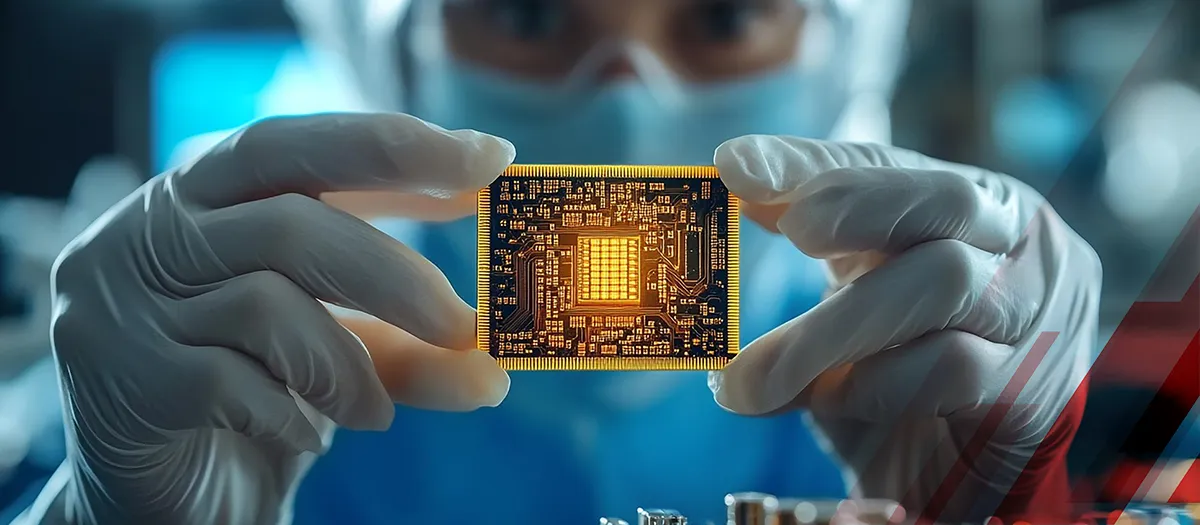
    The government of Japan is preparing to significantly increase its investment in the semiconductors and artificial intelligence sectors. In the forthcoming fiscal year, the governmental budgetary support for these sectors is predicted to be almost four times larger than in past years. This initiative is part of the country’s strategy to enhance its technological competitiveness in the midst of a growing global rivalry.

    Boost in Budgetary Support

    According to the government’s latest budget plan, the Ministry of Economy, Trade and Industry (METI) will allocate nearly JPY 1.23 trillion or USD 7.9 billion to advanced semiconductors and AI development in the new fiscal year commencing in April. This allocation marks a significant rise from past funding and is part of a wider expansion that increases METI’s overall budget by approximately 50% year-on-year to JPY 3.07 trillion. The draft budget has been approved by the cabinet of Prime Minister Sanae Takaichi, and parliamentary discussions will begin this year.

    Reason for the Surge in Funding

    The substantial increase in funding is indicative of Japan’s drive to reclaim its position in critical technologies, especially in the backdrop of escalating competition between the United States and China. As global supply chains face pressure and geopolitical risks start to influence technology policy, Tokyo aims to bolster domestic capabilities and reduce dependency on foreign suppliers.

    A significant change in the new budget is that the government plans to transition from ad-hoc supplementary funding to more predictable, regular budget allocations for the semiconductors and AI sectors. This strategy is expected to provide greater assurance for long-term investment and research planning.

    Budget Allocation Details

    The budgetary plan sets aside JPY 150 billion for Rapidus, a state-supported semiconductor venture charged with developing next-generation chip manufacturing capabilities. This allocation pushes the total governmental investment in the company to JPY 250 billion. In the AI sector, JPY 387.3 billion will be devoted to creating domestic foundation models, enhancing data infrastructure, and promoting “physical AI”, which involves integrating artificial intelligence into robotics and industrial machinery.

    Apart from digital technologies, the budget also earmarks JPY 5 billion for the procurement of critical minerals, such as rare earths, which are vital for advanced manufacturing. Another JPY 122 billion will be allocated towards decarbonization efforts, which includes the advancement of next-generation nuclear power technologies.

    Furthermore, the government intends to issue JPY 1.78 trillion in special bonds to reinforce the Nippon Export and Investment Insurance, facilitating Japanese corporate investment in the United States under bilateral trade arrangements.

    The increase in spending highlights Japan’s commitment to secure its place in next-generation technologies while managing the challenges of an increasingly fragmented global economy.

    Questions & Answers

    What is the aim of Japan’s increased investment in semiconductors and AI?
    The increased investment is a strategic move to strengthen the nation’s technological competitiveness amid escalating global competition.

    How is Japan’s funding strategy for semiconductors and AI changing?
    The government plans to transition from ad-hoc supplementary funding to more predictable, regular budget allocations for these sectors.

    What is the purpose of issuing special bonds worth JPY 1.78 trillion?
    The special bonds are intended to reinforce the Nippon Export and Investment Insurance, thereby facilitating Japanese corporate investment in the United States under bilateral trade arrangements.

  • Apple’s First Foldable Iphone: Predicted Lower Hinge Costs May Impact Retail Price

    Apple’s First Foldable Iphone: Predicted Lower Hinge Costs May Impact Retail Price

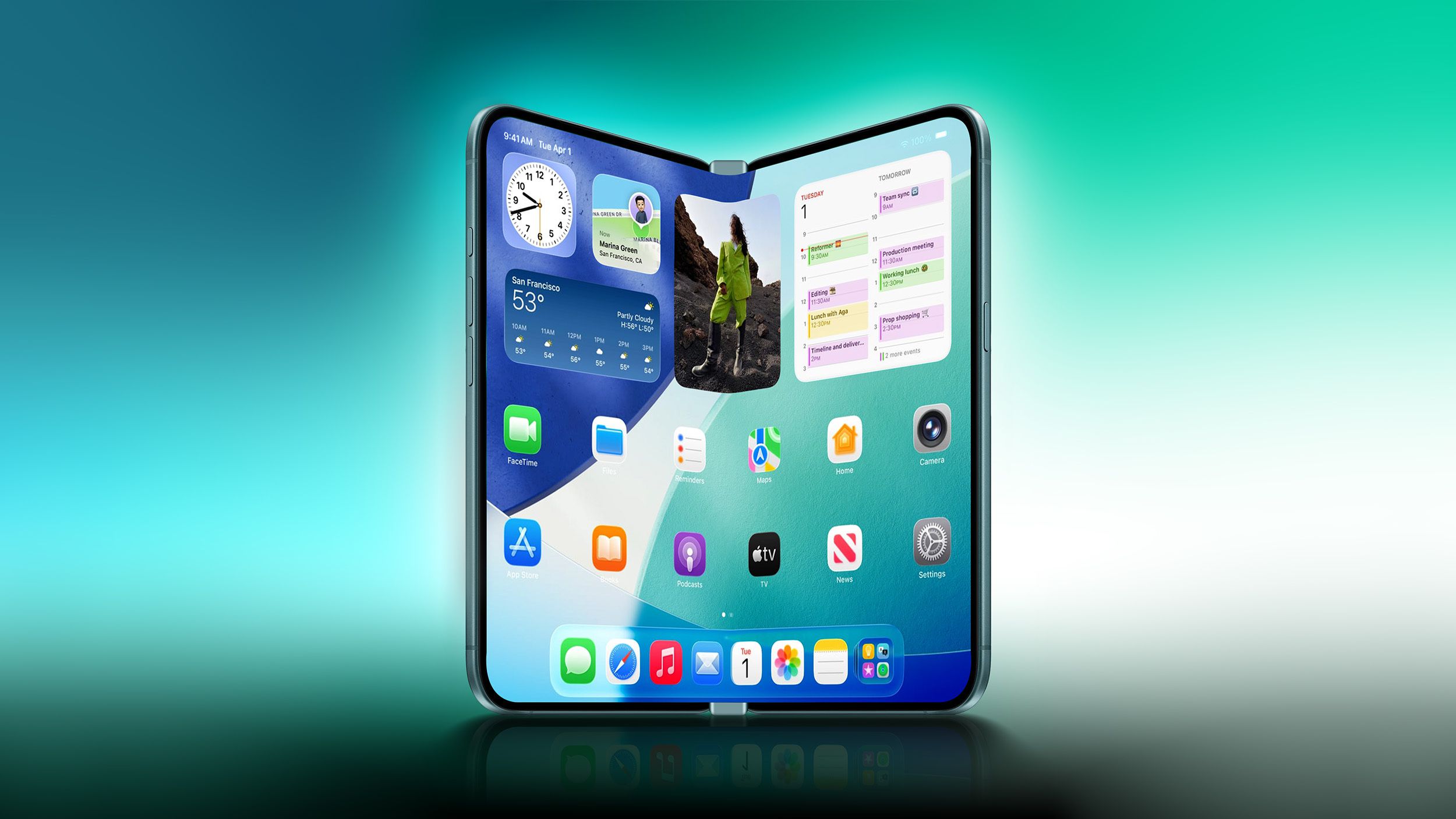
    Apple is reportedly developing its first foldable iPhone, a topic that has been garnering significant interest in recent months. The latest inside information comes from industry analyst Ming-Chi Kuo, who has offered some insight into the potential cost of the phone’s integral component, the hinge.

    Predictions on Hinge Cost for the Foldable iPhone

    Ming-Chi Kuo suggests that the hinge for Apple’s foldable iPhone might be more cost-effective than currently expected, potentially by $20 to $40. The hinge is a crucial component in a foldable phone as it supports the flexible display, enabling it to open and close.

    Creating the ideal hinge for such devices can be challenging, often leading to high production costs. However, Kuo proposes that Apple’s choice of hinge design could reduce these costs significantly.

    Kuo predicts that when the hinge enters mass production, the average cost could be around $70 to $80 per piece. This estimation is considerably lower than the current market expectation of $100 to $120 or even more.

    Partnership for Hinge Production

    It is reported that the task of producing the hinge will be shared between two companies. Foxconn, a long-standing partner in Apple’s supply chain, and Shin Zu Shing are expected to jointly undertake the manufacturing process.

    This partnership is believed to have secured a significant portion of hinge orders from Apple, accounting for around 65% of the total. The remaining orders are anticipated to be fulfilled by Amphenol.

    There are rumors of a potential third manufacturer, Luxshare, joining the production chain. However, this is contingent on the success of the initial foldable iPhone and may not occur until after 2027.

    Expectations for the Foldable iPhone

    Earlier speculations suggested that the foldable iPhone might feature a frame composed of titanium and aluminum, enabling the phone to be both thin and robust. This contradicts Kuo’s previous assertions that stainless steel might be used.

    The launch of the first foldable iPhone is currently projected for late 2026. It remains uncertain whether the potential lower cost of hinge production might lead to a reduction in the retail price of the foldable iPhone. Apple considers various factors when pricing its products, and this approach will likely apply to the new foldable iPhone as well. Current estimates suggest the foldable iPhone could cost around $2,000 to $2,500.

    Questions & Answers

    What is the estimated cost for the hinge of the foldable iPhone?
    The estimated cost of the hinge, when it enters mass production, is around $70 to $80 per piece. This is considerably lower than the current market expectation of $100 to $120 or more.

    Which companies are rumored to produce the hinge for the foldable iPhone?
    Foxconn and Shin Zu Shing are expected to jointly produce the hinge, securing about 65% of the total orders from Apple. The remaining orders are likely to be fulfilled by Amphenol. There is also speculation about a third manufacturer, Luxshare, joining the production later.

    When is the foldable iPhone expected to be launched?
    The launch of the first foldable iPhone is currently projected for late 2026.

  • Microsoft Unveils Ambitious Multimodal AI Vision for Windows 2030 Experience

    Microsoft Unveils Ambitious Multimodal AI Vision for Windows 2030 Experience

    Microsoft’s ambitious Windows 2030 Vision unveils a future where artificial intelligence (AI) is woven into the very fabric of its operating system, dramatically reshaping the user experience. Imagine a world where AI agents tackle mundane tasks, freeing users to focus on creativity, innovation, and collaboration—sounds like a sci-fi plot, right? But this is what Microsoft envisions for the coming decade.

    AI: The New Driving Force

    In this forward-thinking landscape, interaction with the operating system will evolve into a seamless, multimodal experience. The OS will not only “see” and “hear” but also respond empathetically to user inputs, making computing more intuitive and human-like. Users will be able to execute complex requests simply by speaking or gesturing, thanks to advanced voice and visual commands.

    Revolutionizing Security

    Security features are also set to see a significant overhaul. Microsoft plans to transition from traditional app and OS-level protection to a more holistic appliance-level security system. Picture this: one-click, comprehensive device security, designed to keep your digital life safe without the usual hassle. This all-encompassing approach promises to redefine how users protect their sensitive information.

    A Blueprint for Tomorrow

    The union of intuitive computing and robust security within the Windows ecosystem highlights Microsoft’s determination to blend human creativity with AI-driven efficiency. As we look ahead to 2030, it’s clear that Microsoft is not just dreaming about the future of work; it’s designing it. With these innovations on the horizon, the way we work, communicate, and safeguard our digital assets will likely be transformed forever.

    Questions & Answers

    What is the primary goal of Microsoft’s Windows 2030 Vision?
    The goal is to integrate artificial intelligence deeply into the operating system to enhance user experience by automating routine tasks and facilitating a more intuitive interaction with technology.

    How will security change with the new Windows vision?
    Windows aims to shift from traditional security measures to a more comprehensive appliance-level protection model, allowing users to secure their devices with a single click.

    What is the anticipated impact of these changes on users?
    Users can expect to have more time for creative and innovative pursuits as AI manages everyday tasks, making computing not only more efficient but also more engaging.

  • JD.com To Acquire German Retailer Ceconomy In €2.2 Billion Strategic Expansion Move

    JD.com To Acquire German Retailer Ceconomy In €2.2 Billion Strategic Expansion Move

    JD.com, one of China’s leading online retailers, is set to acquire German electronics retailer, Ceconomy. The acquisition deal is worth an estimated 2.2 billion euros (US$2.5 billion). This strategic move signals JD.com’s intentions to expand beyond its domestic market.

    The Details of the Acquisition

    Ceconomy operates under the renowned MediaMarkt and Saturn brands. The acquisition will grant JD.com, a competitor of international giants like Alibaba and Amazon, access to one of Europe’s most extensive online electronic goods platforms, as well as a network of approximately 1000 stores spanning several European nations. The two chains currently employ around 50,000 individuals.

    The deal, announced recently, prices Ceconomy at 4.60 euros per share. CEO Kai-Ulrich Deissner revealed that the deal is expected to be finalized in the first half of the upcoming year.

    According to Deissner, JD.com is the perfect partner at this opportune time. He expressed enthusiasm about the partnership, noting that it would provide them with unrivaled access to cutting-edge technologies, unparalleled retail expertise, and world-leading supply chains.

    Deissner also affirmed that both Ceconomy’s management board and supervisory board would recommend acceptance of the offer to its shareholders. Furthermore, the company’s Duesseldorf headquarters will continue to operate as usual.

    Implications of the Acquisition

    Sandy Xu, CEO of JD.com, has voiced her commitment to working with the team to bolster their capabilities, while also utilizing their advanced technology to expedite Ceconomy’s ongoing transformation.

    Xu added that their objective is to foster Ceconomy’s growth across Europe, thereby creating long-term value for their customers, employees, investors, and local communities.

    The Kellerhals family, Ceconomy’s largest single shareholder, owning just under 30 per cent of the shares, has accepted an offer for 3.81 per cent of its shares. The family intends to retain its investor status, maintaining approximately 25.35 per cent stake.

    Other shareholders, Haniel, Beisheim, BC Equities, and Freenet – who collectively hold about 27.9 per cent of the shares – intend to sell their shares to JD.com.

    Deissner assured that there would be no compulsory redundancies within three years of closing the transaction. He also expressed confidence in avoiding any significant issues from antitrust authorities.

    Impact on Ratings

    Acquiring Ceconomy could potentially fortify JD.com’s presence in Europe significantly. In the wake of the acquisition, JD.com stands to benefit from the more than 1000 stores operating under the MediaMarkt and Saturn brands, not to mention its healthy online presence, which contributes to 24 per cent of sales.

    According to Fitch Ratings, this acquisition could potentially enhance Ceconomy’s credit profile, given JD.com’s strong credit profile. As one of the world’s largest e-commerce platforms, JD.com’s $160 billion revenue from retail, technology, logistics, and healthcare sectors could be a game-changer.

    Questions & Answers

    What is the estimated value of the acquisition deal between JD.com and Ceconomy?
    The acquisition deal is valued at approximately 2.2 billion euros (US$2.5 billion).

    How will the acquisition of Ceconomy benefit JD.com?
    The acquisition will grant JD.com access to one of Europe’s largest online platforms for electronic goods and a network of nearly 1000 stores across several European countries.

    What are the implications of the acquisition deal for Ceconomy’s shareholders?
    The Kellerhals family will sell 3.81 per cent of its shares but intends to remain an investor. Other shareholders, including Haniel, Beisheim, BC Equities, and Freenet, intend to sell their shares to JD.com.

  • Judge says Apple and one of its executives lied during Epic Games trial in 2021

    Judge says Apple and one of its executives lied during Epic Games trial in 2021

    Remember Judge Yvonne Gonzalez Rogers? She was the judge who made the ruling in Apple’s 2021 legal battle against Epic Games that resulted from Apple’s decision to boot Epic and its popular Fortnite game from the App Store. Apple said that Epic included a link inside the App Store version of Fortnite that would allow users to buy in-app items for the game directly from Epic. This prevented Apple from taking the 30% cut it would usually take from the cost of paid apps and in-app purchases.

    Today, Judge Gonzales Rogers said in a court document that Apple “willfully” violated an injunction that she imposed on the company in 2021. She also wrote that Alex Roman, Apple’s Vice President of Finance “outright lied to the court” about the timing related to a decision made by Apple to place a 27% fee on some App Store purchases. The judge turned over the matter to U.S. attorneys who will now investigate whether Roman and Apple will be charged with criminal contempt.

    In a short but sweet response, Apple said, “We strongly disagree with the decision. We will comply with the court’s order and we will appeal.”

    Wednesday, Rogers ruled that Apple was in contempt and accused the tech giant of trying to violate the rulings she made in the 2021 case. The judge explained that after her decision in 2021, purchases made off-app by iPhone users would be expected not to have any commission or cut for Apple. But all Apple did in 2024 was reduce the cut it would receive from 30% to 27%.

    “In stark contrast to Apple’s initial in-court testimony, contemporaneous business documents reveal that Apple knew exactly what it was doing and at every turn chose the most anti-competitive option. To hide the truth, Vice-President of Finance, Alex Roman, outright lied under oath.”

    The judge also said that Apple never presented documentation about a meeting held in June 2023 that Apple CEO Tim Cook attended. Apple never told the court about this meeting until this year by hiding it from the court, according to Judge Gonzales Rogers. The judge ordered Apple to immediately stop charging commissions on purchases made for iPhone apps obtained through web links inside an app. As previously noted, that’s exactly what Epic did with its Fortnite app that kicked off all of this drama.

    “It’s a huge victory for developers, and it means all developers can offer their own payment service side-by-side with Apple’s payment service. This forces Apple to compete. This is what we wanted all along.”

    Additionally, Apple will be responsible for Epic’s attorney fees related to this issue. Judge Gonzalez Rogers had no sympathy for the company. “This is an injunction, not a negotiation. There are no do-overs once a party willfully disregards a court order,” the judge wrote.

  • Honor’s upcoming flagship wants a seat at the champions table

    Honor’s upcoming flagship wants a seat at the champions table

    Although specs and price should be the deciding factor when purchasing a phone, “brand” is one of the most important aspects that convinces customers to buy certain products.

    To put it bluntly, Apple and Samsung have monopolized certain markets like the United States through the sheer power of their branding. But other companies are making products that are at least as good and are priced much lower.

    Honor is one of the brands that have been trying to enter the US market for years before Chinese companies have become undesirable in the country. The most recent Honor flagships offer good value for money, especially since they typically cost less than Samsung’s top-tier phones.

    The upcoming flagship to be released by Honor later this year definitely wants a seat at the champions table. The first details about the unannounced Honor Magic 8 Pro indicate that this will be a real beast.

    Honor’s flagship will be equipped with Qualcomm’s not-yet-release Snapdragon 8 Elite 2 processor. Also, reliable tipster Digital Chat Station claims the Magic 8 Pro boasts a very powerful triple camera system that includes 50-megapixel main, 50-megpaixel ultra-wide, and 200-megapixel periscope telephoto cameras.

    Yest, this is the same camera configuration as the Magic 7 Pro, except that the upcoming Magic 8 Pro will use the OmniVision OV50Q sensor to power its main snapper. On top of that, DCS says the camera system supports “smooth frame transition” and “super frame synthesis.”

    In addition, Honor managed to further improve focus speed and optimized high dynamic range. More importantly, the Magic 8 Pro camera is said to consume a lot less power than the Magic 7 Pro, another key aspect that Honor decided to fine-tune.

    These are all the details about the Magic 8 Pro that have been leaked so far, but it’s more than we expected considering that the phone isn’t expected to arrive until later this fall.

    Even though Honor hasn’t announced anything about the Magic 8 Pro, the Chinese company usually launches its second flagship for the year in Q3, so there’s still time to learn at lot more about the device.

  • Is the EU’s push for more iPhone openness going too far?

    Is the EU’s push for more iPhone openness going too far?

    Apple’s relationship with the European Union has always been complicated, but the latest set of demands might be the point where the company starts pushing back more aggressively. Under the EU’s Digital Markets Act (DMA), Apple is being asked to open up even more of its famously closed ecosystem—this time targeting features that many would argue are fundamental to the Apple experience itself. And unlike with USB-C or RCS, this doesn’t feel like a consumer win. It feels like regulators are tampering with what makes Apple… Apple.

    Let’s backtrack for a second. The Digital Markets Act is a set of rules meant to keep “gatekeepers”—large tech companies with dominant platforms—from using that power to squash competition. Apple, along with Meta, Google, and others, falls into that category. So far, we’ve seen the EU use that power to get Apple to adopt USB-C on iPhones and begin support for RCS messaging in iOS 18—both reasonable and arguably overdue. But now, the EU wants Apple to take things much further.

    The new requirements include opening up the iPhone’s NFC chip (used for tap-to-pay services) to third-party apps beyond Apple Pay, letting non-Apple smartwatches access the same notification integrations as the Apple Watch, and even allowing non-AirPods to take advantage of features like seamless device switching. There’s also pressure to make AirDrop and AirPlay available to rival platforms.

    These are no longer just tweaks to help with interoperability or convenience. These are foundational elements of the Apple ecosystem—features that have historically been exclusive and are part of the reason many people choose Apple products over Android or other alternatives. Apple didn’t mince words in its response, stating that some of the changes the EU wants “pose very real privacy and data security risks” for users.

    That’s not just PR spin. Apple’s closed ecosystem has long been a double-edged sword—it offers security, consistency, and tight integration between devices, but at the cost of flexibility and openness. Plenty of people criticize Apple for that, and some of that criticism is valid. But forcing Apple to break down those walls entirely starts to feel like regulators trying to re-engineer a product, rather than just leveling the playing field.

    The Digital Markets Act forced Apple to allow third party app stores on the iPhone, to which Apple complied, but only in this region. | Image credit — DMA.

    And while Apple might be complying—at least on paper—it’s already found creative ways to limit how much these new rules actually affect the user experience. For example, in iOS 17.4 (the version tailored to the EU’s DMA requirements), Apple lets third-party app stores and alternative browser engines exist, but the hoops developers need to jump through are significant. And users are hit with scary warnings that could discourage them from straying too far from the Apple-approved path.

    What’s becoming clearer is that Apple may choose to keep restricting or disabling certain features in the EU entirely rather than continue to change the DNA of its products. We’ve already seen this play out with things like Apple Cash and Apple Card—both of which are still unavailable in the EU due to regulatory complications. And it’s not out of the question that some of the seamless device features we’ve gotten used to might eventually be region-locked.

    To be fair, Apple isn’t the only company under the DMA’s microscope. Google is also being asked to give users more choice when setting up Android devices, and Meta is facing scrutiny over how its services are bundled. But Apple is unique in how much of its brand is built around exclusivity and tight integration. Forcing them to open up feels more disruptive than it might be for a company that already plays well with others.

    As someone who generally supports more openness in tech—especially when it helps consumers—I was all for the EU pushing Apple toward USB-C and RCS. Even more so as someone who uses both an iPhone and an Android device as a daily driver. Those are about standardization and making basic tech functions easier for everyone. But this latest round of demands feels like something else entirely. It’s one thing to create fairer conditions for competition; it’s another to dismantle what makes a product distinct in the name of fairness.

    Apple shouldn’t be above regulation, and healthy competition is important. But regulators also need to recognize when they’re crossing from creating opportunity into reshaping products in a way that users didn’t ask for. At this rate, Apple may eventually decide it’s just not worth offering the same iPhone experience in the EU at all.

  • iPhone 16 series to be available in Indonesia next month

    iPhone 16 series to be available in Indonesia next month

    Teach giant Apple announced that the iPhone 16 will be available in Indonesia from April 11, indicating the sales ban in Southeast Asia’s biggest economy had been lifted.

    The government in October prohibited the marketing and sale of the model over the US tech titan’s failure to meet regulation requiring 40% of phones be made from local parts.

    However, Apple struck a deal with the Indonesian government last month to invest in the country of 280 million after months of deadlock.

    “Today, Apple announces that all iPhone 16 series… will be available starting from Friday, April 11,” the company said in a statement on Wednesday.

    The industry ministry said this month it had approved local certificates for more than a dozen Apple products.

    Last week, The Ministry of Communication and Digital Affairs said Apple has also obtained a certificate needed for all telecommunication devices with transmission.

    Jakarta rejected a $100 million investment proposal from Apple in November, saying it lacked the “fairness” required by the government.

    Apple later agreed to invest $150 million in building two facilities — one in Bandung in West Java province to produce accessories, and another in Batam for AirTags.

    Industry Minister Agus Gumiwang Kartasasmita said last month that Apple had also committed to building a semiconductor research and development center in Indonesia, calling it a “first of its kind in Asia”.

    Despite the ban on iPhone sales in Indonesia, the government had allowed the devices to be brought in if they were not being traded commercially.

    Indonesia has also banned the sale of Google Pixel phones for failing to meet the 40% local parts requirement.

  • Apple teases a new Air device

    Apple teases a new Air device

    Anticipation is reaching peak levels today as Apple has hinted at a new “Air” device launching this week, and while a MacBook Air refresh seems probable, many are hoping for an iPad or even an iPhone version. A brief social media post from Apple CEO Tim Cook, featuring a cryptic video and the phrase “There’s something in the air,” has fueled this anticipation.

    Though analysts like Mark Gurman from Bloomberg suggest updated 13-inch and 15-inch MacBook Air models, powered by the M4 chip, are the most likely candidates, the desire for a new iPad or iPhone Air persists. This is especially true given recent reports of Apple clearing out existing iPad Air inventory, a common precursor to a new product launch. The timing aligns with past releases, as Apple introduced the M3 MacBook Air around this time last year.

    The possibility of a new iPad Air would enhance features and design improvements in Apple’s tablet line. Given how much many users enjoy the iPad, this would be a welcome change.

    The more distant, but still tantalizing, possibility is a new iPhone “Air” model. Although it is generally believed that this is too soon, the thought of a new iPhone model is still exciting. This iPhone rumor, while less likely, adds an element of surprise to the unfolding narrative.

    The focus on the M4 chip, if it does pertain to a MacBook, indicates Apple’s continued push for performance and efficiency in its laptop series. However, the prospect of a refreshed iPad or even a new iPhone “Air” model offers a different kind of excitement, especially with the focus on thin devices that smartphone OEMs seem to be heavily focused on lately. The clearing of iPad inventories adds some weight to this hope, even if the MacBook refresh is the most likely outcome.

    Personally, I’m hoping for the iPad Air. While the MacBook is always welcome, a new iPad Air would be a nice change for those who like tablets. A new iPhone would be even better, but that seems like a long shot.

  • Samsung Electronics’ Vietnam profits drop 11%

    Samsung Electronics’ Vietnam profits drop 11%

    Samsung Electronics’ profits in Vietnam declined by 11.4% last year to US$3.2 billion, its latest financial reports show.

    Its revenues remained almost unchanged at $56.7 billion.

    Globally, the South Korean giant saw profits surge 122% to $25.3 billion on 16% higher revenues of $220 billion.

    The four main facatories in Vietnam, Samsung Thai Nguyen, Samsung Electronics Vietnam Bac Ninh and Samsung Display Vietnam Bac Ninh in the north, and Samsung Electronics HCMC CE Complex, contributed 25% to total revenues.

    Smartphone manufacturer Samsung Thai Nguyen earned revenues of $22.9 billion, up 7.6% from 2023.

    It was the third biggest contributor to sales behind Samsung Electronics America and Samsung Semiconductor, also in the U.S.

    But its profits fell by 7.2% to $1.4 billion.

    Samsung Electronics Vietnam, another smartphone producer, posted a revenue increase of 5.7% to $14.8 billion.

    Its profit jumped 18.9% to $943 million.

    The display producer Samsung Display Vietnam saw both revenue and profit declining.

    Its revenue fell 15.7% to $14.2 billion while profit dropped by half to $583 million.

    The display unit, however, continued to invest substantially in Vietnam last year.

    In September it signed a memorandum with Bac Ninh Province for the development of a screen and electronic parts project worth $1.8 billion.

    Last month Bac Ninh authorities granted an investment certificate for the subsidiary to pump up its capital by 18% to $7.7 billion.

    For the HCMC unit, which makes TVs, profit dropped 5% to $365 million last year, while revenue rose 13.9% to $4.9 billion.

    Samsung is the biggest foreign investor in Vietnam with $23.2 billion in registered capital.

    Its executives earlier this month have affirmed its commitment to expand its investment in Vietnam, including in new sectors such as semiconductor and AI.