Tag: etail

  • Trade Minister Warns about E-Commerce Funding Crisis

    Trade Minister Warns about E-Commerce Funding Crisis

    Trade Minister Thomas Lembong asked Indonesia e-commerce companies to be careful in assessing risks posed by the e-commerce business.

    “What would happen if the funding stopped? In the United States, tech business boom has started to decline,” Thomas said at the Indonesia E-commerce Summit & Expo in BSD, South Tangerang, on Wednesday, April 27, 2016. “I’m always paranoid. As a risk manager, I always ask ‘what if’.”

    Thomas added the natural selection in online business would determine which companies would continue exist. According to him, a business with a fast downturn will have a short cycle. Therefore, Thomas suggested business owners to prepare for “rainy days”.

    The Trade Minister revealed that other ministers in President Joko “Jokowi” Widodo’s Working Cabinet were proud with Indonesia’s e-commerce rapid growth. Thomas said that he wanted his ministry to learn from former US President Bill Clinton’s administration that supported the development of the Internet. Thomas explained Clinton improved the Internet with ‘light touch’ and refused the temptation to regulate everything on the Internet.“Innovation can thrive without restrictions. There has to be a space to develop. Innovators are usually rebellious,” Thomas added.

  • KinerjaPay Establishes Wholly-Owned Subsidiary in Jakarta

    KinerjaPay Establishes Wholly-Owned Subsidiary in Jakarta

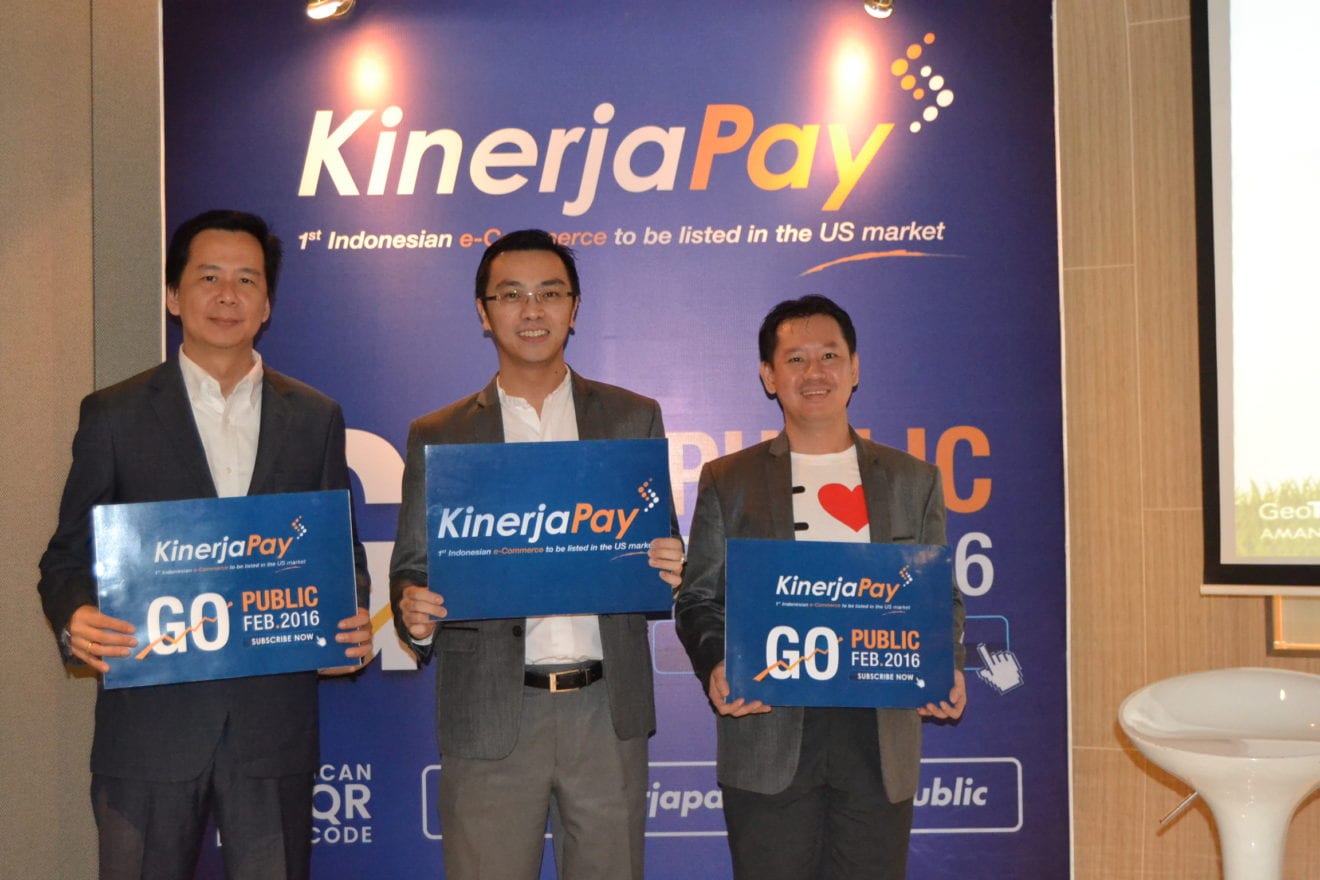
    KinerjaPay, today announced that it established its new wholly-owned subsidiary, PT Kinerja Pay Indonesia, with offices located in Jakarta city, Indonesia. The new Subsidiairy was organized under Indonesian Incorporation Law Article No.34, dated 14 April 2016, and Principal License from Indonesia Investment Coordinating Board (BKPM) No.909/1/IP/PMA/2016 dated 06 April 2016. The Company has also appointed Mr. Deny Rahardjo as Chief Executive Officer (CEO) of PT Kinerja Pay Indonesia.

    Mr. Edwin Ng , Chairman and CEO for KinerjaPay Corp. stated. “We are extremely excited that Mr. Rahardjo accepted his appointment as CEO of our new subsidiary, PT Kinerja Pay. With his extensive experience in Information Technology and Business Management, Mr. Deny Rahardjo is the right person to manage and expand Kinerja Pay’s business operations in Indonesia. With Deny Rahardjo at our helm, we plan to grow our business and become one of the largest mobile payment and eCommerce providers in Indonesia. Since 2015, we have registered more than 35,000 active users with total of 170,000 transactions to date. We fully believe that Mr. Rahardjo, formerly a Microsoft, Polycom, and Telstra Executive in Singapore, will truly revolutionarize eCommerce in Indonesia and enable Kinerja Pay to become the most highly used and popular online payment solution/platform within the next several years, as well as expand its business opportunities throughout the SE Asian marketplace.”

    Mr. Ng further stated that “we chose to establish our initial business operations in Indonesia due to several economic factors, including its population size (est. 260 million according to Worldometers), user demographics, which consists of younger generations, and its ever-growing eCommerce market, which is expected to reach USD $3.8 billion by 2019.”

    With the growing trend of online shopping, Kinerja Pay will offer its users with convenient shopping experience as well as secure payment option. The Company also expects to launch several other applications to complement its mobile eWallet business by entering into other eCommerce verticals such as travel industry, fashion, online games, time-saver application, and many more.

    Notice Regarding Forward-Looking Statements

    This press release may contain forward-looking statements, about KPAY’s expectations, beliefs or intentions regarding, among other things, its product development efforts, business, financial condition, results of operations, strategies or prospects. In addition, from time to time, KPAY or its representatives have made or may make forward-looking statements, orally or in writing. Forward-looking statements can be identified by the use of forward-looking words such as “believe,” “expect,” “intend,” “plan,” “may,” “should” or “anticipate” or their negatives or other variations of these words or other comparable words or by the fact that these statements do not relate strictly to historical or current matters. These forward-looking statements may be included in, but are not limited to, various filings made by KPAY with the U.S. Securities and Exchange Commission, press releases or oral statements made by or with the approval of one of KPAY’s authorized executive officers.

    Forward-looking statements relate to anticipated or expected events, activities, trends or results as of the date they are made. Because forward-looking statements relate to matters that have not yet occurred, these statements are inherently subject to risks and uncertainties that could cause KPAY’s actual results to differ materially from any future results expressed or implied by the forward-looking statements.

    Many factors could cause KPAY ‘s actual activities or results to differ materially from the activities and results anticipated in such forward-looking statements, including, but not limited to, the factors summarized in KPAY ‘s filings with the SEC. In addition, KPAY operates in an industry sector where securities values are highly volatile and may be influenced by economic and other factors beyond its control. KPAY does not undertake any obligation to publicly update these forward-looking statements, whether as a result of new information, future events or otherwise. Please see the risk factors associated with an investment in our securities which are included in our Annual Report on Form 10-K as filed with the U.S. Securities and Exchange Commission on February 11, 2016.

  • Indonesian online retailer Bhinneka plans IPO to fund expansion

    Indonesian online retailer Bhinneka plans IPO to fund expansion

    Indonesian online retailer PT Bhinneka Mentari Dimensi is planning an initial public offering (IPO) in 2018 to widen its reach, one of its directors said on Thursday, as the e-commerce battleground heats up in Southeast Asia’s biggest economy.

    The e-commerce market in the country of 250 million people is ripe with potential but it is fragmented and comes with complex regulatory and logistical barriers.

    “Our objective to go public is for scaling,” director Andi Boediman said, adding that the company plans to expand its store network and strengthen its supply chain while investing in technology and marketing.

    The company operates online through Bhinneka.com, with customers able to have purchases delivered to their homes or its physical stores, which also serve as retail outlets for the electronic goods specialist.

    Bhinneka is in a good position to attract investors, Boediman told reporters on the sidelines of a conference in Jakarta.

    “We are an online retailer that is focused and reasonably sizeable,” Boediman said, adding that revenue “at least doubled” last year and that he expects a strong performance in 2016.

    Bhinneka decided to pursue an IPO in Indonesia because it can be a dominant player on its home ground, Boediman added. He declined to disclose how much the IPO is expected to raise or the company’s financial figures.

    The company’s domestic rivals include SoftBank-backed Tokopedia, Blibli and Indonesian conglomerate Lippo Group’s MatahariMall.com. Lippo is also considering an IPO for its e-commerce business, a director said in February

    The Indonesian market is still growing while being supported by a large consumer base, said David Rimbo, managing partner for transaction advisory services at Ernst & Young in Indonesia.

    “I think the timing is right for Indonesian players to actually realize basically decent valuations,” he said.

  • Mobile money service launched in Bangladesh

    Mobile money service launched in Bangladesh

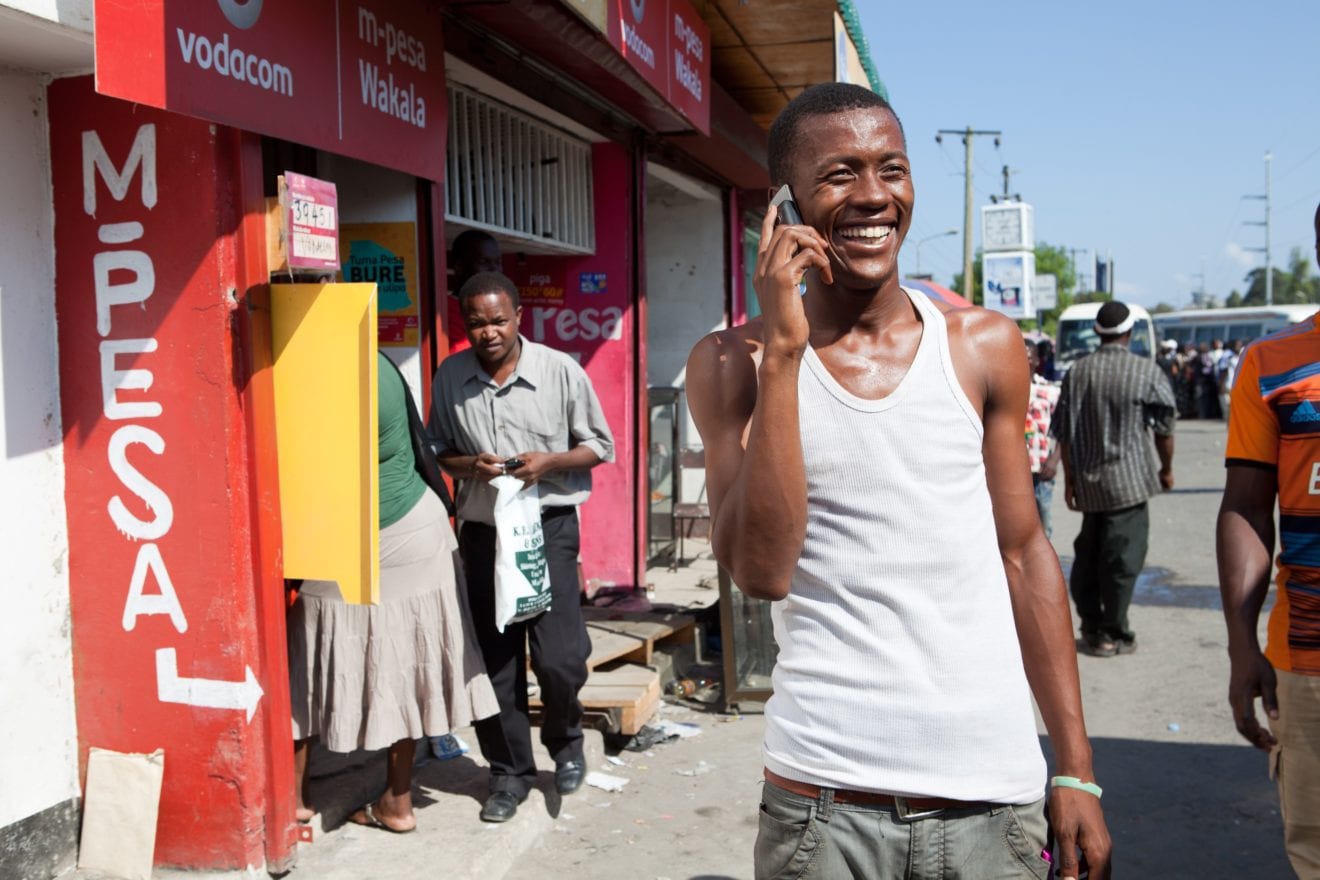
    Financial inclusion in Bangladesh just took a stride closer to reality with the launch of a new international remittance receiving service via a partnership between MasterCard, Western Union, bKash and BRAC Bank.

    The new service enables bKash’s registered customers to use their mobile phones to receive remittances from abroad directly into their bKash accounts.

    A subsidiary of BRAC Bank and a joint venture between BRAC Bank and Money in Motion LLC of USA, bkash serves the low income masses of Bangladesh to achieve broader financial inclusion by providing services that are convenient, affordable and reliable.

    With 70% of the population living in rural Bangladesh many of whom have no access to formal financial services, it is also the eight largest receiver of international remittances in the world. Under 15% of Bangladeshis are connected to the prescribed banking system whereas over 68% have mobile phones.

    World Bank South Asia Financial Inclusion Index 2014These phones are not only devices for talking, but can be used for more useful and difficult processing tasks. bKash was conceived primarily to use these mobile devices and the universal telecom networks to extend financial services in a protected manner to the under-served distant population of Bangladesh.

    By using the new service, bKash’s registered customers can receive remittances from every Western Union send market and channel directly into their bKash account, 24 hours a day.

    MasterCard’s Matthew Driver said: “This relationship is another step towards achieving our global commitment to make the financial system accessible to 500 million more people by 2020. Working with companies such as bKash and Western Union is crucial to taking advantage of the latest technology; digitizing money transfers and supporting financial inclusion efforts in the South Asia region and worldwide. The choice, flexibility and convenience of this new bKash service will help to expand financial inclusion to some of the most remote parts of this thriving nation.”

    Western Union’s Jean Claude Farah said international money transfers over mobile phones will accelerate financial inclusion in Bangladesh where there are currently more mobile phones than there are customers with bank accounts.

    In 2011, the Bangladesh Bank, the country’s central bank, issued the Mobile Financial Services (MFS) Guidelines and mandated that the model where MFS must be bank-led but also clearly indicated that partnerships with mobile operators must be forged to reach customers. The first two MFS providers to emerged as leaders early on were BRAC/bKash and Dutch Bangla-Bank/DBBL.

    Like many parts of developing Asia, financial inclusion is part of the government via the central bank’s strategic plan, aimed at ensuring these products meet the needs of the traditionally underserved segments of society. Among the services on priority list include expanding access to financial services to women, poor and rural populations; and formalizing financial services by promoting registered transactions.

  • Uber starts motorbike taxi service in Indonesian capital

    Uber starts motorbike taxi service in Indonesian capital

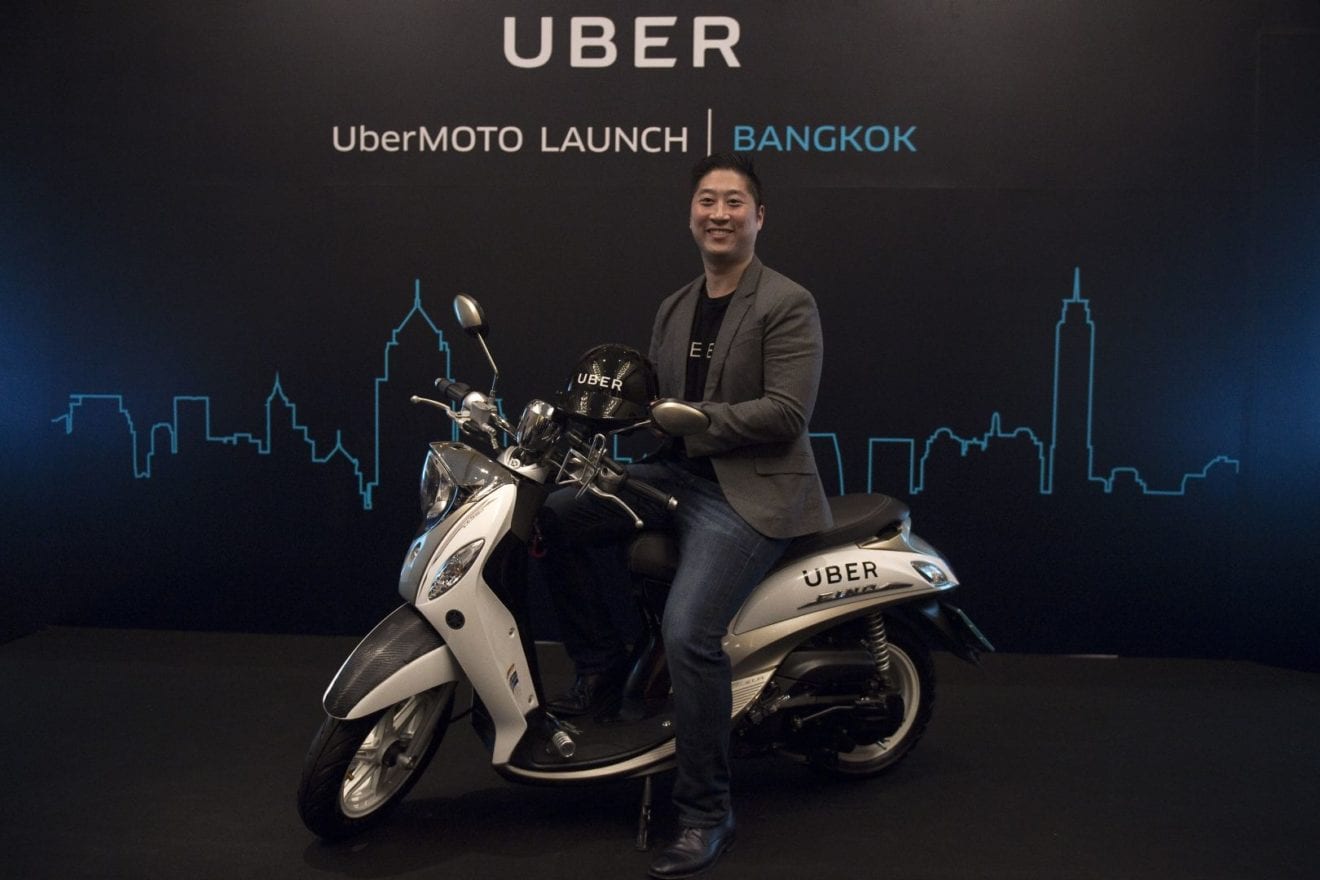
    Ride-hailing app Uber on Wednesday launched a motorbike taxi service in the Indonesian capital where Southeast Asian rivals Go-Jek and Grab are already battling for dominance.

    Jakarta is one of the world’s most congested cities and motorbike taxis ordered from a smartphone app have exploded in popularity in the past 18 months as a way to beat snarled traffic.Uber said that its “UberMotor” service would provide cheap and reliable transportation for hundreds of thousands of people.The company used a local social media and YouTube star Arief Muhammad to launch its service, saying he was the first person in Jakarta to use an Uber motorcycle taxi.

    Both Go-Jek, an Indonesian startup, and Grab, which operates in several Southeast Asian countries, claim to be the biggest provider of motorbike taxi rides in Indonesia.The popularity of motorbikes and regular taxis ordered from a smartphone has provoked a backlash in the taxi industry.Thousands of taxi drivers caused traffic chaos in Jakarta last month in a violent protest against what they believe is unfair competition.

    Drivers say the apps, which are using funding from venture capitalists to offer heavily discounted fares, have severely reduced their income. The app companies say the transport industry should adapt to new technology.The Indonesian government is drawing up new regulations to govern transport apps but has so far resisted calls to ban Uber and similar services.Officials estimate Jakarta’s traffic jams cause economic losses of about $3 billion a year.

  • Expansion Alibaba to Indonesia to Cause Rising Trade Deficit with China?

    Expansion Alibaba to Indonesia to Cause Rising Trade Deficit with China?

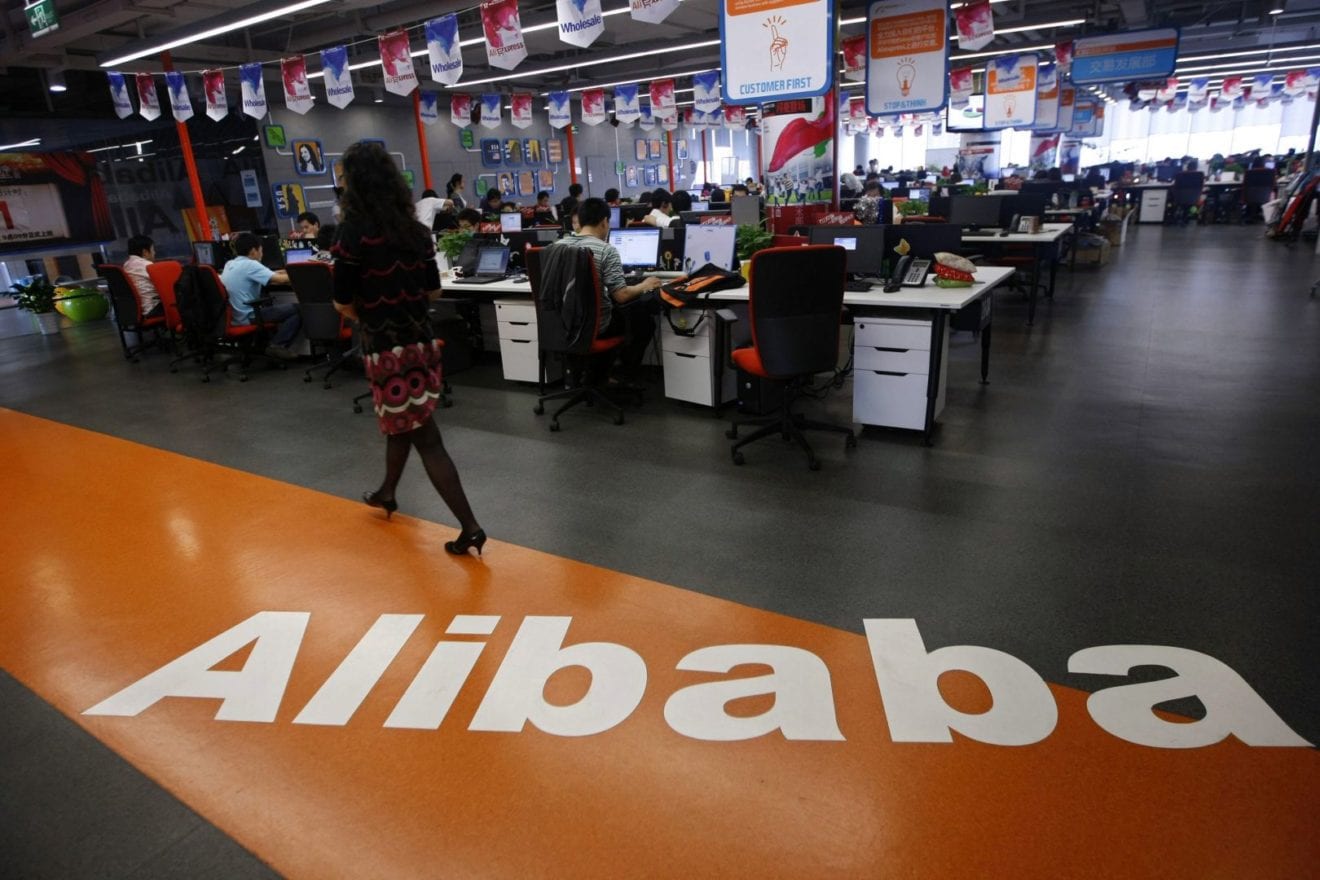
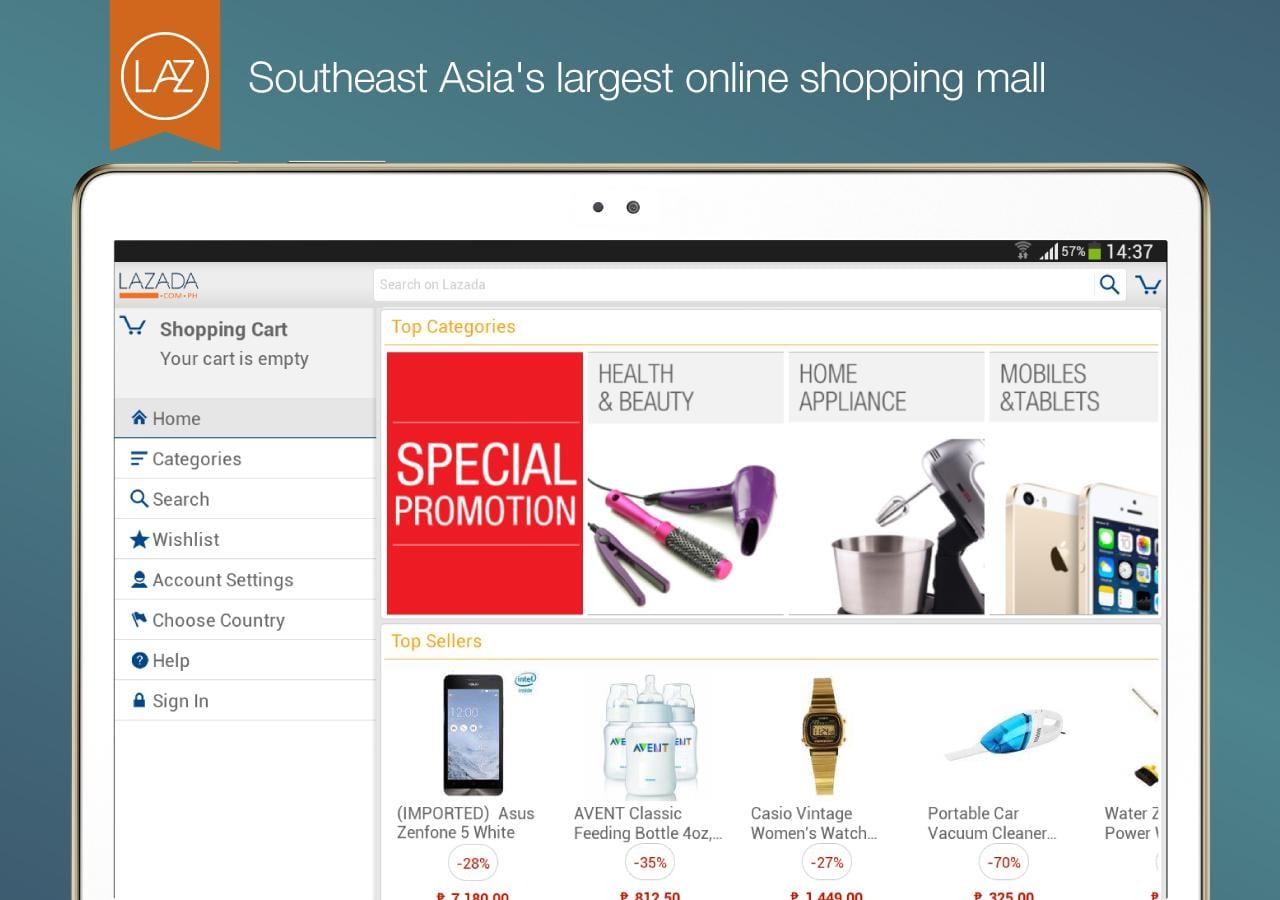
    Through the acquisition Alibaba is to have a firmer grip on the online retail business in Southeast Asia, including Indonesia, the region’s largest economy where Internet and smartphone penetration have been developing rapidly in recent years (although coming from a low base). The Southeast Asian nations where Lazada has been operating so far have a combined population of 560 million (of which an estimated 35 percent are online and thus potential online shoppers). However, Southeast Asia is also a challenging environment for online retail firms as the area is characterized by tough logistical issues (partly due to the relatively weak state of infrastructure) and there remains a lack of warehousing outside more advanced markets such as Singapor

    Through the China-ASEAN Free Trade Agreement (CAFTA), effective per 1 January 2010, about 90 percent of imported goods between Indonesia and China are subject to a zero percent tariff. Due to China’s higher developed manufacturing industry and lower logistics costs the implementation of CAFTA has caused a continuously rising flow of Chinese products into Indonesia. This has caused a rising trade deficit and also curtails development of Indonesia’s manufacturing sector (after all it is cheaper and quicker to import products from China than to invest in costly and long-term import-substitution industrialization).

    In 2015 Indonesia imported USD $29.22 billion worth of (non-oil & gas) products from China, while Indonesian exports to China only totaled USD $13.26 billion, implying a trade deficit of nearly USD $16 billion for Indonesia that year. This is in stark contrast to the years before 2008 when Indonesia had the upper hand in trade with China. The table below shows that Indonesia’s trade deficit with China rose significantly after the implementation of CAFTA in early 2010.

    Indonesia-China Trade Balance (non-oil & gas):

     2007  2008  2009  2010  2011  2012  2013  2014  2015
    Export to China
    (in USD billion)
      9.7  11.6  11.5   14.1   21.6   20.9   21.3   16.5   13.3
    Import from China
    (in USD billion)
      8.6  15.3  14.0   19.7   25.5   29.0   29.6   30.5   29.2
    Trade Balance
    (in USD billion)
      1.1  -3.7  -2.5   -5.6   -3.9   -8.1   -8.3  -14.0  -15.9

    Source: Indonesian Trade Ministry

    With Alibaba now owning a controlling stake in e-commerce platform Lazada, which has a rising costumer base in Indonesia, it could cause two developments: (1) due to the stronger ties between Lazada and China it gives rise to an increasing flow of Chinese products into Indonesia putting pressure on Indonesia’s trade balance, and (2) it threatens the position of local Indonesian start-up e-commerce businesses such as Bukalapak or Tokopedia because Lazada is expected to get a capital injection from Alibaba for expansion purposes and has easier access to cheap Chinese products (more competitive).

  • Singapore Post Ramps Up China E-commerce Push

    Singapore Post Ramps Up China E-commerce Push

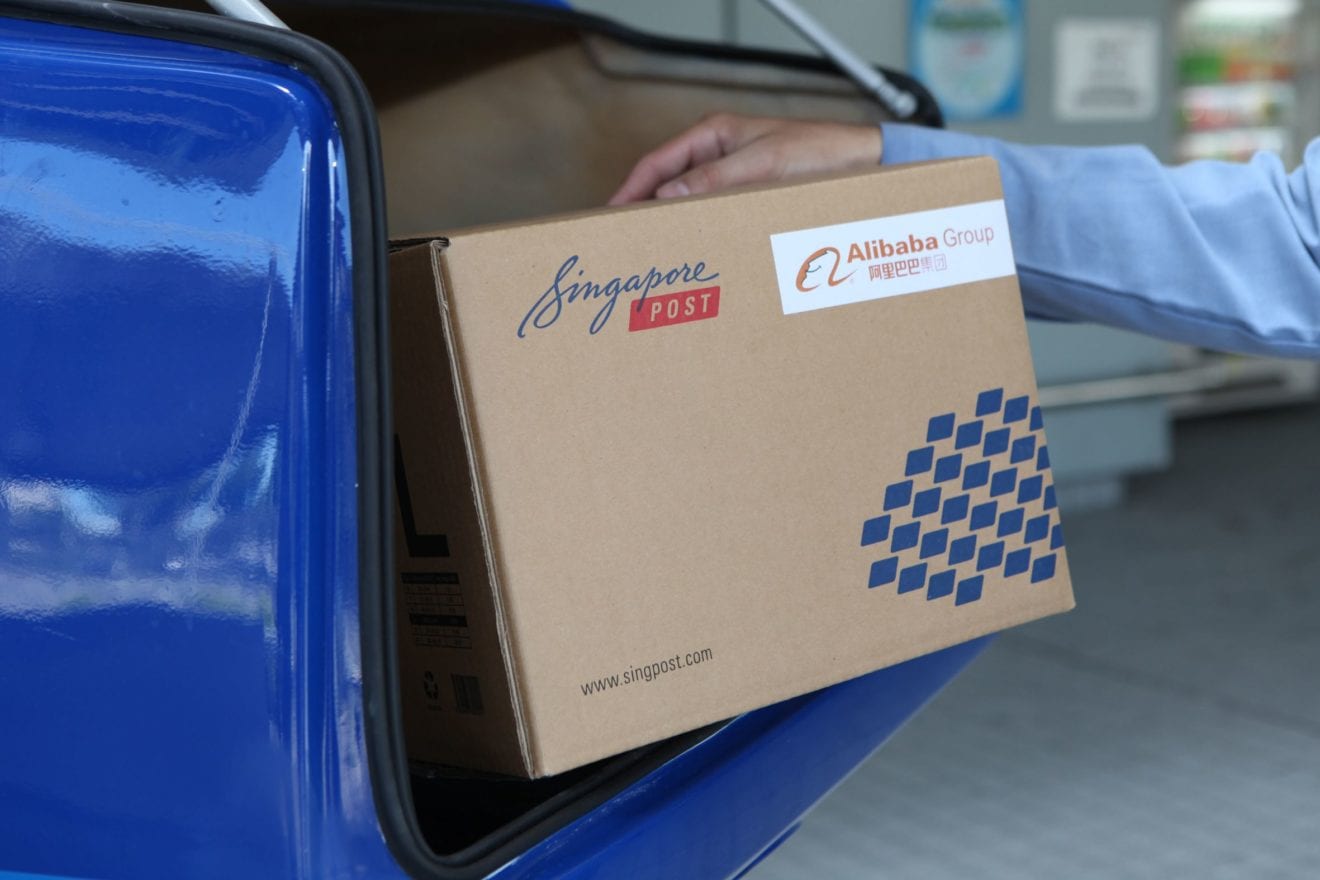
    Despite signs of a slowdown of imports into China, Singapore Post (SingPost) remains bullish on the prospects for e-commerce flows into Asia’s largest economy. The postal agency has upped its stake in Shenzhen-based e-commerce provider 4PX Information Technology.

    SingPost forked out US$25.6 million to acquire an additional 17.91% position in 4PX, one of China’s top e-commerce cross-border players, whose scope of services ranges from forwarding, express delivery and warehousing to software and consulting services for e-commerce vendors. The postal operator now holds a 36% stake in the Chinese firm.

    4PX runs warehouses in China, Australia, UK, Germany and the US, employing north of 2,600 staff. The company has over 20,000 customers in more than 50 locations in China and globally.

    “The additional investment in 4PX, with its extensive logistics capabilities in warehousing, express delivery and freight forwarding, is a key part of SingPost’s strategy to strengthen our integrated end-to-end e-commerce logistics solutions and to leverage on the rapid growth in China’s e-commerce activities,” said Goh Hui Ling, deputy CEO (international mail) of SingPost.

    With general cargo growth in the doldrums, logistics providers are keen on developing a footprint in e-commerce, which promises rich pickings and robust growth momentum. According to one estimate, global B2C volume is expected to reach US$2.26 trillion a year by 2020, with an annual growth rate of 15 to 20%.

    International carriers are particularly gung-ho on China, citing Chinese consumers’ rising cravings for international brands. Anselm Eggert, head of e-commerce at Lufthansa Cargo, stated that they are showing strong interest in European brands, especially health and beauty products.

    Freighter leasing firm Airborne Global Solutions invested US$16 million last September for a 25% stake in the nascent United Star Express, a new Chinese freighter operator that is expected to take to the skies halfway through this year. Its partners in the venture are Chinese Boeing 737 operator Okay Airways, a developer and an investment company, and Vipshop, the third-largest e-tailer in China, according to AGS president Rich Corrado.

    Postal agencies are pushing aggressively into this arena, their eagerness intensified by a need to make up for the ongoing shrinkage of their traditional letter mail business. With their delivery networks they have a strong advantage over competitors in the critical final-mile segment in their home markets, but they are also increasingly targeting international flows to other markets.

    Japan Post established its own website in China last autumn to offer Japanese merchandise to Chinese consumers. Orders are consolidated and moved by ocean vessel to Shanghai for overland distribution.

    China Post has been in hot pursuit of e-commerce business, which is reflected in the rapid growth of China Postal Airlines. According to one source, China Southern Airlines’ decision last year to bring two parked 747-400 freighters back into service was prompted by the Chinese postal agency.

    To develop its traffic from the postal agencies of Hong Kong and China, Cathay Pacific has implemented barcode scanning of mail at its stations in China and in Hong Kong. This enables the electronic transmission of departure, transit and arrival information. In a second phase, the airline is looking to integrate various IT interfaces – from booking to space management and mail warehouse transit management – to establish real-time data flow, said Mark Sutch, the airline’s general manager of cargo sales and marketing.

    For now many airlines view postal business as the biggest inroad into B2C e-commerce, but this will likely change. Eggert envisages greater involvement from carriers down the road. At this point Lufthansa is studying the market in order to be able to develop more targeted options later on.

    “I think in the future we will go beyond mail. I think the industry needs to think how to work together with partners,” Eggert said. This will require closer alignment, including some degree of IT integration. In light of the fact that the air cargo industry does not have a stellar track record in developing joint solutions, this will be a challenging avenue for operators to pursue, he added.

  • Huawei moves further into mobile payments

    Huawei moves further into mobile payments

    Apple and Samsung recognize that revenue from the sale of mobile devices, alone, cannot keep shareholders happy.

    With the vendors venturing into what is arguably one of the most exciting spaces in the financial services space – payments – it begs the questions of who will follow suit and whether the market can afford multiple payment providers.

    Not to be left behind, Chinese mobile phone device manufacturer, Huawei, is accelerating its payments ambition in 2016 with two significant announcements in the first quarter of 2016.

    The first is an agreement with Bank of China to jointly co-develop what the two organizations are claiming to be the next mobile based payment system under the Huawei Pay label. This was followed by a separate announcement with China UnionPay, the country’s state-run bank-card processor.

    This is not Huawei’s first foray into payment. Unofficially, Huawei Pay debuted in China with the launch of the company’s latest flagship smartphone – the Mate S in December 2015 following a test run of the payment service in September 2015. Using NFC technology, placing the Mate S in close proximity to a China UnionPay POS terminal with Quick Pass function will launch the Huawei Pay service.

    Users can complete the transaction via fingerprint authentication. The partnership with UnionPay holds the promise of extending Huawei Pay across China to a broader spectrum of Huawei handset users – mostly smartphones equipped with fingerprint sensors and an NFC chip simply by downloading the Huawei Pay app.

    China UnionPay, which holds a monopoly on bank-card payments in the country, also works with Apple Pay, which was launched in China last month.

    Local market research firm iResearch estimate that third party mobile payment transactions reached 2.42 trillion yuan in the third quarter of 2015, a 64% jump from Q2 2015. The China Internet Network Information Center estimated mobile payments to have risen to 357 million, up 60% from the previous year.

    The Chinese mobile payment market is expected to get very crowded rapidly with other mobile device manufacturers, including Xiaomi, ZTE and Lenovo, rumored to be developing their own mobile payment service. Xiaomi is doing so following its acquisition of a local payment company – Jiefu Ruitong in early 2016.

    According to iResearch China’s mobile payment is dominated by Alipay (70%) and WeChat Wallet (19%). To compete in this market Huawei plans to secure the assistance of more banks as part of its smartphone launch strategy. Without releasing details the company said it is designing more payment scenarios for its smartphone users.

  • Alibaba taps VR to enhance shopping experience

    Alibaba taps VR to enhance shopping experience

    The global virtual reality market to grow at a rate of 96% by 2019, according to a new report made available by Research and Markets.

    VR is being adopted in a wide variety of applications ranging from healthcare, gaming devices, public entertainment, prototype creation to military exercises.

    Chinese e-commerce giant Alibaba has now set up a research lab as it looks to use VR to enhance the shopping experience for its 400 million users.

    The company is also exploring how VR technology can be applied to its other services, including online games and video streaming, according to reports.

    Head-mounted displays have created opportunities for VR in a number of applications. A head-mounted display consists of an image source, collimating optics, and a mechanism to mount the device on the head.

    The device is wearable, and projects images and information relative to the user’s line of sight in front of the user. A report on the HMD market predicts growth of 49% over the next five years.

    Virtual reality devices, which are compatible with smartphones, can help users by providing specific information about their requirement on-the-go, without pulling out their portable devices. This technology is expected to commercialize in 2016 and could be worth $2.30 million in 2016.

    Alibaba has already created three-dimensional visuals for hundreds of products and will issue standards for merchants to create VR-enabled shopping options. It is also said to be working on creating music and videos.

  • Everything you need to know about payments, ecommerce, and venture capital in Indonesia

    Everything you need to know about payments, ecommerce, and venture capital in Indonesia

    Macquarie’s annual conference in Jakarta on telecoms, technology, and ecommerce is one you shouldn’t miss. Last week, it brought together top decision makers in Indonesia’s digital economy.

    Macquarie Group’s corporate advisory branch Macquarie Capital gained relevance in Asia’s tech industry through advising startups and tech companies on capital raising, IPOs, as well as mergers and acquisitions. It’s, for example, responsible for advising aCommerce and PropertyGuru on their recent fundraises.

    Speakers at the event included Indonesia’s tech minister Rudiantara; executives of the three major telcos Telkom, Indosat, and XL; CEOs of retail giants; venture capitalists; and founders and CFOs of Indonesia’ most talked-about startups.

    Here are two days of back-to-back panels, distilled into digestible insights.

    1. A new ‘light touch’ approach to internet regulations

    Indonesia produced its share of confusing headlines about internet policies. Suddenly it wants to regulate everything: ecommerce, transportation, foreign investments.

    The new mantra is a “light touch approach” – allow change to happen and regulate where necessary.

    While opaque announcements caused concern, it’s obvious the current administration sees the digital economy as a key factor defining Indonesia’s future. It’s willing to go great lengths to support its growth.

    If you listen to tech minister Rudiantara or trade minister Thomas Lembong speak on the subject, you’ll hear their new mantra is a “light touch approach” – allow change to happen and regulate where necessary.

    It may still take some time for the administration to adopt the new mantra, but Rudiantara demonstrated he walks the talk when he refused transportation minister Jonan’s request to block access to app-based transportation services Grab and Uber. The Macquarie event coincided with a day of massive street protests organized by the taxi industry.

    Indonesia’s information and communications technology minister Rudiantara.

    Indonesia’s information and communications technology minister Rudiantara at a Tech in Asia event.

    2. Retail’s inevitable shift to ecommerce is on the way

    Similar to the changes in the transportation industry, a shift to ecommerce from offline retail is inevitable, Lippo Group director John Riady said. Consumers would eventually demand the higher convenience and product variety made possible by ecommerce.

    Lippo Group was an early mover last year when it launched its ecommerce endeavor Matahari Mall. This year, most of the big traditional retailers in the archipelago are getting on board with ecommerce plans of their own. Luxury brand retailer Mitra Adiperkasa is one of them, launching Map Emall in February.

    Lippo and Mitra Adiperkasa have taken different paths to achieving this shift to digital. Lippo’s strategy was to assemble a team of ecommerce professionals to start Matahari Mall from scratch as a separate corporation. Mitra Adiperkasa prefers to keep things close to home and manages its ecommerce site from within.

    Both John Riady and Ravi Kumar, COO at Mitra Adiperkasa, agreed that logistics and payments are still challenges to overcome. Indonesian shoppers lack trust in online payments.

    Facebook’s Head of ASEAN Kenneth Bishop offered advice on how to encourage customers to build trust: ecommerce applications should consider adding social features that let buyers ask questions before making a purchase.

    vp-sharma-map-emall-

    Mitra Adiperkasa’s VP Sharma launches Map Emall.

    3. A mobile world means engaging with customers around the clock

    The challenges of creating online services for a mobile-first market cropped up often in the discussions. Large parts of Indonesia’s young generation are coming online for the first time with smartphones, and don’t have access to desktop computers.

    Anthony Fung, the CEO of Zalora, and Fajrin Rasyid, CFO at Bukalapak, both observed that visits and transactions from mobile devices had overtaken those from desktop computers.

    Along with the shift to mobile comes a shift to new shopping behaviours. Whereas most online shopping used to occur during work hours, that pattern is starting to fade. Potential customers can now be engaged throughout the day, and even late in the evening.

    This requires brands to build even stronger emotional bonds with their customers. Zalora for example does this by focusing not only on selling products, but having a sense of fashion of its own. “If we want to be a fashion player, we need to be fashionable, know the trends, or even create them” said Anthony.

    4. More Youtube stars and on-demand video portals

    A more robust mobile infrastructure and Indonesia’s shift to 4G means streaming video on mobile devices is easier than ever.

    mobile-messaging-indonesia-BBM

    Mobile phones are part of everyone’s lives.

    This will likely lead to a digital video explosion this year. On one side that’s going to be user-generated content created by Indonesian millennials on platforms like YouTube, where social media stars like comedian Raditya Dika are already raking in millions of views on popular videos.

    There will be an explosion of digital video content this year.

    On the other are video streaming portals like iFlix, that offer quality international and regional video content for a subscription fee. iFlix will come to Indonesia in a tie-up with one of the local telcos, iFlix special advisor David Goldstein said at the Macquarie event.

    It must have learned from US-based competitor Netflix’ mistakes. Netflix got blocked by Indonesia’s state telco Telkom and its mobile operator subsidiary Telkomsel after it launched here last month.

    Video streaming is a sensitive issue in Indonesia for two reasons – first, content provided by on-demand portals will have to undergo the scrutiny of the local censorship body, and second, it eats up a lot of bandwidth, which is a challenge for the telcos.

    Regional players who understand Indonesia’s cultural sensitivities and partner with telcos could have the upper hand in the archipelago – that’s clearly the path Malaysia’s iFlix intends to take.

    5. Southeast Asia grows closer through startup mergers and acquisitions

    Tech startups growing into regional enterprises in Southeast Asia is an ongoing trend.

    Adrian Vanzyl, co-founder and CEO of Thailand-based Ardent Capital just went through a major merger with one of Ardent’s portfolio companies, Moxy. The women-focused ecommerce portal merged with Indonesia’s Bilna, forming Orami.

    “Mergers and acquisitions are a really good way to expand into markets with speed and efficiency,” Adrian said.

    After an initial phase of bringing together the teams and creating a new company culture, an effective merger or acquisition can be cost saving compared with trying to conquer a new market alone. “You’re in a new league of traction numbers and you can talk to a new league of investors,” Adrian explained, which is why he’s confident that we’ll see more merger and acquisitions in Southeast Asia’s tech sector this year.

    Orami-launch-event-team

    Moxy and Bilna rebrand as Orami after a completing one of the biggest ecommerce mergers Southeast Asia has seen so far.

    6. Profitability can wait

    The potential in Indonesia’s digital economy is so good that startups should focus on growth and brand building, not immediate profitability.

    Startups should focus on growth and brand building, not immediate profitability.

    Most of the players in Indonesia’s startup ecosystem, whether big ecommerce companies like Matahari Mall or on-demand services like Go-Jek, are not profitable yet.

    But that’s not the issue, John Riady said. “Focus on long-term value, not immediate profitability, make sure you can withstand trends and fluctuations,” he suggested.

    What’s necessary is a clear path toward profitability. Bukalapak’s Fajrin Rasyid said ideally, a startup should be able to switch between a profitability mode and growth mode at will. However, the panel agreed, there are also market forces at play which may force a startup to spend more to stay in the race.

    7. Waiting for a breakthrough in online payments

    What’s needed to catapult Indonesia’s digital economy to the next level is an online payments system that is widely accepted, works smoothly on mobile devices, and makes it easy and safe for customers to pay for things online.

    So far, there’s no such solution. Online payments are fragmented and complicated, which leads to many customers abandoning transactions.

    “Ecommerce payment methods have changed little in the past year,” said Chris Eyles from Fusion Payments who moderated the fintech panel at the Macquarie Event. “Over 50 percent of ecommerce transactions are still paid for via asynchronous offline payments such as cash on delivery and bank transfers which is limiting ecommerce growth and costing online retailers a lot of lost orders,” he added.

    startups-lending-money-poor-indonesia

    Payments are best done offline in Indonesia.

    One problem is that banks are still on the fence about their strategy in dealing with online transactions, which is holding back the entire ecosystem.

    Indonesian banks, for now, seem to prefer mobile wallet systems, but it has led to a situation where each bank offers its own ewallet version.

    Telcos also each have their own ewallets, but are planning closer collaboration in the future, which could possibly lead to the merger of the wallets of the three major telcos – a silver lining in Indonesia’s siloed payments landscape.

    Chris also observed that Indonesia’s fintech ecosystem lacks funding. “Why has Indonesia yet to see any major investments in the fintech space despite hundreds of millions being invested in the local ecommerce industry?” he asked.

    It could be due to unclear regulations, the dominance of banks, economic uncertainty, or a lack of suitable companies to invest in – most likely a mixture of all four factors.

    What became obvious is that Indonesia needs a breakthrough in online payments for its digital economy to make a leap. If there’s no local solution, it could fall into the hands of a global player to fill that gap.

    8. Investors continue to find value in Indonesia’s tech sector but are getting pickier

    Indonesia-landscape

    Anupam Garg, who leads Macquarie Capital’s telcos, media, and technology investments advisory in Asia, observed that the investing community still shows a great deal of optimism on the Indonesian technology space, despite there now being a higher focus on unit economics when assessing the value of individual businesses.

    “We expect tech fundraising to continue to thrive in Indonesia with some potential pickup in M&A activities,” he said.

    The general outlook was optimistic on a panel with VCs from some of the most active funds in Southeast Asia. The advice was to pick investments wisely, and to avoid certain verticals..

    Steven Venada form CyberAgent Ventures said that there already are three big winners in the ecommerce space: classified, retailers, marketplace. He doesn’t see many more opportunities for startups in this space, “unless you can outgrow them by 10x,” he warned.

    Better chances, according to him, are now in different verticals and niche markets.

    Stefan Jung from Venturra Capital explained his own caution about investing in fintech. “Should I wait until the regulation in this space becomes more clear?” he asked. “But then maybe I’m too late. Fintech is one of the most outstanding opportunities on a global level.”

  • Zizan Razak and Elizabeth Tan are the new faces of 11street!

    Zizan Razak and Elizabeth Tan are the new faces of 11street!

    Underlining its intent to localise and grow its business in Malaysia, 11street (www.11street.my), Malaysia’s most exciting e-mall, today announced Zizan Razak, prominent local actor-cum-entertainer and Elizabeth Tan, Malaysia’s YouTube sweetheart-turned-singer as its new Brand Ambassadors for 2016.

    “As we turn one in April, we felt it was necessary to have two youthful, engaging, and exciting Malaysians to better connect with our customers and community moving forward. Both Zizan and Elizabeth share these qualities and we are delighted to have them represent our brand in 2016,” said Hoseok Kim, CEO of 11street.

    They will both be officially unveiled and make their first appearance at 11street’s 1st Anniversary celebration, themed ‘11street’s Shocking Deals Come to Life’! The online marketplace invites all Malaysians to join the party – a fun-filled carnival with games, goodies and coupons to be given away.

    It will take place on April 11(Monday) from 11:00am to 7:30pm at NU Sentral Shopping Centre, Kuala Lumpur. Well-known celebrity influencers, such as Intan Ladyana and Atikah Suhaime will present to the jubilant birthday celebration. During the event, 11street will also be announcing its collaboration with Xpax, the main prepaid brand for youth under Celcom Axiata Berhad, to help people to save more in 2016.

    On the other hand, leading up to the anniversary, 11street is running various onsite promotions from 1st to 11th April 2016, where unlimited discount coupons will be given out to its loyal consumers.

    As a treat to both customers and fans, 11street is also announcing its “Fly High LIKE A STAR with 11street” contest. By just spending a minimum of RM11 on 11street mobile app and answering a simple question, participants will stand to win a breath-taking helicopter ride followed-by an intimate dinner session with Zizan and Elizabeth. For those who are interested, do participate the contest from 23rd March until 3rd April on 11street.

    11street will definitely ‘WOW’ you at it’s full of shock 1st year anniversary!

  • WearYouWant presents a five-step guide to safe online shopping

    WearYouWant presents a five-step guide to safe online shopping

    WearYouWant, Thailand’s leading online fashion and beauty marketplace has created a five-step guide to smart shopping online for Thai consumers, with useful information on how to shop safely through reputable e-commerce sites.

    WearYouWant Co-Founder and CEO, Julien Chalté acknowledges that e-commerce in Thailand is still in its infancy and would like to guide Thai consumers into making smarter decisions when shopping online.

    “We are very aware that we are a part of a fairly new industry in the midst of enormous growth which does not enjoy the same immediate trust as our offline peers. Therefore, it is important for WearYouWant, as one of the leading players in the vertical markets, to take responsibility and provide our customers with a seamless and genuinely safe shopping experience all the way.  We offer a simple five-step guide to shopping safely online in the hope that more Thai consumers will enjoy online shopping – hopefully little by little spurring the e-commerce industry in Thailand to become the regional frontrunner.”

    Agreeing with Chalté, Pawoot Pongvitayapanu, President of the Thai e-Commerce Association highlights how the WearYouWant’s anti-cybercrime checklist is an invaluable guide. “There has been a huge rise in e-commerce in Thailand and this is positive news for online retailers attracting Thai consumers, as well creating more choice for customers.  However, the Thai e-commerce industry is still new and presently constitutes a fairly small part of retail as a whole. Alongside this expansion, we need greater education towards consumers to expand consumer knowledge about e-commerce and shopping online in general. The five-step guide from WearYouWant can help us all and we see it as incredibly useful.”

    The five-step guide:

    Step 1: Check for clear contact information:  Whilst a web shop may not have a physical retail outlet, credible e-commerce sites do have easily visible contact information. If contacts are difficult to find or simply not shown then proceed with caution. Look for a local Thai contact with a phone number or an email address and other company details for an international business.

    Step 2: Check for spelling mistakes and language problems:  E-commerce sites that are not legitimate are often full of glaring errors. This may not be an issue with a tourist site, but for an online shopping site, bad spelling and weird sentence construction should be a red flag. If a site is not an authentic e-commerce site, then it may be created quickly, using a simple translation tool. Check out the pages which list the conditions of purchases too, as well as the ‘about us’ page. Information about employees and photos can be a good indication of authenticity.

    Step 3: Check payment certifications:  E-commerce sites always display logos showing secure payment methods, such as PCI and Norton. The logos should be crisp, clear and recognizable. If there are blurred edges or if a certification has never been heard of before, it is advisable to be cautious. The rule is, if in doubt do not enter your payment details. Quite often a quick search online will reveal methods used by cyber criminals, such as company names regularly used and methods.

    Step 4: Check the company out on Google: Search engines are a shopper’s ally when it comes to investigating companies online. Simply typing in the business name into Google or any search engine should reveal some details which validate the business. This could range from the site and products being reviewed, advertised in various locations through sponsored links and mentioned in press releases and articles. Forums and social media sites can be great platforms to discover any negative experiences associated with a company and/or its founders.

    Step 5: Check common sense warnings: Instinct, logic and experience of online browsing are good indicators of whether an e-commerce site is the real deal and the products on sale are authentic. The golden rule is that while there are some amazing offers online, if a deal seems too good to be true, and then it probably is. Shoppers need to be realistic about offers in relation to the expected price of certain brand names and quality products. 

  • Indonesia’s Emtek, Murdoch invest in Malaysia’s

    Indonesia’s Emtek, Murdoch invest in Malaysia’s

    iFlix CEO Mark Britt shows his company’s streaming TV series and video service on a gadget. The Malaysia-based company has just received a capital injection from Indonesia’s Emtek and Rupert Murdoch’s Sky plc., the owner of national TV stations SCTV and Indosiar, has spread its wings by investing in Malaysia’s streaming movies and TV series provider iFlix.

    Along with European investor Sky plc, owned by mogul Rupert Murdoch, Emtek through PT Surya Citra Media has become a new investor in iFlix. Sky said it has injected $45 million into the company.

    “The investment will support our continuing commitment to providing our members with the best in entertainment,” said iFlix CEO and co-founder Mark Britt in Kuala Lumpur on Thursday.

    Providing a service similar to Netflix’s, iFlix is available in Malaysia, Thailand and the Philippines. Indonesia is likely to be the company’s next market for expansion.

    In April 2015, iFlix got a $30 million injection from Malaysia’s Catcha Group and Philippine Long Distance Telephone Company (PLDT). PLDT is owned by Indonesian tycoon Anthony Salim and his family through Hong Kong-based First Pacific Finance.

    Sariaatmadja family, who owns Emtek, is known to have tight business relations with the Salim family. It can be seen from the share ownership-swap deal between Sariaatmaja’s London Sumatera Plantations (Lonsum) and Salim’s Indosiar Visual Mandiri (Indosiar TV).

    Salim bought Lonsum from Sariaatmadja in 2007 through plantation company PT Salim Ivomas Pratama In 2011, Sariaatmadja bought Indosiar through PT Surya Citra Media.

    It strengthened both families in their core business. Salim is prominent in the consumer goods business, mainly with Indofood, while Sariaatmadja is strong in the media business.

  • Behind the glitz and glamour is where Indonesia can shine, says Anchanto CEO

    Behind the glitz and glamour is where Indonesia can shine, says Anchanto CEO

    As the startup industry in Southeast Asia develops, we become increasingly familiar with fast changes and daily happenings that continually make the news. It seems that every new day brings with it a flashy new tech startup, else a venture investment that makes your salary seem like nothing at all.

    However, we often forget that these companies and investor monies are highly dependent on the other not-so-flashy modes of business, such as those that Anchanto’s CEO Vaibhav Dabhade, fully embrace. Set to share his views on Echelon Indonesia 2016’s Steer stage panel this April, Dabhade wants to empower Indonesia’s E-commerce roadmap, bringing the logistics lowdown back into the tech space.

    Logistics and entrepreneurship are deeply embedded into Dabhade’s life and family history. He regards his grandfather, who started a logistics business for trucks in central India in 1945, as a huge influence. Today, Dabhade has taken two generations of logistics experience and learning and brought this into a new, digital era.

    He co-founded Anchanto in 2011 out of a belief that e-commerce logistics and fulfilment can be made seamless through technology and the right platform. In his role as Chief Executive Officer, Dabhade oversees Anchanto’s regional business and heads company strategy. This includes management of marketing, sales, product, talent acquisition and regional market expansion.

    Dabhade holds an executive education from Harvard Business School and IIM as well as qualifications in Electronics & Telecommunication Engineering. He also spends his spare time dreaming about being a painter and excels at graphic design and arts.

  • Lazada to intensify promotion, presence in major Indonesian

    Lazada to intensify promotion, presence in major Indonesian

    Entering its fourth year of operations, regional e-commerce giant Lazada Group is seeking to expand its customer base in more major Indonesian cities in a bid to win the online store competition in Southeast Asia’s biggest economy.

    Lazada Indonesia CEO Magnus Ekbom said Monday that the company would focus on intensifying its presence in major cities outside the Indonesian capital of Jakarta, including Yogyakarta, Medan in North Sumatra, Bandung in West Java and Surabaya in East Java, through road shows and other promotional efforts.

    “The road shows in these cities will connect us with our customers and understand unique regional factors,” Ekbom said.

    “We have also studied what products seem to be the most popular [in the cities] and the results have often been interesting.”

    Lazada Group is a privately owned e-commerce company founded in 2011 by Rocket Internet with the goal of building Southeast Asia’s version of Amazon.com.

    Lazada, which began operations in the Philippines in 2012, led Internet retailing in the country last year with a 20 percent market share as it met rising demand for gadgets and electronic appliances, from smartphones, tablets to home theater systems, at prices that were a “huge” discount, according to a Euromonitor International January 2016 report.

    Aside from the Philippines, it operates sites in Indonesia, Malaysia, Singapore, Thailand and Vietnam. Singapore’s Temasek Holdings Pte is one of its large shareholders.

    On March 12, on its anniversary date, the Singapore-based Lazada Group announced that its gross merchandise value (GMV) last year stood at US$1.3 billion across its six Southeast Asian countries of
    operation.

    Lazada runs its business as both an online retailer and marketplace for other online merchants.

    There are currently 11,000 merchants utilizing Lazada Indonesia.

    Since the platform’s Indonesian beginnings, it has grown from employing 200 workers in 2012 to more than 750 in 2016. Currently, 60 percent of transactions on Lazada are made through mobile phones, indicating the mobile-savvy nature of Indonesian customers.

    “Lazada sees up to a quarter of a billion activities daily, which involve customers browsing for items, customers buying items, or even just adding things to their wish list,” Lazada’s SVP head of data science John Berns said.

    “It’s a remarkable scene, because Indonesia currently has about 70 million internet users, and will probably reach 100 million by the end of the year,” he added.

    To celebrate its fourth anniversary, Lazada Indonesia will have a sale from March 15 to March 18, which is expected to attract around 15 million visitors.

    Ekbom said that the e-commerce platform would offer up to 540,000 special deals for all customers during the sale, at discount rates of up to 90 percent, around three times more than what Lazada offered during its birthday sale in 2015.

    Brands that will participate in the sale include those in the IT, sports, automotive ad beauty product segments, including L’Oréal, Infinix, Panasonic, Lenovo, Samsung, Nike, Sharp and many more.

    Indonesia’s e-commerce market is forecast to grow to $25 billion this year from only $8 billion in 2013, according to e-commerce provider Vela Asia.

    A number of e-commerce players, both online retailers and marketplaces, plan to develop their businesses. Lippo Group has launched shopping website mataharimall.com and plans to invest $500 million. Existing marketplaces such as Bukalapak and Tokopedia have also secured some new funding.