Retail News CRM

Tag: etail

  • Shopping tech firm Powa in major Chinese joint venture

    Shopping tech firm Powa in major Chinese joint venture

    Powa Technologies, a British e-commerce tech firm, has formed a “strategic alliance” with China’s biggest payments processor, China UnionPay. The joint venture could generate $5bn (£3.3bn) in revenues over three years, Dan Wagner, Powa’s chairman and chief executive, told the BBC.

    China UnionPay has about 4.5 billion credit and debit card users worldwide.

    Powa’s technology enables shoppers to pay for goods quickly in-store and online using their smartphones.

    “This is undoubtedly a huge deal for Powa,” said electronic payments expert, Dave Birch of Hyperion Consulting.

    The joint venture, PowaTag UnionPay, will launch first in Guangdong Province, targeting 400,000 retailers, the company says, before rolling out to one million by the end of 2016.

    “We have a target to reach at least 50 million consumers regularly using the platform within one year from launch,” said PowaTag UnionPay’s chairman, Mr Hu Jinxiong.

    China’s merchants – there are six million in total – will pay about 13p per transaction to the joint venture for access to the technology, said Mr Wagner.

    ‘We’ve trumped Apple Pay’

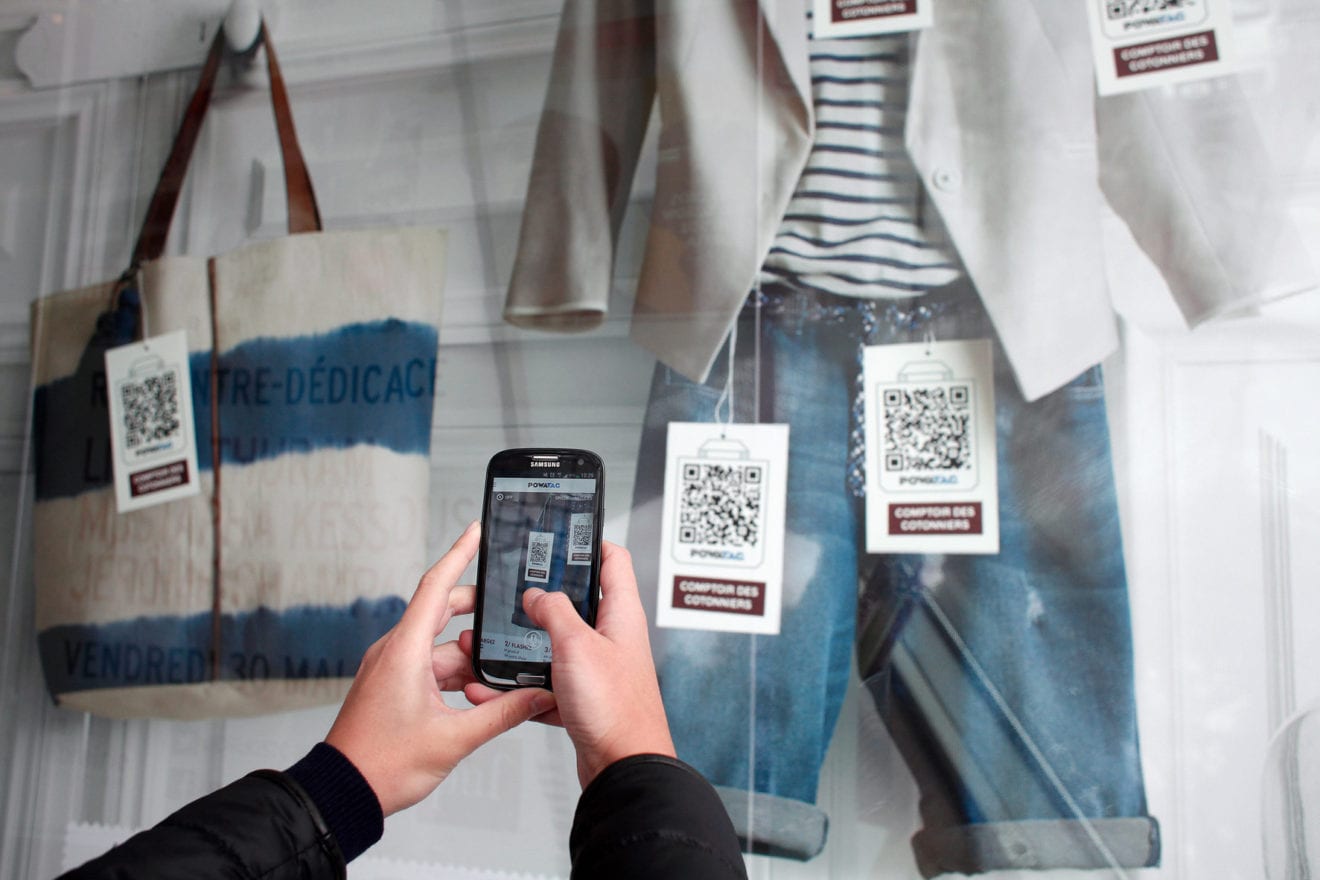
    The PowaTag system relies on digital tags – quick response (QR) codes – that can be attached to physical goods or inserted into self-service checkout screens, emails, websites, posters, images – even the audio from TV ads.

    Wherever Chinese shoppers see the PowaTag UnionPay symbol they will be able to buy products by scanning them with their phones and tapping the “buy now” button, the company says.

    US retail giant Walmart recently launched a similar quick pay system for mobiles in its stores.

    China’s Commerce Department says the “online to offline” market, whereby shoppers search for products online then complete the purchase in-store, grew 80% in the first half of 2015 and is worth about £31bn ($47bn).

    “Why did China UnionPay decide to partner with a little British technology company?” said Mr Wagner. “We’ve trumped ApplePay and the rest of the world here.”

    ‘Tap-and-go’

    State-owned China UnionPay, has been responding to the rapid take-up of smartphones across the country – about 68% of the population now has one.

    On 12 December, it launched QuickPass – a “tap-and-go” payment system for mobile phones similar to Apple Pay and other digital wallets – in co-operation with more than 20 commercial banks.

    QuickPass is already available at more than 10,000 locations in mainland China, says UnionPay, including at retailers such as Carrefour, McDonald’s, and Costa.

    “The Chinese market is going mobile very quickly,” says Mr Birch. “And the integration of payment systems and messaging platforms such as WeChat is a very interesting development.”

    This latest deal with Powa will give Chinese shoppers yet another way to shop using their mobiles.

  • Zalora Wins Big with 12.12 Online Fever 2015

    Zalora Wins Big with 12.12 Online Fever 2015

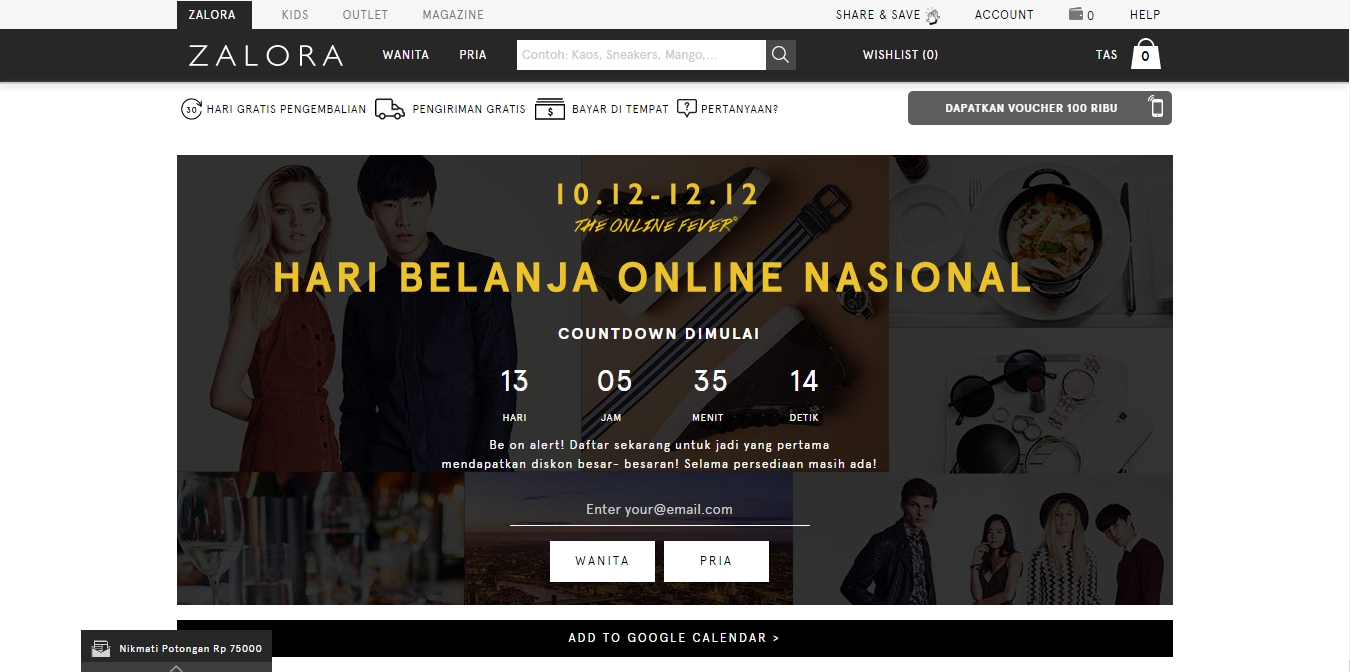
    Zalora, Asia’s online fashion destination enjoyed strong support from fashion consumers across their eight markets – Singapore, Malaysia, Indonesia, Philippines, Thailand, Vietnam, Hong Kong and Taiwan – with over six times the volume of any previous day. A Zalora-led initiative, 12.12 Online Fever aims to drive the e-commerce industry across the region, bringing to consumers some of the best deals that will encourage online purchase, hoping to convert traditional consumers into e-consumers. This year 32% of 12.12 Online Fever shoppers are first-time Zalora customers.

    As Zalora is committed to giving customers the best online shopping experience, the team prepared for the surge of volume of orders to make sure that deliveries are fulfilled within the fastest time possible. To ensure timely packing and delivery of orders, so that excited customers can get their hands on their latest fashion purchase, Zalora increased manpower in operations working 24/7 in order to ship 100% of the packages received in its warehouses within 24 hours. This resulted to having 30% of packages delivered to customers within the next day and more than 50% of packages by end of day Monday, 14 December, across the region.

    The number of fashion thumb shoppers also increased, comprising 78.5% of shoppers who shopped through their mobile devices on Saturday 12 December compared to 21.5% who shopped on their desktops. This is in line with the changing consumer behaviour and the growing trend of consumers in the region shopping heavily through their mobile devices. The number of customers who shopped on Zalora through mobile had a 250% increase from last year.

    Female consumers had a strong showing as they cover 74% of shoppers during 12.12 Online Fever

    but the men did a lot of shopping too as they contribute 26% of the shoppers. The most popular categories for both male and female are apparel, footwear and accessories. Favourite brands among women include Rubi, Mango, Dorothy Perkins and Something Borrowed while Sperry, Herschel, Onitsuka Tiger and TOPMAN were popular brands for men. Zalora’s eponymous label was popular across markets and to both male and female shoppers.

    Netizens were also talking about 12.12 Online Fever in their social media posts, a few of them commending ZALORA’s quick delivery service and alerting their friends to join in. 12.12 Online Fever received more than 1.6 million of impressions on popular social media sites Facebook, Instagram and Twitter.

    Zalora Group CEO, Michele Ferrario shared, “12.12 Online Fever 2015 was a great success not only for ZALORA but for all the partners we worked with to make this initiative possible and for consumers who got their favourite fashion brands on great price point. We thank everyone who supported us. As Southeast Asia, Hong Kong and Taiwan are enjoying immense economic growth, we wanted to engage consumers and help boost the growth of e-commerce in the region. This online sales day will give them a push, sparking consumer spending by offering their favourite items at the best prices. Last year’s record sales attested that such a cyber event resonates well with consumers in the region, and we are happy that we managed to engage more consumers this year!”

    This year’s 12.12 Online Fever also saw an increase in number of partners with a total of 376 partners across the region covering different industries from food, home, entertainment, travel to beauty. Through large-scale online sales days such as 12.12 Online Fever, ZALORA aims to boost online retail consumption expenditure, while providing reassurances about the e-commerce sector and building trust with customers.

    12.12 Online Fever is an initiative to rally e-commerce players in the region to come together on one day and create Southeast Asia’s version of Cyber Monday. Southeast Asia is experiencing rapid

    economic growth, urbanisation and technology adoption, with 12.12 Online Fever, Zalora is bringing down barriers by making it more accessible for people in this region to buy fashion online where e- commerce is still in its infancy stage in many parts of Southeast Asia.

  • Online Sellers Tout Successful ‘Harbolnas’ Campaign

    Online Sellers Tout Successful ‘Harbolnas’ Campaign

    Anthony Fung, managing director of online fashion retailer Zalora Indonesia said in a statement on Monday that the company saw sales surge thirty-fold during the three-day shopping event, but did not give a figure.

    “Everything is going so well that we decided to extend this campaign one more day, until December 13, so that we can give consumers more opportunities to get their favorite fashion brands at Zalora,” Anthony added.

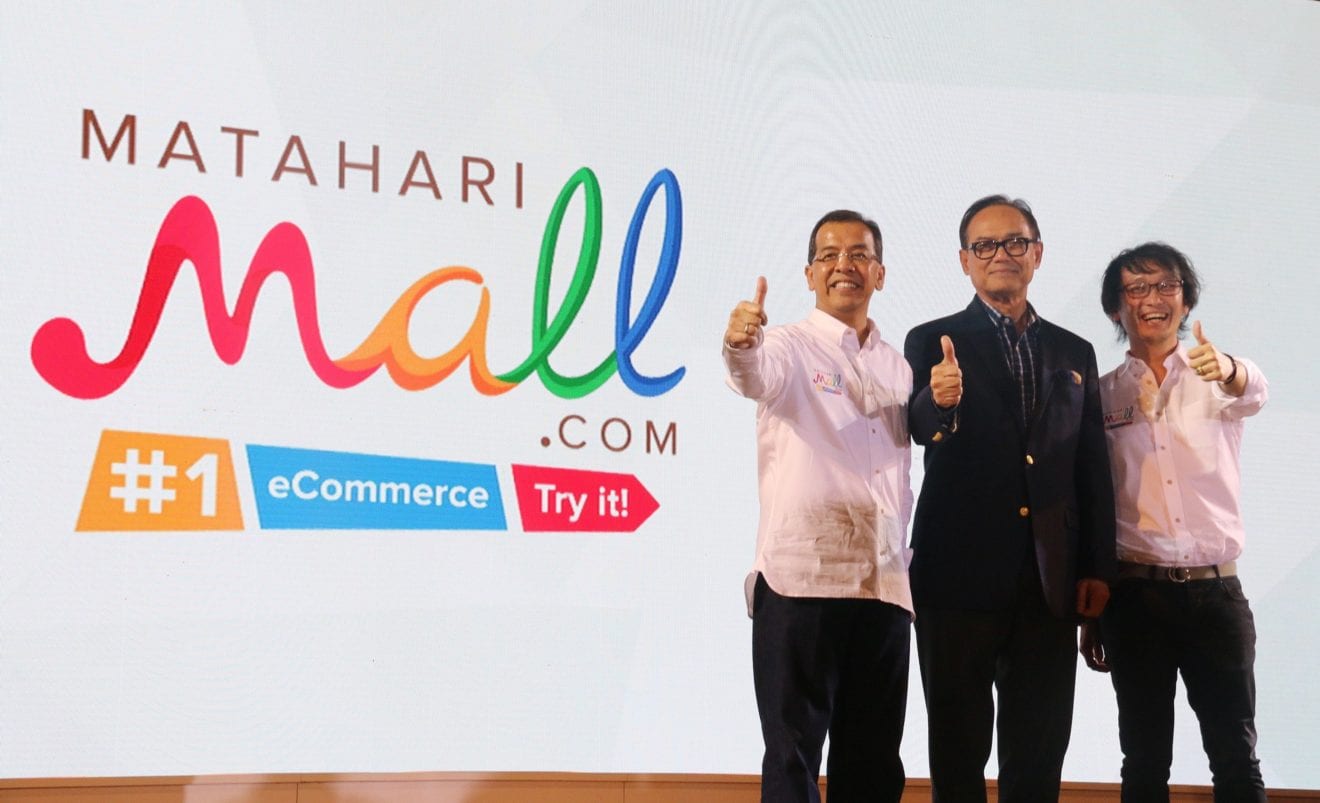
    MatahariMall.com, the e-commerce arm of the Lippo Group, with which the Jakarta Globe is affiliated, claimed that sales went up 10 times the daily average during Harbolnas, with electronic goods and smartphones leading sales, according to chief executive Hadi Wenas.

    Fair game

    The hefty discounts promised, including up to 99 percent from MatahariMall, have prompted concern from consumers and industry lobby groups.

    The Association of E-commerce in Indonesia, or idEA, issued a statement over the weekend urging Harbolnas participants to divulge the actual value of sales derived from the event. This is in order to “assert the potential of Indonesia’s e-commerce market from local and international perspectives,” citing similar practices by online retailers in the United States and China.

    “There is concern over the hype in huge discounts offered during Harbolnas,” said Tulus Abadi, chairman of the Indonesian Consumer Protection Foundation (YLKI), as quoted by Merdeka.com.

    He urged consumers to be cautious about wild-sounding deals online, noting that consumer protection was still largely unregulated by the government.

    Lazada Indonesia was among the companies under scrutiny for manipulating prices, after a customer spotted a seller on the online marketplace listing infant diapers at a pre-Harbolnas price of Rp 130 million ($9,210), before a discount of nearly 100 percent dropped the price to Rp 93,482.

    Lazada said in a subsequent statement that it was not the company’s policy to deceive customers and that the seller in question had been banned from the marketplace.

    Similarly, MatahariMall listed a PlayStation 4 game console at an initial Rp 10.8 million before discounting it to Rp 4.599 million. Other sellers list the price of the same item outside the Harbolnas at Rp 4.7 million.

    Faced with the rapid growth in online retail in Indonesia, the government is in the process of laying the groundwork for regulating the e-commerce industry, from foreign ownership and taxes to consumer protection and business models. A regulatory road map devised by the Communications and Information Technology Ministry is expected before the end of the year.

    At the same time, idEA said it was also currently devising an ethical code of conduct when offering promotions and discounts, which it aims to unveil in the first half of next year in a bid to boost consumer trust and satisfaction when shopping online.

  • MatahariMall.com, Pos Indonesia in Tandem to Boost E-Commerce

    MatahariMall.com, Pos Indonesia in Tandem to Boost E-Commerce

    Pos Indonesia will also install MatahariMall.com “eLockers,” allowing customers to physically pick up their items purchased online from lockers located in ten post offices in the Greater Jakarta area and Bandung.

    Using these services, online shoppers can also arrange delivery of their reserved items to these pickup points, instead of their home or office address, to avoid missing goods upon arrival.

    Pos Indonesia also agreed to provide logistic and delivery services to Mataharimall.com for domestic shipments.

    Like MatahariMall.com, the Jakarta Globe is affiliated with the Lippo Group.

  • India is now Alibaba Group’s second largest market

    India is now Alibaba Group’s second largest market

    For Alibaba.com, the business-to-business arm of the world’s largest e-retailer Alibaba Group India is the second largest market globally.

    “India is the second most important market for Alibaba globally, next only to China for us,” said Timothy Leung, head of global business development, Alibaba. The business-to-business subsidiary of Alibaba Group launched an online platform to provide Indian small and medium enterprises (SMEs) access to global counterparts.

    “India is at a critical point at present and from here we will see sharp upswing in ecommerce. We are very excited in building this consortium for SMEs,”he added.

    The company has 4.5 million registered users from India, with the country accounting for the second-highest paid users on the platform after China. SMEs in India can also avail assistance in terms of financing, logistics (domestic and cross-border), inspections and certifications, technology and SME trade-linked education on this platform. The Chinese company has partnered with enterprises such as ICICI Bank, Kotak Mahindra Bank, Crisil Rating, Tally, Capital Float, Jeena, SGS and Mypacco to help Indian SMEs expand their business.

    “There are at similarities in our experience in Chinese and India markets in terms of population size, kind of SMEs and also the core path in the ecommerce. We are also looking at our experience in the past in China and match it with what is happening in India,” added Leung.

    Citing similarities with the Chinese market Leung said that in China, B2B side of the business spearheaded the growth for Alibaba. The company through its B2B platform brought buyers and suppliers together and then ventured into supporting different aspects of the ecosystem.

    “That’s what we trying to build here. Other than matching buyers and supplier we are trying to develop the ecosystem,” Leung said.

    On the consumer side of the business also the Chinese major and its financial arm Ant Financial have picked up stakes Indian ecommerce companies Paytm and Snapdeal. Founder Jack Ma was in India three times in one year and also met the prime minister.

    The recently launched initiative, known as SMILE, hopes to connect Indian manufacturers with quality Chinese suppliers on Alibaba.com, provide Indian sellers the trading support and facilitate the global sales of Indian products through the platform.

    Talking about the fast growing ecommerce industry in the country, Leung said that 16 years ago when Alibaba started China went from becoming a no-internet country to one of the most advanced ecommerce ecosystems in the world. India is at much advanced stage and growing at a very fast rate when compared to China of those times.

  • C2C marketplace Shopee officially launches in

    C2C marketplace Shopee officially launches in

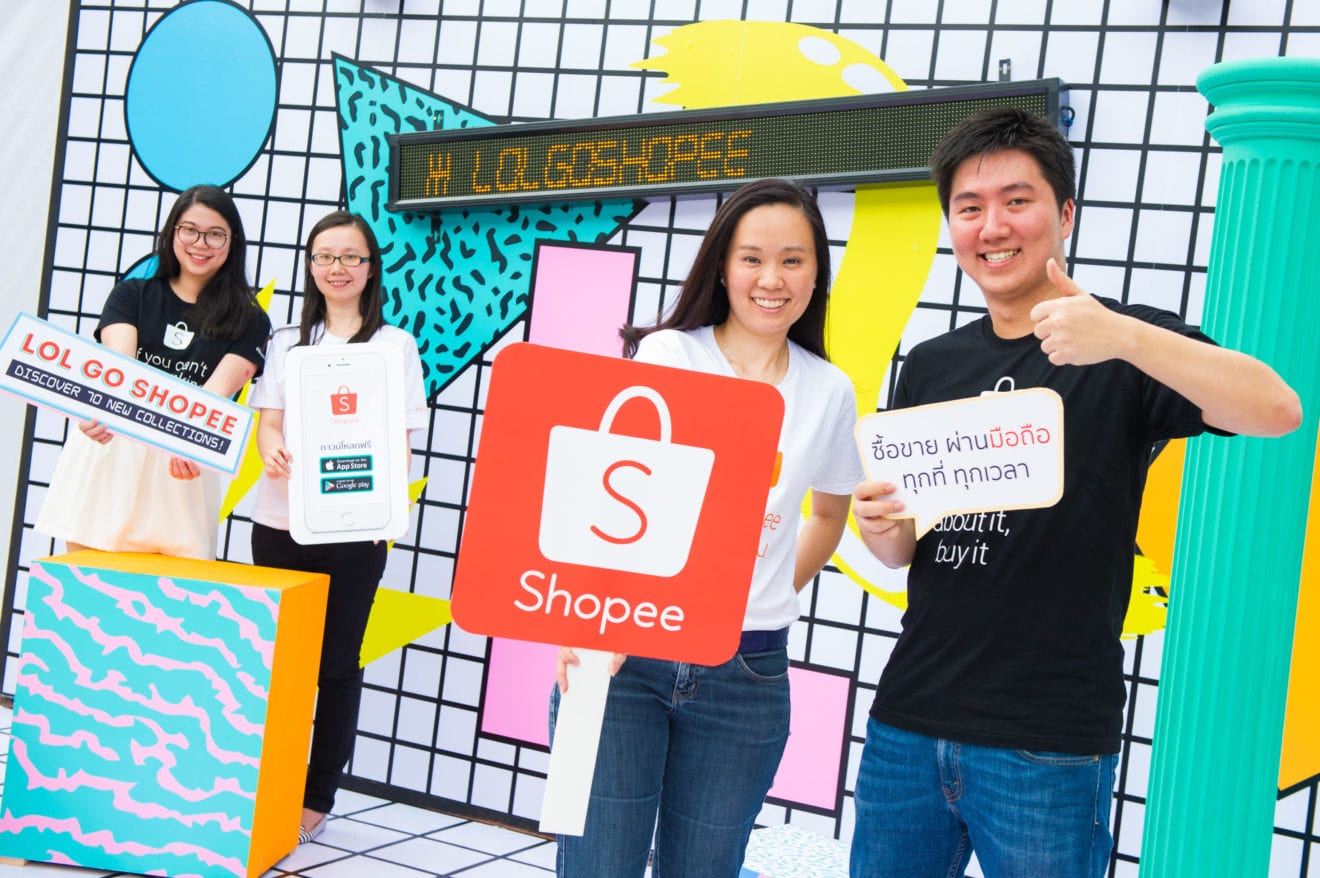
    Southeast Asia’s latest mobile consumer-to-consumer (C2C) marketplace, Shopee, has officially launched in Indonesia, offering users an easy-to-use mobile application to browse, shop and sell.

    The platform was soft-launched in June 2015 in countries including Indonesia, Singapore, Malaysia, Thailand, Vietnam, Philippines and Taiwan.

    According to Shopee CEO Chris Feng, the platform is equipped with a secure payment method, an integrated logistics fee calculation and social-led features to create a more secure, fun and fuss-free online shopping and selling experience.

    According to a 2015 fourth-quarter report from Southeast Asia Digital Landscape, Indonesia has already reached 79 million active social media users. Furthermore, almost 65 percent of Indonesians use social media to buy and sell things.

    “Shopee is eager to take part in supporting Indonesia’s growth in global retail e-commerce by bringing a shopping experience that is able to integrate social media and online shopping functions to maximize social interaction between sellers and buyers,” Chris explained.

    Various application features have been introduced including the “Shopee Guarantee”, which ensures users that there will be a full refund if purchased products are not received in the agreed condition.

    “The feature that I like the most from Shopee is the live chat, because it allows me to chat directly with buyers,” said Inez, the owner of Theodora Mardjuki online shop. “I like the Instagram importer feature that makes it easier for me to upload pictures of products that I want to sell on Shopee,” said another online seller, Stephanie Winarto.

    Since it was first launched, the application has been downloaded more than one million times and ranks first in Google Play’s Shopping category in Indonesia. Shopee is now available for download for free on the Apple App Store and Google Play in Singapore, Malaysia, Indonesia, Thailand, Vietnam, the Philippines and Taiwan.

  • Sequoia-backed marketplace wants to bring Thai retailers online

    Sequoia-backed marketplace wants to bring Thai retailers online

    When I first visited Thailand not too long ago, one of the first things that hit me were the numerous open-air markets – like the huge Chatuchak market in Bangkok. Shops and market stalls of all shapes and sizes peddled a huge variety of goods, from clothes to trinkets to household items.

    Thailand’s retail sector is expected to hit US$179.2 billion in 2016. Despite growing smartphone and credit card usage in the country, however, a lot of retailers haven’t jumped on the ecommerce bandwagon yet, leaving a lot of opportunity on the table.

    The founding duo of Thailand-based Zilingo, Ankiti Bose and Dhruv Kapoor, saw that opportunity for themselves when they visited the country on vacation. Ankiti is an ex-McKinsey consultant from Mumbai, India, who later worked for global venture capital firm Sequoia. Together with IIT (Indian Institute of Technology) graduate Dhruv, they decided to create a way for these retailers to find new customers online.

    Ankiti, the startup’s CEO, was always fascinated by the startup side of the VC business, she tells Tech in Asia. After that Thailand trip, she was convinced it was time to cross over to being an entrepreneur.

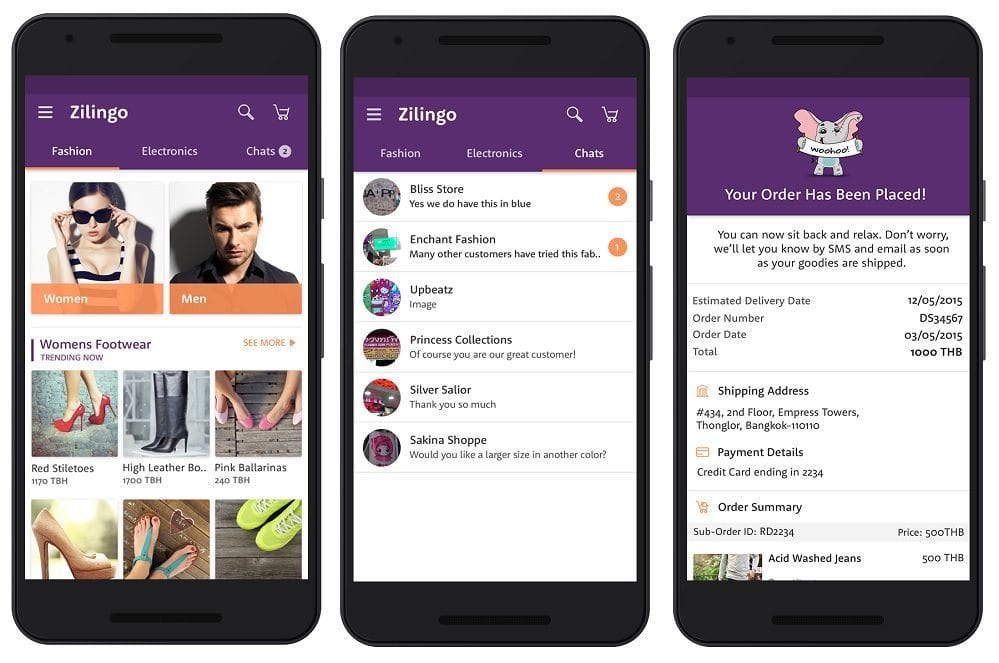
    Zilingo is a mobile-first online marketplace that allows merchants to list their inventory, set their prices, and fulfill online orders. Users can browse through available stores and products, then order and pay with their credit card.

    Zilingo screenshots

    Zilingo’s services include shipping, packaging, payment options, an analytics dashboard for mobile, order tracking, refund and cancellation options, and consultation on pricing strategy. The app also provides chat, through which a customer can get directly in touch with a merchant.

    The startup doesn’t charge merchants for listing, or any other fees, providing most of its services for free. It only takes a cut out of successful sales, wanting to encourage adoption and to “only charge for things that actually add value to the [merchants’] business.”

    Zilingo has only recently gone live, and is available to buyers and merchants across Thailand. Within November 2015, buyers from Singapore, Indonesia, and Hong Kong will also have access to the platform’s Thai sellers. Other Southeast Asian countries will follow, according to the startup. There are currently over 300 sellers on the site, Ankiti says.

    The company has already raised external funding, to the tune of US$1.88 million. The funding comes from Sequoia India, Teru Sato of Beenext, and Freecharge’s Kunal Shah and Sandeep Tandon.

    “We are delighted to back Ankiti and Dhruv, a highly talented and committed founding team, in their efforts to build a mobile-first marketplace for Thailand,” says Shailendra Singh, managing director at Sequoia India. “We liked the team and their mobile-first product so much, that we agreed to invest at the concept stage. It’s early days for the company, but we’re excited about the prospects for Zilingo.”

    Are you eager to shop from Thai retailers online? Do you think Zilingo has found a good way to digitize Thailand’s merchants?

  • Lazada’s Marketplace offers merchants a wide one-stop retail gateway

    Lazada’s Marketplace offers merchants a wide one-stop retail gateway

    Lazada Marketplace in the region accounted for 80 per cent of the company’s Gross Merchandise Value (GMV) or overall sales as at the end of August 2015.

    Alessandro Piscini, CEO of Lazada Thailand, said Lazada Marketplace was the engine of the company’s growth, attracting local merchants who were reaping the rewards of partnering with Lazada.

    “We can fulfil all customer shopping needs effortlessly on their behalf, and added to our committed investments in logistics, tech development and payment solutions, no other eCommerce player can offer a similar one-stop retail gateway to Thai merchants,” said Piscini.

    As e-commerce continues to grow in Thailand, Lazada marketplace offers opportunities for both new and experienced sellers to reach new markets, benefit from Lazada’s support in advertising their goods and monitor critical data on how their store is performing. With more than 4.5 million daily visits to its sites and close to 100 per cent geographical distribution coverage, Lazada has become the clear choice for sellers throughout Southeast Asia, said Piscini.

    Since opening to local merchants, over 7,000 Thai businesses have chosen to sell their goods at Lazada Marketplace, supplementing products from established brand names such as Tesco Lotus, L’Oreal and Philips.

    Sellers are well-supported by Lazada’s end-to-end model that takes care of their needs from order to delivery, and they also benefit from having direct access to Lazada’s established customer base, infrastructure and analytics.

    The Seller Centre, for example, provides a one-stop online platform to manage inventory, pricing, promotions and orders, with a recently released Seller Centre Android app adding enhanced search, notifications of new orders and sales performance, helping marketplace sellers manage their business on-the-go.

    Small and medium business can also tap into Lazada University to equip themselves with marketing tools in order to increase their visibility online and maximise profits.

  • 5 unique challenges all ecommerce firms face in Indonesia

    5 unique challenges all ecommerce firms face in Indonesia

    People talk a lot about Indonesia’s burgeoning ecommerce market, and how Jakarta may very well be on the cusp of an online retail revolution. Over the past 12 months, we’ve seen more activity in the sector than ever before, with new firms emerging and big-league investment coming in simultaneously.

    Naturally, these are all positive signs that point toward a maturing market in the region; hopefully one that can push Indonesian ecommerce into the mainstream conversation in Asia. It would be great to see online shopping reach five percent or more of the nation’s overall retail sector, but for now we can only speculate on the future.

    indonesia-streets-1

    Like any market, Indonesia has its own set of challenges, caveats, and peccadillos that all ecommerce founders are forced to cope with. In the past, we’ve cited the archipelago’s hellish logistics landscape, weak payments infrastructure, and a fragmented market as some of those limitations. However, there is a second layer of challenges that all estores will face in the gauntlet that is Indonesia.

    This is a set of generally accepted idiosyncrasies that newbie e-tailers — and especially foreigner founders — will run into on a daily basis in Jakarta, so take notes. In no particular order, here are five cultural challenges all ecommerce firms, new or seasoned, will face in Indonesia.

    Price-sensitive shoppers

    Indonesia-ecommerce

    It’s true, Indonesia has one of the most attractive emerging middle-classes in the world. By 2030, an estimated 90 million people will have joined the consuming class. That said, Indonesians are, to put it mildly, true suckers for sales and discounts. Locals have a strong proclivity toward finding the best prices at all costs.

    This is no secret to anyone who lives in Jakarta, as it’s extremely common to see hundreds (sometimes thousands) of locals waiting in line at the mall just for a 50 percent off sale to happen at Bershka or the Samsung store. Nevermind the time, energy, and fuel spent to get to the store across town or the fact that folks may not have felt compelled to buy anything in the first place, had there not been a sale.

    Boston Consulting Group says Indonesian shoppers actively seek out promotions and hunt for deals. At the lower half of the income pyramid, this is a function of family dynamics. Men typically give their wives a monthly budget for the family. The more money these women can save on groceries, the more they have to splurge on small indulgences for themselves. However, the bargain-hunting drive spans the wealth spectrum — more than 60 percent of the overall population says they enjoy searching for discounts and promotions, and more than 70 percent of the country’s affluent population says they enjoy doing so.

    This might seem like more of a blessing than a curse at first glance, as demand can be easily created so long as merchants temporarily lower their prices. But in the end, competition often becomes a race to the bottom and profit margins suffer if you don’t plan your discounts as if you were going into brain surgery. Anyone thinking about opening an estore in Indonesia needs to firmly understand the lowest price they can offer while still being able to turn a profit. If it’s not in the same ballpark as the nation’s big competitors, both online and offline, new web firms will need to rethink their strategies.

    Risk aversion

    New ecommerce names in Indonesia, even ones as big as JD for example, are going to have to work twice as hard as their more established counterparts when it comes to acquiring and retaining users. According to a recent McKinsey study, Indonesian consumers have some specific shopping behaviors. They are risk-averse and brand-loyal. 63 percent of Indonesian consumers only buy products from brands they already know. This positions them as late adopters because they need to be encouraged by friends and family before they choose to adopt new products.

    Bank Mandiri cites this challenge as a short-term hurdle in the grand scheme of things, however, as purchasing behavior will likely change when Indonesia’s internet infrastructure improves, and more people come online for the first time. However, for smaller ecommerce sites without a bankroll and several years of runway, they’ll need to find new and creative ways to get local shoppers to trust their brand, and do so fast.

    Deep-pocketed competitors

    Lazada-indonesia-home

    Rocket Internet’s Lazada Indonesia, Lippo Group’s MatahariMall, SoftBank and Sequoia-backed marketplace Tokopedia, and now JD.id — the Indonesian arm of the Chinese ecommerce giant — are all firms with copious spending power. All are up and running in Indonesia, and those who are intimate with Indonesia’s ecommerce landscape understand how unwise it is to challenge these guys head-on.

    Lazada Indonesia is perhaps the biggest force to be reckoned with, as overall spending on Lazada Group’s Southeast Asia portals jumped from US$89 million in 2013 to US$350 million in 2014. Indonesia’s shoppers made up over 30 percent of that, says CEO Max Bittner. To date, the firm has pulled in US$686 million in funding on public record. Tokopedia grabbed US$100 million last year, and MatahariMall also claims to be earning hundreds of millions. JD is a publicly traded company that’s raised around US$2.6 billion to date.

    If you want your fledgling ecommerce venture to work out, you’re going to need to find multiple ways to differentiate yourself from these firms or face certain death. Homework and competitive analysis is a must.

    An increasingly frothy market

    There are many figures that paint a positive picture of Indonesia’s ecommerce scene. The most referenced one is a 250 million population with a recent annual GDP increase between 5 and 6 percent, primarily driven by people buying things. In reality, Indonesia’s ecommerce market is still in its infancy, yet an increased level of attention and hype is drawing entrepreneurs who think the market and investment scene are already primed.

    Zalora Indonesia was able to succeed in its early days because of Rocket Internet’s vast resources and a long period of trial and error. Today, seemingly strong competitors like Paraplou Group are closing their doors in Jakarta, citing reasons of market immaturity, uncertain financial conditions, and a hard time getting funded as the primary reasons for closure.

    With firms like MatahariMall making bombastic funding claims and many early-stage VCs adopting the spray-and-pray investment method (without disclosing round sizes), all the news coming from Indonesia makes the archipelago seem like a perfect lilly pad for incoming ecommerce companies.

    Lyall Taylor, associate director at global financial services firm Macquarie Group in Jakarta believes there is a lot of hype about future ecommerce growth in Indonesia. He recently broke down typical causes of market hype for Tech in Asia.

    “Usually what happens is that rapid growth in an industry […] results in profits to early investors,” said Taylor. “These profits get increased media attention and eventually attract more and more people to enter the fray, driving prices higher still […] investors are extrapolating growth well into the future and assuming a high likelihood of success for many tech ventures, even when high levels of future growth and profitability may not be assured.”

    A preference toward brick-and-mortar

    Plaza_indonesia

    Shopping is undisputedly a religion in the archipelago. When friends get together on a Friday night, the question is not “Should we go to the mall?” Instead, it’s “Which mall should we go to?” Local business portal Indonesia-Investments says it’s astonishing how many new malls have opened during the last decade or are currently being developed in Jakarta. Most new malls are part of large real estate projects that also include apartment complexes, office towers, hotels, and sometimes even hospitals.

    The mall is usually the epicenter of everything on a Jakarta superblock, connecting all other buildings. For Indonesians, from the middle-class up to the elite, these malls are places to hang out, relax, and eat because the environment is enjoyable: pleasant temperatures, no pollution, and clean spaces. Most Jakarta malls contain one or more floors with several restaurants, which are inevitably popular among young adults. Malls are also common places to have business meetings. Live music is a regular occurrence.

    Jakarta alone has nearly 200 shopping malls and counting, despite the government trying to curb mall growth in recent years.

    The reason this is important for incoming foreign ecommerce founders, or anyone considering starting an estore in Indonesia for that matter, is that ecommerce is not going to replace brick-and-mortar shopping in the archipelago anytime soon. In fact, startups will need to work much harder to provide incentives for shoppers to transact online rather than simply taking the elevator downstairs and buying offline.

  • Estee Lauder wants more South Korean web sales

    Estee Lauder wants more South Korean web sales

    Estee Lauder has acquired a stake in Korean skincare products maker Have & Be Co. to grow in South Korea’s nearly $600 million online beauty products market. Skincare and fragrance maker Estee Lauder Cos. is making a concerted move to acquire market share in South Korea’s beauty products e-commerce market.

    Estee Lauder, No. 73 in the Internet Retailer 2015 Top 500 Guide, purchased an undisclosed stake in Have & Be Co., a Seoul-based cosmetics and beauty products maker that develops the Dr. Jart+ and Do the Right Thing brands of moisturizers and skin renewal products.

    Have & Be was started online in 2005 by Chinwook Lee, a South Korean dermatologist. Today the company sells online and in stores in 15 countries, including the U.S. In its core market of South Korea, Have & Be has  e-commerce sites for Dr. Jart+ and Do the Right Thing. In the U.S. Have & Be sells through other retail e-commerce sites including Sephora.com.

    Estee Lauder isn’t saying much about how it intends to grow Have & Be Co and Dr. Jart+ online, but Dr. Jart+ will remain a stand-alone e-commerce site. “Dr. Jart+ will remain an independent company and it will not be integrated into any ELC operations, including e-commerce,” says an Estee spokeswoman.

    But growing online in general and in Asia e-commerce markets such as China and South Korea specifically is a top priority for Estee Lauder. For the 2015 fiscal year ended June 30, Estee Lauder disclosed that e-commerce accounted for 8% of all sales of about $10.78 billion and that e-commerce sales increased year over year by 28%. Based on those metrics, Internet Retailer estimates  web sales for Estee Lauder totaled $862.4 million compared with $673.8 million in fiscal 2014.

    In China the overall e-commerce market for skincare product sales is projected to grow 41.7% to an $8.36 billion in 2015 from $5.90 billion in 2014, according to research firm Frost and Sullivan. In comparison, in the more mature and concentrated South Korea e-commerce market, web sales for skin care products will grow more slowly, according to research firm Euromonitor International. This year e-commerce sales for skincare and related products in South Korea will reach $594.8 million, up 8% from $550.0 million in 2014, says Euromonitor.

    In China in fiscal 2015, web sales for Estee Lauder doubled, the company reports. In South Korea Estee Lauder will use its investment in Have & Be to build market share with an established brand, CEO Fabrizio Freda says. “This investment gives our company a strategic opportunity to develop a partnership with one of Korea’s most promising high-growth skin care brands,” he says.

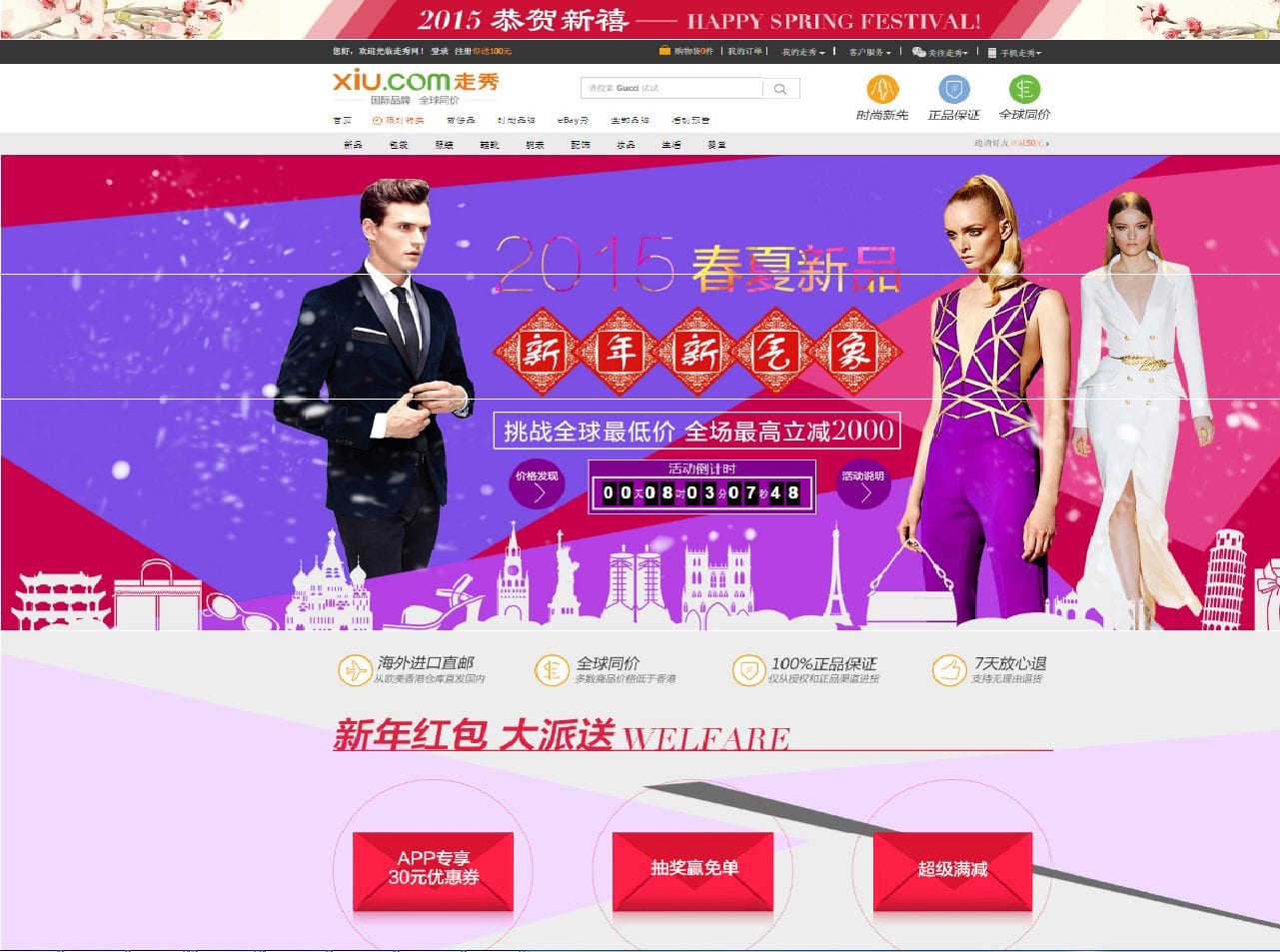
  • Xiu.com Signs Online Retail MOU With UK Trade & Investment

    Xiu.com Signs Online Retail MOU With UK Trade & Investment

    As a leading Chinese e-commerce company’s representatives and invited by UK Trade & Investment and British Embassy Beijing, Xiu.com’s CEO Ji Wenhong and Director of Overseas Division Summer Lu attended business meeting of the state visit on Oct. 21 and gave a speech at the Sino-UK Retail Summit on Oct. 22.

    Xiu.com has signed a MOU with UK Trade & Investment and provides an e-commerce platform for brands of U.K reaching Chinese consumers.

    Under the agreement, Xiu.com and UKTI work together to help U.K. companies seize the rising opportunity of online shopping in China and globally. Xiu.com also promises to provide U.K. brands a precise online selling solution, which based on numerous operational data collected in the past seven years.

    Several U.K. brands have begun to sell on Xiu.com. Henri Lloyd, an apparel brand specializing in sailing and a sponsor of Formula 1 sailing tour, is among them and it sells products on Xiu.com at the same price in Europe.

    Another example is historic Scottish cashmere brand Johnstons of Elgin, which produces cashmere products for Hermes and Burberry. In China, high end cashmere products cost as much as 10,000 RMB in Chinese stores, on Xiu.com consumers only need to pay about 1,000 RMB for the products of same quality.

    Also, Xiu.com and U.K. government have jointly introduced Cheany, a U.K. shoe brand never sold into China before, to Chinese online shoppers.

    Xiu.com, a partner of UKTI in e-commerce, opened its U.K. office in London in 2014 to connect more U.K. brands.

    Xiu.com also joins “Shopping is Great”, which is part of GREAT Britain Campaign, an initiative that promotes creative ideas from Britain in business innovations. Xiu.com will mark all U.K. products on xiu.com with its LOGO.

    This March, Prince William’s visit to China is one of many activities of GREAT Britain Campaign and Xiu.com delivered a speech at an event organized by U.K. government during Prince William’s visit as well.

    Singles’ Day, the world largest online shopping festival is approaching and Xiu.com is working hard to get the most of it. Maureen Mou, Xiu.com’s Senior Vice president says, more than 600 overseas brands plan to join the promotion on Xiu.com at this year Singles’ Day and promises to sell their products at 20% to 40% discount.

  • Low credit card penetration, lack of trust constrain Philippines e-commerce

    Low credit card penetration, lack of trust constrain Philippines e-commerce

    ONLINE retail sales in the Philippines account for only one percent of total retail sales in the country, a key e-commerce executive said.

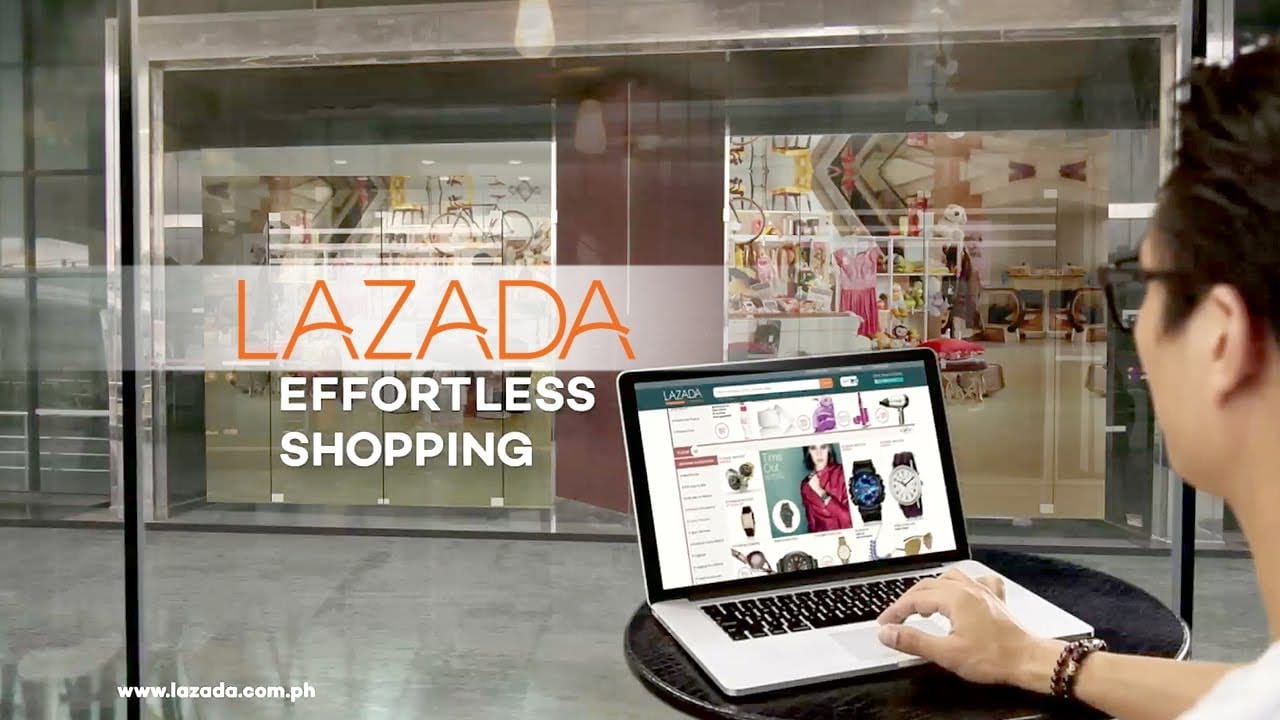
    Inanc Balci, Lazada Philippines co-founder and chief executive officer said this is much lower than in Western countries, which record online retail sales from five to 10 percent of the total retail sales.

    One major constraint to the growth of e-commerce in the Philippines is the low credit card penetration. According to Balci, only three to seven million Filipinos are credit card holders and 30 million have bank accounts.

    The lack of trust, customer knowledge, and market size are also challenges confronting e-commerce in the Philippines.

    Because of this, Lazada led the “no risk” cash-on-delivery (COD) payment scheme, where buyers would only have to pay for the item they bought from Lazada when the item is delivered.

    “Credit card penetration is low, but even those with credit cards prefer cash-on-delivery on their first few purchases,” Balci said.

    Most of the transactions in Lazada are through COD.

    In Lazada, top selling categories include electronics, fashion, and home products. These are delivered to the customers within one to 10 days upon purchase.

    The geography of the Philippines is also affecting e-commerce.

    “(There are) hard to reach, low-density areas with low retail presence and an expensive delivery infrastructure,” Balci said.

    To address this, Lazada has been putting up warehouses in some parts of the Philippines.

    Last Thursday, it opened a warehouse in Mandaue City to serve some areas in the Visayas. It will also open one in Davao in the next 12 months.

    While online shopping is a relatively new concept in the Philippines, Balci is optimistic that the country will exceed Western countries’ five to 10 percent share.

    “I believe the Philippines is going to be bigger than the Western markets,” the official said, saying the increasing smartphone use among Filipinos will drive e-commerce growth.

    Balci said there were 10 million additional mobile Internet users in 2015.

    “The mobile ecosystem is the big driver of Internet penetration. (There is a) $21 smart phone on Lazada,” he added.

    Presently, Lazada holds 80 percent market share in the online retail segment. The company sees the Philippines as one of its fastest growing markets. The online shopping mall is also present in Indonesia, Malaysia, Thailand, Singapore, and Vietnam.

    “I’m very optimistic with the Philippines, since we have experienced growth at a crazy rate,” Balci said.

    Lazada was launched in the Philippines in March 2012.

    More than half of Lazada buyers, or 54 percent of them, are males. People aged 18 to 34 years old account for 71 percent of the company’s customers.

  • Indonesia’s eFishery raises undisclosed pre-Series A funding

    Indonesia’s eFishery raises undisclosed pre-Series A funding

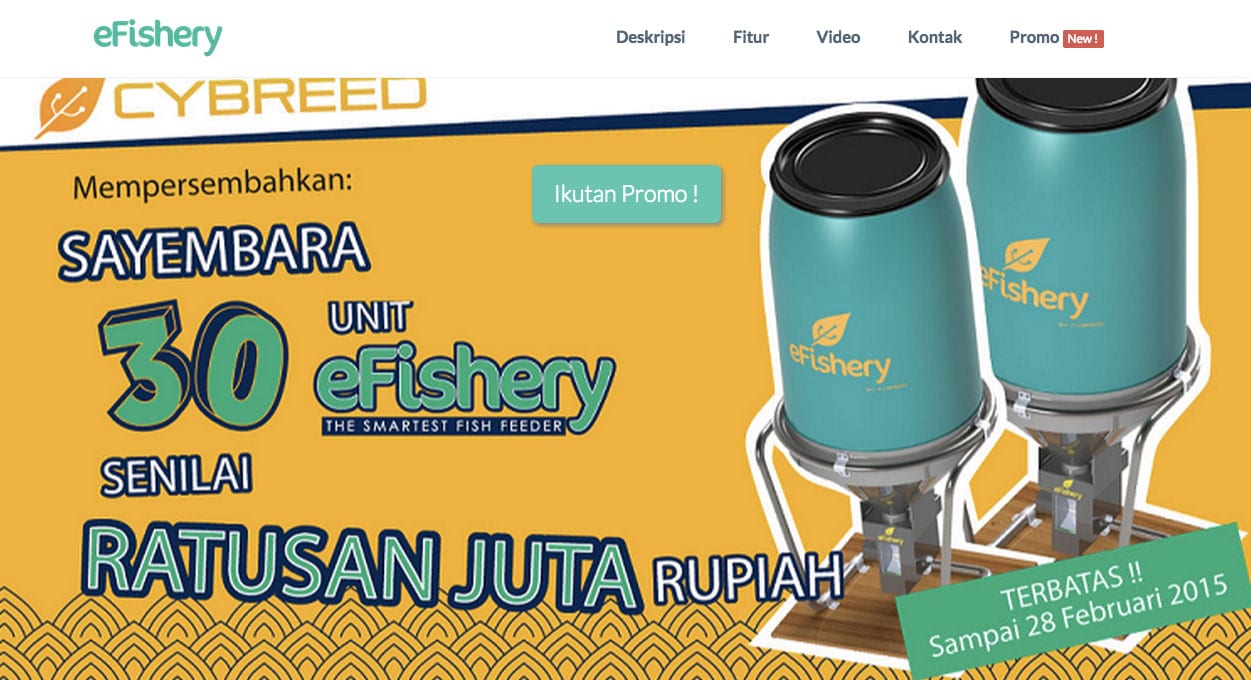
    INDONESIA’S eFishery, a smart fish feeder manufacturer, said it has secured pre-Series A funding from Dutch aquaculture investment fund Aqua-spark and Indonesian venture capital (VC) firm Ideosource.

    eFishery did not disclose the investment amount, but said the funds would be used to scale its distribution network nationwide, and also to ramp up manpower.

    “eFishery is a perfect example of a company that is solving real problems in a lucrative market,” said Andrias Ekoyuono, vice president of business development at Ideosource.

    According to the Food and Agriculture Organisation, more than 96% of fish farming activities worldwide is concentrated in Asia. In Indonesia alone, the overall market size for aquaculture is US$5.4 billion.

    As an Internet of Things (IoT) startup for fish and shrimp farming, the Indonesian firm said it is tackling one of the largest challenges in commercial aquaculture: Feeding operations.

    Fish feeding traditionally makes up between 50% and 80% of fish farming overhead costs, eFishery said in a statement.

    Overfeeding negatively impacts the environment in many ways, as a great deal of fish food ultimately goes to waste. It also harms the health of a farmer’s stock. Underfeeding means fish may not survive.

    The result of unmeasured and inexact fish feeding methods on a commercial scale inevitably means economic losses for farmers, the company said.

    eFishery offers a transformative, affordable, tech-based solution to solve the problem, in the form of an automatic smart feeder that uses sensors to measure fish appetite and appropriate feed amounts.

    Designed for both small and large-scale farmers, the system can sense appetites, automatically distribute feed, and give real-time reports of consumption on the farmer’s smartphone, the company claimed.

    “The problem we are solving is the inefficiency of feeding in the fish farming business,” said eFishery cofounder and chief executive officer Gibran Chuzaefah Amsi El Farizy.

    “I saw the problem when I was a fish farmer myself. Fish feeding is done inefficiently by labourers, and farmers don’t have any technology to control the feeding yet.

    “We built this product to make the fish and shrimp farming business more efficient, convenient, and accountable,” he added.

    eFishery said it makes makes money from selling smart feeders to farmers and distributors. It also charges a monthly subscription fee for the software used to monitor and analyse fish feeding activities in real-time via tablet or smartphone.

    On average, its smart feeding system reduces the amount of feed used by 21%, the company claimed.

    eFishery said it has sold hundreds of units in the past two years, and currently has over 17,000 fish and shrimp farms in its pipeline, which include orders from Thailand, Singapore, India, China, Brazil, and countries in Africa.

    “We are very excited to solve the global challenge of fish feeding with eFishery,” said Aqua-spark partner Amy Novogratz.

    “Indonesia has about 3.3 million fishponds and 2.7 million fish farms. When brought to scale, it could have a massive impact across a global industry plagued by this challenge.

    “It has the potential to set a new standard for aquaculture and make the industry more transparent, data-driven, and accountable – all factors that will make businesses in this sector more investment-friendly,” she added.

    eFishery said it will use the newly acquired capital for three purposes: To engage distributors, find local partners, and expand its market share aggressively in Indonesia.

    It is also developing a software-side platform, and will create a better dashboard for customers, as well as add more features and fish compatibility for its device.

  • Good logistics key for SMEs to ride the global wave of ecommerce

    Good logistics key for SMEs to ride the global wave of ecommerce

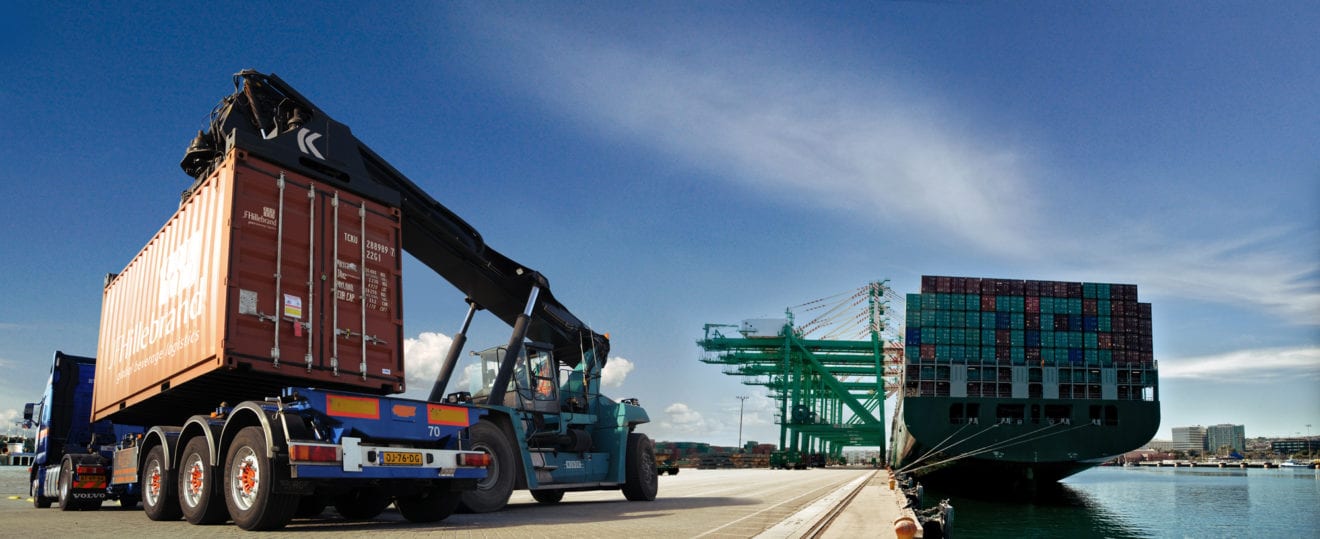
    Online shopping is booming and will continue to grow exponentially – the global online retail market now tops USD1 trillion a year and is set to double within four years.

    Asia is at the centre of that consumer-led, technology-enabled revolution in e-commerce. China alone is tipped to exceed USD1 trillion in retail ecommerce sales in the next three years, making up more than 40 percent of the global ecommerce market.

    With this huge growth set to continue, all kinds of businesses in Asia can benefit from the new world of ecommerce. In fact, being a minnow in the world of big business no longer carries the disadvantage of size.

    A new study by Forrester Consulting found that cross-border e-commerce is a major revenue opportunity for small to mid-sized businesses (SMEs), but they can still be losing out because of logistics concerns. The question they must answer is – are the time and the cost of moving goods across borders going to be worth it for my business?

    Many SMEs in this region have already seized this opportunity. An eBay report on APEC SMEs, for example, showed that the average commercial seller on eBay exported to 36 countries.

    The good news for manufacturers is that the Forrester study showed that physical items dominate online purchases. Clothing and apparel are by the far the most popular, but books, consumer electronics, cosmetics and personal electronics are also frequently purchased.

    Concerns of consumers centre around reliability – how can they be assured that the goods they are buying are exactly what is advertised? What can they do about returns if they have a problem with the product?

    The Forrester research found shipping and logistics at the forefront of consumers’ minds when considering cross-border purchases. It cited shipping cost (51 percent) and long delivery time (47 percent) as the top two concerns.

    Many of the problems with e-commerce logistics are the result of deliberate policy choices by governments. They include high tariffs, cumbersome import procedures, or inefficient transport networks and infrastructure that do nothing to move goods across borders in the easiest and most cost effective way.

    Updating what are often “pre-internet” trade policies is crucial. One issue that is especially important is trade facilitation – making the movement of goods across borders easier and more efficient.
    Other research shows online mass merchants and marketplaces are the most popular destinations for online shoppers who want to buy clothing in China and Japan. In South Korea, mobile applications are key since almost one in three online clothing buyers last bought something via their smartphone.

    Trade facilitation, including customs modernization, can help resolve 21st century logistics issues that might otherwise prevent consumers from buying online from overseas companies.

    For example, the World Economic Forum estimates that cross-border activity by SMEs would jump by 60 to 80 percent if supply chain barriers were addressed.

    Raising the de minimis thresholds to a much higher level – above which full duties and value added tax is levied – would be an important first step in delivering greater economic benefits for SMEs. The current de minimis threshold in the European Union is just EUR22 , while many business groups recommend raising these thresholds globally to several hundred US dollars, if not USD1000.

    Increasing shipment processing hours to a 24 hours a day-customs clearance would also go a long way towards reassuring consumers and supporting ecommerce. So too would increase electronic filing of customs documents and e-payments, preferably through a single window.
    Yet feeling comfortable buying goods from an online supplier or website in your own country doesn’t always translate to cross-border purchases.

    The bottom line is that trade facilitation really does work for SMEs. A 2013 European University Institute working paper concluded “that the gains from trade facilitation accrue to large and small firms alike: all size classes of firms export more in response to improved trade facilitation.”

    Likewise, barriers faced by SMEs can be reduced or even eradicated with access to technology because it helps open doors, quickly and efficiently, to global markets.

    There is little doubt the opportunities for SMEs are out there. E-commerce clearly offers new opportunities for SMEs to expand their reach into overseas markets, but good logistics are key to realizing that opportunity.

    Improved trade facilitation is critical, and it’s the role of business and governments to work together to make that potential a reality for SMEs around the region.