Retail News CRM

Tag: etailing

  • E-commerce sites report jump in 11/11 sales

    E-commerce sites report jump in 11/11 sales

    E-commerce platforms reported a surge in sales on Singles’ Day on Nov. 11, an annual shopping event, with the most popular items being masks and healthcare products. Tiki said revenues were up nine times from last year, and the number of buyers was double that on normal days.

    Face masks, products for babies and mothers, and fast-moving consumer goods were the top sellers, it said.

    It also sold some 10,000 mobile phones, including 500 iPhones, 2,000 electric motorbikes and bicycles, and 6,000 cans and bottles of beer.

    Shopee sold 1.8 million decorative items, including some 100,000 decals and stickers, 1.6 million healthcare products, one million earphones, and 150,000 mobile phone covers.

    Lazada said revenues doubled and the number of customers was up by half. Healthcare and beauty products were its best-sellers, and electronics sales almost doubled, with laptop and desktop sales nearly tripling.

    Sendo said revenues were 40 percent higher than during other promotions such as Sept. 9 and Oct. 10, with fashion, household, and beauty items seeing sales double.

    According to a report called ‘e-Conomy SEA 2021’ released this week by Google, Temasek and Bain & Co., Vietnam’s e-commerce market will increase to $13 billion this year, up 53 percent from last year, and triple by 2025.

  • Vietnam scraps plans to limit foreign ownership in e-payment firms

    Vietnam scraps plans to limit foreign ownership in e-payment firms

    Vietnam’s central bank has decided not to cap foreign ownership of e-payment companies at 49 percent after consulting with experts.

    Foreign investment plays an important role in payment intermediaries’ functioning since they rely on technology, and limiting foreign ownership would hamper foreign investment in this segment and the fintech sector in general, the State Bank of Vietnam (SBV) said in a statement on Monday.

    In some digital payment firms, foreign ownership already exceeds 49 percent, and so a change in regulations could affect their activities, it said.

    The SBV had released a draft of its foreign ownership cap proposal in November for consultation, saying it wanted to balance the ease of attracting foreign capital with ensuring an active role for local firms in the fintech sector.

    According to the central bank, by the end of the first quarter this year, there were 27 e-wallets in the market though five parent companies owned 90 percent of them. The five, which the SBV did not name, have foreign ownership of 30-90 percent, it said.

    Economists have said that the potential for cashless payment in Vietnam is huge due to a growing middle class and rapidly improving telecom infrastructure. The government wants to make 90 percent of all transactions cashless by the end of this year.

    But the reliance on cash remains overwhelming, with 80 percent of Vietnamese preferring to use cash for daily transactions, according to the Ministry of Industry and Trade.

  • Amazon India to use mom-and-pop shops as delivery points

    Amazon India to use mom-and-pop shops as delivery points

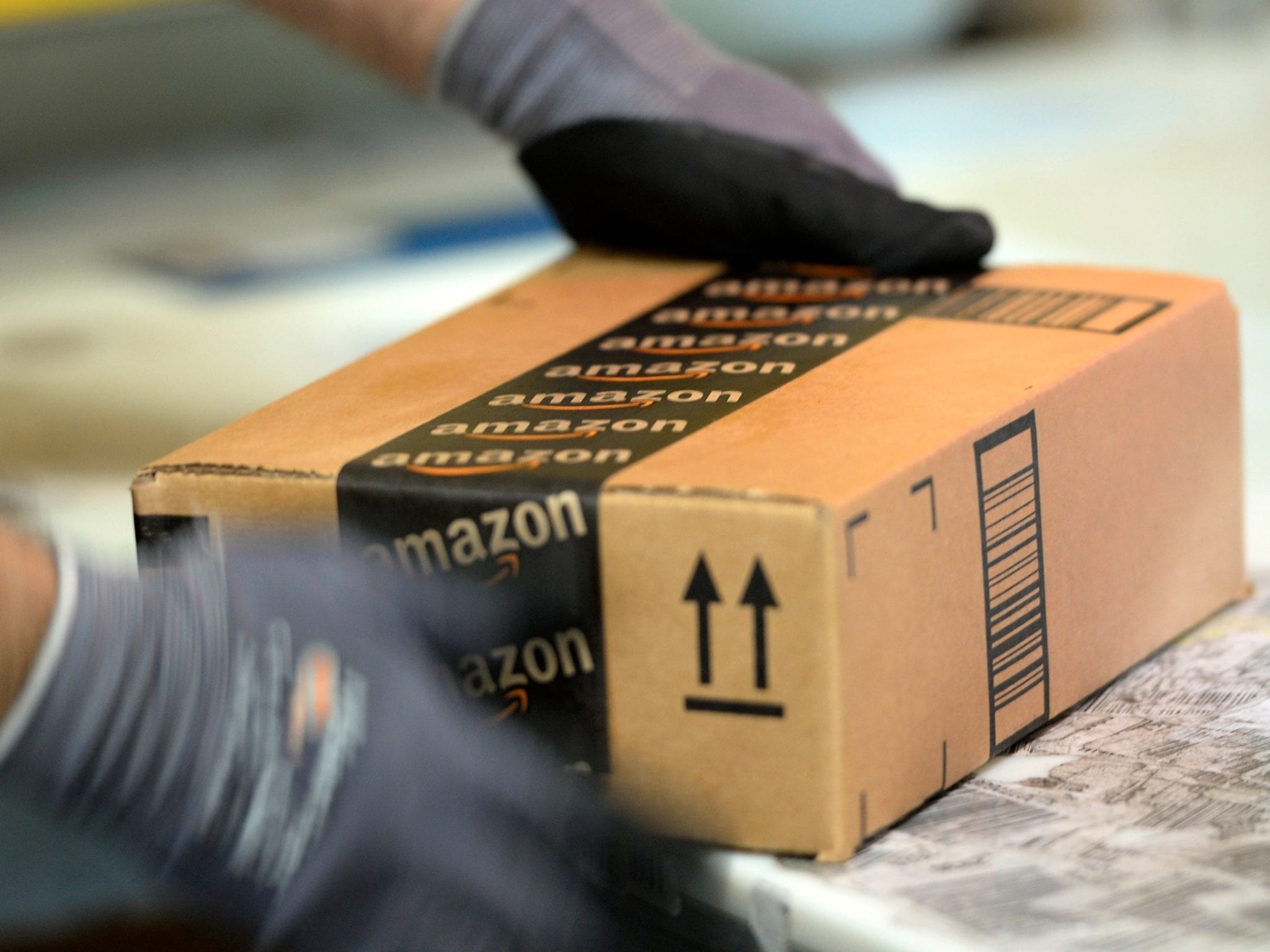
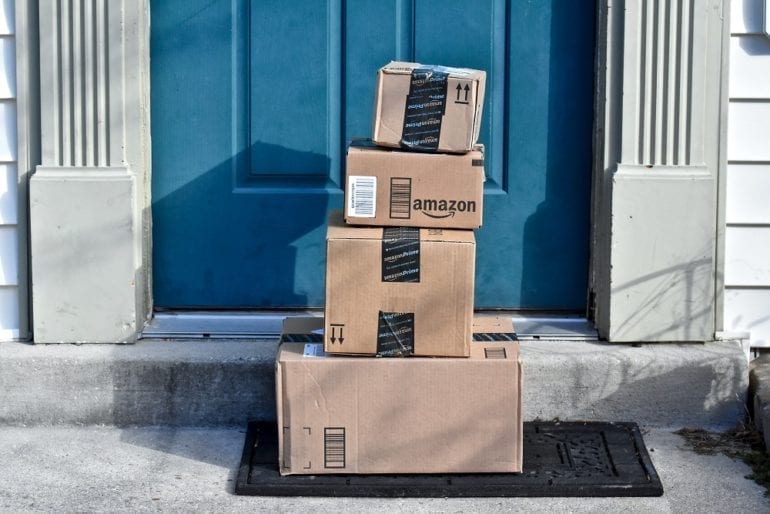
    Global online retailer Amazon has partnered with more than 20,000 local “kirana” stores in India to serve as delivery points.

    The move is part of the firm’s “I Have Space” program to build relationships with such stores in 350 Tier 1, 2 and 3 cities within the territory. It reflects competitor Flipkart’s recent investment in its ShadowFax network of neighborhood stores.

    “We believe the recent partnerships are expected to drive Amazon’s momentum across the country’s shoppers and mom-and-pop shops,” read a report by stock research firm Zacks. “Consequently, this will bolster the company’s presence in the retail space of India, which holds immense prospects.”

    Local stores stand to benefit from the initiative from the extra income they may receive as Amazon’s delivery partners.

    The Zacks report notes that Amazon’s stocks have returned just 14.2 percent over the past year, well below the industry’s rally of 22.4 percent.

  • Everlane launches on Chinese Tmall Platform

    Everlane launches on Chinese Tmall Platform

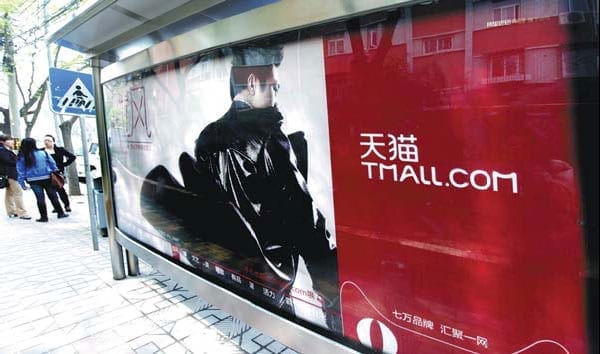
    US fashion brand Everlane has opened a store on Alibaba’s cross-border e-commerce marketplace Tmall Global.

    The Tmall Global store will offer Chinese consumers access to Everlane’s latest products, including womenswear, menswear, shoes, and accessories. It is the San Francisco-based label’s first sales channel in China, apart from its own site.

    The brand is known for championing sustainable practices and its ethos of “radical transparency,” revealing the costs behind each product – from materials and labor to transport and duties – and offering it to consumers at a price below the traditional retail markup. When shoppers look at the Tmall Global product page for its Day Market Tote, for example, they will see the leather bag costs about RMB807 (US$112.9) to make and is sold at RMB1514 – nearly half the traditional market price, according to Everlane.

    “China is one of the most thoughtful and sophisticated consumer markets in the world,” said Everlane’s founder and CEO Michael Preysman. “The Chinese consumer cares about beautiful quality at a great price and cares about the planet and their impact on the world. We want to help support their vision and offer beautiful basics that are also ethically made.”

    “As the consumer demand for ethical clothing and sustainable products grows, we believe Everlane will welcome a new era of shopping on the platform,” said Tmall Global deputy GM Yi Qian.

    “Everlane has pioneered the idea of radical transparency in their supply chain by showing their costs and factories, and we look forward to partnering with them closely to bring their products and stories to Chinese consumers.”

  • Shopee signs Cristiano Ronaldo

    Shopee signs Cristiano Ronaldo

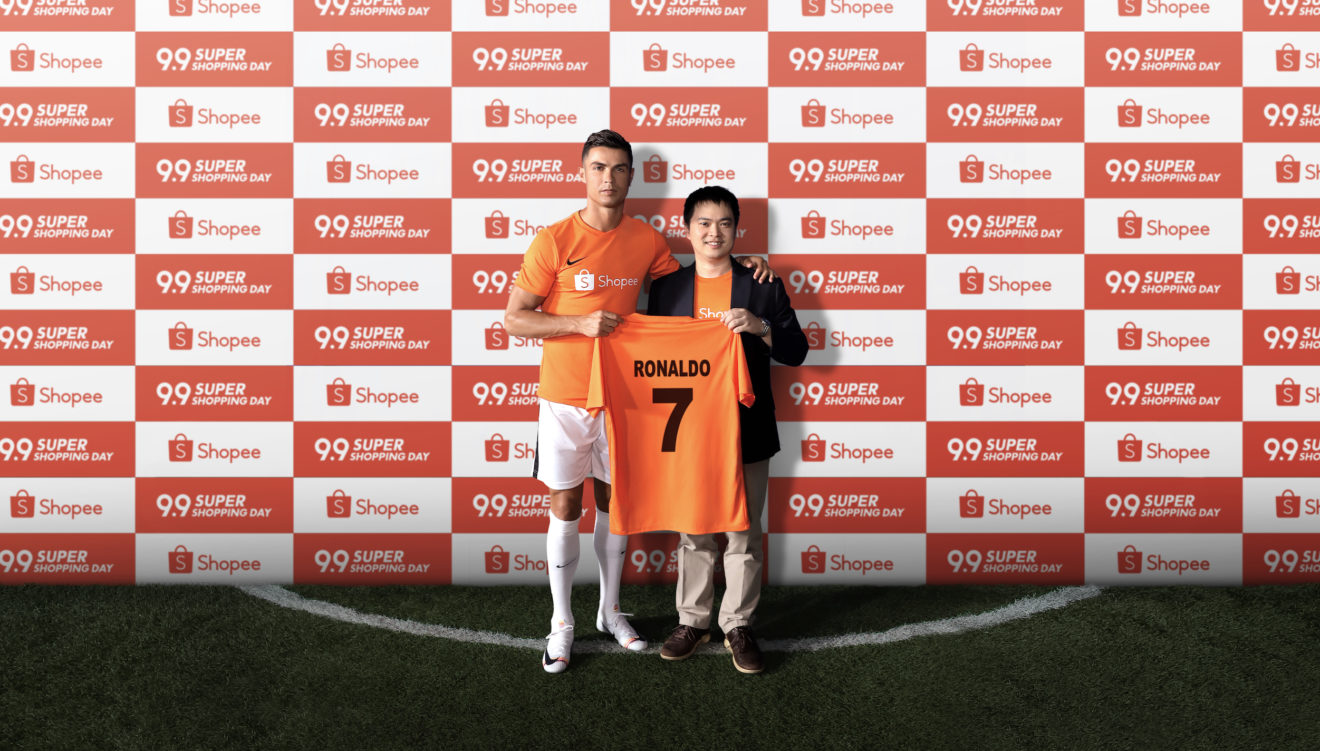
    Southeast Asian/Taiwanese e-commerce platform Shopee has appointed global football icon Cristiano Ronaldo as its newest brand ambassador.

    Ronaldo will work with Shopee on a wide range of initiatives to engage and inspire customers in the region, starting with Shopee’s annual shopping event, 9.9 Super Shopping Day.

    “Cristiano Ronaldo is one of the greatest athletes of our time,” said Shopee CEO Chris Feng. “He is an inspiration to many, and his dedication to football matches the deep commitment we have towards our users. Together with Cristiano Ronaldo, we look forward to creating a lasting positive impact on our region.”

    “I am proud to be Shopee’s brand ambassador as we share the same ambition to be the best in our fields,” said Ronaldo. “I am always improving my game for my fans and my team, just as Shopee innovates to benefit their users in this region. I am excited by this partnership, and I look forward to creating more special moments for my fans together with Shopee.”

    Cristiano Ronaldo stars in Shopee’s newest 9.9 TVC, which will air in all seven Shopee markets in the region.

  • JD exceeds Show Fantastic Growth Numbers

    JD exceeds Show Fantastic Growth Numbers

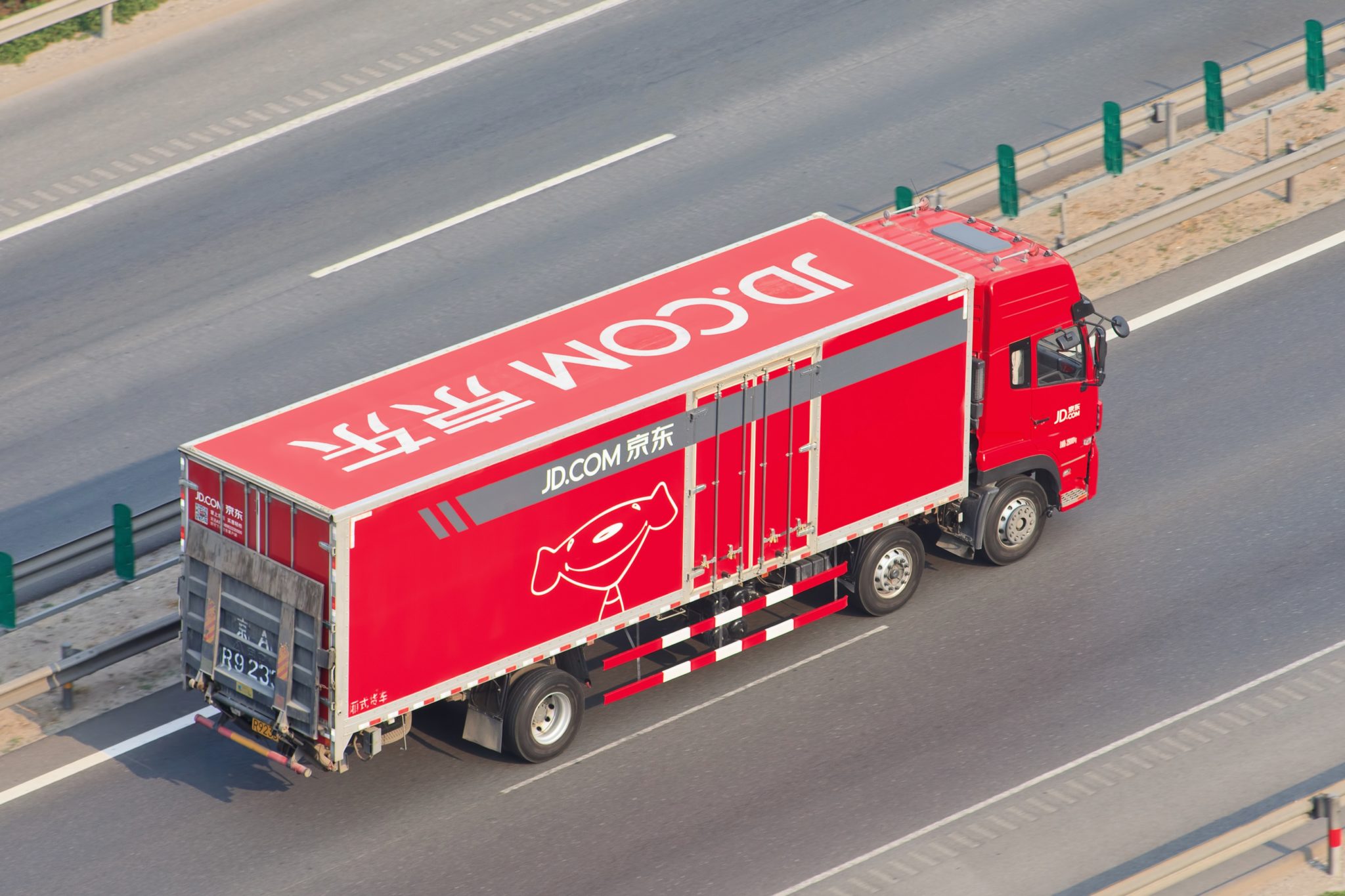
    Chinese e-commerce giant JD exceeded revenue expectations in the June quarter, net sales up by 23 per cent to 50.28 billion yuan (US$21.28 billion).

    The company has cited forays into the convenience-store sector and supermarkets, as well as the harnessing of artificial intelligence in its advertising and logistics operations for the improved result, as it tries to be less reliant on its core online retail platform for growth.

    Net income for JD reached 618.8 million yuan ($90.1 million), a significant turnaround from the 212.4 million yuan net loss of the same period last year.

    Significantly, the company’s logistics business broke even during the quarter.

    Discussing the results during an analyst briefing, a senior executive said the company was now turning its attention to lower tier Mainland China cities for growth, hoping to broaden its customer base. That strategy has been working for JD’s archrival Alibaba to date.

    Other plans afoot include developing more private-label products and improving its WeChat interface to increase customer engagement there.

  • Amazon in talks over Reliance Retail

    Amazon in talks over Reliance Retail

    Amazon is in talks with Reliance Industries Ltd’s retail unit to buy a stake in India’s biggest brick-and-mortar retailer, two sources with knowledge of the talks told Reuters.

    Amazon’s massive online presence could help bolster Reliance’s consumer and private labels business. More importantly, a partnership would help the duo counter Walmart, which last year invested US$16 billion in India’s Flipkart, in the battle for a bigger share of India’s fast-growing e-commerce market.

    In late December, India modified rules around foreign direct investment (FDI) in e-commerce, creating additional hurdles for companies such as Amazon and Flipkart, and giving companies such as Reliance an edge.

    Amazon had made the proposal to Reliance – controlled by Mukesh Ambani, India’s richest man – for the partnership, but it was not clear whether a deal would materialize, said one of the sources.

    The second source said Amazon had been pondering a proposal to purchase an up to 26 percent stake in the Reliance unit since at least February.

    “For Amazon, it is about neutralizing a major rival and allowing itself to grow,” said the second source, who added the company envisions helping Reliance’s roughly 40 brands and grocery products go online.

    Further details of the possible deal, first reported by India’s Economic Times newspaper last week, were not immediately clear.

    Amazon did not immediately respond to request for comment while Reliance said it would make any disclosures to stock exchanges as and when necessary.

    Reliance could potentially leverage Amazon’s global experience in technology, supply chain and logistics as it aims to connect grocery stores across the country digitally through its Jio telecoms network – the biggest in India by subscribers.

    For Amazon, picking up a stake in a Reliance unit could mean getting access to the Jio telecoms platform and its vast retail footprint of more than 10,600 stores across India. It might also add more firepower to their lobbying efforts, as the Ambani family is viewed as being well-connected politically.

    Seattle-based Amazon is keen to get a bigger share of India’s e-commerce market, which Deloitte expects to more than treble to $84 billion between 2017 and 2021.

    Reliance was previously in talks with China’s Alibaba to sell a stake in Reliance Retail, but a deal could not be sealed due to differences in valuation, according to a person familiar with the matter.

  • Amazon expands anti-counterfeit program

    Amazon expands anti-counterfeit program

    Amazon is expanding its successful anti-counterfeiting program to more countries.

    Transparency is now available to sellers and customers in France, Germany, Italy, Spain, the UK, India and Canada, the e-commerce giant announced on Wednesday. Previously it only operated within the US.

    Online marketplaces are rife with counterfeit products sold cheaper than the genuine product, though often at a much lower quality.

    Fellow online marketplace Alibaba revealed its ‘Anti-Counterfeiting Alliance’, launched in early 2017, has resulted in the arrests of 1277 suspects, the shutdown of 524 manufacturing and distribution locations, and product seizures totalling US$536.2 million.

    EBay, as well, launched a program known as ‘eBay Authenticate’ which allows sellers to have items examined by a third-party to ensure the consumers can be confident they’re getting the real thing.

    Amazon’s Transparency program enables marketplace sellers to apply unique codes to their products when they are manufactured. These codes are scanned before orders are shipped to ensure the products are authentic. Online shoppers can also check the unique codes to verify the products they buy.

    “Counterfeiting is an industry-wide concern – both online and offline,” said Amazon customer trust and partner support vice president Dharmesh Mehta.

    “We created Transparency to provide brands with a simple, scalable solution that empowers brands an dAmazon to authenticate products within the supply chain, stopping counterfeit before it reaches a customer.”

    According to Amazon, more than 4000 brands are enrolled in the initiative in the US, and have generated more than 300 million unique codes, stopping over 250,000 counterfeits from reaching customers.

    The program also allows customers to scan products using a Transparency app, and see unit-level information about a product – though currently the app is only available in the US.

    Inside Retail has reached out to Amazon to see if this initiative will be expanded to Australia.

  • Love, Bonito to open in Funan Mall

    Love, Bonito to open in Funan Mall

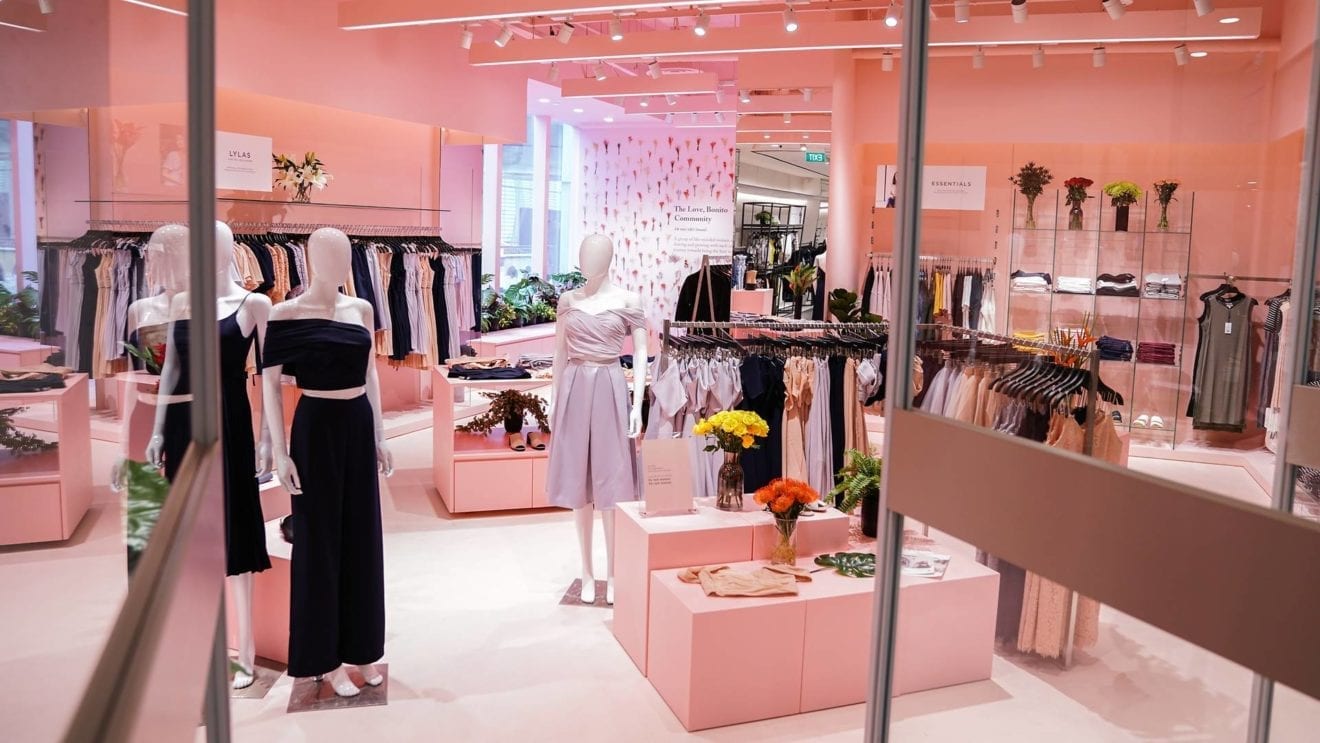
    Online fashion retailer Love, Bonito is about to open its third and largest physical store yet, at Funan mall.

    Set to offer a “thoughtful and feminine” retail experience, the store will have customer touch points such as “Instagrammable” spots, and an express counter for click-and-collect orders.

    “More importantly, the store will hold dedicated and designated space for us to bring our community together to experience the brand, via workshops and events,” Rachel Lim, Love, Bonito co-founder said.

    The store will also offer personal stylists on demand who will be ready to give fashion advice to customers.

  • E-commerce to reach tipping point by 2030

    E-commerce to reach tipping point by 2030

    Almost half (49 percent) of Australian businesses expect online operations to reach parity with bricks-and-mortar retail sales by 2030, according to new research by Australia Post. Rebecca Burrows, Australia Post general manager of segment development and marketing, noted that consumer habits have changed significantly over the past few years.

    “People want an in-store experience, but in the comfort of their own living room – they want to see, touch and try,” she said.

    “Leading retailers are also embracing mobile commerce and voice-activated shopping. It is those in tune with customers and willing to embrace the latest online technology trends that will have the winning strategy.”

    Burrow noted that technology trends, such as augmented reality, artificial intelligence-driven personalization, and biometric payments, are beginning to bridge the gap between online and offline retail, and are shaping the way customers shop.

    Changing consumer trends are not simply relegated to the use of technology, however, with the rise of subscription service also having made a significant impact on the way a retailer offers its service to customers.

    According to a recent survey by Harris Poll, on behalf of subscription management platform provider Zuora, Australians now average 2. 5 subscription services – with Zuora vice-president Iman Ghosdosi calling it the “end of ownership.”

    Fashion-tech company GlamCorner tapped into this phenomenon last year, with the launch of a monthly subscription box that gives customers access to three pieces of designer clothing each month for formal occasions, workwear or everyday wear.

    “The service is growing at an exponential rate,” GlamCorner co-founder and CEO Dean Jones said, “contributing significantly to the 30 tonnes of clothing we process each month.”

    “As a result, our customers are telling us their wardrobes are shrinking, while they still have a fresh new look every day.”

    Australia Post surveyed almost 1000 small to medium sized Australian business across retail, manufacturing, logistics, financial services, education, health, and utilities.

  • Alibaba ranked China’s most valuable brand by BrandZT

    Alibaba ranked China’s most valuable brand by BrandZT

    Alibaba’s rise to the top resulted from growing its brand value by 59%, year-on-year, to $141 million. In the past five years, Alibaba has outperformed the WPP/Kantar Top 100 overall, with its brand value climbing 136%, compared to the Top 100’s 92% rise.

    Alibaba’s number-one spot for 2019 “reflects the growth of a brand which has contributed to transformational changes in the Chinese market,” the Top 100 publishers said.  In BrandZ’s “Brand Power” metric of brand equity, Alibaba’s score was particularly strong “for being ‘Meaningful,’ suggesting the brand known for coining the term ‘New Retail’ has successfully created closer connections with its consumers.”

    The Top 100 results show how digitization and the growing sophistication of Chinese consumers is creating a unique marketplace of products and services available with unprecedented speed and convenience – long a sweet spot for Alibaba. Innovators in AI, e-commerce, New Retail performed strongly.

  • Mountain Designs relaunches witch New E-commerce Platform

    Mountain Designs relaunches witch New E-commerce Platform

    Australian adventure brand Mountain Designs has officially relaunched, with a new e-commerce website sporting the brand’s full range.

    Spotlight Group chief executive of leisure brands Chris Lude said the business was committed to maintaining its 45 year heritage.

    “We are dedicated to ensuring the iconic Mountain Designs brand remains Australian owned, operated and designed,” Lude said.

    The relaunched brand also offers a renewed range, with the business having redeveloped 14 of its best sellers, as well as newly designed apparel and gear.

    “Adventure is in the Mountain Designs DNA, and the new range will continue to provide quality, technical, multi-functional gear that people know and love,” Lude said.

    Acquired in early 2018 by Spotlight Retail Group for an undisclosed sum, Mountain Designs confirmed it would offer a selection of goods, including thermals, apparel and equipment, within the Spotlight-owned Anaconda chain.

    Prior to being acquired by Spotlight Retail Group, Mountain Designs had been shuttering its bricks-and-mortar locations to focus on a purely online model to create a more sustainable platform for the business moving forward.

    During this period, the brand’s website was also closed to facilitate this shift, remaining offline until earlier this week.

    Spotlight Retail Group has recently indicated a larger push into the New Zealand market amid a larger revamp of its brands, with craft retail chain Spotlight to open a Christchurch flagship later in the year.

    It remains to be seen if this initiative extends to Anaconda or Mountain Designs – both of which operate solely in Australia.

  • Walmart Hires robots to handle cleaning and unboxing

    Walmart Hires robots to handle cleaning and unboxing

    US retailer Walmart is adding thousands of robots to its stores to handle cleaning tasks, allowing workers more time to help customers.

    Walmart said by February 2019, it will have introduced the 920-pound autonomous floor scrubbers at 1,860 of its 4,700 US stores.

    The robots will clean the floors and unload boxes in its stockrooms. The “smart assistants” can scan shelf inventory at 350 stores and bots will be placed at 1,700 stores to automatically scan boxes as delivery trucks drop them off and they are sorted onto conveyor belts.

    “The overall trend we’re seeing is that automating certain tasks gives associates more time to do work they find fulfilling and to interact with our customers,” CEO Doug McMillon told of the new technology last year.

    Walmart is hoping that the bot army will increase sales and in-store efficiency. The retailer said it’s quite difficult to find workers to work overnight to receive the supplies from trucks.

    “We’re seeing increases in sales and reductions in turnover in what had been a very difficult job to fill,” CEO McMillon told.

    Walmart goes high tech

    Last year Walmart invested over US$2 billion to remodel stores around the country and improve online shopping services for its new in-store pickup feature. Walmart said on Tuesday that it would bring 16-foot-tall automated vending machines to 900 new stores this year to quickly fetch customers’ online orders.

    “There is a labor shortage in retail. It will not be easy for Walmart to add labor to perform these functions. So a high level of automation is required,” said Kirthi Kalyanam, director of the Retail Management Institute at Santa Clara University told.

    Earlier this month the retailer announced a partnership with Google on the new Walmart Voice Order which allows shoppers to order groceries through Google Assistant.

  • Indian online grocer BigBasket raises Millions for next Phase

    Indian online grocer BigBasket raises Millions for next Phase

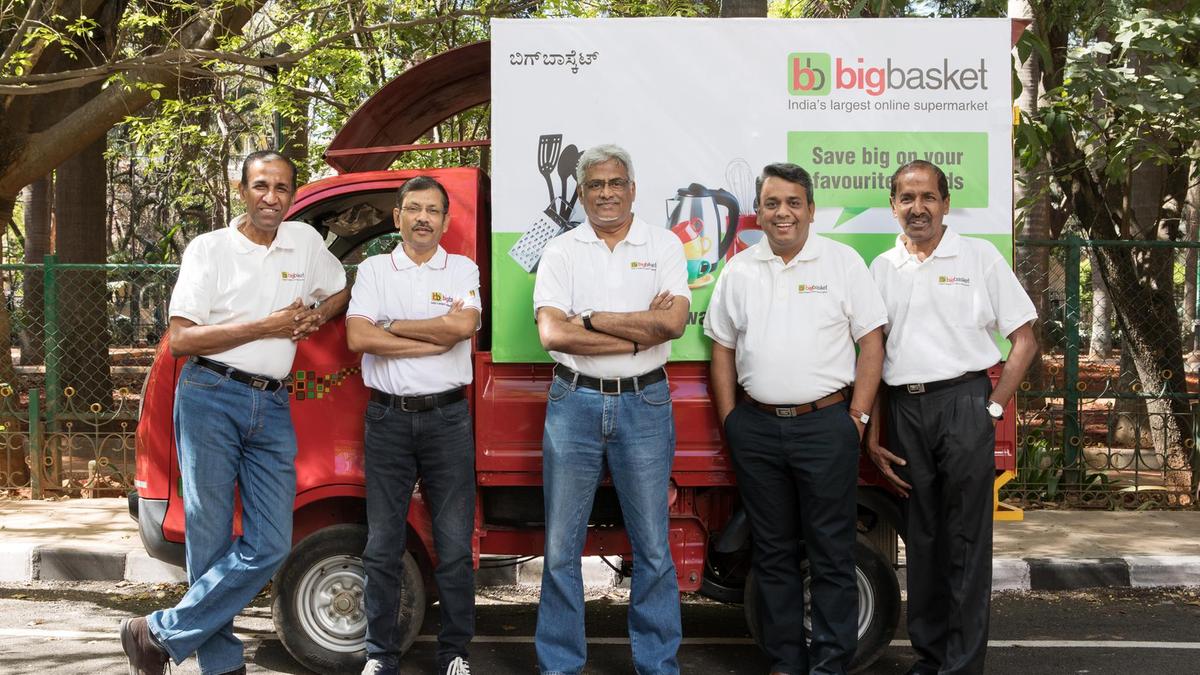
    Indian online grocery platform BigBasket has raised investment capital of about US$150 million.

    The investors include South Korean Mirae Asset Management (at about $60 million), the UK’s CDC Group (at $40 million), and existing investor Alibaba (about $50 million). The investment figures were shown in documents submitted to the Ministry of Corporate Affairs.

    BigBasket received $300 million in February last year from Alibaba and other investors and has been discussing seeking further funding since last November. The firm aims to generate revenues of the equivalent of $2.5 billion by next year.

    The online-grocery market is burgeoning in India, and accounts for a sizeable proportion of unorganised retail in the country.

  • Nearly half of Vietnamese shoppers buy premium products online

    Nearly half of Vietnamese shoppers buy premium products online

    Forty-eight percent of Vietnamese consumers buy premium products online from local retailers, with cosmetics the top category, a report says. Although the majority of survey respondents, 69 percent, said that they still purchase their premium products at local physical stores, the online ratio was higher than the global rate of 45 percent, says a global report by market research firm Nielsen.

    Nielsen’s Changing Consumer Prosperity study also found over a quarter of Vietnamese respondents, 27 percent, were inclined to buy online from overseas e-retailers, and 23 percent even travel overseas for these premium goods.

    Cosmetics are the top premium products that Vietnamese consumers spend their money on, according to 46 percent of respondents, following by clothing/shoes (44 percent), electronics (43 percent), body care (41 percent) and meat or seafood (38 percent).

    What Vietnamese people care most about a premium product is its high quality, according to 65 percent of respondents, and superior performance, 58 percent. Over half the respondents also seek premium products that contain environmentally friendly materials or natural/organic ingredients.

    When it comes to trying new premium products, Vietnamese rated peer recommendations as the most influential factor.Half of the respondents said that recommendations and encouragement by friends and family influenced their decision, followed by product research (46 percent), online advertising (42 percent), television advertising (39 percent) and in-store advertising (39 percent).

    In another survey released recently, Nielsen said that Vietnamese people remain among the most optimistic consumers even as global confidence fell in Q4 2018. Despite considerable increase in savings, Vietnamese consumers are still willing to fork out just as much or possibly even more money on big-ticket items such as new clothes, holidays or out-of-home entertainment, it said.

    Vietnam’s e-commerce sector has been booming in recent years. E-commerce revenue reached $2.26 billion last year, a growth of 30 percent over 2017, according to Germany-based data portal Statista. It estimated that this figure will reach $2.7 billion this year.