Tag: EU

  • The EU comes after Apple with list of antitrust charges

    The EU comes after Apple with list of antitrust charges

    Apple is taking hit after hit in its continued struggle against antitrust accusations, as only last week Arizona passed a bill forcing the App Store to allow third-party payment systems within apps to circumvent the 30% commission fee.

    Reuters has revealed that EU antitrust regulators are currently finalizing a list of charges against Apple for violating antitrust laws. Apparently, Spotify, the Swedish music streaming service, had jumpstarted a set of four cases against Apple when it filed a report against the tech giant two years ago.

    Spotify had initially complained to the European Commission that Apple was giving an unfair advantage to Apple Music by restricting alternative platforms to keep them in its shadow. This has since galvanized further complaints against Apple’s 30% commission fee imposed on all apps without allowing alternative payment systems or other app stores onto the iOS.

    If Apple loses to these charges, it could spell the end of its App Store monopoly. In the US, Apple is waiting to go on trial in only two months to face Epic Games in a lawsuit for antitrust practices, which was launched last August. It looks like a freer mobile app publishing platform may loom on the horizon after all, which would be fortunate for smaller developers and businesses who have been impacted the most by this monopoly.

    Reuters states that the document listing the charges is set to be delivered to Apple sometime before this summer.

  • First European Apple Store to reopen on Tuesday

    First European Apple Store to reopen on Tuesday

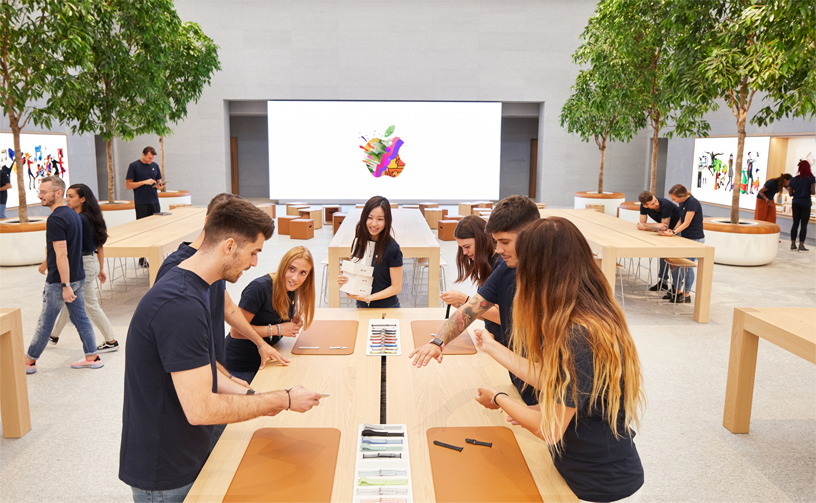
    Apple’s sole retail location in Vienna, Austria will resume operations on May 5. The company’s CEO Tim Cook had earlier indicated that the store would reopen by mid-May. Since infection rates have decreased, the country has started relaxing lockdown measures already. Per the German outlet Heute, the re-opening will be cautious, with many measures in place to ensure the wellbeing of consumers and employees.

    An Apple spokesperson has confirmed the news. The Apple Store in Austria will be the first one in Europe to resume activities after a weeks-long lockdown.

    The store will be operational for limited hours, from 11 am to 6 pm. It will remain closed on Sundays.

    Social distancing will also be practiced, which means that only a limited number of visitors will be allowed in at any given time. Others will have to queue up outside.

    The report also alleges that customers will be required to wear a mask and their fever will be checked at the entrance. Devices on display as well as the premises itself will be disinfected regularly.

    For now, the emphasis is on the provision of service and support for hardware owners experiencing problems. Consumers looking to make a purchase are advised to shop online.

    Outside of China, the Vienna Apple Store would be the first one to reopen after the company’s only store in South Korea.

    Cook has also said that a few stores in the US could reopen in the first half of May.

  • European Carmakers Restart Production As Coronavirus Lockdowns Ease

    European Carmakers Restart Production As Coronavirus Lockdowns Ease

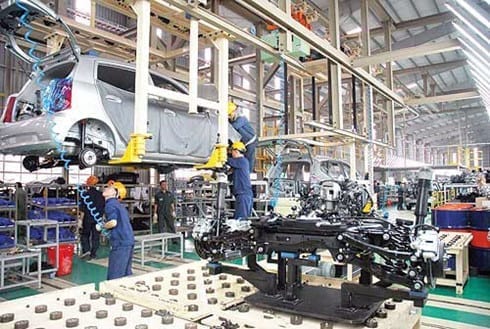
    Volkswagen will restart production at its Wolfsburg factory in Germany on Monday, the latest of a fleet of European carmakers to take advantage of eased coronavirus lockdown rules to resume manufacturing. VW, the world’s largest car manufacturer, is celebrating the reopening of its biggest plant, in Wolfsburg, by projecting a cartoon of a VW logo squashing coronaviruses.

    Encouraged by a fall in infection rates, Germany has allowed small retail stores to reopen, provided they adhere to strict distancing and hygiene rules. Now large corporations are following suit.

    BMW, Daimler and VW are banking on Germany’s ability to trace and contain the new coronavirus, and a healthcare system capable of extensive testing to identify possible carriers of the disease.

    This stands in stark contrast to the United States, where the head of the United Auto Workers union said on Thursday it was “too soon and too risky” to reopen auto plants in early May, citing insufficient coronavirus testing. German carmakers like BMW, Daimler and VW are banking on Germany’s ability to trace and contain the new coronavirus. European factories have changed work patterns, to incorporate more rigorous hygiene and cleaning intervals as well as more generous spacing between workers.

    As part of Volkswagen’s cartoon, the VW logo celebrates with a “thumbs-up” after defeating the virus.

    “On Monday, the German auto industry is back. We at Volkswagen have used the five-week pause to prepare ourselves for restarting production,” said VW works council chief Bernd Osterloh.

    BMW says it is cranking up engine manufacturing starting this Monday. BMW wants to reopen its British plant in Goodwood and its Spartanburg, South Carolina on May 4, followed by Dingolfing, Germany and San Luis Potosi in Mexico on May 11, depending on market demand, the carmaker said.

    Other plants in Leipzig, Regensburg, and Rosslyn South Africa will open after May 18, starting with a one-shift system the carmaker said. BMW’s factory in Shenyang, China has been producing since Feb. 17.

    Little relief for Europe’s carmakers Monday as BMW says sales have plunged and Peugeot-owner PSA says it’s raising new funds to help it see out the crisis.

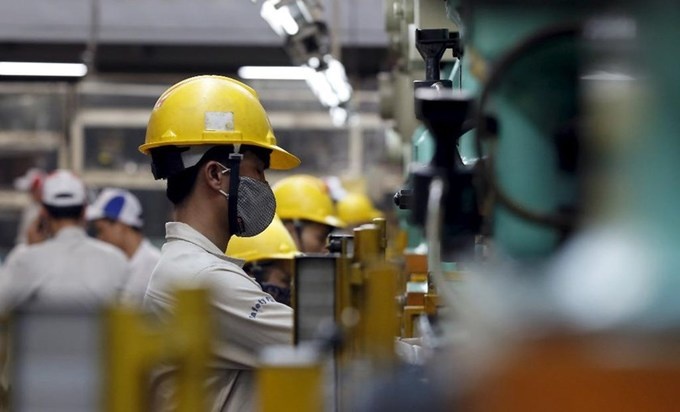
    Workers need to wear masks and keep a distance to one another. The seating order on BMW factory buses has been changed, as has the process for entering and exiting the bus.

    Workers need to come to the plant already wearing their factory clothes, to avoid time stuck in changing rooms, and designated pathways in the plant have been altered to ensure there is “one-way” traffic only, BMW said.

    European factories have changed work patterns, to incorporate more rigorous hygiene and cleaning intervals

    Mercedes-Benz plants in Sindelfingen and Bremen are also making preparations to ramp up production.

    Unlike Italy and Spain, Germany never banned car production, though factories came to a standstill after authorities restricted the movement of people and ordered the closure of car dealerships, hitting demand.

    FiatChrysler will open its Sevel plant in central Italy on Monday, with plans to resume production at a rate of between 70%-80%.

    In France, Toyota this week restarted an assembly plant in Valenciennes and Renault began producing engines at its factory in Cleon, west of Paris. It will be followed by Renault’s Flins plant, west of Paris, where only 25% of the workforce is due to resume work.

    Sweden’s Volvo Cars reopened its Torslanda factory this week after overhauling its production processes.

    “The economy has come to a halt in Europe. A vaccine will take a long long time. It is important to restart in a safe way. Hopefully we can contribute to a normalization,” Volvo cars Chief Executive Hakan Samuelsson told Reuters.
  • European Union wants Apple’s Lightning port gone

    European Union wants Apple’s Lightning port gone

    EU lawmakers might be in favor of diversity, but not when it comes to smartphone chargers. Today, these lawmakers called for the creation of one standard charger for all mobile devices. By an overwhelming vote of 582-40, members of the European Parliament passed a resolution that asks the European Commission (the body that drafts laws for the EU) to make sure that buyers of mobile devices no longer are under the obligation to purchase a new charger every time they buy a new device. The resolution calls for the EC to adopt new rules by this coming July.
    The idea is to reduce the amount of electronic waste that the EU is dealing with. During 2016, the last year that data was made available, such waste generated in the EU added up to 12.3 million tonnes or 36.6 pounds for each person living in the EU. The resolution noted that requiring a standard charger for mobile devices could reduce the amount of electronic waste and it also asked the Commission to pass a rulemaking sure that wireless chargers could be used to power up different mobile devices.

    The EC has actually been fighting for a standard mobile charger for over 10 years. in 2009, Apple, Samsung, Huawei, and Nokia signed a “voluntary memorandum of understanding” calling for these phone manufacturers to use standard chargers for phones that were coming to the marketplace in 2011. But it is obvious to the EC after nearly 10 years that the voluntary approach has not worked and that legislation is going to be needed in order to force the phone manufacturers to take action.

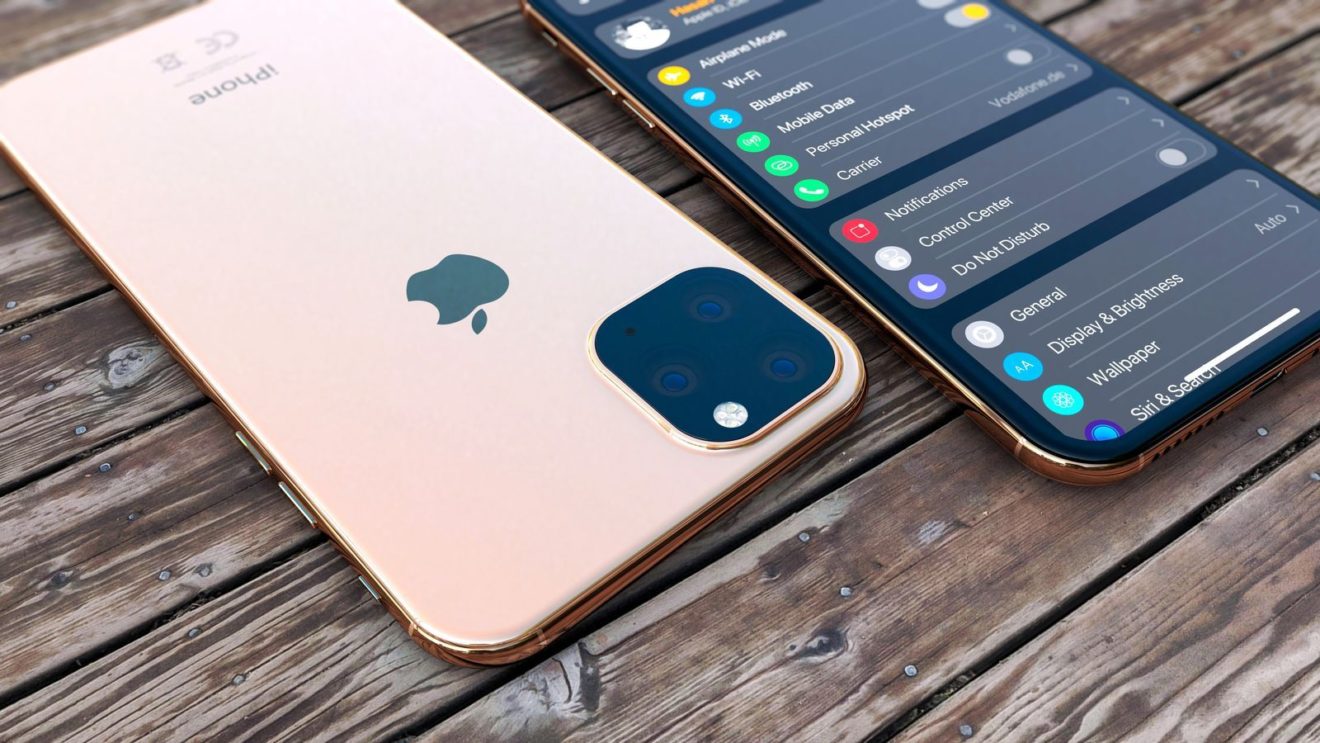
    The company that is on the line with this proposal is Apple. That is because most Android phones have a USB-C port which is the closest thing to a common charging platform that the mobile industry has today. However, Apple has its proprietary Lightning port which has been in use since 2012 when it replaced the 30-pin dock connector. Apple did switch to USB Type-C for the 2018 iPad Pro models and for the last couple of years there have been rumors about the same thing happening to the iPhone. Many iPhone users have been hoping that Apple switches to Type-C; that could make it easier for them to find accessories for their iPhones and at a lower price, too.
    While Apple might end up not having a choice in Europe, it is hard to see the company voluntarily switching to a standard system because of the profits involved. Having a proprietary charging system means that people will have to come to Apple for an original replacement. The company already took a little hit when it introduced the 2019 iPhones by including an 18W fast charger in the box with the iPhone 11 Pro and iPhone 11 Pro Max. While the iPhone 8 iPhone 8 Plus, iPhone XS, iPhone XS Max, and iPhone XR all support fast charging, owners of those models have to shell out $29 for an 18W charger.
    Last month, reliable TF International analyst Ming-Chi Kuo looked deeply into his crystal ball and said that the highest-end 2021 iPhone might not have a Lightning port or a USB-C port. Kuo is talking about the iPhone 13 Pro Max featuring a “completely wireless experience.” If indeed Apple is looking at offering a port-free phone, it could decide that it isn’t worth it to make a switch away from the Lightning port for a short period of time.
    However, there is still the EU to consider. Apple said last week that the mobile industry is already moving toward the use of Type-C as a standard, but also said that forcing a standard on the industry would hurt consumers in Europe. And Apple also points out that making a quick move to a standard charging platform would create plenty of electrical waste, exactly what the EU is trying to avoid in the first place.
  • Renault Clio Based On The CMF-B Platform Bags Five-Star Ratings In Euro NCAP

    Renault Clio Based On The CMF-B Platform Bags Five-Star Ratings In Euro NCAP

    The all-new Renault Clio which is spawned by the CMF-B platform has bagged five-star ratings in the global NCAP crash test and this news stands even more crucial for the India market given the onset of the Bharat New Vehicle Safety Assessment Program  (BNVSAP) which is set to roll out next year. The CMF-B platform is an advanced and elongated version of the CMF-A platform which spawns the Renault Kwid and Datsun Go range. The CMF-B platform has been developed in alliance with Mitsubishi to underpin a slew of compact and mid-size models from both the carmakers globally.

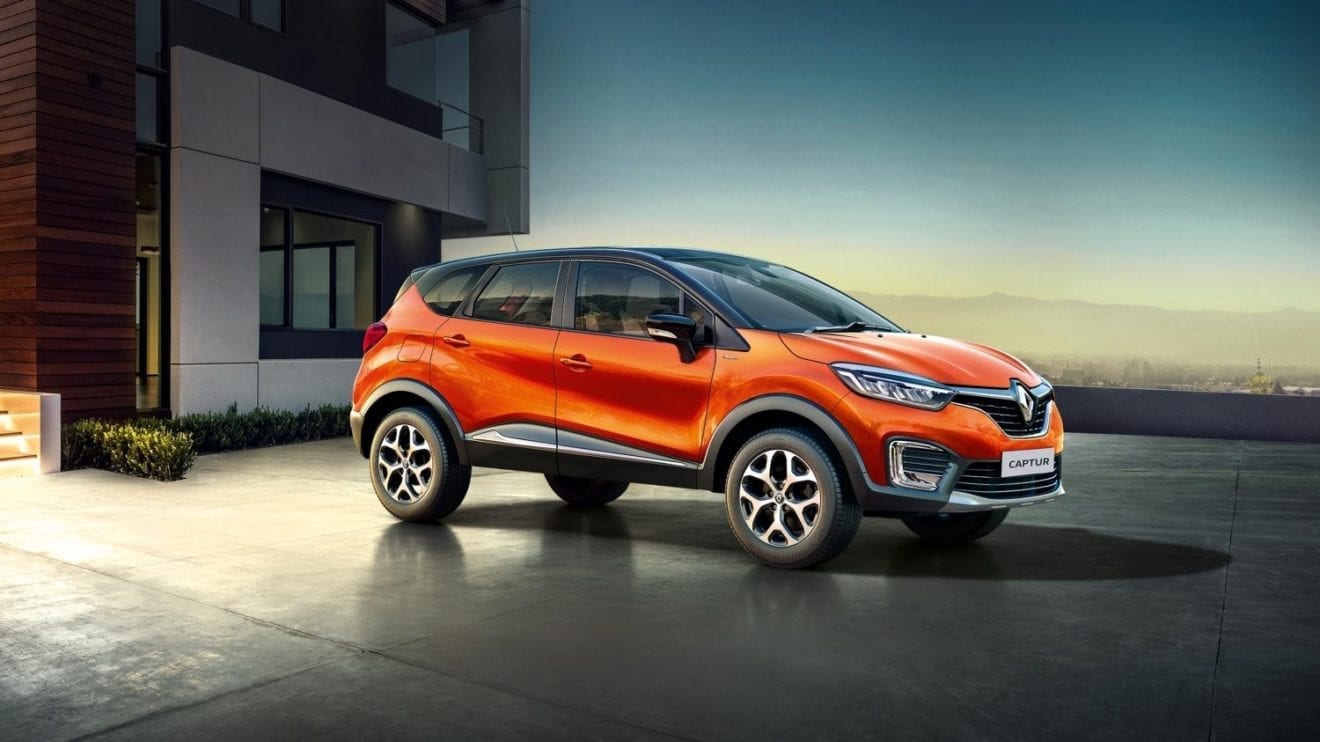
    We know that Renault and Nissan are also in an agreement and share a range of cross badged models in India. The MO platform underpins all the compact models of both carmakers like the Duster, Terrano, Captur and Kicks among others. The platform was developed by Renault and both carmakers have been using it for long. The CMF-B platform is more rigid and lighter and can spawn next-generation models of these models other models like the next-gen Nissan Sunny which will help the brands to comply with the upcoming crash test and fuel efficiency norms. Renault is also gearing up to launch the seven-seater version based of the Kwid which has been developed on an advanced version of the CMF-A platform and is expected to meet the safety standards.

    Moreover, the CMF-B platform is also a silver lining for the India business of both carmakers. It may help them fill white spaces and introduce the next-generation of some previous models which were discontinued, like the Renault Scala. Uncertainty also hovers over the Renault Kwid which future depends on it clearing the crash test norms. The company can also use the learning to develop a high-tensile CMF-A platform which can underpin the next-generation Kwid or it can be entirely shifted to the CMF-B platform which is scalable and can be moderated for the model. However, the Kwid will likely witness a price hike in any of the cases.

  • European Union Says BMW, Daimler, VW Colluded To Limit Emissions Technology

    European Union Says BMW, Daimler, VW Colluded To Limit Emissions Technology

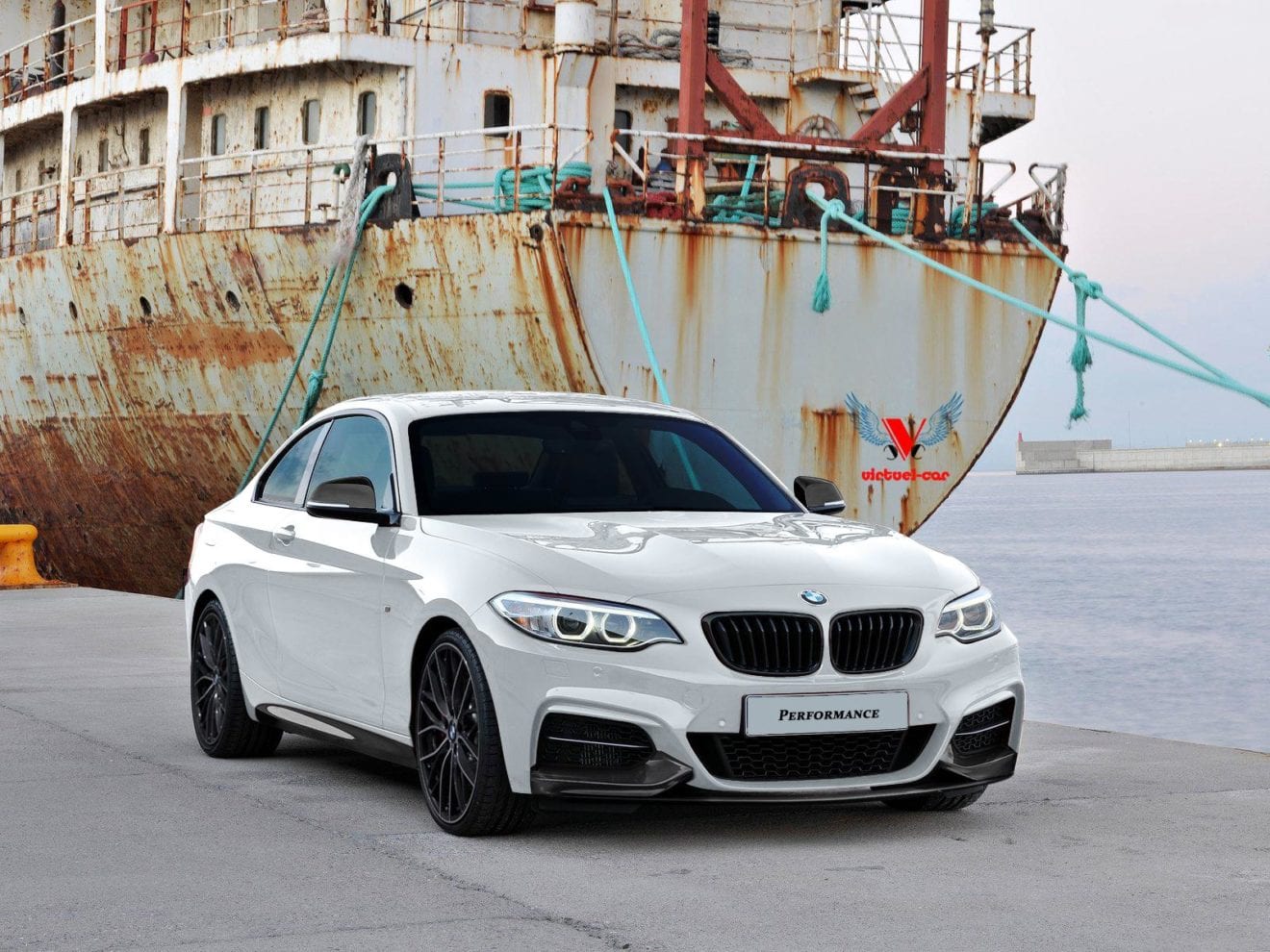
    European Union authorities said Friday that German automakers BMW, Daimler and Volkswagen colluded to limit the development of emissions-cleaning technology in cars. The finding adds to the car industry’s woes after Volkswagen in 2015 admitted to cheating on emissions tests in the U.S., which led to a worldwide reevaluation of how cars are tested and how to limit emissions to make air cleaner and fight climate change.

    The EU antitrust regulator said that after an in-depth investigation, it found that BMW, Daimler and Volkswagen, including its Audi and Porsche units, broke EU laws from 2006 to 2014 by illegally agreeing among themselves to limit the roll-out of the technology. The technology helps eliminate nitrogen oxides, which can be harmful to human health, from both gasoline and diesel passenger cars.

    The alleged actions could have limited Europeans’ opportunities to buy less polluting cars, but would not have affected price, the EU said. It did not explain how the companies might have profited.

    The probe is separate from other legal procedures against carmakers for allegedly breaching environmental laws or using illegal software in car engines. EU authorities raided the offices of the three companies in October 2017 and opened their investigation on this case in September last year.

    BMW said discussions among engineers were meant to improve exhaust gas technologies and that the whole industry was aware of these talks. It said they did not involve any secret agreements or intend to hurt customers.

    Daimler said it was cooperating with the EU and does not expect to receive a fine. Volkswagen said it was also cooperating and would issue a statement once it has reviewed the EU investigation. The EU noted that its preliminary findings do not prejudge the final outcome of the investigation.

    The case comes after Volkswagen admitted four year ago to using software in diesel car engines to cheat on U.S. emissions tests. It has set aside some 27.4 billion euros ($32 billion) for fines, settlements, recalls and buybacks. Former CEO Martin Winterkorn was criminally charged by U.S. authorities but cannot be extradited; Audi’s division head was jailed.

    Renewed scrutiny of diesel emissions revealed that cars from other automakers also showed higher diesel emissions in everyday driving than during testing, thanks in part to regulatory loopholes that let automakers turn down the emissions controls to avoid engine damage under certain conditions. The EU subsequently tightened its testing procedures.

    Anti-trust fines can be steep. In 2016 and 2017 the EU Commission imposed a fine of 3.8 billion euros after it found that six truck makers had colluded on pricing, the timing of introduction of emissions technologies and the passing on of costs for emissions compliance to customers.

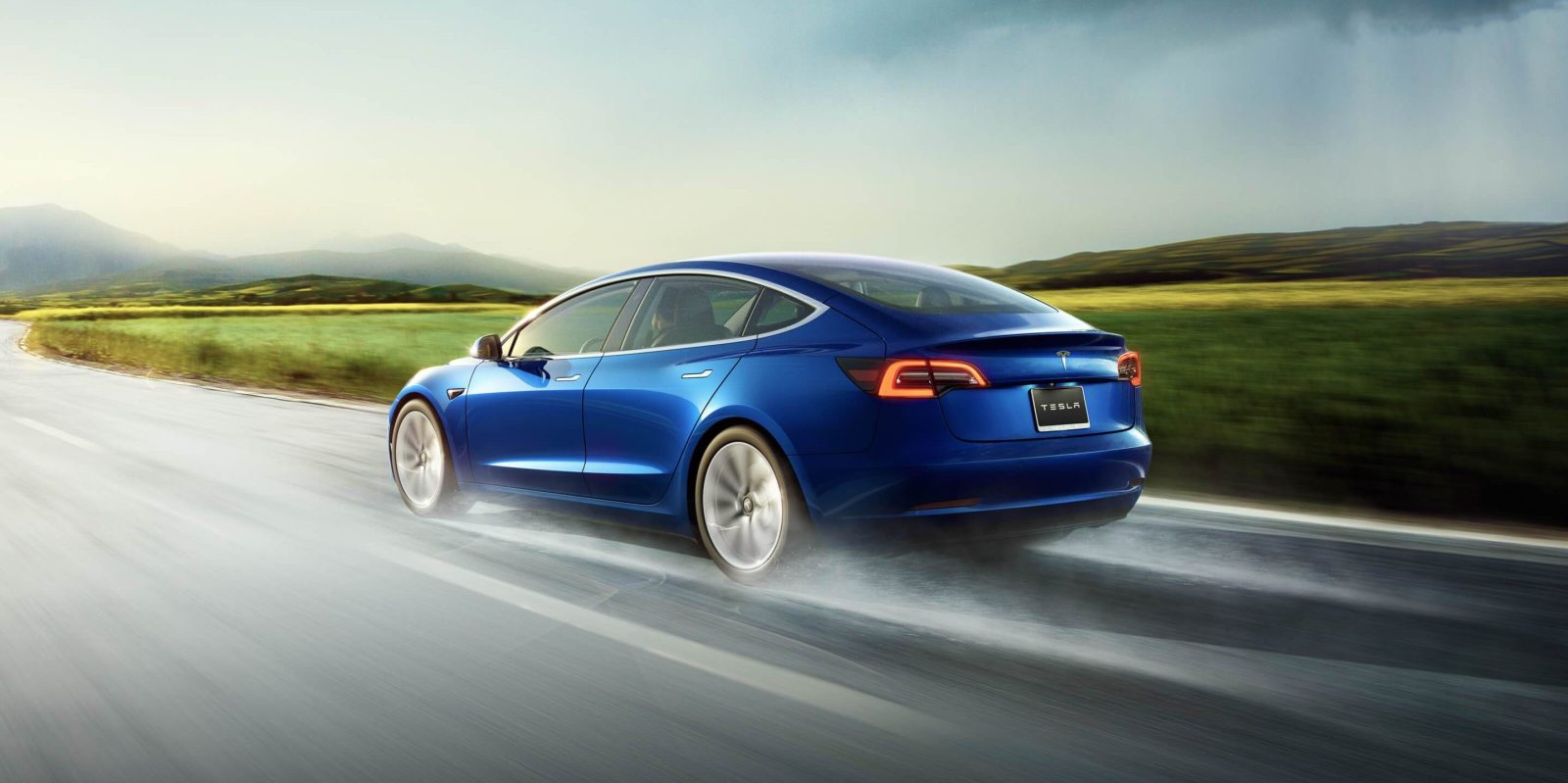
  • Tesla Model 3 Outsells C-Class and 3 Series In Europe

    Tesla Model 3 Outsells C-Class and 3 Series In Europe

    February has not been a great month for carmakers in Europe as the market registered its sixth consecutive month of decline as 1.14 million vehicles were registered. This was largely because February marked a month of uncertainty for many of the bigger European markets, such as Spain and the Netherlands. However, according to a report by Jato, pure electric vehicles or BEVs showed a big growth in sales. Although their market share remained marginal at 1.9 per cent, their volume increased by a huge 92 per cent to 20,000 registrations.

    BEVs continued to gain traction in markets like Norway, where they counted for 40 per cent of overall registrations, and the Netherlands, where they counted for 7 per cent. Demand also increased by 81 per cent in Germany, which was the largest market for BEVs in February. This increase can be explained by the introduction of new models – most notably the Tesla Model 3. The hotly anticipated car excelled during its first full month on the European market and became the best-selling BEV. The Model 3 quickly outsold other big players like the Nissan Leaf and Renault Zoe, despite being more expensive and only available for a short amount of time.

    In fact it also was the top-selling premium midsize sedan in Europe – outperforming the popular Mercedes C-Class, Audi A4 and BMW 3-Series which speaks volumes about the success of the car. It’s also notable that most of the Model 3’s volume in February came from private registrations, which breaks the usual trend of a new vehicle’s volume being made up of business/fleet registrations.

  • EU-wide security approach planned for 5G

    EU-wide security approach planned for 5G

    The European Commission (EC) has outlined plans to establish a common European Union approach to the security of 5G networks.

    The EC has recommended a series of operational steps and measures aimed at ensuring a high level of security of 5G networks across the EU.

    The recommendations for EU member states include legislative and policy measures designed to protect the nations’ economies, societies and democratic systems.

    As part of the program, the EC has recommended that each member state complete a national risk assessment of 5G network infrastructures by the end of June.

    Member states have also been urged to update their respective security requirements for network providers and include conditions for ensuring the security of public networks, especially when granting 5G spectrum licenses.

    At the EU level, the Commission and the European Agency for Cybersecurity (ENISA) has been tasked with completing a coordinated risk assessment by the start of October, which will be used to help member states agree to a set of mitigating measures that can be used at a national level.

    “Protecting 5G networks aims at protecting the infrastructure that will support vital societal and economic functions – such as energy, transport, banking, and health, as well as the much more automated factories of the future,” commented European Commissioner in charge of the digital economy and society Mariya Gabriel.

    “It also means protecting our democratic processes, such as elections, against interference and the spread of disinformation.”

  • Xiaomi’s Black Shark 2 gaming smartphone goes on sale

    Xiaomi’s Black Shark 2 gaming smartphone goes on sale

    Great news for mobile gaming fans looking to buy one of the most powerful gaming smartphones available on the market, as Xiaomi has just announced their new product, Black Shark 2 is now up for grabs in Europe.

    Initially introduced in China on March 18, Xiaomi Black Shark 2 can be purchased from Europe beginning March 28, at 6.00 PM CET. You’ll be able to buy the phone from every European country where Xiaomi officially sells its phone, and here is how much you’ll have to pay.

    The Black Shark 2 with 8GB RAM and 128GB internal memory will be available for purchase for €549, while the 12GB RAM and 256GB storage will cost €649. For customers in the UK, the smartphone will be available for £479 and £559, respectively.

    If you take away its gaming-related features, the Black Shark 2 remains a very powerful flagship smartphone, so even if you’re not a gamer, it can be a great alternative to Samsung, LG and Huawei’s flagships.

    Speaking of gaming features, Xiaomi explains that the Black Shark 2 embeds the only direct touch liquid cooling system in the work. Also, the phone’s display benefits from the world’s lowest latency touch.

    As far as US availability goes, we doubt this will come in the United States at all since Xiaomi hasn’t yet officially entered the market, although it repeatedly said it will eventually happen.

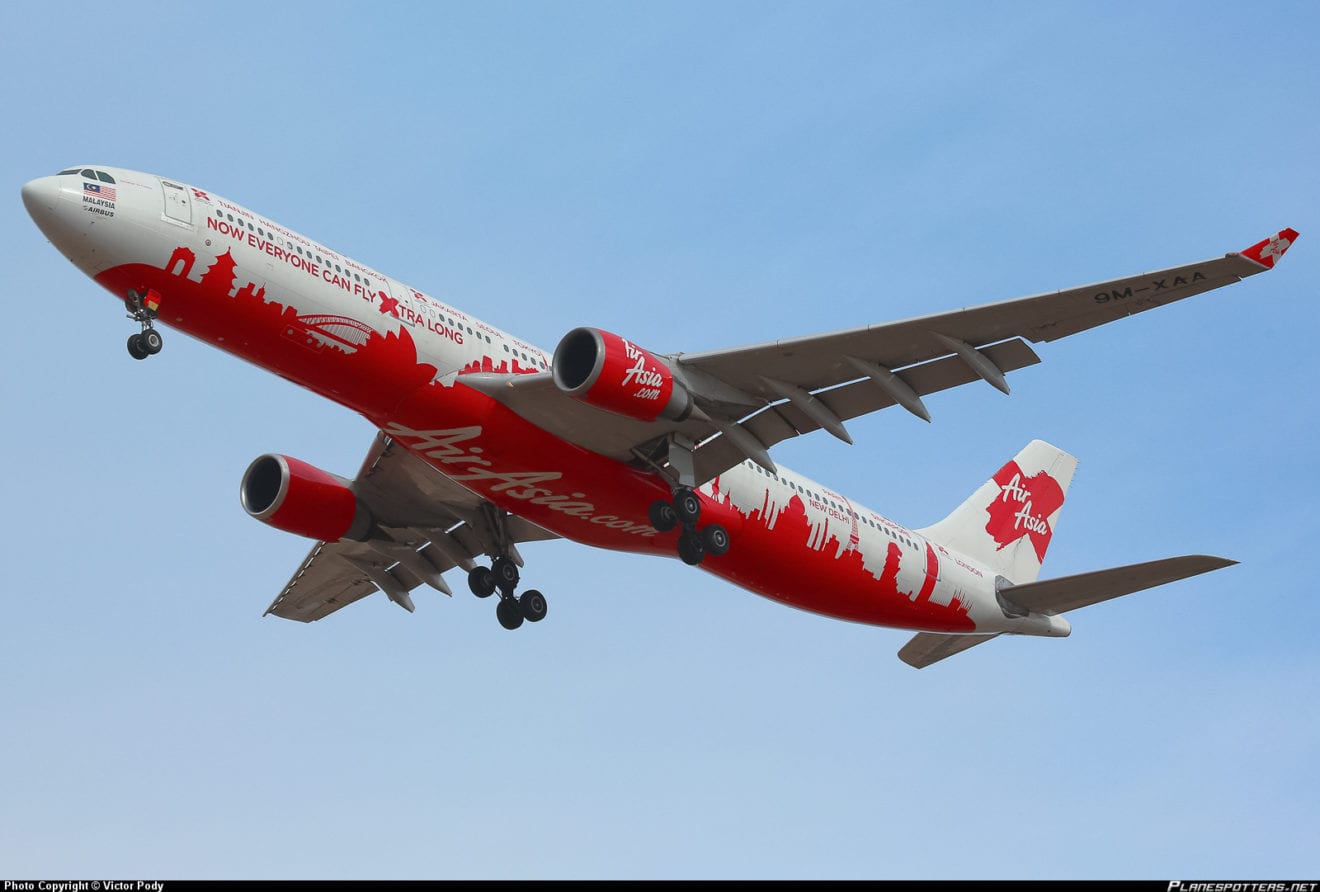
  • AirAsia X Wants To Launch Airbus Flights To Europe

    AirAsia X Wants To Launch Airbus Flights To Europe

    AirAsia X is looking to launch flights to Europe using the Airbus A330neo. Flights could commence as soon as 2019, with the airline keen to reenter the market as quickly as possible.

    AirAsia X previously operated flights to Europe, but suspended these flights back in 2012. Now, it seems that the airline is ready to restart these flights. AirAsia X have 100 A330neo aircraft on order, with deliveries due to start later this year. As well as eyeing European service for these new planes, they may also look to start flying to the US too.

  • Asian firms are better prepared than European peers to comply with data-privacy regulations, according to new EIU study

    Asian firms are better prepared than European peers to comply with data-privacy regulations, according to new EIU study

    The collection and use of personal data for commercial purposes are on the rise, but concerns over privacy and cyber-security breaches are causing concern among consumers, companies and regulators alike. The report, The transparent business barometer: Preparing for the end of easy data, written by The Economist Intelligence Unit (EIU) and sponsored by Ant Financial, assesses companies’ level of preparedness to face a more privacy-conscious world. It is largely based on a survey of 250 executives across China, the US, Western Europe and South-east Asia.

    Nearly 100% of respondents agree that data privacy is important to their organisation, with a majority (54%) saying it will be much more so in three years’ time. One reason for this is the perceived importance of data privacy to good corporate governance, which is something that 88% of executives across the surveyed regions and almost all Chinese executives (98%) believe to be true.

    Many firms are waking up to the fact that stricter laws in the mould of the EU’s General Data Protection Regulation may be in the offing. In a barometer constructed for this study, companies were asked to rank their preparedness to face various data-privacy regulations, such as that which might restrict their ability to gather data directly from consumers, on a one-to-ten scale. Overall, they are relatively well prepared, although they are less willing to take different measures, such as changing business models to reduce reliance on consumer data, in response to such regulations. Compared with bullish Americans, executives in Europe are the least prepared to face regulations and least likely to try new approaches in response to them, while the sentiment in China and South-east Asia falls between those two extremes.

    Transparent business barometer aggregate scores, by region

    (Scores out of 10)

      China US Western Europe South-east Asia Total
    Readiness 7.35 8.04 6.69 7.42 7.36
    Likelihood 6.58 7.16 5.67 6.56 6.47
    Overall 7.06 7.71 6.31 7.10 7.02

    Smaller companies are also less ready to face regulations than their larger counterparts, even as some large firms, including tech heavyweights like Apple and Google, are now beginning to call for regulators to create greater clarity—a step that will hopefully lessen uncertainty going forward.

    Michael Gold, editor of the report, says: “Businesses need to be aware that playing fast and loose with consumer data can lead to major repercussions down the road. Smart, well-co-ordinated regulations can make the business world more transparent and trustworthy amid a growing realisation that data is truly the ‘new oil’ in today’s economy.”

    Full report can be downloaded here.

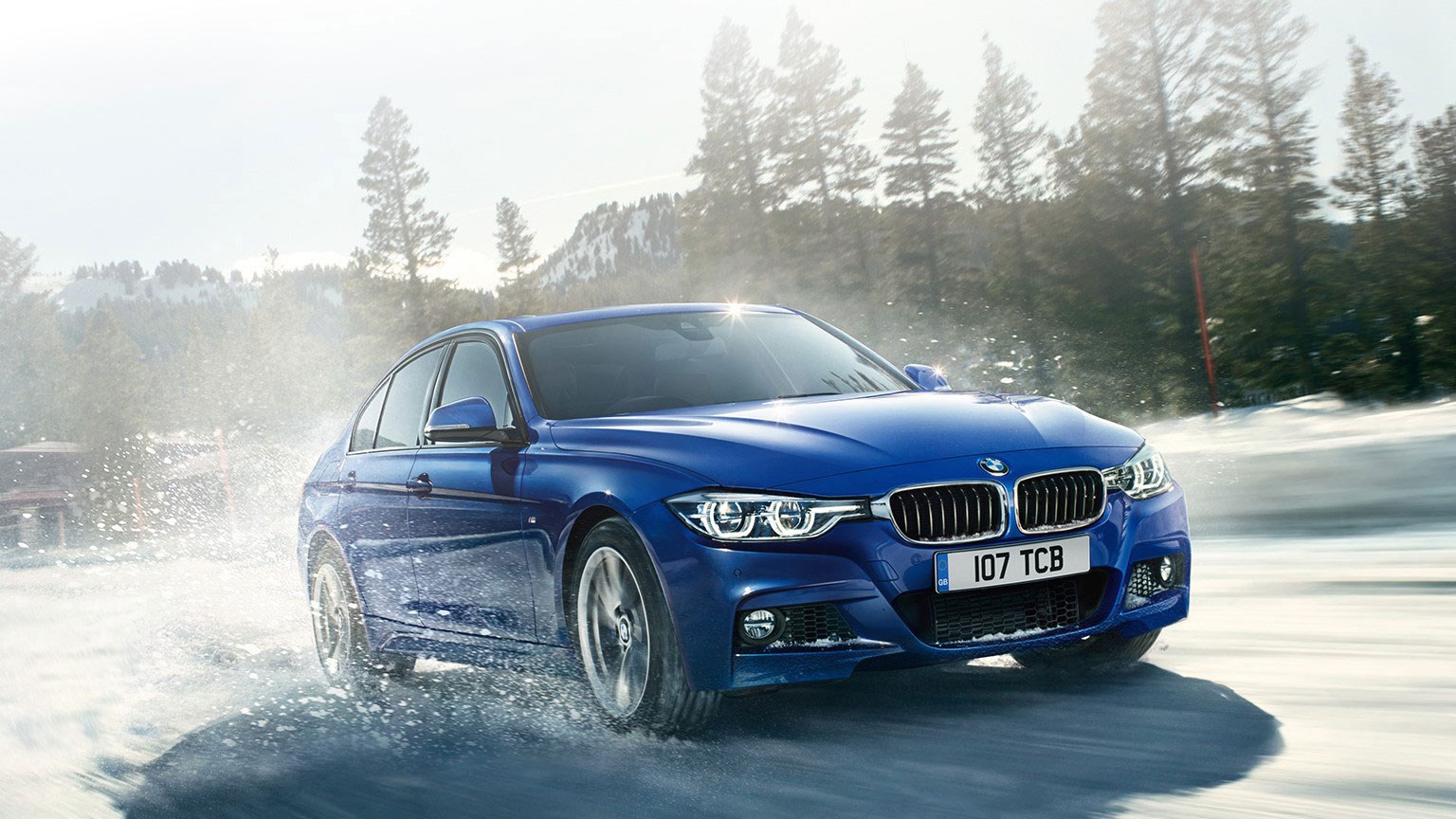
  • BMW Blames Trade Headwinds with Emissions Tests

    BMW Blames Trade Headwinds with Emissions Tests

    Profits at German high-end carmaker BMW tumbled in 2018, the firm said Friday, with trade headwinds and tough new EU emissions tests’ drag on performance set to last into this year.

    “Challenges facing the entire sector are unlikely to diminish in the coming months,” chief executive Harald Krueger said in a statement. Net profit at BMW slumped 16.9 percent to 7.2 billion euros ($8.2 billion), the group said.

    The Munich-based firm pointed to “political uncertainty, a cooling global economy… rising production costs to meet regulatory requirements, exchange rate effects and rising raw materials prices” as weights on its earnings.

    Operating, or underlying, profits fell less sharply, shedding 7.9 percent to 9.1 billion euros. Revenues were less strongly affected, falling 0.8 percent to 97.5 billion. Other carmakers’ scramble to sell cars not certified under the so-called WLTP test cycle before its introduction in September led to “unexpectedly intense competition”, BMW said, penalising the group for its decision to adopt the new procedure early.

    Meanwhile the group’s bottom line also suffered as it was ordered to recall over a million diesel cars to replace faulty components. BMW boosted unit sales at its flagship brand slightly, to 2.1 million cars, but deliveries of Minis fell back 2.8 percent, to 361,500. Luxury subsidiary Rolls-Royce lifted shipments 22 percent, to 4,107. Looking to different world regions, sales in Europe were flat while the Americas and Asia recorded slight growth.

    “Volumes grew signficantly” in China as BMW ramped production of X3 SUVs locally, the group said.

    Bosses said they would offer shareholders their second-highest dividend payout ever, at 3.50 euros per share. Looking ahead to 2019, BMW expects a “slight increase” in unit sales, in part thanks to new models. Investors offered a mildly positive reaction to the news, with BMW stock gaining 1.1 percent to trade at 74.59 euros around 11:30 am in Frankfurt (1030 GMT).

  • EU pushes for approval of trade agreement with Vietnam

    EU pushes for approval of trade agreement with Vietnam

    The European Commission submitted for approval on Wednesday a free trade agreement with Vietnam. The E.U.-Vietnam trade and investment agreements will need approval from the E.U.’s 28 members and from the European Parliament.

    The parties have agreed a related accord to promote democracy and human rights, including commitments, dialogue and possible sanctions. E.U. Trade Commissioner Cecilia Malmstrom said no one denied there were human rights problems in Vietnam.

    “We are talking openly about this with our Vietnamese counterparts and the trade agreement will not make Vietnam a fully fledged democracy overnight. It is one tool in the toolbox that we have in relations with Vietnam and other countries,” she said.

    The European Union will sign a trade deal on Friday with Singapore, another member of the Association of Southeast Asian Nations (ASEAN), and is in talks with Indonesia.

    It is unclear whether the European Parliament, which is expected to debate and vote on the Singapore agreement as well as the E.U.-Japan free trade deal, will have time to pass the Vietnam accord before E.U. elections in May.

    The trade deal would eliminate 99 percent of all tariffs, although some staged over a time period and some, notably agricultural products, limited by quotas.

    Vietnam, for example, would cut its duty on E.U. car imports from 78 percent to zero over 10 years and for wines and spirits, from around 50 percent, over seven years. E.U. companies would also be able to bid for Vietnamese public contracts.

    In return, the European Union would take seven years to eliminate its duties on certain Vietnamese products, such as its major textiles, clothing and footwear exports.

    Vietnam has pledged to protect 169 European food and drinks products, such as champagne or Parmigiano Reggiano cheese, meaning such names could only be used for E.U. imports.

    The agreement includes a chapter on sustainable development, such as implementing international standards on labour rights and the Paris climate accord.

  • European Union ‘open to palm oil’

    European Union ‘open to palm oil’

    The European market is open to palm oil and there is no ban on the commodity, said Ambassador and Head of European Union Delegation to Malaysia, Maria Castillo Fernandez.

    Clarifying the stance of Europe on palm oil, she said there is a discussion in the region to reduce the use of biofuels in order to reach the European Union’s goal of achieving 32% renewable energy target by 2030.

    She clarified that palm oil has not been singled out as this extends to all types of biofuels.

    “There is no singling out on palm oil. It’s all crops (and) it’s on biodiesel that doesn’t mean you are banning anything but you will have to use less biodiesel coming from all the crops for your renewable energy target,” she explained.

    On how this will come to play, she said that will depend on the adoption of the delegated act next year.

    Europe is the second largest market for Malaysian produced palm oil.

    Fernandez reiterated that Malaysia’s trade relations is not just limited to palm oil, as the EU is Malaysia’s third largest trading partner.

  • Indonesia Wins Appeal Against EU Over Anti-Dumping Duty on Biodiesel

    Indonesia has won an appeal against the European Union in a dispute over the bloc’s anti-dumping duty on biodiesel, the Ministry of Trade said in a statement on Wednesday (21/03).

    The European Court of Justice, the EU’s highest court, ruled that the bloc must do away with anti-dumping duties of between 8.8 percent to 23.3 percent on imports of Indonesian biodiesel products.

    Indonesia is one of the world’s largest exporters of palm oil-based biodiesel.

    “With the elimination of these duties, businesses can once again export biodiesel to the EU,” said Oke Nurwan, director general of foreign trade at the ministry.

    He added that the elimination of duties was valid from March 16, 2018.

    The Indonesia Biofuel Producers Association welcomed the ruling.

    “We’re asking producers to prepare exports soon,” said Paulus Tjakrawan, vice chairman of the association.

    He declined to give an estimate on expected export volumes.

    The EU court ruling reinforces a decision made by the World Trade Organisation (WTO) earlier this year, which said the EU needed to bring its measures into conformity with WTO agreements.

    Indonesia also plans to challenge anti-subsidy duties in the United States in a US court and at the WTO.

    Indonesia has also been pushing domestic biodiesel consumption as part of an ambitious plan to develop its biofuels industry. It plans to expand biodiesel subsidies to cover palm-oil blended fuels for use by its huge mining sector in addition to the power sector.