Tag: expansion

  • Lotte to pursue reforms and investment in 2019

    Lotte to pursue reforms and investment in 2019

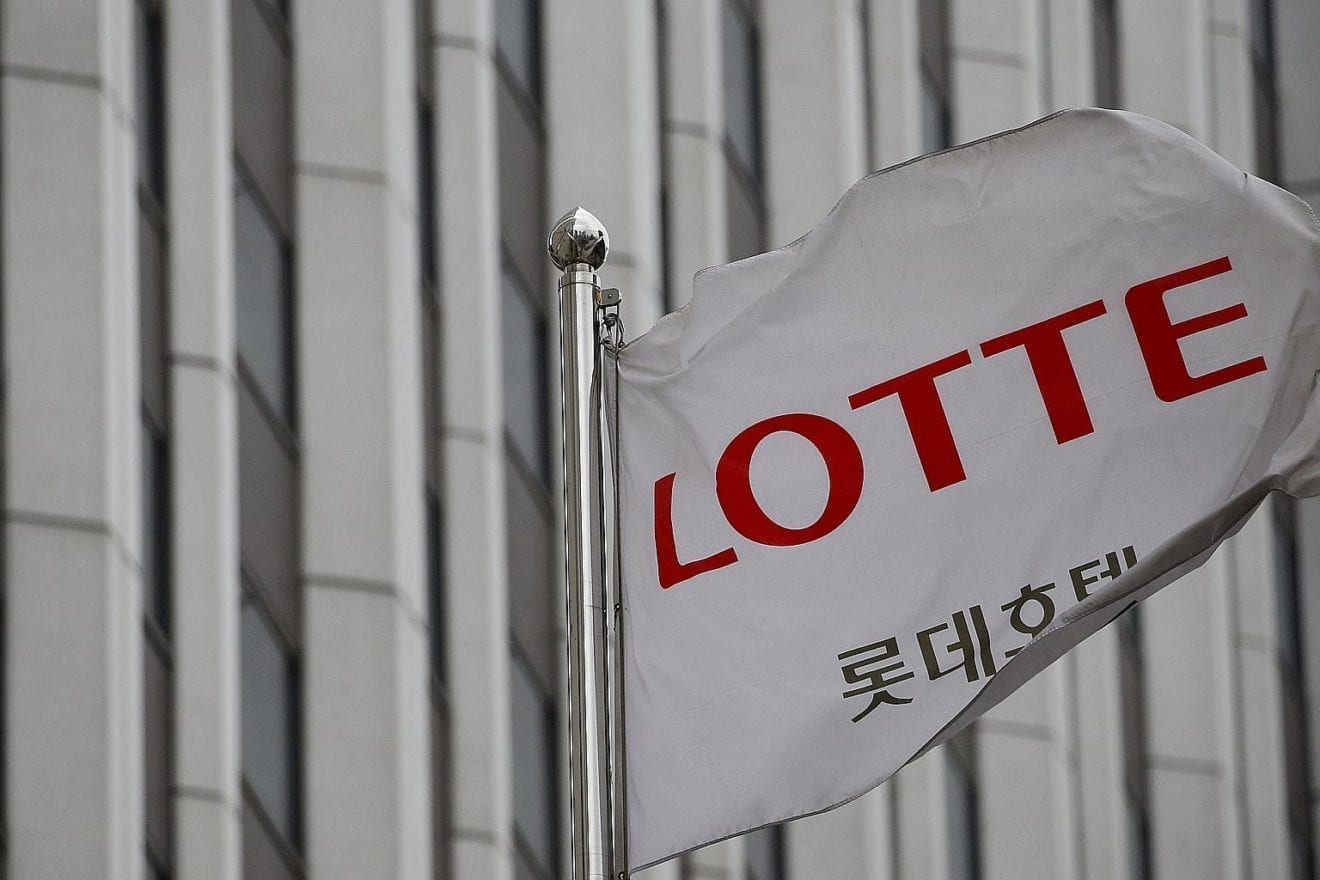
    Lotte Group Chairman Shin Dong-bin told affiliate CEOs that he wants reform and aggressive investment in 2019 during a biannual meeting on Wednesday. Shin missed the last meeting in July as he was serving time in prison for bribery related to former President Park Geun-hye. The first meeting of the year typically deals with each affiliate’s annual goals and direction.

    In the first meeting with CEOs after his return, the chairman emphasized that the company was in need of innovation strong enough to rattle its existing business structure.

    “We are about to face immense change in the future that is difficult to imagine,” he stressed to affiliate heads at the meeting. “Therefore we have to be thorough in predicting the future and devising preparations according to different scenarios. If we can’t come up with a clear vision or concrete plans, there will be an immense crisis.”

    Shin pointed out that the group had been “passive” recently when it comes to making investment decisions, missing opportunities and waiting for too long.

    He added that investment decisions have to be made continuously, even when revenue is low and in businesses that the company is doing well in so as to maintain an upper hand in the market.

    He also mentioned the possibility of downsizing unprofitable businesses, citing Microsoft becoming global No. 1 by market cap last year after conducting reforms on its business portfolio.

    “We should focus on areas with future growth potential and push for rationalization,” said Shin.

    Digital transformation, an initiative he has been pushing for in the last few years, also reappeared in Wednesday’s speech.

    “Compared to global companies, Lotte has a low investment rate in the IT sector and the fields invested in so far are [relatively] narrow,” he said, urging that the company needs to find ways to get one step closer to customers using existing assets like big data, brick-and-mortar stores and logistics infrastructure.

    Recently recruited IT professionals were also called into the meeting to share their opinions on Lotte’s current situation regarding digitalization and areas that can be improved.

  • Burger Singh India to launch 10 drive thru outlets by 2022

    Burger Singh India to launch 10 drive thru outlets by 2022

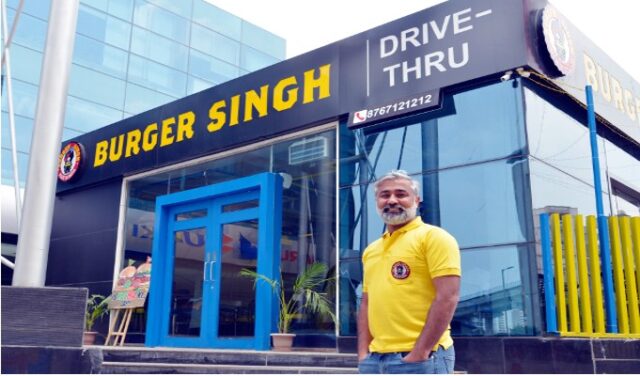
    Burger Singh, the chain of Indianised burgers, has announced its plans to invest substantially in the burgeoning concept of drive thrus, and launch 10 drive thru outlets within the next three years. Overall, the company aims to open 100 outlets in the country by 2022. Speaking on the launch, Kabir Jeet Singh, Co-founder and CEO of Burger Singh said, “Consumer experiences are evolving, and the demand for swift and efficient food outlets has been validated by the popularity of drive thrus. By 2022, over 10 percent of our outlets in the country will be drive-thru outlets.”

    Located on the Golf Course Road in Gurugram, the first Burger Singh drive thru offers swift Indianised burger feasts to the busy and rushed of the city.

    Burger Singh is the largest chain of homegrown Indian flavour burgers in the QSR category in India, with a strong presence in West & North India with 25 outlets in Delhi NCR, Jaipur, Dehradun, Nagpur and Pune. The brand has also ventured in the UK with two outlets in London and has emerged as the most popular brand of Indian burgers in the state.

    The brand has also announced its aggressive expansion plans for the next three years. The company will be hiring over 450 employees by 2020, setting up 100 new outlets.

    Kabir Jeet Singh said, “2019 is expected to be a landmark year for Burger Singh, and we are looking at growing our operations and revenues at least by double in the year. We are planning to expand our operations to more cities in India, which would demand additional manpower to manage the new outlets, and will be hiring aggressively to support our growth. Also, we need to multifold our staff in the corporate office, especially marketing, procurement and hiring teams, to keep up with the expansion, and business targets”

    “We plan to hire resources across all profiles, for delivery and outlets, pan-India and for the corporate office,” he added.

    Known for Indianizing a typical western flavour, Burger Singh specialities include the vegetarian Keema Pao, the Pao Bhaji Burger, the Malabar Express Chicken Burger & Channa Burger for the vegetarians, the Jaatputt Chicken Burger, the Amritsari Murgh Makhani Burger, the Udta Punjab Burger, the Bunty Pappeh Da Aloo Burger and the United States of Punjab Burgers in both vegetarian & non-vegetarian options, amongst others.

    The company is headquartered in Gurgaon, Haryana

  • Xiaomi opens massive Mi store in Paris

    Xiaomi opens massive Mi store in Paris

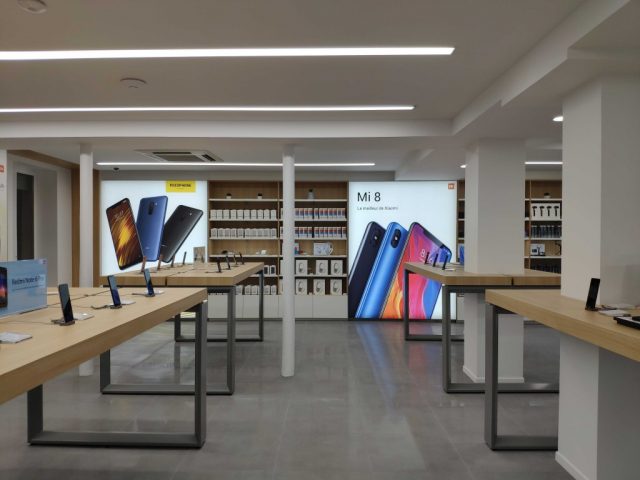
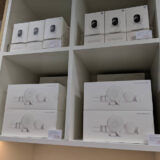
    Chinese electronics firm Xiaomi has opened its largest European Mi Store in Paris. Queues for the January 18 1pm opening started to form at the Champs-Elysees location at sunrise, despite freezing temperatures. The store is hosting a reportedly comprehensive selection of the brand’s full product range, including smartphones, headphones, cameras and home appliances.

    In celebration of the launch, Xiaomi held a three-day sale on its French online store featuring discounts of up to €50. The supersized flagship is Xiaomi’s second location in Paris.

    View the gallery below for images of the stores (11 images) :

  • ​Vietnam’s FastGo eyes US, Brazil expansion

    ​Vietnam’s FastGo eyes US, Brazil expansion

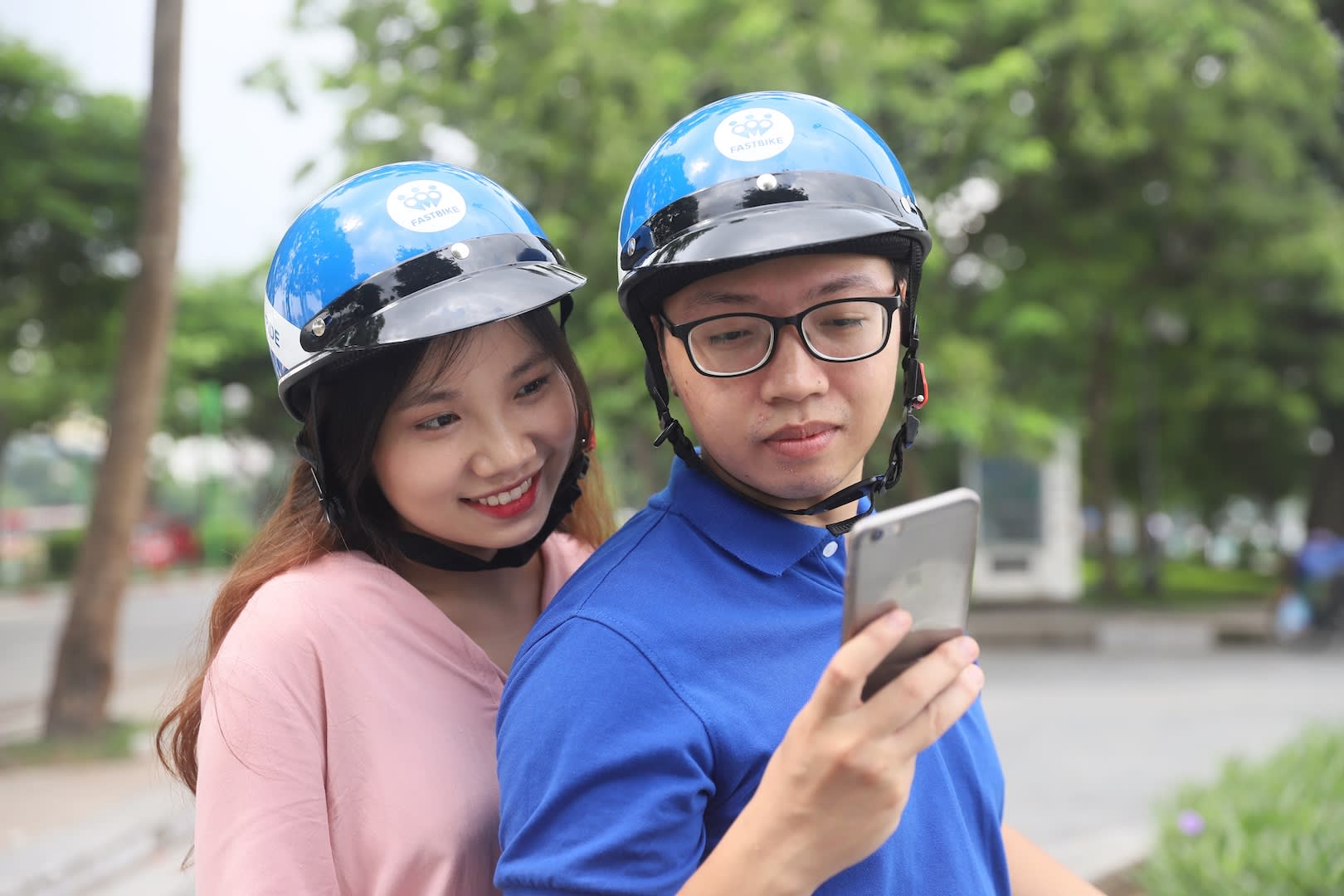
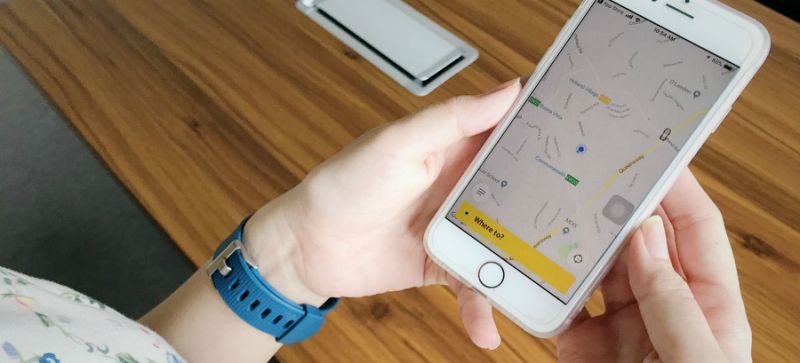
    Vietnamese ride-hailing company FastGo plans to enter the U.S. and Brazil this year as it seeks to quickly expand overseas. Its CEO Nguyen Huu Tuat said that he is keen to compete with other ride-hailing apps in foreign countries. “Our investors are located in the U.S. and Brazil, that’s why we have chosen those places as the next markets,” he said without disclosing who they are.

    The announcement comes a month after it expanded into Myanmar. FastGo now has over 1,000 partner drivers in Yangon and Tuat wants to have 2 million users in Myanmar this year.

    But the company wants to expand even faster to other markets this year, with Indonesia, where ride-hailing Go-Jek is based, being the first location.

    “We plan to start operating in Jakarta in March, and will also expand to Singapore this year,” Tuat said.

    The investors want the company to “go global as soon as possible,” he said to explain the rapid expansion plans.

    The company hopes to raise $50 million in the second round by June this year possibly from investors in South Korea and the U.S., he said.

    “Grab and Uber might have deep pockets, but FastGo wants to grab market share by offering better options to customers.”

    FastGo does not collect commissions from drivers but instead charges them an amount of money if they earn a minimum amount per day. FastGo also claims to not increase fees during rush hour but allows users to tip drivers.

    It became Vietnam’s first home-grown ride-hailing app last June and now has 40,000 drivers in 12 cities and provinces.

    FastGo last August received $3 million from Vietnamese fund VinaCapital Ventures, according to reports.

  • Restaurant company expands into Thailand with local Myanmar cuisine

    Restaurant company expands into Thailand with local Myanmar cuisine

    Myanmar restaurant chain Feel International is set to open in Thailand. Opening in the popular Bangkok tourist area of Pratunam on Thursday (January 24), the group intends to introduce Myanmar cuisine to Thai consumers and foreigners. “At present, many restaurants are attempting to cater to the needs of tourists from China, however there are eight flights to Bangkok from Yangon every day, and there are tens of thousands of Myanmar citizens working and studying there, so there is a potential market for Myanmar cuisine”, said Feel International operations director Ko Johnny.

    “This is the very first Myanmar restaurant opened in a foreign capital city. Bangkok is one of the biggest restaurant markets in the world. It offers a wide variety of cuisine, even something as exotic in Asia as Ethiopian. Bangkok is the first step for Myanmar traditional food to penetrate the international markets”, he said.

    The restaurant intends to serve lunch boxes with Myanmar favourites for Myanmar people working in companies and offices around the area.

    Discussions are being held to open further restaurants in Chiang Mai and Mesauk.

  • India’s Reliance to take on Walmart and Amazon online

    India’s Reliance to take on Walmart and Amazon online

    South Asia’s richest man Mukesh Ambani is establishing an e-commerce platform to compete with Walmart and Amazon in India. The Reliance Industries chairman will roll out services in Gujarat before extending them nationwide. “Jio and Reliance Retail will launch a unique new commerce platform to empower and enrich our 1.2 million small retailers and shopkeepers in Gujarat,” said Ambani.

    Reliance introduced the 4G Jio network in September 2016, a market disruptor with its free voice calls and cheap data plans. Its move into e-commerce will aggravate an already cut-throat battle between market leader Flipkart, owned by Walmart, and Amazon’s services in the territory.

  • Singaporean ride-hailing startup TADA launches in Vietnam

    Singaporean ride-hailing startup TADA launches in Vietnam

    Singapore-based tech firm Mass Vehicle Ledger (MLV) launched its ride-hailing app TADA in Ho Chi Minh City Monday. HCMC is the third Southeast Asian market that the firm is entering after Singapore and Cambodia. Instead of billing commissions from drivers like other major players Grab and Go-Viet, the app aims to profit off advertising as well as fees from B2B (business to business) partners that participate in their ecosystem.

    This ecosystem will operate on blockchain technology to store records such as payments and vehicle maintenance, and will engage transport-related companies such as traditional taxis, insurance, repair services, and car dealers.

    Kay Woo, the South Korean founder of MLV, said that among its current partners are Lotte Rental, a rental company of cars and equipment belonging to South Korean conglomerate Lotte Group, local insurance provider PTI and local taxi firm Vinataxi.

    The app will also not offer promotions like its rivals.

    “They throw promotions everyday but this won’t last forever, and prices will eventually go up. We focus on stability, and without commission our prices will be lower.”

    The MLV founder revealed that over 2,000 drivers had signed up with the company. After HCMC, the firm plans to expand the app to Hanoi and Da Nang.

    TADA plans to get 25,000 drivers to register this year but has no plans to join the motorcycle segment in the near future.

    Currently, MVL is registered as a technology company in Vietnam. Operations manager Peter Nguyen explained that because it does not charge drivers, it is only a technological solution. However, the company is willing to comply with transport tax and regulatory guidelines should they apply, he said.

    TADA, which means “let’s ride” in South Korean, opened in Cambodia just last month, and in Singapore in July 2018.

    MVL Technology Co., Ltd, formerly known as MVL Foundation Pte. Ltd, was founded in March 2018 in Singapore by Kay Woo.

    It aims to connect different sectors in the car industry.

    TADA has over 25,000 registered drivers and made more than 970,000 trips in the last 6 months.

    Vietnam’s ride-hailing market has seen new entrants after Uber’s departure early this year, including Vietnamese firm FastGo, GoViet – a subsidiary of Indonesia’s Go-Jek, Aber, Be Group, and the latest, TADA.

    Grab, which counts Chinese ride-hailing firm Didi Chuxing and Japan’s SoftBank Group Corp among its backers, had 175,000 drivers and bikers in Vietnam as of last September and is the most prominent player in Vietnam after it pushed out Uber.

    Rival GoJek entered Vietnam last August, eyeing to grab a share of the fast-growing market. Vietnam has 95 million people, most of whom use smartphones.

    A number of local taxi companies in Vietnam have come together to compete against ride-hailing firms, Grab has been in a legal battle for more than a year with local taxi firm Vinasun Corp.

  • Vietnam’s first casino for locals opens on three-year trial basis

    Vietnam’s first casino for locals opens on three-year trial basis

    The first casino in Vietnam that allows locals to gamble has opened in Phu Quoc Island off the country’s southern coast. The Corona Resort and Casino is part of an ecotourism and amusement complex built by Phu Quoc Tourism Investment and Development JSC at a cost of VND50 trillion ($2.15 billion). The casino will remain open 24 hours a day during a three-year pilot, and Vietnamese who want to gamble must be over 21, earn a minimum of VND10 million ($430) a month and have no criminal record or objections from family.

    The entry fee is VND1 million ($43) for 24 hours or VND25 million ($1,000) a month (with a maximum play time of 720 hours). Three months ago the government approved the three-year trial period allowing Vietnamese to enter the casino.

    Vietnam, which treats gambling as a “social evil”, has hitherto prohibited locals from gambling in the seven casinos around the country. Only foreign passport holders can enter them.

    Vietnam’s per capita income was around $2,500 last year.

    One of Vietnam’s biggest real estate developers Sungroup is currently building another casino in Van Don in northern Quang Ninh Province, home of popular Ha Long Bay.

    Phu Quoc, Vietnam’s largest island, is one of the top holiday destinations in the country.

  • Indian retail drew Rs 1,300 crore investment in 2018

    Indian retail drew Rs 1,300 crore investment in 2018

    The hallmark of a market’s increasing maturity is how organized it is – and in any developing country, the state of ‘organized’ business is usually kick-started by the entry of foreign players who bring in structured deployment and business philosophies wherever they go. This philosophy of organized retail players covers a lot of ground, from the aptness of locations to size and visibility of a mall or high street, from store sizes to layouts, tech enablements and promotion parameters, and from pricing to financial accountability. The arrival of foreign brands forces domestic brands to up their game, as well. This is exactly what is happening in Indian retail, and what ‘getting organized’ is all about.

    By definition, organized retailing essentially refers to any trading activity conducted by licensed retailers from modern retail formats such as hypermarkets, supermarkets or departmental stores. Organized retail formats can exist either as stand-alone shops or occupy space in a mall. Unorganized retailing, which is what all developing nations start out with, are usually family-run neighbourhood shops (referred as ‘kirana’ shops in India) and in open markets.

    Bringing organized flavour into a previously disorganized market first disruption, then gradual acceptance and emulation, and finally prosperity to all stakeholders and immeasurable benefits to customers. Getting organized has certainly benefited Indian retail, causing massive growth spurts.

    Growth of Organized Retail

    From a mere 9 percent share in 2017, the organized retail market in India is gearing up for a significant 20-25 percent growth jump across the top 7 cities. By 2020, organized retail will have captured approximately 19 percent of overall market share. The fact that it accounted for only 4 percent just 10 years ago tells its own story. Indian retail is coming of age.

    The growth of organized retail obviously involves organized retail real estate – especially modern, well-researched and fully-equipped malls in the right locations – and organized mall space is definitely proliferating across India.

    As per ANAROCK data:

    – Around 39 mn sq. ft. of organized retail space is slated to hit the market between 2019-2022
    – Out of this supply, approximately 71 percent is in metros and Tier 1 cities and the remaining 29 percent in Tier 2 & 3 cities

    Ahmedabad, Bhubaneshwar, Ranchi, Kochi, Lucknow, Surat and Amritsar, among others, are the new stages where the next chapters of the Indian organized retail saga will play out. Global retailers are now also eyeing cities like Chandigarh, Lucknow and Jaipur, to name a few.

    As they catch this growth wave, mall developers and big-banner brands have grasped the utmost importance of providing a metropolitan-grade shopping experience to customers in these smaller cities. This is hardly surprising.

    In these cities, customers’ shopping options were previously limited to whatever was available locally. Today, they are being aggressively wooed by hyper-capitalized e-commerce giants who sensed the latent opportunity in Tier 2 and Tier 3 long before brick-and-mortar retail did.

    To counter this onslaught, albeit belatedly, retailers whose business model is largely based on physical retail are prevailing on mall developers to build metro-grade shopping centres in areas they had never considered before.

    Policy Impetus Fuels Growth

    Foreign retailers, to whom India owes most of its turbo-charged growth in organized retail, took their time to view India as worthy of their attention. For the longest time, this country was an unattractive destination for them, largely because of regressive Government policies.

    All this changed when the Government decided to give a major impetus to the retail industry. By liberalizing its hitherto restrictive FDI policies, it repositioned Indian retail and finally put it on the global map. Consequently, global retailers and foreign investments made a beeline for the Indian retail industry. The decision to allow 51 percent FDI in multi-brand retail and 100 percent FDI in single-brand retail under the automatic route has caused global retail giants like Walmart and IKEA to foray into India.

    Thereafter, the rebooted regulatory environment post DeMo, RERA and GST implementation put even more wind into organized retail’s sails and allowed organized players to race ahead of the unorganized sector.

    Investments Surge

    The Indian retail sector has attracted cumulative investments of more than Rs 5,500 crore between 2015-2018, and close to Rs 1,300 crore in 2018 alone. This made 2018 one of the best years ever for the Indian retail sector, and the momentum is eminently sustainable. The increasing involvement of foreign and private players in India’s retail infrastructure indicates long-term growth potential for organized retail in the country.

    The growth of organized retail is also evident in the stock prices of listed retail firms, which were major wealth generators for investors in 2018. If we check the performance of these stocks on the basis of their 52-weeks high and low, some very interesting data emerges:

    Untapped Potential

    The fact that despite this growth, 91% of India’s retail market still remains unorganised underscores the huge latent potential that remains to be explored by organised players. Despite the deliriously positive numbers, organized retail in India is nowhere close to the level in more developed countries. For instance, in the US, 85 percent of the overall retail market is organized.

    Advantage Brick-and-mortar in 2019?

    The most recent policy developments will give physical organized retail a leg up in its fierce battle with e-commerce. The Government is pushing a new e-commerce policy from February 2019 wherein the concept of ‘exclusivity’ will no longer hold good. This means that online retail players will scramble to grab a larger pie of the offline market, so physical stores will get the upper hand.

    2019 will hopefully be the year in which the Government embarks on the next stage of ushering more unorganized retail into organized formats – thereby making Indian retail a worthy contender as a global grade market.

  • Tinder sees Korea as stepping stone to region

    Tinder sees Korea as stepping stone to region

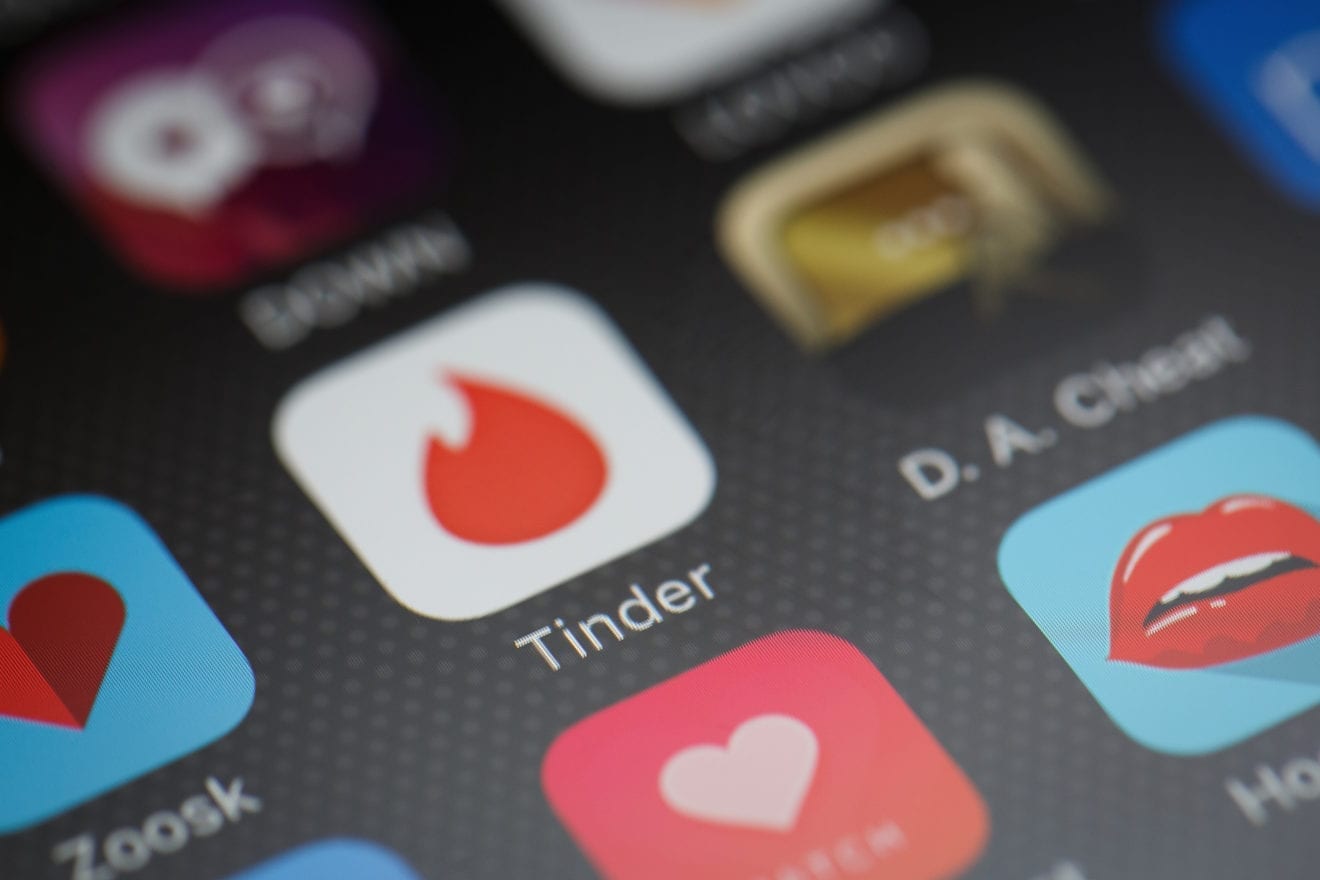
    Korea is the test bed for Tinder services in the rest of Asia, the dating app’s CEO said during his first press conference in the country on Tuesday.  “South Korea is an important market for us because of the market itself, but also because of the cultural influence it has over the broader Asia region,” said Tinder CEO Elie Seidman. Seidman previously served as the CEO of OkCupid, another popular American dating service.

    “Not only do most Koreans have smartphones and use social media, but the country wields a lot of influence in Asia through K-pop and the Korean wave.”

    Korea’s potential to raise the brand awareness of Tinder across Asia has already been demonstrated, according to the app’s regional director.

    “We once worked together with Korean celebrities Kim Jong-kook and Haha to have them use Tinder during a trip in Vietnam” for a reality TV show, said Lyla Seo, regional director, East Asia. “We saw a huge surge in Tinder users in Vietnam following the program.”

    Seo, who is Korean, oversees the dating service’s business in Korea, Japan and Indonesia. Seo worked as a marketing manager for Google Korea before joining Tinder.

    “Tinder has the so-called passport service, which allows people to view and match with users from other countries. The top five countries that used the passport to meet Koreans were Singapore, Japan, Thailand, Indonesia and Malaysia, reflecting the popularity of Korean culture,” she added.

    In Korea, the dating app first launched in 2015 and has been growing rapidly since. Tinder in Korea reported over 2.5 times more downloads last year compared to 2016. The service is especially popular among women, and over 80 percent of the users here are millennials.

    According to Tinder, the three biggest reasons Koreans use the app are to meet new types of people from different backgrounds, find users with similar hobbies and meet users in the same area.

    Users in Korea are most active on the app around 10 p.m. on Monday after they come back from work or school, Tinder also said.

    Tinder’s plan in Korea this year is to draw in more college-aged students and promote the idea that the app can be used to meet friends under the “Find a friend on Tinder” campaign.

    “In Korea, we are planning to introduce more marketing activities targeting college students and contribute to society by launching a scholarship program,” Seo said.

    Tinder, founded in 2012, has around 4.1 million paying users and generated $800 million in revenue last year worldwide.

  • More bubble tea shops open in Vietnam

    More bubble tea shops open in Vietnam

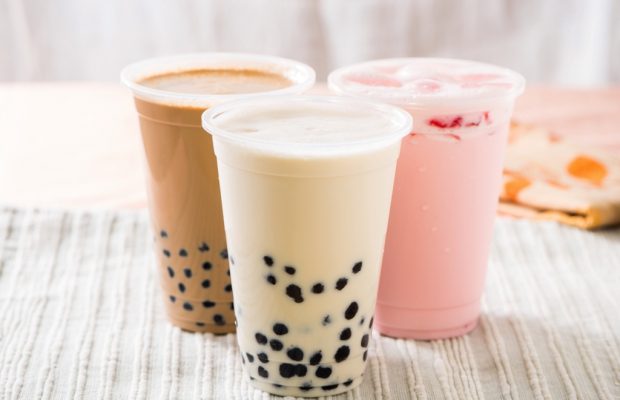
    More and more Vietnamese entrepreneurs are banking confidently on the popularity of bubble tea among the nation’s youth.It was past 10 in the night, but the bubble tea shop was packed. “I opened this milk tea shop just a few months ago, but people have been pouring in every day. My six employees struggle to serve all customers, especially in the weekend,” 33-year-old Nguyen Quang Dung said.

    Located in northern Bac Ninh Province in an industrial area with some 10,000 young workers, Dung’s milk tea shop sells 150-200 cups every day, and he himself has to join his waiters in serving a large crowd.

    “It’s busy, but investing in milk tea shop is one of my best decisions. I have no regrets,” said Dung, who works fulltime as a manager at a nearby power plant.

    Dung is among many Vietnamese entrepreneurs who have been investing in the bubble tea industry in recent years, lured by good profit and high demand among the young population.

    The number of bubble tea stores in Vietnam reached 2,000 last year, with a new store opening every four days, according to the Vietnam Association of Small and Medium Enterprises.

    Even though bubble tea entered Vietnam in 2000, the surge in the number of outlets has only happened in recent years, mostly through franchising.

    Vietnamese brand TocoToco opened its first bubble tea outlet in 2013 and now has almost 200 across the country. Taiwanese brand Ding Tea also has around 200 outlets, while local brand Bobapop has over 100.

    About 30 major bubble tea brands are operating in Vietnam. They are all seeking to compete for a slice of the $282 million dollar market, according to British research firm Euromonitor International.

    Hoang Thi Hien, owner of bubble tea chain Pozaa Tea with outlets in Hanoi, Ho Chi Minh City and other localities, said that the number of outlets increased last year.

    “Many investors want to partner with us. In 2017 we had only eight shops, but the number has increased to almost 60 by the end of last year,” she said.

    She is confident that this figure will rise to 200 this year.

    Generation Z demand

    Visiting a bubble tea shop is among the most popular leisure activities among generation Z, people born between 1996 and 2015, according to a survey by market research firm Nielsen.

    The survey of 210 Gen Z people in Hanoi and Ho Chi Minh City last October found 81 percent of respondents saying bubble tea shops were their favorite hangouts.

    Vo Van Quang, a branding strategy consultant and marketing mentor, said: “Most 15-year-old girls don’t drink coffee, but they’ll gladly pay for a cup of bubble tea. Teenagers are a large customer group for tea-based drinks, hence the high demand for bubble tea.”

    High demand and high profits are irresistible lures for entrepreneurs.

    Nguyen Phi Van, a branding expert and board chairwoman of consulting firm Retail & Franchise Asia, said that an investor can earn up to 40 percent in profit on each cup of bubble tea, which sells for VND25,000-60,000 ($1-2.6).

    Therefore, entrepreneurs are willing to make big investments of up to VND1 billion ($43,000) for one store, including furnishing and brand franchising fees.

    “It takes less than a year for an investor to recover his capital, that’s why this business has been attracting so many,” Van said.

    Tran Thi Thuy Nga opened a bubble tea shop last September in the central Quang Ngai Province with an investment of almost VND800 million ($34,430).Many bubble tea entrepreneurs have other full time jobs and are using their savings to make more money. They can create their own brand or partner with a well-known brand.

    Even though Nga’s store is located in a very small town, students have been coming in every day with their friends and family. Nga often has to ask for help from her family members to join her eight employees in serving customers.

    “I haven’t recovered my capital yet, but so far I’m very happy with the revenue and demand,” Nga said, without revealing specific figures.

    She did reveal plans to open another shop soon.

    Dung, the bubble tea investor in Bac Ninh, has revenues of VND180 million a month ($7,760), and his profit is around half the amount. Dung estimates that he will recover his investment of VND700 million ($30,146) in just six months.

    He is also planning to open a second bubble tea store four kilometers away from the first one, which has been operating for only four months.

    “I’m confident that both stores will do very well.”

  • Chibo to open Indonesia store soon

    Chibo to open Indonesia store soon

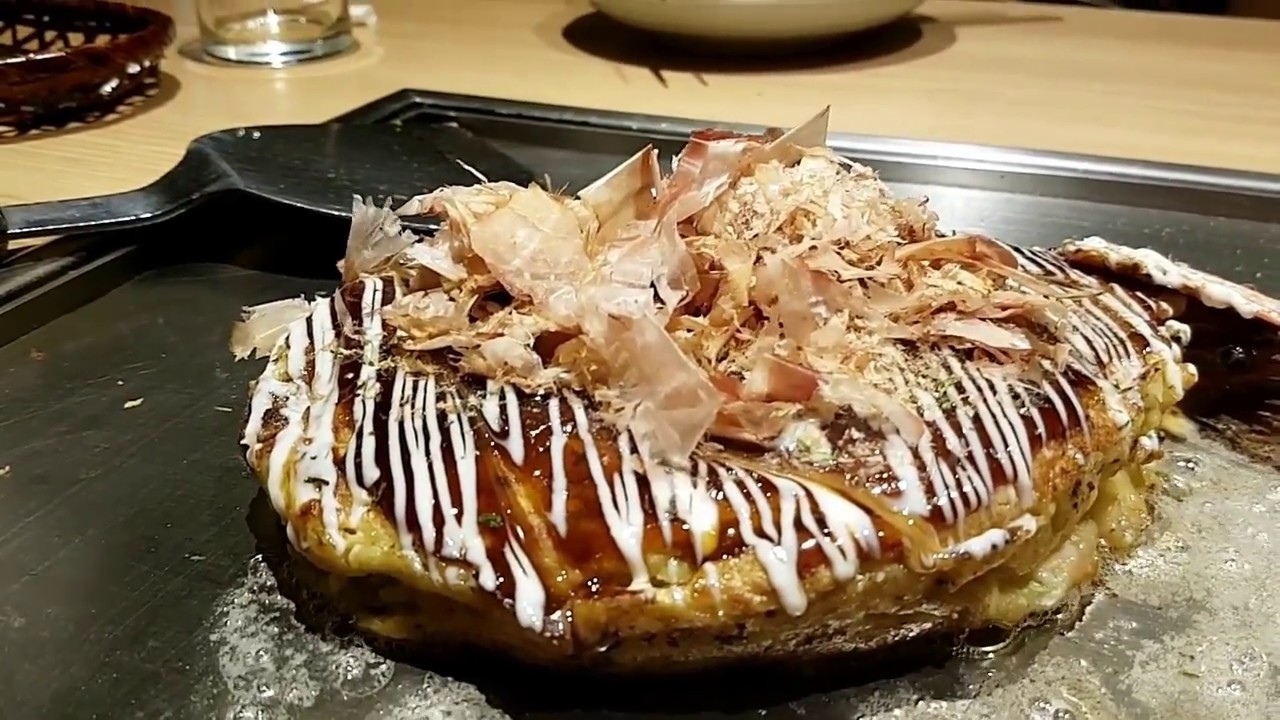
    Japanese “okonomiyaki” pancake restaurant Chibo is launching in Indonesia this month. The opening is part of the firm’s unfolding global plans to counteract a dip in the Japanese food service market. It is partnering with local operator Jaddi Foods within Indonesia’s territory. Importantly for the predominantly Islamic market, the firm will be swapping out pork for suitable Halal alternatives.

    The 188sqm venue is opening at Gandaria City Mall in southern Jakarta, seating 90 diners. It joins eight Chibo restaurants outside Japan, with sister venues in China, Hong Kong, Hawaii, the Philippines, Thailand and Vietnam. The firm is targeting 20 international outlets by March next year, with locations planned for Brazil, London, New York and Russia.

  • Rick Owens x Birkenstock launched second collaboration range in HK pop up

    Rick Owens x Birkenstock launched second collaboration range in HK pop up

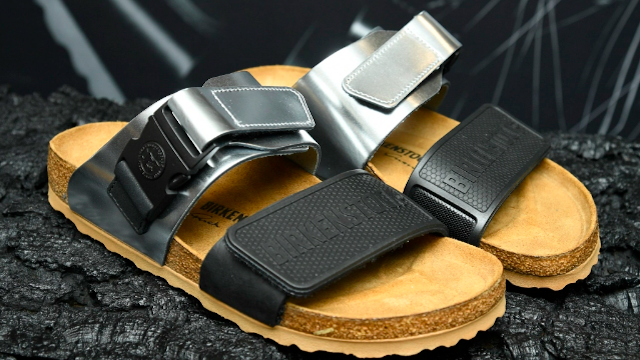
    Fashion designer Rick Owens has launched his second collaboration with footwear firm Birkenstock, with pop-ups expected in Hong Kong and Shanghai. The Rick Owens x Birkenstock collection debuted exclusively at Le Bon Marche in Paris, and will not be available online until February 8. The pop-ups in Hong Kong and Shanghai are scheduled for January 23 and 25.

    “The brief for the set design was Mayan pyramids”, said Owens.

    All the various styles of the collection, including sandals featuring metallic foil and leather, are on display at the pop-up on blocks of raw black cork.

  • Burger house competition in Hong Kong

    Burger house competition in Hong Kong

    In 2018, two international burger chains have opened restaurants and branched out in the city. In May 2018, Shake Shack brought the modern day roadside burgers, to Hong Kong with its partner Maxim’s Caterers Limited. Maxim’s Caterers Limited is a Hong Kong based food, beverage and restaurant chain founded in 1956, and the company operates over 1,000 outlets in Hong Kong including The Cheesecake Factory and Simplylife Cafe.

    “We see tremendous opportunity for Shake Shack in Hong Kong and Macau,” said Randy Garutti, CEO of Shake Shack. “We are thrilled to bring the joy of Shake Shack to our fans in these dynamic communities as we continue to expand our footprint in Asia.”

    On 19 November 2018, after months of staring longingly at the red and white hoarding, the day to check out Five Guys’ first Hong Kong restaurant has finally arrived. The popular fast food chain is now serving up all the American-style burgers, hotdogs, milkshakes, and fries. Naturally, burger lovers in Hong Kong were excited to get a chance to check it out.

    After 2 months,there is still a queue outside Five Guys owing to the all-you-can-eat peanuts and Coca-cola Freestyle. Coca-cola Freestyle is a concept similar to the Big Gulp offered by the 7-Eleven, customers may choose and drink all the provided soft drinks freely for only $30 Hong Kong dollars.

    This increasing number of burger outlets landing in HK just leaves us with one question – when is In-N-Out Burger making its way to Hong Kong?

  • Ikea to open Vietnam store with US$450 million investment

    Ikea to open Vietnam store with US$450 million investment

    Ikea Vietnam plans to invest US$450 million on a retail centre and warehouse system in Hanoi, according to a government official. Nguyen Duc Chung, chairman of the Hanoi People’s Committee, told a recent conference held by the Ministry of Industry and Trade that the Swedish furniture giant’s local subsidiary is well advanced with plans to launch in the country.

    Once completed, the centre will be Ikea’s main supply hub for its Southeast Asian market.

    “At present, all parties involved are [in] the process of negotiation,” Chung added.
    The centre is expected to boost Ikea’s e-commerce business in the region.

    During an interview in 2017, Torbjorn Loof, chairman and CEO of Inter Ikea Holdings said the company was planning potential expansion in Vietnam “within five years”.

    Ikea is steadily expanding its Southeast Asian footprint, the latest largest store planned in Philippines.

    Founded in 1943, Ikea is the world’s largest furniture retailer with 400 stores in 49 countries all over the world.

    In recent years, Vietnam has been a potential hub for retailers to build warehouses. Last November, Lazada finished a 4000sqm warehouse in Danang.