Tag: expansion

  • The Seiko Dream Square opens in Tokyo

    The Seiko Dream Square opens in Tokyo

    Seiko Watch Corporation has opened an interactive hub of its watchmaking to allow visitors to “look, feel and experience” the rich history and heritage of the brand. The Seiko Dream Square is a new four-story retail complex in the heart of the watch brand’s birthplace in Tokyo’s Ginza district and showcases its heritage of watchmaking since 1881 with a museum, showrooms and entertainment areas.

    The aim of the new retail complex is to become a “point of destination” for visitors as well a centre for communicating the brand’s story globally said the watchmaker in a statement.

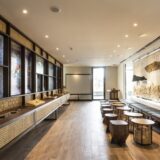
    It features a small museum on the first floor in the image of the symbolic Wako clock tower’s interior, a historic symbol of Seiko and a proud landmark of Ginza in which Seiko founder Kintaro Hattori placed its headquarters.

    On the other levels, visitors can shop Seiko’s leading collections, Prospex, Presage, Lukia, and Astron, with each displayed in a “refined setting” based on the particular brand’s unique identity.

    Commenting on the opening, Seiko Watch Corporation chairman and chief executive, Shinji Hattori said: “A Seiko watch is not merely an industrial product. It can be a partner to one’s life journey and story. It is our dream that Seiko Dream Square be the place where visitors from around the world would want to find this particular partner.”

  • Shilla Vietnam to open hotel at Da Nang

    Shilla Vietnam to open hotel at Da Nang

    Hotel Shilla announced Tuesday that it will actively begin expanding its brand abroad this year, the first new location being a resort in Da Nang, Vietnam. “Starting with Da Nang, we hope to expand our brand to more than 10 overseas locations in Southeast Asia, United States and China,” the hotel company said in a statement. Hotel Shilla is Samsung’s hotel and duty-free business arm. The 46-year-old company currently operates The Shilla Seoul and The Shilla Jeju.

    It also runs 11 business hotels under its Shilla Stay name.

    The company said that it will expand overseas through hotel management agreements with local companies, a common structuring for hotel chains. This means the local partner will own the hotel building while Shilla will operate the business. For Shilla, this minimizes investment risks.

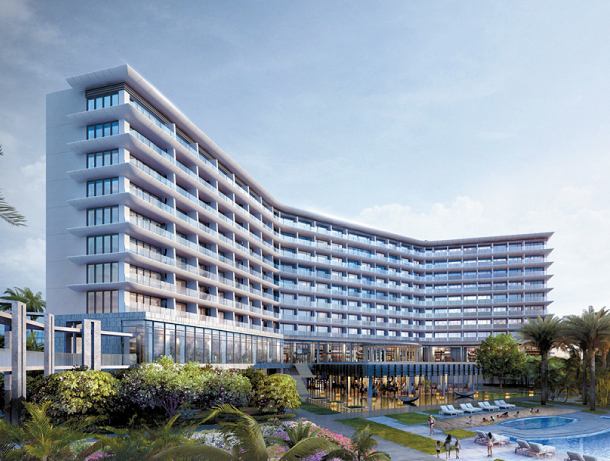
    Shilla’s new Da Nang hotel – slated to open this year under the brand-new Shilla Monogram name – will be a nine-floor building with 300 rooms. The hotel will be located on Non Nuoc Beach in Da Nang, a popular destination for Korean tourists.

    The hotel, still under construction, will feature an outdoor pool, restaurants and bars. Every room will be equipped with a balcony.

    Hotel Shilla also announced that it is preparing to open a 200-room premium business hotel in San Jose in Silicon Valley, California, under its Shilla Stay brand by 2021.

    “We hope to continue raising more revenues abroad by expanding our overseas hotel business,” said a Hotel Shilla spokesperson.

    Some 20 percent of the company’s total revenues today, or 1 trillion won ($892.5 million), come from abroad. Hotel Shilla operates several duty-free stores in domestic and foreign airports, including locations at three of Asia’s busiest airports: Singapore’s Changi Airport, Hong Kong International Airport and Incheon International Airport.

    Hotel Shilla has been operating Jinji Lake Shilla Hotel in Suzhou, China, since 2006. It was the first overseas hotel managed by the company.

    Following Tuesday’s announcement, Hotel Shilla’s stock prices closed at 76,100 won on Tuesday, 1.33 percent higher than Monday.

    As for upcoming domestic projects, Hotel Shilla is planning to open a hotel themed after hanok, or traditional Korean houses, by 2023 in central Seoul.

    If the company receives approval to build the new hotel from domestic land authorities, it will become the first to operate such a hotel in Seoul.

  • Investment in Vietnamese startups triples in 2018

    Investment in Vietnamese startups rose to $889 million in 2018, three times that of 2017. According to a report recently released by Topica Founder Institute (TFI), a startup accelerator program in Vietnam and Thailand run by Hanoi-headquartered multinational educational technology company Topica, 92 investment deals totalling $889 million were struck in 2018.

    Domestic funds invested over $500 million, over half of total investments in startups, director of TFI Mai Duy Quang said. “This means that domestic funds are paying more attention [to Vietnamese startups], and that there is an abundance of domestic capital available for startups right now.”

    Of these, the top 10 investments alone totaled $734 million, accounting for 83 percent of the total value of all investments in startups. The three biggest deals were made by Vietnamese multichannel media giant Yeah1 ($100 million), e-commerce company Sendo ($51 million) and tech education company Topica ($50 million).

    The five most profitable fields for startups were fintech, e-commerce, traveltech, logistics and edtech. Fintech returned to the top spot in investment volume in 2018 with 8 deals totaling $117 million.

    In second place was e-commerce, which saw just 5 deals worth around $104 million, down from 21 deals in 2017. Traveltech (technology services related to tourism) was an unexpected third, with 8 deals worth $64 million by online hotel booking service Vntrip, homestay platform Luxstay, cheap flight booker Atadi, and business to business travel network Vleisure.

    Logistics and edtech fields respectively attracted 3 and 4 deals worth a combined $50 million.

    “Vietnam is a vibrant startup market full of potential for breakthroughs if proper investments are made,” said Yinglan Tan, founder of Insignia Venture Partners.

    According to the TFI report, startups struck 92 investment deals in 2017, too, but the total investment capital was just $291 million.

  • Indonesia to Regulate Ride-Hailing Rates Threatens Grab, Go-Jek Expansion

    Indonesia to Regulate Ride-Hailing Rates Threatens Grab, Go-Jek Expansion

    The government is preparing to launch regulations fixing the rates drivers and riders for ride-hailing services such as Grab and Go-Jek receive, two officials said this week, creating potential obstacles for the companies’ expansion. The regulations would meet drivers’ demands for more oversight and higher rates but there are concerns that the rising costs to the companies could stifle their development as they battle to dominate the ride-hailing market in Southeast Asia’s biggest economy.

    Singapore-based Grab and homegrown Go-Jek have been locked in price wars in Indonesia, part of a wider fight to bring banking, e-commerce, ride-hailing, food-delivery and other services to every corner of Southeast Asia.

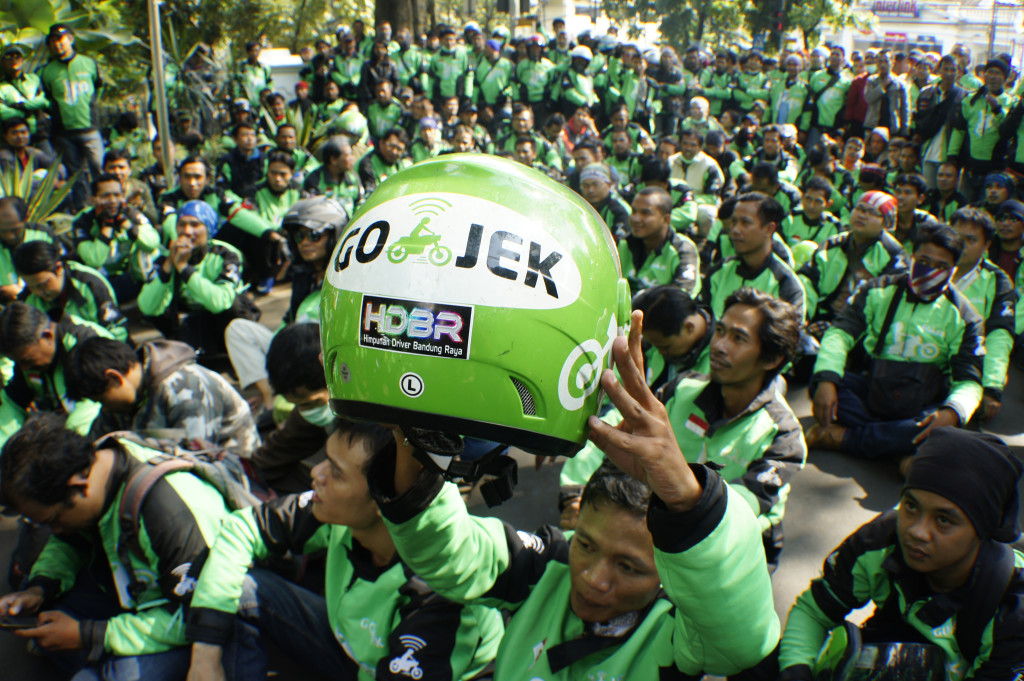
    However, since 2018, motorcycle taxi drivers working for Grab and Go-Jek in Jakarta have held protest rallies calling for higher fares and better conditions.

    The Ministry of Transportation plans to implement minimum and maximum tariffs for car and motorbike ride-hailing that will be “higher than Go-Jek and Grab’s current rates” and impose limits on promotional price cuts, said Budi Setyadi, director general of land transportation at the ministry.

    “This is for the safety and protection of drivers,” he said.

    Ahmad Yani, public transportation director at the ministry, said dependency on incentive-driven payments and low fixed rates per kilometer created a safety risk as it led to drivers overworking.

    He said Grab paid Rp 1,200 (8 US cents) per kilometer with a focus on bonuses, while Go-Jek’s rate was Rp 1,400 per kilometer.

    The officials said fixed fare ranges for motorbikes were still being finalized but would be implemented from March.

    Fixed rates for ride-hailing cars will start in June and be set at between Rp 3,500 and Rp 6,000 per kilometer on the islands of Java, Sumatra and Bali.

    The drivers were pushing for increases to a standard fare of Rp 3,000 to Rp 4,000 per kilometer.

    New Rules

    The firms said they welcomed the new rules, though they had not seen details of the motorbike regulations.”Grab believes the government will develop the best regulatory framework and hopes that all stakeholders will be included in the process,” said Tri Sukma Anreianno, the company’s head of public affairs .

    A Go-Jek spokesman said: “We support the government’s spirit to encourage our driver partners … and hope the regulation will have a positive impact on the sustainability of drivers’ income … and fair business competition.”

    However, both transportation officials said the companies are worried about the pending regulation since they have spent heavily on driver subsidies to slash their customer rates and build their businesses.

    “Grab and Go-Jek have told me they would prefer there was no regulation,” Ahmad said. “Due to the competition between them … they are scared what could happen if they don’t keep up with each other.”

    The Supreme Court blocked a previous attempt in 2017 by the transportation ministry to fix ride-hailing rates after drivers sued, saying the rules favored the taxi firms.

    Both ministry officials said the new regulations met anti-competition standards and followed extensive discussions with driver syndicates.

    Grab and Go-Jek drivers welcomed the prospect of standard fares.

    “I have been working for Grab since 2015. Before, I could earn Rp 300,000 to Rp 400,000 per day. Now, I can only get Rp 150,000,” said Hermansyah, a Grab motorcycle driver partner.

    Another driver, who had worked for both companies, said neither provided much protection, leading drivers to bear operational costs. He asked not to be identified since he had a role in organizing protests.

    The fixed rates will be a challenge to a business model that has depended on cheap passenger prices for growth and could undermine innovation.

    “Cheap fares has been the firms’ main way to attract customers,” said Yayat Suprityatna, urban and transportation observer at Trisakti University in Jakarta.

  • Poh Kong Malaysia to open three more stores

    Poh Kong Malaysia to open three more stores

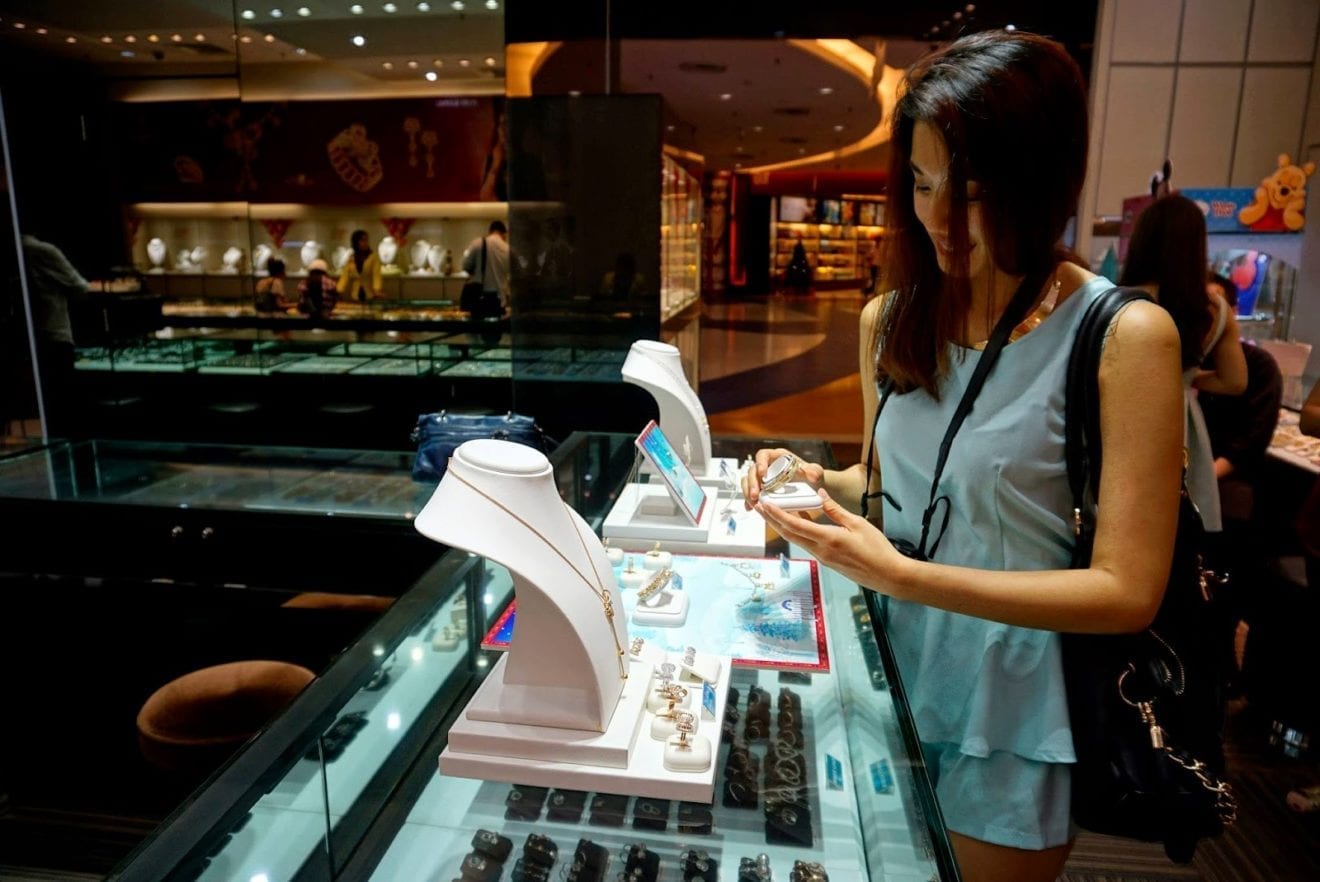
    Malaysian jeweller Poh Kong plans to open three more stores this year, boosting its profit. The improved profit is also likely to be driven by  higher gold prices, tipped by some to range from US$1300–$1400 per ounce later this year. The firm’s new stores will open in IOI Mall Puchong, Aeon Nilai and South Key Mall in Johor, taking its network to 95 outlets nationwide.

    “We are aware of the US-China trade war, as well as the anticipation of the US interest rate hikes and currency fluctuations that alter consumer sentiments that could lead to market uncertainty,” said MD Eddie Choon Yee Seiong. “Yet, we are optimistic to maintain or do better in 2019 as compared to the previous financial year.”

    Indicators of upward movement for the company include the improving economy and the strength of the Malaysian ringgit against the American dollar.

    While burgeoning demand saw the firm’s performance improved during the last financial year, fluctuations in gold prices and a weaker ringgit saw a steep drop in actual profits at 20.75 per cent lower than the previous year.

    “We reckon gold will benefit from the ongoing concerns looming around the US-China trade war concerns, as investors may find the precious metal a safe haven,” said Choon.

  • Pizza Hut Malaysia 400th store opens soon

    Pizza Hut Malaysia 400th store opens soon

    Pizza Hut Malaysia will open its 400th store in within the next three months. The company says it plans 15 new stores this calendar year, part of the 67 it announced last year within three years. Parent QSR Brands operates 810 KFC locations in its territory of Malaysia, Singapore, Brunei and Cambodia, drawing 25 million customers per month. It has another 393 Pizza Huts in Malaysia and 80 in Singapore, attracting 6 million diners per month.

    QSR Brands restaurants division CEO Merrill Pereyra said Pizza Hut anticipates a strong year as it heads towards a planned IPO in the next quarter, partly aimed to raise capital for network expansion.

  • London National Gallery opened first Delicious Art cafe in South Korea

    London National Gallery opened first Delicious Art cafe in South Korea

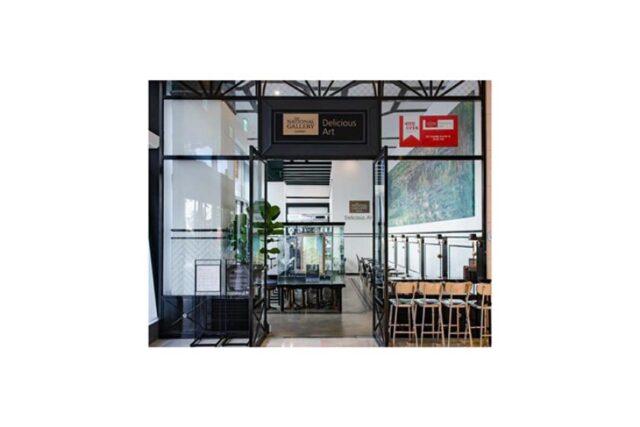
    The National Gallery Company has launched its first overseas cafe in Seoul. The cafe, “Delicious Art”, has opened at Lotte World Mall, designed with features to reflect London’s National Gallery building, along with replicas of famous artworks.

    “This is a very exciting project opening the first Delicious Art international cafe in South Korea,” said The National Gallery Company’s buying and merchandising director Judith Mather.

    “This is great for the global reach of the Delicious Art brand and the National Gallery, London. I am looking forward to opening other cafes in the region in 2019.”

    A second Delicious Art Cafe is expected to open in February at the L7 Hotel Myeongdong.

  • Amazon offers Vietnamese products route to global market

    Amazon offers Vietnamese products route to global market

    Amazon is collaborating with Vietnam’s trade ministry to sell the country’s products on its system globally. Vu Ba Phu, director of the Ministry of Industry and Trade’s Trade Promotion Agency, said while announcing news of the collaboration that the U.S. e-commerce company would help especially small and medium-sized enterprises (SMEs) develop their brands on its website.

    It would also train Vietnamese firms in e-commerce and selling on its system, he said. Vietnamese businesses would be able to reach over 300 million users of the world’s largest online retailer by participating in Amazon Global Selling, he added.

    Bernard Tay, Amazon’s regional director for Southeast Asia, said Vietnam is among the top countries in the region in terms of capability to export via Amazon.

    It has strengths in household products, textile, footwear, and handicrafts, items that sell well on Amazon, he said.

    Vietnamese firms need to make products adopted to global trends and improve their English and branding skills, Tay added.

    Phu said Vietnamese SMEs would have to meet the high standards in many markets.

    “Big markets like the E.U., U.S. and Japan all have strict regulations on product quality and origin, and Vietnamese exports will have to comply with them.”

    Last year Amazon had organized a number of training programs for Vietnamese SMEs on how to sell on its system.

    Chinese e-commerce behemoth Alibaba is also interested in Vietnamese sellers. It started looking for sellers on its AliExpress website last July, saying it wanted to enable them to reach over 200 markets around the world.

    Vietnam’s e-commerce market grew by 25 percent in 2017, according to the Vietnam E-commerce Association (VECOM), which expects this rate to continue until 2020.

  • Ikea to open first New Zealand store in Auckland

    Ikea to open first New Zealand store in Auckland

    Ikea will open a store New Zealand in the coming years, opting for the city of Auckland to bow its debut store. The Swedish firm, known for its buy-and-assemble furniture, will open up a pop-up shop in the coming months in the lead up to a fully-fledged flagship store, which would create 400 jobs in the city, according to local media reports With no an exact time frame for the megastore launch, Ikea’s New Zealand manager, Will Edwards, said that Ikea would open a pop-up shop in central Auckland, as a physical store would take a number of years to set up.

    “It does take time to build a truly big blue and yellow iconic Ikea store, it will take a number of years to get the full offer up and running but we don’t want to keep people waiting,” Edwards told media on Friday at a press conference, which also saw the attendance of Ikea’s global chief execute, Jesper Bodin.

    “It makes sense to be in Auckland where many people are living and also commuting in and out of. We’d like to give a piece of Ikea before the full meal comes along,” added Edwards.

    Ikea requires some 300 to 400 employees to run the Auckland store, as well as several hundred more staff to support logistics.

    Bodin said that New Zealand will get the “whole shebang”, with a product range of about 7000 items at least in the warehouse store.

    While price-points weren’t disclosed, Bodin said that “our ambition is always to be affordable for people and competitive with other retailers in New Zealand.”

    Ingka Group, Ikea’s largest franchisee and operator of Ikea stores in 30 markets around the world, was granted exclusive rights to explore options to expand into New Zealand.

    Founded in 1943 in Sweden, Ikea sells furniture and homewares to 1.2 billion customers around the world.

  • Shiseido opens new office hub in Singapore

    Shiseido opens new office hub in Singapore

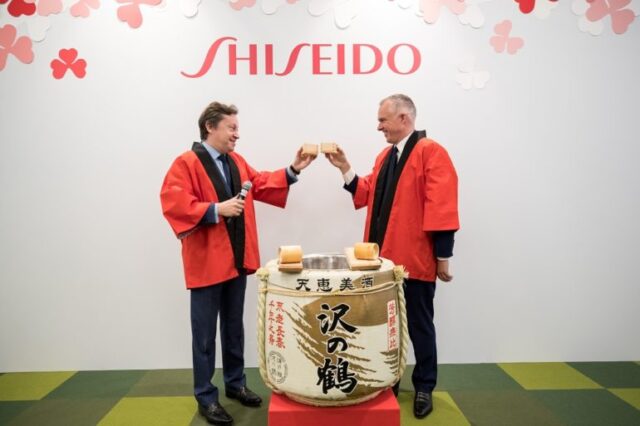
    Shiseido announced the opening of its new office in Singapore, located in the heart of Singapore’s Central Business District. The move is part of Shiseido’s VISION 2020 corporate transformation, as the company focuses on accelerating growth in the second phase of its medium-to-long term strategy. The new office hub will house the regional headquarters of Shiseido Asia Pacific, the global headquarters for Shiseido Travel Retail and the affiliate office of Shiseido Singapore.

    As centres of value creation, this structure facilitates flexible and agile decision making; enabling Shiseido to achieve significant growth through marketing activities attuned to the needs of regional consumers and global travellers.

    As we continue to build for the future, Shiseido is committed to an increased investment in our brands, talent development, beauty innovation and business activities that will positively and sustainably impact society.

    The new office will house three new dedicated facilities:

    • Asia Learning Centre, a first-of-its-kind dedicated training facility that will train approximately 2,000 Shiseido employees from Asia Pacific, Travel Retail, Japan & China each year. Its programmes aim to develop leadership, function-specific and innovation skills and behaviours that are critical in supporting growth and bringing out the best from employees for Shiseido’s continued success.

    • Asia Pacific Innovation Centre, which will enable open-source innovation, Asia Pacific consumer research, as well as create and localize a portfolio of highly specialised products for the Asian market and climate.

    • Life Quality Beauty Centre: As we strive for a society that promotes greater happiness and positivity for everyone, this is a unique facility that provides private, specialized make-up consultations to consumers with significant skin concerns such as port-wine stains, nevus, scars, vitiligo and changes in appearance due to the side effects of medical treatment. Shiseido has helped consumers with serious skin concerns since 1956, when many in Japan suffered from serious skin burns post-war, by developing a foundation called Shiseido Spots Cover.

    Shiseido Asia Pacific and the global headquarters of Travel Retail first established their presence in Singapore in 2016 & 2015 respectively; with the employee base almost doubling to over 250 employees, with nationalities spread across 17 countries.

    The strategic location of the Singapore office puts Shiseido closer to key markets in Asia, enabling the company to leverage the region’s robust potential with its rising middle-class population. Growth in the premium beauty segment in Asia Pacific is forecasted increase by USD$4.4 billion from 2016-2021, while the mass beauty segment is expected to achieve more than triple this amount[1].

    Asia Pacific also represents a key region and engine of growth for the global Travel Retail Channel. Current forecasts estimate that its beauty segment represents a potential market size of USD$26 billion by 2021[2]; the proximity of Shiseido Travel Retail aims to empower and guide the team alongside this growth.

    “Our new regional headquarters is testament to our solid growth in Asia Pacific over the past few years and my commitment to our consumers and employees in the years to come – I am looking forward to our expanded capabilities in leadership & talent development, innovation and harnessing deeper Asian consumer insights. These will play a critical role in accelerating our growth across the region,” said Jean-Philippe Charrier, President & CEO, Shiseido Asia Pacific.

    “As we continue our trajectory towards achieving our Vision 2020 goals, this new modern office for Shiseido Travel Retail aims to be a place of innovation, creativity and collaboration for our global & Asia teams. We hope that this office will be a place to inspire our team and partners in new ways of thinking, continuing our journey in finding new and fresh methods of engaging our hyper connected travelers and pioneering new forms of retail entertainment,” comments Philippe Lesné, President & CEO, Shiseido Travel Retail.

  • Chun Yang Tea expands into Canada

    Chun Yang Tea expands into Canada

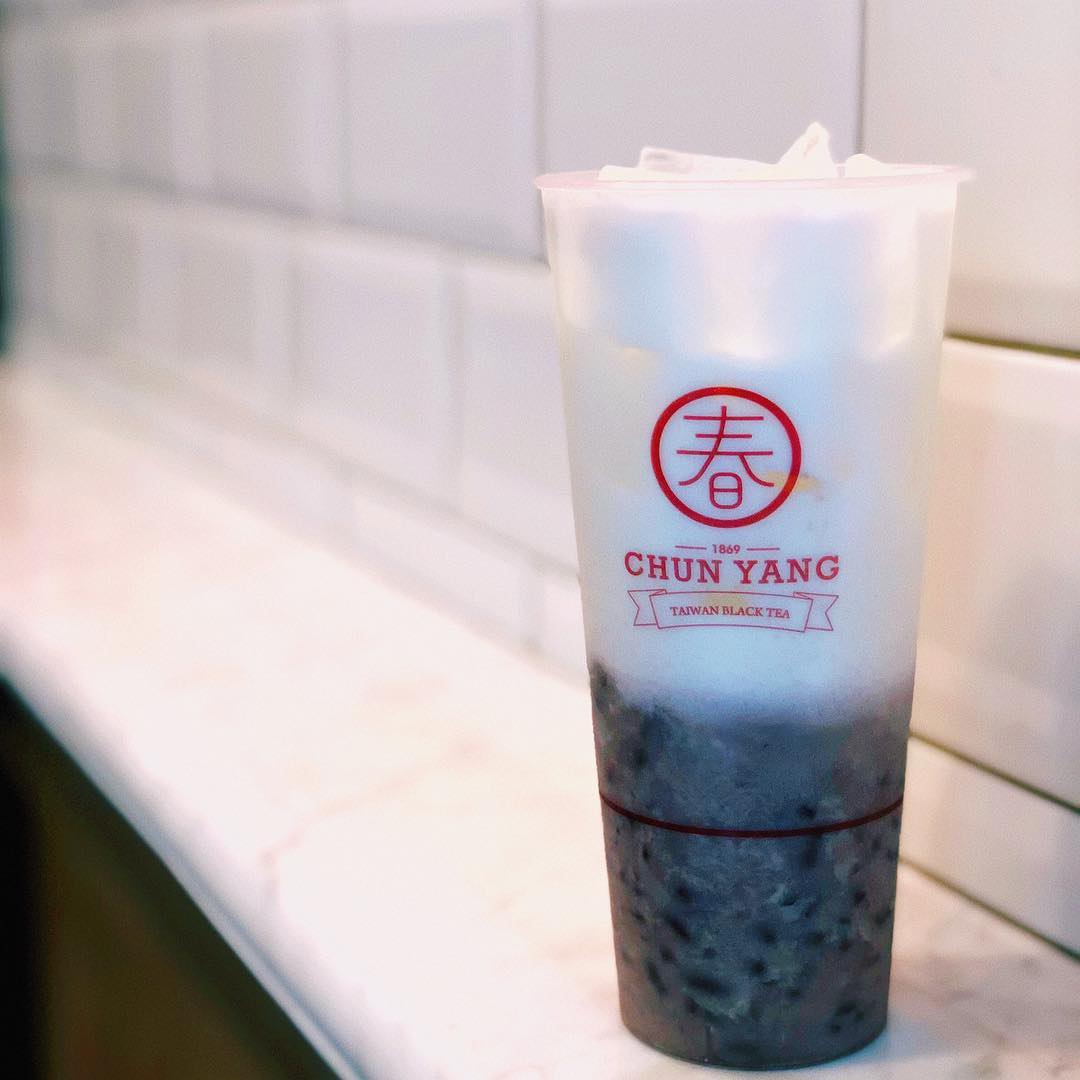
    Taiwanese bubble-tea brand Chun Yang Tea is launching its first store in Canada. With operations across Taiwan as well as in Mainland China, Hong Kong, Macau and Malaysia, the brand is now planning two new store locations in Toronto and one in Vancouver. While the Canadian market has been judged as saturated for bubble-tea retailers, Chun Yang claims its product is authentic and traditional, offering beverages made without any artificial milk powder to achieve a more natural taste.

    So far no information has been released as to exact launch dates, although the brand’s website claims the stores are “coming soon”.

  • The Body Shop India to open 20 new stores in 2019

    The Body Shop India to open 20 new stores in 2019

    The concept of beauty has evolved dramatically over the last few years. The desire to look attractive and feel good is at an all time high among consumers from all walks of life. Consumers are continuously looking out for products that make them look good. Innovation, ingredients and integrity are the new buzzwords in beauty. Natural and organic has never been more popular. The movement towards healthier, wellness-oriented lifestyles around the world – complemented by a growing consumer awareness of sustainability, naturality, and ethical sourcing, has influenced personal attitudes towards beauty.

    There has been a huge upsurge of consciousness in beauty purchase – Beauty with Responsibility. Today consumers want to buy beauty products which are chemical free, natural, organic, vegetarian and not tested on animals. ‘Ethical and Clean Beauty’ is indeed on the rise.

    Keeping up with the rising demand, many new brands have entered the beauty retail space in India but brands like The Body Shop which have been there in the industry from past 12 years, has carved a niche for itself.

    Vishal Chaturvedi, General Manager-Retail – India, Sri Lanka and Bangladesh, The Body Shop explains how the brand has become a established household name. He says, “The brand is a one stop shop for new and trending beauty products and ingredients. We have ranges across skincare, bath and body, haircare, make-up, men’s grooming range and gifting. Perfected by centuries of wisdom, the brand brings to its cusotmers the finest natural ingredients, refined textures and delicate fragrances, from purifying and firming clays, sensorial and luxury oils, refining natural scrubs and decadent creams.”

    “We are always on the verge of experiments to bring new beauty formats and testing efficacy to bring the very best to our consumers,” he adds.

    All the products of the brand are made exclusively in the UK and supplied across the world. India is one the fastest growing markets and among the top markets for The Body Shop.

    “We have been in India since 2006 and have 175 stores across the country. We have presence in 60+ Indian cities and over 600 towns and cities through own e-commerce channel. The brand is known for its ethical positioning with strength of natural ingredients, community trade programs, animal cruelty free and 100 percent vegetarian products. The Body Shop has a fast growing consumer base. We are expanding into new markets and are a leading global beauty retailer in the country,” asserts Chaturvedi.

    Store Innovations

    The Body Shop keeps the customers at the centre of their business and their location strategy is driven by the endeavour to reach as many customers across a wide spectrum of segments.

    “We choose locations that allow us access to all kinds of beauty consumers and where we can offer our unique The Body Shop experience,” reveals Chaturvedi.

    The brand’s pillars are naturality, animal cruelty free and activism and the stores celebrate this through their ambience and every customer touch point.

    “Through the stores, the brand offers a heightened personalized experience by unique display of products and experiential zones which uplift the sensorial experience of the customers. We have a marquee Community Wall that specifically talks s about our ongoing ethical campaigns and initiatives,” states Chaturvedi.

    “Our greatest innovation is our beauty experts and advisors. They are the true ambassadors of the brand. The advisors undergo rigorous training and each one of them is well equipped to give a 360° experience of the brand,” he adds.

    Future Plans

    The beauty brand has endeared itself not only to consumers in big cities like Mumbai, Delhi, Bangalore, Chennai, Hyderabad, Kolkata but is also hugely popular in Tier II cities like Guwahati, Siliguri, Jammu, Aurangabad, Patna, Nasik, Mysore, Calicut and many more towns and cities.

    “We shall be opening 20 more stores this year in 2019, establishing our footprint in new cities to make ourselves even more accessible to new customers,” he reveals.

    “Apart from physical presence, we have a very strong online presence. E-commerce is our fastest channel of reaching 600+ cities and towns adding almost 30,000 customers to The Body Shop family every year. Our e-commerce business contributes to 10 percent of our business. We are expecting to grow by 12 percent,” he concludes.

  • Sunshine department store Penang goes online via Shopee

    Sunshine department store Penang goes online via Shopee

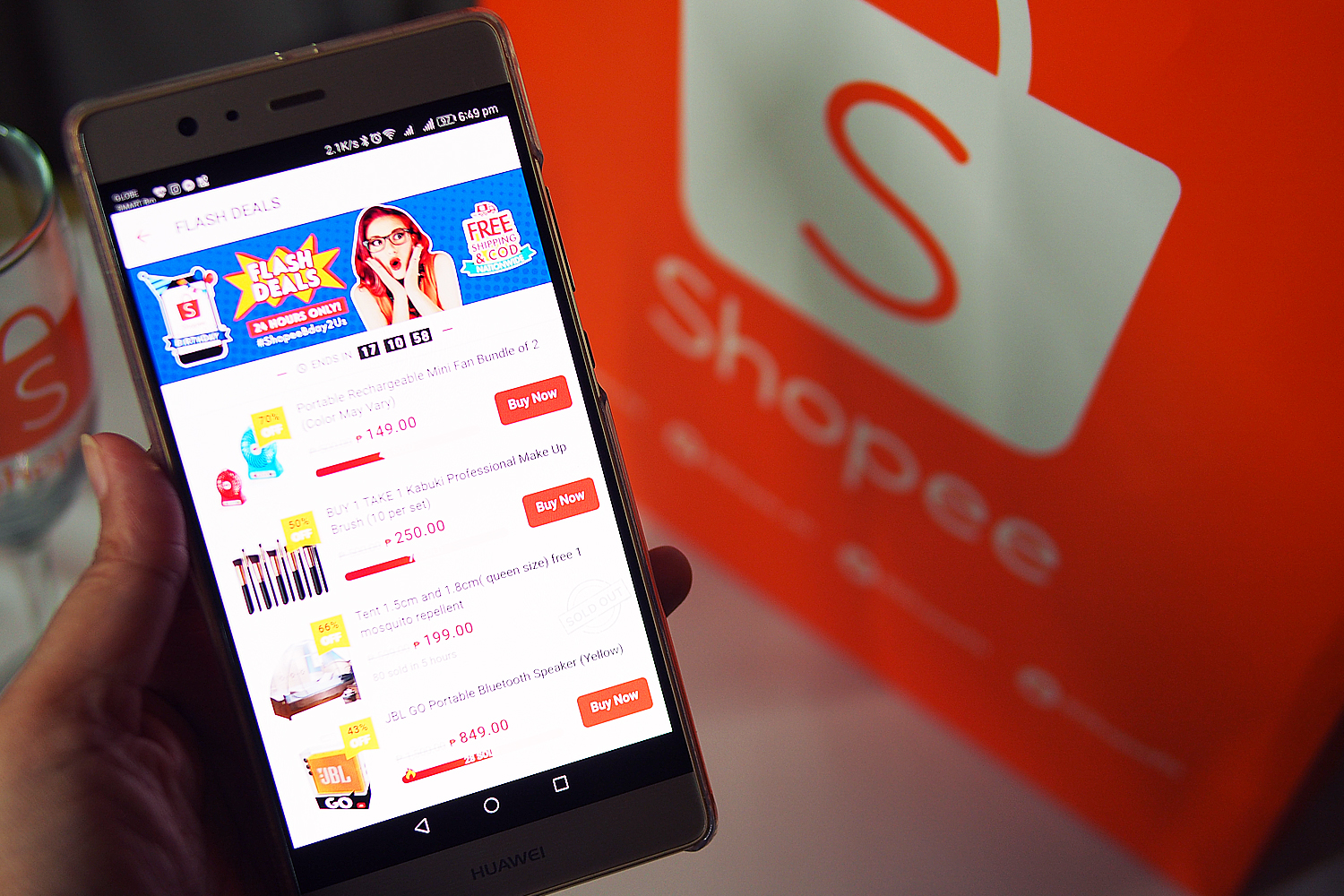
    Penang department store Sunshine has launched on online shopping platform Shopee with expectations of doubling its income. According to Sunshine’s CEO Cynthia Hwang, the move to list initially 1500 products, as well as the brand’s in-house fashion label Iloveasap, on the platform would target 16 million users throughout the country while leveraging Shopee’s free shipping and Super Brand Day.

    “Further expansion into the online realm with the opening of an official store on Shopee will see a bigger contribution to the brand’s revenue growth,” she said.

    “As a whole, it is part of our aspiration to help to grow Malaysia in terms of providing more choices, better and easier accessibility for quality products and enable consumers to purchase from trusted sellers such as Sunshine Online,” added Shopee Malaysia category manager Tan Ming Kit.

  • Heytea opens store in Hong Kong

    Heytea opens store in Hong Kong

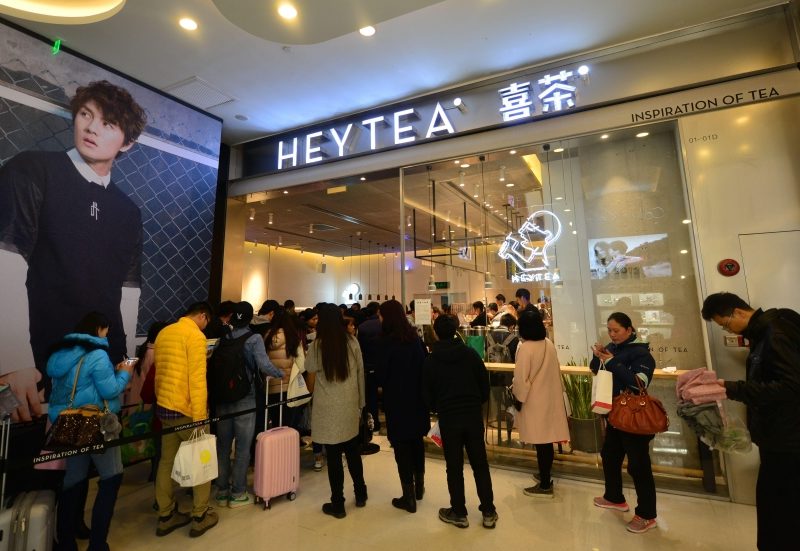
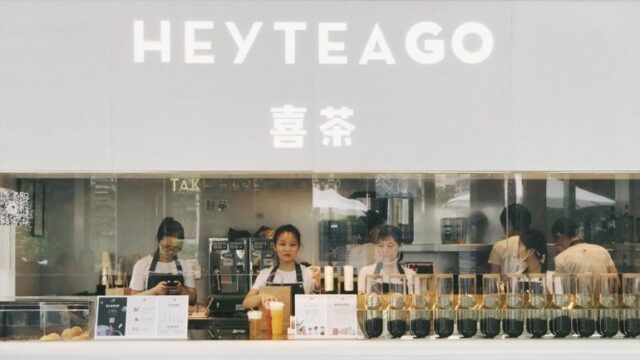
    On December, 24 Sha Tin New Town Plaza, in Hong Kong, welcomed Heytea. A huge crowd queuing up for more than 3 hours just to get a cup of Cheese Tea from the Chinese tea-drink brand Heytea was the protagonit that day. Due to the buy-one-get-one free promotion during the Christmas holidays, people started lining up as early as 6:00 am.

    Heytea officially announced that it had opened its first Hong Kong store only on january, 3. They chose to expand into Hong Kong’s market due to the city’s international status as well as its vibrant food and beverage scene. It helps to promote Heytea as a popular and innovative tea-drink brand among global consumers, especially younger generations.

    The store not only offers its signature cheese tea, but also a great variety of fruit tea and ice cream. The tea is imported from all over the world which aims to renew the traditional tea culture.

    Also, it introduces an exclusive product combined with Hong Kong local food culture, namely, the Eggette Roll Sundae, adding new vitality into the brand, according to its founder Nie Yunchen.

    He said “geographically, Hong Kong is adjacent to Guangdong Province and Shenzhen. Hong Kong people already know our brand and often buy our tea when they visit Shenzhen or other cities in Guangdong. In order to thank our supporters and cope with an increasing demand of our tea, we think it is the right time to extend our reach to the city.”

    Zhenglei, Development Director of Heytea, confirmed that Heytea opened its second Hong Kong store in Causeway Bay on 12 January 2019. “We are quite confident that our tea products will be very welcomed by our customers in Hong Kong.”

    In order to avoid a huge crowd like the last opening, Heytea planned to replace the traditional order and payment method by ordering through their mobile app.

    The second shop of Heytea located in Causeway is named as “Heyteago”, their customer can order online in anytime, anywhere for a cup of tea-to-go. Therefore, cheese-tea lovers can save their time and no need to queue up for 3 hours outside Heytea again.

  • Starbucks opens its Coffee Sanctuary in Bali

    Starbucks opens its Coffee Sanctuary in Bali

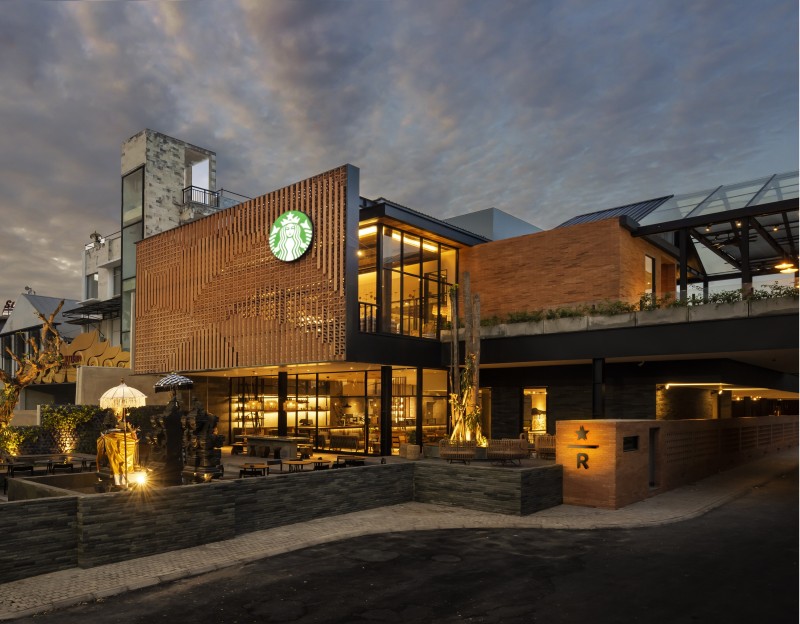
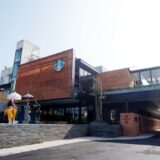
    Starbucks has opened its largest Southeast Asian location in Bali. The 20,000sqft Starbucks Dewata Coffee Sanctuary builds on 16 years of innovation in design, customer experience and community impact for the brand in Indonesia, where there are 370 Starbucks outlets nationwide. Customers can enjoy Starbucks handcrafted core and Reserve beverages within the store’s locally-inspired design that celebrates Indonesian tradition.

    The store pays tribute to the role that Indonesia, the fourth largest Arabica coffee-growing region in the world, plays in the Starbucks business. Sumatran coffee has been a staple offering at Starbucks since 1971.
    “We began sourcing Indonesian coffees more than four decades ago and have always been struck by the sense of community and care for the coffee journey at every step,” said Starbucks Coffee Company CEO Kevin Johnson.

    View the gallery of the new outlet below (8 images) :

    “The Starbucks Dewata Coffee Sanctuary amplifies our passion for the coffee journey, our ongoing commitment to Indonesia’s rich coffee culture, and our tireless pursuit of fostering moments of connection between our partners and customers. The Coffee Sanctuary marks the 10th Starbucks Reserve Bar store in Indonesia, one of 185 stores around the world, with the majority in Asia. This is Starbucks at its best, and we are proud to open the doors of this unique experience in one of Southeast Asia’s most dynamic markets.

    Visitors enter the store through an arabica coffee farm, try their hand at coffee bean de-pulping and washing during harvest season, dry and rake green coffee beans, visit budding seedlings in the nursery, take in the store’s locally-inspired design featuring traditional Balinese craft and Indonesian art, and enjoy the more than 100 Dewata-exclusive handcrafted beverages, food and merchandise, including the Lavender Latte.

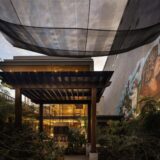
    The  Starbucks Dewata Coffee Sanctuary store’s expansive interior is inspired by traditional Balinese houses with free-flowing, connected rooms designed to promote discovery from one space to the next.

    “Bali has an envied reputation as one of Asia’s top travel destinations and Indonesia is one of coffee’s most extraordinary coffee origin regions,” said Starbucks Indonesia director Anthony Cottan said.

    “So we’re excited to invite customers here to ignite their senses and explore the seed-to-cup coffee journey at this unique Coffee Sanctuary. We’re very pleased to further strengthen the longstanding partnership between Starbucks and [licensee] PT Sari Coffee Indonesia with this truly one-of-a-kind Starbucks store, inspired by and filled with the finest examples of Indonesian art, design and craftsmanship.”

    To support the future of coffee, Starbucks Indonesia has committed to donating 100,000 coffee seedlings to farmers annually.