Tag: expansion

  • Miniso India plans big expansion this year

    Miniso India plans big expansion this year

    Discount chain Miniso India plans to open 200 stores by year’s end.

    India has become a fertile market for many international retail brands, including Gap, H&M and Zara. So far, Miniso has opened 20 stores in India.

    A World Bank report says India’s economy has grown by 6.7 per cent from last year, and is expected to grow to 7.3 per cent this year, overtaking China as the world’s fastest-growing economy again.

    India’s GDP of about US$2.6 trillion made it the world’s sixth-largest economy last year.

    Rapid development of the economy also laid a good foundation for the prosperity of India’s retail industry.

    India’s robust economic growth and rising household incomes are expected to increase consumer spending to $4 trillion by 2025.

  • Suitsupply still has plans for Asia after its 100th store

    Suitsupply still has plans for Asia after its 100th store

    European men’s fashion brand Suitsupply has opened its 100th international store, in Boston, and plans to expand in Asia.

    Founded in 2000 as a vertically integrated, direct-to-consumer brand that offers customers high-quality menswear at attainable prices, Suitsupply already has stores in Hong Kong and Singapore.

    While the brand started as a webstore, it soon after expanded into brick-and-mortar. It created spaces where customers could feel the brand’s products and have alterations made while they waited.

    “People are drawn to Suitsupply because of the energy and flair we bring to tailoring,” says Suitsupply founder/CEO Fokke de Jong. “They want to experience our brand and product both in person and online.”

    While no specific details were revealed about which Asian markets are a priority for the company, it is thought to favour a push in greater China.

  • Loob to bring Tealive to China, eyes 500 outlets within 3 years

    Loob to bring Tealive to China, eyes 500 outlets within 3 years

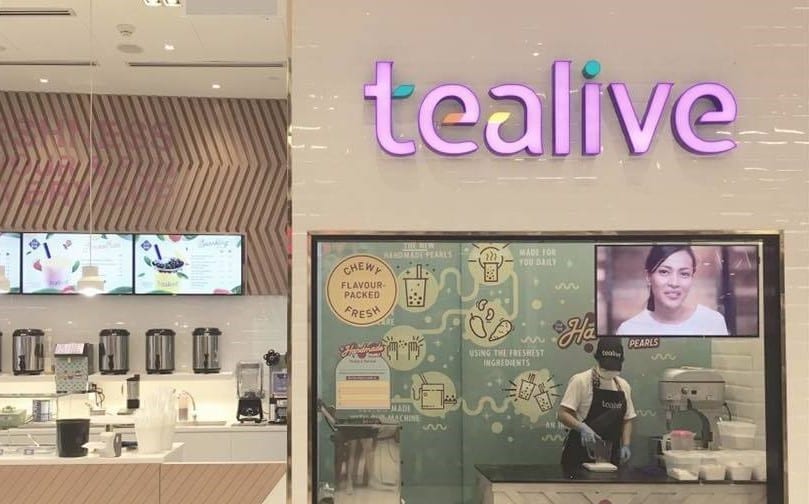
    Loob Holding Sdn Bhd, the creator of Malaysia’s Tealive bubble tea brand, today announced a joint venture with two China companies to bring 500 Tealive stores to China within three years.

    The Malaysian company inked the deal with Zhejiang Boduo International Trade Co Ltd and Shanghai Panfei International Trade Co Ltd at a ceremony attended by retail and franchise industry officials as well as government representatives from Malaysia and China.

    CEO Bryan Loo signed for Loob Holding, which will take a 51% majority stake in the joint venture known as Shanghai Loob Boduo Food and Beverage Co Ltd, subject to company registration approval by the relevant authorities in China.

    Loo said the joint venture would see the first Tealive outlet opening in Shanghai this September before more stores being opened in other selected cities. He expressed confidence that the joint-venture would be able to achieve the targeted 500 stores in three years.

    “Barely six months after the birth of Tealive, we took the brand to Vietnam and we now have five outlets. We have penetrated the Australian market with our first store there next month. Just last month, we appointed our master franchisee in India and we are targeting 140 outlets within five years,” Loo said.

    China, the world’s largest tea market, will be the fourth overseas market for Tealive.

    Loo said Tealive served 2.5 million consumers each month in its 175 outlets and the brand was still expanding every week.

    On prospects in China, Loo said latest indicators were that the market for tea in China had now exceeded US$21 billion per year.

  • 50 more Chow Sang Sang stores to be launched this year

    50 more Chow Sang Sang stores to be launched this year

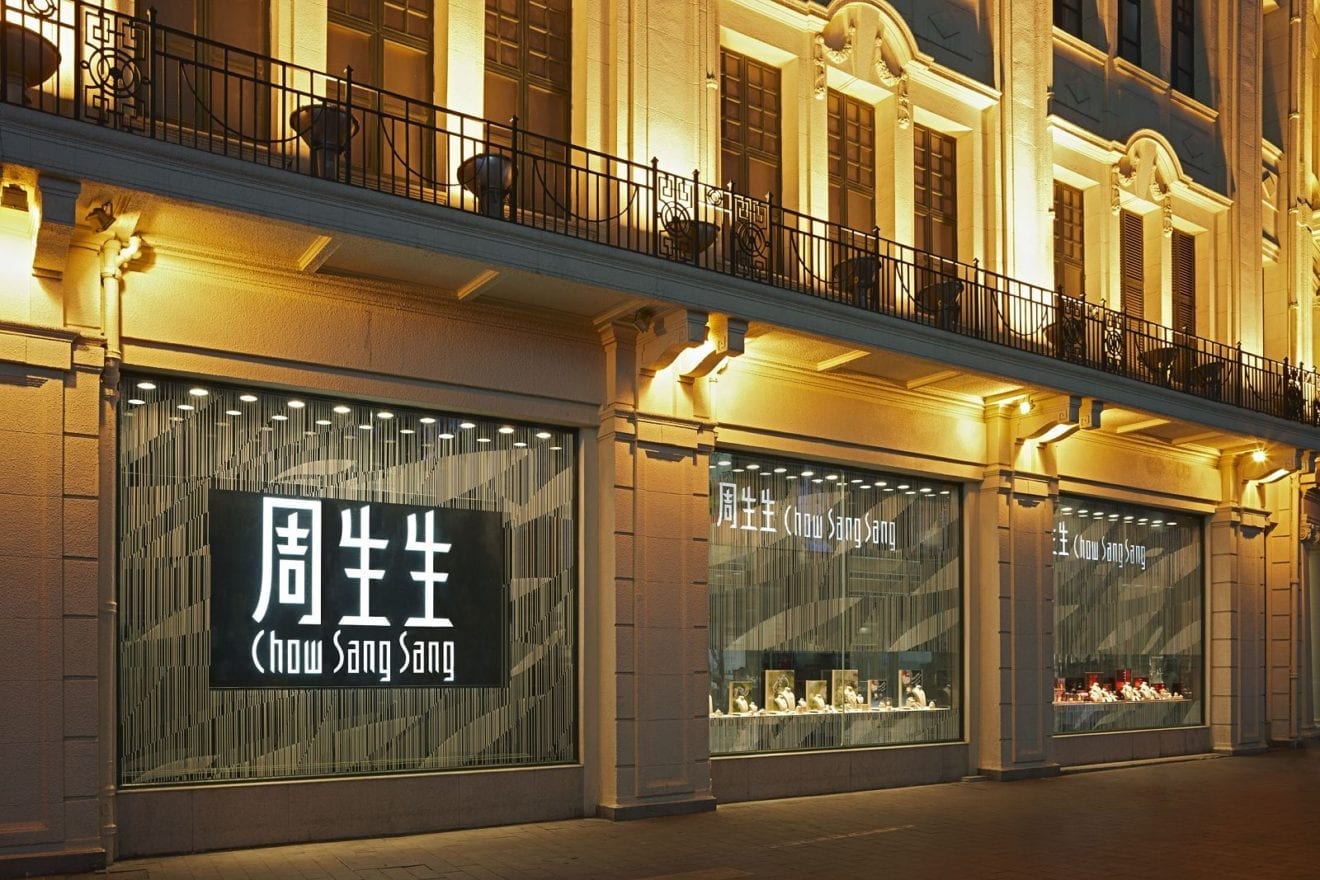
    With a focus on urban markets, Chow Sang Sang Holdings International plans to open around 50 stores this year.

    While consumer sentiment improved in the second half of last year for the jewellery retailer, it says a strong recovery is yet to be seen, especially in Hong Kong. Meanwhile, global markets are already anticipating an interest rate rise, and international trade disputes seem to be looming.

    In Hong Kong, the company will continue with the realignment of its network to match the change in consumer patterns and preferences. Overall, it expects to reduce the amount of floor space with no significant changes in the number of shops.

    “In China, increasing sophistication in consumer behaviour provides opportunity for growth via product and brand differentiation. As our online competition heats up, we are putting more effort into offering a seamless customer experience.”

    Turnover last year grew 3 per cent to HK$16.6 billion (US$2.1 billion). The disposal of a part of a long-term holding of shares in Hong Kong Exchanges and Clearing resulted in a gain of $114 million. Including this amount, the group’s overall profit attributable to equity holders increased by 18 per cent to $876 million.

    After dropping for three consecutive years, jewellery retail turnover returned to positive growth, rising 3 per cent. Jewellery retail accounted for 87 per cent of the group’s turnover.

    Operating profit fell by 5 per cent to $902 million, because of an extra gain of $176 million in 2016 resulting from a movement in the price of gold.

    Sales slipped per cent in Hong Kong and Macau, affected by shop closures. Same-store sales growth was down 2 per cent, mainly because of soft turnover of gold in the fourth quarter.

    Sales of gem-set jewellery improved in the second half, and in the last quarter reversed its downward trend since 2016.

    During the year, four Chow Sang Sang shops and one watch branch in the tourist district were closed. However, three new shops and one new watch branch were established in non-tourist districts.

    Despite Macau’s tourist traffic improving, shops in the shopping arcades performed worse than the main-street shop.

    Total turnover in Mainland China rose 9 per cent year-on-year to $8 billion. In RMB terms, this was 11 per cent growth, and same-store sales rose 5 per cent.

    Online sales continued to grow, accounting for about 14 per cent of China sales. Gold products dominated the sales mix.

    At the end of the year, the group had 422 shops in 119 cities. Of these 63 were new outlets, and there were 15 closings. Of the new stores, 28 were set up in shopping malls.

  • Indonesia’s Go-Jek Poised for Imminent Southeast Asia Expansion

    Indonesia’s Go-Jek Poised for Imminent Southeast Asia Expansion

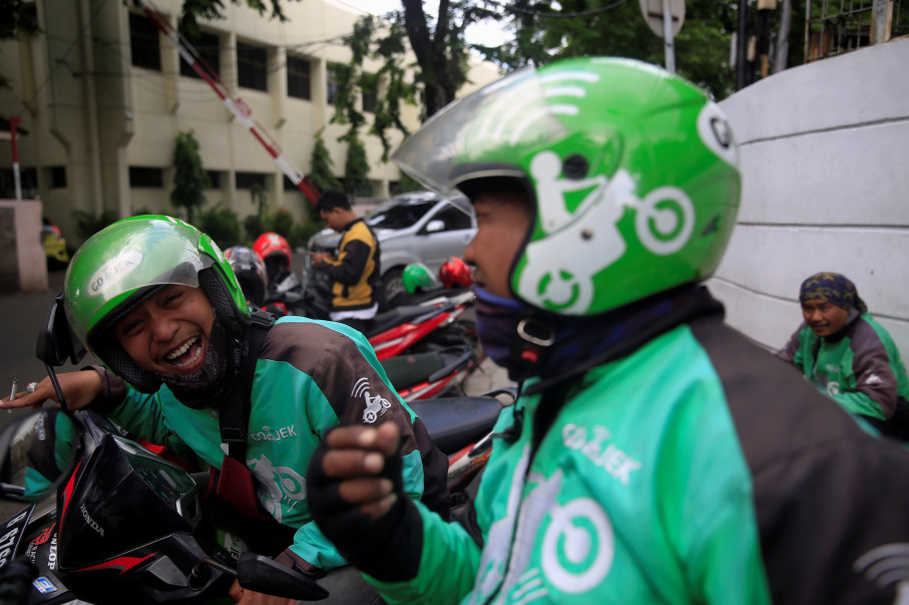
    Indonesian ride-hailing and online payment company Go-Jek is set to announce its first expansion to another country in Southeast Asia in the “next few weeks,”.

    Go-Jek also plans to expand to three other Southeast Asian countries by the middle of this year, the email quoting Go-Jek chief executive Nadiem Makarim said.

    News of the plans come after Uber Technologies agreed this week to sell its Southeast Asian business to regional rival Grab.

    The industry’s first big consolidation in Southeast Asia, home to about 640 million people, could put pressure on Go-Jek, which is backed by Alphabet’s Google and China’s Tencent Holdings.

    Nadiem described that Uber deal as a “great opportunity” because “fewer players means a smoother path to continued and deepened market leadership” for Go-Jek in Indonesia.

    Ride-hailing companies throughout Asia have relied heavily on discounts and promotions, driving down profit margins and increasing pressure for sector consolidation.

    Go-Jek, a play on the local word for motorbike taxis, has grown rapidly since the startup launched eight years ago in Indonesia, a county with a population of more than 250 million people.

    Customers can get drivers to deliver everything from meals and to cleaners and hairdressers, via a smartphone app – helping it become a crucial workaround in cities such as Jakarta with some of the worst traffic in the world.

    Nadiem did not name the countries targeted for expansion in the email, but Go-Jek’s chief technology officer has previously said it aimed to set up operations in the Philippines this year.

    “Preparations are well under way and within the next few weeks our first new country launch will be announced,” the email quoted Nadiem as saying.

    “This will be followed by three other countries in Southeast Asia by the middle of the year.”

    Citing the financial and strategic backing of its local and global partners, he added: “We are confident that we have more than enough support to take one of the most amazing growth stories in the world from being an Indonesian phenomenon to a global one.”

    Google, Singapore investor Temasek and China’s Meituan-Dianping are among investors in Go-Jek as part of a major fund-raising round.

    Makarim said that a “significant portion” of capital raised has been set aside for international expansion.

  • Victoria Beckham unveils major expansion plans in Asia

    Victoria Beckham unveils major expansion plans in Asia

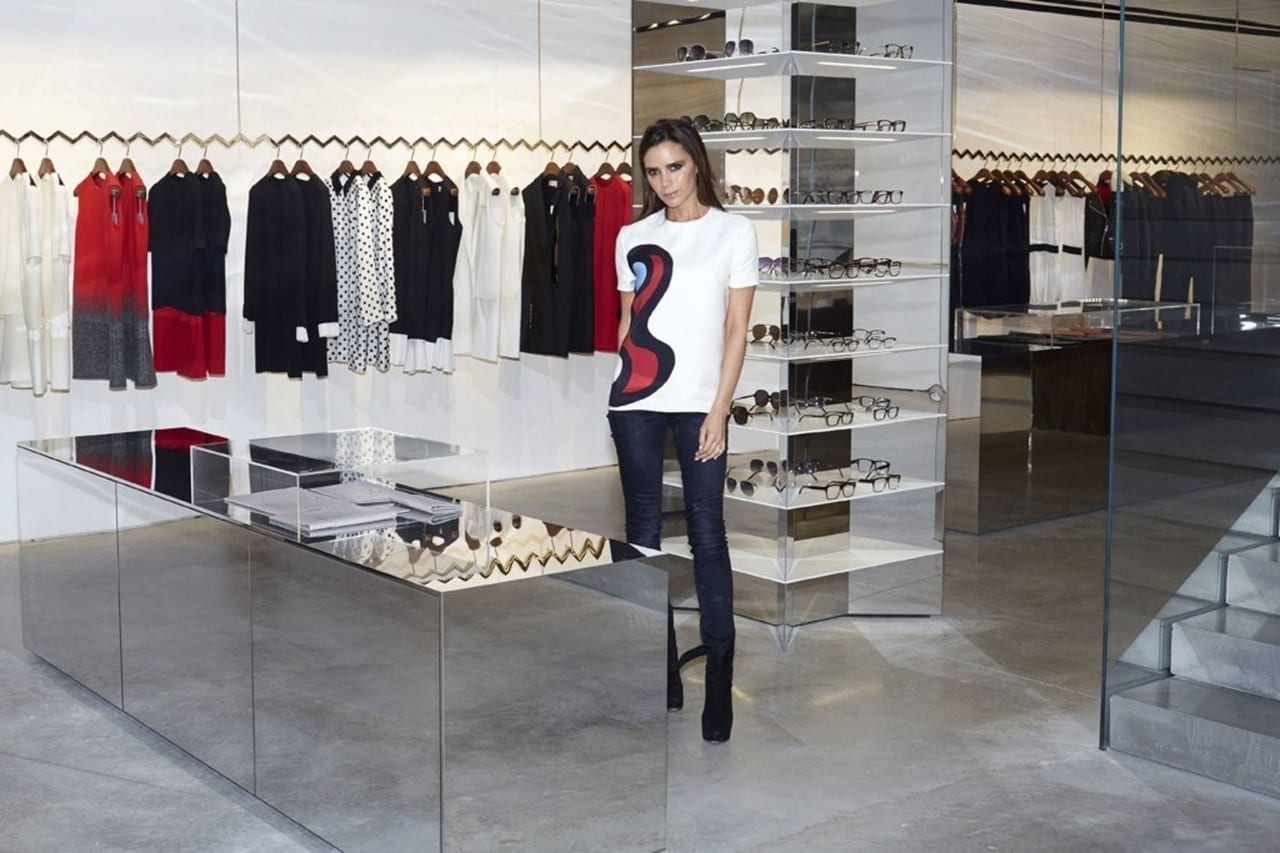
    Asia will be a particular focus as UK fashion brand Victoria Beckham pursues further geographical expansion.

    This follows a £30 million (US$ 41.7 million) investment from NEO Investment Partners in December, plus the appointment of fashion-industry veteran Ralph Toledano as chairman.

    Previously the CEO of Chloe, he will work closely with the team to “nurture the creative vision at the heart of the brand” as well as help it “prepare the business for its next phase of growth”, says the company.

    Toledano says his ambition is to turn the brand into a modern luxury group, while reviewing its cost base to return it to profitability. He says further expansion, particularly in Asia, where Victoria Beckham has a store in Hong Kong, is a “realisation of the company’s direct-to-consumer ambitions”.

    “Following the investment from NEO last year, I am thrilled to have the added expertise of Ralph as chairman,” says founder/creative director Victoria Beckham.

    NEO Investment Partners brands also include Parisian contemporary menswear brand AMI Paris, cult Italian luxury leather-goods brand Valextra, luxury British design brand Tom Dixon and contemporary F&B and boutique hotel brand Experimental Group.

  • Nature Republic opens store in Indonesia

    Nature Republic opens store in Indonesia

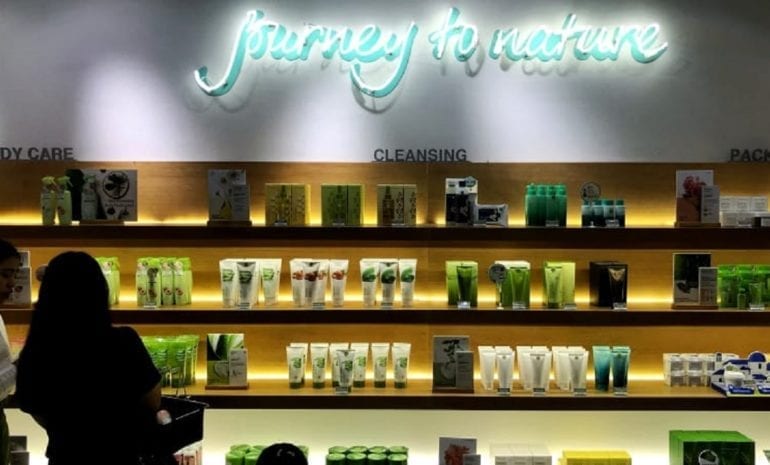
    South Korean cosmetics company Nature Republic opens its first outlet in Indonesia.

    Nature Republic speeds up to expand overseas market. The store is in a Jakarta shopping mall and registered 100 million won (US$94,000) in sales on its pre-opening day,  the Seoul-based company said.

    Indonesia is the fourth largest country in the world and is considered the next big thing after China.

    The economy continues to grow at a rate of 5% and has more potential to growth. As about 90% of the population is Muslim, the world’s largest Muslim country, the company plans to establish a bridgehead for the Middle East and other Muslim markets.

    In order to enter Indonesia, the company has been thoroughly prepared for one year including local market analysis and product pre-registration.

    The company focused on product selection, reasonable price, and all-round marketing strategy, and online marketing considering the characteristics of the country.

    Jakarta shopping mall, chose by Nature Republic to open the store, is main shopping area for Muslim Indians.

    In particular, young people from 10s to 20s who are interested in Korean culture such as K-pop and K-beauty visit the store. The company is targeting young customers to raise brand awareness and stabilize the local market.

    “We will expand our presence in the overseas market, including the Middle East and Europe, in the long-run, with Indonesia as our outpost,” the company said.

    Nature Republic plans to operate up to 10 outlets in Indonesia by the end of this year.

    The company has stores in 17 countries, including China and Vietnam.

  • Jumbo Group to go jumbo in Asia

    Jumbo Group to go jumbo in Asia

    Following another strong quarter, multi-dining concept company Jumbo Group says it aims to expand its brands to other major Asian cities.

    “We will continue to take a calibrated approach in our expansion plans to capture the growing F&B market in major Chinese cities such as Shanghai and Beijing as well as other regional markets like Vietnam,” says group CEO/executive director Ang Kiam Meng.

    Jumbo also plans to pursue franchising opportunities as well as growing its network through openings, acquisitions, JVs and strategic alliances.

    For its first quarter to the end of December, Jumbo has announced a profit attributable to the owners of the company of $2.6 million, compared to $2.1 million for the corresponding period a year earlier.

    Revenue increased by 5.8 per cent, or $1.8 million, to $32.7 million, mainly because of  increased revenue contributions from the group’s seafood outlets in Shanghai.

    Gross profit increased by 8.1 per cent, or $1.6 million, to $21 million. Gross profit margin was 64.2 per cent, up year on year from 62.9 per cent.

  • Uniqlo launches in the Netherlands

    Uniqlo launches in the Netherlands

    Japanese retailer Uniqlo has entered the Netherlands, with a debut Dutch store launching in Amsterdam.

    The Fast Retailing flagship brand, after months of speculation, has confirmed it will enter the Dutch market in the autumn of 2018.

    Located on Amsterdam’s busiest shopping street, Kalverstraat, the three-level, 2,040 square-metre-store has a secondary entry for shoppers to access to the store via Rokin, opposite Canadian retailer Hudson’s Bay. The building served as the home of US retailer Forever 21, until early 2018.

    The Amsterdam flagship will boast collections for men, women, children and infants, as well as key collections like LifeWear.

    “Amsterdam is well known for its relaxed and casual lifestyle. I believe our LifeWear, designed around core items such as Denim, Ultra Light Down outerwear, Extra Fine Merino knitwear and more, will be a perfect match for the people of Amsterdam. Our entry into the Netherlands marks the next step in our plans to grow our presence in the Benelux region,” said Taku Morikawa, Chief Executive Officer at Uniqlo Europe.

    Europe has been expansion point for the Japanese retailer in the past twelve months. In May 2017, Uniqlo debuted a European distribution centre in Oud-Gastel in the Netherelands, in partnership with Ceva Logistics.

    At the time, Uniqlo said it plans to take its European store count to 100 outlets over the next three years, in a bid to strengthen its retail presence outside of Asia.

    With the opening of the Amsterdam store, the Netherlands serves as the eighth European market for the fashion giant.

    Uniqlo is owned by Fast Retailing, which also operates Comptoir des Cotonniers, GU, Helmut Lang and J Brand. It boasts 1,900 stores, in 19 markets worldwide including Asia, Europe and the Americas.

  • Ril Creed launches in Hong Kong

    Ril Creed launches in Hong Kong

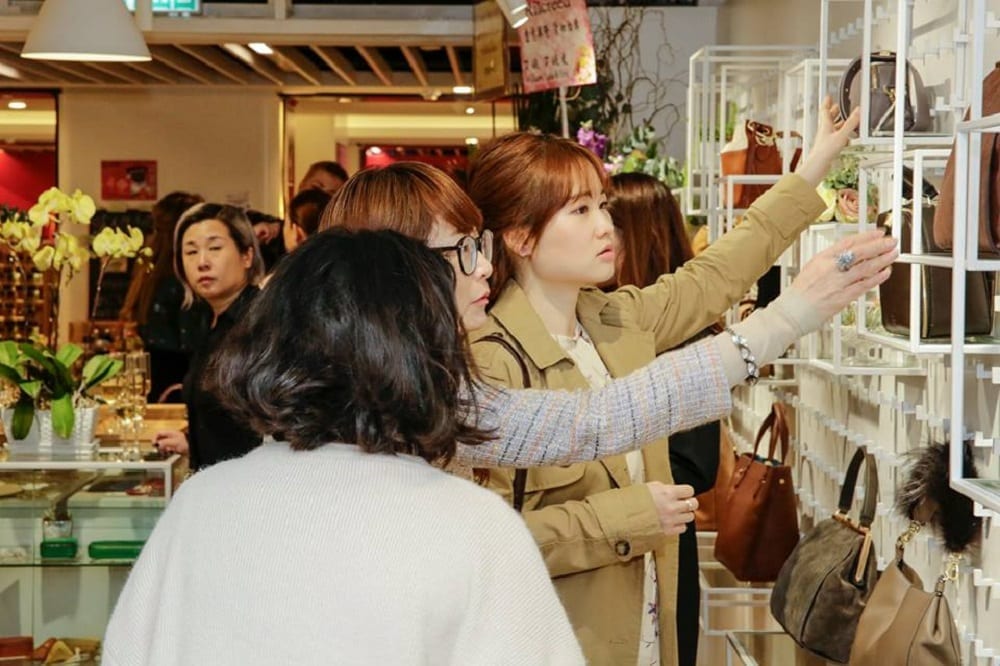
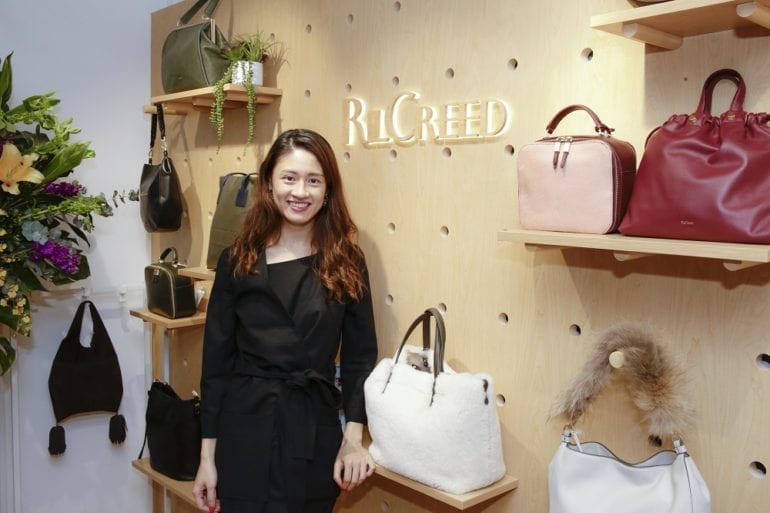
    RIL CREED’s collection of sustainable and ethical Japanese handbags opens its first flagship boutique in Hong Kong.

    Launched in 2012 in Japan and 2014 in Hong Kong, The Japanese handbag label RIL CREED is designed by Hanada Kazue, a seasoned designer who has been the design chief at the coveted Kitson Japan.

    With over two decades of experience, Kazue’s designs are made for the modern working women on the go. Using only fine genuine leather, with on-trend colours and versatile designs, each of RIL CREED’s handbags are made for every smart-casual occasion.

    Made to empower every modern women, each RIL CREED handbag is designed in Tokyo and handmade by artisans with age old craftsmanship. With a vision to revolutionize the handbag industry by using sustainable, upcycled materials and encouraging women to see beyond luxury items, RIL CREED redefines handbags as a tool to collect experiences and a companion in women’s journey to change the world.

    RIL CREED’s latest collection is inspired by owls, a spirited animal that symbolizes a deep connection, intuition, and wisdom of the soul. It represents change, transformation, and clarity. The brand aims to empower women through efforts to use sustainable materials and offcuts from factories. This season, upcycled sheepskin, faux fur and suede has been transformed into clean, elegant and effortless designs.

    Born in the 1970s, Hanada Kazue is Chief Designer of one of Japan’s most sought-after handbag brands, RIL CREED. Previously the design chief at Kitson Japan, Hanada has a deep understanding of what a woman needs when it comes to handbags. She has designed some of the bestsellers for the JAYRO, Kitson and Julia Parker labels, and brings to RIL CREED her renowned expertise.

    A seasoned handbag designer with over 20 years of experience, Hanada has created a beautiful, smart-casual collection for RIL CREED using only the finest genuine leather and horsetail in a variety of on-season, contemporary colours.

    These fashionable and practical designs from Hanada have been extremely popular amongst professional women in Japan and California, and have now set pulses racing amongst Hong Kong’s fashionistas.

  • McDonald’s to open 1,000 new restaurants, speed up tech upgrades

    McDonald’s to open 1,000 new restaurants, speed up tech upgrades

    Burger chain McDonald’s announced it will open about 1,000 new McDonald’s restaurants starting 2018 after posting strong sales and earnings for the fourth quarter ending December 31, 2017 fueled by strong interest in its value promotions and new menu items.

    Kevin Ozan, McDonald’s chief financial officer, said it is part of their development plans for 2018 to open about 1,000 new McDonald’s restaurants, 75 per cent of which will be funded by their expanded network of developmental licensees and affiliates around the world.

    Ozan added they also plan to continue making meaningful investments in technology to modernise the company’s customer experience and redefine convenience.

    “I’m confident that now is the opportune time to strategically invest in our business and our restaurants to drive profitable growth and become an even better McDonald’s,” he said.

    McDonald’s posted a 5.5 per cent increase in global same-store sales for the quarter, it’s fastest pace in six years. Systemwide sales increased eight per cent in constant currencies.

    In the US, fourth quarter comparable sales increased 4.5 per cent as a result of strong performance of core menu items featured under the McPick2 platform and beverage value, as well as strong consumer response to the new Buttermilk Crispy Tenders and delivery. Operating income for the quarter increased four per cent, reflecting higher franchised margin dollars and G&A savings, partly offset by lower company-operated margin dollars.

    Comparable sales for the international lead segment increased 6.0 per cent for the quarter, led by continued momentum in the UK and Canada, as well as positive results across all other markets. The segment’s operating income increased 14 per cent (seven per cent in constant currencies), fueled by sales-driven improvements in franchised margin dollars.

    Due to the impact of the company’s strategic refranchising initiative, McDonald’s stated its consolidated revenues decreased 11 per cent.

    Steve Easterbrook, McDonald’s president and CEO, said 2017 was a strong year for McDonald’s.

    “Customers responded to the many ways we are making their experience more convenient and enjoyable,” Easterbrook said. “We served more customers more often, achieved our best comparable sales performance in six years, gained share in markets around the world and made tremendous progress with growth platforms such as delivery, mobile order and pay and Experience of the Future.”

    On January 25, 2018, the company’s Board of Directors declared a quarterly cash dividend of $1.01 per share of common stock payable on March 15, 2018.

  • SPAR International Expands Further Into The Middle East

    SPAR International Expands Further Into The Middle East

    SPAR International has announced the brand’s entry into the Saudi Arabian retail market. Partnering with the well-established Saudi conglomerate, the Al Sadhan Group, SPAR has ambitious plans to open 40 stores in Saudi Arabia by 2020.

    Yesterday, three SPAR stores were opened in Riyadh, the nation’s capital and primary economic hub. Plans are in place to open a further five stores throughout 2018, bringing the total number of stores in the country to eight by the end of the year.

    The first SPAR stores in the Saudi Arabian market will be aimed at the mid- to premium sector of the retail market. However, as the brand develops in the country, SPAR plans to launch stores in all economic sectors, providing all customers with competitive pricing for the best global and local products.

    The Al Sadhan Group is a family owned business established in 1952. Its services include real estate, facilities management, food retail and brand development. Al Sadhan Stores operates the company’s retail arm employing 1,500 colleagues and has a long history in the market, being the first supermarket to obtain a business licence in Riyadh in 1952. SPAR International began their partnership with Al Sadhan in 2016, soft launching the first SPAR store in the second half of 2017.

    SPAR International has provided extensive support to Al Sadhan in the lead-up to the store openings including study tours to other SPAR markets and fostering awareness of the SPAR Way of Working. Support was also given in logistics development, supply chain creation and store design.

    The stores will benefit from the access to globally and locally sourced SPAR Own Brand products, expertise in category management and the support from SPAR International’s design and development teams to ensure modern and dynamic store design.

    SPAR International will also support SPAR Saudi Arabia to utilise the strengths of the joint buying model to ensure competitiveness.

    The partnership with Al Sadhan in Saudi Arabia builds on SPAR International’s existing partnerships in the wider region, notably in the United Arab Emirates, Oman and Qatar.

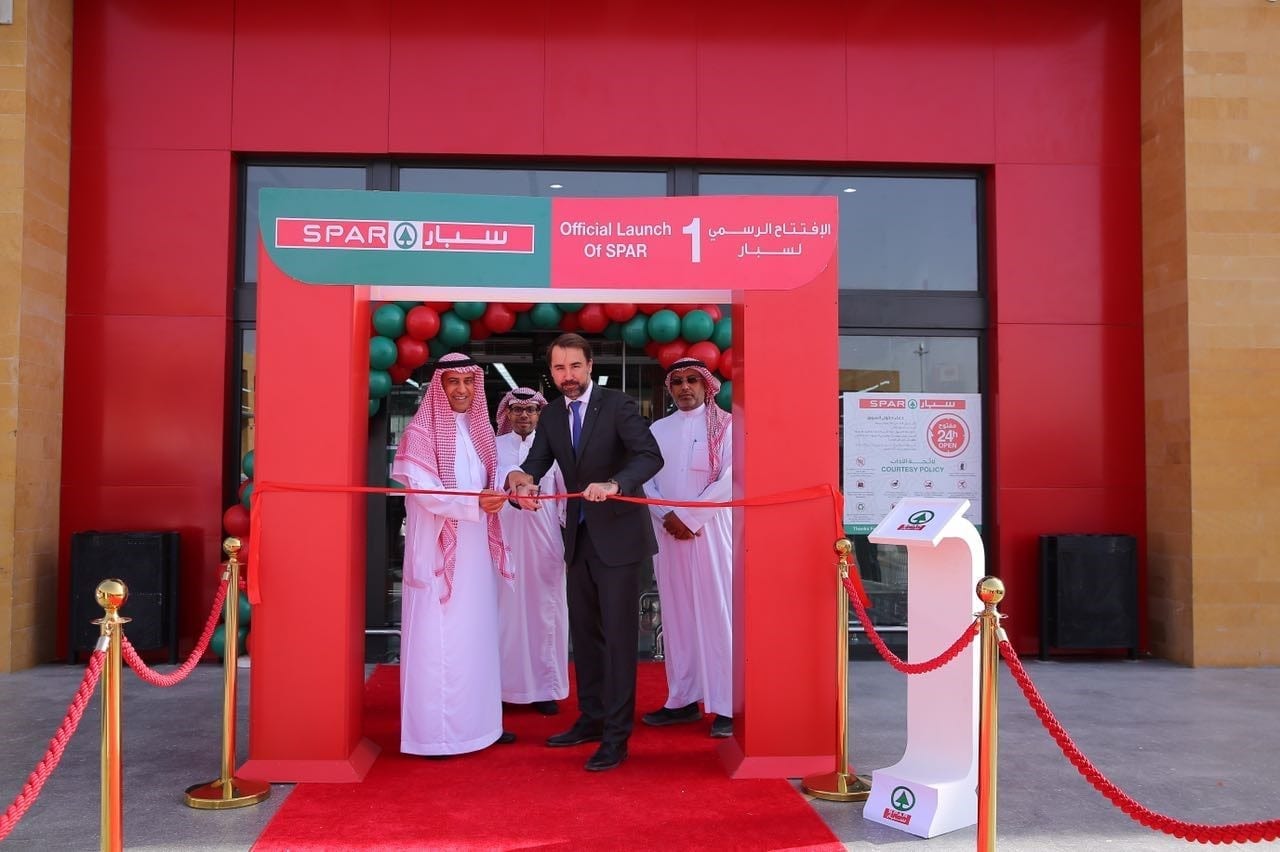
    A grand opening ceremony took place in Riyadh, with ribbon-cutting ceremonies at the three high-quality SPAR Supermarkets. Thereafter, Tobias Wasmuht, SPAR International’s Managing Director, was joined by officials from the Netherlands embassy and senior management from Al Sadhan Group to celebrate the brand’s official debut in Saudi Arabia.

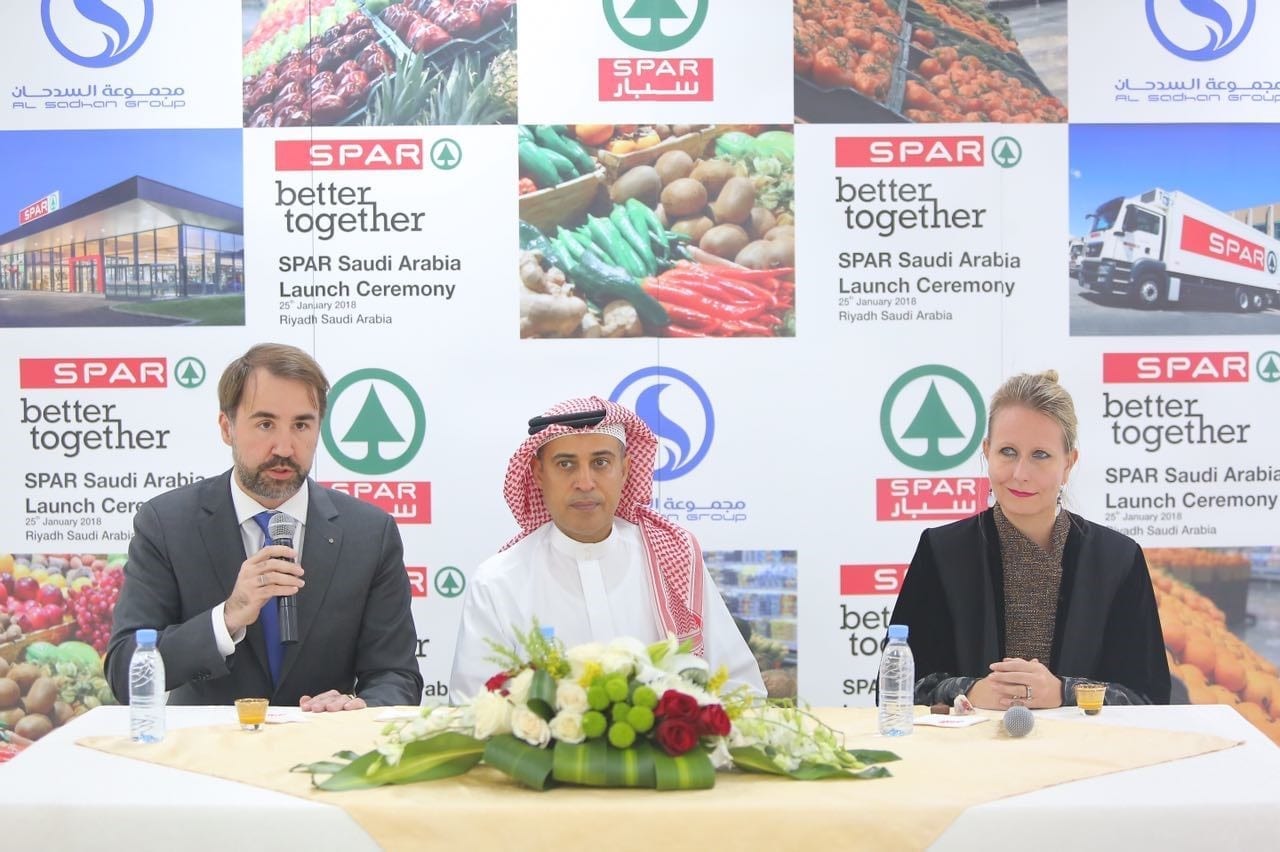
    Speaking at a press conference announcing SPAR’s entry into the market, Tobias Wasmuht, Managing Director of SPAR International said:

    “With a growing young population, rising GDP and increased consumer purchasing power, the retail market in Saudi Arabia has been growing steadily. We are delighted to enter this exciting and dynamic market with such an established and well-respected Partner as Al Sadhan Group.

    In addition, the new partnership provides SPAR with yet another important base in the Middle East, a region that is becoming more and more important to SPAR International’s strategic business development.”

    Mr. Mohammed bin Abdul Aziz Al Sadhan, Chairman of Al Sadhan Group commented:

    “We are very proud of this partnership with SPAR International. Having the right mix between SPAR International’s knowledge and best practice along with our experience in the local market will provide our customers with an excellent retail experience. The SPAR brand products will be a key factor in our success, and we are getting great support from SPAR International’s team to source items from SPAR partners around the world.

    Also, this partnership is in-line with the Saudi Arabian vision 2030 and the support we have from the Saudi government for the development of the Saudi market.”

  • Jaya Grocer to open five more outlets in 2018

    Jaya Grocer to open five more outlets in 2018

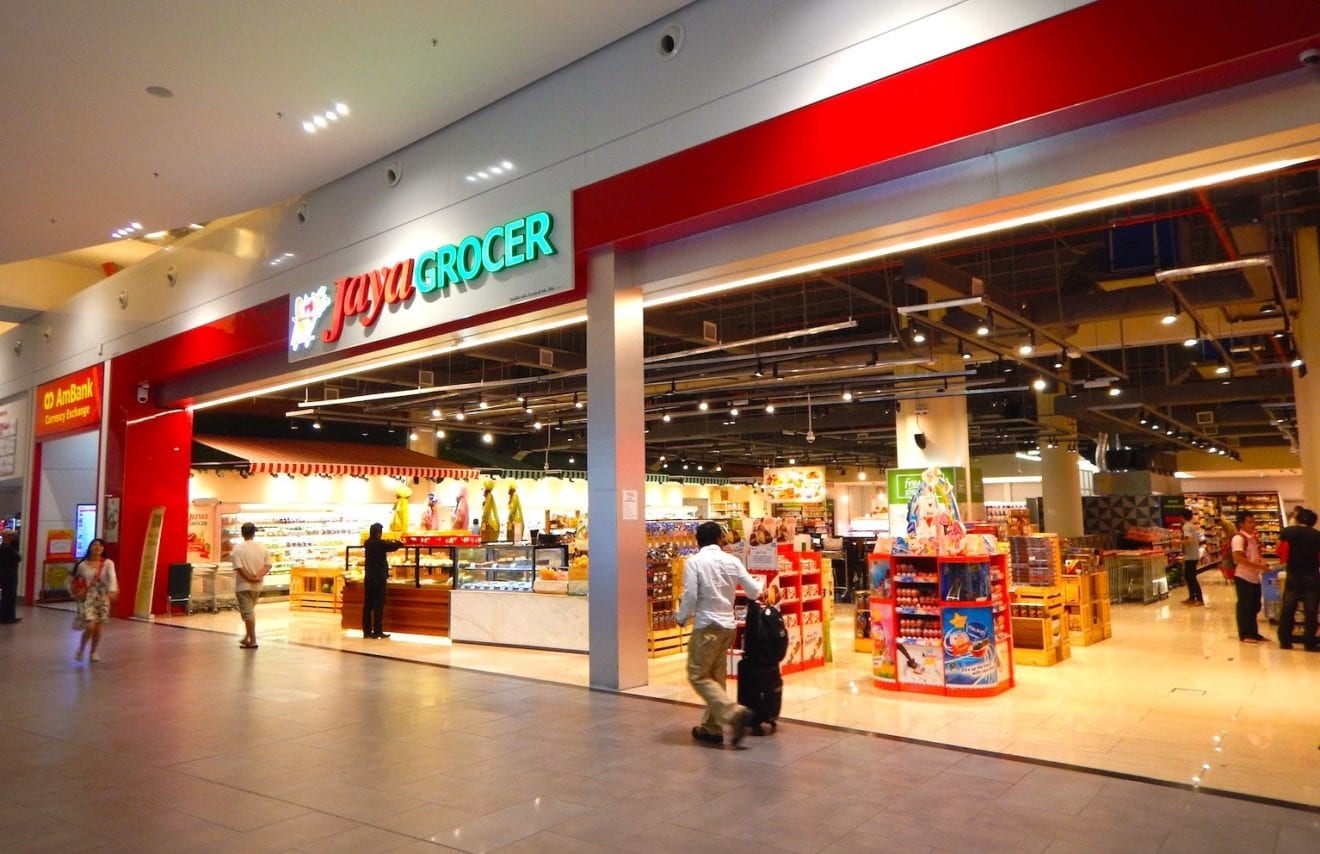
    Neighbourhood fresh grocer Jaya Grocer, which celebrates its 10th anniversity, plans to open five more outlets in the Klang Valley this year.

    Its operations director Daniel Teng said on Thursday the outlets would be at Eco Ardence at Setia Alam in February; Kuala Lumpur Eco City (KLEC) at Bangsar in June; Empire City Damansara in July; Kiara 163 at Mont Kiara in September, and Kuala Lumpur East at Taman Melati in December.

    Jaya Grocer has 22 outlets. The latest outlet opened at Sunway Iskandar Citrine Hub in Johor last week.

    As part of its anniversary celebrations, Jaya Grocer is offering 10 items on special promotional prices each week since the start of the year.

    During a briefing for the media at Starling Mall Jaya Grocer in Damansara Utama, he said the management team is led by retail veterans with a family heritage dating back to pre-Independence Malaya.

    “We are proud of our heritage and are yet humbled by the overwhelming support shown by our loyal customers through the decades,” Teng said.

    On the opening of its Bangsar Market by Jaya Grocer, he said it would be one of the largest “urban fresh grocers” in the country.

    This would be located at the KLEC, a strategic and synergistic public-partnership between developer SP Setia Bhd and Kuala Lumpur City Hall.

    “The concept of Bangsar Market by Jaya Grocer is to bring back the feeling of shopping in a fresh wet market which is clean and well laid out. We hope to meet the discerning demands of sophisticated modern day shoppers in the city,” Teng said.

    Bangsar Market will occupy 54,000 sq ft or the entire second level of the mall.

    On Jaya Grocer’s online delivery service, Teng said it would be gradually expanded to cover more areas in the Klang Valley, beginning with its Pearl Point Outlet in Jalan Klang Lama.

    “Since we started at the end of 2016, our online segment has grown by 30%,” said Teng.

    “It has certainly helped to meet a need among modern consumers with a hectic city lifestyle or busy mothers with young children who cannot spare time to shop in person.

    “We provide same day delivery, with the quickest delivery time being within two hours. Furthermore, we only charge a token for the delivery service and prices remain the same as in-store, including promotional items,” he said.

    Jaya Grocer plans to set up a new distribution centre in Puchong that will help improve the overall supply chain management, Teng said.

    Jaya Grocer is operated by Trendcell Sdn Bhd, which is 45% owned by the Asean Industrial Growth Fund (AIGF). The other 55% being held by the founding Teng family which continues to manage the business.

    AIGF, a private equity fund, is 45% owned by CIMB Private Equity, 45% by Mitsubishi and 10% by the Development Bank of Japan.

    Jaya Grocer started in 2007 with its first outlet in Jaya 33 in Petaling Jaya. Jaya Grocer was set up by the Teng family, who are the founding family of Giant Hypermarket and the TMC (Teng MiniMarket Centre) in Bangsar.

    The family sold the Giant chain to Hong Kong-based Dairy Farm group in 1999 for an undisclosed sum. Meanwhile, TMC Store Bangsar has been wholly owned and operated by GCH Retail (Malaysia) Sdn Bhd since November 1980.

  • WAFL to open 80 stores in India

    WAFL to open 80 stores in India

    Hong Kong-headquartered waffle chain WAFL has opened its first stores in India as it continues an international franchise roll-out program.

    The company now operates 53 stores outside Hong Kong, although the Indian stores are the first in another Asian market, with most trading in Europe.

    WAFL’s first Indian store opened in SDA Market in Delhi and two more followed in the cities of Bangalore and Surat.

    The company says it plans to open about 80 stores across India by the end of this year, mostly smaller outlets of 200-250sqft with a seating capacity ranging from eight to 16 people.

    The WAFL menu includes sweet and savoury waffles meals and waffle-cone soft-serve ice cream – but they’re not all sugar-laden indulgences.

    Rajeev Chawla, executive partner of WAFL India says consumers are more health conscious now and have caught up with the fast-paced life.

    “So through our QSR we want to serve deliciously healthy food, to help them maintain their health-conscious need. We are positive that the Indian market will like our products and we are eyeing pan-India expansion.”

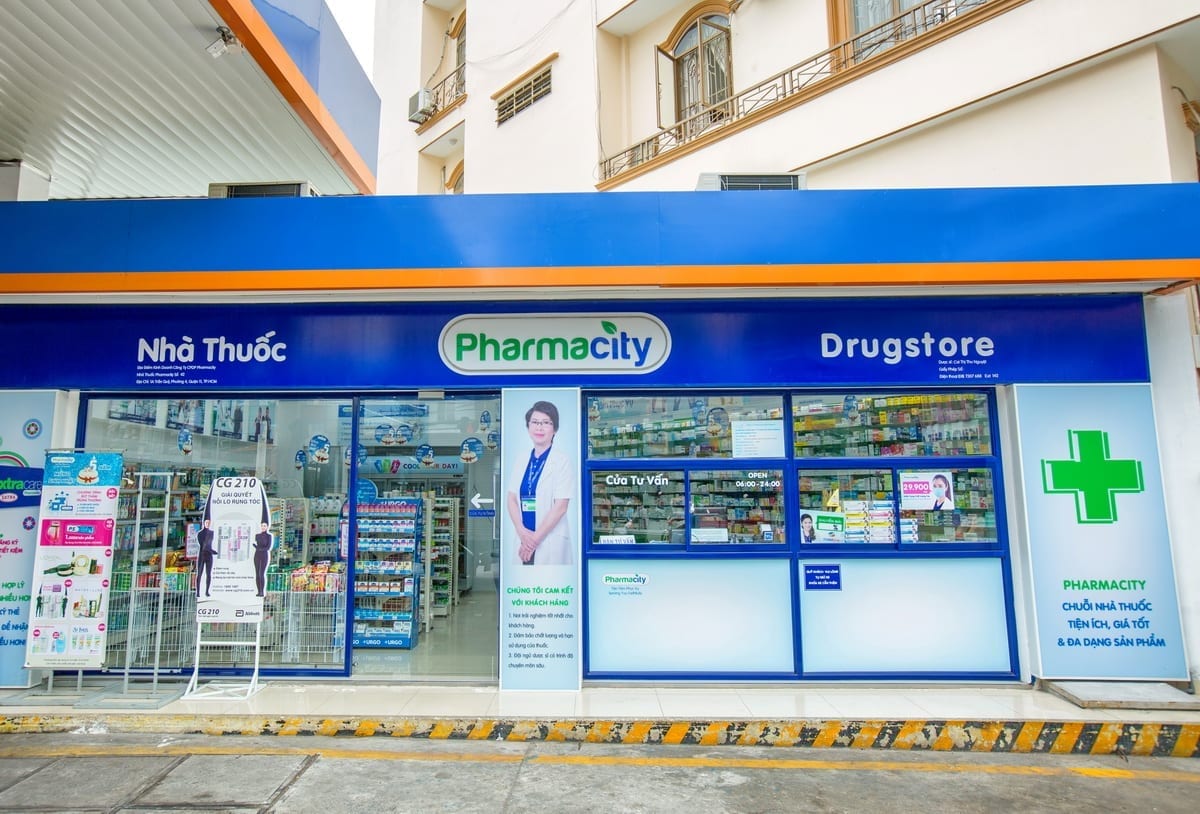
  • Pharmacity to open 500 more stores in Vietnam

    Pharmacity to open 500 more stores in Vietnam

    Vietnam’s retail drugstore chain Pharmacity plans to open 500 stores by 2023.

    It has opened six more stores in Ho Chi Minh City this month, expanding its network to 71 to become the largest pharmacy chain in Vietnam.

    Over the next two years, Pharmacity plans to boost its store numbers to 200. It also has an online store.

    Modern retail drugstores have become popular in Vietnam, according to a new report from VN Research. It says Phano Pharmacy is the second-largest chain with 60 stores, Medicare has 59 while Dairy Farm-owned Guardian has 49.

    Mobile device retail giant Mobile World (The Gioi Di Dong) last month acquired a 40 per cent stake in the Phuc An Khang pharmacy chain, changing the name to An Khang. Mobile World plans to raise its ownership to 60 per cent and open up to 500 stores nationwide.