Tag: expansion

  • Lotte chemical to expand polyethylene manufacturing unit in Malaysia

    Lotte chemical to expand polyethylene manufacturing unit in Malaysia

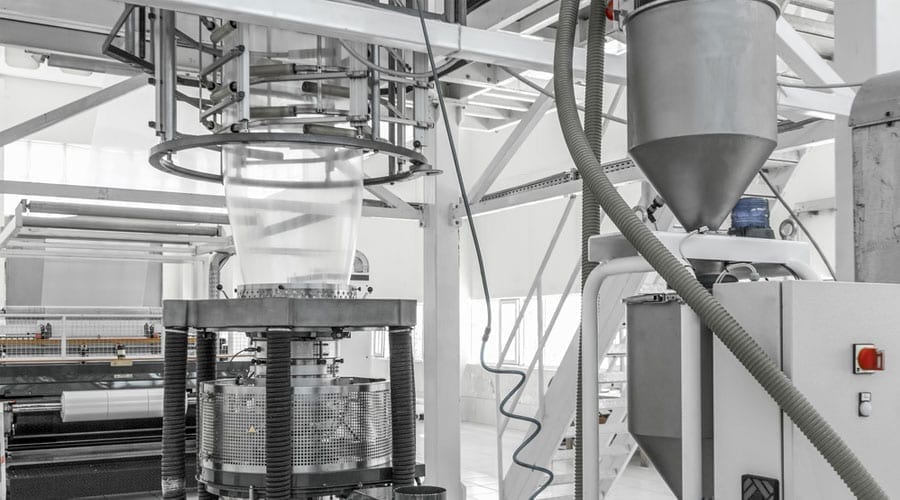
    Lotte Chemical Corp., the compound unit of Lotte Group, has extended its polyethylene plant in Malaysia to support deals in Southeast Asian markets, the organization said.

    Lotte Chemical has contributed 300 billion won (US$276 million) in growing the polyethylene production facility in Malaysia since 2015 and finished the extension venture in August, the organization said in an announcement.

    The Lotte Chemical Titan Holding Berhad plant now has a manufacturing limit of 810,000 tons of polyethylene, up 13 percent from the past limit of 720,000 tons, it said.

    Lotte Chemicalclaims a 74.87-percent stake in the plant which for the most part delivers polyethylene, the most widely recognized of plastic items. Lotte Property and Development holds a 31.27-percent stake in Lotte Chemical. The organizations are affiliates of Lotte Group, a retail-to-construction aggregate.

    Lotte Chemical intends to extend its manufacturing facilities in South Korea and the United States one year from now to have a consolidated polyethylene yield limit of 4.5 million tons globally, up from 3.3 million tons it is forecasting for the finish of 2017, the announcement said.


  • Shilla Duty Free opens six new shops at Hong Kong International Airport

    Shilla Duty Free opens six new shops at Hong Kong International Airport

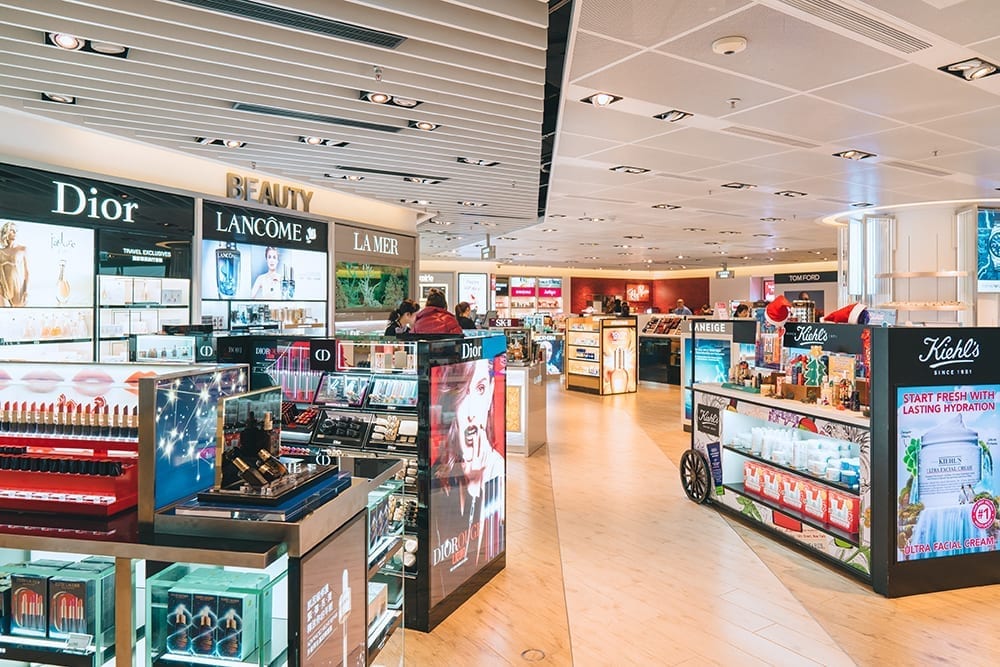
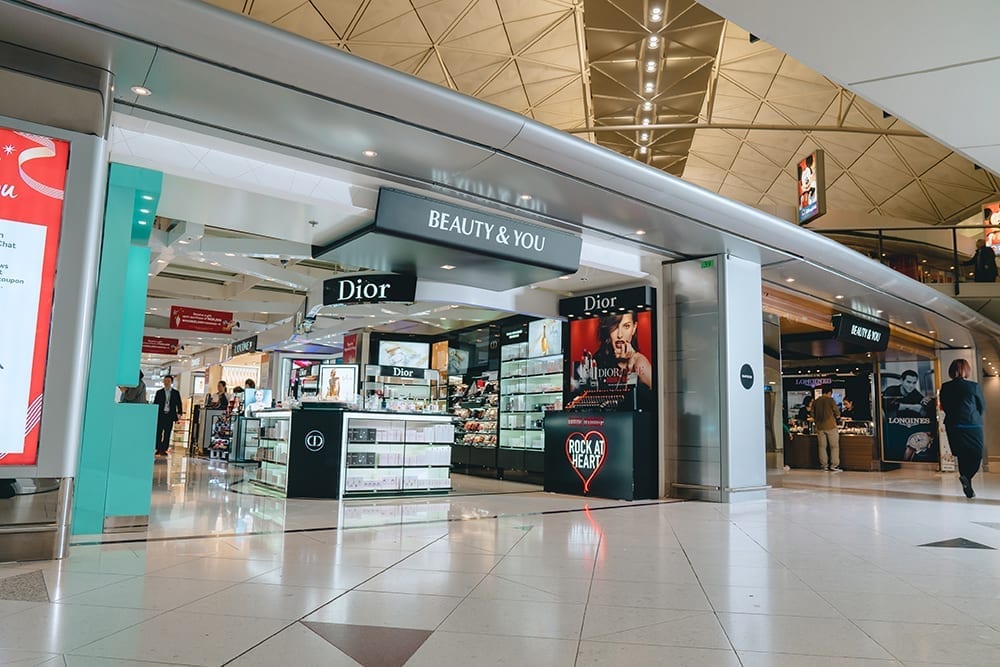
    The Shilla Duty Free has opened six new retail outlets at Hong Kong International Airport (HKIA).

    The retailer sucellfully bid on the perfume and cosmetics and fashion accessories concessions earlier this year. Shilla says the new license marks it as the first operator to simultaneously secure duty free perfumes and cosmetics concessions across the hub airports of Incheon International, Hong Kong International and Singapore Changi.

    With the opening of the HKIA stores, Shilla has also announced its new vision for experiential retail – Beauty & You. Following the commencement of operations this December, the outlets will be transformed in phases into the new identity.

    Shilla’s Beauty & You concept is designed to combine “innovative store designs with a wide array of products, excellent service and exciting activities to delight guests at every stage of their shopping journey, giving a new innovative approach to travel retail in an airport”. Designed to represent how modern customers shop, the new Beauty & You store layout will incorporate both branded counters and non-branded areas, as well as immersive engagement zones.

    New brands

    With the grand opening of the new concept stores slated for the summer of 2018, the number of brands featured across the six stores will increase to over 200.

    “We’re extremely excited to expand The Shilla Duty Free network to one of the busiest airports in the world,” said Alice Woo, managing director of Shilla Travel Retail Hong Kong. “The airport served more than 70 million passengers annually and 1,100 aircrafts daily in the past 12 months. Hong Kong’s proximity to other Asian countries and mainland China also makes HKIA a powerful and promising hub for duty free sales. With the upcoming launch of Beauty & You, we hope to redefine the airport retail experience and customer journey through personalised service, interactive and engaging environment in one of the most robust travel markets in the world.”

  • Blue Bottle Cafe opens latest Tokyo flagship store

    Blue Bottle Cafe opens latest Tokyo flagship store

    Blue Bottle Coffee has opened its latest flagship café in Tokyo, the sixth one to open in the Japanese capital, as the American coffee outfit expands its retail footprint in Japan.

    Located in Sangenjaya, the San Francisco-based café is situated in a 50-year old low-rise building, which stands at the end of a no-through road between two buildings; located just a 3-minute walking distance from Sangenjaya station.

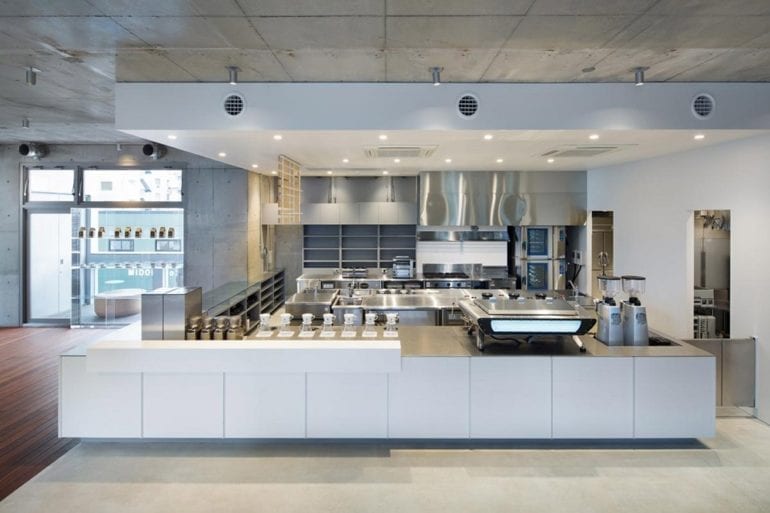
    Blue Bottle Café enlisted Schemata Architects once again to design the complete space layout. Working with the building’s current fittings, Schemata – the firm behind stores for 3.1 Phillip Lim and Loewe – took inspiration from the designs used with the previous space ownership, resulting in industrial concrete texture mixed with Japanese cedar wood.

    However, the 100-square-metre space does reflect Blue Bottle’s bright and open feel, an aesthetic witnessed in the other five Tokyo outlets. There is specific area for workshops and barista training, along with a “soulful public space” for the local community, in a bid to give the company a strong connection to its most recent Japanese locale.

    Offering more than just coffee and related products, customers can go to the register at the far end of the dead-end road, or stop by the drip-bar and walk around the seating area, before venturing outside to the garden in the backyard area. Walking along the building guest will find an entrance to a gallery also.

    “This building is designed in such a way that customers will experience the continuation of this deep spatial sequence,” said Schemata Architects’ Jo Nagasaka, who is the architect in charge of the store.

    James Freeman founded Blue Bottle Coffee Company in San Francisco in 2002. Still headquartered in Oakland, California, consumer goods giant Nestle acquired a majority stake in the new wave coffee firm earlier this year.

    In 2017, Nestlé acquired a 68 percent stake in the company for some $500 million. The firm has plans to have 55 locations by the end of the year. Blue Bottle stores are located in the Bay Area, Los Angeles, New York City, Washington, DC, and Tokyo.

  • Decathlon lands in Australia

    Decathlon lands in Australia

    Following its announcement in October 2017 of its intentions to open 100 Australian stores, French sporting goods retailer Decathlon have officially opened its first, which is also its flagship, store in Sydney’s Tempe.

    This marks the arrival of a disruptive force within the sporting goods retail sector, with the company attracting substantial consumer demand, generating about $100,000 in sales each month, according to IBISWorld.

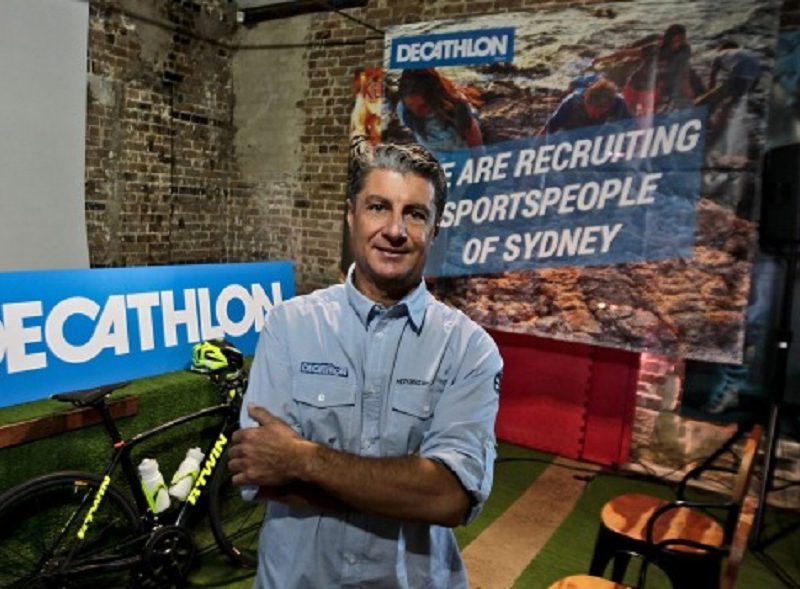
    Olivier Robinet,  the chief executive of the Australian arm of French sporting goods retailer Decathlon, promises a market disruption.

    Decathlon lands in Australia

    Decathlon has plans to open up to 100 stores in Australia, at a rate of about two to five stores per year. The price-savvy sports equipment retailer is expected to take market share from existing major players in the industry, including Rebel, Amart Sports, Kathmandu, BCF and Rays Outdoors, making it a major competitive force in years ahead.

    Decathlon primarily focuses on selling private label products at prices that are typically 50 to 70% cheaper than comparable branded goods, a model that has proven successful worldwide, with the company achieving annual sales of $15 billion across its e-commerce platforms and 1,200 physical stores in 30 countries, including the UK, Europe and Asia – and now Australia.

    Headquartered in France, Decathlon employs 80,000 staff globally and creates over 2,800 new sporting goods products and 40 patents every year.

    The Tempe store is over 3,800 square meters, with over 70 staff on hand, offering a range of more than 7,000 sharply-priced products across 70 sports and leisure categories, which is expected to attract strong demand from value-conscious consumers that enjoy activities such as camping, hiking, cycling and snorkelling.

    Camping and participation in outdoor and fitness activities have become more popular over the past five years, driving industry demand. However, demand has been somewhat constrained by negative consumer sentiment and sluggish discretionary income growth.

    Revenue for the sport and camping equipment industry is set to rise by almost 2% per annum over the next five years.

  • Inditex Rises as Global Expansion Continues

    Inditex Rises as Global Expansion Continues

    Clothing company Inditex international, which owns Bershka and Zara, reports a strong performance for its latest nine months.

    Continuing to roll out its global fully integrated store and online platform, the Spanish group opened outlets in 52 markets during the period. Its store count reached 7504 in 94 markets at the end of October.

    It says like-for-like sales growth remains strong, while global online sales launches are on track. It launched online sales for Zara in India in October.

    Net sales for the nine months reached €17.96 billion (US$21.2 billion), up 10 per cent.

    Gross profit reached €10.3 billion, 9 per cent higher, while gross margin reached 57.4 per cent and EBIT was up 6 per cent to €2.99 billion. Net income was also up 6 per cent to reach €2.3 billion.

    During the nine months, Inditex opened 212 stores including 60 for Zara, 30 for Stradivarius and 13 for Pull & Bear.

  • Foreign convenience store chains expansion plans

    Foreign convenience store chains expansion plans

    Nguyen Thu Ha has abandoned traditional markets on her afternoon shopping trips in favor of a more convenient option.

    Uncomfortable with the crowds and dubious origins of the food, the 35-year-old from Hanoi now prefers to spend her money in the convenience stores that are mushrooming across the city.

    “The quality in convenience stores is guaranteed, unlike grocery shops and traditional markets,” she said. “That’s why I go to them now.”

    Like Ha, many shoppers are turning to convenience stores, encouraging foreign retailers to expand their presence in the market.

    The number of convenience stores had increased to over 1,500 as of June 2016, according to market research firm Nielsen Vietnam. Famous foreign brands now occupy 70 percent of the market.

    In June, Seven & i Holdings, which operates Japan’s biggest convenience store chain 7-Eleven, opened its first outlet in Ho Chi Minh City.

    A company representative said that it plans to open 100 stores in Vietnam within three years and expand the number to 1,000 in the next decade.

    American chain Circle K has around 250 stores, mostly in the country’s two biggest cities, Ho Chi Minh and Hanoi.

    FamilyMart, Japan’s second largest convenience store chain, has a combined 130 stores in Ho Chi Minh City, the nearby resort town of Vung Tau and Binh Duong Province.

    Southeast Asian chains Shop&Go and B’s mart are running another 300 stores.

    South Korea’s GS Retail also plans to enter the market in the near future with the first outlet bearing its GS25 convenience store brand in Ho Chi Minh City.

    GS25, which will be the first Korean convenience store chain operator to enter the Vietnamese market, is expected to open 2,500 outlets in the next 10 years.

    “We have received requests from many countries, including China and other Southeast Asian countries, to export our brand,” said a GS Retail spokesman. “After months of research, we concluded that Vietnam had the largest potential for growth.”

    A.T. Kearney’s Global Retail Development Index this month named Vietnam the sixth most attractive retail market in the world. The country made headlines worldwide when it topped the list in 2008.

    International market research organization IGD forecasts double-digit compound annual growth rate over the next four years in Vietnam, reaching 37.4 percent in 2021.

    “Convenience stores in Vietnam have become popular destinations for young consumers to shop and hang out, as the stores provide them with an air-conditioned environment, well-organized shelves and seating areas, high quality products and, in some stores, free Wi-Fi,” said Nick Miles, head of Asia-Pacific at IGD. “It is also easier to get licenses for stores under 500sq.m, which is why retailers have been expanding to gain market share.”

    Vu Vinh Phu, former chairman of the Hanoi Association of Supermarkets, said convenience stores have expanded with the growing middle class, who are increasingly willing to pay a little more for the convenience of mini-marts that are open for longer hours and can be found in more locations.

    Economists say Vietnam has great potential for convenience store expansion, considering the number of existing stores now is still small compared to the population.

    There is one convenience store for every 2,100 residents in South Korea, 2,300 in Japan, and 24,900 in China. The ratio in Vietnam is one per 54,400 residents, according to a recent report by international property research firm Savills.

    Vietnam’s trade ministry has projected the country’s retail market will hit $179 billion by 2020, a jump of 52 percent from last year.

    Uneasy to earn

    Despite bright prospects for convenience stores in Vietnam, their development has not always been smooth, as in the case of FamilyMart. Japan’s second largest convenience store chain plans to stay focused on its domestic market after reporting losses in several Southeast Asian countries, including Vietnam.

    Koji Takayanagi, the company’s president, said the firm is reviewing its loss-making businesses in Indonesia, Thailand and Vietnam. “If we can get them to rally we will, but we cannot continue to pour in resources,”

    Another example is the case of a joint venture between Ministop, an affiliate of Japan’s second largest retailer AEON, and G7, an arm of local coffee producer Trung Nguyen. The joint venture aimed to develop 500 convenience stores across the country within five years from 2011. However, the partnership ended in 2015 when Trung Nguyen withdrew from the deal after only 17 stores had been opened. The venture reportedly failed to reach the target because of difficulties in finding premises in Hanoi and Ho Chi Minh City.

    Ministop now has only 80 convenience stores in Ho Chi Minh City and Binh Duong Province.

    As well as the difficulties they face finding retail space, convenience stores must also compete with other retail channels, which are also expanding rapidly, especially online shopping, said head of the Association of Vietnam Retailers, Dinh Thi My Loan.

    Explaining why retailers are continuing to expand in the convenience store market, despite losses, an industry insider said their current goals is to stretch their influence in the market. Retailers often suffer losses in the first four to seven years, he said. “It’s not time to make a profit yet. It’s time to grab more market share.”
  • Newcomer Xiaomi lays out ambitious Thai plan

    Newcomer Xiaomi lays out ambitious Thai plan

    “We are optimistic about our performance in 2018. We entered Thailand about four months ago, so it is still an early stage, but we have already mapped up an ambitious plan for the Thai market in the year ahead, including expanding sales to more retail locations, introducing new smartphones and a wide range of lifestyle technology products,” Wang added.

    By the end of this year, the company aims to have a presence in over 150 retail locations in Thailand.

    Next year, it aims to have more than 50 authorised sales points, including Authorised Mi Store and Mi Zone store in major Thai cities.

    Currently, the company operates three Authorised Mi Stores: the flagship Authorised Mi Store at Seacon Bangkea , Authorised Mi Store at Imperial World Samrong, and the Authorised Mi Store at Pantip Plaza, Pratunam.

    “We will definitely open more stores and expand to more retail locations in Thailand. Our Authorised Mi Stores, in particular, is a great way for consumers to experience our smart phones and ecosystem products in person,” Wang said.

    VST ECS and Fanslink are Xiaomi’s local partners in distribution and retail, respectively.

    “Since we entered Thailand only four months ago, our partners have been very cooperative and supportive; we value all our partners and potential partners. In Thailand, we work with VST ECS as our distributor, and Fanslink as our retailer. In the long run, we, of course, are open to establishing partnerships with more local players, as we continue to look for opportunities to increase our presence in the market,” Wang added.

    He said that Thailand is the second-largest market for smartphones in Southeast Asia, after Indonesia, with estimated sales of 25 million units in 2017. To date, Xiaomi has entered Thailand, Indonesia, Vietnam, Malaysia, Singapore, and Myanmar.

    “These are all promising markets with high potential, and we will continue our efforts to grow in the region,” he added.

    He said that Xiaomi is a very unique company with a unique business model.

    “We are a smartphone company, but we are also an Internet company and a new retail company. Because of this, we are able to make products packed with great technology available at extremely accessible prices.

    The price factor is not the key here, but the fact that we offer far more to users in all price segments, and across a range of products including lifestyle technology products,”

    When asked about the Thai customers response to the Xiaomi brand, he said: “Thai customers are starting to know us! We will definitely be working even harder to raise the awareness of Thai consumers,”

    The company entered the Thai market with one of its best flagship dual camera phones, Mi 6 , in August and has just announced the launch of Mi MIX 2, its full-screen display smartphone.

    In the local market , its available smartphones include Redmi 4A, Redmi 4X, Redmi Note 4, Mi A1, Mi Max 2, Mi 6, Redmi Note 5A and Mi MIX 2.

  • K-beauty eyes Middle East

    K-beauty eyes Middle East

    The political tension between Seoul and Beijing has eased after a summit between the two leaders during the APEC Summit, but K-beauty companies are diversifying their overseas operations instead of returning to the Chinese market.

    Supermarket chain E-mart said  that it has signed a franchise deal with Saudi Arabia’s largest retailer Fawaz Alhokair. Under the contract, E-mart is set to sell its cosmetic brand Sentence at Fawaz Alhokair shopping malls.

    Fawaz Alhokair operates 21 shopping malls in Saudi Arabia, and E-mart said it will open one Sentence store in the Riyadh and Jeddah malls by March. Another four more stores are expected to be opened by the end of 2018.

    The nation’s largest cosmetic company AmorePacific also plans to open its first Middle Eastern store in the United Arab Emirates in January while preparing to open others in Saudi Arabia and Kuwait.

    AmorePacific signed a partnership deal with the Middle East’s largest retailer Alshaya Group.

    LG Household & Healthcare has already entered the Middle Eastern market. It now operates more than 60 The Face Shop stores in Saudi Arabia while another K-beauty brand Tonymoly has opened five stores in the country, including two in Jeddah and one in Riyadh.

    Market researchers say their surging interest in the Middle East is attributed to the market’s growth potential.

    London-based consultancy Euro Monitor said the Middle East cosmetic market was worth 19.5 trillion won (US$18 billion) in 2015 but is expected to reach 39.1 trillion won by 2020. The figure is double the average growth rate of the world’s cosmetic market.

    Likewise, Korean cosmetic firms’ exports to the market have soared.

    According to KOTRA, Korean firms exported only 150 million won worth of cosmetic products to the Middle East in 2008. The figure, however, jumped to 40.1 billion won last year, a 265-fold increase over eight years.

    “The cosmetics market in Saudi Arabia has grown 10 percent a year on average for the last decade. This is one of the most rapidly growing cosmetic markets in the world,” an E-mart official said.

    “Korean cosmetic products are expected to enjoy good sales there thanks to booming Hallyu popularity.”

  • BP to expand in Indonesia

    BP to expand in Indonesia

    Oil giant BP is hoping to open around 350 petrol stations and convenience stores in Indonesia over the next decade, teaming up with Indonesian petroleum and chemicals logistics company AKR Corporindo to cater for drivers in Asean’s largest market.

    The joint venture would form a company, PT Aneka Petroindo Raya, to operate as BP AKR Fuels Retail, BP said.

    The Indonesian partner is due to take a majority slice of the joint venture, with initial plans for 14 directly managed sites from the third quarter of 2018, said AKR chief executive Haryanto Adikoesoemo. Franchises would be added later.

    AKR operates around 130 Indonesian gas stations under its own brand and Adikoesoemo said the firm wanted to benefit from BP’s brand appeal and convenience store expertise. Indonesia only had about 6,000 petrol stations, he said, with many more needed to meet growing demand.

    “We are delighted to be working with AKR to help meet Indonesia’s growing demand for fuels and provide superior convenience offers,” BP’s regional chief Tufan Erginbilgic said.

    BP specialises in products like high-octane fuel and lubricants. It hopes to tap the archipelago’s growing market with food, drinks and groceries.

    This year, BP bought the retail service station business of Australian retailer Woolworths and widening its Asia-Pacific interests, according to a spokesman.

    BP is reportedly hoping that combining fuel and retail will help increase its potential in Indonesia.

    Most Indonesian petrol stations are currently run by state-owned Pertamina, preventing international firms making much headway. UK-Dutch oil giant Royal Dutch Shell runs about 80 Indonesian petrol stations.

    Meanwhile, Taiwanese state petrol corporation, CPC Corporation Taiwan, says it will be partnering with Pertamina on a new joint refinery operation in Indonesia.

    Suggested refinery sites include the Regency of Situbondo in East Java, Lampung Province or possibly Kalimantan on Borneo.

    A decision was expected by the end of January, it was reported.

    A former consultant at Pertamina, Bayu Kristano, said Indonesia was refining enough oil to meet demand and was relying on imports. It was hoped, with Taiwanese expertise and cooperation, that Indonesia would be able to boost its petrol output in the coming years.

    Multinational partnerships are a growing trend across Asean’s road networks.

    Japanese retailer Lawson is working with petrol station operators in Thailand and the kingdom’s FamilyMart does the same in the Philippines.

  • Carrefour Taiwan adds four stores in one week

    Carrefour Taiwan adds four stores in one week

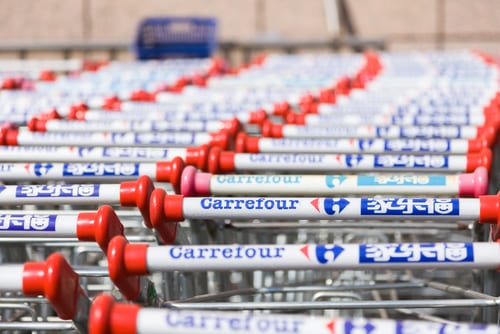
    Carrefour Taiwan has opened four more stores, three in Taipei and one in Tainan.

    The French hypermarket chain introduced the stores all in a space of a week, and all will be open 24/7.
    First up was Tainan Yu Nong at 650sqm, followed by Luzhou Guanghua (515sqm), Taipei Jinan (670sq) and Shi Lin Zhong Cheng.

    These stores follow the Carrefour formula of offering fresh and grocery items as well as basic bazaar, textile and small-appliance items. Shoppers are offered free Wi-Fi access, dining, coffee and ice cream.
    Carrefour has 64 hypermarket and 45 supermarket in Taiwan.

  • Safilo signs distribution deal for Thailand and Cambodia

    Safilo signs distribution deal for Thailand and Cambodia

    Safilo continues to expand internationally, boosting its presence in Asia.

    The Italian eyewear manufacturer has signed an exclusive distribution agreement for Thailandand Cambodia, adding to its international distribution network, now extending to 42 countries.

    Safilo, which is controlled by Dutch investment fund Hal, issued a press release announcing the signing of the deal with Supreme Eyewear, a major local distributor with a 40-year presence in the business. The term of the agreement was not indicated.

    “The distribution agreement for Thailand and Cambodia marks a further step in the development of the Asia Pacific region. It supports the acceleration in the growth of Safilo’s Emerging Markets unit, as per Safilo’s 2020 Strategy,” wrote the group, which hopes as a result to earn “significant market share in highly interesting countries.”

    Supreme Eyewear will distribute all of the brands featured in Safilo’s portfolio – more than 30 labels – from the most accessible ones, like Polaroid and Havaianas, to premium names such as Elie Saab, Dior, Fendi, Jimmy Choo, Givenchy and soon also Moschino.

    Through this geographic redeployment, Safilo is seeking to compensate for the loss of the Gucci license, which still weighs heavily on its financial performance, as shown by the third quarter 2017 , which recorded a revenue of €245.1 million, equivalent to a 14.9% shortfall (-12.3% at constant exchange rates) compared to the same period a year earlier.

  • 250 to 300 international brands to enter India

    250 to 300 international brands to enter India

    A new wave of international fashion brands will be entering the Indian consumer market in the coming two years as an increasing number of mid-segment brands expand into India.

    Following the success of many international fashion brands in India including Zara, Mango, H&M, and Levis, many mid-segment brands are now looking to follow their lead and enter India.

    The retail solutions provider Franchisee India Holdings has estimated that between 250 and 300 such brands will enter India over the course of the next two years.

    With the entry of these brands, the business also estimated that an investment of about one billion dollars will accompany this, a figure that could transform India’s fashion market.

    “Now, it’s the turn of small and mid-sized brands as they look to cash in on the open retail policy and huge gap in the market for branded products,” said Gaurav Marya, the Chairman of Franchisee India Holdings. Anurag Mathur, a Partner at Pricewaterhouse Coopers, agreed: “Many international brands are lining up as the retail sector is growing and international brands like Zara and H&M have been really successful, with strong profits and revenue growth being reported in the country. Now, the slightly mid-level or smaller brands too want to explore the Indian market.”

    Some of the mid-section brands that are in the process of expanding into India include Kiabi, Mavi, Avva, Colin’s, Damat, Tudba Deri, and Dufy.

    It is expected that this wave of brands will focus their expansion efforts on Tier 1 cities and, for them to be able to reach out to Tiers 2 and 3, infrastructure will have to greatly improve.

  • Sa Sa to open more stores after getting confidence

    Sa Sa to open more stores after getting confidence

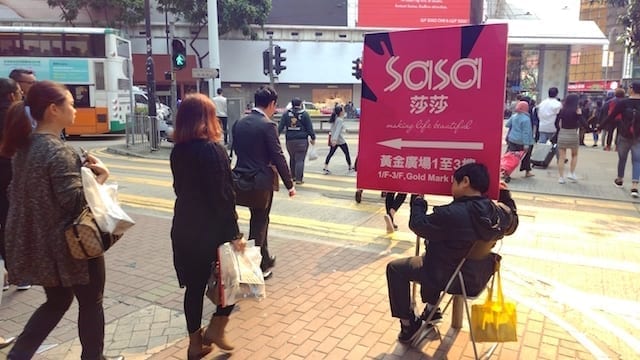
    Skincare and cosmetics retailer Sa Sa International Holdings Ltd on Thursday posted a 14.5 percent rise in first-half net profit as consumer sentiment and mainland tourist arrivals improved.

    The Hong Kong-based retail chain operator’s net profit rose to HK$109.9 million ($14.1 million) for the six months ended in September from HK$96 million a year earlier. Analysts were expecting HK$118 million, according to Thomson Reuters SmartEstimate.

    Revenue climbed to HK$3.66 billion from HK$3.60 billion a year earlier.

    “We aim to capitalise on weakness in the rental cycle to establish more strategic locations to improve our brand exposure and stimulate sales,” Chairman Simon Kwok said in a filing to the Hong Kong bourse.

    Retail sales in Hong Kong and Macau rose 2.2 percent, while gross profit margin improved to 42.2 percent from 41.4 percent. The company operated a network of 283 stores and counters as of end-September, unchanged from the year-ago period.

    Sa Sa had earlier said that for the July-September quarter its retail and wholesale turnover rose 1.1 percent year-on-year, narrowing from a 2.1 percent growth in the previous quarter.

    In its home base of Hong Kong, retail sales grew in September at the fastest year-on-year pace in more than 30 months, government data showed, as increasing numbers of mainland visitors helped boost spending, particularly on watches and jewellery.

    Benefiting from improved consumer sentiment, China’s top jeweller Chow Tai Fook Jewellery on Tuesday posted a 46 percent profit rise in the first half and said it aimed to continue expanding in mainland China in the second.

    Sa Sa shares rose 2.5 percent on Thursday prior to the results announcement, outpacing a 0.1 percent gain in the benchmark index.

  • Anticipating your customers reaction to the launch of Amazon in Australia

    Anticipating your customers reaction to the launch of Amazon in Australia

    The Amazon juggernaut is coming to change Australian retailor so they say. There is also lots of conjecture over what their offering will be? What is their strategy? And how will they deliver it to the Australian consumer?

    A great deal of debate, conjecture and for some, abject fantascism and equally many opinions are somewhat isolated from the opinion that ultimately matters most – being the customer

    So, we decided, within our insights division at Retail Doctor Group, and supported by our partners at Lightspeed, to ask a wide range of Australian retail customers about Amazon.

    What do our customers think about this launch? What will their reaction be?

    Awareness of the Amazon brand was high however, the results also uncovered the lack of knowledge around what the Amazon proposition really is, with 38 per cent of Australians reporting not to be aware of the upcoming launch of Amazon, surprisingly millennials were even less aware.

    Retailers where naturally 100 per cent aware.

    Dig a little further into the fuller Amazon model and we see even less Australian consumer awareness.

    Knowledge of Amazon Prime was murky for consumers when asked to define it, with 24 per cent thinking TV streaming, 15 per cent thinking delivery subscription and a whopping 47 per cent admitting they’re not sure. Likewise, Alexa hadn’t been heard of by 65 per cent of respondents and only 27 per cent knew it was artificial intelligence.

    So, the process begins in earnest for Amazon to educate and convert customers, as all retailers need to do on an ongoing basis,

    Security, trust, fulfillment, value add, community build and experience are the currencies of competition with Amazon. As retailers, focus on improving service offerings, simplifying order processes, accelerating the speed to customer while still retaining a focus on quality.

    Only 22 per cent of consumers think Amazon will change their shopping behaviour. For those unlikely to shop at Amazon, the barriers were around a physical element as 33 per cent like to see, touch and feel the product before buying and 28 per cent prefer the shopping experience in a store.

    This confirms what we already firmly believe, that building a one channel retail ecosystem is key to customer loyalty, as we like to say “Interaction before transaction”. Retailers should be dialing up their in-store experience and emotionalising their brand attributes to build their customer connection and loyalty.

    During our recent event we asked some of the country’s most influential retail leaders some of the same questions we asked the consumers.

    Interestingly, we saw that retail professionals think 97 per cent of their customers are likely to start shopping at Amazon post Australia launch versus only 57 per cent of consumers who report this intention.

    Trust was a key area of difference between consumer and our retail leaders’ opinion.

    93 per cent of the retail professionals said Amazon was a brand consumers trust, whereas consumers themselves rated this at 58 per cent.

    Building your customers trust is key to customer loyalty, ensure you know everything about your customer. Knowing how to connect to them on an emotional level with strengthen their loyalty to your offering and brand.

    During these times, it is imperative to understand consumers to better build quality strategy

    The real risk lies with not understanding the changing customer needs and how to fulfil these, rather than Amazon itself.

    The world of retail is changing and as retailers we must keep up, but how can we realise this change if we do not understand our raison d’être, our customer.

  • Asian expansion plan for Brotzeit

    Asian expansion plan for Brotzeit

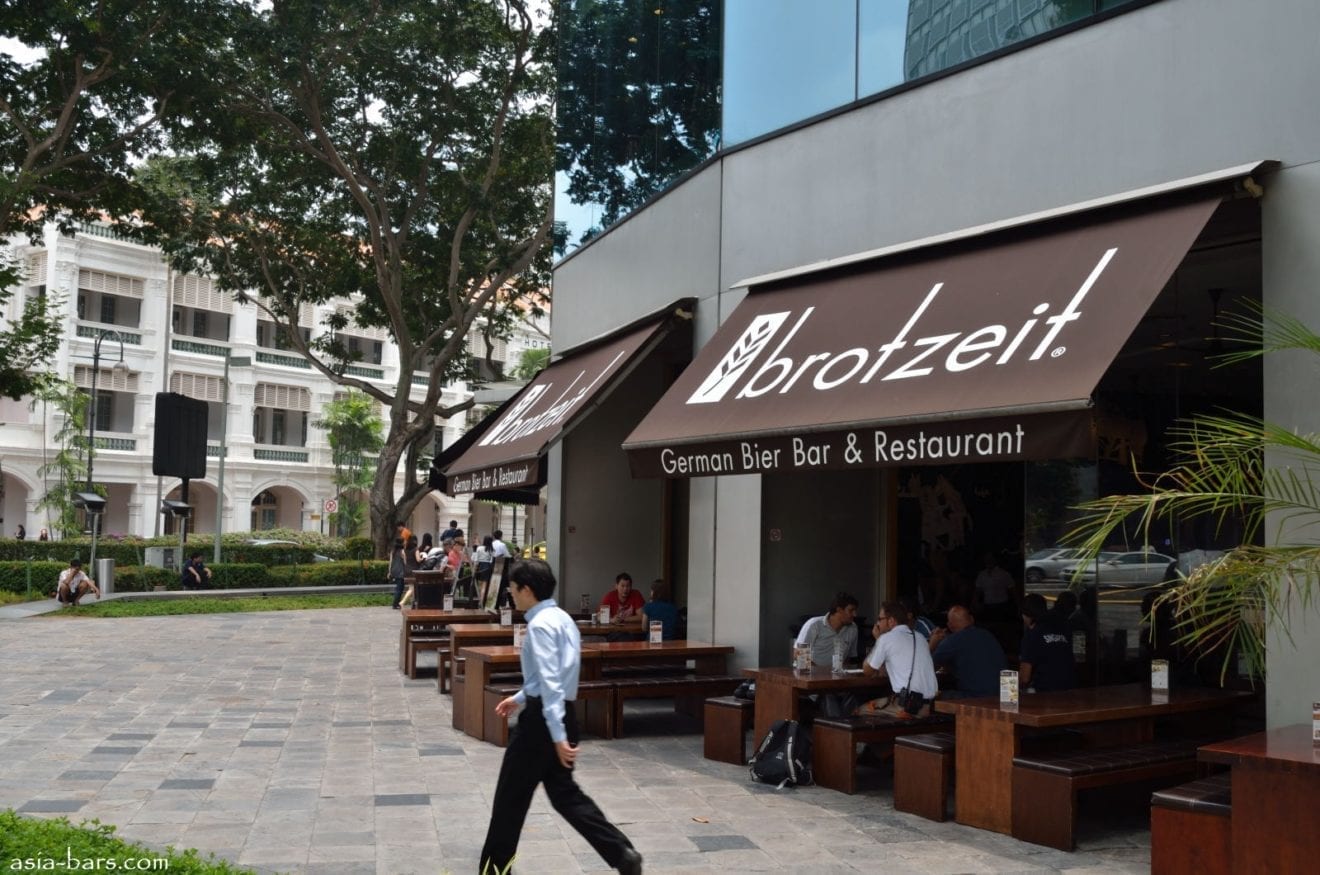
    Franchised German casual-dining restaurant concept Brotzeit is aiming to expand its Asian network to 50 outlets by 2020.

    The Singapore-headquartered company currently has 18 restaurants in seven markets – Singapore, Vietnam, Malaysia, Hong Kong, China, the Philippines and Australia.

    Now the company has partnered with VF Franchise Consulting to secure qualified area franchisees throughout Asia to reach its target.

    Brotzeit was founded in 2006 to introduce authentic German cuisine accompanied by authentic German beer in a chic and contemporary setting. The Singapore outlets are company owned, but since 2010 it has been franchising offshore.

    The next country market in Brotzeit’s sights is Cambodia and Sean T Ngo, CEO of VF Franchise Consulting, will be in Phnom Penh, on Thursday and Friday this week to meet with potential franchisees and investors in the brand.

    “The successful growth of Brotzeit is based on forging strong franchise partnerships,” said Ngo.

    “Asia is prime for a strong, German-inspired brand that focuses on traditional German foods, beers, and ambiance. German cuisine is well-liked by locals and expats throughout Asia, and Brotzeit is the leading restaurant chain in this segment with restaurants in seven countries in just a little over 10 years.”

    Founded in 2006, Brotzeit believes dining at its establishments should be a “unique, credible and memorable” experience.

    “At Brotzeit we believe in creating a warm, friendly and welcoming environment. Our passion as professionals drives us to provide high quality and innovative food and beverage offerings inspired by our German roots.”