Tag: expansion

  • Smoothie King Vietnam expansion plan

    Smoothie King Vietnam expansion plan

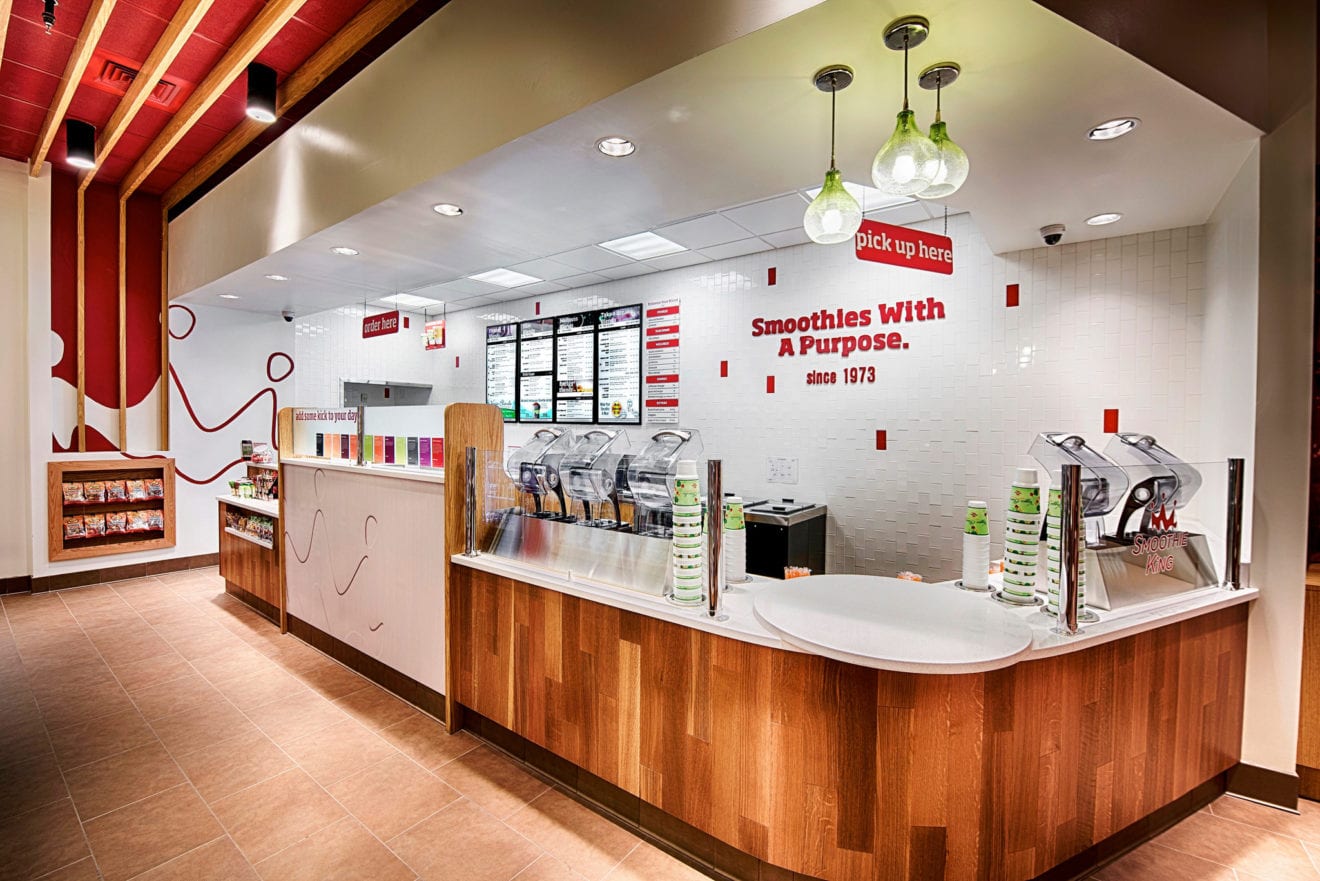
    South Korea’s Shinsegae Group is to buy the Korean network of 105 Smoothie King stores and launch the brand into Vietnam.

    Smoothie King Vietnam will initially be focused on the Ho Chi Minh City and Hanoi markets.

    Based in the southern US city of New Orleans, Smoothie King produces and markets smoothies, juices, sports drinks, energy bars, vitamins and health supplements. It currently boasts more than 700 locations worldwide and is targeting 1000 by the end of 2017.

    The Vietnam news follows an announced expansion into the Middle East earlier this year, commencing in Dubai.

    “This deal is monumental for Smoothie King – and one that we thought long and hard about. I was the master franchisee in Korea and bought the brand in 2012, making growth a primary goal for the company,” said Smoothie King CEO Wan Kim.

    Smoothie King 1

  • Sister brands make plans to enter Philippines

    Sister brands make plans to enter Philippines

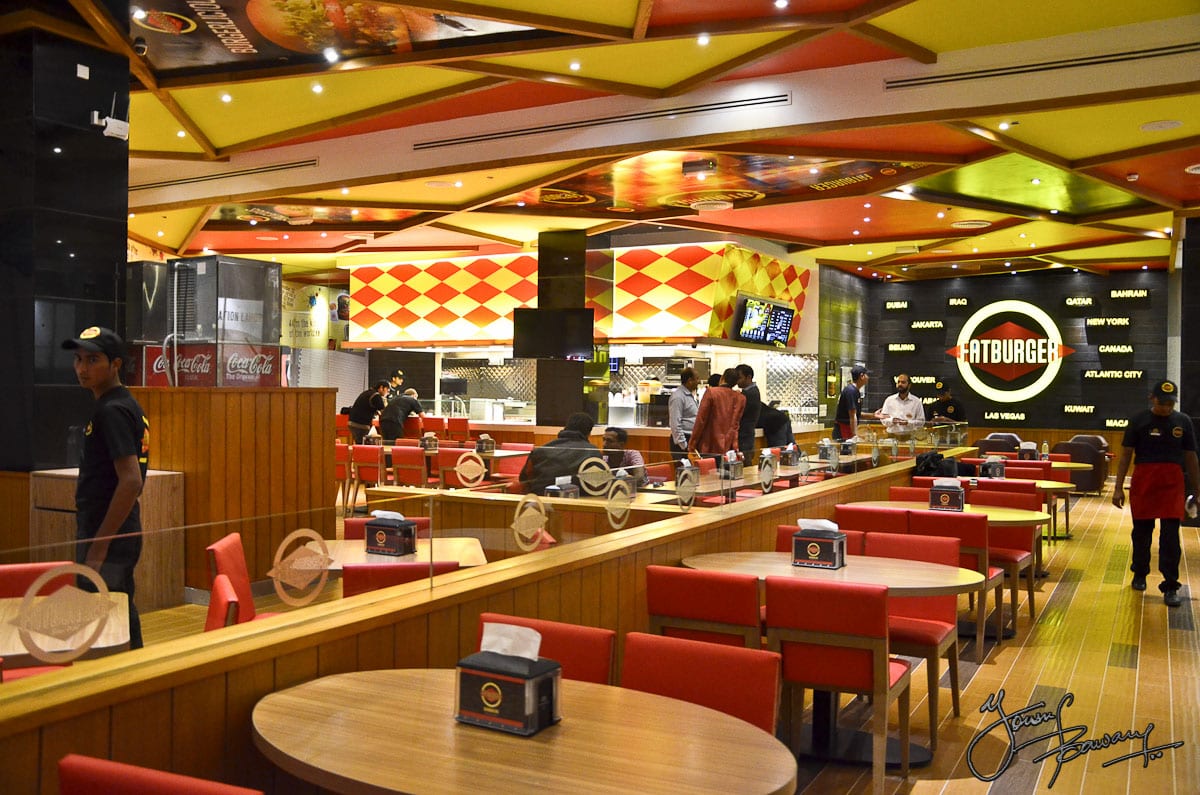
    Fatburger and its sister brand, Buffalo’s Café, have signed a master development agreement with Trimark Holdings Inc., a retail operator throughout the Philippines with a portfolio of more than 40 brands and 300 stores.

    What originally was a deal to develop pure Fatburger restaurants has now changed with plans to develop 16 co-branded Fatburger and Buffalo’s units to the area in addition to freestanding Buffalo’s locations, according to a company press release. The two companies struck a deal earlier last year to bring the burger brand to the Philippines.

    “The economy in the Philippines has seen significant growth in the past few years and shows a great amount of potential for both of our restaurants,” said Andy Wiederhorn, CEO of Fatburger and Buffalo’s Cafe. “Due to Trimark Holdings being so familiar with brand expansion in the country, we will be able to better connect with our audience resulting in our menu being well received.”

  • Aeon Thailand opens first mall in 18 years

    Aeon Thailand opens first mall in 18 years

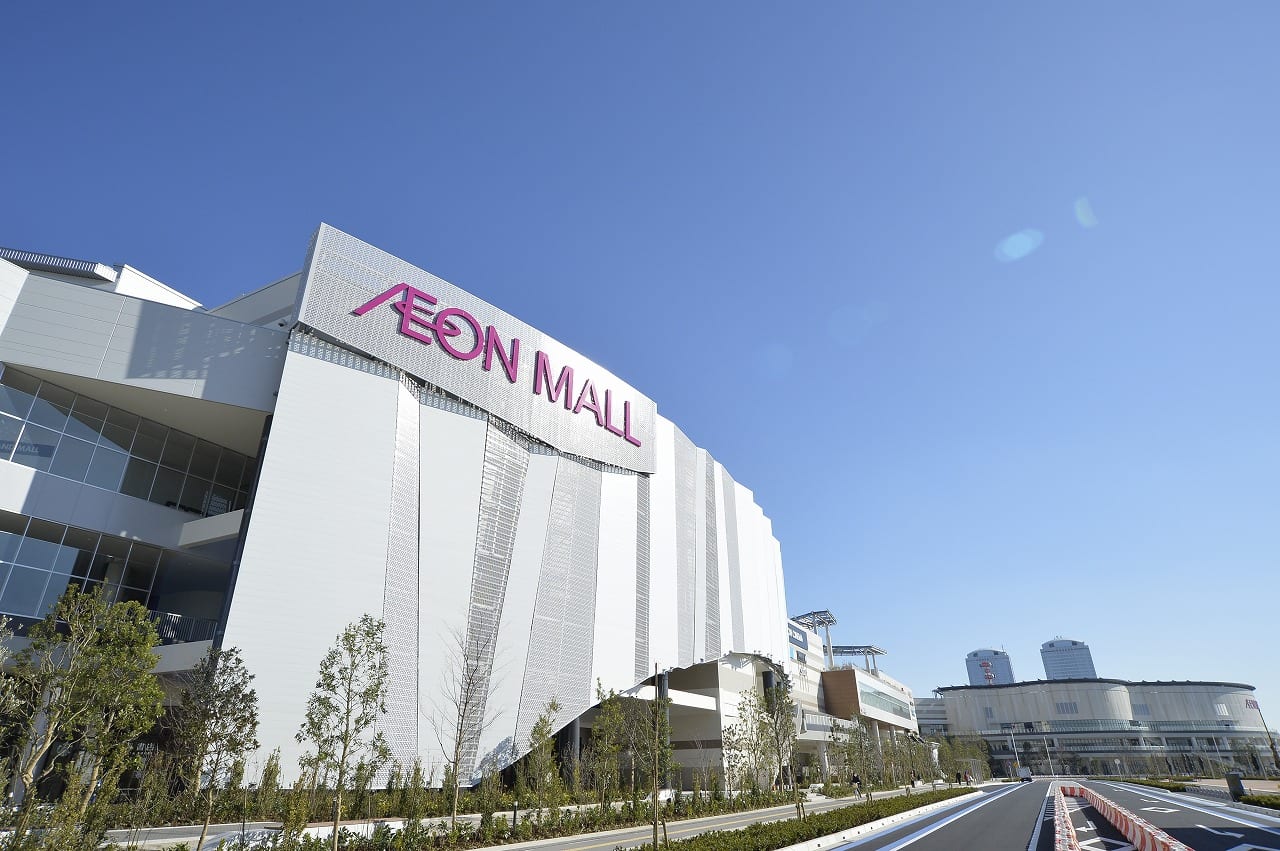
    Aeon Thailand has resumed its property development program – suspended in 1997 – opening a new shopping centre in Sriracha, Chonburi.

    The Japanese property developer and retailer has extensive interests across Thailand and has continued to expand its MaxValu hybrid supermarket-convenience store concept. But this is its first mall property in 18 years.

    The 7000 sqm, three-storey Aeon Sriracha shopping centre opened its doors on Wednesday, with a formal grand opening ceremony planned for October 21. It is anchored by a 24-hour MaxValu and features about 20 restaurants and specialty stores as well.

    The Sriracha complex has a catchment area of about 78,000 people, including a growing number of Japanese expats managing manufacturing facilities in the region, located on the coast about 90 minutes’ drive from Bangkok.

    “Major frequent customers will be Japanese housewives who have free time to shop and dine at our shopping centre,” an Aeon spokesman told the Bangkok Post. “They like shopping in a Japanese ambience.”

    Aeon is opening new shopping malls in Vietnam, Cambodia and Indonesia as part of a concerted focus on Asean as it looks to ways to maintain growth no longer possible in the mature Japan home market.

  • Mitra Adiperkasa to launch in Sri Lanka

    Mitra Adiperkasa to launch in Sri Lanka

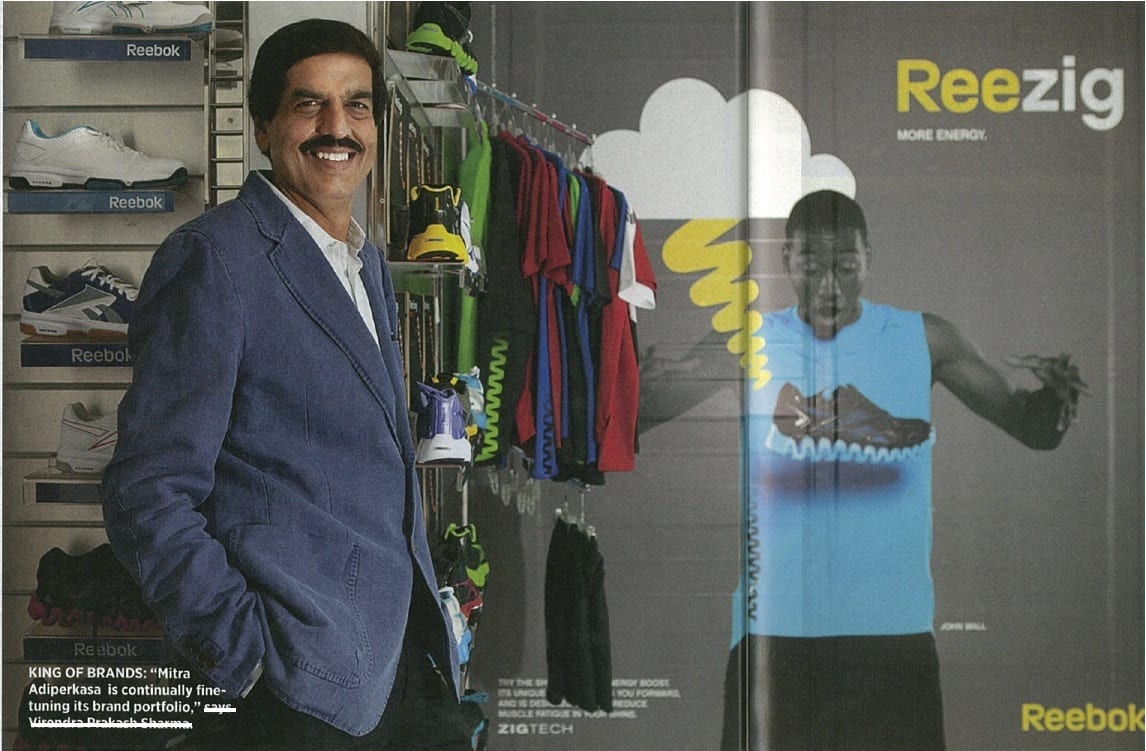
    Indonesian multi-brand retailer Mitra Adiperkasa is planning a foray into Sri Lanka, attracted by the opening economy and a growing middle class.
    Mitra Adiperkasa (MAPI) describes itself as a lifestyle retailer in its home market with retail businesses in the clothing, sportsgoods and toy categories as well as operating department stores, cafés and restaurants. It boasts 1900 stores, selling more than 150 brands and employs more than 23,000 people in 65 cities.

    MAPI operates Starbucks cafes across Indonesia and has the national Zara rights, among others.

    The Sri Lankan move was not announced by the company, instead revealed by Jatinder Biala, outgoing president of the Sri Lanka and Indonesia Business Council who identified MAPI as one of a group of Indonesian businesses interested in making the most of the opportunities opening up in the island nation.

    “They have already taken steps to promote their products in Sri Lanka,” Biala told a local newspaper. “Very soon they are opening a subsidiary in Sri Lanka.”

  • Roger Dubuis Hong Kong plans more Macau stores

    Roger Dubuis Hong Kong plans more Macau stores

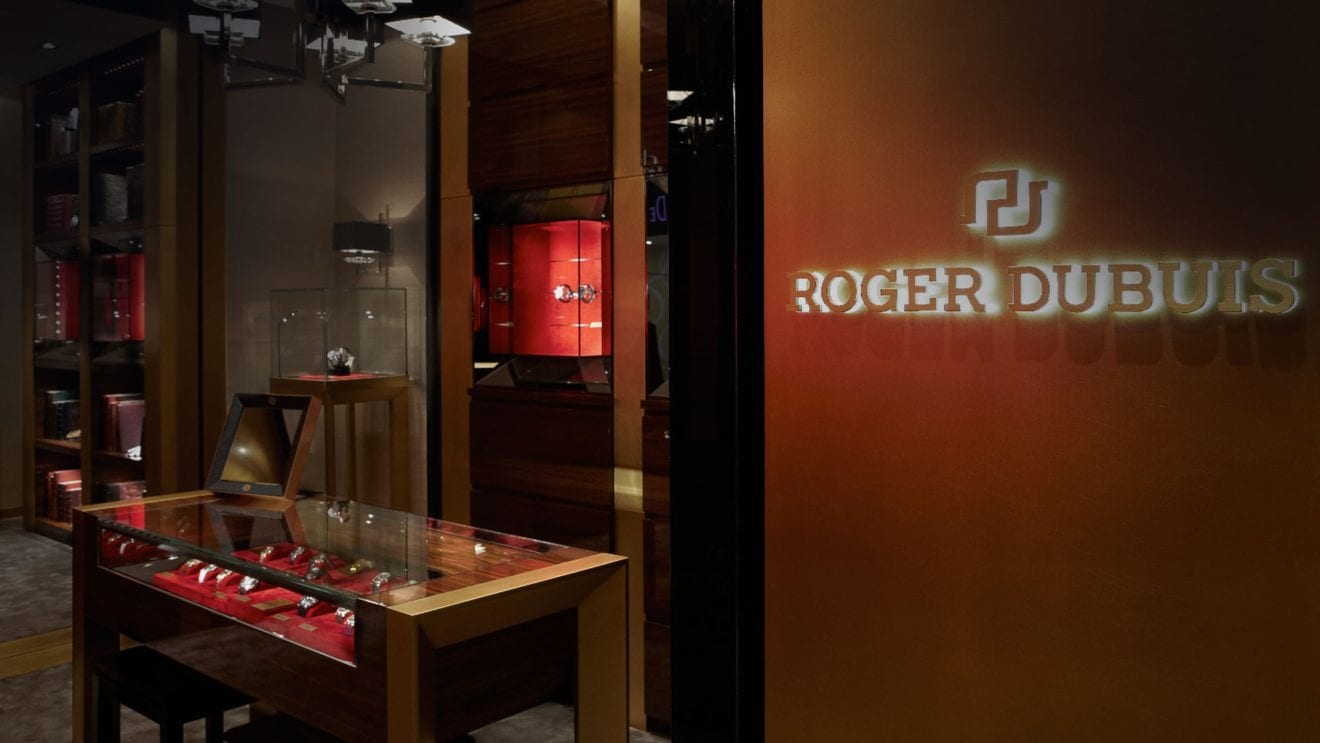
    Luxury watch brand Roger Dubuis says it will open more stores in Macau and Hong Kong despite the recent contraction of the market.

    Roger Dubuis Hong Kong has four stores and there are a further three in Macau. The Swiss brand debuted here in 2000 and is aiming to be one of the world’s top five luxury watch retailers by 2020.

    Despite price tags ranging from HK$150,000 to HK$10 million, Roger Dubuis is unconcerned by the broader trend and is eyeing the longer term growth opportunity in the SARs and the mainland as the number of Chinese with high disposable income grows.

    Two new stores will open in Macau next year and potentially another in Hong Kong.

    CEO Jean-Marc Pontroué told the Hong Kong Economic Journal a new store will open in Nanjing in the mainland next year as well. That follows the opening of its first mainland store in Beijing last July.

  • Marrybrown expands to Singapore

    Marrybrown expands to Singapore

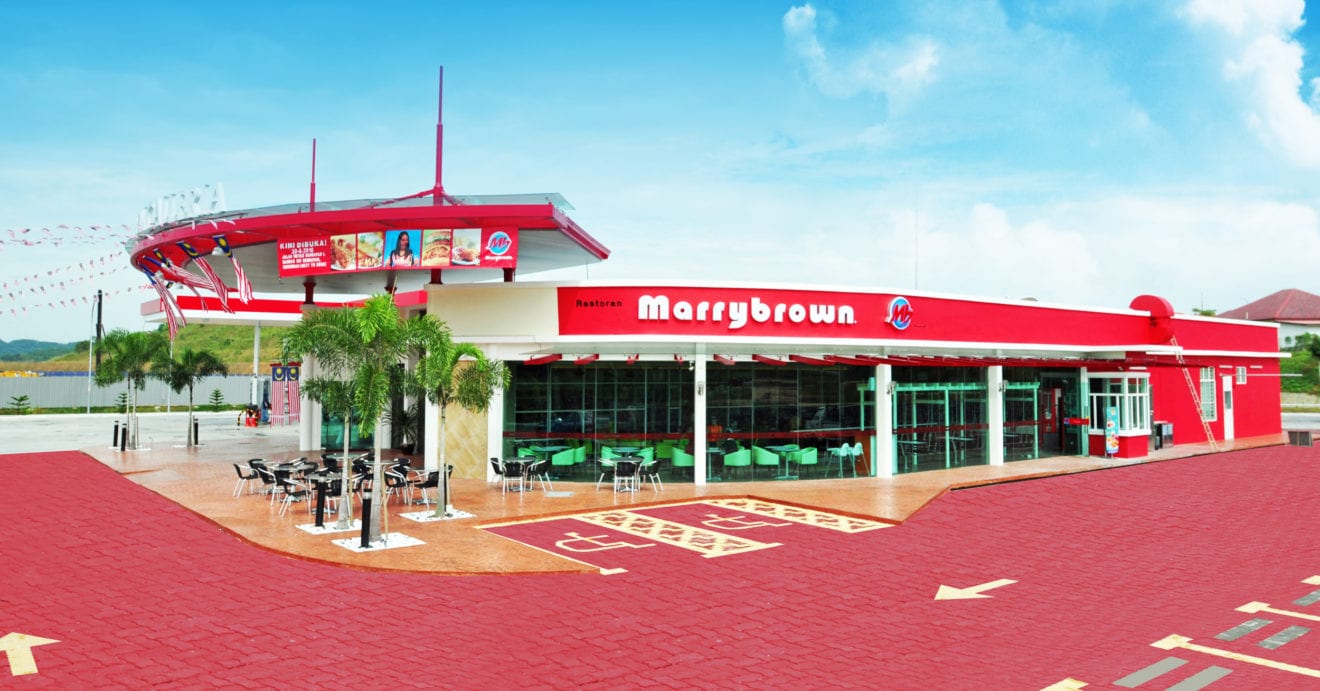
    Malaysia’s Marrybrown has opened its first restaurant in Singapore.

    Marrybrown Singapore has made its debut at the iFly in Sentosa and is the first of a network of 20 stores planned for the city lover the next five years.

    Founded in 1981 and the first Malaysian fast food chain to franchise its business system, the company now boasts 350 outlets. It began serving fried chicken, burgers, finger food, desserts and drinks – all halal – and has now expanded its offer to include local food such as seafood and rice based meals, noodles and the famous Malay dish nasi lemak (sold as Nasi Marrybrown).

    Marrybrown has more than 130 restaurants in Malaysia with the balance overseas, including in China and India. It is expected to open its first outlet in Yangon, Myanmar soon.

    Marrybrown CEO Dato Joshua Liew said many Singaporeans love delicious food, especially Malaysian food.

    “We are proud to open in Singapore and we attribute this success to our unique food culture that tempts the tastebuds of many consumers.”

  • Uniqlo Denver displaces famous bookstore

    Uniqlo Denver displaces famous bookstore

    Japanese apparel retailer Uniqlo is continuing its expansion in the US, signing up for a strategically significant flagship in Denver.

    Uniqlo Denver will open in the Pavilions shopping centre, downtown in the Colorado state capital, displacing the former anchor, bookstore Barnes & Noble.

    Pavilions is also home to Colorado’s largest H&M store, along with fashion brands Forever 21 and Banana Republic.

    Uniqlo’s first Rocky Mountain region store will open in autumn 2016 once Barnes & Noble moves out.

    The Uniqlo Denver flagship will featuring the brand’s full assortment of mens’, women’s and children’s lines. Pavilions management say it is the only store planned in Colorado by Uniqlo.

    “Introducing new global brands to Denver is a key component of Gart Properties’ strategy for Denver Pavilions,” said Mark Sidell, president of Gart Properties, which owns the Denver Pavilions with another Denver family. “Opening the flagship Uniqlo store in the Rocky Mountain Region is a big win for downtown Denver. It’s sure to be a tourist attraction in addition to serving shoppers from all across the city and the state.”

    Uniqlo currently has 42 stores in the US, selling comfortable, affordable and stylish casual apparel for men, women and children in natural and synthetic fabrics engineered to perform in varying climates and weather conditions.

    Pavilions says it expects Uniqlo will strengthen the retail environment in downtown Denver and positively impact the downtown economy.

    “In addition to creating local jobs, Uniqlo seeks to partner with local organisations and municipalities to give back to the communities where their customers live and work through a CSR program.

  • European cosmetics chain heads to Asia

    European cosmetics chain heads to Asia

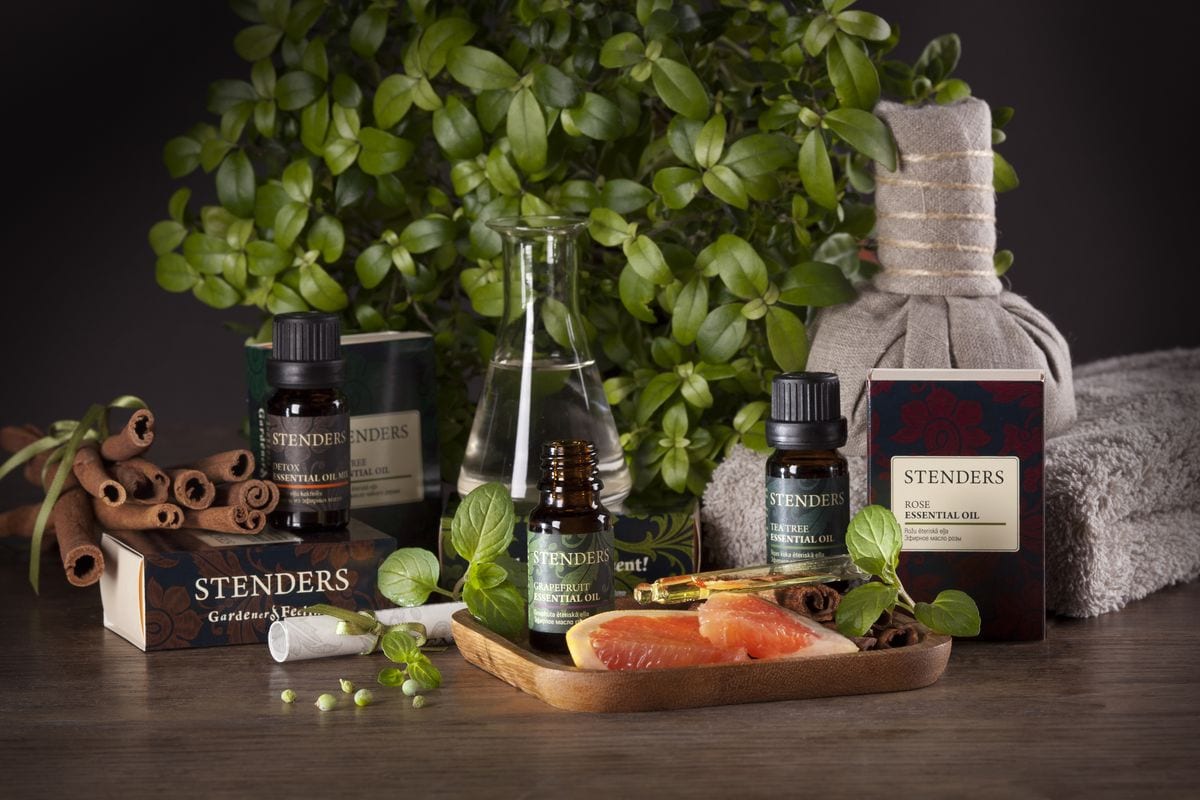
    European cosmetics brand Stenders is about to open its first store in Singapore as part of a concerted push into new international markets.

    Stenders Singapore will open in Plaza Singapura shopping centre on Orchard Rd this month.

    Stenders Singapore 1

    The opening will be followed in November by debuts in Vietnam and Portugal and London is also on its radar..

    Stenders Singapore 2

    Stenders “a cosmetics brand inspired by northern nature” sells a range of about 350 products from more than 230 shops in 22 countries. In Asia it has so far only reached China and Japan.

    The Latvian-founded company’s market positioning is “high quality products and special packaging” sold from attractively designed stores where the staff have a strong service culture. “We pay special attention to feelings and shopping experience, including design, fragrance, the way of presenting products and customer care culture,” the company says.

    The brand’s product range includes bath, body, face and hair care products.

  • Solomon Lew’s plan to take Hong Kong’s shopping centres with Smiggle

    Solomon Lew’s plan to take Hong Kong’s shopping centres with Smiggle

    Solomon Lew is renowned for driving a hard bargain and that’s exactly what he has been doing in Hong Kong this week.

    Australia’s most strategic billionaire and the man running his fast-growing stationery empire – John Cheston – spent Friday in a van visiting dozens of shopping malls in the former British colony. They will do the same again on Saturday.

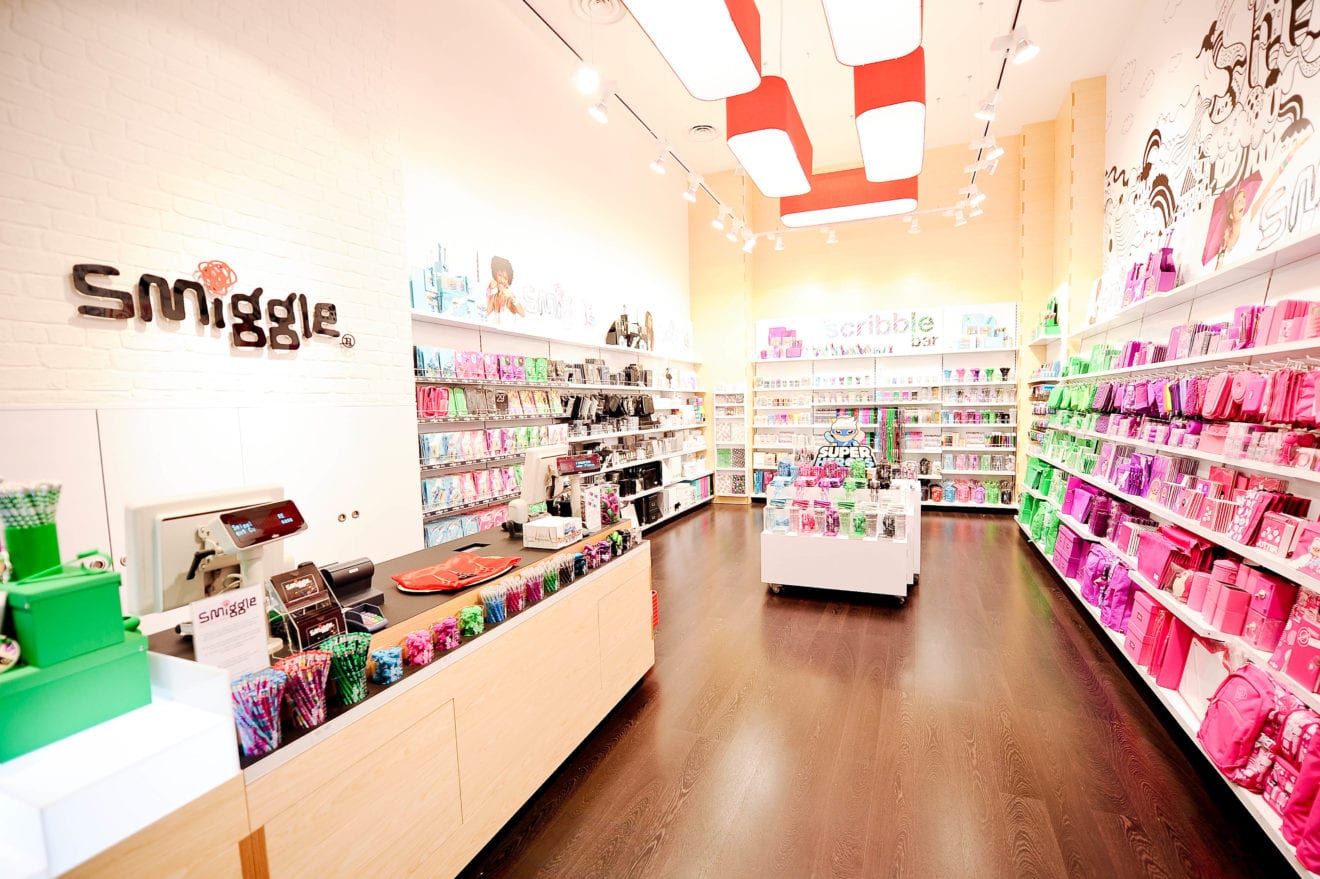
    It is not Hong Kong’s glitzy designer stores that interest Lew. He and Cheston are personally inspecting the sites identified by Premier Investments’ property team as locations for a chain of Smiggle stores due to open in the territory early next year.

    “We walk every centre. We walk every store. We are there in the morning, in the afternoon, in the evening and we go back in the evening. We want to see different times of the day. We go early in the morning and then it revs up. The kids finish school and then … bingo!” Lew says in an interview with AFR Weekend.

    “This is a business that caters to six to 14 years of age, 75 per cent female. You are getting a new crop growing every year. As they fall out at the older end, the younger ones are coming in. When you see them walking in and they bring their piggy bank and turn it upside down and say what can I get for this, it’s just amazing. ”

    We are sitting in Lew’s hotel room in the Mandarin Oriental Hotel overlooking Hong Kong’s busy harbour. It is a sight Lew is familiar with.

    He has been travelling to Hong Kong since the 1960s, up to 11 times a year. But instead of importing goods made in China to Australia, he now plans to sell stationery to the Chinese – and a lot of it.

    After a reconnaissance trip to Hong Kong in June, Lew and his team are getting serious this week. Premier chief Mark McInnes is joining them in the van before flying to Kuala Lumpur on Saturday for the next leg of the tour.

    Smiggle, the stationery chain which has become the fastest-growing business in Lew’s Premier Investments apparel empire, is planning to open 50 stores in Hong Kong and Malaysia over the next five years. It is the next phase in his plans to take the brand global after breaking into the United Kingdom, where 200 stores are planned.

    Lew wants Cheston to do most of the talking. He is the Asia expert after all after running Marks & Spencer’s Hong Kong operations and listed Singapore retailer Robinson & Co before moving to Australia to run Smiggle.

    The perfect market

    Cheston says densely-populated Hong Kong is perfect for Smiggle, which is making millions selling brightly-coloured lunch boxes, backpacks, water bottles, and pencil cases to six to 14-year olds in Australia, New Zealand and Singapore.

    “There is a predominance of shopping centres here and that is our fertile ground, limited competition. From what we do there is not a lot of competition. We have well established contacts through Sol,” he says.

    “In Hong Kong if you are hot they want you and if you are cold they don’t. We are in demand from the landlords over here. We need to leverage that business with the agents who represent us and get good locations and get good deals. The biggest challenge is getting the space and the rents,” Cheston says.

    That is something Lew has plenty of experience at. Rather than being deterred by China’s slowing economy, which is hitting high-end luxury retail sales in places like Hong Kong, Lew says it is an opportunity to negotiate better deals from landlords. He also sees it as a gateway to China, a country he has had plenty of experience with over the decades building his apparel empire, because 41 million mainland tourists visit Hong Kong each year.

    The plan now is to take Smiggle global. Cheston says he has had inquiries from literally every country on the planet to franchise the brand but, for now, Premier plans to keep the stores wholly-owned. Lew says it’s better than the McDonald’s model.

    “The international business in a very short period of time will be much larger than the Australian business and there are not too many Australian retailers who have been successful offshore,” Lew says.

    “This is going to be world-class operation and there is no reason it shouldn’t work in any country in the world where there is moderate income.”

    Lew’s focus on overseas expansion stands in stark contrast to some of the other big names in Australian retail.

    Myer, for example, is embarking on a $600 million revival plan under new chief executive Richard Umbers. The company has been described as a possible takeover target for Premier Investments, but Lew would not comment on the seemingly perennial speculation about such a tilt.

    Nor would he comment on the progress of David Jones. Last year, Lew grabbed a windfall of about $400 million when South African retailer Woolworths Holdings bought David Jones and Country Road; Lew had stakes in both. David Jones looked to be riding high until recent weeks when chief executive Ian Nairn stepped down suddenly.

    Singapore experience being applied

    Cheston says the success of Smiggle’s Orchid Road operations in Singapore are now being used as leverage to negotiate good deals with landlords in Hong Kong because it drives traffic to shopping malls.

    Like the UK operations, he expects Hong Kong to be profitable in the first year.  The plan is to open 50 stores across Hong Kong and Malaysia which will make $55 million in revenue. In Hong Kong, Lew would like to firm up 10 stores initially but says he will probably start with five or six.

    Australia has almost peaked with around 10 additional stores on top of the existing 124 planned. The Hong Kong target is around 25 to 35 stores and 20 in Malaysia, mainly in Kuala Lumpur.

    As well as lower taxes, Cheston says Asia is attractive for the “kidult” market, where older people who live in small apartments with their families like to adorn their office workstations with stationery.

    Premier Investments posted record full-year results last month and is expected to hit sales of more than $1 billion this year. Double-digit growth at Smiggle and its designer pyjama business, Peter Alexander, are outstripping the company’s core apparel brands such as Just Jeans and Dotti.

  • SM opens 53rd mall in Philippines

    SM opens 53rd mall in Philippines

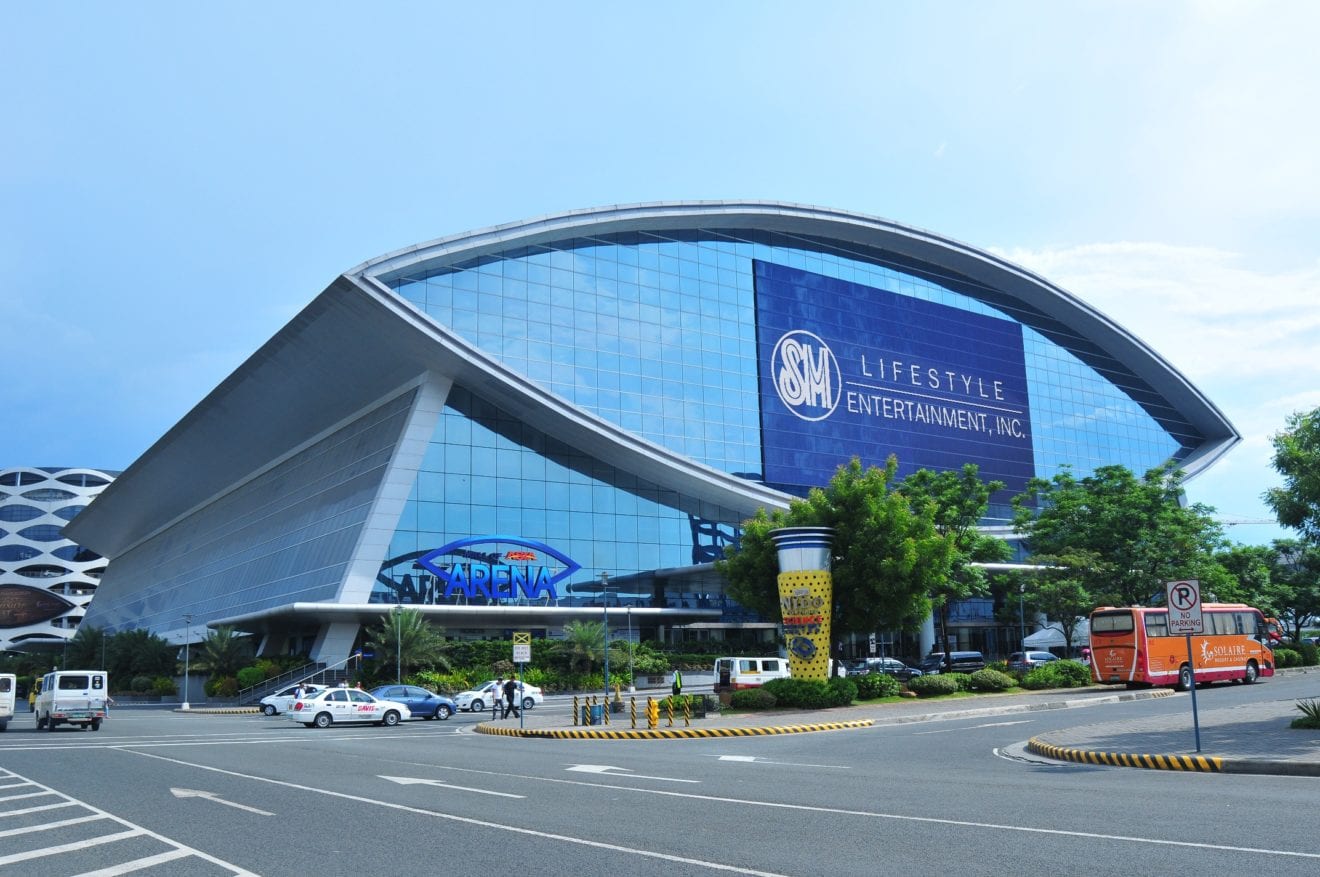
    SM Prime Holdings, Inc. on Friday is opening its second shopping center in Cabanatuan, as part of the property holding firm of the Sy family’s drive to capitalize on the growth prospects in the provinces.

    Its 53rd mall in the country, SM City Cabanatuan expands SM Prime’s footprint in Nueva Ecija after SM Megacenter Cabanatuan, the integrated property developer said in a disclosure yesterday.The four-level mall, which has 154,020 square meters (sqm) of gross floor area (GFA), increased SM Prime’s total retail space to 6.76 million sqm in the Philippines.

    “The opening of SM City Cabanatuan is SM Prime’s commitment to be part of the growth of the province. The opening of new malls is timely given the expected higher growth in overall consumption in the fourth quarter,” the disclosure quoted SM Prime President Hans T. Sy as saying.

    “The economy’s sustained gross domestic product growth in the past five years is now spreading to the provinces and we at SM Prime will continue to expand in these provinces that are enjoying high growth, like in Cabanatuan City, where we see significant development and huge unserved demand for shopping experiences,” Mr. Sy said.

    Cabanatuan, the largest city in Nueva Ecija, is located between the provinces of Pampanga, Bulacan, Tarlac and Aurora.

    SM City Cabanatuan is 90% occupied by various tenants, including SM Store, SM Supermarket, Ace Hardware, SM Appliance Center, Watson’s, The Body Shop, Surplus Shop and Uniqlo.

    The mall will have six cinemas, consisting five cinemas with a 275-seating capacity and one large-format cinema with a 525-seating capacity. It has 2,500 parking slots for cars and motorcycles.

    For the rest of the year, SM Prime is scheduled to open SM Center Sangandaan in Caloocan and SM Seaside City Cebu. The company is also set to expand SM City Lipa in Batangas and SM City Iloilo this year.

    By the end of 2015, SM Prime will have 55 malls in the Philippines and six in China with an estimated combined GFA of 8,269,486 million sqm.

    Next year, SM Prime is spending P65 billion in 2016 with plans to open six malls with an aggregate GFA of 430,669 sqm. They are located in San Jose Del Monte in Bulacan, Commonwealth in Quezon City, Trece Martires City in Cavite, Tuguegarao, Puerto Princesa in Palawan, and Urdaneta in Pangasinan.

    SM Prime is part of SM Investments Corp., which has core businesses in retail, banking and real estate. The family also has interests in gaming, geothermal energy and infrastructure.

    Shares in SM Prime slid 10 centavos or 0.47% to P21.40 apiece yesterday.

  • A Chinese online retail giant has Australia in its sights

    A Chinese online retail giant has Australia in its sights

    The possibility that China’s second-largest online retail giant will enter the Australian market poses a huge potential threat not just to bricks-and-mortar shops but to the slow-growing domestic online retail sector as well.

    That is the conclusion of Invast’s chief market analyst Peter Esho, who has just returned from a trip to China and was gobsmacked by the pace and scale of the digital revolution taking place there.

    He says the slowdown in overall Chinese GDP doesn’t capture the explosive growth in the tech space and widespread acceptance of online shopping, especially on mobiles.

    Nasdaq-listed JD.com is the Chinese equivalent of Amazon, second in size only to Alibaba. It started out selling electronics and has since moved into fashion, cosmetics, food and virtually every other consumer category (25 million SKUs in 2013 and it seems to have stopped counting since then.)

    With its own logistics infrastructure, its promise of same-day delivery has whacked physical shopping in parts of China.

    Esho believes that JD.com is eyeing the Australian market as part of its expansion plans in a push that could disrupt global competitors.

    “JD.com is considering an expansion into Australia which will see the Chinese online retailer potentially pipping Amazon.com to become the first truly global online retailer with an Australian operation,” he says.

    This could not only disrupt traditional stores, but many online retailers whose business model has been based on importing from Chinese manufacturers and selling to Australian consumers.

    “JD.com removes that middle-market opportunity,” Esho says, because it would link Chinese manufacturers directly with Australian consumers with same-day delivery.

    Despite years of speculation, Amazon has yet to set up a local operation in Australia, with rumours about warehouse space amounting to nothing. Its prices and shipping have also steadily risen in recent years, making it less attractive to local consumers.

    JD.com however has already established relationships in Australia including a logistics agreement with Australia Post after it set up its own Australian online mall earlier this year, which sells goods from Australian producers directly to Chinese consumers.

    It has signed up firms including Treasury Wine Estates, Blackmores and meat business Sanger to tap swelling demand from middle-class Chinese for well-regulated Australian food and health products. The company also bought a small stake in Murray Goulburn, and now sells its milk powder at about a 100 per cent mark-up.

    The Australian mall joined similar stores from the United States, Japan, France and South Korea selling authentic international brands on JD.com into a country flooded with cheap knock-offs.

    JD.com is one of the world’s largest e-commerce firms, with a market capitalisation on the Nasdaq of $US38 billion. It has 118 million active customer accounts and filled 689 million orders last year, according to its most recent results. Annual revenue growth is 61 per cent and the shares gained 4 per cent in 12 months, while Alibaba slumped 25 per cent.

    Within China, JD.com has 166 warehouses in 44 cities and delivers many products within one hour of the order being placed. Compare that with some online Australian retailers where one or two days can go by before even a confirmation email is sent to the shopper.

    Online shopping has slowed in Australia in recent months, growing at an annual rate of 7 per cent in August, according to NAB’s monthly online retail sales index. That is slightly faster than the comparable growth at retailers (excluding cafes and restaurants) of 4.7 per cent.

    Overall, online retail makes up about 7.1 per cent of retail spending, a similar proportion to the e-commerce market in the United States although annual growth in the US is a much faster at 14.1 per cent, according to the Commerce Department. In China, online retail grew 50 per cent last year.

    If a new global entrant with an established logistics model and massive buying power takes aim at the Australian market, it will not only undercut existing players but could also expand the market for an efficient, reliable everything store.

    “We are a large, unserviced market,” says Esho. “A lot of the problem with online is the delay in delivery, and that’s JD’s competitive advantage.”
  • Changi announces new T3 luxury retail tender

    Changi announces new T3 luxury retail tender

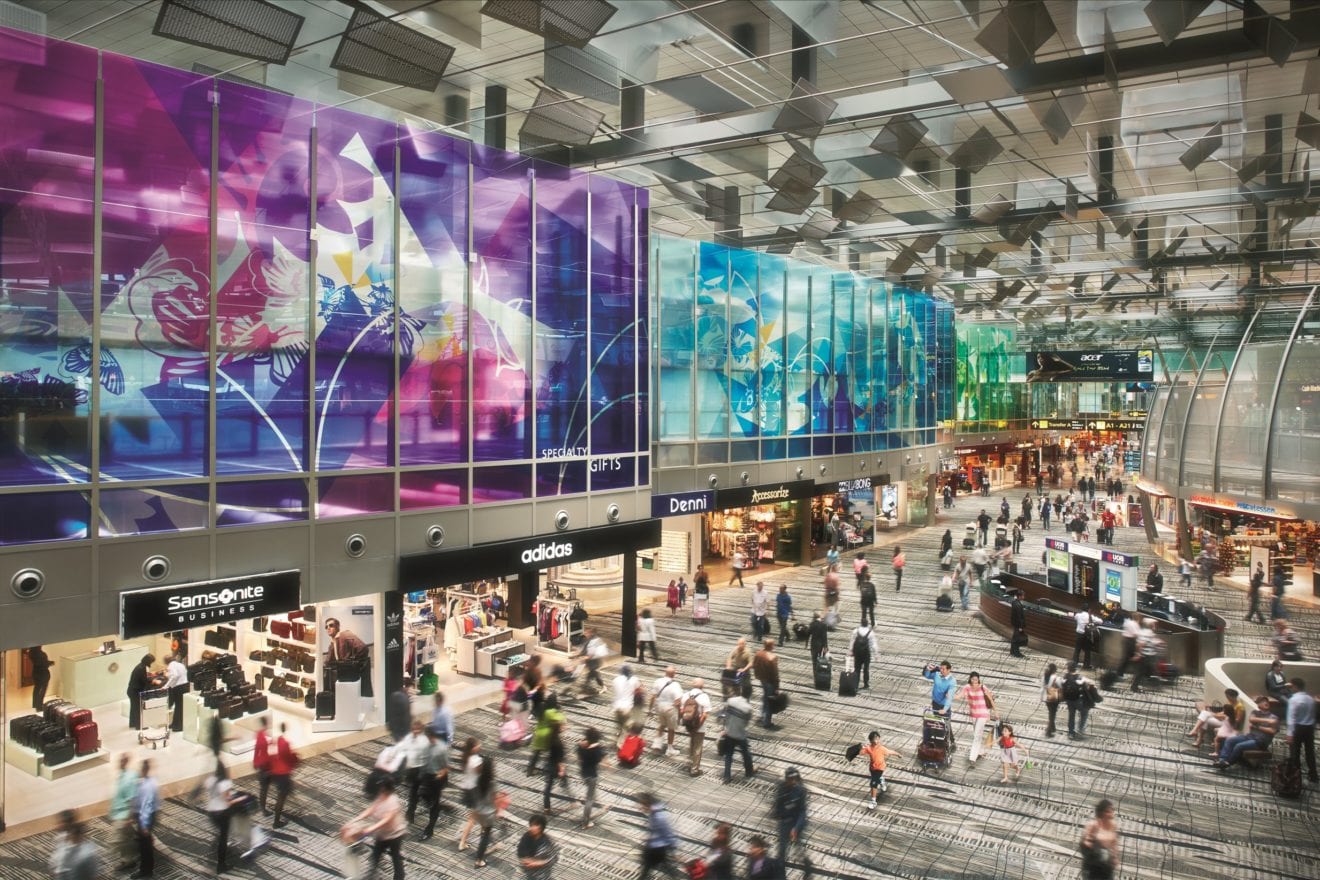
    Changi Airport Group (CAG) is inviting companies to participate in a luxury retail tender in four locations within the departure/transit lounge South of Terminal 3.

    “We are looking for unique and exciting luxury brands and concepts that are currently not represented at Terminal 3 of Singapore Changi Airport and will inject buzz to and differentiate the retail offerings at Singapore Changi Airport,” says the airport group.

    All product categories, apart from liquor & tobacco and perfumes & cosmetics are being considered.

    Concession A will be 112sq m in size; Concession B, 103sq , Concession C 86sq m and finally Concession D covers 100sq m.

    Concession A, B and C will carry contract terms of 3 years each from 1 July 2016 to 30 June 2019. Concession D’s term will also be for three years, but will being on 9 January 2017 or when the incumbent retailer hands over operations to the new retailer moving in.

    There is no option to renew any of the contract terms. The tender opened yesterday and closes on 29 October at 4pm.

  • Columbia Korea in aggressive expansion

    Columbia Korea in aggressive expansion

    US sportswear brand Columbia says it will expand its retail network in South Korea, part of a strategy to become one of the top three retailers in its category there by 2020.

    Columbia Korea will expand its existing 250-strong retail network and broaden its range of apparel to achieve its goal, moving into the fishing, yoga and casual outdoor categories.

    “It’s true that the outdoor clothing market has become saturated. But that won’t hamper our continued growth,” Shim Han-bo, CEO of Columbia Korea, told a press conference in Seoul.

    “I’m confident that Columbia is superior to rivals in terms of technology. We have nearly 200 patented technologies, which lie at the core of our competitiveness and pride.”

    He said the company is targeting 500 billion won (US$430 million) in annual sales by 2020.

    Last year it ranked seventh with 320 billion won in sales, or US$274.6 million.

    “A major portion of profits are generated at department stores and other offline outlets. We will keep trying to boost competitiveness of these conventional outlets. At the same time, we will try hard to increase sales at online retailers,” he said.

    “Many companies are wrestling with declining sales. Against all odds, however, I believe that brands with a long history and that have their own time-tested philosophy will never die out, one of which is Columbia.”

  • Atelier Cologne Hong Kong opens

    Atelier Cologne Hong Kong opens

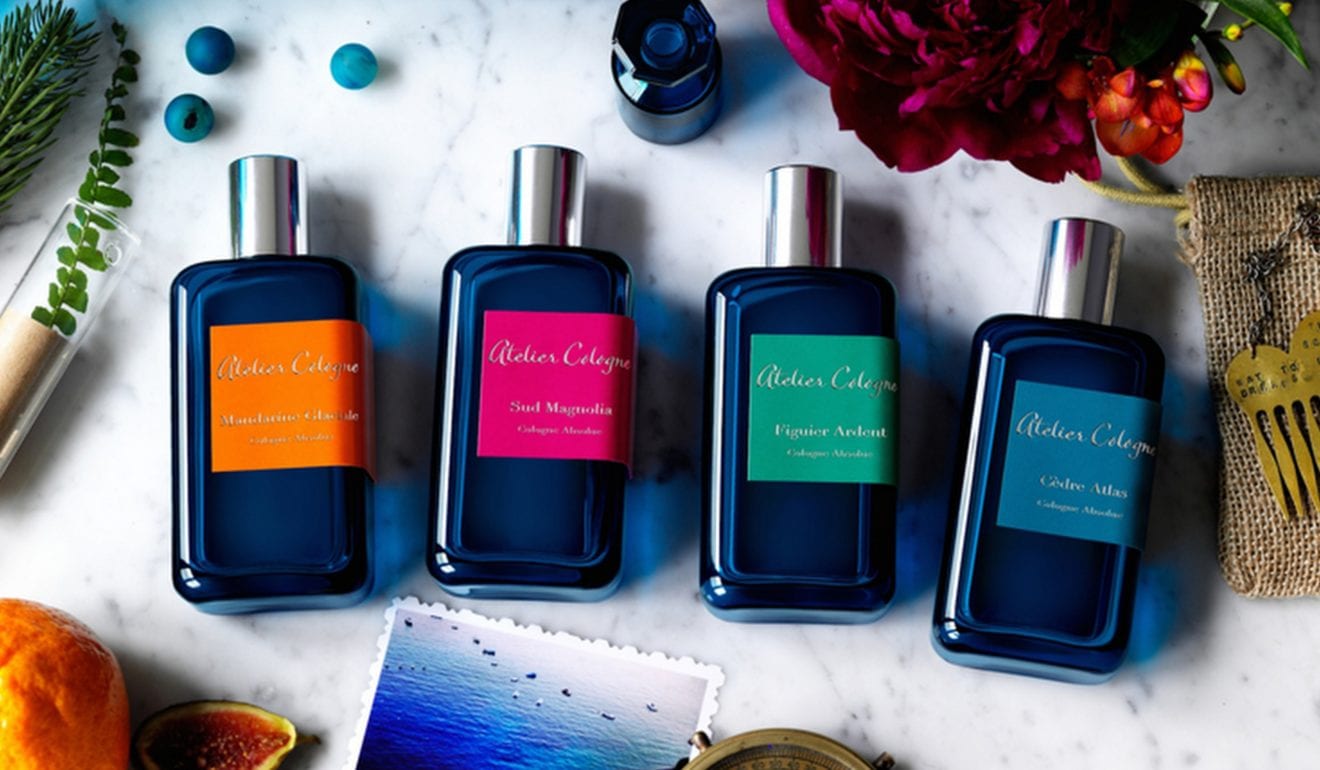
    Parisian perfumery Atelier Cologne has opened a new store at IFC Mall.

    The Atelier Cologne Hong Kong store is the first for the brand in the city. The brand was founded in 2009 by Sylvie Ganter and Christopher Cervasel, who decided to pursue their passion for cologne and opened a boutique.

    Atelier Cologne HK

    Later, they created Colognes Absolues, a perfume line with 25 types of fragrances where each fragrance is blended with citrus base to create a longer lasting effect. The store also sells soaps, shower gels, body lotions and candles.

    The bold blue storefront really stands out among IFC Mall tenants, while inside the store features a more minimalist design using simple wooden furniture and furnishings and a sort of ‘modern laboratory’ feel.

    Perfumes are displayed in bottles with distinctive leather caps. After making a purchase, customers can have the bottles personally engraved.

  • Foodpanda’s sister Foodora Singapore bound

    Foodpanda’s sister Foodora Singapore bound

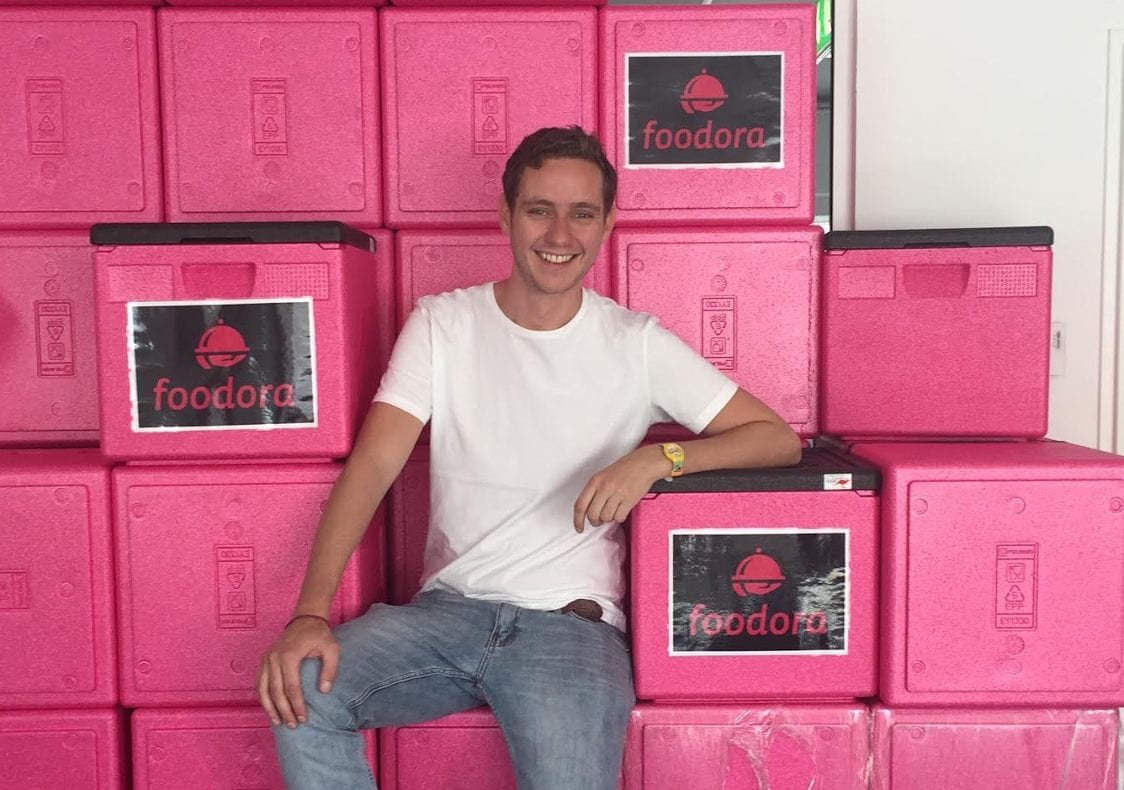
    Foodora – an upmarket little sister of mass market food delivery monopoly Foodpanda – is destined for Singapore.

    Foodora Singapore is best described as an “upscale Foodpanda”, a high-end food delivery service targeting cashed-up Millennials who want a higher standard of meal than quick service restaurant fare and faster delivery – and who parent Rocket Internet expects are happy to pay a premium for it.

    Rocket launched Foodora in Hong Kong earlier this year and a trial continues in two suburbs with more postcodes to be added later this year.

    A quick look at the Hong Kong website shows a clear family resemblance to the Foodpanda site, just a different coloured search button and a silver service platter logo in place of the smiling panda.

    But behind the scenes it is all different, we are assured.

    Chris Parrott, marketing MD with Foodora, said in an interview with e27 about the Hong Kong site that the two brands are targeting different clientele, albeit meeting the same need: food delivered to the door as quickly as possible.

    “Foodpanda is a sister company, so there is scope for knowledge-sharing. We have different target clientele, as our minimum basket size is US$25.8 (HK$200) and Foodpanda’s is variable,” Parrott explained.

    A key difference is the delivery time: Foodora promises within 30 minutes, which seems an overly ambitious promise; Foodpanda can take an hour or more, depending on the customer’s location.

    Foodora is now active in 14 countries and early this month took over Delivery Hero which is in 34 countries. Singapore will be next, with a website page already visible announcing “Coming soon”.

    The Hong Kong business is initially being promoted through blogs, food critics and Instagram.