Tag: expansion

  • Jenny Bakery Singapore opens doors

    Jenny Bakery Singapore opens doors

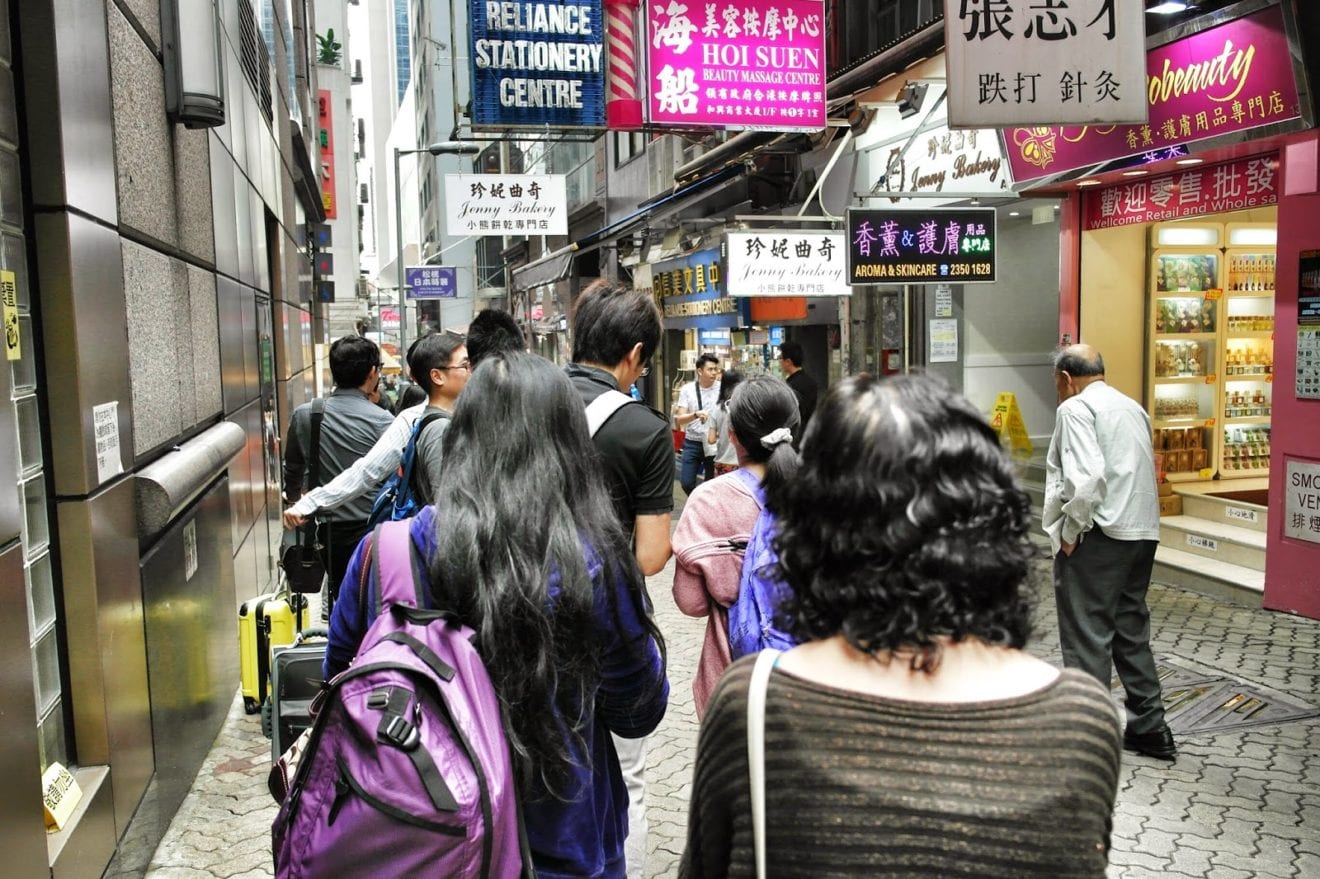
    Scam-struck Hong Kong biscuit maker Jenny Bakery has opened in Singapore.

    And unlike the Shanghai store which opened last week, it’s the real deal, not a copycat.

    The new Jenny Bakery Singapore store is located at Block 422 Ang Mo Kio Avenue 3. Like its real parent in Hong Kong, the store offers handmade butter cookies in tins adorned with teddy bear pictures.

    The store will be run by members of the same family which launched the original Hong Kong bakery, which is gaining a growing following around Asia for its unique taste and packaging. Which is perhaps why a copycat was launched under the same brand name in Shanghai, raising the ire of city officials, not to mention hundreds of customers who queued on opening day only to discover the shop was not genuine.

    Jenny Bakery Hong Kong has two stores – one in Tsim Sha Tsui and the other in Sheung Wan.

    Jenny Bakery Hong Kong

    Jenny Bakery Singapore MD Lawrence Lim says the cookies are flown in from Hong Kong weekly. The main reason for opening an official store was to protect the brand’s trademark and discourage copycats… like the Shanghai store, whose cookies are actually baked in a factory in Shenzhen.

  • Alibaba goes Dutch

    Alibaba goes Dutch

    Alibaba says new relationships sealed with Dutch organisations in recent days will help continue to lay the groundwork for European expansion of its eCommerce businesses.

    Alibaba Group says it has established several partnerships and collaboration agreements with Dutch organisations including airline KLM and the Dutch Consulate.

    Announced during a visit to Alibaba’s campus in Hangzhou, China, by a delegation of Dutch companies and government officials, the agreements included the launch of a Holland “pavillion” onTmall Global, an Alibaba online marketplace that provides a streamlined sales and logistics channel for overseas companies to sell directly to Chinese consumers.

    Alibaba, which is positioning its shopping websites as a cost-effective gateway to China for foreign brands and merchants, has in recent months established a number of online pavillions showcasing the products of countries such as the US, UK, France and South Korea. Built in partnership with the Dutch Consulate, the Holland pavilion on Tmall Global will feature popular Dutch brands such as Nutrilon, Hero Baby, Philips and Friso, Alibaba said in a statement.

    Meanwhile, Dutch supermarket chains Albert Heijn and Attent have launched new flagship stores on Tmall Global, while Alibaba’s travel website, Alitrip, has announced agreements with KLM and theNetherlands Board of Tourism & Conventions. The latter struck a deal with Alitrip to establish a destination page for Chinese travellers on the website and to “explore new ways of collaboration,” according to Alibaba.

    KLM agreed to launch an Alitrip.com flagship store selling airline tickets and other services to Chinese travellers.

    The visiting Dutch delegation included Dutch King Willem-Alexander, who is touring the PRC as part of an official state visit. Alibaba Group executive chairman Jack Ma, who hosted the delegation with other Alibaba executives, said in a speech that “Holland is a nation that can make impossible possible… Alibaba is also a company that loves to take challenges, loves to innovate, and loves to try new things”.

    “Many people said 16 years ago our dream was impossible, but we have made it a reality today,” Ma said. “Now we have over 120 million people shopping on our marketplaces each day, where they have access to products and fresh produce from far-away countries around the world such as Holland.”

    Alibaba, which dominates China’s eCommerce market, has said that increasing the size of its global e-commerce operations is a key long-term strategy. The company has been beefing up its European ties, this month announcing the expansion of its London office and the establishment of a new office in Milan, with locations in Germany and France to follow. Ma was recently appointed as a business advisor to UK Prime Minister David Cameron.

    Alibaba also plans to highlight international eCommerce and cross-border shopping during its upcoming 11.11 Global Shopping Festival, a massive 24-hour sale to be held Nov. 11. More than 80 Dutch brands currently offer products and services on Alibaba’s Tmall and Tmall Global marketplaces, and many will participate in Tmall’s 11.11 festival promotions, the company said.

  • Jeweller Malabar to expand in Asia, Gulf

    Jeweller Malabar to expand in Asia, Gulf

    Indian retailer Malabar Gold and Diamonds says it will open 22 new stores in India, the Gulf and ‘the Far East’ over the next six months.

    New showrooms will be opened in Hong Kong and Indonesia as part of the plan, but there are no details as yet on timing or exact location.

    To help stock the expanded store network – 155 after the openings – a new gold processing unit will be opened in Dubai and a diamond processing facility in Mumbai.

    “The new showrooms will be opened in major cities across India, the Gulf region and the Far East in next six months,” Malabar group chairman M P Ahammed said in a statement.

    The rollout is a further step towards Malabar’s goal of reaching 300 stores by 2020.

    “In response to the government’s ‘Make in India’ initiative, we are setting up new processing units at Kinfra industrial park in Kerala and at other industrial parks in Andhra Pradesh, Gujarat and West Bengal,” Ahammed said.

    “We are also building an advanced gold manufacturing unit on a five-acre land in Dubai with the support of the UAE government.

    “As more Indians are buying diamond jewellery due to changing lifestyle, higher disposable incomes and for being trendy, the diamond processing unit will be in Mumbai, which is a major centre for diamonds business,” Ahammad said.

    The group’s retail network is already spread across nine countries, including Bahrain, Kuwait, Oman, Malaysia and Singapore.

  • Why Apple Is Rumored To Launch First Store In Singapore

    Why Apple Is Rumored To Launch First Store In Singapore

    Recent online speculation suggests that Apple Inc. is all set to open its first-ever retail outlet in Singapore by 2016, leading to the shutdown of the Pure Fitness Knightsbridge branch by end of this year. The tech giant currently operates in Singapore through its online store and third-party retailers.

    The company’s next store is the reason why Pure Fitness has to evacuate from its location on Orchard Road. The fitness chain notified its customers and tenants about its decision in an email to “make way” for Apple’s new store opening. The Pure Fitness Knightsbridge is scheduled to shut on December 15, 2015.

    Apple has still not confirmed Pure Fitness’ statement; however, there is a great chance that the tech giant may be considering investing in its outlet on Orchard road, the shopping hub of Singapore, to further expand its customer-base and make use of its ideal store location.

    Since the tech giant’s products and services are accessible in Singapore through its online store and third-party outlets, Apple has already secure a position in competitive markets even before its first store opening. The company’s apparent decision to launch an Apple Store in the specific location will also help trigger increased activity for surrounding brands and businesses through its dedicated client-base.

    While Apple remains vague about its plans for Singapore, it has been busy launching new Apple Stores in various countries, with the latest opening in Dalian, China. The company is also set to launch its largest Apple Store in Dubai before the end of October, marking it as one of the many Apple outlets that the company launched solely this month. With Apple’s vast campaign to expand its platform to numerous countries in 2015, it will not come as a surprise if the tech giant launches a retail outlet for its Singaporean client-base to further promote its variants.

  • Gold retailer Degussa opens Singapore branch

    Gold retailer Degussa opens Singapore branch

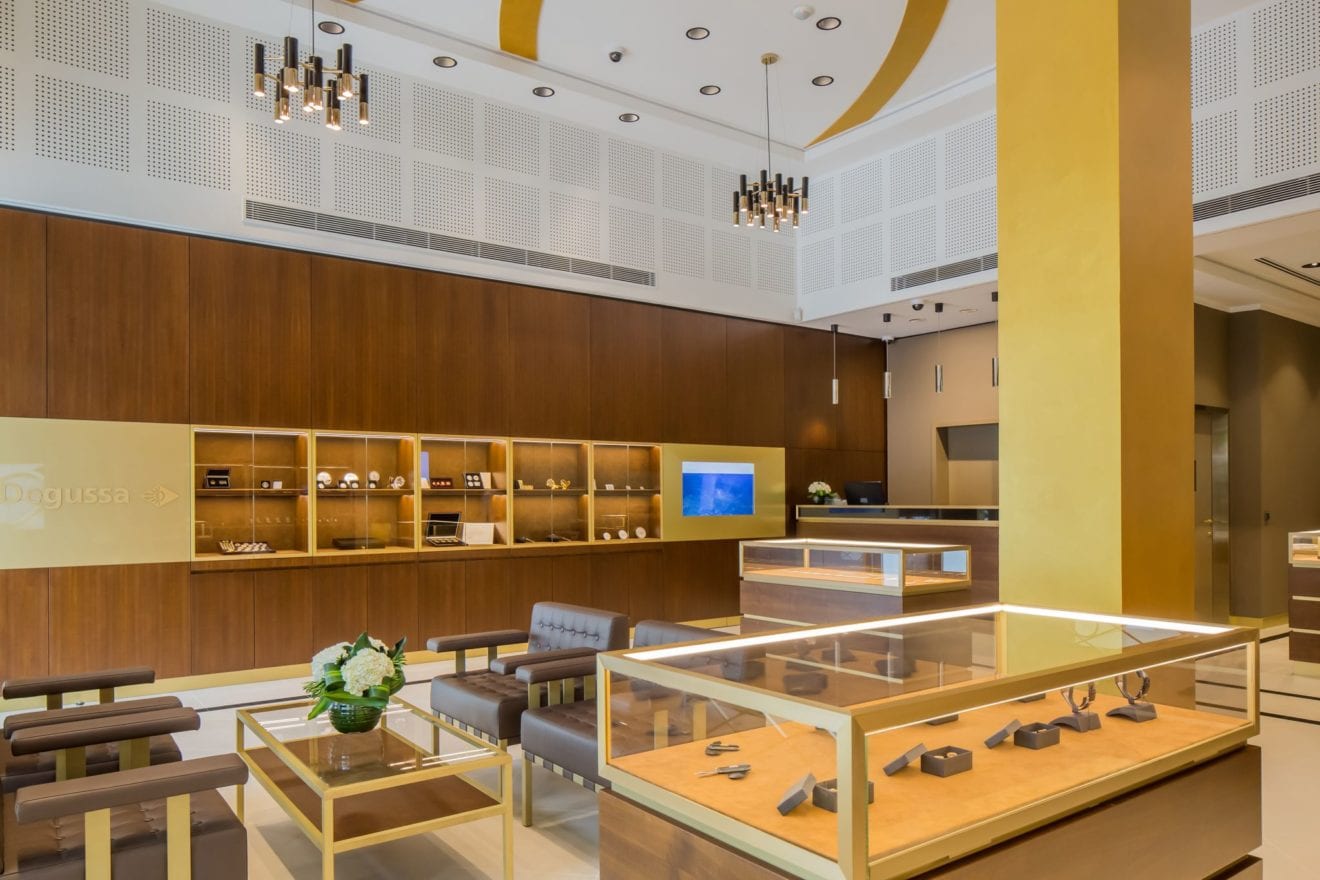
    Degussa, one of Europe’s largest gold and precious metals retailer, is opening a branch in Singapore, its first outside Europe.

    With the opening of the 3,000-square-foot branch near Dhoby Ghaut MRT Station on Wednesday evening, Degussa hopes to capture the growing retail market for gold and precious metals not only in Singapore but also in Asia.

    “Singapore is not yet a big wholesale market (for gold) like Hong Kong is, but we bank on retail clients and Singapore is an ideal market to start with,” said Wolfgang Wrzesniok-Rossbach, chief executive officer of Degussa, in an interview with The Business Times on Wednesday morning at its Singapore branch.

    The Singapore branch will offer a range of physical bullion products, including gold, silver and platinum coins of various weights, and investment bars.

    It will also retail gift collection items, including pure gold cufflinks and gold watches, in a specially designed showroom.

    In addition, the branch also offers safe deposit box rental services for customers who wish to safekeep their valuables with Degussa.

    Degussa aims to start its online store for the Singapore market in two weeks’ time. It also plans to allow customers to cash in their scrap gold in the near future.

    Mr Wrzesniok-Rossbach highlighted the strong and timeless appeal that gold has for Asian consumers, and said that sales of jewellery and accessories will be a key segment of the Singapore branch’s operations. For example, customers who hope to gift their children or grandchildren will find something to their liking at the branch.

    “Because this same gold has been recycled over millennia and its value remains,” he said, pointing to a Degussa 1kg gold bar. “When you touch this, you have one atom in it that came from Cleopatra’s crown.”

  • Robinson Thailand plans more border stores

    Robinson Thailand plans more border stores

    Thai department store chain Robinson says it will open outlets in planned special economic zones to encourage cross-border trading.

    The Central Retail Corporation subsidiary says it will open a new Lifestyle Centre at Mae Sot in the Tak province, on the border with Myanmar. It follows a similar store which opened in Mukdahan, on the border with Laos, last year.

    “These stores are being built to take greater advantage of cross-border trade,” CRC international business director, and Robinson president Alan Thomson said in an interview published in The Nation.

    “SEZ projects are good initiatives but will take time to develop and for us to realise any opportunities,” he said.

    CRC operates 42 department stores in Thailand; and two more in Vietnam – one in each of Ho Chi Minh City and Hanoi – which trade under the Robins brand name. Its 15 Lifestyle Centres are additional to those.

    In the interview, Thomson talks about the company’s performance in Vietnam to date, its plan to add a well known US apparel brand to its store-in-store brand portfolio next year and how the company is coping with the stagnant Thai economy.

  • Hip & Bone China plans 50 stores

    Hip & Bone China plans 50 stores

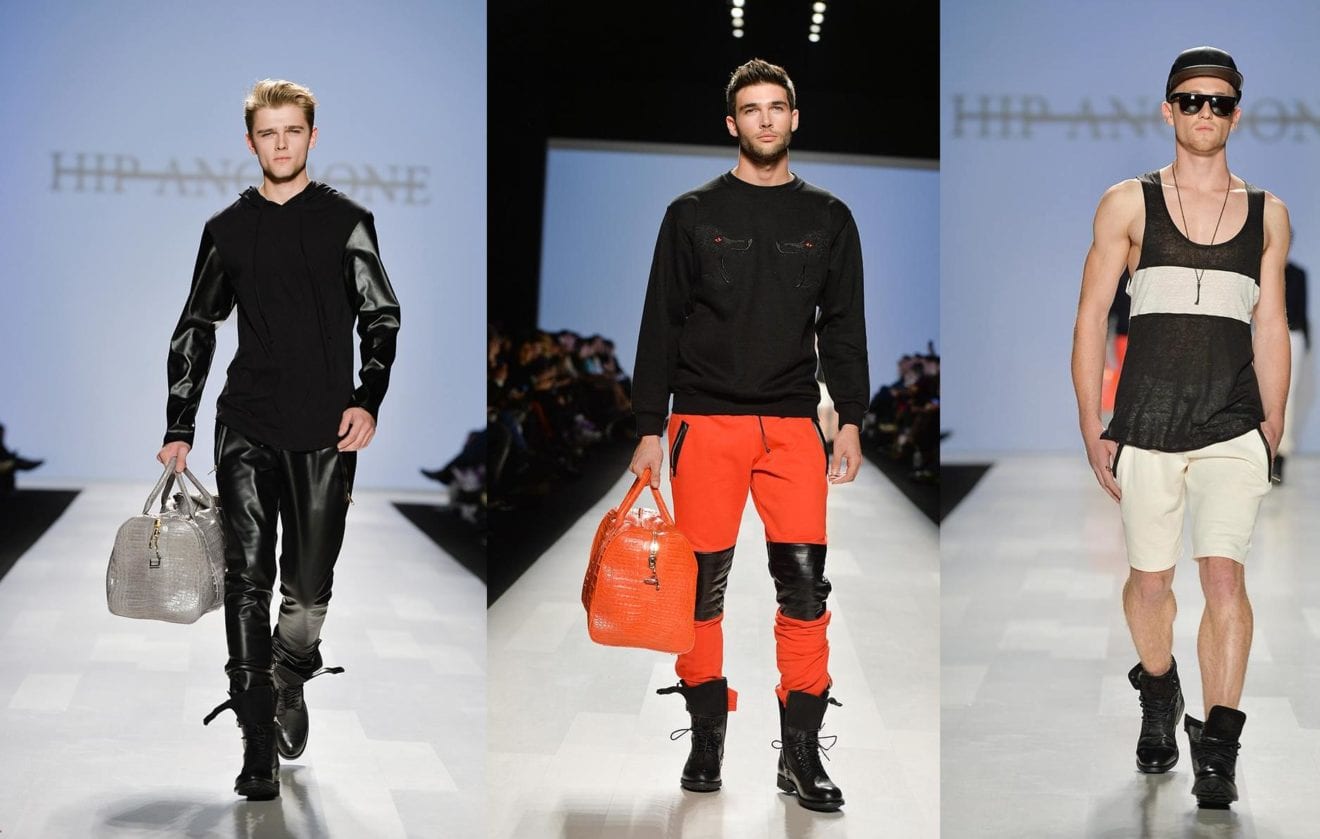
    Fast-rising Canadian street sportswear fashion label Hip & Bone has formed a joint venture with MRH SpaRotica Groupe to roll out 50 stores in China over the next five years.

    Hip & Bone China will leverage the existing MRH vertical and franchise networks providing a unique platform for collaboration and a dedicated Hip & Bone design studio in Shanghai. More than 50 Hip & Bone retail stores will be developed within five years, the first five due to open during Spring/Summer 2016.

    “Hip & Bone epitomises our dedication to evocative premium fashion brands that forge emotional connections with consumers, with design that’s ever relevant to millennial generations globally” said Richard Kisembo, MRH CEO.

    “We are dedicated to developing design language in product and marketing that crosses the cultural bar through a more engaging product array that’s ‘market right’. The Hip & Bone design center in Shanghai was opened in August as a base dedicated to deciphering local design trends and customising style for the ardent Hip & Bone Chinese consumer.”

    Carlos Fogelman, CEO of Hip & Bone, says participation in fashion weeks in Shanghai, Berlin, Mila, Toronto and New York has helped the brand “transcend borders and cultures with outstanding reviews across major publications”.

    “We are excited about this partnership.  MRH SpaRotica Groupe is comprised of an outstanding group of people who are tremendously experienced in the Chinese market. Their passion and  keen business sense are fundamental to the growth of Hip & Bone in this exhilarating market,” said Fogelman.

    Established just three years ago, Hip and Bone has quickly built a strong profile in the street sportswear clothing and accessories market, with a wide range of products and lines ranging from clothing, leather accessories, footwear and jewellery.

    “Hip & Bone revives the modern man’s wardrobe with an array of redefined basics. Designed to endure changing tastes and fashions, Hip & Bone fuses luxurious materials with relaxed silhouettes to be enjoyed in an everyday setting,” the company says in a self-description.

    MRH owns and operates retail stores, distributes merchandise through franchisees, and operates eCommerce websites in the fashion & leather goods; lingerie & intimate goods; perfume, body & cosmetics; and selective retailing sectors.

  • Samsonite Singapore plans more stores

    Samsonite Singapore plans more stores

    Samsonite Singapore plans at least two new stores in the city this year. Speaking in an interview with the Straits Times, Samsonite CEO Ramesh Tainwala acknowledged his business faces high operating costs and slower economic growth in Singapore, compared to other Asian markets. But he said the company’s strategy was dependent on more than economic growth.

    “Our market share in Singapore does not exceed 22 per cent… If I grow my business here… to 25 per cent of market share, without the market growing I can still deliver around 10 to 11 per cent growth in my business.”

    The travel goods retailer will end the year with more than 20 stores in Singapore with three new ones already trading and two more planned.

  • Emack & Bolio’s opens in Hong Kong

    Emack & Bolio’s opens in Hong Kong

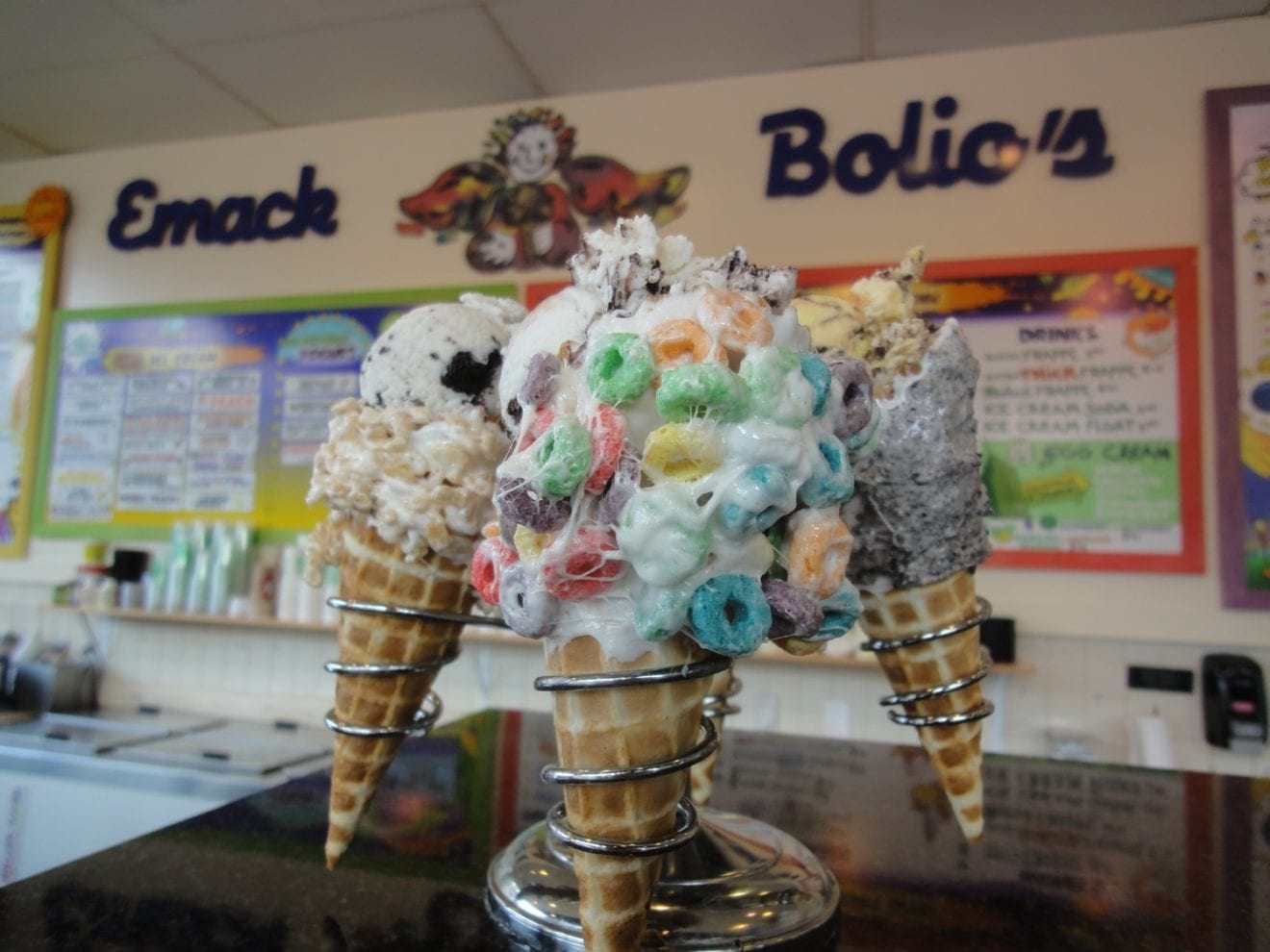
    The Emack & Bolio’s Central ice cream parlour just opened in Hong Kong is described as “unlike any other” you’ll find in the city.

    Emack & Bolio’s, at 26 Cochrane St, serves up 31 flavours of ice cream, frozen yogurt and sorbets along with smoothies, confections and more.

    The brand has its origins in Boston, Massachusetts, where it was founded in 1975 by Robert Rook, a lawyer and self-declared hippie who worked closely with the homeless, Vietnam war protesters, civil and gay rights advocates, and numerous rock bands such as Aerosmith, U2, Boston, The Cars, and James Brown, according to Wikipedia.

    It’s sometimes likened to Ben & Jerry’s, another ‘hippie ice cream store’ concept, but was actually founded three years earlier.

    The first Hong Kong outlet follows the brand’s entry into Asia last year when it opened in Bangkok Thailand. There is also at least one store in the UAE.

    Emack & Bolio's Hong Kong

    Emack & Bolio’s invented the flavored cone in 1980 and has been improving on the concept ever since.

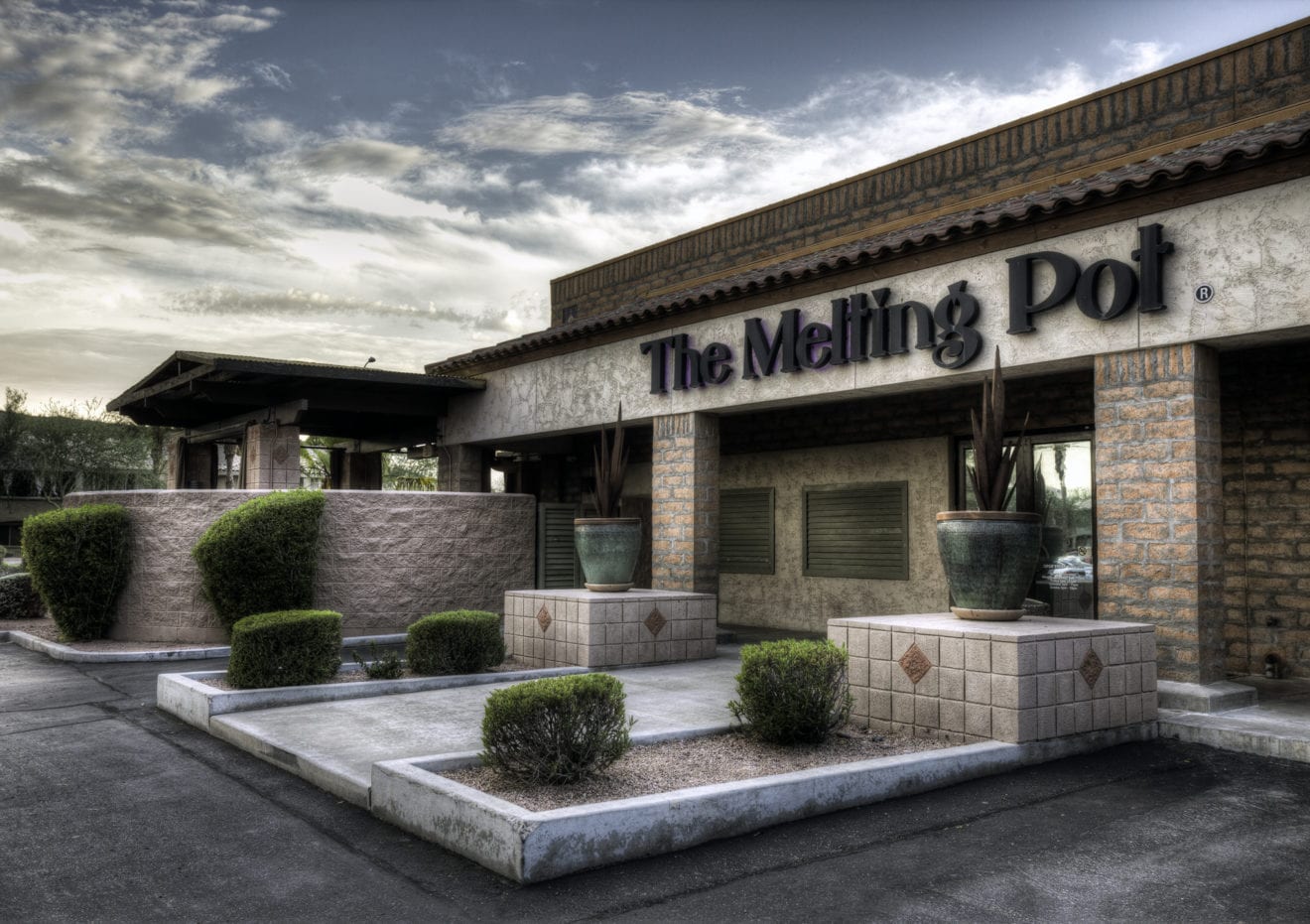
  • The Melting Pot eyes Asia

    The Melting Pot eyes Asia

    The world’s largest fondue restaurant chain is looking to expand throughout Asia after early success in Indonesia.

    Franchisees are now actively being sought for The Melting Pot in Hong Kong, Macau, China, Japan, South Korea and India.

    The Tampa, Florida-based restaurateur plans to enter China by opening at least five restaurants in Hong Kong and Kowloon as well as in Macao and numerous cities in Mainland China, including Guangzhou, Shanghai, Beijing and Shenzhen.

    Markets outside Asia, including Brazil, Canada and Mexico, are also in planning.

    The Melting Pot operates more than 125 restaurants across 35 US states, Canada, Mexico, Southeast Asia, and the United Arab Emirates, and has more than 15 locations in development internationally.

    The concept is known for its assortment of flavorful fondue cooking styles and unique entrees served with signature dipping sauces. The menu features a variety of a la carte selections, highlighting customisable options that invite guests to enjoy one, two, three or more courses as they select any combination of individually-priced cheese fondues, salads, entrees and chocolate fondues.

    “The Melting Pot is a proven 40-year American franchise concept that is unlike any other,” said Dan Stone, chief business and people development officer for Front Burner Brands, the chain’s parent.

    “Featuring four distinct courses, guests dip menu items into heated fondue pots at the centre of each table. The concept provides a very social and interactive dining experience that has proven to translate well to multiple countries,” said Stone.

    “We provide our franchisees the necessary training and support to ensure success, as well as expert resources to assist with identifying the best sites for our restaurants. We are ready to do business in Hong Kong and are seeking qualified candidates to build a strong brand presence throughout Hong Kong and the People’s Republic of China over the next few years.”

    The concept will be exhibiting at the Franchising & Licensing Asia 2015 from October 29 to 31 at the Marina Bay Sands in Singapore.

    Earlier this year, The Melting Pot opened its first restaurant in Jakarta, Indonesia and most recently its first Middle Eastern location in Dubai.

    Franchisee candidates or groups should have access to a minimum of US$3 million in capital and at least one partner must be fluent in English. Depending on the real estate site selected, franchisees of The Melting Pot in the US can expect the total investment for one restaurant to be approximately $959,000 to $1.436 million. The initial franchise fee ranges from $45,000 to $60,000 per unit depending on the number of units committed and there is a one-time training fee of $50,000.

  • Yum China to split from parent

    Yum China to split from parent

    US fast food giant Yum! Brands is to spin off its troubled Chinese operation into a separate business.

    The new company will be called Yum China.

    The move will strengthen the parent company which will retain 41,000 restaurants trading under the KFC, Pizza Hut and Taco Bell brands in 125 countries – and which will no loger be saddled with the ongoing losses from the Chinese operations. Nearly all of its restaurants will be operated by franchisees.

    “Following the separation, each standalone company will be able to intensify focus on its distinct commercial priorities, allocate its own resources to meet the needs of its business, and pursue distinct capital structures and capital allocation strategies,” said Yum CEO, Greg Creed in a statement.

    “This will provide a clear investment thesis and visibility to attract a long-term investor base suited to each business.”

    The likely interpretation of that statement is that Yum China will seek local investors or possibly a joint venture partner to help bring the business back on track.

    Yum China has 6900 KFC and Pizza Hut restaurants, but has struggled for more than two years after high profile food safety scares involving suppliers.

    Mid last year, a Chinese TV network screened footage of a supplier mixing allegedly expired meat with fresh meat. The company, a subsidiary of OSI Group, was a minor supplier to Yum! and its contract was cancelled immediately. But the TV news footage was sufficient to spook Chinese customers, many of whom stopped eating at KFC China outlets.

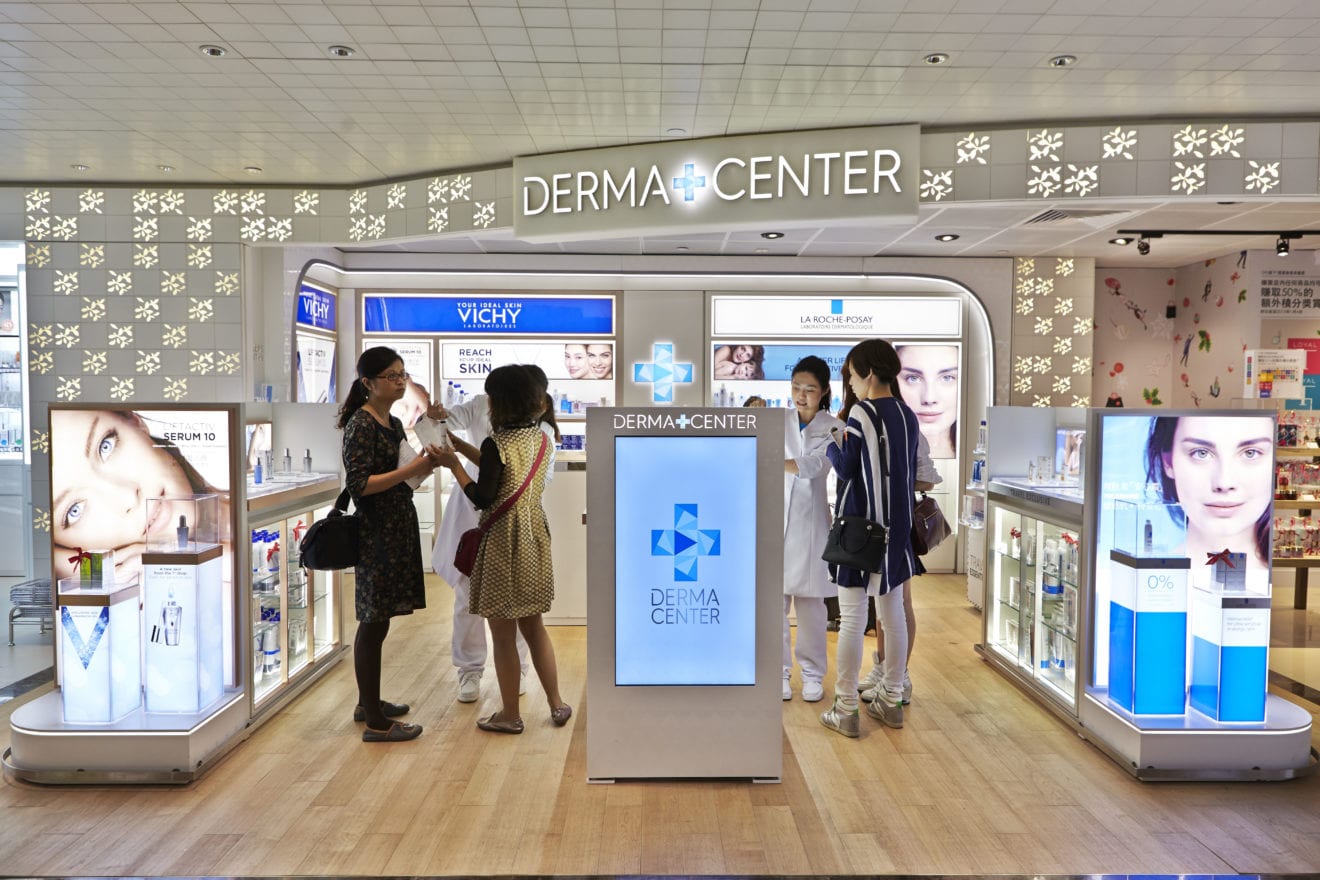
  • L’Oreal expands Dermacenter concept in Asia

    L’Oreal expands Dermacenter concept in Asia

    With growing concerns of the effects of pollution on the skin in Asia, personalized routines are in demand now more than ever.

    International players like L’Oréal are looking to cater to this trend by developing even more specialized formulations that preserve, heal and improve the health of skin as well as offering services that allow consumers to interact with dermatologists on the go.

    The global cosmetics player’s first Asia based Dermacenter opened in Hong Kong in 2014 which has led to the launch of several others including; Haitang Bay, Iguazu downtown with London Supply, Bangkok (two stores), Hong Kong-Hysan and Seoul with Lotte Duty Free.

    According to L’Oréal, these stores provide a good opportunity for travelling consumers to gain access to brands like Vichy, Aqualia Thermal and LiftActiv, and La Roche-Posay, Tolériane and Effaclar.

    The Travel Retail Division was expanded in 2013 with company CEO Jean-Paul Agon commenting: “Travel retail is a key channel for winning over one billion new consumers. This market, present around the world, could be considered a ‘sixth continent.’”

    Travel Retail

    L’Oréal has been present in the travel retail market since the 1960s with L’Oréal Luxe, positioning L’Oréal Paris in the space in the last decade, and The Body Shop in the last few few years.

    Travel Retail, which represents all products sold in the travel distribution channel caters to over 2.4 billion international travellers every year, with Beauty occupying the one category in the market, where L’Oreal is seen as a leader in the field, holding a 21.3% market share in 2013.

    “By meeting consumers’ beauty aspirations, whatever their nationalities, beauty rituals or purchasing power, L’Oréal Travel Retail plays a strategic role in conquering new consumers who will pursue their experience with our brands in their home countries,”  Nicolas Hieronimus, president Selective Divisions said in 2014.

    “The launch of Vichy, La Roche-Posay and Kérastase in Travel Retail demonstrates our confidence in the huge potential of this channel. From now on, all of the Group’s major brands will have the opportunity to develop on this ‘sixth continent’.”

  • What should British retailers consider before expanding into China?

    What should British retailers consider before expanding into China?

    A Chinese delegation headed by president Xi Jinping is nearing the end of its four-day state visit to the UK, in a bid to improve business ties between the two countries. Despite the headlines of a slowdown in China, the country’s retail market remains one of the world’s largest – and as recent ventures into the country by Sainsbury’s and Mountain Warehouse suggest, it is too significant to ignore.

    Tapping into the Chinese market remains merely on the wish list for many retailers, but there are a number of important factors they should consider in order to realise their dreams of making it in China.

    Know your customer

    A recent report from Goldman Sachs declared that there is no such thing as the “average Chinese consumer”, and identified four key tiers.

    First, the crème de la crème. There are around 1.4 million movers and shakers with an annual income per capita of around $500,000 (£323,535).

    Second, the urban, ‘narrow’ class, with a population of 146 million people with an annual income of around $11,000 (£7,118).

    Next, the urban mass, which consists of 236 million people with an annual income per capita of just over $5,500 (£3,559), followed by the 387 million rural workers who earn just over $2,000 (£1,294).

    Retailers should also be aware of the differences and sensitivities between age groups. Those in their fifties and forties are likely to have experienced poverty and austerity. Those in their thirties and the millennials may not have experienced hardship and could be ‘second-generation rich’.

    Social media

    There is no Google, Facebook, YouTube, Twitter or WhatsApp in China. Instead, it has Baidu, Renren, Youku, Weibo and WeChat.

    Tommy Hilfiger and Burberry are just some of the retailers that have used Chinese social media channels to secure hundreds of thousands of followers and fans – and ultimately boost sales.

    Physical vs online

    To take advantage of China’s online grocery market, which IGD estimates will be worth more than $180bn by 2020, Sainsbury’s recently launched on Alibaba’s Tmall site.

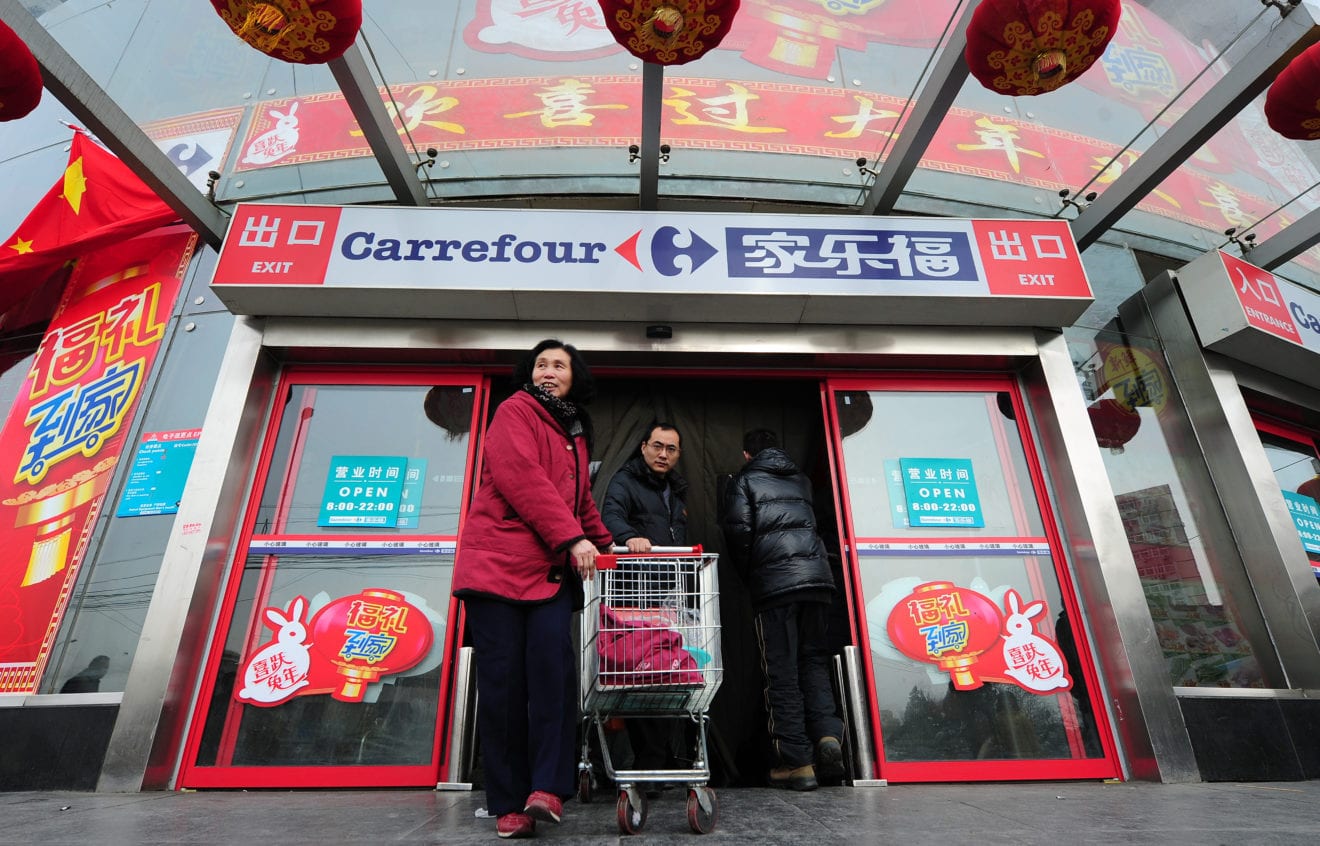
    Grocery chains with physical stores such as Walmart and Carrefour have observed a change in tastes and trends, along with an increase in online competition.

    Following a spate of high-profile food scandals, Chinese consumers are placing greater emphasis on food provenance. These are all key considerations for retailers looking to expand to China.

    Retail technology

    Slowly, but surely, an increasing number of retailers in China have started to introduce free in-store wifi.

    With the consent of the shopper, wifi can provide retailers with valuable insight to identify popular offers, trends and deliver advertising or even exclusive “wifi only” promotions and discounts.

    Chinese shoppers love showrooming. Research from McKinsey found that only 16% of consumers who did their research on a mobile actually bought the product at the store. Yes, that is a threat. But forward-looking retailers need to see this as an opportunity to provide Chinese shoppers with an immersive retail experience.

    New retail technologies such as beacons can provide an engaging shopping experience – and are delivering results. Chinese jewellery retail outfit Chow Tai Fook used beacon-supported location and proximity marketing with WeChat to generate sales of more than $15m (£9.7m). Other technologies that could bring the retail experience to life include augmented reality, self-service apps, in-store navigation and automated kiosks.

    Information silk road

    Turn back the clock two millennia and the ancient world of commerce depended on a thriving Silk Road. Then – just like now – traders built strategic alliances to gain a competitive edge.

    Fast-forward to today and it is an Information Silk Road. Chinese consumers – like their Western counterparts – are discerning and have little patience for downtime. New retail technologies can be dazzling and futuristic – but, ultimately, they are only as good as the networks they run on.
  • Lotte Mart Vietnam in supermarket rollout

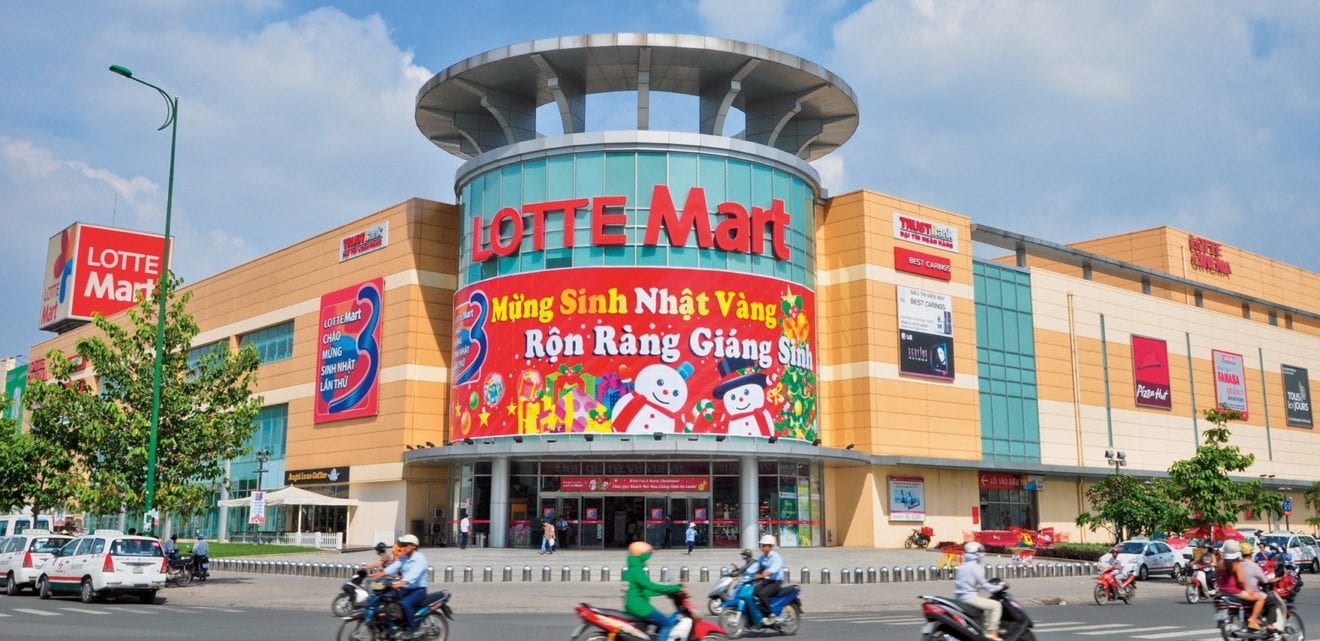
    Lotte Mart Vietnam in supermarket rollout

    Lotte Mart Vietnam plans to open 50 new supermarkets by 2020.

    The South Korean company’s Vietnam subsidiary operates just 11 supermarkets currently. Besides opening its own hypermarkets, the company has taken a strategic investment in local grocery retailers Citimart in Ho Chi Minh City and Fivimart in Hanoi which are now being co-branded and essentially operate as large convenience stores.

    Lotte Mart’s plans were revealed by the ViceConsul of the Republic of Korea, Hoong Soon Chang at a scholarship ceremony.

    Lotte also operates hotels in Vietnam, has a growing network of Lotteria fast food restaurants, is making property investments, including a half stake in shopping centre and office tower Diamond Plaza, and runs cinemas there.

    Lotte Mart Vietnam director general Hong Won Sik said the group is planning to boost its investment in the country because of its high growth rate.

    Vietnam’s GDP rose 6.81 per cent during the third quarter of this year, one of the fastest rates in Asia.

    According to Vietnamese news media, Korea is the largest source of foreign investment in Vietnam, with more than 4000 businesses now based there and a capital inflow of US$32.8 billion in the six months to July.

  • Story-i launches into Vietnam

    Story-i launches into Vietnam

    Apple reseller Story-i has launched in Vietnam hoping to replicate its Indonesian market success.

    The Singapore-headquartered electronic authorised reseller has opened its first Apple Premium Reseller (APR) store in the new SC VivoCity Mall in Ho Chi Minh City in Vietnam.

    The opening of the first store in Vietnam marks Story-i’s 17th outlet. The company owns and operates 16 stores throughout Indonesia, selling Apple, Samsung and Lenovo products.

    Story-i chose Vietnam as its next new market because of its “similar demographic and lifestyle consumer trajectory to Indonesia”.

    Management has identified Vietnam with 92 million population as the next high growth market and aims to open eight more outlets during the next three years.

    Said executive director Michael Chan: “This new store in Vietnam marks the beginning of our growth strategy to penetrate the expanding middle class of Southeast Asia’s population of 600 million. As we have done in Indonesia, we will anchor growth from prominent store locations and drive market penetration with our eCommerce offering.”

    He said the team was focused on rolling out a unique mix of electronic lifestyle products such as Apple and Lenovo as well as its enterprise solution and education services into Vietnam.

    “Our first Vietnam store continues to exceed our expectations for visitation and sales. This bodes well for extending the network through the smaller cities up to the northern capital, Hanoi.”