Tag: expansion

  • Inside the new Valentino Bangkok boutique

    Inside the new Valentino Bangkok boutique

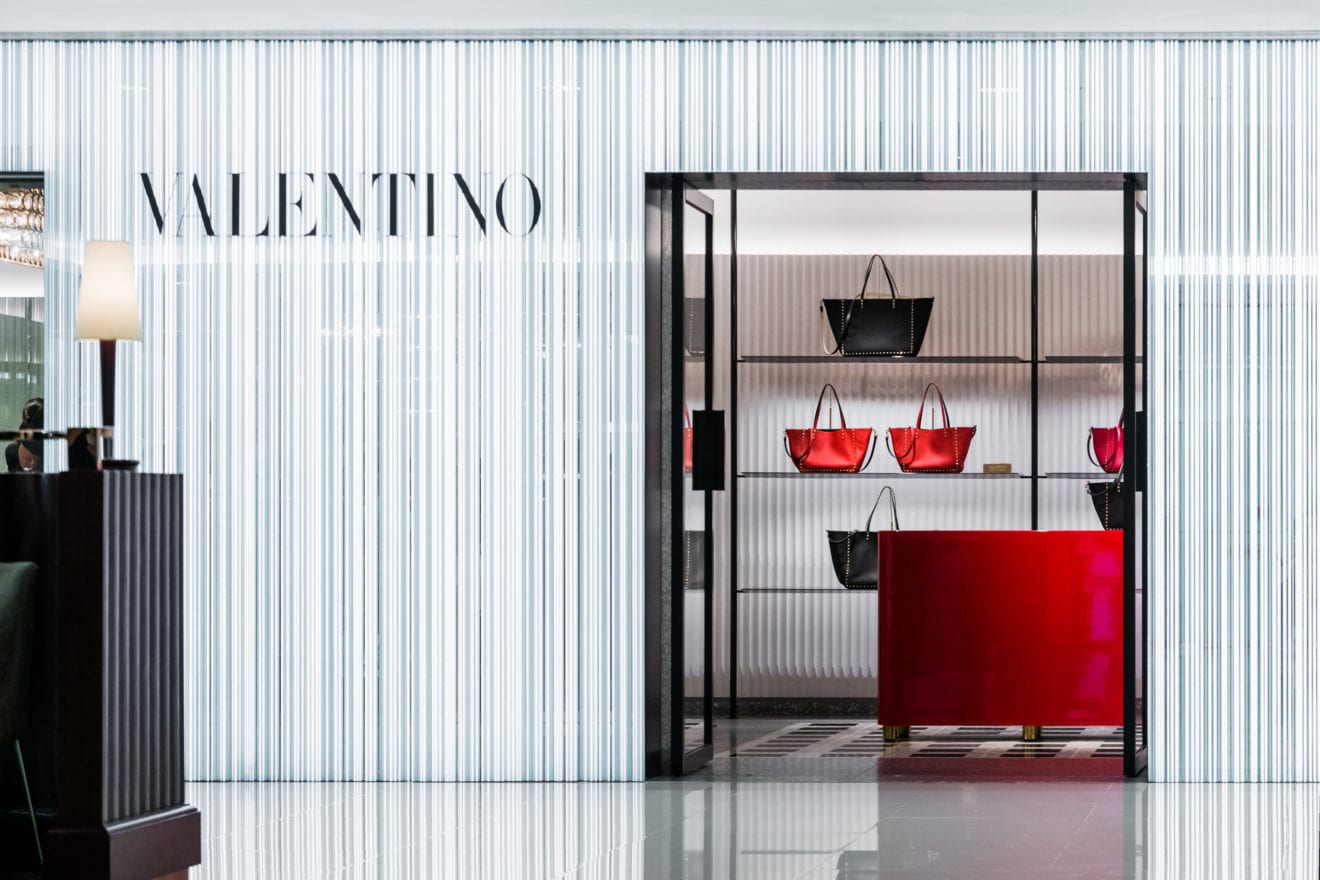
    A new Valentino Bangkok boutique has opened in the upmarket Emquartier shopping centre on Sukhumvit.

    Valentino Emquartier  Bangkok 3

    The store has 380 sqm of floor space in what the fashion brand describes as “a one-of-a-kind brand experience” which “caters to an elite clientele, serving both its male and female clients in a single location”.

    Valentino Emquartier  Bangkok 2

    As the photos show, the design is contemporary and minimalist, creating a sense of space with matching stone textured walls and floors and simple wooden display cabinets.


    Valentino, founded in 1960, is headquartered in Milan, Italy.

    Valentino Emquartier  Bangkok 1

  • Diesel unveils retail expansion plans

    Diesel unveils retail expansion plans

    Fashion brand Diesel is ramping up its global expansion, with plans to open an 80sq m standalone store in Haikou Meilan International airport in the Hainan district to complement its recent opening in Panama Tocumen International airport’s retail plaza.

    The retail expansion marks an exciting period for the company, with also another shop in shop opening planned at the end of the year at Tel Aviv Ben Gurion airport with JR Duty Free. The Italian brand is also to undergo a refit of its boutique outlet inside Qatar Duty Free’s Junction store at Hamad International airport.

    Head of Travel Retail Michele Turrin was very enthusiastic about the company’s expansion prospects: “Historically Japan has been our strongest market and in China we have plans of further developing our existing stores network both in domestic and travel-retail. Haikou is one of these projects” he told DFNIonline.

    “Middle East travel-retail is interesting with new developments in the region. We opened last year in Doha with a very successful POS in Qatar Duty Free Junction fashion store. We’re also looking very seriously at the Midfield Terminal in Abu Dhabi. We’re confident we can do well in the GCC [Gulf Cooperation Council] where we have nearly 40 domestic stores, the brand is well positioned and enjoys a good reputation.”

    The company says it is also in discussions with some key airports to deploy pop-up store units, although Diesel did not mention who and in which location when DFNIonline pressed on this issue.

    Diesel has had a successful retail operation in travel-retail. Its innovative product, the JoggJeans, has had superb traction in this space, representing already around 20% of an average turnover at Diesel’s travel-retail stores. Its dominance of the denim market is also profound, with the JoggJeans, in some locations, representing up to 60% of the jeans category turnover – and around 30% of its travel-retail store sales.

    “Usually denim is considered a difficult sell, but because of the strength of the brand, the denim category has achieved unexpected high sales at all of our stores. We initially thought not to dedicate denim as much space to an airport location, but after analysing the results we slightly changed our formats to accommodate enough space in this category. We are “masters of denim” and our JoggJeans represent our USP in the market.”

  • Philippines Welcomes Chinese Smartphone Huawei Expansion

    Philippines Welcomes Chinese Smartphone Huawei Expansion

    Chinese telecommunications equipment maker is extending its reach to Southeast Asia’s retails sector.

    Huawei has launched its first experience store at the SM Mall in Manila. This new experience store represents another major step of the overseas market expansion of Huawei and the company continues to develop and grow its brand influence.

    With an area of 110 square meters, the Huawei experience store adopts a full-white minimalist design representing the “Huawei and I” idea, which aims to establish a better interaction between Huawei and its end users. In this store, users can experience Huawei’s Android watch and Google’s Nexus 6P smartphone made by Huawei.

    Charles Wu, head of the Philippines region of Huawei, said at the store opening ceremony that they launched new technologies to help users improve their quality of life. Their existing devices are widely used by users every day. Huawei provides end-to-end solutions and they introduce new products to the market with their technologies.

    Jojo Vega, Huawei’s consumer business manager, said that consumers in the Philippines show great interest in Huawei’s products. The company is now more confident and believes its stronger platform can attract more consumers and promote more interactions.

    Huawei now has 40 branded retail stores and 32 simple sales outlets in the Philippines. The company plans to increase the number of its branded stores to 60 in the country by the end of 2015.

  • The Peninsula to expand its luxury retail network with Hong Kong airport opening

    The Peninsula to expand its luxury retail network with Hong Kong airport opening

    While Hong Kong’s hotel sector faces a drop in mainland travellers this year, The Peninsula is pushing ahead with plans to open a retail shop at the city’s airport on Sunday. Paul Tchen Pao-shan, the group general manager of operations of Hongkong and Shanghai Hotels, which operates The Peninsula, says he is upbeat about the venture, even as the luxury retail sector been under pressure in recent times, forcing a number international brands to close in Hong Kong.

    “When customers do not come to us, we will go out to them,” Tchen said, adding that the 644 square foot shop will expand its product range to include customers who would not normally stay at the hotel.

    “The airport is a good location for retail business. It is a place guaranteed to have a lot of traffic. There are many tourists who want to get rid of their local currency and they will shop at the airport for souvenirs,” he said. “Food items such as chocolate are popular among tourists.” Tchen said the inspiration to diversify into luxury chocolates, teas and other gift items began during the height of the Japanese tourism boom in the late 1980s.

    At the time, Japanese visitors accounted for the majority of room bookings. A culture of gift giving, however, meant that many guests needed to stock up before their return journeys, creating a demand for products that over time would become an integral part of the hotel’s business. When the Japanese stock market imploded in the early 1990s, signalling an end to a long period of economic growth, visits by Japanese to Hong Kong began to decline, forcing The Peninsula to branch out with what had been an in-house business.

    In 2001, the hotel signed a licensing agreement with Nuance-Watson under which Peninsula-branded food products were sold at a dedicated counter under the retailer’s duty free network at Hong Kong International Airport. Business was so good that the Peninsula’s products were also sold under licence at a stand alone shop in 2003. The shop operated for 10 years until it was closed owing to rezoning of the airport retail area.

    The retail outlet set to open on Sunday will be directly owned and operated by The Peninsula, according to Tchen.

    “When we first started to sell products at the duty free shop in 2001, we did not have any retail experience. But now we have an experienced team of retail staff and we can operate our own shop at the Hong Kong airport,” he said. During the past 14 years, the company has opened 27 retail outlets worldwide, including Taiwan and Singapore, where the company has no hotel presence.

    “We consider running a retail shop in cities without a [Peninsula] hotel is like having an ambassador in that city,” Tchen said.

    “When they travel to Hong Kong, some of these retail customers may consider staying with us. Also, when we open hotels in these cities in the future, the retail shops will have played an important role in building up the brand.”

    The Peninsula also established retail shops in Japan in 2004, three years before it opened a hotel there. The retail business contributed 2.8 per cent of Hongkong & Shanghai Hotels’ turnover last year. Plans to take the retail concept online are underway with a launch tentatively set for March or April.

    “The new generation of customers is growing up with shopping through their mobile phones or desktop computers. We have to offer what customers want,” Tchen said.

  • Swedish fashion brand, H&M makes Cebu debut

    Swedish fashion brand, H&M makes Cebu debut

    SWEDISH retail brand H&M (Hennes & Mauritz) is opening its doors to Cebuano shoppers at the Ayala Center Cebu today. Top officials are confident the brand, which was long clamored for by Filipinos to enter the Philippine market, will get a positive reception among Cebuanos similar to long queues experienced during its opening day in Manila last year.

    H&M Cebu is the biggest H&M store in the Philippines to date. The store covers three floors that occupy 3,800 square meters of Ayala Center Cebu’s leasable space.

    “We are just so happy we are given this huge space for our first store in Cebu. We are very well received in the Philippines with the long queues and sold-out collections, which is really amazing. I trust we will get the same vibrance in Cebu,” said Fredrik Famm, H&M country manager for Southeast Asia, in an interview Wednesday. According to the press release, the first 300 customers in line will receive gift cards valued as high as P5,000 and opening offers that are up to 50 percent off.

    H&M Cebu is the 11th store in the country. By year end, the retail brand will have a total of 12 stores nationwide, the latest will be the second H&M store in Cebu at SM Seaside City in South Road Properties, which will open on Dec. 9. Famm sees the Philippines as a destination where there is much growth potential, citing its mature retail market reflected by the increasing number of commercial establishments being put up in key cities like Cebu.

    The country’s over 100 million consumers and well-travelled population, he added, also presents opportunities for international retail brands to thrive.

    A report obtained from the Philippine Retailers Association noted that as of the first quarter this year, consumer spending in the country hit an all-time high of P1.278 trillion from P1.259 trillion in the last quarter of 2014. For the month of May, 2015 alone, the report said that retail sales increased 1.5 percent over the same month last year. Consumer spending in the Philippines averaged P875.888 billion since 1998 up to January 2015. It also added that the country posted a record low of P581.662 billion in sales in the first quarter of 1998.

    H&M Ayala Center is a full concept store carrying ladies wear, mens wear, kids clothing and home accessories. Famm said the brand is a “combination of fashion, quality, price and sustainability.”

    “Every person who’s got an interest in fashion is our customer. Regardless of your personality, you will find something in our stores,” said Famm. More than just brining in high-quality and value for money fashion items, H&M will also introduce its Garment Collecting initiative in Cebu, were customers can donate their used clothes and get discount voucher at 15 percent to use for their next purchase.

    Famm said this initiative, which is implemented through its partner, I:Collect, a global recycling company, is the company’s way of protecting and preserving the environment.

    H&M is said to be the first fashion company to launch a global collection initiative. This initiative, Famm said, “can help reduce waste at the same time give old and worn out garments a new life.”

    “Of the thousand tons of textiles that people throw away every where, as much as 95 percent could be reworn or recycled,” the firm said in its website.

    “Of the used clothes, many things can still be redone. Like, can reuse it and turn them into other products like car seats and other purposes; we can also recycle by turning these old textiles to new fibers,” said Famm.

    This global initiative is being implemented all over H&M’s 3,900 stores worldwide. It has so far collected a total of 7,600 tons of used clothing or 38 million pieces of clothes. Last December, H&M collected 20 tons of used clothing in the Philippines. According to Famm, consumers’ interest on goods made out of sustainable processes is gaining popularity.

    “For H&M, this is a growing part in our production,” he said, adding that the retail brand is also one of the largest buyers of organic cotton in the world from suppliers who also adopt sustainable processes in their own operations. “In many markets, we get high demand of this type from our customers.” H&M products, which are made from sustainable materials, are identified in competitive green price tags.

    After Cebu, the officials are keen on looking at other interesting cities in the Philippines where they can set-up more H&M stores.

    “We see a lot of potential in all major cities in the country. We are looking for appropriate locations. We are kind of picky on that, but we want to be in areas where our customers are,” said Famm.
  • French lingerie brand Etam opens first China store

    French lingerie brand Etam opens first China store

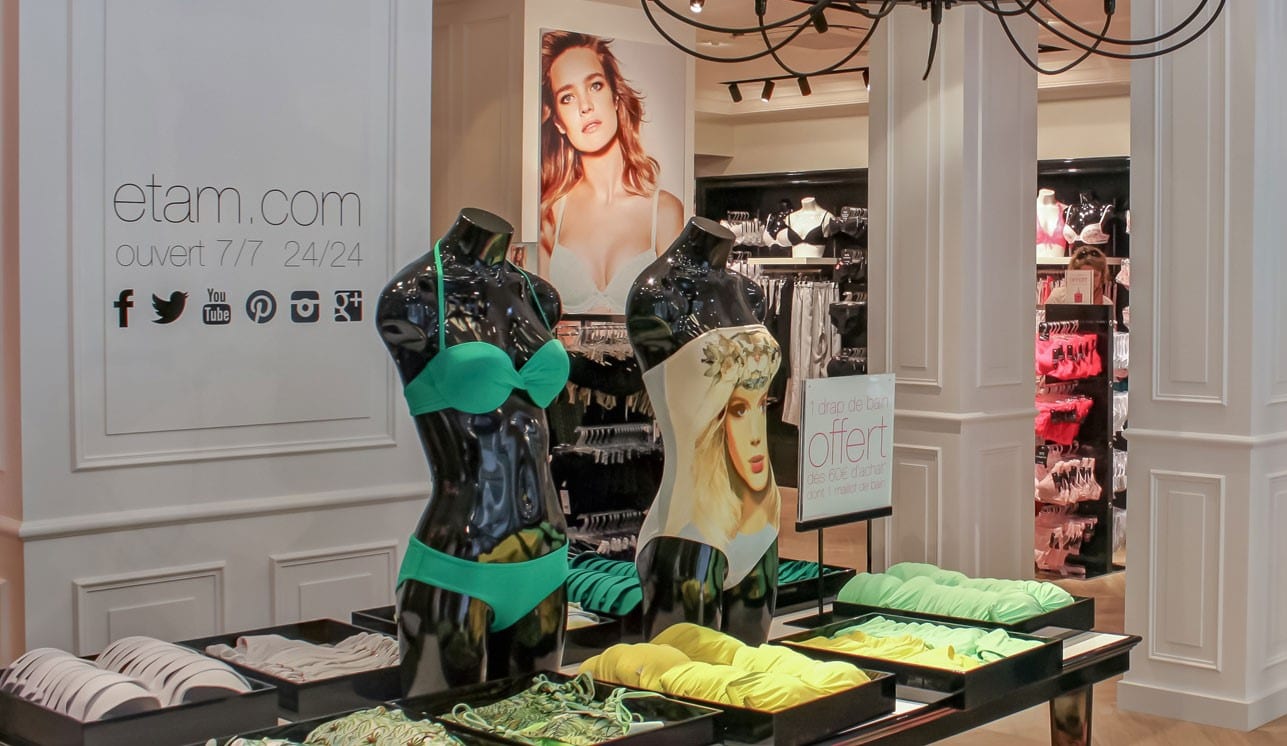
    French lingerie brand Etam has opened its first retail store in Super Brand Mall, Shanghai.

    The 100 sqm store features a tasteful black, white and pink color scheme, displaying the sophisticated array of elegant French-designed underwear for women marketed under the tagline “so sexy, so chic”. It also stocks Etam’s swimwear, sportswear and legwear.

    Etam started selling its clothing in China in 1994 through wholesale channels and the market now accounts for about one third of its total sales.

    But despite the importance of the country to its business, it has not until now opened its own stores there.

    Founded in 1916, Etam is now sold in 4400 stores in 48 countries. The Shanghai store will sell the same lines as in Paris.

    China marks a major strategic expansion for the company which to date has only opened stores in Asia in the Philippines. Its store network is largely concentrated on Europe and the Middle East.

  • First Lulu Group Malaysia hypermarket opening date set

    First Lulu Group Malaysia hypermarket opening date set

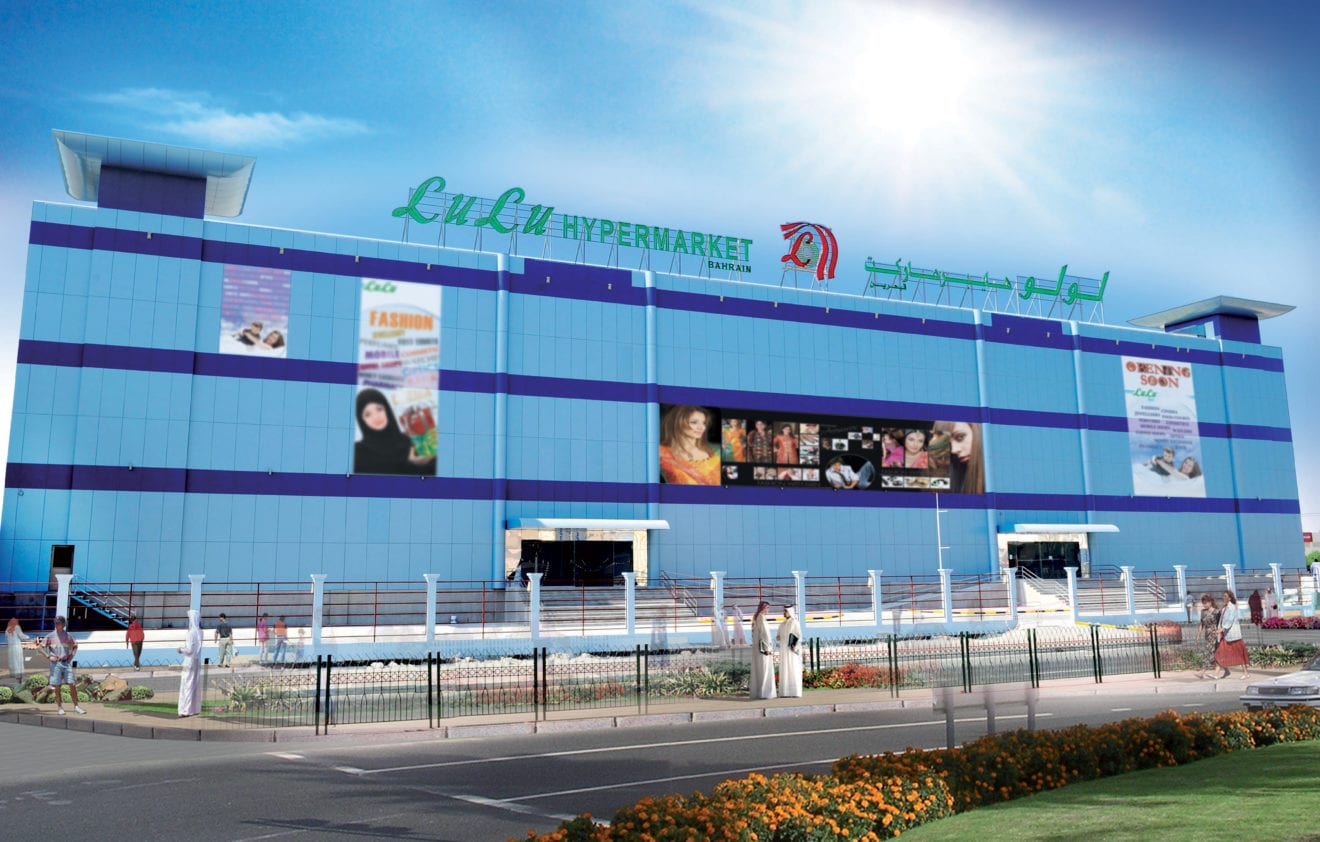
    The first Lulu Group Malaysia hypermarket is scheduled to open in February 2016, the Middle Eastern retailer has confirmed.

    Lulu currently operates 118 hypermarkets and shopping malls in the Middle East and India and positions itself offering quality products, competitive prices and high level customer service. It is ranked by Deloitte as one of the top 10 fastest growing retailers in the world.

    The company confirmed this week during a luncheon hosted by Malaysia’s prime minister that he first hypermarket will open in February 2016 at Jalan Munshi Abdullah in Kuala Lumpur.

    Yusuff Ali Ma with Indian Prime Minister Narendra Modi and Malaysian Prime Minister Najib Abdul Razak during an official luncheon on Monday.


    Yusuff Ali Ma, chairman and MD of Lulu Group said the company will initially invest RM1.3 billion (US$300 million) in rolling out 10 hypermarkets during the next two years and gradually expand to all parts of Malaysia.

    “Today the whole world knows about Malaysia’s economic stability, investor friendly approach, liberalised policies and world-class infrastructure and we are confident about our success here,” he said.

    “Our hypermarkets encompass both supermarket and department store formats and we intend to bring a whole new world of shopping to the residents of Malaysia.”

    Yusuffali said Malaysian staff would be trained in the Middle East so as to replicate the levels of service and expertise the brand is renowned for.

    Lease agreements have been inked with retail developers including Greenhill Resources SdnBhd (Setia City Mall), KLIA Properties (for a new project in Bangi) and PNB Commerce (Perling Mall in Johar Baru). Other hypermarkets will open in Kalandhan Kotabaru, Shaa Aalam, Ipoh, Malaka, Penang and Kuala Tringanu.

    “Works of other hypermarkets have already started with some having completed 60 per cent and some others 70 per cent” he said.

  • Korea’s Coffine Gurunaru plans China foray

    Korea’s Coffine Gurunaru plans China foray

    Korean coffee franchise Coffine Gurunaru is to open one of its largest stores in Hainan, China in the first stage of a planned China rollout.

    The new store is in the middle of Lan Kwal Fong St, the main street of Hainan, and is described as “exceptionally large in size” for a coffee franchise.

    Hainan, sometimes referred to as the ‘Hawaii of the East’, is a major holiday destination for Mainland Chinese.

    Management of Coffine Gurunaru say the extraordinary size of the cafe is relative to the size of the development where it will be located. The world’s largest resort group, Mission Hills, owns resorts, golf courses and shopping malls. It is building the world’s largest K-town in Hainan, where Coffine Gurunaru will open its Chinese flagship.

    The interior will be designed to be “modern and natural”, says a spokesman for the coffee house.

    Korea’s Coffine Gurunaru

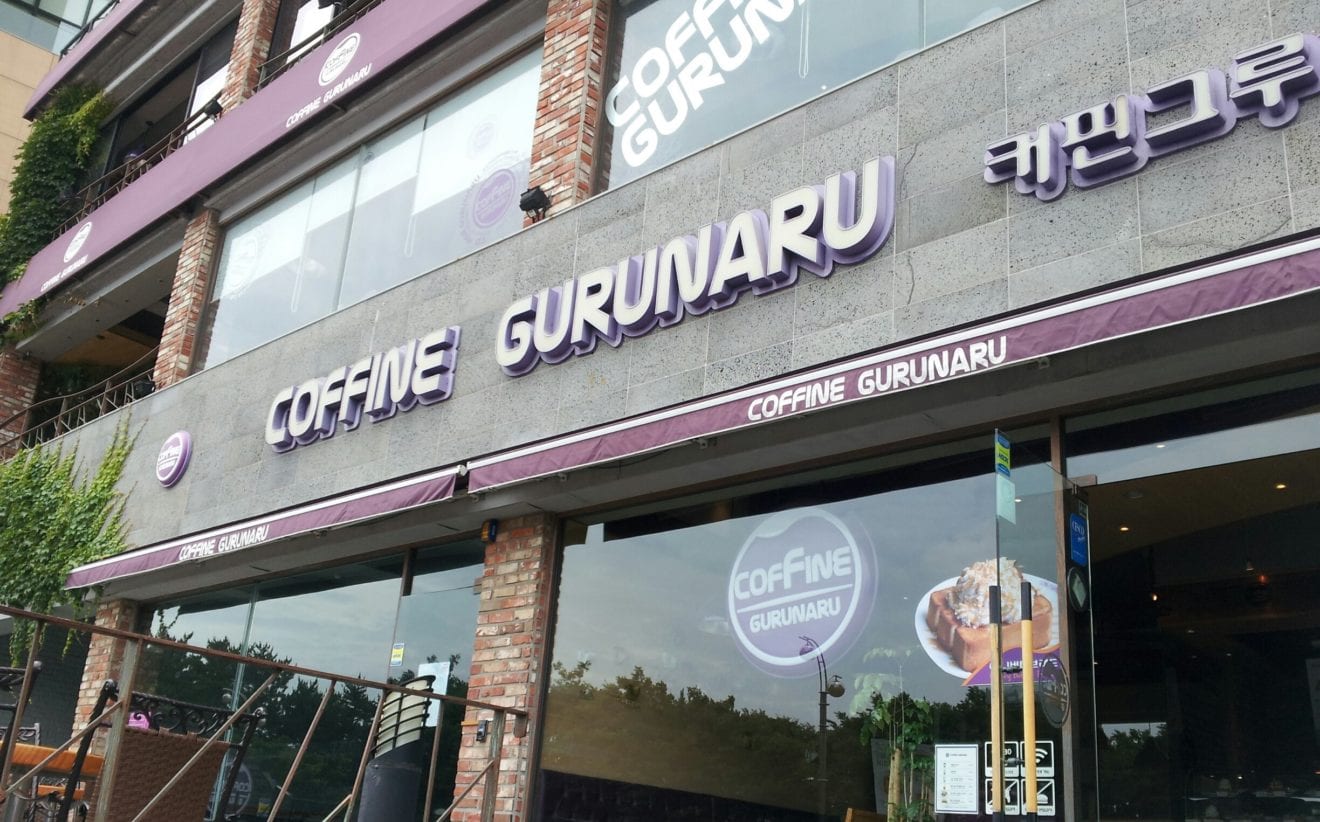
    Coffine Gurunaru is a compound name combining coffee and wine. It was the first coffee house in Korea to offer both coffee and wine. Founded in 2007, it has about 120 stores in South Korea, including franchised stores.

    The cafes’ interiors, including the chairs and walls, are decorated in a cheerful purple, intended to refer to the color of wine.

    Besides beverages, the stores serve a range of salads, panini sandwiches, signature cupcakes and honey bread.

    Coffine Gurunaru has not disclosed how many stores it will open in China, but has confirmed it will build a network.

    Korea’s Coffine Gurunaru interior

  • Tony Roma’s Myanmar opens second location

    Tony Roma’s Myanmar opens second location

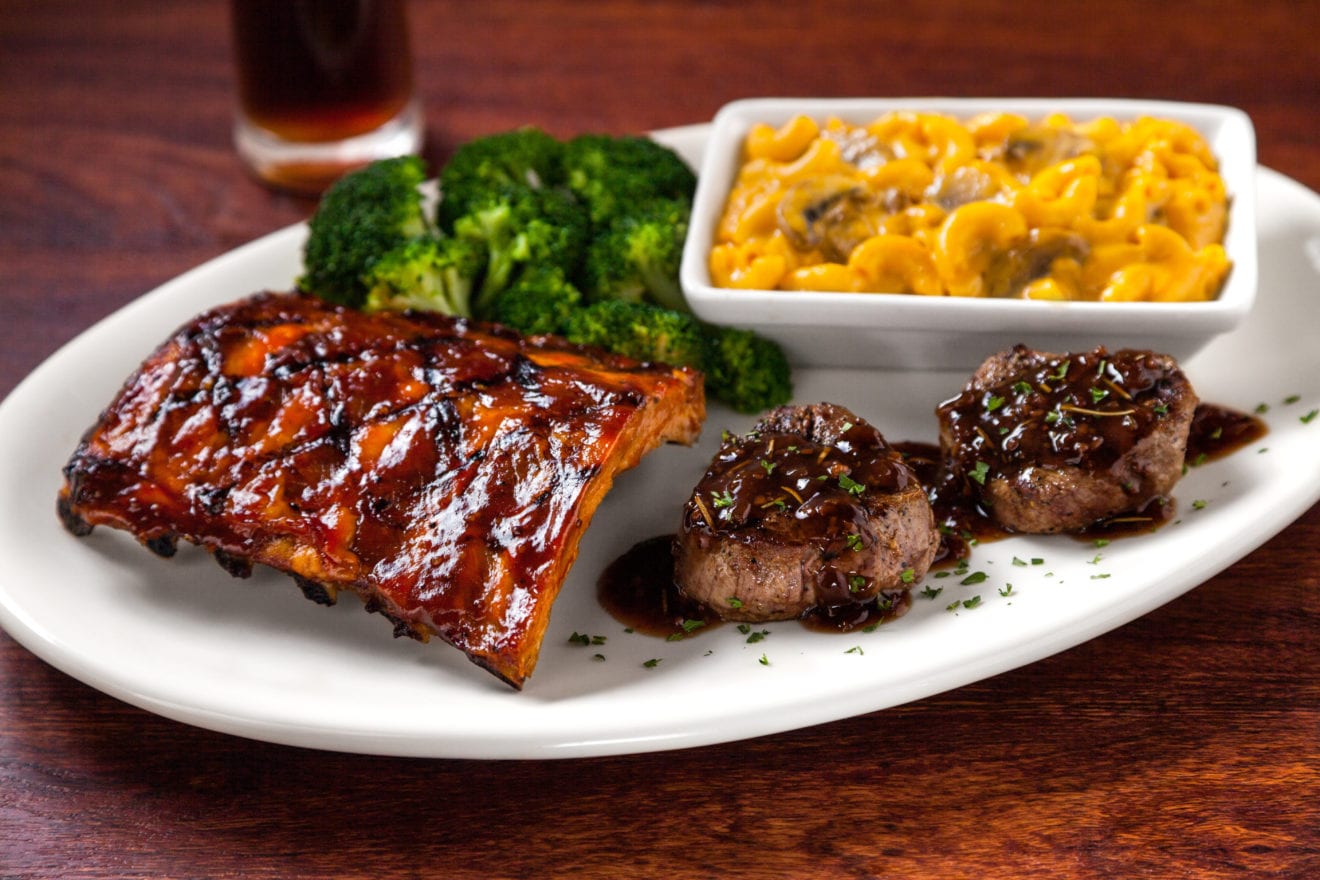
    Tony Roma’s Myanmar has opened its second restaurant in the fast-developing country.

    The first Tony Roma’s there opened earlier this year, and the response from the local consumer to the brand’s signature food and beverages has been tremendous, says Stephen Judge, president and CEO of Romacorp, Inc, Tony Roma’s parent.

    The second restaurant, like the first, is located in Yangon, the largest city in Myanmar, on Strand Square off Strand Rd, an epicenter of the city.

    “Our franchise partner, Apex Food and Beverage, knows the local market well, and we are excited to work with them to extend the reach of the Tony Roma’s brand in Myanmar and bring our world famous ribs to fans throughout Yangon,” said Judge.

    The restaurant is 457 sqm with 198 seats. The building is two stories and also includes covered outdoor seating. This location is situated near Sule Pagoda and Maha Bandoola Garden, two important landmarks in the Myanmar culture.

    “We opened our first Tony Roma’s in Myanmar to much success in January, and the delicious ribs and friendly atmosphere have been very popular, which is why we’re excited to open this second location,” said Kyaw Soe Win, Apex MD.

    Headquartered in Orlando, Florida, Romacorp has more than 150 restaurants in more than 30

  • Vertu eyes China

    Vertu eyes China

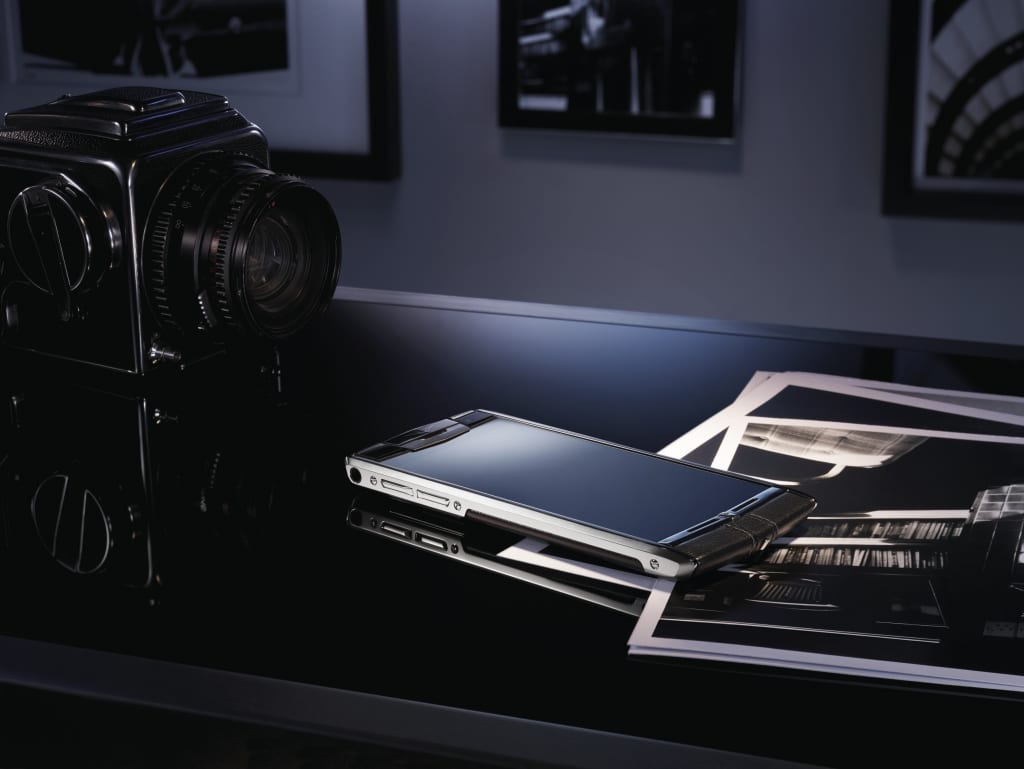
    Luxury phone brand Vertu says its new Hong Kong investor will allow the brand to embark on its next growth phase – into Mainland China.

    Vertu will continue to operate its global business from its UK Headquarters with new partner, Godin Holdings, a Hong Kong based company backed by a group of international investors. This move will support accelerated growth for Vertu and maximise its ‘Luxury Tech’ market leadership position.

    Since shipping its first phone in 2002, Vertu had sold around 450,000 devices worldwide, with an average selling price of around £5000 per handset last year.

    “Godin brings with it a significant understanding of the world’s fastest developing luxury market, China, as well as an ability to help with the technical development of a future range of industry leading Vertu products,” the company said in a statement.

    Vertu runs 70 of its own boutique retail stores and is sold through 430 partner stores in 66 countries. It is not yet clear if the brand will expand in China through its own store network of partner with an existing retailer.

    The new investment has led to a management shakeup with CEO Massimiliano Pogliani stepping down after three years

    As part of the new investment, a number of changes have taken place within Vertu’s management, replaced by Billy Crotty. Justine Rouch, COO and Davide Vassena, VP product and marketing, have both also left the company.

    Crotty says the company has a clear vision for the next phase of its growth.

    “Vertu is regarded as the clear leader in the luxury mobile category; a company with a strong USP, brand equity, product roadmap and established retail network; the ‘Handmade in England’ aspect of Vertu is appreciated globally as a particularly valuable, fundamental brand strength.

    “Godin Holdings’ investment will allow Vertu to maintain its leadership position within the luxury technology industry and to expand its already world class product portfolio.

    “Mainland China is a key market for Vertu, alongside its other pan-Asian and European business. All in all, the Godin team are perfectly placed to offer both investment into the company, as well as mobile technology industry expertise and contacts. Godin believes that significant growth opportunities lie ahead for Vertu, within specific markets as well as through new product developments.”

    A key part of Vertu’s future is the launch of Vertu Club, explains Crotty.

    “Vertu Club will be the umbrella for the evolution of our on-device and off-device services. Our aim is to ramp up the already very close relationship we enjoy with our customers through Concierge, Life and Certainty apps, in order that it can inform, to an ever increasing degree, not only the portfolio of services we offer, but the manner in which we do so, in order that we create a world class personal service, unattainable in any other format than that which can be achieved by being a member of the Vertu Club.”

  • Spar Indonesia plans 55 stores by 2018

    Spar Indonesia plans 55 stores by 2018

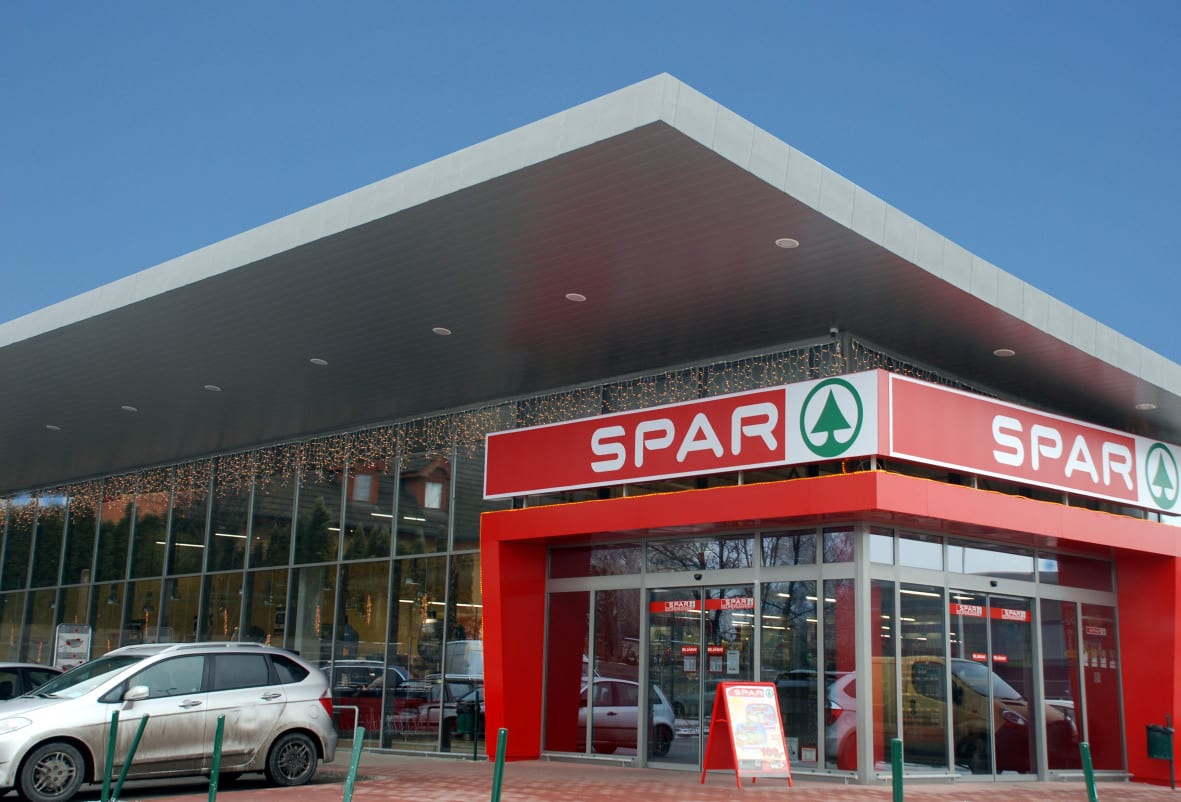
    Spar Indonesia launched in March with just three stores – but the local partner expects to end 2015 with 15 operating.

    Another 40 stores will join the network by 2018 according to the Dutch retailer’s master franchisee PT Ramayana Lestari Sentosa.

    The partnership agreement between Ramayana and Spar was signed in September 2014 and the two companies wasted little time bringing the brand to the Southeast Asian nation.

    Besides rolling out the Spar supermarkets, RLS plans to open several new department stores under the Ramayana brand in Jakarta and East Java next year. It has budgeted US$29.41 million for store openings.

    RLS will also open Spars in Makassar town in South Sulawesi, Padang in West Sumatera, Balikpapan and Samarinda in East Kalimantan.

    Part of the rollout involves rebranding and reconfiguring existing Robinson department stores into Spars.

    Spar Asia has already established a network of more than 250 large format stores in China and is in the early stages of a new foray into India.

  • Ted Baker thrives on expansion

    Ted Baker thrives on expansion

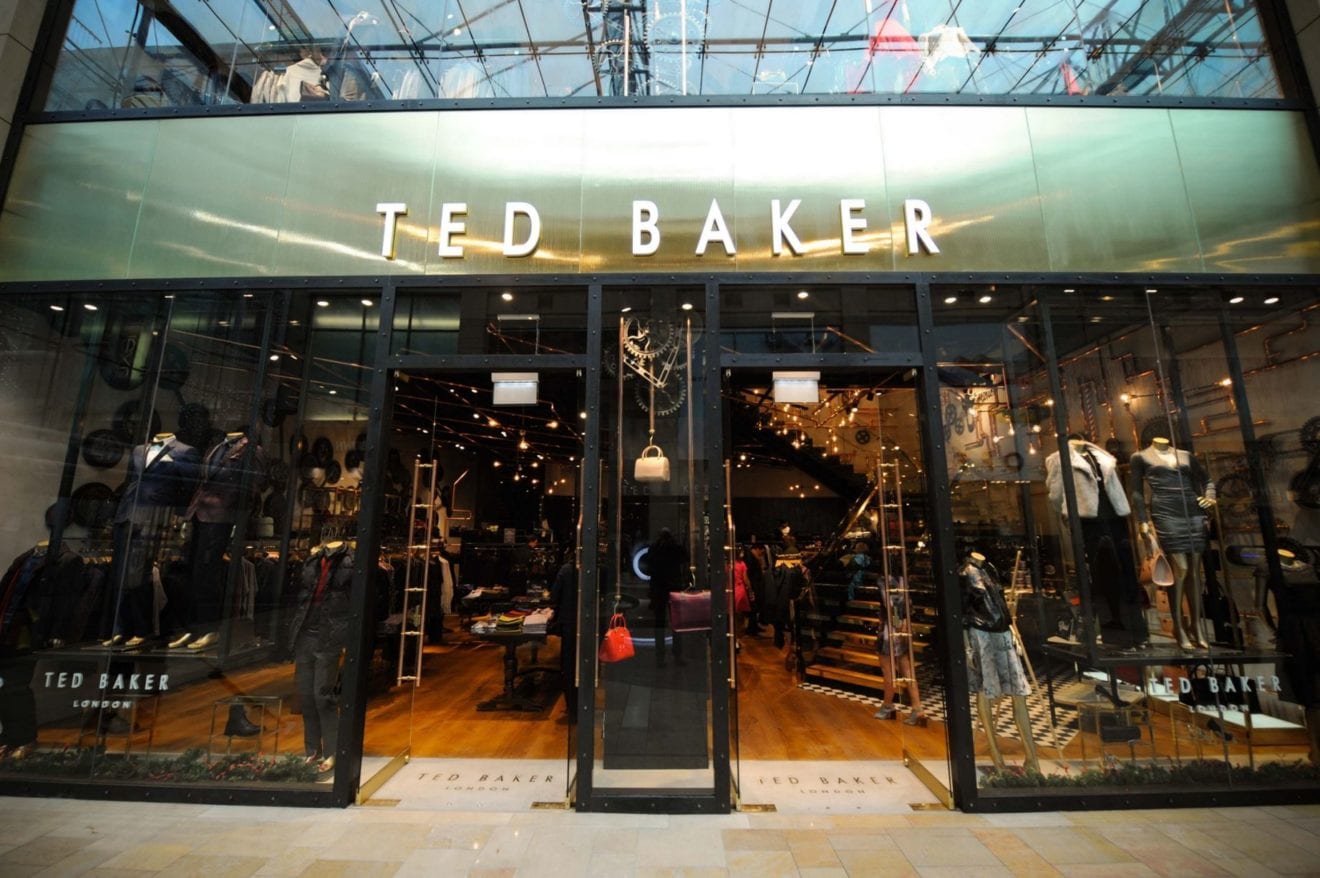
    Quirky UK fashion and lifestyle label Ted Baker has announced a 20.5 per cent rise in group revenue for its third quarter to 14 November.

    Celebrating an 18.1 per cent rise in retail sales at constant rates, these results were helped by the addition of more than 32,516 sqm in average retail space (an increase of seven per cent) during the period. A planned customer event, which fell a week earlier than last year, also boosted sales.

    Despite the continued international challenges that Ted Baker outlined in its half year results last month, the company has proceeded with numerous openings, spanning Amsterdam, Hawaii, Malibu and Toronto, adding further concessions in premium department stores in Germany, Ireland, Spain, North America and Toronto over the last three months. The brand has also made a return to London’s Stansted Airport, following an £80 million transformation of the terminal. The “Departures Store”, which officially opened on November 6, has a summer holiday theme, featuring 3D Polaroid-style wall boxes set against blue swimming pool tiling and light fixtures in the shape of inflatable beach balls. An interactive digital screen across the store front senses movement and invites passersby to move closer.

    Ted Baker’s wholesale arm saw a sales increase of 27 per cent (25.1 per cent in constant currency), helped by strong trading in both the UK and North America. Group wholesale sales are expected to be 28 per cent ahead at the close of the full year.

    Ted Baker’s varied international approach has also seen licensed store openings in Singapore and Taiwan together with licensed concessions in Kuwait and Mexico. These have enabled Ted Baker to progress with expansion in the Far East despite economic volatility in the surrounding region.

    An outtake from the “Wonders Never Cease” Autumn Winter 2015 campaign, shot over five nights at London’s Natural History Museum in collaboration with shoebox film firm Crowns and Owls, currently represents the backdrop for the brand’s website. While the “affordable luxury” label has received a positive reaction to its Autumn/Winter collections so far, the swing of success at the end of the year will be heavily dependent on strong Christmas trading.

  • Jacob Delafon China opens first store

    Jacob Delafon China opens first store

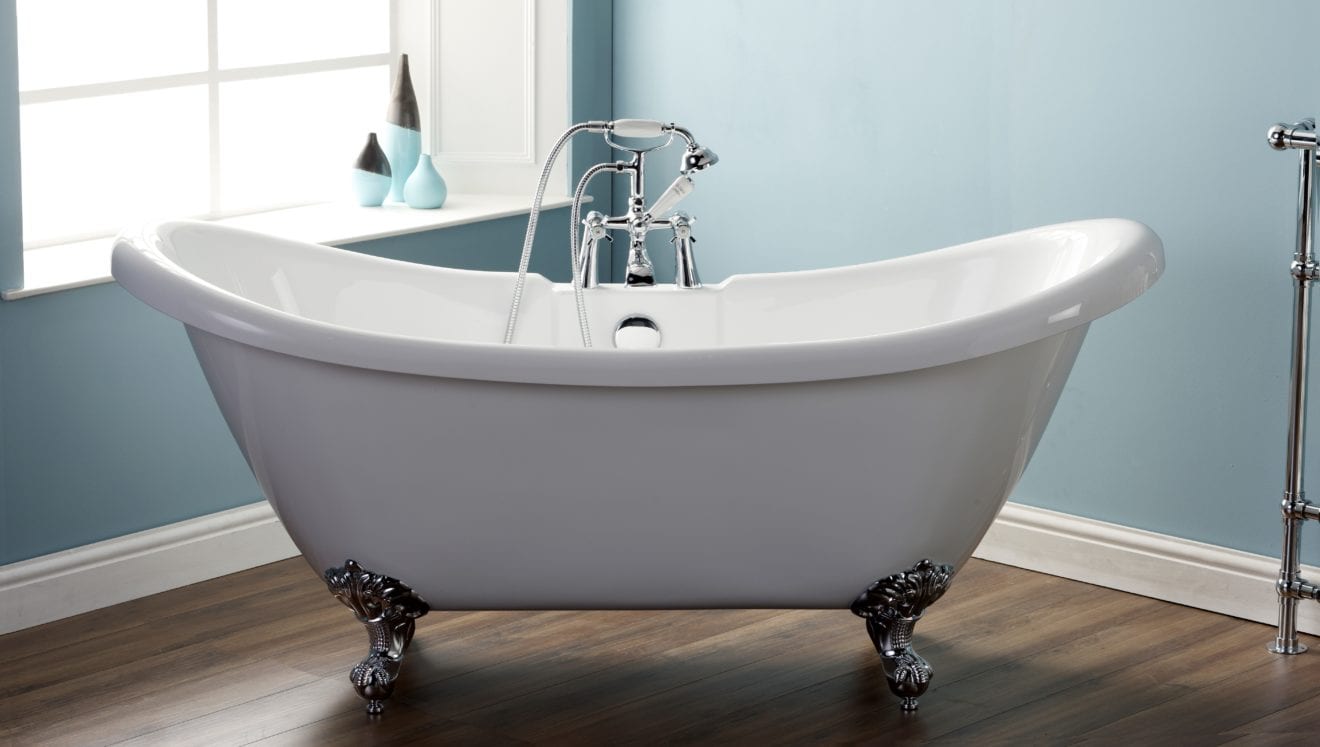
    Jacob Delafon, a leading French fashion bathroom brand, has launched its brand in China and opened its first store there.

    The new Jacob Delafon China showroom opened on Tuesday, November 17 in Shanghai.

    Bruno Chenesseau, kitchen & bath design director of Jacob Delafon Europe, Middle East and Africa, said given the company is based in Paris, “we were naturally inspired by the city”.

    “By its architecture, its atmosphere, its unique diversity and above all, by the elegant and audacious Parisian style. It is a truly creative playground,” he said.

    The heritage of the Jacob Delafon brand helps the design team to “jump out of the box” and present a more elegant lifestyle.

    “Jacob Delafon speaks the same language with French fashion trend, and is inspired from the elegant and independent Paris ladies,” said Chenesseau.

    “Then, from these observations, Jacob Delafon created three brand “universes” of collections. The Presqu’ile collection is inspired by the flea markets, a perfect mix between bric a brac and eclecticism. The Terrace collection takes place in an industrial loft with refined lines. And the Stillness collection is the modern reinterpretation of an Haussmannian apartment. The brand spreads these different universes throughout our design, which makes Jacob Delafon’s products so unique and recognisable among others.”

  • Bizpluss.in targets $20 billion sales

    Bizpluss.in targets $20 billion sales

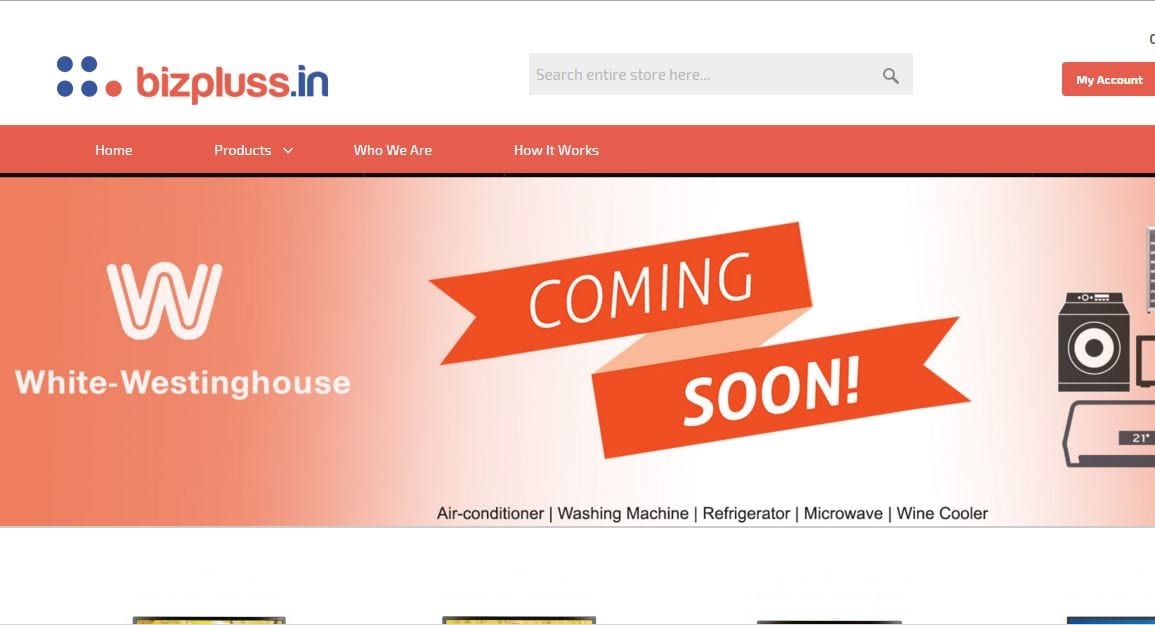
    Indian B2B eCommerce startup Bizzplus.in has added 32 suppliers from China to its portfolio, giving 50 brands direct access to its Indian business customers.

    And the company says it aims to become a US$20 billion turnover business within the next three years.

    Its next priority is to add suppliers from the UK, UAE and Europe as it aims to supply 100,000 retailers in the first phase of its growth plan.

    Among the 50 new Chinese suppliers are TCL, Toshiba and G’Five.

    “This new venture will disrupt the long supply chain and will directly connect the retailers and suppliers between India and China for better pricing,” said Yasharth Verma, executive director of Bizpluss.

    “Today with 100 per cent production, the demand is only for 50-60 per cent compared to 120 per cent before. Suppliers from electronics, electrical home appliances and home furnishing are the top categories from China region. Next, we will get children products and garments from European countries,” he said.