Tag: expansion

  • The Body Shop Sri Lanka marks brand debut

    The Body Shop Sri Lanka marks brand debut

    The Body Shop has entered Sri Lanka, with conglomerate Softlogic Group signing up for the franchise.

    Founded by Dame Anita Roddick 40 years ago, The Body Shop introduced fair trade to the cosmetics and toiletries industry in 1987, and was the first cosmetics brand to be recognised under the Humane Cosmetics standard for its stand against animals being used for product testing. It has more than 3000 stores in 60 countries.

    Body Shop Sri Lanka 1

    While it has yet to open its first store, Body Shop Sri lanka already has a brand ambassador – Miss Sri Lanka 2006, Jacqueline Fernandez. At a launch event, she spoke about using The Body Shop products since she was a teenager.

    Body-shop

    Also at the launch, CEO Ashok Pathirage said the group had found a “kindred spirit”.

    “Thanks to the synergy of our values, vision and culture, we will have the opportunity to greatly accelerate the business in Sri Lanka.”

  • Tumi plans more stores globally

    Tumi plans more stores globally

    US luggage retailer Tumi plans more stores internationally this year after a solid 2015.

    The company reported a net sales increase of 3.9 per cent to US$547.7 million in the year to December 31, or 6.7 per cent on a constant currency basis. Gross profit increased 6.8 per cent to $326.9 million, gross margin rose from 58 per cent to 59.7 per cent and net income was $63 million

    CEO and president Jerome Griffith said the company expects sales to increase a further 4 per cent to 6 per cent in the current year, assuming a constant exchange rate.

    “We are committed to growing our direct-to-consumer distribution worldwide through store openings, particularly in the international markets, as well as through the expansion of our global eCommerce platform. In 2015, we opened 27 new stores, and expanded our eCommerce platform to 18 countries globally.”

    This calendar year, the company expects to open between 15 and 20 stores, with an increasing focus on international markets.

    “Finally, we will focus our marketing programs and brand building initiatives on creating a deeper connection with our core customers and on extending our global reach,” said Griffith.

  • Aquazzura’s First Asian Store Opens In Hong Kong End Of 2016

    Aquazzura’s First Asian Store Opens In Hong Kong End Of 2016

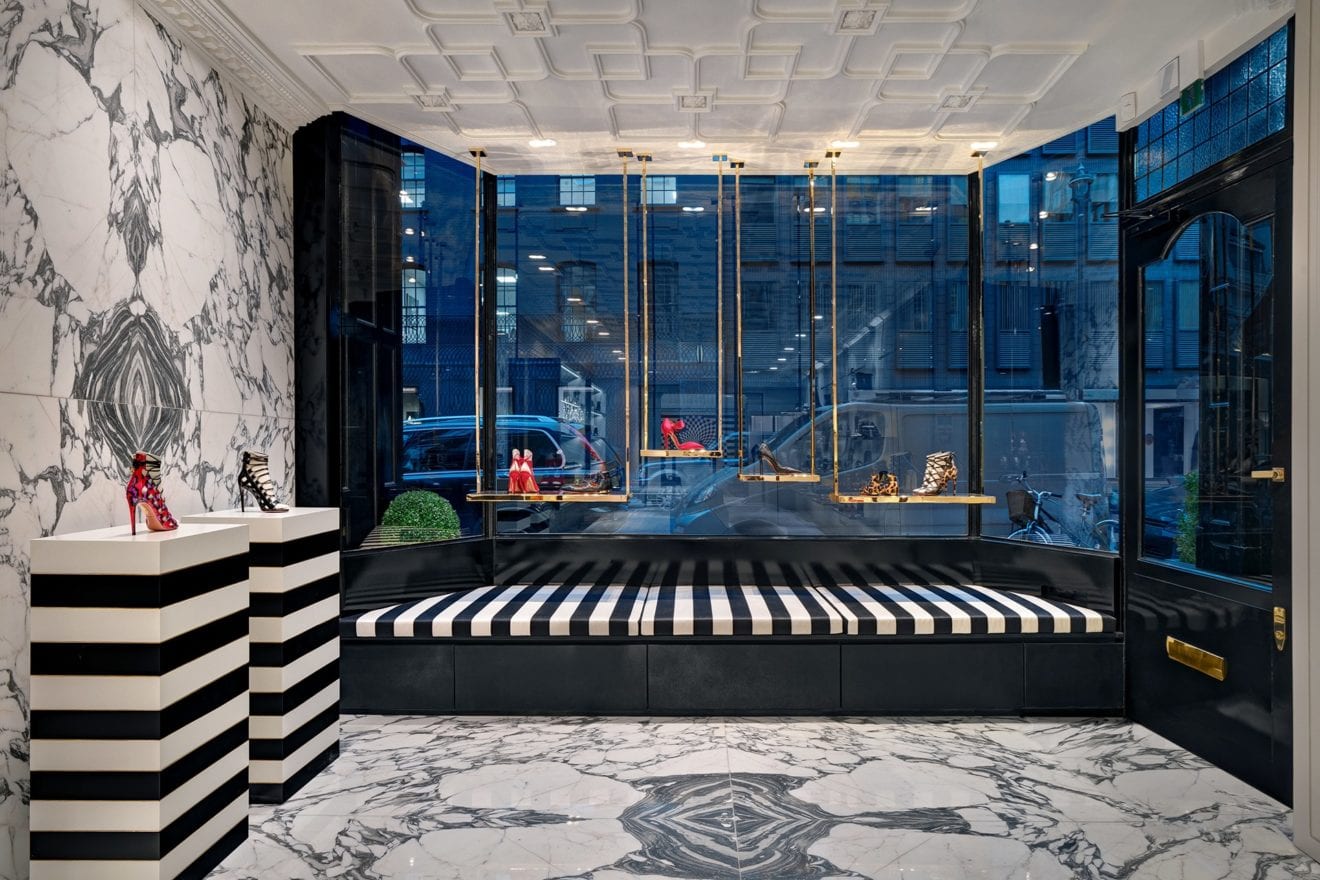
    Florence-headquartered luxury shoe brand Aquazzura plans to open its first Asian store in Hong Kong at the end of 2016.

    Edgardo Osorio, co-founder and creative director of Aquazzura, said that Hong Kong is a window to Asia and an excellent place to start the brand’s business expansion in Asia. Though Osorio refused to provide a detailed sales figure, he said that the brand is doing amazing things in the Asian market already.

    He added that they have been expanding and their stores maintain good sales performance.

    The luxury shoe brand Aquazzura was founded by designer Edgardo Osorio in 2011. Its products combine Italy’s traditional craftsmanship with luxury designs, which are popular among fashionable women.

  • Myanmar City Mart eyes US$25m expansion

    Myanmar City Mart eyes US$25m expansion

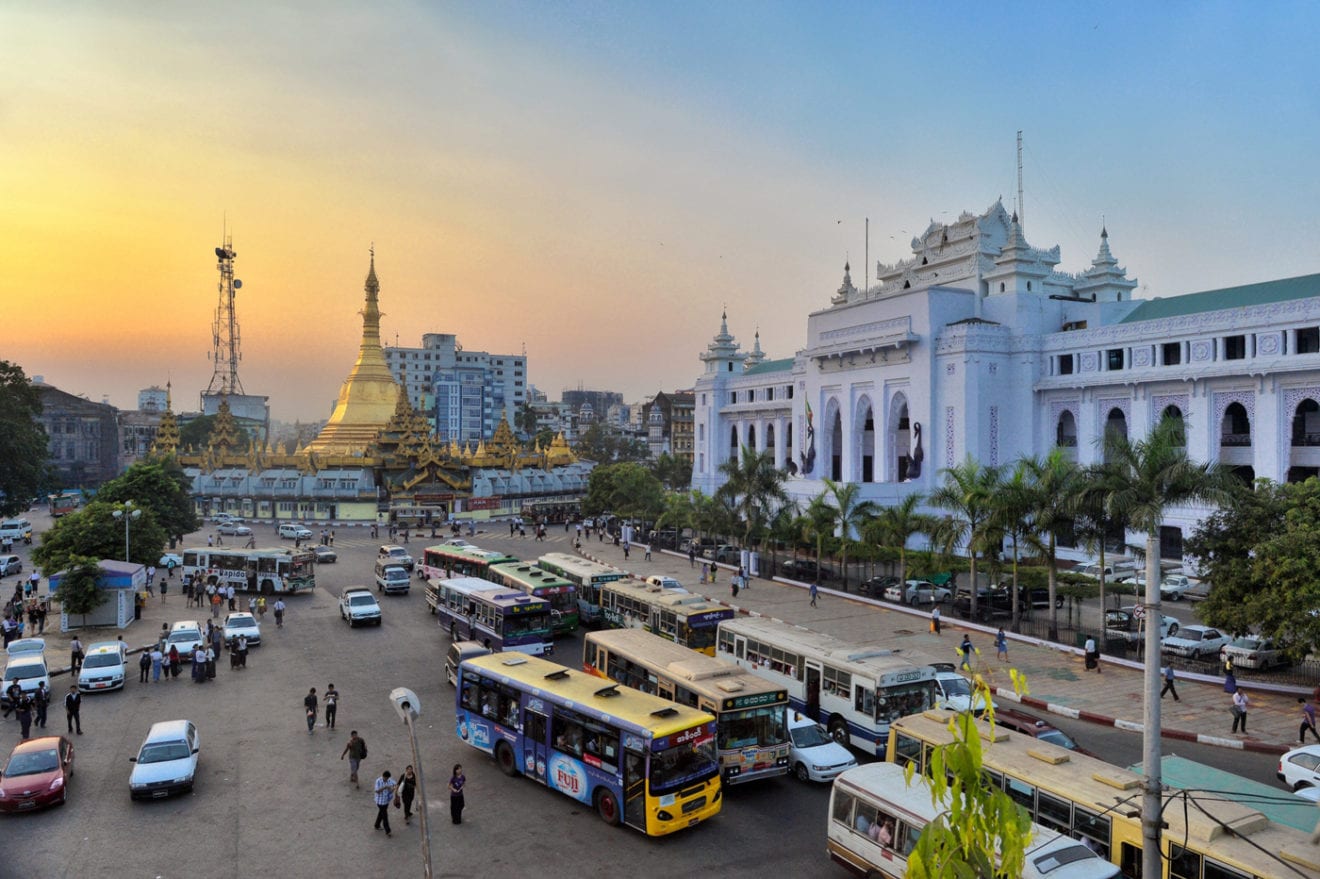
    The Work Bank Group’s International Finance Corporation (IFC) has invested US$25m in Myanmar’s largest private retailer Myanmar City Mart Holding (CMHL) to expand its operations, create jobs and boost Myanmar’s retail sector.

    CMHL plans to use the loan to construct 20 additional supermarkets and hypermarkets over the next three years, adding to the 150 stores operating in Myanmar.

    The new operations are expected to increase CMHL’s purchases from domestic suppliers six-fold, hitting US$150m by 2021, and creating more than 4,000 jobs, half of which will be for women.

    “IFC’s investment is a sign of confidence in our business plan as well as in Myanmar’s retail sector potential,” founder and managing director Win Win Tint said in a company statement.

    “In addition to funding, IFC’s expertise and advice on food safety, good social and environmental practices and corporate governance will also help us take the company to the next level.”

    “IFC supports the development of a modern retail sector in developing countries as it helps spur growth and job creation, develop supply chain and logistics infrastructure, and support smaller businesses,” said Vivek Pathak, IFC regional director for East Asia and Pacific. “With our global expertise and industry knowledge, we will be delighted to work with CMHL to improve efficiency and standards to become a model retailer in Myanmar.”

    CMHL was established in 1996 and today operates supermarkets, hypermarkets, bakeries, pharmacies and convenience stores across Myanmar.

  • First Monica Vinader Singapore store opens

    First Monica Vinader Singapore store opens

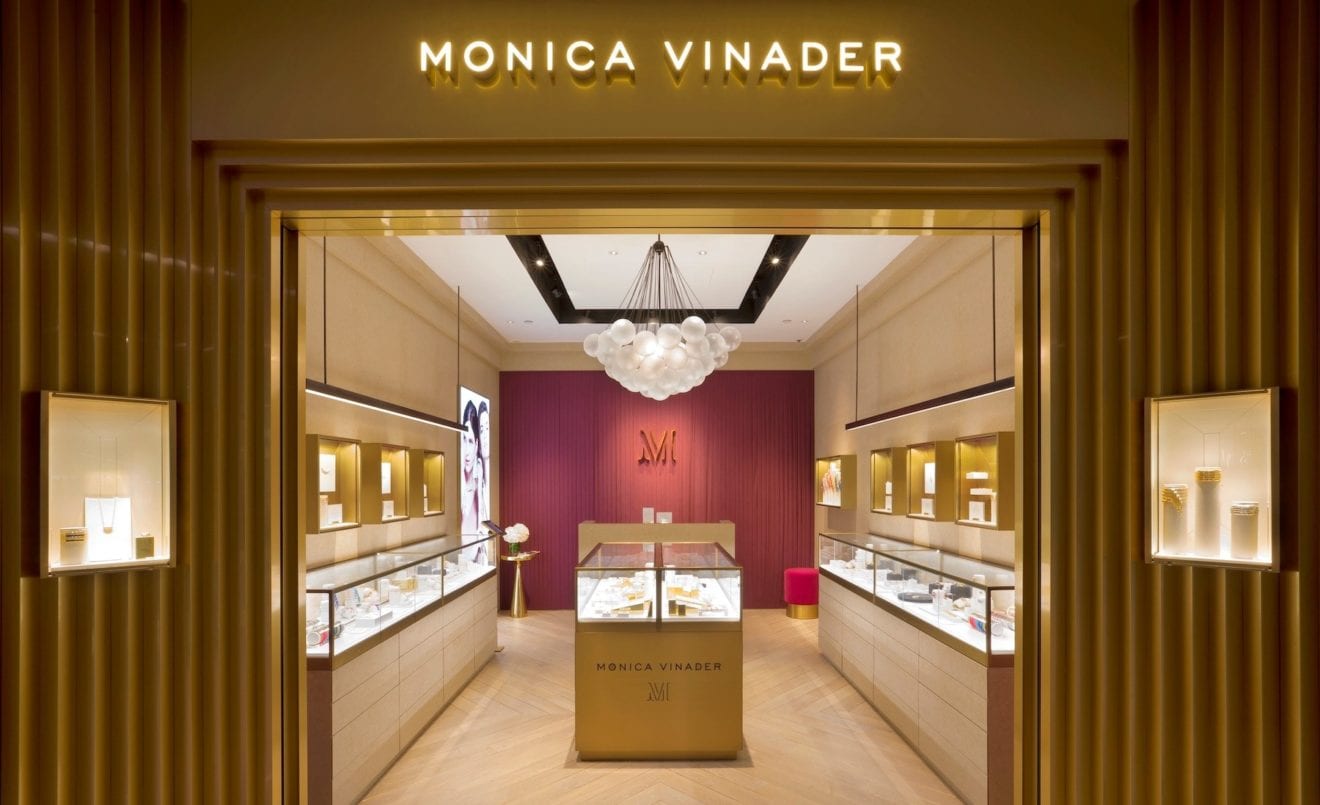
    British luxury jewellery brand, Monica Vinader has opened the doors to its first Singapore boutique.

    The Monica Vinader Singapore store is located inside the Ion Orchard shopping centre on Orchard Rd.

    “I am delighted to be opening our first store in Singapore, such an internationally vibrant city, and excited to be able to welcome our Singapore customers to our new boutique at Ion Orchard mall,” said Monica Vinader, CEO & founder of the namesake retail brand.

    The new store offers all the Monica Vinader collections from Friendship bracelets, to bespoke cut gemstone jewellery and contemporary diamond ranges. Customers will be encouraged to visit the Friendship bar where they can engrave personal messages, motifs or hand drawn doodles using the complimentary engraving service, or to layer and stack bracelets, pendants or rings to define their individual styles for any occasion.

    The store’s interior features marmorino walls and iconic gold vitrines which align with the brand’s philosophy, “using high specification materials, custom fixtures and fittings to create a welcoming and vibrant luxury shopping environment”.

    Monica Vinader has become globally renowned for its instantly wearable, contemporary designs, and is a favourite amongst A-list names such as Olivia Palermo, Emma Watson and HRH the Duchess of Cambridge.

    Monica Vinader was founded in 2002 after she began creating a jewellery collection while working in South America with her husband. Initially she focused on creating bespoke pieces for private clients, but demand soon grew to a larger audience. In 2006, the company began trading as Monica Vinader Ltd and went on to win Retail Jewellers’ Jewellery Brand of the Year award in 2009 before securing private equity investment for an international expansion.

  • DJI opens futuristic drone shop in China

    DJI opens futuristic drone shop in China

    DJI, one of the world’s leading manufacturers of unmanned aerial vehicle technology (drones) has opened its first flagship drone shop, in Shenzhen.

    As the photos demonstrate, the store is futuristic in its design and customer engagement let alone the sci-fi nature of the products the brand sells.

    The store, at OCT Harbour, features a full range of DJI’s consumer products and aims to let consumers see, touch and learn firsthand about the company’s innovative and creative platforms.

    “The DJI flagship experience is an important touchpoint to connect people with our cutting-edge technology and get a sneak peek into the future,” said Frank Wang, DJI founder and CEO.

    “Whether you are curious to learn how to fly or a professional looking for the latest aerial imaging technology to create your next big idea, the flagship store will provide you with the opportunity to really experience the DJI brand up close and in person. More importantly, it will allow us to engage our customers in a deeper and more meaningful way.”

    On display and for sale will be DJI’s Phantom 3 series, the Inspire 1 and Spreading Wings series, Matrice 100, Guidance, the Ronin handheld three-axis camera gimbal line, as well as the company’s latest integrated stabilized 4K handheld camera, the Osmo.

    Product Showcase 2

    The flagship’s interior architecture is based on the concept of yuan, the Chinese word for “circular.” It is symbolic of DJI’s drone propellers, which form a circular shape when in motion. This concept can be seen in various places around the store, including the SkyPixel Around the World interactive installation, which is featured on a cylinder-shaped map in the shop’s center. The flagship store also features a theatre, flight area, lounge area and repair counter.

    The OCT Harbour store features a stunning waterfront view and is surrounded by a vibrant culture of tourism, ecology and commerce.

    Highlights of the flagship store include:

    Theatre: Visitors can expect an immersive visual experience at the Theatre, where they can see stories captured from the sky and content from around the world.

    Theater

    SkyPixel Around the World: An interactive installation, where visitors can explore photo and video stories captured by aerial enthusiasts from the Skypixel community.

    Flight Area & SkyPixel

    Flight Area: DJI pilots will be there throughout the day to perform demos, and the LED screen will project different backgrounds to match the different flight experiences.

    Lounge Area: Visitors can sit back and relax in the lounge area, talk with staff and learn about DJI’s latest products.

    Product Showcase 3

    Repair Counter: A team of customer-support staff to provide technical assistance, help with firmware updates and make reservations for drop-off repair.

    Repair Counter

    The DJI flagship store is located at the Shenzhen Tourist Information Center, OCT Harbour, East No.8, Baishi Rd, Nanshan District, Shenzhen, China. Opening hours are Sun-Thu 10am to 10pm; Fri-Sat 10am to 10.30.

    DJI Flagship Store aerial shot 1

    DJI was founded and is run by people with a passion for remote-controlled helicopters and experts in flight-control technology and camera stabilisation. The company is dedicated to making aerial photography and filmmaking equipment and platforms more reliable and easier to use for creators and innovators around the world. DJI’s global operations currently span North America, Europe and Asia, and its products and solutions have been chosen by customers in over 100 countries; for applications in film, advertising, construction, fire fighting, farming, and many other industries.

    The company has a YouTube channel featuring its products in action.

  • Spykar denim plans 250 new stores

    Spykar denim plans 250 new stores

    Spykar, an Indian-founded denim brand, is planning to open 250 stores over the next five years under a franchise program.

    According to Franchise India, Spykar currently operates 200 exclusive brand outlets across India targeting the youth market.

    Meanwhile, the company is also exploring opportunities for international expansion.

    Spykar COO Sanjay Vakharia told Franchise India the brand has operated stores in London and Melbourne, Australia, for three years.

    “The experience gained during these overseas ventures is invaluable and will help us for future propositions. We will explore more global markets.”

    Grounded in denim, the brand has expanded into casual clothing including t-shirts, shirts and winter clothing. Womenswear and accessories are likely to be added to the portfolio “in the near future”.

    Under its Indian franchising program, the brand will open new stores at a rate of about one a week, focusing on tier 1, 2 and 3 cities: Noida, Kolkata, Pune, Mumbai, Jamshedpur, Indore, Calicut, Kota, Bangalore, Hubli, Coimbatore, Vadodara, Lucknow, Ghaziabad, Ranchi, Jaipur, Alwar, Udaipur, Jalgaon, Chandrapur, Satara, Trivandrum, Thrissur, Kottayam, Kannur, Vizag, Vijaywada, Guntur, Nellore, Rajahmundry, Tirupati, Kakinada, Chennai, Madurai, Bilaspur, Ahmedabad and Hyderabad.

  • PetSmart opens Hong Kong global sourcing office

    PetSmart opens Hong Kong global sourcing office

    US pet provisions retailer PetSmart will open its global sourcing office in Hong Kong this month.

    The company says it chose Hong Kong to leverage the city’s strategic location to provide high-quality, innovative products for pet owners in North America.

    PetSmart is a renowned specialty pet retailer of services and solutions for the lifetime needs of pets in North America. The new Hong Kong office, located in Kwun Tong, will support the company’s global sourcing efforts in Asia and work closely with the US team to ensure all products sourced meet company objectives and customer needs.

    “As PetSmart continues to bring pet owners closer to their pets, we have an opportunity in Hong Kong to get closer to our supply chain controlling quality and costs, consolidate our non-food product assortment and develop innovative products in-house that our customers desire,” said Jim Persinger, director of PetSmart International Holdings.

    “Hong Kong is a fast-paced and growing market with close proximity to a significant Mainland factory base that develops high-quality, non-food pet products. Setting up an office in this strategic location will allow us to better serve our customers.”

    Dr Jimmy Chiang, associate director-general of Investment Promotion with Invest Hong Kong, said the establishment of PetSmart’s sourcing operations in Hong Kong reaffirms the territory’s status as an international trading and sourcing hub.”

    PetSmart operates 1444 pet stores in the US, Canada and Puerto Rico and approximately 202 in-store PetSmart PetsHotel dog and cat boarding facilities.

  • India’s Specialty Restaurants plans 24 new ‘fun’ eateries

    India’s Specialty Restaurants plans 24 new ‘fun’ eateries

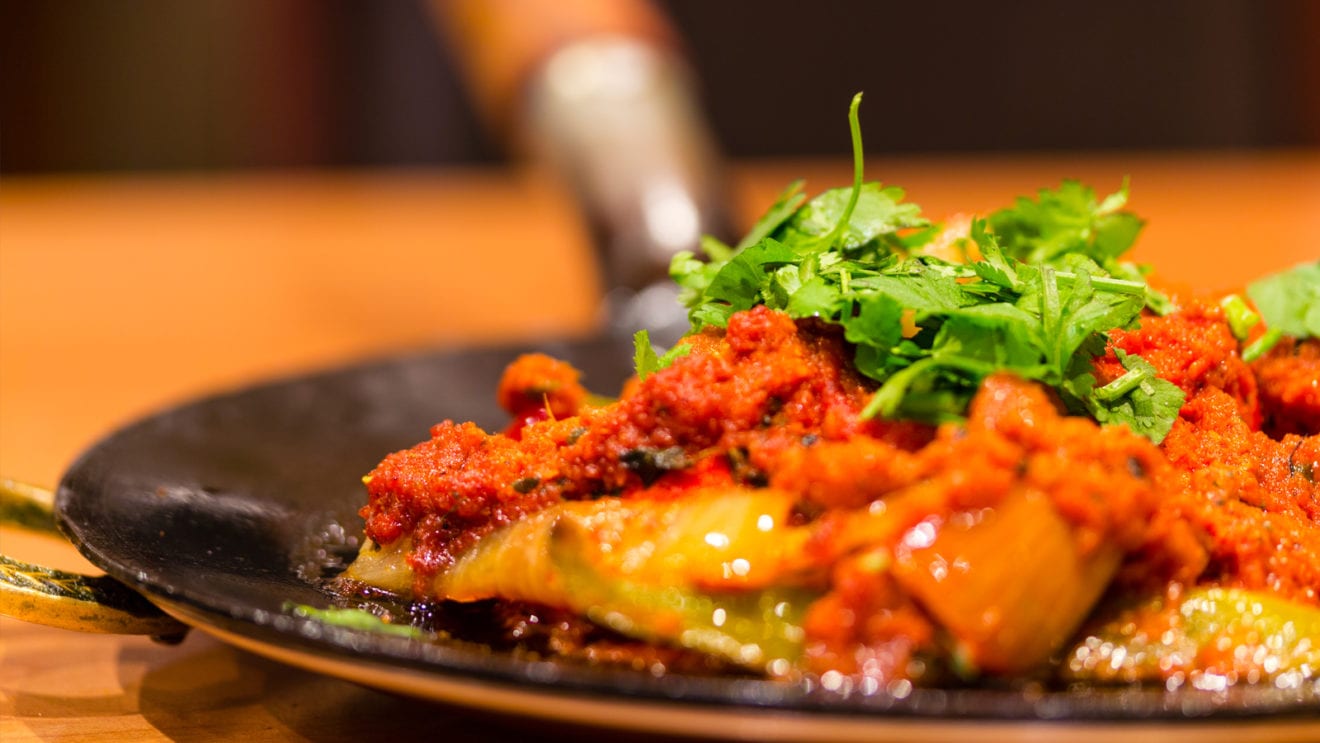
    Fine dining operator Speciality Restaurants says it will focus on its ‘fun dining’ brands as it rolls out 24 new eateries over the next two years.

    The group currently operates 123 restaurants, a mix of fine dining destinations branded Mainland China and Oh! Calcutta, and what it terms ‘fun’ brands – Mainland China Asia Kitchen, Cafe Mezzuna and Hoppipola.

    Executive Anjan Chatterjee says from now on the company will more or less equally split its capital investment evenly between the two channels – fun and fine dining.

    “At least 50 per cent of restaurants we open in 2016 and 2017 will be fun dining. The vertical will help us maintain leadership in the fine and casual dining restaurants and confectioneries market. Over the years, we have developed a dedicated client base that is sophisticated and appreciates fine dining. But there is another group that is as important who want an informal atmosphere and a fun dining experience,” he said in an interview with the Times of India at the opening of a new Asia Kitchen restaurants at the Acropolis Mall.

    “They are young customers with disposable incomes. We have developed brands for them and will now expand this vertical.”

    The company is also pursuing opportunities to expand overseas.

    With two restaurants in Bangladesh and two in Tanzania, it is about to open its first outlet in Doha. Chatterjee is seeking locations for new restaurants in London and New York.

    Specialty Restaurants also has a small collection of quick service restaurants – one each trading under the brands Zoodles, Shack, Kibbeh and Kix.

    Chatterjee believes consumer dining preferences are changing.

    “Traditionally, people went to a restaurant and had their fill. But the trend has changed. They have become small eaters for health and economic reasons. Food is expensive and people don’t want large portions that will lead to wastage or a doggy bag. For instance, if a portion of mocha chop contained eight pieces, we have now introduced a regular portion that has four pieces. The regular size is good for two. If there are three or more, customers have the option of ordering one more. It is good on the pocket too and will encourage customers to come back more often. We don’t want price to be a barrier,” he said.

    Specialty Restaurants has already introduced regular portions at Mainland China and Oh! Calcutta.

  • Geox plans 350 China stores with Hong Kong partner

    Geox plans 350 China stores with Hong Kong partner

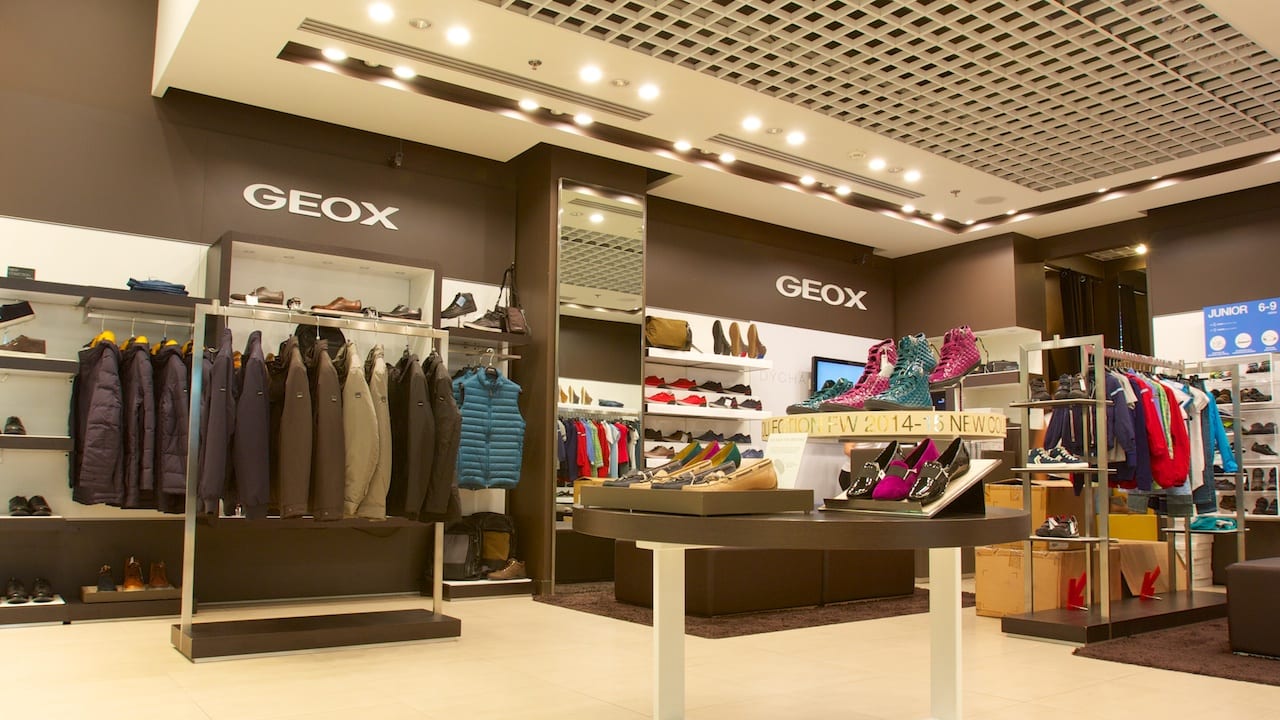
    Italian shoemaker Geox has signed a distribution agreement with Hong Kong listed Pou Sheng International to set up 350 stores in Mainland China by 2020.

    The two companies will target China’s rising middle class – 109 million newly affluent, quality-conscious and brand-happy Chinese consumers.

    Geox is one of the leading brands worldwide in the lifestyle footwear market, listed on the  Milan stock exchange and Pou Sheng is one of the leading retailers in China in the lifestyle and sportswear market, retailing brands such as Converse, Rockport and Keds with 4586 retail outlets and another 2691 sub-distributors across China.

    The Geox agreement includes the exclusive distribution of Geox adult collections in China and the opening of 350 new stores in the first five years – including mono brand stores and  shops-in-shops in high end footwear specialist retailers, shopping malls and department stores.

    Mario Moretti Polegato, chairman and founder of Geox, said the strategic agreement is aimed at “developing properly our brand distribution in China where, in our directly operated stores in Shanghai and Beijing, Geox has already demonstrated to have strong potential”.

    “I believe the partnership with Pou Sheng is extremely relevant as it merges the Geox mission of improving everyday life of our endorsers, through our breathable innovations, with a partner whose enlightened mission is providing services and products that promote high quality of living and healthy lives and whose goal is to be the customer’s number one choice and the brand’s best partner in China through the strongest and most innovative multichannel retail network”.

    Geox CEO Giorgio Presca describes China’s emerging middle class as “definitely the best thing” that could have happened to his company.

    “On one hand, the rise of the middle class will boost the economy. On the other, it is the perfect thing for brands like us.”

    Geox is already expecting same-store sales growth in China of 17 per cent or more this year – its highest growth rate globally. But China still comprises just two per cent of its total sales.

  • Eslite China makes debut in Suzhou

    Eslite China makes debut in Suzhou

    Taiwanese bookstore operator Eslite Corporation has opened its first shop in Mainland China.

    The Eslite China store has opened in Suzhou in a high profile event featuring some of China’s most famous writers and artists, including Lin Hwai-min.

    Eslite has opened two stores in Hong Kong, redefining the nature of the bookshop in the territory.

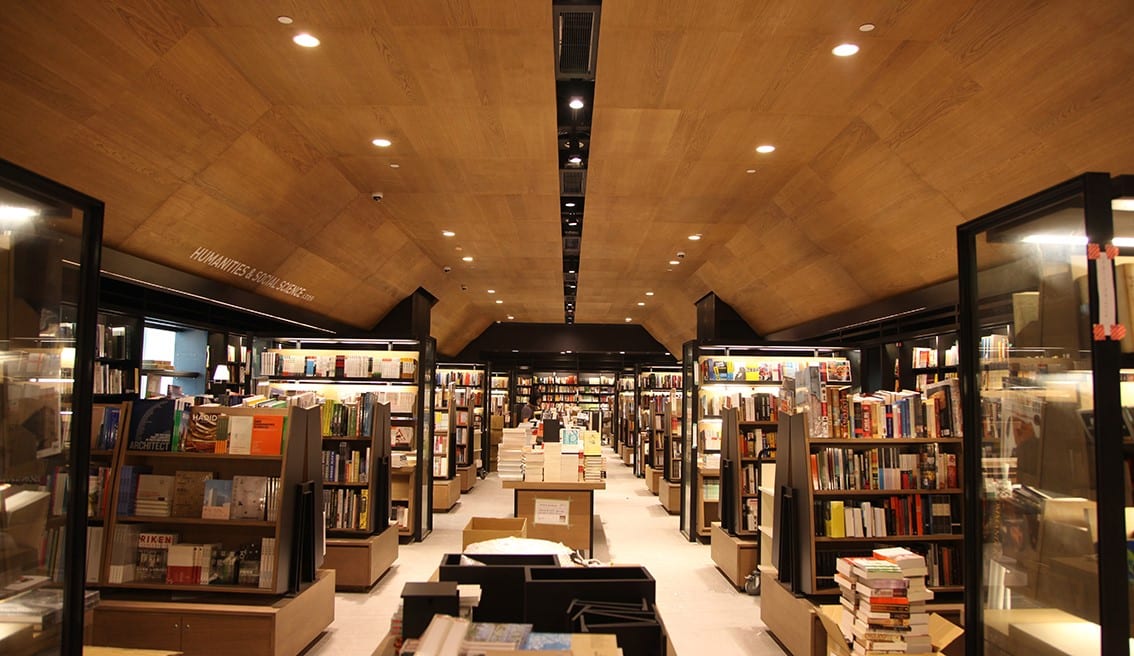
    Featuring prominently in the store – which merges art and books with exhibitions and curated collections of gift lines, is a painting by Cai Guo-Qiang in Taipei in 2009, titled Day and Night.

    The Eslite Corporation operates 43 retail bookstores in Taiwan. The Chinese store is its third overseas.

    Despite the brand being new to the mainland, there is a surprisingly high level of local awareness, in part due to Chinese visiting the Hong Kong flagship stores.

  • Carrefour has opened its biggest store in Asia

    Carrefour has opened its biggest store in Asia

    Carrefour SA, a French retailer, as of late opened its biggest store in Asia in the Chinese capital, Beijing. The divulging comes as the firm plans to capitalize on the expanding interest for imported sustenance from medium-and top of the line customers.

    The two-story hypermarket is situated on the North Fourth Ring Road, adjoining the sprawling office of Swedish outfitting retailer Ikea. It houses more than 80 stores, including Uniqlo, Decathlon and the first-ever Baidu Concept Store.

    The Carrefour Beijing outlet, which is spread over a territory of 71,380 square meters, offers more than 40,000 items, 15 percent of which are foreign things.

    Serving as the French retailer’s twentieth store in the city, the hypermarket likewise has 800 free parking spots, 15 electric charging stations for transport transports, and five underground charging stations for electric autos.

    “We are concentrating on imported nourishment items as there has been an ocean change in the sustenance inclinations of Chinese purchaser,” Laurent Olszewski, local chief for the North-West China district at Carrefour, said. “It is very unique in relation to what I saw when I first came to China in 1995.”

    “Chinese buyers need to take a stab at everything,” he included, refering to imported French salt and Australian meat as samples. Olszewski additionally shared that Carrefour is growing its e-trade business in 2016. The firm will concentrate on its Web-based administrations by January one year from now in the wake of completing their work on their Tianjin-based logistics focus.

    As per specialists, this move of Carrefour is an approach to acquire shoppers fitting in with the high-pay class.

  • Lazada sees opportunities in upcountry expansion

    Lazada sees opportunities in upcountry expansion

    Lazada, Southeast Asia’s largest online shopping website, is pushing its business development in Thailand in a drive to capitalise on the lucrative and rapidly growing e-commerce market.

    The company has set up two subsidiaries: Lazada Express, the logistics arm; and helloPay, the mobile payment arm.

    Having logistics and mobile payment services will help Lazada facilitate its customers and boost sales.

    In June, Lazada relocated its local representative office to a new facility to support its existing 800 employees here. The company has 6,000 employees located in Southeast Asia.

    “Thailand and Indonesia are the two largest e-commerce markets in terms of sales for Lazada in Southeast Asia,” said Alessandro Piscini, chief executive of Lazada Thailand.

    Lazada has an online footprint in six countries in the region.

    However, Mr Piscini said Thailand’s online retail industry remains tiny, accounting for less than 1% of the total retail market, compared with 10% each in China, Japan, South Korea and France.

    “We believe Thailand will soon grow at the same pace as other developed markets, helped by an expected surge in mobile data users because of the arrival of 4G commercial service nationwide,” he said.

    Lazada sees a strong opportunity for online shopping upcountry because the number of retail stores there remains small, Mr Piscini said.

    As of Nov 30, Lazada’s sales from the provinces accounted for 60% of its annual gross merchandise value (GMV), worth 10 billion baht.

    “Thailand’s sales represented 25% of Lazada’s total sales in Southeast Asia,” he said.

    Lazada recorded GMV of US$1.1 billion from the six Southeast Asian countries, with a combined 8 million buyers.

    Lazada Thailand provides more than 2 million product items from 7,000 online merchants on its website. The top three best-selling categories are health, beauty, and home and living.

    Mr Piscini said Lazada had expanded its warehouse operation by 60% to support the business growth.

    Lazada and a group of partners announced the Online Festival yesterday, to be held from Dec 10-12. The company will offer discounts of up to 90% across 14 product categories.

  • Royal Enfield to enter the Thailand motorcycle market

    Royal Enfield to enter the Thailand motorcycle market

    Royal Enfield, when not posting stupendous growth figures in the Indian two-wheeler market, continues to rapidly add to its small but expanding export presence. The Chennai based brand presented its products at the Bangkok Motorcycle Show and announced plans to aggressively enter the Thai market in mid-size motorcycles. Royal Enfield defines the mid-size motorcycle as bikes between 250 and 750cc in displacement. Royal Enfield showed off its entire range at the Thailand International Motor Expo in Bangkok including the Bullet 500, Classic 500, Classic Chrome and the Continental GT. Royal Enfield also showed off its new range of gear and accessories for the Thai market.

    Royal Enfield Continental GT Black

    Arun Gopal, head of international business for Royal Enfield said, “We have pioneered and grown the mid-size motorcycle category in India. With over 50 per cent year-on-year growth in the last five years, our ambition today is to lead and grow the underserved middle weight segment globally and this growth will largely come from markets like India such as Latin America and South East Asia, given their size and comparable commuting trends. Thailand with its already established leisure motorcycling culture and presence of several riding communities and enthusiasts, blends perfectly with Royal Enfield motorcycles that has exploration and adventure at its core. Thailand is among the largest two-wheeler markets in the world and a very important one for Royal Enfield. With highly evolved consumers, Thailand is the most evolved country in South East Asia for leisure motorcycling. With a large commuter base, this market has enormous potential to upgrade to the next level of motorcycles, if there are enough attractive product choices. With our modern classic bikes, Royal Enfield is well poised to fill this gap and catalyze the shift to mid-size motorcycles in Thailand.”

    General Auto Supply Co. Ltd (GA) will be their dealer in Thailand and it will start retail operations in Thonglor, Bangkok shortly. GA will also work on expanding the aftermarket abilities of the brand in the Thai market.

    Royal Enfield has been exporting motorcycles for a long time but the push to expand both volumes and markets is a recent move. The company exported roughly 2 per cent of its production last year but that is set to change as the company goes towards its goal of becoming the world’s largest mid-size motorcycle maker.

  • Blackmores cuts the ribbon on Bondi store amid mad China scramble

    Blackmores cuts the ribbon on Bondi store amid mad China scramble

    Blackmores chairman Marcus Blackmore admits he had no idea just how much the opening up of China would turbocharge sales of his company’s vitamins, creams and supplements.

    The ASX-listed natural health business has been showered with awards this year while booming sales have seen the stock light up the local sharemarket.

    Around 80 per cent of our products are sold through pharmacy in Australia and they give fantastic advice.

    Christine Holgate, Blackmores

    Shares in Blackmores, of which Mr Blackmore owns 24.5 per cent, have surged from $32 in January to around $189, giving the company a market value in excess of $3 billion.

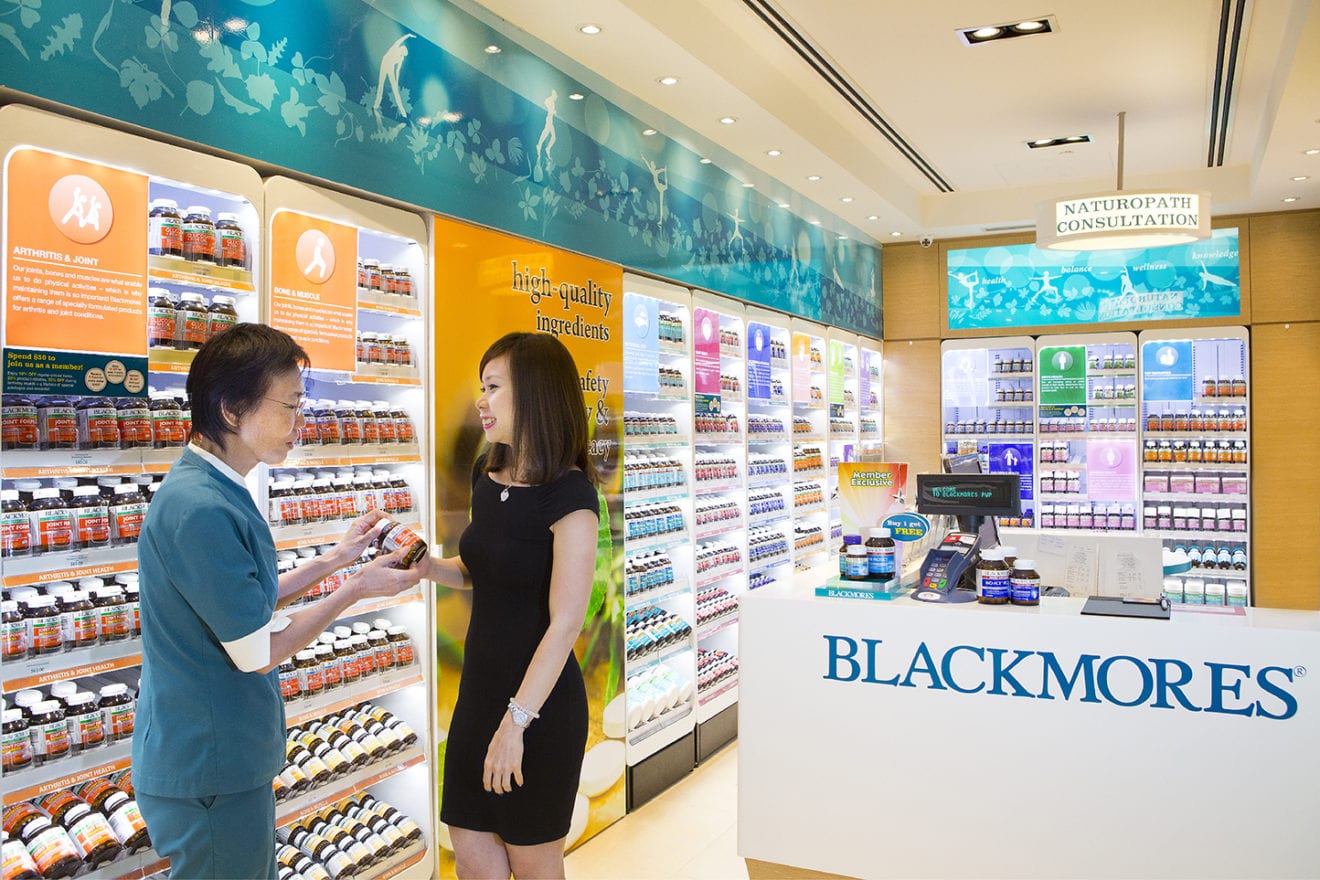
    “It has been an unbelievable year,” Mr Blackmore told Fairfax Media at the unveiling of the company’s first retail store in Australia.

    Advertisement

    “It is beyond any expectations. We’ve been in China for four years but we had no concept of what China would deliver.”

    At a recent dinner in Shanghai Mr Blackmore met a man from Guangzhou who runs three hospitals treating 20,000 people a day with traditional Chinese medicine.

    He said that China’s long history of using traditional medicines means customers in that market are much easier to win over.

    “Chinese people have a very clear understanding of the philosophical values of natural health,” he said.

    Blackmores floated on the ASX 30 years ago, and for most of that time the company sold 3000 tubs of vitamin E cream a month. In November 2015 the company sold 800,000 tubs of vitamin E cream.

    For the three months to September 30, Blackmores reported a 64.7 per cent increase in sales to $162.2 million and a 161.5 per cent increase in profit to $22.6 million.

    Mr Blackmore said “things come in threes” and the opening of Blackmore’s first Australian retail store at Bondi Junction Westfield caps off the trifecta.

    The other two things brightening the vitamin king’s mood happened last week.

    Last Thursday Blackmores boss Christine Holgate was named chief executive of the year by CEO Magazine, and on Friday federal trade minister Andrew Robb awarded Blackmores the health and biotechnology exporter of the year award.

    New store boosts connection

    Ms Holgate said the Bondi store is not about building a retail presence across Australia but is intended to help connect with Blackmores customers.

    “We are not going to become retailers, we partner with pharmacy. Around 80 per cent of our products are sold through pharmacy in Australia and they give fantastic advice,” she said.

    “What this allows to do is to bring our products and our therapies much closer to the consumer and enables us to listen to the consumer and better understand their health needs.”

    While Ms Holgate is trying to deepen ties with her local customers, the big issue she has is satisfying voracious Asian consumers.

    In the past six months Blackmores has increased it production capacity by 60 per cent. The company has hired 100 extra people but has now run out of office space.

    In November, which Mr Blackmore believes was “probably a record month”, Blackmores produced 2.7 million bottles of product. It will have capacity to produce 4.2 million bottles a month in April next year.

    “The things that keep me awake at night are: availability of raw materials, availability of raw materials, and availability of raw materials,” Ms Holgate said.

    In some product lines there is a natural brake on boosting production immediately. For example, evening primrose oil, a market dominated by Blackmores, comes from a plant harvested once a year.

    In other cases Blackmores is constrained by its strict quality criteria.

    Ms Holgate is loath to put the brand name at risk by compromising even slightly on quality.

    “I’m sure I could give you a lot more sales, but not at the quality levels we want,” she said.

    Last month Blackmores inked a joint-venture deal with dairy group Bega Cheese to supply infant formula and other nutritional products to Asia, opening a range of new opportunities for both companies.

    Ms Holgate said the company actually uses a dairy rival, New Zealand’s Fonterra, as a case study for an internal quality workshop.

    Fonterra has been embroiled in a number of dairy food scandals including the 2009 melamine crisis in China and the false botulism alert, which prompted a massive product recall, in 2013.