Tag: expansion

  • Robinsons Retail Philippines eyes 200 stores

    Robinsons Retail Philippines eyes 200 stores

    Robinsons Retail Philippines has announced it will add 200 stores, mostly convenience stores and supermarkets.

    The boost in its retail chain will add to its existing 1506 stores.

    For 2016, Robinsons Retail Holdings has earmarked P5 billion in capital spending, nearly 60 per cent higher than the P3.14 billion in 2015.

    Robina  Gokongwei-Pe, president and COO of Robinsons Retail Holdings, said “2016 is expected to be a good year. With the national elections in May coupled with the rising purchasing power of consumers fuelled by low fuel prices, we expect same store sales growth to stay healthy for the whole of 2016,” Gokongwei-Pe said.

    “We however, foresee competition to remain intense as more retailers are expanding aggressively in areas outside Metro Manila to cash in on the still low modern retail penetration in these areas,” she said.

    robinsons storerobinsons supermarketRobinsons Townville facade 2

  • Shake Shack Korea is coming closer

    Shake Shack Korea is coming closer

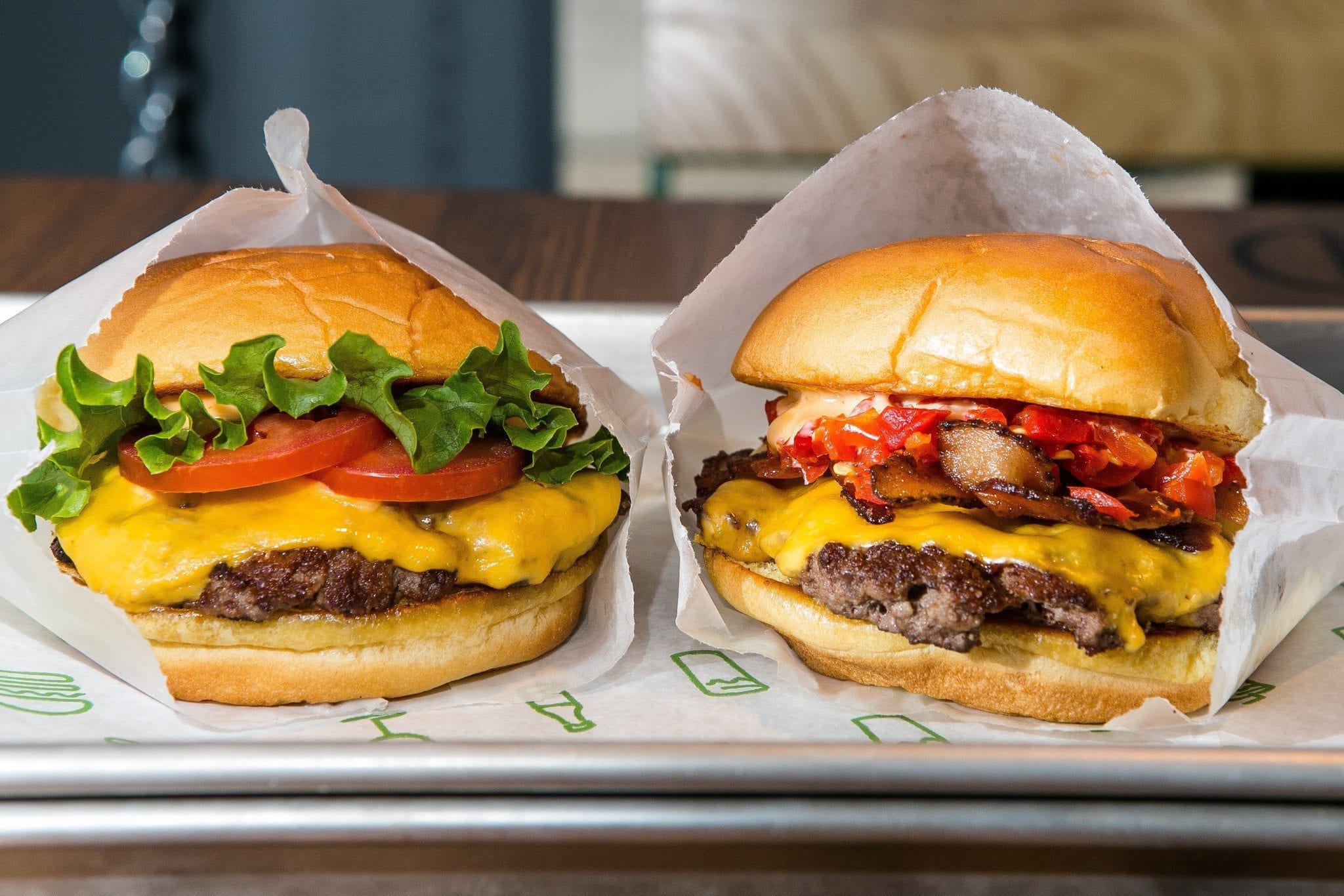
    New York burger chain Shake Shack is set to make its Korean debut as early as July.

    The Shake Shack Korea licence was secured by Korean food and confectionary giant SPC Group last year and the first outlet is currently under construction in the Gangnam district of Seoul.Shake Shack meal

    The company says the grand opening of the debut store is planned for some time in July or August.


    Shake Shack, an American fast casual restaurant. is best known for its burger and milkshake combo.

    SPC says construction of the first store is well under way. “Gangnam is one of the most vibrant and energetic areas of Seoul,” said a spokesman. “It’s the perfect place to reenact the dynamic atmosphere of Shake Shack’s flagship restaurant in Madison Square Park.”

    CH7_9911b-540x360.0.0

    Last year Shake Shack signed a licensing agreement with Japanese company Sazaby League, local operator of Starbucks. The two companies plan to open 10 Shake Shacks in Japan by 2020, with the first, in Tokyo, scheduled to open in 2016.

  • Los Angeles hotdog chain opens Pink’s Manila

    Los Angeles hotdog chain opens Pink’s Manila

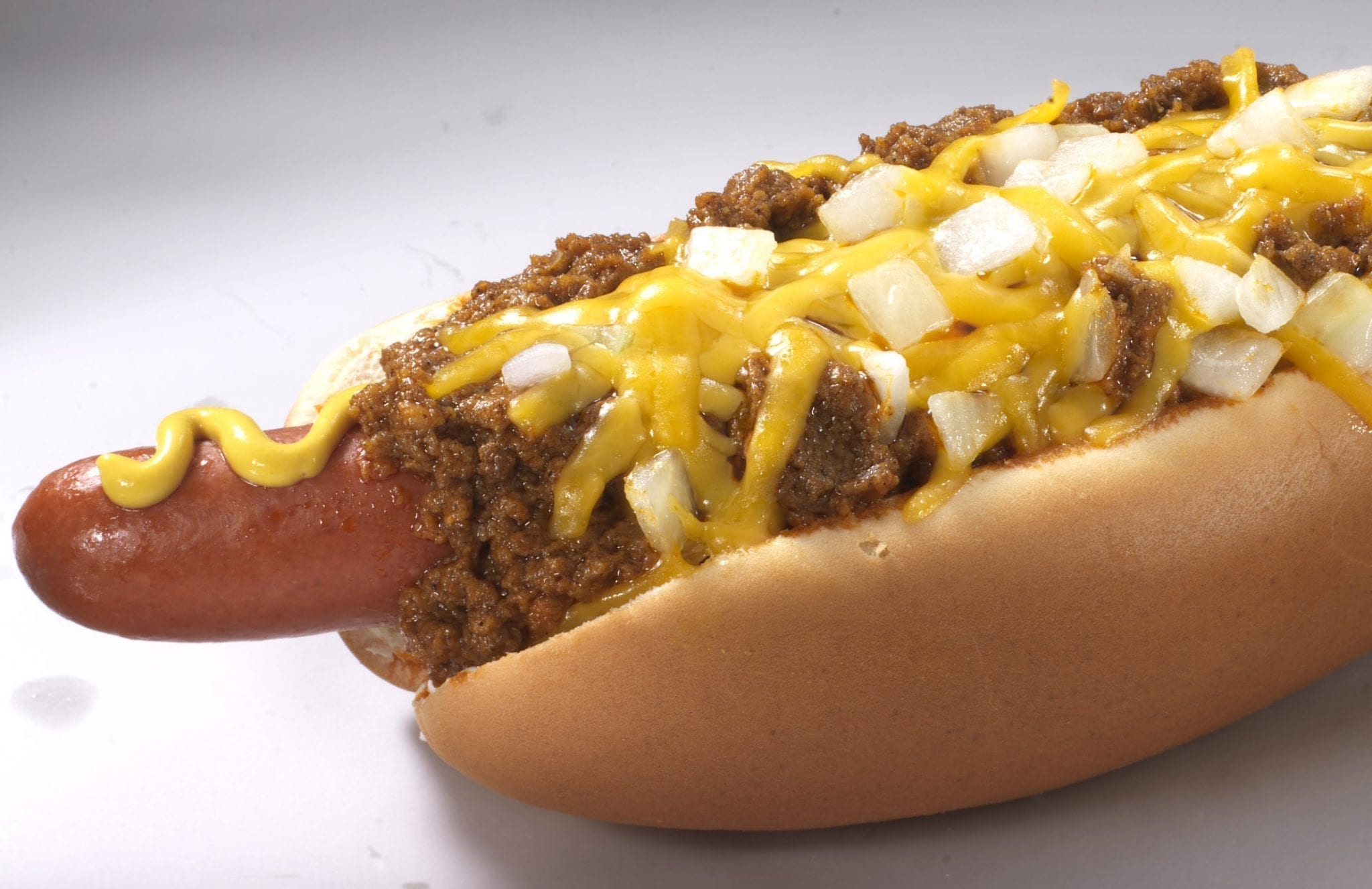
    Los Angeles’ Pink’s Hotdog chain opens in the Philippines today at the Shangri-la Fort in Bonifacio Global City.

    Pink’s Manila is the chain’s first international branch.The Hollywood legend established in 1939 has partnered with Pink’s family and Wildflour & Farmacy Manila to enter the Philippine market.

    Owners Richard and Gloria Pink are in Manila to attend the grand opening of Pink’s Manila at the ground floor of the newly opened hotel.

    Architect Lara Fernandez Barrios designed the “L.A. style biergarten” interiors based on Chef Walter Manzke’s concept for the Manila  branch.

    The new store features a converted Volkswagen Combi housing Farmacy’s ice cream shop and soda fountain stand, and soon, a bar that will be serving cocktails and mostly craft beers on draft.

    Tentative opening store hours will be from 11am to 2am, but are subject to change.

  • Two more Jollibee Singapore stores open

    Two more Jollibee Singapore stores open

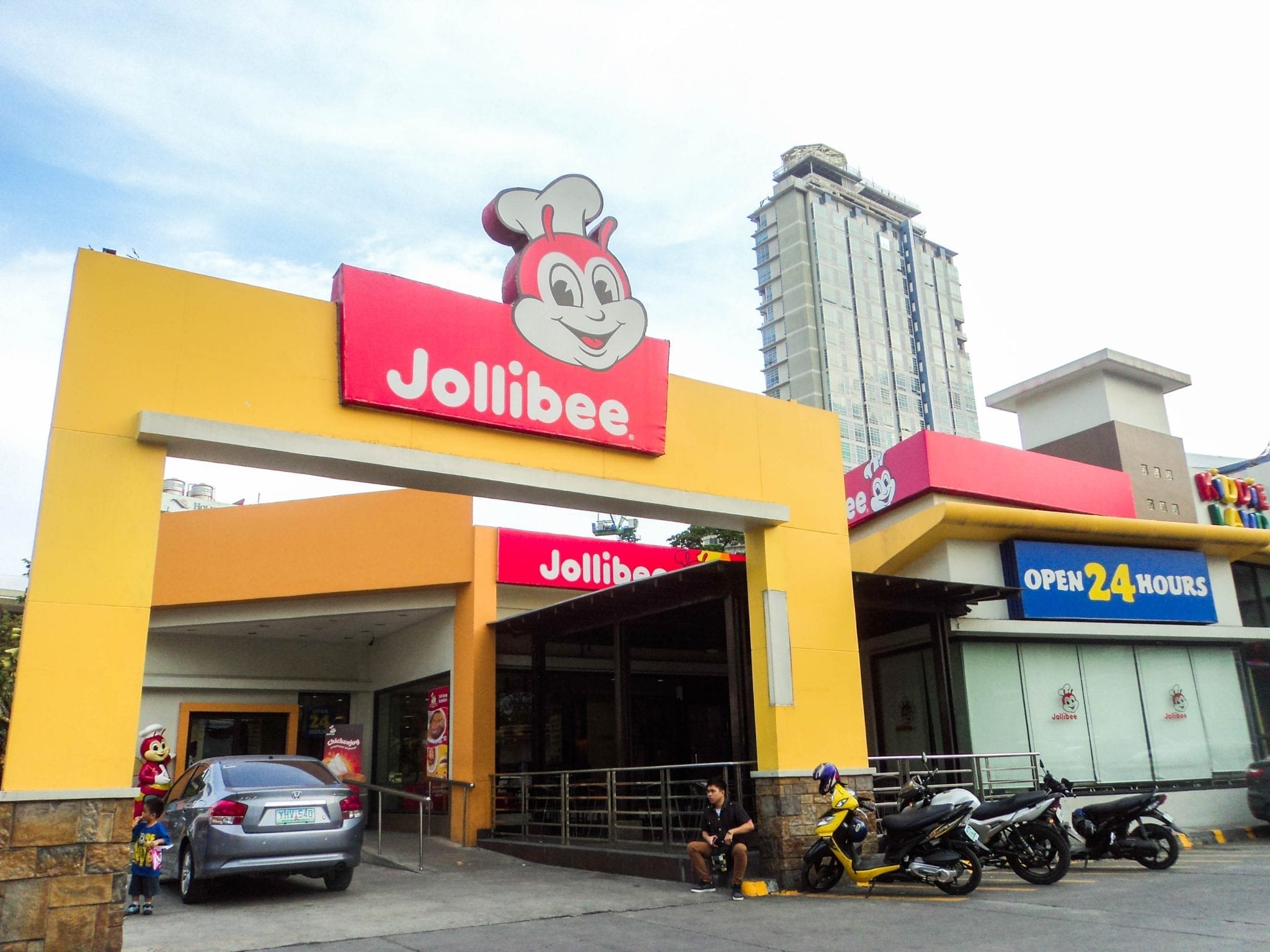
    Jollibee Foods Corp has opened two more outlets in Singapore, driven by Filipinos’ demand for the popular Philippine fast food chain.

    The new stores of Jollibee Singapore are located at Square 2 Novena and Changi City Point, complementing the first one in Lucky Plaza.

    Aside from the usual fare, the new stores’ menu includes Spicy Chickenjoy, Crispy Chicken Burger and Chicken Tenders, to provide more options for Singaporeans.

    “We are delighted to further extend our presence in Singapore to further bring the joy of eating to more families. This is also in response to the growing demand of Singaporean residents who love our Chickenjoy and our Jolly Spaghetti,” said Dennis Flores, Jollibee Foods Corp VP for International Markets.

    “Our unique style of preparing our bestselling Chickenjoy was very well-received; crunchy and juicy fried chicken enjoyed with tasty gravy is a hit with local palates.”

    Jollibee has hit a milestone when it opened its 1000th global store at The Dubai Mall. The company now sets its sights on high-expansion growth in the US, Middle East, Europe, Australia and Southeast Asia.

  • L’Occitane to expand to China’s lower-tier cities

    L’Occitane to expand to China’s lower-tier cities

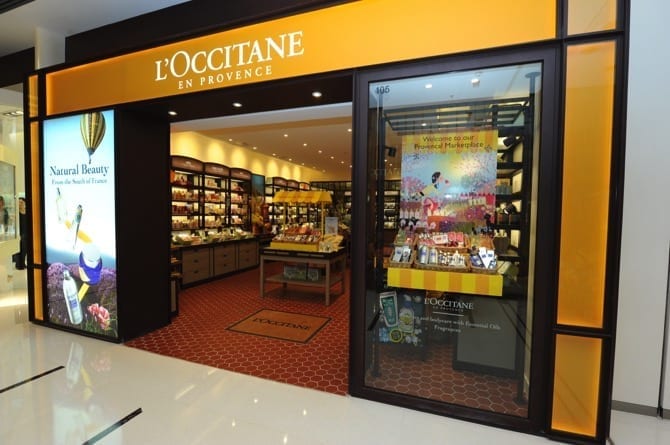
    French skincare brand L’Occitane has revealed its plans to expand into China’s lower-tier cities through e-commerce, in particular Tmall, an online platform for branded goods operated by Alibaba Group Holding.

    The company revealed that it has a marketing partnership with the online platform to meet China’s emerging middle class, who are creating growing demand for imported premium products.

    According to Andre Hoffmann, L’Occitane’s vice chairman and managing director of Asia-Pacific, opening new physical stores in China’s second and third-tier cities would help create brand awareness.

    The group reported that mainland China was its largest source of growth last year, with sales in the country growing 16.8 percent, contributing nearly 30 percent to the company’s overall growth. The company saw an 8.9 percent rise in sales to USD1.45 billon over the 12 months ending in March.

    Meanwhile, L’Occitane held off on plans to expand in Hong Kong and Macau due to the declining numbers of Chinese tourists visiting the two regions. The company revealed that it will be shutting down a store in Hong Kong in September, following a recent closure of one of its shops in Macau.

    “Now [that] mainland tourist numbers are shrinking, maybe we don’t need so many stores to do the same level of business,” said Hoffman in a Nikkei report.

    L’Occitane is planning to continue adding to its 187 stores in 65 cities across mainland China. Some 50 stores, which are set to open globally later this year, will be in mainland China, Japan and South Korea.

    While Hoffman noted that all stores in Hong Kong have been “profitable,” he admitted that the retail market has been “very challenging in the past 18 months.”

    The vice-chairman revealed that its current strategy is to focus more on local costumers, adding, “The mainland tourists are just like the cherry on top of the ice-cream sundae.”

  • Krispy Kreme Cambodia opens first outlet

    Krispy Kreme Cambodia opens first outlet

    Krispy Kreme Cambodia has opened its first shop, in Phnom Penh.

    This makes Cambodia the 27th country to have a Krispy Kreme Doughnuts outlet.

    It will offer the brand’s classic treats and coffee, says senior VP and international president Dan Beem. “The strong fan support for the brand is exciting, and we believe that support will continue to grow as we open more shops in the country over the next several years.”

    Krispy Kreme Cambodia

    Krispy Kreme Doughnuts has signed a franchise agreement with Express Food Group to open 10 shops throughout Cambodia over five years.

    Krispykreme cambodia

    More than 1000 people visited the Phnom Penh shop on its grand opening day. The first guest in line received a voucher for a free dozen of Original Glazed doughnuts each week for a year.

    Krispy Kreme Doughnuts has its headquarters in Winston-Salem, North Carolina, where it was founded in 1937. The company has more than 1000 retail shops internationally.

  • McLaren leads new British entrants to PH

    McLaren leads new British entrants to PH


    McLaren sportscar (Photo: McLaren)

    McLaren sportscar (Photo: McLaren)

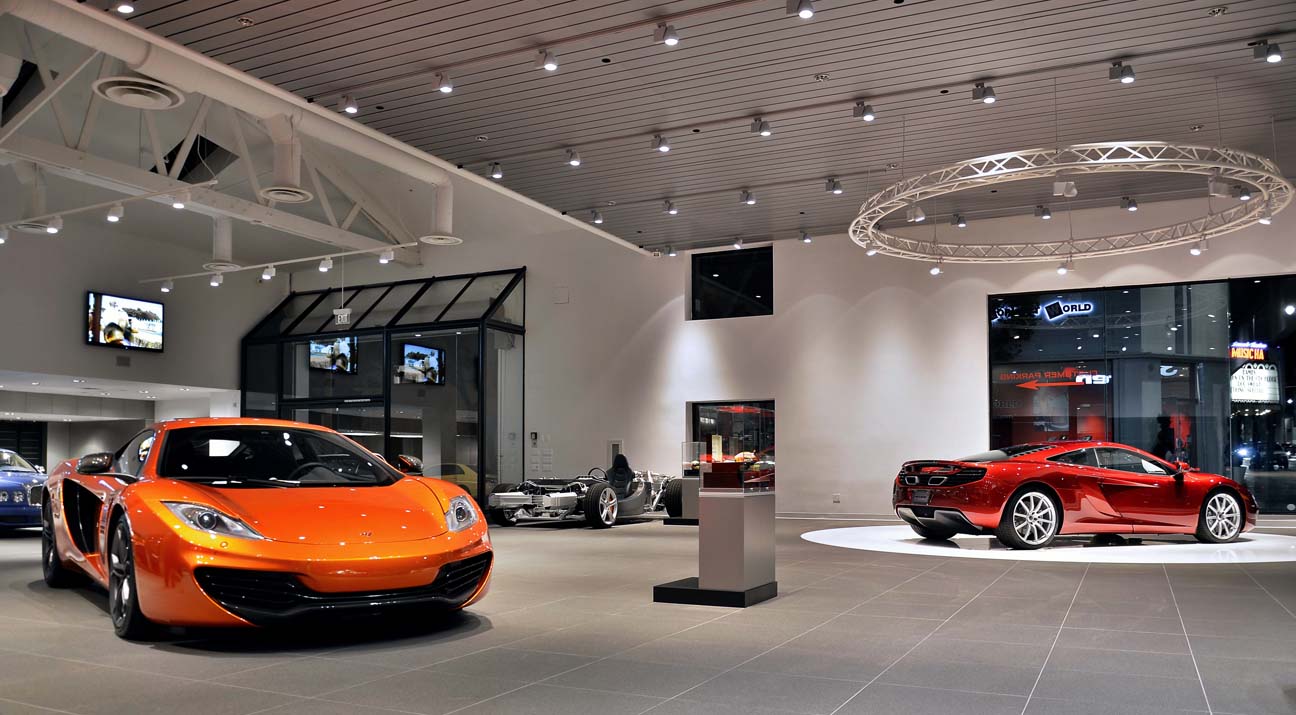
    McLaren, a British manufacturer of luxury, super high-end sports cars, is set to enter the Philippine market, completing the presence of all British car brands in the country while a huge British manufacturer will announce its huge entry into the Philippines next month.

    British Ambassador Asif Ahmad told reporters that McLaren officials came here recently to talk to 3 local car distributors, who could be potential exclusive distributor of the motor racing vehicles.

    According to Asif, he wrote to McLaren telling them they are the only UK car brand missing in the Philippines.

    “All the top brands including Bentley, Jaguar, Rolls-Royce are all here except you. So they come here and talk to potential distributors for exclusive distributorship deals,” he said.

    He hopes McLaren, which produces high end cars but more down to earth cars, would be able to set up local distributorship within the year.

    Asif believes there is a market for McLaren in the Philippines because Filipinos are not just buying one type of brand. Car sales in the country has been expanding robustly. In the first quarter this year, car sales went up — percent to —- units compared to the same period last year.

    McLaren, which leverages its successes in the Formula 1 and technology that promotes car racing, will all be imported from UK.

    McLaren’s retail network has also expanded bringing the total number of McLaren retailers to 71 across more than 30 countries. Growth was recorded across all four of the McLaren regional business units with Asia-Pacific seeing the biggest change with 11 new retail locations opening across the region, resulting in an 80 per cent rise in sales in 2014.

    North America remains the largest market for McLaren accounting for more than 30 per cent of sales, while Europe and the Middle East grew year-on-year by 10 percent and nine per cent respectively.

    Aside from McLaren, Asif also mentioned that a major high-tech British manufacturer will announce its huge investment in the Philippines in the first week of July, next month.

    The company, which Asif refused to identify, will bring in huge investment to establish a manufacturing operation in Batangas, which will be its second overseas manufacturing site. It is engaged in high-tech domestic electrical equipment and leading edge appliances like washing machines and dryers. Its brand is already being sold locally.

    Under the plan, the company will operate in the country in three ways. It will put up its own head office, establish a very high-tech manufacturing unit, and a third party contract  local contract manufacturer.

    “Combine all those together, it’s a hybrid. Three operations in one project,” he said.

    The company, which has chosen the Philippines over Mexico, has already talked with Lilia De Lima, director general of the Philippine Economic Zone Authority.

    “This is a huge boost for the Philippine jobs,” he said adding that its one plant in Asia has created 30,000 jobs.

    “They have chosen the Philippines because of the talented pool of people. In Batangas, they don’t have problem in power supply and they have local port if they want to avoid sending things in Manila,” he said. One thing, he said, the company also cited the Philippines strong protection for intellectual property rights.

    He cited the improving buying power of Filipinos to be able to afford top-end products and brands.

    In addition, Asif expects more British engineering firms to participate in the huge infrastructure projects of the government.

    The British Chamber is also lobbying for the government to open up the education sector to allow British universities to open schools in the country.

  • Radware opens new office in Thailand

    radwareRadware, a provider of cyber security and application delivery solutions, has opened its new office in Bangkok, Thailand.

    Located in the Ratchada area in Bangkok, the new office equips training and demonstration facilities, and will support Radware’s operation across Thailand.

    Radware works with clients in industry verticals such as telecoms, banking, Government, retail and manufacturing sectors.

    Radware Thailand office has also added additional resources, including the appointment of a new Enterprise Business Manager focusing on Banking and Government customers and a new Systems Engineer.

    Paul Coates, VP of South APAC, Radware, said: “Asia Pacific continues to be a strategic region for Radware, and building out a new infrastructure in Thailand allows us to provide even faster technical and sales supports to our valued customers in various industries.”

    Radware has 16 offices in Asia Pacific region: Australia, China, Hong Kong, India, Japan, Korea, Singapore, Taiwan and Thailand — to support its customers and partners.

  • Wal-Mart Needs to Grow Overseas, and China’s the Big Prize

    Wal-Mart Needs to Grow Overseas, and China’s the Big Prize

    Zhong Guoyan sifted through piles of fish at a Wal-Mart in Shenzhen, one of China’s largest cities. She studied the fins, to make sure they were bright red and firm. She peered at the eyeballs — were they bulging?

    “I like when the products are fresh, and the quality is good,” she said. “When I come here, I have a look. If it’s good, then I will buy it. If it’s only cheap, I won’t buy it.”

    In American Wal-Marts, customers are not offered the opportunity to fondle their fish. But America is not China, as the world’s biggest retailer has learned. If the Arkansas-based company wanted to win over foreign consumers like Zhong, it would have to shed some of its American ways, and cater to very different customs and conventions that are fast changing.

    In the U.S., Wal-Mart conquered the marketplace by offering “everyday low prices” to penny-pinching, bulk-buying customers, but Chinese shoppers have good reason to look for quality first, bargains second after scandals involving tainted and mislabeled food. And Chinese shoppers seek fresh food daily because their tiny refrigerators don’t give them room to stock up.

    Zhong eventually tossed a couple of fish into a plastic bag — a small victory in this massive retailer’s struggle to build an international empire.

    The stakes are high: Wal-Mart can’t count on much sales growth from its U.S. business — it’s facing challenges at home with intense competition from online leader Amazon.com and dollar stores, which offer low prices and convenience — so the retailer is depending more on its operations overseas.

    China, the world’s most-populous country, is the ultimate prize. Right now, it represents just 3 percent of Wal-Mart’s global sales of $478.6 billion, according to estimates from IBISWorld, a research firm. And the company has just over 400 stores in China, compared with more than 5,000 in the U.S. But the Chinese grocery market, already the world’s largest at $1.1 trillion a year, is expected to grow to nearly $1.5 trillion in just the next four years, says IGD, a global consumer products research firm.

    “China remains a strategic market for our future,” Doug McMillon, CEO of Wal-Mart Stores Inc. recently told investors.

    Getting the food business right is critical for Wal-Mart. Shoppers buy groceries more often than anything else. If Wal-Mart can get them in the door to buy food regularly, perhaps they will visit more frequently for items like pajamas and coffee makers — and eventually become loyal online customers, too.

    Still, markets in China and elsewhere in the world will not surrender to Wal-Mart, just because it’s Wal-Mart. In particular, global players like Wal-Mart have found that food retailing doesn’t cross borders easily because it’s a largely local business. After struggling on its own in China, Britain’s Tesco PLC decided two years ago to team up with China Resources Enterprise, a state-owned company. Wal-Mart has also taken some lumps.

    Overall international sales growth has been uneven, dropping 9.4 percent last year largely because of the strong dollar. And while Wal-Mart’s overseas business had a strong start to this year, it faces long-term challenges. Wal-Mart gave up in Germany and South Korea, abandoning those markets back in 2006 in the face of tough competition. It’s closing 10 percent of its stores in Brazil. And it’s locked in a price war in the United Kingdom, slugging it out with no-frills German discounters Aldi and Lidl.

    Overseas, Wal-Mart lacks the scale to squeeze local suppliers on price as it does in the U.S. It also faces nimble competitors who are entrenched in foreign markets. It has not always found it easy to duplicate its bedrock strategy of constant bargains outside the United States.

    But Wal-Mart has learned over the years from its missteps, discovering that it can’t just impose its culture on the world, that it needs to adapt to local ways, that patience does pay off.

    In countries like Mexico, Canada and Japan, Wal-Mart has won shoppers over time. After the setbacks in Germany and South Korea, the company established a team to ensure it does a better job integrating international acquisitions, while avoiding the impulse to force employees overseas to adopt all its ways. In Chile, it launched a corporate culture campaign and worked closely with suppliers to coax them into its way of doing business. It’s using its global clout to find and import products from around the world, catering to increasingly sophisticated and demanding middle class consumers.

    Wal-Mart also has come to realize that it can thrive without being the biggest player in every market, says Bryan Roberts, global insights director at TCC Global, a London-based marketing consultancy for grocery retailers. But the company also knows that it needs to succeed in China, now the company’s fourth largest international market by sales. And he believes it will do just that.

    “Wal-Mart,” Roberts says, “is a very determined organization.”

    ___

    WINNING OVER PICKY CONSUMERS

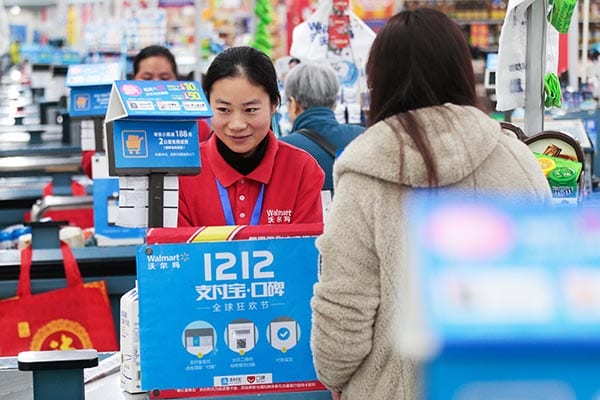
    Except for the signs, most Americans wouldn’t recognize a Wal-Mart in China. At a store in Shenzhen, shoppers sniff bins of rice or use tongs or their hands to examine the piles of local sausage, whole chickens and pigs’ feet. Nearby, tanks brim with live fish, frogs and crabs.

    Americans may like to touch products, but in China, many want to buy live fish, or smell the meat.

    “It has to smell like fresh blood,” said Lina Wang as she examined loose pork.

    Meanwhile, Huang Xiulian stood at a nearby Snickers display, studying the expiration date and where the candy was produced.

    In the massive, unruly Chinese market, some competitors have cut corners, mislabeling products or even selling tainted foods. The risks have made Chinese consumers unusually wary: If a carton of milk or a piece of fish seems too cheap, Chinese shoppers wonder if it’s safe. If items stay on sale day after day, they worry if there’s something wrong with them.

    Sean Clarke, CEO of Wal-Mart China, based in Shenzhen, previously worked in Britain, Japan, Germany, and Canada. China, he says, “is easily the most challenging market to operate.”

    “There is a huge level of distrust in this market,” Clarke says. “Is it fresh? Is the price right?”

    Although China still has plenty of bargain-conscious shoppers, overplaying the price message can also “alienate the increasingly affluent middle-class shoppers, less sensitive on price but (who) value more the quality and assortment of merchandise,” says Jason Yu, general manager of Kantar Worldpanel China, which specializes in research on Chinese shopping habits.

    In particular, Wal-Mart had a difficult time promoting “everyday low prices” — promising the lowest prices on a basket of goods every time consumers shop. Early on, Wal-Mart undermined its own claims for consistently low prices by running lots of short-term promotional gimmicks.

    Then some rivals poached the “everyday low price” message, confusing customers. Wal-Mart scrambled to find the right slogan. In 2010, it switched to “Low Prices.” Two years later, it trotted out “Worry Free” — a message that employs the Chinese characters for “save, heart, price,” implying quality and reassuring shoppers who worry that deals will expire before they get to the store.

    “Worry Free” is Wal-Mart’s key weapon to lure shoppers: 85 percent of the discounts in the Wal-Mart stores in China now last anywhere from four weeks to six months, said Clarke. Unlike in the U.S., Wal-Mart had to build trust by spelling out in signs how long the low prices last.

    The company’s message: Efficiency and good management, not cutting corners, make everyday low prices possible.

    When Wal-Mart came to China, it was slow to tailor its offerings to local tastes. Southern Chinese like rice. Northern Chinese like noodles. Folks from Hunan like their chili peppers. The Cantonese crave chicken feet.

    Realizing its mistake, Wal-Mart gave local managers more leeway to run their businesses. For example, it let them decide when hot deli food was past its sell-by date and gave them free rein in ordering from different local suppliers.

    But that approach backfired, leading to a series of food-safety violations. In one particularly embarrassing episode, Wal-Mart had to recall donkey meat — a delicacy in China — after DNA testing showed it contained traces of fox meat. The misstep came at a time when Chinese consumers were especially wary, because tainted baby formula had sickened hundreds of thousands of infants.

    In response, Wal-Mart slashed nearly two-thirds of its 20,000 suppliers, including food. Now, Wal-Mart knows exactly where each product comes from. Wal-Mart also took back some of the responsibilities from local managers, though they are allowed to decide on such issues as whether meat should be loose or packaged in their stores.

    Wal-Mart increased its investment in food safety. It broke new ground in China by adding mobile testing labs that go around from store to store in both the Southern and Eastern regions of China, checking for pesticides on vegetables and fruits. It’s using handheld devices in South China to check temperatures of meat products.

    “It’s quality first,” Clarke said, “and then we will have the lowest price.”

    ___

    GAINING CONTROL OVER SUPPLIERS, COSTS

    In America, Wal-Mart consistently delivers low prices to shoppers largely because it has the clout — 25 percent of the U.S. grocery business— to force suppliers to do things the Wal-Mart way. That means cutting costs to the bone. In return, the suppliers enjoy steady demand from Wal-Mart, so they don’t have to spend so much on advertising or worry about staffing their factories.

    Wal-Mart’s pull is so strong that more than 1,500 suppliers have opened offices near its headquarters in Bentonville, Arkansas.

    But replicating that model has proven tough overseas, partly because it takes time to work with new suppliers to cut costs. In Brazil, for instance, it’s still a work in progress after two decades.

    In China, things are tougher still. Wal-Mart accounts for just 2.3 percent of the overall grocery market. In fact, the top 10 grocery retailers in China account for just 18.5 percent of the market, says Euromonitor International, a global market research firm. Suppliers are scattered, too. Ninety-five percent of all products Wal-Mart sells in China are supplied by local companies. It’s tough for retailers to have influence over their network of Chinese suppliers.

    The Chinese supply chain is also notoriously inefficient. For years, Wal-Mart and other foreign companies haven’t dealt directly with their suppliers, working mostly instead through a labyrinth of middlemen who handle distribution. One supplier could potentially have 100 distributors, handling delivery to just three or four stores. Wal-Mart would have to work with each distributor.

    Wal-Mart had been making some efforts in centralizing its food distribution. But it didn’t get serious about breaking up the system until three years ago. It decided to cut out, or at least reduce, the middlemen and route as many goods as possible through 20 of its own distribution centers. It built 11 centers for fresh food, and increased its packaged-food distribution centers from five to nine. Now, 85 percent of packaged goods is being sent through distribution centers. For fresh food, that figure is about 50 percent.

    Wal-Mart says it was a challenge to convince many suppliers to unravel their way of doing business. But by eliminating the go-betweens, Wal-Mart could negotiate directly with suppliers and knock down costs — often by 10 percent to 12 percent, says Lesley Smith, senior vice president of the supply chain at Wal-Mart China and the woman behind the move.

    The change also gives Wal-Mart more control over the quality of the food being sent to its stores and the efficiency with which it gets to them. Before the switch, only about 75 percent of orders would actually reach Wal-Mart stores; now 95 percent do. Before, it took three days for products to arrive; now it takes a day and a half, Smith says.

    Nestle S.A., for instance, used to go through 81 Chinese distributors to reach 400 Wal-Marts. Now it’s using Wal-Mart’s national distribution network, which it says is resulting in fresher quality of goods at the store, higher sales and lower costs.

    Another supplier, Beijing-based noodle and flour maker Cofco, is also coming to appreciate the Wal-Mart way. In 2003, it started supplying 11 Wal-Marts. Now it’s selling to 398. Wal-Mart demands that state-owned Cofco keep prices low and stable.

    “At first, we had concerns, especially when the raw material costs had some ups and downs,” says Cofco general manager Liu Hongwei says.

    But Cofco has learned to be more efficient. And Wal-Mart stocks Cofco products in the busiest parts of the stores and markets them under the “worry free” slogan. Cofco sales to Wal-Mart rose 40 percent last year, compared to 10 percent to 20 percent increases for other customers.

    Liu says he negotiates prices with his other customers every two weeks. With Wal-Mart? Twice a year.

    ___

    FIGHTING COMPETITORS

    Often, Wal-Mart enters new markets by acquiring competitors, but that doesn’t guarantee success. Buying the top player, as it did in Chile and Mexico, seems to work best.

    In Chile, Wal-Mart’s intense marketing paid off. Chileans are so sold on Wal-Mart’s supercenter, Lider, that they believe the gap between its prices and rivals is twice what it actually is.

    But in the United Kingdom, Wal-Mart’s Asda and traditional British supermarkets like Tesco and Sainsbury’s are all being undercut by the rapidly expanding Aldi and Lidl chains. In response, Asda is stepping up sustained price cuts and joined the European Marketing Distribution, which pools the buying power of 250 supermarket chains.

    In vast China, Wal-Mart competes with a swarm of regional rivals.

    At first Wal-Mart and France’s Carrefour had China’s big-box retail business pretty much to themselves. But Chinese rivals, learning fast and exploiting close ties to local suppliers, erased their lead.

    Wal-Mart landed in China in 1996, a year behind Carrefour, opening two stores in Shenzhen — a Wal-Mart supercenter and a Sam’s Club. They were the first foreign retailers to offer the big-box shopping experience, which offers everything from clothing to food. That’s a big change from traditional wet markets and mom-and-pop stores filled with counterfeit goods. After investing in a Taiwanese-owned retail chain in 2007, Wal-Mart became China’s biggest super-sized store chain and expanded its lead for over the next two years.

    But Wal-Mart and Carrefour were hobbled. The government restricted foreigners to opening three stores per city. But even after China dropped the store limit in 2001, Wal-Mart and other foreign retailers have faced unfavorable treatment. Government officials have investigated the foreign retailers’ pricing and highlighted their food scandals.

    Meanwhile, local and regional competitors quickly closed the gap. The local players can sometimes undercut Wal-Mart prices because they have closer ties to local suppliers and can negotiate better deals, says Kantar’s Yu in Shanghai.

    Wal-Mart insists its share of the big-store sector has increased three years in a row. But Euromonitor says Wal-Mart’s market share has fallen steadily since peaking at 11.6 percent in 2009. By last year, Wal-Mart held 9.6 percent of the market, good for No. 3.

    Wal-Mart closed about 30 lackluster stores, but it has spent millions to renovate 50 it thinks are promising. Last year, it announced that it plans to add 115 stores by 2017, bringing the total store count to 530. It’s concentrating in markets where it’s already established, including the west, central China and its stronghold in the south.

    From the start, Wal-Mart has had some advantages, including its global clout. It’s able to stock its shelves with foreign imports and sell them at a bigger discount than its rivals can. And it’s been pressing that advantage in the wake of a changing consumer mindset. Three years ago, Wal-Mart imported 212 containers of products into China. Last year, it imported 2,800, including milk sold under its Asda brand — popular with the exploding ranks of middle-class Chinese who can afford to buy better goods.

    But, Wal-Mart faces another challenge in China, and it is not from other big box stores.

    Across the globe, shoppers who are increasingly shifting away from buying at big stores and toward buying online or at small stores. But in China, that trend is more dramatic. It has overtaken the U.S. as the world’s biggest online marketplace.

    That’s meant declines in traffic at Wal-Mart and other big-store rivals, both local and foreign. So Wal-Mart is expanding offerings at its website, which is run by Yihaodian, a Chinese startup Wal-Mart fully took over last year. And it’s blending its online services with its own stores and adding hubs in key cities to deliver goods to shoppers’ homes.

    Sissy Xiao, a journalist, represents the future. Xiao had her hands and nose in the bins of rice at a Wal-Mart store in Beijing. She compared the scents. Her elderly mother was elsewhere in the store, buying food.

    Xiao, however, was not planning to take any home. She’ll do her shopping later, online.

    “I am spending less time at big stores,” Xiao says. “I usually buy things online. It’s more convenient.”
  • Petron to open more than 250 gas stations in Malaysia and the Philippines

    Petron to open more than 250 gas stations in Malaysia and the Philippines

    The Philippines’ largest oil refiner and distributor Petron Corporation is set to further expand its retail business as it continues to enjoy stronger sales and positive growth potentials, reported The Standard.


    Source: Petron Corporation Facebook Page

    This year, Petron targets to add more than 250 gas stations to the existing 2,800 Petron stations in Malaysia and the Philippines.

    The company, in fact, has already carried out a significant gas station network expansion in Malaysia with the acquisition and rebranding of approximately 550 ExxonMobil stations.

    It also plans to upgrade its Port Dickson Refinery, according to Petron president and chief executive Ramon Ang.

    Ang also disclosed plans to put up 12 retail stations along the Philippines’ 88.5-kilometer, two-lane Tarlac-Pangasinan-La Union Expressway (TPLEX).

    TPLEx has a high traffic volume as it connects the central and northern Luzon provinces to Manila through the Subic-Clark-Tarlac Expressway and the North Luzon Expressway.

    Petron’s parent firm San Miguel Corporation (SMC), through the Private Infra DevCorporation (PIDC), the concessionaire in TPLEx, provides management services, toll collection, traffic safety and security management, toll road maintenance, and other related services along the expressway.

  • eCommerce slows down international retail expansion

    eCommerce slows down international retail expansion

    Retailers are still looking for growth across borders, with Asia a particular interest to many. Nevertheless, high eCommerce investments have slowed down the international expansion, according to real estate consultant CBRE‘s “How Global is the Business of Retail?”‘s report.

    Hong Kong most appealing

    The annual study, in its 9th edition, analyzes 334 international retailers’ activities in 61 countries. In their quest for expansion, retailers target “established” shopping cities, according to the study. In at least 90 % of the cities, at least 1 new retailer appeared in 2015 (compared to 85 % of cities in 2014). 30 % of all markets in the study welcomed at least 10 new retailers.

    The top 20 of most popular cities for new retailers did feature some new cities: Asia is still the most important region in the top 10, with four of the five most attractive markets. Hong Kong was the most appealing market in 2015, with 73 new retail brands. Singapore is second with 63 newcomers, followed by Tokyo (57), Taipei (47), Moscow (40), London (39), Dubai (38), Beijing (37), Bucharest (35) and Doha (29).

    London is still the most international shopping city in the world, followed by Dubai, Shanghai, Hong Kong, Paris and Tokyo.

    Safeguard the right mixture

    CBRE expects international retailers’ attention to shift to growing cities in Africa and Latin America, especially if the economic situation in the East changes. Established markets like Germany, the United Kingdom, France, the United States and China seems to get priority over others, with retailers choosing a certainty over a gamble.

    International expansion is also slowing down slightly, a trend CBRE attributes to the fact many retailers have invested more in eCommerce platforms and multichannel environments. Retailers are looking at their store portfolio more diligently and are safeguarding the right mixture of locations. They will consider new formulas, like airport stores or stores in train stations.

    Shopping centers are also key for retailers looking to enter new markets. These will have to reposition themselves, in order to shift their focus to food, leisure or lifestyle.

  • Big C Thailand plans major expansion

    Big C Thailand plans major expansion

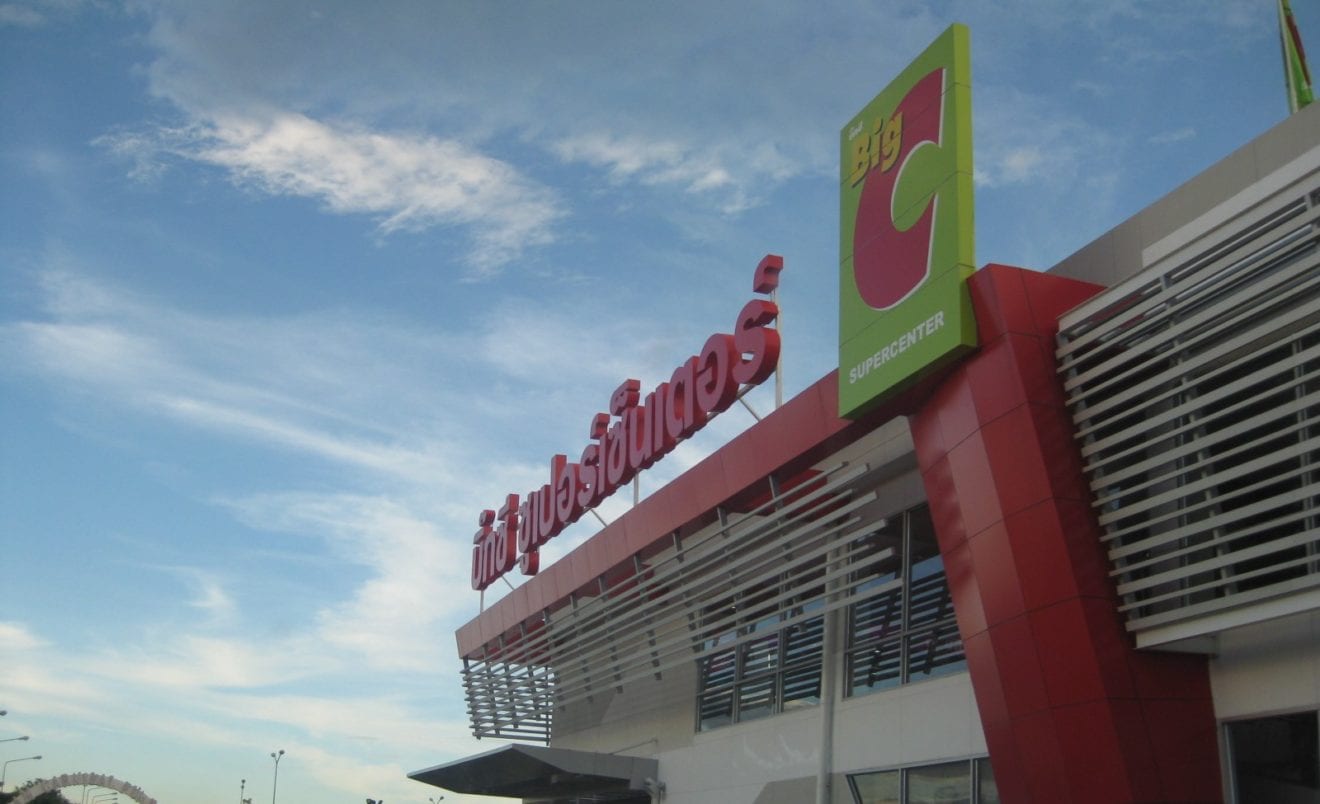
    Berli Jucker Group, the new owners of Big C Thailand, have announced a major expansion plan targeting the regions.

    Big C Supercenter’s board, now controlled by Berli Jucker Group after it bought stakes from Group Casino and Central Group, over recent months, have signed off on a budget of up to THB6 billion (US$168 million) for store expansion.

    New stores are planned for what the company describes as “blue ocean” sites, including border cities and major districts where the brand is not well represented.

    Last weekend, Big C opened its 126th hypermarket, in Ranong, only the first new store this calendar year.  The 4000 sqm store anchors a 10,000 sqm development, aiming to attract 10,000 shoppers a day, most of them Burmese from across the border or living and working in the province. The complex also houses a three-screen Major Cineplex cinema

    Big C Thailand plans to open five more hypermarkets this year, mostly in the south and northeast of the nation. Another three smaller Big C Market stores are planned for the north and 75 mini Big C convenience stores, two thirds of them franchised.

    “BJC will help strengthen Big C via its diversified products and in the area of logistics. It may help the company to speed up its expansion in the future,” said Songsak Wijaithammarit, assistant VP for operations.

    “Our shareholders were impressed by the new major shareholder of Big C, which is Thai.”

    Big C currently operates 125 large format stores (Big C Supercenter, Extra and Jumbo), 55 Big C Market stores, 397 Mini Big C stores (including 164 in Bangchak service stations) and 147 Pure drugstores.

    Big C Supercenter’s operating profit rose 1.2 per cent to THB2.01 billion last quarter on sales down 1.1 per cent to THB 32.8 billion. Same-store sales dropped 2.9 per cent.

  • Babyshop mulls major GCC expansion to reach 270 stores in 2016

    Babyshop mulls major GCC expansion to reach 270 stores in 2016

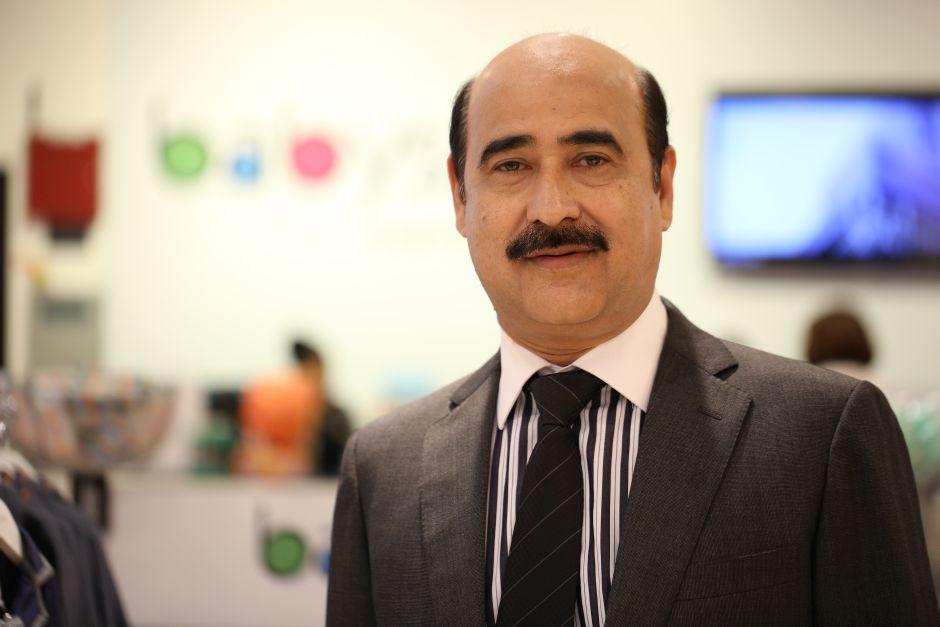
    Babyshop is looking to launch 25 stores in Saudi Arabia alone in two years, says Vinod Talreja, CEO of the retail unit under Dubai-based Landmark Group.

    Retail sector data from various markets, including the US, highlights the current global economic outlook. The markets in the MENA region, the UAE in particular, have already been hit by the dip in tourist flow. What are your projections?

    The retail sector in the MENA region has witnessed strong growth over the years, driven by strong economies, high disposable incomes and increased population, and will continue to see growth in the coming years.

    Having said this, in business, there could be periods where markets and situations could be a little slower than the other highly aggressive times. Such situations only give us retailers the opportunity to fuel innovation and strive even harder, working towards improved business growth using various different channels and activities that are in sync with the objectives of the business. Enhancing value propositions while closely catering to customers’ needs and requirements is one way of dealing with situations such as these.

    At Babyshop, we are continuing to expand. We are a company that has been expanding consistently for the past many years and our growth plans will not be affected by any short-term market challenges, as our business plans are laid out with long-term future strategy in mind.

    In terms of tourism to the region and to the UAE in particular, the upcoming Expo 2020 will definitely propel economic growth, thereby boosting the overall retail sector.

    The emirate is targeting 20 million visitors per year by 2020 and this will clearly have a tremendous impact on the sales of every category, proportionate with this massive number of visitors and thus taking retail to new heights.

    In 2015 alone, Dubai attracted more than 14.2 million overnight visitors, recording a solid 7.5 per cent increase over 2014, which is double the United Nations World Travel Organisation’s (UNWTO) projected three to four per cent global travel growth for the same period.

    These numbers clearly reiterate that the region is geared and well-positioned for the expected huge numbers which in turn will surge sales to significant levels across, thus fostering growth and invigorating the local economy.

    Vinod Talreja, CEO Babyshop

    Babyshop, as well as its parent group Landmark, has an impressive footprint in the GCC. Although it has a few stores in the regions beyond MENA, the presence there is not much felt.

    Is it that the mid-market retailer is not so optimistic about those markets or is it that the “comfort zone” in the home region pulls it back?

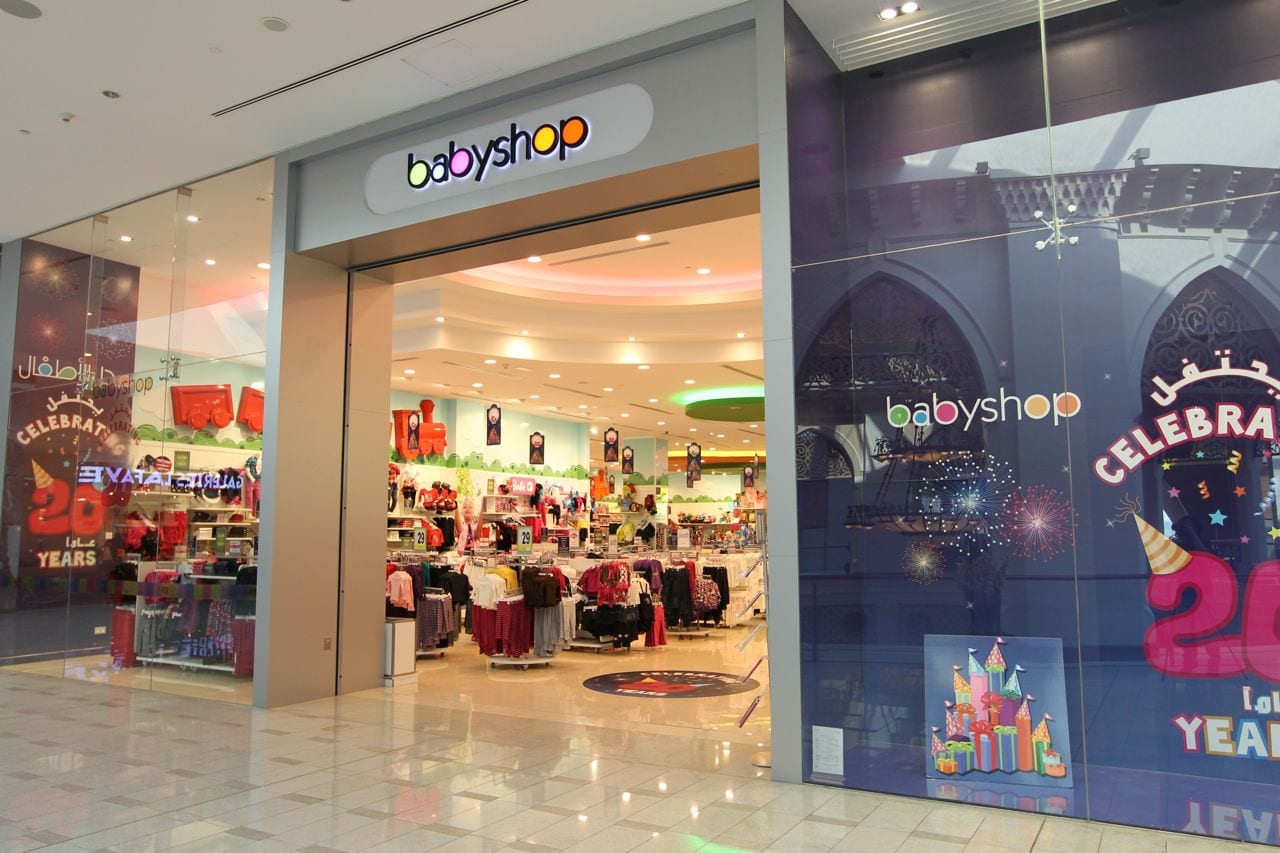
    Babyshop, started in 1973, has 235 stores across 19 countries in the MENA region. The number is expected to reach 270 by end 2016. The brand is also well on track to achieve its target of 300 stores by end 2017, expanding into regions beyond the GCC.

    With a strong retail sector, Saudi Arabia today stands as our largest market, with 116 stores, followed by the UAE with 47 stores. We also have significant presence across the rest of the GCC and Egypt, Jordan, Lebanon, Iraq, Yemen, Libya, Kenya, Nigeria, Tanzania, Pakistan, Thailand and Kazakhstan.

    With a long-term vision of having significant footprint across the world, Babyshop has plans to expand into three new territories in 2017, with a major focus on the GCC, predominantly Saudi Arabia; Africa, with an emphasis on North Africa; and Thailand.

    We are extremely optimistic about our foray into newer markets in the MENA region and beyond, where retail sales are expected to continue and the retail space pipeline remains strong. These markets continue to be hotspots for the growth of retailers at both the regional and international levels.

    In a clear indication of the fundamental role the brand plays, this noteworthy presence of Babyshop and the aggressive expansion plans beyond this region into newer territories confirms its leading position at the frontline of the retail industry.

    What factors do you consider when choosing a new market for entry?

    Entering a new geography is a very important decision any brand can make and requires significant effort and commitment to implement an appropriate entry plan. In fact, target-marketing selection is a key part of our overall strategy at Babyshop and typically involves a significant in-depth analysis to understand various factors.

    Keeping in mind the vision and mission of Babyshop, the key factors that we consider before entering any market are the size of the market, its growth potential, the consumers and their purchase patterns and habits, competition, ease of accessibility to the local residents and, most importantly, the capital investment required to enter the chosen market.

    Is India on the list of new markets that you will be entering as part of your expansion plans, bearing in mind that it is going to be one of the fastest-growing economies this year?

    Our expansion plans set for the coming years are focused on the GCC, Africa and Thailand. These are highly favourable regions, with continued backing and support of the local governments, increased business prospects and growing population.

    As per AT Kearney’s Global Retail Development Index 2015, with a population of 30.8 million in Saudi Arabia, total retail sales grew at a CAGR of 7.7 per cent during 2010-2014 to reach $103 billion. In the next two years, we are looking to launch 25 stores in that market alone.

    India is currently not on the cards; however, with the market being a promising retail segment, we might consider it within our strategy in the future.

    Is franchising in retail by regional brands a new direction that is being witnessed? Landmark is seen to be taking the lead on this. How is Babyshop doing this?

    Franchising in general is just another way of reaching out to larger and booming retail segments, while being able to respond to local tastes, the changing needs of consumers and catering to distinct consumer groups by offering them a different product mix of high-quality products.

    Today, we are present in Nigeria, a market that we tapped into in January 2016 in a franchising model with Artee Group, along with Splash and Lifestyle, the other leading fashion and lifestyle brands of Landmark Group. We also have a presence in Thailand under the same model with Robinson, the exclusive distributor for Babyshop products in the market, as well as in Kenya, where The Junction and Sarit Centre are a franchise held with Deacons, a leading retail company in the East Africa region.

    The fresh approach adopted for the brand has showcased incredible success so far with great consumer feedback garnered. In Thailand alone, we plan to open ten stores over the next year.   We will be continuing to launch in various other regions under the franchising model in the coming years as well.

  • iQor Philippines on Pace for Record Expansion in 2016

    iQor Philippines on Pace for Record Expansion in 2016

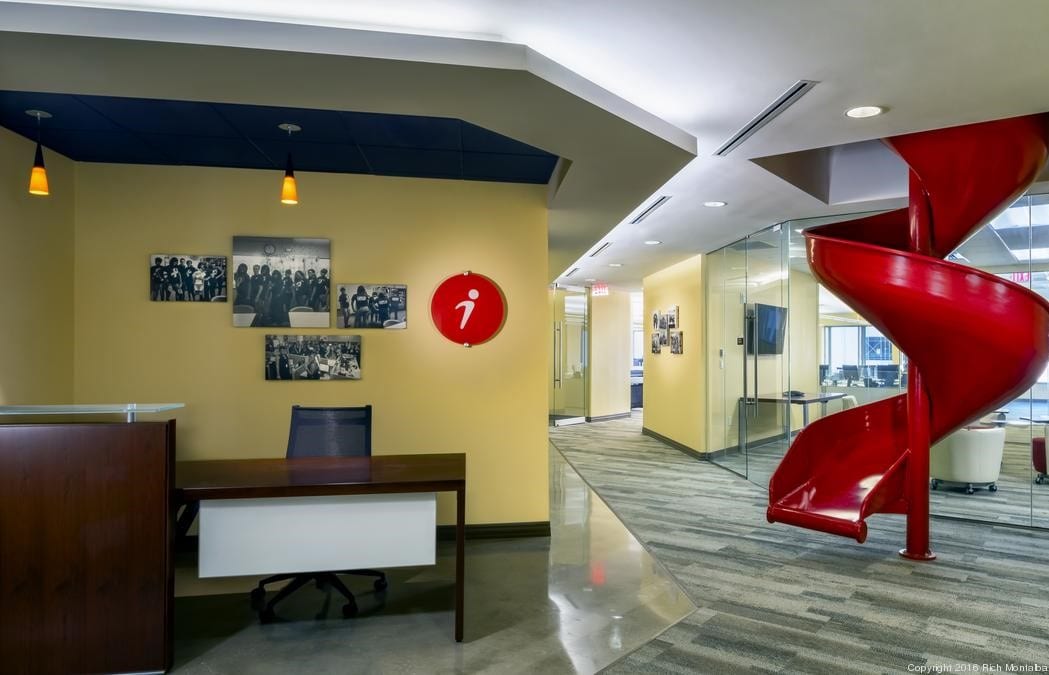
    iQor, a global provider of integrated customer and product support services, today announced that the company has embarked on a significant expansion initiative that will add over 175,000 square feet of additional contact center space across the Philippines. Upon completion, the company will add an additional 3,150 high-tech training and production workstations.

    “The Philippines is a tremendous market for us. As one of the first movers, we’ve continued to invest in the region and have been able to continue to raise the bar in performance,” says Gary Praznik, iQor’s COO, Retail and Consumer Services. “Our growth can be traced directly back to the hard work and dedication of our entire Philippines family.”

    “Recognition of who we are and what we offer is really resonating with clients, employees, their family and friends,” adds Saurabh Bhaskar, iQor SVP of Operations, Philippines. “One of the most attractive opportunities within our company is our customer service leadership training. Recently, iQor was recognized by HR.com as having the top Call Center Leadership Training Program for 2016. Joining iQor means you have direct access to the best Call Center Leadership Training in the industry. For those interested in Customer Interactions such as customer care, social media support and collections, there is no better place to work and improve your career.”

    iQor opened its Philippines Operation in 2005. Recent expansion sites include; SM Mall Clark (2016), Robinsons Mall Dasmarinas (2015) and SM Mall Dasmarinas (2014). Today, iQor Philippines has over 12,000 employees across the region supporting a variety of customer interactions including; customer care, social media, collections and technical support. iQor Product Support Services division has helped expand relationships into the world’s top consumer electronics, retail and telecom companies.

    There has never been a better time to join iQor!


  • Christian Dada Singapore opens flagship

    Christian Dada Singapore opens flagship

    Japanese fashion label Christian Dada has opened its first flagship store in Singapore at the 268 Orchard Road mall.

    Fumiko Takahama Architects designed the interior of the 1700 sqft (157.9 sqm) Christian Dada Singapore boutique, inspired by the Japanese karesansui garden (rock garden). Sheets of black perforated metal are folded, origami-style, to resemble rocks.

    Christian Dada Orchard road

    Founded in 2010 by designer Masanori Morikawa, the Christian Dada label is known for its deconstructed designs. He uses traditional Japanese silk-weaving techniques and the 8th- century yuzen dyeing method, commonly done by hand and used for kimonos and coats.

    Prices range from S$70 (US$51.42) for a bandana to $4620 for a jacket with rabbit-fur collar.